
There is a moment in every relocation when boxes feel easy. Then you look at the sofa. The wardrobe. The fragile dining table that survived three flats and one heartbreak. Suddenly, the move becomes personal.
If you are moving furniture to France, you do not just want transport. You want your furniture to arrive unscarred, on time, and without that sick feeling that something will crack on the motorway.
This guide gives you fast answers first, then a clear plan. If you want a quote for your route, start here: Removals to France
TL;DR: 7 fast answers
- Moving furniture to France costs depend most on route length, volume, access, and protection level, not just kilometres.
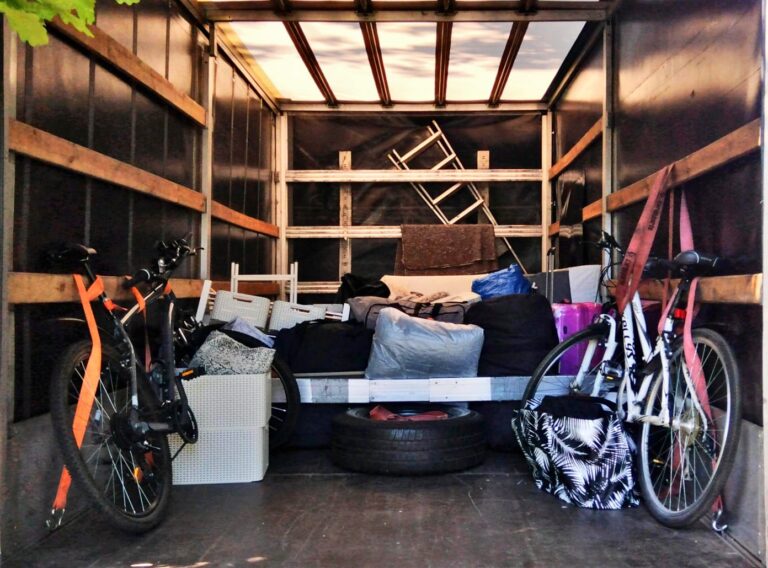
- Furniture usually “grows” after wrapping. Extra padding, blankets, and corner protection can add 10% to 20% to the real space needed.
- Stairs, long carry, and difficult parking can add about 10% to 30% because labour time rises quickly.
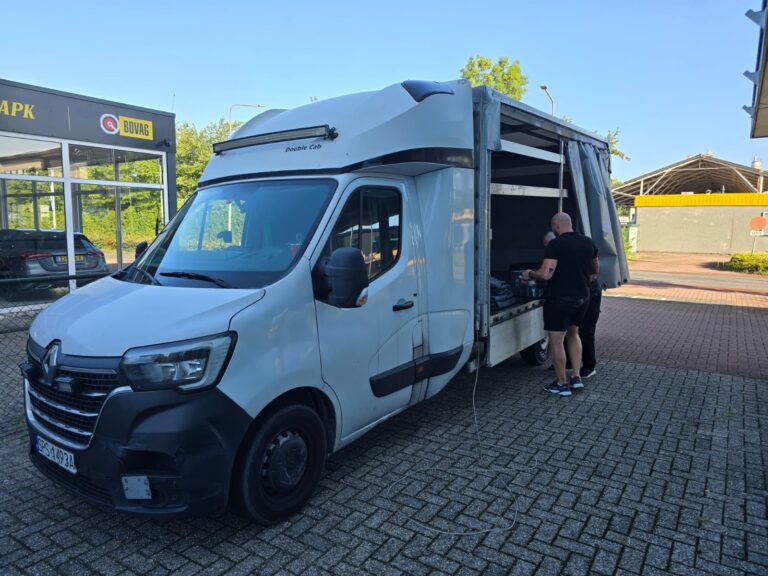
- A man and van setup is ideal for partial loads, flexible dates, and tight city streets where larger vehicles struggle.
- Delicate finishes, glass, marble, and antiques need separation and extra care, which can affect the quote and the vehicle size.
- For non EU moves, including the UK, customs paperwork can add time, so your inventory and documents should be ready early.
- The fastest accurate quote comes from photos plus a simple bulky item list with quantities, then you can lock the plan.
What “moving furniture to France” really means
Moving furniture to France can be a full furniture set, a few favourite pieces, or furniture plus a small number of boxes. The common thread is that the items are bulky, awkward, and easier to damage.
It usually falls into one of these real life situations:
- You are moving into a furnished home and bringing only the pieces that make it feel like yours.
- You are relocating in phases and sending furniture first, then arriving later with suitcases.
- You are moving a home office setup and want desks, monitors, and chairs delivered safely.
- You are transporting sentimental items, antiques, or fragile pieces that need serious protection.
- You are upgrading your life in France and bringing key furniture from your current home.
The goal is safe transport, not just fast transport. Speed matters, but protection, access planning, and the right vehicle choice are what make moving furniture to France feel secure.
If you are moving mainly furniture, a specialist service can keep everything focused and protected: Furniture Removals.
How much does it cost when moving furniture to France
Prices vary because every move is a different mix of route, access, and item risk. Still, you deserve a real budgeting frame that feels usable, not vague.
Below are indicative ranges for moving furniture to France based on common load sizes. Use them to plan. Then tighten the figure with photos and access notes.
| Move type | Example load | Typical volume | Indicative range |
|---|---|---|---|
| Single item | sofa or bed | 2 to 5 m3 | €250 to €900 |
| Small set | sofa, table, a few boxes | 5 to 10 m3 | €500 to €1,600 |
| Furniture for 1 bed | bed, wardrobe, sofa | 10 to 15 m3 | €900 to €2,400 |
| Partial household | key furniture pieces | 15 to 30 m3 | €1,600 to €4,200 |
A sharper way to budget in 3 steps
If you want a fast estimate that matches real life, do this.
- Write your furniture list with quantities.
- Add access notes for both addresses: floor, lift, stairs, and parking distance.
- Add 10% to 20% “protection space” because wrapped furniture takes more room than you think.
That simple method keeps moving furniture to France costs closer to the final quote.
What can increase the price quickly
Furniture moves have two hidden costs. Handling time and protection time.
- Handling time rises with stairs, long corridors, and long carry from the van.
- Protection time rises with glass, marble, lacquer finishes, and awkward shapes.
Why a range, not one number? Because access and protection change the time spent handling your items. A tight staircase can add an hour. A city centre parking restriction can add another. That is why moving furniture to France quotes often tighten once you share photos and access notes.
Typical add ons that change the experience
These are not “extras for the sake of it.” They are upgrades that reduce risk.
| Add on | Best for | Typical effect on total |
|---|---|---|
| Packing and protection | fragile surfaces, glass, electronics | +5% to +15% |
| Disassembly and reassembly | beds, wardrobes, large tables | +5% to +15% |
| White glove handling | antiques, marble, lacquer, high value items | +10% to +25% |
| Storage | key delays, staggered move in dates | depends on duration |
If your move is mostly furniture, a focused service can keep costs clean and protection high: Furniture Removals.
If you want your route priced accurately, start here: Removals to France
The price drivers that change quotes fast
If you understand these drivers, you can control your moving furniture to France costs instead of reacting to them.
1) Distance and route complexity
Distance is not only kilometres. It is also tolls, traffic patterns, and delivery constraints.
- Long routes can add tolls and fuel costs.
- Major cities can add time because parking and loading are slower.
- Narrow streets and restricted zones can increase carry distance.
2) Volume and shape
Furniture behaves bigger once wrapped.
A chair stack might look small, but once padded, it needs breathing space. A glass table needs protected edges and separation, which increases the real volume. That is why moving furniture to France is rarely just the size of the item.
A useful rule: add 10% to 20% space for protection. Add more if you have glass, marble, or delicate finishes.
3) Access at both addresses
Access is the silent budget killer.
- No lift can increase labour time quickly.
- Long corridors and tight turns slow handling.
- No legal parking can force a long carry.
When access is hard, moving furniture to France costs can rise by 10% to 30% because time rises.
4) Service level
Service level is a choice. Lower cost today or lower risk overall.
- Packing and protection can reduce damage risk.
- Disassembly can prevent breakage and reduce awkward handling.
- White glove delivery is ideal for delicate finishes and high value items.
If you want professional packing, use Packing Service. If you need extra care, choose White Glove Delivery.
5) Timing
Flexibility can reduce cost. Midweek moves are often calmer. End of month and peak season dates can be busier.
A simple rule: if you can offer a 48 to 72 hour window, your moving furniture to France quote may be easier to optimise.
Mini table: cost levers and typical impact
| Cost lever | What changes | Typical impact |
|---|---|---|
| Stairs and no lift | slower handling | +10% to +30% |
| Long carry distance | more labour time | +5% to +20% |
| Extra protection needs | more materials and space | +5% to +15% |
| Disassembly required | more labour, less risk | +5% to +15% |
| Peak dates | higher demand | +5% to +25% |
Choose the right VANonsite vehicle size
Vehicle choice is one of the cleanest ways to control moving furniture to France costs. Too small and you risk a second trip. Too tight and you increase damage risk, especially for corners, legs, glass, and delicate finishes.
If you are between sizes, go one size up. Space protects furniture. It also speeds loading, because movers do not have to “fight the puzzle” to make everything fit.
| Vehicle | Volume | Max load | Best for furniture moves |
|---|---|---|---|
| Moving One | 1 m3 | 100 kg | tiny essentials only |
| Moving Basic | 5 m3 | 300 kg | a few pieces, student loads |
| Moving Medium | 10 m3 | 500 kg | bed, desk, compact sofa |
| Moving Premium | 15 m3 | 1,100 kg | 1 bed furniture set |
| Moving Premium Plus | 30 m3 | 3,500 kg | multiple bulky items |
| Moving Full House XXL | 90 m3 | 20,000 kg | large relocations |
Fast vehicle choice guide by item type
Use this as a quick shortcut when you are moving furniture to France and you need a realistic starting point.
| What you are moving | Usually fits best | Why it works |
|---|---|---|
| Sofa plus mattress plus 10 to 15 boxes | Moving Medium or Moving Premium | protection space for upholstery and corners |
| Bed, wardrobe, desk, chair set | Moving Premium | awkward shapes plus disassembly bags |
| Sofa, dining table, 6 chairs, TV unit | Moving Premium or Moving Premium Plus | table edges and chair legs need separation |
| Multiple wardrobes, big sofa, kitchen bits | Moving Premium Plus | volume jumps once items are wrapped |
These are not promises. They are practical starting points. The final choice depends on item size and access.
A simple sizing rule you can use today
- Write your bulky list with quantities.
- Add fragile items that need separation.
- Add 10% to 20% breathing space for wrapping and safe stacking.
If your list includes a large sofa, a wardrobe, and a dining table, you will usually want enough volume to avoid pressure on corners and edges.
The three measurements people forget
These quick checks prevent last minute surprises.
- Doorway width: measure the tightest doorway for the biggest item.
- Stair turns: check the sharpest corner, especially for sofas and wardrobes.
- Lift size: even if you have a lift, it may not fit bulky items.
If access is tight, disassembly becomes your secret weapon. It can reduce risk and keep moving furniture to France smoother.
When a man and van option is perfect
A man and van move is perfect for partial loads, smaller homes, and city addresses where larger vehicles struggle.
It is also a great fit when:
- You are moving only the essentials plus a few key furniture pieces.
- You want flexible scheduling.
- You need nimble access for tight streets.
- You want a calmer delivery window with less waiting.
A well planned man and van setup can make moving furniture to France feel fast and safe at the same time.
If your move is furniture heavy, you can also keep the service focused here: Furniture Removals.
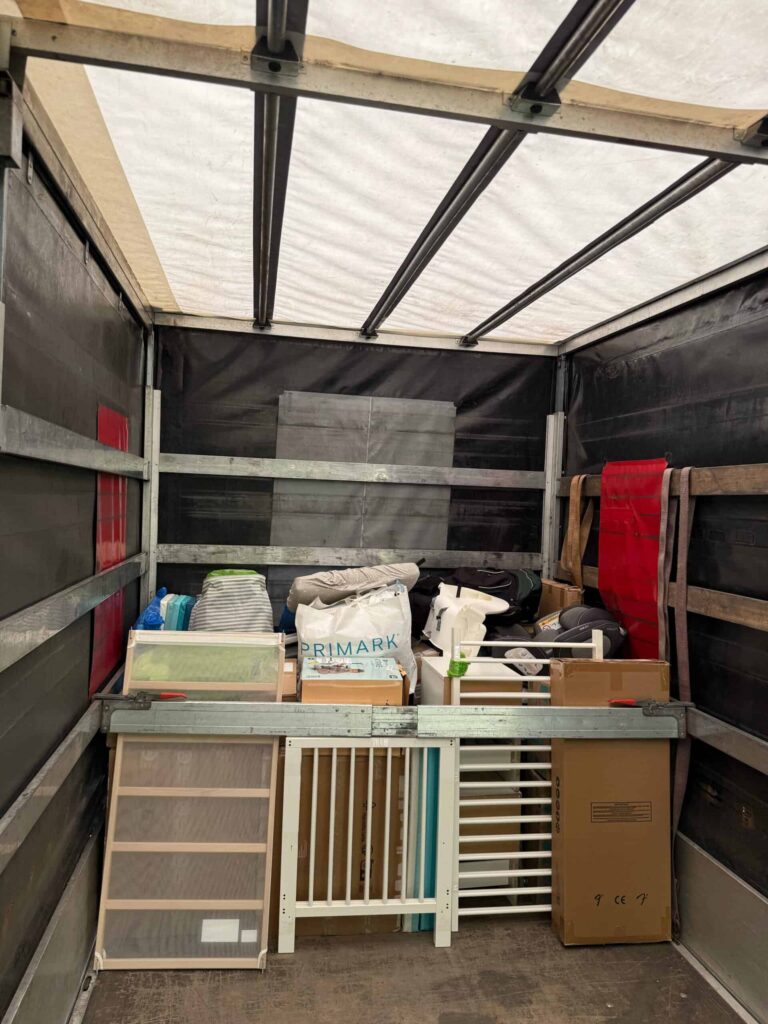
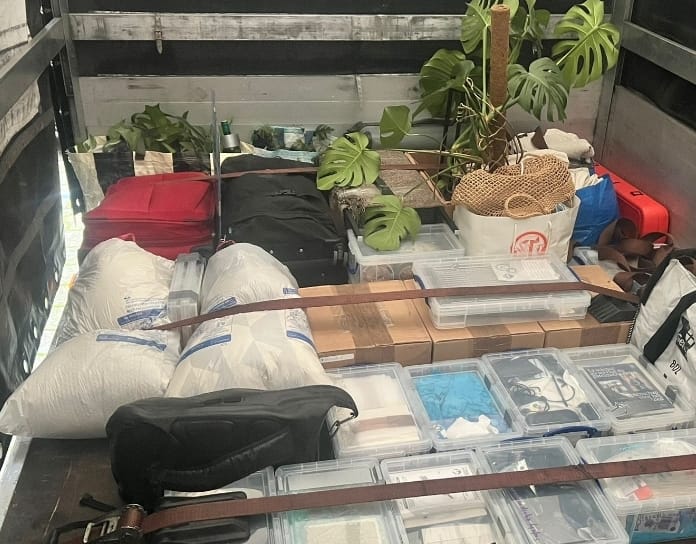
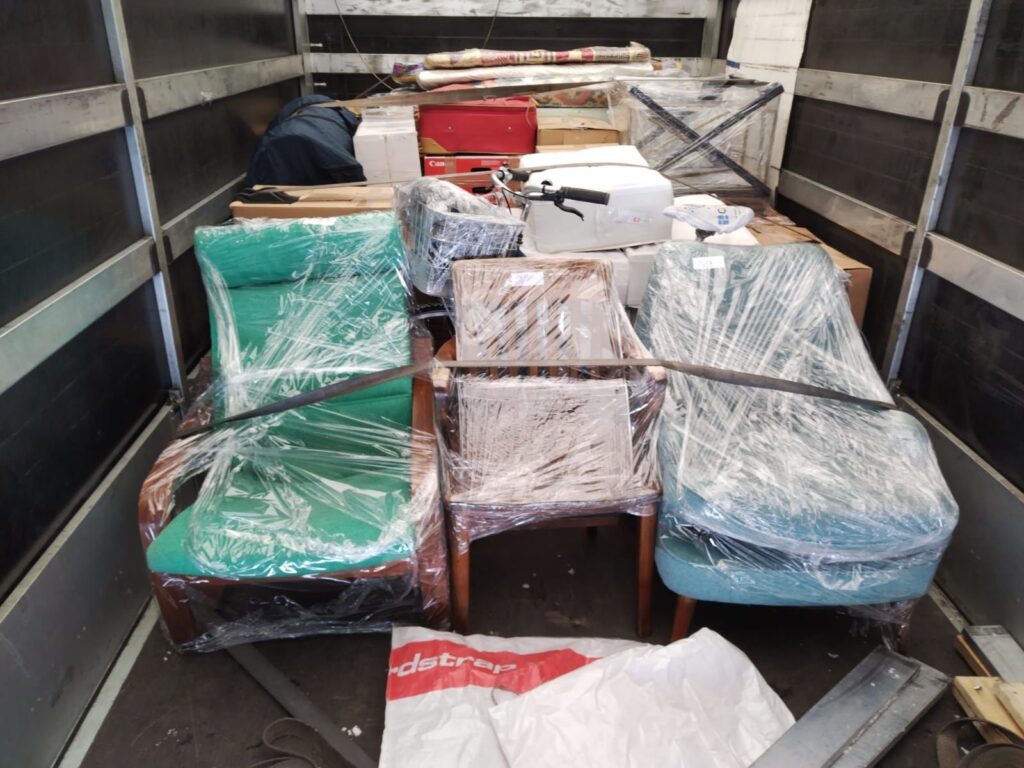
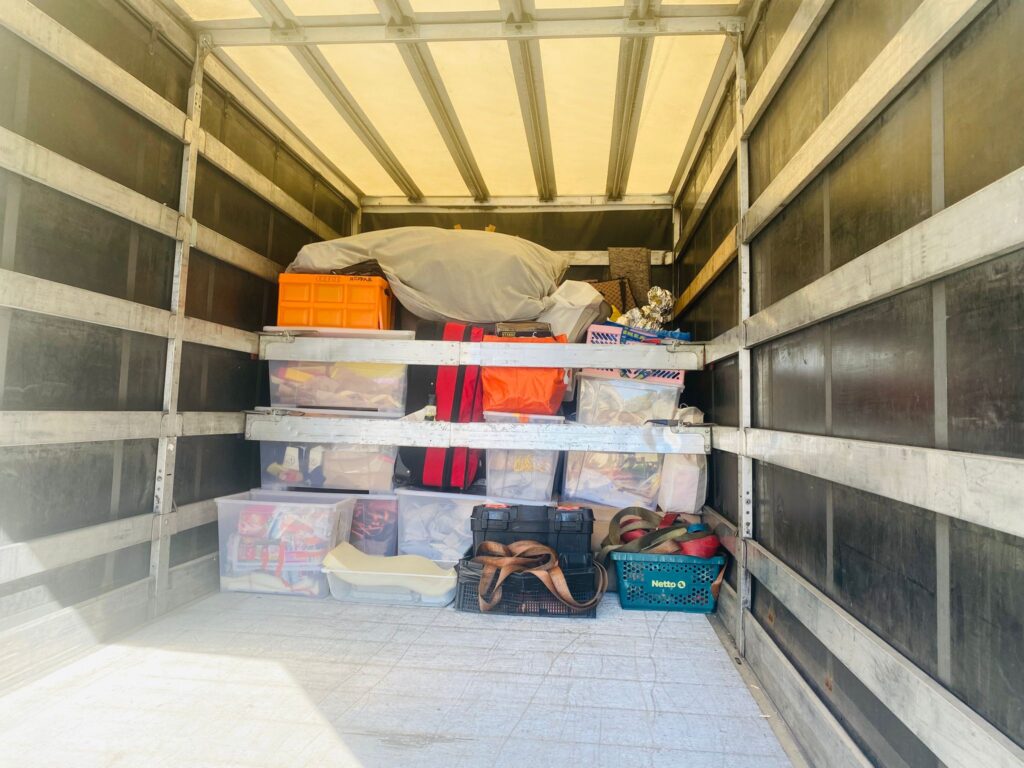
Packing and protection for furniture
Furniture damage is what people fear most. And that fear is rational.
A scratch on a cheap shelf is annoying. A crack in a marble top is a gut punch. When you are moving furniture to France, protection is not a luxury. It is the difference between relief and regret.
Why padding and space matter
Furniture fails at touch points. Corners. Edges. Legs. Handles. Anything that can catch, rub, or carry weight.
Protection works best when you combine two ideas:
- Padding at touch points
- Space around fragile surfaces
If you remove pressure, you remove damage. Simple as that.
Materials that actually help
| Material | Best for | Quick tip |
|---|---|---|
| Moving blankets | wood, upholstery | protect corners and edges first |
| Stretch wrap | sofas, drawers | keeps fabric clean and tight |
| Bubble wrap | glass, lamps | wrap, tape, then label clearly |
| Corner protectors | tables, frames | stops chips on edges |
| Mattress cover | mattresses | protects from moisture and dirt |
| Cardboard sheets | table tops, mirrors | adds stiffness and shields surfaces |
Protection level: pick the right one
Not every piece needs the same treatment. Use this quick match.
| Item type | Minimum protection | Best protection |
|---|---|---|
| Upholstered sofa | blanket plus stretch wrap | blanket, corner protection, separation space |
| Dining table | blanket on edges | edge guards, cardboard top shield, separation |
| Wardrobe | blanket on corners | disassembly plus labelled hardware bags |
| TV and monitors | original box if possible | double box, corner protection, upright labels |
| Glass or marble | bubble wrap plus blankets | white glove handling and separation |
Quick protection tips that save furniture
- Remove table legs when possible and bag the screws.
- Wrap chair legs so they do not scuff other items.
- Protect lacquer surfaces with blankets first, then stretch wrap.
- Keep glass separate. Never press it between heavy items.
- Keep heavy items low. Keep fragile items away from pressure points.
- Label fragile boxes on two sides, not just the top.
The packing order that prevents chaos
If you are moving furniture to France with boxes too, pack in this order:
- Heavy and stable pieces first, like wardrobes and solid furniture bases.
- Upholstery next, with blankets between items.
- Table tops and fragile surfaces, separated and shielded.
- Boxes last, with heavy boxes at the bottom and lighter ones on top.
When to choose professional packing and white glove handling
If you have glass, marble, antiques, or high value pieces, professional protection can be a smart choice. It reduces risk, speeds handling, and keeps the move calmer.
For expert protection, see Packing Service and White Glove Delivery.
Disassembly and reassembly: when it saves money
Disassembly can feel like extra work, but it often reduces risk and avoids awkward handling. That protects both your items and your timeline.
It can also lower the “real” volume of a load. A wardrobe that is too wide becomes manageable when broken into flat panels. A table that looks harmless becomes a corner magnet until the legs are removed.
Disassembly is usually worth it for:
- beds and bed frames
- wardrobes and large cabinets
- large dining tables
- modular sofas
- desks with glass tops
- shelving units that rack or wobble
When disassembly is a must
If you are moving furniture to France and any of these are true, plan to disassemble.
- The item only fits through the doorway at an angle.
- Stair turns are tight and you already know the piece will scrape.
- The item is heavy but fragile, like glass panels or mirror doors.
- The piece has weak joints and could twist in transit.
Hardware checklist
Use a simple system so nothing disappears.
- One labelled bag per item.
- Tape the bag to the item or pack it in a clearly labelled box.
- Photograph the item before disassembly.
- Label left and right parts where it matters.
The “rebuild in 10 minutes” kit
Keep this kit separate so you do not hunt for it on arrival.
- Allen keys and a small screwdriver set
- a marker pen and painter’s tape
- zip bags for screws
- one small box labelled “hardware, priority 1”
Disassembly tip that saves damage
Wrap panels and legs individually, then stack them flat with blankets between. Flat stacks travel better than loose parts, and they reduce pressure on corners.
This small discipline can make moving furniture to France feel smooth, especially on delivery day.


Documents and customs for moving furniture to France
If you are moving within the EU, the process is often simpler. If you are moving from outside the EU, including the UK, customs can add steps. Either way, the best move is to prepare early, so your moving furniture to France plan stays calm.
Rules vary by situation, so always confirm on official sources.
Official references:
- French Customs, moving home: https://www.douane.gouv.fr/particuliers/vous-demenagez
- France visas: https://france-visas.gouv.fr/
- Service Public: https://www.service-public.fr/
EU moves: what usually matters
For many EU relocations, the paperwork is lighter, but your organisation still matters. A clear inventory and clean access notes help prevent delays and confusion.
Prepare:
- ID documents
- Proof of address or accommodation
- Inventory list for furniture and any boxes
A practical tip: keep one digital folder and one printed folder. Aim for 2 printed sets.
Non EU moves, including the UK: what can slow things down
For non EU routes, customs checks can add time. The fastest way to avoid friction is to make your documents and inventory unmistakably clear.
Common pain points that slow moving furniture to France:
- incomplete inventories
- unclear ownership or purpose of items
- missing address proof or travel related documents
- last minute changes to the item list
Core checklist
For moving furniture to France, prepare:
- ID documents
- Proof of address or accommodation
- Inventory list for furniture and any boxes
- Receipts for high value items if applicable
Inventory that customs and movers actually like
A vague list slows everything down. A clear list makes moving furniture to France feel frictionless.
Use this simple format:
| Item | Quantity | Material | Notes |
|---|---|---|---|
| Sofa | 1 | fabric | 3 seater, legs removed |
| Dining table | 1 | wood | legs removed, top protected |
| Chairs | 6 | wood | wrapped, stacked |
| Wardrobe | 1 | MDF | disassembled into panels |
If you have art, marble, glass, or antiques, list them separately with extra notes.
High value and fragile items: list them on a separate line
If an item would hurt to replace, make it impossible to miss.
Examples:
- marble table top, 1 piece, very fragile
- glass panels, 2 pieces, upright handling
- antique cabinet, 1 piece, delicate joints
This makes handling safer and keeps moving furniture to France smoother.
When receipts matter
Receipts are most useful for items that are high value, new, or hard to price quickly. If you do not have receipts, a short description and photos can still help.
Items you should never pack in the van
To avoid problems on the route, keep these with you:
- passports and key documents
- cash, jewellery, small valuables
- laptops, cameras, hard drives
- medicines
It is simple. If you cannot replace it easily, do not put it in the load.
One more practical folder rule
Put your document folder in your carry bag, not in the van. It sounds obvious, but it is the kind of obvious thing people forget when the hallway fills with boxes.
Delivery day access in France: parking, stairs, and city rules
Access planning reduces stress and cost because it reduces wasted time.
If you are moving furniture to France into a city, assume parking will be a factor. Paris, Lyon, Marseille, Bordeaux and many other areas can be strict or simply crowded.
Why access changes your timeline
Furniture is slower than boxes. One awkward wardrobe can take longer than 20 cartons, especially if there are tight turns or no lift.
If you want moving furniture to France to stay on schedule, plan for:
- where the van can stop
- how far the carry will be
- whether bulky items fit in the lift
- the sharpest stair corner
How to prepare
- Reserve a loading space if possible.
- Measure lifts and doorways.
- Confirm stair turns for bulky items.
- Share gate codes, intercom names, and any time restrictions.
Street and building details that save time
Small details can save 30 to 60 minutes on the day.
- best place to park and unload
- any bollards, gates, or security desks
- building quiet hours or loading rules
- narrow road warnings and turning space
Access notes template you can copy
Copy this into a message when requesting a quote.
- Pickup: floor, lift yes or no, stairs count, parking distance in metres
- Delivery: floor, lift yes or no, stairs count, parking distance in metres
- Street notes: restrictions, narrow road, permit needed, best parking spot
- Bulky risks: tight stair turn, low doorway, fragile surfaces
Clear access notes keep moving furniture to France predictable.
Timeline: a calm plan from 30 days to move day
A good move feels calm because decisions are made early. Use this timeline to make moving furniture to France feel controlled, even if your schedule is busy.
45 to 30 days before: build the plan, not the stress
This is where you save money and prevent last minute panic.
- Choose dates and a flexibility window of 48 to 72 hours if possible.
- Create your bulky item list with quantities.
- Take photos of the biggest items and any fragile finishes.
- Decide what needs disassembly and what must stay upright.
A smart extra step is measuring the tight points. Doorways, stair turns, and lift size. It takes 10 minutes and can save hours.
21 days before: lock access and avoid delays
Most time losses happen at the front door, not on the motorway.
- Confirm parking rules and building access at both addresses.
- Check if you need a reserved loading spot or a time window.
- Inform your building management if there are quiet hours or lift bookings.
If you are moving furniture to France into a city, treat parking like a task, not a hope.
14 days before: start protecting the pieces you love
Now you reduce risk and make move day faster.
- Buy packing materials and protection gear.
- Start wrapping items you will not use daily.
- Begin disassembly for non essential furniture.
- Create a clearly labelled hardware box.
If you have glass, marble, or delicate finishes, plan separation space. Protection without space is not protection.
10 to 7 days before: turn chaos into order
This is where organisation starts to feel real.
- Wrap furniture properly and label fragile items on two sides.
- Label hardware bags and tape them to the matching item.
- Confirm access details again, including gate codes and intercom names.
- Stage protected items near the exit, not scattered around the home.
72 hours before: protect your essentials and your documents
At this point, keep the load clean and your mind calmer.
- Prepare your document folder and keep it with you.
- Pack an essentials bag: chargers, toiletries, basic tools, medication.
- Take final photos of fragile items and high value pieces.
- Create a “do not load” zone for personal items.
24 hours before: make move day boring
Boring is the goal. Boring means smooth.
- Charge phones and power banks.
- Confirm the pickup window and the best parking point.
- Clear hallways and remove trip hazards.
- Place keys, documents, and essentials in one bag.
Move day: a simple flow that keeps furniture safe
If you are moving furniture to France, the move day win is giving furniture space and giving people clarity.
- Keep one room clear for safe handling.
- Assign one person as the access lead.
- Walk the route from van to door and remove obstacles.
- Check items on arrival, then relax. You earned it.
Quick final checklist table
| Task | Done |
|---|---|
| Access lead assigned | ☐ |
| Parking point confirmed | ☐ |
| Hardware box separated | ☐ |
| Fragile items labelled on two sides | ☐ |
| Document folder in carry bag | ☐ |
How to get an accurate quote in 60 seconds
If you want fast, accurate pricing for moving furniture to France, send details that remove guesswork. Guesswork is what creates wide ranges.
Send this info
- Pickup and delivery postcodes
- Floor number at both addresses
- Lift yes or no, plus lift size if it is small
- Stairs count if there is no lift
- Parking notes and estimated carry distance in metres
- Item list with quantities
- Any fragile finishes: glass, marble, lacquer, antiques
- Preferred dates and your flexibility window
Copy and paste item list template
- Sofa: 1
- Dining table: 1
- Chairs: 6
- Wardrobe: 1
- Bed frame: 1
- Mattress: 1
- TV unit: 1
- Boxes: 12
Photos that make the quote sharper
Send 5 to 10 quick photos:
- the biggest items
- the staircase or lift entrance
- the street outside showing parking options
- any fragile surfaces like glass or marble
Quick sizing tip
Add 10% to 20% breathing space for protection and safe stacking. Wrapped furniture always needs more room than you expect.
The fastest way to get your quote
Start here: Removals to France
Why VANonsite for moving furniture to France
When you move across borders, uncertainty is expensive. It steals time. It drains energy. And it turns a simple delivery into a week of tense phone checks.
VANonsite keeps moving furniture to France calm and controlled. Your load is protected with care, moved with speed, and tracked with clarity.
The difference you feel on move day
- GPS tracking for every load so you always know where your furniture is
- Safety first handling that protects corners, legs, glass, and delicate finishes
- Flexible scheduling that fits key handovers and real life timing
- A responsive man and van approach for partial loads and tight city access
Why GPS tracking matters for furniture
Furniture moves are emotional. Your sofa is not just a sofa. It is movie nights, guests, naps, and home. GPS tracking keeps the story simple.
- You can plan arrival without guessing
- You can coordinate parking and access with confidence
- You get fewer surprises, which means fewer delays
Built for furniture heavy moves
If you are moving furniture to France and your load includes fragile surfaces, big shapes, or awkward access, the right service choice protects your budget.
| What can go wrong | What it costs | What prevents it |
|---|---|---|
| Last minute delays | extra nights, missed handovers | clear planning plus GPS visibility |
| Scratches and cracks | repair or replacement | careful handling plus strong protection |
| Second trip | extra transport cost | correct vehicle sizing |
| Stress spiral | lost time and patience | structured process and updates |
Related services that fit furniture heavy moves
If you want moving furniture to France to feel safer, choose a service built for protection, not just speed. Then lock your quote and your dates.
Start here: Removals to France
FAQ: moving furniture to France
How much does it cost when moving furniture to France?
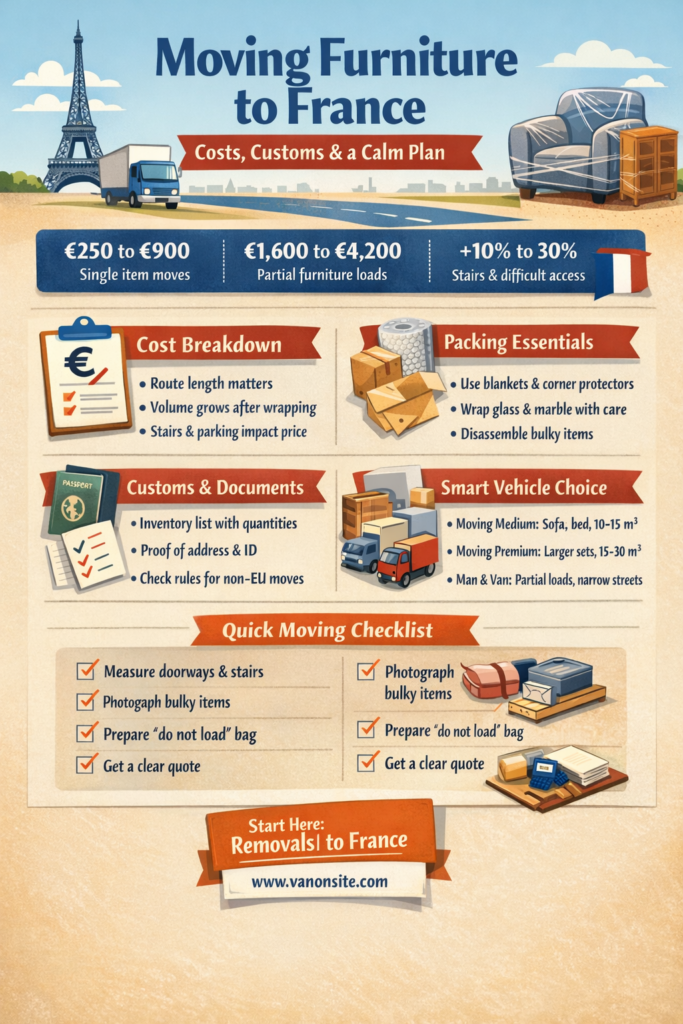
Single item moves often sit around €250 to €900. A partial household furniture load commonly lands around €1,600 to €4,200 depending on route, access, and protection level.
What is the fastest way to get an accurate price?
Send your postcodes, floor and lift details, parking distance in metres, a simple item list with quantities, and 5 to 10 photos of the biggest pieces. That makes moving furniture to France quotes sharper.
Can you move a sofa and a bed only?
Yes. A man and van setup is ideal for a sofa, a bed, and a few boxes. It is also great when access is tight or you want flexible dates.
Do you offer packing and white glove handling?
Yes. Use Packing Service for protection and speed. Add White Glove Delivery for delicate finishes and high value items.
What documents do I need for non EU moves?
It depends on your situation. Confirm using official guidance from French Customs: https://www.douane.gouv.fr/particuliers/vous-demenagez
How long does delivery take?
It depends on distance, access, and scheduling. Many moves are planned within a 1 to 3 day window. Longer routes or complex city deliveries can take longer.
Is man and van suitable for cross border moves?
Yes. A well planned man and van move is a strong choice for partial loads, city access, and flexible dates.
How does GPS tracking help?
It reduces stress. You can coordinate keys, parking, and arrival because you can follow progress, not guess.
What is the safest way to move glass and marble?
Protect edges, keep surfaces separate, add padding at touch points, and avoid pressure from heavy items. If it must arrive flawless, choose White Glove Delivery.
Summary and next step
Moving is never just logistics. It is trust, timing, and the quiet hope that your favourite pieces arrive exactly as they left.
If you are moving furniture to France, the cost is shaped by four big levers: route distance, real volume after wrapping, access at both addresses, and the protection level your items need. Plan for furniture to “grow” by 10% to 20% once padded, and remember that stairs, long carry, and tough parking can add about 10% to 30% because handling takes longer.
To keep the move smooth, build a simple system. Create a clear inventory with quantities. Measure doorways, stair turns, and lifts. Disassemble bulky items when access is tight. Protect corners and fragile surfaces, especially glass, marble, lacquer, and antiques. Then send a quote request with postcodes, access notes, and 5 to 10 photos of the biggest pieces.
If you want a calmer move with GPS tracking for every load and a flexible man and van option, start with a quote here: Removals to France