
Moving to France can feel like stepping into a new film. Softer mornings. Better bread. Streets that invite you to walk instead of rush.
Then the real plot arrives. Paperwork. Deposits. Tight staircases. Customs rules. The practical question of how to get your life from A to B without damage, delays, or drama.
If you are searching moving to France, you want clarity. You want a guide that answers fast, speaks plainly, and still feels alive. This is it.
You will learn what matters most for moving to France, from documents and budgets to packing, vehicle size, and the first week after arrival. You will also see where a reliable man and van can be the smartest route for speed and flexibility, especially on cross border moves.
If you already know your dates, start here: Removals to France.
TL;DR
- Start moving to France with legal clarity: confirm visa and admin requirements early
- Budget for deposits and setup costs, then add a 10% buffer
- Choose your region based on daily life, not just aesthetics
- Create a photo inventory for speed, safety, and smoother claims
- Pick the right vehicle size so you avoid extra trips and stress
- Pack for real roads, or use a packing service for fragile items
- Choose a mover with GPS tracked loads to stay in control
Quick checklist for moving to France
The fastest way to feel calm about moving to France is to follow a simple sequence. It turns a big life change into small, winnable steps.
- Confirm legal status and visa pathway
- Set your budget and add a 10% contingency
- Choose your destination and timeline
- Book transport early, especially in peak season
- Build an inventory with photos
- Decide what you sell, donate, store
- Prepare your rental folder
- Plan packing and fragile item protection
- Check customs guidance for your route
- Plan your first 7 days admin sprint
If you want a quick win today, book transport and start the inventory. Those two steps make moving to France feel real, and controllable.
Mini checklist you can finish in 30 minutes
- Open a notes file and list every large item you own
- Take 15 photos of valuables and fragile items
- Choose a target move week and a backup week
- Shortlist your mover or man and van option
That is how moving to France stops feeling abstract.
Where to live in France: city, coast, countryside
One underrated truth about moving to France is that France is not one lifestyle. It is many.
Paris is intense and magnetic, but space is tight and buildings are older. Lyon often feels balanced: big enough for opportunity, calm enough for breathing room. Bordeaux is elegant, with a slower rhythm. Coastal towns can be restorative, but seasonality matters. Rural life can be dreamy, but you need realistic transport and services.
Here is the most honest shortcut for moving to France: choose your location based on your Monday, not your holiday.
A quick reality map by lifestyle
| You want… | Cities and regions that often fit | The trade off |
|---|---|---|
| Big career energy | Paris, Île-de-France | Smaller flats, tighter parking, higher pressure |
| Balanced city life | Lyon, Nantes, Toulouse | Still competitive rentals in popular areas |
| Wine and calm polish | Bordeaux and nearby towns | Some areas surge in summer demand |
| Sea air and slower pace | Brittany coast, Atlantic coast towns | Seasonality, fewer year round rentals |
| Mountains and seasons | Alps, Pyrenees | Winter access, weather planning |
| Space and quiet | Countryside villages | Car reliance, longer admin journeys |
Ask yourself questions that match real life
- Do I need a daily commute, or do I work remotely?
- Do I want walkability, or space?
- Do I need a lift, parking, or storage?
- Will my route include narrow streets or restricted access?
- Do I have bulky furniture that will hate tight staircases?
Those answers influence everything about moving to France, including whether a man and van is a better fit than a larger vehicle.
City centre moves: the details that change everything
City centres can be gorgeous. They can also be unforgiving.
Common constraints you should plan for during moving to France:
- Narrow stairwells and sharp turns, especially in older buildings
- Limited lift access, or no lift at all
- Tight parking and timed loading windows
- Higher risk of needing staged delivery or storage
If your building access is tight, a man and van often wins because it is more agile. It can also reduce waiting time when streets are busy.
Seasonality that changes price and availability
- Summer moves are often busier
- End of month dates can fill up faster
- Winter moves can be quieter, but weather adds risk
A simple rule: if your timeline is tight, book earlier than you think. It is one of the most protective habits in moving to France.
Documents and legal steps for moving to France
Paperwork is the part of moving to France that can quietly delay everything. Handle it early and you protect your timeline.
Think of documents like a keyring. One missing key and suddenly you cannot open the door you need: rentals, banking, utilities, even basic subscriptions.
Visa and residence
- EU and EEA citizens usually have freedom of movement, but you still need proof of address for many services
- Non EU citizens should confirm visa requirements and timelines before booking a move
Official starting points:
Your documents folder
Keep a printed folder and a digital folder. Put these inside:
- Passport or national ID
- Employment contract, payslips, or proof of income
- Proof of address, even temporary
- Rental documents
- Insurance documents if available
- Birth certificate and marriage certificate if your situation requires it
This folder is a powerful anchor for moving to France, because it unlocks rentals, banking, and utilities faster.
Translations and copies
Some situations require certified or sworn translations, especially for civil status documents. Keep originals safe, and keep clear scans in a cloud folder.
Practical rule for moving to France: if a document is important, you want it in three places.
- Original, protected in a folder
- Scan in cloud storage
- Printed copy for appointments
A fast documents table
| Document | Why it matters | Keep it where |
|---|---|---|
| ID or passport | Needed for almost everything | On you, not in a box |
| Proof of income | Helps with rentals and services | Printed and PDF |
| Proof of address | Unlocks utilities and admin | Printed and PDF |
| Inventory list | Helps customs and claims | Phone plus cloud |
| Rental paperwork | Prevents disputes | Printed and cloud |
The one page admin checklist
If you want moving to France to feel clean and controlled, complete these before moving day.
- Confirm your appointment and contact plan for key handover
- Save your important numbers offline
- Prepare your inventory list with box numbers
- Keep a separate folder for valuables and essential documents
If you are moving household goods across borders, a tidy inventory and clear paperwork reduces questions and speeds the process.
Budget and costs: what you will really pay
A common surprise in moving to France is that the move is not always the biggest cost. Setup is.
Plan for:
- Deposit: often 1 month for unfurnished rentals, commonly 2 months for furnished
- Agency fees: especially in high demand areas
- Utilities and internet setup
- Transport and packing
A realistic first month cost map
| Cost category | Typical pressure point | Practical move |
|---|---|---|
| Deposit | Cash needed upfront | Keep savings liquid |
| Rent | Pay cycle mismatch | Align your move date |
| Agency fees | Surprise totals | Ask for written breakdown |
| Utilities | Delays without internet | Prioritise connectivity in 48 hours |
| Transport | Wrong vehicle size | Estimate volume, then add 15% |
Add a 10% buffer to your budget. That small number makes moving to France feel safer.
Budget reality check: the hidden costs people forget
- Replacement of small essentials you do not pack: adapters, kettle, cleaning supplies
- Short term storage if keys and move dates do not align
- Last minute packing materials when boxes run out
If you plan for it, it does not hurt. That is the quiet power of moving to France with a real budget.
Housing: rentals, deposits, and the état des lieux
Renting is often the emotional core of moving to France. When housing is stable, everything else is lighter.
In many areas, the rental market moves fast. That is why moving to France feels easier when you prepare your paperwork before you start viewing places. You want to be able to say yes, confidently, without scrambling.
Deposits and upfront expectations
Deposits vary by rental type. A typical pattern is:
- Unfurnished: often 1 month deposit
- Furnished: commonly 2 months deposit
You may also see agency fees in busy cities. Ask for the full cost breakdown in writing. It protects your budget during moving to France.
The état des lieux, your deposit protector
The état des lieux is the inspection report at move in and move out. Photograph everything. Note every mark. Keep a copy.
Treat it like a mini contract. The calmer and more detailed you are on day one, the smoother your move out will be later.
Rental folder essentials
Keep this ready in one PDF and one printed folder:
- ID
- Proof of income or contract
- Proof of previous address
- Bank details if requested
If you are applying in a busy city, speed matters. Keep your PDF ready. It is a simple way to make moving to France smoother.
A fast rental readiness checklist
- Save your documents as one clean PDF
- Add a short cover message, your job, your move date, and why you like the place
- Keep deposit funds accessible
- Confirm building access rules for delivery day
Move in day checklist
- Take photos of every room, corners included
- Test lights, taps, heating, and sockets
- Save the signed état des lieux
- Confirm how to report issues
What to photograph first
If you only have 10 minutes, focus on the spots that cause deposit disputes:
- Walls near beds and sofas
- Floor scratches by doors
- Bathroom seals and water marks
- Kitchen worktops and cabinet doors
- Windows, locks, and shutters
A calm move in day is a major win in moving to France.
Access planning for delivery
If your building has narrow stairs or strict parking rules, share details early. It helps your mover plan the safest unloading route. In tight city streets, a man and van can be more agile than a larger vehicle.
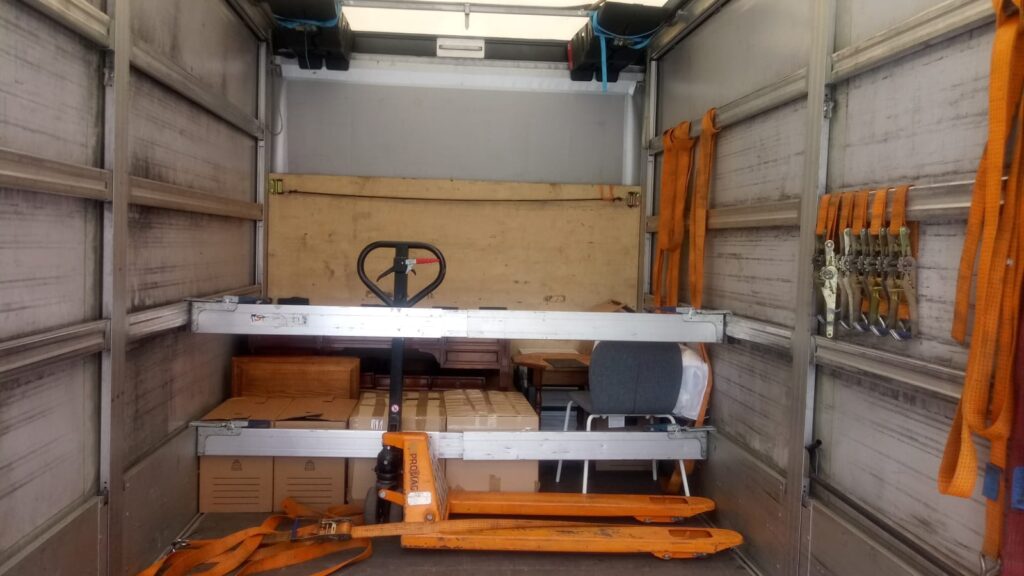
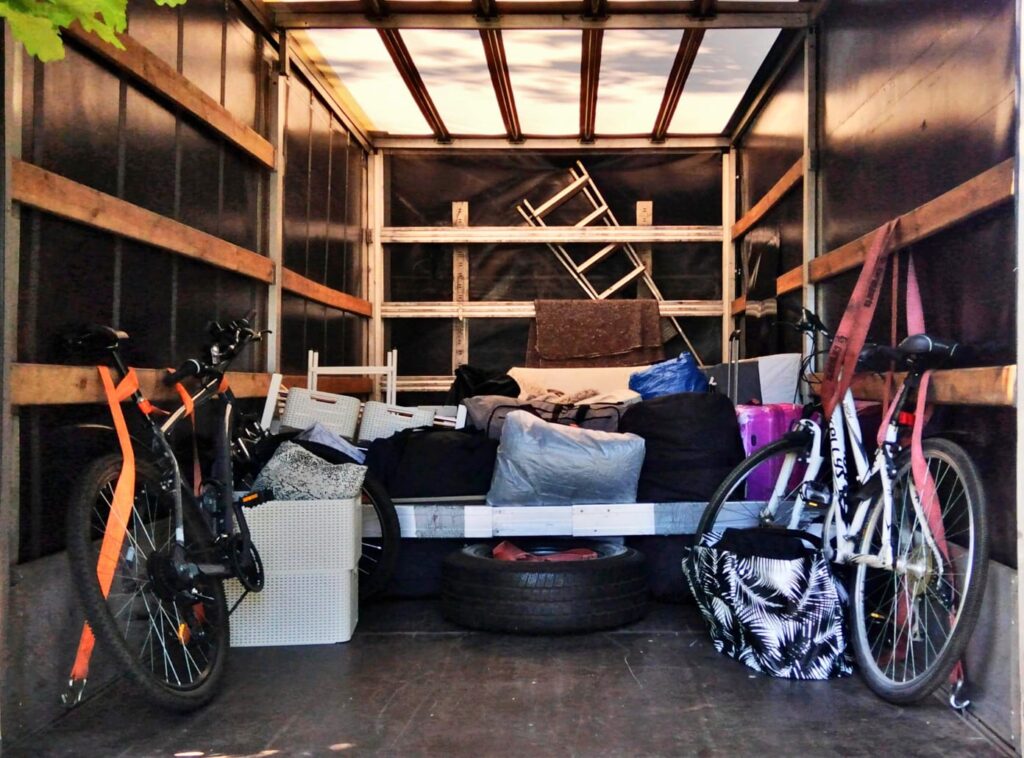


What to bring, sell, donate, or store
The cleanest version of moving to France is not about moving more. It is about moving smarter.
Every item you move has a price tag, even if you never see it on a receipt. Space. Weight. Time. Effort. That is why decluttering is a high impact step for moving to France.
Use the three pile method
- Keep: essentials and irreplaceable items
- Sell or donate: bulky items you can replace cheaply
- Store: items you want, but do not need immediately
The honest keep list
These categories are usually worth moving during moving to France:
- Personal documents and keepsakes
- Quality bedding and a few kitchen essentials
- A reliable desk setup if you work remotely
- Fragile items you truly love, packed properly
A quick decision rule
If an item costs less than 5% of the cost to move it, replace it in France.
Also ask two sharp questions:
- Does this fit my new space and lifestyle?
- Would I miss it in 30 days?
If the answer is no twice, let it go.
What is usually cheaper to replace
- Flat pack furniture that does not survive multiple moves well
- Low value kitchen items that take lots of space
- Heavy book collections you can reduce by 30% or more
Sell and donate timeline
A simple schedule helps moving to France stay calm:
- Sell high value items first, 3 to 4 weeks before the move
- Donate remaining items 7 to 10 days before the move
- Keep one box empty for last minute giveaways
Storage when timelines do not align
Storage can be a lifesaver when keys and timelines do not align. It also helps staged moving to France plans feel calmer.
Use storage when:
- Your new home is not ready yet
- You want a phased move to reduce stress
- You are relocating for work and waiting on final housing
Quick table: keep, move, or replace
| Item type | Best choice | Why it works |
|---|---|---|
| Heavy low value furniture | Replace | Costs more to move than to buy again |
| Fragile sentimental items | Move with care | Emotional value is real value |
| Appliances | Case by case | Check plug type and new home setup |
| Clothes and bedding | Move | High use, easy to pack |
| Books | Reduce by 30% | Weight adds cost fast |
When you reduce volume, transport gets faster, safer, and often cheaper. That is one of the most practical advantages of moving to France with a clear plan.
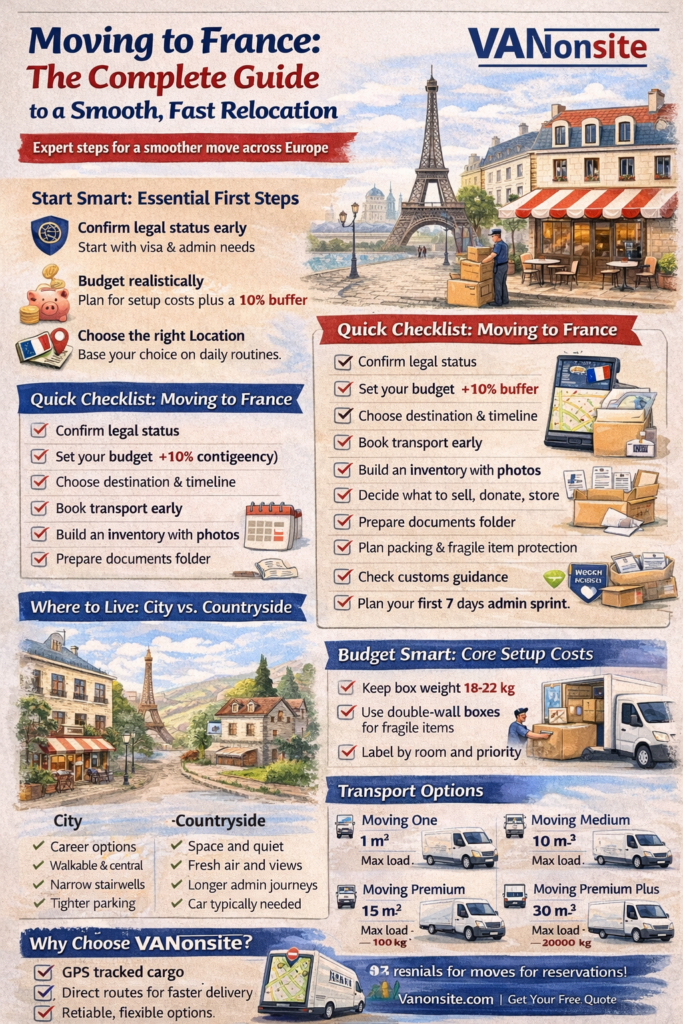
Packing that prevents breakage and saves time
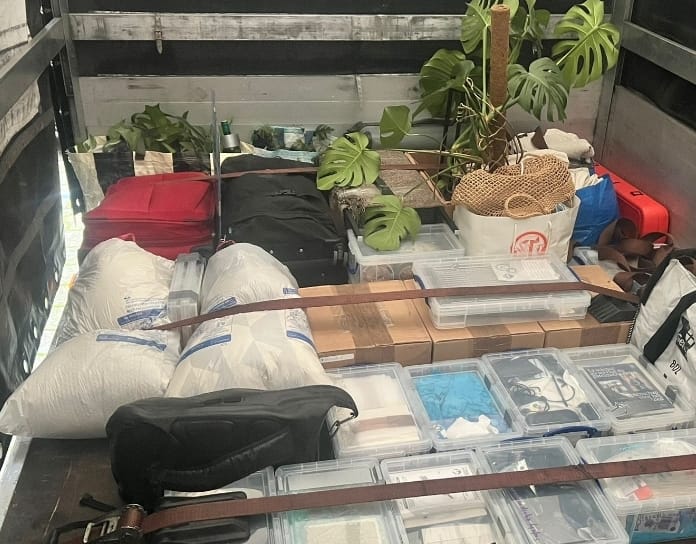
Packing is protection. It is also a time multiplier.
Here is the truth about moving to France: most damage happens because boxes have space to move inside, not because the road is bumpy. Tight packing is safer packing.
The core rules that keep your belongings intact
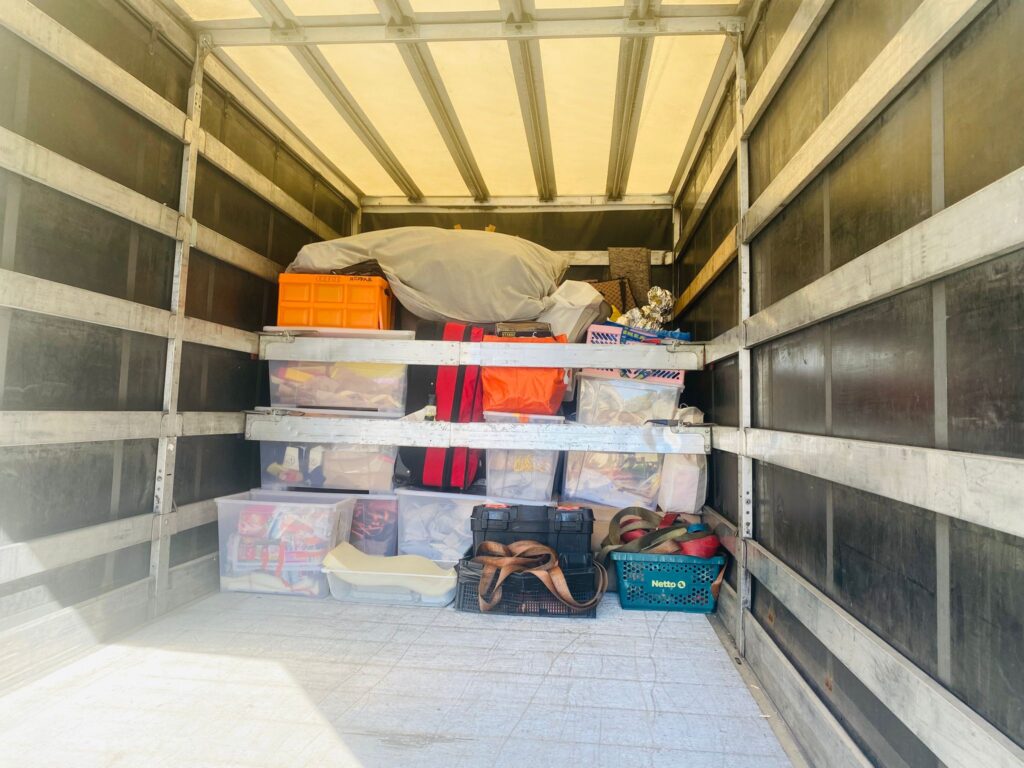
- Keep box weight around 18 to 22 kg so it stays liftable and stackable
- Use double wall boxes for books, kitchenware, and fragile items
- Pack glass tightly so it cannot rattle
- Label boxes by room and priority
The 60 second box test
Before you seal a box, do this quick test. It saves real money during moving to France.
- Close the top flaps without tape
- Give the box a gentle shake
- If you hear movement, add cushioning until it is silent
Silent boxes travel well.
A simple packing order that reduces chaos
Pack in this order so you always know what is safe to open first.
- Out of season items
- Books and heavy items in small boxes
- Kitchen and fragile items with extra protection
- Daily essentials last
What to use as cushioning
- Bubble wrap for fragile items
- Packing paper for filling gaps
- Towels and soft clothing for non fragile padding
Avoid loose newspaper on glass. Ink can transfer and it does not cushion well.
Room by room mini guide
| Room | What to pack first | What to keep for last |
|---|---|---|
| Kitchen | Rarely used appliances, pantry items | Kettle, mugs, one pan |
| Bedroom | Out of season clothes | Bedding for the final night |
| Bathroom | Spare toiletries | Essentials you need on move day |
| Office | Books and archived papers | Laptop and chargers |
The two label trick
Write labels on two sides of every box. One label always faces you. It saves hours.
Make labels more useful with three details:
- Room code: K, BR, LR, OF
- Priority: Day 1, Week 1, Later
- Fragile: yes or no
Example: K, Day 1, Fragile, 07
This single line can cut unpacking time by 20% because you stop guessing.
Your essentials bag and essentials box
For moving to France, create two things you keep accessible.
Essentials bag:
- Passport or ID
- Phone, chargers, power bank
- Wallet, keys, medication
- A printed list of addresses and contacts
Essentials box:
- Two days of clothes
- Toiletries and towels
- Kettle, mug, snacks, water
- Scissors, tape, marker
- Cleaning wipes, bin bags
When you arrive late, this box makes the first night feel human.
When to use professional packing
If you want less risk and a faster day, use a professional Packing Service. It is especially helpful when you have glassware, artwork, electronics, or a tight timeline.
For delicate, high value items, White Glove Delivery adds extra care.
Transport choices: man and van, vehicle size, and route planning
Transport is where moving to France becomes physical. It is also where the biggest mistakes happen.
The best transport plan keeps three things aligned:
- Your volume
- Your access constraints
- Your delivery deadline
When man and van is the smart choice
A man and van is strategic when:
- You are moving a partial load
- You need a direct route and a tight delivery window
- You want flexibility without paying for unused space
- Your pickup or drop off location has tight access, narrow streets, or limited parking
For many routes, man and van keeps moving to France fast and simple.
Shared load vs direct route
If you want speed, choose direct. If you want maximum budget savings and can wait, shared options can exist. For most people moving to France with a fixed key date, direct transport is the calmer choice.
VANonsite vehicle sizes
| Package | Capacity | Max load | Best for |
|---|---|---|---|
| Moving One | 1 m3 | 100 kg | A few boxes, urgent delivery |
| Moving Basic | 5 m3 | 300 kg | Studio essentials, student move |
| Moving Medium | 10 m3 | 500 kg | Small apartment, partial furniture |
| Moving Premium | 15 m3 | 1100 kg | 1 to 2 bedroom move |
| Moving Premium Plus | 30 m3 | 3500 kg | Family move, bigger furniture |
| Moving Full House XXL | 90 m3 | 20000 kg | Full house relocation, large loads |
Quick selector
- A few suitcases and boxes: Moving One or man and van
- Student room: Moving Basic
- Small flat with furniture: Moving Medium
- 1 to 2 bedroom: Moving Premium
- Family move: Moving Premium Plus
- Full house: Moving Full House XXL
Choose based on inventory, then add a 15% margin. It is one of the simplest rules for moving to France.
A fast volume estimator
If you want a quick estimate before you speak to a mover:
- Standard box: about 0.05 m3
- Large suitcase: about 0.1 to 0.15 m3
- Armchair: about 0.5 to 1 m3 in practical loading space
- Sofa: often 1.5 to 2.5 m3
- Double bed frame and mattress: often 2 to 3 m3 combined
Then add a 15% breathing margin.
Access details to share with your mover
These details speed up loading and prevent delays during moving to France:
- Floor number and lift size
- Stair width and tight turns
- Parking distance from entrance
- Any timed access rules or gates
- If you need help carrying bulky items
A simple photo of your stairwell can prevent a big surprise.
Pick the right service type
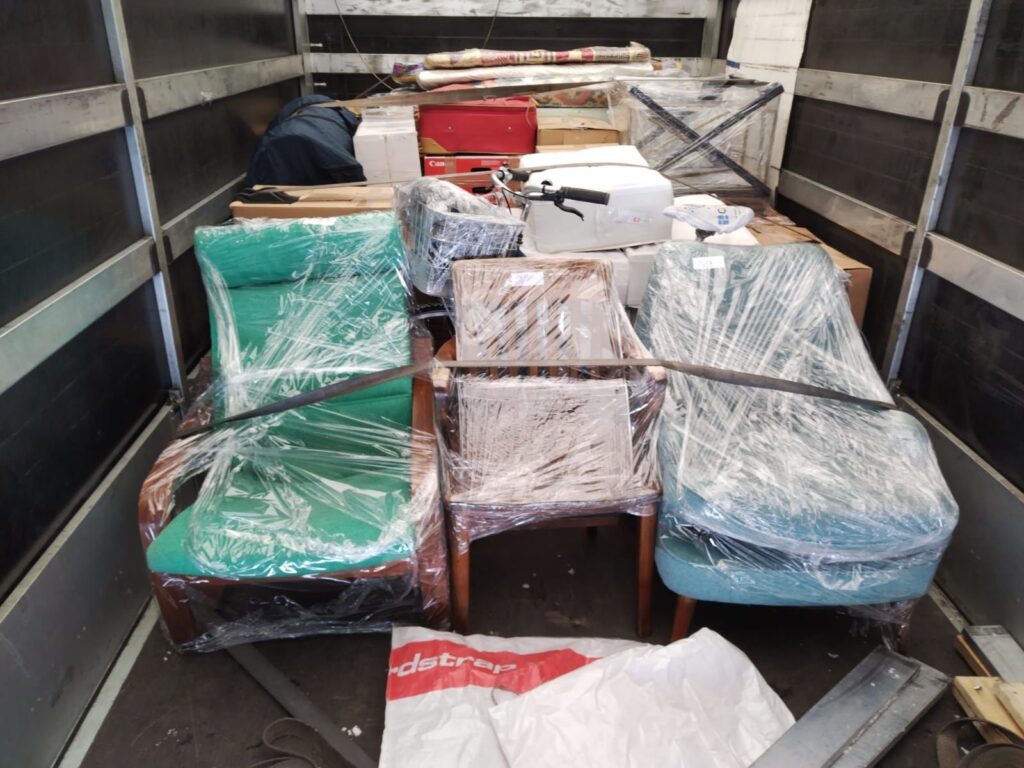
If your move includes bulky pieces, Furniture Removals helps protect heavy, awkward items.
For whole households, Home Removals adds structure and calmer execution.
If you need to relocate on a short deadline, Last Minute Moving helps you keep your timeline intact.
Customs and restricted items
Customs rules depend on where you are coming from and what you are bringing. This is a key part of moving to France.
If you are relocating within the EU, customs is usually simpler. If you are arriving from outside the EU, customs can become a real checkpoint. Either way, a clean inventory is your best friend.
Start with the official customs portal:
What customs wants to see
Customs decisions get faster when your paperwork is boring, tidy, and consistent.
Bring:
- A detailed inventory with box numbers
- A clear separation between used personal belongings and brand new items
- Receipts for expensive items if you have them
- Your rental contract or proof of address if requested
This is the quiet power move for moving to France. You make your shipment easy to understand.
A stronger customs checklist
- Keep an inventory, with box numbers and room names
- Photograph high value and fragile items before packing
- Separate new items from used belongings
- Avoid restricted goods and hazardous materials
- Keep receipts for expensive items if available
- Keep your documents folder with you, not inside the load
Restricted items: the common traps
These categories create the most questions during moving to France:
- Flammable liquids and aerosols
- Batteries and electronics packed without protection
- Unlabelled liquids
- Alcohol and tobacco in large quantities
- Certain plants, seeds, and animal products
- Counterfeit goods
If you are not sure, check the official guidance on Douane first.
Simple table: what to do with risky items
| Item category | Risk level | Best action |
|---|---|---|
| Paint, solvents, fuel | High | Do not transport |
| Aerosols, pressurised cans | High | Avoid, buy after arrival |
| Lithium batteries | Medium | Pack protected, keep list |
| Alcohol and tobacco | Medium to high | Check limits, keep receipts |
| Food products | Medium | Avoid, especially animal products |
| Medicines | Low to medium | Keep with you, keep prescription |
Inventory template that works
Keep it short and readable. This format is ideal for moving to France.
| Box | Room | Key contents | New or used | Notes |
|---|---|---|---|---|
| 01 | Kitchen | Plates, glasses | Used | Fragile, photo taken |
| 02 | Bedroom | Clothes, bedding | Used | Day 1 priority |
| 03 | Office | Monitor, cables | Used | Cables labelled |
Practical rule: tidy inventory equals fewer questions.
Arrival week: your first 7 days in France
The first week of moving to France is where momentum matters.
You do not need to solve your whole future in seven days. You only need your essentials working: phone, power, proof, and a basic routine. Once those are stable, everything else feels lighter.
For official guidance, start here:
The 5 priorities that unlock life
Focus on these in order during moving to France:
- SIM and connectivity
- Electricity and utilities
- Proof of address
- Banking steps
- Healthcare pathway
A calm 7 day plan
| Day | Focus | Quick win |
|---|---|---|
| 1 | Connectivity | SIM active, essentials unpacked |
| 2 | Utilities | Electricity confirmed |
| 3 | Proof | Documents organised, copies made |
| 4 | Banking | Appointment booked or account steps started |
| 5 | Local routine | Transport card, pharmacy, waste rules |
| 6 | Home setup | Internet scheduled, delivery flow planned |
| 7 | Stabilise | Rest, unpack by priority, plan next week |
Day 1 and Day 2: do not lose time to basics
For moving to France, your first 48 hours should be simple.
- Activate a local SIM and update two factor logins
- Charge everything and find one power strip
- Confirm electricity and heating basics
- Put your documents folder in one place, then do not move it
Proof of address
Many services want proof of address. Prepare it early.
- Lease, attestation, or official letter
- ID or passport
- Sometimes a recent utility bill
If you want the official overview of admin steps, use Service-Public.
Healthcare
Healthcare setup can take time, so start early in your moving to France plan.
Official starting point:
Keep copies of your ID, proof of address, and work or residency documents. Those are common building blocks.
Banking
Banking can be fast, or it can be slow. You improve your odds by being prepared.
Bring:
- ID
- Proof of address
- Proof of income or contract
The first week essentials list
Keep these accessible, not inside random boxes:
- ID and documents folder
- Phone, chargers, power bank
- Essential medication
- A printed list of contacts and addresses
- One set of bedding and towels
Quick admin links you may need
Use official sites for anything important during moving to France:
- Taxes: impots.gouv.fr
- Driving documents and vehicle steps, if relevant: ANTS
When your essentials work, your new life starts feeling real. That is the point of moving to France.
Students, families, and office moves
Different lives need different versions of moving to France. The smartest move is not always bigger. It is often more intentional.
Students
Student relocations are usually light, deadline driven, and unforgiving when the term start date is fixed. That is why a man and van can be a perfect match for moving to France as a student: direct route, flexible pickup times, and you only pay for the space you actually use.
VANonsite offers Student Removals designed for fast, cross border moves.
Quick student checklist:
- Keep documents and valuables with you
- Pack a first night kit: bedding, towel, toiletries, charger
- Protect your laptop and monitor with extra cushioning
- Label boxes by priority: Day 1, Week 1, Later
Student volume tips for moving to France:
- Single room, mostly boxes: Moving Basic is often enough
- Small studio with some furniture: Moving Medium is a safer fit
Families
Families carry more than boxes. They carry routines, comfort, and the emotional weight of change.
For moving to France with kids, structure is everything. Aim for fewer surprises, not heroic last minute decisions.
Family essentials that reduce stress fast:
- A Day 1 box for children: favourite toy, pyjamas, snacks, night light
- Two days of kitchen basics: one pan, plates, cups, cutlery
- A separate folder for school and admin documents
- Extra padding for sentimental items
If your move is large, choose a vehicle size with margin. When you add 15% breathing space, you protect your timing. If your key handover date is uncertain, staged delivery and storage can make moving to France feel far calmer.
Offices
Office relocations are choreography. Downtime is money, and messy setup costs more later.
For moving to France as a business, your goal is simple: move fast, reopen clean.
Office move priorities:
- Inventory devices and cables with photos
- Pack by department, then by setup order
- Label boxes with location and owner
- Separate critical equipment for Day 1 operations
A simple office labelling format:
- Team: Sales, Ops, Finance
- Desk zone: A1, A2, B1
- Priority: Day 1, Week 1
| Box label | Contents | Priority |
|---|---|---|
| Sales A1 Day 1 | Laptops, headsets | Day 1 |
| Ops B2 Day 1 | Router, switches, cables | Day 1 |
| Finance A3 Week 1 | Archives, stationery | Week 1 |
For business relocations, use Office removals to protect timing and reduce disruption.
Why VANonsite: GPS tracking and premium services
If you are serious about moving to France, choose control.
The difference between a stressful move and a smooth one is visibility. When you know where your load is, you stop guessing. You stop spiralling. You can plan your day with confidence.
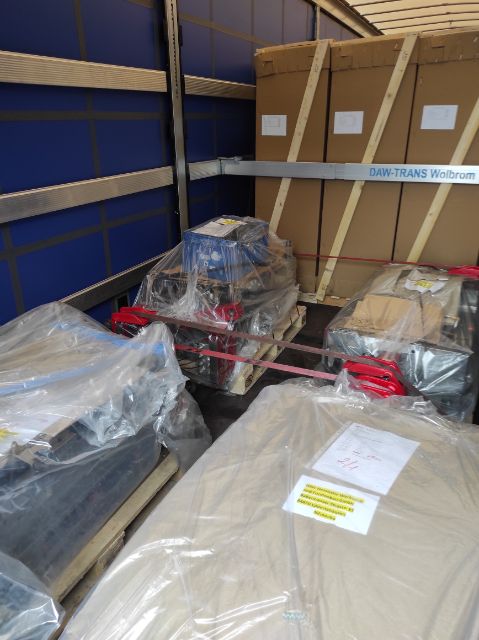
VANonsite focuses on high quality transport across Europe, with safety and speed. Every load is GPS tracked, so moving to France feels informed, not blind.
Start here:
What you get with VANonsite
- GPS tracking for every shipment so you can follow progress
- Fast, direct routes when your timeline is tight
- Careful handling designed to reduce damage risk
- Flexible options, from single items to full households
Choose the service that fits your move
| Your situation | Best VANonsite option | Why it works |
|---|---|---|
| Full household relocation | Removals to France | Built for cross border planning and delivery |
| Whole home move | Home Removals | Structured loading and calmer execution |
| Bulky furniture transport | Furniture Removals | Safer handling for heavy, awkward items |
| You want fewer breakages | Packing Service | Faster day, reduced damage risk |
| High value, fragile delivery | White Glove Delivery | Extra care for premium items |
| Business relocation | Office removals | Less downtime, better setup order |
| Student move | Student Removals | Lightweight moves with speed and flexibility |
When last minute does not mean messy
Sometimes life moves faster than your calendar. If you need urgency, Last Minute Moving can keep timelines intact while still protecting your belongings.
Storage and staged delivery
If keys and schedules do not align, storage can soften the transition. It is especially useful for moving to France when you want a phased move, or when your new home is not ready.
Where a man and van shines
A direct man and van route is perfect when you want speed, simplicity, and a flexible pickup window.
Choose man and van for moving to France when:
- You are moving a partial load
- You want a direct cross border run
- You need a tight delivery window
- You want to avoid paying for unused space
FAQ
What is the first thing I should do when moving to France?
Start with legal clarity, then build an inventory. That combination gives moving to France a clean structure from day one.
Use official sources to confirm your pathway:
- Visa rules: France-Visas
- Admin overview: Service-Public
Is man and van good for moving to France?
Yes. A man and van is ideal for partial loads, student moves, and tight timelines. It keeps moving to France direct and flexible, especially when building access is tight.
How do I choose the right vehicle size?
Count boxes, list furniture, then add a 15% margin. If you are between sizes, size up. It prevents extra trips during moving to France.
A quick rule of thumb:
- 20 boxes is roughly 1 m3
- 10 standard boxes is roughly 0.5 m3
Can I track my belongings during the move?
Yes. VANonsite provides GPS tracking for every load, so moving to France feels controlled and predictable.
Where can I book professional help?
Start with Removals to France and choose the service that fits your move.
How far in advance should I book a move to France?
For moving to France, 2 to 4 weeks is a strong baseline. If you are moving in summer or end of month, aim for 4 to 6 weeks. Last minute moves are possible, but earlier booking protects price and choice.
Do I need customs paperwork when moving to France?
It depends on where you are coming from. Within the EU it is often simpler. From outside the EU, customs can be a real checkpoint. Either way, keep a tidy inventory and check official guidance:
What should I pack in my essentials box?
For moving to France, pack what saves your first night:
- ID and documents folder
- Chargers and one power strip
- Toiletries, medication, basic cleaning wipes
- Two days of clothes, bedding, towel
- Kettle or mug, snacks, water
Can VANonsite help with packing?
Yes. If you want fewer breakages and a faster moving day, use the Packing Service. For delicate, high value items, White Glove Delivery adds extra care.
What if my keys and move date do not match?
Storage and staged delivery can make moving to France far calmer. Store part of the load, then deliver when your home is ready.
How do I handle healthcare setup after arrival?
Start early and use official guidance. The most reliable starting point is:
I am moving to France with a car. Where do I start?
Use the official portal for vehicle and driving document steps:
I am moving to France with a pet. What should I check?
Pet rules depend on origin and species. Always check official requirements before travel:
How can I reduce the cost of moving to France?
Three high impact moves:
- Reduce volume by 20% to 30% through selling and donating
- Pack tight and label clearly to avoid delays
- Choose the right vehicle size so you do not pay for an extra trip
If you are moving a smaller load, a man and van can be the most cost efficient path for moving to France.
Summary
Moving to France is not hard because it is complicated. It is hard because it is a lot of small decisions that arrive all at once.
If you want the clean version, keep it simple.
- Get legal clarity early, then build your document folder like a passport for your entire move
- Budget for deposits, fees, and setup costs, then protect yourself with a 10% buffer
- Choose your location based on daily life: commute, space, access, and routine
- Reduce volume before you pack. Less volume means less cost, less risk, and faster loading
- Pack tight, label smarter, and keep a Day 1 kit so your first night feels human
- Choose the right vehicle size with a 15% margin so you avoid the chaos of an extra trip
And when speed and flexibility matter, a direct man and van route can make moving to France feel surprisingly smooth. Add GPS tracked loads, and you get the one thing every move needs: calm, because you know where your life is at all times.
Ready to lock in your dates? Book your move via Removals to France.