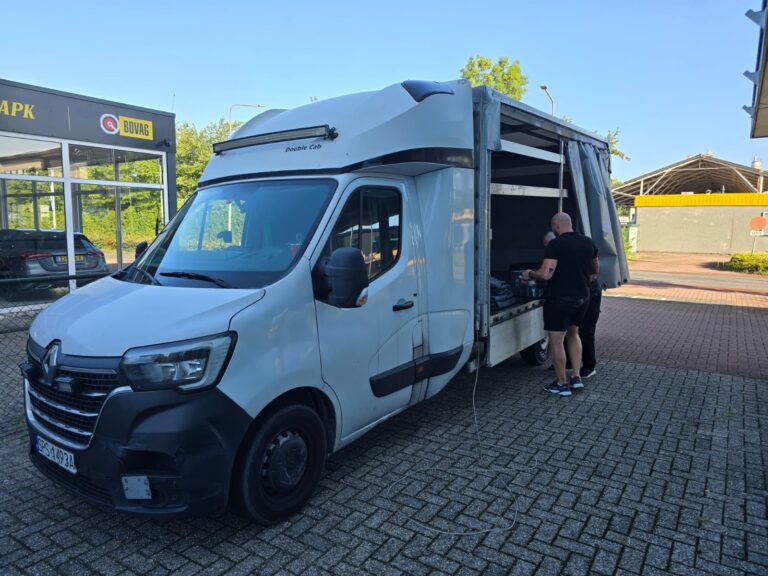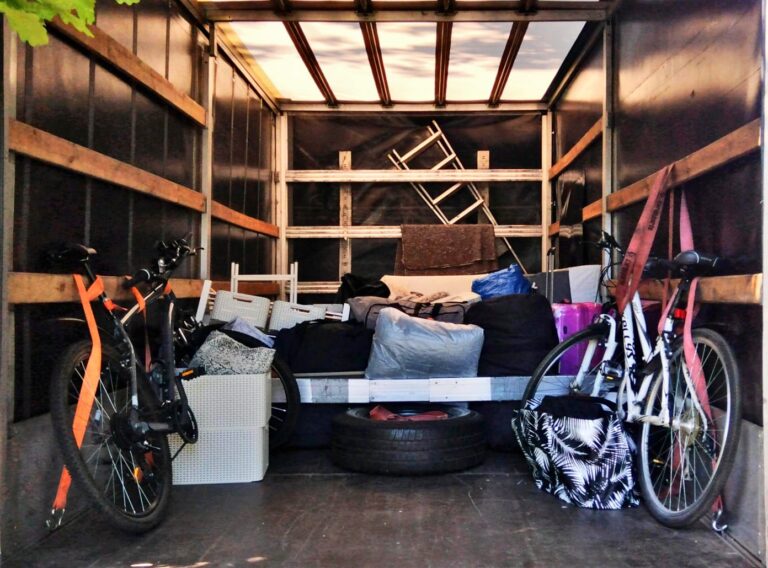

Moving to France after Brexit can feel like walking up to a beautiful old door with a new lock on it. The view is still stunning. The dream is still real. Yet the key is paperwork, and the trick is timing.
This guide is built for people who want straight answers. No drama. No fluff. Just a smart plan for moving to France after Brexit, including visas, customs, and the fastest way to book removals to France after Brexit without headaches.
Quick answer for moving to France after Brexit
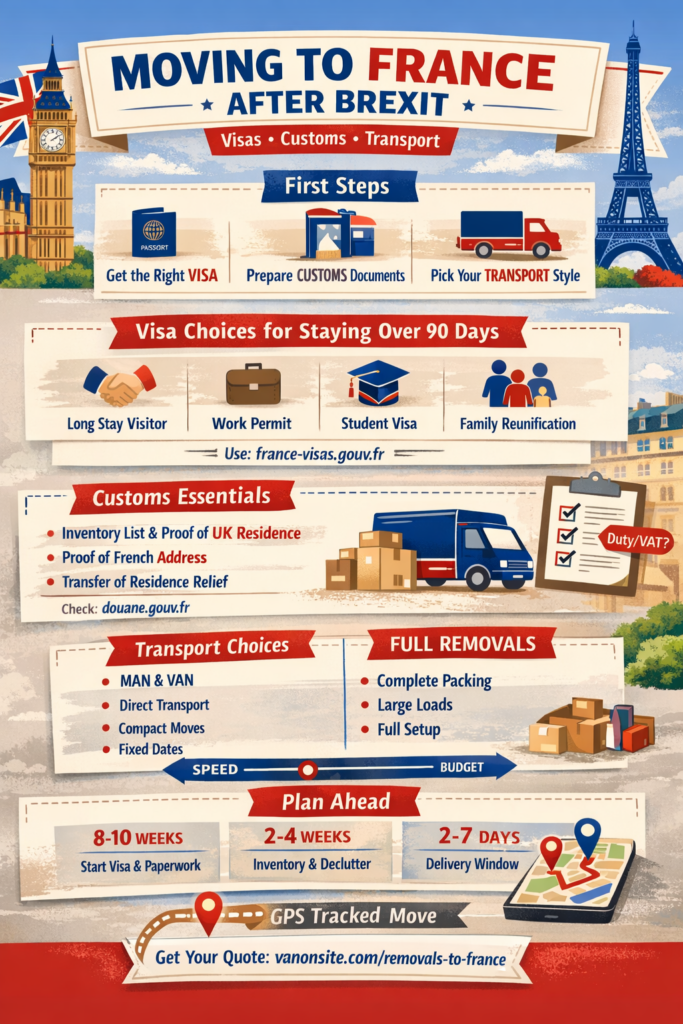
Moving to France after Brexit is easiest when you lock three decisions early: visa route, customs plan, and transport style.
- Visa route decides if you can live in France beyond short visits.
- Customs plan decides whether your household goods move smoothly, or get delayed.
- Transport style decides speed, cost, and how much control you keep.
A realistic timeline for moving to France after Brexit:
- Planning window: 8 to 10 weeks before, choose visa route, gather documents, request quotes.
- Packing window: 2 to 4 weeks before, inventory, declutter, pack by room.
- Delivery window: 2 to 7 days for dedicated transport, often longer for shared loads.
Stay length vs what you need
| Stay length | What you need for moving to France after Brexit | What it means in real life |
|---|---|---|
| Up to 90 days in any 180 days | Passport, entry conditions, travel insurance | Good for trips, viewings, short stays |
| Longer than 90 days | A long stay visa or residence pathway | Needed for living, working, or studying |
If you are planning removals to France after Brexit and you expect to live there, treat the visa as step one, not step five.
What Brexit changed for UK movers
Before, many UK citizens moved with far fewer barriers. After Brexit, moving to France after Brexit follows third country rules. That means more checks, more proof, and more planning.
The biggest shift is simple. You cannot rely on “I will sort it later.” Later now comes with limits.
What changed in practice
- Short stays are limited by the 90 days in any 180 day period rule.
- Border checks can be stricter and more document driven.
- Your paperwork needs to match your story, especially when moving to France post Brexit with a full household.
If you are visiting first to scout areas, do viewings, or start a rental, track your days carefully.
The 90/180 rule, made human
Think of the 180 day period as a rolling window. Every day you spend in the Schengen area counts back against the last 180 days.
| Your plan | What it means for moving to France after Brexit | Smart move |
|---|---|---|
| You want to spend a few weeks in France, then return | Fine, if your total stays under 90 days in the last 180 | Keep travel notes and count days |
| You want to stay for months and settle | You need a long stay route | Start visa planning early |
| You want to do repeated back and forth trips | Easy to accidentally exceed the limit | Use a day counter and keep evidence |
The practical consequence for movers
Moving to France after Brexit is now more like a project. You need a timeline, not just a van.
What usually slows people down:
- booking a moving date before the visa route is clear
- not having proof of address ready for France admin steps
- weak inventories for removals to France after Brexit
- last minute shopping of brand new items that trigger extra scrutiny
Use official guidance, not guesswork:
- GOV.UK travel and entry requirements for France: https://www.gov.uk/foreign-travel-advice/france/entry-requirements
- France Visas official portal: https://france-visas.gouv.fr/
If you want moving to France after Brexit to feel smooth, build your plan around official steps, then book transport that matches your dates.
Visas and residency: the heart of moving to France after Brexit
If you plan to live in France, this is the core of moving to France after Brexit. Pick the correct route first. Everything else becomes easier.
This is also where confidence comes from. The right visa turns chaos into clarity.
Choose the right route
Common routes for moving to France after Brexit:
- Long stay visitor visa for people not working in France
- Work routes through an employer or professional pathway
- Student route for studies in France
- Family route when joining a spouse or family member
Start here for official steps:
- France Visas, long stay visa information: https://france-visas.gouv.fr/en/web/france-visas/long-stay-visa
- Service Public, visas and residence: https://www.service-public.fr/particuliers/vosdroits/N110
What most applications live or die on
Moving to France post Brexit becomes far less stressful when your documents tell one clean story. No contradictions. No missing pieces.
Mini checklist for most applicants moving to France after Brexit:
- passport that meets validity rules
- accommodation plan in France
- proof of funds, often shown with bank statements
- medical insurance where required
- a clear reason for stay that matches the visa category
A small but powerful tip: keep one master folder. Put every document inside it. Use the same name and address format everywhere.
After arrival: validation, prefecture steps, and staying legal
Many long stay visas require online validation after arrival. Then, depending on your route, you may move into a residence permit process.
What usually unlocks everything in moving to France after Brexit:
- proof of address in France
- a consistent identity trail, passport, visa, and supporting documents
What to do in your first weeks after moving to France after Brexit:
- Secure proof of address as fast as you can. Lease, attestation, or official equivalent.
- Keep copies of everything. Digital and paper.
- Start the required validation and residence steps linked from the official portals.
Keep the rules in mind. Overstaying can complicate future travel and residency. If you are doing moving to France after Brexit, plan your stay length honestly and align the visa to reality.
Official starting points you should bookmark:
- France Visas: https://france-visas.gouv.fr/
- Service Public, visas and residence: https://www.service-public.fr/particuliers/vosdroits/N110
Customs and household goods: removals to France after Brexit
This is where people worry, and it is also where a clean plan pays off. Removals to France after Brexit can be smooth, but you need the right paperwork.
The “transfer of residence” relief explained
Many people moving to France after Brexit can import used personal belongings without paying duties and taxes under a transfer of residence relief, if conditions are met.
The common conditions include:
- you lived outside the EU for a qualifying period
- the goods are used and owned for a qualifying period
- import happens within a qualifying time window after you settle
Always verify details on the official French customs site:
- French customs information portal: https://www.douane.gouv.fr/
If you are arranging removals to France after Brexit, your mover can help you organise inventories and transport documents, but the proof of residence and the story of your move must come from you.
What you may pay duty or VAT on
Even with moving to France after Brexit, not everything is treated the same.
Items that can trigger charges or extra scrutiny:
- brand new items, especially with recent receipts
- commercial goods
- high value purchases made right before the move
- some vehicle scenarios, depending on status and paperwork
A simple rule for moving to France post Brexit: used household goods are typically easier than shiny new purchases made last minute.
Customs paperwork you should prepare
For removals to France after Brexit, paperwork is your pressure relief valve.
Prepare:
- a detailed inventory list and packing list
- proof of UK residence
- proof of your new French address when available
- passport copy
- transport documents supplied by the mover
Customs risk table
| Item type | Risk of charges or delays | Best action |
|---|---|---|
| Used household goods | Low to moderate | Inventory, proof of residence, clear timeline |
| New items with receipts | Higher | Declare clearly, avoid last minute bulk buying |
| High value electronics | Moderate | Photograph, list serials, keep purchase details |
| Alcohol or restricted items | Higher | Check rules before shipping |
| Vehicle import | Moderate to high | Use official guidance, prepare documents early |
If you want moving to France after Brexit to feel effortless, build your customs file like a story. Where you lived, what you owned, and why it is moving.
How to choose transport: man and van or full removals
Transport is where moving to France after Brexit becomes physical. It is also where good planning saves money. After Brexit, the best transport choice is not only about speed. It is also about how smoothly your paperwork travels with your goods.
Dedicated vs shared, the fastest way to decide
If you want moving to France after Brexit to feel calm, dedicated transport is usually the simplest.
| Transport style | Best for | What you gain | What you trade |
|---|---|---|---|
| Dedicated | fixed move in dates, anxious movers, fragile items | control, speed, fewer transfers | higher price than shared |
| Shared load | flexible dates, smaller budgets | lower cost | wider delivery window |
A practical rule for removals to France after Brexit: if your customs file is still being finalised, book a wider window. Tight deadlines and missing documents do not mix well.
Man and van for moving to France after Brexit
A dedicated man and van is ideal when moving to France after Brexit is apartment sized. It keeps your load together, and that matters more post Brexit than most people expect.
It is best for:
- studios, students, and 1 bed flats
- urgent timelines and fixed move in dates
- people who want their load to stay together
- smaller households that need a clean, direct plan
Why it helps with moving to France after Brexit:
- dedicated transport means fewer transfers
- fewer transfers means less damage risk
- fewer transfers can also reduce customs stress
- a direct route can reduce waiting time by 1 to 3 days versus multi stop schedules
If you are doing moving to France post Brexit with a strict handover date, a man and van often feels like the safest bet.
Full removals for complex moves
Full removals suit bigger moves and complex schedules. This is the option that feels “handled.” Packing, dismantling, careful loading, then reassembly and placement.
Choose this when moving to France after Brexit includes:
- a family home
- bulky furniture and appliances
- office equipment and sensitive items
- packing, dismantling, reassembly, and careful placement
Full removals can save 10 to 25 hours of labour on a larger household. It also reduces the number of mistakes people make when tired. Fatigue is expensive.
Add ons that upgrade the experience
These services make removals to France after Brexit smoother, especially for fragile or valuable loads.
- Packing Service: https://vanonsite.com/packing-services/
- Furniture Removals: https://vanonsite.com/furniture-removals/
- Home Removals: https://vanonsite.com/home-removals/
- White Glove Delivery: https://vanonsite.com/white-glove-delivery-service/
- Office removals: https://vanonsite.com/office-removals/
- Student Removals: https://vanonsite.com/student-removals/
A quick pairing that works well for moving to France after Brexit:
- If you have fragile furniture, choose Furniture Removals plus Packing Service.
- If you have premium items, add White Glove Delivery.
- If you are relocating a business, use Office removals for calmer handling.
What to send to get an accurate quote
If you want removals to France after Brexit priced sharply, send these details upfront.
- pickup and delivery postcodes
- preferred pickup date and your flexibility window
- floor level and lift details at both addresses
- parking distance to the entrance
- inventory list or a short video walkthrough
- fragile, unusually heavy, or high value items
This reduces last minute surprises and keeps moving to France after Brexit on track.
Vehicle sizes and how to estimate volume
Choosing the right vehicle is the fastest way to control cost in moving to France after Brexit. Too small is expensive. Too large is wasteful. Yet the most common mistake is underestimating furniture.
VANonsite vehicle sizes
| Package | Volume | Payload | Best for |
|---|---|---|---|
| Moving One | 1 m3 | 100 kg | boxes only |
| Moving Basic | 5 m3 | 300 kg | student room |
| Moving Medium | 10 m3 | 500 kg | 1 bed flat |
| Moving Premium | 15 m3 | 1100 kg | 2 bed flat |
| Moving Premium Plus | 30 m3 | 3500 kg | family home |
| Moving Full House XXL | 90 m3 | 20000 kg | large home or office |
Micro guidance for removals to France after Brexit
- 10 medium boxes are about 0.8 m3
- a typical sofa is 1.5 to 2.5 m3
- a double mattress is often 0.8 to 1.2 m3
- a washing machine is roughly 0.3 to 0.5 m3
- target box weight under 20 kg
A quick volume method that works
For moving to France after Brexit, start with boxes, then add the big pieces.
- Count boxes. Multiply by 0.08 m3.
- Add sofas, beds, wardrobes, tables.
- Add a buffer of 10 to 15% for awkward shapes and padding.
Sanity check examples
- If you have a sofa, bed, table, and 20 to 30 boxes, 10 m3 can be tight.
- If you have appliances plus a second bedroom, 15 m3 is usually safer.
- If you are moving a family home, 30 m3 is often the starting point.
A simple truth for moving to France after Brexit: a slightly bigger van is often cheaper than a second trip.

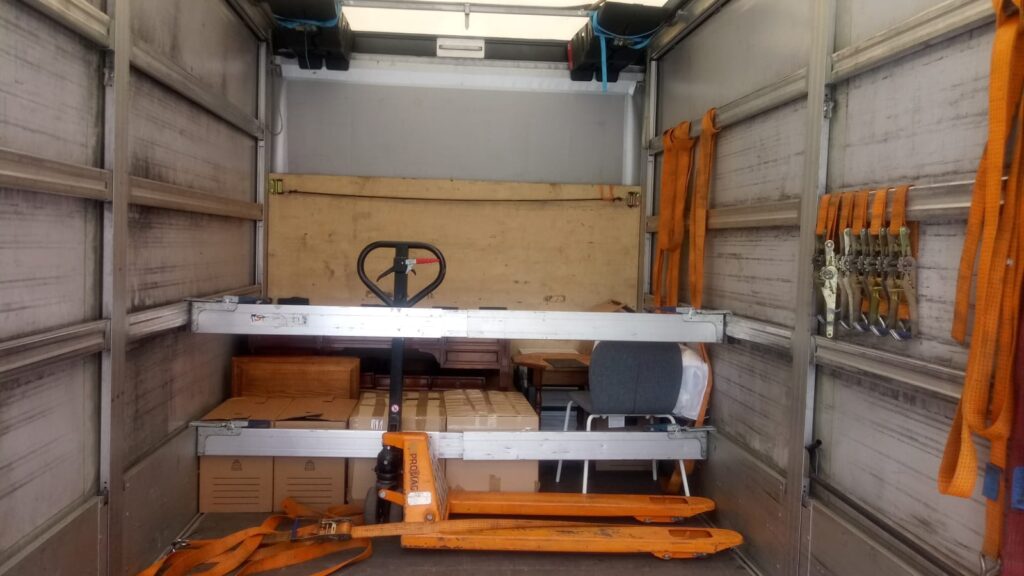

Timeline: the stress free plan for moving to France post Brexit
Moving to France post Brexit feels calm when you move in stages. The goal is to avoid two classic mistakes: booking removals to France after Brexit before your visa route is clear, and leaving customs paperwork until the last week.
The week by week plan
| When | What to do for moving to France after Brexit | Why it matters |
|---|---|---|
| 8 to 10 weeks before | Choose visa route, start documents, request quotes | Your dates become realistic, not hopeful |
| 6 weeks before | Start your customs file, draft an inventory, choose dedicated vs shared | Better paperwork means fewer delays |
| 4 weeks before | Declutter, confirm access and parking, book packing help if needed | Access problems can add 1 to 3 hours on the day |
| 2 weeks before | Pack by room, label priorities, plan fragile items and high value items | Reduces breakage and speeds unloading |
| 7 days before | Finalise inventory, confirm times, reserve lift, confirm parking permits | Stops last minute panic and extra fees |
| 48 hours before | Defrost appliances, charge devices, prepare document folder, separate valuables | Prevents damage and keeps essentials with you |
| Delivery day | Inventory check, photo routine, sign only after checking | Proof and clarity while everything is fresh |
The two folders that make moving to France after Brexit easier
Create two folders. One travels with you. One stays with the load.
Folder A, keep with you:
- passport and visa documents
- proof of UK address and proof of French address when available
- copies of the inventory and key receipts for high value items
- insurance details and emergency contacts
- keys, medication, laptop, chargers
Folder B, for removals to France after Brexit:
- final inventory list and packing list
- transport documents supplied by the mover
- customs related forms requested by the route
A small action that saves real time: print a one page summary with pickup address, delivery address, contact numbers, and the final inventory total. It turns confusion into a checklist.
A packing rhythm that keeps the move fast
When moving to France after Brexit, short labels beat long labels. Use this system.
- Room name
- Priority number 1 to 3
- Fragile if needed
Example: “Kitchen, P1, Fragile”.
Costs and delivery times: realistic ranges
Costs for moving to France after Brexit depend on volume, distance, access, speed, and whether the load is dedicated. Customs readiness can also influence timing, especially for removals to France after Brexit that must meet a fixed delivery date.
Delivery windows
| Delivery style | Typical window | Best when |
|---|---|---|
| Dedicated express | 1 to 3 days UK to northern France | strict deadlines |
| Dedicated standard | 2 to 6 days | predictable planning |
| Shared load | 5 to 12 days | lowest budget |
What drives the quote
If you want a quote that stays stable, focus on the big variables.
| Cost driver | What changes the price | Simple way to improve it |
|---|---|---|
| Volume in m3 | more space needed means a higher tier | cut volume by 15 to 30% before quoting |
| Access | long carry distance, no lift, tight stairs | reserve parking, confirm lift slots |
| Speed | express delivery costs more | add 2 to 4 days flexibility if possible |
| Fragility | premium items need more protection | group fragile items, request packing help |
| Route complexity | city centres and long distances add time | plan delivery windows around access |
Typical cost ranges
These ranges are illustrative. Access and volume can shift a quote quickly.
| Move size | Suggested volume | Typical range |
|---|---|---|
| Student room | 5 m3 | 600 to 1,300 EUR |
| Studio or 1 bed | 10 m3 | 1,100 to 2,400 EUR |
| 2 bed flat | 15 m3 | 1,700 to 3,600 EUR |
| Family home | 30 m3 | 2,700 to 5,900 EUR |
Hidden costs people forget
Moving to France after Brexit gets more expensive when small details are ignored.
- parking permits or reserved loading bays
- long carry fees when the van cannot park close
- extra labour if the lift is unavailable
- last minute packing materials and replacement boxes
A practical tip for removals to France after Brexit: confirm parking and lift access in writing. It protects both time and budget.
The three best savings levers
To reduce the cost of moving to France after Brexit:
- Reduce volume by 15 to 30% by selling or donating bulky items.
- Keep flexibility of 2 to 4 days around your preferred date.
- Plan access to cut loading time by 20 to 40% with parking and lift bookings.
Fast cost saving checklist
Use this the moment you start planning moving to France after Brexit.
- remove low value bulky items first, sofas and flat pack furniture are common wins
- pack books into small boxes to keep weight under 20 kg
- group fragile items so they can be protected together
- choose dedicated transport if you need a hard delivery date
- choose shared load only if you can accept a wider delivery window
Safety and GPS tracking
Moving to France after Brexit is emotional because your life is in boxes. Safety turns that emotion into confidence. The goal is simple: fewer surprises, fewer scratches, and a delivery day that feels like a win.
What good protection looks like
For removals to France after Brexit, protection is not fancy. It is consistent.
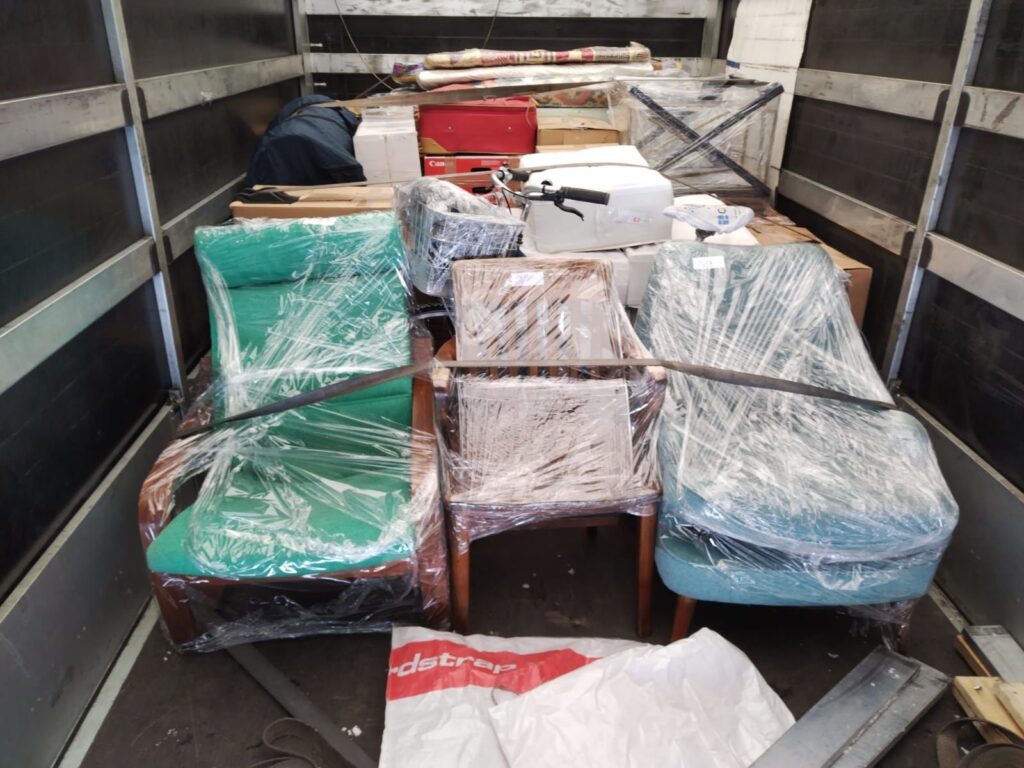
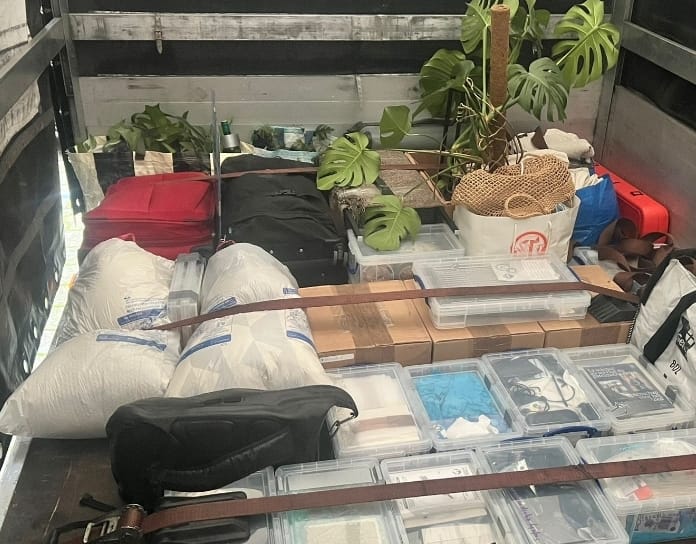
- furniture blankets and stretch wrap for surfaces
- corner protection for frames, tables, mirrors
- mattress covers for long routes
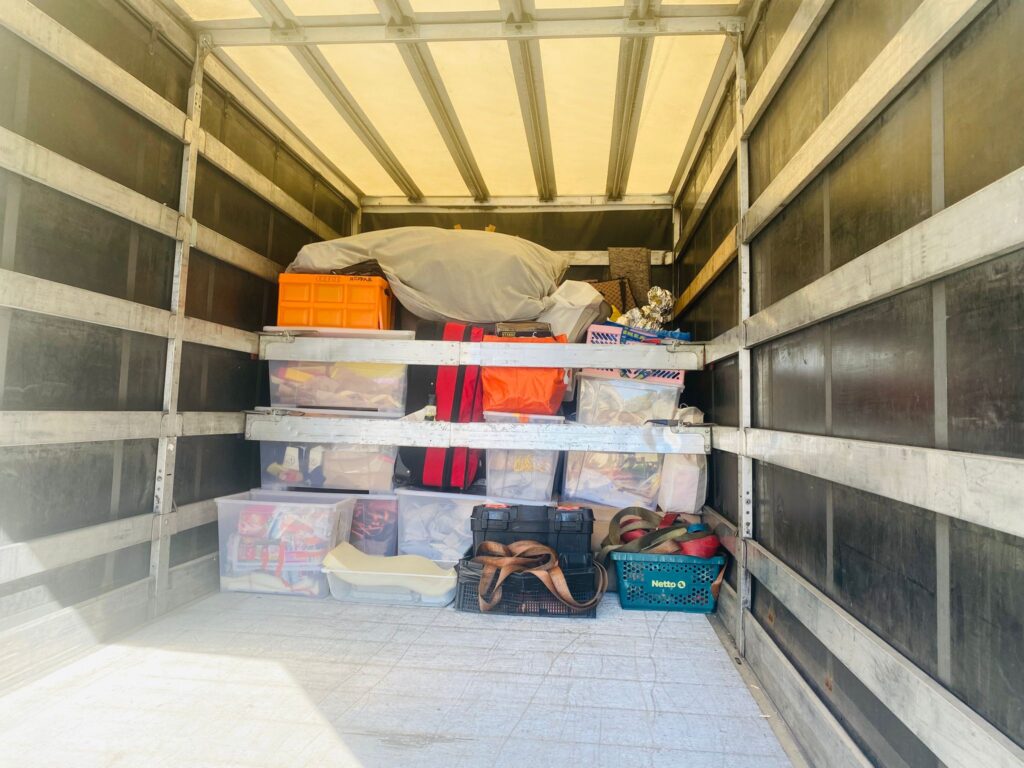
- straps inside the vehicle so nothing slides
- smart loading order so heavy items cannot crush lighter boxes
The safety questions worth asking
Ask these before you book removals to France after Brexit. Clear answers usually mean clean service.
- Is my load dedicated or shared?
- How are fragile items protected?
- What insurance is included and what are the limits?
- What is the damage reporting process on delivery day?
- Can I track the load?
- Who is responsible if access is difficult, stairs, long carry, no lift?
Insurance, in plain language
Moving to France after Brexit is smoother when you treat insurance like a checklist, not an afterthought.
Before pickup:
- Photograph high value items, corners, screens, and any existing marks.
- Keep a written inventory and label fragile boxes clearly.
- Keep small valuables with you: passport, medication, jewellery, laptop.
On delivery day:
- check items against the inventory before you sign
- note issues immediately, with photos
- keep damaged packaging until the process is closed
This takes 10 minutes and can protect you for weeks.
Why GPS tracking matters more post Brexit
VANonsite provides GPS tracking for every load. For moving to France after Brexit, that means fewer unknowns, better timing, and less waiting.
GPS tracking helps in three practical ways:
- you can coordinate parking, lift bookings, and key handover with better timing
- you can plan your own travel without constant check ins
- you get reassurance while your belongings cross borders
If you have a fixed move in date, GPS tracking can save 2 to 4 hours of pointless waiting.
Dedicated vs shared, safety impact
| Option | Typical risk level | Why it matters for moving to France after Brexit |
|---|---|---|
| Dedicated transport | Lower | fewer transfers, clearer responsibility |
| Shared load | Moderate | more handling points, wider delivery window |
A simple tip for moving to France post Brexit: if you have premium items or fragile furniture, dedicated transport usually pays for itself in peace of mind.
Arrival in France: first 72 hours and first 14 days
Moving to France after Brexit feels complete when you land well. The first days are not about perfection. They are about stability. Do the essentials first, then the rest becomes easy.
First 72 hours
- Secure proof of address if you can. A lease, an attestation, or official equivalent unlocks banking, admin, and many services.
- Set up utilities and basics: electricity, water, internet, and a working phone plan.
- Create one document hub: passport, visa, proof of address, inventory, insurance, and copies of everything.
A small but powerful move: take dated photos of the property condition on day one, especially if you rent.
First 14 days
Use official tools to update your life. Moving to France after Brexit feels lighter when you do these steps early.
- Change of address: https://www.service-public.fr/particuliers/vosdroits/R11193
- Taxes, “Je déménage”: https://www.impots.gouv.fr/particulier/je-demenage
- Health system guidance: https://www.ameli.fr/assure/droits-demarches/europe-international
- Vehicle admin platform: https://immatriculation.ants.gouv.fr/
A simple 14 day checklist
| Task | Ideal timing | Why it helps |
|---|---|---|
| proof of address organised | day 1 to 3 | unlocks banking and admin |
| change address in core accounts | day 3 to 7 | stops missed letters and deadlines |
| start health coverage steps | day 7 to 14 | reduces gaps and uncertainty |
| confirm tax contact details | day 7 to 14 | keeps your file clean |
| vehicle steps if applicable | day 1 to 14 | avoids delays and stress |
If you are doing moving to France after Brexit with a car, do not delay the vehicle admin steps. It is easier when your documents are still in order and your timeline is fresh.
If you are arranging removals to France after Brexit, keep your delivery paperwork for at least 30 days after arrival. It can help with admin questions, claims, or simple proof of timeline.
Why VANonsite for removals to France after Brexit
Moving to France after Brexit should not feel like a gamble. It should feel like a clean handover. Boxes out. Keys in. A clear message that says: your life is on the way, and it is handled.
VANonsite is built for movers who want calm control, not chaos. That is why removals to France after Brexit with VANonsite focuses on three things that matter most: clarity, care, and timing.
What VANonsite does differently
- Fast planning with realistic windows so your dates feel dependable, not hopeful.
- Flexible services, from a dedicated man and van to full removals for family homes.
- Careful handling with protective materials and smart loading, especially for fragile furniture.
- GPS tracking for every load, so you can plan access, parking, and key handover without guessing.
Choose the service level that fits your move
| Your situation | Best match | Why it helps removals to France after Brexit |
|---|---|---|
| Studio, student, 1 bed flat | Dedicated man and van | direct route, fewer transfers, more control |
| Family home or bulky furniture | Full removals | labour, packing support, placement on arrival |
| Premium, fragile items | White glove add on | protection and careful positioning |
| Tight timeline | Dedicated transport | predictable delivery window |
If you want to upgrade the experience, these options are made for it:
- Packing support: https://vanonsite.com/packing-services/
- Furniture focused moves: https://vanonsite.com/furniture-removals/
- Full household moves: https://vanonsite.com/home-removals/
- Premium placement: https://vanonsite.com/white-glove-delivery-service/
- Business relocations: https://vanonsite.com/office-removals/
- Student moves: https://vanonsite.com/student-removals/
If you want removals to France after Brexit that feel transparent and safe, start here:
FAQ: moving to France after Brexit
Do I need a visa to live in France after Brexit?
If you plan to live in France beyond short stays, you will usually need a long stay route. Start with the official portal and choose the category that matches your real situation: https://france-visas.gouv.fr/
How long can I stay without a visa?
Short stays are limited by the 90 days in any 180 day period rule. Check the official entry guidance for France here: https://www.gov.uk/foreign-travel-advice/france/entry-requirements
How does customs work for household goods?
Removals to France after Brexit can be smooth if you prepare a clear inventory, proof of residence, and the right supporting documents. Always use the official customs guidance: https://www.douane.gouv.fr/
What is transfer of residence relief?
It is a pathway that can allow used personal goods to enter without duties and taxes when conditions are met. Verify the latest conditions on the French customs site: https://www.douane.gouv.fr/
What documents do removals to France after Brexit require?
A strong minimum set is:
- detailed inventory list with box counts and key high value items
- proof of UK residence
- proof of French address when available
- passport copy and visa documents where relevant
- transport paperwork supplied by your mover
Can I use man and van for a UK to France move?
Yes. A dedicated man and van is ideal for smaller households and fixed dates. It keeps the load together, which often makes moving to France after Brexit feel simpler.
How long does transport take?
Dedicated transport often takes 1 to 6 days depending on route and destination in France. Shared loads often take longer because they include multiple stops.
What is the cheapest way to move?
Shared loads can be cheaper, but you trade speed for flexibility. The biggest savings usually come from reducing volume by 15 to 30% and keeping 2 to 4 days of date flexibility.
Can I track my load?
Yes. VANonsite provides GPS tracking for every load, which helps you plan delivery day timing during moving to France after Brexit.
What items should not go in the van?
Keep these with you: passports, medication, cash, jewellery, laptops, and anything irreplaceable.
How do I make my quote more accurate?
Send your pickup and delivery postcodes, floor levels, lift details, parking distance to the entrance, and a quick inventory or short video walkthrough. This helps removals to France after Brexit stay on budget and on time.
Do you offer packing and premium handling?
Yes. You can add packing support here: https://vanonsite.com/packing-services/ and premium placement here: https://vanonsite.com/white-glove-delivery-service/
Summary and next step
Moving to France after Brexit can still be beautifully straightforward, as long as you treat it like a plan, not a leap. Decide your visa route early, build a tidy customs file, then choose a transport option that matches your real dates. That order turns moving to France after Brexit from stressful to steady.
If you want removals to France after Brexit to run smoothly, focus on what moves the needle fastest:
- Visa first: choose the right long stay route and keep your documents consistent.
- Customs second: prepare a clear inventory and proof of residence so your goods do not get stuck.
- Transport third: pick dedicated if timing matters, or shared load if your dates are flexible.
Three biggest actions for moving to France post Brexit:
- Start the visa plan early using France Visas: https://france-visas.gouv.fr/
- Build your customs paperwork for removals to France after Brexit, including a detailed inventory: https://www.douane.gouv.fr/
- Book the right service level, from man and van to full removals, based on your volume and timeline.
Ready to move with confidence? Start here: