Quick answer first
This moving to France checklist is for anyone who wants a clean, confident relocation plan without the last minute panic. It works if you are moving from the EU, moving from the UK, or coming from outside the EU. It also fits students with a small load, families with a full household, and professionals relocating for work.
If you read for 60 seconds, you will know exactly what to do and when. You will get a practical timeline, the essential documents to prepare, a budget map with real cost drivers, a packing plan that protects furniture, plus a move day flow that keeps everything on track.
If you already know your route and dates, you can skip straight to pricing and booking here: Removals to France
TL;DR moving to France checklist in 10 bullets
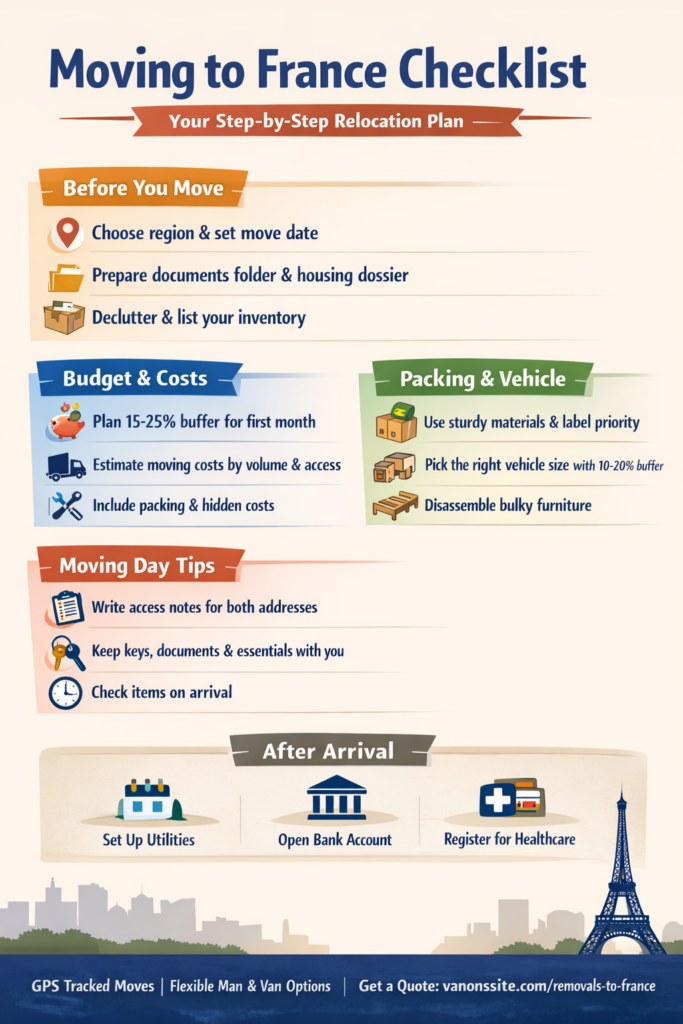
- Create one digital folder and one printed folder for documents. Keep 2 printed sets.
- Build a housing dossier as a single PDF so viewings and applications move faster.
- Set a budget buffer for the first month. Aim for 15% to 25% extra for settling costs.
- Choose your move week and keep a 48 to 72 hour flexibility window if you can.
- Declutter 10% to 25% before you pack. Less volume can mean lower moving costs.
- Decide your service level early: basic transport, packing support, or white glove handling.
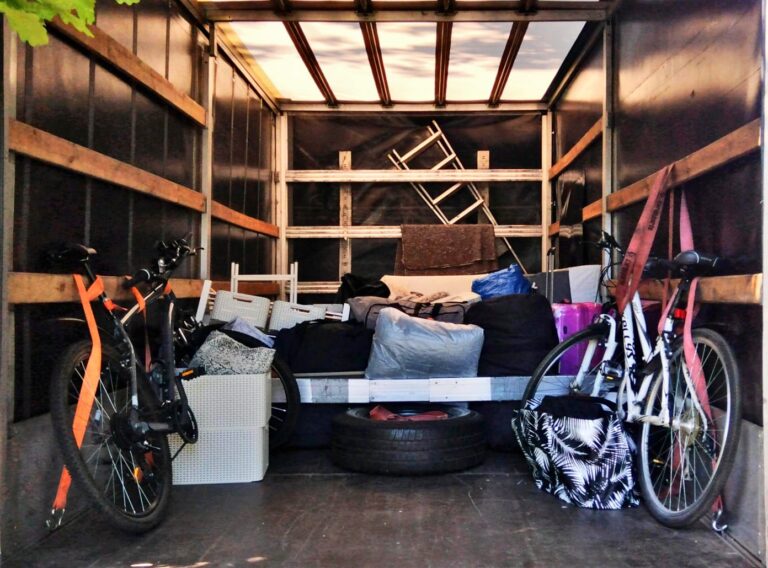
- Pick the right vehicle size and add 10% to 20% breathing space for protection.
- Take 5 to 10 photos of your biggest items and access points to speed up quotes.
- Write access notes in metres for both addresses: floor, lift, stairs, parking distance.
- Plan your arrival admin: utilities, bank steps, healthcare setup, and local registrations.
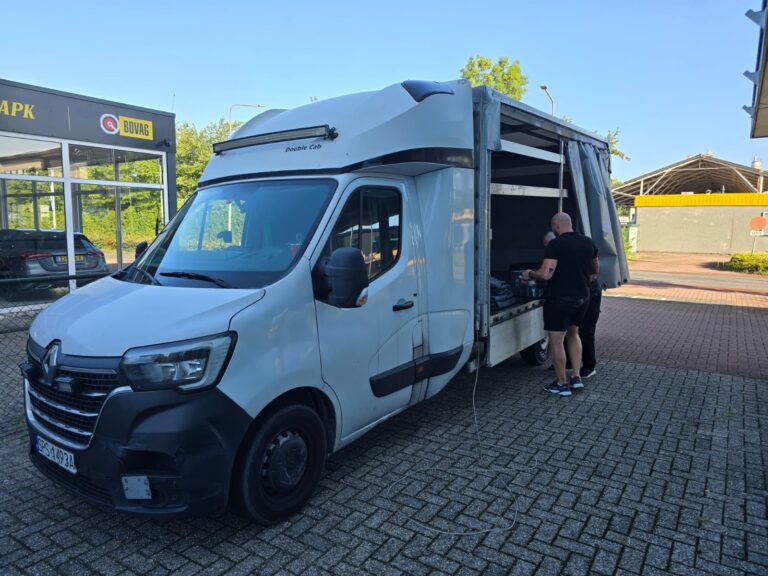
If you want a flexible man and van option with GPS tracking for every load, start with a route specific quote here: Removals to France
Your moving to France checklist timeline
A good moving to France checklist is not a long list. It is a rhythm. Do the right things early, and the last week feels strangely quiet.
Use this timeline as your backbone. Then adjust it to your route, your work schedule, and your home size.
60 to 45 days before moving: set the direction and cut the clutter
This is where you buy yourself time.
- Choose a region and city based on lifestyle, cost, and admin ease.
- Set your target move week and keep a 48 to 72 hour flexibility window if you can.
- Build your master inventory and choose a declutter target of 10% to 25%.
- Decide what you will not move. Selling one bulky item can shrink your volume fast.
If you are aiming for a smaller, faster move, this is also the moment to consider a man and van plan.
45 to 30 days before moving: lock housing strategy and documents
France loves paperwork, especially for housing. Move faster by preparing like a local.
- Build your housing dossier as a single PDF.
- Prepare proof of income and stability, often 3 months of payslips or equivalent.
- Plan your budget for deposits, first month spike, and moving costs.
- Start paperwork based on nationality and route.
If you are moving from the UK or outside the EU, check visa and residence pathways early: https://france-visas.gouv.fr/ and https://www.service-public.fr/particuliers/vosdroits/N110
30 to 14 days before moving: confirm access, book services, start packing
Now your plan becomes physical.
- Confirm your address details and collect access notes for both ends.
- Check parking options and estimate carry distance in metres.
- Book movers and choose service level: basic transport, packing support, white glove, or storage.
- Begin your packing plan, starting with items you will not use for 2 to 4 weeks.
If you want a route specific quote fast, start here: Removals to France
14 to 7 days before moving: build safety into the process
This is the damage prevention week.
- Create a disassembly plan for beds, wardrobes, and large tables.
- Prepare labelled hardware bags and a “hardware, priority 1” box.
- Create fragile zones and separate glass, marble, and high value items.
- Confirm route, pickup window, and delivery window.
72 hours before moving: tighten everything into one clean system
- Prepare your documents folder and keep it with you.
- Pack an essentials bag for 72 hours.
- Take final photos of bulky and fragile items.
- Freeze the final inventory list and stop adding “just one more thing.”
Move day: keep it simple, keep it safe
- Assign one person as the access lead.
- Keep keys, intercom codes, and parking instructions in one message.
- Clear one room so movers can handle furniture without obstacles.
- Check items on arrival, then breathe.
First 7 days in France: the admin sprint
Use your first week to turn “arrived” into “settled.”
- Set up utilities and internet.
- Start banking steps and set up local payments.
- Begin healthcare steps using ameli: https://www.ameli.fr/
- Handle local registrations and essential admin using Service Public: https://www.service-public.fr/
Timeline table you can screenshot
| When | What to do | Why it matters |
|---|---|---|
| 60 to 45 days | Pick region, set move week, declutter 10% to 25% | Less volume, fewer surprises, calmer pricing |
| 45 to 30 days | Build housing dossier, start paperwork, set budget buffer | Housing moves faster when your dossier is ready |
| 30 to 14 days | Confirm access notes, book movers, start packing | Access and photos tighten quotes and timelines |
| 14 to 7 days | Disassembly plan, fragile zones, confirm windows | Prevents damage and last minute chaos |
| 72 hours | Documents, essentials bag, final photos, freeze inventory | Reduces lost items and missing paperwork |
| Move day | Access lead, clear pathways, item check | Keeps handling fast and safe |
| First 7 days | Utilities, bank steps, healthcare admin | Turns arrival into stability |
Budget and costs checklist
Money stress can ruin the excitement of France before you even arrive. A smart moving to France checklist makes costs visible early, so you can plan without fear.
Cost buckets you must plan for
1) Settling costs in the first month
The first month is usually the most expensive. Plan for a buffer of 15% to 25% on top of your expected costs.
Typical settling costs include:
- deposit and first rent payment
- temporary accommodation for 4 to 8 weeks if needed
- insurance, utilities setup, and internet installation
- basic home essentials you buy again because life happens
Tip: deposits vary by rental type and landlord. Budget for 1 to 2 months of rent as a practical range.
2) Moving costs and what actually drives them
Three things drive most moving quotes:
- volume in m3 after wrapping, often 10% to 20% more space than the raw items
- distance and route constraints like tolls and delivery restrictions
- access time: stairs, lift size, and carry distance in metres
A single long carry or a no lift building can add 10% to 30% labour time, which is why access notes matter.
3) Hidden costs people forget
These are small, but they stack.
- parking or loading fees
- packing materials and protection
- disassembly tools and replacement hardware
- storage if keys or renovations shift
Mini budget table
Use this table as a planning frame for your moving to France checklist.
| Cost area | Typical range | Notes |
|---|---|---|
| First month buffer | 15% to 25% | Helps absorb the first month spike |
| Deposit planning | 1 to 2 months rent | Varies by rental type and landlord |
| Cross border moving cost drivers | 10% to 30% swing | Access and protection often decide the swing |
| Packing and protection add on | +5% to +15% | Reduces damage risk and speeds loading |
| White glove handling | +10% to +25% | Best for antiques, glass, marble, lacquer |
| Storage | varies by duration | Useful when move in dates shift |
Soft next step
If you want to stop guessing and get a route specific plan, use photos and access notes to lock in a quote. Start here: Removals to France
Documents checklist
Paperwork is the difference between a smooth move and a slow one. A strong moving to France checklist puts documents in one place, clearly labelled, ready to share.
Create two versions:
- a digital folder with PDFs you can send in 60 seconds
- a printed folder with 2 full sets
EU citizens moving to France
If you are moving from the EU, the documents are usually simpler, but housing and admin still expect proof.
Core documents to prepare:
- passport or national ID
- proof of address, current and future if available
- proof of income or work, contract, payslips, or equivalent
- health insurance proof if required for your situation
- birth certificate or civil status documents if you are registering family members
A real France tip: the housing dossier is a cultural ritual. Landlords often decide fast when your dossier is complete and easy to read.
UK and non EU moving to France
If you are moving from the UK or outside the EU, plan documents earlier. Visa and residence steps can shape your timeline.
Start here:
- France Visas: https://france-visas.gouv.fr/
- Service Public, foreigners in France: https://www.service-public.fr/particuliers/vosdroits/N110
For household goods and customs, use French Customs guidance:
- French Customs moving home: https://www.douane.gouv.fr/particuliers/vous-demenagez
Healthcare admin often begins with ameli:
- Assurance Maladie: https://www.ameli.fr/
What to include in your customs inventory
If your route involves customs, your inventory should be detailed enough to be credible. Vague lists cause questions. Clear lists reduce friction.
Include:
- item name and quantity
- material and approximate value for high value items
- notes like disassembled, fragile, upright only
Printable document table
Use this table as a quick “yes or no” checklist in your moving to France checklist.
| Document | Who needs it | Where it is used | Priority |
|---|---|---|---|
| Passport or ID | Everyone | travel, housing, admin | High |
| Proof of address | Everyone | housing, utilities, admin | High |
| Proof of income or contract | Most renters | rental applications, banking | High |
| Bank statements | Many renters | rental applications | Medium |
| Health insurance proof | depends on route | admin and healthcare steps | Medium |
| Birth certificate | families, admin cases | school and civil admin | Medium |
| Customs inventory list | UK and non EU routes | border and customs | High |
| Receipts for high value items | if available | customs and insurance | Low |
Housing and address checklist
Housing is often the hardest part of moving to France. The competition can be intense, and paperwork matters. This section of your moving to France checklist helps you move like someone who already lives there.
Build your housing dossier as one PDF
Aim for one clean PDF, named clearly, for example: “Dossier Firstname Lastname”.
Common dossier items include:
- ID document
- proof of income or work, often 3 months of payslips or a contract
- bank statements if requested
- previous landlord reference if you have one
- guarantor documents if you use a guarantor
Keep it readable. Order matters. Clarity wins.
Budget for deposit and first month spike
Plan for a first month spike. It is normal.
- deposit planning often sits around 1 to 2 months rent
- you may pay first rent plus insurance and setup costs quickly
Add a buffer of 15% to 25% as mentioned earlier. It protects your confidence.
Temporary housing plan for 4 to 8 weeks
If you have not locked a long term rental, do not panic. Plan it.
- book temporary housing for 4 to 8 weeks
- choose a location with easy commuting and admin access
- keep your move schedule flexible with a 48 to 72 hour window
If you move in phases, storage can be useful when keys or renovations shift.
Utilities and insurance requirements
Some rentals require proof of insurance and quick utilities setup. Keep your admin moving by preparing:
- a plan for electricity and internet activation
- a checklist for home insurance when required
- a way to receive mail, even if temporary
Short viewing checklist
Use this in every viewing so you do not forget the essentials.
- mobile signal and internet options
- water pressure and hot water speed
- windows and insulation, noise levels
- mould signs in corners and around windows
- storage space, cellar, bike storage
- lift size, stair width, and hallway turns for furniture
- parking and the closest legal stopping point
If access is tight, note it immediately. It affects your moving plan, vehicle size, and whether a man and van setup is the smartest choice.


Healthcare and insurance checklist
Healthcare admin can feel intimidating, but it becomes simple when you treat it like a sequence. This part of your moving to France checklist is about two things: staying covered from day one, and getting into the French system smoothly.
First steps: ameli and temporary coverage
Start with the official portal so you do not rely on rumours:
- Assurance Maladie (ameli): https://www.ameli.fr/
Your coverage bridge depends on where you come from.
- If you are moving from the EU, you may have temporary cover options while you transition.
- If you are moving from the UK or outside the EU, you may need private cover until your situation is fully set.
Even if you are unsure, this simple rule helps: do not arrive without a health insurance plan for the first 30 days.
What to bring for healthcare
Pack these in your carry bag, not in the van.
- current prescriptions
- a short medical summary, ideally with key diagnoses and medications
- vaccination record if relevant
- copies of recent test results if you are under ongoing care
- spare glasses or contact lenses if you use them
If your medication is essential, bring at least 30 days supply. If possible, bring 60 days. Moves can be unpredictable.
First month timeline: what to do and when
This is the heart of the moving to France checklist for healthcare.
| When | Action | Why it matters |
|---|---|---|
| Before travel | Make a 30 to 60 day medication plan | prevents gaps during admin delays |
| Day 1 to 3 | Save every address and ID document in one folder | you will reuse them for multiple steps |
| Week 1 | Start reading ameli steps and gather required proofs | reduces the back and forth |
| Week 2 | Choose a local doctor for routine needs | speeds up ongoing care |
| Week 3 to 4 | Follow up on any submitted steps and keep copies | admin is faster when you have proof |
Insurance checklist in 6 quick points
- Confirm what you are covered for on arrival.
- Keep policy numbers and contact details accessible.
- Save scans of ID and proof of address.
- Keep prescriptions and medical summary in your essentials bag.
- Budget a small monthly buffer for interim cover if needed.
- Do not delay starting the process. Week 1 is easier than month 3.
Work, school, and family checklist
This part of your moving to France checklist depends on who you are moving with and why you are moving. Pick the subsection that fits your life and follow it like a clean plan.
Work relocation checklist
Your goal is simple: arrive with proof, predictability, and a routine.
Prepare:
- employment contract or offer letter
- last 3 payslips if available
- proof of address, current and future if available
- a simple commuting plan, including realistic travel time
Smart extras that save stress:
- a one page work document pack in PDF form
- a first month budget for transport, lunches, and setup costs
If you are moving from outside the EU and need official guidance for your status, start here: https://www.service-public.fr/particuliers/vosdroits/N110
Students checklist
Student moves are often small, fast, and emotional. Your moving to France checklist should protect your budget and your essentials.
Bring:
- acceptance letter or student proof
- ID documents and copies
- proof of accommodation or temporary address
- a minimal inventory list
Minimal inventory rules that help:
- declutter 25% if you can
- keep fragile items with you
- focus on essentials for 30 days
Vehicle sizing tip:
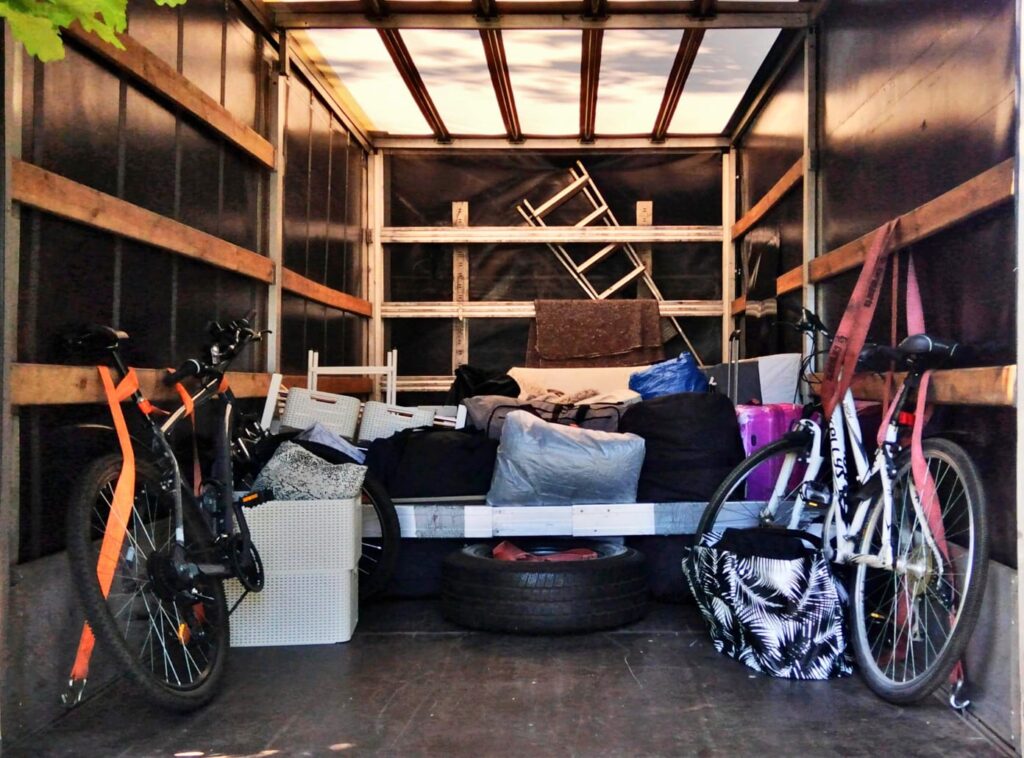
- A man and van setup is often perfect for a student load.
- Add 10% to 20% breathing space for protection.
- If you are moving a bed and a desk, Moving Medium can fit many setups.
If you need help with a small load, fast dates, and tight streets, start here: Removals to France
Families checklist
Families need a calmer arrival. Your moving to France checklist should reduce school stress, routine disruption, and day one chaos.
Prepare a family document pack:
- ID documents for everyone
- proof of address in France
- birth certificates or civil status documents if requested
- school records and any special support notes
- vaccination and medical information if relevant
School registration starts here on the official portal:
- Service Public school enrolment: https://www.service-public.fr/particuliers/vosdroits/F1898
Family move tip:
- Pack a 72 hour essentials kit for each child.
- Keep it in the car or carry bags.
- Include snacks, chargers, comfort items, and one change of clothes.
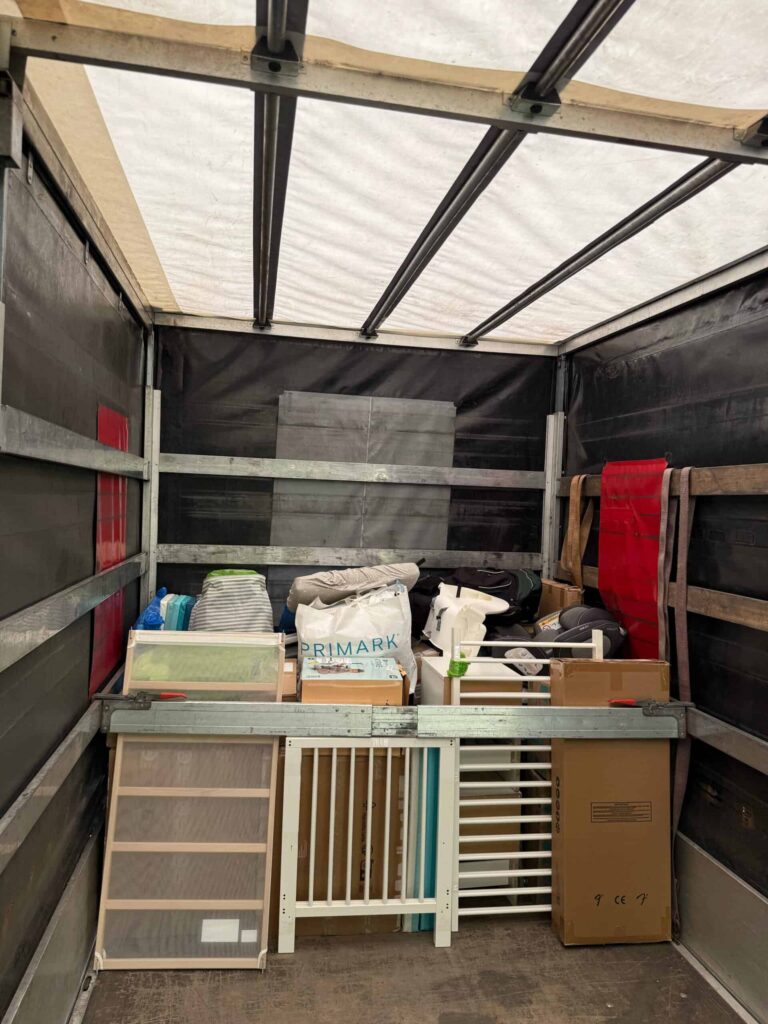
If your family move includes bulky furniture, choose the right vehicle size and consider packing support to reduce damage and speed up delivery day.
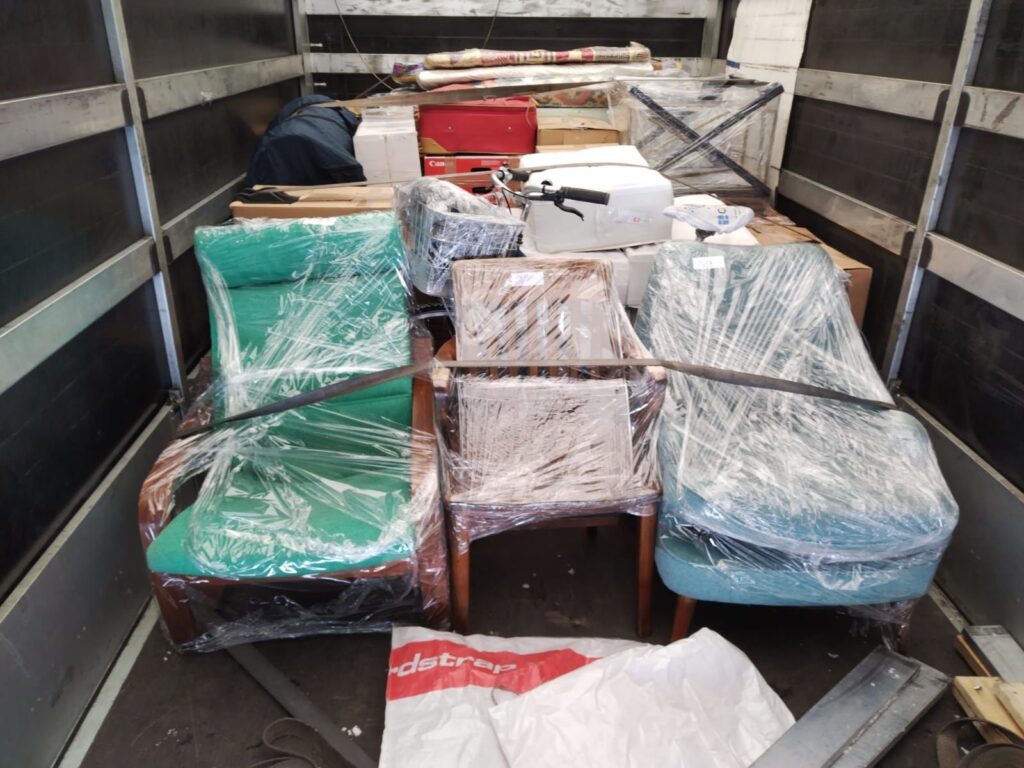
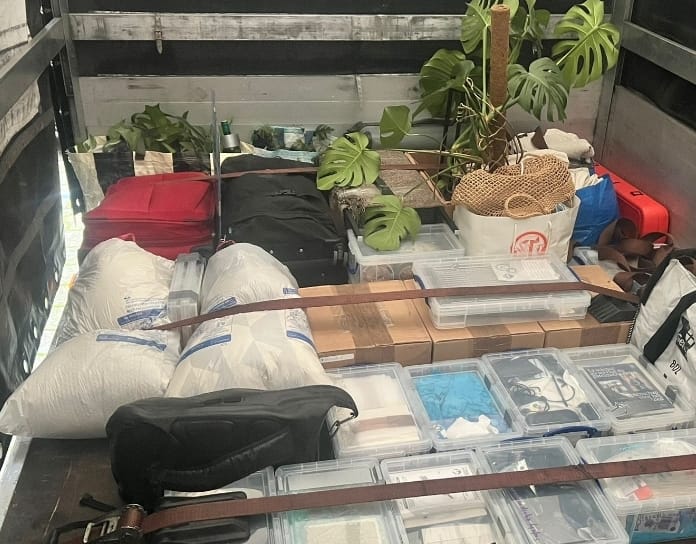
Packing checklist for a cross border move
Packing is where your move becomes either effortless or exhausting. This part of your moving to France checklist is built to protect your furniture, cut your unpacking time, and prevent the classic “where did we put the screws” disaster.
A simple truth: most cross border damage happens because items rub, bend, or get crushed. So the goal is separation, padding, and labels that make sense under pressure.
Room by room plan and priority labels
Use three priority labels so your boxes tell you what to do.
- Priority 1: first 72 hours, essentials only
- Priority 2: first week, daily living
- Priority 3: can wait, seasonal and rarely used
Room by room packing order that keeps life normal:
- Storage spaces and rarely used items
- Books and decor
- Spare bedding and spare clothes
- Kitchen, keeping one “living set” until the last day
- Bathroom and cleaning supplies
Declutter goal reminder: removing 10% to 25% before packing can reduce volume and cost.
Fragile packing rules that actually prevent breakage
Follow these rules and your moving to France checklist becomes a damage prevention system.
- Wrap fragile items individually, never in groups.
- Fill empty space. Movement inside a box is what breaks items.
- Plates travel vertically like records, not stacked flat.
- Glass gets edge protection first. Edges chip before surfaces.
- Keep heavy items in small boxes. Keep light items in big boxes.
Essentials bag for 72 hours
This is your calm kit. Keep it in your car or carry luggage, not in the van.
- passports and key documents
- phone chargers and adapters
- medication for 30 to 60 days if essential
- one change of clothes per person, plus one warm layer
- basic toiletries and a small towel
- snacks and water
- a mini tool kit, tape, marker, scissors
What not to load
For safety and sanity, do not load these:
- passports, visas, residency papers
- cash, jewellery, small valuables
- laptops, cameras, hard drives
- essential medicines
- keys, spare keys, car documents
Packing materials table
| Material | Best for | Quick tip |
|---|---|---|
| Moving blankets | furniture, wood, upholstery | protect corners first, then wrap the body |
| Stretch wrap | sofas, drawers, fabric | keeps items clean and holds blankets in place |
| Bubble wrap | glass, lamps, fragile decor | wrap, tape, label “fragile” on two sides |
| Corner protectors | tables, frames, cabinets | prevents chips on edges and legs |
| Cardboard sheets | mirrors, table tops | shields flat surfaces from scratches |
| Mattress cover | mattresses | prevents dirt and moisture |
| Zip bags | screws and hardware | one bag per item, label clearly |
| Packing tape | all boxes | tape seams in an H shape |
| Marker labels | boxes and parts | write room plus priority number |
If you want packing handled professionally, use Packing Service. If you have high value pieces, delicate finishes, glass, or marble, consider White Glove Delivery.
Copy and paste box label format
Use this exact format to avoid confusion:
- Room: Kitchen
- Priority: 1
- Contents: plates, mugs, kettle
- Handle: fragile, upright
That small discipline makes unpacking feel fast and controlled.
Vehicle size checklist and route planning
Choosing the right vehicle is one of the fastest ways to control cost, speed, and stress. A good moving to France checklist makes vehicle sizing practical, not mysterious.
Two rules make 90% of decisions easy:
- Add 10% to 20% breathing space for protection.
- If you are between sizes, go up one size.
Vehicle sizes table
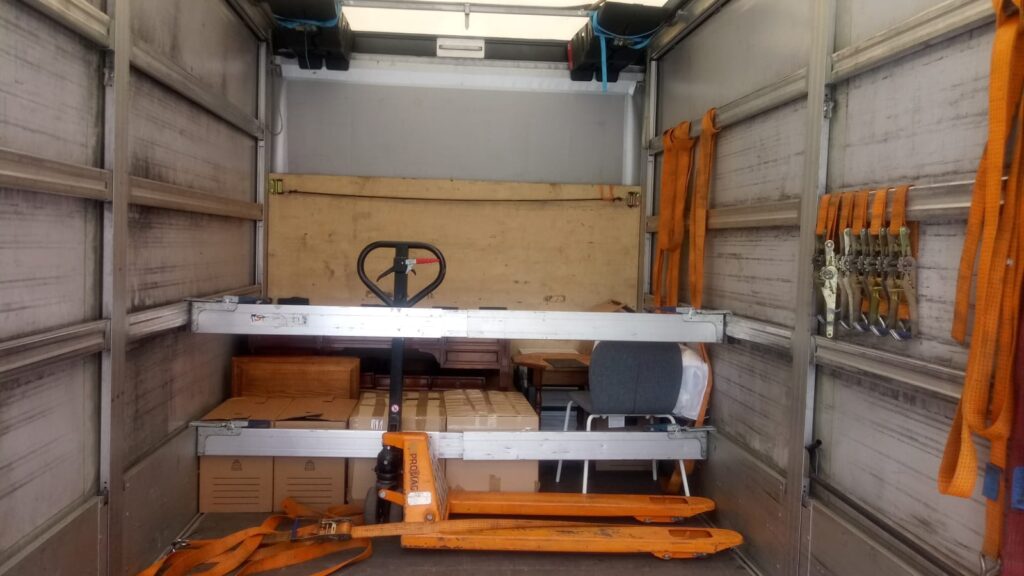
| Vehicle | Volume | Max load | Best for |
|---|---|---|---|
| Moving One | 1 m3 | 100 kg | a few essentials, documents, tiny loads |
| Moving Basic | 5 m3 | 300 kg | student setup, small furniture set |
| Moving Medium | 10 m3 | 500 kg | bed, desk, compact sofa plus boxes |
| Moving Premium | 15 m3 | 1,100 kg | studio or 1 bedroom essentials |
| Moving Premium Plus | 30 m3 | 3,500 kg | partial household, bulky furniture |
| Moving Full House XXL | 90 m3 | 20,000 kg | full household, furniture heavy moves |
Quick sizing cheat sheet
Use this when your brain is tired.
- Small load: sofa and bed plus 10 boxes often fits Medium or Premium depending on sofa size.
- One bedroom essentials: bed, wardrobe, sofa often fits Premium.
- Bulky furniture heavy: multiple wardrobes and a dining set often needs Premium Plus.
Route planning checklist
Route planning is not just distance. It is access, timing, and the moments that slow you down.
- Confirm pickup and delivery postcodes.
- Note the closest legal stopping point for both addresses.
- Estimate carry distance in metres.
- Confirm lift availability and any lift booking rules.
- Identify narrow roads, low bridges, or restricted access if relevant.
- Keep a 48 to 72 hour flexibility window if you can.
When a man and van plan is perfect
A man and van option is ideal when you want agility.
- partial loads where you do not want to pay for unused volume
- tight streets and city centre access
- flexible dates with a 48 to 72 hour window
- student moves and phased relocations
If you want a route specific plan and a quote that reflects your real access and volume, start here: Removals to France
Moving day checklist
Moving day is not about speed. It is about flow. If your pathways are clear and your access notes are precise, your moving to France checklist turns into a calm, controlled handover.
The 15 point moving day checklist
Follow this in order. It reduces delays and protects furniture.
- Confirm pickup and delivery times, plus a 30 minute buffer on each end.
- Put keys, intercom codes, and phone numbers in one message and pin it.
- Reserve the best legal stopping point and confirm carry distance in metres.
- Book the lift if your building requires it. Confirm the time slot.
- Clear hallways, stair corners, and doorways. Create one clean handling lane.
- Protect floors and door frames in tight areas with cardboard or blankets.
- Separate Priority 1 boxes and your essentials bag. Keep them out of the loading zone.
- Gather hardware bags and put them in one box labelled “hardware, priority 1”.
- Take quick photos of fragile items before loading, especially glass and marble.
- Do a last check of cupboards, drawers, balconies, and storage spaces.
- Read meters if needed and take photos of readings.
- Keep snacks, water, and chargers accessible. Low energy causes mistakes.
- Keep a small tool kit ready: tape, marker, scissors, Allen keys.
- On delivery, guide placement room by room using your labels.
- Check each bulky item on arrival before you sign off. Note issues immediately.
Copy and paste access notes template
Use this template for quotes and move day messages.
- Pickup postcode:
- Pickup floor:
- Lift: yes or no, lift size if small:
- Stairs: number of flights:
- Parking: closest legal stopping point:
- Carry distance in metres:
- Special notes: narrow road, low doorway, sharp stair turn:
- Delivery postcode:
- Delivery floor:
- Lift: yes or no, lift size if small:
- Stairs: number of flights:
- Parking: closest legal stopping point:
- Carry distance in metres:
- Special notes: codes, intercom name, restrictions:
After you arrive in France checklist
Arrival feels like relief, then the admin begins. This part of your moving to France checklist is designed to help you feel settled in 7 days, not 7 weeks.
First week priorities
Focus on the basics that give you stability.
- Register utilities and set up internet.
- Start bank steps so payments and deposits become easy.
- Begin healthcare admin, starting with ameli: https://www.ameli.fr/
- Handle essential registrations and local admin using Service Public: https://www.service-public.fr/
- Update your address everywhere that matters.
- Build a calm routine, even if your home is still half boxes.
7 day action table
| Day | Task | Time needed |
|---|---|---|
| Day 1 | Unpack Priority 1, set up bed, shower, chargers | 2 to 4 hours |
| Day 2 | Utilities and internet steps, confirm appointments if needed | 1 to 2 hours |
| Day 3 | Bank steps and local payment setup | 1 to 3 hours |
| Day 4 | Start healthcare admin and gather proofs for ameli | 1 to 2 hours |
| Day 5 | Local admin tasks using Service Public, update address | 1 to 2 hours |
| Day 6 | Unpack Priority 2, organise kitchen and daily living | 3 to 5 hours |
| Day 7 | Review what is missing, schedule follow ups, enjoy a proper walk outside | 30 to 90 minutes |
FAQs
How early should I start a moving to France checklist?
Start 60 days before if you can. That gives you room to build a housing dossier, compare areas, and avoid rush decisions. If you have less time, start with the essentials: documents folder, inventory, access notes, and a move week with a 48 to 72 hour flexibility window.
How much money should I save before moving?
A practical rule for your moving to France checklist is to keep a 15% to 25% buffer on top of your expected first month costs. The first month often includes deposit, rent, setup fees, and small essentials you buy again. The buffer protects you when timing shifts or admin takes longer.
What documents do I need to move from the UK?
It depends on your exact status and timeline, so start with official guidance:
- France Visas: https://france-visas.gouv.fr/
- Service Public, foreigners in France: https://www.service-public.fr/particuliers/vosdroits/N110
For moving household goods and customs, check:
- French Customs moving home: https://www.douane.gouv.fr/particuliers/vous-demenagez
For your move itself, keep the basics ready: ID documents, proof of address, proof of accommodation, and a detailed inventory.
How do I create a customs inventory?
Keep it clear and believable. An inventory that feels vague is an invitation for questions.
Include:
- item name and quantity
- material
- note if disassembled, fragile, or upright only
- separate lines for high value items
Example format:
| Item | Quantity | Material | Notes |
|---|---|---|---|
| Sofa | 1 | fabric | legs removed |
| Wardrobe | 1 | MDF | disassembled into panels |
| Glass panels | 2 | glass | upright only, fragile |
How do I choose van size?
Use two rules.
- Add 10% to 20% breathing space for protection and wrapping.
- If you are between sizes, go up one size.
Quick examples:
- bed, desk, compact sofa, boxes often fits Moving Medium or Moving Premium
- one bedroom essentials often fits Moving Premium
- multiple wardrobes and a dining set often needs Moving Premium Plus
If you want it accurate, send 5 to 10 photos of bulky items plus access notes in metres.
Is packing service worth it?
It is worth it when:
- you have fragile finishes like glass, marble, lacquer, or mirrors
- you have tight stair turns or long carry distances
- you want faster loading and fewer damage risks
Packing support can add around 5% to 15% compared to basic transport, but it often saves you time and stress, and it protects items that would be expensive to replace.
How does GPS tracking help?
GPS tracking reduces the worst part of moving: uncertainty. It helps you coordinate keys, parking, and handovers. It also reduces missed deliveries, rushed arrivals, and that feeling of waiting with your whole day on pause.
Can I do a man and van move to France?
Yes, and it is often the smartest option for partial loads, students, and phased relocations. A man and van plan can be flexible, fast, and cost efficient when you do not need a full household truck.
What should I keep with me and not in the van?
Keep these in your carry bag:
- passports and key documents
- medications and prescriptions
- valuables and electronics
- keys and spare keys
- chargers and essentials for the first 72 hours
Summary and next step
A strong moving to France checklist gives you three gifts: calm, control, and clarity. It turns a huge life change into a series of small, doable actions.
If you do only four things, do these:
- build your documents folder and housing dossier early
- declutter 10% to 25% before you pack
- write access notes in metres and take 5 to 10 photos for accurate quotes
- choose the right vehicle size and add 10% to 20% breathing space for protection
If you want a reliable plan with GPS tracking for every load and a flexible man and van option, get a route specific quote here: Removals to France