
Introduction
There is a particular kind of bravery in leaving Ireland behind. Not the dramatic, movie kind. The quiet kind. The kind that shows up in cardboard boxes, goodbye dinners, and the sudden realisation that your favourite mug needs a passport too.
If you are moving to France from Ireland, you probably want two things at once. A fresh start, and a plan that does not crumble the moment a ferry time changes.
This guide is built to be fast, clear, and practical. It covers routes, timelines, costs, documents, packing, and what to do in your first week in France.
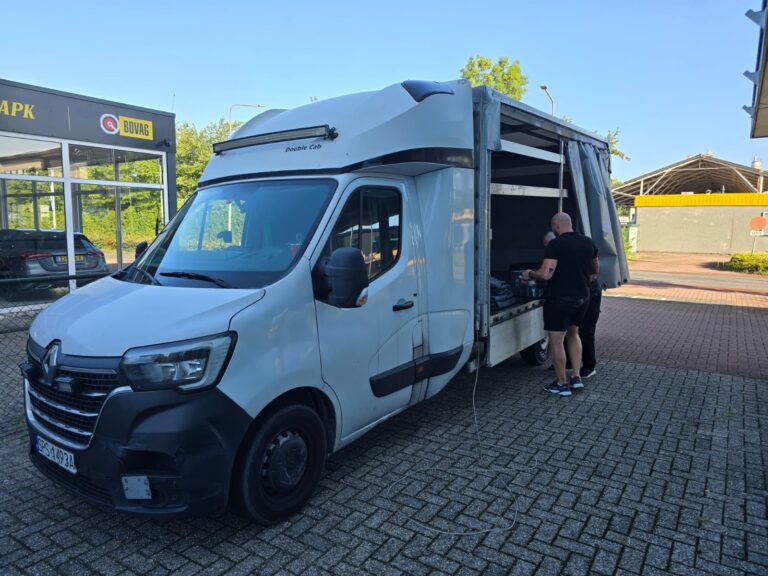
VANonsite supports moving to France from Ireland with premium removals, fast routing, and GPS tracking for every load. You can choose dedicated transport, part load, or a man and van option, depending on how much you are moving and how flexible you can be.
Learn more about VANonsite removals to France: https://vanonsite.com/removals-to-france/
Quick answer
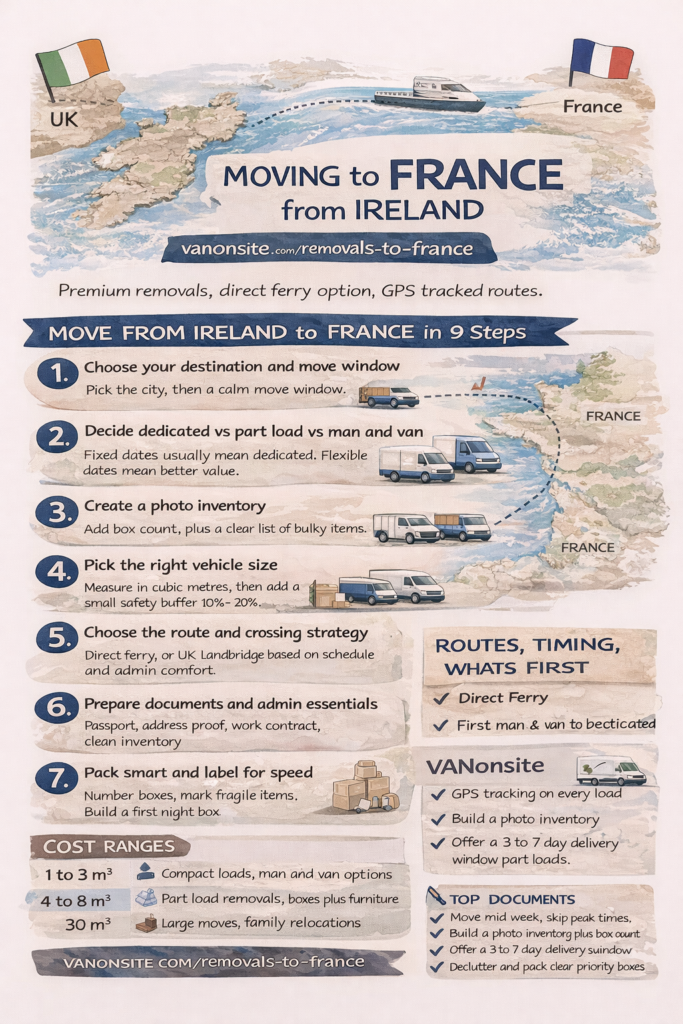
Moving to France from Ireland in 9 steps
- Choose your destination and move window
Pick the city, then choose a move window that gives you breathing space. - Decide dedicated vs part load vs man and van
Fixed dates usually mean dedicated. Flexible dates often mean better value. - Create a photo inventory
Add box count, plus a clear list of bulky items. - Pick the right vehicle size
Measure in cubic metres, then add a small safety buffer. - Choose the route and crossing strategy
Direct ferry is the simplest. The UK landbridge can work, but planning matters. - Prepare documents and admin essentials
Keep proof of address, work or funds, and a clean inventory. - Pack smart and label for speed
Number boxes. Mark fragile items. Build a first night box. - Delivery day checks and sign off
Count boxes against inventory. Inspect key items. - First week in France admin checklist
Get internet, healthcare steps, and paperwork organised early.
Why VANonsite for moving to France from Ireland
When you are moving to France from Ireland, quality is not a luxury. It is the difference between arriving calm or arriving exhausted. The best moves feel boring in the best way: predictable, tidy, and handled by people who have done it enough times to see problems before they happen.
VANonsite is built for premium European moves, with small details that change the whole experience:
- GPS tracking on every load so you always know where your belongings are.
- Fast, realistic routing with delivery windows you can actually plan around.
- Flexible options from man and van to dedicated full home removals.
- Careful handling that protects furniture, finishes, and fragile items.
What premium handling looks like in real life
It is not just blankets and straps. It is a clear plan.
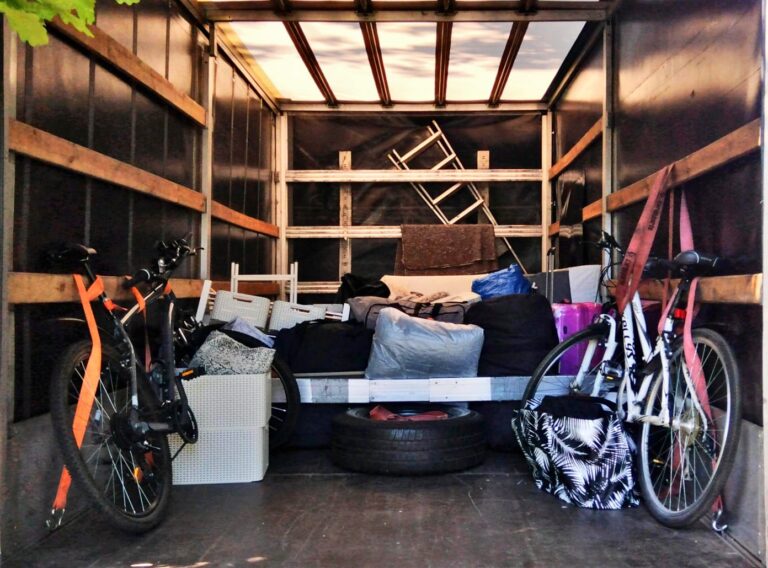
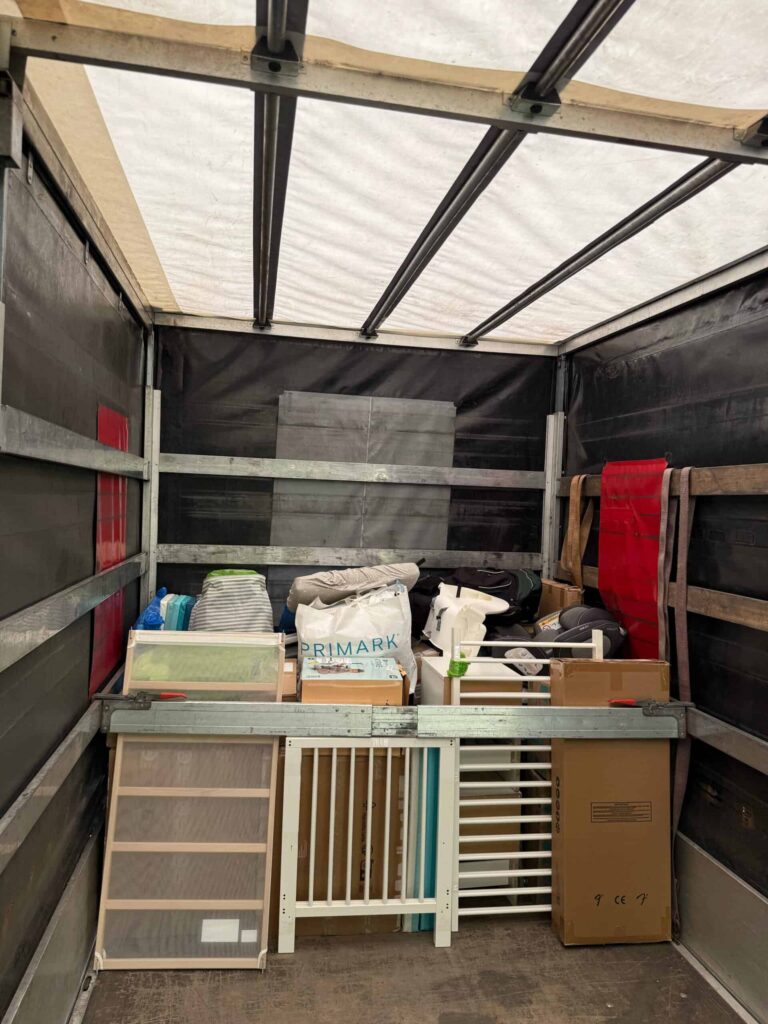
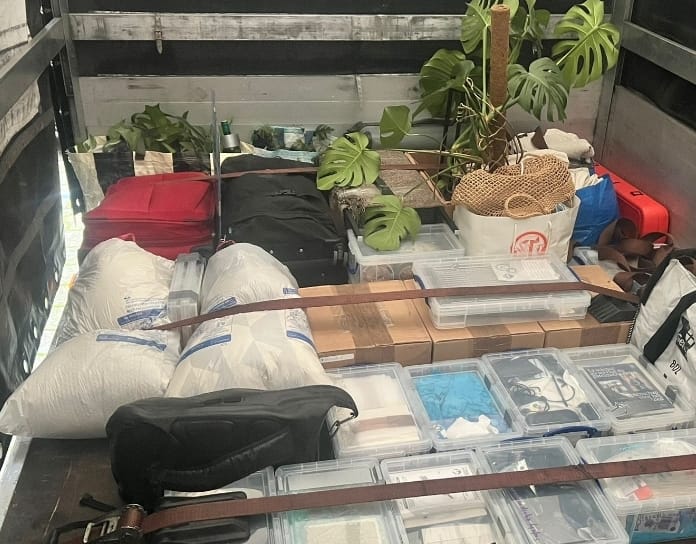
- A measured load plan based on photos and box counts
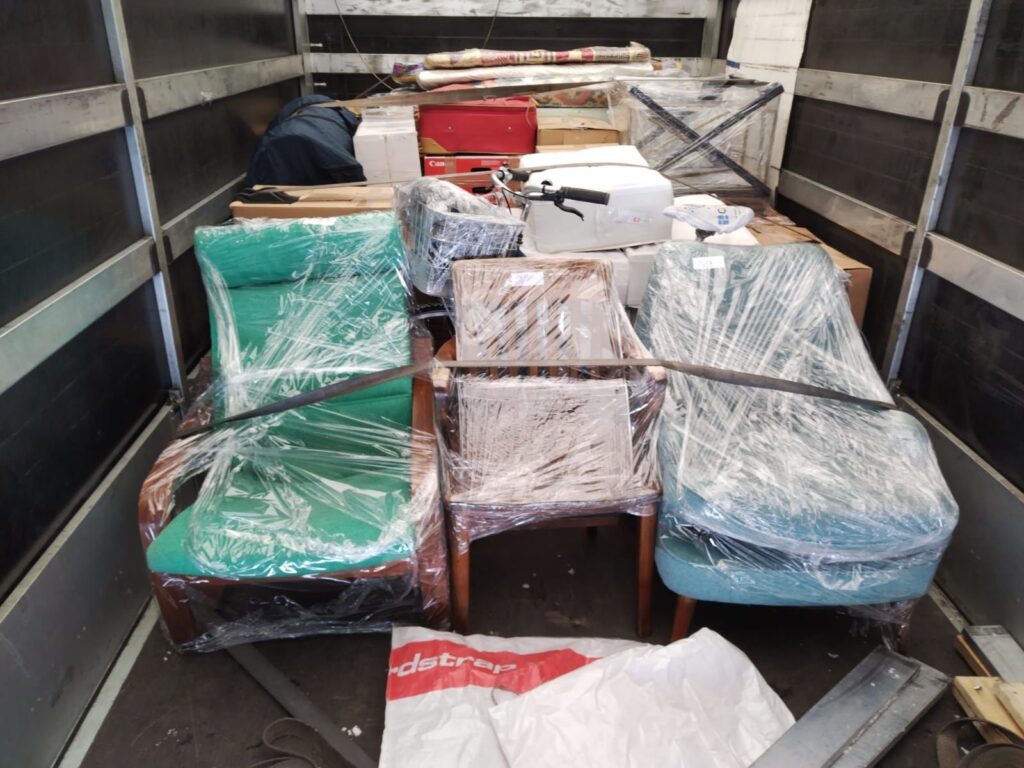
- Protection for corners, glass, and vulnerable surfaces
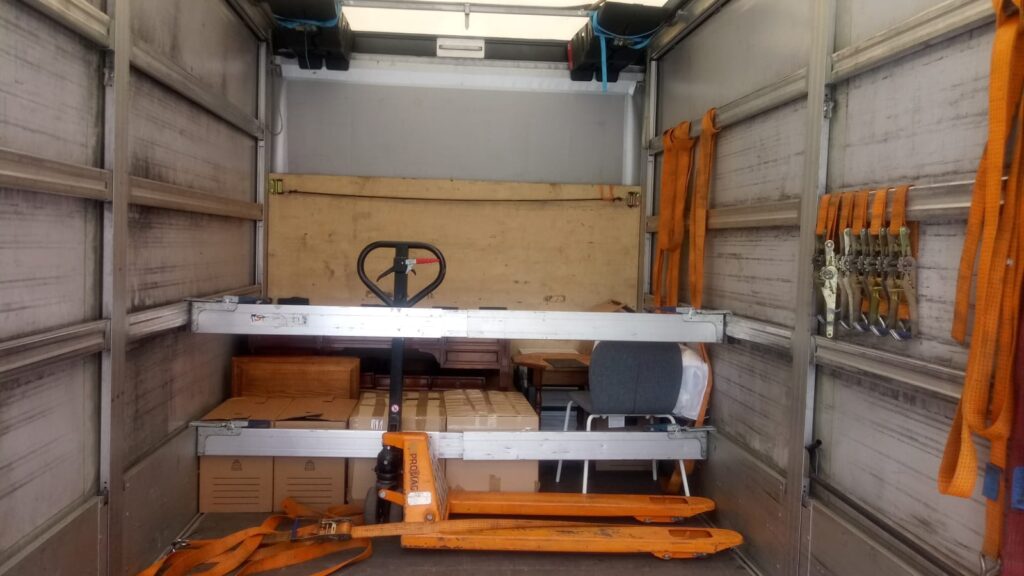
- Secure loading that prevents shifting, rubbing, and pressure damage
- Clean communication so you are not chasing updates
If you are bringing items you truly love, the difference matters. A scratched table edge or a cracked mirror is not just “damage”, it is a sour note in your first week.
Who VANonsite is best for
VANonsite is a strong fit for moving to France from Ireland if you are:
- Moving a studio, flat, or family home
- Shipping furniture only, or boxes plus key pieces
- A student relocating for a semester or full year
- Splitting the move into stages, essentials first, the rest later
A simple way to get a sharp quote fast
If you want an accurate price without endless back and forth, send:
- Pickup and delivery postcodes
- Floor level, lift availability, and parking distance
- Your box count and photos of bulky items
- Your preferred date plus a flexibility window
That is how you get pricing that stays stable on move week.
Routes and crossings from Ireland to France
The route you choose shapes everything: speed, cost, and complexity. For moving to France from Ireland, you have two main strategies. One reduces admin risk. The other can reduce sailing constraints.
Main route options
Option A: Direct Ireland to France ferry
This is usually the simplest route for moving to France from Ireland. It avoids extra border steps and reduces moving parts.
Common direct routes include Dublin, Rosslare, or Cork to ports such as Cherbourg or Roscoff, depending on the operator and season.
Why people love it:
- Fewer handoffs and fewer variables
- Cleaner planning for dedicated moves
- Often calmer for families and time sensitive dates
Option B: Ireland to the UK, then Channel crossing to France
This can be practical if your collection point is close to a UK route, or if sailing schedules suit your dates.
However, the UK is outside the EU. If you use the landbridge, you may face transit formalities depending on how the goods travel. For movers and customers, the simplest principle is this: direct ferry reduces admin risk.
If you are moving goods through the UK landbridge, official guidance on transit exists for moving goods through Great Britain:
https://www.gov.ie/en/department-of-the-taoiseach/publications/moving-goods-under-transit-procedure-via-the-uk-landbridge-eu-great-britain-ireland/
How to choose the right route
Use this quick decision guide:
- Choose direct ferry if you want the simplest admin path.
- Choose UK landbridge if schedules are tighter and the route is better aligned, and you are comfortable with extra formalities.
Transit times
Timing depends on distance to your French destination, ferry schedules, and access on both ends. Still, there are reliable planning ranges.
| Move type | Typical door to door planning range | Best for |
|---|---|---|
| Dedicated transport | 4 to 8 days | Fixed dates, full homes |
| Part load | 7 to 14 days | Flexible windows, smaller loads |
| Man and van | 4 to 10 days | 1 to 5 m3, light moves |
If you have a strict key handover date, dedicated transport usually protects your sanity.
Best travel windows
If you can choose your timing, it can change your quote.
- Peak season often pushes prices up by 15% to 35%.
- Mid week collections can reduce competition for slots.
- A delivery window of 3 to 7 days unlocks better part load pricing.
A simple money saving rhythm: aim for mid week loading, avoid school holiday peaks, and stay flexible by a few days.
Moving options
Choosing the right service level is the most important decision after dates. For moving to France from Ireland, the best service is the one that matches your reality, not your wishful thinking.
Dedicated removals
Dedicated transport is the cleanest choice when you need certainty.
Best when:
- You have fixed dates.
- You are moving a full household.
- You want a direct route with minimal handling.
Dedicated is often the best option for families, especially when school dates, leases, and work start dates collide.
A dedicated move is also a strong choice if your French building requires a booked delivery slot and you cannot miss it.
Part load removals
Part load is the value option for moving to France from Ireland when you have flexibility.
Best when:
- Your move is under 10 to 15 m3.
- You can accept a delivery window, not a single hour slot.
- You are moving boxes plus furniture, or furniture only.
How it works:
- Your load shares a planned route.
- You pay for space used, not the whole vehicle.
- Delivery is organised within a realistic window.
Part load is a smart trade when you want quality without paying for empty van space. Many smaller moves save 10% to 25% when dates are flexible.
Man and van
A man and van option is ideal for smaller shipments. It is often perfect for:
- 1 to 5 m3
- Students
- A few furniture pieces plus boxes
For moving to France from Ireland, man and van works best when you are light, organised, and ready for fast handling.
A simple rule:
- If you have fewer than 15 to 20 boxes plus one bulky item, man and van can be perfect.
- If you have multiple bulky items, part load usually becomes better value.
Cost guide for moving to France from Ireland
People search costs because they want control. The truth is that pricing is predictable when details are accurate.
Cost drivers
These are the biggest factors for moving to France from Ireland:
- Volume and weight
- Distance and route choice
- Stairs, no lift, long carry distance
- Dedicated vs shared vehicle space
- Packing level and White Glove handling
- Time restrictions like strict building slots
Access issues alone can add €100 to €300 in labour and waiting time, especially in city centres.
Example price ranges by move size
These ranges are a practical benchmark for moving to France from Ireland. Exact pricing depends on route, dates, and access.
| Move size | Typical load | Typical option | Typical range |
|---|---|---|---|
| Very small | 1 to 3 m3 | Man and van or part load | €500 to €1,100 |
| Small | 4 to 8 m3 | Part load | €900 to €2,000 |
| Medium | 9 to 15 m3 | Part load or dedicated | €1,700 to €3,600 |
| Large | 30 m3 | Dedicated | €3,800 to €7,200 |
| Full house XXL | 60 to 90 m3 | Dedicated | €8,000 to €16,000+ |
Common scenarios and typical ranges
| Scenario | What is moving | Typical range |
|---|---|---|
| Dublin to Paris | 1 bed flat essentials | €1,900 to €3,900 |
| Cork to Lyon | furniture plus boxes | €1,200 to €3,200 |
| Galway to Bordeaux | family move | €4,000 to €8,500 |
Top 5 ways to reduce cost without cutting quality
- Move mid week.
- Declutter before packing.
- Provide a full photo inventory upfront.
- Offer a 3 to 7 day delivery window.
- Make parking easy at both ends.
If you do these five things, moving to France from Ireland becomes cheaper and smoother.


Vehicle sizes and what fits
Choosing the right vehicle prevents overpaying and prevents last minute changes.
VANonsite fleet
| Vehicle package | Volume | Max payload | Best for |
|---|---|---|---|
| Moving One | 1 m3 | 100 kg | Documents, suitcases, tiny student load |
| Moving Basic | 5 m3 | 300 kg | Studio essentials, small furniture |
| Moving Medium | 10 m3 | 500 kg | Small flat move, sofa plus boxes |
| Moving Premium | 15 m3 | 1100 kg | Larger flat, compact home |
| Moving Premium Plus | 30 m3 | 3500 kg | Family move, multiple rooms |
| Moving Full House XXL | 90 m3 | 20000 kg | Whole house, bulky items |
Room based volume estimates
Use this as a quick guide for moving to France from Ireland.
| Space | Typical range |
|---|---|
| Student room | 2 to 6 m3 |
| Studio | 5 to 10 m3 |
| 1 bed flat | 10 to 20 m3 |
| 2 bed flat | 18 to 30 m3 |
| 3 bed house | 30 to 50 m3 |
Weight traps to avoid
Books, tools, and gym equipment can hit payload limits fast. If you have heavy items, say it early. It keeps moving to France from Ireland accurate and fair.
Services you can add
A move can be simple, or it can be fully supported. The right add ons protect time and reduce risk, but they also protect your mood. When the day is long and the stairs are narrow, good services feel like relief.
Think of it like this. You are not paying for “extras”. You are buying back certainty.
VANonsite services that pair perfectly with moving to France from Ireland
- Furniture Removals: https://vanonsite.com/furniture-removals/
Best when you are shipping a sofa, bed, wardrobe, or dining set and you want professional protection on corners and finishes. - Home Removals: https://vanonsite.com/home-removals/
Best for full apartment or house moves where planning, loading order, and on site coordination matter. - Packing Service: https://vanonsite.com/packing-services/
Ideal if you want speed and safety. Good packing can reduce loading time by 10% to 30% and lower breakage risk. - White Glove Delivery: https://vanonsite.com/white-glove-delivery-service/
Perfect for premium interiors, delicate furniture, or anything you would hate to see scratched. Placement is careful, handling is calm. - Office removals: https://vanonsite.com/office-removals/
Best for business moves where downtime is expensive and timing must be coordinated. - Student Removals: https://vanonsite.com/student-removals/
A strong fit for smaller moves with tight budgets and lighter loads. - Storage for staged moves or delayed keys
A lifesaver when your French keys are not ready, renovation is running late, or you want to move in phases.
Which add ons should you choose
| Your situation | Best add on | Why it works |
|---|---|---|
| You are moving fragile kitchen items and electronics | Packing Service | Strong protection and faster handling |
| You have high value furniture or delicate finishes | White Glove Delivery | Safer lifting, careful placement |
| You are moving a whole flat or house | Home Removals | Cleaner planning and less chaos |
| You are sending one or two bulky items | Furniture Removals | Better protection for corners and upholstery |
| Your dates are uncertain | Storage | Keeps the move on track even if keys shift |
| You are light and fast | Student Removals or man and van | Right sized support, no wasted space |
If you are moving to France from Ireland with high value furniture, White Glove Delivery is the calm, careful choice.
Documents and admin when moving to France from Ireland
Because Ireland and France are both in the EU, residency rules are generally simpler than for non EU citizens. Still, paperwork can trip you up when you are tired, busy, and living out of boxes. The goal is to prepare a small, powerful document pack that makes everything easier.
A practical way to think about it:
- First 0 to 3 months is mostly about getting settled.
- After 3 months is about proving you are working, studying, or self sufficient, and organising your healthcare pathway.
Residency basics for EU citizens
EU guidance on residence rights and registration:
- Residence rights overview: https://europa.eu/youreurope/citizens/residence/residence-rights/index_en.htm
- Documents and formalities: https://europa.eu/youreurope/citizens/residence/documents-formalities/index_en.htm
- Registering residence after 3 months: https://europa.eu/youreurope/citizens/residence/documents-formalities/registering-residence/index_en.htm
In practice, if you are moving to France from Ireland for more than 3 months, be ready to show:
- Passport or Irish passport card
- Proof of address in France
- Proof of work, study, or sufficient resources
- Health coverage arrangements
Your move folder checklist
Keep these in one folder that stays with you, not in the van.
- ID documents
- Rental contract, deed, or an attestation of accommodation
- Work contract, university letter, or proof of resources
- Health coverage documents
- A simple inventory of your household goods, helpful for organised delivery and any checks
Residence card, optional but useful
You do not usually need a residence card as an EU citizen, but you can apply for one if you want official proof of residence status.
French public information portal guidance: https://sites.service-information-publique.fr/vias/guide-particuliers/F16003.html
French administration essentials
For a grounded overview tailored to Irish citizens in France, use the Embassy of Ireland resource:
Your first admin priorities often look like this:
- Housing proof, a lease or attestation
- French bank account setup
- Healthcare pathway and social security steps
- Tax and address updates
A fast first week admin sequence
If you want your new life to feel stable quickly, follow this order:
- Secure proof of address
- Start bank account steps
- Begin healthcare registration pathway
- Update address and tax related details
Customs notes
Within the EU, customs is typically minimal for household goods. However, extra paperwork can apply if goods originate outside the EU, or if the route goes through a non EU country.
French customs information in English: https://www.douane.gouv.fr/french-customs-information-available-english
Healthcare, work, and taxes
These topics can feel heavy, but you only need a simple order. Think of it as building three pillars. Healthcare first, then income, then taxes. When you do it in that order, moving to France from Ireland feels far less chaotic.
Healthcare
If you are moving to France from Ireland, start by gathering:
- ID
- Proof of address in France
- Work contract or proof of resources
- Any existing health coverage documents
The simple healthcare pathway
- Secure proof of address
A lease, attestation, or official letter makes everything else easier. - Register with the French health system
Your main reference for health insurance is Assurance Maladie: https://www.ameli.fr/ - Apply for a Carte Vitale
Service public guidance on the Carte Vitale: https://www.service-public.fr/particuliers/vosdroits/F11669 - Keep your EHIC while you transition
EHIC is useful for short term coverage. For Irish issued EHIC information: https://www2.hse.ie/services/schemes-allowances/ehic/
A realistic planning note: some steps can take a few weeks, sometimes longer, depending on your local office and how quickly you can prove your address.
Work and social security
Your route depends on whether you are employed, self employed, studying, or retired. Start with EU residence guidance:
Employed in France
If you have a French contract, your employer usually triggers the first social security steps. Keep copies of:
- Work contract
- First payslip
- Proof of address
Self employed or freelance
If you are moving to France from Ireland to freelance, set up your structure early so your income and healthcare connect smoothly.
A key official starting point is URSSAF for micro entrepreneur and self employed pathways:
Taxes
Tax residence is often decided by where you live most of the year and where your centre of life is. If you are planning a permanent move, expect your tax position to shift.
Here is the practical takeaway for moving to France from Ireland:
- If France becomes where you live most of the year, you will likely need to file in France.
- Your first year can be split across two countries. Keep clean records.
Official French tax portal:
The 5 tax habits that save stress
- Keep arrival and departure dates written down
- Save payslips, invoices, and contracts in one folder
- Track moving costs and major expenses
- Keep proof of address changes
- Do not ignore letters from tax offices
Driving, vehicles, and pets
Driving in France
If you have an Irish driving licence, recognition across the EU is generally straightforward.
Official EU guidance on recognition and exchange:
If you need to exchange for professional reasons or because your situation changes, official French process information is here:
A practical tip for moving to France from Ireland: keep digital copies of your licence, ID, and proof of address. French admin loves a clean file.
Vehicle import and registration
If you bring a car, you may need to register it in France after a period of residence. Do not leave this to the last minute, especially if you need the car for school runs or commuting.
Official steps typically run through ANTS:
Service public guidance on vehicle registration:
To prepare, gather:
- Proof of ownership
- Vehicle registration documents
- Proof of address
- Valid ID
Pets
For pets, start with official EU guidance:
- Travelling with pets in the EU: https://europa.eu/youreurope/citizens/travel/carry/pets-and-other-animals/index_en.htm
In most cases, you will need:
- Microchip
- Valid rabies vaccination
- EU pet passport or an official animal health certificate
If you travel by ferry, check operator rules as well. Example guidance for Ireland France routes:
A calm, practical rule: plan pet paperwork at least 30 days ahead, especially if vaccinations or document updates are needed. It turns moving to France from Ireland with a pet from stressful to smooth.
Packing plan for an Ireland to France move
Packing is where moving to France from Ireland becomes either smooth or chaotic. Small habits create big calm. The secret is to pack like a future you already lives there. Not like a panicked you is trying to survive one more day.
Your packing kit
Before you touch a single plate, get the kit right. It saves hours.
- Strong boxes in 2 to 3 sizes
- Packing tape, marker pens, and labels
- Bubble wrap and paper for fragile items
- Blankets and stretch wrap for furniture
- Zip bags for screws and small parts
- A simple notebook or printed inventory list
A practical cost saver: using fewer box sizes can reduce wasted space by 10% to 15% and speeds loading.
Priority packing system
Pack in layers. This keeps moving to France from Ireland sane when the days blur together.
- Priority 1: first night essentials
- Priority 2: kitchen survival kit
- Priority 3: everything else
First night box essentials
Keep this box separate and clearly marked. Ideally, travel with it.
- Bedding and towels
- Chargers plus a power strip
- Toiletries and medication
- Kettle, mugs, coffee or tea
- One change of clothes
- Cleaning wipes, bin bags, paper towels
- Document folder, keys, and a pen
Add two tiny extras that feel huge on night one:
- A roll of toilet paper
- A small tool kit, screwdriver, Allen keys, scissors
Kitchen survival kit
This kit gets you through the first 72 hours without living on takeaways.
- Plates and bowls for 2 people
- One pan, one pot, one knife
- Cutlery set
- Dish soap, sponge, tea towels
- Salt, pepper, and one comfort ingredient you love
Box sizing and weight rules
The fastest way to ruin your move is to create boxes that are impossible to lift.
- Heavy items go in small boxes
- Light items go in large boxes
- Books get their own small boxes
A simple weight target: keep most boxes under 20 kg. If you need two people to lift it, it is too heavy.
Labels and box numbering
Write on every box. This is not admin. This is speed.
- Room
- Box number
- Fragile or heavy
- Short contents clue
For moving to France from Ireland, add one extra line that helps on arrival:
- “Open first” if you will unpack it in the first 48 hours
A simple labelling format you can copy
| What to write | Example | Why it helps |
|---|---|---|
| Room | Kitchen | Fast sorting in a new home |
| Box number | K-07 | Matches inventory, prevents losses |
| Handling | Fragile | Protects breakables |
| Contents clue | Glassware | Speeds unpacking |
| Priority | Open first | Saves you on night one |
A clean inventory method
An inventory does not need to be complicated. It needs to match reality.
- Number boxes as you pack them
- List 3 to 6 keywords per box
- Separate high value items into a short, clear list
This is also perfect if you are using a man and van option, because the load is smaller and faster to verify.
Packing fragile items without breakage
Fragile packing is about pressure, not just padding.
- Plates upright, like vinyl records
- Glasses wrapped individually
- Fill empty space so nothing rattles
- Tape the bottom seam twice
A quick warning: do not pack liquids that can leak. A small spill can soak boxes and soften cardboard.
Protection for furniture
Furniture damage is usually corner damage. Protect corners. And protect finishes.
- Use blankets and corner guards
- Tape hardware bags to the matching item
- Cover upholstery, especially in wet weather
- Remove table legs if possible
- Protect mirrors and framed items with rigid cardboard
If you want premium handling and placement, White Glove Delivery is the safest option:
https://vanonsite.com/white-glove-delivery-service/
Delivery day checklist
Keep delivery day simple. Do not improvise when you are tired. A calm delivery day is the final win of moving to France from Ireland.
Think of delivery day as three short acts: access, unloading, and confirmation. If you plan those three, the rest feels surprisingly smooth.
Before the van arrives
Make access effortless. In French cities, access is often the hidden cost. A few minutes of prep can save an hour of carrying.
- Confirm access codes, concierge hours, and lift bookings
- Reserve parking if streets are tight
- Clear corridors and protect floors
- Keep water and snacks available
- Put pets in a safe room, if you have them
Add these small but powerful extras:
- Put a note on the building noticeboard if deliveries are restricted
- Keep your phone charged and ringer on
- Place floor protection where furniture will pass, especially on delicate wood
- Prepare a “do not load” bag for documents, jewellery, medication, and laptops
A small detail that saves time: if you can keep the van within 10 metres of the door, unloading can be 20% to 40% faster than a long carry.
Parking reality check
If the street is busy, plan for one of these options:
- Reserve a legal bay if your area allows it
- Ask the concierge about delivery rules and time windows
- Arrange a spot with neighbours the night before
Even saving 15 metres of carry distance can remove fatigue, and fatigue is where mistakes happen.
During unloading
This is where calm leadership matters. You do not need to lift everything. You need to guide the flow.
- Keep your inventory in hand
- Direct boxes to the right rooms
- Check high value items first
- Place heavy boxes on the floor, not on furniture
The fastest room by room method
Use this order to keep the space usable:
- Bedroom basics
- Bathroom essentials
- Kitchen survival kit
- Living room and remaining boxes
If you are using a man and van for a smaller load, this room by room method is even faster. It prevents stacking chaos and protects fragile cartons.
Fast sign off routine
- Count boxes against inventory
- Inspect corners of large furniture
- Check mirrors and screens
- Photograph anything unusual
- Confirm agreed placement of key items
A 90 second damage scan that actually works
Check the places damage hides:
- Furniture corners and legs
- Table edges and glossy finishes
- Mirror and frame corners
- Appliance doors and hinges
If you spot an issue, note it immediately, take photos, and keep the conversation calm. Clear, quick reporting protects everyone.
First week in France checklist
The first week decides whether you feel settled or scattered. The goal is simple: make your home functional, then make your life official.
First 72 hours
Focus on stability. You want warmth, light, connectivity, and one calm room.
- Take meter readings and photograph them
- Confirm internet setup or installation date
- Find your nearest pharmacy and supermarket
- Unpack Priority 1 and make one room functional
Add two high impact moves:
- Buy a French SIM or activate roaming that works everywhere
- Take photos of the apartment condition before you unpack fully
First 7 days
Your aim is to build a paper trail. France loves proof, and proof loves organisation.
- Set up utilities and internet
- Start healthcare and social security steps
- Create a folder for French paperwork
- Update your address where needed
- Unpack essentials first, then build rhythm
A simple weekly admin plan
| Day | Task | What you need |
|---|---|---|
| Day 1 | Proof of address and copies | Lease, attestation, ID |
| Day 2 | Bank account steps | ID, proof of address |
| Day 3 | Healthcare pathway start | ID, proof of address, work or resources |
| Day 4 | Mobile and internet finalise | ID, bank details if needed |
| Day 5 | Local registration tasks | Documents folder |
| Day 6 | Address updates | List of accounts and services |
| Day 7 | Home reset | Unpack key zones, celebrate a little |
If you are moving in stages
If you are moving to France from Ireland in stages, consider part load plus storage. It lets you settle first, then bring the rest without paying for empty van space. It also protects your first week. You can sleep, work, and breathe, then schedule the second delivery when the home is ready.
FAQ
How long does moving to France from Ireland take?
Most dedicated moves plan around 4 to 8 days door to door. Part load often plans around 7 to 14 days.
A few things can stretch timelines by 1 to 3 days:
- Peak season demand
- City centre parking restrictions and lift bookings
- Long carry distance from the street
- A late change in volume, like extra boxes or surprise furniture
Dedicated vs part load vs man and van
- Dedicated is best for fixed dates and full homes.
- Part load is best for flexible windows and smaller loads.
- Man and van is best for 1 to 5 m3 and light moves.
A simple rule if you are moving to France from Ireland:
- If you need a specific delivery date, choose dedicated.
- If you can offer a 3 to 7 day window, part load often delivers the best value.
- If your move is a few boxes and one item, man and van is the lean choice.
What impacts cost the most?
For moving to France from Ireland, cost is driven by volume, route, access, and service level. Stairs, long carries, and strict building slots can add time and cost.
The biggest cost levers usually are:
- Volume and weight accuracy
- Access details, stairs, lifts, parking distance
- Your flexibility window
- Packing level and fragile protection
- White Glove handling for premium items
What is the cheapest way to move to France from Ireland?
If budget is your main goal, this mix usually wins without sacrificing safety:
- Part load with a 3 to 7 day delivery window
- Mid week collection
- Declutter before you pack
- Clean photo inventory sent upfront
These choices can reduce the quote by 10% to 25% compared to tight timing and weekend loading.
What route is best, direct ferry or UK landbridge?
For moving to France from Ireland, direct ferry is usually the simplest option. It reduces admin risk and cuts down on variables.
The UK landbridge can be useful when sailing schedules are tight, but it can involve transit formalities depending on how the goods travel.
Official Irish government guidance on landbridge transit:
What documents do I need?
For EU citizens, focus on ID, proof of address, and proof of work, study, or sufficient resources.
Start with official EU guidance:
And the Embassy of Ireland resource:
If you are moving to France from Ireland with a staged move, keep a simple inventory list for each shipment. It keeps delivery organised and reduces confusion.
Can I ship one sofa?
Yes. Furniture only moves are common.
- Use a man and van for very small shipments.
- Use part load if you have a few bulky items.
Furniture Removals: https://vanonsite.com/furniture-removals/
Do you offer packing and boxes?
Yes. Packing support is ideal if you want speed and safety. It can reduce loading time by 10% to 30% on complex moves.
Packing Service: https://vanonsite.com/packing-services/
Can you deliver into an apartment with stairs only?
Yes. When you are moving to France from Ireland, stairs are common, especially in older French buildings.
To keep pricing accurate, share:
- Floor number
- Lift availability
- Carry distance from van to door
- Any time restrictions from the building
Do you provide storage if my keys are delayed?
Yes. Storage is perfect for staged moves, renovation overlap, or delayed key handovers.
A staged plan is often the calmest version of moving to France from Ireland.
Do you provide GPS tracking?
Yes. VANonsite provides GPS tracking for every load, which removes the biggest stress factor in moving to France from Ireland. You are not guessing. You are planning with real information.
Can you handle premium items and careful placement?
Yes. If you have delicate furniture, art, or high value interiors, White Glove Delivery is designed for careful handling and placement.
White Glove Delivery: https://vanonsite.com/white-glove-delivery-service/
Summary
Moving to France from Ireland is easiest when you treat it like a sequence, not a storm. Pick your move window first, then match the service to your reality. Dedicated transport gives you date certainty. Part load rewards flexibility, often cutting costs by 10% to 25% when you can offer a 3 to 7 day delivery window. A man and van option is ideal for small, light moves around 1 to 5 m3.
To keep the move clean and predictable, focus on four essentials:
- Choose the simplest route where possible, direct ferry reduces variables
- Build a photo inventory plus box count, include bulky items and heavy loads
- Share access details early, stairs, lift, and parking distance can change time by 20% to 40%
- Pack with a Priority 1 box so your first night in France feels easy
VANonsite supports moving to France from Ireland with premium handling, fast routing, and GPS tracking for every load. For an accurate quote, send your pickup and delivery postcodes, floor access details, your box count, and photos of bulky items. If you want the smoothest start, include your preferred date plus how flexible you can be.
Start here: https://vanonsite.com/removals-to-france/