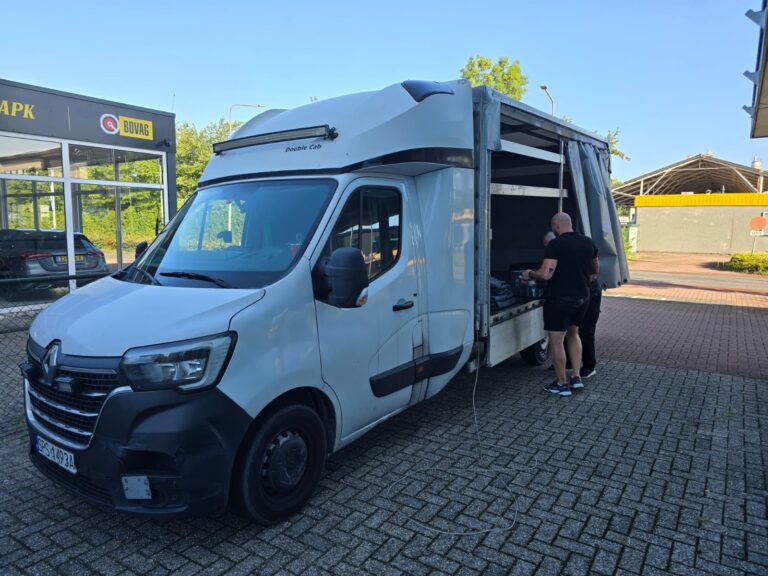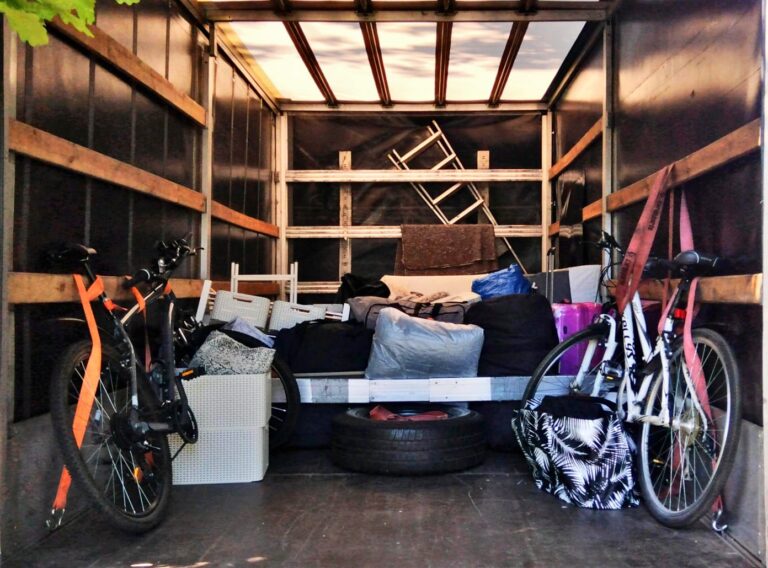

The last cup in the kitchen dries on the rack. The last key hangs on the hook like a tiny dare. And somewhere in France, your first morning is waiting: quiet streets, new routines, and the strange thrill of starting over.
If you are moving to France from UK after Brexit, the move is absolutely doable. It just needs clarity. This guide puts visas, customs, timelines, costs, and the right van size in one place, so your relocation feels controlled, not chaotic.
VANonsite supports UK to France moves with careful handling, fast transport, and GPS tracking on every load. If you are planning a smaller shipment, a flexible man and van option can be the simplest way to move without paying for empty space.
Start here when you are ready to plan the route:
- https://vanonsite.com/removals-to-france/
- https://vanonsite.com/france-removals/moving-to-france-from-uk/
TL:DR
- UK to France is now a non EU move for customs, so paperwork matters.
- Staying over 90 days usually requires a long stay visa, plan early.
- Household goods may qualify for relief, but proof and inventory must be clean.
- The number one delay trigger is a vague inventory and mismatched dates.
- For small to medium loads, man and van is often the simplest choice.
- Choose vehicle size by m³ to avoid paying for empty space.
- Access planning, parking, stairs, lift booking, and door codes decide delivery day success.
Quick answers first
| Question | Fast answer |
|---|---|
| Do I need a visa for moving to France from UK after Brexit? | Often yes for stays over 90 days. Start the visa path early so your move dates stay realistic. |
| What changed after Brexit for UK to France removals? | Your belongings can be treated as an import into France, with customs documents and checks. |
| Can I bring my personal belongings duty free? | Often yes if you qualify for residence transfer relief, but you must prove it. |
| What documents does French customs ask for? | ID, proof of French address, a clear inventory, and supporting forms plus proof of residence change where relevant. |
| How long do UK to France removals take? | Many moves take 1 to 4 days door to door, depending on route, access, and customs readiness. |
| Is man and van a good option for a small move? | Yes. For small loads, man and van is often fast, flexible, and cost smart. |
| What is the number one reason a move gets delayed at the border? | A vague inventory and missing or mismatched proof. If customs has to guess, you wait. |
| What should I keep with me, not in the van? | Passport, key documents, medication, chargers, and your first night essentials. |
| What is the fastest way to make the move cheaper and smoother? | Reduce volume by 20 to 30 percent, pick the smallest safe m³ vehicle, and share access details early. |
If you are moving to France from UK after Brexit, the cheapest and fastest moves come from clarity, not luck. The goal is a smooth move with fewer delays, not a risky shortcut.
What changed after Brexit
Brexit changed the UK’s relationship with EU customs.
- The UK is treated as a third country for EU customs.
- Household goods can be treated as an import into France.
- Customs forms, proof, and inventory quality now matter more.
- Border timing depends on paperwork quality as much as the road.
Official reference:
https://www.gov.uk/guidance/living-in-france
Before vs after Brexit
| Before Brexit | After Brexit |
|---|---|
| Moving household goods felt like a standard EU relocation | Moving household goods can involve customs steps and supporting documents |
| Inventory was helpful | Inventory is essential |
| Delays were mostly traffic and access | Delays can come from paperwork quality and customs checks |
| A small move felt simpler by default | A small move still needs clear documents and a numbered inventory |
For moving to France from UK after Brexit, think of the move as two tracks running in parallel.
- Your personal relocation steps: visa, residency, and timing.
- Your household goods steps: customs, inventory, and delivery planning.
If both tracks are ready, the border becomes routine.
Visas and residency basics
The simplest question is the most important one.
How long are you staying?
- Up to 90 days in any 180 day period is different from living in France.
- If you plan to stay longer than 90 days, a long stay visa is usually needed.
Official links:
- France Visas: https://france-visas.gouv.fr/
- Long stay visas: https://france-visas.gouv.fr/en/long-stay-visa
- Service Public overview: https://www.service-public.gouv.fr/particuliers/vosdroits/F16162?lang=en
90 days vs living in France
If you are moving to France from UK after Brexit, think of 90 days as a travel rhythm, not a relocation plan.
- Short stays are about visiting.
- Longer stays are about settling: rent contracts, utilities, healthcare admin, and often a long stay visa path.
Mini checklist before you start
Decide these early so you do not waste weeks on the wrong route.
- Reason for moving: work, family, retirement, study.
- Expected length of stay: 3 months, 6 months, 12 months.
- Target move window: aim for a 2 to 6 month planning window.
A practical “before you apply” table
| What to decide | Why it matters | A common mistake |
|---|---|---|
| Your realistic move date window | aligns visa timing and transport | booking removals before the visa path is clear |
| Your France address plan | supports admin steps | waiting for an address after arrival |
| Your document consistency | prevents admin loops | different name spelling or mismatched dates |
The one habit that makes France admin easier
Create a single folder and keep it sacred.
- ID copies
- proof of address
- income and insurance documents where relevant
- key confirmations and appointment notes
A small reality check helps. If your visa timing is tight, your moving date needs flexibility too. That flexibility often saves money.
Customs and moving household goods after Brexit
Customs can feel intimidating until you see the pattern – customs wants clarity.
For moving to France from UK after Brexit, the two biggest protections are:
- proof that you are truly transferring residence
- an inventory that is specific, numbered, and easy to verify
When duty relief can apply
Many people can qualify for relief when transferring their normal residence. It is not automatic. It is proven.
Official guidance:
- Service Public relief: https://www.service-public.gouv.fr/particuliers/vosdroits/F492
- French Customs moving hub: https://www.douane.gouv.fr/particuliers/vous-demenagez
- Residence transfer page: https://www.douane.gouv.fr/particuliers/vous-demenagez/en-france-metropolitaine/vous-transferez-votre-residence-principale
- UK declarations guidance: https://www.gov.uk/guidance/check-how-to-declare-personal-goods-you-bring-into-or-take-out-of-the-uk
What “proof” usually looks like
You are building a simple story that makes sense.
- proof of accommodation in France
- evidence that you are leaving the UK address
- a timeline where move out and move in dates align
- an inventory that looks like household goods, not commercial stock
Customs checklist
| Document | Why it matters | Common mistake |
|---|---|---|
| ID | confirms identity | expired passport |
| Proof of French address | supports residence change | incomplete address, missing apartment number |
| Inventory | core customs document | vague wording like miscellaneous |
| Customs form | supports the process | missing signature or wrong version |
| Proof of residence change | supports relief where relevant | dates do not match move timeline |
The 5 most common delay triggers
- inventory does not match box labels
- address details are incomplete or inconsistent
- dates look rushed or do not align
- high value items are not listed separately
- sensitive or restricted items are packed without disclosure
Your customs folder
If you want moving to France from UK after Brexit to feel simple, build one customs folder and keep it with you, not in a sealed box.
- two paper copies of key documents
- PDFs saved offline on your phone
- a printed inventory
- a one page summary sheet with:
- your name
- French address
- phone number
- pickup and delivery address
- total box count and large items
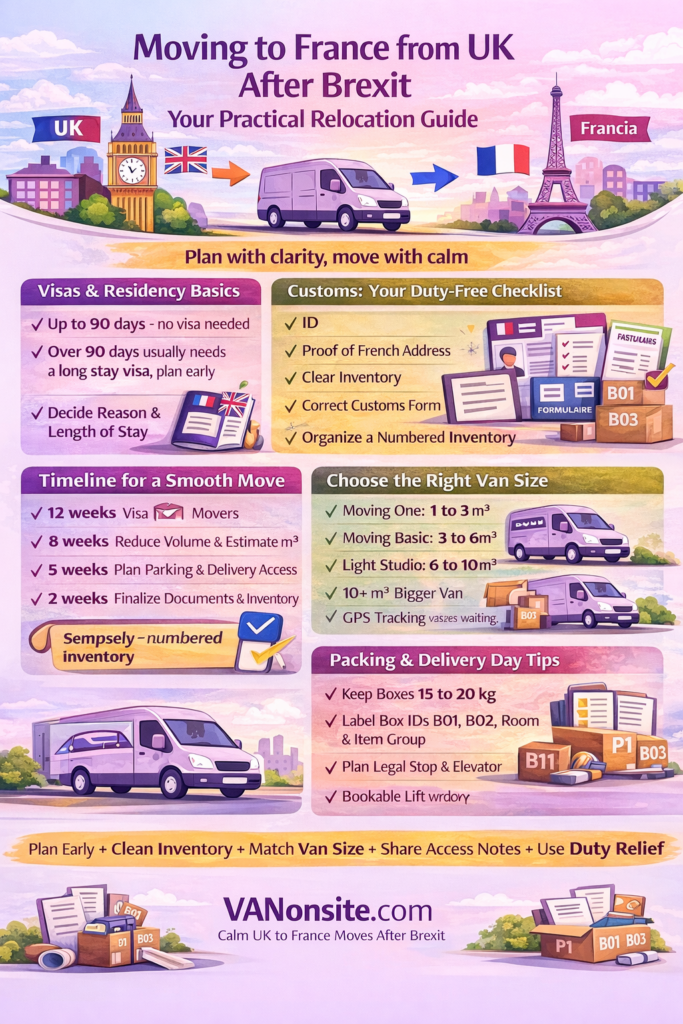
Inventory that passes customs without delays
A good inventory is a quiet superpower. It prevents questions, and questions create waiting.
For moving to France from UK after Brexit, write your inventory like you are explaining your shipment to a stranger in 10 seconds.
What good looks like
- grouped items, quantities, plain descriptions
- box numbering: B01, B02, B03
- room labels: kitchen, bedroom, office
- high value items listed separately
- bulky items listed one by one, not “furniture”
The golden rule
If a stranger can picture it, it is clear enough. If a stranger has to ask “what is that,” you have invited delays.
Sample inventory table
| Box or item | Room | Item group | Quantity | Notes |
|---|---|---|---|---|
| B01 to B06 | kitchen | kitchenware | 6 | plates wrapped, glasses boxed |
| B07 to B10 | bedroom | clothes and linens | 4 | labelled and sealed |
| B11 | office | cables and accessories | 1 | zip bagged |
| Laptop | office | high value item | 1 | serial number noted |
| Sofa | living room | furniture | 1 | wrapped, two seater |
Mini template you can copy
| Box or item | Room | Item group | Quantity | Notes |
|---|---|---|---|---|
| B__ | __ | __ | __ | __ |
| B__ | __ | __ | __ | __ |
| __ | __ | high value item | __ | serial number noted |
What to do with high value items
Keep it simple and specific.
- list them separately
- note “serial number available” where it applies
- keep receipts if you still have them
- keep these items close to P1 or carry them when possible
Words to avoid
- miscellaneous
- stuff
- various
- personal items
Two fast checks that prevent border questions
- Your inventory matches the physical labels. Box numbers and room labels are identical.
- No “miscellaneous” wording. Every box has a clear group and a quantity.
A tiny habit that protects you
Before the van doors close, take two photos.
- the packed load inside the vehicle
- your high value items and P1 essentials
It is quick, It is calm, It is protection.
Timeline for moving to France from UK after Brexit
Big moves get easier when you do small tasks early.
| When | What to do | Why it matters |
|---|---|---|
| 12 weeks | decide visa path, start document folder, shortlist areas in France | keeps move dates realistic |
| 10 weeks | collect core proof, ID, address plan, insurance, income documents | prevents admin loops |
| 8 weeks | declutter 20 to 30 percent, estimate m³, shortlist movers | reduces cost fast |
| 6 weeks | draft inventory, gather proof of address and residence change | prevents customs delays |
| 5 weeks | confirm access on both ends, parking, stairs, lift booking, door codes | avoids waiting time |
| 4 weeks | book a flexible pickup window, confirm route plan and contacts | protects availability |
| 2 weeks | finalise inventory, print documents, confirm parking plan | removes last minute panic |
| 7 days | pack non essentials, label and number boxes, separate P1 | speeds loading |
| 48 hours | seal and label boxes, send access notes, take entry photos | calmer delivery |
| moving day | photos, box count, delivery checklist | prevents disputes and missing items |
| day after | open P1 first, recycle packaging, follow up on admin steps | turns chaos into routine |
If you have only 14 days
If you are moving to France from UK after Brexit on a tight clock, do this in order.
- Declutter aggressively and estimate m³.
- Build the inventory first, then pack to match it.
- Confirm access with photos and a parking plan.
- Choose the smallest safe vehicle size with a buffer.
- Keep P1 essentials separate and obvious.
The 3 tasks that save the most time on moving day
- Inventory and labels that match.
- Access notes on both ends: parking distance, stairs, lift slot, door codes.
- P1 essentials separate and unmissable.
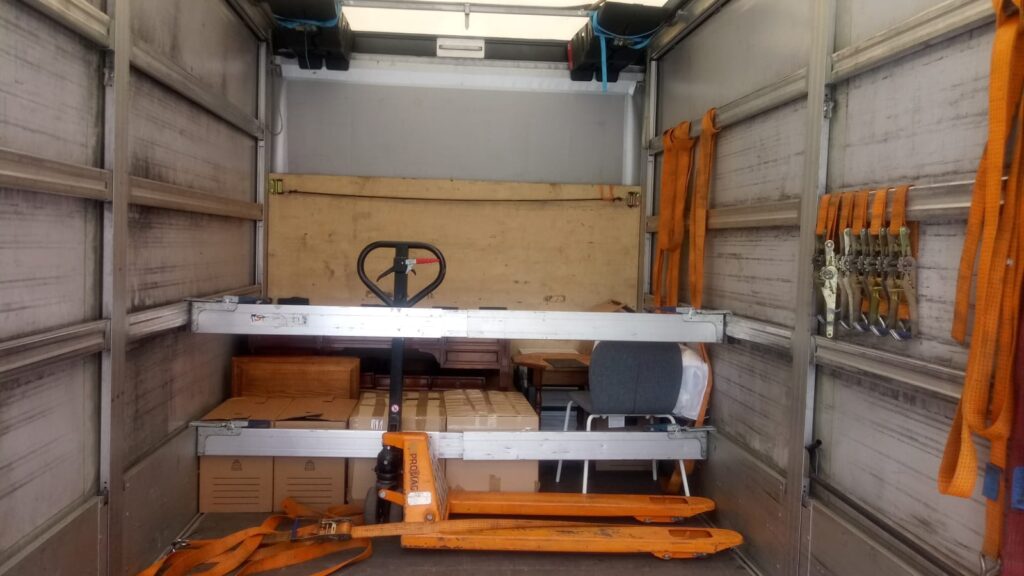

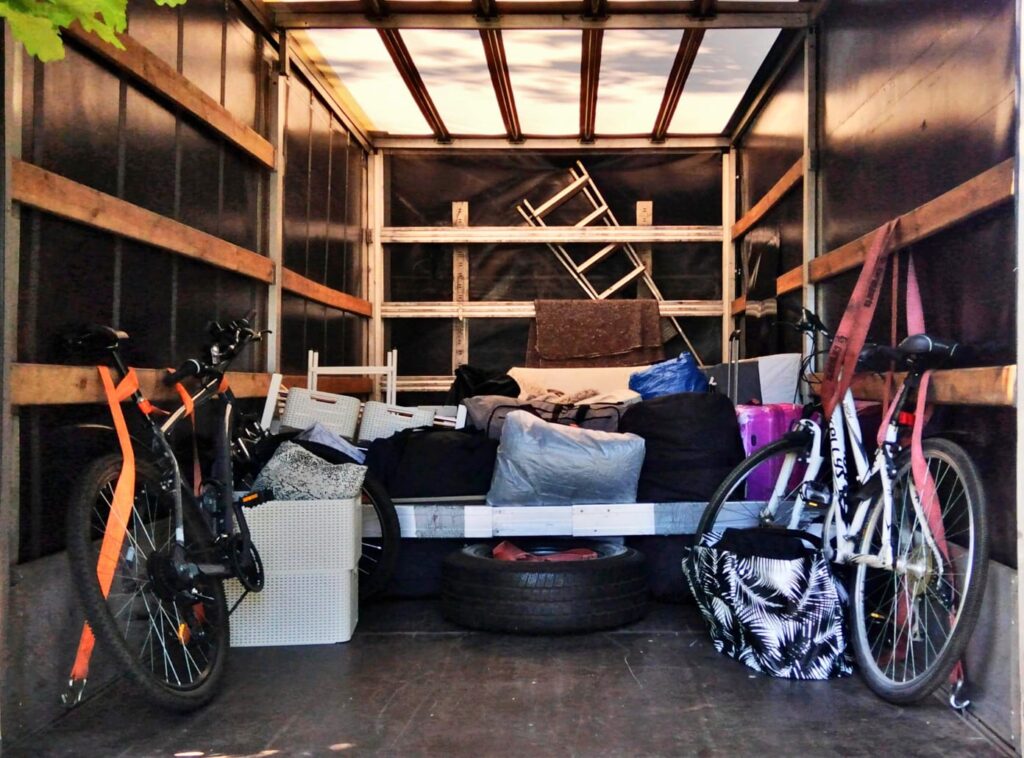

Costs and what drives the price
There is no honest fixed number for the cost of moving to France from UK after Brexit. But the drivers are predictable.
Think of price as a blend of time and complexity.
- Time is distance, but also stairs, long carry routes, and how organised your packing is.
- Complexity is customs readiness, fragile items, and strict delivery rules like quiet hours.
If you reduce time and complexity, you protect your budget.
| Cost driver | What it changes | How to lower it |
|---|---|---|
| m³ volume | vehicle size, loading time, and whether you pay for air | declutter 20 to 30 percent, disassemble bulky items, pick the smallest safe van with 10 to 15 percent buffer |
| distance | transit time and route costs | use a flexible pickup window and avoid fixed hour commitments where possible |
| access | stairs, tight turns, long carries add minutes that become money | share access photos, book a lift slot, confirm closest legal stop, clear hallways |
| timing | high demand raises prices and reduces availability | move mid week, aim mid month, avoid the last 5 days of the month |
| packing quality | loose bags slow loading and raise damage risk | use boxes, label and number, keep 15 to 20 kg per box, fill gaps |
| customs readiness | missing proof creates waiting and sometimes extra charges | keep a clean customs folder, write a numbered inventory that matches labels |
A simple cost snapshot
| Your situation | What it usually does to cost | The smart fix |
|---|---|---|
| you reduce volume by 20 to 30 percent | can drop you into a smaller van size | declutter bulky, low value items first |
| you offer a 24 to 48 hour pickup window | can lower pricing and improve routing | choose a window, not a single hour |
| you have stairs and no lift booking | increases time on the day | reserve a lift slot and clear the corridor |
| you have long carry distance | increases handling time | plan the closest legal stop and a short carry path |
| your inventory is vague | can trigger border questions | number boxes and write clear item groups |
Fast savings that actually work:
- reduce volume by 20 to 30 percent
- move mid week if possible
- share access photos early
- avoid month end pressure where you can
If you want moving to France from UK after Brexit to stay affordable, treat time as a cost driver. Less waiting means a better total price.
Choose the right transport format
The cheapest move is usually the smallest safe setup.
For many people moving to France from UK after Brexit, the load is not a full house. It is a studio, a student room, or a few key items plus boxes. That is where man and van shines.
When man and van makes sense
- small to medium loads
- tight city access
- flexible timing
- you want to avoid paying for empty space
- you want a simpler pickup and delivery plan
A quick “which format” guide
| Your move | Typical volume | Best format |
|---|---|---|
| boxes only and essentials | 1 to 3 m³ | man and van |
| student room | 3 to 6 m³ | man and van |
| studio | 5 to 10 m³ | man and van |
| studio plus bulky furniture | 10 to 15 m³ | man and van with a bigger vehicle |
| full flat or heavy furniture | 15 m³ plus | larger vehicle |
VANonsite vehicle sizes
| VANonsite option | Volume | Payload | Best for UK to France |
|---|---|---|---|
| Moving One | 1 m³ | 100 kg | essentials, urgent boxes |
| Moving Basic | 5 m³ | 300 kg | student room, small studio |
| Moving Medium | 10 m³ | 500 kg | studio to light 1 bedroom |
| Moving Premium | 15 m³ | 1100 kg | furniture plus boxes |
| Moving Premium Plus | 30 m³ | 3500 kg | larger flats, heavier furniture |
| Moving Full House XXL | 90 m³ | 20000 kg | full house relocations |
Quick m³ estimator
- standard box: 0.07 m³
- large box: 0.10 m³
- suitcase: 0.12 to 0.18 m³
- add 10 to 15 percent buffer
The cheapest sizing rule
If your estimate sits at the top of a range, upgrade one size. Squeezing costs time, and time costs money.
A practical shortcut:
- around 5 m³ with furniture: choose 10 m³
- around 10 m³ with bulky items: choose 15 m³
- around 15 m³ with heavy furniture: consider 30 m³
This protects your budget because it prevents slow loading, repacking, and damage risk.
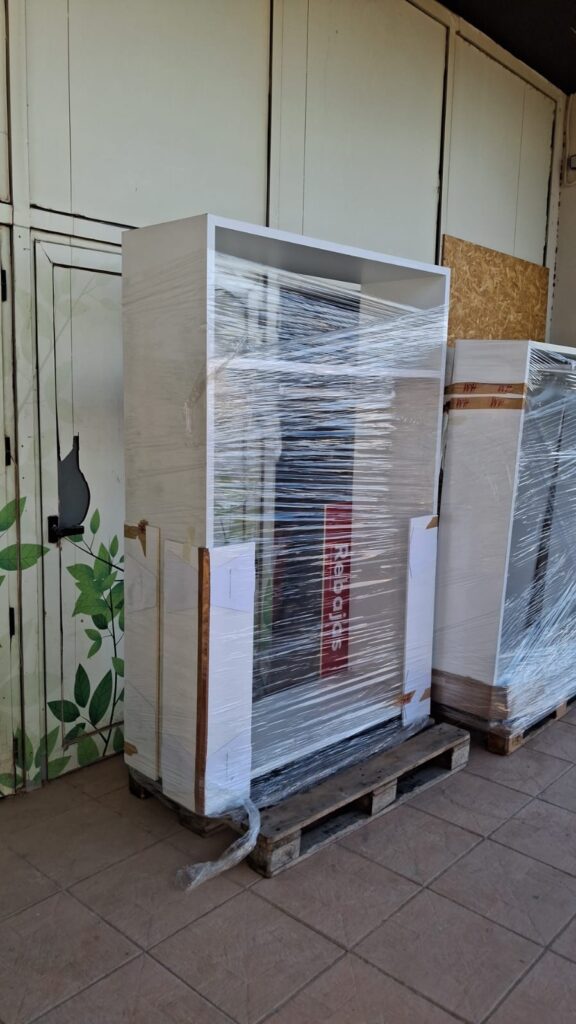

Packing that protects your move
Packing is not about perfection. It is about speed, stability, and protection.
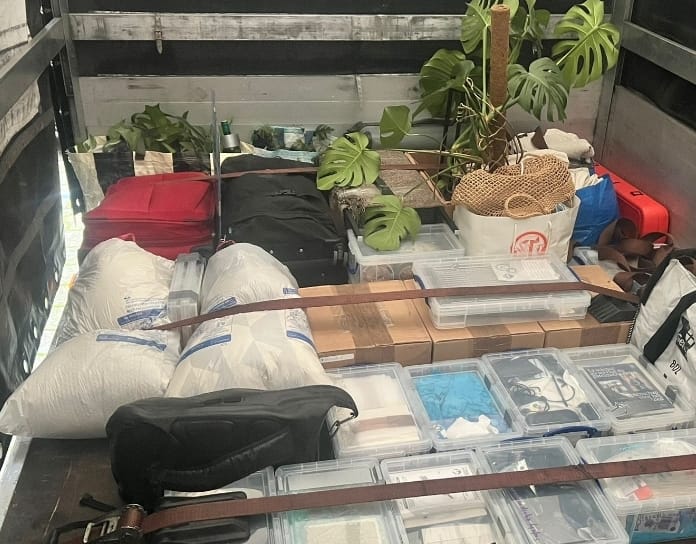
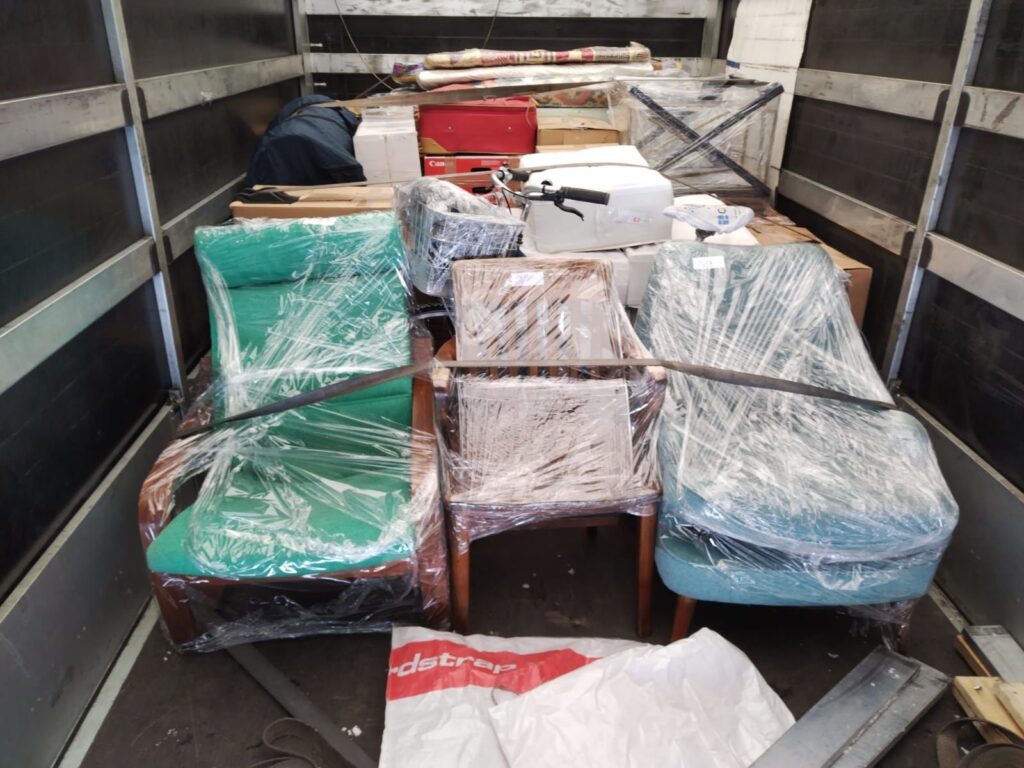
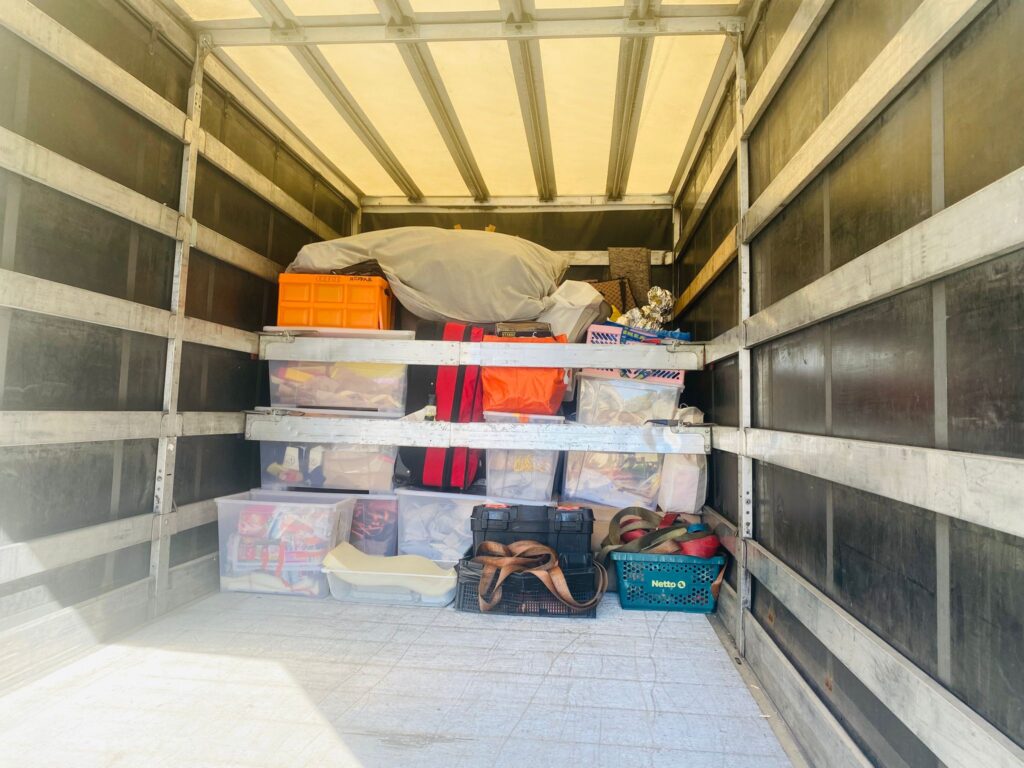
Good packing can cut loading time by 20 to 40 percent. That matters when you are moving to France from UK after Brexit, because faster loading usually means a smoother day and fewer “where is that box” moments.
What packing should do for you
If your packing system is working, three things happen.
- Boxes stack neatly without collapsing.
- Your inventory matches what is on the floor.
- You can find your first night essentials in under 60 seconds.
Packing rules that work
- keep boxes at 15 to 20 kg so they stack safely and do not burst
- tape bottoms in an H pattern for heavy boxes
- fill gaps so nothing shifts during braking
- keep books in small boxes only
- label two sides, and number boxes B01, B02, B03
A simple label formula
Write the same four lines on every box.
- Box ID: B01, B02, B03
- Room: kitchen, bedroom, office
- Group: clothes, kitchenware, books
- Priority: P1, P2, P3
That label formula is gold for moving to France from UK after Brexit because it makes customs and delivery faster.
The 3 second shake test
Shake each box for 3 seconds.
- rattles: add padding
- sags: reduce weight
- flexes: reinforce with tape
The cheapest materials that protect the most
| Material | Why it matters | Best for |
|---|---|---|
| double wall boxes | fewer collapses, safer stacking | books, kitchenware, dense items |
| packing paper or bubble wrap | shock absorption | glass, plates, electronics |
| stretch film | fast bundling and protection | chair legs, drawers, cables |
| blankets | soft edge protection | sofa arms, table corners |
| zip bags | no lost screws | bed frames, desks, shelves |
P1 essentials box
Your first night in France should not be a scavenger hunt. P1 is the box that protects your mood.
Put in P1:
- documents folder
- chargers and adapters
- toiletries
- medication
- bedding basics
- one change of clothes
- basic cutlery and a mug
Keep P1 with you, or make it unmissable with a bright label.
Two photos that save arguments
Before the van doors close, take two quick photos.
- the packed load inside the vehicle
- your P1 essentials and high value items
It takes 20 seconds and gives you calm proof.
Packing support:
Delivery day in France
Delivery day is decided by access. Not effort.
If you want moving to France from UK after Brexit to feel smooth, remove friction before the van arrives.
| Risk | What it causes | How to prevent it |
|---|---|---|
| no parking | long carry distance and delays | share a street photo and confirm closest legal stop |
| stairs, no lift slot | slow unloading | book a lift slot and clear the corridor |
| narrow street | reroute and waiting | share restrictions and entrance photos |
| quiet hours | forced pause | confirm allowed delivery hours |
| missing door code | waiting outside | confirm code and intercom name |
| long carry route | extra time and fatigue | clear the path and plan a short carry route |
| tight corners indoors | scuffs and slow unloading | move obstacles and protect edges |
The 10 minute prep that saves an hour
- clear hallways and remove trip hazards
- move fragile decor away from the route
- keep a small kit ready: scissors, tape, marker
- keep children and pets safely out of the path
- keep door keys and codes written down
Copy and paste message template
Send this 24 hours before delivery:
- Address: full address, apartment number
- Floor: number
- Lift: yes or no, booking time if any
- Best parking spot: street name, landmark
- Door code and intercom name: details
- Contact phone number: number
- Access notes: narrow street, gate code, quiet hours
This protects moving to France from UK after Brexit from turning into a waiting game.
Settling in France essentials
Once the boxes are inside, life starts. These essentials make the first weeks calmer, and they stop small admin problems from becoming expensive stress.
Driving and licence
If you plan to drive in France, sort the basics early. It is not glamorous, but it protects your freedom.
Official links:
- https://www.gov.uk/driving-abroad
- https://permisdeconduire.ants.gouv.fr/home/all-online-services/exchanging-a-foreign-or-overseas-licence-for-a-french-licence
A quick first month checklist
- Keep digital copies of your driving and vehicle documents saved offline.
- Check local parking rules near your new address before you arrive.
- If you expect you might need an exchange process, start reading the official steps early so you are not rushing later.
| What to prepare | Why it helps | Easy win |
|---|---|---|
| a tidy document folder | avoids missing paperwork loops | keep one folder for all France admin |
| a parking plan | prevents daily frustration | ask your building about permits and spaces |
| a realistic timeline | reduces panic | do not leave it for month 11 |
Healthcare and Carte Vitale
Healthcare admin is easier when your documents are consistent. Same name spelling, same address format, same dates.
Official links:
The calm approach
- Create a single admin folder and reuse it.
- Keep a simple address timeline: move in date, first bill date, first official letter date.
- Save confirmations and screenshots. They often matter more than memory.
| Week | What to do | Why it matters |
|---|---|---|
| 1 | organise your admin folder and proof of address trail | stops last minute document hunting |
| 2 to 4 | follow the official guidance and start the process | reduces delays later |
| 4 to 8 | follow up on outstanding steps | keeps momentum without panic |
Pets
Pets need paperwork and time. They also feel the move, even when you pretend you are fine.
Official links:
- https://www.gov.uk/taking-your-pet-abroad
- https://europa.eu/youreurope/citizens/travel/carry/pets-and-other-animals/index_en.htm
Pet travel kit
- water and a small bowl
- food for the journey
- a familiar blanket or toy
- waste bags
- any medication
- copies of pet documents
A simple rule: do not leave pet paperwork to the last week.
Why VANonsite is a smart partner after Brexit
After Brexit, your move needs both care and coordination. The best moves feel quiet because every detail is planned.
VANonsite supports moving to France from UK after Brexit with:
- GPS tracking on every load
- speed and safety focus
- right size vehicles for small and medium moves
- flexible man and van approach for tight access
What this means for your day
| Common pain point | What helps | Result |
|---|---|---|
| you are waiting with keys and no timing clarity | GPS tracking | calmer handovers and fewer wasted hours |
| your van is the wrong size | m³ matched vehicle choices | no paying for air, no squeezing |
| tight streets or strict building rules | man and van flexibility | easier access and smoother delivery |
| fragile items feel risky | careful handling and smart packing support | fewer scratches, fewer regrets |
The three details that unlock a smoother quote
Send these early and the planning becomes faster.
- your estimated m³ volume
- photos of access on both ends, stairs, lift, parking distance
- any strict rules, quiet hours, gate codes, lift booking slots
Start here:
- https://vanonsite.com/removals-to-france/
- https://vanonsite.com/france-removals/moving-to-france-from-uk/
FAQ
Do I need a visa for moving to France from UK after Brexit?
If you plan to stay beyond 90 days, a long stay visa is usually needed. Start with the official portal so you choose the right route for your reason for moving:
Helpful overview:
https://www.service-public.gouv.fr/particuliers/vosdroits/F16162?lang=en
Can I bring personal belongings duty free?
Often yes if you qualify for residence transfer relief, but proof and inventory quality matter. Use the official guidance as your anchor:
https://www.service-public.gouv.fr/particuliers/vosdroits/F492
What documents cause the most customs delays?
A vague inventory and mismatched dates for residence change proof.
Fast fixes:
- number every box and match it to your inventory
- keep address details consistent, same format, same apartment number
- list high value items separately
What paperwork should I keep with me, not in the van?
Keep the essentials with you, not in a sealed box.
- passport and key documents
- medication
- chargers and adapters
- P1 first night essentials
How long do removals take UK to France?
Many routes take 1 to 4 days door to door, depending on distance, access, and customs readiness.
A real detail that changes timing: stairs, long carry distance, strict quiet hours, or lift booking windows.
Can I move in stages?
Yes. Staged moves can reduce stress and keep each shipment manageable.
A simple staged plan:
- essentials and P1 boxes
- furniture and main boxes
- final leftovers when you are fully settled
Use a separate inventory for each shipment.
Is man and van safe for a small move?
Yes. For small to medium loads, man and van is often one of the safest and most efficient formats when packing and inventory are clear.
To keep it safe:
- keep boxes at 15 to 20 kg
- label and number every box
- add 10 to 15 percent m³ buffer so nothing is squeezed
Can I track my shipment?
Yes. VANonsite provides GPS tracking on every load, which helps you plan key handovers, lift bookings, and arrival windows.
How do I get an accurate quote fast?
Send four things:
- your estimated m³ volume
- top 5 biggest items
- access notes on both ends, floor, lift, parking distance
- a flexible date window if possible
Summary and next step
If you are moving to France from UK after Brexit, the secret is not luck. It is control.
This guide walked you through what changed after Brexit, how visas and timelines shape your move, and how customs stays calm when your inventory is specific and your proof matches your dates. It also showed you how to cut costs by reducing m³ volume, choosing the smallest safe vehicle size, and removing delivery day friction with clear access notes.
Focus on five actions:
- Plan your visa path early.
- Reduce volume by 20 to 30 percent and estimate m³.
- Build a clean inventory and customs folder.
- Choose the smallest safe vehicle size and plan access details.
- Pack clearly, label and number, and protect delivery day with a simple access message.
When you are ready, start with the France route pages and request a quote with your m³ estimate and access photos: