France has a way of making you breathe differently. The first morning can feel cinematic: bakery light, street chatter, the smell of coffee drifting out of a tiny café. But moving day rarely looks like a postcard. It is boxes, stairs, deadlines, and that one suitcase you swear you packed but cannot find.
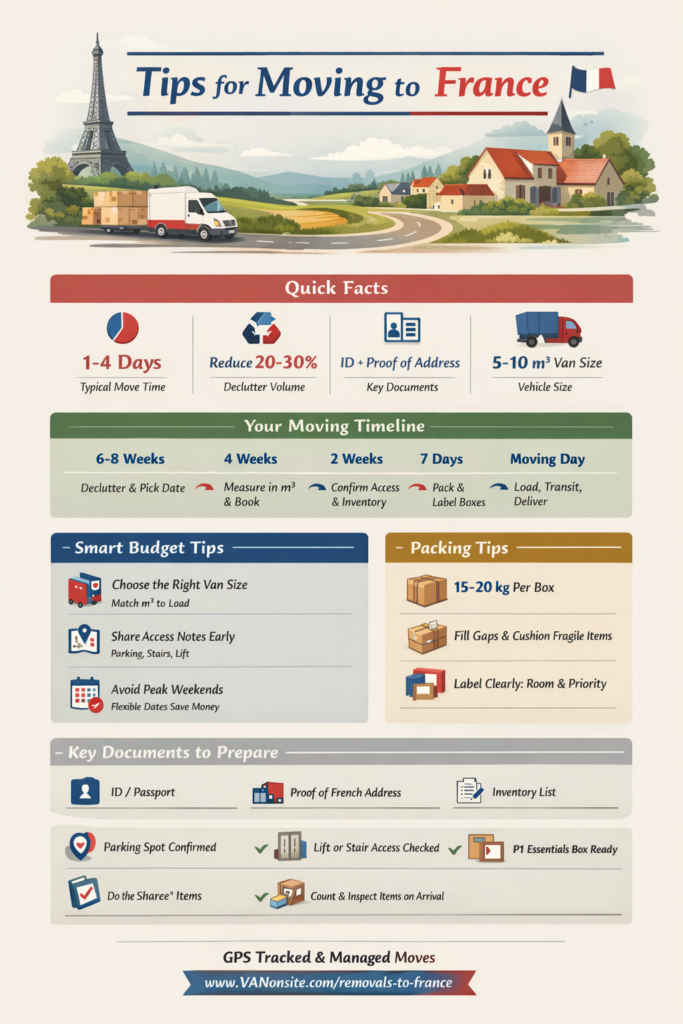
These tips for moving to France turn the chaos into a clean plan. You will get fast answers, a step by step timeline, numbers that help you choose the right vehicle size, and the documents you should keep ready. If you want a smooth cross border move with visibility, VANonsite supports relocations across Europe with GPS tracking on every load and a flexible man and van service that fits more moves than most people expect.
TL:DR
- Most moves across Europe into France take 1 to 4 days door to door, depending on distance and access.
- The 3 biggest delay triggers are wrong van size, weak access planning, and last minute packing.
- Keep these documents ready: ID, proof of French address, and a simple inventory list.
- Pick vehicle size based on volume in m³, not guesses. Most small moves are 5 to 10 m³.
- Pack to survive road vibration: keep boxes 15 to 20 kg, fill gaps, label clearly.
- Delivery day runs on access: parking, stairs, lift booking, and quiet hours.
- GPS tracking reduces stress, improves coordination, and helps avoid expensive waiting time.
Quick answers first
If you want a fast overview before you dive into the full guide, start here. These tips for moving to France are built for real life, not perfect schedules.
| Question | Fast answer |
|---|---|
| How long does it take to move to France? | Typically 1 to 4 days door to door across Europe. |
| How early should I start planning? | Start 6 to 8 weeks before, or 4 weeks for a small move. |
| What is the easiest way to move a small load? | A man and van service with the right m³ size. |
| What does a smooth move look like? | Clear inventory, strong packing, and access planned in advance. |
| What should I do first to save money? | Reduce volume by 20 to 30 percent and avoid last minute dates. |
| What is the single best stress reducer? | A P1 essentials box plus reliable updates, ideally GPS tracking. |
If you only remember one thing from these tips for moving to France, let it be this: speed comes from preparation, not from rushing.
Your moving timeline to France
A timeline is not bureaucracy. It is breathing room.
| When | What to do | Time saved |
|---|---|---|
| 6 to 8 weeks | Declutter, shortlist what you ship, choose a date window | 4 to 8 hours of packing and loading |
| 4 weeks | Measure volume in m³, choose service level, book a route | 6 to 12 hours of back and forth |
| 2 weeks | Confirm access details, prepare inventory, order packing materials | 1 to 3 hours on move day |
| 7 days | Pack non essentials, label boxes, confirm contacts and timing | 30 to 60 minutes loading time |
| 48 hours | Final checks, create P1 essentials box, separate documents | 60 to 90 minutes of panic avoided |
| Moving day | Loading, transit, delivery checklist, photo sign off | Prevents disputes and surprise delays |
| Day after | Unpack P1 first, admin tasks, recycle packaging | 1 to 2 hours of calm setup |
These tips for moving to France work best when you follow the timeline and keep each step small. If your schedule is tight, focus on three things: volume in m³, access photos, and a clear inventory. Those three make everything else easier.
Budget and cost drivers
Most moving budgets explode for predictable reasons. The good news: most of them are controllable.
| Cost driver | What it changes | How to lower it |
|---|---|---|
| Distance | Transit time and fuel | Choose flexible dates and a clear window |
| Volume in m³ | Vehicle size and loading time | Reduce volume by 20 to 30 percent |
| Weight | Payload limits and handling time | Keep boxes at 15 to 20 kg, avoid “brick boxes” |
| Access | Loading speed and handling risk | Share photos, book lift, plan parking |
| Timing | Demand based pricing | Avoid peak weekends and end of month |
| Add ons | Protection and convenience | Use only where it prevents mistakes |
The two levers that save money fastest
If you want the biggest impact from these tips for moving to France, start with the levers you control.
- Volume
- Fewer m³ usually means a smaller vehicle, faster loading, and less stacking risk.
- Access
- Better access means fewer delays. Delays are where budgets quietly bleed.
A simple budget sanity check
Use this quick snapshot before you request any quote.
- Your estimated volume: 1 to 5 m³, 5 to 10 m³, 10 to 15 m³
- Your heaviest item: under 40 kg, 40 to 80 kg, over 80 kg
- Stairs and carry distance: 0, 1 to 2 flights, 3+ flights, long carry
- Your flexibility window: fixed day, 2 to 3 days, a week window
If your move is fixed day plus stairs plus bulky furniture, it will cost more than the same route with a flexible window and clean access. That is not unfair pricing. That is physics.
The “cheap vs expensive” trap
These tips for moving to France prevent the most common money trap: choosing a low headline price that becomes expensive on move day.
| Looks small | Becomes expensive because | Fix that keeps it under control |
|---|---|---|
| “Just a few boxes” | boxes are heavy and unbalanced | keep boxes 15 to 20 kg, distribute weight |
| “Easy access” | no parking, long carry | send street photo, identify the best stopping point |
| “We will pack the night before” | fragile items break, loading slows | pack non essentials 7 days earlier |
| “Small van is always cheaper” | second trip or unsafe stacking | choose the right m³ with 10 to 15 percent buffer |
If you are comparing options, keep repeating these tips for moving to France: pay for what you need, not for empty space, and never ignore access.
Choose the right van size
Choosing the right vehicle is one of the most important tips for moving to France. It decides cost, speed, and safety.
VANonsite offers vehicle sizes that let you match the load to the move.
| VANonsite option | Volume | Payload | Best for moving to France |
|---|---|---|---|
| Moving One | 1 m³ | 100 kg | A few boxes, luggage, valuables |
| Moving Basic | 5 m³ | 300 kg | Student room, small studio, 10 to 20 boxes |
| Moving Medium | 10 m³ | 500 kg | Studio to 1 bedroom, 20 to 40 boxes, light furniture |
| Moving Premium | 15 m³ | 1100 kg | 1 bedroom plus furniture, bulky items |
| Moving Premium Plus | 30 m³ | 3500 kg | Larger flats, heavy furniture, multi drop |
| Moving Full House XXL | 90 m³ | 20000 kg | Full house moves and large projects |
Quick matching guide
Most people underestimate furniture. Boxes are polite. Sofas are greedy.
- Boxes only: often 5 m³
- Studio: often 5 to 10 m³
- 1 bedroom: often 10 to 15 m³
- Furniture heavy: often 15 m³ or more
A man and van setup is a smart fit for many cross border routes because it is agile in cities and efficient for small to medium loads.
Do not ignore payload
Volume is only half of the decision. Payload is the other half.
If you pack books like you are moving a library, you can hit payload limits long before you hit m³. One of the best tips for moving to France is simple: keep heavy items spread out and keep box weight at 15 to 20 kg.
A 10 minute m³ estimator
Use quick averages:
- Standard moving box: 0.07 m³
- Large box: 0.10 m³
- Suitcase: 0.12 to 0.18 m³
Then add furniture:
| Item | Typical volume |
|---|---|
| Single mattress | 0.8 to 1.2 m³ |
| Double mattress | 1.2 to 1.8 m³ |
| Small sofa | 2.0 to 3.0 m³ |
| Wardrobe | 1.5 to 3.5 m³ |
| Desk | 0.6 to 1.2 m³ |
| Bike | 0.5 to 0.8 m³ |
Add 10 to 15 percent buffer for safe stacking.
Real world examples
These examples make the van choice feel obvious.
| Example load | Rough volume | Common best fit |
|---|---|---|
| 12 boxes + 2 suitcases | 1.1 to 1.8 m³ | Moving One or Moving Basic |
| 20 boxes + desk + chair | 2.2 to 3.2 m³ | Moving Basic |
| 30 boxes + mattress + bike | 4.0 to 6.0 m³ | Moving Medium |
| Sofa + wardrobe + 10 boxes | 5.5 to 8.5 m³ | Moving Medium |
| 1 bedroom set + 25 boxes | 10 to 14 m³ | Moving Premium |
When the estimate lands close to a limit, do not squeeze. Tight stacking is slower and riskier, which can cost more in the end.


Packing tips that actually work
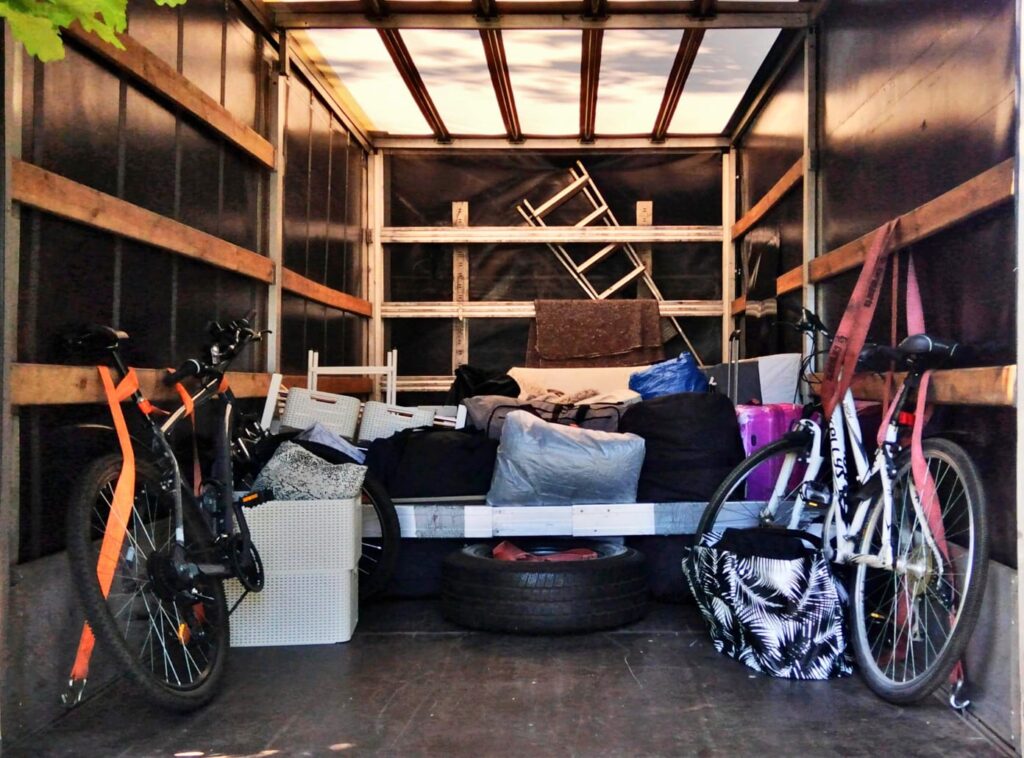
Packing is where most moving stress is born. It is also where you can win back time. These tips for moving to France keep items safe on long roads.
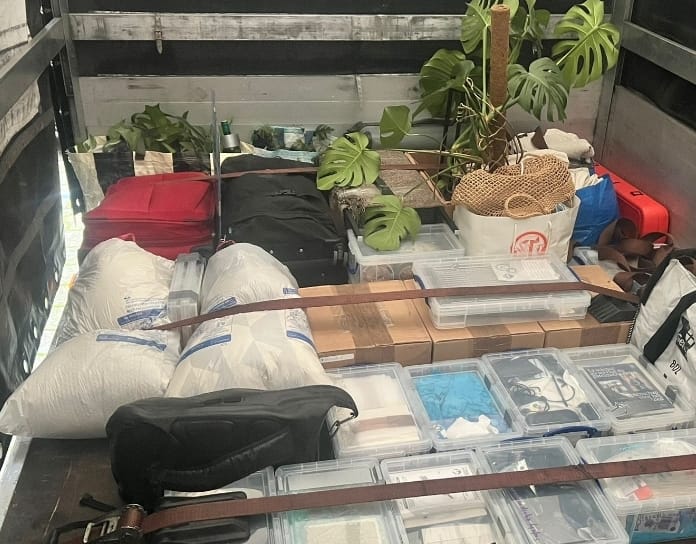
A well packed load often loads faster. Sometimes 30 to 50 percent faster. It also arrives looking like it belongs to you, not like it survived a storm.
Packing rules with numbers
- Keep boxes at 15 to 20 kg
- Tape the bottom in an H pattern for anything heavy
- Fill gaps so nothing shifts when the van brakes
- Label two sides of every box
- Number boxes: 1 of 20, 2 of 20
The 3 second shake test
Before sealing a box, shake it for 3 seconds.
- Rattling means add padding.
- Sagging means remove weight.
- Flexing corners means reinforce with tape.
The cheapest materials that protect the most
You do not need luxury packaging. You need consistency.
| Material | Why it matters | Best for |
|---|---|---|
| Double wall boxes | less collapse and repacking | books, dishes, dense items |
| Stretch film | fast securing of drawers and doors | cabinets, cables, loose parts |
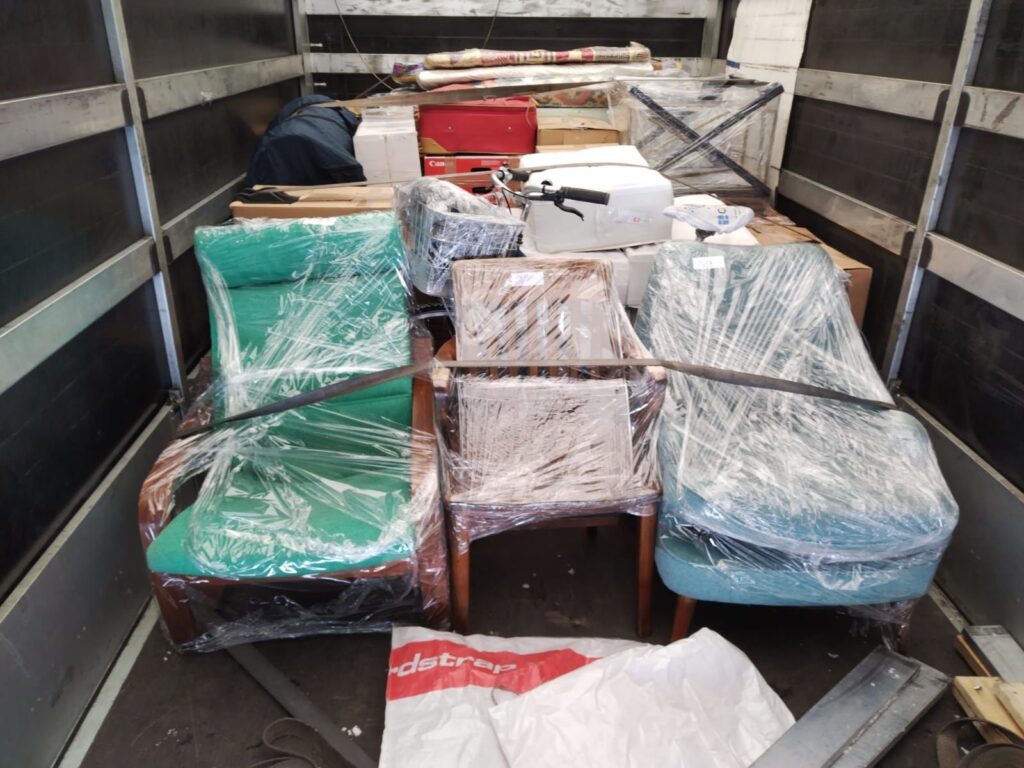
| Blankets | soft protection for edges | sofa arms, table corners |
| Zip bags | no missing screws on arrival | beds, desks, shelves |
| Bubble wrap or paper | shock absorption | glass, plates, small electronics |
Fragile items checklist
Wrap first:
- glassware and plates
- monitors and TVs
- mirrors and frames
- electronics power supplies
Then protect the “quiet chaos” items that ruin your first night if lost.
- chargers and adapters
- keys and spare keys
- remote controls
- small tools
Room by room packing order
These tips for moving to France keep your home liveable until the end.
- Storage and decor first
- Books and seasonal clothes
- Spare kitchen items
- The last week kit
- The last night kit
Your last night kit should fit in one bag. Keep it close.
Priority box system P1 to P3
This is one of the most practical tips for moving to France because it protects your first night.
| Priority | Meaning | Examples |
|---|---|---|
| P1 | Open first | bedding, chargers, toiletries, documents |
| P2 | Open soon | basic clothes, pans, plates |
| P3 | Open later | books, decor, spare cables |
Add one tiny habit that saves hours: write the top 3 items on the box. “Kettle, mug, coffee” beats “kitchen”.
Liquids, food, and messy risks
If you are moving across Europe, be ruthless with liquids.
- Use double bags for toiletries.
- Tape lids shut.
- Do not ship open food containers.
- Keep cleaning sprays with you or replace them after arrival.
When to use professional packing
If you have fragile kitchen items, premium furniture, or a brutal timeline, professional packing can be the cheapest choice in the long run because it prevents damage and speeds loading.
If you want packing handled quickly and safely, use VANonsite packing support:
What to move yourself vs what to ship
Your move becomes smoother when you separate what must stay with you from what can travel in the van.
Think of it like this. Your body carries your identity and your first 24 hours. The van carries the rest.
| Item type | Best choice | Why |
|---|---|---|
| Passport, ID, contracts | Keep with you | Hard to replace, needed on arrival |
| Medication | Keep with you | Health first, no delivery risk |
| Laptop, chargers, adapters | Keep with you | Immediate work access and comfort |
| Banking items and cards | Keep with you | Needed for life setup, no risk |
| Keys and spare keys | Keep with you | Losing keys ruins timelines |
| Jewellery, small valuables | Keep with you | High value, small, easy to protect |
| High value sentimental items | Usually keep with you | Emotional value is irreplaceable |
| Clothes, kitchen, furniture | Ship | Best use of van space and time |
| Bulky low value items | Consider replacing | Often cheaper than shipping |
A simple “hand luggage” checklist for moving day
These tips for moving to France prevent the classic panic spiral.
- ID and documents folder
- phone plus charger
- medication
- one change of clothes
- toothbrush, small towel
- one snack and a bottle of water
If you want a move to feel smooth, protect your first night like it matters. Because it does.
These tips for moving to France reduce the panic of “what if the van is delayed.”
Documents and admin for moving to France
Paperwork does not need to be scary. It needs to be ready. The easiest way to stay calm is to treat documents like your moving day seatbelt. You hope you never need the emergency version, but you always want it there.
Keep these documents prepared
Bring originals, plus clear digital copies stored offline on your phone.
- passport or national ID
- proof of French address: lease, confirmation, or a signed hosting letter if relevant
- simple inventory list
- proof of move date if you have it, booking confirmation or tenancy dates
- a folder for receipts and invoices, useful for claims and admin
The 3 document habits that save hours
- Keep one “France folder” for everything. Paper and digital.
- Put your name and French address on the first page of your inventory.
- Photograph any high value items before packing.
For visas and residency, non EU citizens
Start here:
If you are unsure, do not guess. Use official guidance and keep your timeline realistic.
Customs and residence transfer
French Customs guidance:
Service Public guidance on personal belongings and relief conditions:
https://www.service-public.gouv.fr/particuliers/vosdroits/F492
Service Public moving and administrative steps:
https://www.service-public.gouv.fr/particuliers/vosdroits/F14128
Vehicle registration guidance:
https://www.service-public.gouv.fr/particuliers/vosdroits/F1050
What your inventory should look like
Keep it short, grouped, and readable. Clarity reduces questions, and questions create delays.
| Item group | Quantity | Notes |
|---|---|---|
| Boxes | 24 | mixed household goods |
| Suitcases | 3 | clothes and personal items |
| Mattress | 1 | wrapped |
| Sofa | 1 | 2 seater |
If you have a high value item, add one extra line:
| Item group | Quantity | Notes |
|---|---|---|
| High value item | 1 | laptop, serial number if available |
France life setup tips
Moving is not finished when the boxes land. The next part is making France feel like home.
These tips for moving to France keep your first month smoother.
Address, mail, and contracts
- Keep digital copies of your lease and proof of address.
- Save one photo of your electricity meter and water meter on day one.
- Keep a note with your building details: floor, intercom name, door code, caretaker contact.
Internet and mobile
Internet installs can take 7 to 21 days in some areas. Book early.
Mobile coverage matters on day one. If you rely on two factor login for banking, keep your current number active for at least 14 days after arrival.
Banking basics
Be ready to prove where you live. Many setups ask for proof of address.
Keep:
- passport or ID
- lease
- proof of address documents
Healthcare direction
Keep your documents organised and follow your local registration path. The easiest version of these tips for moving to France is simple: collect documents once and keep them together.
Your France address setup
After arrival, you want life to feel functional quickly. Not perfect. Functional.
Your first 72 hours, in order
- Make the flat liveable: bed, shower, chargers.
- Confirm utilities basics: electricity, water, heating.
- Lock in internet plan. Some installs take 7 to 21 days, so booking early matters.
- Sort your admin essentials: proof of address, copies, and your key documents.
- Build one “routine corner”: kettle, mug, coffee or tea, a plate, a fork.
What to do on day one vs day three
| Task | Day one | Day two to three |
|---|---|---|
| Sleep and hygiene setup | yes | no |
| Internet booking | yes | no |
| Proof of address copies | yes | no |
| Full unpacking | no | yes, slowly |
| Neighbourhood basics | quick walk | grocery and pharmacy run |
A tiny “first night” kit that saves your mood
Keep this with you, not in the van.
- towel and toiletries
- phone charger and extension lead
- one change of clothes
- basic cutlery and a mug
- your document folder
- small snack and a bottle of water
Keep this part simple. The goal is a stable routine within the first 72 hours.
Delivery day in France
Delivery day is where planning turns into reality. These tips for moving to France focus on access because access controls time.
| Risk | What it causes | How to prevent it |
|---|---|---|
| No unloading spot | long carry, delays | share a street photo, suggest best stopping point |
| Stairs, no lift | delays and risk | book lift slot, protect corners |
| Narrow street | reroute and waiting | share restrictions and entrance photos |
| Quiet hours | forced pause | confirm delivery hours with building manager |
| Missing door code or name | waiting outside | confirm codes, intercom name, phone number |
Delivery day mini checklist
- Keep door codes and contact numbers ready
- Clear a path inside the flat
- Keep P1 box separate
- Do a quick visual check on arrival
- Count boxes fast, then check fragile items
The “two photo” habit
Before the van leaves, take two quick photos.
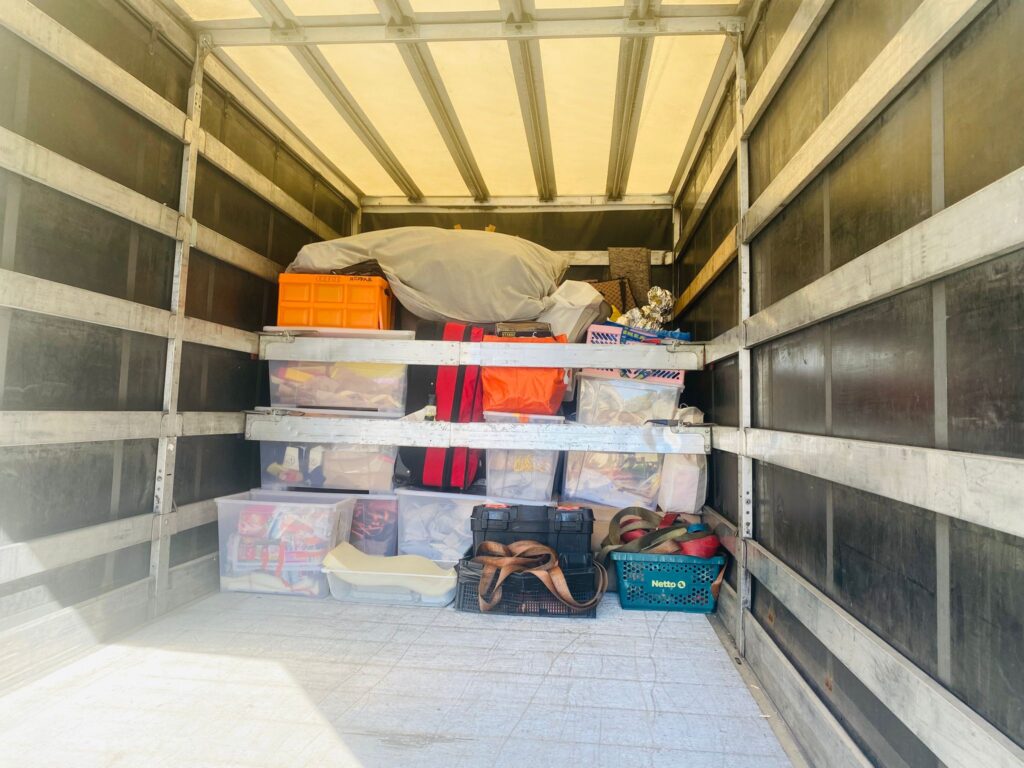
- the loaded space inside the van
- any high value items, clearly packed
If your move uses a man and van crew, clear access details make everything faster.
Services that make the move smoother
Not every add on is needed. The right one can save hours, protect your items, and keep your move from turning into a long, messy day.
Quick guide: which service fits your move
| Service | Best when | Why it helps |
|---|---|---|
| Packing Service | tight timeline, fragile kitchen, long route | faster loading, fewer breakages |
| Furniture Removals | sofa, wardrobe, bed frame, bulky items | safer handling, fewer dents and delays |
| White Glove Delivery | premium items, strict buildings, tight access | careful placement, less scratch risk |
| Home Removals | multiple rooms, lots of pieces | smoother coordination, fewer mistakes |
| Office removals | business moves with deadlines | minimises downtime and disruption |
| Student Removals | small loads, fixed term dates | efficient and flexible |
Services and links
- Packing Service: https://vanonsite.com/packing-services/
- Furniture Removals: https://vanonsite.com/furniture-removals/
- Home Removals: https://vanonsite.com/home-removals/
- White Glove Delivery: https://vanonsite.com/white-glove-delivery-service/
- Office removals: https://vanonsite.com/office-removals/
- Student Removals: https://vanonsite.com/student-removals/
Storage and staged moving
Storage is not a detour. Sometimes it is the smartest route, especially when dates do not line up and you want to avoid panic booking.
When storage is worth it
Use storage when:
- dates do not align
- renovations are not finished
- you are moving in waves
- you need to travel first and receive items later
- your new building has restricted delivery days
How storage keeps the move smoother
| Problem | What it causes | What storage fixes |
|---|---|---|
| fixed move out date, unclear move in date | rushed packing and higher stress | gives you breathing room |
| last minute booking | limited availability | lets you choose a better day |
| unfinished renovations | failed delivery attempt | protects your delivery plan |
A simple staged move plan
- Move non essentials first.
- Live lighter for a week or two.
- Deliver the final load when the address is ready.
Why choose VANonsite for moving to France
A good move should feel safe and predictable. Not rushed; Not confusing; Not full of last minute surprises.
VANonsite supports relocations across Europe with:
- GPS tracking on every load so you can plan keys, handovers, and arrival timing with confidence
- a focus on speed and safety
- right size vehicle options so you do not pay for empty space
- a flexible man and van approach that works well in tight streets and busy city centres
Start here for a France focused route page:
FAQ
What are the best tips for moving to France quickly?
Reduce volume by 20 to 30 percent, pack non essentials early, confirm access details, and choose the right m³ van size. Those are the fastest tips for moving to France because they remove the main delay triggers.
How long does it take to move to France from the UK, Germany, Netherlands, Belgium, Spain?
Most cross border moves take 1 to 4 days. Shorter routes often sit at 1 to 2 days. Longer routes often sit at 3 to 4 days.
What documents do I need to move to France?
At minimum: ID, proof of French address, and an inventory list. For non EU citizens, check France Visas:
Is a man and van service safe for cross border moves?
Yes, when the service is organised properly with protected loading, clear inventory, and reliable communication.
Can I track my shipment?
Yes. VANonsite provides GPS tracking on every load.
Summary and next step
The best tips for moving to France are simple: plan early, reduce volume, pick the right van size, pack for the road, and plan delivery access like it matters.
If you want a clear starting point, use the France route page and build your quote around your real volume and access notes: