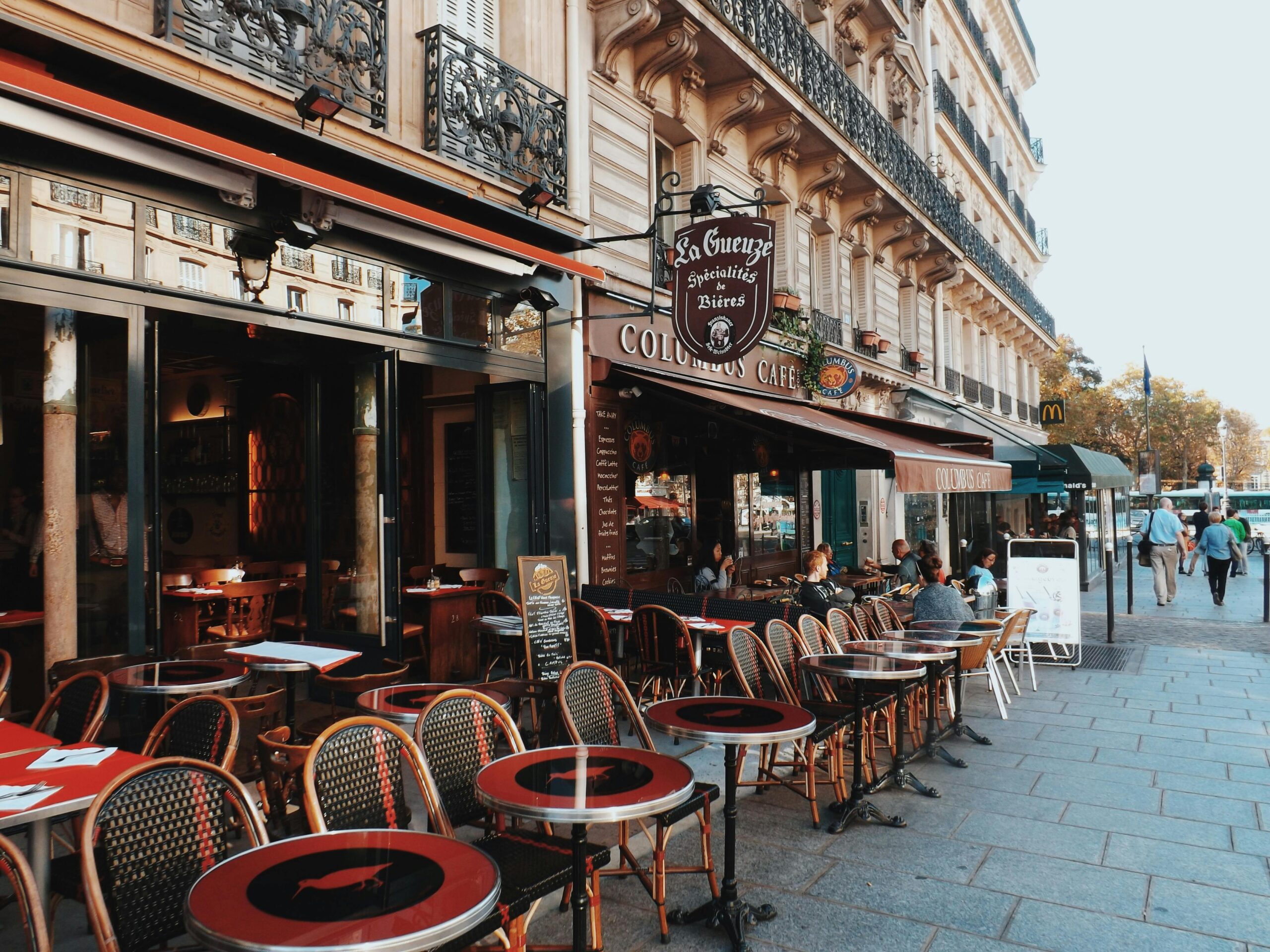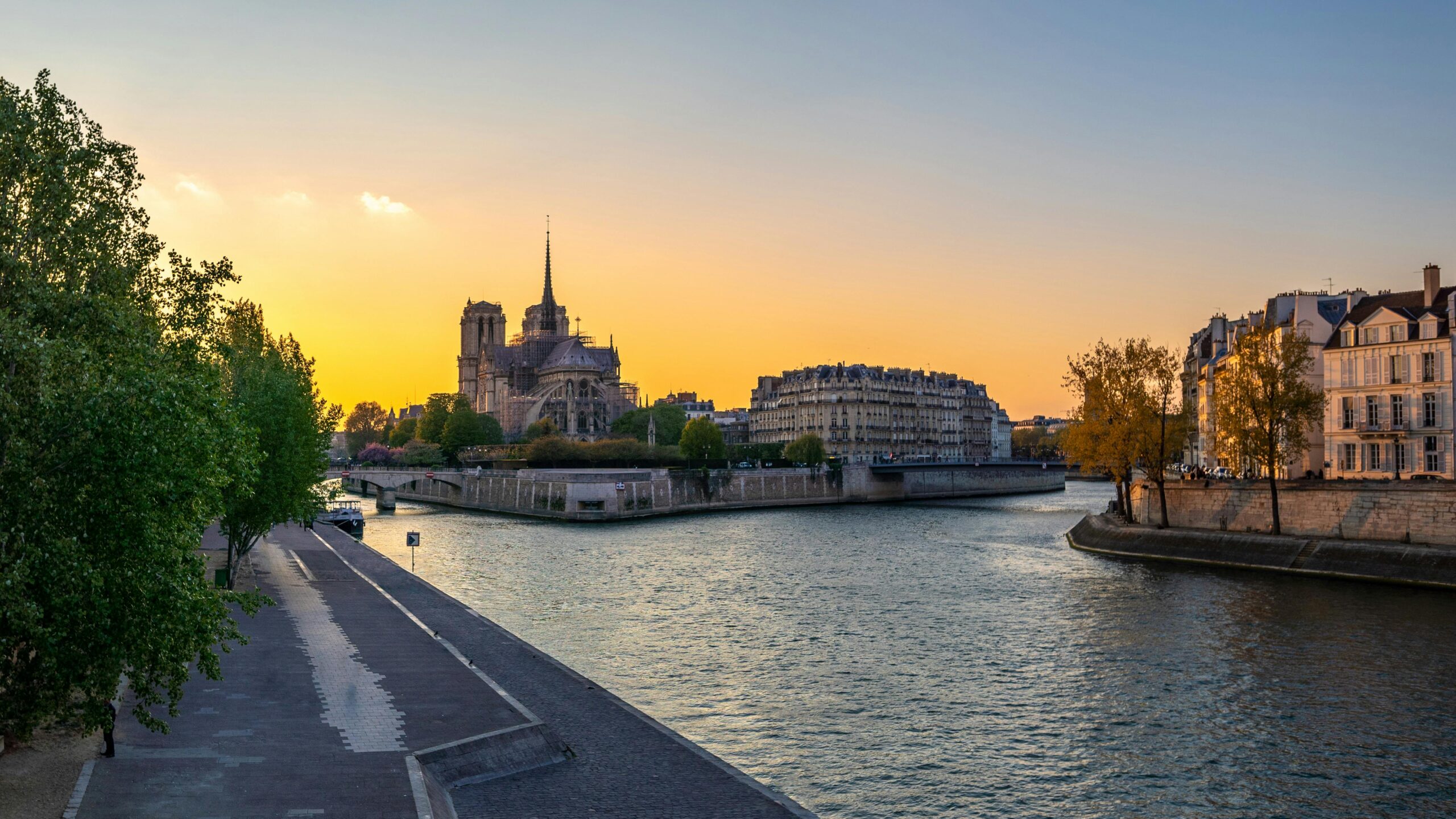

You can fall in love with France in a single afternoon. A bakery window. A street musician. A terrace table where time suddenly slows down.
Then reality taps you on the shoulder. Contracts. Deposits. Customs rules. The puzzle of getting your belongings safely across borders.
If you are searching what to know before moving to France, you want the truth, not the fluff. You want an answer focused roadmap, with numbers, checklists, and a plan that survives moving day.
This guide gives you exactly that. You will learn what to know before moving to France before you spend a cent, before you tape your first box, and before you arrive tired and realise you missed one critical step. And if you want a smooth, flexible move across Europe, you will see where a trusted man and van service can be the smartest choice.
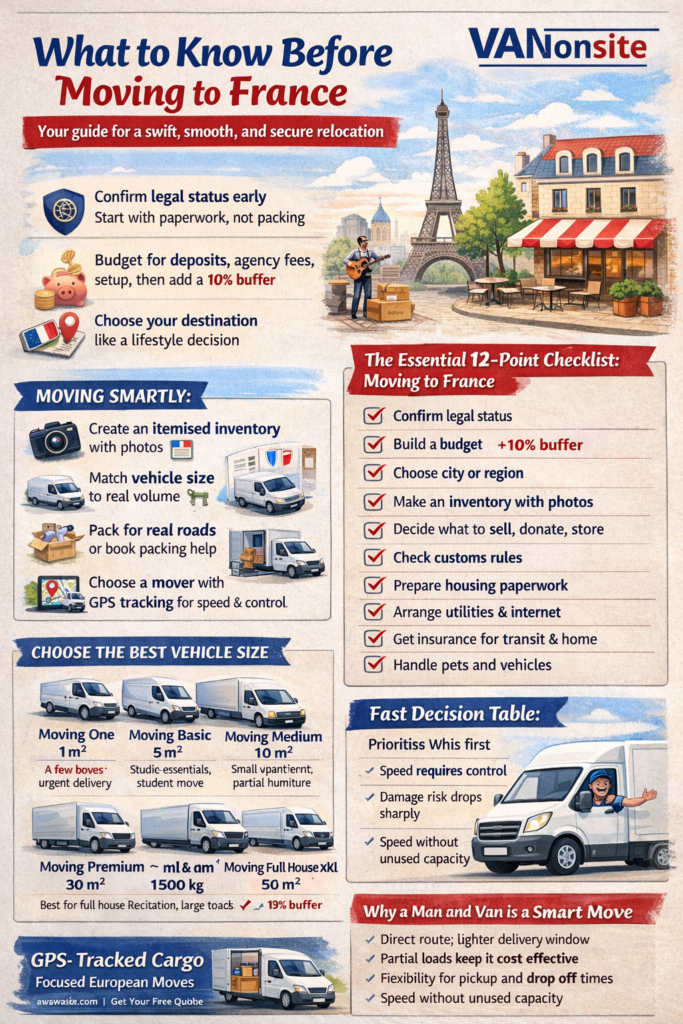
TL;DR
- Confirm legal status early. What to know before moving to France starts with paperwork, not packing.
- Budget for deposits, agency fees, setup costs, then add a 10% buffer.
- Choose your destination like a lifestyle decision, not a postcard.
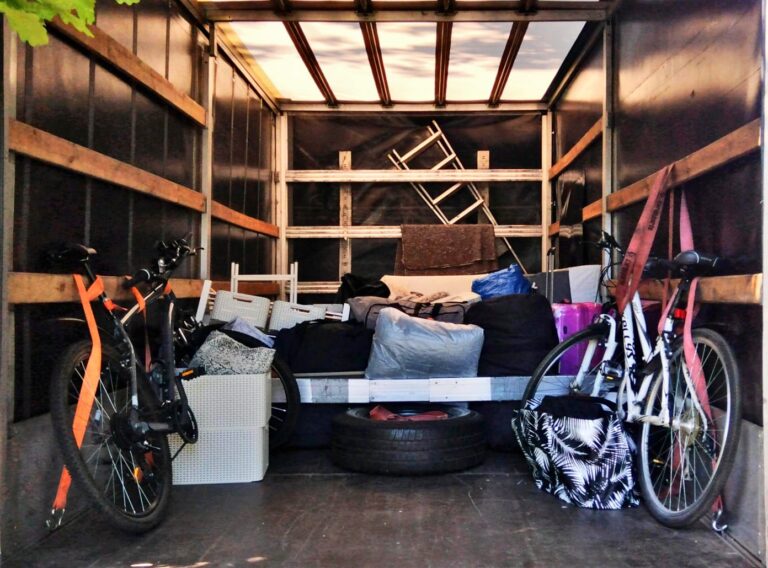
- Create an inventory with photos. It protects value and speeds up claims.
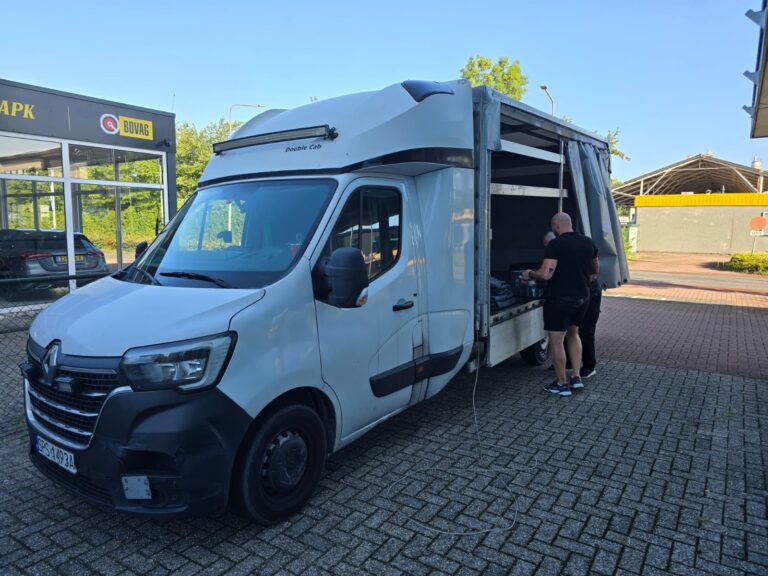
- Match vehicle size to real volume, especially for narrow streets and stairs.
- Pack for real roads, or book a packing service for fragile items.
- Choose a mover with GPS tracked cargo for control, speed, and peace of mind.
At a glance checklist: the 12 essentials
Before we go deeper, here is the backbone of what to know before moving to France.
- Confirm legal status and visa needs
- Build a budget with a 10% contingency
- Choose a city or region based on daily routines
- Book transport early, or a flexible man and van
- Create an itemised inventory with photos
- Decide what you sell, donate, store
- Check customs rules for household goods
- Prepare housing paperwork and deposit expectations
- Plan utilities, mobile, and internet before arrival
- Arrange insurance for transit and home
- Handle pets and vehicles if relevant
- Plan your first 7 days admin sprint
If you only want one sentence: what to know before moving to France is that preparation saves money, and preparation saves sanity.
The fast decision table
| If you are moving… | Prioritise this first | Why it matters |
|---|---|---|
| In 7 to 14 days | Transport booking plus inventory | Speed requires control |
| With fragile items | Packing plan plus insurance | Damage risk drops sharply |
| Into a city centre | Access rules plus vehicle choice | Streets and stairs are real constraints |
| With a family | Timeline plus essentials box | Comfort prevents chaos |
| As a student | Minimal inventory plus man and van | Lightweight moves win with flexibility |
Decide your destination and timeline: city vs region, seasonality
A quiet truth about what to know before moving to France is that your experience depends on where you land.
Paris can be exhilarating, but space is tighter and stairs are common. Lyon is balanced and practical. Bordeaux feels elegant and slower. Coastal towns can be dreamy, but job access and winter rhythm matter. Mountain regions can be stunning, but seasonal living changes everything.
Ask questions that match real life
- Do you need a big job market, or do you work remotely?
- Will you commute daily, or only sometimes?
- Do you need a lift, courtyard, parking spot, or storage?
- Are you moving alone, with a partner, or with kids?
- Do you need fast delivery to match a key handover date?
These answers shape the route, the timing, and the vehicle size. They also shape whether a man and van is the best fit, especially when you want a direct cross border run without waiting for a bigger shared load.
Seasonality that affects cost and availability
- Summer moves often mean higher demand and tighter booking windows
- Winter moves can be cheaper, but weather can slow roads and loading
- End of month dates tend to be busier, which can nudge prices upward
If you want a calmer move, aim for a mid month date and book early. That is a practical part of what to know before moving to France that many people ignore until it is too late.
Budget like a realist, not like a tourist
If you want what to know before moving to France in one sentence, it is this: the move is rarely the biggest cost, the setup is.
The goal is simple. You want keys in your pocket and enough cash left to make your first week comfortable.
Core costs to plan for
- Rent deposit: often 1 month for unfurnished, commonly 2 months for furnished
- Agency fees: common in high demand areas
- Utilities setup: electricity, gas, water, internet, mobile
- Transport and packing: changes with volume and distance
A data friendly first month budget map
| Category | Typical range | The trap | The fix |
|---|---|---|---|
| Deposit | 1 to 2 months rent | Underestimating cash needed | Keep savings liquid |
| First rent | Often due upfront | Misaligned pay cycle | Plan move date strategically |
| Agency fees | Can be significant | Surprise total | Ask for written breakdown |
| Utilities | Setup plus monthly | No internet for days | Prioritise in 48 hours |
| Moving | Volume and route | Wrong vehicle size | Match capacity to inventory |
Add a 10% contingency. That 10% buffer is one of the most protective answers to what to know before moving to France.
Documents and legal steps: what to know before moving to France
Paperwork is where moves get delayed. Handle it early and you will feel calm later. This section is a non negotiable part of what to know before moving to France.
Think of it like a passport stamp for your whole relocation. When documents are tidy, everything else moves faster: keys, internet, deliveries, even how quickly you feel settled.
Visa and residence basics
- EU and EEA citizens generally have freedom of movement, but you still need proof of address and solid documentation for banking, healthcare, and rentals.
- Non EU citizens should confirm visa type, timelines, and document requirements before committing to a move date.
Use official sources:
Your documents that unlock life
This is the set that keeps you out of trouble when someone asks for proof on the spot.
- Passport or national ID
- Birth certificate or civil status documents if needed for family steps
- Proof of income or employment contract
- Proof of address, even if temporary
- Rental documents and insurance papers
- Copies of everything, saved digitally
Tip: keep one cloud folder and one printed folder. Your phone battery will fail at the worst moment.
Customs for household goods
Customs rules vary based on origin, residency status, and what you are bringing. For personal belongings, procedures can differ from standard imports.
Start here:
Household goods checklist for smoother customs
- Create a detailed inventory, ideally in English and simple French labels
- Add photos for high value items
- Separate new purchases from used personal belongings
- Keep receipts for expensive items if you have them
- Avoid packing restricted or dangerous goods
A clean inventory can speed up border checks and reduce questions. That is why it belongs in any list of what to know before moving to France.
Taxes and administration
You do not need to become a tax expert on day one, but you do need the official reference point.
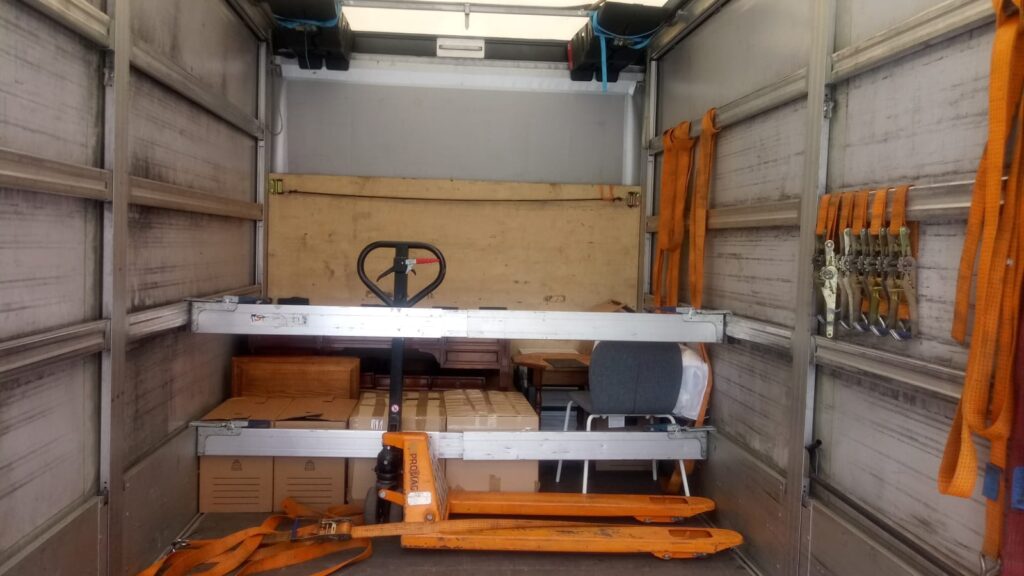

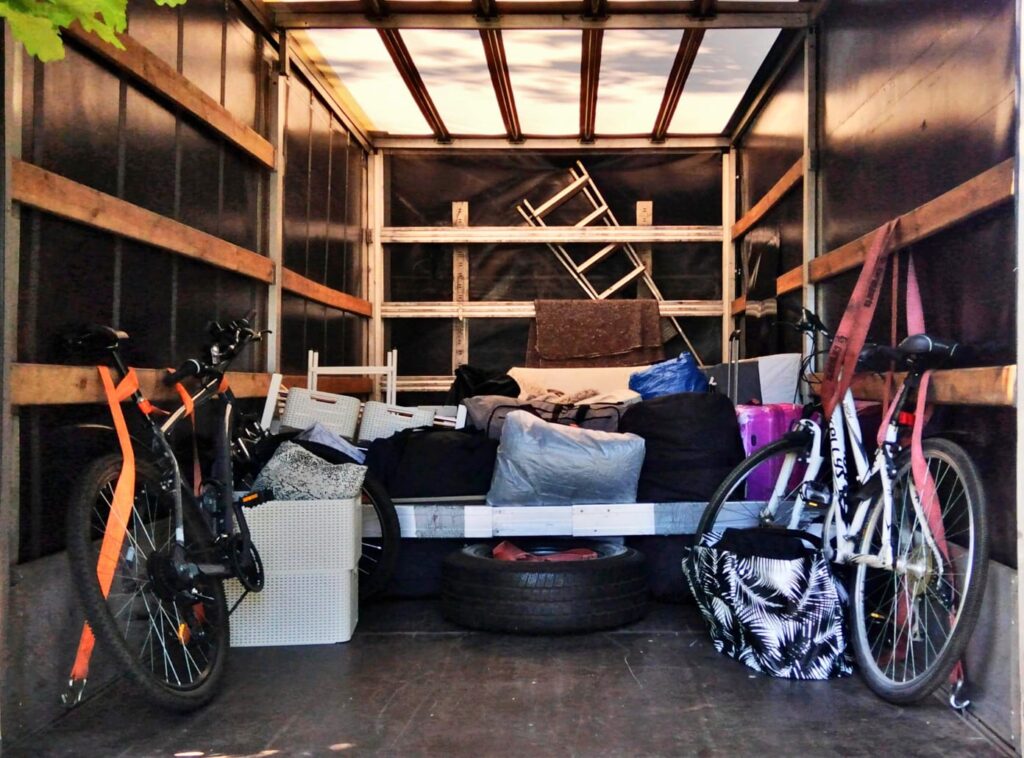

Housing in France: leases, deposits, and the état des lieux moment
Housing is the emotional centre of your move. When home feels secure, the rest becomes lighter.
Here is what to know before moving to France about renting.
- The état des lieux is the move in and move out inspection report
- Photograph everything on day one, even tiny marks
- Confirm what is included: appliances, lighting, storage, parking
What the lease process often feels like
You apply, you wait, you prove yourself, then you sign. In busy cities, it can move fast, so preparation matters.
Common friction points:
- Missing a single document and losing the flat
- Not understanding what is included in charges
- Underestimating how much cash is needed upfront
A simple rental folder
Bring it in print and digital:
- ID or passport
- Employment contract or proof of income
- Proof of previous address
- Bank details if requested
- Proof of insurance if requested by the landlord
A small tip that pays off: create a single PDF with your key documents. It speeds up applications and makes what to know before moving to France feel manageable.
Move in day mini checklist
This is the moment when you protect your future deposit.
- Walk through slowly and photograph every room
- Test taps, lights, sockets, and heating
- Note scratches and marks in writing
- Confirm key count and mailbox access
- Save a copy of the état des lieux
Quick reality check table
| Question to ask | Why it matters | What to do |
|---|---|---|
| What is included in rent charges? | Surprises hit your budget | Ask for a breakdown |
| Is the property furnished? | Changes deposit and your inventory | Confirm in writing |
| Any building access limits? | Impacts delivery timing and vehicle choice | Share with your mover |
| Who pays for small repairs? | Avoids disputes | Clarify before signing |
Moving your stuff smartly: inventory, insurance, packing strategy
The most practical part of what to know before moving to France is this: you do not need to move everything. You need to move what supports your life.
Imagine your belongings as a cast of characters. Some are essential, some are sentimental, and some are just loud, heavy extras that eat budget and steal time.
Your goal is not to move more. Your goal is to move better.
The three pile method
Start with three piles, then do a second pass with brutal honesty.
- Keep: essentials, sentimental anchors, hard to replace items
- Sell or donate: bulky items that cost more to move than to replace
- Store: seasonal items, archives, furniture you might want later
A second pass that saves money
Ask these quick questions for each item:
- Would I buy this again in France for under €50?
- Does this item weigh more than it is worth?
- Does it have emotional value, or only guilt value?
- Will it fit the new space, including staircases and door widths?
If the answer feels wobbly, it probably belongs in sell, donate, or storage.
Inventory that saves time and protects value
Make your inventory simple and consistent. It should be readable by a tired person on a moving day.
Minimum fields:
- Box number
- Room name
- Priority level
- Photo for high value items
Now add two details that change everything:
- Condition note for fragile items, for example no cracks
- Unpack order tag: Day 1, Week 1, Later
| Box | Room | Priority | Unpack tag | Fragile | Notes |
|---|---|---|---|---|---|
| 01 | Kitchen | High | Day 1 | Yes | Plates, glasses, photo taken |
| 02 | Bedroom | High | Day 1 | No | Bedding, chargers |
| 03 | Living room | Medium | Week 1 | Yes | Lamp, wrapped |
| 04 | Office | Medium | Week 1 | No | Cables, documents |
The essentials box: your first 24 hours lifeline
Make one box, label it clearly, and keep it accessible.
Put in:
- Two days of clothes
- Toiletries and basic medicine
- Chargers and extension lead
- Important documents folder
- Cleaning wipes and bin bags
- Kettle, mug, snacks, water
It sounds small. It feels gigantic when you arrive late and you just want a shower and a phone charger.
Packing strategy that protects speed
A smart packing strategy is part of what to know before moving to France because it reduces breakage and saves hours.
Use this order:
- Out of season items
- Books and heavy items, in small boxes
- Fragile items, with proper wrap and tight packing
- Daily life essentials last
Avoid these common mistakes:
- Overfilling boxes beyond 18 to 22 kg, they become uncarryable
- Mixing rooms in one box, it slows unpacking by days
- Packing liquids, they leak and ruin everything
Insurance mindset
Ask what is covered during transit, then consider extra cover for fragile or expensive items. Peace of mind is not decoration. It is a decision.
- Base coverage may focus on limited liability, not full replacement value
- Full value protection is often a separate option
- Claims go faster when you have photos, inventory, and timestamps
Choosing the right vehicle: capacity table and quick selector
Choosing capacity is not guesswork. It is maths, with comfort built in.
Picking the right size is one of the most powerful answers to what to know before moving to France because it controls three things at once: cost, speed, and stress.
VANonsite vehicle sizes
| Package | Capacity | Max load | Best for |
|---|---|---|---|
| Moving One | 1 m3 | 100 kg | A few boxes, urgent delivery |
| Moving Basic | 5 m3 | 300 kg | Studio essentials, student move |
| Moving Medium | 10 m3 | 500 kg | Small apartment, partial furniture |
| Moving Premium | 15 m3 | 1100 kg | 1 to 2 bedroom move |
| Moving Premium Plus | 30 m3 | 3500 kg | Family move, bigger furniture |
| Moving Full House XXL | 90 m3 | 20000 kg | Full house relocation, large loads |
Quick selector
- A few suitcases and boxes: Moving One or a man and van
- Student room or studio: Moving Basic
- Small flat with furniture: Moving Medium
- 1 to 2 bedroom home: Moving Premium
- Larger family move: Moving Premium Plus
- Full house relocation: Moving Full House XXL
When in doubt, size up. One extra cubic metre is cheaper than a second trip.
A simple volume estimator
- Large suitcase: about 0.1 to 0.15 m3
- Standard moving box: about 0.05 m3
- Small sofa: often around 1.5 to 2.5 m3 in practical loading space
- Double bed frame and mattress: often around 2 to 3 m3 combined
Fast method:
- Count your boxes
- Add suitcases
- Add big furniture pieces, one by one
- Add a 15% breathing margin
That breathing margin is the difference between a smooth load and a tense, last minute reshuffle.
Why a man and van can be the smartest move
A man and van is not small. It is strategic.
Choose it when:
- You want a direct route and a tighter delivery window
- You are moving a partial load, not an entire household
- You need flexibility for pickup and drop off times
- You want speed without paying for unused capacity
Packing that survives real roads
Packing is not a chore. It is protection.
Here is what to know before moving to France about packing that actually holds up: pack like your boxes will be tilted, stacked, and carried through staircases you have not met yet.
The packing rules that prevent damage
- Use double wall boxes for books, kitchenware, and anything heavy
- Keep box weight around 18 to 22 kg so it is liftable and safer
- Wrap glass with proper cushioning, then pack it tightly so it cannot rattle
- Separate liquids and seal them, or better, do not transport liquids at all
- Label by room and priority, not just kitchen
A simple labelling system that saves hours
Use this format on two sides of every box:
- Room code: K for kitchen, BR for bedroom, LR for living room, OF for office
- Priority: Day 1, Week 1, Later
- Fragile mark: yes or no
- Box number: 01, 02, 03
Example: K, Day 1, Fragile, 07
What to pack where
| Item type | Best packing choice | Small detail that matters |
|---|---|---|
| Books | Small double wall boxes | Fill gaps so corners do not crush |
| Plates and mugs | Wrap, then pack upright | Use dividers for extra protection |
| Clothing | Wardrobe boxes or suitcases | Keep one suitcase for Day 1 |
| Electronics | Original boxes if possible | Photograph cables and connections |
| Mirrors and art | Corner guards and foam | Mark orientation clearly |
Your first 24 hours kit
Create one essentials bag and one essentials box. Keep them accessible.
Essentials bag:
- Passport or ID
- Phone, chargers, power bank
- Wallet, keys, medication
- A printed list of contacts and addresses
Essentials box:
- Two days of clothes
- Toiletries and towels
- Kettle, mug, snacks, water
- Basic tools: scissors, tape, marker
- Cleaning wipes, bin bags
Packing support when you want calm
If you want a smoother moving day, consider professional support. VANonsite offers a dedicated Packing Service designed to reduce damage risk and save hours.
For delicate items that need extra care, White Glove Delivery is built for precision.
A 30 day moving timeline: week by week plan
A good plan turns what to know before moving to France into action. This timeline is realistic, fast to follow, and built to reduce last minute decisions.
30 to 21 days before
- Confirm status, visa steps, and customs basics
- Book your move date, man and van, or larger vehicle
- Start inventory and photos
Quick wins:
- Choose your vehicle size based on inventory, not guesswork
- Set a target packing day and a target cleaning day
- Create a single folder for documents, printed and digital
20 to 11 days before
- Confirm address access: stairs, lift, parking, restrictions
- Decide what you store, sell, donate
- Order packing materials or book packing support
Do not skip this part of what to know before moving to France:
- Measure large items and check door widths
- Book any lift or parking permissions if your building requires it
- Confirm delivery contact details for both addresses
10 to 4 days before
- Pack non essentials
- Prepare a documents folder
- Confirm delivery window and contact numbers
Friction proof checklist:
- Label every box with room code and priority
- Separate fragile items and photograph them before packing
- Keep one box empty for last minute items you cannot predict
3 to 0 days before
- Pack essentials last
- Back up data, charge devices
- Final walk through, departure photos
Day before move:
- Place essentials bag and essentials box aside
- Confirm pickup time and the fastest route
- Put keys, documents, and charger in one pocket, not ten places
Moving day:
- Do a final sweep of cupboards, balcony, storage, and the fridge
- Photograph the empty rooms for your own records
- Keep your inventory list with you, not in a box
Arrival week: admin sprint and first 7 days checklist
This is where many people discover that what to know before moving to France is also about landing well.
Moving day is physical. Arrival week is mental.
You are tired, your boxes are still strangers, and suddenly everything asks for proof. Proof of address; Proof of identity; Proof you belong in your own new life.
The goal is simple: get your essentials working fast so you can breathe.
Your first 7 days checklist
- Get a local SIM and set up connectivity fast
- Save your new number and update two factor logins
- Take a photo of your SIM packaging and contract details
- Set up electricity, gas, and water if needed
- Prioritise electricity first, it unlocks everything else
- Keep proof of address ready for services
- Lease, attestation, or official letter, plus your ID
- Start banking steps if required
- You will need it for rent, bills, and subscriptions
- Begin healthcare registration pathway based on your status
- Follow the official guidance for your situation
For official references, start here:
A calm 7 day landing plan
| Day | Focus | Quick wins |
|---|---|---|
| Day 1 | Connectivity and essentials | SIM active, chargers found, essentials box opened |
| Day 2 | Utilities and address proof | Electricity confirmed, documents folder organised |
| Day 3 | Banking basics | Appointment booked, required papers gathered |
| Day 4 | Healthcare pathway | Steps identified, forms started |
| Day 5 | Local admin and routines | Transport card, nearest pharmacy, waste rules |
| Day 6 | Home setup | Internet scheduled, small home fixes planned |
| Day 7 | Stabilise | Plan next week, unpack by priority, rest |
Arrival week mistakes to avoid
- Waiting to sort your SIM and internet, then losing hours to admin blocks
- Putting documents into a random box and forgetting the box number
- Unpacking everything at once instead of by priority
- Ignoring building access rules, then struggling with deliveries and pickups
If you want your arrival to feel controlled, use a reliable mover and keep delivery timing tight. A direct man and van route can be perfect when your key handover date is sharp.
Students, families, and offices: tailored notes
Different lives need different moves. This is a practical extension of what to know before moving to France.
Students
Student moves are often lighter and deadline driven. A man and van route is frequently the sweet spot because it is fast, flexible, and does not force you to pay for unused space.
What students usually forget:
- Bedding and a first night kit
- A power strip and adapters
- Printed copies of accommodation details
A simple student setup list:
- Pack less, move smarter
- Prioritise desk essentials and bedding
- Keep documents accessible
- Choose Moving Basic or Moving Medium when you have furniture
VANonsite offers Student Removals built for this reality.
Families
Family moves are emotional. They also have more moving parts.
Focus on:
- School timelines and enrolment documents
- A child friendly essentials box: snacks, favourite toys, night lights
- Extra bedding and kitchen readiness for week one
- Safe transport for sentimental items
If your move includes large furniture, use a bigger vehicle size so nothing gets rushed. If you need staged delivery, storage can make the transition softer.
Offices
Office moves are choreography. Downtime is money.
Office priorities that protect continuity:
- Inventory of equipment and cables, with photos
- Packing by department and setup order
- Clear labelling for Day 1 essentials
- A delivery schedule that matches your reopening plan
VANonsite provides Office removals for businesses that want clean execution.
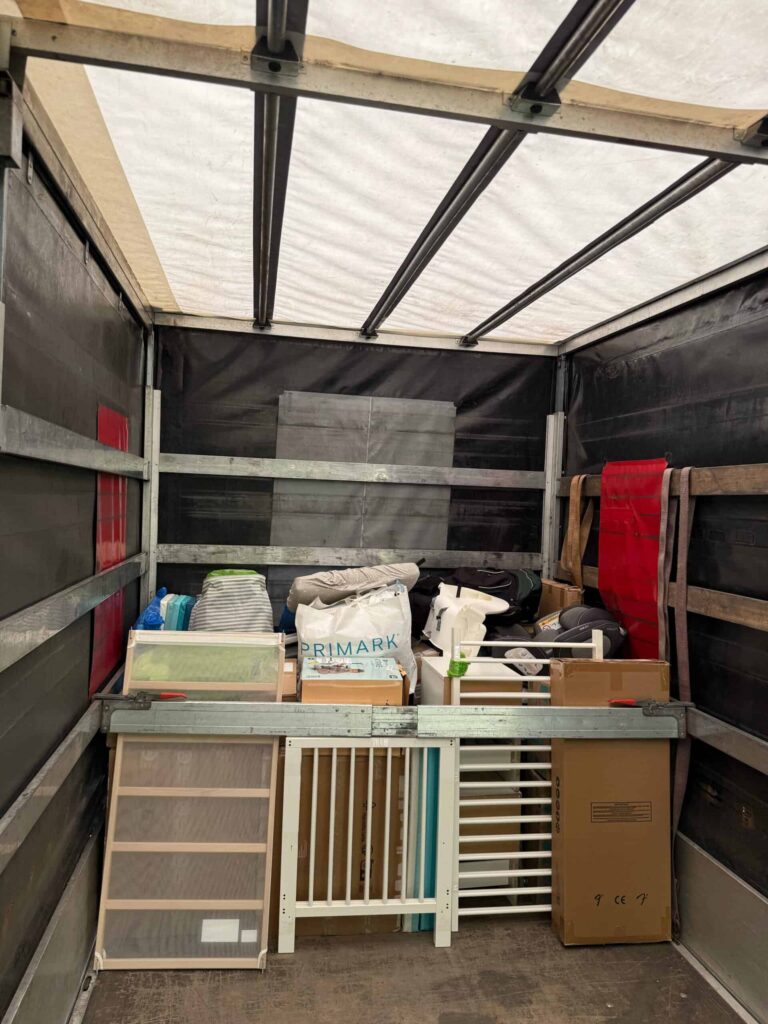
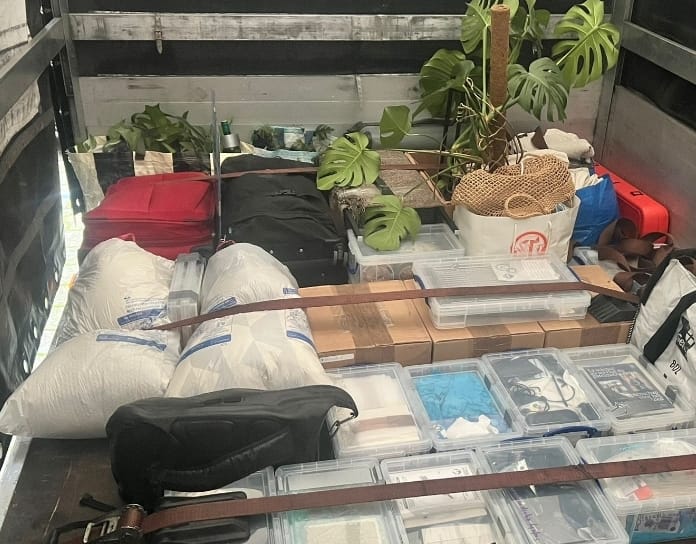
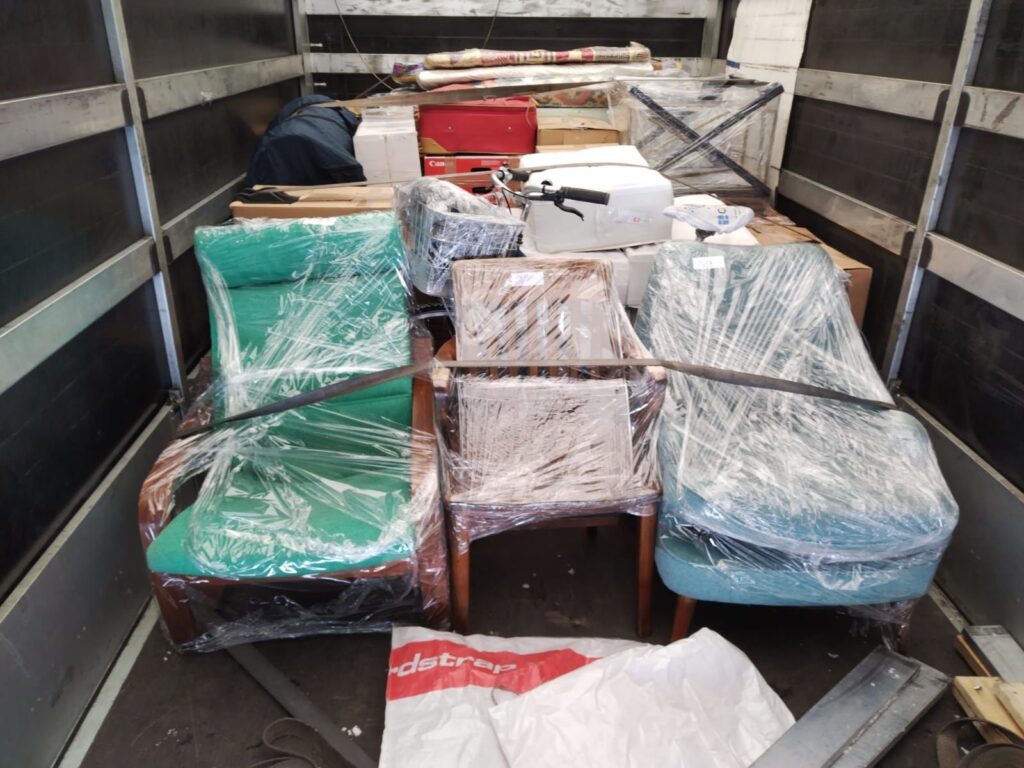
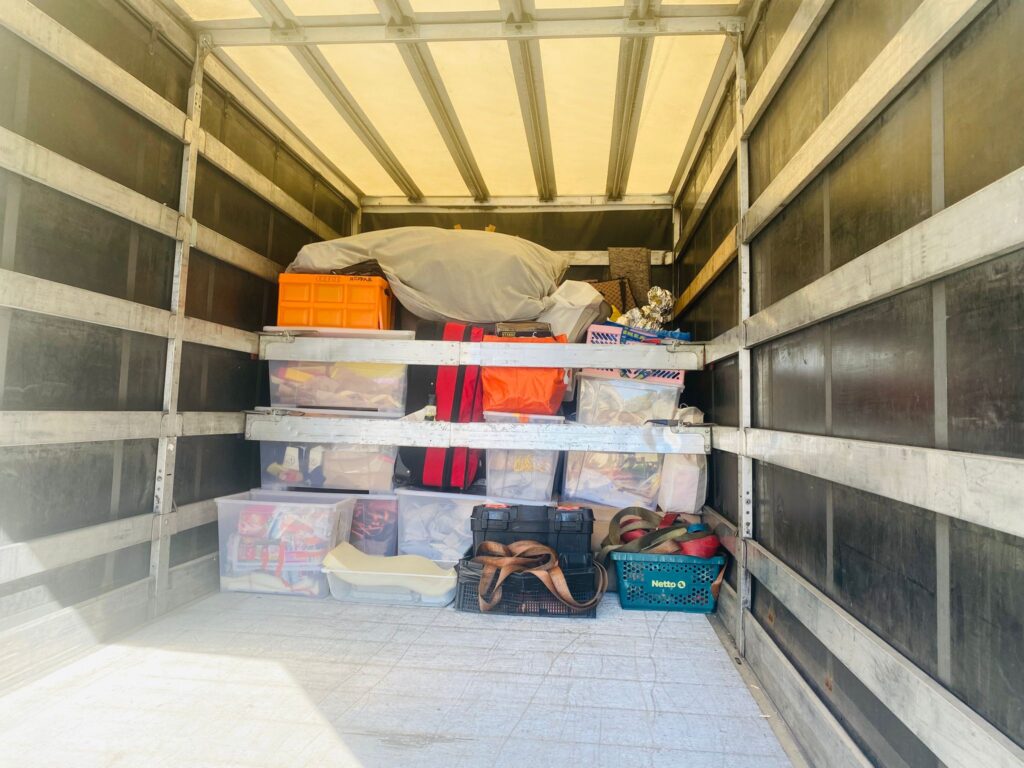
Common mistakes to dodge
If you want to feel instantly smarter about what to know before moving to France, avoid these.
These mistakes look small on paper. In real life, they become lost hours, cracked items, surprise fees, and that sinking feeling of having to fix everything when you are already exhausted.
The most expensive mistakes
- Booking too late and paying panic pricing
- Underestimating volume and choosing the wrong vehicle
- Skipping inventory photos and missing proof later
- Packing fragile items without proper protection
- Forgetting access rules in dense city areas
- Leaving connectivity setup for later
- Not separating essentials, then opening boxes like a treasure hunt
- Packing liquids, then discovering leaks the hard way
Quick fixes that prevent drama
- Book transport early, even if your address is not final
- Build an inventory with photos and box numbers
- Label boxes by room and priority, not just room
- Add a 15% volume buffer when choosing a vehicle
- Prepare an essentials bag and an essentials box
- Confirm parking, lift rules, stair access, and delivery windows
Mistake to cost table
| Mistake | What it usually costs | The fast fix |
|---|---|---|
| Booking late | Higher price and fewer options | Reserve a slot early, adjust later |
| Wrong vehicle size | Extra trip or repacking | Use inventory, then size up slightly |
| No photos | Slower claims and disputes | Photograph valuables and fragile items |
| Weak packing | Breakage and stress | Double wall boxes, tight cushioning |
| Ignoring access | Delays at pickup or drop off | Share access details with your mover |
| No Day 1 kit | A miserable first night | Essentials bag plus essentials box |
The VANonsite way: GPS tracked cargo, speed, safety, services
If what to know before moving to France includes who to trust with your life in boxes, focus on three things: control, reliability, and speed.
VANonsite is built for European relocations where timing matters and belongings cannot be treated like anonymous cargo.
Why people choose VANonsite
- GPS tracking for every load so you always know where your shipment is
- High quality handling designed to reduce damage risk
- Fast, direct routes when you need a tight delivery window
- Flexible service levels, from single item transport to full house relocations
Choose the service that fits your move
| Your situation | Best VANonsite option | Why it helps |
|---|---|---|
| Moving a household to France | Removals to France | End to end planning for cross border moves |
| Whole home move | Home Removals | Structured loading, protection, and delivery |
| Sofa, bed, bulky items | Furniture Removals | Safer transport for awkward, heavy pieces |
| You want less risk and less effort | Packing Service | Faster day, fewer breakages |
| High value or delicate items | White Glove Delivery | Extra care for premium deliveries |
| Business relocation | Office removals | Reduced downtime, cleaner setup order |
| Student move | Student Removals | Lightweight moves with speed and flexibility |
Last minute, storage, and staged moves
Life is rarely perfectly timed. That is why flexible options matter.
- Last Minute Moving when you need speed now
- Storage when your keys and your schedule do not align
- Staged delivery when you want to move in phases
Where a man and van shines
A man and van option is perfect when you want a direct, efficient move without paying for space you do not use.
Choose a man and van when:
- You are moving a partial load
- Your delivery window is tight
- You need a fast cross border run
- You want flexibility with pickup and drop off times
Ready to move to France with less stress?
If you have been searching what to know before moving to France, you already did the hardest part. You chose clarity.
Now turn that clarity into a plan.
- Pick the right vehicle size
- Prepare documents early
- Pack with protection, not wishful thinking
- Choose a mover that gives you control, including GPS tracking
Explore Removals to France and book a move that feels secure, swift, and seriously well handled.
Summary
Moving countries can feel like a beautiful leap, until the details start to bite. The real secret of what to know before moving to France is that success comes from small, consistent decisions.
- Confirm your legal status and use official sources early
- Budget for deposits, fees, and setup, then protect yourself with a 10% buffer
- Choose the destination that fits daily life, not just daydreams
- Inventory, photograph, and pack like your belongings deserve respect
- Pick the right vehicle size so the move stays fast, safe, and drama free
- Land with a 7 day admin plan so your new life starts working quickly
And when you want flexibility, speed, and control on a cross border route, a man and van can be the smartest way to keep the move direct and efficient.
FAQ
1) What is the first thing to do before moving to France?
The first step in what to know before moving to France is confirming your legal status and document pathway. Start with France-Visas for visas and Service-Public for official admin guidance.
2) How much money should I save before moving to France?
A practical target is your deposit plus first month costs, then add a 10% buffer. Your budget should include rent deposit, agency fees if applicable, utility setup, and moving costs.
3) Do I need a visa to move to France?
It depends on your citizenship and your reason for moving. EU and EEA citizens often have fewer barriers, while non EU citizens typically need a visa. Always check the official portal: France-Visas.
4) What documents do I need for renting in France?
Landlords and agencies commonly ask for ID, proof of income or contract, and proof of address. Keep digital copies ready, and keep a printed folder for appointments.
5) What is an état des lieux and why does it matter?
It is the move in and move out inspection report. Photograph everything and keep a copy. It protects your deposit and prevents disputes.
6) How do I know what vehicle size I need?
Start with an inventory, count boxes and large furniture, then add a 15% breathing margin. If you are between sizes, size up.
7) Is a man and van good for moving to France?
Yes, especially for partial moves, student relocations, small flats, or tight deadlines. A man and van is often the sweet spot when you want a direct route without paying for unused capacity.
8) Should I use a packing service?
If you want fewer breakages and a faster moving day, yes. A packing team reduces damage risk and saves hours. If you want help, check the Packing Service.
9) What should I do in my first week after arriving in France?
Follow a simple landing plan: SIM and connectivity, utilities, proof of address, banking steps, and healthcare pathway. Use Service-Public as your official starting point.
10) How can I track my belongings during the move?
Choose a mover that offers GPS tracking for your load. Visibility reduces anxiety and improves coordination, especially on longer routes to France.
11) Where can I get help planning a move to France?
If you want professional support for cross border transport, planning, and delivery, start with Removals to France.