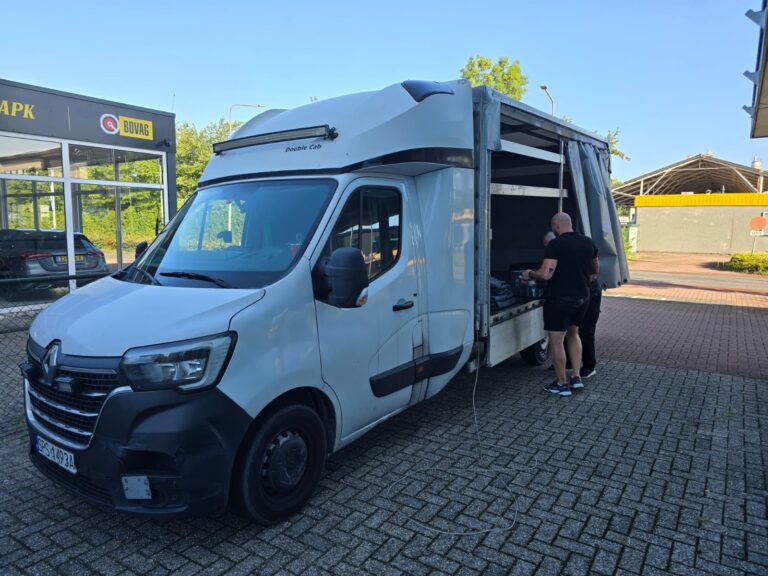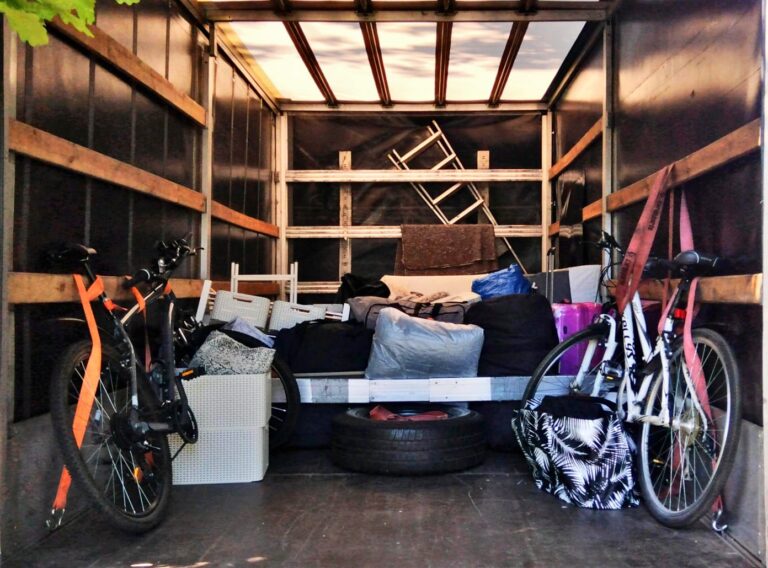

British moving to Germany is still absolutely possible after Brexit, but it no longer feels like a casual hop across Europe. The move now asks for more foresight, tighter paperwork, and a sharper understanding of what happens before the van is loaded, while your household goods are in transit, and after you arrive in Germany. That sounds heavier than it used to, and in some ways it is. Still, the move becomes far easier to control once the legal route, customs side, and removals strategy are clear.
This is the real emotional pressure sitting behind the search. Most British readers are not looking for airy theory. They want solid ground. They want to know whether they can move, what Brexit changed, what documents they need, how customs affects furniture and household goods, what the move may cost, and whether a man and van option is enough or if a fuller removals setup would be safer. In other words, they want a guide that answers the practical questions before the stress starts growing teeth.
That is exactly why this article opens with immediate relevance and control. A British move to Germany now works best when it is treated like a proper international relocation, not a pre-Brexit routine. That means getting the order right. First legal clarity. Then housing and paperwork. Then inventory, customs, and transport. When that sequence is handled well, the entire relocation feels lighter, faster, and much less fragile.
VANonsite fits naturally into that picture because the company offers secure European transport, flexible vehicle sizes, and GPS tracking for every load. For British nationals moving to Germany, that matters. Whether the move is a compact student relocation, a furniture-only transfer, a full family household, or an urgent cross-border move, the right removals partner should reduce uncertainty rather than add to it. The goal is not just to move belongings. It is to help life land well on the other side.
Can British Citizens Move to Germany?
Yes, British citizens can move to Germany after Brexit. However, the route is no longer automatic. It depends on why you are moving, how long you plan to stay, whether you already have a job or family connection in Germany, and which residence path applies to your situation.
That is the first point readers need straight away. British moving to Germany is not blocked. It is simply more structured than before. Work, study, family reunion, and self-employment can all lead to a move, but they do not follow the same paperwork path. What used to feel almost routine now rewards precision. The people who usually experience the smoothest move are the ones who confirm the legal route early, prepare their documents early, and choose a removals strategy that actually matches the size and pressure of the relocation.
This is also why the move should be treated as a full international relocation, not as a simple pre-Brexit UK to EU move. Customs can matter for household goods. Residence planning matters more. Timing matters more. The order of your decisions matters more. That does not mean the process has to feel overwhelming. It means the smartest approach is to stop thinking of the move as a quick cross-border transfer and start treating it as a planned life transition.
The practical takeaway is simple. British citizens can move to Germany, but the move works best when five things are understood early:
- the legal route for your stay
- the documents you need before the move
- the customs implications for UK household goods
- the type of removals service your load actually needs
- the first practical steps after arrival in Germany
Once those pieces are in place, the move becomes far more manageable. It also becomes much easier to decide whether a compact man and van service is enough, whether you need fuller removals support, and how to protect your time, budget, and peace of mind throughout the process.
What Changed After Brexit for British Moving to Germany?
Before Brexit, many UK to Germany moves felt almost routine. A new job in Berlin, a fresh start in Hamburg, a family relocation to Munich, or a student move to Cologne could often be approached with far less legal tension. There was still planning to do, of course, but the move itself felt closer to a practical life decision than a formal international process. That changed when freedom of movement for UK nationals ended.
This is the section where many readers are really asking a deeper question: why does the move feel heavier now? The answer is not only that one or two rules changed. The answer is that the entire rhythm of relocation changed. British moving to Germany after Brexit now requires stronger sequencing, better documentation, and more realistic timing from the very start.
The biggest changes are these:
- freedom of movement ended for UK nationals
- immigration and residence rules now matter much more
- customs is more relevant for household goods from the UK
- the order of decisions matters more than before
- the move needs stronger paperwork and better timing
Each of those points affects real life in a direct way. If freedom of movement has ended, then the legal basis of the move matters far more than it once did; If immigration and residence rules matter more, then legal clarity should come before major logistics decisions; If customs matters more, then your inventory and removals paperwork become part of the backbone of the move rather than a side note.
This also changes the emotional experience of the relocation. Pre-Brexit, many British movers could focus first on the destination. Where will we live? Which city suits us best? How quickly can we get there? Now the process often begins with more caution. Can I move on this route? Which documents will be checked? When is it actually safe to book transport? That extra layer of uncertainty is exactly why a structured guide matters so much.
British moving to Germany after Brexit is still very achievable. The move is not closed. It is simply less forgiving of vague planning. That is why precision now creates freedom. When the legal route is clear, the paperwork is under control, and the removals plan fits the actual move, the whole process becomes lighter again.
In practical terms, Brexit changed not only the legal framework but also the logic of booking. A British mover who commits too early without confirming residence requirements may create avoidable pressure. A mover who waits until the route is clear, then builds the move around housing, customs, and the right service size, usually experiences a much smoother transition.
That is the key emotional message of this section: before Brexit, many UK to Germany moves felt almost routine. Now they reward precision. Not panic. Not overcomplication. Precision.
Who This Guide Is For
This guide is designed for British readers who are not just curious about Germany, but actively moving toward it. Some are weeks away from a relocation; Some are still comparing timelines, visas, and removals options; Some already have a job offer. Others are moving for love, family, study, or a complete reset. The common thread is simple: they need practical clarity and a moving plan that matches real life.
British moving to Germany is not one single story. Different types of movers face different timelines, different document paths, and very different transport needs. That is why this guide should help readers recognise themselves quickly, instead of forcing every situation into one generic relocation template.
This guide is especially useful for:
- Professionals moving for work
These readers often work to fixed start dates, employer expectations, and tighter administrative deadlines. They usually need the legal route and the removals plan to align cleanly. - Families relocating to Germany
Family moves often carry more emotional and logistical weight. The challenge is not only moving furniture and boxes. It is protecting routines, school life, daily rhythm, and a calmer landing for everyone involved. - Couples moving for a new start
These relocations often sit between compact and full-house removals. They may involve one or two jobs, uncertain housing at first, and the need for a transport option that stays flexible without feeling too light. - Students
Student relocations are often smaller in volume but sharper in timing and budget. This is exactly where a man and van solution can be especially practical, particularly for staged moves or essentials-first setups. - People moving selected furniture only
Not every British move to Germany is a full household relocation. Some readers only need to move chosen furniture pieces, valuable items, or a smaller load that still requires careful cross-border planning. - British nationals returning to Germany after time away
Some movers already know Germany well, but the relocation still needs fresh planning because the rules, timing, and removals side may be very different now from what they remember.
The reason this matters is simple. A student with a few boxes and a laptop does not need the same removals structure as a family moving a three-bedroom house. A couple heading to Germany for a fresh start may not need the same service level as a professional starting work on a tight date with premium furniture in the load. A furniture-only transfer should not be treated like a full domestic relocation.
That is why the best guide, and the best removals partner, should feel adaptable. The article should help each reader understand not just how British moving to Germany works in theory, but what kind of planning, paperwork, and service fit their exact version of the move.
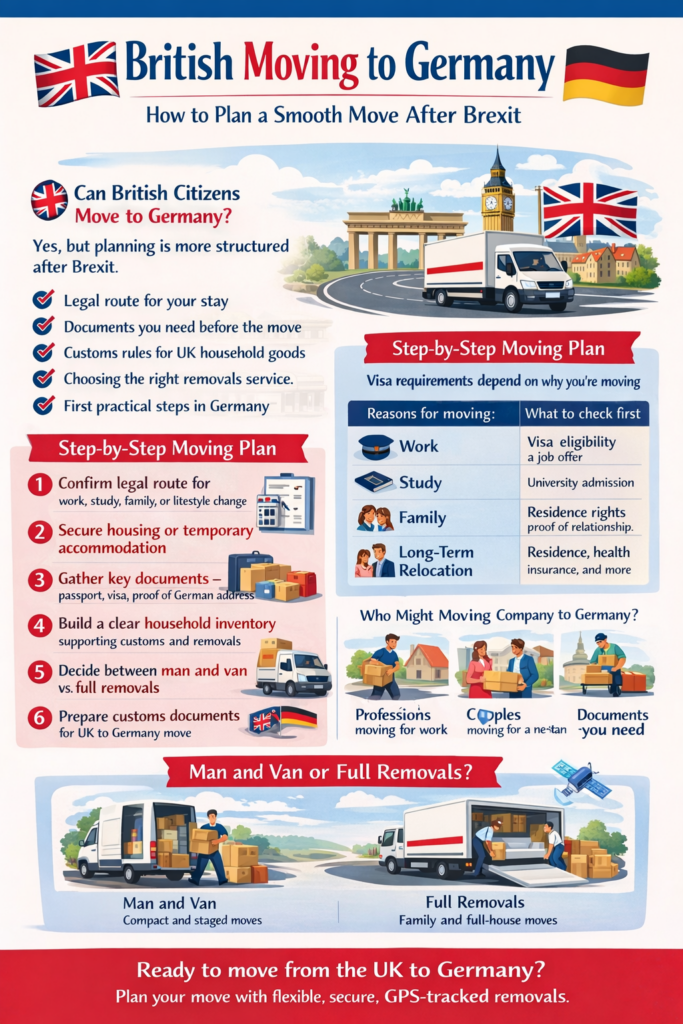
British Moving to Germany Step by Step
British moving to Germany becomes dramatically easier when the process is broken into a clear sequence. Most people do not struggle because the move is impossible. They struggle because too many things compete for attention at once. Legal checks, housing, paperwork, customs, transport, packing, and first-week admin can quickly blur into one anxious fog. A proper step-by-step structure cuts through that fog and gives the move a shape you can actually manage.
A practical roadmap looks like this:
- Confirm the legal route for the move
Start by identifying the basis of your relocation. Are you moving for work, study, family reunion, self-employment, or a longer-term lifestyle change? This decision shapes everything else. If the legal side is still unclear, it is risky to lock in a full household move too early. - Secure accommodation in Germany
Even temporary accommodation makes the move feel more real and more stable. It gives your paperwork a destination, supports planning for the first week, and removes one of the biggest sources of uncertainty. - Gather all key documents
This is the stage where the move starts becoming organised instead of theoretical. Passports, route-specific residence paperwork, job contracts, university confirmations, housing records, insurance details, and family documents should be collected early. - Build a clear inventory list
Your inventory is more than a checklist of boxes. It helps customs, sharpens quote accuracy, improves packing logic, and gives you a truthful view of what you are actually taking from the UK to Germany. - Decide between man and van and full removals
This is where honesty matters. A compact move with essentials only may work beautifully with a man and van setup. A family load, awkward furniture, or a tight schedule usually needs a more structured removals plan. - Prepare customs paperwork for UK to Germany goods
Because the UK is outside the EU, customs may matter for household goods. This stage should never be rushed. Strong customs preparation protects both timing and peace of mind. - Pack essentials separately
Your first 24 to 72 hours in Germany should not depend on opening every box. Keep documents, medication, chargers, valuables, first-night clothing, and the items you genuinely need immediately close to you. - Handle the first week in Germany properly
Registration, insurance, banking, transport, phone setup, and practical daily-life basics all matter once you arrive. The smoother the first week is, the faster the move starts feeling like a beginning rather than a disruption.
The deeper value of this section is not only logistics. It is emotional control. Big moves feel lighter when they stop looking like one giant leap and start looking like eight connected actions. That is why this section should feel like the spine of the article. It holds the whole move together.
It also helps to think about the process in three broad phases:
- Preparation for legal route, housing, and paperwork
- Logistics for inventory, removals choice, customs, and packing
- Landing for essentials, registration, and a functional first week
That simple three-part lens often makes British moving to Germany feel far less intimidating.
Do British Citizens Need a Visa to Move to Germany?
This is one of the most important questions in the whole article because it sits at the centre of the move. Before most British readers compare quotes or decide how much furniture to take, they want to know whether they can legally build a life in Germany and what path applies to them.
The answer depends on why the person is moving. That is the key idea to make clear early. Work, study, family reunion, self-employment, and long-term relocation do not sit under one identical route. They may overlap emotionally, but legally they can be very different. That is why British citizens should get clarity on the residence side before booking a full move, especially when the load is large, the budget is significant, or the timeline is tight.
A useful way to frame the issue is this: the visa and residence side should be clear before the removals side becomes expensive. If the legal basis of the move is still uncertain, booking transport too early can create the wrong kind of pressure. If the legal route is confirmed first, the rest of the move becomes far easier to plan with confidence.
A practical overview looks like this:
| Reason for moving | What to check first | Best practical angle |
|---|---|---|
| Work | visa eligibility and contract timing | job offer, recognition, start date |
| Study | student route | admission, funds, housing |
| Family | residence rights and proof | relationship documents, address |
| Long-term relocation | residence planning | timeline, insurance, registration |
This table gives structure, but real life is usually more layered than a simple chart. A professional moving for work may also be relocating a partner, dealing with qualification recognition, and trying to line up a strict start date with a property handover. A student may be balancing admissions, accommodation, and a limited budget. A family reunion route may require sensitive timing and a stronger document trail. That is exactly why generic advice can feel frustrating. The move is personal, and so is the legal route.
British moving to Germany after Brexit is still absolutely possible, but it should be handled with more precision than before. The legal route is not the whole move, yet it shapes the rest of the move more than most people first expect. Once it is clear, removals planning becomes cleaner, calmer, and much easier to trust.
For readers who need to check the exact route, the most relevant sources are Make it in Germany, the official page on the entry process to Germany, the overview of visa types, and the page for a work visa for qualified professionals. For UK-specific post-Brexit context, the German Federal Ministry of the Interior guidance for UK nationals is also worth reviewing.
Documents British Moving to Germany Need Before the Move
Documents are where confidence begins. When British moving to Germany feels stressful, it is often because the paperwork side is still scattered, incomplete, or buried across emails, folders, and half-finished checklists. A well-organised document set does more than satisfy formal requirements. It gives the whole move shape. It reduces uncertainty, supports customs, sharpens the removals plan, and makes the first days in Germany much easier to manage.
Most British movers should expect to prepare the following core documents before the move:
- passport
- visa or residence documents where applicable
- proof of German address or temporary accommodation
- job contract or university confirmation if relevant
- health insurance documents
- customs-related documents where relevant
- detailed household inventory
- family documents where relevant
That list is the starting point. The real value comes from organising those papers in a way that supports the move instead of creating more stress. The simplest approach is to break everything into five practical groups.
- Identity documents
Passports, travel documents, and any official ID that may be needed during the move or shortly after arrival. - Purpose-of-move documents
Job contracts, university confirmations, self-employment records, family-reunion evidence, or any paperwork that explains the legal basis of the relocation. - Housing documents
Tenancy agreements, temporary accommodation confirmations, landlord details, and address-related records that support the move and early admin steps. - Health and insurance documents
Health insurance records, important medical information, and anything that may matter in the first week after arrival. - Removals and customs documents
Inventory lists, service confirmations, customs paperwork, and any moving-related details that need to stay consistent across the transport side of the move.
This structure matters because moving day is rarely calm in the abstract. It becomes calm only when the basics are easy to find. Instead of searching for a contract on your phone while the van is being loaded, you know exactly which folder holds what. That one difference can remove a surprising amount of pressure.
The detailed household inventory deserves special attention because it does more work than many people realise. It helps with customs where relevant, improves quote accuracy, supports smarter packing, and gives you a realistic view of how large the UK to Germany move actually is. A vague inventory creates fog. A precise inventory creates control.
It also helps to keep both a printed set and a digital set of your most important documents. The printed set should stay with you, not disappear into the main load. The digital set should be easy to reach from your phone. This sounds obvious until the moment it saves the day.
For official immigration and residence information, British readers should verify their route through Make it in Germany and the specific official pages relevant to work, study, or residence planning.
Customs Rules for British Moving to Germany
This is one of the sections readers are most likely to postpone mentally, which is exactly why it needs to be clear, grounded, and practical. British moving to Germany can involve customs because the UK is outside the EU. That one fact changes the way household goods should be prepared, documented, and described.
The first thing to make clear is that customs should not be treated like ordinary parcel shipping. A household relocation is not the same as sending a few personal packages abroad. It is a structured life move, and the customs side should reflect that. When it is approached too casually, uncertainty grows fast.
The main customs realities for UK to Germany moves are these:
- UK to Germany moves can involve customs because the UK is outside the EU
- transfer of residence relief may apply if conditions are met
- inventory list is essential
- customs documents should tell one consistent story
- customs should not be handled like ordinary parcel shipping
Those points may sound technical, but they affect the real feel of the move. If your customs paperwork is weak, vague, or inconsistent, the process becomes more fragile. If the documents are clear and coherent, the move becomes far easier to trust.
The inventory list is the centre of this section. It should not be written like a lazy packing note. It should explain what is being moved in a way that makes sense and matches the wider story of the relocation. Not just “boxes and furniture,” but a clearer, more truthful picture of the household goods being taken from the UK to Germany.
It helps to think about customs documents as a narrative. Together, they should answer five quiet questions without confusion:
- who is moving
- from where
- to where
- why the relocation is happening
- what household goods are part of that move
That consistency matters far more than people first expect. A strong customs-ready move feels smoother because the paperwork aligns with the real story of the relocation.
This is also where a reliable moving company can make a visible difference. A customs-aware removals partner helps the customer think more clearly about what is travelling, what should be listed, what needs extra attention, and how to avoid turning the load into a vague, stressful mess.
Where relevant, British movers should review German Customs guidance on transferring residence. That page is especially important for readers who may qualify for relief and want to understand the official framework properly.


Moving Furniture from the UK to Germany Safely
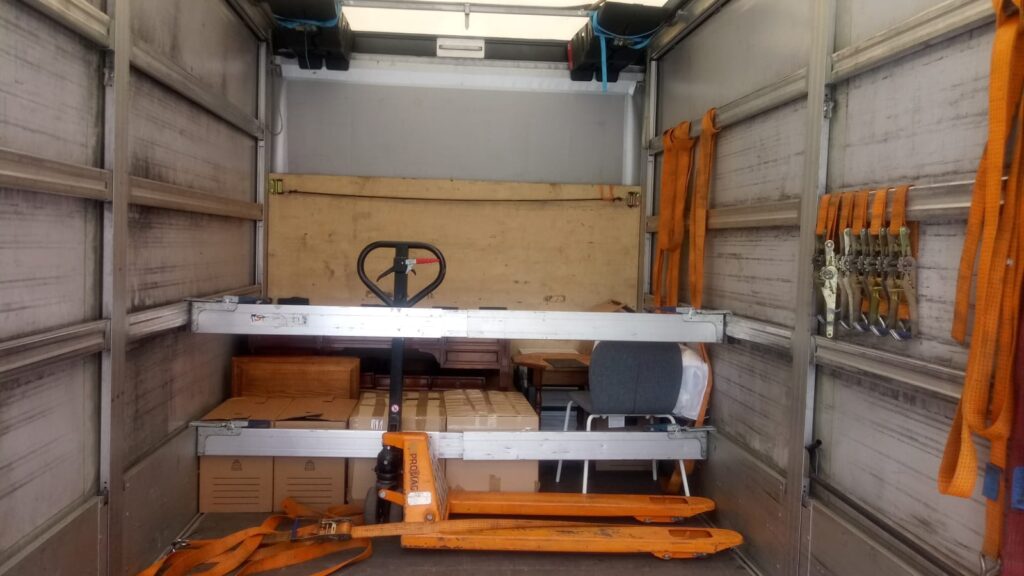
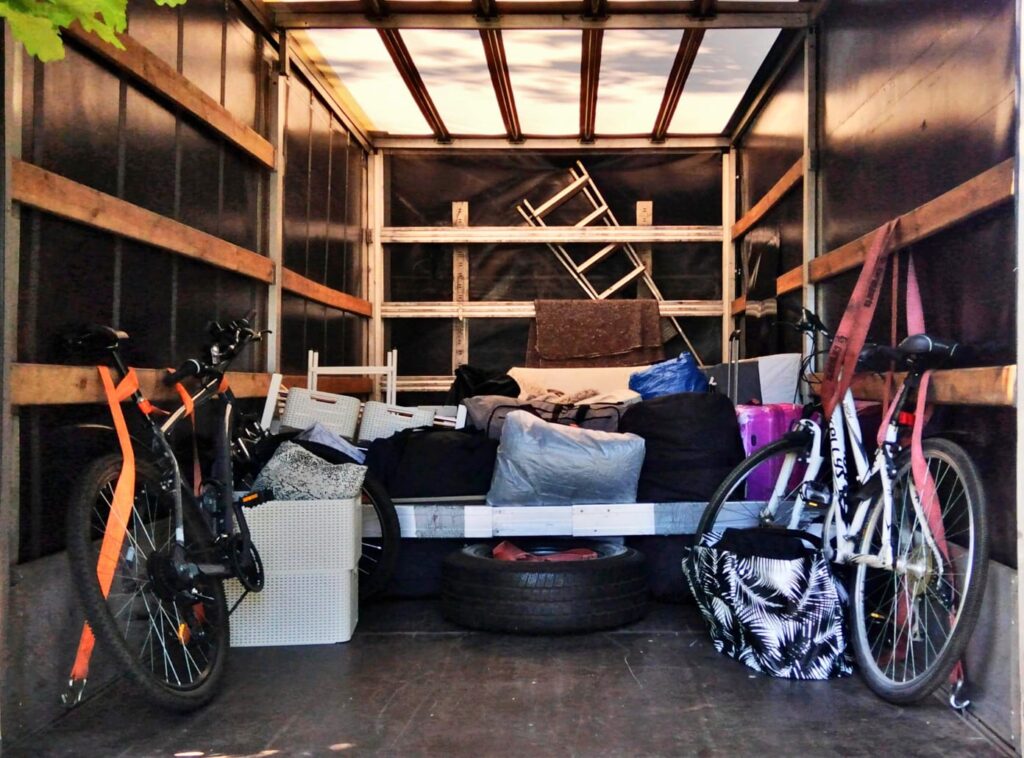
Furniture is often the part of the move that changes everything. Boxes are one thing. A sofa that barely clears the hallway, a wardrobe that needs disassembly, a dining table that suddenly dominates the van plan, or a fragile mirror that cannot be replaced easily is something else entirely. For British moving to Germany, furniture is often the heaviest, most awkward, and most emotionally loaded part of the relocation.
That is why moving furniture from the UK to Germany safely deserves more than a passing mention. Volume, weight, access, and fragility all matter. A few large furniture pieces can reshape the size of the load, the type of service required, the handling time, and the overall cost. The more furniture involved, the more important it becomes to choose a removals plan that fits reality instead of guesswork.
Bulky furniture changes the whole transport plan because it is not only about cubic metres. It is also about access, staircases, awkward angles, fragile surfaces, and the order in which items should be loaded and unloaded. Premium pieces, antique furniture, delicate finishes, or designer items may need a much more protective approach. That is exactly where white glove handling can move from “nice to have” to genuinely sensible.
A practical comparison looks like this:
| Moving profile | Typical load | Best solution |
|---|---|---|
| Student or solo mover | essentials and compact load | man and van |
| Flat move | furniture and boxes | medium removals setup |
| Family house | full household load | full removals |
| Premium items | fragile, designer, high-value goods | white glove delivery |
That table helps readers find themselves quickly, but the real value lies in asking a few sharper questions before booking:
- Which furniture pieces actually need to move?
- Which items are bulky enough to affect the whole service size?
- Which items need disassembly, stronger wrapping, or extra care?
- Which pieces are essential for the first week in Germany?
- Which items are high-value enough to justify white glove handling?
Those questions make the move clearer. They also reduce one of the most common problems in cross-border relocations: underestimating how much furniture changes the entire removals equation.
This is exactly where VANonsite services can be linked naturally and helpfully. Furniture Removals fit readers moving selected bulky pieces or more awkward items. Home Removals work best for larger household transitions. Packing Service becomes especially useful when fragile furniture, time pressure, or a full home move raise the risk of rushed packing. White Glove Delivery makes the most sense for premium, delicate, or high-value items where presentation and condition matter just as much as transport.
The emotional side matters too. Furniture is often what makes the new home feel liveable fastest. If the bed arrives safely, the table is usable, the wardrobe is intact, and the fragile pieces survive the journey properly, the first days in Germany feel steadier. That is why furniture planning is not only about transport. It is about protecting comfort on the other side.
Man and Van or Full-Service Removals to Germany?
This is one of the biggest decision points in the whole article because it turns broad relocation research into a real booking choice. Many British readers do not only want to know whether they can move. They want to know what level of service actually fits the move they are making. That is a much more practical and much more expensive question if answered badly.
Not every UK to Germany move needs the same service level. A man and van solution may be excellent for smaller or staged moves. Full removals may be better for families, larger flats, and more fragile loads. The right choice depends on total volume, timing, and emotional pressure, not just price.
A clear comparison looks like this:
| Option | Best for | Main advantage |
|---|---|---|
| man and van | compact or staged moves | flexibility and lower cost |
| full-service removals | larger homes and family moves | more structure and less stress |
| white glove delivery | premium items | extra care and presentation |
A man and van option can be a smart, efficient fit when the move is compact and the logistics are relatively light. It works especially well for students, solo movers, essentials-first relocations, smaller apartment loads, and staged moves where not everything is travelling at once. The strength of man and van is not that it is “cheap.” Its real strength is that it can be lean, flexible, and fast when the move genuinely suits that shape.
Full-service removals make more sense once the move becomes heavier, more layered, or more emotionally demanding. A family house, a two-bedroom flat with awkward furniture, a move with tighter dates, or a relocation where everything needs to arrive in one organised wave will often benefit far more from fuller structure. At that point, the service is not only about transport. It is about reducing the number of things that can go wrong while the rest of your life is already shifting.
White glove delivery sits in its own category because it answers a different kind of need. It is about extra care, presentation, and protection for premium pieces. For some readers, it may apply to one or two items only. For others, it may define the most delicate part of the load.
The easiest way to help readers decide is to frame the choice with practical questions:
- Is the move small enough to stay efficient without becoming stressful?
- Are you moving only essentials, or a full version of daily life?
- Do you have bulky, fragile, or high-value furniture in the load?
- Would added structure save more stress than it costs?
- Are you moving in one trip or in stages?
These questions usually reveal the right answer faster than price comparison alone.
A small student move from the UK to Germany may work beautifully with a man and van service. A couple relocating a furnished flat may need something more structured, especially if timing is tight or the load includes awkward furniture. A family move with beds, wardrobes, appliances, and children’s essentials usually gains real value from fuller removals support because it removes friction at every stage.
That is why the right choice depends on fit, not on the loudest sales angle. VANonsite’s advantage is that the service range can support compact man and van moves, broader household removals, and more delicate white glove jobs without forcing every customer into the same mould. For British moving to Germany, that flexibility can turn a stressful decision into a far more controlled one.
How Much Does It Cost for British Moving to Germany?
Cost is one of the first real questions British movers ask, and for good reason. A relocation from the UK to Germany can feel exciting, but it can also feel financially sharp. People want to know what drives the price, what inflates it, and how to avoid paying for the wrong type of service. That is especially true after Brexit, when customs, paperwork, and timing can affect the move in ways that did not matter before.
The honest answer is that there is no single flat cost for British moving to Germany. The final price depends on the shape of the move, not only on the route itself. Two households leaving the same British city for the same German city can still end up with very different quotes if the load size, access, service level, and timing are different.
The main cost drivers usually include:
- route and total distance
- volume and weight
- access at both properties
- customs complexity
- packing support
- fragile item handling
- urgency and booking timing
Each of those factors adds a real layer to the quote. Route and total distance affect the base transport cost, but that is only one piece of the picture. Volume and weight often change everything because a compact move and a full household relocation do not belong in the same pricing logic. Access at both properties also matters more than many people expect. Stairs, narrow hallways, lifts, parking limitations, or awkward entry points can all increase handling complexity.
Then there is the post-Brexit layer. Customs complexity can influence preparation time, document control, and the smoothness of the whole cross-border process. Packing support matters when fragile items, large furniture, or time pressure make DIY packing more risky. Urgency and booking timing matter because last-minute moves rarely feel as efficient or as flexible as moves planned with a stronger lead time.
A useful way to think about pricing is to split it into layers:
- Transport layer for distance, route, and vehicle size
- Handling layer for stairs, access, bulky items, and loading complexity
- Protection layer for packing support and fragile-item handling
- Timing layer for urgent bookings or fixed move deadlines
- Customs layer for UK to Germany document and relocation complexity
That layered view is important because it explains why the cheapest quote is not always the cheapest move. A lower headline price can quickly become poor value if the service is too small, the move needs to be split, the fragile items are underprotected, or customs preparation creates delay and stress later on.
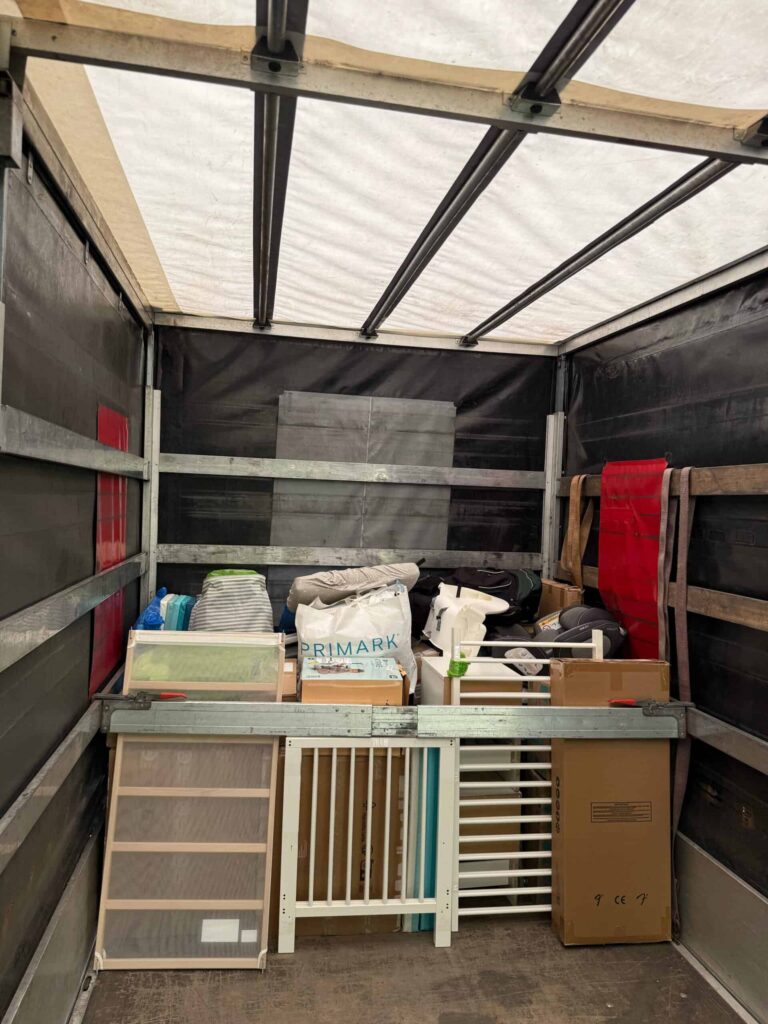
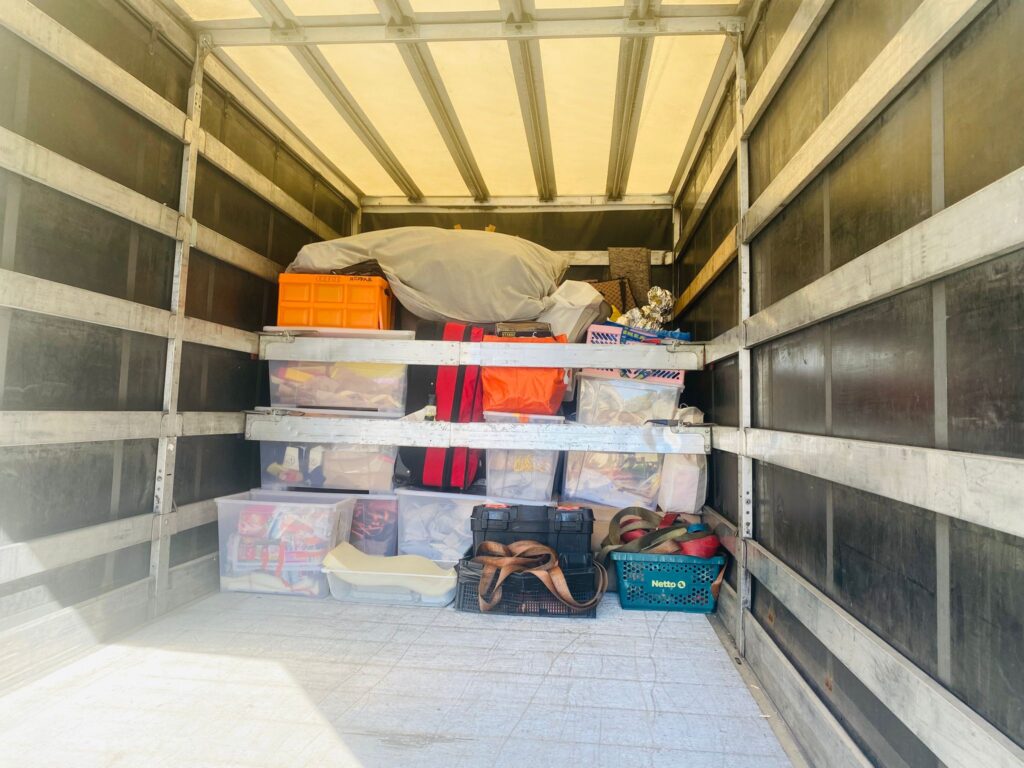
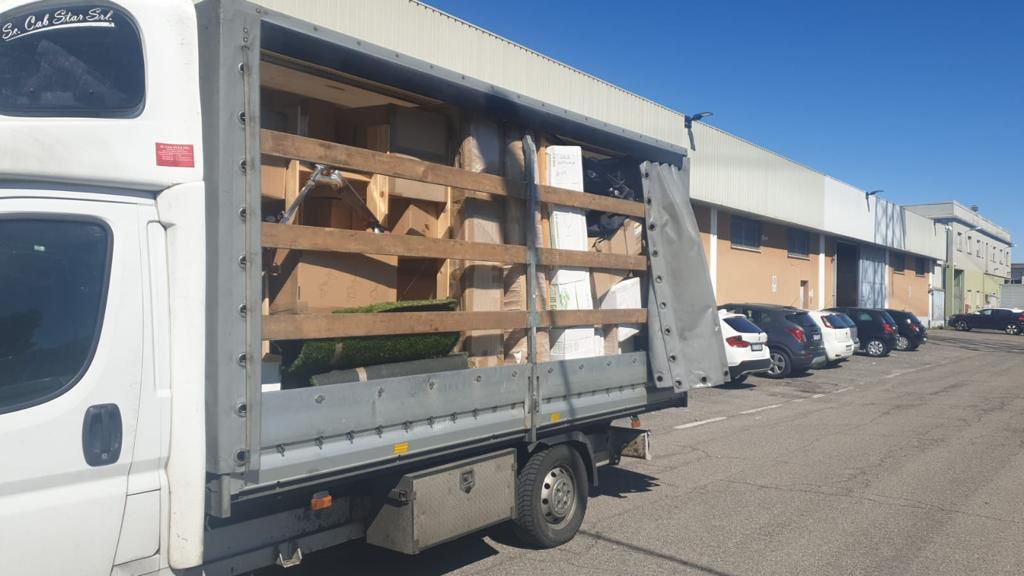
VANonsite’s service sizes help translate that pricing logic into something much easier for readers to picture:
| Service size | Capacity | Weight limit | Best for |
|---|---|---|---|
| Moving One | 1 m3 | 100 kg | urgent essentials and documents |
| Moving Basic | 5 m3 | 300 kg | student or compact moves |
| Moving Medium | 10 m3 | 500 kg | one-room flat or staged load |
| Moving Premium | 15 m3 | 1100 kg | one to two-bedroom move |
| Moving Premium Plus | 30 m3 | 3500 kg | larger household move |
| Moving Full House XXL | 90 m3 | 20000 kg | full house relocation |
This table does more than show technical numbers. It helps readers match their actual move to a realistic service level. A few urgent boxes and documents should not be priced like a full house. A student move should not be treated like a family relocation. A staged move should not be forced into the same structure as a one-wave household transfer.
A practical reading of the table looks like this:
- Moving One works best when speed matters more than volume
- Moving Basic suits student moves, essentials-first setups, and compact cross-border relocations
- Moving Medium fits smaller furnished flats or staged household moves
- Moving Premium works well for one to two-bedroom homes with more regular furniture loads
- Moving Premium Plus is a stronger fit for larger homes and heavier loads
- Moving Full House XXL is built for serious full-house moves where almost everything is travelling
For British moving to Germany, this is the key idea to reinforce: price should follow fit. The real goal is not to find the smallest number on the screen. The real goal is to choose the service that protects timing, matches the load, and avoids repeat handling, rushed packing, or avoidable stress.


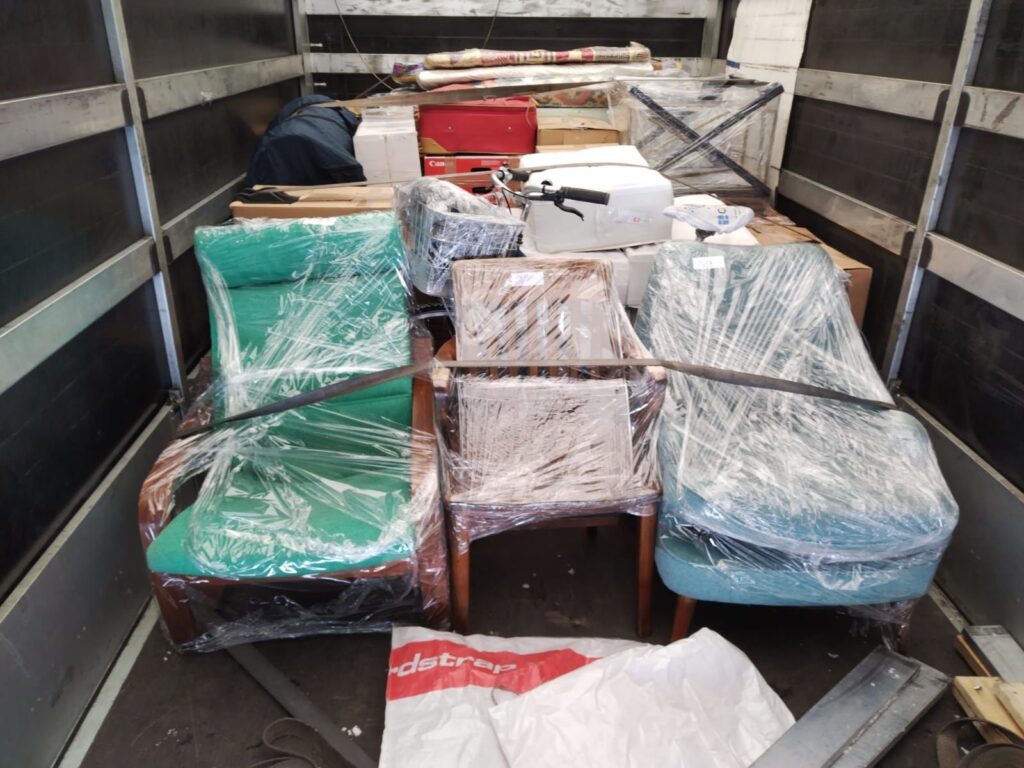
First Week in Germany for British Movers
The first week after arrival often decides how the whole move feels in hindsight. If those first days are chaotic, even a well-run transport process can feel heavier than it should. If the landing is structured, practical, and calm, Germany starts to feel less like a holding zone and more like the beginning of a new chapter.
This is why the first week matters so much for British movers. After a UK to Germany relocation, the job is not fully finished when the van unloads. The move keeps unfolding through registration, admin, daily-life basics, and the small routines that make a place feel usable.
The first priorities usually include:
- registration, especially Anmeldung
- health insurance and first admin tasks
- local transport, banking, phone setup
- keeping documents close in the first week
- making the new home usable quickly instead of unpacking everything at once
Registration, especially Anmeldung, is one of the most practical early tasks because it often affects what can happen next. Even when the reader is not moving to Berlin specifically, Berlin’s official page offers a useful government example of how registration works and the time sensitivity involved: Anmeldung within 14 days.
The easiest way to make the first week feel more manageable is to think in three layers:
- Function
What do you need to make daily life work straight away? Documents, transport access, chargers, medication, kitchen basics, bedding, and a working phone setup usually come first. - Clarity
What must be easy to find immediately? Passports, registration-related paperwork, insurance details, tenancy records, and banking information should never disappear into random boxes. - Stability
What will make the new home feel liveable fast? Making the bed, unpacking one usable room, setting up basics for work or study, and avoiding the urge to unpack everything at once can make an enormous emotional difference.
This is where many movers underestimate the power of essentials planning. If your first-night items, key documents, toiletries, chargers, medication, and a few useful household basics are separate from the main load, the first 48 to 72 hours become much easier. You do not need the whole home unpacked immediately. You only need the right things available at the right time.
For British families, the first week often revolves around routine; For students, it may revolve around speed, orientation, and budget control; For professionals, it often revolves around becoming operational quickly. Yet the deeper need is the same in every case: reduce friction and create a sense of control.
A useful question for the reader is this: what five things would make Germany feel functional in the first 48 hours? Thinking about that before the move changes how people pack, what they keep close, and how much smoother the arrival feels.
Common Mistakes British People Make When Moving to Germany
Some mistakes look small at first. That is exactly why they become expensive later. British moving to Germany after Brexit is still very achievable, but it is far less forgiving of casual assumptions. A weak decision at the beginning often echoes through the whole relocation. It may show up as delay, stress, extra cost, damaged items, or a first week that feels far more chaotic than it needed to.
The most common mistakes include:
- assuming the process still works like pre-Brexit relocation
- leaving legal checks too late
- treating customs as an afterthought
- building no clear inventory
- choosing a service only by price
- using the wrong vehicle size
- packing fragile furniture too casually
- failing to separate first-week essentials
Assuming the process still works like pre-Brexit relocation is one of the biggest traps because it creates false confidence. The route is still possible, but the framework is different. British citizens who approach the move as if it were still an almost frictionless EU transfer often realise too late that legal checks, customs, and timing now need far more care.
Leaving legal checks too late creates a very specific type of pressure. People start comparing removals quotes, thinking about furniture, or planning the move date before they have confirmed the residence route properly. When that happens, the transport side of the move starts running ahead of the legal side. That imbalance is stressful and often expensive.
Treating customs as an afterthought is another common problem. Because customs work is less visible than the van or the packing, people tend to push it into the background. Yet this is exactly where vague planning can create friction. A weak customs story weakens the entire move.
Building no clear inventory sounds minor, but it affects almost everything. It makes quotes less accurate, customs less coherent, packing less efficient, and service sizing less reliable. Inventory is not boring admin. It is one of the foundations of control.
Choosing a service only by price often feels rational in the moment and costly later. A quote that looks attractively low can quickly lose its shine if the service is too small, the move has to be split, or fragile items are poorly protected. The cheapest line on paper is not always the cheapest outcome in real life.
Using the wrong vehicle size causes avoidable problems on both ends. Too small, and the move becomes cramped, fragmented, or stressful. Too large, and the budget may carry weight it did not need to carry. The right fit matters because service size affects far more than price alone.
Packing fragile furniture too casually leads to a kind of regret people rarely forget. A scratched table, cracked mirror, damaged designer chair, or poorly wrapped sentimental item is not only a physical loss. It changes how the arrival feels. Careless packing can turn excitement into immediate frustration.
Failing to separate first-week essentials is the mistake people often understand only after arrival. When documents, chargers, medication, toiletries, or basic household items disappear into the main load, the first 48 hours feel harder than they should. A small essentials bag can save a great deal of friction.
The deeper lesson behind all of these mistakes is simple: every careless shortcut adds stress, while every clear decision removes it. The best moving company to Germany is not only the company that transports the load. It is the one that helps you avoid visible and invisible problems before they gather speed.
Why British Movers Choose VANonsite
British movers choose VANonsite because the service answers the real shape of a UK to Germany relocation. After Brexit, the move often feels more layered, more document-heavy, and more emotionally exposed than people expect. That is why trust matters. Readers are not just looking for transport. They are looking for a removals partner that helps the entire move feel more stable.
VANonsite stands out naturally for several reasons:
- secure European removals
- GPS tracking for every load
- flexible service sizes
- good fit for man and van and full removals alike
- experience across furniture, family, student, office, and urgent moves
- careful handling and fast delivery
These points matter because they answer real concerns rather than abstract promises. Secure European removals matter when your belongings are crossing borders rather than simply crossing town. GPS tracking for every load matters because visibility lowers stress. People feel calmer when they know where their belongings are and when they can follow the move with more confidence.
Flexible service sizes matter because British moving to Germany is not one type of relocation. A student with essentials, a couple in a furnished flat, a family with a full household, or a client transporting selected premium furniture all need different solutions. A company that can support compact man and van jobs as well as fuller removals plans gives the customer a better chance of paying for fit instead of excess.
Experience across furniture, family, student, office, and urgent moves also matters because real life rarely arrives in neat categories. Some relocations are planned months in advance. Others accelerate suddenly. Some are simple on paper and emotionally heavy in reality. A removals partner that can adapt to those different pressures brings more reassurance into the process.
Careful handling and fast delivery are not only service qualities. They are emotional qualities too. People remember whether their move felt calm, whether fragile items arrived safely, and whether the new place started feeling functional quickly. The removals experience becomes part of the memory of the move itself.
That is why this section should feel trust-based rather than sales-heavy. VANonsite does not need to sound loud. The value is already strong: secure transport, route visibility, service flexibility, and a practical fit for many different kinds of UK to Germany moves. For readers planning British moving to Germany, that combination can make a stressful transition feel far more manageable.
Final Checklist Before Booking Your Move
Before you book your move, it helps to pause and run one final calm check. This is the moment where emotion, paperwork, logistics, and budget all meet. A strong final checklist does more than help you remember loose tasks. It protects the whole shape of the move. It helps you catch gaps early, avoid rushed decisions, and choose a removals setup that matches reality rather than hope.
The key points to check are simple, but each one carries real weight:
- confirm legal route and timeline
- estimate load size honestly
- sort documents and address proof
- prepare your inventory
- choose the right service size
- separate essentials from the main load
- compare care, fit, and timing, not only the quote
Confirm legal route and timeline because timing means very little if the legal basis of the move is still blurry. Before you lock in a removals date, make sure the residence path, work plan, study route, or family route is clear enough to support that timing.
Estimate load size honestly because underestimating the move is one of the fastest ways to create avoidable stress later. People often imagine they are making a compact move until the wardrobe, desk, mattress, dining chairs, storage boxes, and “small extras” start adding up. A realistic volume estimate protects both service fit and budget.
Sort documents and address proof because cross-border moves become much more manageable when the paperwork side is under control. Passports, accommodation confirmations, contracts, insurance details, and route-specific documents should already feel organised before booking transport.
Prepare your inventory because it improves customs clarity, quote accuracy, and packing logic at the same time. A proper inventory is one of the quietest but strongest control tools in the whole relocation.
Choose the right service size because this is where value is either protected or lost. Too small, and the move can become fragmented, rushed, or stressful. Too large, and the budget may be carrying unnecessary weight. Fit matters far more than appearances.
Separate essentials from the main load because the first 48 to 72 hours in Germany should not depend on unpacking every box. Documents, medication, chargers, toiletries, basic clothing, and first-night household items should stay with you.
Compare care, fit, and timing, not only the quote because the cheapest line on paper may become the least comfortable choice in real life. Good removals planning is not about finding the smallest number. It is about finding the service that reduces friction and protects the arrival.
A useful final self-check is to ask yourself four simple questions:
- Do I know the legal route I am actually moving on?
- Do I have a realistic sense of the total load?
- Are my critical documents easy to reach right now?
- Am I choosing based on fit, or only based on price?
If the answers are clear, the move is already on stronger ground.
FAQ
These are the questions many British readers ask when the move starts becoming real. Strong FAQ answers help remove hesitation because they turn uncertainty into action.
Can British citizens still move to Germany after Brexit?
Yes. British citizens can still move to Germany after Brexit, but the process is no longer automatic. The correct route depends on the reason for the move, such as work, study, family reunion, or long-term relocation. The key change is that the move now needs stronger legal clarity and better paperwork than before.
Do British citizens need a visa to move to Germany?
That depends on why they are moving and how the residence path applies to their case. Work, study, family, and self-employment routes do not all follow the same process. The safest approach is to confirm the legal route first, then build the removals plan around it.
Do I need customs paperwork when moving from the UK to Germany?
In many cases, yes. Because the UK is outside the EU, British moving to Germany can involve customs for household goods. The inventory list, supporting documents, and overall consistency of the paperwork all matter. Customs should be treated as part of the move strategy, not as a late technical detail.
Is a man and van enough for moving to Germany?
Sometimes, yes. A man and van solution can work very well for compact moves, student relocations, essentials-first setups, or staged transport. For larger homes, family moves, awkward furniture, or tighter schedules, fuller removals support is often a more stable choice.
How much does UK to Germany removals cost?
The price depends on route, volume, weight, access, packing needs, fragile items, customs complexity, and timing. That is why two moves on a similar route can still have very different costs. The strongest quotes are usually built on honest inventory and the right service size.
Can I move furniture from the UK to Germany safely?
Yes, but furniture needs careful planning. Bulky, awkward, fragile, or high-value items change the shape of the entire move. Safe transport depends on matching the load to the right removals service, packing method, and handling level.
How early should I book a moving company to Germany?
Earlier is usually better, especially if the move involves a fixed job start, family timing, larger furniture loads, or customs-sensitive planning. Last-minute booking narrows your options and often increases pressure. A clearer lead time usually creates a calmer move.
What documents do British citizens need before moving to Germany?
Most movers should prepare a passport, any residence-related documents that apply, proof of accommodation, work or study documents where relevant, health insurance information, a detailed inventory, and customs-related paperwork where needed. Keeping printed and digital copies is also a smart safeguard.
Ready to Plan Your Move?
If you are planning British moving to Germany and want a removals service that combines secure transport, flexible sizing, and GPS-tracked delivery, VANonsite offers a practical solution for everything from compact man and van moves to full household relocations.
The real advantage is not noise. It is control. When the route is clear, the paperwork is ready, the service size fits the load, and the move is tracked properly, the whole transition feels calmer and far easier to trust.
A stronger move to Germany starts before the first box is lifted.
- Get a quote for your Germany move
- Choose the right removals size for your relocation
- Plan your UK to Germany move with a trusted removals partner