
Some facts about Germany look dazzling at first glance. Europe’s largest economy. A population of more than 83 million people. A central location that connects West, East, North, and South with remarkable ease. More than 50 UNESCO World Heritage sites. A country known for engineering precision, cultural depth, and a quality of life that keeps drawing in students, professionals, families, and entrepreneurs from across the continent.
Yet the most useful facts about Germany change the moment your move becomes real. Then the questions become more practical. How expensive will daily life feel? How quickly do you need to register your address? How strict is the paperwork? What kind of transport makes sense for a small move, and when is a larger removals service the smarter choice? Suddenly, the facts that matter most are the ones that help you avoid friction.
That is exactly why this guide exists. It is not just a list of interesting trivia. It is a relocation-focused guide built around the facts about Germany that genuinely matter when you are preparing to move. You will find useful country insights, practical admin facts, moving realities, and the kind of detail that helps you make stronger decisions before the first box is even taped shut.
Germany is full of promise, but a smooth relocation depends on more than admiration. It depends on timing, structure, and knowing which facts are simply interesting and which ones can save you time, money, and stress.
Quick Answer: The Most Useful Facts About Germany for Movers
If you want the short version, here it is: the most valuable facts about Germany are the ones that help you settle faster and move smarter. Germany is stable, well connected, and full of opportunity, but it also rewards preparation. That is especially true when you are handling paperwork, transport, housing, and the first days after arrival all at once.
The most useful points to know right away are these:
- Germany is the largest economy in Europe and one of the most stable destinations for work and study, which is one reason so many people relocate there each year.
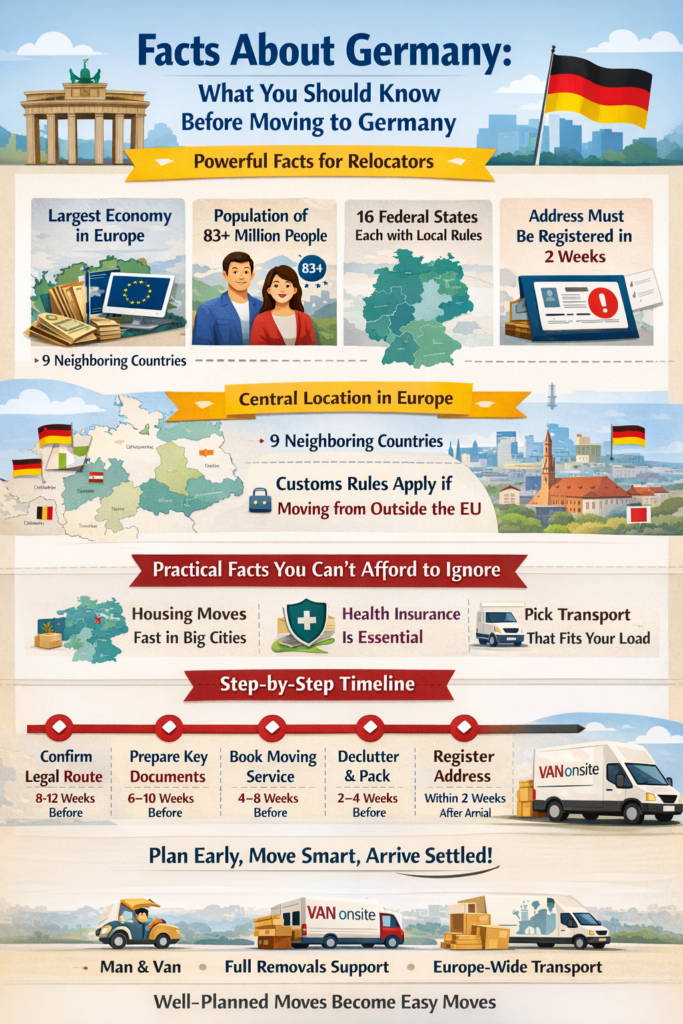
- Germany is home to more than 83 million people, which makes it one of Europe’s most populous countries and helps explain the scale of its housing markets, public transport networks, and job opportunities.
- Germany has 16 federal states, and daily life can feel very different from one city or region to another, especially when it comes to housing pressure, pace of life, and local routines.
- In many cases, you must register your address within 2 weeks of moving in, which makes early admin planning far more important than many newcomers expect.
- If you are moving from outside the EU, customs rules may apply to your household goods, so inventory lists and supporting documents should never be left until the last minute.
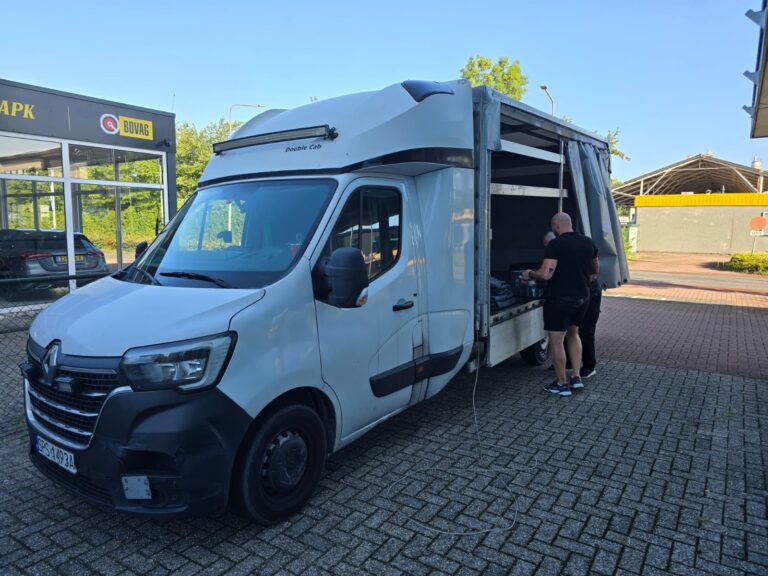
- A man and van service can work well for smaller moves, while full removals support is better for family relocations, larger furniture loads, and cross-border moves with tighter logistics.
- Booking transport early often lowers stress, improves availability, and reduces costly last-minute decisions that can turn a manageable move into an exhausting one.
The real message is simple. Facts become powerful when they help you act. The best facts about Germany are not just interesting to read. They help you plan your move with more clarity, choose the right transport option, prepare the right documents, and arrive feeling ready rather than overwhelmed.
Basic Facts About Germany Every Newcomer Should Know
Some country facts are nice to know. Others genuinely help you relocate with your eyes open. Germany rewards that kind of awareness. It is a country with enormous economic strength, a central location, and a daily rhythm that often feels more structured than newcomers expect. Knowing these core facts about Germany makes the move feel less abstract and much more manageable.
Where Germany Is and Why Its Location Matters
Germany sits right in the heart of Europe, and that location shapes almost everything. It borders nine countries and acts as a major crossroads for trade, transport, tourism, and business. For anyone planning a relocation, this is one of the most practical facts about Germany to understand from the start.
This central position makes cross-border moving far more realistic than many people assume. Road networks are strong, rail connections are dense, and international logistics routes into Germany are well developed. That matters whether you are moving from a neighbouring country or transporting a household across a longer European route.
For movers, the location creates a real advantage. It can mean more route flexibility, stronger transport connections, and more reliable access to major cities. It also helps explain why Germany is such a magnet for people building careers, moving for education, or relocating families across Europe.
Population, Cities, and Regional Variety
Germany has more than 83 million residents, which makes it one of Europe’s most populous countries. This is not just an interesting statistic. It explains a lot about the scale of the housing market, the strength of the labour market, and the pressure that can build in major urban centres.
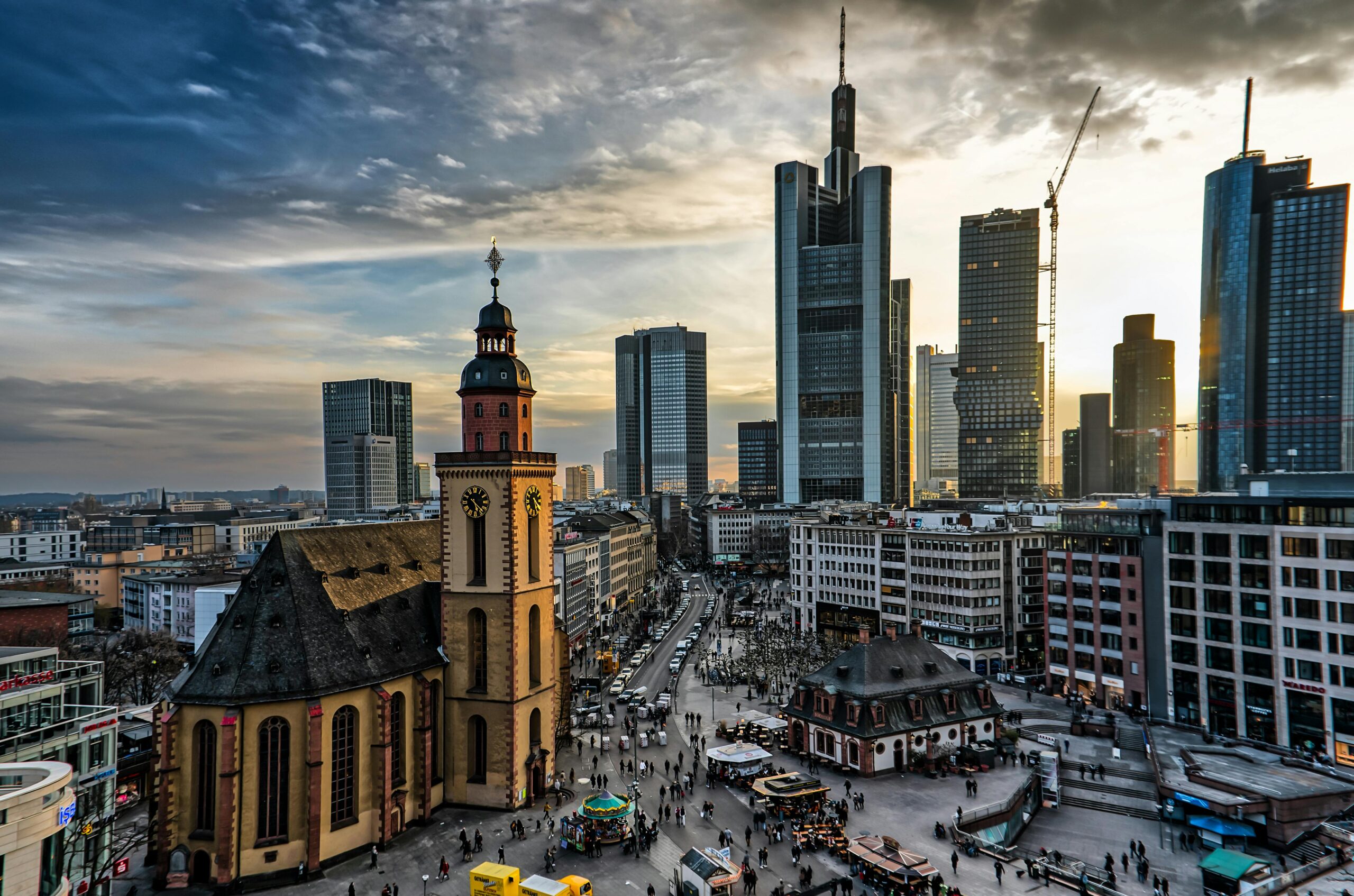
Berlin, Hamburg, Munich, Cologne, and Frankfurt each have very different personalities. Berlin feels broad, international, and constantly in motion. Munich often feels more polished, affluent, and structured. Hamburg has a strong commercial and maritime identity. Cologne brings warmth, culture, and a more relaxed social tone. Frankfurt is deeply tied to finance, business, and international mobility.
These differences matter because Germany is not one single lifestyle in one single package. Regional identity is strong. Housing pressure, costs, pace of life, and even small daily expectations can vary sharply from city to city. That is one of the most important facts about Germany for anyone planning a move. Choosing a destination is not just about finding an address. It is about finding the version of Germany that actually fits your life.
Government and Federal Structure
Germany has 16 federal states, and that structure shapes daily life more than some newcomers expect. The country is highly organised at national level, yet local administration, housing culture, and public routines can still vary from one state to another.
For movers, this matters in practical ways. The pace of local administration, the rhythm of appointments, housing availability, and even the general feel of life can differ slightly depending on where you settle. One city may feel intensely competitive and fast-moving. Another may feel calmer, more spacious, and more predictable.
That does not make Germany confusing. It makes it layered. Once you understand that the country is federal rather than completely uniform, many smaller differences make more sense. This is one of those facts about Germany that saves people from false assumptions before they arrive.
| Fact | Why It Matters for Movers |
|---|---|
| Central European location | Easier access for international transport |
| 16 federal states | Different local rhythms and housing markets |
| Large population | Strong job market but also competition in major cities |
| Dense transport network | Practical for commuting and removals |
These core facts about Germany do more than paint a picture. They help you choose your destination more intelligently, understand the moving context better, and avoid treating the whole country as if every region works in exactly the same way.
Fascinating Facts About Germany That Matter in Daily Life
The most useful country facts are often the ones that change how you behave once you arrive. Germany is full of those details. On the surface, they may seem cultural rather than practical. In reality, they shape everything from work expectations to housing communication and even how smoothly a move runs.
That is why the best facts about Germany are not limited to numbers, geography, or famous landmarks. They also include habits, expectations, and social norms that quietly define daily life.
Germany Values Structure and Punctuality
Germany’s reputation for punctuality is not empty folklore. Time matters. Schedules matter. Deadlines matter. In work life, in admin, and in logistics, showing up late or failing to confirm details can create avoidable friction.
For movers, this is particularly relevant. If a delivery slot is booked, if building access is limited, or if a housing handover is fixed for a certain hour, timing needs to be taken seriously. This is one of those facts about Germany that becomes very real very quickly once a relocation is underway.
Germany Has a Strong Renting Culture
Germany has a strong long-term renting culture compared with many other countries. For newcomers, this can be an advantage. Renting is normal, widely understood, and often the default route when settling into a new city.
At the same time, this also means competition can be intense in attractive urban areas. In popular locations, housing can move quickly, and strong preparation becomes essential. Knowing this early can shape smarter decisions around timing, temporary accommodation, and how quickly you need to act.
Germany Is Known for Efficiency, but Paperwork Is Real
Germany is often associated with efficiency, and in many ways that reputation is deserved. Infrastructure is strong, systems are organised, and rules are usually there for a reason. Yet paperwork is also very real. That is one of the most honest facts about Germany any newcomer should hear.
This is not a reason to panic. It is a reason to prepare. If your documents are in order, if you keep written confirmations, and if you respect timelines, the process becomes much smoother. The country often feels strict not because it is hostile, but because it expects clarity.
Germany Is Diverse, Not One-Note
Some people imagine Germany as one uniform culture with one uniform pace. Real life is far more textured. Food, architecture, social style, and cost of living can vary meaningfully across regions. A northern city can feel very different from a southern one. A financial centre does not feel like a student city. A large capital does not feel like a medium-sized regional hub.
This is one of the most important facts about Germany for relocators. The country is cohesive, but it is not flat. Once you understand that variety, it becomes easier to choose the right city, prepare for the right lifestyle, and avoid disappointment based on unrealistic expectations.
Facts about Germany that shape everyday life:
- punctuality is taken seriously
- written confirmation matters
- public transport is deeply integrated into city life
- recycling and sorting waste are part of normal routine
- local bureaucracy can be strict, but preparation helps a lot
These are the kinds of facts about Germany that people often underestimate before a move. Then they arrive and realise those small cultural details shape everything from apartment handovers to work communication and daily comfort. The more familiar they feel before you move, the faster life in Germany starts to feel natural rather than foreign.
Facts About Germany for People Planning a Move
Interesting facts become truly useful when they help you relocate with fewer surprises. That is where broad curiosity turns into real planning. At first, many people search for facts about Germany because they want a feel for the country. Then the move becomes real, and the questions sharpen fast. How hard is it to find housing? What paperwork matters first? How quickly do you need to register? What should you prepare before your furniture even leaves the old address?
This is the point where general knowledge becomes practical leverage. The most valuable facts about Germany are the ones that protect you from expensive assumptions and unnecessary stress.
Housing Can Move Fast in Major Cities
One of the most important facts about Germany for newcomers is that housing can move very quickly in major cities. In popular areas of Berlin, Munich, Hamburg, Frankfurt, and Cologne, strong demand can make the market feel intense, especially if you are searching from abroad.
That does not mean finding a place is impossible. It means speed and preparation matter. Temporary accommodation can be a smart bridge if you do not want to rush into the wrong long-term decision. For many movers, that buffer creates breathing room. It gives you time to view places properly, understand neighbourhoods better, and avoid signing for an apartment that looks good online but feels wrong in real life.
Registration Is One of the First Critical Tasks After Arrival
Another of the most practical facts about Germany is that registration is not a minor administrative detail. It is one of the first major steps after moving in. Germany’s federal service portal explains the process here: registering a residence.
For many people, registration is the hinge that other parts of daily life swing on. Banking, official correspondence, tax-related processes, and sometimes work-related formalities can all become more difficult if this step is delayed. That is why newcomers should treat it as a priority, not as something to sort out once everything settles down.
Health Insurance Is Not Optional Background Admin
Health insurance in Germany is not background paperwork you can casually sort out later. It is a core part of daily life and, depending on your situation, a core part of legal and administrative stability too. This is one of those facts about Germany that becomes very real very quickly.
Whether you are moving for work, study, or long-term settlement, health insurance often needs to be clarified early. If it is not, other parts of the move can feel unstable. The practical lesson is simple: get clear on this before the move rather than trying to untangle it once you are already exhausted from travel, housing logistics, and unpacking.
Customs May Apply if You Are Moving From Outside the EU
If your move starts outside the EU, customs may become one of the most important parts of the relocation. Germany’s customs authority explains the core rules here: transferring residence and staying in Germany.
This is one of the most easily overlooked facts about Germany for non-EU movers. Household goods are not just a transport question. They can also be a documentation question. Inventory lists, proof of residence, proof of your move, and clear shipment paperwork can all matter. If you prepare them early, the move feels far smoother. If you leave them until the last moment, delays become much more likely.
Before moving to Germany, check these essentials:
- legal entry route
- housing or temporary address
- health insurance
- address registration requirements
- customs paperwork if relevant
- moving service and vehicle size
The strongest moves are rarely the ones that feel rushed and heroic. They are the ones built on steady preparation. That is the real value behind the best facts about Germany. They help you make fewer assumptions and far better decisions.


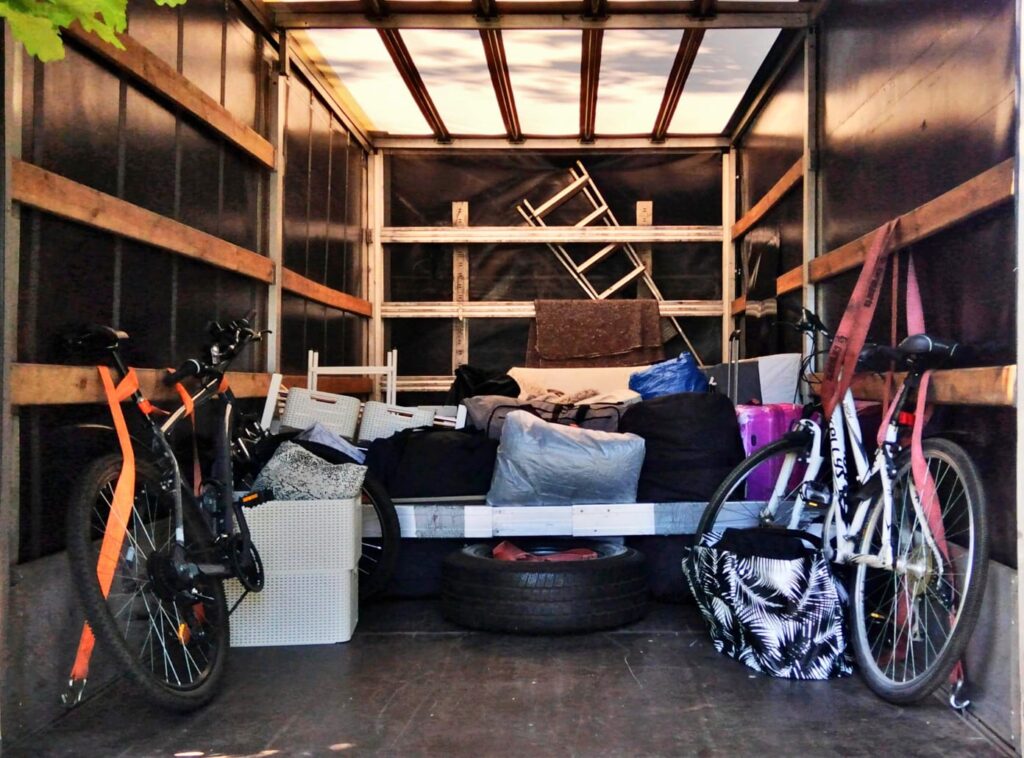
Essential Documents to Prepare Before Moving to Germany
When people think about a move, they often picture boxes, furniture, and travel dates. Yet documents are what quietly hold the whole relocation together. A missing paper can create more disruption than a missing chair. That is why this part of the move deserves serious respect.
The exact paperwork depends on your nationality, your reason for moving, and whether you are relocating from inside or outside the EU. Even so, there are some document groups that appear again and again in successful moves. If you prepare them early, you create more control and less panic.
Visa and Residence Documents
If your move requires a visa or residence-related process, begin with the official information from Make it in Germany, the entry and visa process guide, and the overview of visa types.
These sources matter because the route depends on your purpose. Work, study, family reunification, and long-term settlement do not all follow the same pattern. This is one of the most important facts about Germany for movers from outside the EU: the legal pathway must fit the real reason for the move.
In practice, people often need a valid passport, visa-related documents where required, work or study evidence, proof of accommodation, and supporting paperwork linked to the chosen route. Clarity here saves time later.
Address Registration Documents
Address registration becomes a practical priority as soon as you move into your new home. Germany’s official federal service portal explains the core process here: registering a residence.
For this step, people often need identity documents, a tenancy agreement, and confirmation from the landlord or housing provider. One of the most valuable facts about Germany is that this process often affects much more than your address alone. It can shape later admin steps, official communication, and the pace at which your new life starts functioning properly.
Customs Documents for Household Goods
If you are moving household goods from outside the EU, customs documentation may matter just as much as your transport booking. Germany’s customs guidance is available here: transferring residence to Germany.
This usually means preparing an inventory list, keeping proof of your move, and making sure your shipment documents are clear and consistent. For larger relocations, especially family moves, this can save a remarkable amount of stress. When customs preparation is clean, the move feels more secure from the start.
Documents many movers need:
- passport or ID
- visa paperwork if required
- job contract or university admission letter
- proof of accommodation
- proof of health insurance
- address registration documents
- inventory list for household goods
- customs paperwork when relevant
The emotional truth is simple. Documents do not feel exciting, but they give a move its backbone. Once this part is organised, everything else starts to feel lighter, faster, and far less fragile.
Step-by-Step Plan for Moving to Germany
A successful relocation rarely happens by accident. It usually comes from a sequence of smart decisions made early enough to prevent panic later. That is why this part of the article matters so much. Once you understand the most useful facts about Germany, the next step is turning that knowledge into action.
The best moving plans are not complicated. They are clear. They move in the right order. They reduce uncertainty instead of adding more of it. When you are preparing for a cross-border move, even a small amount of structure can save a huge amount of stress.
Start here:
- Learn the most important facts about Germany that affect your move. Focus on the things that shape real life, such as housing competition, registration timing, health insurance, customs, and regional differences.
- Confirm your legal route and required documents. Do this before you book transport or make assumptions about dates. The legal side should support the moving plan, not clash with it.
- Estimate your moving volume honestly. Count more than the obvious furniture. Boxes, lamps, bikes, seasonal storage, and kitchen equipment often add 15% to 25% more volume than people expect.
- Book the right transport option. Decide whether a man and van setup is enough or whether you need a larger removals solution with more capacity and planning support.
- Pack, label, and prepare an essentials bag. Keep documents, chargers, medication, valuables, and first-day items with you rather than inside the main moving load.
- Prepare customs paperwork if moving from outside the EU. Inventory lists, proof of move, and shipment documents should be ready before the journey starts.
- Arrive, register your address, and set up your new life. Once you land, focus on the steps that unlock the rest: registration, health insurance, banking, utilities, and unpacking.
| Step | Ideal Timing | Why It Matters |
|---|---|---|
| Research facts and legal route | 8 to 12 weeks before move | Helps avoid wrong assumptions |
| Prepare documents | 6 to 10 weeks before move | Reduces admin stress |
| Book removals | 4 to 8 weeks before move | Better service choice |
| Pack and declutter | 2 to 4 weeks before move | Saves volume and cost |
| Register address | Within 2 weeks after move-in | Crucial first admin step |
This timeline works because it prevents everything from collapsing into the same frantic week. It gives you time to compare options, notice mistakes before they become expensive, and keep your energy for the moments that really matter. The strongest relocations are rarely the fastest ones on paper. They are the ones with the cleanest sequence.
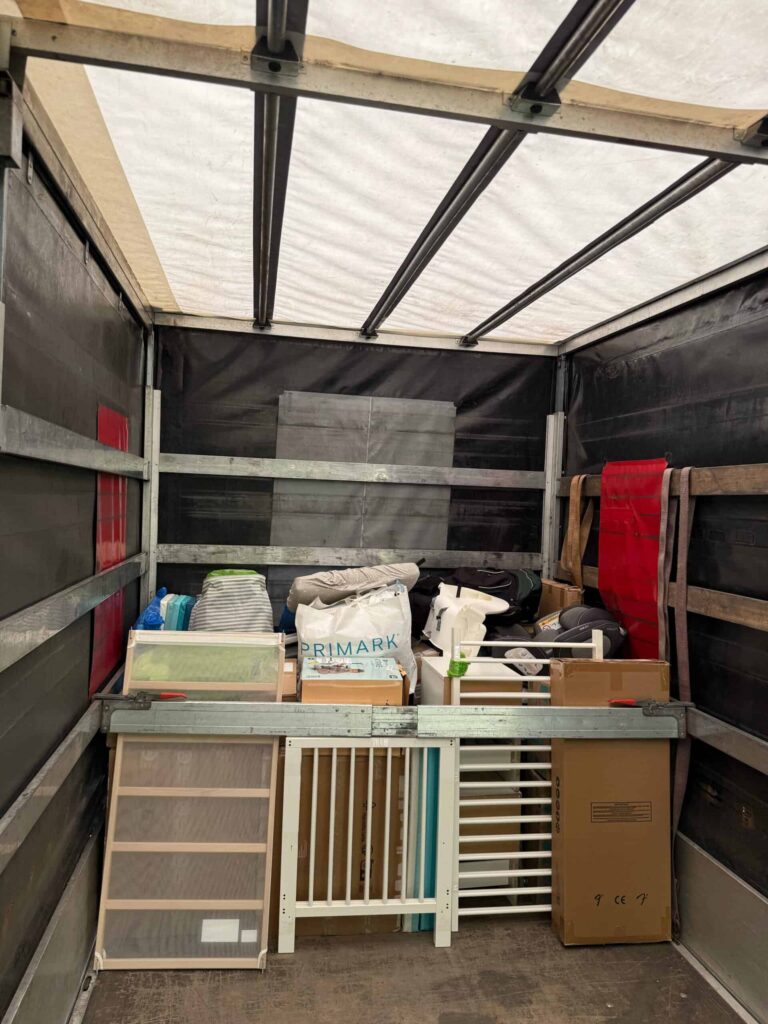
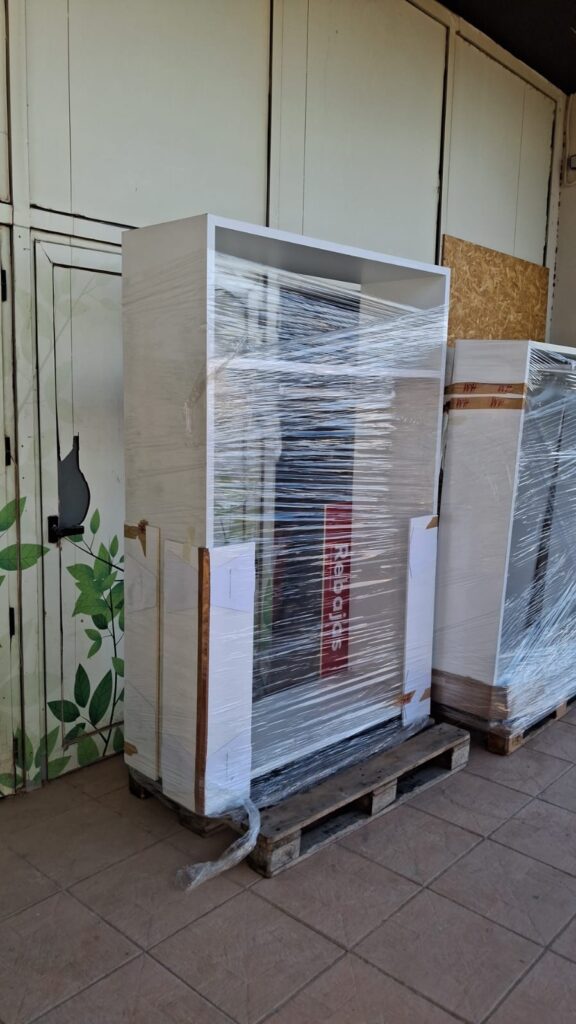
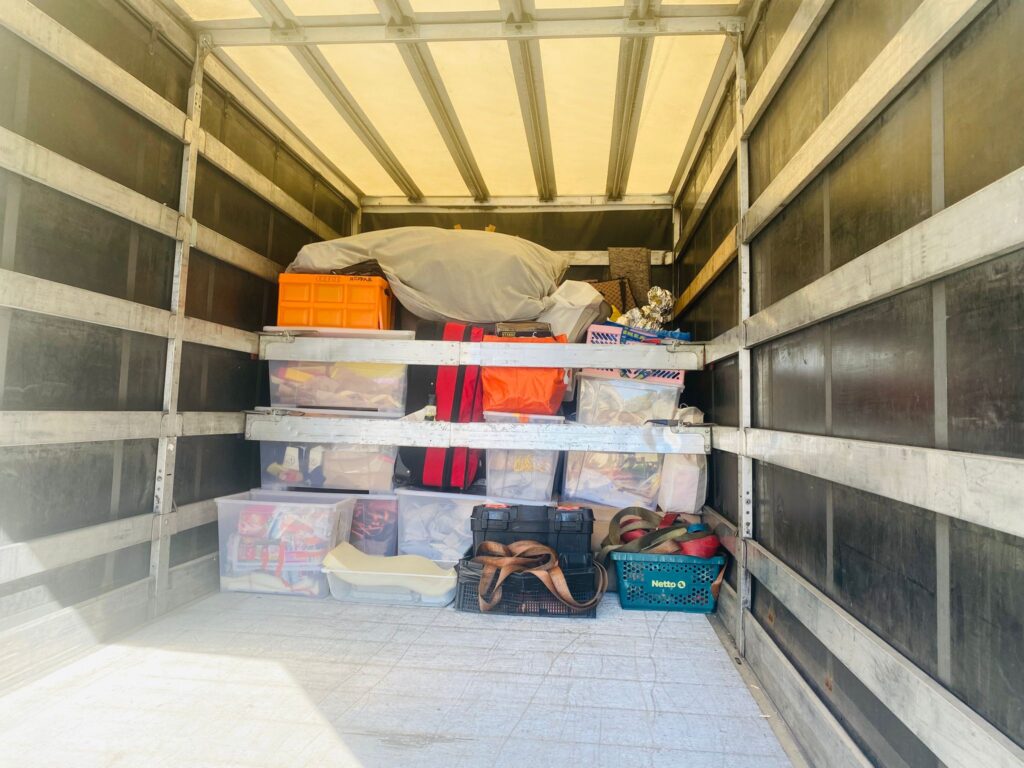

Choosing the Right Moving Option to Germany
One of the most overlooked facts about Germany is that the country may be highly organised, but your move still needs to be organised too. The right transport choice is a major part of that. Pick well, and the relocation feels smoother, safer, and more controlled. Pick badly, and even a promising move can start to feel messy before you arrive.
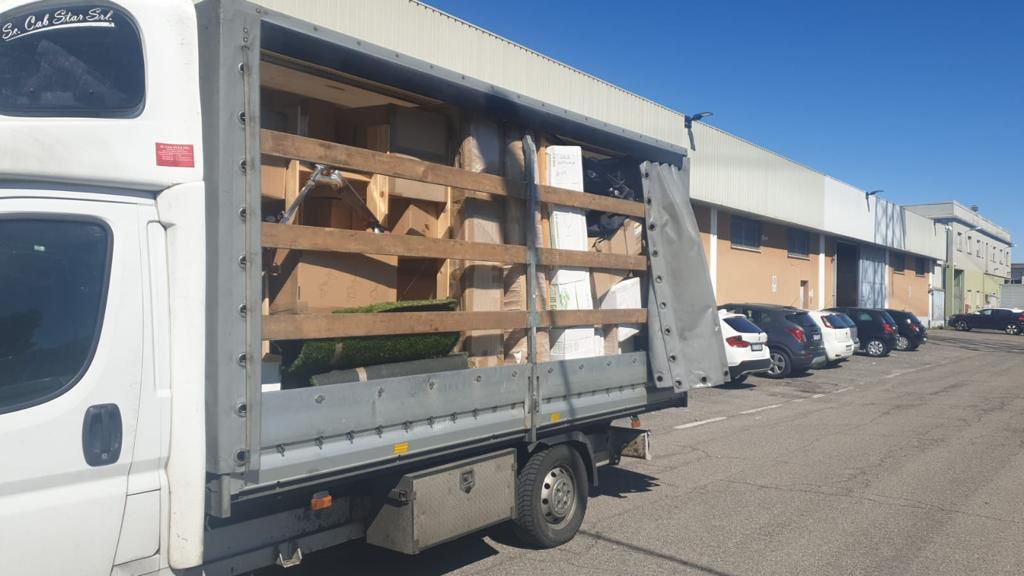
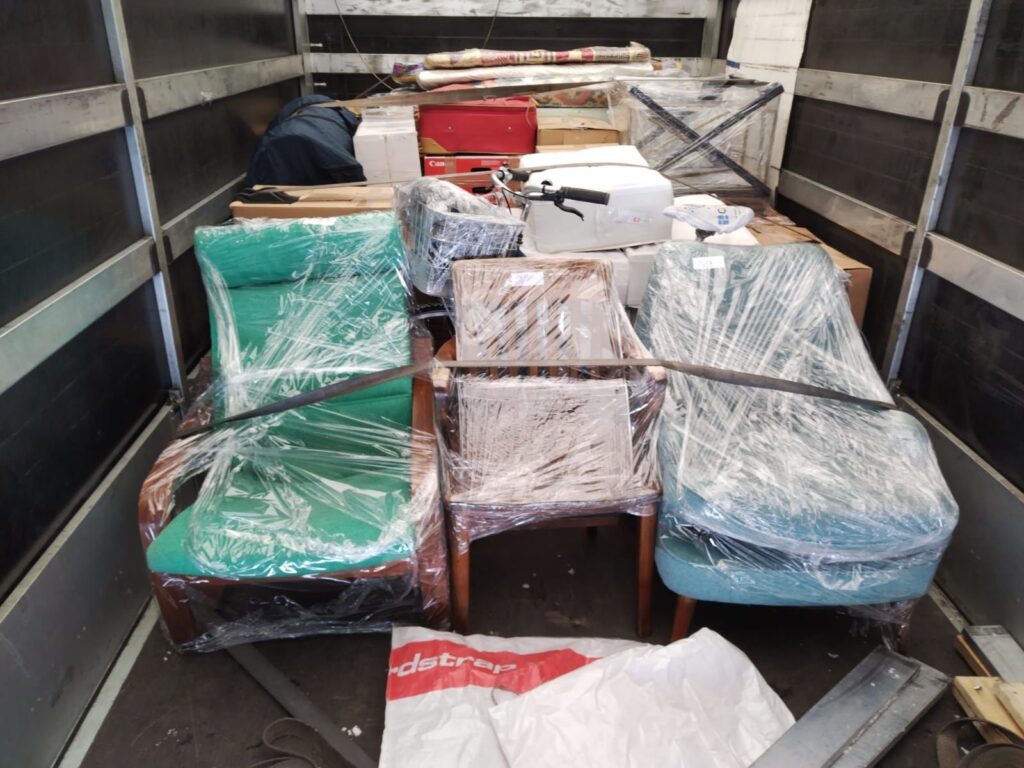
The smartest option depends on load size, timeline, distance, and what exactly you are transporting. A compact student move does not need the same setup as a multi-room family relocation. A few essential items can travel very differently from a home filled with large furniture, electronics, artwork, or fragile pieces.
When a Man and Van Service Is Enough
A man and van option can be an excellent fit when the move is compact, time-sensitive, and relatively straightforward. It works especially well for students, room-sized relocations, urgent transport, and smaller cross-border moves where flexibility matters just as much as price.
This kind of service often makes sense when you are moving:
- a student room
- a partial flat load
- essential furniture and boxes only
- on a short deadline
It can also be a strong choice when you want to avoid paying for more capacity than you actually need. A good man and van solution keeps the move lean, fast, and practical.
When Home Removals Support Is Better
Some moves need more than speed. They need capacity, structure, and a stronger safety margin. If you are relocating with bulky furniture, multiple rooms, family belongings, or a longer route across Europe, home removals support is usually the better fit.
This is where larger vehicles and a more organised process become incredibly valuable. Bigger moves create more pressure points. There may be more items to protect, more complex loading order, tighter delivery windows, and a much smaller margin for miscalculation. A fuller removals setup helps absorb that complexity.
Home removals support is often better for:
- family relocations
- bulky furniture
- longer-distance routes
- multi-room homes and flats
When Packing and White Glove Support Make Sense
Some items deserve more than standard transport. Premium furniture, fragile pieces, electronics, artwork, mirrors, and design-led interiors often need a much higher level of care. Tight schedules can also make professional packing support far more valuable, because rushed packing is one of the quickest ways to create damage.
White glove support becomes especially useful when the financial or emotional cost of damage would be painful. It is not about excess. It is about protection.
This type of support is especially useful for:
- premium furniture
- fragile items
- expensive electronics
- artwork and mirrors
- tight timelines with little room for mistakes
| Move Type | Best Fit | Why |
|---|---|---|
| Student move | Man and van | Flexible and efficient |
| Small flat move | Man and van or Moving Medium | Good balance of cost and capacity |
| Family move | Home removals | Better protection and volume |
| Valuable furniture move | White glove support | Safer handling |
| Office move | Office removals | Lower disruption |
This is where VANonsite becomes a very natural fit. The company covers a wide range of real moving scenarios rather than forcing every customer into the same template. Services include student removals, furniture removals, home removals, packing support, white glove delivery, office removals, storage, and last-minute moving. Every load can be GPS-tracked, which gives customers visibility and reassurance during cross-border transport.
That flexibility matters because not every move is built the same way. Some people need a sharp, efficient man and van option. Others need larger capacity, safer handling, and more support from start to finish. The right provider is not just the one with the lowest number on a quote. It is the one that fits the real shape of the move.
Vehicle Size Guide for Moving to Germany
Choosing the right vehicle size is one of the smartest cost-control decisions in any move. Get it wrong, and the consequences arrive fast. A van that is too small can trigger delays, split loads, extra labour, or a second trip that eats into your budget. A vehicle that is far too large can leave you paying for empty space you never needed. That is why one of the most practical facts about Germany for movers is also one of the simplest: efficient planning usually starts with accurate volume.
This matters even more on cross-border routes. The longer the route, the less room there is for improvisation. A well-matched vehicle keeps loading cleaner, delivery timing more predictable, and the whole move easier to control from start to finish.
| Service Option | Load Volume | Weight Limit | Best For |
|---|---|---|---|
| Moving One | 1 m3 | 100 kg | Suitcases, boxes, essentials |
| Moving Basic | 5 m3 | 300 kg | Small room move |
| Moving Medium | 10 m3 | 500 kg | Studio or partial flat |
| Moving Premium | 15 m3 | 1100 kg | 1-bedroom relocation |
| Moving Premium Plus | 30 m3 | 3500 kg | Family move |
| Moving Full House XXL | 90 m3 | 20000 kg | Full household relocation |
A Moving One option is best for the lightest relocations, such as personal essentials, suitcases, and a compact number of boxes. Moving Basic fits a small room move well, especially when furniture is limited. Moving Medium usually makes sense for a studio flat or a partial-home relocation where the load is clearly larger than it first looked. Once you step into Moving Premium and above, the move becomes much more about full living spaces, bulky furniture, and serious household volume.
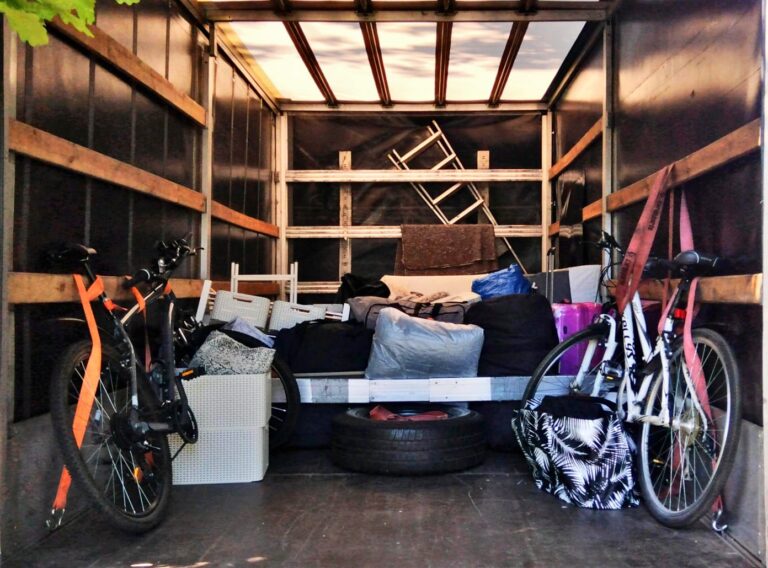
One of the most underestimated facts about Germany in the moving context is that many homes, especially in larger cities, contain more awkward volume than people expect. Shelving, bikes, boxed kitchenware, seasonal storage, work equipment, and loose household items quietly expand the load. This is why honest volume planning matters so much. A move that looks small in theory can become surprisingly demanding in practice.
The payoff for choosing the right size is huge. You reduce stress, lower the chance of rebooking, and keep the move faster and cleaner from the first hour. In simple terms, the right vehicle size saves both money and chaos.
Facts About Germany That Influence Moving Costs and Logistics
Many people focus on broad country facts before a relocation, but the more expensive surprises usually come from smaller, practical realities. This is where the most useful facts about Germany become intensely concrete. They stop being cultural observations and start shaping your quote, your timeline, and the difficulty of move day itself.
City Access and Parking Can Affect Moving Time
In many German cities, access can be tighter than people expect. Urban streets can be narrow, parking can be limited, and the walking distance between the vehicle and the building entrance can be much longer than it looked on a map. That extra distance affects labour, loading time, and the overall pace of the move.
This is especially relevant in dense city areas, historic centres, and busy residential zones. If the van cannot stop close to the property, the move instantly becomes more demanding. That is one of those practical facts about Germany that may not sound dramatic, yet it can change the whole feel of move day.
Older Buildings May Mean Stairs and Tighter Access
Germany has many beautiful older residential buildings, and they often come with charm, character, and less forgiving access. Staircases may be tighter. Corridors may be narrower. Lifts may be missing entirely. For a relocation that includes wardrobes, sofas, desks, or white goods, this matters a lot.
A move that seems simple on paper can become much more technical once the furniture reaches the building. That is why access details should never be treated as an afterthought. They are one of the hidden facts about Germany that can influence both price and complexity.
Big Cities Often Bring More Pressure and Less Flexibility
Berlin, Munich, Hamburg, Frankfurt, and Cologne each offer strong opportunities, but they can also create more pressure during a move. Higher demand, tighter scheduling, stronger housing competition, and heavier traffic can all reduce flexibility.
This affects both logistics and decision-making. In bigger cities, late booking tends to punish harder. Available slots disappear faster. Good timing becomes more valuable. Another of the most practical facts about Germany is that big-city moving rarely rewards a casual approach.
Cross-Border Timing Rewards Early Planning
Germany’s central location is a strength, but cross-border timing still needs discipline. International routes, customs paperwork, fixed handovers, and housing start dates all create a chain of dependencies. If one part slips, the rest can follow.
That is why early planning matters so much. It gives you time to compare routes, choose the right service, prepare documents, and avoid the inflated costs that often appear when everything is left to the final moment.
What often increases moving complexity:
- tight building access
- no lift
- long carrying distances
- large furniture
- late booking
- incomplete customs paperwork
These details may seem small, yet they are exactly the kind of facts about Germany that shape real-world moving costs. The better you understand them before booking, the more controlled the move becomes.
Common Mistakes People Make When Moving to Germany
A move to Germany rarely goes wrong because of one giant mistake. More often, it starts to wobble because of several small decisions that looked harmless at the time. That is why this section matters. The most useful facts about Germany are not only the ones that help you plan well. They are also the ones that help you avoid painful, expensive, exhausting errors.
Here are the mistakes people make most often:
- Thinking general facts about Germany are enough without checking admin details.
- Underestimating paperwork.
- Booking transport too late.
- Choosing the wrong vehicle size.
- Packing important documents into the main load.
- Ignoring customs rules for non-EU moves.
- Choosing the cheapest option instead of the safest fit.
Thinking General Facts Are Enough
Many newcomers read broad facts about Germany, learn about the economy, the culture, and the cities, and then assume the practical side will somehow fall into place. It usually does not. Registration, health insurance, customs, and housing timelines have a way of becoming urgent all at once.
Underestimating Paperwork
This mistake hits hard because paperwork tends to look boring until it becomes decisive. Missing proof of accommodation, weak customs preparation, or unclear residence documents can slow a move dramatically. Germany often rewards preparation and punishes vagueness.
Booking Transport Too Late
Late booking can shrink your options, raise costs, and force you into a service that does not really fit the move. In busy periods, especially in larger cities, availability can tighten quickly. One of the most practical facts about Germany is that planning ahead usually buys you more control.
Choosing the Wrong Vehicle Size
A van that is too small creates friction immediately. A van that is far too large can waste money. This is why honest volume planning matters. People regularly underestimate boxes, storage, loose household items, and awkward furniture.
Packing Important Documents Into the Main Load
This mistake is brutally common. Passports, contracts, registration papers, medical information, customs documents, and key financial records should always stay with you. Once these disappear into the main moving load, stress rises fast.
Ignoring Customs Rules for Non-EU Moves
For moves from outside the EU, customs is not a side detail. It is part of the move itself. Weak inventory lists or incomplete supporting documents can create delays that are both frustrating and expensive.
Choosing the Cheapest Option Instead of the Safest Fit
A low number on a quote can feel irresistible. Yet cheap does not always mean efficient, reliable, or safe. Poor planning, weak communication, and bad fit can cost much more in the end than a stronger service that was priced honestly from the start.
How to avoid the most common mistakes:
- double-check admin tasks early
- keep all key documents with you
- book transport in good time
- measure your load honestly
- confirm customs needs before moving
- choose fit and reliability, not only price
The good news is simple. Most of these mistakes are preventable. Once you know them, they lose much of their power. That is another reason the best facts about Germany are the practical ones. They help you move with less guesswork and more confidence.
Why Professional Help Makes Moving to Germany Easier
There is a reason complex moves feel lighter when experienced people are involved. Professional support does more than carry boxes. It creates order, reduces uncertainty, and protects your energy at the exact moment when you need it most.
Moving to Germany can involve housing pressure, transport timing, customs questions, delicate furniture, and a long list of admin tasks all happening at once. That is why one of the smartest facts about Germany for movers is this: the right support does not just save effort. It can protect the whole move from becoming chaotic.
Professional support gives you a calmer structure. It reduces the chance of damage. It lowers physical strain. It also helps you avoid expensive misjudgments about timing, load size, and handling. When the route is international, that value becomes even more visible.
VANonsite fits naturally into this part of the journey. The company offers transport across Europe with a strong focus on safety and speed. Every load can be GPS-tracked, which brings real visibility instead of constant guesswork. Services include furniture removals, home removals, packing support, white glove delivery, office removals, student removals, storage, and last-minute moving.
That breadth matters because no two relocations look the same. One person may need a compact man and van option for a student move. Another may need a larger vehicle, careful furniture handling, and a tighter plan for a family relocation. Professional support works best when it adapts to the move instead of forcing the move to adapt to the service.
What professional support can save you:
- time
- physical strain
- damage risk
- admin pressure
- hidden costs from poor planning
It can also save something harder to measure but incredibly valuable: emotional bandwidth. A smoother move leaves you more energy for the first days in Germany, when registration, housing, work, and daily life already need your attention. If you want a broader overview of transport support, explore removals to Germany.
FAQ About Facts About Germany and Moving to Germany
What Are the Most Useful Facts About Germany Before Moving?
The most useful facts about Germany are the ones that shape real life after arrival. These include housing competition in major cities, the need to register your address within 2 weeks in many cases, the importance of health insurance, and customs rules for non-EU moves.
How Many People Live in Germany?
Germany has more than 83 million residents, which makes it one of Europe’s most populous countries. This helps explain the size of its labour market, transport network, and housing demand.
Do I Need to Register My Address After Moving to Germany?
In many cases, yes. Germany’s federal service portal explains the process for registering a residence, and this step is often one of the first practical priorities after moving in.
Can I Move to Germany With a Man and Van Service?
Yes, if your move is relatively compact. A man and van service can work very well for student moves, partial flat loads, essential furniture, and smaller cross-border relocations.
What Documents Do I Need Before Moving to Germany?
That depends on your route, but people commonly need identity documents, visa paperwork if required, proof of accommodation, health insurance proof, and customs-related paperwork when moving goods from outside the EU.
Can I Bring My Furniture and Household Goods Into Germany?
Yes, although the rules depend on where you are moving from and how the shipment is documented. For non-EU moves, customs guidance becomes especially important, and a clear inventory list can make the process much smoother.
Is VANonsite a Good Option for Moving to Germany?
For many moves, yes. VANonsite offers European transport, GPS tracking for every load, multiple vehicle sizes, and services that range from man and van support to furniture removals, student removals, home removals, office removals, storage, and white glove delivery.
Final Thoughts
Facts are powerful, but the right move depends on what you do with them. Once you understand the most useful facts about Germany, the next step is turning that knowledge into a smart, well-planned relocation.
The strongest moves are not built on luck. They are built on timing, structure, and the right transport fit. If you are planning a move to Germany, combine strong preparation with a service that understands speed, safety, and European logistics.
VANonsite offers that kind of support across a wide range of move types, from a compact man and van setup to full-house transport with GPS-tracked loads and more specialist handling when needed.
What strong planning gives you:
- flexible moving sizes
- support across Europe
- GPS-tracked loads
- options from man and van to full-house transport
- help for urgent and planned relocations
Germany rewards preparation. The better your planning is now, the easier it becomes to arrive ready, settled, and confident.