
Moving furniture to Germany is rarely just a transport decision. It is usually tied to a bigger life change. A new home. A new city. A fresh start that feels exciting, but also demanding. That is exactly why planning furniture removals to Germany properly matters.
Furniture is different from ordinary moving cargo. It is bulkier, heavier, easier to damage, and often more valuable than people first admit. A sofa is not just a sofa when it is the one your family has used for years. A dining table is not just wood and legs when it has carried birthdays, quiet dinners, and messy Sunday mornings.
If someone is searching for furniture removals to Germany, they usually want to know how the service works, what it costs, what furniture can be moved, how to prepare, what mistakes to avoid, and how to choose the right man and van or removals company.
This article also shows why VANonsite is a strong option for moving furniture across Europe, thanks to GPS tracking, flexible vehicle sizes, and a service range built for real relocations.
TL:DR
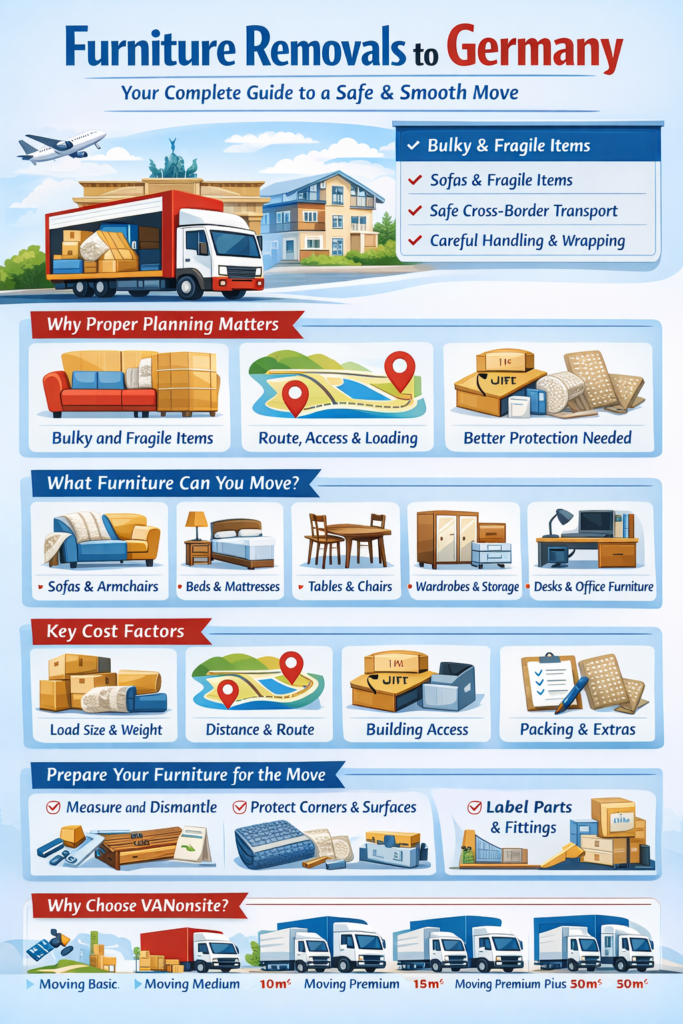
- Furniture removals to Germany need careful planning because bulky, heavy, and fragile items require more protection, better loading, and smarter route planning than standard parcels.
- The final cost depends on furniture volume, weight, route, access, urgency, packing level, and any extra services such as storage or white glove support.
- Measuring furniture and confirming access early can prevent expensive surprises, loading problems, and last-minute changes to the moving plan.
- Proper wrapping and secure loading are essential for safe furniture transport, especially when the move includes polished surfaces, glass elements, or awkward shapes.
- Some moves only need furniture transport, while others form part of a wider home relocation, which changes the scale, timing, and vehicle needs.
- Booking early usually improves quote accuracy, route flexibility, and vehicle fit, which often makes the whole move feel calmer and more controlled.
- VANonsite supports removals to Germany with flexible vehicle sizes, GPS tracking, and practical services for furniture, home, office, and specialist delivery across Europe.
Why Furniture Removals to Germany Need Special Planning
Moving furniture is never as simple as moving ordinary boxes. It takes more space, more protection, more physical handling, and more planning from the start. That is exactly why furniture removals to Germany need a different level of preparation.
A chair may look manageable until it has to go through a narrow stairwell. A wardrobe may seem straightforward until it turns out it needs dismantling. A table may feel solid until one badly protected corner gets damaged in transit. The truth is simple. Furniture transport is full of practical details that matter far more than people first expect.
Why furniture is harder to move than standard boxes
Boxes are easier to stack, easier to label, and usually easier to load into a vehicle efficiently. Furniture is different. It comes in unusual shapes. It can be heavy, fragile, polished, oversized, or difficult to carry. Some pieces can be dismantled. Others should stay intact. Some are simple to protect. Others need much more care.
That is why furniture removals to Germany involve more than lifting and driving. They often require:
- More careful handling
- Better loading logic
- More realistic space planning
- Greater attention to surfaces and edges
- Smarter route planning at both ends of the move
Why bulky and fragile items increase the risk
Furniture is often both bulky and vulnerable at the same time. That combination is exactly what makes this kind of move more demanding. A large wardrobe may be difficult to manoeuvre, while a glass-front cabinet may be difficult to protect. Sofas can be awkward in tight staircases. Dining tables can be damaged at the corners. Bed frames can suffer if fittings are not organised properly.
When bulky and fragile pieces travel together, risk rises because the move becomes less forgiving. One weak protection point can affect a valuable item quickly. That is why furniture removals to Germany need stronger preparation than standard parcel shipping.
Why access, route, and loading matter more
Furniture transport is shaped not only by what is moving, but also by where it is moving from and to. A ground-floor pickup with easy parking is very different from a fourth-floor apartment with no lift and a narrow staircase. In the same way, a wide delivery entrance is very different from a city-centre building with restricted access.
This makes three things especially important:
- Access at pickup and delivery
- Realistic route planning
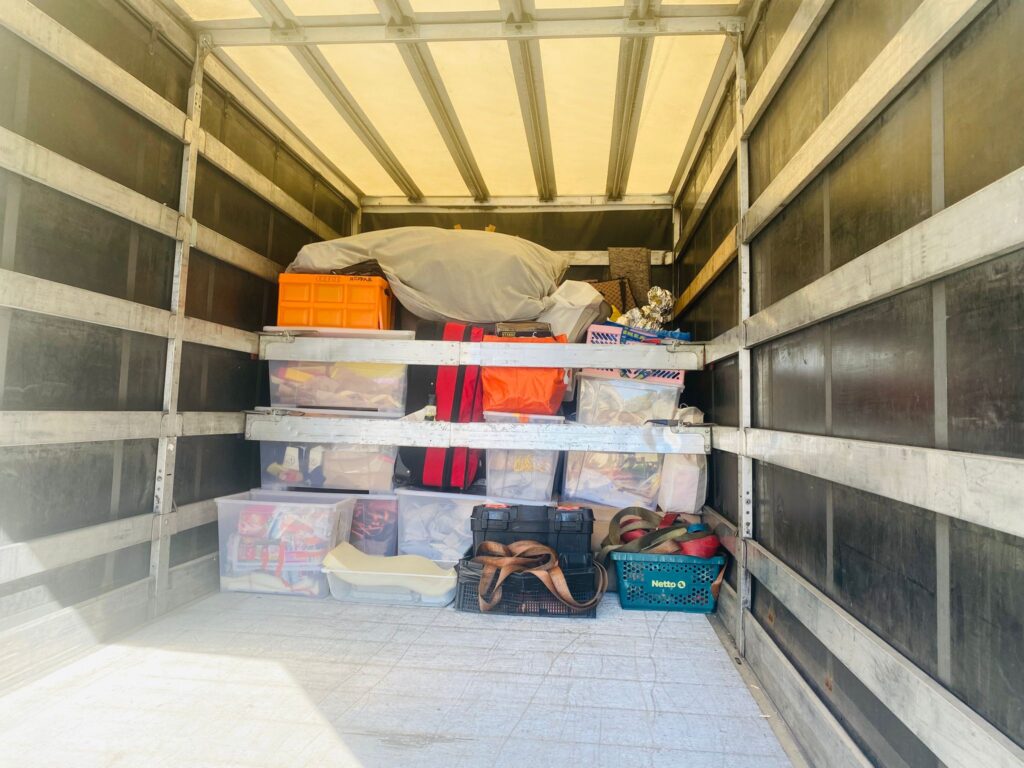
- Secure loading inside the vehicle
If even one of these is handled badly, the whole move becomes more difficult.
Why professional removals structure changes the outcome
Professional structure changes the outcome because it replaces guesswork with process. Instead of hoping the furniture will fit, the load can be measured properly, Instead of improvising around access problems, the route and building conditions can be considered early. Instead of treating furniture like ordinary shipment, it can be packed and loaded like the valuable cargo it really is.
That is why furniture removals to Germany benefit so much from a service designed around removals rather than simple delivery. The difference often shows up not only in safety, but also in how calm the whole move feels from start to finish.
What Are Furniture Removals to Germany?
Furniture removals to Germany are specialist transport services designed for moving furniture across borders safely, efficiently, and with the right level of protection. This can include a single sofa, a full bedroom set, selected dining furniture, office desks, storage units, or a mixed furniture load that forms part of a wider relocation to Germany.
In practical terms, this service sits between simple parcel delivery and a full household move. It focuses on furniture as the main cargo, which changes the planning completely. Furniture needs more careful handling, more realistic space planning, and more protection than ordinary shipment.
The difference between furniture removals and full house removals
The main difference is scope. Furniture removals to Germany focus on furniture pieces and furniture-led loads. A full house removal includes most or all of a household, including boxes, kitchen contents, clothing, bedding, documents, and daily essentials.
That difference affects:
- The amount of vehicle space required
- The level of packing needed
- The number of items being coordinated
- The complexity of the inventory
- The overall pressure of the move
A furniture move may still be substantial, but it is usually more selective than a full home relocation.
The difference between furniture transport and courier shipping
This distinction matters a lot. Courier shipping is usually designed for smaller, standardised parcels. Furniture transport is different because the items are often oversized, heavy, awkward to carry, or vulnerable at the corners, legs, surfaces, or glass elements.
That is why furniture removals to Germany are not just bigger parcels. They require smarter loading, stronger wrapping, better route awareness, and a service model that understands how furniture behaves in transit.
Why this service is about more than delivery alone
Furniture transport is not only about getting an item from one address to another. It is about keeping valuable and often deeply personal pieces safe while they move into a new phase of life.
A strong furniture removals service helps with:
- Space planning
- Sensible vehicle matching
- Better protection for surfaces and edges
- More realistic handling of bulky items
- A calmer, more controlled moving process
That is why furniture removals to Germany are about much more than delivery alone. They are about moving furniture properly, not just moving it somehow.
Who Needs Furniture Removals to Germany?
The service is useful for far more people than many first assume. Furniture removals to Germany are not only for large family relocations. They also suit customers moving selected pieces, replacing household setups, or bringing important furniture into a new property without transporting everything else.
What these customers share is a simple need: furniture that matters, and a move that needs to be handled properly.
Families moving selected furniture
Families often do not need to move every item at once. Sometimes they only want to transport the furniture that matters most, such as beds, wardrobes, dining furniture, children’s room pieces, or home office equipment.
In these cases, furniture removals to Germany offer a more precise and cost-aware solution than a full house removals model.
Couples relocating key pieces
Couples often move selected furniture because those pieces shape the emotional feel of the next home. A favorite sofa, dining table, bed frame, or storage unit may be worth moving because replacing it would either be expensive or emotionally unsatisfying.
This is where a furniture-led move makes sense. It gives the relocation enough structure without forcing the customer into a larger all-household service than they really need.
Professionals moving furnished setups
Professionals relocating for work sometimes need more than a few essentials. They may want a desk, office chair, monitor stand, storage furniture, bedroom pieces, or a compact but fully functional furnished setup ready in Germany.
For these customers, furniture removals to Germany can be the right middle ground between a small essentials move and a full household transition.
Furniture buyers
Not every furniture move is part of a classic relocation. Some customers need to move furniture they have bought, inherited, commissioned, or reclaimed from another property. A sofa, antique cabinet, dining set, or designer piece may need international transport even if the rest of the household is not moving.
This makes furniture removals especially useful for standalone furniture transport, not just life moves.
Returning expats
Returning expats may not always bring back an entire household. Sometimes they only want the furniture that still fits their next life in Germany. That can include key personal pieces collected during time abroad, especially when they hold practical, financial, or emotional value.
People moving in stages
Staged moves are increasingly common. Someone may send essential furniture first, settle into the new property, and then decide later whether more of the household should follow. This is one of the clearest use cases for furniture removals to Germany because the move is furniture-led, but not necessarily final in one single phase.
What Furniture Can You Move to Germany?
One of the biggest strengths of furniture removals to Germany is flexibility. The service can handle everything from a single valuable piece to a broad mixed furniture load that helps turn an empty property into a functioning home. That flexibility matters because furniture moves are rarely tidy or identical. Some people transport one sofa and a dining table. Others move bedroom furniture, office pieces, wardrobes, and fragile items together.
The key is not only whether the furniture can be moved. It is whether it can be moved safely, sensibly, and with a setup that truly fits the load.
Sofas and armchairs
Sofas and armchairs are among the most common items in furniture removals to Germany. They are also among the trickiest. Sofas are often bulky, awkward in staircases, and vulnerable at corners, legs, and fabric surfaces. Armchairs may look simple, but they still need good handling if they are going to arrive in strong condition.
These items matter because they are often central to how the new home will feel. A familiar sofa can make a new room feel grounded immediately.
Beds and mattresses
Beds and mattresses are another common category because they combine practical necessity with size-sensitive transport. Bed frames may need dismantling. Mattresses need clean, secure protection. Headboards and side rails need careful handling, especially if the move is long-distance.
For many customers, these are not optional items. They are first-night essentials in the new home.
Tables and chairs
Dining tables, coffee tables, desks, and chairs are often moved together. Tables need careful corner protection and, in some cases, dismantling. Chairs may be easier to load, but they still need to be handled well if the finish, structure, or upholstery matters.
This category is one of the clearest reasons why furniture removals to Germany need better planning than standard shipping.
Wardrobes and storage units
Wardrobes, dressers, shelving, and storage units often create the greatest loading and access challenges. They may be tall, wide, heavy, or difficult to move through narrow buildings. Some need dismantling. Others can travel intact only if access is good and the vehicle match is right.
These pieces take up real space, which is why measurements matter so much.
Desks and office furniture
Office furniture now forms a major part of modern furniture transport. Desks, office chairs, drawer units, monitor stands, and storage pieces often travel as part of a relocation to Germany, especially for remote professionals or people setting up a home office from day one.
This makes furniture removals to Germany especially relevant for work-led moves as well as domestic ones.
Fragile and valuable pieces
Some furniture carries more than market value. Glass cabinets, designer pieces, antique tables, statement chairs, sideboards, and sentimental furniture all need stronger protection and better handling.
These items often need:
- Better wrapping
- More careful positioning in the vehicle
- Stronger edge and surface protection
- More deliberate loading and unloading
That is exactly why specialist removals matter.
Mixed furniture loads
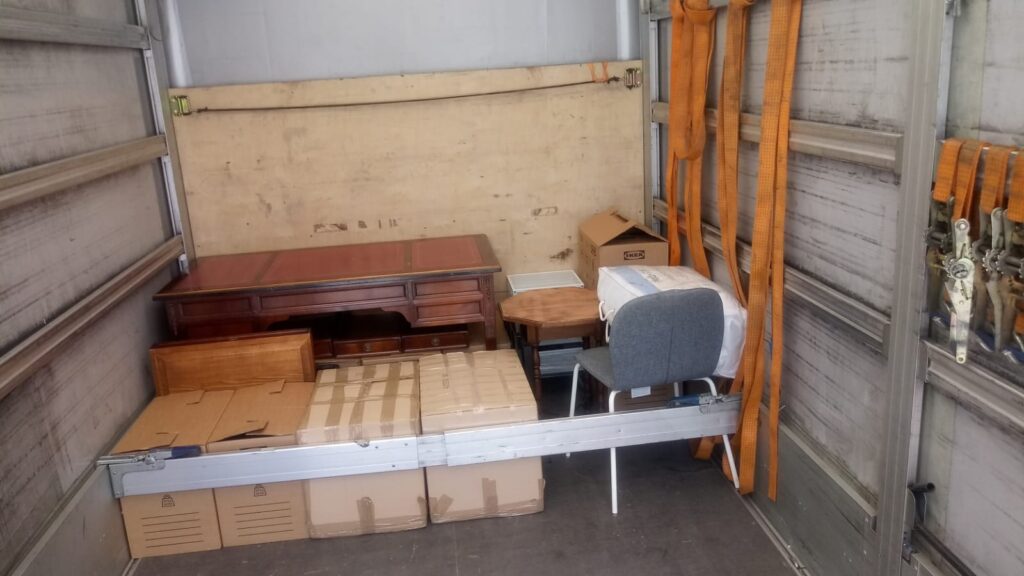
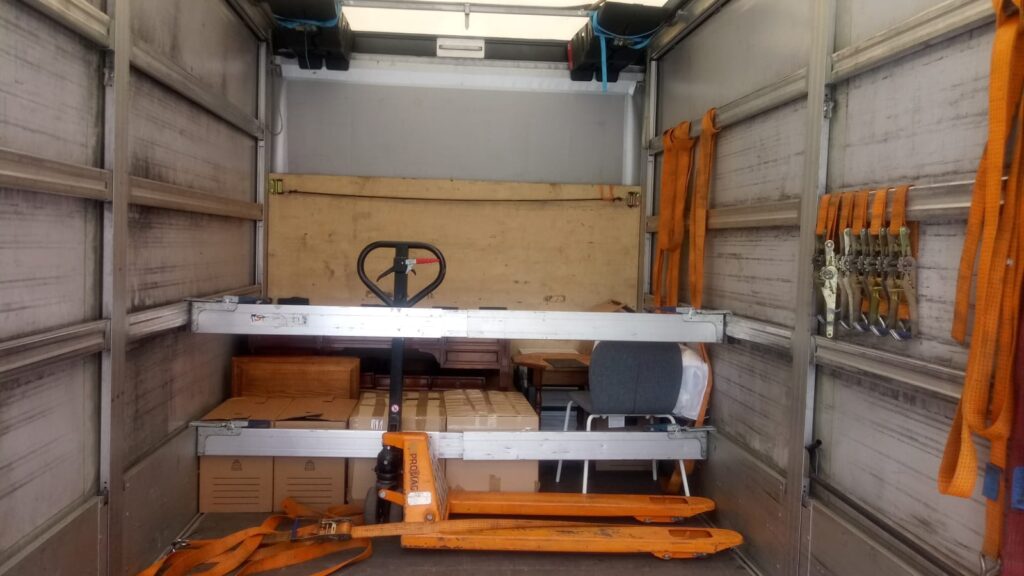
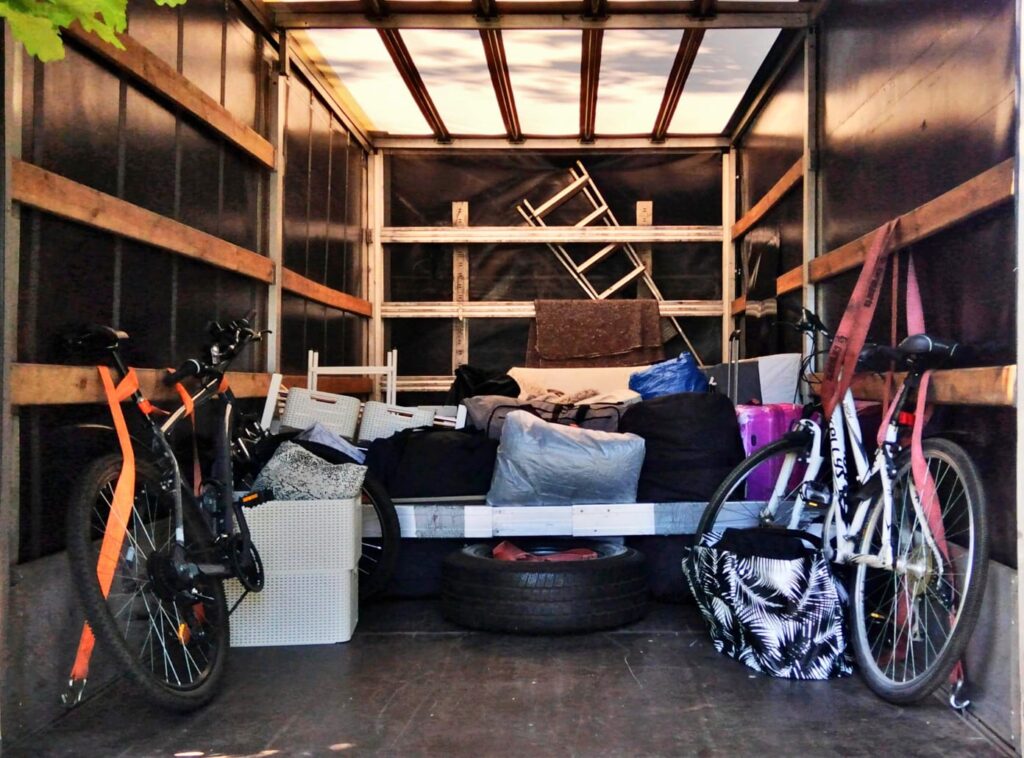
Most real-life furniture moves are mixed loads. A customer may need a sofa, a bed, two wardrobes, a dining table, chairs, a desk, and a fragile cabinet all in one relocation. This is one of the strongest use cases for furniture removals to Germany because the service is built to handle variety, not just volume.
Furniture Removals to Germany vs Standard Delivery Services
Many customers compare furniture removals with ordinary delivery services at first. On the surface, that seems logical. Both move things from one place to another. In reality, they solve very different problems.
A delivery service is usually built for parcels. A furniture removals service is built for pieces that are larger, heavier, more vulnerable, and more difficult to handle well. That difference matters more than it first appears.
Why furniture removals are not the same as courier transport
Courier transport is designed around standard dimensions, predictable packaging, and faster parcel handling logic. Furniture almost never fits that pattern. It may be oversized, shaped awkwardly, difficult to stack, or too delicate to treat like regular shipment.
That is why furniture removals to Germany are not just courier transport for larger objects. They need:
- Better surface protection
- Better vehicle matching
- Better handling of awkward shapes
- More realistic planning around access and loading
- Stronger understanding of how furniture behaves in transit
When delivery services are not enough
Standard delivery usually stops being enough when the move includes anything large, heavy, fragile, polished, expensive, or emotionally important. A small chair in a box might travel well through a standard system. A sofa, wardrobe, dining set, or glass-front cabinet usually needs more than that.
This becomes even more obvious in cross-border transport. The longer the route, the more important it becomes to use a service that actually fits furniture.
What removals services add in terms of protection and planning
A removals service adds structure that delivery services usually do not. That includes more realistic handling, stronger loading logic, better attention to furniture surfaces and edges, and a model built around real objects rather than parcel assumptions.
That difference often shows up in:
- Better protection
- Better fit between load and vehicle
- Better handling during loading and unloading
- Better planning around bulky items
- Better peace of mind for the customer
Furniture removals vs standard delivery at a glance
| Service type | Best for | Main strength | Main limitation |
|---|---|---|---|
| Furniture removals to Germany | Sofas, wardrobes, beds, dining sets, office furniture, mixed furniture loads | Better protection, smarter handling, and realistic planning for bulky or fragile items | Usually unnecessary for small boxed parcel-only shipments |
| Standard delivery service | Small boxes, compact standard packages, simple parcel transport | Fast parcel model for uniform items | Poor fit for oversized, fragile, awkward, or valuable furniture |
If the move involves real furniture rather than ordinary shipment, furniture removals to Germany usually provide the safer, clearer, and more professional solution.


How Much Do Furniture Removals to Germany Cost?
Cost is one of the first questions people ask, and that makes sense. Furniture may not fill an entire home, but it can still represent a serious transport job. Large sofas, wardrobes, tables, bed frames, storage units, and fragile designer pieces all carry very different pricing implications. That is why furniture removals to Germany should never be judged by a rough guess alone.
The real cost depends on what is moving, how much space it takes, how difficult it is to handle, and what conditions exist at both ends of the move. Even two furniture moves that sound similar can lead to very different quotes once the practical details become clear.
Main pricing factors
The final price of furniture removals to Germany usually depends on a combination of factors rather than one headline number.
The biggest cost factors often include:
- Total volume of the furniture load
- Overall weight
- Distance and route complexity
- Access at pickup and delivery
- Urgency of the booking
- Packing and protective wrapping needs
- Fragile, valuable, or awkwardly shaped pieces
- Storage or specialist service requirements
Each factor changes the work involved. That is why accurate information matters so much when requesting a quote.
Why quotes vary
Quotes vary because furniture loads vary in more ways than people expect. One customer may be moving a sofa, bed, desk, and wardrobe from a ground-floor home with easy parking. Another may be moving a similar list of items from a fourth-floor apartment with no lift, narrow stairs, polished furniture surfaces, and restricted city access.
On paper, the loads may sound similar. In practice, they are completely different moves.
A quote may change because of:
- Difficult building access
- More dismantling and reassembly work
- Greater surface protection needs
- Urgent scheduling
- More awkward item dimensions or shapes
That is why furniture removals to Germany need to be priced with context rather than assumptions.
Why measurements and inventory matter
Measurements and inventory are essential because furniture is not predictable in the way boxed cargo is. A few centimetres in width or height can affect stair access, vehicle fit, loading method, and the practical feasibility of the move.
A strong quote is easier to produce when the customer provides:
- A clear list of furniture items
- Basic measurements for larger pieces
- Notes on fragile materials or surfaces
- Access details at both addresses
- Information about dismantling needs
The more precise the information, the more accurate and trustworthy the quote becomes.
Cost factors at a glance
| Cost factor | Why it matters |
|---|---|
| Volume | Determines how much vehicle space the furniture load actually needs |
| Weight | Affects handling effort and transport efficiency |
| Distance | Changes route length, fuel use, timing, and logistics complexity |
| Access | Stairs, lifts, parking, and walking distance can raise labour intensity |
| Urgency | Tight scheduling often reduces flexibility and increases pressure |
| Packing needs | More wrapping and surface protection can affect the final quote |
| Fragile pieces | Delicate or valuable items often need slower, more careful handling |
| Storage | Temporary storage adds another layer of service and cost |
How to keep the cost under better control
The smartest savings usually come from preparation, not from choosing the cheapest-looking service without context. People often manage the cost of furniture removals to Germany better when they:
- Move only the furniture that truly matters
- Measure larger items properly
- Share honest access details
- Confirm whether dismantling is needed
- Book early enough for better planning
- Protect fragile pieces properly or choose the right packing support
Even reducing the load by 10% or 15% can make a noticeable difference when the removed pieces are bulky, heavy, or awkward to handle.
Vehicle Sizes for Furniture Removals to Germany
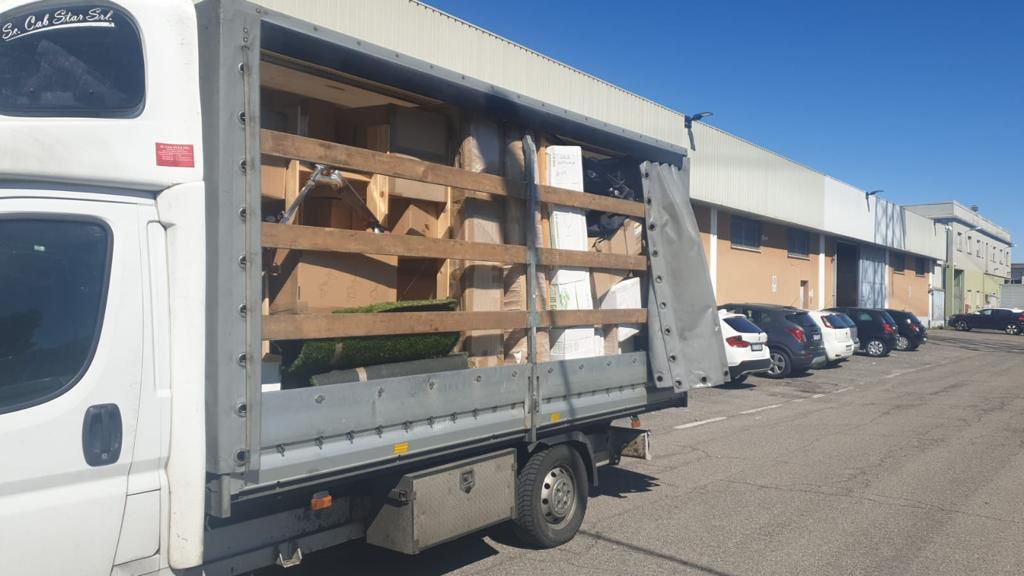
Choosing the right vehicle size can make the entire move feel smarter. Too much unused space can increase the cost unnecessarily. Too little space can lead to awkward loading, wasted time, or the wrong setup for the job. That is why vehicle matching matters so much in furniture removals to Germany.
VANonsite offers multiple vehicle sizes, which is especially useful because furniture moves vary wildly. Some customers need only a few compact pieces. Others need a broad mix of room furniture, storage units, and fragile items. The right transport should match the real load, not the rough guess.
The table below shows how the vehicle range aligns with different furniture-moving scenarios.
| Service level | Capacity | Max load | Best for |
|---|---|---|---|
| Moving One | 1 m3 | 100 kg | Very small essentials |
| Moving Basic | 5 m3 | 300 kg | A few compact furniture items |
| Moving Medium | 10 m3 | 500 kg | Smaller furniture loads |
| Moving Premium | 15 m3 | 1100 kg | Mixed furniture moves |
| Moving Premium Plus | 30 m3 | 3500 kg | Larger furniture relocations |
| Moving Full House XXL | 90 m3 | 20000 kg | Full-scale home moves with furniture |
Moving One
This is best for very small and urgent transport needs. It may suit a compact item or a few essentials, but it is not designed for a serious furniture relocation on its own.
Moving Basic
Moving Basic works for a few compact furniture items when the move is selective and relatively light. It is a sensible fit for simpler jobs where only limited furniture is travelling.
Moving Medium
Moving Medium is better suited to smaller furniture loads with a clearer mix of pieces. It may work well for a sofa and bed setup, a few room essentials, or a smaller staged move to Germany.
Moving Premium
Moving Premium is often where a more realistic furniture relocation begins. It suits mixed loads with larger pieces, more furniture types, and a broader need for controlled loading.
Moving Premium Plus
This is a strong fit for larger furniture relocations where multiple rooms are involved. It gives much more breathing room for wardrobes, sofas, beds, dining furniture, desks, and fragile items travelling together.
Moving Full House XXL
This size is the most powerful option and fits full-scale home moves with furniture or very large furniture-led relocations. It is ideal when furniture transport overlaps heavily with a wider household transition.
Why the right vehicle size matters so much
Vehicle fit matters because furniture is rarely uniform. It needs smart positioning, safe loading, and enough room to avoid unnecessary pressure on surfaces and fragile elements.
The right size helps because it:
- Matches the real furniture volume
- Improves loading quality
- Reduces moving-day stress
- Supports better route planning
- Makes the whole move feel more controlled
That is why choosing the right transport size is one of the smartest decisions in furniture removals to Germany.
How to Prepare Furniture for a Move to Germany
Preparing furniture properly can make the difference between a controlled move and a stressful one. The longer the journey, the more valuable each preparation step becomes. With furniture removals to Germany, weak preparation often shows up later as avoidable damage, awkward loading, missing fittings, or needless delays.
That is why good preparation is not just a helpful extra. It is one of the foundations of safe furniture transport.
Measure furniture carefully
Measurements are one of the most important parts of any furniture move. A few centimetres can decide whether an item fits through a stairwell, lift, doorway, hallway, or loading space without difficulty.
Measure the key dimensions of every larger item, especially:
- Width
- Height
- Depth
- Leg height if relevant
- Any unusual protruding parts
This helps improve vehicle matching, route planning, and access decisions at both addresses.
Dismantle where appropriate
Not every item should be dismantled, but many large pieces become easier and safer to move when they are. Bed frames, wardrobes, desks, shelving, and tables often travel better when reduced into more manageable parts.
Dismantling can help by:
- Reducing bulk
- Improving stair and doorway access
- Lowering the risk of surface damage
- Making loading more efficient
That said, dismantling should be done carefully and only when it improves the move.
Protect corners and surfaces
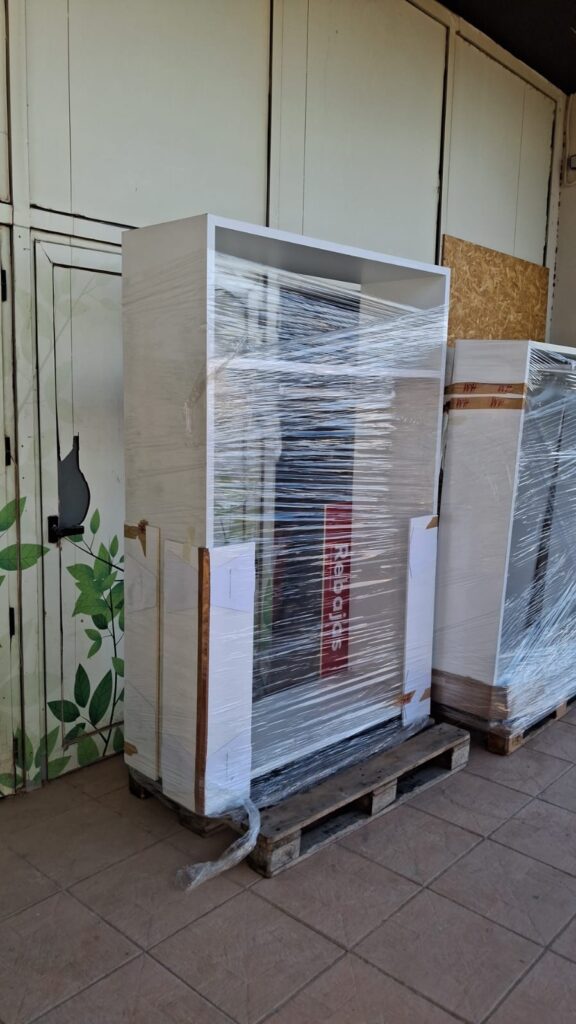
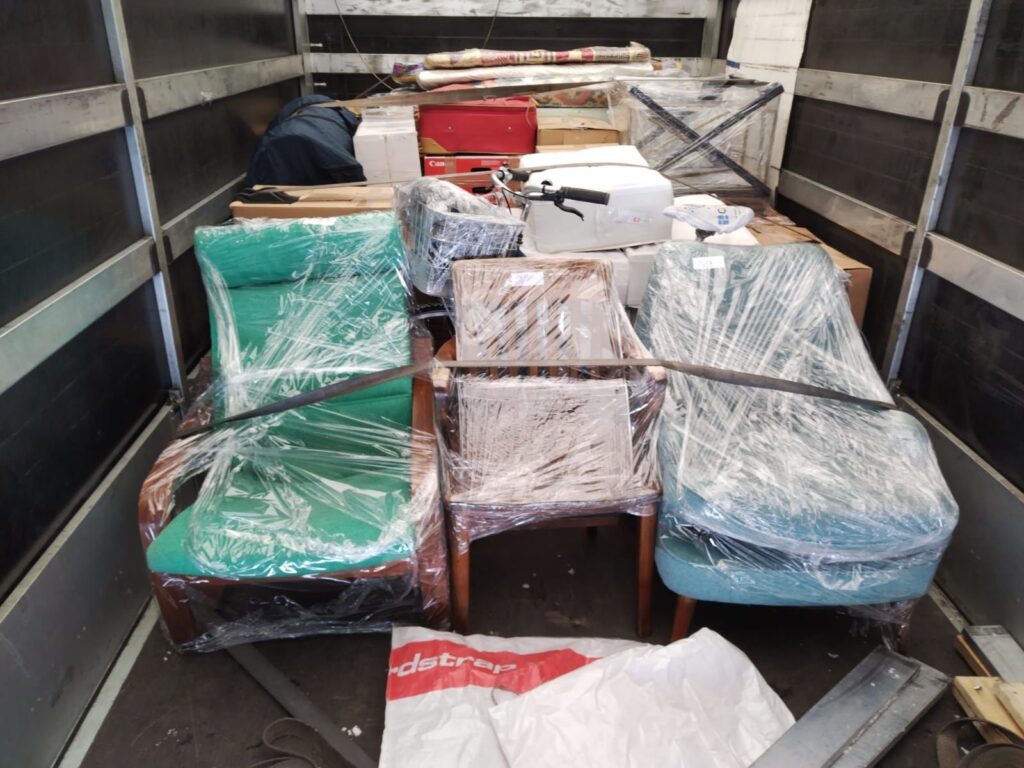
Furniture damage often happens at the edges. Corners get knocked. Surfaces get scratched. Legs get stressed. Polished finishes suffer if they are not protected properly.
That is why furniture removals to Germany need strong surface preparation, especially for tables, wardrobes, sideboards, and decorative pieces.
Wrap fragile elements
Glass inserts, mirror panels, delicate legs, exposed edges, and decorative details all need more careful wrapping than ordinary furniture surfaces. Fragile elements should never be left exposed just because the main structure feels sturdy.
In long-distance furniture moves, the weak point is rarely the whole item. It is usually one specific vulnerable element.
Label parts and fittings
Loose screws, bolts, brackets, shelf pins, and fittings can quickly turn a smooth reassembly into a frustrating mess if they are not labelled properly. This is especially important when dismantled items are travelling in several parts.
A simple system works best:
- Use small labelled bags for fittings
- Attach the bags to the correct furniture item where possible
- Mark each dismantled section clearly
- Keep related parts together
This saves time and stress when the furniture reaches Germany.
Confirm access at both addresses
Access matters just as much as the furniture itself. A wardrobe may be perfectly transportable in theory, but much harder in reality if the collection point has narrow stairs and the delivery point has restricted access.
That is why access should be confirmed early at both ends, including:
- Floor level
- Lift access
- Stair width if relevant
- Parking conditions
- Entry restrictions
- Carry distance from vehicle to property
Book early
Early booking gives the whole move more breathing room. It improves quote accuracy, route planning, vehicle fit, and the quality of decision-making before pressure starts building.
For furniture removals to Germany, early planning is especially helpful because furniture loads are much less forgiving than boxed cargo.
A practical furniture prep checklist
Before the move, make sure you have:
- Measured larger items accurately
- Decided what should be dismantled
- Protected corners and surfaces properly
- Wrapped fragile elements carefully
- Labelled all fittings and loose parts
- Confirmed access at both properties
- Booked the move with enough time to plan it well
When these steps are handled early, furniture transport feels much more controlled from the beginning.

What Documents May Matter When Moving to Germany?
Furniture transport may seem more physical than administrative, but documents can still matter. In many cases, the move is part of a wider relocation, which means practical paperwork should not be treated as an afterthought. Even when only furniture is moving, good documentation helps keep the process organised.
Passport or national ID
If the move is part of your own relocation to Germany, your passport or national ID remains the foundation document. It may be needed for travel, registration, and wider administrative steps after arrival.
Visa or residence papers if relevant
If your move depends on residence status, visa arrangements, or immigration-related paperwork, keep those documents separate from the furniture load at all times.
For official information, check the German Federal Foreign Office.
Rental agreement or proof of address
A rental agreement, property confirmation, or temporary accommodation record may be useful because furniture removals often connect directly to move-in timing and address setup in Germany.
Inventory list
An inventory list is especially important in furniture removals to Germany. It creates clarity around what is being moved, supports quote accuracy, and helps keep the transport organised from collection to delivery.
A simple but strong inventory should include:
- Item name
- Basic measurements for larger pieces
- Fragile notes where needed
- Dismantling notes if relevant
- Number of major items in the load
Use official German sources
If the furniture move is linked to a wider relocation, use official sources for current administrative guidance:
- German Federal Foreign Office
- Make it in Germany
- Official city registration pages for your destination in Germany
These are especially useful when the furniture transport is part of a longer-term move, work relocation, or family transition.
Smart document habits that reduce stress
A few small habits make a real difference:
- Keep essential papers with you, not in the furniture load
- Save digital copies securely
- Print key documents if needed
- Keep the inventory list easy to access during the move
When the paperwork is organised, the furniture move usually feels more stable, more visible, and easier to manage.
Why Packing Matters in Furniture Removals to Germany
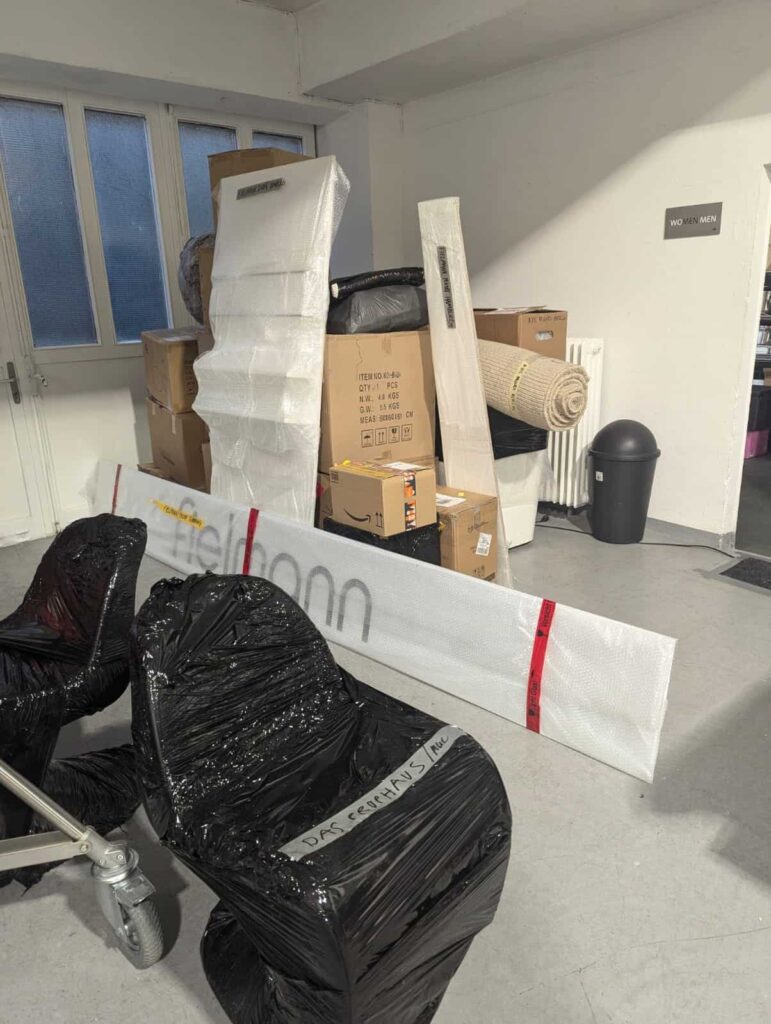
Packing is one of the hidden forces behind a successful furniture move. People often think first about the van, the route, and the delivery date. Yet the real safety of the furniture often depends on what happens long before the vehicle leaves. With furniture removals to Germany, weak packing can quietly create scratches, crushed corners, cracked glass, loose fittings, and avoidable disappointment.
That is because long-distance transport magnifies small weaknesses. One exposed edge, one badly wrapped leg, or one unstable glass panel can turn a valuable piece into a costly problem.
Why furniture is vulnerable during long-distance transport
Furniture is vulnerable because it combines bulk, weight, awkward shape, and fragile surfaces. Unlike standard boxes, it cannot simply be stacked in a neat and forgiving way. Sofas shift. Tables catch at the corners. Wardrobes take pressure at the sides. Delicate finishes can suffer from even minor friction.
Long-distance transport raises that risk because furniture may face:
- More handling stages
- More time in transit
- Greater pressure during loading and unloading
- More movement inside the vehicle if protection is weak
- More chances for exposed surfaces to be marked or stressed
That is why furniture removals to Germany need strong packing discipline, not last-minute improvisation.
How to protect delicate surfaces and edges
Furniture damage often starts at the edges. Corners are struck first. Legs take pressure early. Polished surfaces pick up scratches faster than people expect. Glass inserts, decorative trims, and exposed panels all need special care.
Useful protection usually includes:
- Wrapping delicate surfaces thoroughly
- Reinforcing corners and sharp edges
- Padding glass and mirror elements properly
- Securing doors, drawers, and loose parts
- Keeping protected furniture positioned sensibly inside the load
The key is not only wrapping more. It is wrapping the right points with more care.
Why professional packing may be worth it
Professional packing may be worth it when the furniture is valuable, fragile, awkwardly shaped, or simply too important to risk. It is also a strong option when the customer is already under pressure from a larger relocation, property deadlines, or family responsibilities.
For furniture removals to Germany, professional packing can help reduce:
- Surface damage
- Corner impact risk
- Poor balance during transport
- Last-minute packing fatigue
- Mistakes with fragile elements and fittings
In many cases, this is not about luxury. It is about protecting the items that matter most.
Practical packing tips for furniture transport
A few simple habits can dramatically improve the safety of the move:
- Wrap polished and delicate surfaces properly
- Protect corners, legs, and exposed edges
- Remove or secure loose internal parts
- Keep fittings together in labelled bags
- Use stronger wrapping for glass and mirror sections
- Avoid leaving vulnerable surfaces exposed
- Plan dismantling before moving day, not during the rush
Packing rarely gets credit when it works perfectly. Yet when it is done well, furniture removals to Germany feel cleaner, calmer, and far safer from collection to delivery.
Common Mistakes to Avoid with Furniture Removals to Germany
Most difficult furniture moves are not ruined by one dramatic event. They become stressful because of ordinary mistakes that were easy to avoid at the start. When those small mistakes pile up, the whole relocation starts feeling more expensive, more fragile, and more chaotic than it needed to be.
That is why recognising the common mistakes in furniture removals to Germany can save time, money, and a great deal of unnecessary stress.
Booking too late
Late booking narrows your options immediately. It reduces flexibility, limits vehicle choice, and makes the whole move more reactive. For furniture transport, that can be especially frustrating because larger or more awkward loads often need more thoughtful planning than a standard shipment.
Not measuring furniture properly
This is one of the most common mistakes in furniture transport. People often estimate by sight, and furniture rarely forgives guesswork. A wardrobe that seems manageable may be too wide for a stairwell. A sofa that looks straightforward may take far more vehicle space than expected.
This is why furniture removals to Germany work best when measurements are exact, not approximate.
Ignoring access restrictions
A furniture item can be perfectly movable in theory and deeply awkward in reality. Narrow stairs, no lift, limited parking, gated access, city-centre restrictions, or a long distance from vehicle to entrance can all change the move substantially.
Ignoring access early often creates avoidable problems later.
Weak protection for fragile surfaces
Furniture does not need to break completely to be damaged. One scratched tabletop, one chipped corner, or one marked cabinet side can ruin the feeling of a successful move. This is why surface protection matters just as much as structural protection.
Forgetting small parts and fittings
Missing screws, brackets, shelf pins, and bolts can create surprising chaos after delivery. Reassembly becomes slower, more stressful, and sometimes impossible without replacements. Small parts are easy to ignore until they become the reason the furniture cannot be used properly.
Choosing the wrong vehicle size
A vehicle that is too small creates loading pressure and compromises. A vehicle that is too large can mean paying for space you do not need. The best transport choice is the one that fits the real furniture load, not the one chosen by instinct.
Assuming courier services are enough
This mistake is common because ordinary delivery looks simpler from the outside. Yet bulky, fragile, valuable, or awkward furniture often needs a removals approach rather than parcel logic. Assuming otherwise can lead to weak protection, poor handling, and more risk than the move deserves.
A simple way to avoid these mistakes
The safest pattern is simple: measure properly, confirm access, protect vulnerable surfaces, label fittings, book early, and choose the vehicle size that truly matches the load. These habits are not dramatic, but they are exactly what make furniture removals to Germany feel organised rather than improvised.
How to Make Furniture Removals to Germany Less Stressful
Furniture moves often feel more exhausting than people expect. The items are bigger, heavier, and more awkward than boxes, yet the emotional weight can be just as strong. A desk may represent work stability. A bed frame may represent comfort. A dining table may carry years of family history. That is why furniture removals to Germany can feel surprisingly intense even when the load is not enormous.
The good news is that stress usually drops when the move becomes more visible, more organised, and less dependent on guesswork.
Why furniture moves feel more difficult than expected
Furniture creates a very specific type of pressure. It is not only bulky. It is often meaningful, expensive, or physically difficult to manage. One item can take a lot of planning. Five items can suddenly feel like a serious project.
This pressure grows because:
- Large pieces are harder to move through real buildings
- Fragile surfaces raise the emotional stakes
- Measurements matter more than people expect
- Access issues can turn simple loads into difficult ones
- A few badly handled items can damage the whole feeling of the move
That is why furniture removals to Germany often feel heavier than a normal delivery, even when the item count is relatively small.
How organisation reduces stress
Good organisation removes hidden pressure. When the item list is clear, the measurements are ready, the access details are known, and the fragile points are identified, the move feels far less unstable.
A calmer furniture move usually depends on:
- A clear inventory of the items being transported
- Accurate measurements for larger pieces
- Early access checks at both properties
- Packing that protects the real weak points
- Realistic vehicle matching
These are simple actions, but together they change the atmosphere of the move completely.
Why route clarity and tracking matter
Uncertainty is one of the fastest ways to raise moving stress. People can usually cope with effort better than they can cope with not knowing where their furniture is, what stage the transport is at, or when it is realistically arriving.
That is why route clarity matters so much. GPS tracking adds another layer of reassurance because the load feels visible rather than abstract. Instead of imagining delays or problems, customers can follow progress more confidently.
In furniture removals to Germany, this kind of visibility is not only practical. It makes the move feel safer and more grounded.
Why the right man and van or removals support changes everything
The support behind the move shapes the whole experience. The wrong setup can make a small furniture load feel disorganised. The right setup can make a larger furniture relocation feel manageable.
For some customers, a man and van approach works well for selected furniture pieces or a staged relocation. For more demanding loads, a broader removals structure may be a better fit. What matters is not choosing the biggest option by default. It is choosing the support that actually matches the furniture, the route, and the practical difficulty of the move.
When that fit is right, everything feels cleaner. The loading feels smarter. The transport feels more secure. The move itself feels less like a gamble.
A calmer move starts with fewer unknowns
Most stress in furniture transport comes from avoidable uncertainty. The more clearly you define the load, the access, the fragile elements, and the transport fit, the easier the move becomes to trust.
That is why the smartest approach to furniture removals to Germany is always the same: reduce guesswork, improve visibility, and let preparation do the heavy lifting before moving day begins.
Why VANonsite Is a Smart Choice for Furniture Removals to Germany
Choosing a furniture transport company is not only about getting from one country to another. It is about knowing your items will be handled with the kind of structure, visibility, and practical care they actually need. That is where VANonsite stands out.
For furniture removals to Germany, the company combines flexibility, route visibility, service range, and practical moving experience in a way that fits both selective furniture transport and wider relocation needs.
GPS tracking for every load
GPS tracking is one of the strongest reassurance points in long-distance furniture transport. When bulky or valuable furniture is in transit, customers want more than promises. They want visibility.
Tracking helps because it gives:
- Better awareness of where the load is
- More trust in the process
- Less background stress during transport
- A stronger sense of control over the move
For a customer moving furniture into a new life chapter, that visibility matters a great deal.
Flexible vehicle sizes
Not every furniture move needs the same scale of transport. One customer may be moving a bed and a sofa. Another may need wardrobes, dining furniture, office pieces, and fragile storage units in one trip.
That is why VANonsite’s vehicle range matters. From Moving One to Moving Full House XXL, the company can match transport more precisely to the actual furniture load. That usually means better planning, better value, and a more stable moving experience.
Relevant services that support real furniture moves
VANonsite also offers services that strengthen the overall transport experience rather than limiting it to basic pickup and delivery.
Relevant services include:
- Furniture Removals
- Home Removals
- Packing Service
- White Glove Delivery
- Office removals
- Student Removals
- Storage
- Last Minute Moving
This matters because furniture removals to Germany are often part of a wider reality. Some customers need careful handling, some need extra packing. Some need a move that overlaps with home or office relocation.
Why VANonsite suits both smaller furniture moves and wider home relocations
One of VANonsite’s biggest strengths is flexibility across different moving scales. Smaller furniture moves do not feel too small for the service. Wider relocations do not feel under-supported.
That makes the company a strong fit for:
- Customers moving selected furniture pieces
- Couples relocating key household items
- Professionals transporting furnished work setups
- Families moving furniture in stages
- Wider home moves where furniture is the main focus
For readers planning a broader move, a natural next step is to explore removals to Germany.
FAQ About Furniture Removals to Germany
How do furniture removals to Germany work?
Furniture removals to Germany usually begin with a quote based on the furniture list, measurements, access conditions, route, and timing. Once the scope is clear, the right transport setup can be matched to the load. Good preparation at the start usually leads to a smoother collection, loading, and delivery process.
How much do furniture removals to Germany cost?
The final cost depends on the volume of the furniture, total weight, route complexity, access at both ends, urgency, packing requirements, and any extra services such as storage or white glove handling. That is why similar item lists can still result in different quotes.
Can I move a sofa or wardrobe to Germany?
Yes. Sofas, wardrobes, beds, tables, storage units, and many other furniture types can be moved to Germany. The most important factors are accurate measurements, good access information, and the right level of protection for vulnerable surfaces or fragile elements.
Do I need to dismantle furniture before the move?
Not always, but often it helps. Many larger items travel more safely and more efficiently when they are dismantled, especially wardrobes, bed frames, desks, and tables. The right approach depends on the furniture type, access conditions, and how the load is being transported.
Is a man and van enough for furniture transport?
Sometimes, yes. A man and van setup can work very well for selected furniture pieces or smaller staged moves. For larger or more complex loads, a broader removals structure may be the safer and more practical choice.
How early should I book?
Earlier is usually better. Early booking improves quote accuracy, vehicle matching, route flexibility, and overall calm. It also reduces the risk of rushing important decisions about protection, dismantling, and access.
Is professional packing worth it?
In many cases, yes. Professional packing can be especially valuable when the furniture is delicate, polished, fragile, awkwardly shaped, or emotionally important. It can also help when the move is happening under time pressure.
Can fragile furniture be moved internationally?
Yes, but it should be packed and handled with much more care than ordinary pieces. Glass elements, mirror panels, decorative finishes, antique items, and designer furniture all benefit from stronger protection and more deliberate loading.
What is the biggest mistake people make in furniture removals to Germany?
One of the most common mistakes is underestimating the real difficulty of the move. Weak measurements, poor access planning, rushed packing, and the wrong transport fit can all create avoidable problems very quickly.
Why do people choose VANonsite for furniture removals to Germany?
Many customers choose VANonsite because the company combines GPS tracking, flexible vehicle sizes, and a practical service range that fits real furniture moves. It supports not just the transport itself, but the wider process around a safe and efficient relocation.
Final Summary
Furniture removals to Germany do not need to feel chaotic or risky. With the right planning, accurate measurements, stronger protection, realistic vehicle fit, and a service that actually understands furniture transport, the move can feel far more controlled than most people expect.
The strongest furniture moves usually come from the same foundations: clear inventory, honest access details, careful surface protection, labelled fittings, early booking, and transport support that matches the real shape of the load.
That is why furniture removals to Germany should never be treated like ordinary parcel delivery. Furniture carries weight in every sense. It takes space, needs protection, and often matters emotionally as much as practically.
That is also why VANonsite is such a strong fit. With GPS tracking, flexible vehicle sizes, and services that support furniture transport, home removals, packing, white glove delivery, office moves, storage, and wider relocations to Germany, the company offers a reliable and reassuring path for customers who want their furniture moved properly.