A machine move is never just a delivery. It can affect production, deadlines, revenue, installation schedules, and customer commitments. When industrial equipment is moving to Germany, every hour and every detail matters. One poorly planned handover can delay an entire line. One missing document can slow a project that was supposed to move fast. One badly secured component can turn a costly asset into an expensive problem.
The good news is that heavy machinery removals to Germany do not have to feel chaotic or dangerously uncertain. With the right transport plan, the right load assessment, and a reliable European partner, the process becomes far more controlled. Instead of gambling with timing, condition, and compliance, you move with structure, visibility, and a much stronger sense of control.
If you are planning heavy machinery removals to Germany, this guide gives you practical answers first and detail second. It covers what counts as heavy machinery, who needs this type of transport, what affects pricing, which documents may matter, how to prepare equipment, how road safety is managed, how long the move may take, and why a well-planned route protects both your equipment and your business. If you are also comparing broader removals to Germany, this article will help you understand what makes machinery transport more demanding and more strategic.
TL:DR
- Heavy machinery removals to Germany depend on exact dimensions, weight, route access, and safe loading, not guesswork.
- Direct road transport is often the most practical option for many machinery-related moves because it reduces unnecessary handling stages.
- Pricing is usually shaped by weight, size, route length, urgency, loading complexity, and whether special handling or permits are needed.
- For moves into Germany, document needs may include invoices, packing lists, transport details, customs paperwork, and in some cases permit-related documents.
- Proper preparation matters. Measure accurately, protect sensitive parts, secure loose components, and document machine condition before loading.
- GPS tracking improves visibility during transport, which is critical when equipment affects production, installation, or client deadlines.
- VANonsite can support many machinery-related moves across Europe, especially selected industrial tools, packaged units, components, commercial equipment, and urgent business-critical loads.
What is the safest way to handle heavy machinery removals to Germany?
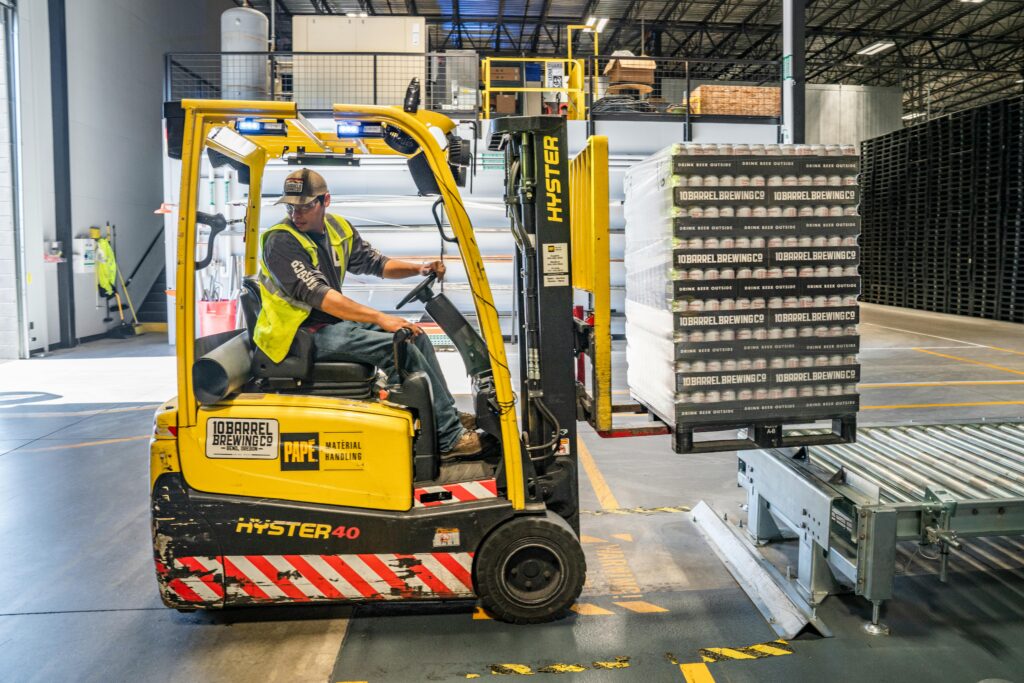
For many companies, careful road transport is the most practical solution. It is flexible, direct, and easier to control than fragmented transport chains with multiple transfers. That matters because every additional handling point increases risk. When equipment is lifted, shifted, stored, reloaded, or held between stages, the chances of damage, delay, or confusion rise fast.
This is why heavy machinery removals to Germany often work best when the route is planned as cleanly as possible. Equipment is assessed properly, the correct vehicle is chosen, the load is secured to match its shape and weight, and the route is built around real conditions rather than optimistic assumptions.
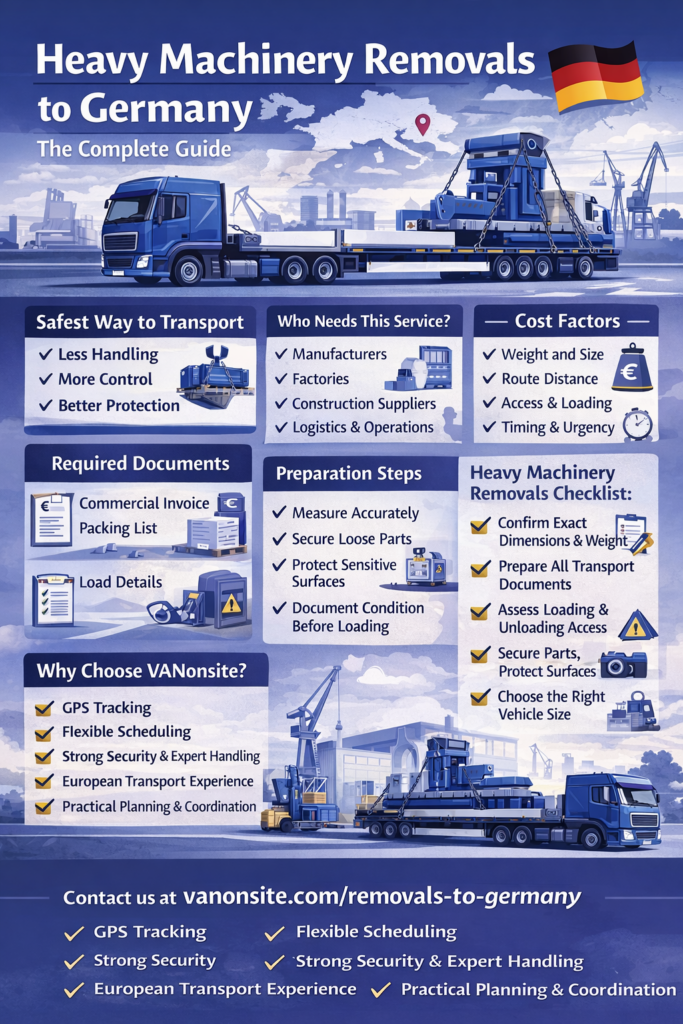
There are three major safety advantages in that approach:
- Less handling, because the load moves through fewer transfer points
- More control, because route planning and timing stay clearer
- Better protection, because secure loading has less chance of being disturbed mid-journey
Those advantages are not theoretical. They directly affect uptime, equipment condition, and installation readiness. If a machine is needed for production, fabrication, assembly, or technical operations, damage is not the only risk. Delay itself can become expensive.
A successful machinery move to Germany is not only about transport. It is about protecting business continuity. It is about making sure an asset arrives in the right condition, at the right time, with the right documents, and with fewer avoidable surprises.
Safe machinery transport starts before the vehicle even arrives. Good planning usually includes a realistic load assessment, a route review, clear site contacts, loading access checks, and confirmation of how the machine will be secured and received. When these steps are handled early, the move feels far less exposed to last-minute mistakes.
In practical terms, the safest route is usually the one with the fewest unnecessary variables. That means fewer handovers, fewer unclear loading points, fewer assumptions about dimensions, and fewer gaps between the sender, the carrier, and the receiving team in Germany. The cleaner the chain, the lower the operational risk.
For many companies, the biggest hidden danger is not dramatic damage. It is cumulative friction. A forklift not ready on site. A machine measured incorrectly by a few centimetres. A delivery window that was never properly confirmed. A part left unsecured. These smaller failures can create very real financial consequences once transport is already underway.
A strong machinery move therefore depends on a few core disciplines:
- accurate equipment assessment
- realistic route planning
- secure load restraint
- clear loading and unloading coordination
- visible shipment tracking
That structure protects more than the equipment itself. It protects installation schedules, labour planning, project sequencing, and client confidence.
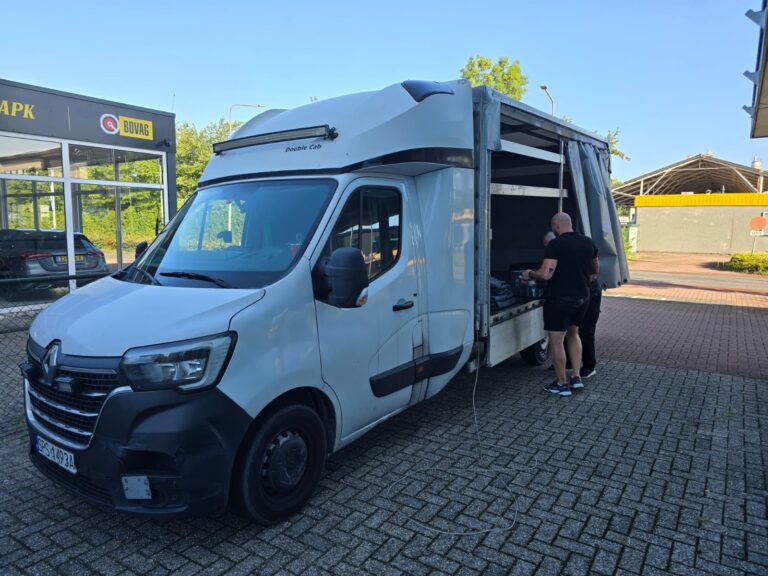
This is where a trusted European transport partner matters. VANonsite supports many machinery-related moves with GPS tracking, practical route planning, flexible scheduling, and vehicle options suited to selected industrial tools, equipment components, packaged machinery units, and related loads within route and vehicle limits.
What counts as heavy machinery for transport to Germany?
The phrase sounds simple, but in practice it covers a wide range of equipment. Not every load is a giant machine weighing tens of tonnes. In real transport planning, “heavy machinery” often includes a mix of compact industrial units, workshop systems, technical equipment, support structures, and commercial machines that still require specialist handling.
Typical examples include:
- workshop machines
- production units
- industrial tools
- packaged mechanical systems
- heavy commercial equipment
- machine parts and support structures
- control cabinets and related technical components
What matters is not the label alone. Each load has to be assessed by actual weight, dimensions, fragility, handling method, centre of gravity, and unloading conditions. A compact machine can still be difficult to move if it is dense, awkward, fragile, or sensitive to vibration. A larger unit may be easier to transport if it is well packed, stable, and designed for controlled lifting.
This is one reason clear load assessment matters so much. Credible transport planning starts with facts, not assumptions.
It also helps to think in categories rather than in a single vague label. Some machinery is heavy because of weight, some is difficult because of shape. Some is sensitive because of controls, exposed surfaces, calibration, or vibration risk; Some loads are logistically demanding because they arrive as mixed systems with cabinets, fittings, frames, and related components that must stay organised.
A useful way to frame it is this:
- dense compact units that are small in footprint but heavy for their size
- awkward packaged machines that need careful restraint and route planning
- sensitive technical equipment with exposed controls or fragile surfaces
- multi-part equipment systems that require inventory control and delivery sequencing
That distinction matters because the right transport approach changes from one type to another. A dense workshop unit may be easier to secure than a lighter but more delicate control system. A larger machine may travel well if it has stable lifting points, while a smaller one can become much riskier if it has uneven weight distribution or vulnerable external parts.
From a buyer’s point of view, the real question is not whether a load is “officially” heavy machinery. The real question is whether it requires specialist planning, secure handling, and reliable transport coordination. In many cases, the answer is yes even when the machine is not enormous.
Who needs heavy machinery removals to Germany?
This type of transport is rarely for casual moves. It is usually tied to deadlines, revenue, operations, installation schedules, or urgent replacement needs. In other words, the people arranging heavy machinery removals to Germany are often working under pressure, even when the plan looks calm on the surface.
Typical users include:
- manufacturers
- factories
- workshops
- construction-related suppliers
- logistics and operations teams
- companies relocating equipment into Germany
- firms sending replacement or urgent machinery units
Time pressure and precision matter more here than in a standard move. A delayed home delivery is inconvenient. A delayed production unit can affect output, labour planning, service commitments, and customer timelines. That is why machinery transport tends to be judged by reliability, not just by price.
It also means communication matters more. The reader is not only asking whether the load can be moved. They are really asking whether it can be moved without hurting the business.
That question appears in different forms depending on the company. A manufacturer may be protecting output. A workshop may be protecting installation flow. A supplier may be protecting a customer commitment. An operations manager may be protecting a launch date, a maintenance window, or a replacement schedule.
This is why the audience for heavy machinery removals to Germany often includes teams such as:
- project managers coordinating installations
- procurement teams managing equipment movement
- maintenance teams replacing failed units
- operations leads protecting uptime
- site managers receiving equipment in Germany
- business owners relocating specialist assets across Europe
For each of them, the transport problem looks slightly different, but the commercial pressure is the same. They need the load to arrive safely, predictably, and with enough visibility to plan around it.
A machine move is often judged long before delivery. It is judged by how easy it is to get a clear answer, how realistic the planning feels, how fast concerns are addressed, and whether the transport partner seems to understand that the load is part of a wider business system rather than an isolated shipment.
That is also where a flexible partner becomes more valuable. Some companies need a single packaged unit moved on a direct route. Others need multiple components shipped in sequence. Others need urgent replacement transport fast enough to protect production or installation timelines. The stronger the planning framework is, the less damaging the move becomes to the business around it.
How much do heavy machinery removals to Germany cost?
The honest answer is simple: cost depends on the load, the route, the handling requirements, and the urgency. A compact machine packed on a secure pallet is one thing. A large packaged unit with awkward dimensions, difficult access, and strict timing is another.
That is why heavy machinery removals to Germany should not be priced by guesswork. Real cost comes from real conditions.
In practice, the most reliable quotes come from exact information rather than rough descriptions. “One machine” does not mean much by itself. Two loads of similar weight can still produce very different transport costs if one has clean loading access and the other needs careful lifting, route adaptation, site coordination, or tighter timing.
| Load type | Typical transport complexity | Main cost driver | Best planning focus |
|---|---|---|---|
| Smaller machinery unit | medium | weight and protection | safe loading and secure fixing |
| Large packaged equipment | high | dimensions and route | access, lifting, and space planning |
| Urgent replacement machine | high | timing | fast scheduling and direct route |
| Multiple equipment components | medium to high | total volume | inventory, sequencing, and unloading order |
The biggest price drivers are usually:
- dimensions and weight
- route length
- loading and unloading access
- lifting or handling requirements
- urgency
- packaging and protective preparation
- permits or route restrictions where applicable
Dimensions and weight are foundational. A dense compact unit can require just as much attention as a visibly large machine. A few centimetres or a few hundred kilos can change how a vehicle is selected, how the load is positioned, and whether route planning becomes more restrictive.
Route length affects travel time, fuel exposure, driver planning, and delivery coordination. A direct cross-border move is one thing. A longer route through more congested or restricted areas can create a different cost pattern entirely.
Loading and unloading access can transform a straightforward job into a complex one. Tight yards, loading docks, narrow gates, stairs, time windows, or poor access for equipment all change the cost picture.
Lifting and handling requirements matter because some loads can be moved with straightforward support, while others require more specialised preparation or coordination.
Urgency affects availability, scheduling pressure, and the ability to secure a direct route quickly. When a machine is needed to protect production or installation flow, speed becomes part of the value, not only part of the cost.
Protective preparation matters more than people expect. Sensitive surfaces, exposed parts, control elements, and delicate components all increase handling needs.
Permits or restrictions may come into play if the load is oversized, unusually heavy, or route-sensitive.
A lower quote can look attractive until it leaves out the very things that protect your equipment. In machinery transport, cheaper does not always mean cheaper once delays, damage risk, or reactive problem-solving are added.
It helps to think about cost in business terms, not only transport terms. A stronger transport plan may reduce the chance of missed installation slots, idle labour, rescheduled technical teams, delayed commissioning, or preventable damage claims. That wider picture often matters more than the first number in the quote.
A practical way to compare quotes is to ask:
- what exactly is included in handling and securing
- whether the route is direct or more fragmented
- how timing is being protected
- whether site access has been properly considered
- how visibility and communication are handled during transport
- what assumptions the quote depends on
Those questions often reveal the difference between a price that looks efficient and one that is actually dependable.
What documents may be needed for heavy machinery removals to Germany?
This part worries many readers because it can sound legal and abstract. In reality, it becomes much easier once broken into practical categories. Document requirements depend on whether the move is intra-EU, from outside the EU, temporary, permanent, commercial, or installation-related.
In many cases, the starting set may include:
- commercial invoice or proof of ownership
- packing list or equipment inventory
- transport details and collection information
- import or customs paperwork if applicable
- technical or safety documentation if relevant
- permits for oversized or regulated transport if required
For customs-related moves into Germany from outside the EU, official customs guidance is especially important. German customs provides public guidance for bringing goods into Germany and for transfers of residence, although commercial machinery cases can require more specific treatment depending on the shipment structure and customs status. Relevant official customs information can be found at German customs and in related customs sections such as Transferring residence.
If the transport involves relocation of personnel or installation teams, readers may also need to consider residence registration rules after moving into Germany. Germany’s federal portal states that anyone moving into a new home must register within two weeks, and the Federal Ministry of the Interior explains the same general rule. See Bundesportal and BMI registration guidance.
The practical point is simple. Prepare core documents early, keep them organised, and do not wait until loading day to discover what is missing.
A good working structure is:
- commercial documents, such as invoices or proof of ownership
- transport documents, such as packing lists, contact details, and collection instructions
- technical documents, such as handling notes or equipment-related safety information if needed
- regulatory documents, such as customs or permit-related paperwork where required
That structure keeps the process cleaner. It also makes communication easier between the sender, receiver, transport partner, and any site teams involved.
It also helps to think about documents in terms of timing.
Before transport
Before the move begins, the most important task is to confirm what the shipment actually is from a customs and transport point of view. Is it a sale, a return, a temporary movement, a relocation, a replacement unit, or a machine going for installation? That distinction can affect what paperwork is needed and how the shipment should be described.
This is also the right stage to check whether the inventory is complete, whether values are documented correctly, and whether the consignee details in Germany are fully accurate. Small errors here can create disproportionate delays later.
On loading day
On loading day, it helps to keep all essential documents easy to access rather than buried in general paperwork or site folders. Collection details, contact names, inventory references, technical handling notes, and any permit-related material should be easy to show quickly if needed.
During transit and arrival
During transit and arrival, document clarity becomes even more valuable. If the receiving team in Germany needs to match parts, identify components, confirm shipment contents, or coordinate unloading order, clean paperwork reduces confusion and saves time.
A simple but very effective habit is to make sure document language matches physical labelling as closely as possible. If a component is labelled one way in the inventory and another way on site, avoidable confusion creeps in fast.
For more complex loads, document quality is not an administrative side issue. It is part of transport control.


How do you prepare machinery for transport to Germany?
This is one of the most valuable parts of the process because good preparation prevents a long list of avoidable problems later.
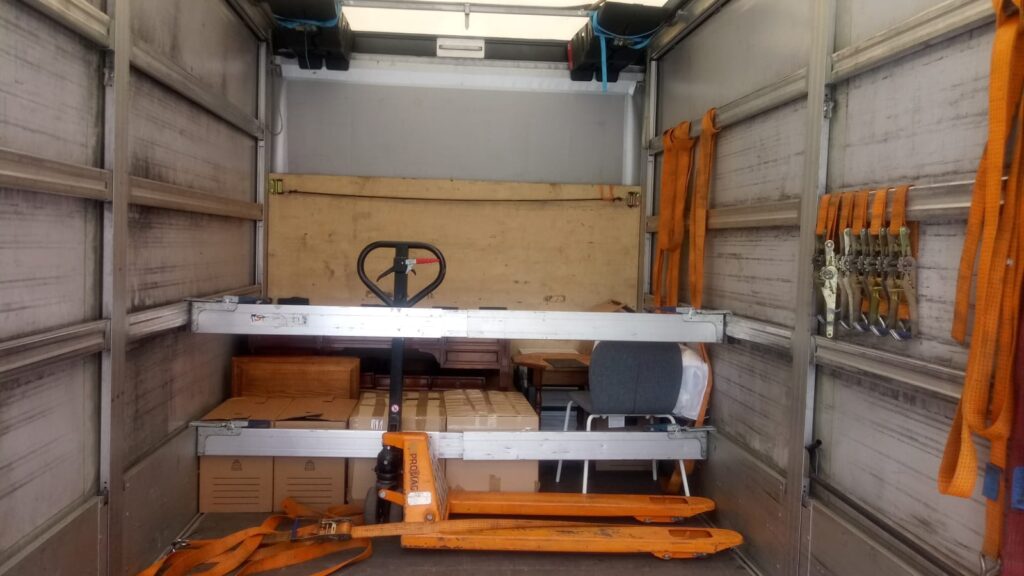
Before any booking is confirmed, the machine should be assessed properly. That means measuring it accurately, checking total weight, understanding the centre of gravity, identifying fragile or exposed parts, and reviewing how it will be loaded and unloaded.
The core preparation steps usually include:
- measuring the machine accurately
- checking weight and centre of gravity
- disconnecting power and fluids if necessary
- protecting sensitive surfaces and moving parts
- securing loose accessories and components
- documenting condition before loading
A short preparation checklist looks like this:
- confirm exact dimensions
- confirm exact weight
- identify lifting points
- remove or secure loose components
- protect control surfaces and exposed elements
- photograph condition before transport
- label accessories and parts clearly
- confirm loading access and unloading conditions
This is not paperwork for its own sake. It protects the machine, the route, and the people handling it. A wrong measurement can trigger the wrong vehicle choice. A missed loose part can become damage in transit. A poor understanding of load balance can turn a simple move into a dangerous one.
Preparation also becomes much stronger when it is broken into practical layers.
Technical readiness
Machines should be reviewed not only for size and weight but also for sensitivity. Are there exposed controls? Fragile housings? Detachable elements? Uneven balance? Hydraulic or electrical considerations? These details can change how the equipment is protected and restrained.
Physical protection
Protection should match the machine, not a generic assumption. Sensitive surfaces, projecting parts, cables, touch panels, housings, edges, and removable accessories all need individual thought. Some loads need simple padding. Others need more deliberate surface protection, part removal, or separate packing for loose elements.
Site readiness
Even a well-prepared machine can become difficult to move if the collection point is not ready. Access paths, lifting availability, personnel coordination, loading windows, and receiving conditions in Germany all matter. A machine move becomes much safer when the site is ready before the vehicle arrives.
A few extra preparation habits can also save time and money:
- photograph the machine from multiple angles before loading
- label removed parts and accessories clearly
- keep bolts, fittings, brackets, and loose fixings in sealed labelled bags
- note any special handling warnings in writing
- confirm whether the receiver needs unloading in a specific sequence
- make sure critical documents travel with the right team, not inside random packaging
Strong preparation does not slow the move down. It usually speeds it up by removing the problems that cause delay later.
Can heavy machinery be transported safely by road?
Yes, in many cases it can, provided the transport is planned properly and the equipment fits the real route, handling, and vehicle conditions.
Road transport is often the most practical option because it can offer more direct movement with fewer handling stages. That matters because fewer handovers usually mean lower risk.
The main safety principles are straightforward:
- fewer handling stages reduce risk
- secure loading and restraint matter
- route planning matters
- GPS tracking improves visibility and confidence
That framework sounds simple, yet each part has operational consequences. Fewer handling stages reduce the chance of impact, misalignment, delay, and miscommunication. Proper restraint protects not only the machine but also the surrounding load environment during long-distance travel. Route planning protects timing and lowers the chance of avoidable detours or access failures. Visibility matters because uncertainty itself can create stress inside a wider project.
Damage is not only a repair issue when a machine supports revenue, deadlines, or production. It can affect installation, staffing, client delivery, and confidence in the wider project. That is why safe road transport is not just about moving an object. It is about protecting operational continuity.
It also helps to think about road safety in stages rather than in one broad promise.
Before departure
Safety begins with correct dimensions, realistic load planning, secure protection, and clear agreement about how the machine will be handled. If those foundations are wrong, the route is already weaker before the engine starts.
During transport
During the journey, stability, restraint, driver awareness, and route control matter most. This is where fewer unnecessary stops and a cleaner chain can make a serious difference.
At delivery
At the final stage, safe unloading depends on coordination, access, timing, and readiness on the receiving side. A technically safe journey can still become a risky project if unloading is rushed or poorly prepared.
A useful way to frame road safety is this:
| Safety stage | Main focus | Main risk if ignored |
|---|---|---|
| Planning | correct assessment and route fit | wrong vehicle, poor route, instability |
| Loading | secure restraint and load balance | damage, shift, unsafe transit |
| Transit | stable route execution | delays, unnecessary disruption |
| Delivery | controlled unloading | site risk, impact damage, confusion |
In many cases, direct road transport is safer precisely because it reduces the number of times the equipment is touched, shifted, or left waiting between stages.
VANonsite supports this with tracked delivery, careful handling, and a practical approach to route and load planning for selected machinery-related moves.
How to choose the right vehicle size for machinery transport
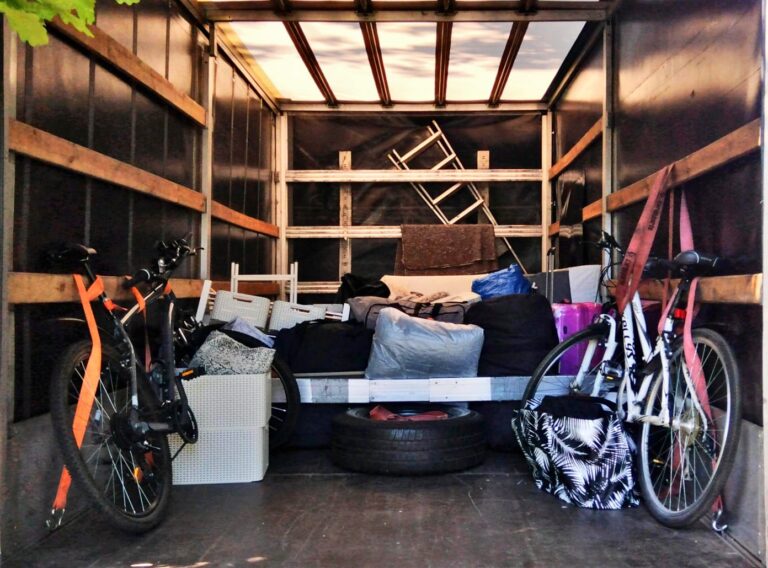
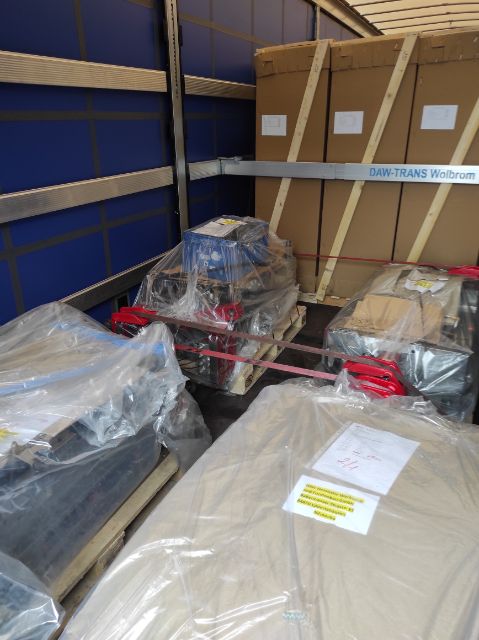
Vehicle choice must be based on real dimensions, weight, load distribution, and access. This is one of the most important credibility points in the whole article. Not every heavy machine fits every vehicle, and not every route fits every machine.
That said, the VANonsite fleet can still be positioned usefully and honestly for many machinery-related loads.
| Vehicle option | Capacity | Max load |
|---|---|---|
| Moving One | 1 m3 | 100 kg |
| Moving Basic | 5 m3 | 300 kg |
| Moving Medium | 10 m3 | 500 kg |
| Moving Premium | 15 m3 | 1100 kg |
| Moving Premium Plus | 30 m3 | 3500 kg |
| Moving Full House XXL | 90 m3 | 20000 kg |
A sensible way to explain this is:
- Moving One for documents, compact tools, and very light technical items
- Moving Basic for smaller components, lighter equipment parts, and compact business loads
- Moving Medium for more substantial tools, cabinets, and compact packaged units within limit
- Moving Premium for heavier and larger equipment loads within standard planning conditions
- Moving Premium Plus for larger machinery-related shipments that remain within route and vehicle limits
- Moving Full House XXL for major loads that require serious capacity, subject to exact assessment
A more practical way to think about vehicle choice is to match the vehicle not just to total size, but to the character of the load.
| Vehicle size | Often best for | Main decision point |
|---|---|---|
| Moving One | compact tools, documentation, very light technical items | weight stays low and handling is simple |
| Moving Basic | lighter components and compact business loads | limited footprint and lower mass |
| Moving Medium | technical cabinets, denser parts, compact units | secure positioning and balance matter |
| Moving Premium | heavier packaged equipment within standard limits | more capacity and stronger planning needed |
| Moving Premium Plus | larger machinery-related loads | route fit and unloading access become more important |
| Moving Full House XXL | major equipment loads within capacity | full assessment is essential |
Weight matters as much as space. A compact load can still be completely wrong for a smaller vehicle if its mass concentration or handling needs are too demanding. In the same way, a load can look large but move efficiently if it is stable, well packed, and correctly assessed.
A few practical questions can improve vehicle choice fast:
- What are the exact dimensions and exact weight?
- Is the load dense, fragile, awkward, or unevenly balanced?
- Does it include loose parts, accessories, frames, or support elements?
- Will unloading space in Germany be tight or restricted?
- Does the route include access constraints that affect vehicle choice?
Very large or specialised machinery may still require separate planning and exact route review. That keeps the article credible and useful.
How long do heavy machinery removals to Germany usually take?
Timing depends on more than mileage. Distance matters, of course, but machinery transport is also shaped by preparation, loading complexity, route access, weather, and any customs or compliance steps involved.
The main timing factors are:
- route distance
- loading complexity
- handling requirements
- weather and traffic
- customs if applicable
- whether the transport is dedicated or multi-stop
For many European routes, direct transport is faster and more predictable because the load stays together from pickup to delivery. Fewer stops usually mean fewer chances for delay.
A helpful way to think about timing is this:
| Factor | Can speed the move up | Can slow the move down |
|---|---|---|
| Route | direct road route | diversions, congestion, route limits |
| Loading | prepared access and ready load | delays, unclear lifting setup |
| Documentation | complete paperwork | missing or unclear documents |
| Transport model | dedicated delivery | multi-stop or fragmented routing |
| Coordination | clear contacts and timing | site confusion or poor handover planning |
In machinery transport, speed usually starts before the wheels move.
Access and coordination often affect timing more than people expect. A route can be efficient on paper and still slow down if the sender is not ready, if lifting support is missing, if documents are unclear, or if the receiving team in Germany is not aligned with the delivery window.
It also helps to think about timing in phases.
Pickup phase
The move starts with readiness. If the machine is measured, protected, documented, and accessible, collection can move smoothly. If not, delay begins before departure.
Transit phase
The journey itself is shaped by distance, road conditions, route complexity, and whether the transport is direct or more fragmented. Direct transport usually improves predictability.
Delivery phase
Final timing depends on unloading access, site readiness, contact clarity, and whether the machine needs to arrive in a specific sequence for installation or operational reasons.
A stronger timing plan usually depends on a few simple disciplines:
- clear access information
- accurate paperwork
- realistic collection windows
- confirmed receiving contacts
- practical route planning
When those pieces are in place, the move tends to feel faster because fewer avoidable interruptions appear along the way.
Last minute machinery transport to Germany
Sometimes a machine move cannot wait. A production line needs a replacement unit. A client deadline has shifted. An installation window has narrowed. A breakdown has created urgent pressure.
This is where fast, structured response matters. The goal is not perfection. The goal is controlled urgency.
A strong urgent-move sequence looks like this:
- confirm equipment dimensions and weight
- prepare documents fast
- secure loading access
- protect critical parts
- book a flexible transport partner
That structure matters because it reduces confusion at the exact moment confusion becomes expensive.
A fast move works best when the team focuses on function first. What must be moved immediately? What must be protected most carefully? What can be documented and stabilised in the next hour, not tomorrow?
A useful urgent-move mindset is to separate the essential from the ideal. The perfect data set may not be available at once, but the critical facts usually must be. Exact size. Exact weight. Pickup contact. Delivery contact. Access conditions. Core protection needs. Once those are clear, the move can start to take shape quickly.
A few urgent habits can save serious time:
| Priority area | Best urgent action | Why it matters |
|---|---|---|
| Dimensions and weight | confirm exact data first | prevents wrong vehicle choice |
| Documents | collect the minimum essential set immediately | reduces compliance delays |
| Protection | secure exposed parts fast | lowers damage risk |
| Access | confirm loading and unloading readiness | avoids on-site disruption |
| Communication | use one clear coordination thread | reduces confusion |
Last-minute transport does not automatically mean reckless transport. The strongest urgent moves are not chaotic. They are simplified. They strip the process down to the most load-bearing decisions first.
VANonsite’s fast-response positioning can be framed naturally here through Last Minute Moving support for urgent business-critical relocations.
Machinery relocation, office equipment, and business-critical loads to Germany
Not every commercial move looks the same. Some involve one high-value unit, some involve multiple components. Some mix technical equipment with office infrastructure or operational support items.
Machinery relocation to Germany
This is the core scenario for industrial and operational continuity. It often involves machine units, production equipment, or technical systems that support revenue and workflow.
A machinery relocation often means more than transport alone. It can involve project sequencing, site readiness, commissioning plans, and staff coordination. That is why a stronger relocation plan protects the wider operation, not only the individual asset.
Workshop and production equipment transport
These moves often involve tools, modular systems, support frames, cabinets, and equipment that must arrive in the right sequence to keep setup efficient.
The sequence matters because a technically complete shipment can still disrupt setup if the wrong items arrive first, if loose components are unclear, or if installation teams cannot match what they receive against the expected order.
Office and technical equipment removals to Germany
Some companies need mixed moves rather than pure machinery transport. Office hardware, technical cabinets, tools, components, and business support equipment may all need to move together.
These mixed commercial loads need clarity because they cross categories. Some items are operationally critical, some are fragile, some are high-volume but lower-risk. A clear inventory and unloading logic make these moves much smoother.
Fragile high-value equipment transport
This category needs stronger wrapping, secure fixing, vibration awareness, visibility, and very clear handling notes. High-value does not always mean very large. Sometimes the most delicate loads are compact.
That is exactly why handling style matters more than dramatic vehicle size. A compact high-value unit may need more planning, more restraint discipline, and more condition documentation than a heavier but sturdier piece of equipment.
Why companies choose VANonsite for heavy machinery removals to Germany
Companies do not choose a transport partner only for movement. They choose one for confidence.
That matters because a machinery move usually carries real stakes. Time. Revenue. Installation. Output. Client expectations. When the load is critical, reassurance is not a soft extra. It is part of the value.
VANonsite stands out through practical strengths that matter in real transport planning:
- GPS tracking for every shipment
- flexible support for urgent and planned relocations
- vehicle sizes for different load scales
- careful handling of fragile and bulky items
- European transport experience
- practical add-ons such as packing and storage
Those points matter because each one removes friction. Visibility reduces stress. Flexibility protects schedules. Careful handling protects asset condition. Broader experience improves route confidence.
Professionalism here should be framed as protection for business continuity, not as loud sales language. That is exactly where VANonsite fits well.
Heavy machinery removals to Germany checklist
A strong checklist reduces risk before the move begins.
- confirm machine dimensions and weight
- check documents and customs needs
- prepare an inventory
- assess loading and unloading access
- choose the right vehicle size
- protect critical parts and surfaces
- label loose components
- confirm delivery timing in Germany
- keep technical and transport documents close
- track the shipment and prepare for unloading
That list does more than organise tasks. It protects flow. In machinery transport, flow matters because once the move starts, reactive decisions become more expensive.
A practical way to use the checklist is to think in stages.
Before booking
- confirm exact load data
- identify sensitive or awkward parts
- check whether any special handling or permit review may be needed
Before loading
- finish protection and labelling
- confirm site access and contacts
- keep documents and inventory ready to show quickly
Before delivery
- confirm unloading conditions in Germany
- align the receiving team on timing and order
- make sure technical and transport contacts are reachable
That staged approach makes the checklist more usable in real operations instead of turning it into a static list that no one applies under pressure.
FAQ about heavy machinery removals to Germany
What is included in heavy machinery removals to Germany?
It can include transport of selected industrial tools, production components, packaged machinery units, commercial machines, technical cabinets, support structures, and related equipment loads. The exact scope depends on dimensions, weight, route conditions, and handling requirements.
Do I need customs documents for machinery transport to Germany?
If the shipment is coming from outside the EU, customs-related paperwork may be required. The exact documents depend on whether the move is commercial, temporary, permanent, or installation-related. Official customs guidance should always be checked early.
Can smaller industrial machines be moved with a man and van?
Yes, in some cases. Smaller industrial machines, compact units, parts, tools, and business-critical components can fit a man and van model when dimensions, weight, route access, and safe securing all support that choice.
What affects the price of machinery transport to Germany?
The biggest factors are weight, dimensions, route distance, urgency, access, handling requirements, and whether the load needs extra protection or permit-related planning.
Is direct road transport safer for equipment?
In many cases, yes. A more direct road route usually means fewer handling stages, which lowers the chance of damage, confusion, and delay.
How early should machinery transport be planned?
The earlier the planning starts, the stronger the result usually is. Early planning improves quote accuracy, route realism, document readiness, and site coordination. Even urgent moves benefit when the basic facts are gathered quickly and cleanly.
What is the biggest mistake in machinery transport planning?
One of the most common mistakes is relying on rough assumptions instead of exact data. Wrong measurements, unclear access, weak inventory control, and missing unloading details are all small errors that can trigger bigger consequences later.
Final thoughts on heavy machinery removals to Germany
Moving heavy equipment to Germany can feel high-stakes because it often is. Yet with strong planning, accurate load assessment, and a transport partner that values safety, visibility, and timing, the process becomes far more controlled.
The best heavy machinery removals to Germany are not the loudest. They are the ones that feel clear, secure, and professionally handled from start to finish; They protect the condition of the load; They protect the timing of the project. They protect the business around the move.
If you need a realistic transport plan for heavy machinery removals to Germany, VANonsite offers tracked delivery, practical coordination, flexible support, and a transport-first mindset built around safety and control. Share your equipment dimensions, weight, route details, and timing needs to get a more accurate assessment.