From a distance, Germany can look like the clean answer to a messy life. Better salaries. Stronger public systems. Safer streets. Reliable healthcare. A country that seems to promise order instead of chaos. That is exactly why so many people ask the same question before they commit: is moving to Germany a good idea?
The honest answer is yes for many people, but not for everyone. Germany can be a brilliant move if you want structure, long term stability, strong worker protections, and a daily life that feels more secure. At the same time, it can feel draining if you expect fast paperwork, easy housing, instant social comfort, or a smoother emotional landing than reality usually offers.
That tension matters. Germany is often loved for the same reasons it can feel difficult in the beginning. The systems are stronger, but they can feel rigid. The routines are reliable, but they can feel strict. The quality of life can be excellent, but the first months may still feel heavy if you arrive underprepared.
This article is built to answer the real decision behind the keyword. Not whether Germany sounds good in theory, but whether Germany is likely to suit the life you actually want. It covers work, housing, healthcare, registration, language, cost of living, daily life, and the quality of the move itself. Because in truth, Germany is much easier to love when the relocation is handled well from the start.
TL:DR
- Yes, moving to Germany can be a very good idea for people who value stability, safety, structure, strong public systems, and long term opportunity.
- It may feel harder for people who dislike bureaucracy, rigid systems, slower emotional adjustment, or the pressure of strict everyday expectations.
- Housing and registration are two of the biggest practical pressure points, especially in larger cities where demand and timing can shape the whole move.
- Health insurance and your legal route matter early, not later, because both can affect paperwork, entry, registration, and the pace of your first weeks.
- The first month can be expensive even with a good salary, because rent, deposit, travel, transport, setup costs, and daily essentials often arrive at once.
- Daily life in Germany often feels organised, safe, and reliable, but not always emotionally easy at first, especially for people used to more spontaneity.
- Language shapes confidence and independence more than many people expect, because German still appears in housing, forms, official letters, and daily admin.
- The quality of the move itself affects how Germany feels from day one, which is why the right removals setup, whether compact or full scale, can reduce serious stress.




Fast Answer: Is Moving to Germany a Good Idea?
Yes, moving to Germany can be a very good idea. For many people, it is exactly the kind of move that transforms life from something fragile and improvised into something steadier, safer, and easier to build on. Germany often suits people who want stronger public systems, healthcare that feels reliable, clearer work structure, and a future that looks less chaotic.
At the same time, this is not a country that flatters fantasy. Germany can be frustrating if you expect instant housing, light paperwork, effortless social integration, or a lifestyle built on constant flexibility. It is often strongest where it is most structured. For the right person, that feels grounding. For the wrong one, it can feel heavy.
That is why the real answer to is moving to Germany a good idea depends on fit as much as opportunity.
Germany may be a good idea if you want:
- long term stability
- better public systems
- safer daily life
- stronger work structure
- a life that feels more predictable
Germany may feel harder if you struggle with:
- bureaucracy
- housing pressure
- language barriers
- rigid expectations
- slower emotional settling in
If you are looking for a country where routines work, systems matter, and life can be built step by step, Germany can be a powerful decision. If you want speed, softness, spontaneity, and quick emotional ease, the move may feel more demanding than it first appears.
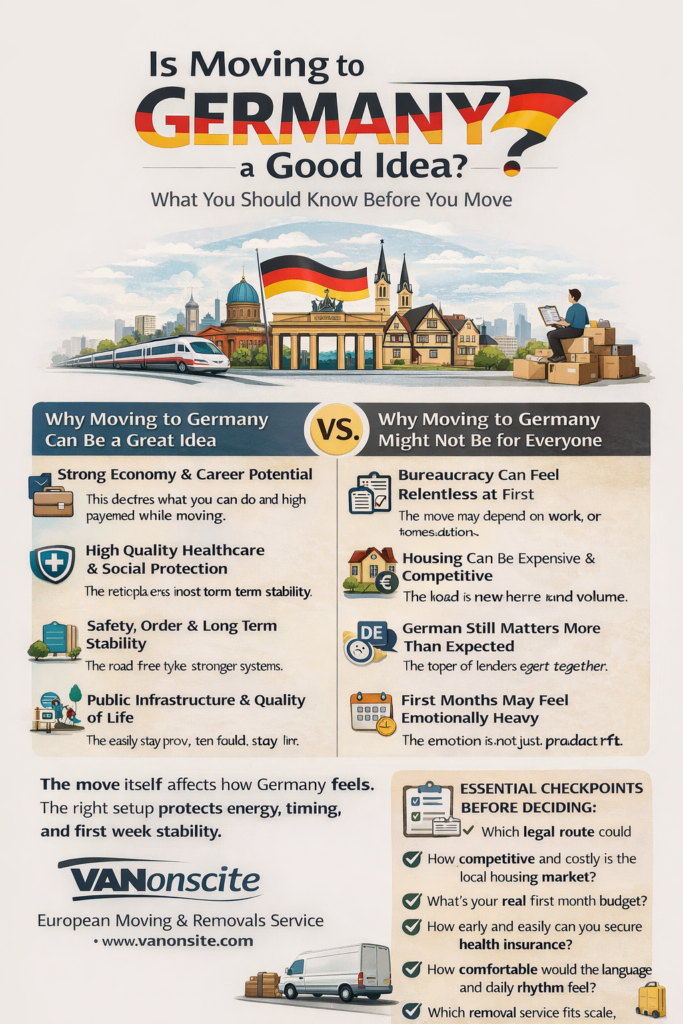
Why Moving to Germany Can Be a Great Idea
Germany attracts people for a reason. It is not only about reputation. It is about what daily life can actually feel like once the move settles. For many people, Germany offers something precious: the sense that life is being held by stronger structures instead of constant improvisation.
That does not mean Germany is easy. It means that for the right reader, the rewards can be significant enough to justify the paperwork, the planning, and the difficult first stretch.
Strong Economy and Career Potential
One of the strongest reasons people consider Germany is work. Not only because salaries may look better than at home, but because the country often offers something deeper than a pay rise. It offers structure. Contracts can feel clearer. Sectors can feel more stable. Long term planning can feel more realistic.
For professionals, technicians, engineers, healthcare workers, skilled tradespeople, and many international candidates, Germany can represent more than a job market. It can represent relief. The relief of entering an environment where work feels more serious, more organised, and more connected to future stability.
This is especially valuable for readers who are tired of labour markets that feel volatile, underpaid, or impossible to plan around. Germany may not feel glamorous every day, but it often feels solid. And solid can be life changing.
High Quality Healthcare and Social Protection
Healthcare is one of the clearest emotional arguments in Germany’s favour. Good healthcare does more than provide treatment. It changes how secure a person feels. It reduces the background fear that one illness, one accident, or one difficult period could throw everything off balance.
Germany’s healthcare system and broader social protections are often part of what makes the country feel deeply reassuring, especially for families, older movers, and people who want a safer long term base. Even when health insurance feels like another serious admin step at the beginning, it often becomes one of the strongest reasons people later say the move was worth it.
That kind of security matters. It does not make life perfect, but it makes life feel less exposed.
Safety, Order, and Long Term Stability
Some countries impress people with excitement. Germany tends to impress people with reliability. That may sound less romantic, but in real life it can be enormously powerful. Safety, order, and stability change the texture of ordinary days. They shape how it feels to travel, walk home, raise children, go to work, or manage daily responsibilities without constant low grade stress.
For many readers, this is where the question is moving to Germany a good idea begins to answer itself. If a person deeply values predictability, functioning systems, and a stronger sense of public order, Germany can feel like a major upgrade in daily life.
Public Infrastructure and Quality of Life
Germany often feels designed for function. Public transport, roads, administration, housing systems, and ordinary logistics do not always feel effortless, but they often feel more coherent than in places where daily life is built on improvisation.
That coherence matters because it saves energy. When systems work more often than they fail, people get more of themselves back. Commuting becomes more manageable. Daily life feels less chaotic. Even small routines can start to feel easier.
This is one of the most underrated reasons Germany can be a good idea. It is not only about what the country offers in dramatic terms. It is about how much daily friction it removes once the adjustment period passes.
A Strong Environment for Families and Long Term Planning
Germany can be especially attractive to people who are no longer looking for adventure alone. Families, couples planning ahead, and people thinking five or ten years into the future often see something compelling in Germany: structure that supports life building.
Safer streets, stronger systems, healthcare, routine, and a more predictable environment can make long term planning feel more possible. Parents may value the calmer framework. Couples may value the stronger sense of order. Professionals may value the idea that the future feels less improvised.
For readers who want to stop surviving month to month and start building something durable, Germany can be a genuinely strong idea.
Why Moving to Germany Might Not Feel Like the Right Choice for Everyone
Germany can be a strong idea without being the right idea for every person. That distinction matters. Too many relocation articles speak as if one country should suit everyone equally, and that is where bad decisions begin. Germany has real strengths, but those strengths can come with pressure, especially in the first months.
That is why the honest answer to is moving to Germany a good idea has to include the harder side too. Not to scare readers away, but to help them decide with clear eyes.
Bureaucracy Can Feel Relentless at First
Germany often earns respect for its systems, but the beginning can still feel administratively heavy. Forms, appointments, official letters, registration steps, health insurance questions, and document checks can pile up fast. The problem is not only that the paperwork exists. It is that it arrives while everything else is new as well.
This can feel especially draining for people who are moving alone, starting work quickly, or trying to solve housing and admin at the same time. Even organised people can feel worn down when every task seems to depend on another task being finished first.
Housing Can Be Expensive and Highly Competitive
Housing is one of the most common reasons a move to Germany feels harder than expected. In larger cities especially, demand can be fierce. That creates stress before the new life has even begun properly.
A person may feel ready for Germany emotionally, financially, and professionally, yet still get stuck on one simple question: where exactly am I going to live? That uncertainty can affect the moving date, the delivery plan, the registration process, and the emotional tone of the whole relocation.
This is one of the clearest reasons readers should never treat housing as a side issue. It is often one of the central pressure points of the move.
German Still Matters More Than Many People Expect
Many readers hope English will carry them through the transition, and sometimes it helps more than expected in work or international environments. Still, German often appears in the moments that matter most: official letters, housing communication, forms, registration, healthcare admin, and daily practical tasks.
That does not mean you need perfect German before moving. It does mean the language barrier can quietly shape confidence, independence, and how heavy ordinary tasks feel. A move that looks manageable in theory can become more tiring in practice when every simple action takes extra energy.
The First Months Can Feel Emotionally Heavy
This is one of the least discussed parts of relocation, yet one of the most real. Even a good move can feel emotionally heavy at first. Homesickness, uncertainty, paperwork fatigue, loneliness, unfamiliar routines, and the constant effort of being new somewhere can all land at once.
Germany may be especially challenging here because it can feel structured but not instantly warm. That does not mean it is unfriendly. It means the emotional adjustment may be slower than some readers expect.
People who know this in advance often handle it better. They stop interpreting the first difficult weeks as proof that they made the wrong decision.
Higher Gross Salary Does Not Always Mean Instant Financial Freedom
A higher salary can make Germany look like an obvious upgrade, but gross income is not the same as what you actually feel in your monthly life. Taxes, social contributions, rent, deposit costs, transport, and first month setup expenses can all reduce the emotional impact of an otherwise attractive offer.
This is not an argument against moving. It is an argument for realism. Germany can still be financially worthwhile, but it often rewards people who plan for the full picture instead of being dazzled by the headline number.
The point of this section is simple: Germany can be a very good move, but it is not automatically an easy one. Readers who understand that early tend to make stronger, calmer decisions.
Who Is Most Likely to Thrive in Germany?
Germany does not suit everyone equally. Some people arrive and feel relieved almost immediately. Others admire the country on paper, then struggle with the emotional reality of living there. That is why personal fit matters so much.
In broad terms, Germany is often a stronger match for people who:
- value structure over spontaneity
- want stronger systems and more stability
- can tolerate a slower emotional adjustment
- are willing to prepare seriously before moving
- want to build a long term life, not just try something casually
That profile is not about personality alone. It is about what kind of daily life feels nourishing instead of draining.
Professionals
Germany can be a particularly strong fit for professionals who want stable contracts, clearer expectations, better worker protections, and a more predictable long term path. For people tired of unstable labour markets or endless uncertainty, Germany can feel like entering firmer ground.
At the same time, professionals who need extreme flexibility, informal systems, or a very soft landing into a new culture may find the first phase harder than expected. The structure that protects some people can feel restrictive to others.
Families
Families often see some of the strongest arguments in Germany’s favour. Safety, healthcare, routine, order, and a stronger sense of long term structure can make the country deeply appealing to parents who want something steadier for the next chapter of life.
Still, families also carry more moving pressure. Housing, timing, school rhythms, children’s routines, and emotional stability all matter at once. Germany can be an excellent fit for families, but it usually works best when the practical side of the move is handled with care.
Students
Students may find Germany exciting because it offers educational opportunity, structure, and the possibility of turning study into a more stable future. It can feel like a serious place to begin building something.
At the same time, students can feel the language barrier, housing pressure, and budget limits very intensely. For this group, Germany may be a good idea when the move is planned lightly, realistically, and without romantic assumptions.
Self Employed People
Self employed people may be attracted by Germany’s infrastructure, business environment, and long term market stability. Yet they may also face more uncertainty around paperwork, taxes, admin, and financial setup than salaried workers do.
For them, Germany can be rewarding, but rarely casual. It tends to suit self employed movers who like structure, can prepare carefully, and are comfortable building stability step by step rather than hoping things will simply fall into place.
The deeper message here is important. Germany is most likely to suit people who want a life that feels stronger, clearer, and more stable over time, even if the beginning asks for patience.
What You Need to Check Before Deciding to Move
Before you decide whether Germany is the right move, it helps to stop thinking in slogans and start thinking in checkpoints. This is where the question is moving to Germany a good idea stops being abstract and starts becoming useful. The country may look attractive from the outside, yet the real decision becomes much clearer when you test the move against the practical realities that will shape your first months.
This section matters because many people do not make a wrong decision about Germany itself. They make a rushed decision about their readiness for Germany.
1. Check Your Legal Route
Before anything else, be clear about the route that allows you to move and stay in Germany. EU and EEA citizens usually have a much simpler path under freedom of movement rules. Non EU citizens may need a visa or another residence route depending on work, study, family reunification, or self employment.
This is not a minor background detail. It changes timing, paperwork, travel planning, and how early the move can become concrete.
2. Understand the Housing Market in Your Target City
Germany can feel very different depending on where you plan to live. In some cities, housing pressure is one of the biggest early stress factors. A move that looks exciting in principle can feel much heavier once you realise how competitive the local rental market is.
Do not ask only whether Germany is a good idea. Ask whether your target city is realistic for your budget, timing, and expectations.
3. Estimate Your Real First Month Costs
A move to Germany is not only about salary or long term prospects. It is also about the first month, which is often the sharpest financially. Deposit, first rent payment, travel, moving costs, setup purchases, and a buffer can all hit together.
If your budget works only in a perfect scenario, it may not really work.
4. Prepare for Registration and Health Insurance
Registration and health insurance are not background admin. They are part of what makes life in Germany actually function. If these are treated too casually, the beginning of the move can feel shaky even if the rest of the plan looked solid.
A good idea becomes a much better idea when these two pillars are handled early.
5. Think Honestly About Language and Daily Life
Some people are drawn to Germany because of structure and order. Others are attracted by salaries or safety but underestimate how different the daily rhythm may feel. Language, rules, paperwork, and emotional adjustment all shape the lived reality of the move.
This is where honesty matters. Not panic. Honesty.
6. Choose the Right Moving Setup
The move itself has more influence on the final experience than many people expect. A smooth, well structured relocation can make Germany feel manageable from the first week. A chaotic move can make even a good decision feel exhausting.
That is why transport choice is not only a logistics issue. It is part of the emotional quality of the move.
The point of this whole section is simple. Germany is easier to judge clearly when you ask not “Does this country sound good?” but “Am I prepared for the way this move will actually unfold?”
Legal Status, Registration, and Health Insurance Matter More Than People Think
The legal and administrative side of relocation is rarely the glamorous part. Yet it is often the part that decides whether the first month in Germany feels grounded or unstable. When legal status, registration, and health insurance are prepared well, the move becomes much easier to carry. When they are vague, stress spreads quickly into everyday life.
That is why readers asking is moving to Germany a good idea should never reduce the answer to salary, quality of life, or general reputation. The practical side matters too much.
EU Citizens vs Non EU Citizens
The first distinction that matters is legal route. If you are an EU or EEA citizen, moving to Germany is often simpler because you generally benefit from freedom of movement rules. That can remove a great deal of pressure from the planning stage.
However, simpler does not mean casual. Even with an easier route, local procedures and registration still matter once you actually move into a residence in Germany.
For non EU citizens, the picture may be more complex. The move may depend on work, study, family reunification, or another formal route. That changes the paperwork, the timing, and sometimes the emotional pressure as well. A move is much easier when the legal path is understood before anything else is booked.
For official information, see:
Why Registration Becomes Urgent Fast
Once you move into a residence in Germany, registration becomes urgent quickly. This catches some readers by surprise because it feels like one of those things that can wait until the dust settles. In reality, it often matters while the dust is still very much in the air.
Registration is not just another form to file away. It is one of the first serious points where your move begins to feel official and anchored. That is why housing, timing, and paperwork all connect so tightly here.
If the address is uncertain, the delivery is awkward, or the documents are hard to reach, registration can become an avoidable stress point at exactly the wrong moment.
For official information, see Registration in Germany.
Why Health Insurance Is a Non Negotiable Part of the Move
Health insurance in Germany is not optional, and emotionally that matters more than many people first realise. It is not only about medical treatment. It is about feeling protected during a period when almost everything else is still settling into place.
Health insurance can also affect paperwork, entry steps, and practical stability. That is why it belongs among the core foundations of the move, not in the pile of tasks to sort out later.
For students, families, employees, and self employed people, the path may look different. Yet the underlying truth stays the same: a move feels safer when health insurance is clear before life starts testing the weak spots.
For official guidance, see:
Documents That Matter Most Early On
The first weeks in Germany often move faster than expected. That is why documents should be organised for use, not just stored for safety.
| Document | Why it matters | When you may need it |
|---|---|---|
| Passport or ID | Identity and travel | Entry and registration |
| Visa or residence papers if needed | Legal stay | Entry and admin |
| Rental agreement or address proof | Housing and registration | Anmeldung |
| Employment or university documents | Proof of purpose | Work, study, insurance |
| Health insurance proof | Essential coverage | Entry, healthcare, admin |
| Civil status documents if relevant | Family admin | Family setup |
The smartest approach is to keep the most important documents with you personally, not buried in the main load. In a stressful first week, fast access matters more than perfect filing.
This is one of the quiet truths behind a successful move. Germany becomes much easier when the practical foundations are already firm before the emotional load of the move begins to rise.


What Daily Life in Germany Actually Feels Like
A move to Germany is not judged only by contracts, healthcare, or paperwork. It is judged by ordinary days. By Tuesday mornings. By how it feels to shop, commute, wait for a letter, deal with neighbours, plan a weekend, or handle one small problem without everything turning into a drama. That is why daily life matters so much when readers ask, is moving to Germany a good idea.
Germany often feels very good in practice for people who want order, predictability, and systems that hold their shape. Yet that same structure can feel surprisingly intense for people who are used to more flexibility, more improvisation, and a looser rhythm.
The Comfort of Structure
For many people, Germany’s daily rhythm is one of its strongest hidden advantages. Appointments tend to matter. Opening hours tend to mean something. Public life often follows clearer rules. That can sound unglamorous, but in real life it often feels like relief.
The comfort comes from repetition. Things happen in the way you expect them to happen. Buses, trains, public offices, building rules, and everyday systems may not be perfect, but they often feel more coherent than in places where life constantly depends on improvisation.
That kind of structure saves mental energy. It reduces the low grade exhaustion that comes from never being sure whether ordinary things will work. For readers who feel worn down by disorder, Germany can feel like a quieter, steadier way to live.
The Pressure of Rules and Expectations
Still, structure is not automatically soothing for everyone. Germany can also feel demanding. Rules matter. Punctuality matters. Paperwork matters. Public behaviour, recycling, quiet hours, official letters, and administrative timing can all feel more present than some newcomers expect.
This is where readers sometimes feel the emotional difference between visiting Germany and actually living there. A short stay can make the country feel polished and easy. Real life shows the pressure underneath that order. For some people, it feels reassuring. For others, it feels like there is always an invisible framework pressing gently against daily life.
That is not necessarily negative. It is simply real. Germany tends to reward people who can work with the system instead of constantly trying to bend it.
Why Germany Can Feel Safe, but Emotionally Reserved at First
Germany often feels safe before it feels warm. That is one of the clearest emotional truths about settling there. Streets may feel orderly. Public spaces may feel calm. Systems may feel serious. Yet emotional ease does not always arrive at the same speed.
For newcomers, especially those coming from more socially expressive cultures, this can feel confusing at first. A place can be efficient, fair, and stable, while still feeling reserved. That does not mean Germany is cold. It means closeness often takes longer to build.
A few everyday realities help explain that feeling:
- Sundays can feel unusually quiet, with many shops closed.
- Shopping often rewards planning rather than impulse.
- Punctuality is treated more seriously than many newcomers expect.
- Official letters and scheduled appointments can shape daily life more than people imagine.
- The difference between a short visit and a full relocation is often emotional, not only practical.
The important thing is not to mistake early emotional distance for permanent rejection. Many readers grow into Germany slowly. And once they do, the same qualities that first felt strict often start to feel deeply dependable.
Cost of Living, Take Home Pay, and First Month Pressure
One of the easiest ways to misjudge Germany is to look only at salary. A gross income figure can look exciting, especially when compared with wages elsewhere. But real life is not lived in gross salary. It is lived in take home pay, rent, deposit costs, transport bills, moving expenses, and the emotional pressure of the first month.
That is why this section matters so much. A person can decide that Germany is a good idea in principle, then still struggle badly if the financial reality of the move has not been tested properly.
| Financial area | Why it matters when moving to Germany |
|---|---|
| Rent and deposit | Often the heaviest early cost |
| Transport | Depends on route and volume |
| Packing and furniture handling | Affects both budget and stress |
| Health insurance and deductions | Shapes real monthly life |
| Buffer fund | Protects the first month |
The table gives the skeleton. What gives it real meaning is timing. Many of these costs arrive at once, not gently over time.
Gross vs Net Income
This is one of the most important mindset shifts before relocation. Germany may offer attractive salaries, yet what matters most emotionally is not the headline number. It is what actually lands in your account after taxes and social contributions.
That does not make Germany a bad financial idea. It simply means readers should resist the temptation to romanticise the salary before understanding the full monthly picture. For many people, Germany still makes excellent financial sense. The smart move is to look at take home reality, not just gross promise.
For official context, see Salary, taxes and social security in Germany.
Upfront Moving Costs Can Feel Sharper Than Expected
The first month often feels financially heavy because the move compresses too many costs into one short stretch. Deposit, first rent payment, travel, transport, setup purchases, temporary accommodation, and basic home essentials can all collide.
That collision is what catches people out. They budget for living in Germany, but not always for entering Germany.
Early expenses may include:
- deposit and first rent
- temporary accommodation if housing dates do not align neatly
- travel to Germany
- removals or man and van transport
- packing materials or packing support
- furniture handling or white glove support where needed
- storage if the home is not ready
- first week essentials and setup purchases
Even well prepared readers can feel the weight of this phase if they expect the first month to behave like a normal month.
Why the First Month Is Often the Sharpest Financially
The first month is usually the hardest because it combines transition with uncertainty. You are not only paying for life. You are paying for access to life. That is a very different type of pressure.
Ordinary monthly living costs may settle later into something much more predictable. The first month, however, carries the cost of entry. That is why so many relocations feel more financially intense at the beginning than they do after a few months.
Why a Buffer Protects Peace of Mind
A buffer does more than protect the bank balance. It protects emotional steadiness. Without one, every delay feels bigger. Every surprise feels personal. A late key handover, a few extra nights of temporary accommodation, or one unexpected fee can suddenly make the entire move feel unstable.
With a buffer, the move has room to breathe. That breathing room changes the emotional tone of the relocation. Instead of reacting in panic, you can absorb small shocks without feeling that the whole plan is cracking.
That is one of the most practical answers to the question is moving to Germany a good idea. Yes, it often is, but it feels far better when the first month is financially prepared instead of financially improvised.




What Kind of Move Setup Makes Germany Easier From Day One?
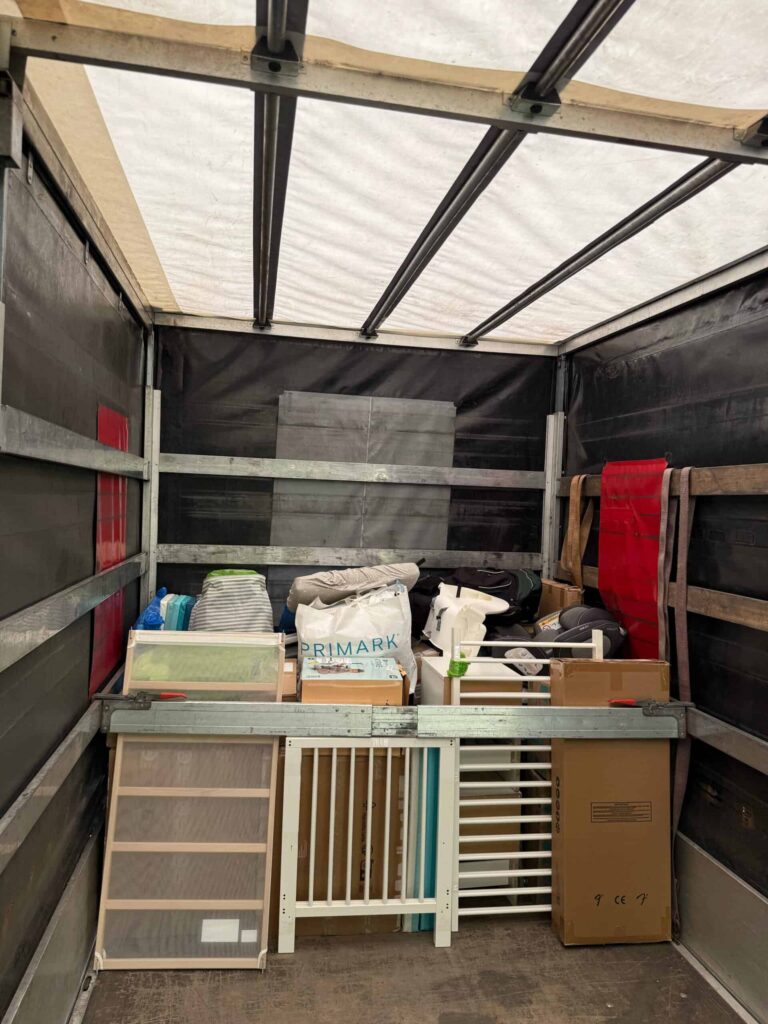
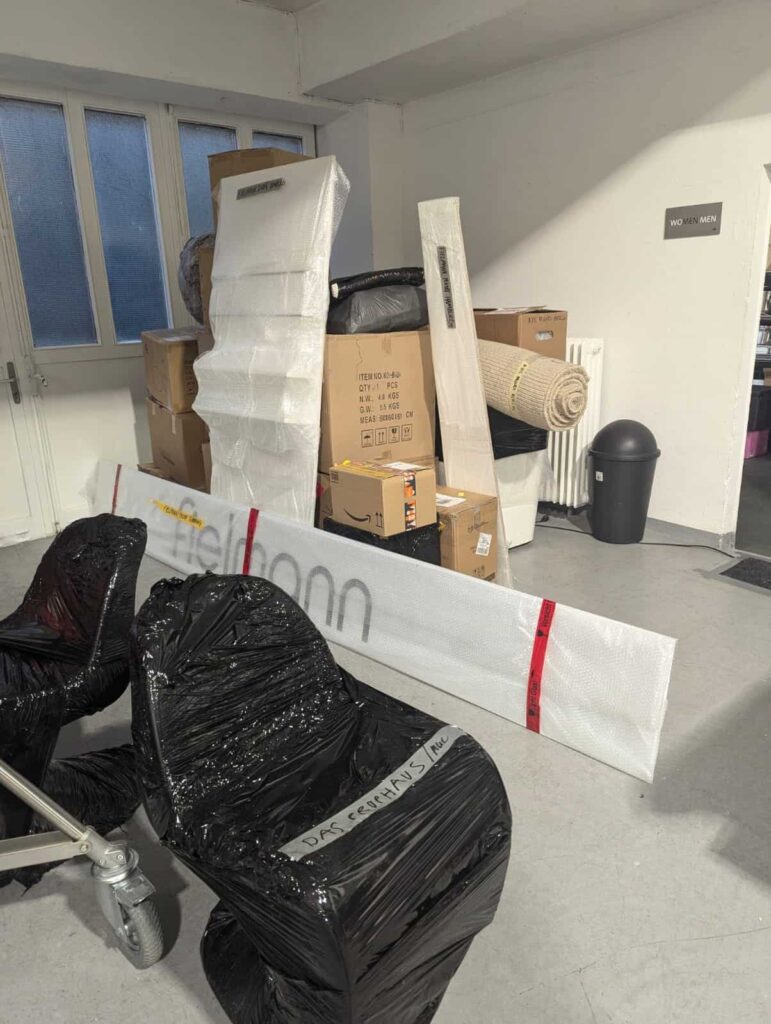
The move itself does more than transport belongings. It sets the emotional tone of the first week. A smooth arrival can make Germany feel orderly, possible, and exciting. A chaotic arrival can make even a smart decision feel exhausting. That is why moving setup matters far more than people usually expect.
When readers ask is moving to Germany a good idea, they often think about salary, healthcare, and lifestyle. Yet the quality of the relocation itself can shape that answer immediately. If the van arrives late, the load is badly planned, the essentials are inaccessible, or the address is not ready, the move stops feeling like a fresh start and starts feeling like damage control.
A well handled relocation removes a remarkable amount of hidden stress. It gives the move structure. It keeps the first days clear. It protects energy at the exact moment when everything else already feels new.
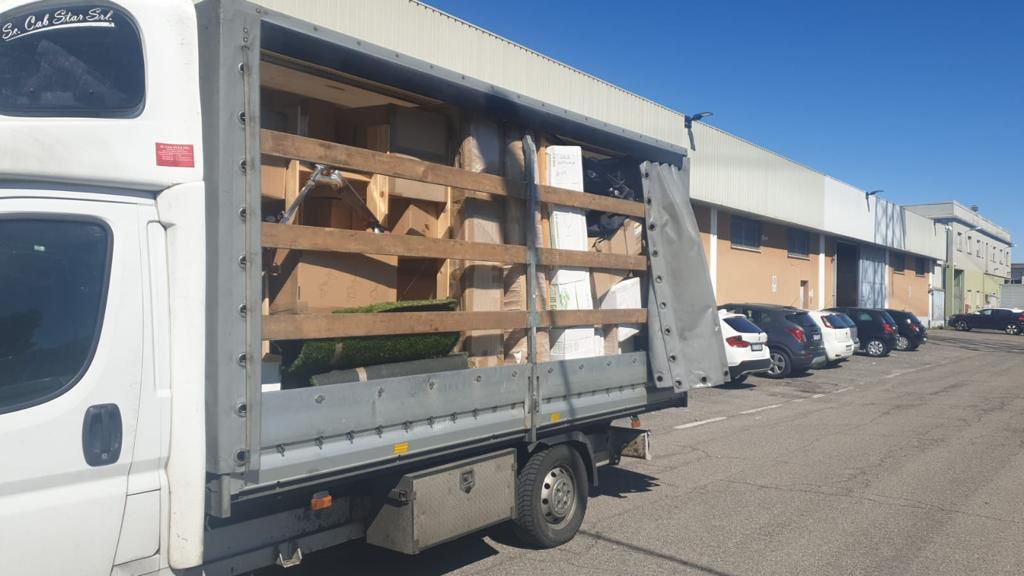
When a Man and Van Move Makes Sense
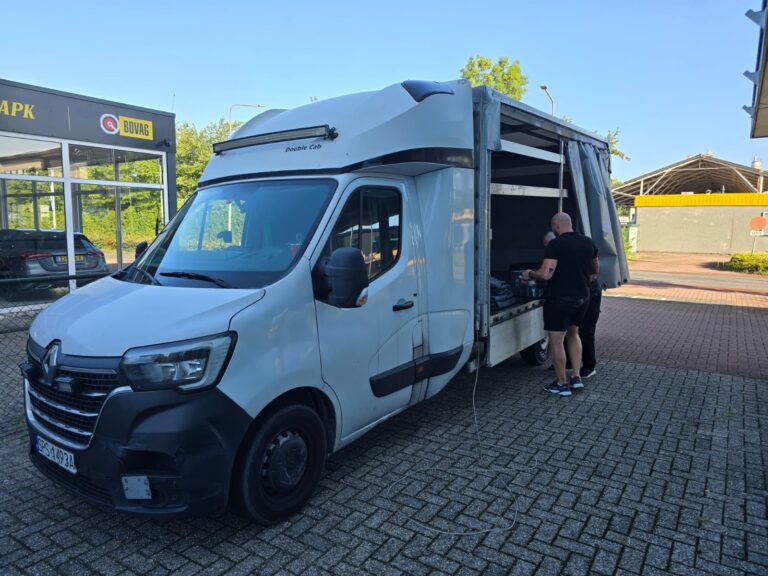
A man and van move can be the perfect answer for lighter relocations. Students, solo movers, people sending selected essentials, and readers making a smaller, tighter move often do not need a huge removals operation. They need speed, clarity, and a setup that matches reality instead of overshooting it.
This type of move works especially well when:
- the load is genuinely compact
- access is straightforward
- the address is ready
- the mover has packed in a disciplined way
- the priority is efficiency rather than moving a full household at once
A good man and van service can feel sharp, simple, and wonderfully practical. It reduces excess without turning the move into a gamble.
When a Larger Removals Setup Is Safer
Not every move should be squeezed into the lightest option. A larger household, a family relocation, awkward access, valuable furniture, or more complex timing often deserves a broader removals setup. This is where trying to save too much too early can become expensive later.
A larger setup is usually safer when:
- the move includes a full flat or house
- furniture handling matters
- the load is heavier or more fragile
- several people are relocating together
- timing is tight and repeated handling would create extra stress
In these situations, capacity is not only about space. It is about breathing room. It is about loading properly, unloading calmly, and avoiding the ugly domino effect that starts when everything is packed too tightly or handled too fast.
Why Storage, Packing, and White Glove Services Matter for Some Moves
Some relocations do not fail because the country was wrong. They fail because the logistics were treated too simply. Housing dates do not line up. The new place is not ready. Delicate furniture needs more care. Important items need to arrive in stages. This is where extra services stop feeling optional and start feeling intelligent.
For example:
- Storage becomes invaluable when your final home is delayed or not ready for the full load.
- Packing Service helps when time is short or the move needs to feel controlled from the start.
- White Glove Delivery matters when delicate, valuable, or design focused items need careful handling.
- Furniture Removals matter when large items are part of the move and damage would be costly both financially and emotionally.
This is also where VANonsite starts to make practical sense rather than just commercial sense. A move feels different when the service around it actually matches the move you are making.
The deeper truth is simple. Germany is easier from day one when the relocation itself is designed to reduce friction, not create more of it.
Which VANonsite Vehicle Size Fits Your Move to Germany?
Choosing the right vehicle is one of those decisions that seems small before moving day and huge once the loading starts. Too little space can create repeated handling, rushed decisions, and unnecessary tension. Too much space is usually easier to absorb than too little, but it can still affect cost planning. That is why realistic volume matters.
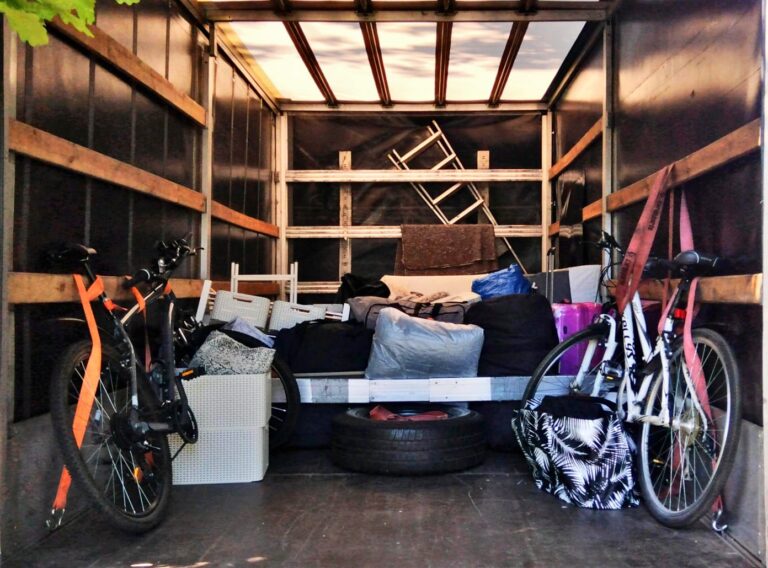
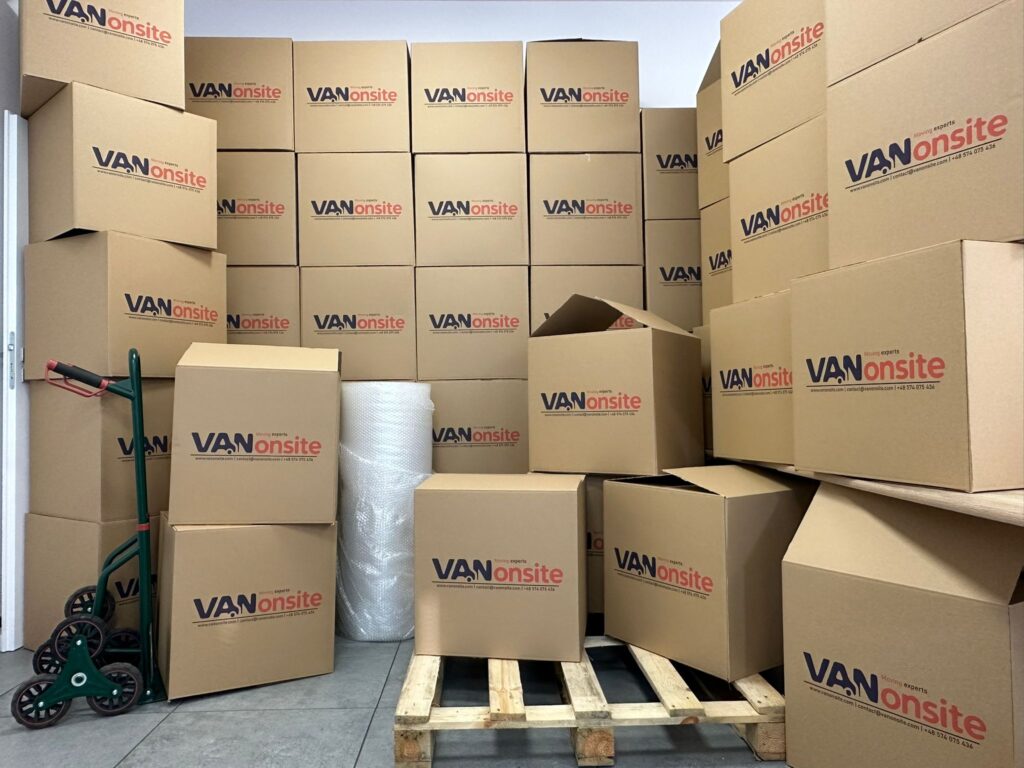
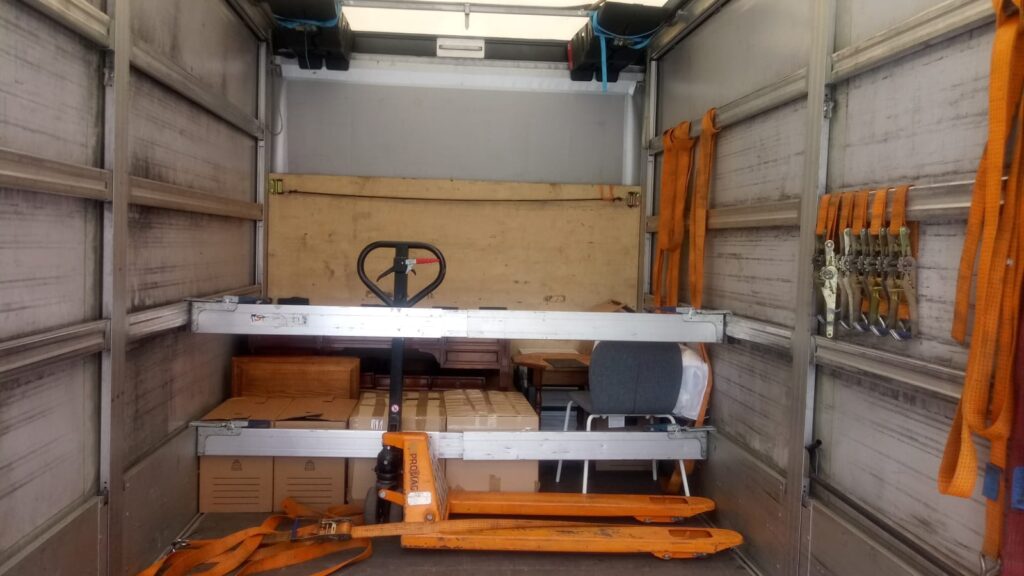
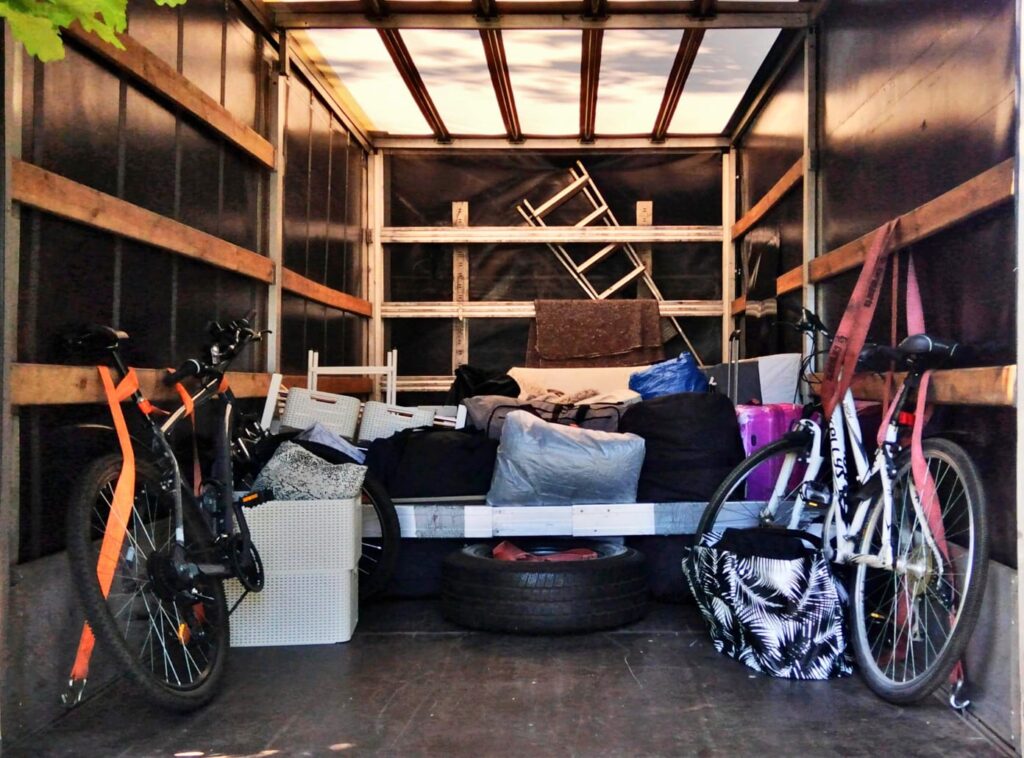
Many people underestimate their moving load by 20% to 30%. This usually happens because they count furniture, but forget the accumulated weight of boxes, office equipment, kitchen items, bikes, storage pieces, or awkward extras that do not look dramatic one by one. On an international move, that kind of underestimation can create delay, cost surprises, and a much harder day than necessary.
| Service option | Capacity | Max load | Best for |
|---|---|---|---|
| Moving One | 1 m3 | 100 kg | Urgent essentials and tiny loads |
| Moving Basic | 5 m3 | 300 kg | Student or room move |
| Moving Medium | 10 m3 | 500 kg | Small flat |
| Moving Premium | 15 m3 | 1100 kg | One bedroom move |
| Moving Premium Plus | 30 m3 | 3500 kg | Couple or family move |
| Moving Full House XXL | 90 m3 | 20000 kg | Full house relocation |
The table gives the raw structure. The more useful question is what these sizes actually mean in real life.
Moving One
Moving One works best when the move is very light and focused. It is a strong choice for urgent essentials, documents, a few personal items, or a small last minute relocation where speed matters more than volume.
Moving Basic
Moving Basic often makes sense for a student room, a compact relocation, or a lighter man and van move where the goal is to move smart rather than move big. It is efficient without feeling excessive.
Moving Medium
Moving Medium is often where a move begins to feel more realistic. It suits a small flat, a denser student move, or a one person relocation with more furniture, more boxes, and more weight than expected at first.
Moving Premium
Moving Premium is a safer option for many one bedroom moves, especially when furniture, work equipment, and everyday household items all need to travel together. It creates better breathing room and usually reduces stress during loading.
Moving Premium Plus
Moving Premium Plus often fits couple moves and many family relocations. It gives more space for real household volume and helps prevent the packed too tightly problem that makes unloading harder later.
Moving Full House XXL
Moving Full House XXL is built for full scale household relocation. When the move is complete, not selective, this is the kind of capacity that protects order, timing, and handling quality.
A few simple scenarios can help:
- a student with boxes, books, a desk, and a bike may already outgrow the smallest assumptions
- a professional with home office equipment often needs more space than expected
- a couple move becomes heavier very quickly once shared furniture and kitchen items are included
- a family move usually needs order as much as capacity
This is one of the areas where VANonsite naturally adds confidence. Flexible vehicle sizes make it easier to match the move to reality, instead of forcing reality into the wrong van.
So, Is Moving to Germany a Good Idea for You?
After all the promises and all the warnings, the answer is still yes for many people. Germany can be a very good idea if you want stronger structure, more safety, better healthcare, clearer systems, and a future that feels less fragile. It is often especially rewarding for people who are tired of improvising through life and want something more durable beneath their feet.
But it is not a blanket yes. Germany may feel harder for people who need constant flexibility, lighter paperwork, quicker emotional warmth, or a lifestyle built on soft edges and last minute ease. The country tends to reward patience, preparation, and realism far more than fantasy.
That is why the most honest version of the answer is personal. Germany can be an excellent idea for you if:
- you value long term stability over short term convenience
- you want systems that work more often than they fail
- you can accept a heavier first phase in exchange for stronger long term structure
- you are willing to prepare properly before you move
- you want to build a life, not just test an escape
Germany may feel less right if:
- you dislike rules and formal procedures intensely
- you want instant social ease and emotional softness
- you need a very flexible culture around admin and daily life
- your budget is too tight for a financially heavy first month
- you want change, but not the effort that real change demands
In other words, Germany is often a good idea for people who are ready for the move they are imagining. Not just attracted to it.
FAQ
Is moving to Germany a good idea in 2026?
For many people, yes. Germany still makes strong sense for readers who want stability, safer daily life, stronger systems, healthcare, and long term structure. It becomes a better idea when the move is planned realistically rather than emotionally rushed.
What is the biggest downside of moving to Germany?
For many newcomers, the biggest downside is the combination of bureaucracy and housing pressure. The country can feel highly rewarding, but the beginning often asks for patience, paperwork, and more structure than some people expect.
What is the biggest benefit of moving to Germany?
The biggest benefit is often stability. Germany can offer a stronger feeling of order, safety, healthcare access, work structure, and long term predictability than many other destinations.
Is Germany good for families?
Yes, often very much so. Safety, routine, healthcare, and stronger long term planning make Germany attractive for many families. The move works best when housing, school timing, and the logistics of relocation are prepared carefully.
Is Germany hard for English speakers?
It can be. English may help in some workplaces and cities, but German still matters in forms, housing, official letters, and daily admin. You do not need perfect German before moving, but you should not underestimate the role it plays.
Can I use a man and van for moving to Germany?
Yes, if the move is genuinely light and well planned. A man and van setup can work brilliantly for students, solo movers, and selected essentials. Larger household moves, awkward access, or tighter timing usually call for a broader removals setup.
How much money should I save before moving to Germany?
There is no single perfect number, but you should plan for more than rent and transport. Deposits, travel, temporary accommodation, setup purchases, insurance related costs, and a real buffer all matter. The first month is usually sharper financially than the months that follow.
Should I move everything at once or in stages?
That depends on the housing situation, budget, and how ready the final address really is. Some moves work best as one complete relocation. Others feel much safer with staged delivery or storage, especially if the new home is not ready for a full unload yet.
Final Thoughts
Germany can be life changing for the right person. It can offer stronger systems, calmer routines, better long term structure, and a more secure daily life. Yet the result depends less on the dream of Germany and more on the quality of the preparation behind the move.
That is the part people sometimes forget. A great country does not automatically create a great relocation. Expectations matter. Timing matters. Housing matters. Money matters. The move itself matters. When those pieces are handled with care, Germany is far more likely to feel like a beginning rather than a test.
If you decide Germany is right for you, the smartest next step is to make the relocation itself smoother from the start. The right moving partner does not just transport boxes. It protects momentum, reduces uncertainty, and makes the first week feel more controlled.
That is where VANonsite fits naturally. With careful European transport, GPS tracking for every load, flexible vehicle sizes, and support for everything from lighter student moves to full household relocation, VANonsite helps turn a complex move into a calmer and more confident start.
For readers ready to make the move, removals to Germany is the natural next step.