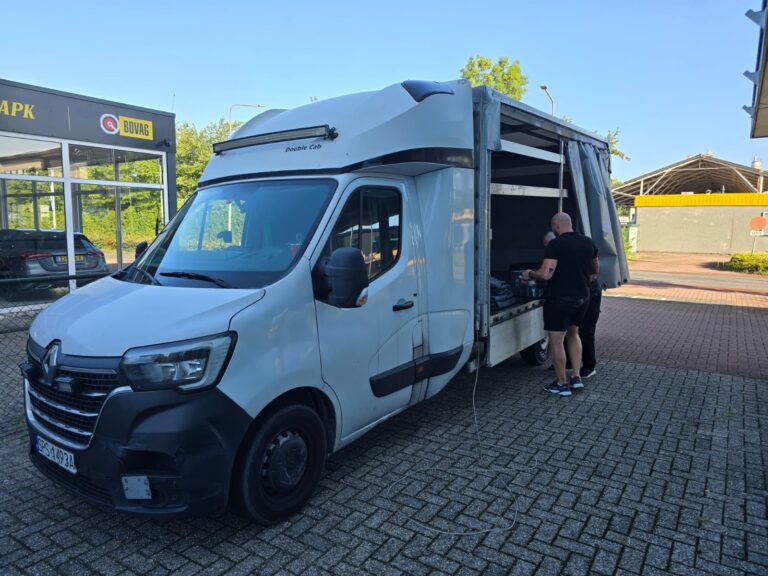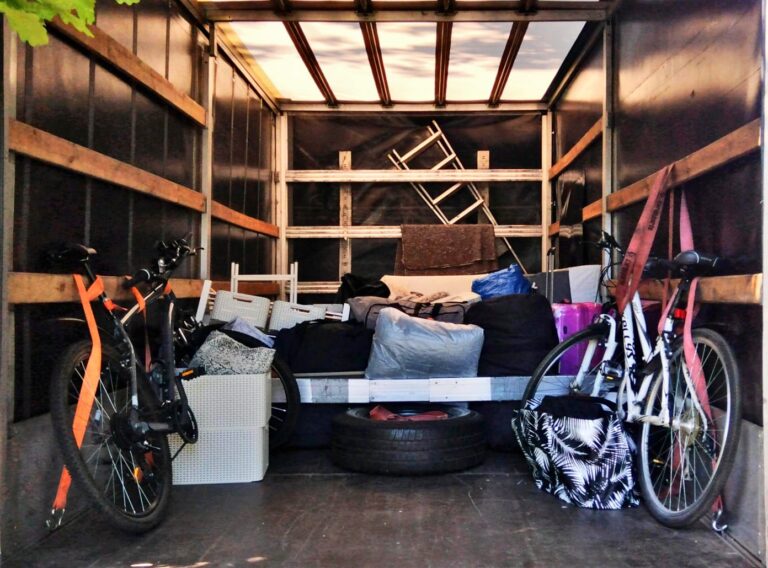

Looking for the right moving company to Germany can feel overwhelming. One business promises low prices. Another talks about premium service. A third sounds flexible, but leaves too many questions unanswered. When your furniture, boxes, documents, and daily essentials are about to cross borders, trust matters just as much as price.
The reassuring part is this: choosing between moving companies to Germany becomes much easier once you know what to compare, which services really matter, and what makes a move feel smooth instead of chaotic. Once the basics are clear, the whole process feels less like guesswork and more like a smart, manageable decision.
TL:DR
- The best moving companies to Germany do more than transport boxes. They reduce stress, improve visibility, and keep the move organised from pickup to arrival.
- A man and van service is often the smartest option for student moves, small flats, furniture transport, urgent relocations, and part-load household moves.
- The most important comparison points are route coverage, van size options, handling quality, tracking, flexibility, and pricing clarity.
- Good moving companies to Germany usually offer more than transport alone, including packing, storage, white glove delivery, and support for urgent moves.
- Choosing the wrong van size can increase the total moving cost, either by wasting money on unused space or by creating capacity problems.
- Documents such as ID, address details, inventory lists, and in some cases customs paperwork can affect how smooth the move feels.
- VANonsite stands out through GPS tracking, careful handling, flexible vehicle sizes, and relocation coverage across all countries in Europe.
What should you expect from good moving companies to Germany?
When people search for moving companies to Germany, they are rarely searching only for a van. They are looking for certainty. They want to know that their belongings will arrive safely, that someone will answer when questions appear, and that the whole move will feel structured rather than chaotic.
A strong moving company to Germany should not only move boxes. It should reduce friction, protect your belongings, and give you confidence from pickup to arrival. That is the real difference between a stressful relocation and one that feels properly handled.
Good moving companies to Germany should offer:
- safe and reliable transport
- clear communication
- flexible vehicle sizes
- careful handling
- route planning
- help with urgent and planned moves
- transparent pricing logic
Safe and reliable transport is the baseline. Without it, nothing else matters. Furniture, electronics, documents, and personal essentials need to reach Germany in good condition, on a route that feels organised and realistic.
Clear communication matters just as much. A move becomes far less stressful when updates are simple, expectations are honest, and questions do not disappear into silence. Even a well-priced service can feel weak if communication breaks down at the wrong moment.
Flexible vehicle sizes also matter because not every move needs the same scale. A student move from France is not the same as a family relocation from Spain or a part-load furniture move from the Netherlands. A good company should fit the vehicle to the move, not force the move into the wrong transport model.
Careful handling is another major trust signal. People are not only moving objects. They are moving the practical shape of everyday life. A dining table, a child’s bed, an office chair, kitchen equipment, seasonal clothing, books, or a fragile mirror may all carry real weight, both financial and emotional.
Route planning matters because Germany-bound relocations are cross-border by nature. Timing, distance, traffic, property access, and final delivery conditions all affect how smooth the move feels. A stronger company plans the route around reality, not around optimistic assumptions.
Support for urgent and planned moves is also important. Some relocations are booked months ahead. Others happen fast because of work, housing, or personal circumstances. A flexible service should work in both situations.
Transparent pricing logic matters because hidden uncertainty is one of the biggest reasons people mistrust moving companies. A quote should feel connected to route, volume, timing, access, and service level, not like a random number with no logic behind it.
In practice, the best moving companies to Germany make the move feel calmer in three ways:
- they give you a clear structure
- they reduce avoidable surprises
- they help you stay in control from start to finish
That is why people often remember the feeling of the process as much as the transport itself. A good move feels visible, responsive, and properly managed. A weak one feels murky, rushed, and harder than it should be.
Why do people choose a man and van to Germany?
A man and van model is often the smartest option for many relocations to Germany because it fits the real shape of the move. Not every relocation needs a heavy, oversized removals setup. In many cases, a leaner, more direct service simply makes more sense.
This is especially true for:
- small and medium household moves
- student relocations
- furniture transport
- urgent moves
- part-load removals
- direct road transport advantages
For small and medium household moves, a man and van service often gives the best balance between cost, flexibility, and control. If the move includes selected furniture, boxes, suitcases, and daily essentials rather than an entire large house, a smaller and more agile setup can be much more efficient.
For student relocations, it is often one of the strongest choices available. Students usually need a move that is budget-conscious, fast, and practical. A bigger traditional removal structure can feel heavy and overpriced for a load that includes a desk, bedding, clothes, books, kitchen basics, and a few compact furniture pieces.
Furniture transport is another strong use case. A sofa, table, wardrobe, mattress, or selected household pieces can often be moved more sensibly with a direct man and van service than with a bulkier full-scale setup.
Urgent moves are where this model becomes especially attractive. If the relocation has to happen fast, a leaner service often has a better chance of staying flexible. It can simplify the route, reduce delays, and make the whole job feel more responsive.
Part-load removals also fit naturally here. Some people do not move everything at once. They move in stages. They take essential items first, then furniture later. Or they only send selected belongings while they travel separately. A man and van service handles these real-life scenarios well.
There is also a clear advantage in direct road transport. Fewer handling stages usually mean lower risk. Fewer handovers can mean less confusion. A cleaner route often means a move that feels faster and more controlled.
This is why a man and van service often feels leaner, faster, and more cost-efficient than oversized traditional removals. It cuts away excess structure where that structure is not actually helping. That does not mean it is basic. It means it is better matched to many real moves.
| Move type | Why man and van often works well |
|---|---|
| Student move | smaller load, tighter budget, simpler structure |
| Compact flat move | enough capacity without oversized pricing |
| Furniture transport | direct handling for selected bulky items |
| Urgent relocation | more flexibility and faster route planning |
| Part-load move | easier to match transport to only what matters |
Another reason people choose this model is emotional clarity. Bigger services can sometimes feel impressive, yet also vague, expensive, or too broad for the actual move. A man and van solution often feels easier to understand. The route is clearer. The scale is clearer. The decision is clearer.
For many people moving to Germany, that clarity becomes a major advantage. It turns the relocation from something intimidating into something practical and manageable.
How do you compare moving companies to Germany?
Comparing moving companies to Germany gets easier the moment you stop looking only at the headline price. The smartest comparison is about fit. Does the company actually suit your route, your load, your timeline, and your expectations, or does it only sound good in a short quote request?
A useful comparison framework looks like this:
- Route coverage across Europe
A company may sound strong until you discover it only handles limited routes, or works selectively in countries that do not match your move. Germany relocations are cross-border by nature, so broad European reach matters. VANonsite’s relocation coverage across Europe is a strong advantage here because it fits real international moves rather than just local transport. - Vehicle size options
Good moving companies to Germany should offer more than one transport size. A student move, a 1-bedroom flat, and a full family home do not need the same capacity. Too little space creates stress. Too much space can inflate the budget. - Tracking and visibility
Visibility matters more than people expect. GPS tracking helps transform uncertainty into reassurance, especially when your furniture and essentials are travelling across borders. A tracked move feels calmer because you are not left wondering where everything is. - Handling quality
The move is not only about transport. It is also about how carefully your belongings are treated. Fragile items, premium furniture, electronics, mirrors, artwork, and awkward household pieces all need competent handling. - Flexibility for urgent moves
Some moves are planned months in advance. Others happen under pressure because of work, lease changes, or personal reasons. A company that can support both standard and urgent timelines is far more useful in real life than one that only works well on paper. - Additional services such as packing or storage
A good moving company to Germany should offer support around the move, not only during the drive. Packing, storage, white glove delivery, and furniture support all matter depending on the relocation type. - Pricing clarity
A quote should make sense. It should feel connected to route, access, load size, and service level. If the logic is fuzzy, the move may become expensive in ways the initial number did not show. - Real communication and responsiveness
This is one of the most overlooked comparison points. A company that responds clearly, quickly, and honestly often feels stronger throughout the whole move. Responsiveness is not a bonus. It is part of the service.
A practical way to compare providers is to ask yourself one bigger question: which company gives me the strongest mix of clarity, route fit, service depth, and trust? That question usually leads to a better decision than which one looks cheapest in the first email.
The cheapest quote is not always the best value. A lower number can quickly lose its appeal if it comes with weak communication, vague timing, no tracking, limited flexibility, or poor handling standards. Real value usually appears in the details that protect the move from becoming harder than it needs to be.
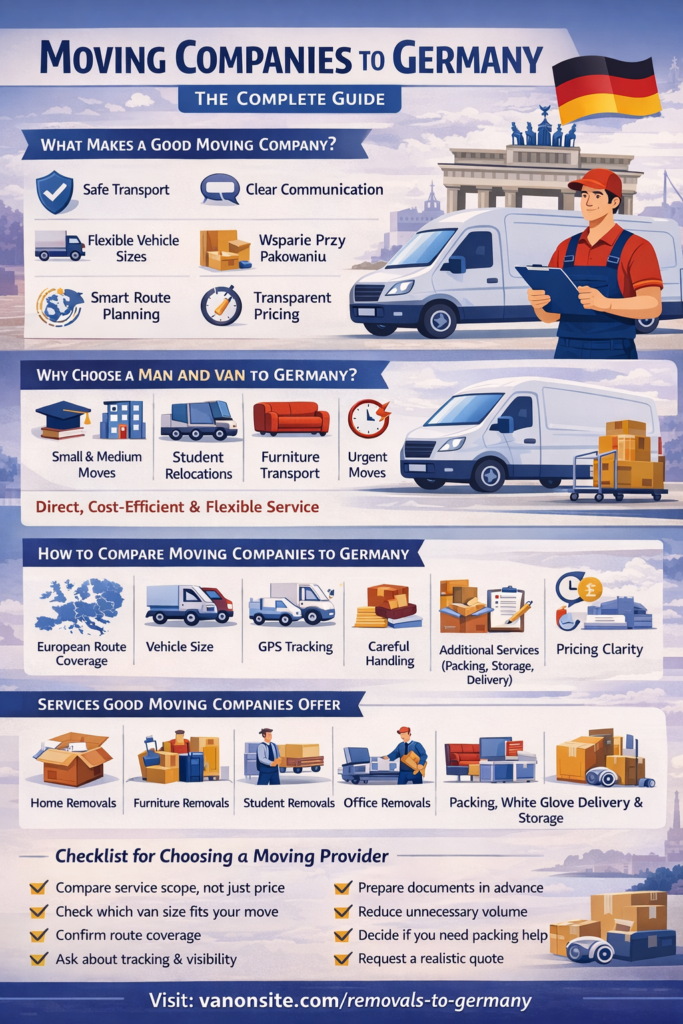
What services do moving companies to Germany usually offer?
Different move types need different levels of support. That is why good moving companies to Germany should offer more than one generic transport model. A student move does not need the same structure as a full house relocation. A furniture-only move has different risks from an office move. And an urgent relocation often needs speed as much as care.
Home removals to Germany
Home removals are one of the most common services people look for when comparing moving companies to Germany. This type of move usually includes the full rhythm of daily life: beds, wardrobes, tables, sofas, appliances, clothing, books, kitchen items, and everything stored in the places people forget until packing begins.
A strong home removals service should make the move feel organised rather than overwhelming. That means a suitable van size, careful loading, route planning, realistic timing, and practical support when the move includes more than a few simple boxes.
Home removals also vary sharply in scale. A compact studio move is one thing. A 2-bedroom apartment is another. A larger family relocation may need a very different structure again. This is where flexible vehicle sizing becomes essential.
Furniture removals to Germany
Furniture removals to Germany usually require more care than people expect. A wardrobe may be bulky but manageable. A sofa may be awkward to carry. A dining table may need more protection than its size suggests. Fragile finishes, glass panels, mirrors, and premium materials can all change the handling needs.
This is why furniture transport is not only about lifting. It is about protection, route stability, and enough space for safe loading. VANonsite’s dedicated Furniture Removals service fits especially well here, because furniture-only moves often sit in that middle ground where precision matters as much as transport itself.
Student removals to Germany
Student removals are often smaller, leaner, and more price-sensitive. They usually involve boxes, bedding, books, suitcases, basic kitchen items, a desk, a chair, and selected furniture. The load is lighter, but the timing can still be tight, especially around semester dates or lease changes.
This is where a man and van solution often becomes especially attractive. It keeps the structure simple and the pricing more aligned with the scale of the move. VANonsite’s Student Removals service fits that need naturally.
Office removals to Germany
Office removals involve a different kind of pressure. Timing matters because disruption costs money. Desks, monitors, files, chairs, cabinets, and technical equipment often need to arrive in a specific order and in usable condition. A good office move protects not only the furniture, but also business continuity.
This is why office removals benefit from stronger coordination, better sequencing, and realistic route planning. VANonsite’s Office Removals service can be positioned as a practical fit for this kind of structured move.
Packing, white glove delivery, and storage
These services often make the difference between a move that is merely possible and a move that feels properly supported.
Packing matters because better preparation reduces breakage risk, loading confusion, and arrival stress. Professional packing support is especially useful for busy households, premium furniture, fragile items, and people moving under time pressure. VANonsite’s Packing Service fits this need well.
White glove delivery matters when the move includes higher-value pieces, premium finishes, delicate furniture, or a stronger expectation of careful presentation and handling. This service is not essential for every move, but when it matters, it matters a lot. VANonsite’s White Glove Delivery strengthens the premium side of the offer naturally.
Storage becomes relevant when dates do not align cleanly. Sometimes the new address is not ready; Sometimes the move happens in stages; Sometimes a person simply wants more flexibility during the transition. In those cases, storage support can remove a surprising amount of pressure.
That is the real strength of a broader moving service. It adapts to the shape of the move instead of forcing every relocation into the same narrow process.
How much do moving companies to Germany usually cost?
The honest answer is simple: the price depends on route, volume, weight, access, timing, and service level. A compact student move from a nearby country does not behave like a full family relocation with bulky furniture, difficult stairs, and urgent timing. That is why good moving companies to Germany should price the real move, not an abstract version of it.
Route length matters, yet it is never the only factor. A shorter route with awkward property access can still feel more demanding than a longer route with easier loading and delivery. Volume matters because it shapes the van size. Weight matters because dense loads change how the move is handled. Timing matters because urgent relocations often need more flexibility. And service level matters because packing, white glove handling, or storage all change the scope of support.
A useful way to think about price is to stop asking only, how much does the move cost, and start asking what exactly is making the move easier, safer, or faster. That question usually reveals why one quote feels lean and another feels heavier.
| Move type | Typical price pressure | Main cost driver | Best way to save |
|---|---|---|---|
| Student move | low to medium | route and volume | choose the right van size |
| Small flat move | medium | volume and access | reduce non-essential items |
| Family home move | medium to high | furniture and total load | plan early and estimate honestly |
| Office move | medium to high | timing and continuity | coordinate the move carefully |
| Furniture-only move | medium | awkward items and handling | share exact details early |
Student moves tend to be the lightest on budget because the load is usually smaller. That said, poor timing or weak volume estimates can still push the quote up. Small flat moves often sit in a moderate range, especially when stairs, parking, or building access complicate the job.
Family home moves usually create more price pressure because furniture count, total volume, and general complexity all rise together. Office moves can feel even more sensitive because the price is not only about transport. It is also about timing and continuity. Furniture-only moves often land in the middle, because even if the load is smaller, awkward pieces can still raise the handling challenge.
A lower quote is not always the better quote. If it ignores access issues, fragile items, or realistic route demands, the move may become more expensive in indirect ways later. This is why price clarity matters as much as price level.
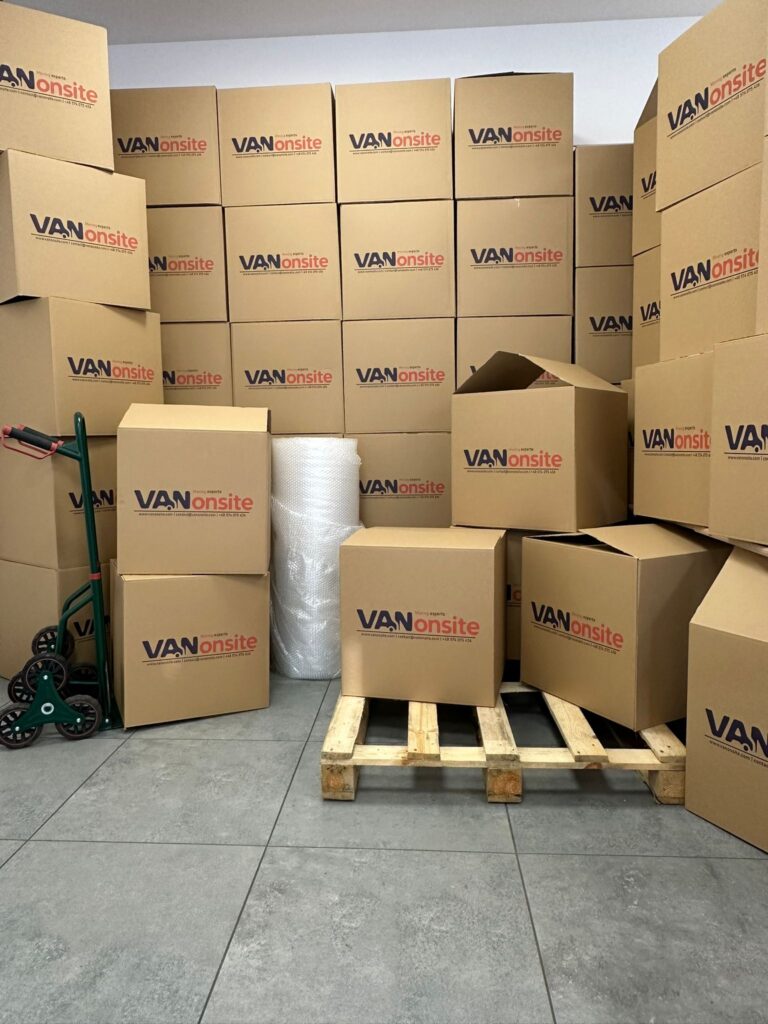


Which van size should you choose for a move to Germany?
Van size is one of the most important decisions in the whole move, because it shapes both the transport plan and the final price. Choose too large, and you may pay for space you do not need. Choose too small, and the move can become stressful, cramped, or operationally messy. The smartest choice is the one that fits the move honestly.
VANonsite offers a useful size range, which makes it easier to match the van to the real scale of the relocation.
| Vehicle option | Capacity | Max load |
|---|---|---|
| Moving One | 1 m3 | 100 kg |
| Moving Basic | 5 m3 | 300 kg |
| Moving Medium | 10 m3 | 500 kg |
| Moving Premium | 15 m3 | 1100 kg |
| Moving Premium Plus | 30 m3 | 3500 kg |
| Moving Full House XXL | 90 m3 | 20000 kg |
A natural way to read these sizes is this:
- Moving One suits documents, essentials, and a very light load
- Moving Basic works well for student rooms and compact moves with only the key basics
- Moving Medium fits many small apartment relocations with selected furniture and boxes
- Moving Premium is a strong match for many 1 to 2 bedroom household moves
- Moving Premium Plus suits larger family relocations or heavier mixed loads
- Moving Full House XXL is designed for full-house or large business-scale moves
| Move scenario | Best size |
|---|---|
| A few boxes and essentials | Moving One |
| Student room or light move | Moving Basic |
| Compact apartment | Moving Medium |
| 1 to 2 bedroom home | Moving Premium |
| Large family move | Moving Premium Plus |
| Full house or business move | Moving Full House XXL |
These pairings are not rigid rules. They are useful anchors. A light 1-bedroom flat may need less than expected, while a compact apartment full of dense furniture may need more. That is why honest volume planning matters so much.
A few simple questions can help you choose the right size:
- How many large furniture pieces are actually moving?
- How many boxes will you realistically have at the end, not just in your first guess?
- Are there any dense or awkward items such as books, gym equipment, or bulky appliances?
- Are you moving only essentials, or the full rhythm of a household?
- Will you need extra breathing room for fragile items that should not be packed too tightly?
Choosing the wrong size can increase the total cost in two different ways. Too large can waste money on capacity you never use. Too small can create pressure, weak planning, or the need to rethink the move later. In other words, van size is not a side detail. It is one of the quiet engines of the whole quote.
What documents may matter when moving to Germany?
Documents are rarely the most exciting part of a move, yet they can quietly shape whether the relocation feels smooth or messy. When people compare moving companies to Germany, they often focus on route, price, and van size first. That makes sense. Still, paperwork can be the detail that saves time or creates avoidable delay.
The most useful approach is to stay practical. You do not need to turn the move into a legal maze. You just need the right documents ready, accessible, and consistent.
The core document categories usually include:
- ID or passport
Basic identity documents should always be easy to reach, not buried inside the main load. If anything needs to be confirmed during the move, your passport or ID card should be with you, not somewhere between kitchen boxes and winter coats. - Tenancy or address documents
If you are moving into a rented property or a new home in Germany, address paperwork matters because it often becomes relevant right after arrival. Tenancy documents, address confirmations, or landlord paperwork may also support registration-related tasks. - Inventory list
A clear inventory is one of the most useful tools in the whole move. It helps with planning, organisation, unloading, and keeping track of what is travelling. It also reduces the kind of confusion that makes a move feel more chaotic than it should. - Customs paperwork for non-EU routes if relevant
If your move starts outside the EU, customs-related documents may matter more directly. In those cases, it is smart to check official guidance early rather than guessing at the last minute. - Moving and transport confirmations
Booking details, route information, contact details, and transport confirmations all help keep the move clearer from start to finish. These may sound basic, yet they become surprisingly valuable when timing starts to matter.
If your move involves registration or customs, these official sources are useful starting points:
- Bundesportal: Register residence
- BMI: Registration in Germany
- Make it in Germany: Housing and registration
- German customs
| Document type | Why it matters | Best habit |
|---|---|---|
| ID or passport | identity and travel confirmation | keep it with you |
| Address or tenancy papers | supports post-arrival admin | store in an easy-access folder |
| Inventory list | improves organisation and unloading | keep a digital and printed copy |
| Customs-related documents | important for non-EU routes | check official guidance early |
| Booking confirmations | keeps timing and contacts clear | save in one place |
The goal is not paperwork for its own sake. The goal is a cleaner move. A cleaner move usually feels faster, more controlled, and less vulnerable to last-minute problems.
How do you prepare for a move with a company to Germany?
Preparation is where a move starts becoming easier. Long before the van arrives, good decisions either reduce pressure or quietly create it. When people say a move felt smooth, they are often describing preparation more than transport.
A practical checklist helps because it turns a stressful project into clear steps:
- sort your belongings early
- estimate volume honestly
- protect fragile items
- label boxes clearly
- keep documents close
- confirm access at both addresses
- separate first-night essentials
Sort your belongings early because volume affects everything. It affects van size, cost, loading speed, and how chaotic the final week feels. The earlier you remove what does not need to travel, the lighter the move becomes.
Estimate volume honestly because underestimating the load can create avoidable stress. A move nearly always contains more than the first mental picture. Hidden storage, hallway items, kitchen supplies, lamps, and seasonal belongings all add up fast.
Protect fragile items because damage is expensive in every sense. Plates, glassware, mirrors, electronics, artwork, and delicate furniture all deserve more care than rushed packing usually gives them.
Label boxes clearly because clear labels reduce confusion during loading and unloading. This becomes especially helpful after arrival, when energy is lower and you want the essentials quickly.
Keep documents close because paperwork should travel with you, not disappear into the main load. IDs, contracts, address papers, and confirmations should be easy to reach.
Confirm access at both addresses because transport is only one part of the move. Parking, stairs, lifts, narrow corridors, and entry rules all matter. Good access planning can prevent a long list of avoidable complications.
Separate first-night essentials because the first evening in a new place should not depend on opening twenty boxes. Basic toiletries, chargers, medication, key clothes, documents, and a few practical kitchen items should be easy to find immediately.
| Stage | Main focus | Why it helps |
|---|---|---|
| 2 to 4 weeks before | reduce volume and estimate size | lowers cost and improves planning |
| 1 week before | pack clearly and protect fragile items | reduces last-minute stress |
| final 48 hours | confirm access, timing, and essentials | makes moving day smoother |
Preparation does not remove every challenge, but it changes the feeling of the move. Instead of reacting to problems, you start controlling the process. That is a powerful difference.

Why people choose VANonsite among moving companies to Germany
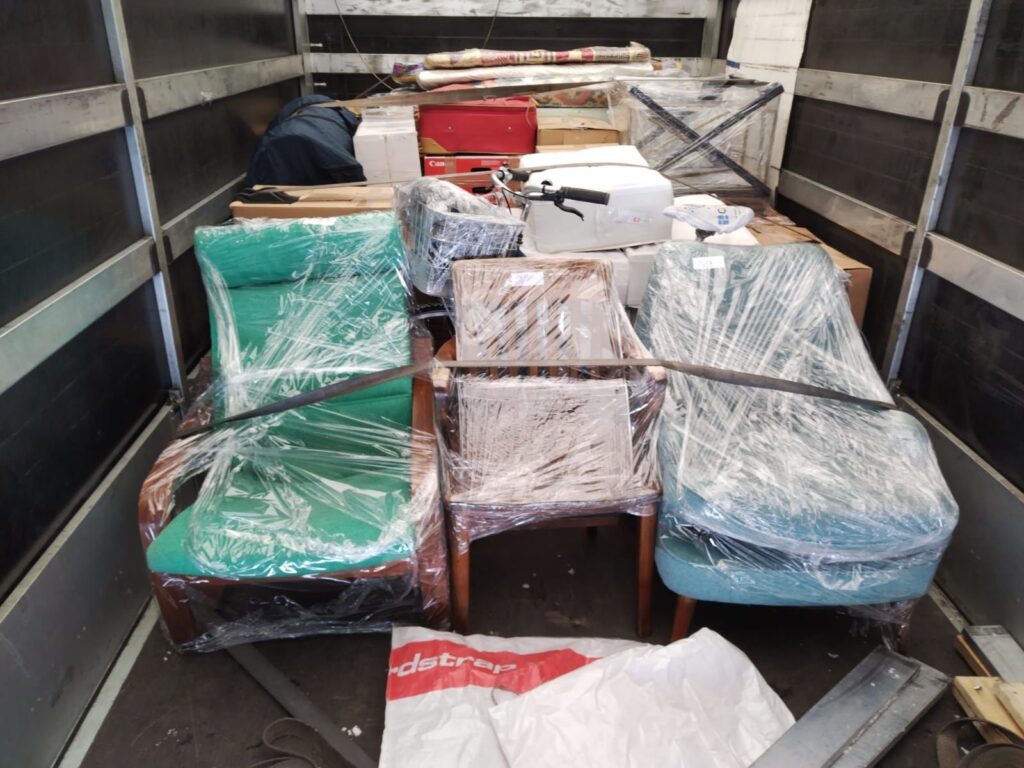
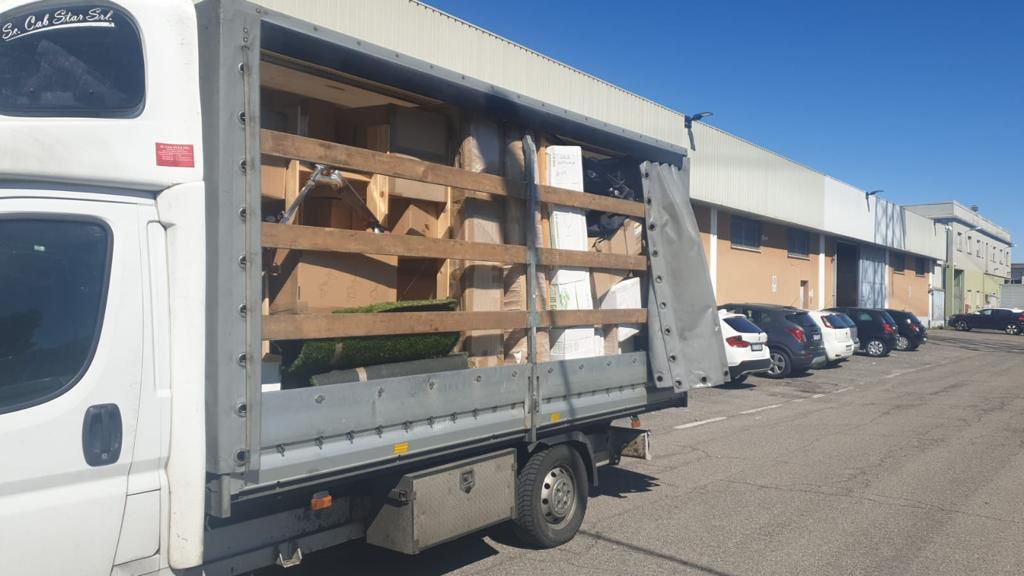
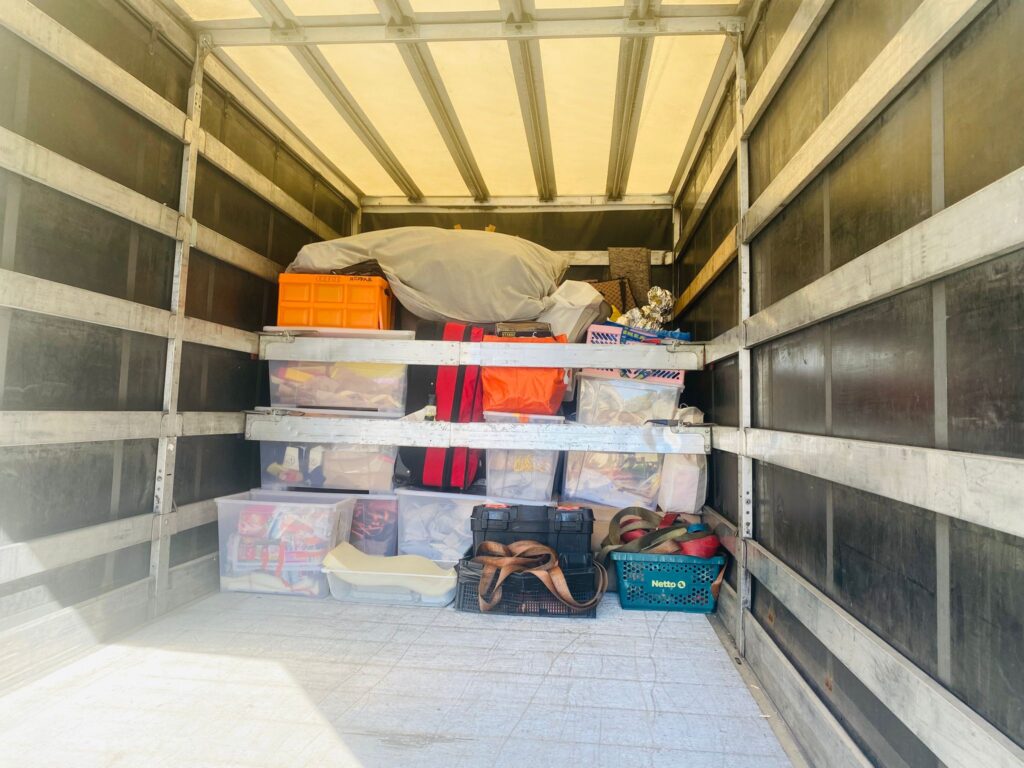
When people compare moving companies to Germany, they are not only comparing transport. They are comparing trust. They are asking which provider feels responsive, careful, visible, and realistic enough to handle a cross-border move without turning it into a stressful guessing game.
This is where VANonsite stands out naturally. The offer is broad enough to support very different relocation types, yet focused enough to feel clear and practical. Instead of forcing every move into the same rigid model, the service can flex around the real scale of the journey.
The strongest trust reasons include:
- GPS tracking for every shipment
- flexible support for urgent and planned relocations
- vehicle sizes for every move scale
- careful handling of fragile and bulky items
- wide European relocation coverage
- practical add-ons such as packing and storage
GPS tracking matters because visibility changes how a move feels. When your belongings are travelling to Germany, uncertainty can become one of the most exhausting parts of the whole process. Tracked transport replaces that uncertainty with clarity.
Flexible support matters because real relocations rarely move in a perfect straight line. Dates change. Keys are delayed. Work schedules shift. Urgent moves appear. A provider that can handle both carefully planned and fast-moving situations is far more useful than one that only works well under ideal conditions.
Vehicle range matters because capacity should match the move. A tiny relocation should not be treated like a full house. A larger family move should not be squeezed into an unrealistic plan. VANonsite’s size range makes the service feel adaptable rather than one-size-fits-all.
Careful handling matters because damage is expensive in every sense. It costs money, time, and emotional energy. Fragile, bulky, and high-value items need more than basic movement. They need attention.
European route coverage matters because Germany moves often begin far beyond one neighbouring country. A provider that works across Europe fits the reality of cross-border relocation much better than a business with limited range or patchy route confidence.
Additional services such as packing and storage also matter because transport is only one part of the move. Many people need support before or after the journey itself, not only during the drive.
The deeper reason people choose VANonsite is simple. They are not only buying transport; They are buying clarity, timing, and peace of mind; They want the move to feel visible; They want the route to feel realistic; They want the company to feel like a partner rather than an unknown risk.
That is what makes a relocation feel lighter. Not only the van, but the sense that the whole process is under control.
Moving companies to Germany checklist
A strong checklist helps turn research into action. That matters because comparing moving companies to Germany can stay abstract for too long unless you start making practical decisions.
Use this checklist before choosing a provider:
- compare service scope, not only price
- check what van size fits your move
- confirm route coverage
- ask about tracking and visibility
- share access details early
- prepare documents in advance
- reduce unnecessary volume
- decide whether you need packing help
- confirm timing clearly
- request a realistic quote
Each point protects the move in a different way.
Compare service scope, not only price because the cheapest number can hide the weakest support.
Check what van size fits your move because wrong capacity can either waste money or create avoidable stress.
Confirm route coverage because not every provider handles every European route with the same confidence.
Ask about tracking and visibility because peace of mind often depends on how clearly the move can be followed.
Share access details early because stairs, parking, lifts, and narrow entrances all affect the real work involved.
Prepare documents in advance because missing paperwork has a habit of becoming expensive in indirect ways.
Reduce unnecessary volume because less clutter often means a cleaner, cheaper move.
Decide whether you need packing help because self-packing is not always the best trade-off under time pressure.
Confirm timing clearly because timing problems tend to multiply if they are left vague.
Request a realistic quote because accuracy matters more than a comforting guess.
A checklist like this does more than organise the move. It changes the tone of the decision. Instead of reacting emotionally to whatever quote arrives first, you start choosing with structure. That usually leads to a better result.
FAQ about moving companies to Germany
How do I choose the best moving company to Germany?
Start by comparing more than price. Look at route coverage, vehicle size options, tracking, communication, handling quality, and whether the company supports the kind of move you are actually making. The best choice is usually the one that fits your route, your load, and your timing most realistically.
It also helps to compare how the company makes you feel before the move even starts. Are answers clear? Are the questions practical? Does the quote feel connected to reality, or does it feel generic? Strong moving companies to Germany usually sound organised long before moving day arrives.
Is a man and van enough for an international move to Germany?
In many cases, yes. A man and van service is often ideal for student moves, small flats, selected furniture transport, urgent relocations, and part-load moves. It becomes a smart option when the relocation is too large for a private car, yet too lean for an oversized removals model.
The key question is not whether the move is international. The key question is whether the scale of the move fits a direct, flexible transport model. For many relocations to Germany, it absolutely does.
How much do moving companies to Germany charge?
Pricing depends on route, volume, weight, access, timing, and service level. A student move from a nearby country will not behave like a full family move from Southern Europe. This is why good quotes should be based on real move details rather than generic assumptions.
The final number also depends on how clean the move is operationally. Easy access, accurate load estimates, and realistic timing often help keep the price under control. Vague details usually do the opposite.
What should be included in the quote?
A strong quote should reflect route, load size, handling expectations, timing, and any extra services such as packing, storage, or white glove delivery. The more clearly the quote matches reality, the more useful it becomes.
A useful quote should also feel specific enough to trust. If it ignores access, fragile items, or service details, it may look attractive at first and become less attractive later.
Do moving companies help with packing?
Many do, and this can be a major advantage for busy households, fragile items, premium furniture, or tight schedules. Professional packing often reduces confusion and damage risk, especially when the move includes bulky or delicate belongings.
This is one of those services that can quietly save both time and stress. When the move is busy, emotional, or time-sensitive, packing support often becomes more valuable than people expect.
How early should I book a move to Germany?
Earlier is usually better. Booking in advance often improves choice, flexibility, and clarity. It can also reduce the pressure that pushes urgent moves into more expensive territory. Even when the move is still taking shape, early contact with a provider can help you plan better.
That said, good moving companies to Germany should also be able to support urgent relocations when life speeds up unexpectedly. Planning early is ideal. Flexibility still matters.
Final thoughts on moving companies to Germany
Choosing between moving companies to Germany becomes easier when you focus on real value. Route clarity. Careful handling. The right van size. Tracking. Support that actually fits the scale and shape of your move.
That is what separates a stressful relocation from a smoother one. Not only who offers transport, but who makes the whole move feel more manageable.
The strongest providers do not simply move belongings from one country to another. They create structure around the journey; They reduce uncertainty; They help the move feel visible, practical, and calmer at every stage.
VANonsite fits that need well because the service combines flexibility, clear route logic, European coverage, careful handling, and practical support around the move itself. Whether the relocation is a student move, a furniture delivery, a family household shift, or an urgent cross-border change, the goal stays the same: make the journey to Germany feel structured, secure, and easier to manage.
If you are comparing moving companies to Germany, request a realistic quote based on your route, your load size, and your timing. A smarter move starts with a clearer plan.
And that clarity matters. Because when the plan feels right, the whole move to Germany starts to feel lighter.