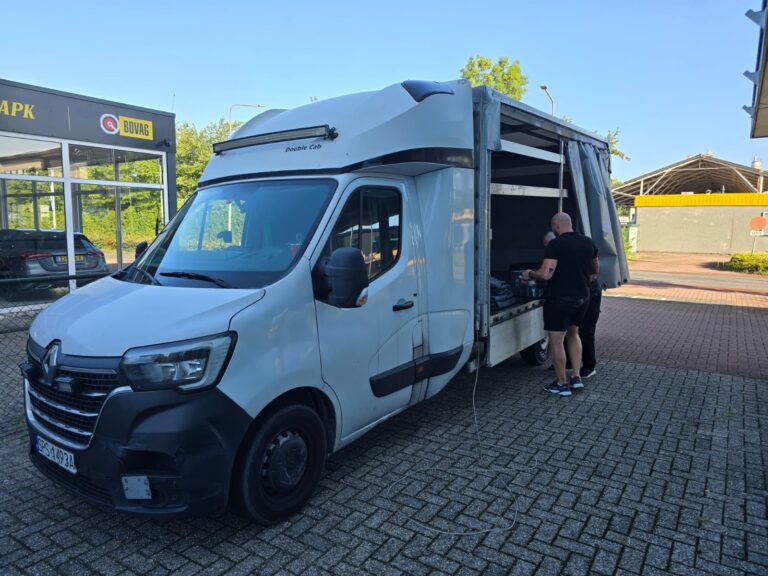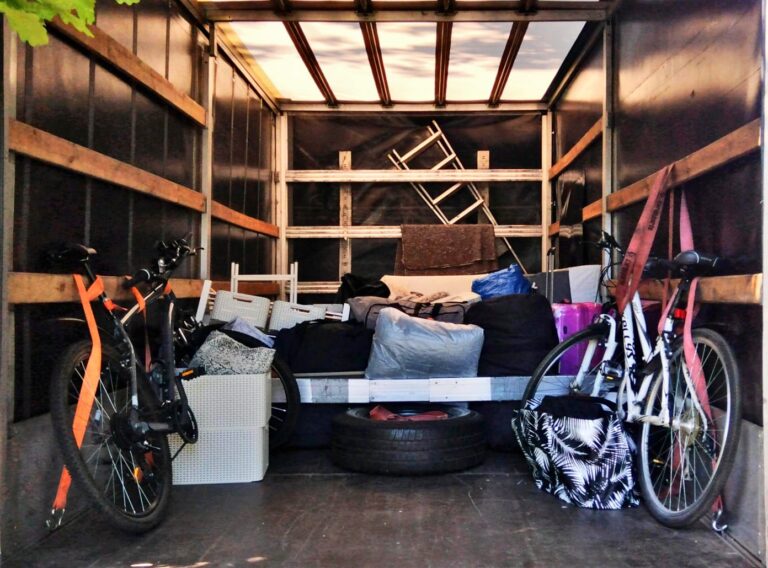

If you are searching for a moving company to Germany, you are probably not looking for airy promises or recycled tips. You want fast clarity. You want to know who can move your belongings safely, how the process works, what documents matter, what customs can do to your timeline, and how to avoid expensive mistakes before they happen. That is the real search behind the keyword.
The good news is that moving to Germany does not have to feel like a maze. When the route is clear, the inventory is well planned, and the removals service actually fits the size and shape of your move, the whole experience becomes dramatically easier to manage. A strong moving company to Germany does more than collect boxes from one address and drop them at another. It protects timing, reduces risk, handles fragile items intelligently, and helps your first days in Germany feel more stable.
VANonsite offers secure European removals, flexible service sizes, and GPS tracking for every load, which matters when your life is travelling across borders rather than across town. Whether you are moving a single room, a family home, student belongings, office equipment, or selected furniture, the smartest choice is usually the moving company to Germany that matches your real route, budget, timing, and pressure level.
What Is the Best Moving Company to Germany?
The best moving company to Germany is not simply the cheapest quote on the screen. It is the company that fits the real move you are making. That means the route, the volume of your load, the fragility of your items, your budget, your deadline, and whether you need a lean man and van option or a fuller removals setup with more structure.
A strong moving company to Germany should understand far more than transport alone. It should understand cross-border logistics, property access, careful packing, customs-sensitive planning where relevant, and the difference between a light student move and a full household relocation. In other words, it should not treat every move as if it were the same. That is exactly where many weak providers lose trust. They sell a generic service for a very non-generic situation.
VANonsite is a strong fit for moves across Europe to Germany because the service range is broad enough to match different kinds of relocations without forcing customers into the wrong model. Some people need a fast, compact man and van solution for essentials or a smaller staged move. Others need a larger removals setup for furniture, family loads, or fragile high-value items. A good moving company to Germany should be able to support both ends of that spectrum while keeping the process visible, secure, and calm.
A good moving company to Germany should offer:
- secure transport
- clear communication
- flexible service sizes
- customs awareness
- GPS tracking
- careful handling
Those six qualities matter because they shape the real-life feel of the move. Secure transport protects belongings. Clear communication protects your sanity. Flexible sizes protect your budget. Customs awareness protects your timeline. GPS tracking protects peace of mind. Careful handling protects both valuables and trust.
In practical terms, the best moving company to Germany is the one that makes the move feel less risky from the start. Not louder. Not flashier. Simply sharper, safer, and easier to control.
Why Choosing the Right Moving Company to Germany Matters
Choosing the right moving company to Germany matters because an international move is never only about transport. On paper, it may look like a route, a loading time, and a delivery date. In real life, it is far more personal. It is the moment your work plans, family life, routines, fragile belongings, legal documents, and future address all begin moving at once.
That is why the wrong company can do more damage than many people expect. A weak service can create delays that ripple into housing problems, damaged furniture that costs more to replace than to move properly, and hidden stress that makes the first days in Germany feel far heavier than they should. The loss is not only financial. It is emotional. A move that should feel exciting can start feeling chaotic very quickly when the logistics side is shaky.
By contrast, the right moving company to Germany protects more than your boxes. It protects your time, your budget, your belongings, and the quality of your arrival. It helps create a landing that feels organised instead of scrambled. That matters even more in Germany, where planning often links closely to documents, accommodation, residence requirements, and the practical rhythm of the first week.
There is also a simple truth many people only realise halfway through the move. You are not moving boxes. You are moving routines, work, family life, and peace of mind. That is why the right company should feel like a stabiliser, not another source of uncertainty. A removals partner that communicates clearly, handles the load carefully, and understands cross-border logistics can quietly remove a huge amount of pressure.
This is where trust becomes a real deciding factor. If you are comparing companies, ask not only who can move the load, but who can do it in a way that leaves you calmer. The strongest moving company to Germany is usually the one that helps the whole relocation feel less fragile from the start.
Who Usually Needs a Moving Company to Germany?
A moving company to Germany is not only for one type of person. The need shows up in many different life moments, and each one carries a different kind of pressure. Some people are racing toward a new job; Some are leaving university housing for a new chapter abroad; Some are moving a family home and trying to make the transition feel gentle for everyone involved. Others simply need selected furniture or a smaller staged load transported safely.
That is why a useful article should help readers recognise themselves quickly. Different movers need different service levels, different timelines, and different kinds of reassurance.
The people most likely to need a moving company to Germany include:
- Professionals relocating for work
These movers often work to fixed start dates and need a service that protects timing, documents, and a smooth first week. - Students moving to Germany
Student moves are often smaller in volume but tighter in timing and budget, which is why a man and van option can make strong practical sense. - Families moving house
Family relocations usually involve heavier loads, more fragile daily routines, and a greater need for structure, care, and predictability. - Couples relocating for a fresh start
These moves often sit between compact and full-house removals, which makes flexible service sizing especially valuable. - People moving furniture only
Some relocations are not full household moves. Sometimes the key task is moving selected furniture pieces safely, especially bulky, sentimental, or high-value items. - Office or business relocations
Business moves often require speed, planning discipline, and a service that minimises disruption while protecting equipment and working rhythm.
The important point is that these groups may all search for the same phrase, moving company to Germany, while actually needing very different things. That is why strong service flexibility matters so much. A student with a few boxes does not need the same setup as a family relocating an entire house. A person moving selected furniture should not be pushed into a bloated solution. A business move should not be handled as if it were casual residential transport.
How to Move to Germany Step by Step
Moving to Germany feels far less intimidating when the process is broken into a clear order. People often get overwhelmed because they try to solve everything at once. Housing, paperwork, transport, inventory, customs, essentials, first-week admin. It all lands in one mental pile. The truth is much simpler. A successful move usually comes down to sequence. Do the right things in the right order, and the whole relocation becomes calmer, cleaner, and easier to control.
A practical roadmap looks like this:
- Confirm your route to Germany and entry requirements
Start with the legal and practical basis for the move. Are you moving for work, study, family, or a fresh start from another EU country? This matters because the answer shapes your timeline, your documents, and how confidently you can commit to dates. If your route is still uncertain, it is wiser to delay major logistics decisions than to rush into a booking that may later create pressure. - Secure housing or temporary accommodation
Even temporary accommodation gives the move a solid landing point. It helps with address-related paperwork, makes the first week more manageable, and turns the move from an abstract plan into something real. People often feel immediate relief the moment they know exactly where the move is heading. - Gather core documents
This is where the move starts becoming properly structured. Passports, residence paperwork if needed, job contracts, university letters, health insurance details, tenancy information, and any family documents should be collected early. Waiting too long usually creates avoidable stress. - Build a clear inventory list
Your inventory is not just a transport list. It helps with customs where relevant, supports quote accuracy, improves packing logic, and gives you a much clearer picture of what you are actually moving. A good inventory creates control. A weak one creates fog. - Decide between man and van and full removals
This is where realism matters. A student with essentials needs something very different from a family moving a full home. A lean man and van option can be perfect for lighter moves. Larger households usually need more structure, more space, and more protection. - Prepare customs paperwork if relevant
This matters especially for non-EU moves or situations where goods need clearer customs support. Customs should never be treated as an afterthought. When it is handled late, it becomes stressful. When it is handled early, it becomes manageable. - Pack essentials separately
Your first 24 to 72 hours in Germany should not depend on opening every box. Keep travel documents, valuables, chargers, medication, first-night clothing, toiletries, and key confirmation papers with you. This one habit can make arrival feel dramatically easier. - Complete the move and handle your first week in Germany
Once the transport side is done, your job is not fully finished. Registration, health insurance, local transport, communication, and the first routines of daily life all matter. The smoother these first steps are, the faster Germany starts to feel like home rather than a holding point.
One useful way to think about the move is to divide it into three stages:
- Preparation for route, housing, and documents
- Logistics for inventory, removals choice, customs, and packing
- Landing for essentials, registration, and first-week stability
That broader view helps because it turns a giant emotional task into a sequence of manageable actions. Big moves often feel lighter when they stop looking like one huge jump and start looking like eight smart, connected steps.
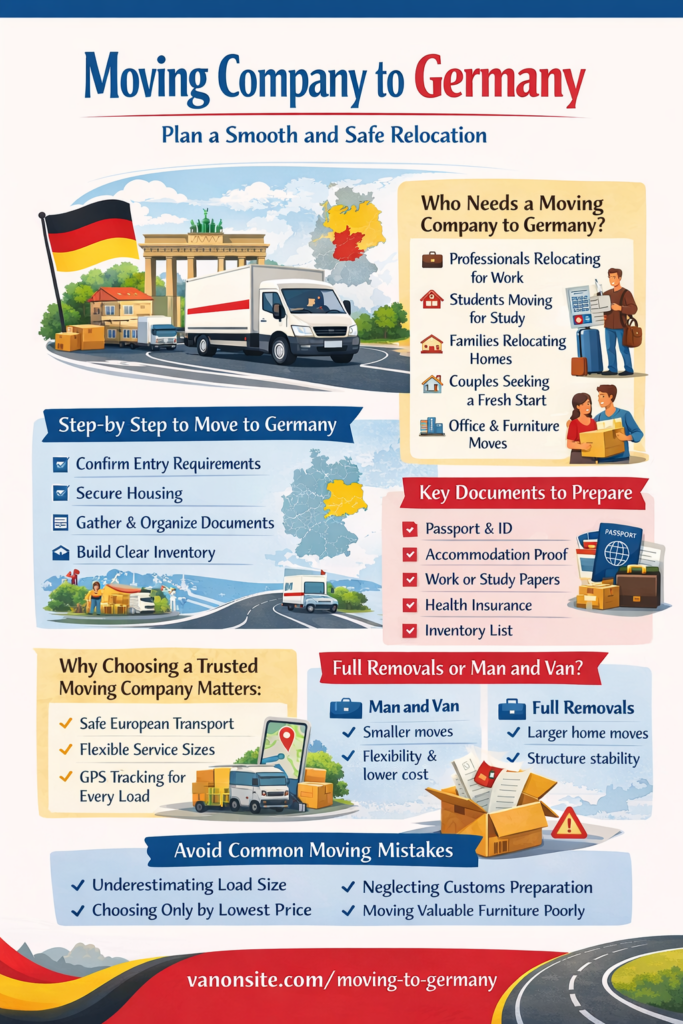
Documents You Need Before Moving to Germany
Paperwork may not be the glamorous side of relocation, but it is often the part that decides whether the move feels smooth or chaotic. Strong documents do not only satisfy official requirements. They give shape to the whole process. They protect your timing, support your housing, help with customs where relevant, and reduce last-minute panic.
The core documents most movers should prepare include:
- passport or travel document
- visa or residence documents if required
- proof of accommodation in Germany
- job offer or university letter if relevant
- health insurance documents
- tenancy details
- inventory list for household goods
- customs documents where applicable
- marriage or birth certificates if relevant to the move
That list is the foundation, but the real value comes from how you organise it. A strong moving file should not be a chaotic stack of downloads and screenshots. It should be a system. The easiest way to build that system is to split your documents into practical groups.
A useful structure looks like this:
- Identity documents
Passports, travel documents, and any official ID that supports the move. - Move-purpose documents
Job offer, university acceptance, business-related paperwork, or family documents that explain why you are relocating. - Housing documents
Tenancy agreements, temporary accommodation confirmations, landlord details, and address-related records. - Health and insurance documents
Health insurance details, important medical information, and any supporting records you may need in the first days after arrival. - Moving and customs documents
Inventory list, service confirmations, customs paperwork where relevant, and anything directly linked to the transport side of the move.
This structure becomes especially useful when the moving day gets busy. Instead of searching through emails while your belongings are being loaded, you know exactly where everything is. That saves time, but more importantly, it saves emotional energy.
Your inventory list deserves special attention. Many people underestimate it, yet it is one of the most useful documents in the whole move. It supports customs, helps with accurate quoting, improves packing logic, and gives you a realistic view of the volume you are actually sending, It is not just paperwork; It is a control tool;
It also helps to keep both a printed set and a digital set of your most important documents. The printed set should travel with you, not inside the main load. The digital set should be stored somewhere easily accessible from your phone. Small habits like this seem obvious only after they save you from a stressful moment.
If you are moving with family, pets, valuable furniture, or a staged load, document clarity becomes even more important. The more moving parts your relocation has, the more helpful it is to separate documents cleanly instead of mixing everything together in one folder.
For official visa and residence information, check Germany’s official portal: Make it in Germany.
Do You Need a Visa to Move to Germany?
This is one of the strongest search-intent questions in the whole article because it sits at the heart of the move. Before people compare quotes, sort furniture, or choose between man and van and full removals, they want to know whether they can actually move to Germany and what kind of legal path applies to them.
The answer depends on two things above all: your nationality and the reason for the move. EU and non-EU movers do not follow the same route. That difference changes everything from paperwork and timing to how confidently you can book transport. It also explains why advice from friends can sometimes be misleading. A move that sounds similar on the surface may be legally very different once nationality and purpose are taken into account.
For many readers, this is where the move starts to feel real. Work relocations, study moves, family reunification, and UK national moves after Brexit can all involve different requirements. That is why the visa question should never be treated like a small detail to handle later. It is one of the foundations of the entire relocation plan.
The clearest way to frame it is this:
- EU citizens may face a much simpler route than non-EU nationals, especially when moving within the EU framework
- Non-EU citizens usually need to think more carefully about entry and residence permissions before setting the rest of the move in stone
- UK nationals may need special attention because Brexit changed the practical and legal texture of many Germany moves
- Skilled workers, students, and family movers often face very different document paths, timelines, and conditions
A practical comparison looks like this:
| Reason for moving | What to check first | Best angle |
|---|---|---|
| Work | visa and work eligibility | job offer, timeline, recognition |
| Study | student route | acceptance, funds, accommodation |
| Family | family-based residence route | proof of relationship, housing |
| UK national move | Brexit-related residence rules | documents, status, timeline |
That table gives a quick structure, but real life is more layered. A skilled worker may need to think not only about visa eligibility, but also about recognition of qualifications, contract timing, housing, and the date when their belongings should actually be moved. A student may need a more compact, budget-sensitive moving solution because their legal route, accommodation, and academic calendar all move at different speeds. A family-based move can carry even more emotional weight because it is not only about paperwork. It is about joining or rebuilding a household.
This is why the visa section should connect directly to removals planning. If the legal side is still unclear, booking a full household move too early can create the wrong kind of pressure. If the legal side is clear, the rest of the move becomes easier to sequence. The reader should feel that the right moving company to Germany is not only a transport provider. It is part of a broader relocation strategy that works best when the legal and logistical sides support each other.
For official guidance, start with the German government’s entry process information on Make it in Germany, its overview of visa types, and its page for work visas for qualified professionals. UK nationals should also review Germany’s Brexit guidance from the Federal Ministry of the Interior.
Customs Rules When Moving Household Goods to Germany
Customs rules are one of the biggest reasons international moves feel more serious than local ones. They are also one of the easiest areas to underestimate. People tend to focus on the visible side of the move, such as the van, the boxes, or the loading day. Meanwhile, customs can quietly become the part that decides whether the relocation feels smooth or frustrating.
Customs rules matter especially for non-EU moves. If your move falls into that category, household goods may qualify for relief under transfer of residence conditions, but that does not mean the process becomes casual. It still needs structure; It still needs clarity; It still needs documents that tell one consistent story.
This is exactly why the customs side should never be treated like parcel shipping. A full household move is not the same as sending a few packages abroad. The more complex the load, the more important it becomes to treat customs as part of the core relocation plan rather than a side issue.
The most important customs principles to highlight are these:
- customs rules matter most when moving to Germany from outside the EU
- household goods may qualify for transfer-of-residence relief if the conditions are met
- the inventory list is critical
- the paperwork needs to tell one consistent story
- customs should be prepared early, not at the last minute
The inventory list deserves special emphasis because it is one of the quiet heroes of a successful move. Without a clear inventory, customs paperwork becomes weaker, the quote becomes less accurate, and the logic of the move becomes harder to defend if questions come up. Good inventory creates confidence. Weak inventory creates friction.
It also helps to think about customs as a narrative. Your paperwork should explain one clear story: who is moving, from where, to where, why the relocation is happening, and what exactly is being transported as part of that life change. When the paperwork tells that story cleanly, the move feels more coherent. When it does not, even simple things can become stressful.
A strong customs-aware moving company to Germany should support that structure by helping the customer think clearly about:
- what is being moved
- what is essential and what is not
- how the inventory should be organised
- what documents should stay with the traveller
- what needs extra attention because of route or origin
This is one more reason why customs awareness is such an important quality in a removals partner. It is not just about crossing borders. It is about reducing uncertainty.
For official customs guidance on transfer of residence, consult German Customs: Transferring residence.
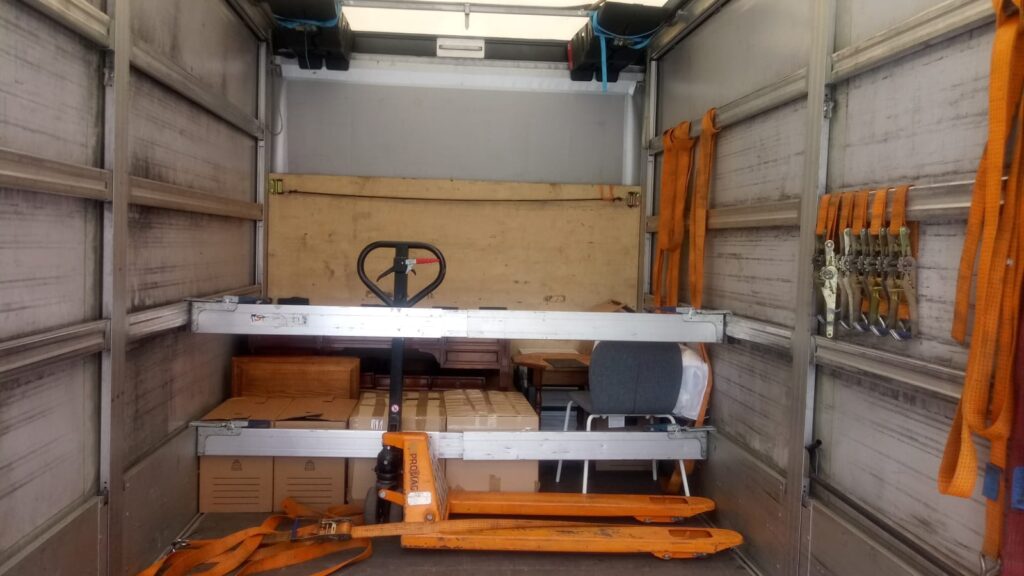


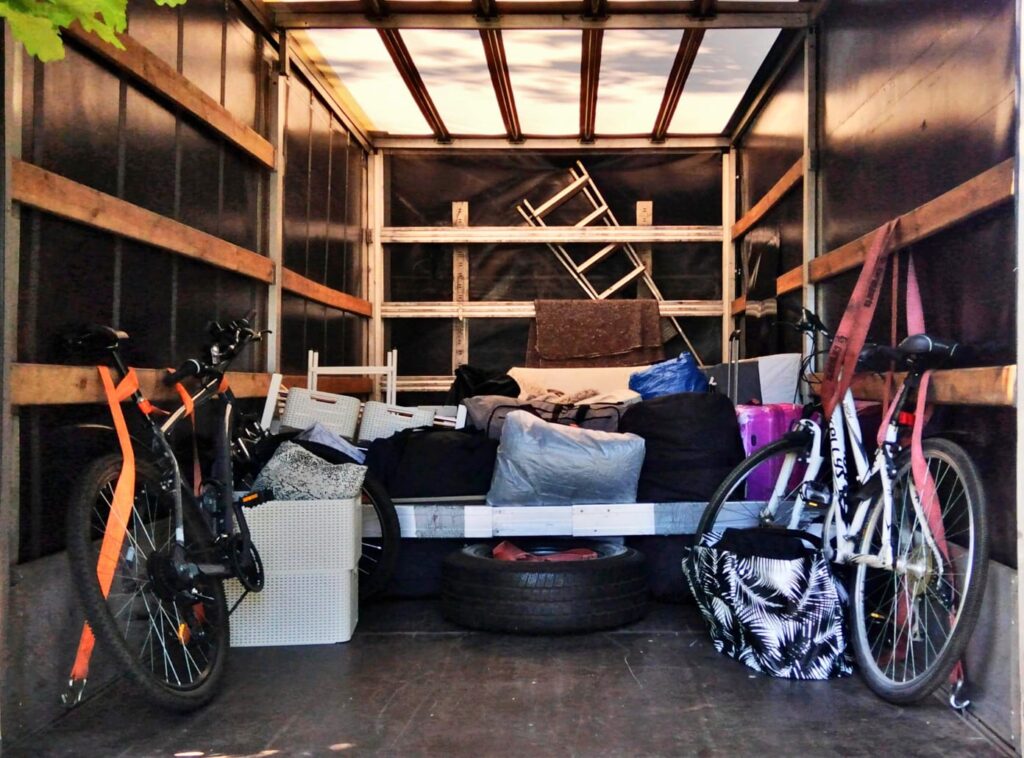
Moving Furniture to Germany Safely
Furniture is often the most expensive, awkward, and emotionally loaded part of the entire move. Boxes can usually be replaced. Everyday items can usually be repurchased. Furniture is different. It takes space, changes the geometry of the load, and often carries both financial and personal value. That is exactly why this section matters so much for anyone comparing a moving company to Germany.
Bulky, fragile, or premium items need planning long before the loading day. A dining table is not just another object. A sofa is not just another object. Beds, wardrobes, desks, shelving, mirrors, office chairs, large lamps, and designer pieces all shape the space, weight, and rhythm of the move in a way smaller belongings do not. The more furniture you move, the more important it becomes to choose a removals service that understands access, volume, safe handling, and smart load organisation.
A moving company to Germany should be able to handle both smaller and full-house loads without treating them as if they were the same. Someone moving selected furniture from one apartment is not the same as a family transporting an entire household. Someone relocating premium pieces or sentimental items needs a different level of care from a person moving a compact student setup. This is where flexible service design becomes a real advantage rather than just a sales phrase.
A practical comparison looks like this:
| Moving profile | Typical load | Best solution |
|---|---|---|
| Student or solo mover | boxes and essentials | man and van |
| One-bedroom flat | standard furniture and boxes | medium removals setup |
| Family house | full household load | full removals |
| Premium move | fragile or designer items | white glove delivery |
That table helps people recognise themselves quickly, but the real value comes from asking better questions before booking. For example:
- Which furniture pieces are worth the transport cost?
- Which items are bulky enough to distort the size of the whole load?
- Which pieces need extra wrapping, disassembly, or premium handling?
- Which items should travel first because they matter in the first week after arrival?
Those questions make the moving plan sharper. They also prevent one of the most common mistakes in cross-border relocations: underestimating how much the furniture alone changes the move.
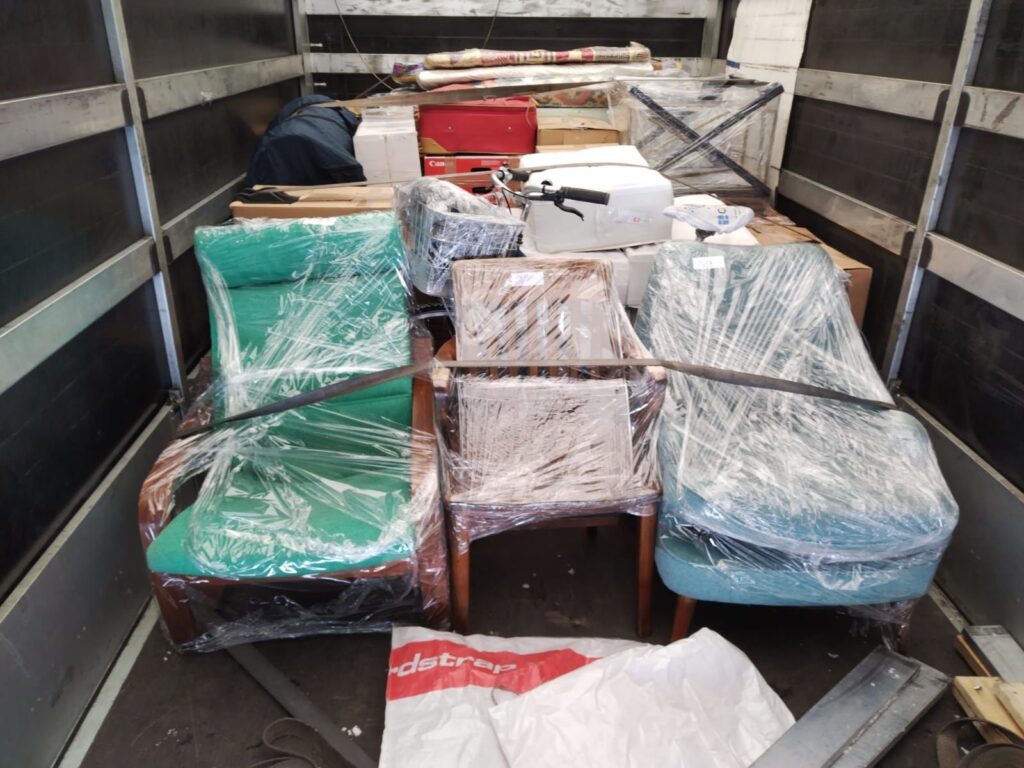
This is exactly where VANonsite service pages fit naturally. Furniture Removals are ideal for bulky or awkward items. Home Removals fit full-house or family moves. Packing Service makes sense when you want stronger protection, faster preparation, or less manual stress. White Glove Delivery is the right fit for fragile, premium, or high-value furniture that needs more care and presentation.
It also helps to remind the reader that moving furniture safely is not only about preventing visible damage. It is about protecting the landing. If the bed arrives cleanly, the desk is usable, the sofa is intact, and the fragile pieces are properly handled, the first days in Germany feel dramatically more stable. In that sense, furniture planning is not just about transport. It is about emotional comfort on the other side.
Man and Van or Full-Service Removals to Germany?
This is one of the clearest buying questions in the entire article because it turns general research into a real decision. People do not just want to know what is possible. They want to know which option fits their move without wasting money or creating avoidable stress.
The answer depends on volume, weight, timing, and emotional pressure, not just budget. That point matters because many readers start by thinking purely in terms of cost. In reality, the cheapest option can become the most expensive one if it creates repeated handling, poor fit, rushed packing, or the wrong vehicle size.
A simple comparison looks like this:
| Option | Best for | Main advantage |
|---|---|---|
| man and van | smaller or staged moves | flexibility and lower cost |
| full-service removals | larger homes and family moves | more structure and less stress |
| white glove delivery | premium items | extra care and presentation |
A man and van option can be a very smart choice when the move is compact, direct, and relatively simple. It works especially well for student moves, essentials-first relocations, small apartment loads, and staged moves where not everything is being transported at once. The appeal is obvious. It offers flexibility, speed, and tighter cost control. For the right move, it feels lean and efficient rather than stripped back.
Full-service removals start to make more sense once the move becomes heavier, more layered, or more emotionally demanding. Family homes, multi-room apartments, bulkier furniture, fragile household items, and tighter timelines all benefit from more structure. At that point, the service is not only about transport. It is about reducing the number of things that can go wrong while the rest of your life is already in motion.
White glove delivery belongs in its own category because it answers a different kind of need. It is not mainly about volume. It is about value, fragility, and presentation. Designer furniture, artwork, delicate decor, and sentimental high-end pieces often deserve extra protection. For some people, this is a luxury. For others, it is simply the correct level of care.
The easiest way to guide the reader is to frame the choice with a few practical questions:
- Is the load small enough to stay efficient without becoming stressful?
- Are you moving only essentials, or a full version of daily life?
- Do your items include fragile, bulky, or high-value furniture?
- Would extra structure save you more stress than it costs?
- Are you moving in one trip or in stages?
These questions usually make the right choice much clearer.
A student moving clothing, small furniture, documents, and a few essentials may not need more than a man and van solution. A couple moving a furnished apartment may need something more structured, especially if timing is tight and the load includes awkward pieces. A family relocating a full home to Germany usually gains real value from a fuller removals plan because it reduces pressure at every stage.
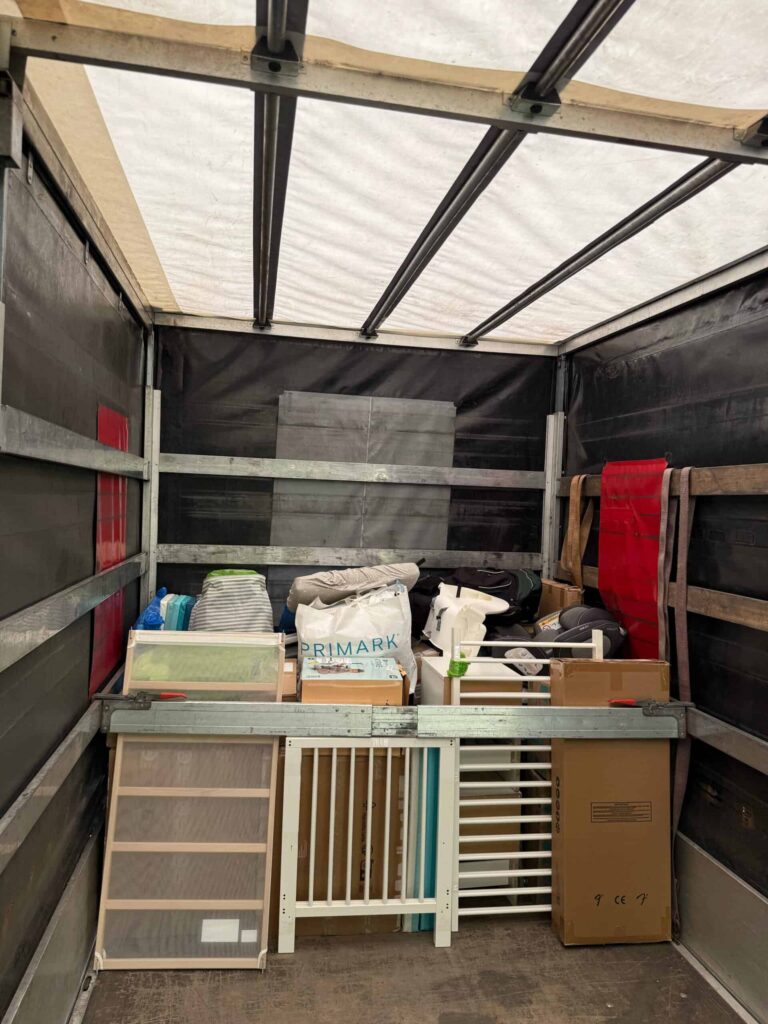
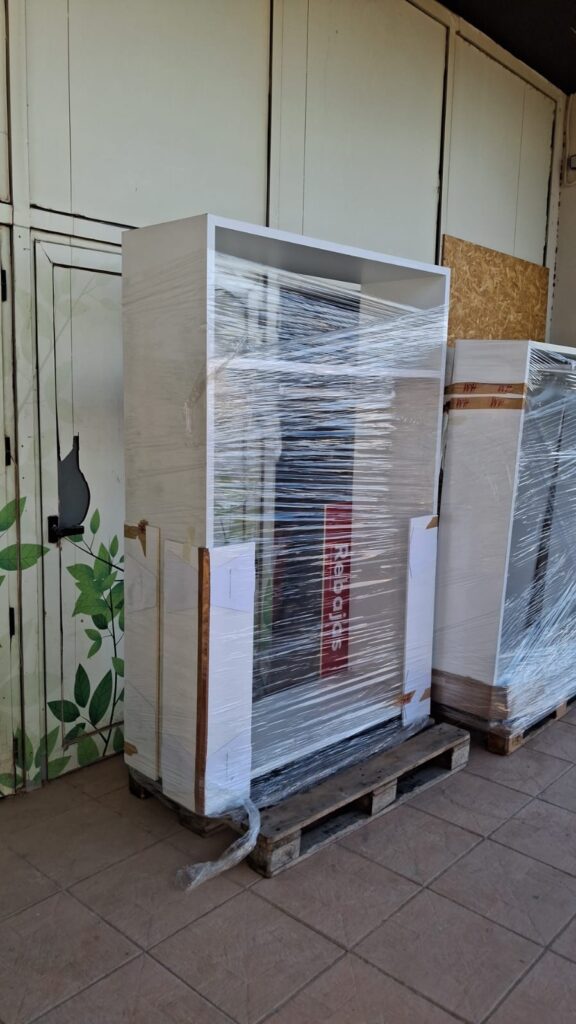
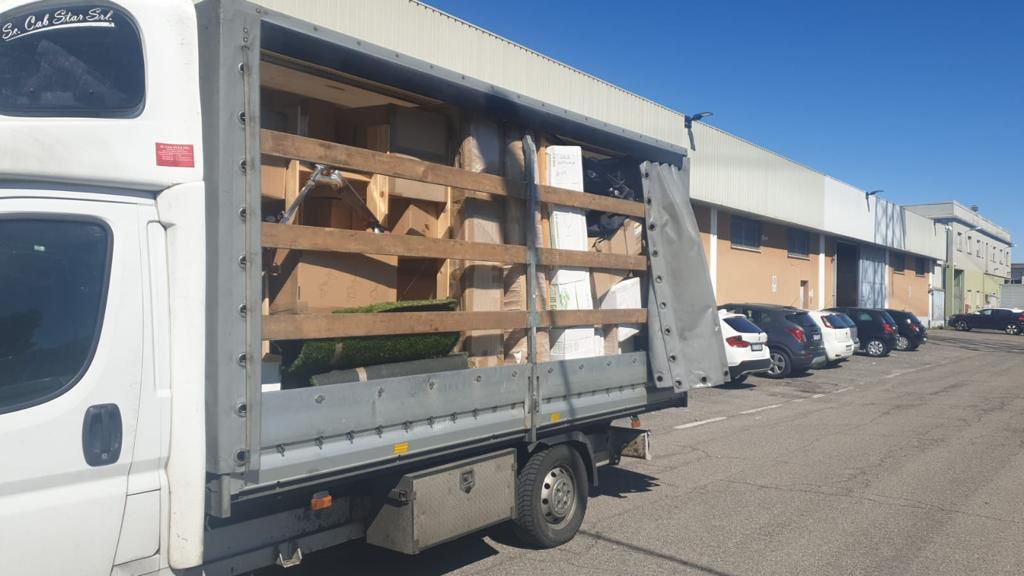
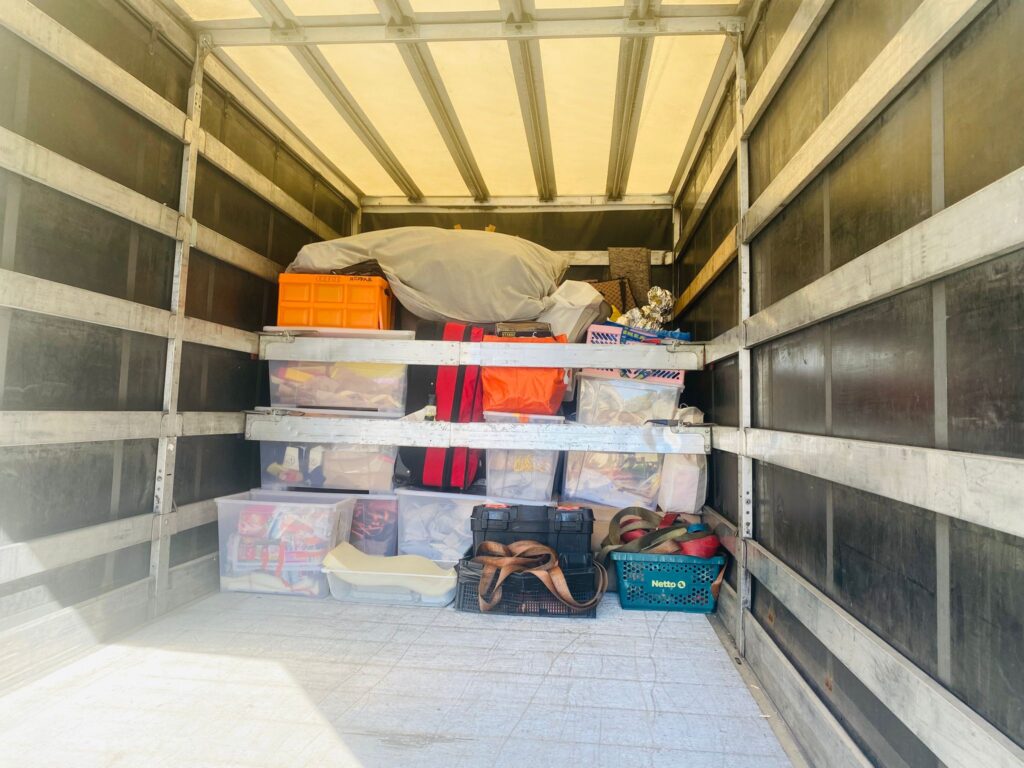
This section should also quietly reinforce the broader point of the article: the right moving company to Germany is not the one with the loudest claim. It is the one that matches the real move. That is where VANonsite has a natural advantage, because the service range can support compact man and van jobs, larger household removals, and premium deliveries without forcing the customer into a one-size-fits-all decision.

How Much Does a Moving Company to Germany Cost?
Cost is one of the first things people search for, and for obvious reasons. A move to Germany can feel thrilling, but it can also feel financially loaded. People want clarity before they commit. They want to know what shapes the price, what can quietly push the quote upward, and how to avoid paying for the wrong type of service.
The honest answer is that a moving company to Germany does not have one universal price. The total depends on the actual shape of the move, not just the postcode at each end. Distance matters, but it is only one part of the equation. Volume, access, timing, customs, and the level of support all have a real effect on the final cost.
The main cost drivers usually include:
- distance and route
- load volume and weight
- access difficulty
- customs complexity
- packing support
- fragile or premium handling
- urgency and last-minute booking
That list matters because it shows why two moves that look similar at first can end up in very different price ranges. A compact student relocation with 5 m3 of essentials is a very different move from a family home with 30 m3 or more of furniture, appliances, children’s items, and fragile pieces. The second move is not just bigger. It is more layered, more time-sensitive, and often more emotionally demanding.
It also helps to think about cost in layers rather than one headline number:
- Transport cost linked to route, distance, and vehicle size
- Handling cost linked to stairs, difficult access, awkward items, or building constraints
- Protection cost linked to packing help and fragile-item handling
- Timing cost linked to urgency, fixed move dates, or last-minute bookings
- Complexity cost linked to customs, documents, or special route conditions
This layered view helps the reader understand why the cheapest quote is not always the cheapest move. A lower starting price can quickly lose its appeal if the vehicle is too small, the load was poorly estimated, or premium items were not protected properly. Strong planning often saves money precisely because it reduces costly mistakes.
VANonsite service sizes make it easier to match the move to the right scale:
| Service size | Capacity | Weight limit | Best for |
|---|---|---|---|
| Moving One | 1 m3 | 100 kg | urgent essentials and documents |
| Moving Basic | 5 m3 | 300 kg | student or compact moves |
| Moving Medium | 10 m3 | 500 kg | one-room flat or staged load |
| Moving Premium | 15 m3 | 1100 kg | one to two-bedroom move |
| Moving Premium Plus | 30 m3 | 3500 kg | larger household move |
| Moving Full House XXL | 90 m3 | 20000 kg | full house relocation |
This table is more than a technical reference. It is a practical decision tool. It helps readers visualise what kind of service actually fits their move. A person with a few urgent items does not need to think like a family transporting a full house. A student move, a staged couple relocation, and a large family transition all sit in very different categories of cost and support.
A simple way to frame it for the reader is this:
- Moving One is best when the load is tiny and speed matters most
- Moving Basic works for students, room moves, and very compact relocations
- Moving Medium suits staged moves and modest apartment loads
- Moving Premium often fits one to two-bedroom homes
- Moving Premium Plus works well for larger households and heavier furniture
- Moving Full House XXL is the realistic choice for serious full-home relocations
This is exactly where the article can gently guide the reader toward smarter budgeting. The goal is not to choose the lowest number. The goal is to choose the service that prevents repeat handling, protects fragile items, and fits the real load from the start.
First Week After Moving to Germany
The first week after moving to Germany often decides how the whole relocation feels in hindsight. If the first days are scattered, tiring, and disorganised, the move can feel heavier than it really is. If they are handled with some structure, Germany starts to feel less like a temporary stop and more like a place where life can actually begin.
This is why the landing matters just as much as the transport. A strong moving company to Germany does not only help get belongings across the border. It helps create the conditions for a calmer first week on the other side.
The most important first-week priorities usually include:
- registration basics, especially Anmeldung
- health insurance and first admin steps
- local transport and first-week essentials
- keeping documents easy to reach
- creating a calm landing rather than opening every box at once
Registration is one of the most practical early tasks, and it often has a surprisingly large effect on everything that follows. In many cases, it is one of the steps that helps daily life start functioning properly. For an official example of registration rules, see Berlin’s Anmeldung service page.
It also helps to frame the first week around three ideas:
- Function
Make daily life work quickly. That means key documents, transport, communication, and enough unpacked essentials to live without chaos. - Clarity
Know where your important papers are. Know what needs to be handled first. Know which boxes matter now and which can wait. - Stability
Create a calmer atmosphere early. Make the bed. Set up the kitchen basics. Unpack work items or school essentials. Small acts of order make a big emotional difference.
This is where many people underestimate the value of separating essentials from the main load. If your first-night items, documents, medication, chargers, and basic daily items are easy to reach, the first week becomes dramatically easier. You do not need your whole household to be fully unpacked in 24 hours. You only need the right things to be available at the right moment.
For families, the first week often revolves around routine; For students, it may revolve around speed and orientation; For professionals, it may revolve around being ready to work quickly – For everyone, though, the core need is the same: reduce friction and make the new place feel usable fast.
A useful question for the reader is this: what five things would make Germany feel functional in the first 48 hours? The answer may be different for each move, but asking the question early changes the way people pack and plan. That is exactly the kind of practical value a good article should offer.
Common Mistakes to Avoid When Choosing a Moving Company to Germany
Some moving mistakes look small at the beginning. That is exactly why they become expensive later. People often assume the hardest part of a move to Germany is the obvious part: the route, the paperwork, the loading day, or the border crossing. In reality, many of the most frustrating problems start much earlier and much more quietly.
The most common mistakes include:
- choosing only by the lowest price
- ignoring customs preparation
- failing to build a proper inventory
- booking too late
- using the wrong vehicle size
- underestimating fragile items
- treating the move like a local delivery
Choosing only by the lowest price is one of the most common traps because it feels logical on the surface. Yet the lowest quote can hide the highest stress. If the service is too thin, the vehicle is too small, or the communication is poor, the move can become more expensive in time, repeat handling, and damaged trust.
Ignoring customs preparation can turn a manageable move into an anxious one, especially for non-EU routes. Customs friction is rarely dramatic at first. It usually appears as uncertainty, delay, and confusion. That is why it deserves attention early, not when the van is already booked.
Failing to build a proper inventory weakens almost every other part of the move. It makes quotes less accurate, customs less clear, and packing less logical. A strong inventory is one of the simplest ways to create control. Skipping it is one of the fastest ways to lose clarity.
Booking too late often forces people into narrower options, tighter timelines, and more pressure than they really need. A move to Germany already has enough moving parts. Leaving the removals side until the final moment can make the whole process feel rushed and brittle.
Using the wrong vehicle size sounds like a minor planning issue, but it can quickly become costly. Too small, and the move becomes stressful, cramped, or even split unnecessarily. Too large, and the budget may carry weight it did not need to carry. Matching the load properly is one of the smartest decisions in the whole process.
Underestimating fragile items leads to a very specific kind of regret. It is not just about damage. It is about the emotional shock of seeing a valued item poorly protected or badly handled. Fragile pieces deserve planning, not optimism.
Treating the move like a local delivery is the deeper mistake behind many of the others. A move to Germany may involve legal timing, customs, housing pressure, first-week administration, and furniture strategy all at once. It needs more structure than a local move, not because it has to feel scary, but because it deserves respect.
The common thread is simple. Every weak decision adds friction. Every strong decision removes it. The best moving company to Germany is not only the one that transports the load. It is the one that helps you avoid the hidden mistakes before they become visible problems.
Why People Choose VANonsite as Their Moving Company to Germany
People choose VANonsite because the service matches the real complexity of cross-border moves without making the customer feel lost inside that complexity. A move to Germany is rarely only about transport. It is about timing, trust, visibility, flexibility, and the feeling that someone is handling the logistics with care instead of guesswork.
That is where VANonsite stands out naturally. The service is built around what movers actually need:
- secure European transport
- GPS tracking for every load
- flexible service sizes
- support for furniture, student, family, office, and urgent moves
- strong fit for both man and van and larger removals
- careful handling and fast delivery
Those points matter because they answer real concerns, not abstract marketing claims. Secure European transport matters when your belongings are travelling across borders, not just across a city. GPS tracking for every load matters because visibility lowers stress. When people know where their belongings are, the move feels more controlled and far less foggy.
Flexible service sizes matter because not every customer is moving the same life. One person may need a compact man and van service for a student relocation or staged move. Another may need a larger removals setup for a family home. Another may need premium support for selected furniture or fragile pieces. Flexibility protects both budget and fit.
Support for furniture, student, family, office, and urgent moves matters because real life is not one category. Sometimes a move is carefully planned over weeks, Sometimes it becomes urgent; Sometimes it is only furniture. Sometimes it is everything. A strong moving company to Germany should be able to support those different realities without forcing them into one rigid model.
Careful handling and fast delivery matter because timing and condition shape the emotional outcome of the move. People do not remember only whether the van arrived. They remember whether the process felt calm, whether the fragile items stayed safe, and whether the first days in Germany started with relief rather than more damage control.
This is why VANonsite can be presented persuasively without sounding pushy. The trust comes from fit. The service range, the GPS visibility, the flexible sizes, and the cross-border practicality all support the deeper promise the reader is really searching for: make this move feel more manageable.
Final Checklist Before You Book Your Move
Before you book a moving company to Germany, run one final calm check. This is the moment where the move stops being a loose idea and starts becoming an organised decision. A strong final checklist does not only help you avoid mistakes. It also sharpens the quote, clarifies the service you actually need, and lowers the emotional temperature of the whole process.
The core checklist looks like this:
- confirm your destination and move date
- estimate load volume honestly
- sort documents and housing proof
- prepare an inventory
- choose the right service level
- separate essentials from the main load
- compare speed, care, and vehicle size, not just headline price
Each of those points does more work than it first appears to do.
Confirm your destination and move date because vague timing makes every other decision weaker. Even if your date is approximate, a realistic window creates better planning than a hopeful guess.
Estimate load volume honestly because underestimating the move is one of the easiest ways to create later stress. The more realistic you are here, the easier it becomes to choose the right service size from the start.
Sort documents and housing proof because logistics and legality often move together. The transport side becomes much easier to control when the paperwork side is not still scattered across emails and screenshots.
Prepare an inventory because it improves quote accuracy, supports customs where relevant, and gives you a much clearer view of what you are actually sending.
Choose the right service level because not every move needs the same structure. Some need a lean man and van option. Others need fuller removals support. The right fit saves more than money. It saves friction.
Separate essentials from the main load because the first 24 to 72 hours after arrival should not depend on opening every box. This single step often makes the first week feel far more manageable.
Compare speed, care, and vehicle size, not just headline price because the cheapest option is not always the best value. A better-fit service often protects both the budget and the arrival.
A useful final self-check is to ask these four questions before booking:
- Do I know what absolutely needs to arrive first?
- Do I have a realistic sense of the total load size?
- Are my important documents easy to access right now?
- Am I choosing based on fit, or only on price?
If the answer to those four questions is clear, the move is already in a much stronger place.
FAQ
These questions help readers move from general uncertainty to practical decisions.
What is the best moving company to Germany?
The best moving company to Germany is the one that matches the real shape of your move. That means route, load size, timing, handling needs, and service level. A strong provider should offer secure transport, good communication, flexible sizing, and enough experience to support both compact man and van moves and larger household removals.
How much does a moving company to Germany cost?
The cost depends on distance, route, load volume, building access, fragile-item handling, timing, and any customs complexity involved. A smaller staged move may need a very different budget from a full household relocation. That is why realistic inventory and proper service sizing matter so much.
Do I need customs paperwork for moving to Germany?
That depends mainly on where you are moving from. Customs becomes especially important for non-EU moves. In these cases, your inventory, supporting documents, and the overall consistency of the paperwork all matter. It is safest to treat customs as part of the core relocation plan rather than a late-stage detail.
Is a man and van enough for moving to Germany?
Yes, for some moves. A man and van service can work very well for student moves, essentials-first relocations, smaller apartment loads, or staged transport. For larger household moves, heavier furniture, or tighter family timelines, fuller removals support often creates a much calmer result.
Can I move furniture to Germany safely?
Yes, but furniture needs proper planning. Bulky, awkward, fragile, or premium items should be assessed early so the right service size, packing level, and handling approach can be chosen. Safe furniture transport is not only about preventing damage. It is also about protecting the first days after arrival.
How early should I book a moving company to Germany?
Earlier is usually better, especially if your move includes housing deadlines, full-house volume, fragile items, or non-EU customs considerations. Booking too late often narrows your options and increases pressure. A clearer timeline usually leads to a better fit and a calmer move.
What documents do I need before moving to Germany?
Most movers should prepare identity documents, housing proof, health insurance records, move-purpose documents such as a job offer or university letter, and an inventory. Some moves may also require visa or customs documents, depending on nationality and route.
What is the cheapest way to move to Germany?
The cheapest way on paper is often a smaller man and van move with only essentials. However, the best value comes from matching the service to the real move. A very low quote can become more expensive if it creates repeated handling, delays, or poor fit.
Should I move everything at once or in stages?
That depends on your timeline, budget, housing certainty, and total load. Staged moves can work very well for students, solo movers, or people waiting on housing details. A single full move often makes more sense for larger households that want to reduce repeat handling and settle faster.
Ready to Plan Your Move to Germany?
If you are looking for a moving company to Germany that combines speed, security, flexible service sizes, and GPS-tracked delivery, VANonsite offers a smart solution for everything from compact man and van moves to full household relocations.
What matters most is not choosing the loudest offer. It is choosing the service that fits your route, your load, your timeline, and the way you want the move to feel on the other side. When the fit is right, the whole relocation becomes calmer, clearer, and far easier to control.
A better move to Germany starts with a better decision before the first box is lifted.
- Get a quote for your move to Germany
- Choose the right service size for your relocation
- Plan your Germany move with a trusted European removals partner