
Moving from Germany to the Netherlands can look deceptively simple on a map. The distance may be short, yet the real move rarely feels small. It is not only about loading boxes, crossing a border, and unlocking a new front door. It is about timing, deregistration, Dutch registration, health insurance, housing, transport, and the quiet pressure of wanting everything to work on the first try.
That is why this move can feel like a tidal wave of small decisions. One wrong assumption about documents, one late booking, or one badly packed essentials box can turn an exciting relocation into an exhausting scramble. The good news is that a smart plan changes everything. When moving from Germany to the Netherlands is broken into clear steps, the whole process feels lighter, faster, and far more controllable.
TL:DR
- Moving from Germany to the Netherlands is easier when you split it into three phases: before departure, moving day, and the first week after arrival.
- The most important early tasks are confirming housing dates, preparing documents, choosing the right removals service, and checking whether you must deregister in Germany.
- If you will stay in the Netherlands long term, municipal registration and BRP related steps can become one of the most important first week priorities.
- Health insurance needs attention early because the right path may differ for employees, students, families, and self employed movers.
- Keep passports, contracts, insurance papers, medication, chargers, valuables, and first 24 to 72 hour essentials with you personally.
- Moving costs depend on distance, volume, access, urgency, and optional services like packing, storage, or white glove support.
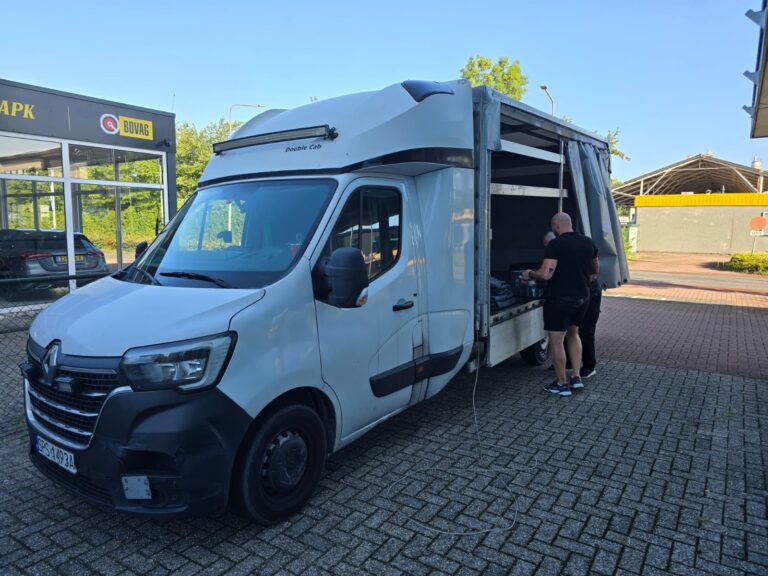
- VANonsite helps make moving from Germany to the Netherlands smoother with flexible vehicle sizes, careful handling, fast service, and GPS tracking for every load.
Fast Answer: What Do You Need When Moving from Germany to the Netherlands?
If you want the fastest useful answer, start here. Moving from Germany to the Netherlands becomes dramatically easier when you follow a sequence instead of trying to handle everything at once. That matters because most cross border stress does not come from one giant obstacle. It comes from ten smaller ones arriving on the same day. Housing, documents, transport, access, insurance, and timing all start pulling at your attention at once.
That is why this checklist works. It creates order before the move has a chance to become messy.
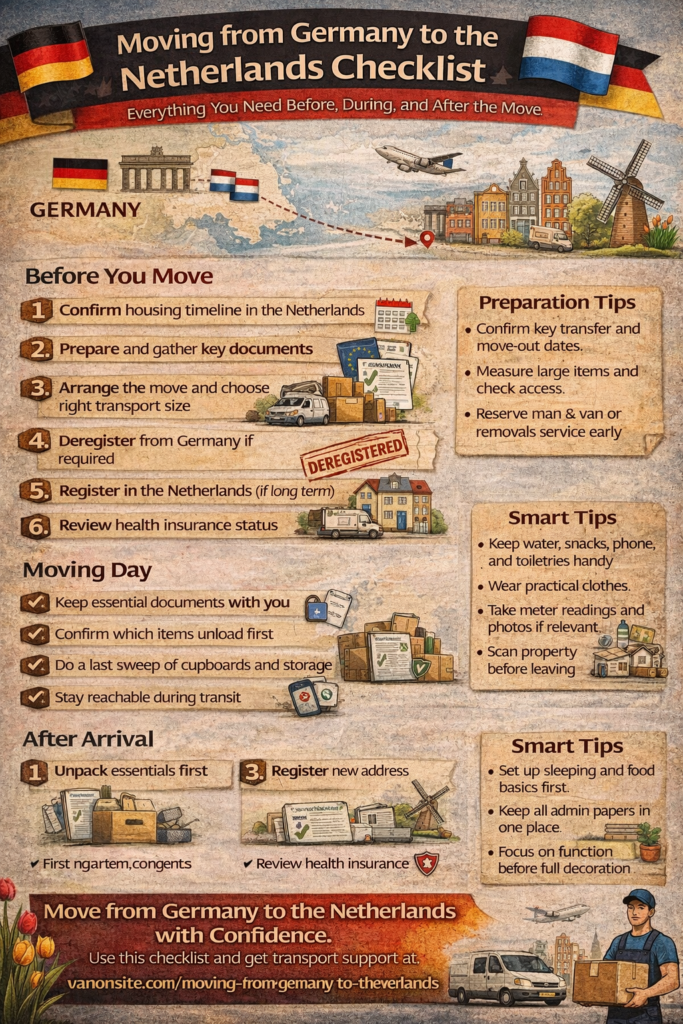
- Confirm your housing timeline in the Netherlands.
- Prepare your key documents.
- Arrange your move and choose the right transport size.
- Deregister from Germany if required.
- Register in the Netherlands if you will stay long term.
- Review your health insurance situation.
- Unpack essentials first and organise your first week.
That is the core structure. It works because it keeps the move grounded in reality. A cross border relocation may feel emotional and messy, but the logic behind it is simple. When your housing, paperwork, transport, and first week plan line up, the move becomes far less fragile.
However, each point in that quick answer carries more weight than it first appears.
Confirm your housing timeline in the Netherlands because a short move can still go wrong fast if key handover and delivery timing do not match. Even a gap of 3 to 5 days can create expensive pressure if your belongings arrive before you can legally move in.
Prepare your key documents because border distance is not the issue. Administrative timing is. One missing paper can slow registration, insurance steps, employment setup, or basic local admin during the first week.
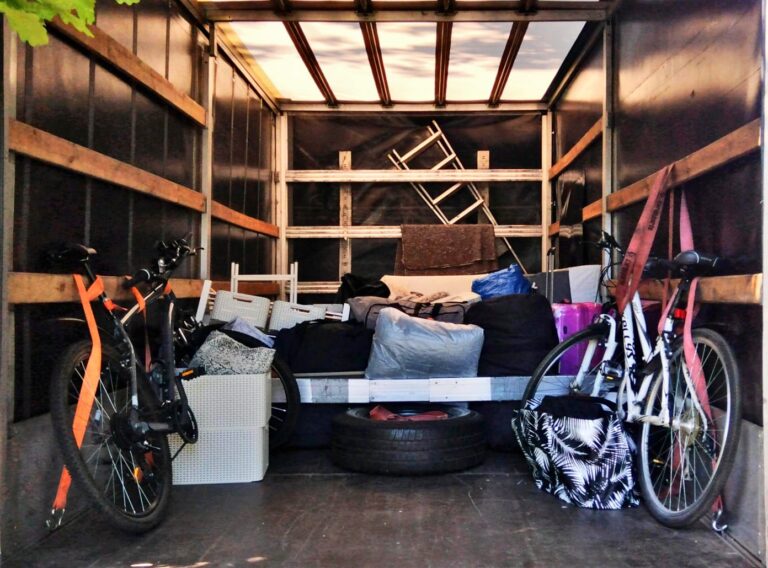
Arrange your move and choose the right transport size because many people underestimate volume by 20% to 30%. What looks like a compact move on paper can become a much larger load once kitchen items, hidden storage, lamps, office equipment, and awkward furniture are counted honestly.
Deregister from Germany if required because leaving that step too late can make an otherwise smooth move feel unfinished. It is a small administrative detail with bigger emotional and practical consequences than most people expect.
Register in the Netherlands if you will stay long term because this step often shapes how quickly the move begins to feel real. Registration is not just paperwork. It often affects access to services and your overall sense of stability.
Review your health insurance situation because uncertainty in this area tends to sit in the background and quietly drain confidence. People often postpone it because it feels technical. That usually makes the first week harder than it needs to be.
Unpack essentials first and organise your first week because the first days matter more than the first impression of a perfectly tidy home. Sleep, a hot drink, a charger, a clean towel, a few kitchen basics, and your key papers can do more for your peace of mind than unpacking decorative items ever will.
The easiest way to think about moving from Germany to the Netherlands is through three stages:
- Before departure: dates, documents, budget, transport, packing
- Moving day: access, timing, essential items, communication
- After arrival: registration, health insurance, daily setup, routine restoration
That three part view matters because it turns the move into something measurable. Instead of one giant emotional event, it becomes a sequence. That shift is powerful. It makes the whole relocation feel less mysterious and much more manageable.
Once you see the move this way, it stops feeling like one giant task and starts feeling like a series of actions you can actually complete.
Before Moving from Germany to the Netherlands, What Should You Do First?
The move begins much earlier than most people think. It does not begin when the van arrives. It begins when you choose a realistic moving week and start lining up housing, paperwork, and transport on both sides.
This early phase is where many avoidable mistakes are either prevented or quietly created. A one week mismatch between moving day and key collection can create serious stress. An optimistic guess about how much you own can distort the quote. A late booking can leave you choosing from whatever service is still available rather than what actually fits your move.
At this stage, moving from Germany to the Netherlands should start with five core decisions:
- confirm your target moving week
- match key handover dates on both sides
- measure large furniture and difficult items
- build a realistic budget
- check access conditions at both properties
Those steps may sound basic, but they shape everything else. If the move is tied to a new job, university start date, or family routine, the margin for error shrinks quickly. That is why the early stage should feel calm, practical, and brutally honest.
The smartest early planning usually comes down to asking better questions sooner.
- When do I actually get the keys in the Netherlands?
- Do I need to be fully out of my German address on a fixed date?
- How much am I truly moving, not just what I remember at first glance?
- What absolutely must arrive on day one?
- Am I planning this move around work, study, children, or temporary accommodation?
That kind of clarity can save you money and protect your energy. For some people, a light man and van option is enough. For others, especially families or people moving a full apartment, a more structured removals service makes far more sense. The goal is not to pick the smallest service. The goal is to pick the right one.
It also helps to break the early stage into four practical categories:
- Housing: move-in date, address details, parking, stairs, lifts, entry access
- Documents: ID, rental papers, work or study proof, insurance documents
- Transport: vehicle size, pickup timing, delivery plan, fragile item strategy
- Budget: moving service, deposits, travel, emergency buffer, first week setup
That framework matters because it keeps your head clear. Instead of treating the move like one tangled problem, you start solving it in separate parts. That alone can make moving from Germany to the Netherlands feel much less heavy.
This stage is also where real volume starts to become visible. A wardrobe here, a desk there, a bike, ten kitchen boxes, spare bedding, winter clothes, work monitors, lamps, and suddenly the move is much larger than expected. That is why measuring furniture and checking access conditions should never be treated as optional details.
A few smart early habits can make a dramatic difference:
- take rough photos of each room before asking for a quote
- list all large furniture and appliances honestly
- check whether both addresses have stairs, narrow hallways, or parking issues
- decide early what you are not taking
- keep a small budget margin for surprises
This is also where VANonsite fits naturally into the process. A reliable mover does not just carry boxes. It helps reduce uncertainty before the uncertainty starts to spread. That matters even more on a cross border route, because once the date is fixed, your room for improvisation gets smaller.
When the early phase is strong, the rest of the move has something solid to stand on. And when that foundation is weak, even a short route can start to feel unnecessarily hard.
Documents You Need When Moving from Germany to the Netherlands
Documents rarely feel urgent until one missing paper slows down your first week. That is why this part matters so much. A strong document pack can save hours of stress, prevent avoidable delays, and make moving from Germany to the Netherlands feel more secure from the very beginning.
The strongest document setup does more than collect paperwork. It gives you control. It makes appointments easier, follow-up tasks faster, and the first days in the Netherlands less chaotic. When documents are organised properly, the move feels grounded. When they are not, even a simple admin step can start to feel heavy.
| Document | Why it matters | When you may need it |
|---|---|---|
| Passport or national ID | Identity and travel | Travel, registration, contracts |
| Rental agreement or housing proof in the Netherlands | Address confirmation | Registration, admin, utilities |
| Employment contract or university letter | Explains your purpose | Work, study, local admin |
| Health insurance documents | Important for early setup | First weeks after arrival |
| Birth or marriage certificates | Useful for family admin | Schools, municipalities, records |
| Vehicle documents | Needed if bringing a car | Insurance, registration, transport |
| Moving inventory list | Helps with planning and claims | Moving day and transport |
That table covers the core layer, but the smartest approach is to create a real document safety net.
Keep the following in place before travel day:
- originals in one clearly organised folder
- printed copies of key documents
- digital backups stored securely online
- a simple note showing which documents are originals
- the most important papers in your personal travel bag, never in the main load
This matters even more if you are moving as a family, starting a job immediately, or arriving with a tight registration timeline. Students, professionals, parents, and people bringing a car often need slightly different priorities, but one rule stays the same: the documents that protect your first week should never disappear into the general shipment.
A practical way to organise your paperwork is to split it into three groups:
- Travel and identity documents such as passport, ID card, driving documents, and anything needed on the journey itself.
- Settlement documents such as housing proof, work or study papers, insurance documents, and local registration support.
- Family or support documents such as birth certificates, marriage certificates, vehicle papers, and any records that may become relevant after arrival.
This kind of structure matters because you do not need every paper every day. You need the right paper at the right moment. That small difference can save real stress.
It also helps to think in real life scenarios.
- Students should keep admission or enrolment confirmation, housing details, and ID together.
- Professionals should keep their work contract, start date information, and address papers easy to reach.
- Families should organise children’s documents and civil status papers early instead of scrambling for them later.
- Drivers bringing a car should keep vehicle and insurance documents ready for any transport or registration follow-up.
One of the most common mistakes when moving from Germany to the Netherlands is assuming that because the route is short, the documents can be handled casually. That is exactly what creates the most annoying delays. The move may not be far, but the paperwork still needs precision.
For official residence formalities, review EU residence rights and EU documents and formalities.
Do You Need to Deregister in Germany Before Moving?
This is one of the most practical questions in the whole process. If you are moving abroad, German registration rules can require deregistration from your municipality. The official German guidance explains registration and deregistration here: Registration and deregistration in Germany.
When moving from Germany to the Netherlands, this step matters because it is easy to leave it too late. People often focus so heavily on arrival in the Netherlands that they forget the administrative closing of life in Germany.
A practical deregistration checklist usually includes:
- valid ID or passport
- current registration details
- new foreign address if requested
- planned moving out date
The exact handling can vary by municipality, so this should be checked before moving day, not after you have crossed the border. Even when the physical distance is small, timing still matters. A move can feel smooth on the road and messy on paper if the German side is left unfinished.
This is also one of those tasks that sounds minor until it starts causing friction. A simple delay here can leave you juggling old and new administrative obligations at the same time. That is why the timing deserves more attention than many people give it.
A stronger practical approach is to think about deregistration as part of your departure strategy, not as a separate afterthought. That means:
- checking local municipality rules as soon as your moving date is clear
- confirming whether you can deregister in advance or only close to departure
- keeping your ID and address details easy to reach
- noting any deadline connected to your move-out date
That last point matters. Timing can vary, and waiting until the final days can create unnecessary pressure when the rest of the move is already intense.
There is also an emotional reason to handle this properly. Leaving Germany often feels more real once the formal side is done. The move stops being a plan and starts becoming a transition that is actually happening. That shift can be surprisingly powerful.
For families, professionals, and anyone starting a new role quickly in the Netherlands, closing the German side cleanly can also make the first week feel far less divided. You want your attention moving forward, not being pulled backward by a task you meant to finish earlier.
How to Register in the Netherlands After Arrival
For many people, this is the step that makes the move feel real. Once your address is formally registered in the Netherlands, the relocation becomes more than a temporary transition. It becomes the start of ordinary life.
If you are staying long term, municipal registration can become essential. The Netherlands provides guidance through Government.nl, NetherlandsWorldwide, and the IND page for EU, EEA and Swiss citizens.
If you expect to stay in the Netherlands for more than 4 months, BRP registration is often part of the conversation. That is why moving from Germany to the Netherlands should never be treated as just a transport task. The move affects your daily legal and practical position very quickly.
Documents often needed for Dutch registration may include:
- passport or ID
- proof of address
- tenancy documents
- supporting civil status papers if relevant
That is the core, but a stronger registration plan goes further. You should also think about timing, appointment availability, and whether every member of the household needs separate documents ready. This matters because the move can feel calm one day and suddenly administrative the next.
A few practical habits can make Dutch registration far smoother:
- keep all housing papers in one dedicated folder
- check local municipality booking rules as early as possible
- make sure names and address details match across documents
- prepare separate papers for partners or children if relevant
- keep ID and proof of address easy to reach rather than buried in general luggage
This step may feel administrative, but its impact is deeply practical. Registration can affect how fast you settle, access services, and feel anchored in your new environment. In real life, it is often the moment when the move stops feeling temporary and starts feeling lived in.
There is also a strong emotional layer here. Once your address is formally recognised, the home tends to feel more real. Your routines start to click into place. The move becomes less about transition and more about daily life.
That is why moving from Germany to the Netherlands should treat registration as one of the first major milestones after arrival, not as a side task you will somehow squeeze in later.
Health Insurance When Moving from Germany to the Netherlands
Health insurance is one of the most misunderstood parts of moving from Germany to the Netherlands. People often know it matters, yet leave it unresolved because it feels technical or slightly intimidating. That hesitation can make the first week feel less safe than it needs to feel.
The official Dutch theme portal is here: Health insurance in the Netherlands.
A practical health insurance checklist should include:
- identify your status after the move
- check what happens to your current coverage
- gather all insurance documents
- review whether Dutch coverage is needed right away
That short list matters because the route may vary depending on who you are. Employees, students, self employed movers, and families may all face slightly different next steps.
A simple way to think about it is this:
- Employees often need early clarity because work and insurance may connect quickly.
- Students should check how their study situation shapes the right path.
- Families should verify how each member is covered.
- Self employed movers should allow extra time for comparing options and paperwork.
This is not only a formal task. It affects peace of mind. Arriving in a new country while still feeling uncertain about healthcare, prescriptions, or what happens in an emergency can quietly undermine the whole first week.
The smartest way to handle this is to turn health insurance into a small action plan instead of one vague worry in the background.
- Confirm your main status before the move.
- Gather all relevant insurance documents before travel day.
- Keep proof with your essential paperwork.
- Check whether follow-up is needed during the first week.
- Do not leave the question hanging once you have arrived.
That structure matters because uncertainty in this area can quietly affect everything else. It is difficult to feel settled if a basic safety question is still unresolved.
It also helps to think about insurance in practical scenarios rather than abstract rules.
- Employees often need clarity fast because work, payroll, and insurance questions can connect almost immediately.
- Students may need to check deadlines and documentation early to avoid friction once classes begin.
- Families should verify that every family member is covered properly and that proof is easy to access.
- Self employed movers should give themselves a little more time for comparison, because rushing this choice can create unnecessary confusion.
A calm answer here changes the feel of the whole move. You are not just shifting your belongings from one country to another. You are building a life that needs to function safely from day one.
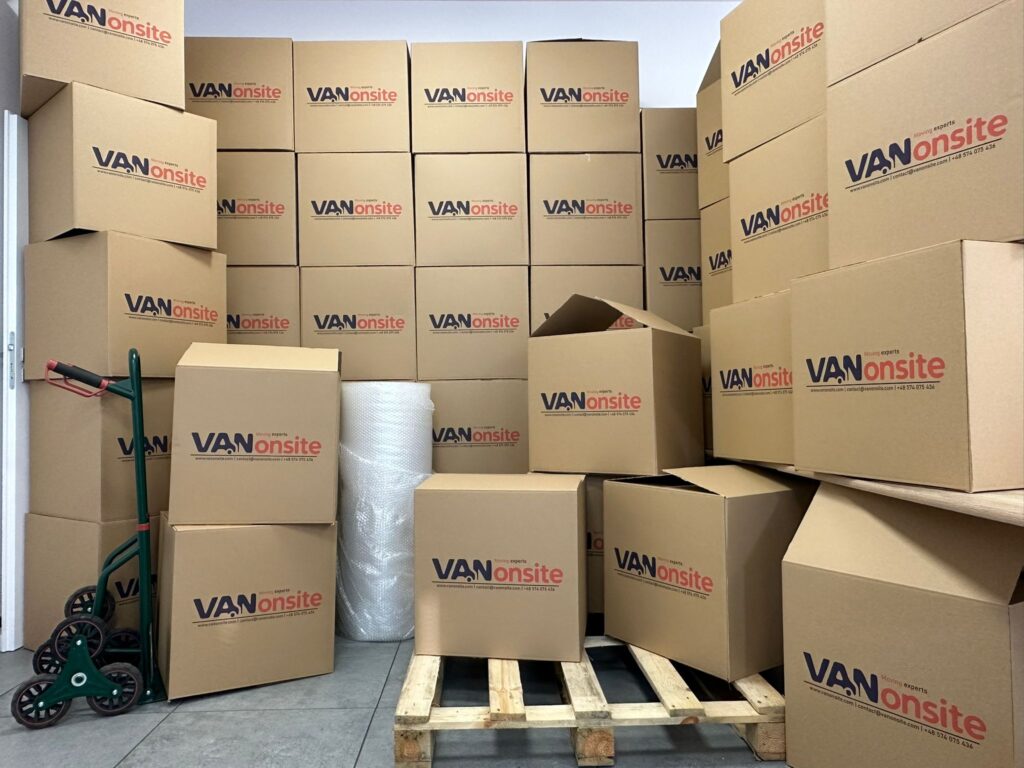
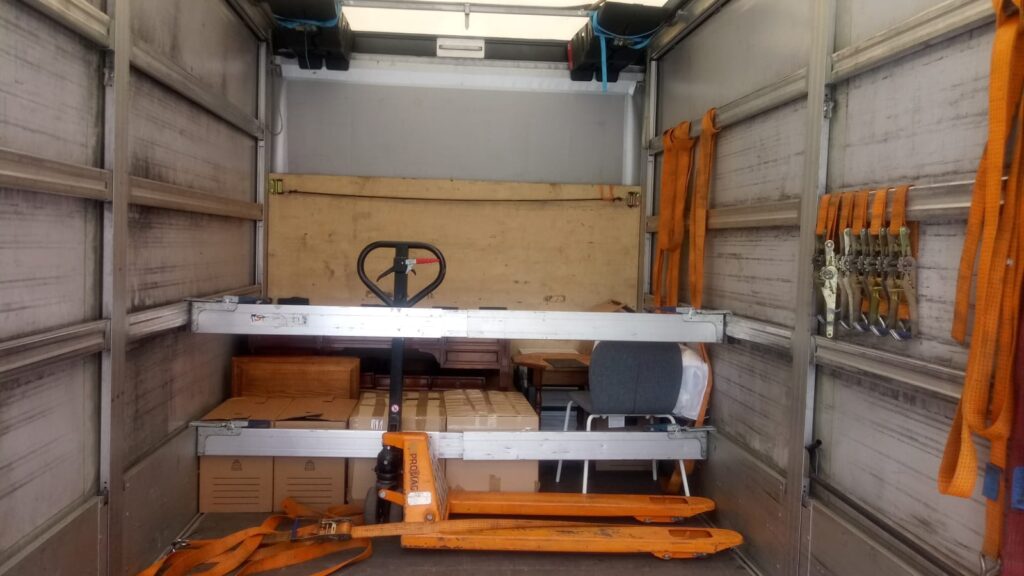

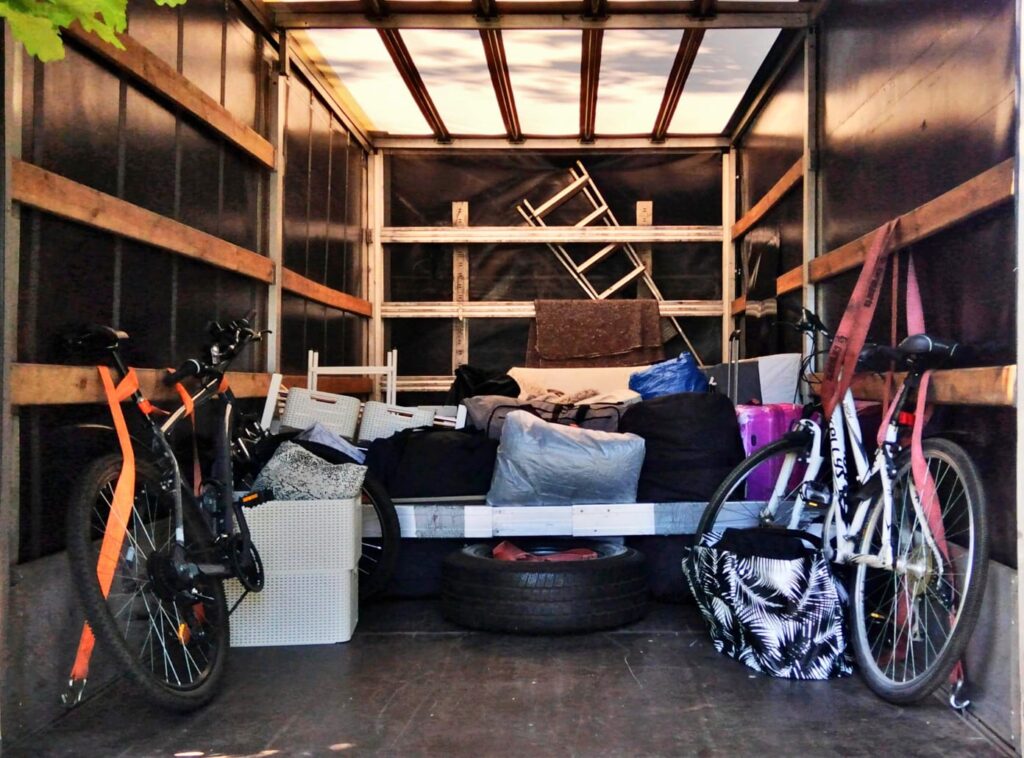

Packing Checklist for Moving from Germany to the Netherlands
Packing is where logic and emotion collide. A spoon can feel unnecessary until you need it on your first morning. A charger feels ordinary until you cannot find it. That is why moving from Germany to the Netherlands needs more than just boxes. It needs a packing system that protects function.
Good packing is not only about getting everything into the van. It is about protecting the first hours and first days after arrival. If you can sleep properly, wash properly, charge your phone, find your documents, and make a cup of coffee without tearing through ten random boxes, the move immediately feels more humane.
The strongest packing approach is to divide everything into three layers:
- What stays with you personally
- What must arrive first
- What can wait
That simple structure gives your packing real purpose. It stops you from treating every item like it has equal urgency, because it does not.
Your personal bag should hold:
- documents
- medication
- chargers
- keys
- valuables
- first 24 to 72 hour essentials
That bag should stay with you, not disappear into the main load. Even a beautifully organised move feels less secure when the most critical items are somewhere inside the van instead of within arm’s reach.
It also helps to create a second layer of clearly marked priority boxes. These are not personal items, but they should be the first things you can access after arrival.
Priority boxes often include:
- first night bedding
- towels and toiletries
- kettle, mugs, tea, coffee, or easy kitchen basics
- work laptop accessories or monitor cables
- children’s comfort items, nappies, or school essentials
- basic cleaning supplies and bin bags
Your boxes should also be labelled with real logic, not vague categories. Room by room labels, fragile markers, and clear priority grouping can make unloading far smoother.
A stronger box labelling system can look like this:
- Room name such as Kitchen, Bedroom, Office, Bathroom
- Priority level such as Day 1, Week 1, Non Urgent
- Fragile marker where needed
- Special note for items that should stay upright or be handled carefully
That may sound detailed, but it saves time immediately. A box labelled Kitchen, Day 1 is far more useful than one labelled Mixed Stuff. Precision now creates calm later.
A useful packing checklist includes:
- documents, medication, chargers, keys, and valuables in personal bag
- room by room box labels
- fragile stickers and grouped high value items
- first night bedding, toiletries, and kitchen basics easy to reach
For a stronger result, add these habits as well:
- pack one essentials bag per person if more than one person is moving
- keep furniture screws, fittings, and small parts in labelled zip bags
- photograph fragile or valuable items before loading
- avoid mixing paperwork, bathroom products, and random clutter in one box
- separate items you will need within the first 24 hours from items that can wait a week
This matters even more in real life scenarios.
- Students often need a compact, functional setup fast, especially in smaller rooms.
- Professionals may need desk equipment ready almost immediately.
- Families need routine, children’s essentials, and basic comfort from the first evening.
- Anyone moving fragile furniture needs stronger protection and more deliberate handling.
That is why services like Packing Service, White Glove Delivery, and Furniture Removals can make a major difference. They do not just help with the move. They help protect the first days after the move.
Moving Day Checklist for a Germany to Netherlands Move
Even a relatively short cross border move can feel intense on the day itself. The route may be compact, but the pressure is real. That is why moving from Germany to the Netherlands still needs structure on moving day.
The real goal is not perfection. It is flow. You want the right things accessible, the right people informed, and the whole day moving with as little friction as possible.
Use this checklist:
- keep essential documents with you
- confirm which items unload first
- do a final sweep of every cupboard and storage space
- stay reachable during transit
- confirm expected arrival time
Those five points protect you from some of the most common moving day problems. Forgotten storage corners, buried essentials, or confusion over what should come off the van first can create avoidable frustration very quickly.
A practical moving day rhythm often looks like this:
- Start with your personal essentials already separated.
- Check that fragile or priority items are clearly identified.
- Keep your phone charged and stay available during loading and transit.
- Do one last sweep of every room, cupboard, bathroom shelf, drawer, and storage corner.
- Confirm the arrival plan before you leave the first address behind.
Small habits matter here. Wear practical clothes. Keep water, snacks, and toiletries close. Make sure your phones stay charged. Keep valuables out of ordinary bags. These details sound tiny, but they protect the day from sliding into avoidable chaos.
A few additional habits can also save a surprising amount of stress:
- keep basic cleaning items easy to reach for both addresses
- take quick photos of empty rooms or meter readings if relevant
- make sure chargers are not buried in random luggage
- keep children’s or pets’ essentials separate and visible
- avoid loading important papers at the last minute without checking where they went
If children are part of the move, comfort matters just as much as logistics. A familiar toy, snacks, extra clothes, and a calm transition plan can soften the whole day. The same applies to pets, whose routine and transport should never become an afterthought.
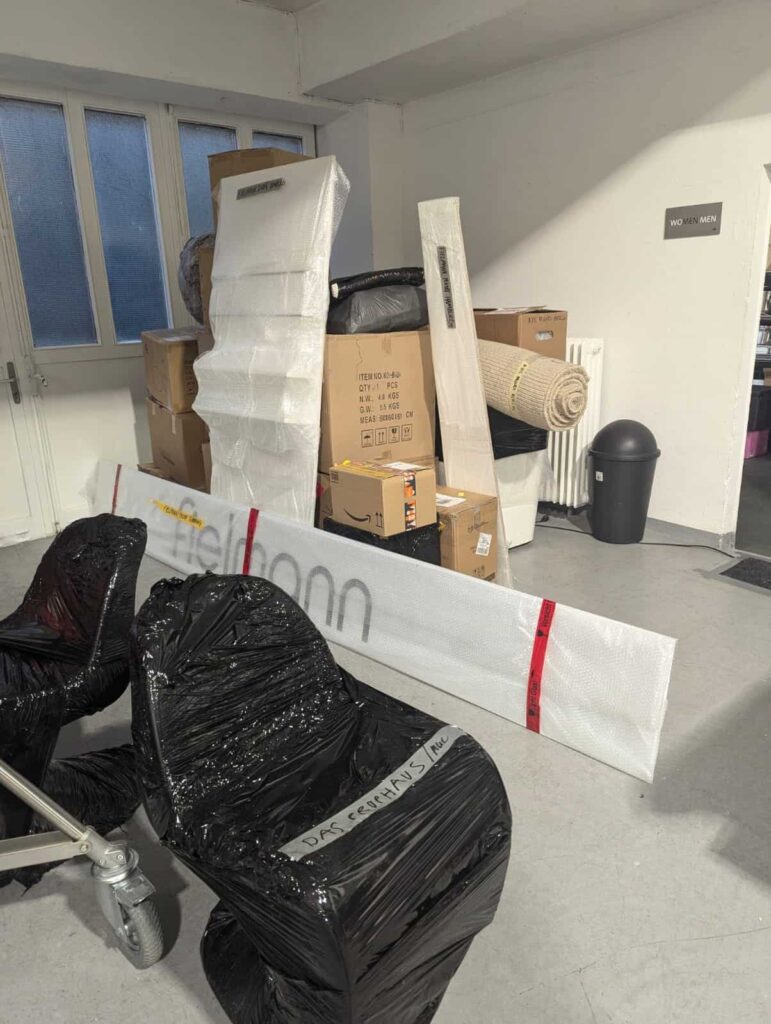
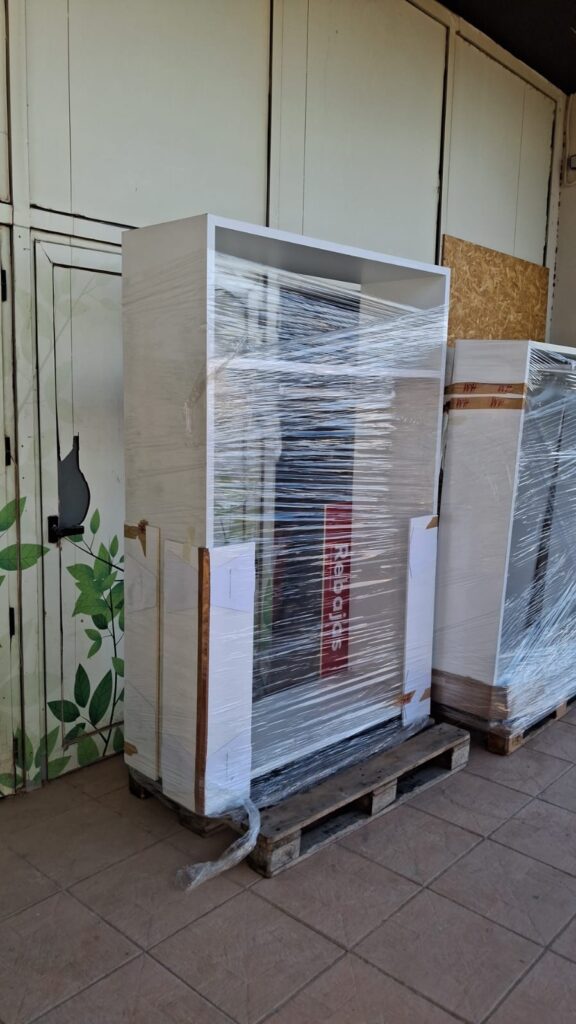
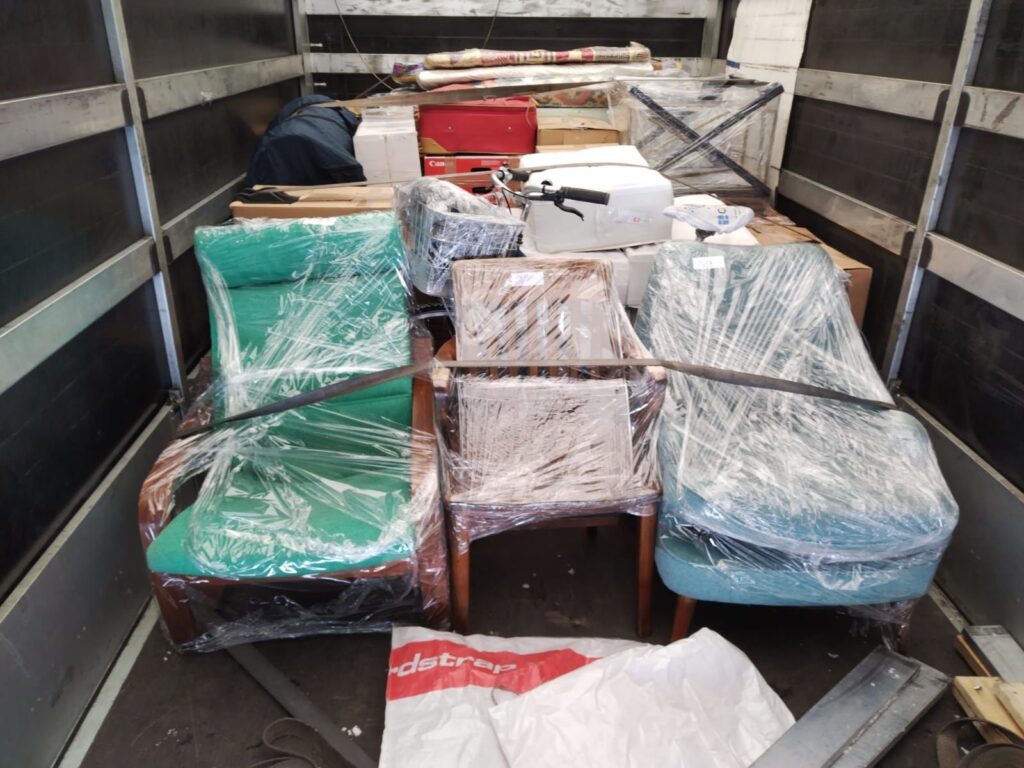
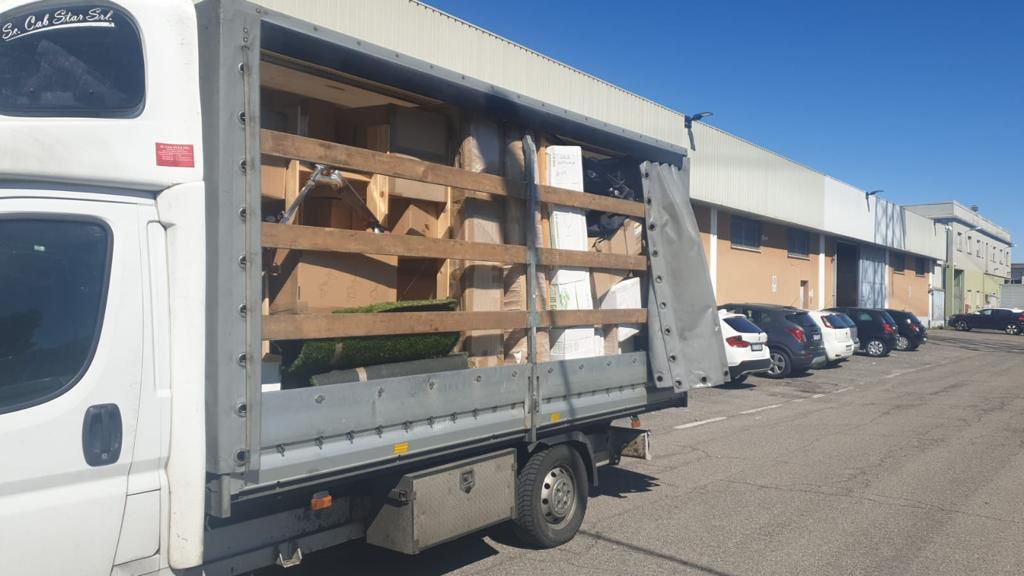
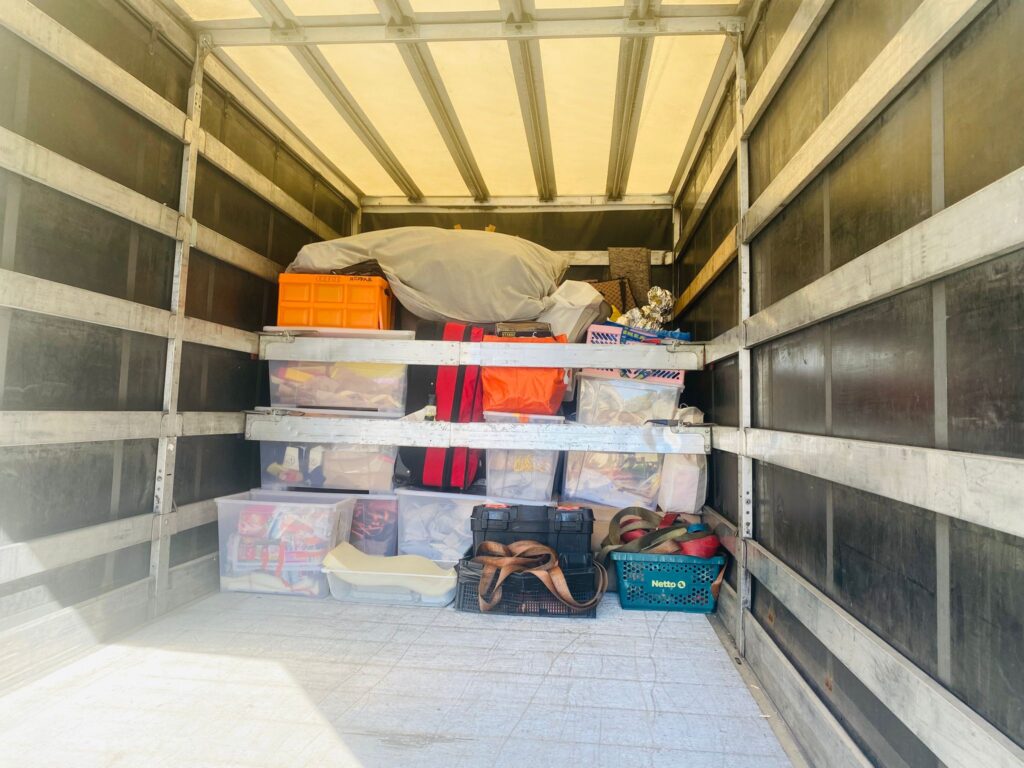
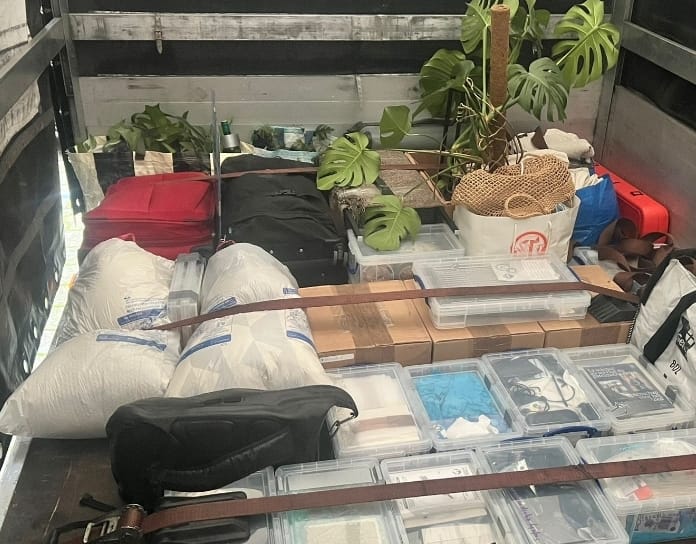
This is also where GPS tracked transport becomes genuinely useful. Even a short international move feels easier when you can follow the progress of the load instead of waiting in the dark. That visibility helps you manage your arrival, your first evening, and the emotional uncertainty that often rises during transit.
In practice, that is one of the quiet strengths of a mover like VANonsite. Good logistics do not just reduce physical risk. They reduce mental friction as well.
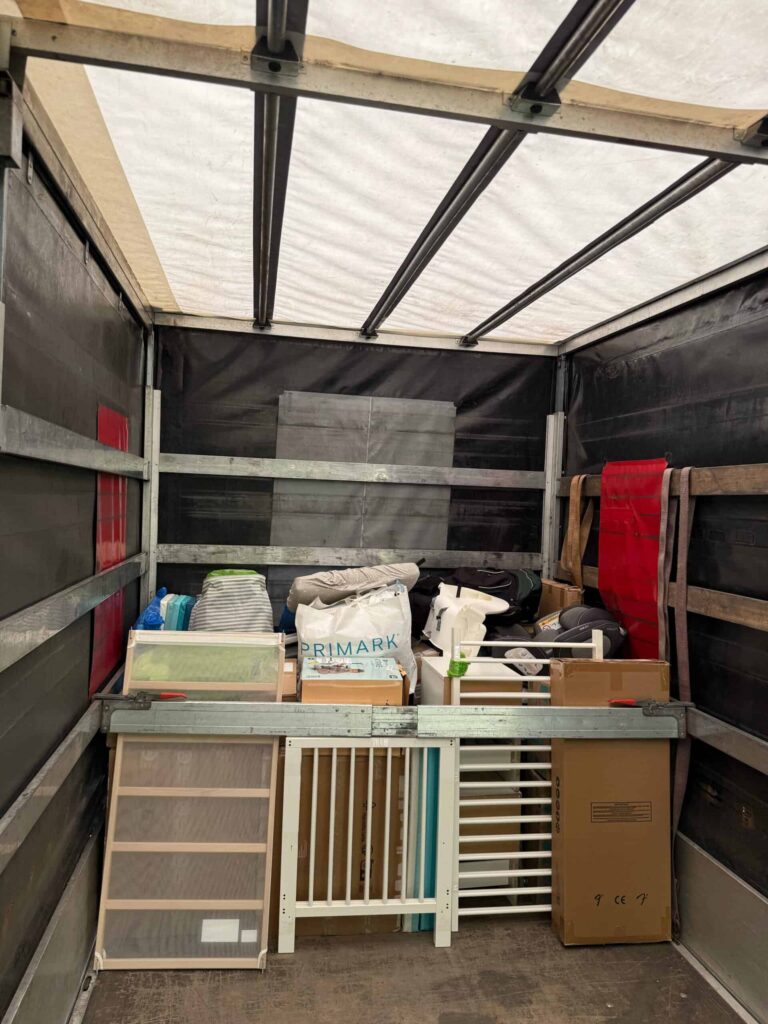
The First Week After Moving from Germany to the Netherlands
The relocation is not over when the last box crosses the doorway. In some ways, this is where moving from Germany to the Netherlands becomes most real. The first week is where transport turns into life.
The first mistake many people make here is trying to finish everything at once. That usually creates exhaustion instead of momentum. The smarter goal is not perfection. It is function. If the home works, the move starts to feel lighter. If the home does not work yet, even simple admin tasks can feel harder than they should.
The smartest first week order looks like this:
- Set up sleeping and kitchen basics.
- Keep documents in one safe place.
- Handle municipal registration if needed.
- Review insurance and work or study paperwork.
- Restore routine before aiming for perfection.
That order matters because comfort, admin, and daily function all compete for attention. If you restore the basics first, everything else becomes easier. A made bed, a working kettle, chargers in one place, and all key documents safely stored can make the new home feel dramatically more stable.
A stronger first week plan also helps to split life into three layers:
- Immediate comfort: sleep, shower, food, medication, chargers, clean clothes
- Immediate admin: registration, insurance, work or study paperwork, address related tasks
- Immediate function: kitchen basics, work setup, school essentials, family routine, transport basics
That structure makes moving from Germany to the Netherlands feel far more manageable, because it gives your attention an order. Instead of unpacking at random, you restore the parts of life that matter first.
A few smart first week habits can make a major difference:
- unpack the bedroom enough to sleep well on the first night
- get the kitchen to a basic working state before unpacking decorative items
- keep all important paperwork in one fixed location
- create one place for keys, wallets, chargers, and daily essentials
- focus on one useful task at a time instead of trying to finish the whole home at once
This matters even more in real life situations.
- Students often need a compact but functional setup very quickly.
- Professionals may need internet access, work equipment, and a usable desk almost immediately.
- Families usually need routine first, especially around food, sleep, and children’s essentials.
- Remote workers often feel the move much more sharply if monitors, chargers, and work files are not easy to find.
There is also a psychological side to the first week that people often underestimate. Small wins matter. A clean bed. A hot drink. A shower without searching through five boxes. These are not glamorous moments, yet they are exactly what make a new place start to feel safe.
That is why moving from Germany to the Netherlands should always treat the first week as part of the move itself, not as something separate that begins after the hard part is over. In reality, this is one of the most important stages.
Which VANonsite Vehicle Size Fits Your Move?
One of the fastest ways to create stress is to choose the wrong vehicle size. Most people underestimate how much they are actually moving by 20% to 30%. What feels like a modest load can quickly grow once kitchenware, lamps, storage boxes, awkward furniture, and work equipment are counted honestly.
| Service option | Capacity | Max load | Best for |
|---|---|---|---|
| Moving One | 1 m3 | 100 kg | Critical boxes and urgent essentials |
| Moving Basic | 5 m3 | 300 kg | Student move or room contents |
| Moving Medium | 10 m3 | 500 kg | Small flat and furniture |
| Moving Premium | 15 m3 | 1100 kg | One bedroom move |
| Moving Premium Plus | 30 m3 | 3500 kg | Couple or family move |
| Moving Full House XXL | 90 m3 | 20000 kg | Full household relocation |
This table matters because choosing a vehicle is not only about price. It is about stress, timing, repeated handling, and whether the move arrives as one clean operation or a messy compromise.
A man and van solution may work beautifully for smaller moves. However, once the move includes more furniture, more boxes, more fragile items, or more time pressure, a larger and more structured option often becomes the smarter choice.
The most useful way to choose a vehicle is not to think in individual items, but in real living scenarios.
Moving One works best when the load is tiny and urgent. Think critical boxes, documents, or a handful of items that need to arrive quickly.
Moving Basic often suits a student relocation, a room move, or a very light setup where simplicity matters more than transporting a full home.
Moving Medium makes more sense when the move includes both furniture and boxes from a smaller flat, not just loose essentials.
Moving Premium is often the right step when a one bedroom move starts to include bulkier furniture, heavier items, or less room for timing mistakes.
Moving Premium Plus usually becomes attractive when two people or a small family are moving enough belongings that breathing room matters.
Moving Full House XXL is built for serious household relocation, where the move is not selective but complete.
That is why this section matters so much in a guide about moving from Germany to the Netherlands. Capacity affects more than the quote. It affects loading speed, unloading order, damage risk, stress level, and whether the move feels clean or compromised.
A practical way to think about the options is this:
- Student move: Moving Basic or Moving Medium may often be enough
- Solo professional move: Moving Medium or Moving Premium can be a stronger fit, especially with work gear and furniture
- Couple move: Moving Premium or Moving Premium Plus often makes more sense than trying to squeeze into something too tight
- Family move: Moving Premium Plus or Moving Full House XXL is often the safer and calmer choice
This matters because the wrong vehicle size often creates a chain reaction. Too small, and the move risks overflow, tighter loading, repeated handling, and more stress. Too large, and you may pay for capacity you did not need. The goal is not to choose the cheapest or biggest by instinct. It is to choose what genuinely fits the move.
That is also where VANonsite becomes useful in practical terms. The range of vehicle sizes allows the transport plan to match the real scope of the move instead of forcing the move into a format that never really fit.
How Much Does It Cost to Move from Germany to the Netherlands?
Cost is one of the first questions people ask, and rightly so. Yet the better question is not only what the move costs, but what shapes the price and what kind of risk is hidden inside a quote that looks suspiciously cheap.
| Cost factor | Why it changes the quote |
|---|---|
| Distance | Influences route and time |
| Volume | Determines vehicle size and loading plan |
| Weight | Affects handling and transport |
| Access | Stairs and parking change labour intensity |
| Packing support | Adds time, materials, and skill |
| Urgency | Last minute moves usually cost more |
| Storage | Adds flexibility and service time |
That table gives the structure, but the real lesson is this: pricing only makes sense when the move is described honestly. A short route does not automatically mean a cheap move. A move with difficult stairs, a delayed key handover, premium furniture, or a large household load can cost more than people expect even when the distance looks modest on paper.
A very cheap man and van quote can become expensive if it ignores real access conditions, real item volume, or the need for proper protection. That is why moving from Germany to the Netherlands should be priced with honesty, not guesswork.
A stronger way to understand the quote is to think in three layers.
- Base transport cost
- Handling complexity
- Optional support services
Base transport cost usually reflects the route, the vehicle size, and the time needed for the journey itself. Handling complexity covers the real work behind the move, including stairs, long walking distances, loading difficulty, large furniture, and awkward access. Optional support services include things like packing, storage, white glove handling, or last minute flexibility.
That structure helps you compare offers more realistically and avoid the trap of choosing the lowest number without understanding what has been left out.
A few details can change the quote more than people expect:
- narrow staircases or buildings without lifts
- long distance between the van and the entrance
- bulky furniture that needs careful manoeuvring
- urgent or fixed time slot delivery
- last minute booking pressure
- fragile, valuable, or specialist items that need more protective handling
This is why the cheapest offer is not always the smartest one. A quote that looks lower at first can become far more expensive later if it creates delays, extra labour, repeat handling, or damage risk. In real life, stress has a cost too.
It also helps to think in move types rather than abstract price questions:
- Light move: fewer boxes, minimal furniture, compact student or solo setup
- Standard flat move: bed, table, sofa, kitchenware, office gear, and stored household items
- Family move: more volume, more time pressure, and a stronger need for order from day one
- Premium move: fragile furniture, valuable items, and more careful handling throughout
Each of those creates a different cost structure. That is why moving from Germany to the Netherlands should never be reduced to a one line price question. The real cost depends on what the move truly is.
In practical terms, that is also where VANonsite becomes relevant. Flexible vehicle sizes, specialist services, and GPS tracked transport make it easier to compare value based on what the move actually needs rather than what looks cheapest at a glance.
Common Mistakes When Moving from Germany to the Netherlands
Most relocation problems do not begin as disasters. They begin as small assumptions. Then those assumptions collect pressure until the move feels heavier than it should.
The most common mistakes include:
- booking too late
- underestimating the load
- packing documents into the main shipment
- forgetting first 72 hour essentials
- ignoring deregistration or registration timing
- choosing by price alone
- not checking access conditions on both sides
These mistakes are common because people focus on the route and ignore the chain reaction. One late booking changes the timetable. One wrong vehicle changes the whole loading plan. One buried document can slow your first week more than expected.
Each mistake deserves more attention because each one tends to grow.
Booking too late often means less choice, less flexibility, and more pressure. If your move is tied to work, study, or tenancy deadlines, that reduced flexibility can affect the entire plan.
Underestimating the load is one of the most expensive habits in any cross border move. It can lead to the wrong vehicle, a tighter loading plan, repeated handling, and a much more stressful moving day.
Packing documents into the main shipment feels harmless until you need your ID, contract, insurance proof, or housing papers immediately. Then it becomes an avoidable headache with perfect timing.
Forgetting first 72 hour essentials can make the first evening feel far harsher than it should. No charger. No bedding. No medication. No basic kitchen items. These are small things, but they hit hard after a long day.
Ignoring deregistration or registration timing can leave you feeling stuck between two places. Even when the physical move is done, the administrative side keeps pulling at your attention.
Choosing by price alone is one of the most misleading mistakes of all. A lower quote that does not match the real complexity of the move can end up costing more in delay, confusion, or poor handling.
Not checking access conditions on both sides often creates the ugliest surprises. Tight hallways, no lift, poor parking, or long walking distances can change the day more than people expect.
There are also a few quieter mistakes worth noticing:
- leaving furniture measurements until the final week
- not separating what must arrive first from what can wait
- mixing fragile items with ordinary boxes without proper labelling
- assuming a short international move automatically means simple logistics
- treating the first week after arrival as separate from the move itself
Those quieter mistakes matter because they slowly erode control. The move becomes less orderly, the first week becomes more tiring, and small frictions start appearing everywhere.
The good news is that a strong plan catches most of these problems early. That is what makes a good relocation guide valuable. It does not just tell you what to do. It helps you avoid what goes wrong.
In practice, that is also one of the hidden strengths of a reliable mover. Better planning, clearer communication, stronger load preparation, and a more realistic quote can stop small errors from turning into expensive ones.
Why VANonsite Makes Cross Border Moves Easier
A good mover does more than transport items. It reduces uncertainty. That is what makes VANonsite feel relevant here. When moving from Germany to the Netherlands, you are not simply hiring a vehicle. You are choosing how much calm, speed, and visibility you want built into the move.
VANonsite offers:
- high quality European transport
- GPS tracking for every load
- flexible options from man and van to full relocation
- strong fit for students, professionals, families, and premium item moves
- services that reduce stress before, during, and after the move
That flexibility matters because different moves need different answers. A student relocation does not need the same structure as a family move. A few urgent boxes do not need the same approach as a full apartment. A mover that can scale up or down intelligently gives you more control from the start.
What makes this even more valuable is what those promises mean in real life. High quality transport means your belongings are not treated like anonymous cargo. It means better handling, better timing, and a stronger sense that the move is being taken seriously. When your home, work equipment, furniture, and personal items are crossing a border, that difference matters.
GPS tracking for every load is not just a modern extra. It changes the emotional experience of the move. Instead of sitting in uncertainty and wondering where your belongings are, you gain visibility. You can plan your arrival, your first evening, and the next practical steps with more confidence. During a cross border move, that kind of clarity can feel remarkably reassuring.
The flexibility of the service also matters more than people expect. Some movers only need a compact man and van option for a student room, a small apartment, or urgent essentials. Others need a more structured removals service with more space, more coordination, and more careful handling. VANonsite works well in this context because the service can adapt to the actual size and complexity of the move instead of forcing every customer into the same narrow format.
That becomes especially useful across different real life scenarios:
- Students often need speed, value, and a practical setup that still feels dependable.
- Professionals may need a smoother timetable, work equipment protection, and a home that becomes functional fast.
- Families usually need more capacity, more order, and a calmer first evening after arrival.
- Premium item moves benefit from stronger protection, more careful handling, and support that goes beyond basic transport.
This is also where VANonsite’s broader service range becomes useful. Moves rarely fail because of one dramatic mistake. More often, they become difficult because of many smaller frictions. Furniture that needs better handling. Boxes that should have been packed professionally. An awkward item that needed more care. A timing problem that demanded more flexibility. Services such as Packing Service, White Glove Delivery, Furniture Removals, Home Removals, Office Removals, and Student Removals help reduce those pressure points before they become bigger problems.
There is also a practical trust factor in having a mover that understands European routes and cross border timing. Even when the distance between Germany and the Netherlands is not huge, a relocation still needs coordination. Access details, pickup timing, unloading order, fragile items, and first week needs all matter. Good logistics make the move feel more controlled. Poor logistics make everything else heavier.
In that sense, VANonsite is not only relevant because it can move a load from point A to point B. It is relevant because it supports the deeper goal of the article itself: helping moving from Germany to the Netherlands feel less chaotic, less risky, and more manageable from the first plan to the first night in the new home.
FAQ
Is moving from Germany to the Netherlands easy for EU citizens?
For many EU citizens, the legal side is more straightforward than for non EU movers. Still, the practical side still matters: housing, registration, insurance, and transport all need to line up. The route may be easier on paper, but the move still benefits from structure and realistic planning.
Do I need to deregister in Germany when I move to the Netherlands?
In many cases, yes, if you are moving abroad. Check your municipality’s rules and the official German guidance before moving day. It is one of those tasks that is much easier to handle early than under last minute pressure.
When do I need to register in the Netherlands?
That depends on how long you will stay and your personal situation. If you will stay long term, municipal registration can become a key early step. It is often one of the first real milestones that helps the move feel settled instead of temporary.
Can I use a man and van for a Germany to Netherlands move?
Yes. A man and van service can work well for smaller moves, student relocations, urgent items, or partial household transport. For larger household moves, families, or more delicate loads, a broader removals setup is often the calmer choice.
What should I keep with me instead of putting in the van?
Keep documents, medication, chargers, valuables, keys, and your first 24 to 72 hour essentials with you personally. Anything that protects travel, the first night, or your first week should stay within reach rather than inside the main load.
Which van size is best for a family move?
That depends on the real volume of the load, but many family relocations need either Moving Premium Plus or Moving Full House XXL. The safest choice depends on how much furniture, how many boxes, and how much first week functionality the move needs.
Is GPS tracking useful for a short international move?
Yes. It adds visibility, reduces uncertainty, and makes arrival planning easier, even on a relatively short route. The practical distance may be short, but the peace of mind it creates can still be significant.
Is VANonsite only for large relocations?
No. One of the strongest practical advantages is flexibility. VANonsite can support anything from a lighter man and van move to a more complex household relocation, which makes it easier to choose a solution that actually matches the move rather than overpaying or underestimating it.
Final Thoughts
Moving from Germany to the Netherlands becomes far less stressful when the move is handled as a sequence of clear actions instead of a blur of urgent tasks. The right checklist creates control. The right mover helps protect that control all the way through.
That is the real goal. Not perfection. Not a flawless fantasy. Just a move that feels steadier, safer, and more manageable at the moments that matter most.
A strong move is not built only on distance. It is built on timing, clarity, and the feeling that the important details have been handled properly. When that happens, the relocation starts to feel less like a leap into chaos and more like a confident next step.
If you want the relocation to feel smoother, faster, and more secure, choose a moving partner that treats logistics with real care. VANonsite does exactly that, whether you need a compact man and van booking or a larger household move. When the move matters, dependable transport does more than carry boxes. It protects the start of the next chapter.