Moving to Berlin Germany can feel like stepping into one of Europe’s most restless, creative, and opportunity-rich cities. Berlin pulls people in with a rare mix of freedom, scale, reinvention, and momentum. For some, it is the startup energy. For others, it is the universities, the art scene, the international job market, or the simple feeling that life in Berlin can still be shaped rather than merely followed.
That excitement is real. So is the pressure. Housing moves fast. Registration matters. Documents need to be right. And the transport side of the move can either support the transition beautifully or drain your energy before the first week is over.
That is why moving to Berlin Germany is both thrilling and demanding. The city rewards bold decisions, but the relocation itself still needs structure. A beautiful plan on paper can start falling apart quickly if the flat is harder to access than expected, if the move is booked too late, or if the transport choice does not fit the real size of the load.
This is where preparation changes everything. The smarter the planning, the faster Berlin starts feeling like possibility rather than pressure. That means understanding the legal route, preparing for Anmeldung, thinking carefully about housing, and choosing transport that matches the reality of the move instead of the most optimistic version of it.
VANonsite fits naturally into that kind of relocation. The company combines flexible service levels, GPS-tracked loads, and options ranging from compact man and van support to larger removals for households, premium furniture, and more demanding European routes. That kind of structure matters when the destination city is as fast-moving and layered as Berlin.
Quick Answer on Moving to Berlin Germany
If you want the fastest practical answer, here it is: moving to Berlin Germany can be an excellent decision, but the move works best when you treat housing, registration, and transport as early priorities rather than last-minute details.
The most important things to know right away are these:
- Berlin attracts professionals, students, creatives, and entrepreneurs with its scale, energy, and lower emotional pressure than many other major capitals.
- If you are moving to Berlin Germany, housing and registration are two of the first practical pressure points.
- Berlin residence registration generally needs to happen within 14 days after moving in.
- If you are coming from outside the EU, visa and customs preparation may both matter.
- A man and van service can be ideal for smaller Berlin moves, while fuller removals support is often better for households and larger furniture loads.
- Booking transport early usually improves timing, choice, and price.
The short version is simple. Berlin is exciting, but it does not reward vagueness very well. The move feels much easier when the legal side is clear, the paperwork is easy to access, and the transport option fits the real size of the relocation.
That matters because even a city full of freedom can feel overwhelming when the arrival is disorganised. A good move protects your energy. It gives you a cleaner first week. It turns the city from a logistical puzzle into a place you can actually start living in.
So if you are planning a relocation to the German capital, think in layers. Secure the legal route. Prepare for registration. Be realistic about housing. Then choose transport that makes the arrival feel calmer, not heavier.
Why So Many People Are Moving to Berlin Germany
Berlin keeps pulling people in because it offers something that many European capitals have lost: room to reinvent yourself. The city is not polished in a conventional way, and that is part of its magnetism. It feels open to experimentation, more forgiving of unconventional paths, and unusually attractive to people who want opportunity without a suffocating sense of formality.
That is one reason moving to Berlin Germany keeps appealing to such a wide mix of newcomers. The city does not attract one type of person. It attracts ambitious professionals, international students, artists, founders, freelancers, families, and people who simply want a bigger, more flexible stage for the next chapter of their lives.
Career growth, startups, and international opportunity
Berlin has built a powerful reputation as a city where international careers can start moving quickly. Startups, tech teams, creative agencies, research institutions, NGOs, and global companies all add to that sense of motion. For many newcomers, Berlin feels like a place where professional life can still expand sideways as well as upward.
That matters because the city does not only offer jobs. It offers range. You can arrive for a role in tech, study, design, communications, hospitality, academia, or entrepreneurship and still feel that the city has multiple doors open in front of you.
A city with creative energy and global pull
Berlin has long been one of Europe’s strongest cultural magnets, and that energy still matters. Music, design, film, contemporary art, fashion, independent spaces, and a powerful international scene all shape the city’s identity. Berlin does not simply host creativity. It breathes it into ordinary life.
For many people, that creative pull is not a side benefit. It is one of the main reasons moving to Berlin Germany feels emotionally exciting. The city can make life feel larger, more vivid, and less scripted.
Why Berlin still feels freer than many other capitals
Berlin often feels less polished than capitals like Paris, Vienna, or even Munich, but that rougher edge is exactly what many people value. The city can feel less performative, less status-driven, and more open to unusual rhythms of living and working.
That does not mean Berlin is easy. It means it often feels looser. And for many newcomers, that emotional looseness is rare and deeply attractive.
Why people choose Berlin:
- international career options
- creative and startup energy
- strong student appeal
- cultural depth
- a more flexible city rhythm
The emotional truth is simple. Berlin offers possibility with texture. It is not always neat, but it often feels alive in a way that is hard to replace.
What Daily Life in Berlin Is Really Like
The dream of Berlin is powerful, but daily life in Berlin is not a postcard. It is more layered than that. The city can feel inspiring, energising, frustrating, liberating, and chaotic, sometimes all in the same week. That is exactly why it helps to understand the everyday rhythm before the move becomes real.
If you are moving to Berlin Germany, daily life matters just as much as the big move itself. The better your expectations fit the city, the easier the transition feels once the excitement settles into routine.
Berlin feels open, dynamic, and sometimes chaotic
Berlin often feels emotionally open. There is room here for different lifestyles, different schedules, different aesthetics, and different ways of building a life. At the same time, the city can feel rough around the edges. Admin can be frustrating. Streets can feel unpredictable. The pace can swing between laid-back and intensely pressured.
For many newcomers, that contrast becomes part of Berlin’s character. It is not a city that wraps everything neatly. It is a city that gives you room, but expects you to build your own structure inside it.
Public transport, neighborhoods, and city rhythm
Berlin is large, and everyday life changes dramatically depending on where you live. One neighborhood may feel quiet, green, and residential. Another may feel creative, dense, and constantly in motion. Public transport plays a major role in making that scale workable, because the city’s rhythm is often defined as much by connection as by distance.
This matters when planning a move because lifestyle in Berlin is highly local. A district can shape your commute, your social life, your stress level, and the way the city feels day to day.
Lower polish than Munich, but more creative freedom
Berlin does not usually impress newcomers with order or polish in the way Munich often does. What it offers instead is creative freedom, social flexibility, and a stronger sense that life does not have to look one particular way.
For some people, that is a relief. For others, it takes adjustment. But it is one of the clearest reasons Berlin keeps its global pull. It offers less shine and more permission.
| Berlin Reality | Why It Matters |
|---|---|
| Diverse neighborhoods | Lifestyle changes street by street |
| Strong public transport | Helps citywide movement |
| Fast housing pressure | Requires planning |
| Creative, less formal atmosphere | Appeals to many newcomers |
The most useful mindset is balance. Berlin can be exhilarating, but it works best when you arrive with both excitement and realism. That combination makes daily life easier to absorb and much more rewarding over time.
Housing Realities When Moving to Berlin Germany
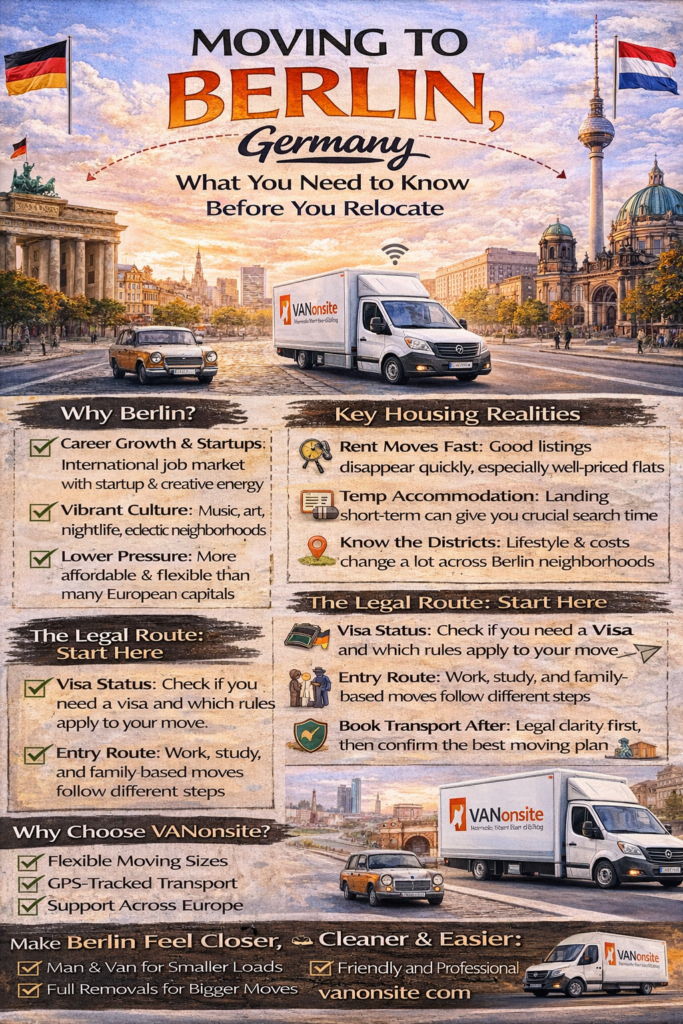
Housing is one of the first places where the romance of Berlin meets reality. The city remains hugely attractive, and that demand has consequences. Good flats move quickly, expectations need to stay realistic, and the emotional pressure of finding the right place can shape the whole tone of the relocation.
That is why moving to Berlin Germany works better when housing is treated as an active strategy, not a background detail. The right plan does not always mean finding the perfect flat first. Often, it means landing well enough to keep control while you search properly.
Why Berlin housing can still feel competitive
Berlin may no longer feel as cheap or as undiscovered as it once did, but demand is still intense. Newcomers arrive every week for work, study, family reasons, and fresh starts. That keeps pressure high in many parts of the market.
This matters because a flat that looks ideal online may disappear fast, attract heavy competition, or come with compromises you only notice when the process becomes real. Housing pressure is not a reason to panic, but it is a reason to prepare seriously.
Why temporary accommodation can be a smart landing strategy
Temporary accommodation can be one of the smartest ways to reduce early pressure. Instead of forcing a rushed long-term decision from abroad, it gives you breathing room. You can arrive, register your first impressions of the city, understand district differences more clearly, and search with better judgment.
That kind of softer landing often makes the whole move feel more stable. It can also help you avoid signing too quickly in an area that does not actually fit your daily life.
How to think about districts before signing anything
Berlin is not one emotional experience. It changes dramatically from district to district. One area may feel residential and calm. Another may feel youthful, intense, artistic, or highly connected. That is why district choice should be practical as well as aspirational.
A place that looks exciting on a map can feel exhausting if the commute is wrong, the transport links do not fit your routine, or the pace of the neighborhood pushes daily life in the wrong direction. A good location is not only about image. It is about how the city feels on a Tuesday morning.
Before choosing a Berlin district, think about:
- commute time
- rent level
- transport access
- lifestyle and pace
- schools or childcare if relevant
The strongest housing decisions usually come from patience and clarity. Berlin rewards curiosity, but it also rewards realism.
Visa and Legal Steps for Moving to Berlin Germany
The legal side of a move should always come before the transport side. That order matters more than many people expect. A beautifully organised relocation can still become stressful if the visa route, residence path, or supporting documents were not understood early enough.
That is why moving to Berlin Germany should begin with legal clarity. Once the route is confirmed, the rest of the move becomes far easier to sequence.
Who may need a visa before moving
Whether you need a visa depends largely on your nationality and the basis on which you plan to stay in Germany. Some people can enter and arrange the next steps more simply. Others need to complete important visa work before the move happens.
This is exactly why official sources matter so much at the start. The wrong assumption here can distort the whole moving timeline.
Work, study, and family-based routes
Berlin attracts people for many different reasons, and those reasons shape the legal route. Work-based moves, study plans, and family reunification do not follow one identical path. Each route has its own logic, documents, and timing.
That is why it helps to define the legal basis of the relocation before thinking too far ahead about the moving day itself. The cleaner the route, the cleaner the plan.
Why legal timing should come before booking the move
Transport should support the legal timeline, not race ahead of it. If the visa process, approval timing, or required documents are still unclear, booking the move too early can create unnecessary stress and cost.
Strong planning starts with the legal side, then builds outward into housing, transport, and arrival admin. That order protects both money and peace of mind.
Before booking your move, confirm:
- whether you need a visa
- which route applies
- what proof is required
- when your move date becomes realistic
The practical lesson is simple. Legal clarity is not an admin detail. It is one of the foundations of a successful move to Berlin.
Berlin Registration and First Admin Steps
After arrival, Berlin starts testing how prepared you really are. The city may feel thrilling, but the first administrative steps can quickly shape whether the transition feels smooth or exhausting. This is where structure matters. The more organised you are in the first days, the faster life starts feeling real rather than temporary.
If you are moving to Berlin Germany, registration is one of the first major turning points. Once that step is handled properly, the rest of everyday life becomes much easier to build.
Register your address in Berlin within 14 days
In general, Berlin requires you to register your address within 14 days after moving into your new home. The official Berlin service page is here: Residence registration in Berlin.
This is one of the most important first steps because Anmeldung affects how quickly you can move forward with the rest of life in Germany. When registration is delayed or the paperwork is incomplete, everything else tends to feel slower and heavier.
Set up health insurance, banking, and internet
Once your address situation is stabilised, the next layer is practical. Health insurance, banking, internet, and utilities are not glamorous topics, but they are what make a city start feeling livable. Without them, even a beautiful new flat can still feel like a waiting room.
That is why the smartest arrival plan focuses on momentum. One completed admin step makes the next one easier.
Use Berlin’s Welcome Center and newcomer resources
Berlin offers useful official resources for newcomers, including the Berlin Welcome Center and the broader New in Berlin information pages. These can help you orient yourself more quickly and reduce the sense of guesswork during the first phase.
That support matters because moving to Berlin Germany is not only about reaching the city. It is about getting your footing once you are there.
Early priorities after arrival:
- register your address
- organise health insurance
- set up utilities and internet
- sort banking and payments
- confirm work or study admin
A strong first week in Berlin is rarely accidental. It usually comes from handling the basics early, before small admin tasks begin to pile up into something more draining.
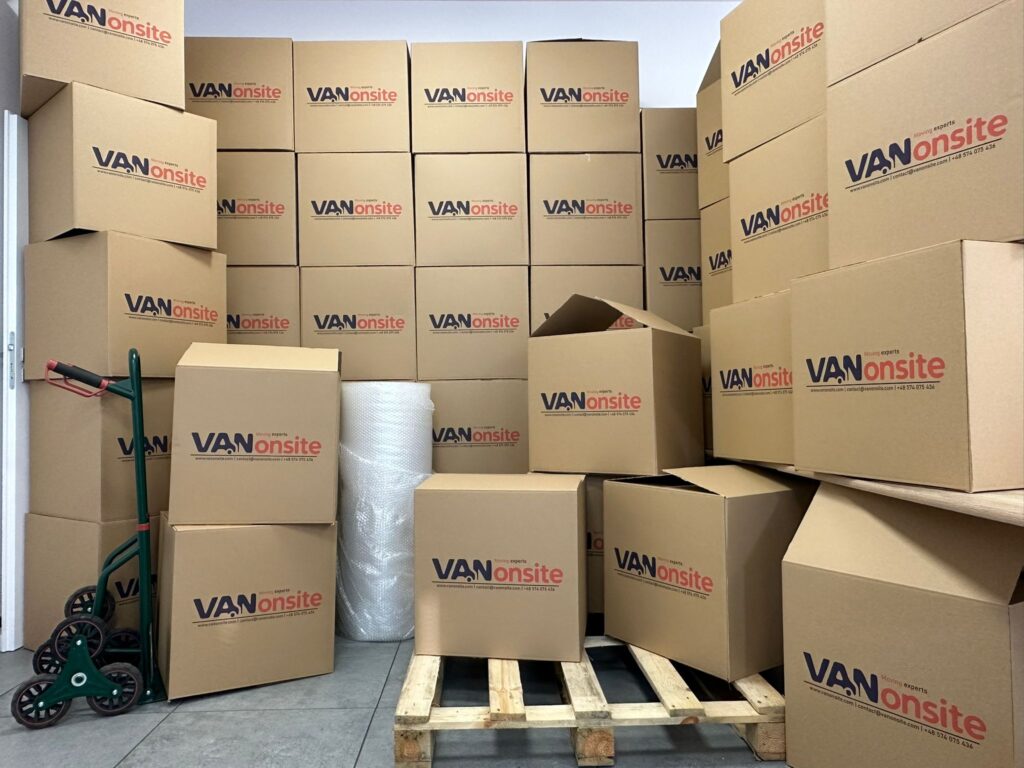
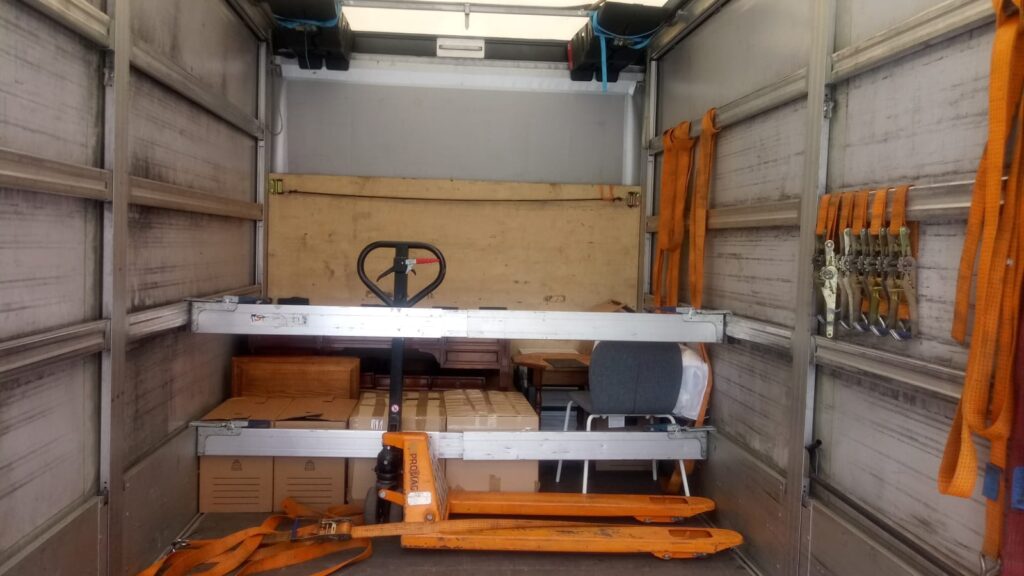


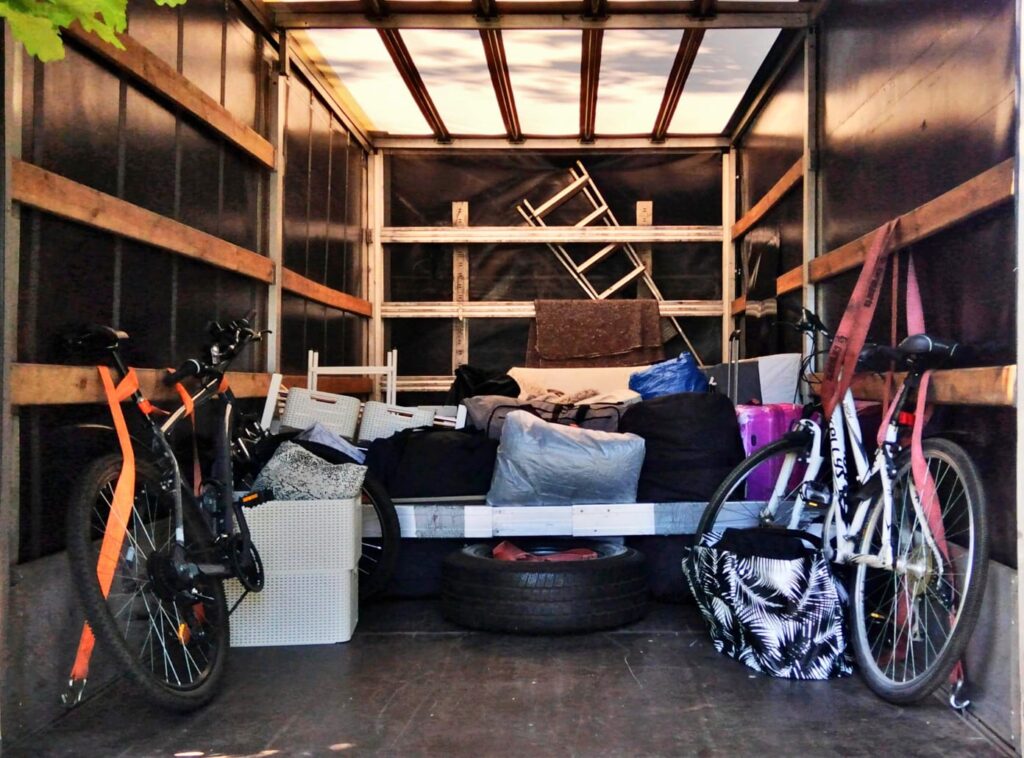
Documents You May Need Before and After Arrival
A move can be physically smooth and still become administratively stressful if the documents are scattered, incomplete, or buried somewhere inside the main transport load. That is why paperwork deserves more attention than many movers first expect. Good organisation here protects time, energy, and sometimes even legal deadlines.
For anyone moving to Berlin Germany, the strongest habit is simple: keep essential documents separate, protected, and easy to reach from the moment the move begins.
Visa and identity documents
Most movers will need a valid passport or ID card. Depending on nationality and legal route, some people will also need visa or residence-related documents that should stay immediately accessible during the move.
This is the first layer of practical security. It should never be packed deep inside furniture boxes or left inside the main household load.
Berlin registration documents
Registration in Berlin usually requires more than just turning up with your name and passport. The specific documents matter, and incomplete paperwork can slow the process quickly.
That is why it helps to prepare registration-related documents before arrival, not after. A cleaner file means a calmer first admin week.
Housing and landlord confirmation documents
Proof of accommodation matters, and so does the landlord confirmation required for registration. These papers sit right at the intersection of housing and official admin, which makes them some of the most important documents in the entire move.
This is one reason housing paperwork should be treated almost like travel documentation. If it is missing at the wrong moment, the consequences spread fast.
Health insurance and work or study papers
Health insurance documentation and work or study papers often become important early, especially once daily life starts moving beyond the unpacking phase. These are the documents that help the administrative side of Berlin start making sense.
They may not all be needed on day one, but they should all be easy to reach when the moment comes.
Documents many movers need:
- passport or ID
- visa documents if required
- proof of accommodation
- landlord confirmation for registration
- employment or study documents
- health insurance proof
The strongest approach is simple. Keep every important document together in one protected place, and keep that file with you rather than inside the moving load. It is a small habit that can save an enormous amount of stress.
Customs and Bringing Household Goods to Berlin
For many people, customs will not shape the move at all. But if you are coming from outside the EU, customs can suddenly become one of the most important parts of the whole relocation. This is where many otherwise well-planned moves become confusing, because people focus heavily on transport and housing while underestimating what the border side of the move may require.
If you are moving to Berlin Germany from a non-EU country, customs preparation deserves real attention. The stronger your paperwork and inventory are before the move begins, the lower the chance of delay, confusion, or unnecessary stress on arrival.
When customs matters for moving to Berlin Germany
Customs matters most when household goods are entering Germany from outside the EU. In those cases, the move is not only about transport. It is also about proving the purpose of the relocation and showing that the goods belong to your transfer of residence.
The official German customs guidance on transferring residence is the right place to start. That guidance helps clarify when customs rules apply and what kind of preparation is expected.
What counts as personal property
For customs purposes, the distinction between normal personal belongings and other types of goods matters a great deal. Everyday household items, furniture, clothing, books, and items clearly tied to your own life are treated differently from goods that appear commercial, restricted, or inconsistent with a normal residential move.
That is why it helps to think like an inspector for a moment. If the load looks like a genuine home move, the process becomes easier to explain. If the load looks mixed, vague, or commercially unclear, questions can grow quickly.
Why inventory lists matter
A detailed inventory list is one of the most useful documents in the whole customs process. It creates clarity. It shows what is being moved. It makes the load easier to explain and easier to process.
Many customs-related problems begin not because the goods themselves are wrong, but because the documentation around them is too thin. A clear, structured inventory can prevent a surprising amount of friction.
Useful customs prep steps:
- make a detailed inventory list
- keep proof of your move and new address
- separate personal items from restricted goods
- check vehicle-related obligations if bringing a car
The practical lesson is simple. Customs becomes much easier when the move looks organised on paper, not only in the van.
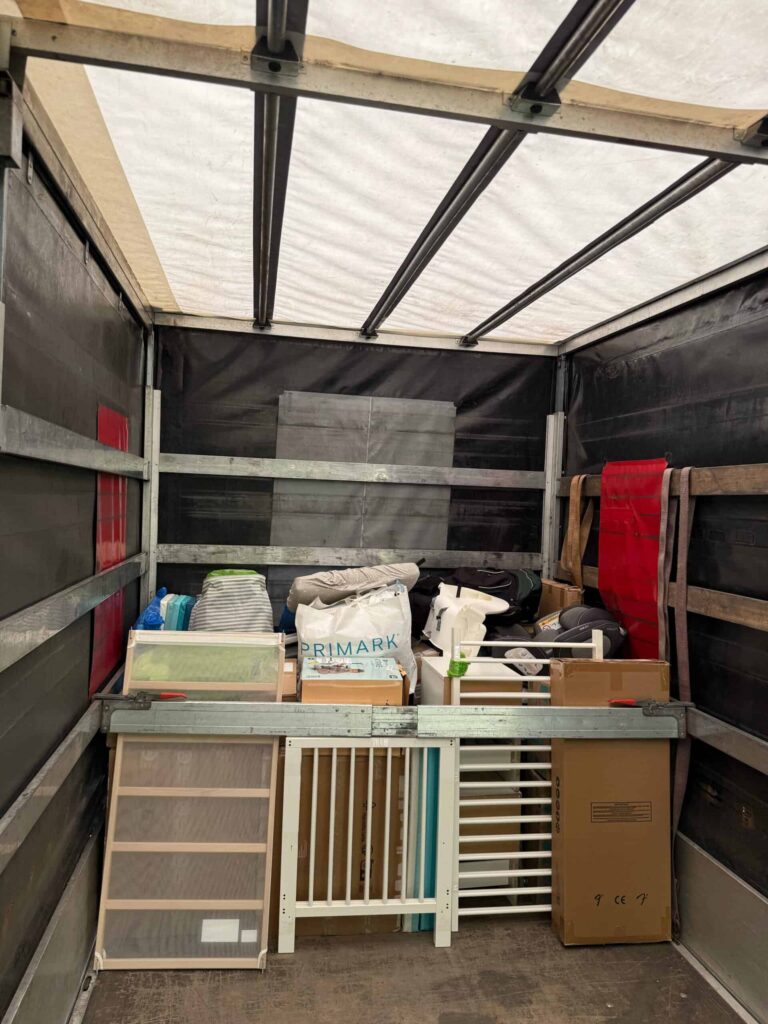
Choosing the Right Moving Option to Berlin
Once the legal route, housing plan, and registration steps are clearer, the transport choice becomes much easier to judge properly. This is the point where many movers either save time and money or accidentally create pressure that follows them all the way into the first week in Berlin.
That is why choosing the right moving option matters so much. If you are moving to Berlin Germany, the best service is not the biggest or the cheapest by default. It is the one that fits the real volume, the real timeline, and the real fragility of what you are taking with you.
For many readers planning transport to Berlin, VANonsite’s broader removals to Germany page fits naturally as a next step when comparing service levels and route support.
When a man and van service makes sense
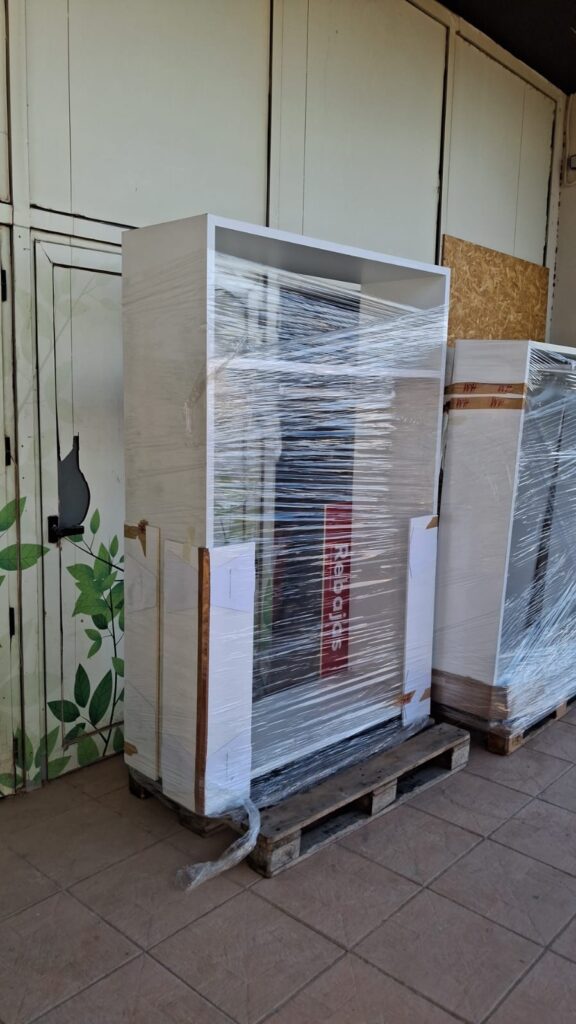
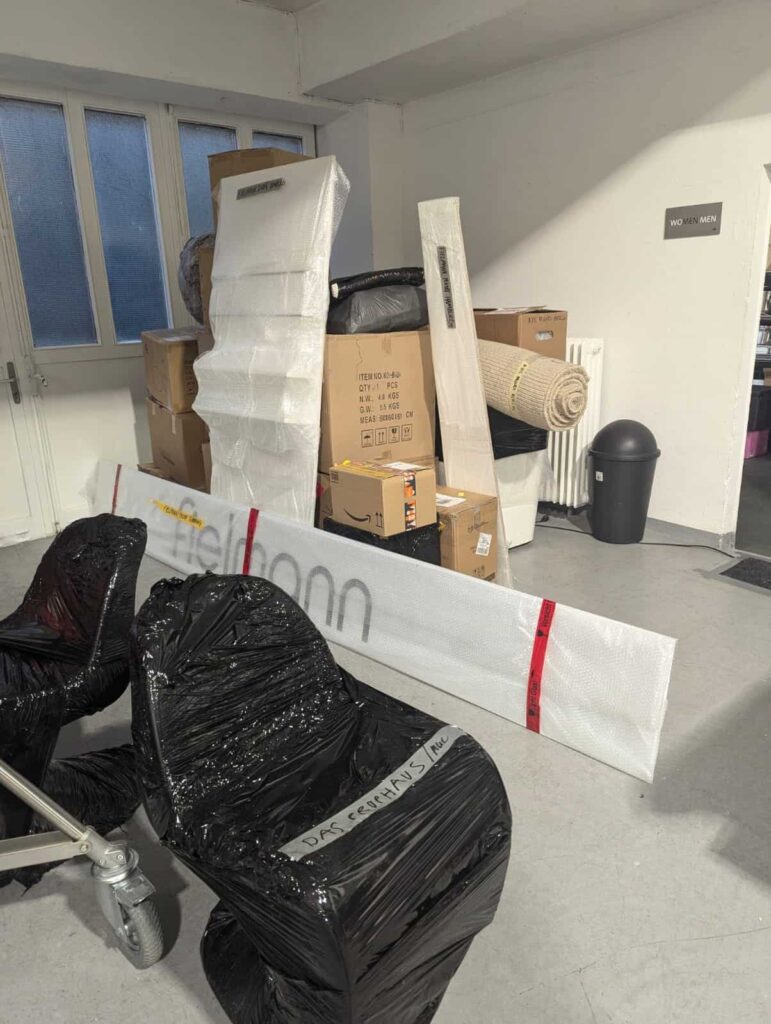
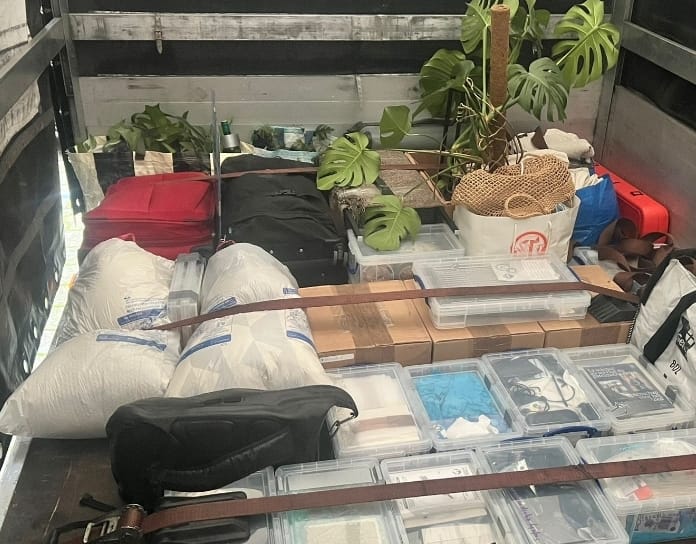
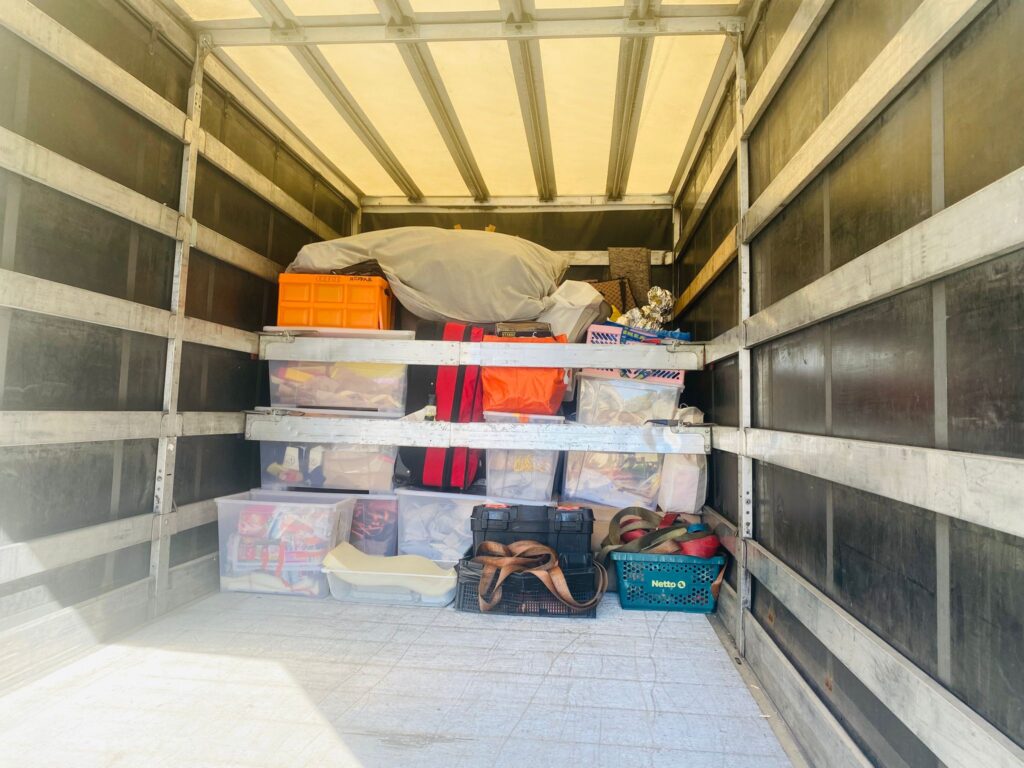
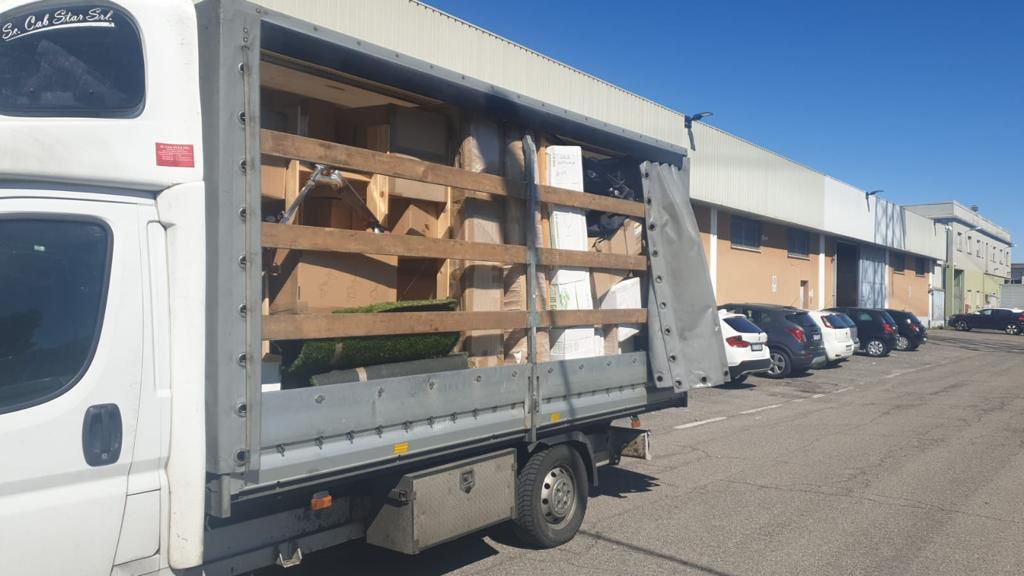
A man and van service is often the smartest answer for student moves, small apartments, room-sized relocations, and other lighter moves where the load is clearly limited. In those cases, a leaner service can feel fast, efficient, and much more cost-effective than a larger removals setup.
This works especially well when the priority is essentials, compact furniture, boxes, and a more agile city arrival. For a smaller Berlin move, man and van can be exactly the right balance of flexibility and control.
When home removals are the better choice
Once the move includes larger furniture, multiple rooms, family-scale volume, or a more complex domestic setup, fuller home removals support usually becomes the stronger answer. Berlin may be exciting, but it is not the place where an underpowered moving plan suddenly becomes easier.
A larger service often protects the move by reducing loading strain, improving structure, and making the transport match the real size of the transition.
When packing and white glove support are worth it
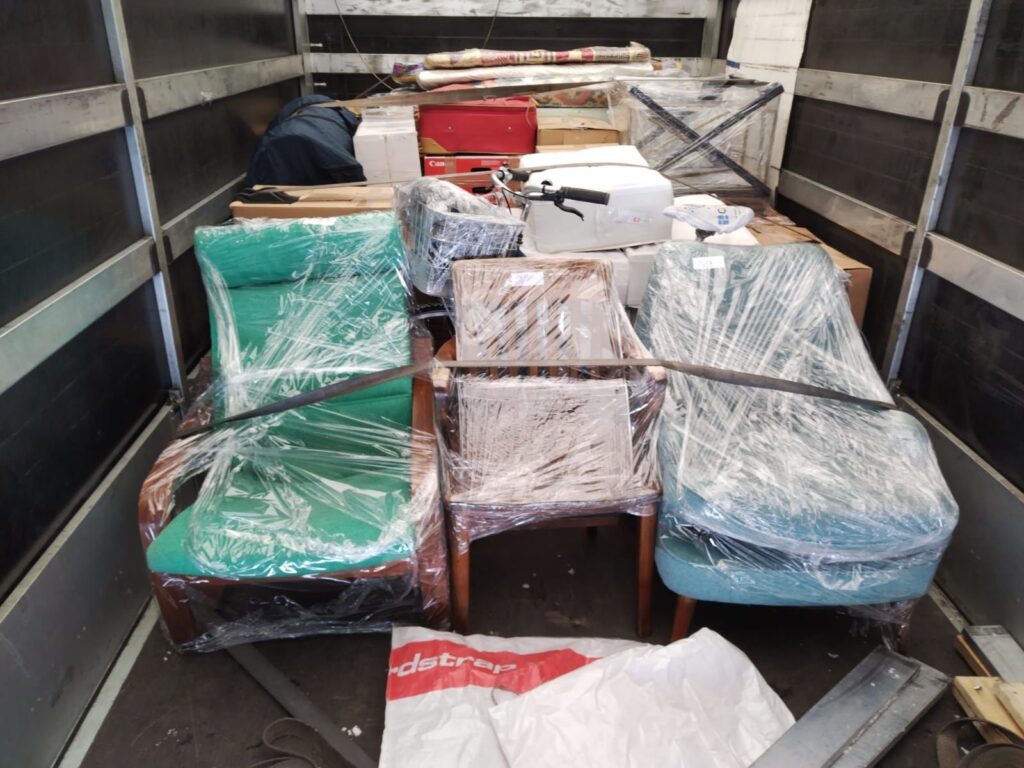
Some moves need more than transport. They need protection. Fragile furniture, delicate interiors, artwork, designer items, and high-value belongings are often better served by professional packing or white glove handling.
That kind of support is not only about luxury. It is often about reducing the risk of expensive damage and preserving calm when the move includes items that cannot simply be replaced without emotional or financial cost.
| Move Type | Best Fit | Why |
|---|---|---|
| Student move | Man and van | Lean and efficient |
| Small flat move | Man and van or Moving Medium | Good cost and capacity balance |
| Family relocation | Home removals | Better structure and protection |
| Premium furniture move | White glove support | Safer handling |
| Office move | Office removals | Lower disruption |
The strongest transport decisions usually come from realism. A smaller move benefits from agility. A larger move benefits from structure. The smarter the fit, the easier Berlin feels when you arrive.
Vehicle Size Guide for Moving to Berlin Germany
Choosing the right vehicle is one of the quiet decisions that can completely change how your move feels. Get it right, and the relocation becomes cleaner, calmer, and more cost-efficient. Get it wrong, and even a promising plan can start to crack under pressure before the van is fully loaded.
That is why moving to Berlin Germany should never rely on the most optimistic guess about volume. Boxes multiply fast. Small furniture pieces add hidden bulk. Everyday objects that seem harmless on their own can suddenly reshape the whole load when they are packed together.
The best transport choice is not the smallest option that might work. It is the option that fits the real load with enough margin to keep the move smooth.
| Service Option | Load Volume | Weight Limit | Best For |
|---|---|---|---|
| Moving One | 1 m3 | 100 kg | Boxes and essentials |
| Moving Basic | 5 m3 | 300 kg | Small room move |
| Moving Medium | 10 m3 | 500 kg | Studio or partial flat |
| Moving Premium | 15 m3 | 1100 kg | 1-bedroom move |
| Moving Premium Plus | 30 m3 | 3500 kg | Family relocation |
| Moving Full House XXL | 90 m3 | 20000 kg | Full household move |
Moving One works best for very compact moves where only the core essentials are travelling. Think a few personal boxes, documents, and the items you genuinely cannot leave behind. Moving Basic is a stronger choice for a small room-sized relocation where the load is still light but already larger than an essentials-only move.
Moving Medium often becomes the practical sweet spot for studio flats or partial apartment moves. It gives more breathing room and reduces the risk of trying to squeeze a realistic load into a plan that only looks efficient on paper. Moving Premium fits fuller one-bedroom moves much better, especially once furniture protection and weight start mattering more.
When the move begins to look like a family relocation, Moving Premium Plus usually becomes the smarter answer. More rooms, more storage, more daily-life items, and more emotional value all raise the need for stronger structure. Moving Full House XXL is the clear solution for full-house moves where nearly everything is coming with you to Berlin.
The practical lesson is simple. A smaller quote is not automatically a better one. For moving to Berlin Germany, the right-sized vehicle protects timing, handling quality, and your energy on arrival. That is often where the best value really lives.
Step-by-Step Timeline for Moving to Berlin Germany
A good move rarely feels smooth by accident. It feels smooth because the order of decisions was strong long before moving day arrived. Berlin rewards people who prepare early, because once the city starts moving around you, the details can pile up surprisingly fast.
That is why a timeline matters so much. If you are moving to Berlin Germany, a clear sequence helps you avoid legal confusion, transport stress, and first-week overload. Instead of handling everything at once, you move through the relocation step by step.
- Confirm your legal route to Germany. Before anything else, be clear about whether you need a visa, what residence route applies, and which documents are essential. Transport should never race ahead of legal clarity.
- Gather visa, housing, and registration documents. Keep passports, permits, proof of accommodation, landlord paperwork, and related admin documents ready early.
- Estimate your real moving volume. Be honest about what is actually travelling. A move nearly always contains more than the first mental estimate suggests.
- Book the right service early. Early booking usually improves availability, planning quality, and the chance of getting the service format that truly fits the move.
- Pack documents separately. Your most important papers should stay with you, not disappear into the main household load.
- Prepare customs paperwork if relevant. If you are coming from outside the EU, this step deserves real attention before the van is on the road.
- Arrive and register in Berlin. Once you are in the city, Anmeldung becomes one of the first major admin priorities.
- Set up the essentials of daily life. Health insurance, banking, internet, utilities, and daily admin all help transform the move from an event into a real new beginning.
| Step | Ideal Timing | Why It Matters |
|---|---|---|
| Confirm visa route | 8 to 12 weeks before move | Prevents legal confusion |
| Prepare documents | 6 to 10 weeks before move | Reduces delays |
| Book removals | 4 to 8 weeks before move | Better availability |
| Pack and declutter | 2 to 4 weeks before move | Lower cost and stress |
| Register in Berlin | Within 14 days after move-in | Unlocks key admin steps |
The deeper value of a timeline is not only practical. It is emotional. A move to Berlin can feel huge when everything is held in your head at once. It becomes much more manageable when each step has its place and each decision supports the next one.
Why VANonsite Is a Smart Option for Moving to Berlin Germany
VANonsite is a strong choice for Berlin because the company understands that a good move is not only about getting from one address to another. It is about arriving with your energy still intact. Berlin already asks a lot from newcomers. The transport side should make the transition lighter, not more chaotic.
That is where VANonsite stands out. The company offers flexible support across very different move types, from compact man and van relocations to larger household transport. That matters because moving to Berlin Germany does not describe one kind of move. It can mean a student arriving with essentials, a professional relocating for work, a family moving a full home, or a client transporting valuable furniture that needs extra protection.
This range gives VANonsite real practical strength. Student Removals make sense for lighter, sharper moves where flexibility matters. Furniture Removals and Home Removals fit fuller relocations where structure and protection matter more. Packing Service and White Glove Delivery help when fragile or high-value items need stronger handling. Office removals, Storage, and Last Minute Moving add even more adaptability when the move is more demanding, more complex, or more time-sensitive.
GPS tracking for every load is another real advantage. It does not just sound professional. It changes how the move feels. It reduces uncertainty, adds visibility, and makes the journey to Berlin feel more controlled from pickup to arrival.
That is why VANonsite works so naturally as a moving partner for Berlin. The company is flexible without being vague, efficient without feeling careless, and professional without sounding inflated. For people moving to Berlin Germany, that balance can make a remarkable difference.
FAQ About Moving to Berlin Germany
Is Berlin a good city to move to?
For many people, yes. Berlin offers international opportunity, creative energy, cultural depth, and a more flexible social rhythm than many other major European capitals.
At the same time, it is not a friction-free city. Housing pressure, registration, and everyday admin can all test your patience. That is why Berlin tends to reward people who arrive with excitement and preparation in equal measure.
How hard is it to find housing in Berlin?
Housing in Berlin can still feel competitive, especially in popular districts and for well-priced flats. Good listings often move quickly, and many newcomers underestimate how much pressure they may feel in the first stage.
That is why temporary accommodation is often a smart landing strategy. It gives you room to understand the city better before making a longer commitment.
How quickly do I need to register after moving to Berlin?
In general, you should register your address within 14 days after moving into your new home. The official Berlin registration page is the best source to check current requirements.
This matters because Anmeldung is one of the key first admin steps after arrival, and delays here can make the rest of your setup feel slower.
Can I move to Berlin with a man and van service?
Yes, often. A man and van service can be an excellent choice for student moves, small flats, room-sized relocations, and lighter loads where the move is compact and clearly defined.
It becomes less suitable once the move includes multiple rooms, larger furniture, or a family-scale setup. In those cases, fuller removals support usually gives a stronger and calmer result.
What documents matter most before moving to Berlin Germany?
For many movers, the core documents include a passport or ID, visa papers if required, proof of accommodation, landlord confirmation for registration, health insurance documents, and work or study papers.
The smartest approach is to keep every important document together in one protected place and carry it separately from the moving load.
Do I need customs paperwork for household goods?
If you are moving from outside the EU, customs paperwork may matter a great deal. A detailed inventory list, proof of your move, and proof of your new address can all be important.
If you are moving from within the EU, customs pressure is usually much lower. The most important factor is knowing which rules actually apply to your route before the move begins.
Is VANonsite a good choice for moving to Berlin Germany?
For many movers, yes. VANonsite is a strong choice because it combines flexibility, GPS tracking, support for different move sizes, and service options ranging from man and van to full household transport.
That matters because Berlin moves are not all the same. A good company should adapt to the relocation rather than forcing every client into one fixed model.
Summary
Berlin rewards curiosity, flexibility, and strong planning. The smoother the move is now, the faster the city starts feeling like your own. That is why the best relocation is not the one that simply arrives. It is the one that arrives with structure, clarity, and enough calm left over for the life you are actually moving toward.
If you are moving to Berlin Germany, treat the transport choice as part of the success of the whole move, not as a side detail. Choose the option that fits the real load. Choose the team that respects timing, paperwork, and protection. Choose support that helps Berlin feel exciting for the right reasons.
VANonsite offers that kind of balance. From compact man and van transport to larger household moves, packing support, white glove handling, office removals, storage, and last-minute flexibility, the company is built to make European relocations feel safer and more manageable.
What strong moving support gives you:
- flexible moving sizes
- support across Europe
- GPS-tracked loads
- options from man and van to full-house transport
- help for planned and last-minute relocations
Berlin can be bold, fast, and unforgettable. A well-planned move helps you meet that energy with confidence instead of chaos.