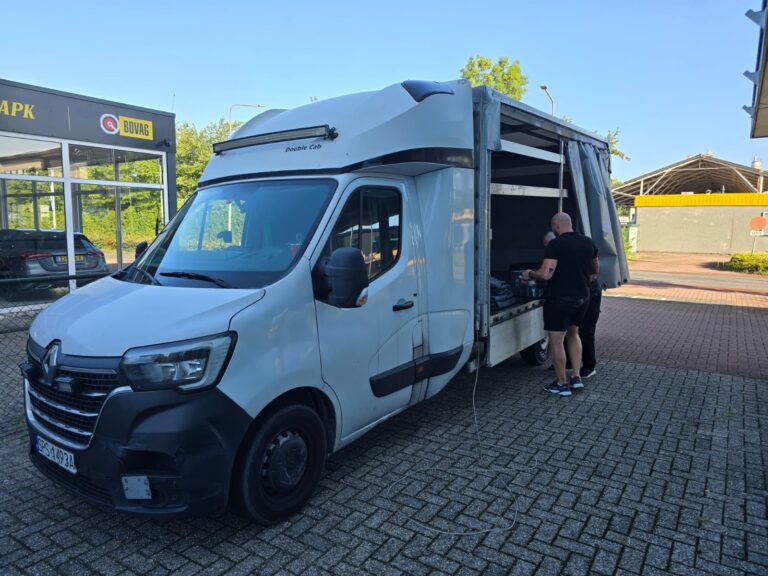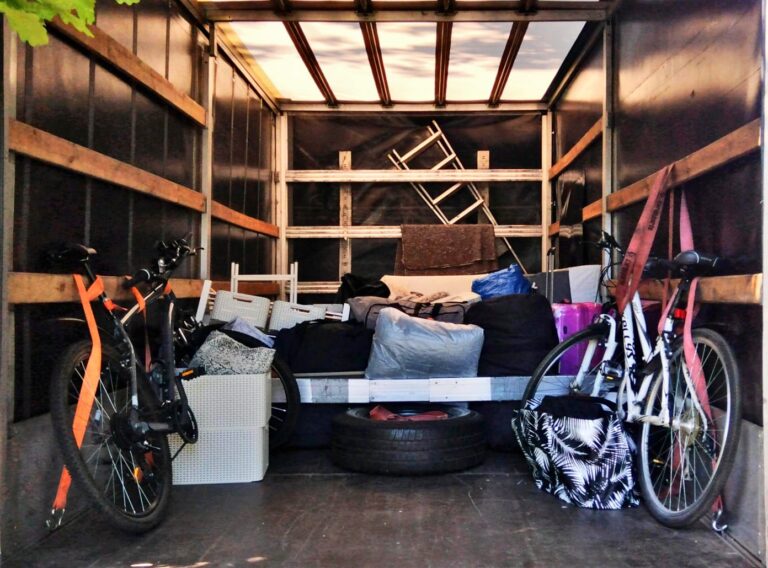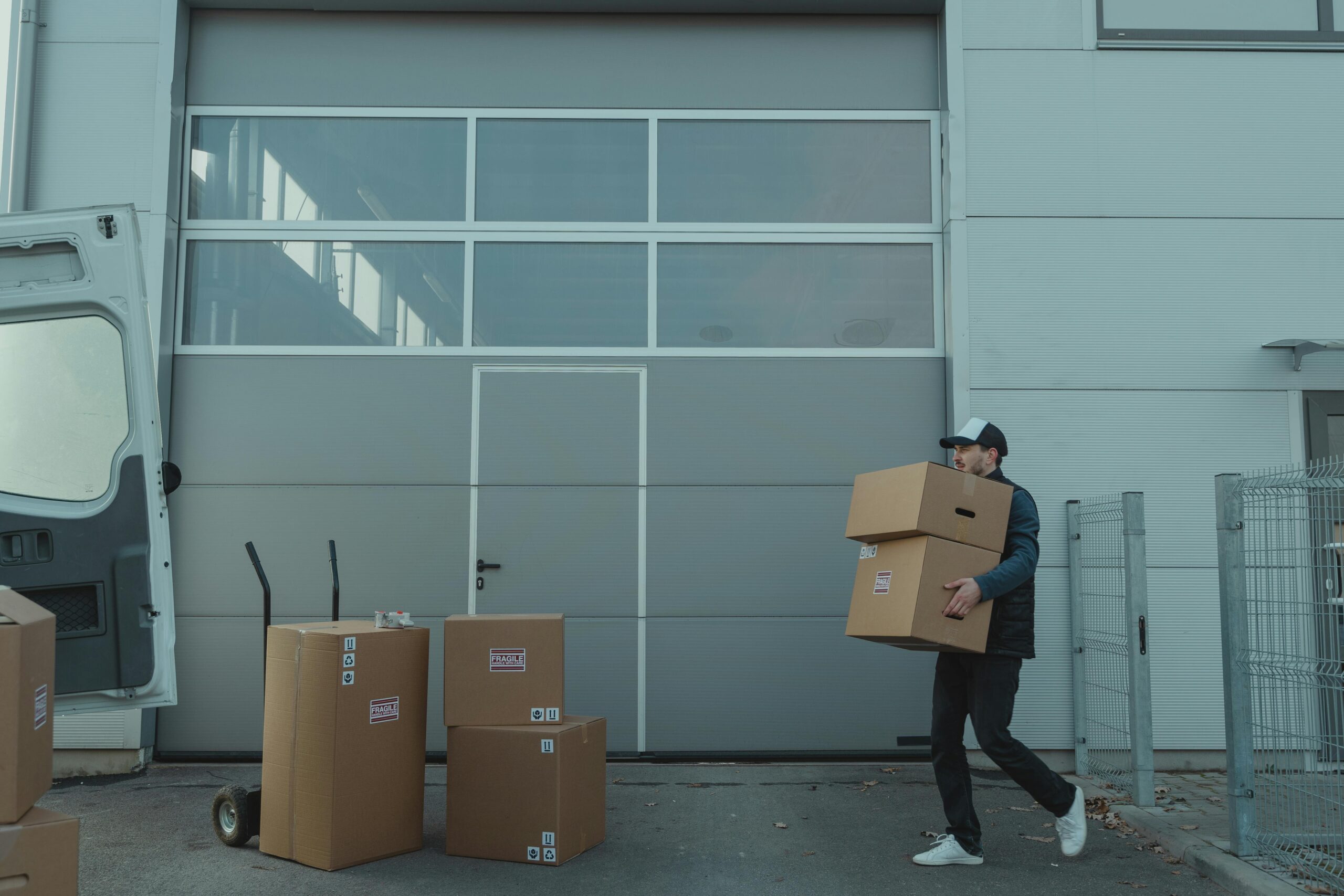

Moving to Germany can feel thrilling, nerve wracking, and strangely heavy all at once. One minute you are imagining fresh streets, a new routine, and a stronger future. The next, you are staring at documents, deadlines, boxes, and a thousand tiny decisions that somehow all feel urgent. That is exactly why a solid moving to Germany checklist matters. It cuts through the noise. It gives the move shape. More importantly, it stops you from focusing only on the moving day while ignoring the first crucial weeks after arrival.
A move to Germany is not just about boxes and a route on a map. It is about getting your life to arrive on time, with the right papers, the right essentials, and a plan that still holds together when the pressure rises. If you follow the right moving to Germany checklist, the process feels less chaotic and far more manageable.
TL:DR
- A strong moving to Germany checklist should start at least 6 to 8 weeks before departure, not a few rushed days before loading the van.
- The most important early priorities are housing, documents, transport, and a realistic plan for your first week in Germany.
- You should keep passports, contracts, health insurance papers, medication, chargers, and your first 24 to 72 hour essentials with you personally.
- Address registration in Germany is one of the most important early admin steps and is often expected within 2 weeks of moving in.
- Health insurance needs attention early because your route may differ depending on work, study, family status, or self employment.
- Moving costs depend on distance, volume, access, urgency, and whether you need extras like packing, storage, or white glove support.
- VANonsite helps make the moving to Germany checklist easier to follow with fast, secure, GPS tracked transport and flexible options from man and van moves to full household relocation.
The Fast Moving to Germany Checklist at a Glance
A moving to Germany checklist becomes far less intimidating when you break it into a few key stages and follow them in order. That matters because relocation stress rarely comes from one giant problem. It usually comes from dozens of small tasks arriving at the same time, each one pulling at your attention. The faster you turn the move into a sequence, the faster it starts to feel realistic instead of overwhelming.
- Check your right to live and work in Germany.
- Secure a place to live.
- Prepare your essential documents.
- Book your removals service or man and van.
- Sort health insurance details.
- Register your address after arrival.
- Unpack essentials first and set up daily life.
That is the backbone of a practical moving to Germany checklist. Everything else builds around it. Once you know what happens first, second, and third, the move stops feeling like a storm and starts feeling like a project you can actually manage. A reliable mover also removes a surprising amount of stress, especially when the timing of your move affects work, family life, or tenancy dates.
However, each point in that checklist carries more weight than it first appears.
Checking your right to live and work in Germany sounds simple, yet it shapes your entire planning timeline. EU citizens and non-EU nationals may face very different requirements, and even when the legal route is clear, practical realities still matter. Work contracts, proof of purpose, local registration, and timing can all influence how smooth the first month feels.
Securing a place to live is not just about finding an address. It is about matching your housing timeline to your moving timeline. A one week mismatch between key handover and delivery can feel brutal in real life. That is why the housing part of a moving to Germany checklist deserves more attention than many people give it.
Preparing essential documents protects momentum. The difference between a calm appointment and a frustrating one is often just one missing page. ID, contracts, housing proof, insurance documents, and any family related paperwork should be organised before the move begins, not hunted down under pressure.
Booking your removals service or man and van early creates breathing room. This is especially important if you are moving at the end of the month, during summer, or on a schedule tied to work, study, or tenancy deadlines. The earlier you book, the more control you usually keep over timing, price, and service fit.
Sorting health insurance details early prevents vague anxiety from following you into the first week. Whether you are moving for work, study, family reasons, or a new start, this part of the moving to Germany checklist should not be left floating in the background.
Registering your address after arrival is one of the fastest ways to move from feeling temporary to feeling settled. It is a practical step, but it also has emotional force. Once this is done, life in Germany tends to feel more anchored.
Unpacking essentials first and setting up daily life may sound obvious, yet many people get this wrong. They unpack randomly, lose access to critical items, and waste precious energy searching for basics. A good moving to Germany checklist reminds you that sleep, food, hygiene, chargers, work equipment, and documents come before decorative order.
If you want to make this fast checklist even more useful, think of it in terms of three simple phases:
- Before the move: housing, budget, documents, transport
- During the move: access, essentials, timing, communication
- After arrival: registration, health insurance, first week setup
That three part view gives the moving to Germany checklist real shape. It also helps you see why logistics matter so much. A move that arrives late, damaged, or badly organised does not only affect boxes. It affects work routines, sleep, family comfort, and the ability to settle quickly.
Before You Move to Germany, What to Do First
The biggest early mistake is simple. People focus on the destination and ignore the runway. They think the move starts when the boxes are taped and the van arrives. In reality, the move starts the moment you choose a date and begin aligning housing, paperwork, and transport.
This early stage is where the real strength of a moving to Germany checklist becomes visible. Decisions that look small now can have a huge ripple effect later. A one week delay in tenancy, one unrealistic quote, or one missed access detail can quietly turn the whole move more expensive and far more stressful.
At this stage, your moving to Germany checklist should focus on foundations:
- confirm your ideal moving window
- match your moving date to your tenancy dates
- decide what you are taking, storing, selling, or replacing
- measure large furniture and access points
- build a realistic moving budget
That may look basic, but these decisions control everything that follows. If your moving date clashes with your key handover, you create avoidable pressure. If you underestimate the size of the move, the quote may no longer reflect reality. If you do not decide early whether you need a simple man and van solution or a larger removals service, you risk choosing transport based on panic instead of fit.
It also helps to ask a few sharper questions right at the start:
- What is my exact target moving week?
- When do I actually get the keys?
- How much am I truly moving, not just what I remember at first glance?
- What must arrive immediately and what can arrive later?
- Am I planning this around work, school, family, or temporary accommodation?
Those questions give the moving to Germany checklist far more power because they turn vague intention into practical planning. Too many moves fall apart because people answer these questions too late.
A smart early phase should also include a rough relocation breakdown:
- Housing: address, tenancy dates, access details, parking
- Documents: ID, contracts, registration related papers, insurance proof
- Transport: vehicle size, moving date, service type, loading plan
- Budget: transport, deposits, travel, first week setup, storage if needed
When you see the move in those categories, it becomes easier to control. The process stops feeling like a blur and starts feeling measurable.
Another reason this stage matters is cost. People who organise the moving to Germany checklist early often avoid last minute premium costs, rushed packing mistakes, and poor transport choices. That kind of preparation can protect both your finances and your energy. A move that looks cheaper on paper can become far more expensive if it creates delays, breakages, or second runs.
This is also the point where many people realise they have been underestimating the move. A wardrobe here, a washing machine there, ten boxes of kitchen items, office equipment, mirrors, lamps, stored winter clothes, and suddenly the whole picture changes. That is why measuring furniture, checking stair access, and planning volume honestly can save serious frustration later.
For smaller moves, a man and van option may be ideal. For larger loads, family moves, or tighter timelines, a broader removals service is often the better fit. The key is not choosing the smallest solution by default. It is choosing the one that matches the real move.
That is one reason VANonsite fits naturally into the process. A dependable cross border mover gives structure to the part of the move that people often underestimate most.
When the early phase is done properly, the rest of the moving to Germany checklist becomes easier to follow. You stop reacting to problems and start moving through decisions with more confidence.
Documents Checklist for Moving to Germany
Paperwork can feel dry until one missing page derails an appointment, delays your registration, or forces you to chase documents while living out of half unpacked boxes. A complete document folder is not glamorous, but it is one of the sharpest tools in any moving to Germany checklist. It saves time, preserves momentum, and helps the whole move feel less fragile.
A strong document plan is not just about collecting papers. It is about knowing which documents matter most, which ones may be requested unexpectedly, and which ones should stay within arm’s reach from the moment you leave home until the moment life in Germany starts to feel stable.
| Document | Why it matters | When you may need it |
|---|---|---|
| Valid passport or national ID | Confirms identity and nationality | Travel, registration, contracts |
| Rental agreement or housing proof | Supports address setup | Registration and daily admin |
| Employment contract, university letter, or proof of funds | Explains your situation | Work, study, practical checks |
| Health insurance proof | Needed early in many cases | Settling in and healthcare access |
| Birth or marriage certificates | Useful for family related admin | Family moves and schools |
| Vehicle papers | Important if bringing a car | Driving, insurance, admin |
| Moving inventory list | Helps with planning and claims | Transport and customs context |
That table covers the core layer, but a truly useful moving to Germany checklist goes one step further. It builds a document safety net around the essentials.
A smart document setup should include:
- printed copies in one organised folder
- digital backups stored securely online
- a simple note showing which documents are originals
- translations where a specific authority or institution requires them
- a separate travel day pouch for your most important papers
That final point matters more than it seems. Important documents should travel with you, not in the main shipment. Even with an excellent removals company, your passport, contracts, insurance papers, medication related paperwork, and registration documents belong in your personal bag.
It also helps to divide your documents into practical categories before the move:
- Travel and identity documents such as passports, national ID cards, and driving papers.
- Housing and registration documents such as rental contracts, landlord confirmation, and address related paperwork.
- Status and support documents such as work contracts, university letters, family certificates, and proof of insurance.
This small system can save an extraordinary amount of time. Instead of shuffling through a single stuffed folder, you know exactly where to look when an appointment suddenly requires one specific document.
Different movers may also need slightly different document priorities. For example:
- Students should keep university confirmation, accommodation details, and ID together.
- Professionals should keep employment contracts, start dates, and address papers easy to reach.
- Families should organise children’s records, birth certificates, and family paperwork with extra care.
- Drivers bringing a vehicle should keep vehicle registration, insurance, and licence related documents accessible.
The emotional impact of this preparation is easy to underestimate. A complete document pack gives you leverage. You are no longer improvising. You are no longer guessing whether the right paper is hiding in a random box. You are arriving with clarity, which is a powerful feeling during a major relocation.
For official residence formalities, EU citizens can review Your Europe residence rights. If registration formalities apply after a longer stay, see Your Europe on registering residence. If you are bringing a car, review driving licence recognition in the EU. If customs questions arise around transferred residence and personal goods, the official German customs guidance is here: German customs for transferring residence.
When the document side of your moving to Germany checklist is complete, the move instantly feels more stable. You are no longer hoping everything will work. You are prepared for it to work.
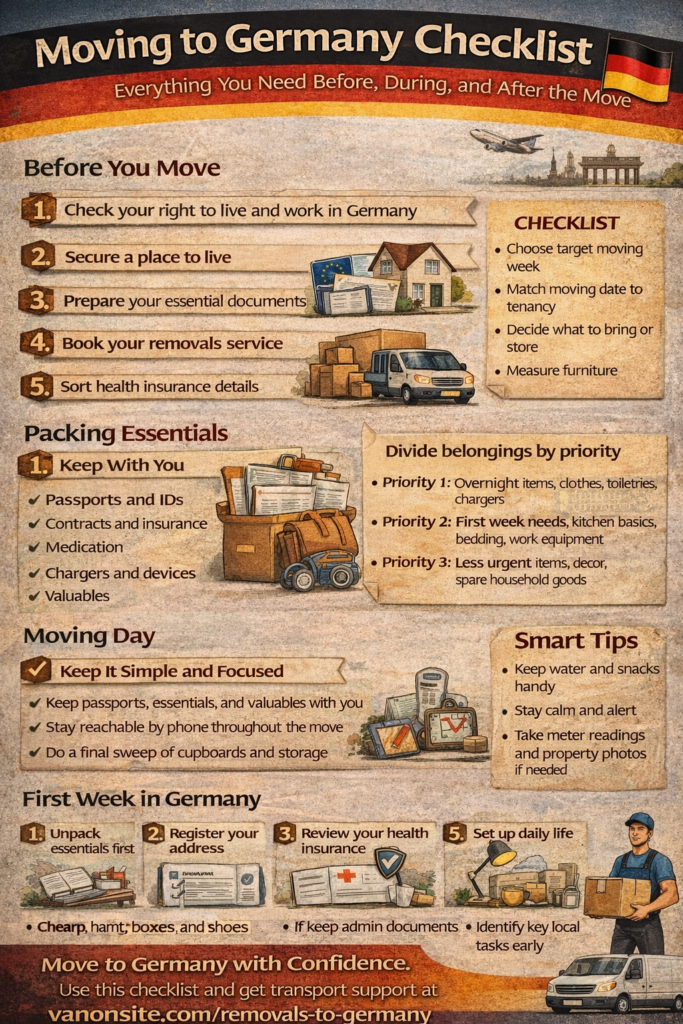
Packing Checklist for Moving to Germany
Packing is where emotion and logistics collide. Every item seems important in the moment, yet not every item deserves the same space, protection, or urgency. A well planned moving to Germany checklist helps you pack with intention instead of panic.
Good packing is not about cramming everything into boxes as quickly as possible. It is about protecting function. In the first days after arrival, what you can reach matters more than what you own. That is why the packing part of a moving to Germany checklist deserves real strategy.
Start by dividing your belongings into three layers:
- What must travel with you personally.
- What must arrive quickly.
- What can safely arrive later.
Your personal essentials should stay with you, not in the van:
- passports and contracts
- medication and health documents
- chargers and daily devices
- valuables
- keys and wallet essentials
- first 24 to 72 hour clothing and toiletries
This part alone can change the emotional tone of the move. If your documents, medication, chargers, or clean clothes are always within reach, the first day in Germany feels dramatically less chaotic.
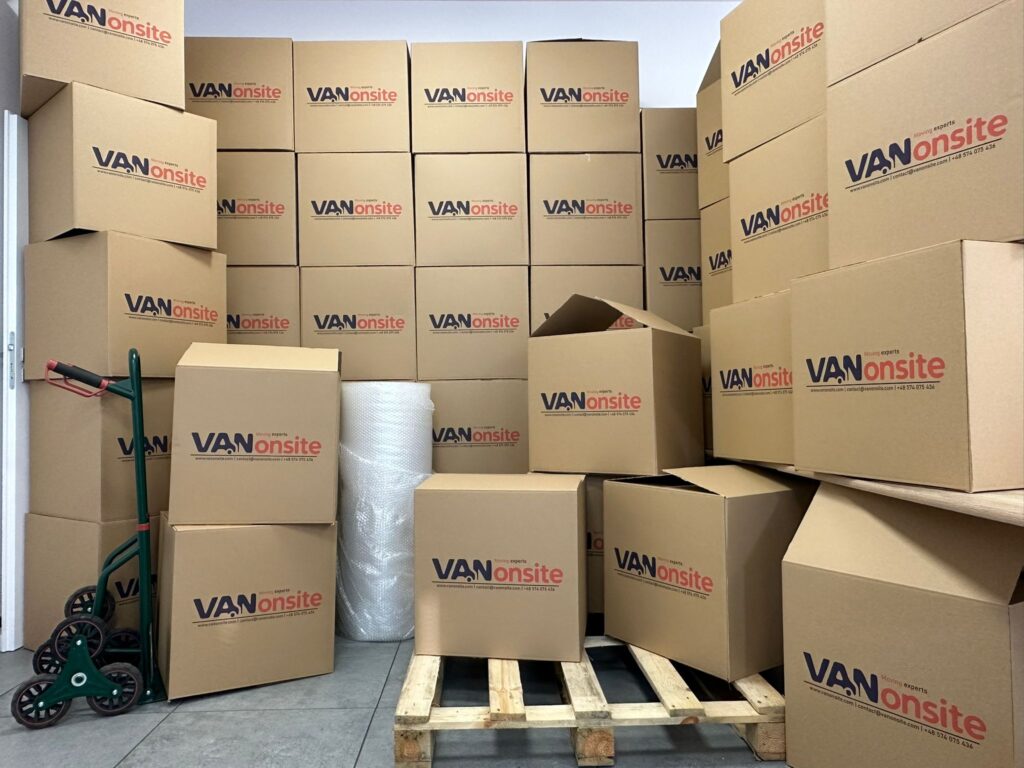
Your packed boxes should also be clearly labelled. A room by room system saves enormous time after arrival. It also helps movers place boxes correctly the first time, which reduces friction during unloading. A box marked Kitchen, Day 1 or Bedroom Essentials is far more useful than a box marked Miscellaneous.
A practical packing checklist for moving to Germany should include:
- clear room by room labels on boxes
- fragile stickers where needed
- bedding and towels ready for the first night
- cookware, kettle, or basic kitchen essentials within easy reach
- work equipment packed for immediate access
- children’s essentials and comfort items separated clearly
You can make the packing process even stronger by grouping boxes by priority:
- Priority 1: essentials for the first 24 hours
- Priority 2: items needed during the first week
- Priority 3: non urgent household items and decor
That system is simple, yet powerful. It keeps your first evening from dissolving into a hunt for toothpaste, phone chargers, a blanket, or coffee mugs.
Fragile items also deserve far more respect than many people give them. Mirrors, lamps, glassware, electronics, monitors, framed art, and premium furniture should never be packed as an afterthought. In a cross border move, small packing shortcuts can turn into large frustrations later.
That is why this part of the moving to Germany checklist matters so much for:
- people working remotely who need equipment on day one
- families with children who need comfort and routine fast
- students moving into compact spaces with limited storage
- anyone transporting delicate, high value, or awkward items
This part of the moving to Germany checklist matters because the emotional energy of the first days is fragile. If you cannot find medication, clean clothes, a charger, or the items you need to sleep and eat properly, stress rises fast.
A few smart packing habits can make an enormous difference:
- pack one clearly marked essentials bag for each person
- keep screws, fittings, and furniture parts in labelled zip bags
- photograph valuable items before loading
- avoid mixing bathroom items, paperwork, and random household clutter in the same box
- keep basic cleaning supplies easy to access for arrival day
For many movers, support services are not a luxury. They are a way to protect time, energy, and fragile items when the schedule is already tight. That is why services like Packing Service, White Glove Delivery, and Furniture Removals can be far more valuable than they first appear.
Moving to Germany Checklist for the Last 2 Weeks Before Departure
The final 14 days can either sharpen the move or quietly unravel it. This is the stretch where your moving to Germany checklist must stop being theoretical and start becoming operational. Plans need to turn into confirmations. Boxes need to turn into labelled priorities. Loose ends need to be tied down before they become moving day problems.
During the last 2 weeks before departure, make sure you:
- confirm the moving date and delivery window
- finalise access details at both addresses
- review your document folder
- prepare your inventory list
- defrost large appliances if needed
- confirm parking or access limitations
- separate essentials from general cargo
- photograph valuable items before loading
These steps may look modest on paper, yet this is the exact stage where control is either built or lost. Access information, stairwell details, lift size, parking limitations, and walking distance from the van to the door can all affect labour time, unloading speed, and even whether your chosen vehicle still makes sense.
A stronger moving to Germany checklist in the final 14 days should also include:
- confirming who will be present at pickup and delivery
- checking whether keys, codes, or building permissions are needed
- reviewing which boxes should be unloaded first
- separating any items that must not go into storage or deep stack loading
- confirming whether children, pets, or work schedules affect moving day timing
- checking that your phone, chargers, and travel bag stay outside the main load
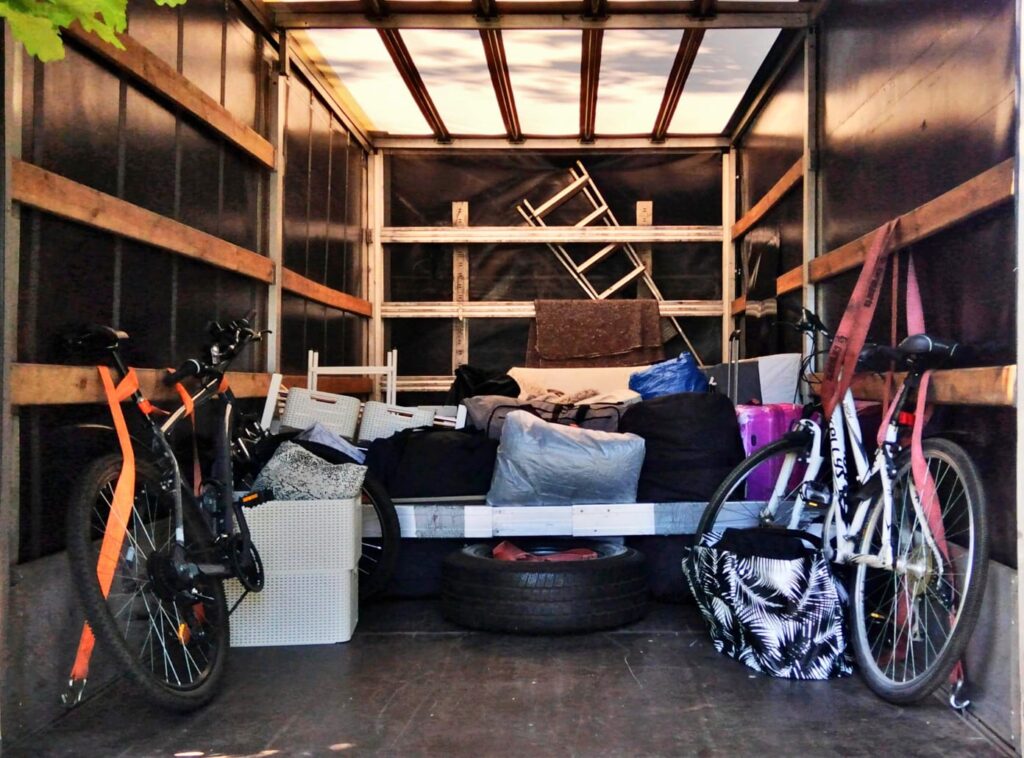
This is also the period when volume reality tends to hit. Many people realise, often with a sinking feeling, that the move is 20% to 30% larger than they first estimated. It happens because closets hide more than memory admits. Spare bedding, kitchen items, office gear, lamps, bikes, plants, storage boxes, and awkward hallway furniture all appear at once. That is why this stage of a moving to Germany checklist should include one honest final review of what is really being transported.
A useful mental rule for the last 2 weeks is simple: anything vague now becomes stressful later. If your arrival window is fuzzy, tighten it. If access details are uncertain, confirm them. If your essential items are still mixed into general boxes, separate them now. The closer you get to departure, the more valuable clarity becomes.
This is not busywork. These details are what prevent the move from becoming messy at the exact moment you need things to feel controlled. A good moving to Germany checklist acknowledges these realities early and gives them enough space before the pressure peaks.
This is also the best moment to double check that your transport solution still matches your actual load. When that changes late in the process, a flexible mover becomes a genuine asset rather than just a supplier. That is one of the quiet strengths of a provider like VANonsite. A move backed by adaptable service options, clear timing, and GPS tracked transport can absorb surprises far better than a rigid booking that looked cheap but left no margin.
Moving Day Checklist
Moving day should feel focused, not frantic. A calm moving day is usually the result of a good checklist, not good luck. The best moving day plans do not chase perfection. They protect flow. They make sure the right items are accessible, the right people are informed, and the move keeps its rhythm from first loading to final arrival.
Keep this moving day checklist close:
- keep passports and essential papers with you
- check that priority items are easy to unload first
- do a final sweep of cupboards and storage spaces
- stay reachable during transport
- confirm the expected arrival window
Those five points may sound simple, yet they protect you from some of the most common moving day mistakes. Forgotten storage corners, missing documents, or poor access to priority items can create avoidable chaos within minutes. On a cross border move, even one small oversight can ripple further than expected.
A more practical moving day rhythm often looks like this:
- Start with your personal essentials already separated.
- Check that movers know which items are fragile or first unload priorities.
- Keep phones charged and stay available throughout loading and transit.
- Do one final sweep of every cupboard, drawer, bathroom shelf, and utility area.
- Confirm the arrival plan before leaving the first address behind.
This part of the moving to Germany checklist matters because moving day has a strange way of shrinking attention. People get tired, distracted, emotional, and rushed. That is exactly when clear structure becomes priceless.
A few small moving day habits can save a remarkable amount of stress:
- keep water, snacks, and basic toiletries easy to reach
- wear comfortable clothes and shoes you can move easily in
- keep cleaning supplies accessible for quick final checks
- make sure valuables are not buried in ordinary bags or loose boxes
- take quick photos of important meter readings or the empty property if needed
If children are part of the move, the moving to Germany checklist should also account for emotional comfort, not just logistics. A familiar toy, snacks, spare clothes, and a calm transition plan can reduce a lot of tension. The same goes for pets, whose routine and transport should never become an afterthought.
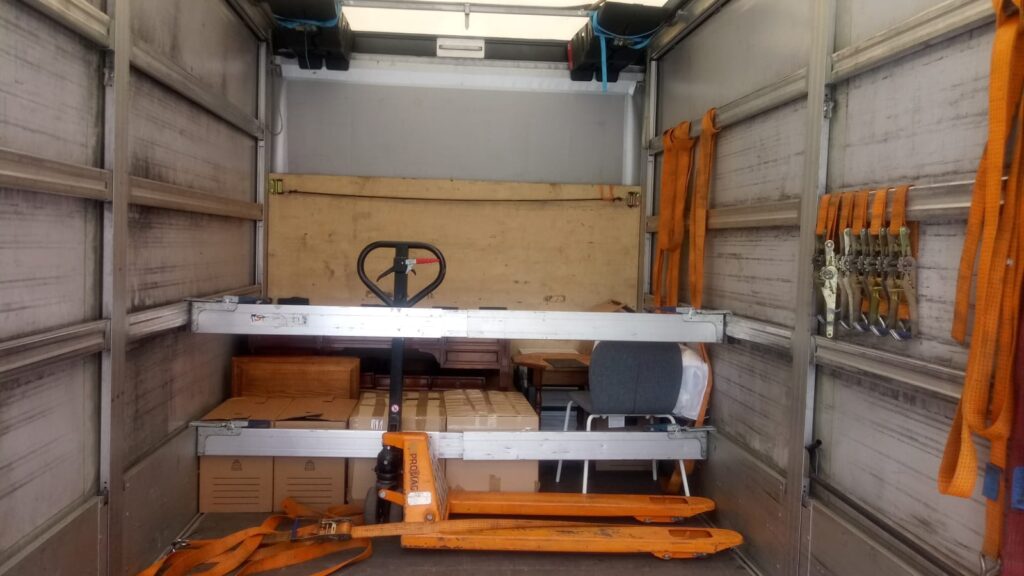
Moving day also exposes the difference between transport and real moving support. A basic van service may simply carry the load. A stronger service helps preserve order. That means better handling of fragile furniture, clearer placement of priority items, smoother unloading logic, and stronger communication if timing shifts.
This is also where GPS tracked transport becomes more than a nice extra. It changes the emotional texture of the move. Instead of waiting in uncertainty, you have visibility. You know where the load is. You know the move is still moving. That kind of transparency can remove a surprising amount of tension during a cross border relocation, especially when your first evening in Germany depends on that arrival window.
That is one of the reasons VANonsite feels reassuring during a move like this. Good logistics do not just reduce physical risk. They reduce mental friction. And on moving day, that matters just as much.


The First Week in Germany Checklist
The move is not over when the van is unloaded. In many ways, this is where the real moving to Germany checklist becomes most important. The first week shapes your sense of control, comfort, and momentum. It is the bridge between transport and everyday life. If the first week is structured, the whole relocation starts to feel lighter. If it is chaotic, even small admin tasks can feel exhausting.
Here is the smartest order for the first days:
- Unpack your essentials first.
- Register your address.
- Review your health insurance status.
- Organise work, study, or family paperwork.
- Set up daily life before decorating.
That order matters. Sleep, hygiene, food, and work basics should come before aesthetics. A perfectly styled shelf is useless if you still cannot find your charger, your kettle, or your registration documents.
This is the moment when a moving to Germany checklist stops being abstract and starts becoming real. Your bed matters. Your kitchen basics matter. Your paperwork matters. If those three things are accessible, the first week becomes far more manageable.
In the first week, your moving to Germany checklist should also include:
- setting up your bed and basic bedroom essentials first
- getting the kitchen to a functional level, even if it is not fully unpacked
- keeping important documents in one safe, easy to reach place
- identifying the next local admin steps that affect work or family life
It also helps to think about the first week in three layers:
- Immediate comfort: sleep, shower, food, chargers, medication
- Immediate admin: address registration, insurance review, key local paperwork
- Immediate function: work setup, school routines, child essentials, transport basics
That simple structure gives your moving to Germany checklist more practical force. Instead of unpacking at random, you are restoring function in the parts of life that matter first.
A few smart first week habits can make an enormous difference:
- keep one folder for all important local paperwork
- unpack only the rooms or zones you need most at first
- create one fixed place for keys, wallets, documents, and chargers
- focus on one useful task at a time instead of trying to finish everything in a single day
- accept that fully settling in takes longer than getting operational
Families often need to treat the first week differently from solo movers. Children need routine quickly. Students may need to shift fast into a small, practical living setup. Remote workers may need internet, monitors, and a desk ready almost immediately. That is why a moving to Germany checklist should always be adapted to the real shape of the life arriving in Germany, not just the boxes.
There is also a psychological side to the first week that is easy to overlook. Unpacking a kitchen enough to make tea, setting up the bed properly, and putting your key documents in one safe place can make a new country feel less foreign almost overnight. Those are small wins, but they are powerful.
For official guidance on housing and registration, see Make it in Germany on housing and registration. For health coverage basics, see Health insurance in Germany.
Anmeldung Checklist, Registering Your Address in Germany
Anmeldung is one of the most important parts of a moving to Germany checklist because it affects how quickly daily life starts to feel real. It is the formal registration of your address with the local authorities, and for many movers it becomes one of the clearest dividing lines between arriving and actually settling.
In many cases, registration is expected within 2 weeks of moving into your new home. Germany explains the general obligation here: Germany registration obligation.
A practical Anmeldung checklist usually includes:
- passport or national ID
- completed registration form
- landlord confirmation
- rental agreement if requested
That is the core, but a stronger moving to Germany checklist should also remind you to prepare for the practical side of the appointment itself. That means checking which local office handles your area, whether an appointment is needed, how early slots should be booked, and whether every household member needs documents ready separately.
A few smart steps before registration can save a lot of friction:
- keep landlord papers in one dedicated folder
- check local appointment rules as early as possible
- make sure names and address details match across your documents
- confirm what applies for partners, children, or family members moving with you
- keep ID and proof of address easy to reach, not packed away in general boxes
This step matters for more than paperwork. It often marks the emotional shift from temporary arrival to settled reality. Once registration is done, the move feels anchored. You stop floating between places and start building ordinary life again.
That is why Anmeldung carries so much weight in a moving to Germany checklist. It is practical, yes, but it is also symbolic. You are no longer just someone who has arrived. You are someone who has started to belong to a place.
And this is exactly where logistics meet administration. If your essentials are delayed, if your documents are buried, or if your first week is disorganised, even a simple registration step can feel disproportionately hard. That is another reason strong moving support matters. A smoother arrival creates a smoother admin process.
For many people, completing Anmeldung also triggers a mental release. The move feels less suspended. The new address feels more real. The first layer of uncertainty starts to fall away. In a good moving to Germany checklist, that moment is not treated as a side task. It is treated as one of the first major milestones of the relocation.

Health Insurance Checklist for Germany
Health insurance is one of the most misunderstood parts of a moving to Germany checklist. People often know it matters, yet leave it vague until the last moment. That is risky.
The right path depends on your situation. Employees, students, families, and self employed movers may all face slightly different steps. Still, the checklist itself can stay simple at first glance. The real value comes from understanding which path is likely yours before the first week in Germany starts to feel crowded.
A practical health insurance checklist for Germany is:
- identify your status in Germany
- check your short term coverage
- prepare proof of insurance
- review whether you need a Germany based solution
That checklist looks short, but each point carries real weight.
Identify your status in Germany. Are you moving for employment, university, freelance work, family reasons, or a completely fresh start? That one answer shapes almost everything else. Employees often move into one pathway quickly. Students may face a different route. Families may need to think about dependent cover early. Self employed movers often need to compare options more carefully before deciding.
Check your short term coverage. Some people arrive assuming current coverage will simply stretch across borders without friction. That assumption can be costly. A moving to Germany checklist should push you to verify, not hope. Even a short gap in certainty can feel stressful when prescriptions, doctor visits, or emergencies become immediate concerns.
Prepare proof of insurance. This is where people often lose time they did not expect to lose. Keep your insurance documents with your other essential papers. Do not bury them in a general folder or a random box. If your first week includes registration, employer admin, or local appointments, easy access matters.
Review whether you need a Germany based solution. This is often the most important part of the health section. A moving to Germany checklist should not treat insurance as a vague item to deal with later. It should frame it as one of the first pillars of a stable arrival.
The official health portal explains the basics here: Health insurance in Germany.
A more useful way to approach this part of the moving to Germany checklist is to think in practical scenarios:
- Employees often need to clarify coverage early because work and insurance can become linked fast.
- Students should check which documentation and deadlines apply before courses begin.
- Families should confirm how each family member is covered and what proof should be kept accessible.
- Self employed movers should give themselves more time to compare routes, costs, and paperwork.
This section also has a strong emotional layer. Few things drain confidence faster than arriving in a new country while still feeling uncertain about healthcare, prescriptions, or what happens if support is needed quickly. That kind of uncertainty lingers in the background and makes the whole first week feel less secure.
That is why it helps to build a small health insurance action plan into the moving to Germany checklist:
- Confirm your main status before the move.
- Gather your insurance documents before travel day.
- Keep proof with your essential paperwork.
- Review whether follow up is needed during the first week.
- Do not leave the question hanging once you have arrived.
A calm answer here changes the feel of the whole move. You are not just transporting your belongings. You are building a life that needs to function safely from the start.
Choosing the Right Van Size for Your Move to Germany
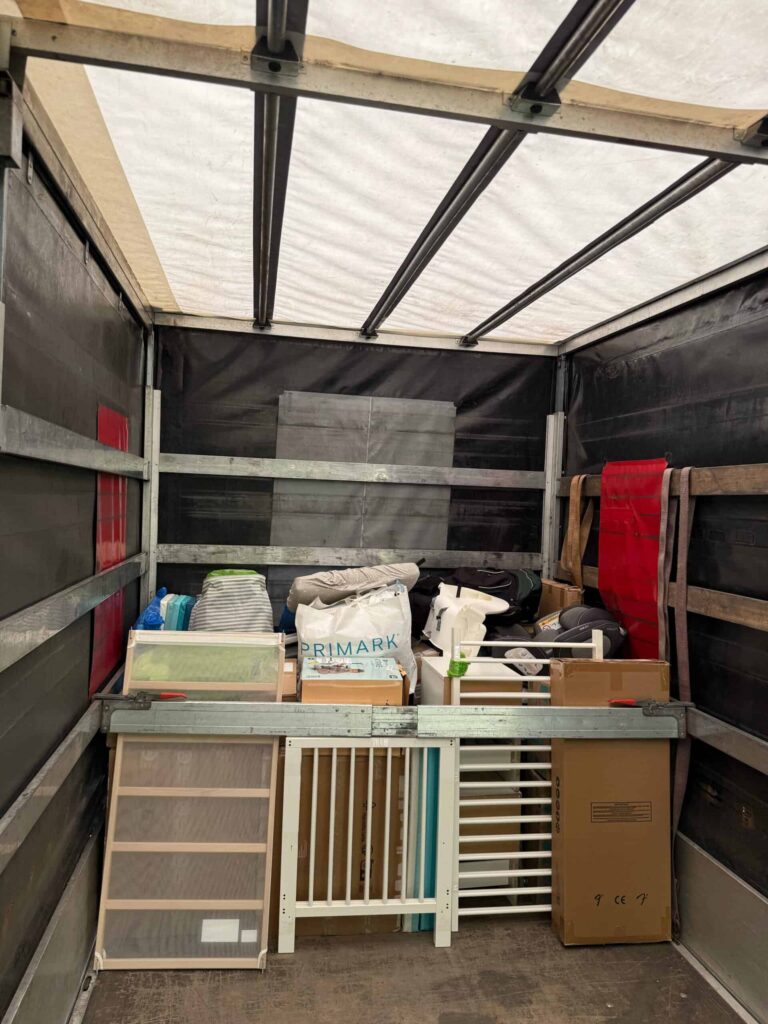
Choosing the wrong vehicle size is one of the most common and most expensive mistakes in a moving to Germany checklist. Too small, and the move risks overflow, second trips, and delays. Too large, and you may pay for capacity you do not need. The goal is not to choose the biggest option. It is to choose the right one.
| Service option | Capacity | Max load | Best for |
|---|---|---|---|
| Moving One | 1 m3 | 100 kg | A few boxes, urgent essentials |
| Moving Basic | 5 m3 | 300 kg | Student move or room contents |
| Moving Medium | 10 m3 | 500 kg | Small flat and furniture |
| Moving Premium | 15 m3 | 1100 kg | One bedroom move |
| Moving Premium Plus | 30 m3 | 3500 kg | Family move or partial house |
| Moving Full House XXL | 90 m3 | 20000 kg | Full household relocation |
Most people underestimate moving volume by 20% to 30%. That is why it helps to think in rooms, not just items. A sofa and a bed may seem manageable, but when you add kitchenware, boxes, lamps, chairs, mirrors, and storage items, the real volume grows quickly.
A good moving to Germany checklist should ask:
- how many rooms are really being moved
- how many bulky or heavy items are involved
- whether fragile furniture needs more protected space
- whether one clean trip matters more than squeezing into the smallest option
Those questions are more powerful than they look. They move you away from wishful thinking and toward a more honest picture of the relocation. A van choice should not be based on optimism. It should be based on real volume, real weight, and real timing pressure.
A practical way to read the vehicle options is to imagine the move in layers.
Moving One works best when the load is tiny and urgent. Think documents, a few critical boxes, or immediate essentials that need to arrive fast.
Moving Basic often suits a student move, a rented room, or a very light setup where speed and simplicity matter more than transporting a whole home.
Moving Medium can fit a small flat more comfortably, especially when the move includes both furniture and boxes rather than just one or the other.
Moving Premium makes more sense when a one bedroom move starts to include heavier furniture, appliances, or less forgiving timing.
Moving Premium Plus is often where family moves begin to feel realistic. It offers more breathing room for furniture, boxes, and the awkward volume that always appears once the whole home is counted properly.
Moving Full House XXL is built for full scale household relocation, where the move is not just a transfer of selected items but a major life transition with serious volume and weight.
This is why the van size section matters so much in a moving to Germany checklist. Capacity affects more than cost. It affects stress, loading speed, damage risk, and whether the move arrives as one clean operation or a messy compromise.
It also helps to match vehicle size to the kind of life being moved:
- Student move: lighter furniture, fewer boxes, compact living setup
- Solo professional move: bedroom furniture, work equipment, kitchen basics, storage boxes
- Couple move: more volume than expected, especially with kitchenware, decor, and combined storage
- Family relocation: children’s items, larger furniture, white goods, higher overall weight, tighter timing pressure
If you are unsure, this is where a professional quote becomes valuable. A man and van solution may be perfect for a smaller, lighter move. A larger home relocation usually needs more structure and breathing room.
This is also one of the areas where VANonsite feels practically useful rather than simply convenient. The range of vehicle sizes makes it easier to fit the move to the real load instead of forcing the load into the wrong format. That reduces the chance of overflow, repeated handling, and the kind of avoidable disruption that can weaken the rest of the moving to Germany checklist.
How Much Does It Cost to Move to Germany?
Cost is one of the first questions people ask, and rightly so. A moving to Germany checklist is not complete without a realistic view of what affects the quote. Yet the smarter question is not only how much does it cost? It is also what exactly am I paying for, and what risks am I avoiding by paying for the right service?
| Cost factor | Why it matters |
|---|---|
| Distance | Affects route, fuel, and time |
| Volume | Affects van size and labour |
| Weight | Impacts handling and transport |
| Access | Stairs and tight entry points raise effort |
| Packing support | Adds materials and labour |
| Urgency | Last minute bookings may cost more |
| Storage | Adds flexibility and service time |
That list shows why no honest quote should feel random. Distance changes fuel use, route planning, and driver time. Volume influences vehicle size and the overall loading plan. Weight affects how the load is handled, secured, and transported. Access can quietly transform a simple move into a labour heavy one, especially if there are stairs, narrow hallways, long walking distances, or limited parking.
A clear quote should feel transparent. If it feels suspiciously cheap, there is often a reason. The cheapest man and van option can become expensive later if it ignores real access conditions, actual load size, or the need for safe handling.
That is one of the most important truths in any moving to Germany checklist. A low number on paper can look appealing when deposits, travel costs, and first month expenses are already piling up. However, if that quote leaves out awkward access, underestimates the load, or gives no room for proper protection, the apparent saving can dissolve very quickly.
A stronger way to think about cost is to break it into three layers:
Base transport cost
This usually reflects distance, route, time, and the size of the vehicle needed for the job.
Handling cost
This covers the real world effort of the move, including stairs, heavy furniture, difficult access, walking distance, and loading complexity.
Optional service cost
This can include packing, storage, white glove delivery, urgent scheduling, or extra handling for delicate and valuable items.
When a quote is built honestly, those layers feel logical. When a quote feels too vague, it often means the details have not been properly considered yet. That uncertainty usually returns later as delay, compromise, or extra cost.
A strong moving to Germany checklist should also remind you to gather the right quote information in advance:
- pickup and delivery postcodes
- room count or estimated volume
- major furniture and appliance list
- floor level and lift details
- access or parking restrictions
- preferred move date
- need for packing, storage, or white glove support
The more accurate your information, the more useful the quote becomes. That protects your budget and your moving day.
It also helps to think in practical move types:
- Light move: a few boxes, essential furniture, or a compact student setup
- Standard flat move: bed, sofa, table, chairs, appliances, storage boxes
- Family relocation: larger volume, more fragile items, tighter timing, more pressure on first week setup
- Premium or delicate move: higher value furniture, fragile pieces, or items needing more protective handling
Each of those situations creates a different cost structure. That is why a moving to Germany checklist should never treat pricing like a one line question. Cost depends on what the move really is, not what you hope it might fit into.
There is also a major emotional difference between paying for transport and paying for confidence. A service that communicates clearly, plans properly, protects fragile items, and gives visibility during transit may not be the lowest number at first glance, but it often prevents the much uglier costs of confusion, damage, and last minute scrambling.
This is where VANonsite enters the conversation naturally. With flexible transport options, specialist services, and GPS tracking for every load, the value is not only in movement from point A to point B. It is in the control, visibility, and reduced friction that a strong moving service brings to an already demanding life change.
Common Mistakes on a Moving to Germany Checklist
Even the best intentions can collapse under poor timing or rushed choices. The value of a moving to Germany checklist is not just organisation. It is prevention. Most moving problems do not start as disasters. They start as small assumptions, and then those assumptions gather weight until the move feels heavier than it should.
The most common mistakes include:
- booking too late
- underestimating the load
- packing documents into the main shipment
- forgetting the first 72 hour essentials
- ignoring registration timing
- choosing price alone instead of reliability
Those points may look familiar, yet they deserve more weight because each one can trigger a chain reaction.
Booking too late often means fewer available dates, more pressure, and sometimes a worse service fit. If your move is tied to work, study, or tenancy deadlines, that loss of flexibility matters immediately.
Underestimating the load is one of the most expensive habits in any moving to Germany checklist. It can lead to the wrong vehicle, repeated handling, slower loading, and unwanted compromise on moving day.
Packing documents into the main shipment may sound minor until you need your ID, landlord papers, or insurance proof urgently. Then it becomes a completely avoidable headache.
Forgetting the first 72 hour essentials can turn the first evening into chaos. No kettle. No clean clothes. No medication. No chargers. No proper bedding. These are not dramatic failures, but they make the move feel far harsher than it needs to feel.
Ignoring registration timing can delay the emotional and practical settling process. When paperwork falls behind, everything else often feels more unstable.
Choosing price alone instead of reliability is perhaps the most misleading mistake of all. A cheap quote that does not reflect the real move can become far more expensive once delays, poor communication, or weak handling enter the picture.
There are also a few quieter mistakes that deserve attention in a stronger moving to Germany checklist:
- assuming access will be easy without checking stairs, lifts, and parking
- mixing fragile items with general boxes without priority labelling
- leaving furniture measurements until the final week
- failing to separate items that must arrive first
- treating the first week in Germany as an afterthought instead of part of the move itself
These are not dramatic errors. They are small cracks that widen under pressure. One late booking can affect the whole timeline. One missing document can slow your first week. One poor transport choice can create damage, delays, or added costs.
The good news is that a well built moving to Germany checklist catches these problems early. It lets you fix them while they are still small.
That is one of the hidden strengths of good removals support. A reliable mover does not just transport your load. It reduces the number of places where small mistakes can grow into bigger ones. Better planning, better timing, stronger communication, and clearer handling all make the move more resilient.
In that sense, the best moving to Germany checklist is not only a checklist of tasks. It is also a checklist of risks to avoid. And once you see it that way, the whole relocation becomes easier to control.
Why VANonsite Makes a Germany Move Easier
A mover should do more than transport items. It should reduce uncertainty. That is where VANonsite becomes a natural fit for a moving to Germany checklist. In a cross border relocation, that difference matters. You are not simply booking a van. You are choosing how much control, visibility, and reassurance you want during one of the most demanding transitions in daily life.
The company offers:
- high quality transport service across Europe
- safety and speed
- GPS tracking for every load
- flexible options from man and van to full household relocation
- services including Furniture Removals, Home Removals, Packing Service, White Glove Delivery, Office Removals, Storage, and Student Removals
That range matters because no two relocations feel the same in real life. A student move has different priorities from a family relocation. A compact man and van booking is different from a full house move. A company that can adapt the service to the real scope of the move gives you more control from the start.
What makes this especially valuable is not only the service list itself, but what it means in practice. Safety means your belongings are handled with more care. Speed means your timetable is respected. GPS tracking means you are not left guessing where your load is while key handover, work start dates, or family routines depend on that arrival.
That visibility changes the emotional experience of the move. Instead of sitting in uncertainty, you can follow progress and plan the next steps with more confidence. In a strong moving to Germany checklist, that kind of visibility is not a minor luxury. It is part of what keeps the whole relocation stable.
There is also real value in flexibility. A light move may only need a man and van solution. A family relocation may need a larger vehicle, better handling for fragile furniture, tighter timing, and perhaps storage or packing support. VANonsite fits into this article naturally because the service model can expand or narrow depending on the actual move instead of forcing every customer into the same format.
That matters for several real world scenarios:
- Student moves often need speed, value, and a compact solution that still feels dependable.
- Solo professional moves may need fast delivery, work equipment protection, and strong first week functionality.
- Family relocations usually need more structure, more capacity, and smoother coordination.
- Premium or fragile moves benefit from stronger handling, packing support, and white glove options.
If you are planning removals to Germany, VANonsite offers the kind of practical reassurance that keeps a moving to Germany checklist from turning into a paper exercise. GPS tracking adds visibility. Flexible vehicle sizes reduce mismatches. Specialist services help protect fragile items, premium furniture, and tight timelines.
A good mover also reduces friction in smaller but decisive ways. Better timing reduces stress. Better communication reduces confusion. Better load planning reduces damage risk. Better fit between vehicle and volume reduces ugly surprises on moving day. Those details may not sound dramatic, yet they shape whether the move feels controlled or chaotic.
That is why VANonsite works well here not as a hard sell, but as a practical answer. A moving to Germany checklist only becomes truly useful when the transport side supports it. Without dependable logistics, even the best checklist can start to wobble. With the right support, the same checklist becomes something you can actually live through with more calm and confidence.
FAQ
What is the most important moving to Germany checklist item?
The most important item is getting the basics in the right order: housing, documents, transport, registration, and first week essentials. A strong moving to Germany checklist works because it creates sequence, not just a pile of tasks. The real advantage is that it turns a stressful move into a more manageable series of decisions.
How early should I book my move to Germany?
Ideally, 6 to 8 weeks before departure. Earlier booking usually gives you more choice, less stress, and better control over the moving date. It also improves your chances of getting the right vehicle size and service type instead of settling for what is still available under pressure.
Can I use a man and van service for moving to Germany?
Yes. A man and van service can work very well for smaller moves, student relocations, urgent essentials, or partial household transport. Larger relocations usually benefit from a fuller removals setup. The right choice depends on your real volume, your timing pressure, and how much protection your belongings need.
What documents should I keep with me on moving day?
Keep passports, national ID cards, contracts, health insurance papers, medication, chargers, valuables, and your first 24 to 72 hour essentials with you personally. In other words, anything critical for travel, first night comfort, or early administration should stay out of the main load.
How quickly do I need to register my address in Germany?
In many cases, registration is expected within 2 weeks of moving into your new home. Check the local requirements for your area and prepare your documents early. The sooner you are organised for Anmeldung, the easier your first week usually feels.
What van size is best for a family move to Germany?
That depends on the real volume of the move, but many family relocations need either Moving Premium Plus or Moving Full House XXL. The safest choice is based on actual room count, bulky items, access conditions, and how much of the household is moving in one go.
Is GPS tracking really useful during an international move?
Yes. It gives visibility during one of the most uncertain parts of the relocation. Instead of waiting in the dark, you can follow the progress of the load and plan your arrival day or first evening with more confidence.
Is VANonsite only for large relocations?
No. One of the practical strengths of VANonsite is flexibility. The service range works for smaller man and van moves, student moves, and more complex household relocations, which makes it easier to choose a solution that fits the actual move instead of overbuying or underestimating it.
Final Thoughts
A move to Germany can feel massive when everything is spinning at once. Yet the right moving to Germany checklist turns that pressure into sequence, clarity, and momentum. It helps you protect your documents, plan your transport, organise your first week, and avoid the kind of small mistakes that create big headaches later.
When the checklist is strong and the transport is reliable, the move feels different. Less fog. Less friction. More control.
That is the deeper goal of a good relocation plan. Not perfection. Not impossible calm. Just more control at the moments that matter most.
If you want a smoother, safer, and faster move, choose a moving partner that treats logistics with the seriousness they deserve. VANonsite does exactly that, whether you need a compact man and van move, specialist furniture handling, or a full household relocation across Europe. When the move is important, dependable transport does more than carry boxes. It protects the start of your new life.