
Moving to Germany for work can feel like a breakthrough and a burden at the same time. A new role brings energy, ambition, and possibility. Yet the move itself can quickly turn into a maze of documents, deadlines, packing lists, and practical decisions that all seem urgent at once.
The reassuring part is this: moving to Germany for work becomes much easier once you separate the move into clear stages. Job-related documents, housing and registration, packing and transport, and the first days after arrival all become easier when each part has a plan.
TL:DR
- Moving to Germany for work gets easier when you break the relocation into clear stages instead of trying to solve everything at once.
- The most important priorities are usually job documents, housing timing, registration, practical packing, and reliable transport.
- A man and van service is often a smart choice for small and medium job relocations, urgent starts, and staged moves to Germany.
- Choosing the right van size can save money, reduce pressure, and make the whole move feel more controlled.
- Documents such as your job offer, ID, address papers, and registration-related paperwork can shape how smooth your first weeks in Germany feel.
- Packing by priority, not only by room, helps you start work faster and settle in with less chaos.
- VANonsite stands out through GPS tracking, flexible vehicle sizes, careful handling, and removals coverage across all countries in Europe.
What should you know before moving to Germany for work?
A work relocation is different from a casual move because the clock starts ticking long before you feel ready. You are not only changing address. You are preparing to function in a new country, often under pressure from a start date, housing deadlines, onboarding tasks, and paperwork that all demand attention at the same time.
That is why moving to Germany for work needs more than enthusiasm. It needs structure. A casual move gives you room to settle slowly. A job relocation usually expects you to become operational fast. You may need to start working within days of arrival, which means your documents, your essential belongings, and your first-week setup all matter much more than people expect.
One of the biggest things people underestimate is how closely everything is connected. Job documents affect residence steps. Housing affects registration. Registration affects everyday admin. Packing affects how fast you can start living normally. Transport affects whether your first week feels smooth or chaotic. If one piece slips, the others often feel heavier too.
Timing matters more than expected because work relocations rarely happen in a calm vacuum. Employment dates are fixed. Temporary accommodation may be limited. Key handovers can move. Registration appointments may take time. Deliveries need to line up with the reality of your first days in Germany, not with an ideal plan that assumes everything will go perfectly.
This is also why documents, housing, and transport need to be coordinated together rather than handled as separate issues. A strong work move is not just about getting hired. It is about getting your life operational fast after arrival. That means having the right papers ready, the right essentials with you, and a removals plan that supports your new routine instead of slowing it down.
In practical terms, the smartest approach is to think in layers. First, what must be ready for you to legally and practically start work? Second, what must arrive quickly for daily life to function? Third, what can follow later or travel in a second stage if needed? Once you think like that, the move stops feeling like a wall and starts feeling like a sequence.
How do you plan moving to Germany for work step by step?
The easiest way to make moving to Germany for work feel manageable is to plan it in a clear order. A step-by-step process reduces noise, lowers the chance of expensive mistakes, and helps you focus on what actually matters first.
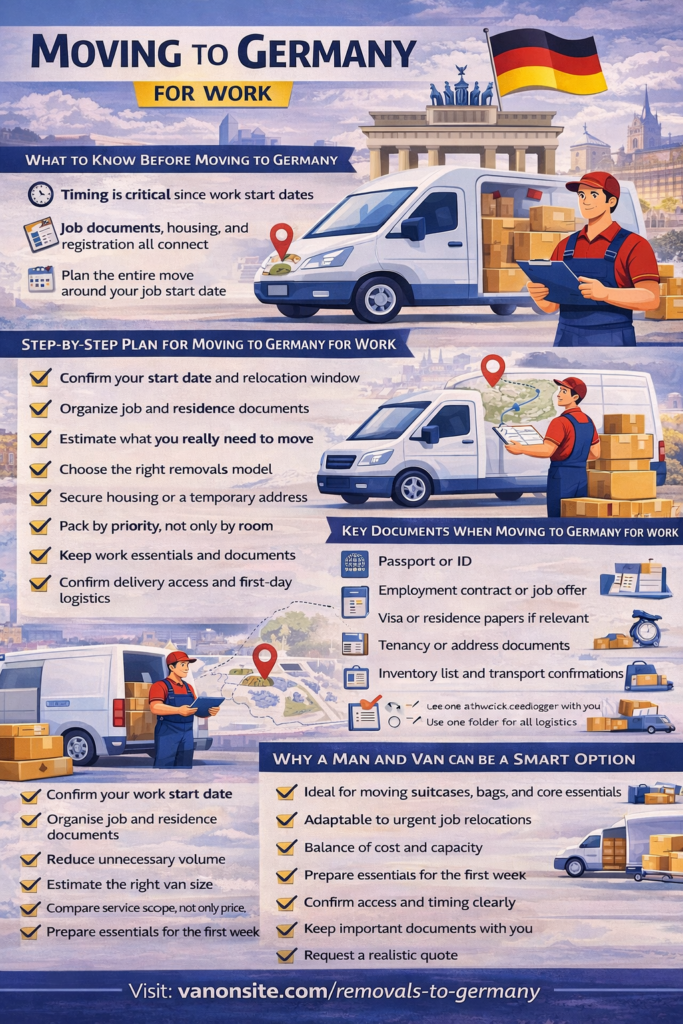
A strong plan usually looks like this:
- Confirm your start date and relocation window
Your work start date shapes almost every other decision. It affects when you need to travel, when your documents must be ready, how much flexibility you have, and whether the move should happen in one stage or two. - Organise the documents linked to your job and residence
Employment paperwork, ID, address documents, and any residence-related documents should be gathered early. This creates clarity before the more physical side of the move begins. - Estimate what you really need to move
Work relocations often feel easier when you separate what is essential from what is optional. Not everything needs to travel immediately. The sharper this decision is, the easier the move becomes. - Choose the right removals model
Some job relocations need only a compact, efficient man and van service. Others need a bigger household move. The correct model depends on route, timing, and how much of your home is actually coming with you. - Secure housing or a temporary address
Even if long-term housing is still in progress, a temporary address can remove a huge amount of pressure. It gives structure to delivery planning and helps the first days in Germany feel less uncertain. - Pack by priority, not only by room
This is one of the best decisions in any work move. Work clothes, laptop gear, personal documents, chargers, basic kitchen items, medication, and first-week essentials should be treated differently from low-priority household items. - Keep work essentials and documents with you
The items that directly affect your first week should not disappear into the main load. If you need them quickly, keep them personally accessible. - Confirm delivery access and first-day logistics
Check arrival timing, parking, lifts, entry instructions, and any building access issues. A move becomes much smoother when arrival is planned with real conditions in mind.
This order works because it reflects reality. A job relocation is not won by doing everything at once. It is won by doing the right things in the right order. Once those foundations are stable, the move starts to feel more strategic and far less overwhelming.
A good mental shortcut is simple: first protect your ability to start work, then protect your ability to live normally, then protect the comfort of the wider move. That order usually leads to smarter decisions and much less stress.
What documents may matter when moving to Germany for work?
Documents have an outsized effect on how smooth your work relocation feels. When moving to Germany for work, the paperwork is not just administrative noise. It shapes whether you can start your job cleanly, register on time, open the right next steps after arrival, and avoid the kind of confusion that drains energy in the first week.
The goal is not to collect endless papers. The goal is to keep the right documents accurate, accessible, and organised.
The most important categories usually include:
- Passport or ID
Your core identity document should be valid, easy to access, and kept with you during the move. It should never disappear into the main transport load. - Employment contract or job offer
This is often one of the anchor documents of the whole relocation. It helps confirm the reason for the move and may be relevant for housing, registration, or additional administrative steps. - Visa or residence-related documents if relevant
If your nationality or route requires residence or visa documentation, this needs to be checked early rather than late. Rules differ depending on your situation, so guessing here is rarely a good idea. - Tenancy or address documents
If you already have a flat, temporary address, or formal accommodation arrangement, keep those papers ready. They often matter quickly after arrival. - Registration paperwork
Registration is one of the first practical tasks many people need to think about after arrival. Having the right address-related documents ready can make the first administrative steps much smoother. - Inventory list and transport confirmations
These support the physical side of the relocation. A clear inventory helps track what is moving. Transport confirmations help keep the route, timing, and delivery details organised.
If registration, residence, or customs become relevant in your case, these official sources are useful starting points:
- Bundesportal: Register residence
- BMI: Registration in Germany
- Make it in Germany: Working and living in Germany
- German customs
A practical way to organise documents is to group them by function:
| Document group | Why it matters | Best habit |
|---|---|---|
| Identity | supports travel and verification | keep with you at all times |
| Employment | proves work-related reason for the move | store in digital and printed form |
| Residence or visa | supports legal and administrative steps | verify early and double-check details |
| Address and housing | helps with registration and settling in | keep in one folder with contact details |
| Move records | keeps transport and delivery clear | use one document folder for all logistics |
What causes trouble is rarely the number of documents. It is usually the lack of structure around them. One paper is in a bag, another is buried in a box, and a key confirmation lives only in an email thread you cannot find quickly. That is why one simple rule works so well: keep one digital folder and one printed folder for the essentials.
For a work move, clarity is a force multiplier. When documents are ready, everything else feels easier.
What should you pack when moving to Germany for work?
Packing for a job relocation is different from packing for a leisurely move. You are not only moving your belongings. You are trying to make your first working days in Germany feel functional, sharp, and calm. That means your packing strategy should follow priority, not just room labels.
A practical checklist starts with the items that support your job and your first week:
- work essentials
- personal documents
- clothing for the first weeks
- electronics and chargers
- important household basics
- what not to move if it adds cost without value
Work essentials
Keep the items that directly affect your ability to start work with you or in a clearly prioritised bag. This often includes your laptop, work phone, chargers, adapters, headphones, notebook, ID, and any equipment you may need on day one. If you need it in the first 24 to 72 hours, it should not disappear into the wider load.
Personal documents
Passports, contracts, address papers, insurance details, and other key records should travel with you, not in the van. A job move becomes much easier when you know the critical paperwork is always within reach.
Clothing for the first weeks
Pack with realism, not fantasy. You do not need your entire wardrobe accessible immediately. You do need enough work-ready clothing, casual essentials, underwear, outerwear, and shoes to function normally for the first one to two weeks.
Electronics and chargers
This category gets underestimated constantly. Laptop charger, phone charger, plugs, adapters, extension leads, power banks, and basic tech accessories matter more than people think, especially when the first days are work-focused.
Important household basics
A work move often feels easier when a few home basics arrive with you right away. Think bedding, towels, toiletries, simple kitchen items, medication, and a few objects that make the temporary space feel usable immediately.
What not to move if it adds cost without value
Not everything deserves a place in the move. Duplicate furniture, low-value bulky items, rarely used objects, and things that can be replaced more cheaply than transported may not be worth taking in the first stage. The cleaner the load, the easier the relocation.
A practical first-week packing table can help:
| Priority level | What to include | Why it matters |
|---|---|---|
| Day one essentials | documents, laptop, chargers, toiletries, medication | keeps work and daily life operational |
| First week basics | clothes, bedding, kitchen basics, towels | reduces first-week stress |
| Secondary household items | extra decor, lower-priority storage items | can arrive later if needed |
The smartest packing rule for moving to Germany for work is simple: pack for function first, comfort second, and everything else after that. This does not mean your move should feel cold or minimal. It means the first stage should protect your ability to work, sleep, eat, and settle quickly.
That is why packing by priority, not only by room, works so well. It helps your new life start faster.
Why is a man and van service often a smart option for work relocation to Germany?
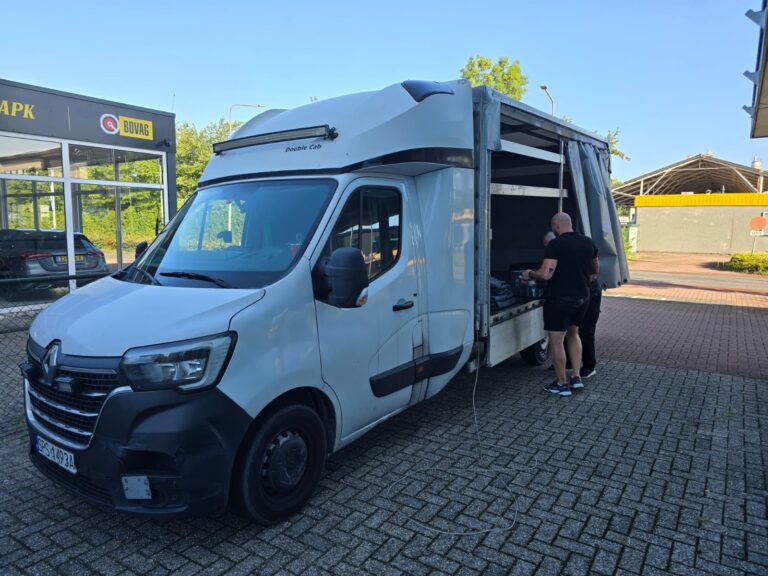
For many professionals, a man and van move is the most efficient way to get essentials and core household items to Germany without paying for oversized removals. A work relocation is often tighter, faster, and more selective than a full domestic move. You may not need every piece of furniture on day one. You may need speed more than scale. That is exactly where this model becomes so useful.
A man and van service is often faster and leaner because it removes unnecessary heaviness from the process. Instead of building the move around maximum volume, it builds the move around what actually matters first. That makes it especially attractive for professionals who need to be operational quickly after arrival.
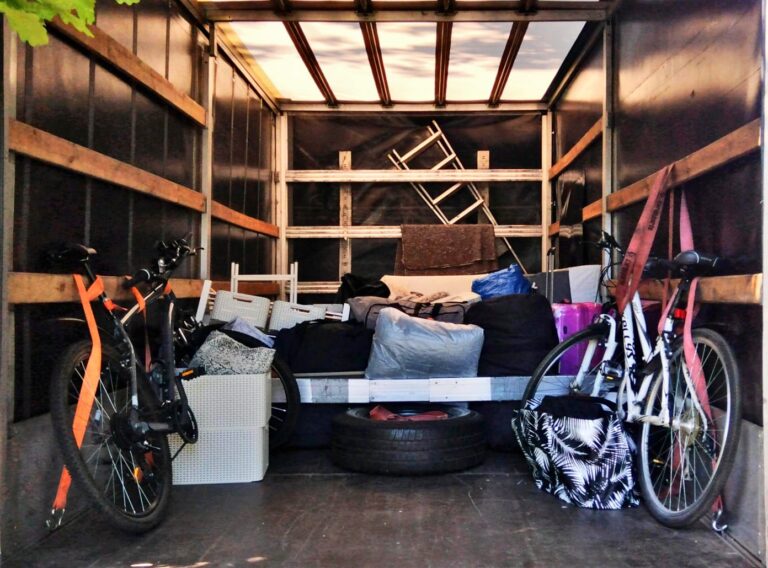
This model is ideal for small and medium loads. If your relocation includes suitcases, documents, work equipment, boxes, core household items, and selected furniture, a man and van option can often deliver the right balance between price, speed, and flexibility. It keeps the move focused without making it feel stripped down.
It is also especially useful for urgent job starts. When the timeline is tight, a more direct transport model can reduce friction. Fewer moving parts often means fewer opportunities for confusion, delay, or slow coordination. If you need to start work quickly, that simplicity becomes a major advantage.
Another reason professionals choose this option is that work relocations are often staged. You may move essentials first and bring the rest later; You may start in temporary accommodation; You may transport only what supports the first phase of life in Germany and leave the wider household for a second step. A man and van service fits that pattern naturally.
Direct road transport is another major benefit. Fewer handovers usually mean more visibility and less risk. Your belongings follow a cleaner path from pickup to delivery, which makes the whole move feel more controlled.
A quick comparison makes that easier to see:
| Work move situation | Why man and van often fits well |
|---|---|
| Solo professional relocation | keeps the move lean and efficient |
| Urgent job start | supports a faster, more direct timeline |
| Staged relocation | allows essentials to arrive first |
| Small flat or room move | avoids oversized transport costs |
| Mixed essentials and selected furniture | balances flexibility and capacity |
For many people moving to Germany for work, this is not just a cheaper option. It is a smarter operational option. It gets the essentials moving fast, keeps the first stage manageable, and supports a cleaner start in Germany.
Which van size should you choose for moving to Germany for work?
Van size shapes the whole feel of a work relocation. Choose too small, and the move becomes cramped, stressful, and awkward. Choose too large, and you may spend money on capacity you never truly needed. The right size gives the move breathing room without inflating the cost.
VANonsite offers a practical size range for different relocation types:
| Vehicle option | Capacity | Max load |
|---|---|---|
| Moving One | 1 m3 | 100 kg |
| Moving Basic | 5 m3 | 300 kg |
| Moving Medium | 10 m3 | 500 kg |
| Moving Premium | 15 m3 | 1100 kg |
| Moving Premium Plus | 30 m3 | 3500 kg |
| Moving Full House XXL | 90 m3 | 20000 kg |
A useful way to read these sizes is to connect them to real work relocation scenarios:
- Moving One works well for suitcases, personal documents, and the tightest essentials-only moves.
- Moving Basic suits a small room, a minimal relocation, or a highly selective first-stage move.
- Moving Medium fits many compact apartment relocations with boxes, work gear, and selected furniture.
- Moving Premium is often the right match for a 1 to 2 bedroom relocation.
- Moving Premium Plus works well for family work relocations or larger mixed loads.
- Moving Full House XXL is suited to full household relocations where the entire home is moving to Germany.
A second practical table makes the decision faster:
| Move scenario | Best size |
|---|---|
| Suitcases, documents, and essentials | Moving One |
| Small room or minimal relocation | Moving Basic |
| Compact apartment move | Moving Medium |
| 1 to 2 bedroom relocation | Moving Premium |
| Family work relocation | Moving Premium Plus |
| Full household move | Moving Full House XXL |
These are helpful anchors, not rigid laws. A minimal apartment move may need less than expected. A smaller flat full of dense boxes, office equipment, and bulky furniture may need more. That is why realistic volume planning matters so much.
The wrong size can increase cost or create avoidable stress. Too much empty space raises the price without giving you real value. Too little space can force tighter packing, weaker planning, or a second rethink that costs both time and energy. For a job relocation, where timing matters, that pressure can feel even heavier.
A simple rule helps here: choose the van size that fits the real first stage of your new life in Germany, not the imagined total of everything you own. That mindset usually leads to a sharper, more efficient decision.


What services can help when relocating to Germany for work?
A smoother work relocation to Germany rarely depends on transport alone. The strongest moves are supported by services that fit the shape of the transition. Some professionals need only a lean, direct move with essentials and selected furniture. Others need broader support because the relocation includes a full household, a tighter start date, premium items, or a housing timeline that is still shifting.
Home removals to Germany
Home removals are one of the most useful services when a work move includes more than a few suitcases and devices. Once beds, tables, chairs, kitchen items, storage boxes, and daily-life basics enter the picture, the relocation becomes a real household move rather than a simple work transfer. VANonsite’s Home Removals service fits this naturally.
This matters because a new job does not cancel the practical needs of ordinary life. You still need to sleep well, cook, organise, and function normally. A well-managed home removal helps your life in Germany start faster, not just your employment.
Furniture removals to Germany
For many professionals, the move is selective rather than total. You may not want to move everything, yet you do want key furniture pieces that make the new home feel usable immediately. A desk, mattress, sofa, table, wardrobe, or ergonomic chair can matter far more than decorative extras. VANonsite’s Furniture Removals service is especially useful in this kind of practical, selective move.
Furniture removals also demand more care than people expect. Bulky pieces, fragile finishes, glass elements, and awkward dimensions all need proper handling and enough protected space. This is exactly where a structured, professional move feels worth it.
Packing service
Packing support can save a surprising amount of time and stress in a work relocation. When deadlines are tight, packing is often the first thing to become rushed. Boxes get mixed. Essentials disappear into the wrong load. Fragile items receive improvised protection. VANonsite’s Packing Service helps prevent that slide into chaos.
This is especially valuable for professionals working until the final days before departure, families moving around school or work schedules, or anyone trying to protect electronics, documents, kitchenware, and delicate items without losing momentum.
Storage
Storage becomes valuable when the housing timeline is not perfectly clean. Temporary accommodation, delayed keys, staged relocation, and overlapping contracts are all common during a work move to Germany. In those moments, storage is not just extra space. It is breathing room.
That breathing room can protect the quality of the whole move. Instead of forcing every step into a single narrow window, storage gives you flexibility when real life refuses to follow the neat plan.
Last minute moving
Some job relocations happen fast. A contract is signed. A role starts sooner than expected. Housing appears suddenly. Or a timeline shifts at the last minute. In those situations, speed matters, yet speed without structure creates new problems. That is where VANonsite’s Last Minute Moving service becomes especially useful.
A strong last-minute move is not just fast. It is responsive, organised, and realistic about what can be done well under pressure.
White glove delivery for premium items
Some belongings need more than ordinary transport. High-value furniture, delicate finishes, premium office equipment, designer pieces, and emotionally important items often deserve a calmer, more careful service level. VANonsite’s White Glove Delivery fits that need naturally.
For professionals relocating to Germany, this can be especially useful when the move includes items that support comfort, status, work quality, or daily routine in a more elevated way. Not every move needs it. The right moves benefit from it immediately.
What usually causes stress when moving to Germany for work?
Most stressful work relocations do not go wrong because of one dramatic event. They go wrong because several smaller pressure points start pushing at the same time. The good news is that most of these problems are predictable, which means they can usually be reduced early.
The most common stress points are:
- late paperwork
- underestimating the move volume
- weak packing structure
- unclear housing timeline
- poor communication with the removals company
- wrong van size
- trying to move too much at once
Late paperwork creates stress because it affects more than documents. It affects confidence. When people are unsure whether the right papers are ready, everything else starts to feel unstable too.
Underestimating the move volume is another classic problem. A work relocation often looks smaller in your head than it is in reality. Yet once work gear, first-week basics, furniture, boxes, and everyday essentials start adding up, the true size of the move becomes much clearer.
Weak packing structure creates a different kind of pressure. The move technically happens, yet the first week feels disorganised because the wrong things were packed first, priority items vanished into the main load, and daily life became harder than it needed to be.
An unclear housing timeline is often one of the biggest hidden stress factors. If key dates, access details, or temporary arrangements are still moving, the removals plan needs flexibility built into it.
Poor communication with the removals company adds invisible weight to everything. When answers are vague, timing is unclear, or details are not confirmed properly, small uncertainties start multiplying.
Wrong van size can turn a manageable move into an awkward one. Too small creates pressure and poor fit. Too large creates unnecessary cost.
Trying to move too much at once is the final trap. Many professionals do not need their entire previous life to arrive in Germany on day one. A staged, priority-based move is often smarter.
A useful way to read the most common stress risks is this:
| Stress point | What usually causes it | How to reduce it |
|---|---|---|
| Late paperwork | delayed preparation | organise documents early in one system |
| Wrong load estimate | guessing instead of counting | assess volume honestly room by room |
| Weak packing logic | packing too late or without priorities | pack by first-week function first |
| Housing uncertainty | unclear access or changing dates | build flexibility into the moving plan |
| Poor removals communication | vague coordination | choose a responsive, structured provider |
| Wrong van size | poor fit between load and capacity | match the van to the real first-stage move |
| Moving too much at once | lack of prioritisation | separate essentials from later-stage items |
Better planning prevents most of these issues because it replaces assumption with structure. That is the real secret behind a smoother work relocation. Not perfection, but preparation.
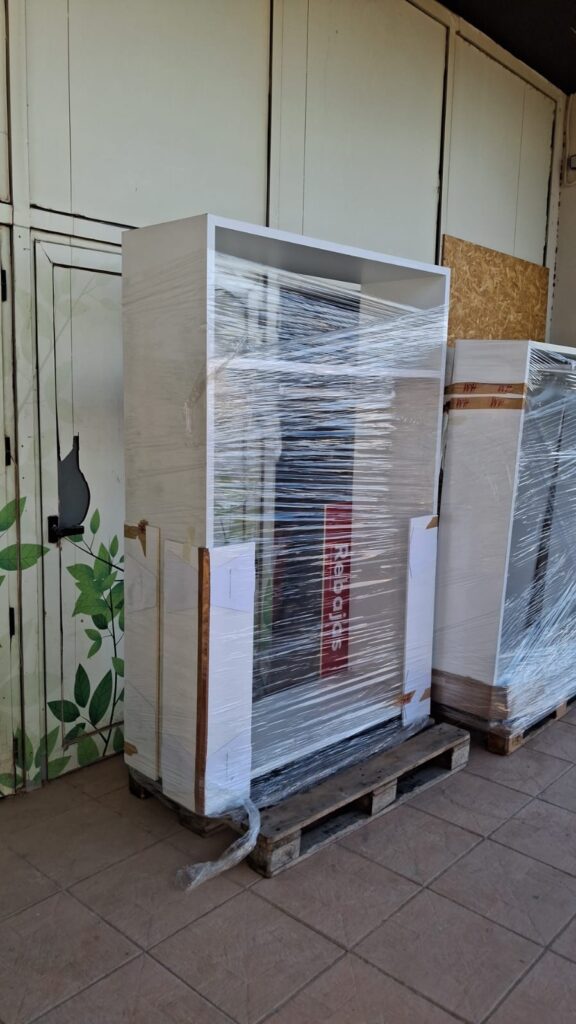
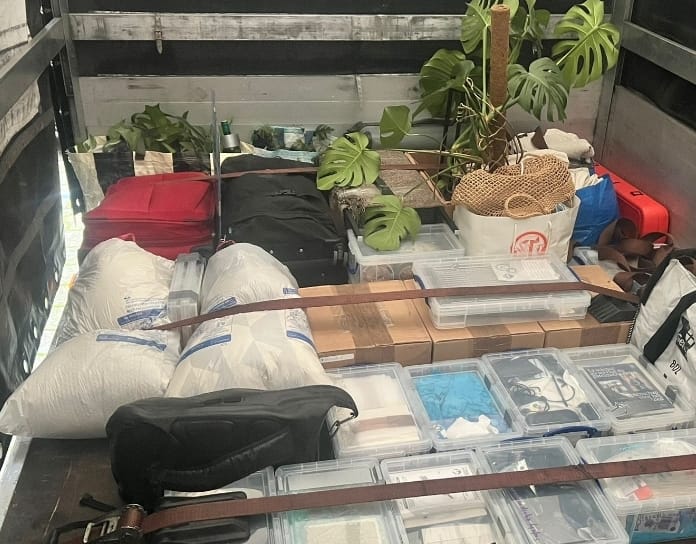
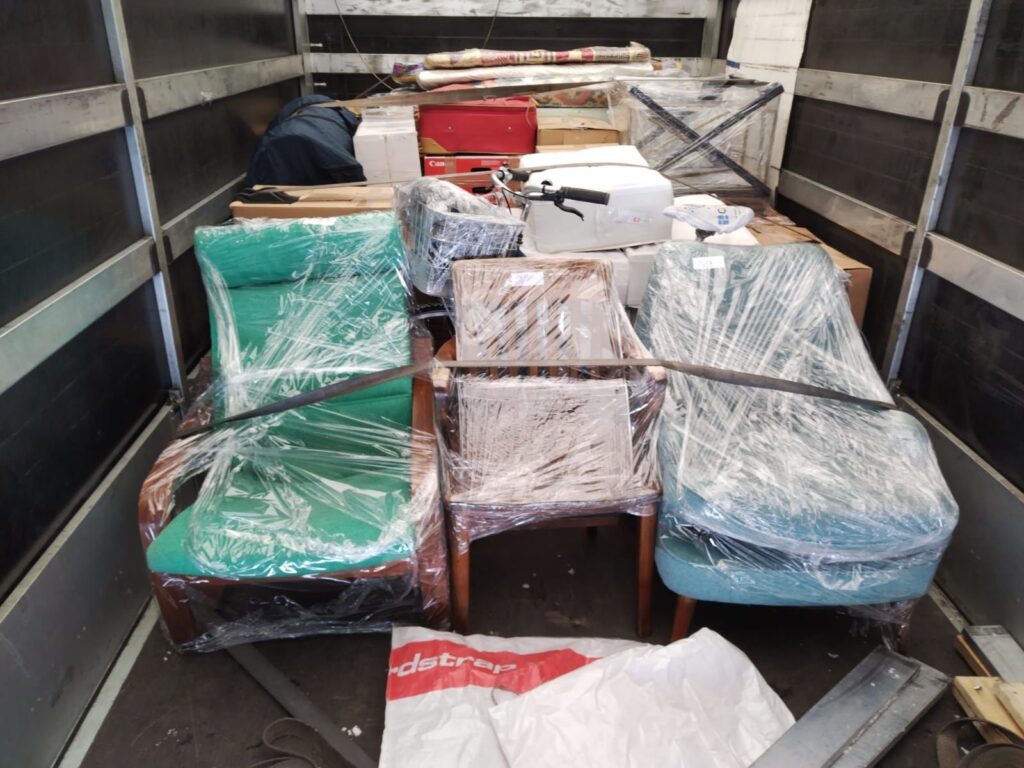
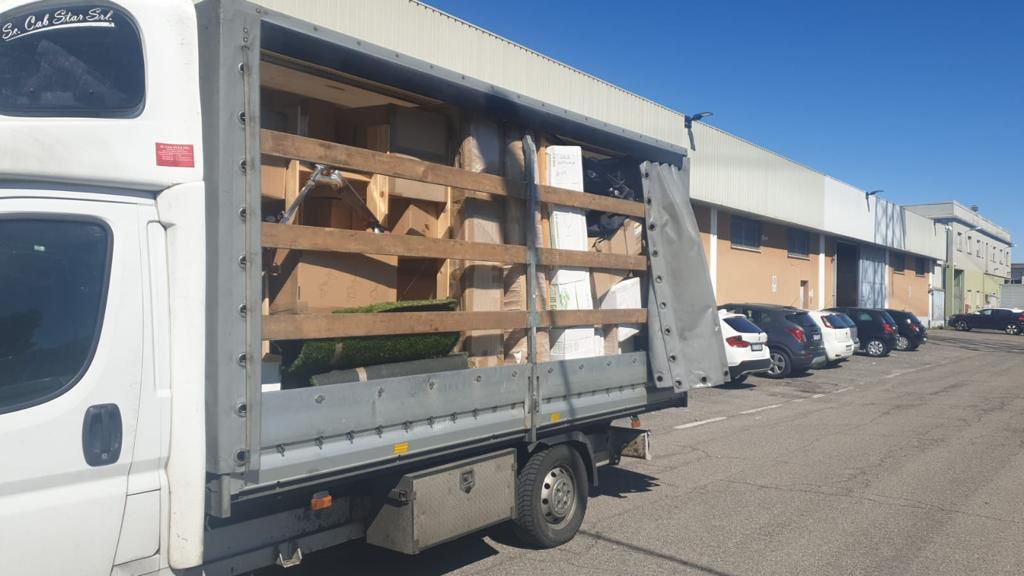
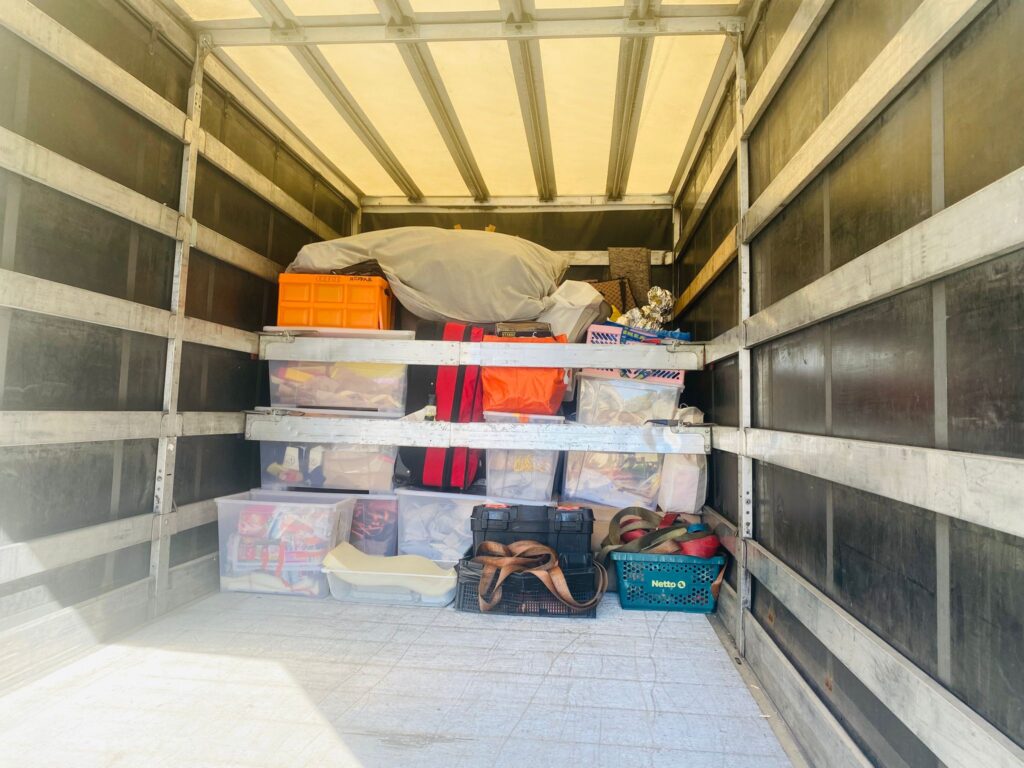
Practical examples of work relocation to Germany
A few real-life move patterns make the planning easier to understand.
Example 1: Solo professional with a fast start date
If you are starting a new role in 7 to 14 days, the smartest move is usually selective. Take work essentials, key documents, enough clothing for the first two weeks, core electronics, toiletries, bedding, and a few practical household basics. In many cases, a man and van service and a smaller van size are enough for this first stage.
Example 2: Couple moving for one partner’s job
This kind of relocation often sits between a compact move and a full household move. You may need a stronger balance between essentials, furniture, and everyday comfort. Here, realistic volume planning matters more than optimism. A move that looks medium on paper can quickly grow once wardrobes, kitchen items, and home-working equipment are included.
Example 3: Family relocation for a new role in Germany
Family work relocations usually carry more pressure because the move is not only about employment. It is also about continuity. Children, routines, school-related timing, bulkier furniture, and a wider range of everyday essentials all raise the stakes. In this kind of move, the right van size, stronger coordination, and practical support services make a visible difference.
These examples matter because they show a simple truth. Moving to Germany for work is not one standard scenario. The best plan depends on how much of life is moving with you, how fast the new role begins, and whether the relocation is happening in one clean stage or several smaller ones.
Final planning table before moving to Germany for work
A final planning table can help turn the article into action.
| Stage | Main focus | What to protect most |
|---|---|---|
| Before booking | start date, documents, housing timeline | decision quality |
| Before packing | priorities, volume, van size | cost and control |
| Before departure | essentials, confirmations, access | first-week stability |
| After arrival | registration, daily setup, delivery timing | smooth start in Germany |
This kind of structure works because it keeps the move answer-focused. Instead of trying to perfect everything, you protect what matters most at each stage.
Moving to Germany for work checklist
A final checklist helps turn a stressful relocation into a more controlled sequence of actions. When the move is tied to a start date, the checklist becomes even more important because it protects the essentials that affect both work and daily life.
- confirm your work start date
- organise job and residence documents
- reduce unnecessary volume
- estimate the right van size
- compare service scope, not only price
- prepare essentials for the first week
- confirm access and timing clearly
- keep important documents with you
- request a realistic quote
- leave room for last-minute changes
This checklist works because it focuses on what actually shapes the success of a work move. Not every detail deserves equal attention. The right details do.
A helpful way to use it is to split the move into three simple phases.
Before requesting quotes
- confirm your job start window
- reduce the load to what truly matters
- identify bulky, fragile, or high-priority items
Before booking the move
- match the van size to the real first-stage relocation
- compare service scope, not only headline price
- check route fit, access, and timing expectations
In the final days before departure
- keep your documents and work essentials with you
- separate first-week items clearly
- confirm arrival access, contact details, and delivery timing
That structure helps because a work move is rarely chaotic all at once. It becomes chaotic when too many unresolved details meet at the same moment. A checklist breaks that pattern.
FAQ about moving to Germany for work
What do I need before moving to Germany for work?
You usually need a confirmed job start date, your ID or passport, employment documents, housing or a temporary address, a practical packing plan, and a removals option that fits your route and timeline. The stronger these pieces connect, the easier the whole move feels.
The more clearly these pieces connect, the easier the move becomes. A work relocation feels stronger when job admin, living arrangements, and transport are planned as one process rather than three separate problems.
Is a man and van enough for work relocation to Germany?
In many cases, yes. A man and van service is often ideal for professionals moving essentials, selected furniture, work equipment, and first-stage household basics.
It is especially effective when the relocation is urgent, selective, or staged. For many solo professionals and couples, it gives the fastest balance of flexibility, capacity, and control.
How much should I move before starting a new job in Germany?
Usually, less than you first think. The smartest approach is often to move what supports your first one to two weeks, then decide later whether more should follow.
That usually means documents, work equipment, enough clothing, basic household items, and the furniture that has immediate value. The more sharply you define first-stage essentials, the easier the whole relocation becomes.
What documents matter most after arrival in Germany?
Identity documents, address papers, registration-related documents, and employment records matter most after arrival. Keep them easy to access so your first administrative steps do not become harder than they need to be.
The first week in Germany often moves quickly, and small delays feel bigger when the key papers are buried in the wrong bag or box.
How early should I organise removals to Germany?
Earlier is better whenever possible. It gives you more room to compare services, reduce unnecessary volume, choose the right van size, and plan the move around your work start instead of reacting to pressure.
Even a modest time advantage helps. It gives you more room to reduce volume, choose the right van size, compare services properly, and avoid rushed packing decisions.
What is the smartest way to avoid stress during a work move?
Prioritise function first. Protect your documents, work essentials, first-week items, and transport timing. Most moving stress comes from too many unresolved details meeting at once, so the clearer your structure is, the smoother the relocation feels.
A smoother move is rarely the result of luck. It usually comes from a few strong habits repeated early: clear timing, honest volume planning, priority-based packing, and a removals service that communicates well.
Final thoughts on moving to Germany for work
Moving to Germany for work becomes easier when you combine smart planning, realistic packing, strong document control, and a removals company that understands cross-border timing.
A work move is not just about getting to Germany. It is about arriving ready. Ready to start the job, manage the first week, and settle into a new rhythm without unnecessary chaos around you.
That is why the right removals partner matters so much. You need a service that fits the route, the timing, the load, and the reality of a staged, practical relocation.
VANonsite helps make that possible through flexible vehicle sizes, careful handling, GPS tracking, European coverage, and support for both planned and urgent moves. Whether you are relocating with two suitcases and a laptop or moving a full household for a major career step, the goal stays the same: make the transition to Germany feel smoother, safer, and easier to manage.
For many people, that combination makes the difference between a move that feels reactive and one that feels properly managed. And when the move is managed well, your energy can stay where it belongs: on your new role, your new routine, and your new start in Germany.
If you are moving to Germany for work, request a realistic quote based on your route, move size, and start-date timeline. A stronger start in Germany usually begins with a clearer moving plan.