
Introduction
Moving to Germany from Ireland can feel thrilling, emotional, and surprisingly practical all at once. On paper, it may look simpler than a move from a non-EU country. In real life, it still comes with dozens of decisions that can either make the move feel smooth and empowering or heavy and chaotic. That is exactly why this guide offers more than generic advice. It gives you a clear, structured path from Ireland to Germany, with strong answers, useful data, and real confidence.
At first glance, this route looks refreshingly straightforward. Ireland and Germany are both in the EU, so the legal side is often lighter than many other international moves. That alone removes a huge amount of pressure. However, easier does not mean automatic. Housing, route planning, load size, first-week setup, and choosing the right removals structure still matter enormously. A move can be legally simple and still feel logistically messy if the planning is weak.
The smartest way to approach moving to Germany from Ireland is to think in layers. First comes legal clarity and destination planning. Next comes transport, service fit, and packing. After that comes the landing itself, which is where registration, admin, and your first workable routine begin to matter. When those layers are handled in the right order, the move feels lighter, faster, and far less fragile.
This is also where VANonsite removals to Germany fit naturally into the conversation. VANonsite offers secure European transport, GPS tracking for every load, and flexible service sizes ranging from compact man and van moves to full household relocations. That matters because not every Ireland to Germany move looks the same. A student, a family, a couple, and a remote worker may all use the same keyword, yet they are not making the same move.
The best way to read this guide is simple. Do not treat it as a wall of moving advice. Treat it as a step-by-step route to a calmer relocation. Germany may be closer, simpler, and more accessible than many people first assume. Still, the move works best when the structure is right before the first box is lifted.
Quick Answer: What Should You Know About Moving to Germany from Ireland?
Moving to Germany from Ireland is usually simpler than moving from outside the EU, but the relocation still works best when you:
- confirm your residence and work situation early
- choose the right city and housing plan
- build a precise inventory before booking transport
- match the removals service to the actual load
- keep first-week essentials separate
- prepare for registration and early admin after arrival
That is the short version, and it is the one most readers need first. The move can absolutely be efficient, calm, and affordable, but only when the planning sequence is right.
Each of those points matters for a reason. Confirming residence and work situation early prevents practical planning from racing ahead of the paperwork and formalities. Choosing the right city and housing plan gives the move a real destination instead of an abstract idea. Building a precise inventory before booking transport creates stronger quotes, clearer expectations, and fewer last-minute surprises.
The same logic carries over to the removals side. Matching the removals service to the actual load protects both budget and sanity. A move that is too large for a compact setup becomes stressful fast. A move that is too small for a larger setup may waste money. Keeping first-week essentials separate makes the arrival dramatically smoother. Preparing for registration and early admin after arrival helps Germany feel workable much faster.
If you want the fastest possible version, it is this:
- sort the legal and housing side first
- know exactly what you are moving
- choose the right service level for the load
- plan the first week before moving day arrives
That four-step logic solves a surprising amount of relocation stress.
Is Moving to Germany from Ireland Easy?
In legal terms, moving to Germany from Ireland is often easier than many other international relocations in Europe. Because both countries are in the EU, Irish citizens usually benefit from free movement rules, which removes a major layer of friction. That is a real advantage, and it should not be underestimated.
Still, there is a major difference between legal simplicity and practical simplicity. A move can be legally straightforward and still feel stressful if the housing, packing, transport, or first-week setup is weak. That is where many people get caught off guard. They assume that because the move is simpler on paper, the whole process will somehow organise itself. It rarely does.
This route is easier legally than many UK-to-Germany or non-EU moves, but it still needs smart planning. You still need to choose the right city, find accommodation, decide what is worth moving, organise your documents, and match the removals service to the real load. You still need a landing plan for your first days in Germany. In other words, the move is simpler, but it is not passive.
A helpful way to frame it is this: moving to Germany from Ireland is easier on the border side, yet it still demands sharp choices on the logistics side. That is good news, because the biggest challenges are often the ones you can control.
Who This Guide Is For
This guide is for readers who want more than broad relocation advice. It is for people who need a move that feels clear, cost-aware, and genuinely workable from Ireland to Germany. Although the keyword looks simple, the people behind it are not all making the same move.
Some are leaving Ireland because of a new job, better career options, or a stronger salary-to-cost-of-living balance. Others are moving for study, family, or a fresh personal start. Some want to bring only the essentials. Others are trying to relocate an entire household without turning the process into chaos.
The main reader groups behind this search are:
- Irish professionals relocating for work
These movers often work to fixed start dates and need housing, documents, and transport to line up without delay. Their move may not be huge in volume, but timing matters enormously. - Students moving to Germany from Ireland
Students often need the leanest setup possible. Budget matters, but so does speed and flexibility. This is where a compact man and van service can make excellent practical sense, especially for essentials-only or staged moves. - Couples starting fresh abroad
These moves often sit somewhere in the middle. The load may be more than a solo relocation, but not large enough to justify a full-house approach. Cost, furniture fit, and destination access usually matter a lot here. - Families moving a full household
Family moves carry more emotional weight and much more volume. The right removals structure matters because routine, furniture, timing, and first-week stability all depend on it. - People moving selected furniture only
Not every move is a full relocation. Sometimes the real challenge is transporting a few important pieces safely. In these cases, service fit matters more than broad removals language. - Remote workers seeking a lower-cost or better-located base in Germany
These movers often think in lifestyle terms as much as practical ones. Their move may be compact, but the housing and admin side still needs to be right from day one.
The deeper point is simple. One keyword can hide many different kinds of moves, and the right removals setup always depends on volume, timing, and lifestyle. A student does not need the same structure as a family. A furniture-only move should not be treated like a full household relocation. A professional with a fixed start date may need tighter planning than a more flexible mover.
That is why the best guide should make each reader feel seen quickly. Once people recognise their move type, it becomes much easier to choose the right service, estimate the real load, and avoid paying for the wrong kind of support.
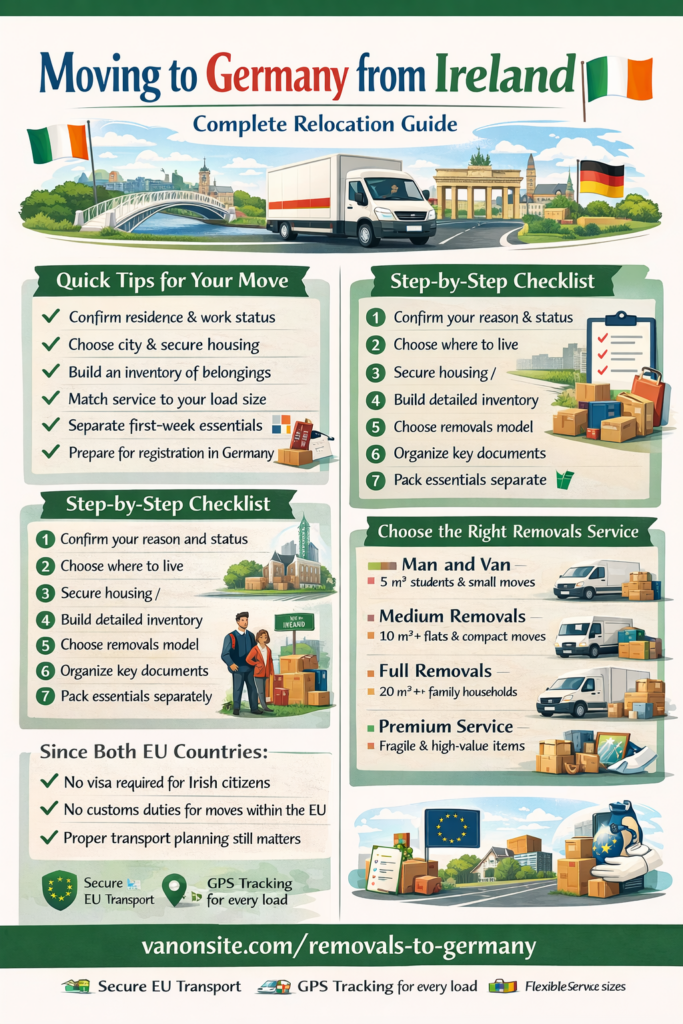
Step-by-Step Checklist for Moving to Germany from Ireland
This checklist is the structural core of the article because most relocation stress does not come from one big problem. It comes from taking the right actions in the wrong order. A move from Ireland to Germany becomes much calmer when it is broken into clear stages.
1. Confirm your reason for moving and legal status
Start by being clear about why you are moving and what your practical status looks like. Work, study, family, and remote relocation can all shape the move differently. Even when the legal side is relatively straightforward for Irish citizens, it still helps to know what formalities and local requirements may apply.
2. Choose where in Germany you want to live
The city matters more than many people first expect. Rent, daily costs, commute, public transport, and the pace of settling in can all change depending on where you land. Berlin, Munich, Hamburg, Cologne, and smaller German cities all create different moving realities.
3. Secure housing or temporary accommodation
Even short-term accommodation gives the move a real destination. It turns transport planning into something concrete and reduces the feeling of landing into uncertainty. This step also helps with first-week admin, delivery coordination, and registration planning.
4. Build a detailed moving inventory
A strong inventory is one of the most useful tools in the whole move. It improves quote accuracy, helps you judge the real service size, and makes packing far more organised. It also forces an honest question: what is actually worth taking from Ireland to Germany?
5. Decide between man and van and larger removals
Once the real load is visible, the service choice becomes much easier. Smaller or staged moves may work beautifully with man and van. Heavier, more structured, or family-level moves often need a broader removals setup. The key is fit, not guesswork.
6. Organise key documents
This is the stage where the move begins to feel stable on paper. Identity documents, housing confirmations, work or study documents, health information, and moving paperwork should all be easy to access before the route becomes time-sensitive.
7. Pack essentials separately
Your first 48 to 72 hours in Germany should not depend on unpacking everything. Documents, chargers, medication, toiletries, bedding basics, one change of clothes, and simple daily essentials should stay with you or in one clearly marked essentials box.
8. Plan your first week in Germany
The move is not finished when the van arrives. Registration, transport, local setup, and making the new home feel usable all shape how the relocation feels in hindsight. A calm first week often depends on decisions made before moving day.
A useful way to understand this checklist is to split it into three phases:
- preparation, which covers legal clarity, city choice, and housing
- logistics, which covers inventory, service fit, documents, and packing
- landing, which covers first-week setup and early admin
That structure turns the move from one overwhelming event into a sequence of controlled decisions. The better the sequence, the lighter the relocation feels.
Do Irish Citizens Need a Visa to Move to Germany?
For most readers, this is the first legal question that needs a clear answer. The reassuring part is simple: Irish citizens generally do not need a visa or a residence permit to enter Germany for the first three months, because Ireland is an EU member state and EU citizens benefit from freedom of movement. Germany’s official government portal states that EU citizens can travel to Germany without a visa or residence permit and stay for a period of three months. Your Europe also confirms that EU citizens have the right to live in another EU country as workers, students, jobseekers, pensioners, or self-sufficient persons. (make-it-in-germany.com)
That said, a legally easier move still comes with formalities. After the first three months in your new country, you may need to register your residence with the relevant local authority and receive a registration certificate, depending on your situation and the local rules that apply. That is why it is smart to verify your exact residence formalities, work setup, and local registration requirements before the move becomes time-sensitive. (europa.eu)
A useful overview looks like this:
| Situation | What to check first | Practical focus |
|---|---|---|
| Working in Germany | employment setup | contract, address, insurance |
| Studying in Germany | student formalities | admission, funds, housing |
| Family move | household logistics | address, school, healthcare |
| Remote work relocation | residence and tax basics | housing, insurance, local admin |
This table matters because one keyword can hide very different real-life moves. Someone relocating for work may need to line up a contract, insurance, and an address quickly. A student may need admission documents, proof of housing, and a manageable budget. A family move may involve school planning, healthcare continuity, and a much heavier logistical load. A remote worker may have a compact move physically, yet still need much more clarity around residence, insurance, and local admin.
The smartest way to think about this section is not only “Do I need a visa?” It is “What formalities apply to my exact situation after I arrive?” That shift helps readers move from broad reassurance to practical action.
For official guidance, see Information for EU citizens, Residence rights in another EU country, Documents and formalities, and Registering residence after the first 3 months. (make-it-in-germany.com)
Documents You Should Prepare Before Moving
Strong document organisation makes a move feel dramatically easier. It does not make the relocation glamorous, but it does make it calmer. When people feel overwhelmed before a cross-border move, the stress often comes less from the distance itself and more from papers being scattered across inboxes, screenshots, folders, and half-packed bags.
The easiest way to stay in control is to group your documents by function rather than by where they happened to land.
Identity and travel
These are the documents that support the journey itself and prove who you are.
- passport or national ID
- travel documents for family members
These should always stay with you, not inside the main shipment. It also helps to keep printed and digital copies of the essentials, especially if more than one person is travelling.
Work or study documents
These documents explain the purpose of the move and often shape what you need to do in the first week.
- job contract
- university admission or enrolment documents
- self-employment or freelance papers if relevant
This group matters because Germany tends to reward clarity. The more coherent your documents are, the easier it becomes to deal with local admin, registration, insurance, and the practical side of starting your new life.
Housing documents
These turn the move from an abstract plan into a real landing.
- tenancy agreement
- temporary accommodation booking
- landlord details
Even if your long-term address is not ready yet, a short-term booking still creates a destination and helps with the first wave of planning.
Health and insurance documents
These reduce friction during the first days and help avoid stressful scrambling if something urgent comes up.
- European Health Insurance Card or local health cover details where relevant
- prescriptions and essential medical records if needed
This category is especially important for families, people with ongoing treatment, and anyone who wants the first week to feel stable rather than reactive.
Moving documents
These are the bridge between your paperwork and the transport side.
- detailed inventory
- removals confirmation
- contact details for delivery and destination access
A strong inventory matters even more than many people expect. It improves quote accuracy, keeps packing more structured, and helps everyone understand what is actually moving.
A practical system is to keep documents in three places at once:
- one physical folder that travels with you
- one digital folder on your phone or laptop
- one secure backup online
That simple structure can make the first week feel at least 30 to 40 percent easier in practical terms, because the most important part of the move stays organised even when everything else still feels half-settled.
Customs and Transport Rules When Moving from Ireland to Germany
Because this is an EU-to-EU move, the customs side is usually much lighter than routes entering Germany from outside the EU. German Customs states that, in principle, there is free movement of goods within the European Union. It also notes that shipments within the EU generally move without customs formalities, although some restrictions and specific rules still apply to selected goods and certain excisable products. (zoll.de)
That is excellent news for readers moving from Ireland to Germany. It means this route is usually simpler than non-EU relocations, and the move does not normally carry the same customs burden as routes entering Germany from outside the Union. However, simpler does not mean careless. Some goods can still need special attention, and transport planning still matters enormously.
The most useful way to frame this section is like this:
- moving from Ireland to Germany is usually simpler than non-EU routes because goods move within the EU framework
- some restricted goods or special categories can still require extra care or different rules
- a detailed inventory still matters even when customs is lighter
- transport planning is still crucial even when customs is not the main issue
That third point often gets overlooked. People sometimes assume that if customs is lighter, organisation matters less. In reality, a detailed inventory still improves quote accuracy, packing logic, and service fit. It helps the removals company understand the real load, and it helps the customer stay honest about what is worth moving.
This is also where the move shifts from a legal question to a logistics question. If customs is not the main challenge, then the main challenge becomes choosing the right service, protecting fragile items properly, and making sure the arrival in Germany feels smooth rather than rushed.
For official guidance, see Movement of goods within the EU, Shipments within the EU, and Travelling with goods in the EU. (zoll.de)
How to Choose the Right Moving Service from Ireland to Germany
Choosing the right moving service is one of the most important decisions in the whole relocation. It shapes cost, stress level, packing pressure, timing, and even how calm the first week in Germany feels. The right service is not simply the largest one or the cheapest one. It is the one that fits the actual move.
That fit usually depends on six things:
- total load volume
- delivery flexibility
- furniture profile
- budget
- urgency
- whether the move is staged or full-house
Each of those factors changes the best option in a practical way. Total load volume decides whether the move is genuinely compact or already large enough to need a broader removals structure. Delivery flexibility matters because some movers can work around wider delivery windows while others need tighter scheduling. Furniture profile matters because bulky, fragile, or awkward items can change the service level very quickly.
Budget matters too, but it only works properly when it is connected to reality. A lower quote feels attractive, yet it is not good value if the service is too light for the move. Urgency matters because tighter timelines often reduce flexibility and increase pressure. Whether the move is staged or full-house matters because staged moves may work beautifully with a leaner setup, while full household relocations usually need more structure.
A useful comparison looks like this:
| Option | Best for | Main advantage |
|---|---|---|
| man and van | students, solo movers, lower-volume relocations | flexibility and value |
| medium removals setup | flats and compact family loads | balanced cost and structure |
| full removals | full households and family moves | lower stress and better fit |
| white glove delivery | premium furniture and fragile items | extra protection |
The phrase man and van matters here because it describes one of the most practical options for lower-volume moves from Ireland to Germany. It often works especially well for students, solo movers, compact relocations, and staged loads where not everything is travelling at once. However, man and van works best when the move is genuinely lean. It stops being good value when people try to force a larger household into a setup that is too small.
A useful way to decide is to ask four questions:
- Is the move mostly boxes and essentials, or does it include real furniture volume?
- Does the route need tight timing, or is there flexibility?
- Are there awkward, fragile, or premium items that need stronger handling?
- Would a more structured service save more stress than it costs?
When readers answer those questions honestly, the right service often becomes obvious.
A second useful lens is to think about the move in practical categories rather than emotional ones. Some relocations are essentials-first, where getting the core items to Germany quickly matters most. Some are comfort-first, where furniture and home function are central from day one. Others are full-transition moves, where work, family rhythm, and a whole household have to land in one coordinated sequence. Each version deserves a different service logic.
That is why service fit is such a powerful cost-control tool. People often search for the cheapest option first, but the stronger question is this: which option prevents the most friction per euro spent? A service that is slightly broader but far better matched to the load can still be the smarter financial decision.


Moving Furniture from Ireland to Germany
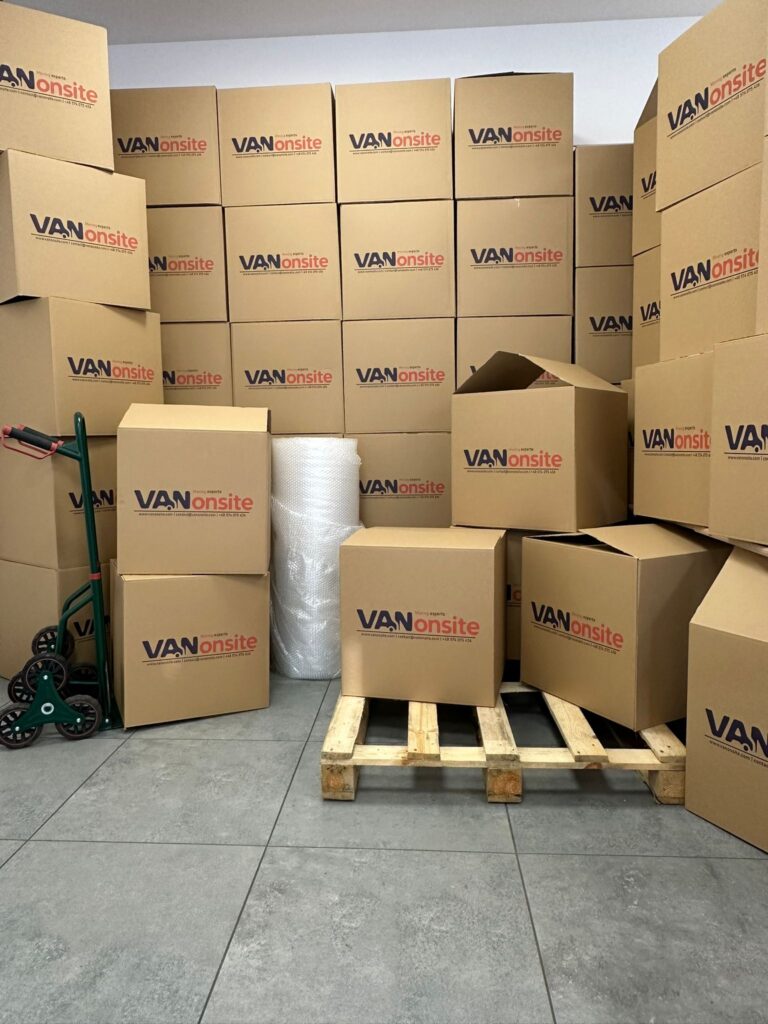
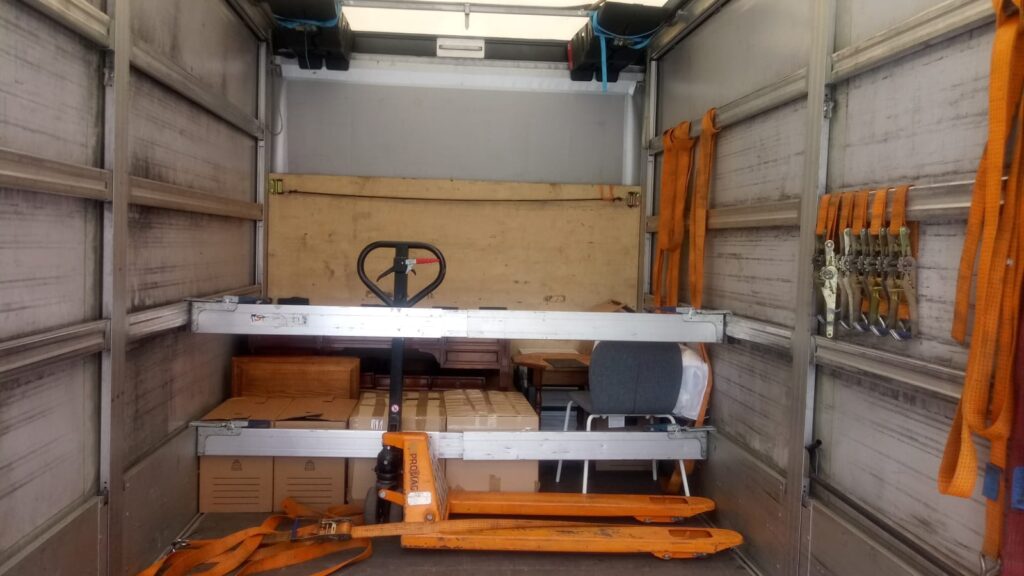
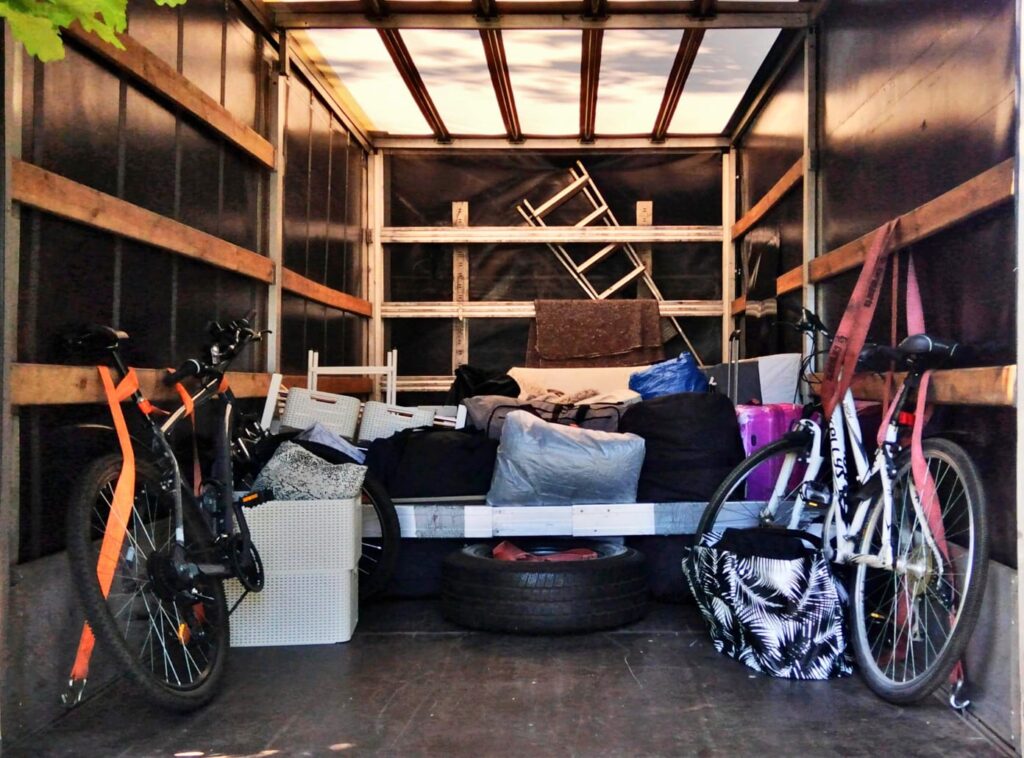
Furniture often decides the entire quote because it changes not only volume, but also timing, handling, and access complexity. A sofa, wardrobe, table, or mattress can shift the whole logic of the move much faster than most people expect.
That is why moving furniture from Ireland to Germany deserves its own section. Bulky items do more than take space. They affect lifting time, wrapping needs, stair access, hallway movement, loading efficiency, and how quickly the vehicle fills up.
The most important truths are these:
- furniture changes service size quickly
- bulky items affect access, timing, and cost
- some furniture is worth moving and some is not
- packing support or white glove delivery can make stronger sense for delicate items
A practical comparison looks like this:
| Load type | Typical profile | Best support |
|---|---|---|
| essentials only | boxes, luggage, daily basics | man and van |
| flat move | furniture and boxes | moving medium or premium |
| family household | full load | full removals |
| premium pieces | fragile or high-value furniture | white glove delivery |
The smartest budget question is not “Can I take this?” but “Should I?” Some items absolutely deserve the journey. A well-made bed, solid dining table, quality desk, or sentimental piece may be worth every cubic metre. Other pieces, especially low-value flat-pack furniture or worn storage units, may cost more to transport than they are worth.
A useful way to judge furniture is to ask:
- Is this item expensive enough to justify the transport space?
- Is it difficult or annoying to replace in Germany?
- Does it have emotional value beyond its price?
- Will it make the first week in the new home meaningfully easier?
- Does it need stronger packing or higher handling standards?
That last question matters because not all furniture should be treated the same way. Fragile or premium items often justify stronger protection. This is exactly where Furniture Removals, Home Removals, Packing Service, and White Glove Delivery fit naturally into the guide. Each service makes sense for a different kind of load.
A deeper truth about furniture is that it shapes the emotional tone of the move as much as the price. When the bed arrives safely, the dining table is usable, and the key comfort pieces are already in place, Germany feels more like home much faster. That is why the right furniture decisions can have an impact beyond pure transport logic.
A practical furniture audit before booking usually helps a lot. Divide your pieces into three groups:
- must move, because they are high-quality, essential, or meaningful
- maybe move, because their value depends on service size and total quote
- do not move, because they are easy to replace or not worth the space
That simple exercise often reveals the easiest savings in the whole relocation.
The key point is simple. The best furniture move is rarely the biggest one. It is the one where the right pieces travel well.
How Much Does It Cost to Move to Germany from Ireland?
Cost is one of the first questions almost every reader asks, and for obvious reasons. A move to Germany from Ireland may be legally simpler than many international routes, yet it still carries real financial weight. The cost depends less on the passport side and much more on the physical shape of the move.
There is no honest fixed price that fits every case. A student moving with 5 m3 of essentials does not follow the same cost logic as a family relocating a full household. That is why pricing works best when it is explained through factors rather than fake promises.
The real cost usually depends on:
- route and total distance
- volume and weight
- access at both properties
- furniture type and fragile items
- urgency and booking timing
- packing support
Each of these shapes the quote differently. Route and total distance affect transport itself. Volume and weight decide the service size. Access at both properties can change loading and unloading time dramatically, especially with stairs, narrow hallways, or difficult parking.
Furniture type matters because bulkier or more delicate items need more space and often more protection. Urgency matters because late decisions reduce flexibility. Packing support matters because a chaotic move often becomes more expensive than an organised one.
VANonsite’s vehicle sizes make that much easier to visualise:
| Service size | Capacity | Weight limit | Best for |
|---|---|---|---|
| Moving One | 1 m3 | 100 kg | urgent essentials and documents |
| Moving Basic | 5 m3 | 300 kg | student or compact moves |
| Moving Medium | 10 m3 | 500 kg | one-room flat or staged load |
| Moving Premium | 15 m3 | 1100 kg | one to two-bedroom move |
| Moving Premium Plus | 30 m3 | 3500 kg | larger household move |
| Moving Full House XXL | 90 m3 | 20000 kg | full house relocation |
The key message is simple: price works best when the service size matches the load. Too small, and the move becomes cramped or inefficient. Too large, and the budget may be carrying empty space. The smartest quote is the one that fits the real move cleanly the first time.
A stronger way to understand pricing is to think in layers rather than in one headline number:
- transport cost, shaped by distance and route
- space cost, shaped by volume and weight
- handling cost, shaped by furniture, stairs, access, and fragile items
- timing cost, shaped by urgency and booking window
- protection cost, shaped by packing needs and service level
That layered view helps readers understand why one move can look simple on paper and still quote differently from another. It also explains why the cheapest visible number is not always the cheapest final decision.
A practical reading of the VANonsite sizes looks like this:
- Moving One works best when the move is tiny and speed matters most
- Moving Basic fits student moves and ultra-compact relocations very well
- Moving Medium suits smaller flats and staged moves where furniture is limited but still present
- Moving Premium is often the right level for one to two-bedroom setups
- Moving Premium Plus fits broader household loads with heavier furniture needs
- Moving Full House XXL is built for full-scale family relocation and major household volume
That is why the smartest quote is rarely the smallest one in isolation. It is the one that matches the move cleanly, avoids waste, and reduces the chance of expensive friction later.
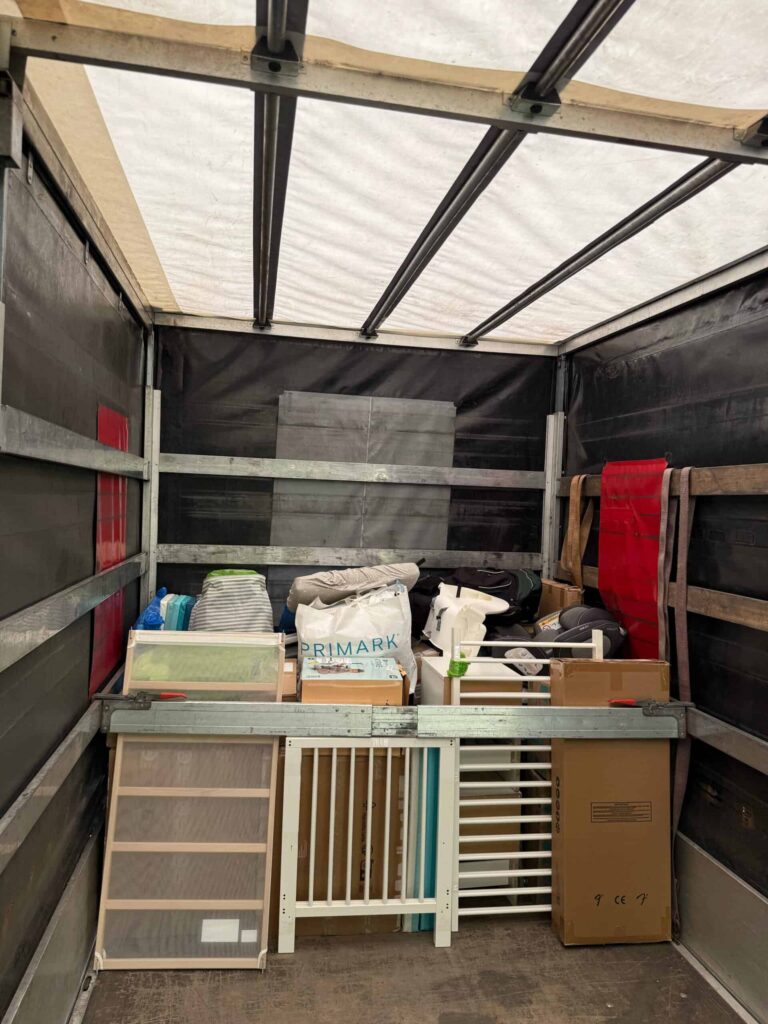
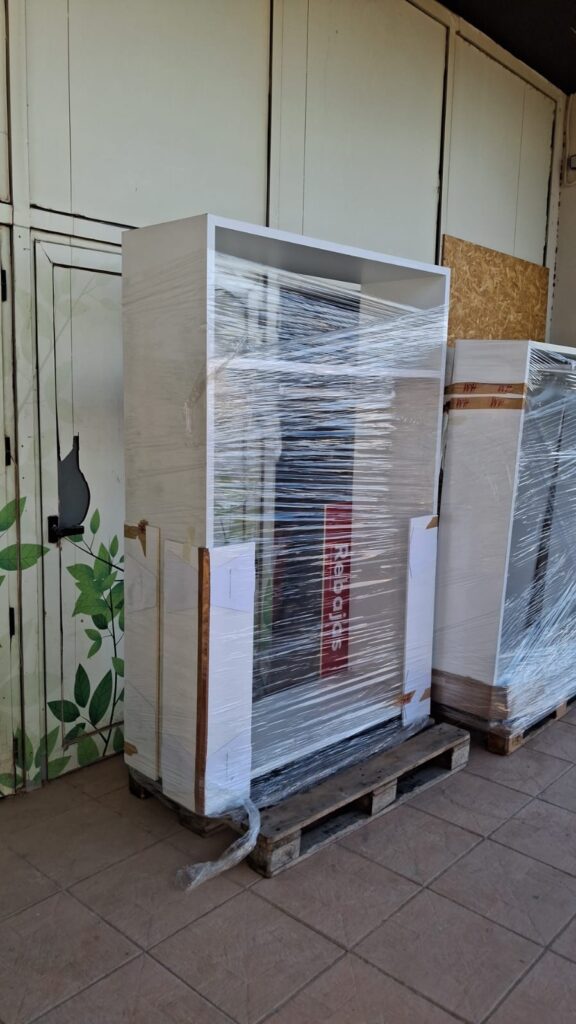
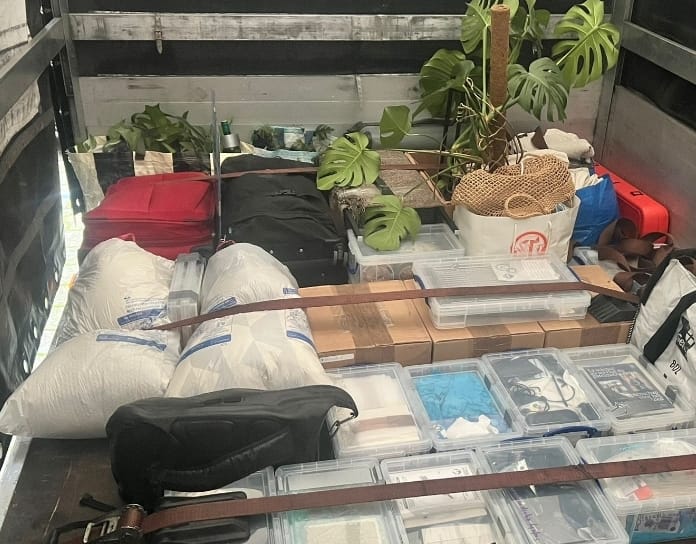
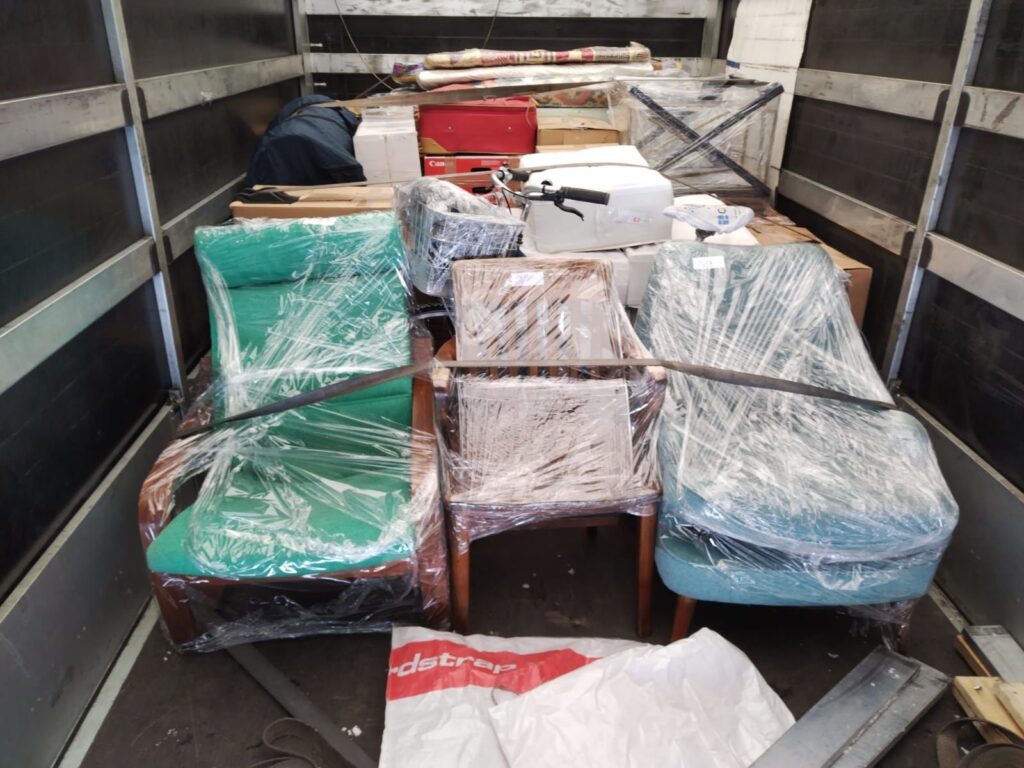
Packing Tips for Moving to Germany from Ireland
Packing is one of the easiest places to lose control of the move if it is left too late. Good packing protects more than plates and glass. It protects timing, first-week comfort, and the emotional tone of the whole relocation.
The core rules are simple:
- label by room and urgency
- keep documents and valuables with you
- separate first-night essentials
- protect fragile items early
- avoid packing everything in the final 24 hours
- keep chargers, toiletries, and kitchen basics easy to reach
These points matter because they remove friction. When boxes are clearly labelled, arrival is calmer. When documents and valuables stay with you, the first days feel more secure. When first-night essentials are separated, the move stops feeling like a scavenger hunt.
A practical packing rhythm usually looks like this:
- start with non-essential rooms and seasonal items
- pack fragile items earlier than you think you need to
- label by room and priority, not only by category
- keep one essentials bag or box outside the main shipment
For readers who want a cleaner process or extra protection, Packing Service fits naturally here. It can make a major difference when the move includes delicate furniture, tighter timing, or a heavier emotional load.
First Week in Germany After the Move
The first week after arrival often decides how the whole relocation feels in hindsight. If those first days are scrambled, even a good transport process can feel heavier than it should. If the first week feels functional, clear, and liveable, the whole move starts to look like a strong decision.
A useful way to think about the first week is through three layers.
Function
What needs to work immediately. This includes documents, chargers, bedding, toiletries, medication, transport access, and enough kitchen basics to get through the first couple of days without stress. It also helps to think in sequence. Day one should be about survival and clarity. Day two and day three should be about making daily life work. After that, the focus can shift toward rhythm and routine.
A practical day-one setup usually includes:
- a charged phone and charging cable
- passports or ID cards
- registration paperwork and housing documents
- medication and toiletries
- bedding and one change of clothes
- simple food, coffee, tea, or breakfast basics
- transport access and key local contact details
Those items sound small, yet they create an enormous difference. When they are easy to reach, Germany starts to feel manageable faster.
Clarity
What must stay easy to find. Registration paperwork, passports, housing documents, insurance details, and banking information should never disappear into random boxes. The smartest approach is to keep these in one clearly marked personal folder or document bag that stays with you throughout the move.
Clarity also matters beyond paperwork. In the first week, it helps to know exactly where the essentials are, which room becomes usable first, and which local steps matter most. Uncertainty is exhausting. Clear systems reduce that stress quickly.
Stability
What makes the new home feel usable fastest. A made bed, one functioning room, clean clothes, and a basic daily rhythm matter more than unpacking everything immediately. Stability grows when friction disappears. If you can sleep properly, make breakfast, shower without hunting through boxes, and find your documents in seconds, the move already feels far more successful.
For official registration context, Berlin’s government page offers a clear example of Anmeldung within 14 days. It is a useful way to explain the practical side of local registration after arrival.
A strong first week usually includes:
- local registration example and timing
- health insurance and first admin tasks
- public transport and phone setup
- unpacking by usefulness, not panic
- building a liveable routine fast
A practical unpacking order usually works best:
- sleeping space
- bathroom essentials
- kitchen basics
- work or study setup
- everything else
That order helps the home start functioning quickly instead of staying half-chaotic everywhere at once.
The smartest unpacking rule is simple: make the home work before trying to make it perfect.
Common Mistakes to Avoid
Most moving mistakes do not look dramatic at first. That is exactly why they become expensive later. A poor guess, a vague quote, or a badly timed booking can quietly turn a simple move into a messy one.
The most common mistakes are:
- moving too much low-value furniture
- choosing service size by guesswork
- booking too late
- packing fragile items too casually
- failing to separate essentials
- comparing only headline price
- treating the move like a simple domestic van job
Each of these mistakes has the same root problem: weak fit. When the move is not matched honestly to the load, timing, or service level, friction appears everywhere.
Moving too much low-value furniture can quietly inflate the quote without improving the quality of life after arrival. Choosing service size by guesswork often leads to either wasted budget or an underpowered setup that creates stress. Booking too late narrows your options and pushes the move toward urgency instead of control.
Packing fragile items too casually can destroy savings in one bad moment. Failing to separate essentials makes the first 48 hours harder than they need to be. Comparing only headline price hides the real question, which is whether the service fits the move honestly. Treating the move like a simple domestic van job ignores the cross-border reality of timing, coordination, and first-week landing.
A useful self-check before committing to a quote is this:
- Does this quote fit my real load?
- Do I understand what is included?
- Am I paying for the right level of support?
- Would this still feel like a good choice if the move happened next week?
Those questions usually reveal more than the visible price ever will.
Why Movers Choose VANonsite for Germany Removals
People do not only choose a removals company for transport. They choose it because they want the move to feel more controlled. That matters even more when the route crosses countries.
Movers choose VANonsite because the company combines:
- secure European removals
- GPS tracking for every load
- flexible service sizes
- support for student, family, furniture, office, and urgent moves
- strong fit for man and van and larger removals alike
- practical balance of speed, safety, and cost control
That combination matters because it meets the move where it really is, rather than forcing every customer into the same model.
VANonsite stands out because the company can support very different kinds of relocation without forcing them into one template. A student moving with essentials, a couple relocating from an Irish flat, a family moving a full household, and a customer transporting selected furniture all need different service logic. Flexible sizing makes that possible.
GPS tracking also matters more than many people first expect. It gives the customer visibility and lowers uncertainty during a cross-border move, which can make the whole process feel more trustworthy. Secure European transport matters because speed only feels good when it is paired with control.
The deeper reason movers choose VANonsite is simple. The service does not try to sound impressive at the expense of clarity. It works because it connects the move to the right level of support, whether that means a lean man and van option, a broader removals setup, or stronger handling for delicate furniture.
That is what makes the company a natural fit in this guide. It reflects the same principle as the guide itself: a smoother move depends on choosing the right structure before the journey begins.
Final Checklist Before Booking
Before you confirm the move, run one last honest check. This is where timing, paperwork, load size, and service fit all meet.
The final checklist should include:
- confirm legal route and timeline
- estimate the real load honestly
- remove items not worth moving
- organise documents and inventory
- choose the right service size
- separate essentials
- compare value, timing, and care, not just price
Each point matters because each one protects the move from a different kind of friction. Confirm legal route and timeline so the transport side does not race ahead of the real formalities. Estimate the real load honestly because guessing is one of the fastest ways to waste money. Remove items not worth moving because low-value volume still takes paid space.
Organise documents and inventory so both the practical side and the transport side stay clear. Choose the right service size because fit protects both cost and calm. Separate essentials because the first days in Germany should not depend on opening ten boxes to find one charger or one set of documents. Compare value, timing, and care, not just price because the smartest move is the one that lands well.
A useful way to run this checklist is in three short passes:
Pass 1: Legal and timing check
Ask whether your housing, route, and local formalities are clear enough for the move to happen on the dates you want. If the timeline is still vague, the removals plan may still be premature.
Pass 2: Load and value check
Look again at what is actually travelling. This is often where the clearest savings appear. A second look tends to remove wishful thinking and reveal what the move truly needs.
Pass 3: Service fit check
Read the quote again with fresh eyes. Ask whether the service level, vehicle size, timing, and care actually fit the move as it exists now, not as it looked two weeks earlier.
A strong move is rarely just the cheapest one. It is the one that lands cleanly.
FAQ
These are the questions most readers ask once the move stops being a vague plan and starts becoming real.
Is moving to Germany from Ireland easy?
In legal terms, it is often easier than many non-EU relocations because Irish citizens benefit from EU free movement rules. In practical terms, it still needs good planning around housing, transport, packing, and first-week setup.
Do Irish citizens need a visa to move to Germany?
In most cases, no. Irish citizens can generally enter and live in Germany under EU free movement rules, although local residence formalities and registration requirements may still apply after arrival.
Is man and van enough for moving to Germany from Ireland?
Sometimes, yes. Man and van is often a strong option for students, solo movers, compact relocations, and staged moves. It is less suitable for larger family loads, heavy furniture, or moves that need more structure.
Do I need customs paperwork for moving from Ireland to Germany?
Usually the customs side is much lighter because this is an EU-to-EU move. Even so, some goods can still require special attention, and a detailed inventory remains useful for quote accuracy, packing logic, and service fit.
How much does it cost to move to Germany from Ireland?
The cost depends on route, distance, volume, weight, access, furniture profile, urgency, and packing needs. The most accurate way to think about cost is not as one flat price, but as a combination of transport, space, handling, timing, and protection.
Can I move furniture from Ireland to Germany safely?
Yes, absolutely, but the smartest approach is selective. Move the pieces that are worth the space, worth the handling, and worth the protection. The right service level matters even more when the furniture is bulky, fragile, or premium.
How early should I book a removals company?
Earlier is usually better. It gives you more flexibility, more time to reduce the load, and a better chance of matching the move to the right service without urgency driving the decision.
What should I do in my first week in Germany?
Focus on function first. Make the home usable, keep documents easy to find, handle early registration and admin, and unpack by usefulness rather than by panic. The goal is not perfection. The goal is stability.
Summary
If you are moving to Germany from Ireland, the smartest move is not just finding any company that can transport your belongings. It is choosing a removals service that fits your load, protects your belongings, and helps the relocation feel smoother from the first box to the first week in your new home. VANonsite offers flexible options, from compact man and van transport to full household removals, with secure European delivery and GPS tracking for every load.
The real win is not only getting your things from one country to another. It is arriving with less stress, fewer surprises, and a home that starts working faster. When the service matches the move properly, the whole relocation feels sharper, calmer, and more controlled.
A better move starts with the right structure before the journey begins.