
People rarely search moving to Germany requirements because they are casually curious. They search because they are trying to protect themselves from a costly mistake. They want to know whether they truly qualify, which documents actually matter, what happens after arrival, and where the real risks begin if they assume too much too early.
That urgency makes sense. Germany is not impossible to move to, but it is structured. It rewards people who prepare carefully and punishes loose assumptions. A missing document, the wrong legal route, weak housing planning, or delayed registration can turn a promising relocation into a stressful first month very quickly.
That is why it helps to see the move in two layers at once.
The first is the legal layer. This includes entry rules, visas, residence status, registration, and health insurance. These are the parts that determine whether you can enter, stay, and settle correctly.
The second is the practical layer. This includes housing, moving logistics, core documents, packing, timing, and your first week essentials. These are the parts that determine whether the move feels controlled in real life, not just correct on paper.
Both layers matter. People often focus only on the legal side and underestimate how much the practical side shapes the success of the move. Others focus only on logistics and assume the paperwork will work itself out later. Both mistakes are expensive.
The answer also depends heavily on who you are legally. The route for an EU citizen is very different from the route for a third country national. Even within those categories, the exact requirements may shift depending on whether you are moving for work, study, family reunification, or another long term reason.
That is why this guide is built to do one thing clearly: break the moving to Germany requirements into a structure you can actually use. Not vague advice. Not comforting generalities. A practical path that shows what matters before departure, what matters after arrival, and how to avoid preventable chaos in between.
TL:DR
- The moving to Germany requirements depend first on your nationality and legal route, so the first question is whether you are an EU, EEA, Swiss, or non EU citizen.
- EU and EEA citizens usually have a much simpler path into Germany, but they still need real world preparation such as address registration, housing planning, and practical first steps after arrival.
- Non EU citizens usually need a visa or residence permit route linked to work, study, family reunification, or another recognised purpose of stay, and this often needs attention before departure.
- Health insurance is essential in Germany and often matters not only for daily life, but also for visa, residence, and administrative procedures.
- Registration of your address is one of the first key actions after moving in, which is why housing and paperwork are deeply connected from the very start.
- Your documents should usually include a valid passport or ID, the right residence papers if required, health insurance proof, and documents linked to work, study, or family purpose where relevant.
- The first week after arrival is much easier when your documents, essentials, arrival plan, and moving setup are already organised instead of being improvised under pressure.
- Choosing the right removals setup, whether a lighter man and van move or a fuller household solution, can prevent delays, stress, and early chaos during one of the most fragile stages of relocation.
Fast Answer: What Are the Main Moving to Germany Requirements?
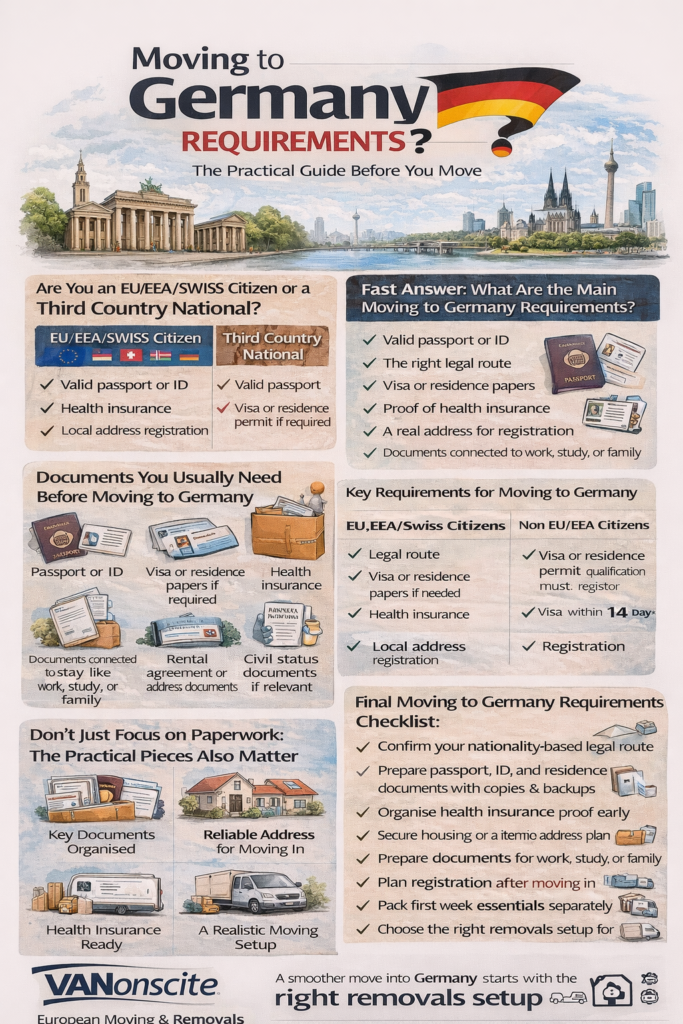
The main moving to Germany requirements usually begin with six core elements: a valid passport or ID, the right legal route for your nationality, visa or residence documents if required, proof of health insurance, a real address for registration after moving in, and documents connected to your reason for relocating such as work, study, or family life.
That is the practical answer. The deeper answer is that the exact combination depends on who you are legally and why you are moving. An EU citizen moving for work does not face the same formal structure as a third country national moving for study or family reunification. That is why so many people feel confused at first. They search one keyword, but the real answer branches in several directions immediately.
The smartest way to understand the topic is not to memorise every document at once. It is to identify your category first. Once that is clear, the rest of the process becomes dramatically easier to map.
In simple terms, most movers to Germany need to think about:
- identity and travel documents
- legal right to enter and stay
- health insurance
- housing and registration
- proof of work, study, or family purpose where relevant
- a practical relocation plan that keeps the first days under control
That last part matters more than many people expect. Even when the legal route is correct, a move can still feel chaotic if documents are buried, housing is unclear, or the first week has no structure.
The First Question: Are You an EU Citizen or a Third Country National?
This is the dividing line that makes the rest of the topic make sense. Before comparing visas, residence permits, or other paperwork, the first question should always be: Are you moving as an EU, EEA, or Swiss citizen, or as a third country national?
That single distinction changes almost everything.
Moving to Germany Requirements for EU, EEA, and Swiss Citizens
For EU, EEA, and Swiss citizens, the legal path into Germany is usually far simpler. In broad terms, freedom of movement rules mean that there is not the same standard residence permit process that applies to many non EU citizens.
That does not mean there are no requirements at all. It means the structure is lighter. In practice, this usually means:
- you still need a valid passport or national ID
- you still need a real address once you move in
- you still need to register locally after arrival
- practical conditions such as work, study, sufficient means, or health insurance can still matter depending on your situation
This is where many people make a dangerous mistake. They hear “freedom of movement” and assume they need to prepare almost nothing. In reality, the move may be legally easier, but the practical side still matters enormously. Housing, registration, insurance, documents, and the first days after arrival still need to be handled with care.
For official guidance, see Entry and residence of EU citizens and Questions and answers on freedom of movement.
Moving to Germany Requirements for Non EU Citizens
For non EU citizens, the structure is usually more formal. In many cases, the move depends on having the correct visa or residence route linked to a recognised reason for stay, such as work, study, or family reunification.
This is why non EU movers usually need to think much earlier and more carefully about legal preparation. The route often depends on purpose, timing, supporting documents, and whether key conditions such as health insurance or proof of purpose are already in place.
That does not make the process impossible. It simply makes it more structured. And once readers understand that structure, the topic becomes much less intimidating.
The biggest mistake here is trying to solve everything at once. A better approach is to ask three questions in order:
- what is my nationality based legal route?
- what is my purpose for moving?
- which documents support that exact route?
Once those answers are clear, the rest of the moving to Germany requirements stop feeling like one huge wall of bureaucracy and start becoming a series of manageable steps.
Moving to Germany Requirements for EU, EEA, and Swiss Citizens
For EU, EEA, and Swiss citizens, the route into Germany is usually the least bureaucratic version of relocation. There is generally no standard residence permit process in the same way that applies to many third country nationals. That is the part people hear first, and it is true as far as it goes. Still, it should not be misunderstood as a move with no requirements at all.
The legal structure is lighter, but the move still depends on a few very real foundations. In practical terms, most EU, EEA, and Swiss citizens should expect the following to matter:
- a valid passport or national ID
- a real place to live after arrival
- local address registration once moved in
- a practical reason for residence such as work, study, self employment, or sufficient means, depending on the situation
- health insurance that makes sense for life in Germany
That combination is why this route feels easier, but not casual. Germany still expects order. It still expects documents to exist. It still expects people to register, organise housing, and manage the first administrative steps properly.
A Simpler Route Does Not Mean No Preparation
This is one of the most common misunderstandings around moving to Germany requirements. Some readers assume that freedom of movement means the practical side barely matters. It absolutely does.
The real advantage for EU, EEA, and Swiss citizens is not that preparation disappears. It is that the legal entry and stay structure is usually more direct. Once you are in Germany, however, the usual realities still apply. You need an address. You need to register. You need health insurance that fits your situation. You need your documents to be accessible, not lost in the bottom of a moving box.
That is why even the simpler legal route still benefits from disciplined planning.
Why Address Registration Still Matters So Much
A move can be legally straightforward and still become stressful if registration is delayed because housing is unclear or documents are not ready. Germany treats registration seriously, and that practical reality affects EU citizens just as much as anyone else once they have moved in.
This is where the legal and practical sides of the move meet. You may not need the same formal residence process as a non EU citizen, but you still need a functioning start. That usually means having:
- a confirmed place to live
- identity documents ready to hand
- awareness of local registration timing
- a calm plan for the first week after arrival
Work, Study, and Sufficient Means Can Still Matter in Context
Even though the structure is lighter, your real life situation still matters. The move is easier to support when there is a clear basis for daily life in Germany. For some readers, that means employment. For others, it means study, self employment, or financial stability that makes the move realistic and sustainable.
The key point is simple. Freedom of movement makes the legal path easier. It does not remove the need for a credible, organised, workable relocation.
Moving to Germany Requirements for Non EU Citizens
For non EU citizens, the move to Germany usually follows a more formal and clearly structured route. This does not mean the move is out of reach. It means the legal side needs to be understood before the practical side can fully make sense.
In most cases, non EU citizens need to connect the move to a recognised legal purpose. Germany does not usually treat long term relocation as an open ended personal decision alone. The legal route is often tied to why you are moving and which documents prove that reason.
That is why this part of the moving to Germany requirements deserves real attention. The more clearly the legal purpose is understood before departure, the less chaotic the move tends to feel later.
Visa or Residence Permit Routes
For many non EU citizens, the move depends on a visa or residence permit path. Which path applies depends on the circumstances of the move and what happens before arrival versus after arrival.
The structure is usually built around one question: what gives you the legal right to live in Germany for more than a short stay?
That answer may sit inside a work route, a study route, a family route, or another recognised residence path. What matters is that the legal basis is clear, documented, and matched to the real reason for relocation.
For official background, see Entry and residence in Germany and Working, studying, living in Germany.
Why the Purpose of Stay Matters So Much
This is the part that often confuses readers at first. They search for one list of requirements, but the legal system does not work from one universal list alone. It works from purpose.
Your purpose of stay affects:
- which route applies
- which supporting documents matter
- how early the process must begin
- whether health insurance or proof of means must already be in place
- what happens after arrival
That is why “moving to Germany” is not yet a complete answer in legal terms. “Moving to Germany for work,” “for study,” or “for family reunification” is much closer to the real legal question.
Work, Study, Family Reunification, and Other Legal Paths
A non EU citizen moving for work will often need a different document structure from someone moving for study. A family reunification case will usually look different again. Even when the destination is the same, the supporting papers and legal logic can shift significantly.
That is why the best way to approach this route is calmly and in order:
- identify the exact reason for the move
- confirm the legal route attached to that reason
- collect the documents that support that specific route
- make sure health insurance, housing planning, and arrival timing fit the legal process
This is where clarity becomes powerful. Once readers stop trying to solve every possible route at once, the bureaucracy becomes far easier to manage.
The Non EU Route Rewards Early Preparation
If there is one major truth for non EU movers, it is this: the earlier the structure is understood, the smoother the relocation tends to feel. Delaying the legal questions until the final stage often creates pressure that spills into every other part of the move, from housing to packing to the first week after arrival.
The process may be more formal, but it becomes much less intimidating when handled step by step.


Documents You Usually Need Before Moving to Germany
Documents are the quiet backbone of any successful move. They rarely feel dramatic while you are still packing, yet they become decisive the moment you need to prove identity, confirm your legal route, register an address, arrange health insurance, or explain why you are in Germany in the first place. That is why this part of the moving to Germany requirements deserves more than a quick checklist. It deserves real discipline.
A common mistake is treating all paperwork as one large pile. That makes the whole move feel heavier and harder to control. A better approach is to sort documents by purpose and urgency. Which papers do you need before departure? Which ones may be requested on arrival? Which ones should never disappear into the main load?
The core document structure usually looks like this:
| Document | Why it matters | Who usually needs it |
|---|---|---|
| Passport or ID | Identity and entry | Everyone |
| Visa or residence papers if needed | Legal route | Many non EU citizens |
| Proof of health insurance | Essential coverage and admin | Many movers |
| Employment, university, or family documents | Purpose of stay | Depends on case |
| Rental agreement or address documents | Registration and settlement | Most movers |
| Civil status documents if relevant | Family admin | Families and dependants |
Keep Originals, Printed Copies, and Digital Backups
The safest document strategy usually works in three layers:
- keep the originals with you personally
- carry printed copies of key papers
- store digital backups in a secure, easy to access place
This is not overkill. It is practical risk reduction. Batteries die. Internet access fails. Bags become disorganised. Appointments happen when you are tired and under pressure. Printed copies can save time in exactly the moments when small delays become stressful.
Which Documents Usually Matter First
Some papers may only matter later. Others become important immediately. In many moves, the first priority documents include:
- passport or ID
- visa or residence papers if required
- health insurance proof
- work contract, university admission, or family related supporting documents
- rental agreement or address related papers
That is why readers should never bury these items inside the main load. They belong in the personal carry layer of the move, not somewhere between winter coats and kitchenware.
Documents Should Match the Reason for the Move
This is where many people lose clarity. They collect generic paperwork but fail to organise the documents that actually support their legal route. The smarter question is not only “Which documents do people moving to Germany need?” It is “Which documents prove my right to make this exact move?”
That distinction matters because the answer changes depending on whether the move is for:
- work
- study
- family reunification
- self employment
- another recognised residence path
The better the documents reflect the real purpose, the easier later steps tend to feel.
Do You Need Health Insurance to Move to Germany?
Yes. Health insurance is compulsory in Germany, and in many cases it matters long before you feel settled. It is not only part of everyday life after arrival. It can also affect your visa route, residence process, registration related admin, and how quickly you can begin functioning normally once you are in the country.
That is why this part of the moving to Germany requirements should never be treated as a later detail. For many readers, health insurance is one of the foundations of the whole move.
Why Health Insurance Matters From the Start
Health insurance is not just a background system you sort out after finding a flat and unpacking your boxes. In Germany, it often sits close to the centre of the administrative structure. Depending on the route, it may be relevant to:
- visa or residence procedures
- proof of lawful and organised stay
- practical access to healthcare
- longer term financial planning
This is why readers should think about health insurance early, not when every other part of the move is already competing for attention.
For official guidance, see Health insurance in Germany, Health insurance overview, and Money and insurance in Germany.
Statutory vs Private Systems in Germany
Germany’s health insurance structure usually leads readers into two broad directions: statutory health insurance and private health insurance. Which path is relevant depends on personal circumstances, employment situation, legal route, and other case specific factors.
That does not mean every reader needs to master the whole system immediately. It means they should understand one essential point: health insurance in Germany is not a vague optional add on. It is an organised part of the wider system of living legally and practically in the country.
This is why readers should avoid two opposite mistakes:
- assuming any temporary cover will automatically solve everything
- delaying the question until after arrival without understanding whether their route already depends on proof of coverage
Why Temporary International Cover May Matter for the First Days
Some movers may also need to think about the first days differently from the long term setup. A move does not always unfold in one clean line. There may be a short gap between arrival and the moment when the longer term system is fully in place. That is where temporary international cover can become practically relevant.
This should not be treated as a universal substitute for proper long term insurance where the route requires more. But for some readers, it can help protect the most fragile phase of the move, especially when travel, arrival timing, and early admin steps overlap.
Registration After Moving to Germany: What Happens Next?
Registration is one of the first major practical steps after arrival, and it carries far more weight than many people expect. It is not simply a small formality to deal with when you have time. In Germany, registration helps anchor your presence in a real, recognised place. That is why this part of the moving to Germany requirements matters so much.
A common mistake is assuming that once you have crossed the border, the hardest part is over. In reality, moving in is only one stage. After that, the practical system begins. Registration is often part of the bridge between arrival and actual settlement.
Why Registration Matters After Moving In
Registration matters because it connects your move to the administrative reality of life in Germany. It shows that you are living at a real address and that your relocation is no longer just a plan or a travel event. This can affect how smoothly other parts of your first weeks unfold.
In practical terms, registration often matters because it is linked to:
- proving where you live
- beginning normal local administrative life
- reducing delays in other early setup steps
- creating a more stable foundation after arrival
For official background, see Registration in Germany and Housing and registration.
Why You Need a Real Address, Not Just a Plan
This is where many relocation plans become more fragile than they first appear. Registration depends on an actual address, not just the intention to find one later. That means housing is not separate from registration. The two are tightly connected.
Readers often focus on the city first and the address second. The system tends to work the other way around. Until there is a real place to live, the practical side of settlement remains less secure.
How Registration Connects to the Rest of Your Setup
Registration is not an isolated task. It sits in the middle of the wider transition into life in Germany. Once readers understand that, the logic becomes much clearer.
Registration connects to:
- housing stability
- document readiness
- first week admin planning
- the emotional shift from arrival to settlement

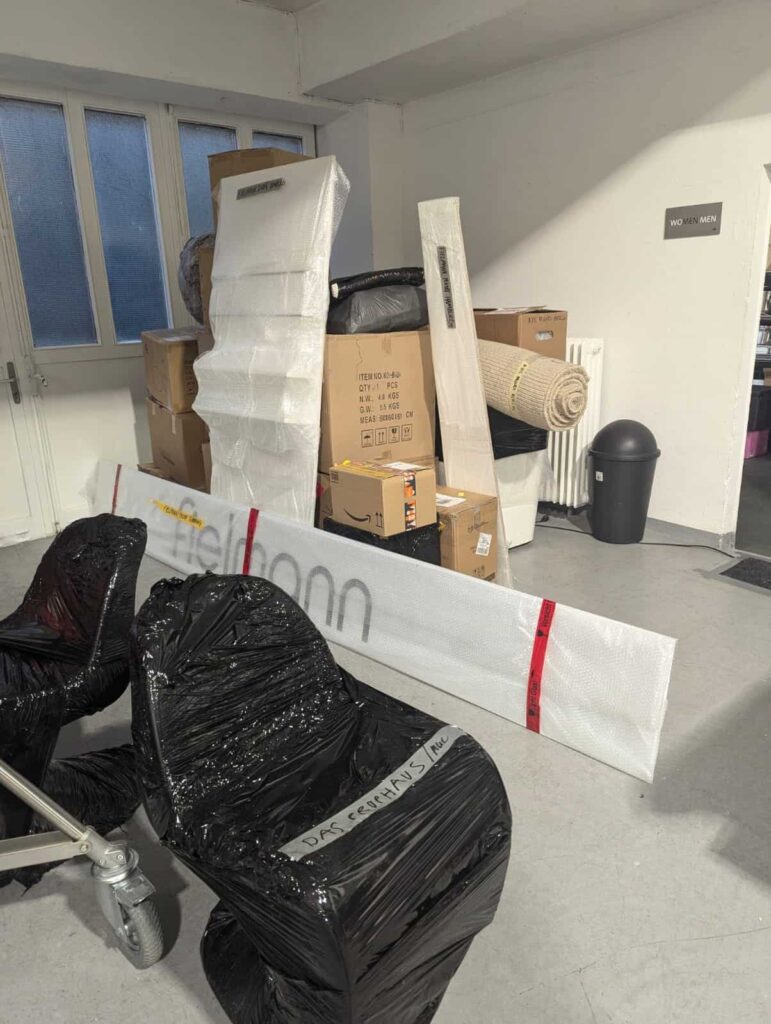




Housing Requirements and Why Your Address Matters So Much
Housing is not only about comfort, style, or choosing the right neighbourhood. In Germany, it also affects the legal and practical structure of the move. That is why this part of the moving to Germany requirements deserves much more attention than people sometimes give it.
A real address does more than tell you where you will sleep. It supports registration. It gives the move a fixed point. It helps convert a relocation from a loose plan into something the system can recognise and the reader can actually build life around.
Housing Is Not Only About Comfort
It is easy to think of housing as a lifestyle choice first. In reality, it is also part of the administrative foundation of the move. A beautiful city means very little if the housing situation is unstable, vague, or badly timed.
This is why housing decisions should be judged not only by appearance or even by price alone, but also by whether they support the practical needs of the move.
Useful questions include:
- does this address support registration?
- is the move in timing realistic?
- can daily life begin here without immediate chaos?
- does this place support work, study, or family routine in real terms?
Temporary Accommodation Can Sometimes Help Bridge the Move
Not every relocation unfolds neatly. The final flat may not be ready. The housing search may still be active. Dates may not line up as cleanly as hoped. That is where temporary accommodation can become useful.
A temporary solution is not always a failure or a sign that the move is going badly. In some cases, it is the smartest way to create breathing room while protecting the rest of the relocation.
For official housing guidance, see Housing and mobility and Housing and registration.
Work, Study, and Family Reasons: How Your Purpose Changes the Requirements
The phrase moving to Germany requirements sounds like it should lead to one stable answer. In reality, it almost always splits into several versions of the truth. The reason is simple: your purpose for moving changes the paperwork, the timing, and sometimes the order of everything that follows.
That is why this section matters so much. It helps readers stop chasing a generic list and start focusing on the documents that actually fit their real move.
Moving to Germany for Work
When the move is based on work, the requirements usually become more focused around proving the employment route clearly. Readers moving for work often need documentation that supports not only identity and travel, but also the fact that the relocation is tied to a real professional purpose.
In practical terms, this often means keeping ready access to:
- passport or ID
- visa or residence documents if required
- health insurance proof
- employment contract or other work related papers
- housing and registration related documents after arrival
Moving to Germany for Study
Study based moves often follow a different rhythm. The destination may be the same, but the document logic changes because the move is tied to education rather than employment.
For many readers, that means the important papers may include:
- identity documents
- visa or residence route papers where required
- health insurance proof
- university admission or study related confirmation
- housing and registration documents once accommodation is secured
Moving to Germany for Family Reunification or Family Life
Family based moves often carry the most emotional weight of all. The reason for relocation may be deeply personal, but the process still depends on structure. That is why family reunification or family life routes need the same calm discipline as any other legal path.
In many cases, the paperwork here depends heavily on proving the family connection and supporting the legal reason for the move. Alongside identity documents and health insurance, readers may also need family related records or civil status documents that connect directly to their route.
What to Prepare Before Departure
A move to Germany gets easier long before departure if the final days are used well. This is the stage where legal preparation and practical planning finally meet. It is also the stage where many people create avoidable stress by assuming the important work is already done.
The truth is the opposite. The days before departure often decide whether the first week in Germany feels calm or chaotic. That is why preparation should be structured, not improvised.
Build One Reliable Documents Folder
The most important item before departure is not always the biggest box. It is the document folder that keeps the move functioning under pressure.
That folder should usually include:
- originals
- printed copies
- digital backups you can access quickly
Pack a First 48 to 72 Hour Essentials Bag
One of the smartest pre departure decisions is to separate the first days from the rest of the move. That means preparing a bag or small set of luggage for the first 48 to 72 hours.
This usually includes:
- clothes for the first days
- toiletries
- chargers
- medication
- basic daily items
- immediate work or study essentials
Confirm the Arrival Plan and Address Details
A good move should have a real landing point. Before departure, readers should know exactly where they are going, when they are arriving, and what the first address situation actually looks like.
That means confirming:
- the address
- the move in timing
- access details if relevant
- whether the address supports the next admin steps
Match the Moving Plan to the Real Volume of the Move
The final preparation mistake many people make is logistical rather than legal. They underestimate what they are actually moving. Once bedding, coats, kitchen items, electronics, documents, and daily life basics are packed, the real volume often grows by 20% to 30% beyond the first estimate.
That is why the removals setup should be matched to the real size of the move, not to a hopeful guess.
What Makes the First Week in Germany Easier?
The first week often decides whether Germany feels like a promising new beginning or a blur of avoidable stress. By the time readers arrive, they are usually tired, overloaded with decisions, and emotionally stretched. That is exactly why the early days matter so much.
The good news is that the first week becomes dramatically easier when a few basics are prepared in advance.
Keep Documents With You, Not Buried in the Main Load
This is one of the simplest rules and one of the most important. Documents should travel with you, not somewhere inside the main shipment.
That usually means keeping easy access to:
- passport or ID
- visa or residence papers if required
- health insurance proof
- work, study, or family documents
- address and housing papers
Organise Registration and Early Admin Steps Quickly
The first week gets easier when the early administrative logic is already clear. Readers do not need to complete everything instantly, but they should know the order of the first tasks.
Prepare Clothes, Chargers, Medication, and Daily Basics
The first week should never depend on fully unpacking the main move on day one. That is why everyday basics deserve their own layer of preparation.
Readers usually benefit from keeping the following immediately available:
- several days of clothes
- toiletries
- chargers and key electronics
- medication
- basic kitchen or personal care items
- immediate study or work essentials
What Kind of Move Setup Works Best for Germany?
A relocation to Germany is not only a legal process. It is also a physical transfer of life from one place to another. That is why the move setup matters more than many readers expect. A weak setup can ruin the emotional quality of arrival even when the paperwork is perfect. A strong setup can make the whole transition feel calmer, more ordered, and more survivable.
When a Man and Van Move Makes Sense
A man and van setup often makes excellent sense when the move is relatively light, focused, and practical. It is usually strongest for:
- student moves
- room moves
- selected essentials
- smaller first stage relocations
- readers who are not moving a full household yet
When a Full Removals Setup Is Safer
Not every move should be handled with the lightest solution. A full removals setup often becomes the safer and smarter choice when the move includes:
- a larger flat or household
- furniture
- fragile items
- family volume
- more complex timing and unloading conditions
Why Packing, Storage, and White Glove Support Matter in Some Moves
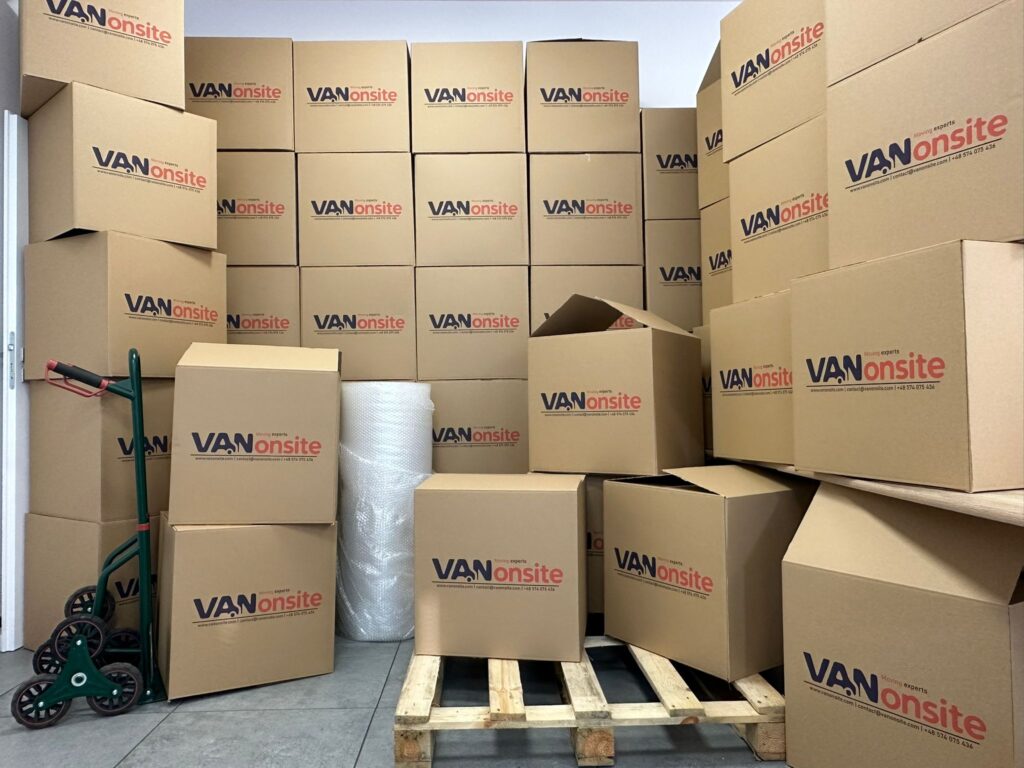
Some moves need more than transport from A to B. They need structure around the transport. Support such as packing, storage, or white glove handling can be especially useful when the move in date and arrival date do not line up perfectly, the household includes fragile or valuable items, or there is not enough time to pack carefully without help.
Which VANonsite Vehicle Size Fits Your Move to Germany?
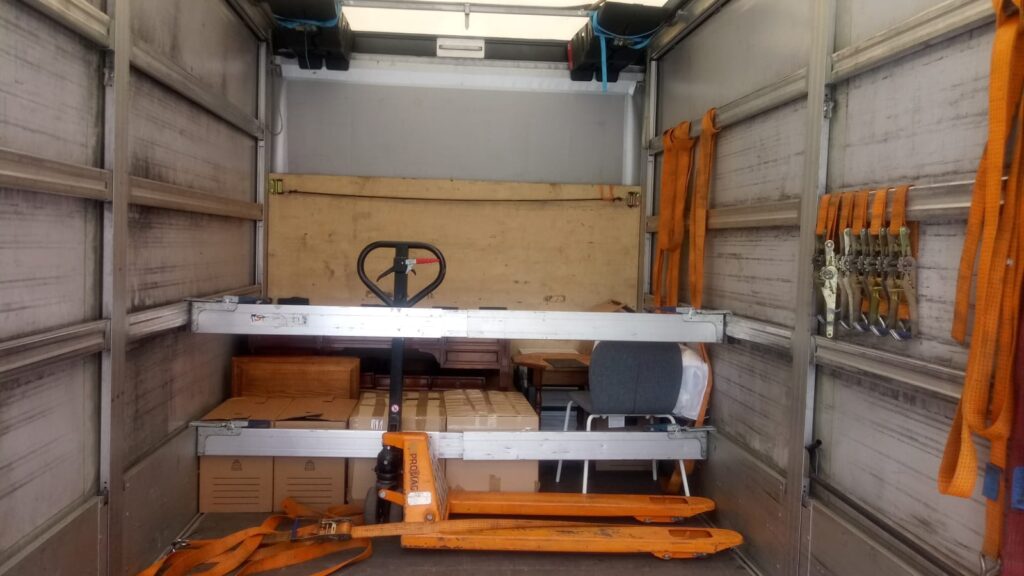
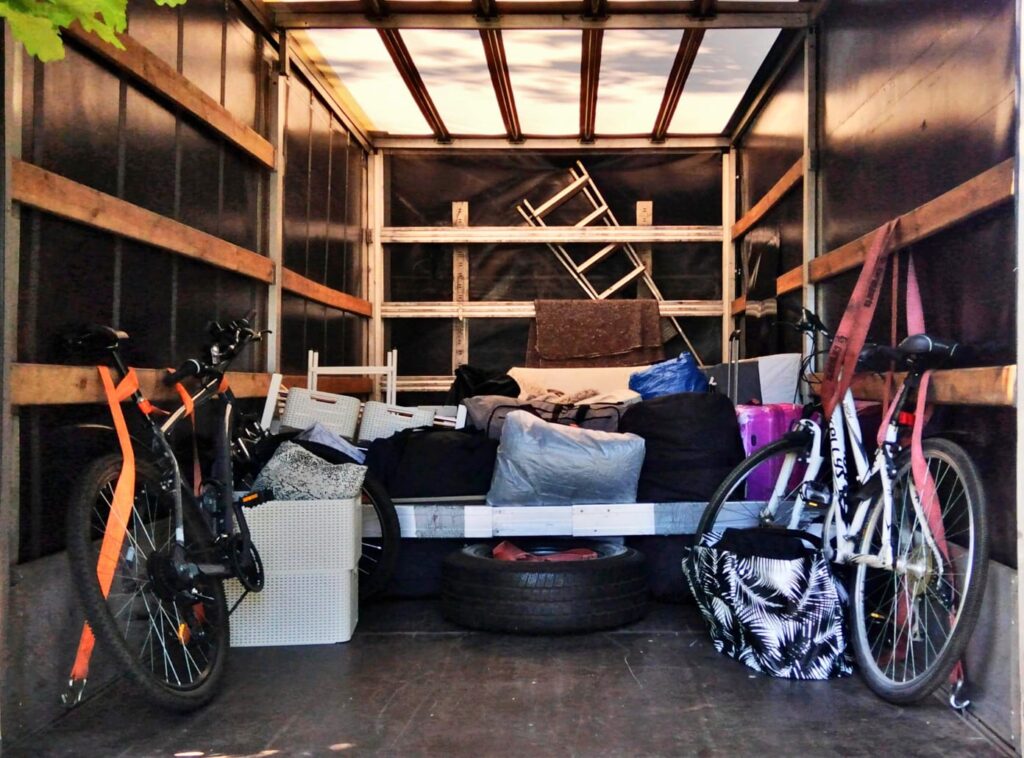
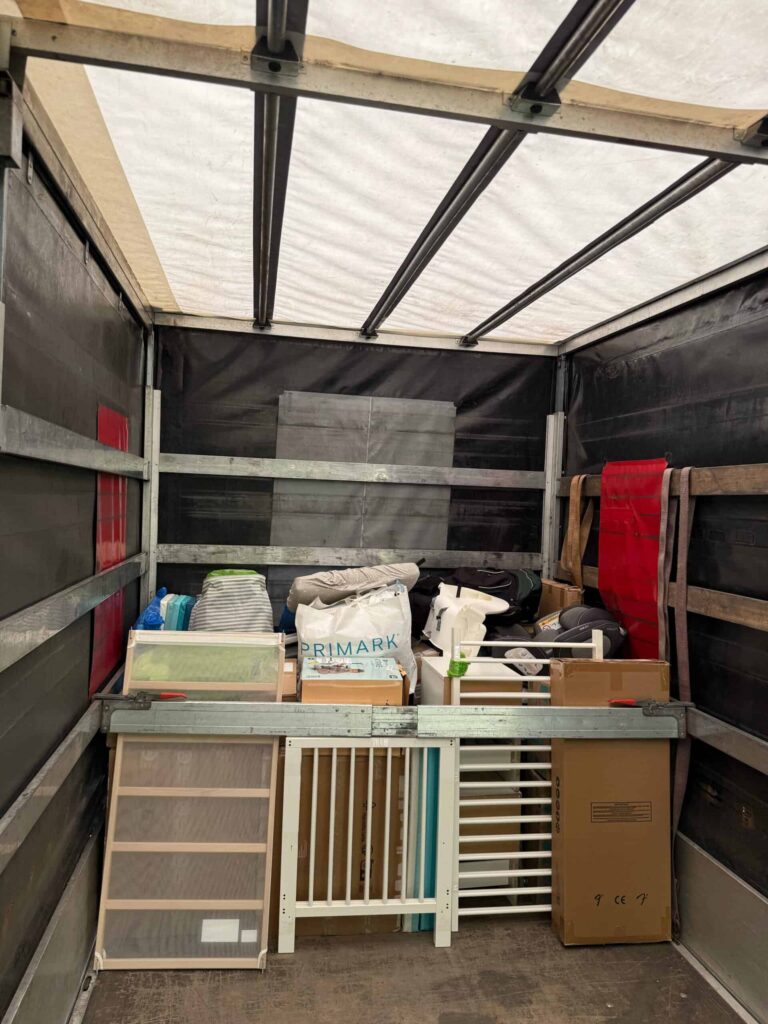
Choosing the right vehicle size is not just a transport detail. It is one of the decisions that shapes how controlled the whole move will feel. A vehicle that is too small creates pressure immediately. A vehicle with the right amount of space protects the structure of the move, reduces rushed loading, and makes unpacking less chaotic on the other side.
A common mistake is underestimating how much volume everyday life actually takes up. Once bedding, coats, kitchenware, paperwork, electronics, office gear, and ordinary household basics are packed, the real size of the move often grows by 20% to 30% beyond the first estimate.
| Service option | Capacity | Max load | Best for |
|---|---|---|---|
| Moving One | 1 m3 | 100 kg | Urgent essentials and tiny loads |
| Moving Basic | 5 m3 | 300 kg | Student or room move |
| Moving Medium | 10 m3 | 500 kg | Small flat |
| Moving Premium | 15 m3 | 1100 kg | One bedroom move |
| Moving Premium Plus | 30 m3 | 3500 kg | Couple or family move |
| Moving Full House XXL | 90 m3 | 20000 kg | Full house relocation |
Moving One
Moving One is ideal for the smallest and most urgent loads. It works well when the priority is not moving an entire household, but getting key belongings, documents, or a few essentials safely from one place to another.
Moving Basic
Moving Basic suits compact relocations where the shipment is still light, but more substantial than a tiny essentials load. It often fits student moves, room relocations, or smaller man and van style transfers where efficiency matters most.
Moving Medium
Moving Medium is often where a solo relocation or a small flat move begins to feel properly realistic.
Moving Premium
Moving Premium usually makes sense when the move includes a more established home setup. A one bedroom move, a denser solo relocation, or a practical household with furniture and daily life basics often fits more comfortably here.
Moving Premium Plus
Moving Premium Plus is especially useful for couple moves and many family relocations.
Moving Full House XXL
Moving Full House XXL is designed for full household relocations where the move is complete rather than selective.
Why the Right Moving Service Matters More Than People Expect
Even a well prepared move can go wrong if the service behind it is careless. Good planning helps, but it cannot repair poor handling, weak communication, vague timing, or a transport setup that simply does not fit the real volume of the relocation.
A calm, professional transport experience can make the first days feel manageable. A disorganised one can make even a legally perfect move feel unnecessarily heavy.
GPS Tracking Reduces Uncertainty
Long distance moves create a specific kind of stress: uncertainty. Where is the load right now? Has the timing changed? When should someone realistically expect delivery?
GPS tracking matters because it reduces that uncertainty. It gives the move a stronger sense of visibility and control.
Packing Service Saves Time and Pressure
Some moves are too large, too fast, or too emotionally loaded to pack calmly without support. This is where Packing Service becomes more than a convenience.
Furniture Removals and White Glove Handling Protect Valuable Items
Some parts of a move deserve a higher handling standard. That is why services like Furniture Removals and White Glove Delivery matter.
Not Every Germany Move Needs the Same Setup
One of the clearest signs of a strong moving service is flexibility. A student relocation, a room move, a family household transfer, and a larger long term move to Germany should not all be forced into the same transport model.
That is where VANonsite is positioned well. The company combines careful European transport, GPS tracking for every load, flexible vehicle sizes, and support across services such as home removals, student removals, packing, furniture transport, storage, and white glove delivery.
For readers ready to move from planning into action, removals to Germany is the natural next step.
Final Moving to Germany Requirements Checklist
A strong relocation gets much easier when the final steps are visible in one place. That is exactly what this checklist is for. It takes the most important parts of the moving to Germany requirements and turns them into a practical sequence you can actually follow.
Use this final checklist before your move:
- Confirm your nationality based legal route so you know whether you are moving under EU freedom of movement rules or through a visa or residence path linked to work, study, family, or another recognised basis.
- Prepare your passport, ID, and required visa or residence documents and keep originals, printed copies, and digital backups organised and easy to reach.
- Organise health insurance proof early, especially if your legal route depends on showing coverage before or soon after arrival.
- Secure housing or a temporary address plan so your first days in Germany do not begin with avoidable uncertainty around where you will live and how registration will work.
- Prepare documents linked to work, study, or family purpose so the paperwork clearly supports the real reason for your move.
- Plan registration after moving in and understand how your address, timing, and document readiness affect that first major administrative step.
- Pack first week essentials separately including documents, clothes, chargers, medication, toiletries, and key daily life items.
- Choose the right removals setup for the real size of the move so the transport side supports the legal and practical side instead of creating stress around it.
FAQ
What are the requirements for moving to Germany?
The main requirements usually include a valid passport or ID, the right legal route for your nationality, visa or residence documents if required, health insurance, a real address for registration, and documents connected to your reason for moving, such as work, study, or family.
Can I move to Germany without a job?
In some cases, yes, but the answer depends on your nationality and legal route. EU, EEA, and Swiss citizens usually have a simpler path. Non EU citizens often need a recognised residence basis, and that may or may not include employment depending on the route.
Do EU citizens need a residence permit in Germany?
In general, EU citizens do not follow the same standard residence permit route as many non EU citizens. However, they still need practical preparation, including housing, registration, and a stable setup for life in Germany.
Do I need health insurance before moving to Germany?
In many cases, yes. Health insurance is compulsory in Germany and may also matter for visa, residence, and early administrative steps. It is safest to treat insurance as an early requirement, not a late detail.
Do I need an address before registering in Germany?
Yes, registration depends on a real address, not only on the intention to find one later. That is why housing and registration are so closely connected.
Can I use a man and van for moving to Germany?
Yes, a man and van setup can work very well for smaller relocations, student moves, room moves, or selected essentials. Larger households, family moves, and furniture heavy relocations often need a fuller removals setup.
What should I prepare before departure?
Focus on the essentials first: legal documents, health insurance proof, housing details, a first 48 to 72 hour essentials bag, and a removals plan that matches the true size of the move. That combination makes the first week much easier.
Final Thoughts
The phrase moving to Germany requirements can sound intimidating at first because it seems to describe one huge wall of bureaucracy. In reality, it becomes much easier once it is broken into the right parts: legal route, documents, health insurance, housing, registration, and a move that is planned properly from the start.
That is the real shift readers need. Not endless paperwork for the sake of paperwork, but a structure that makes the whole relocation feel understandable and manageable.
Germany rewards organised moves. When the legal basis is clear, the documents are ready, the address is real, and the transport is matched to the move, the first weeks begin to feel far more stable. And when those pieces are not aligned, even a promising relocation can feel heavier than it needs to.
That is why the moving service itself matters. VANonsite helps reduce that pressure with careful European transport, GPS tracking for every load, flexible vehicle sizes, and practical support across everything from smaller student relocations to full household moves.
If you are ready to move with more clarity and less stress, removals to Germany is the natural next step.