
Moving to London from Germany can feel thrilling. London still has that cinematic pull. The skyline. The speed. The careers. The sense that anything can happen before the day is over. For many people, it is still one of the most magnetic cities in Europe, full of ambition, noise, pressure, and possibility.
Yet behind that promise sits a move that now demands far more structure than many people expect. Since Brexit, moving to London from Germany is no longer a simple cross-border relocation inside a familiar European rhythm. Visa rules, right to rent checks, customs paperwork, and London’s brutally fast housing market all matter far more than they once did.
That does not make the move a bad idea. It simply means the dream needs a sharper plan. If you are moving to London from Germany, you need more than excitement about the destination. You need legal clarity, strong timing, realistic budgeting, and a transport strategy that can handle everything from personal belongings to premium furniture without turning the move into a headache.
This guide is built for exactly that moment. It explains the emotional appeal of London, but also the admin, customs, renting, and logistics realities that shape the move in practice. The goal is simple: help you arrive with less confusion, less stress, and far more control.
Quick Answer on Moving to London from Germany
If you want the sharpest possible answer, here it is: moving to London from Germany can still be an outstanding life decision, but it now requires much more preparation than it did before Brexit. The legal route matters. The rental market matters. Customs paperwork matters. The way you move your belongings matters too.
The most important points to know immediately are these:
- Germany to London moves now need much more legal preparation than before Brexit, because freedom of movement no longer works the way many people remember.
- Many people moving to London from Germany will need to check visa eligibility before planning anything else, especially before fixing dates, housing, or work start times.
- If you are relocating your home, Transfer of Residence Relief may help reduce customs charges on personal belongings, provided your paperwork is prepared correctly.
- London housing can move fast, so temporary accommodation may be the smartest first step if you do not want to make an expensive decision under pressure.
- Landlords in England must check a tenant’s right to rent before the tenancy starts, which means your immigration and identity documents need to be ready.
- A man and van service can work well for smaller relocations, but larger households usually need fuller removals support with better capacity and planning.
- Early booking, better paperwork, and the right transport choice can save serious stress, avoid border-related confusion, and reduce unnecessary cost.
The real message is simple. moving to London from Germany is still very achievable, but it now rewards people who prepare early and think in connected steps. The legal side, the housing side, and the physical move all influence each other. When those pieces are aligned, London becomes much easier to enter and much easier to enjoy.
Why People Are Still Moving to London from Germany
London still has a pull that is hard to imitate. It feels bigger, faster, louder, and more charged than almost anywhere else in Europe. Even after Brexit, even after higher costs, even after the extra paperwork, people keep looking at the city and seeing possibility.
That is the emotional truth behind moving to London from Germany. The move may be more complicated now, but the reward can still feel enormous. London is not just another destination on the map. It is a city that often changes the scale of people’s ambitions.
Career power, global employers, and long-term opportunity
For many people, moving to London from Germany is first and foremost a professional decision. London remains one of the strongest career magnets in Europe, with global employers, deep international networks, and serious momentum in sectors such as finance, technology, media, consulting, and the creative industries.
That matters because some cities offer a job. London often offers velocity. It can create faster visibility, bigger networks, stronger earning potential, and a sharper feeling of professional movement. For ambitious people, that energy is difficult to ignore.
London still delivers scale, energy, and possibility
London does not feel small in any sense. Not socially. Not culturally. Not professionally. The city offers scale in a way that can feel exhilarating. New industries, different communities, international friendships, global events, and an endless flow of ideas all collide in one place.
This is one reason moving to London from Germany still feels worth considering even when the admin is heavier than before. London can expand your world quickly. It can expose you to people, industries, and opportunities that are much harder to find in quieter, narrower environments.
A city that can change your life fast
Some moves are practical. Some are transformative. London often sits in the second category. The city can challenge people, stretch them, exhaust them, and reward them all at once. That emotional intensity is part of the appeal.
For many readers, moving to London from Germany is not only about changing countries. It is about changing pace, ambition, and direction. It is about entering a city where things can happen quickly and where one good opportunity can alter the entire shape of your next few years.
Why people still choose London:
- global career opportunities
- unmatched international energy
- cultural depth
- networking power
- strong appeal for ambitious professionals and students
The deeper reason is simple. People still choose London because it offers something rare: scale with consequences. The city asks more of you, but it can also give more back. That is why moving to London from Germany continues to feel compelling even in a more difficult post-Brexit reality.
What Changes After Brexit When Moving to London from Germany
This is the question that sits underneath almost every modern relocation to the UK. What actually changed? The honest answer is simple: a great deal. If you are moving to London from Germany, the move no longer works on the old automatic assumptions many people still carry in their heads.
That does not mean the door is closed. It means the move has to be handled with much more precision. The legal side, the rental side, and the border side all now require stronger attention.
Freedom of movement no longer works the old way
Before Brexit, many people could think about a move from Germany to London as a relatively direct European relocation. That is no longer the case. moving to London from Germany now sits inside a different legal framework, and that changes how people need to plan.
You can no longer rely on the old idea that the move will simply sort itself out once you arrive. Immigration status, entry rules, and proof requirements now shape the process much earlier. That is why old assumptions can be so expensive.
Visa checks matter before anything else
One of the biggest practical changes is that visa reality now comes first. Before you commit to dates, transport, work start times, or long-term housing, you need to understand whether you need a visa and which route applies to your situation.
That is why moving to London from Germany now begins with legal clarity, not with packing. A move date only becomes real once the immigration pathway is real. If you get that sequence wrong, everything else becomes more fragile.
Renting, paperwork, and border rules now need more attention
Brexit did not only affect entry. It also changed the practical texture of the move. Renting now links much more directly to immigration status through right to rent checks. Border crossings require sharper customs awareness. Personal belongings, proof of move, and document consistency matter more than they used to.
This is where many people feel the difference most sharply. moving to London from Germany now requires a more connected plan. Immigration, housing, and transport are no longer separate problems. They influence each other. A delay in one area can quickly pressure the others.
The most important thing to understand is this: London is still available, but it is no longer casual. The move works best when you treat it as a serious international relocation, not as an easy hop across Europe. Once you accept that shift, the process becomes far easier to control.
Visa and Immigration Essentials for Moving to London from Germany
If there is one place where this move can go wrong very early, it is here. People sometimes get emotionally attached to the idea of London, start browsing flats, compare movers, and even think about move dates before checking the legal route properly. That is exactly backwards. With moving to London from Germany, immigration clarity has to come first.
The safest way to think about it is simple: the move only becomes real once your right to make it is real. Until then, every other decision remains provisional. Housing, transport, job start dates, and even shipping your furniture should follow the visa reality, not lead it.
How to check whether you need a UK visa
The first step is to check your status through official UK government guidance. The core starting points are Check if you need a UK visa, Apply to come to the UK, and the UK government guidance for people coming to the UK from Germany.
This matters because moving to London from Germany does not follow one universal route. Your path depends on why you are moving, how long you plan to stay, and what legal basis supports the relocation. The move might look emotionally simple, but the immigration side is not something to guess.
Checking first protects everything else. It stops you from building plans around dates that are not yet secure. It also prevents one of the most common and costly mistakes in post-Brexit relocations: acting as if the move is already approved before the legal route is properly understood.
Common reasons people move from Germany to London
Most people make this move for one of a few clear reasons. Work remains one of the biggest. London still attracts professionals across finance, media, technology, consulting, hospitality, and the creative sectors. Study is another major reason, especially for people drawn to British universities and specialist programmes. Family reunification matters too, and for some people the move is tied to longer-term settlement plans and a bigger life reset.
These categories matter because the immigration route often follows the reason for the move. In practical terms, moving to London from Germany for a job is not the same as moving for study or to join family. The paperwork, evidence, and timing can change significantly depending on the category.
That is why clarity here is powerful. Once you know your real reason, the rest of the planning becomes much easier to structure.
Why visa timing can shape the whole move
Visa timing reaches far beyond paperwork. It can shape almost every other moving decision. If your legal status is delayed, a housing search may stall. If a job start date depends on your visa, your moving date may shift. If transport is booked too early, you may create stress or costs that were completely avoidable.
This is one of the deepest practical truths about moving to London from Germany: immigration is not just a legal layer. It is the framework holding the entire move together. That is why rushing the emotional side of the relocation while the visa side is still uncertain can create real damage.
Before booking your move, confirm:
- whether you need a visa
- which visa route applies
- what proof you need
- how your immigration status will be shown
- when your move date becomes realistic
The best relocation decisions usually come after legal clarity, not before it. Once that piece is secure, the move starts to feel much less fragile and much more manageable.
Moving Your Household Goods from Germany to London
Once the immigration side begins to make sense, the next major question usually follows fast: how do you actually move your life across the border? This is where many people discover that moving to London from Germany is not only about getting yourself into the UK. It is about getting your belongings there legally, safely, and with much less friction than a rushed move creates.
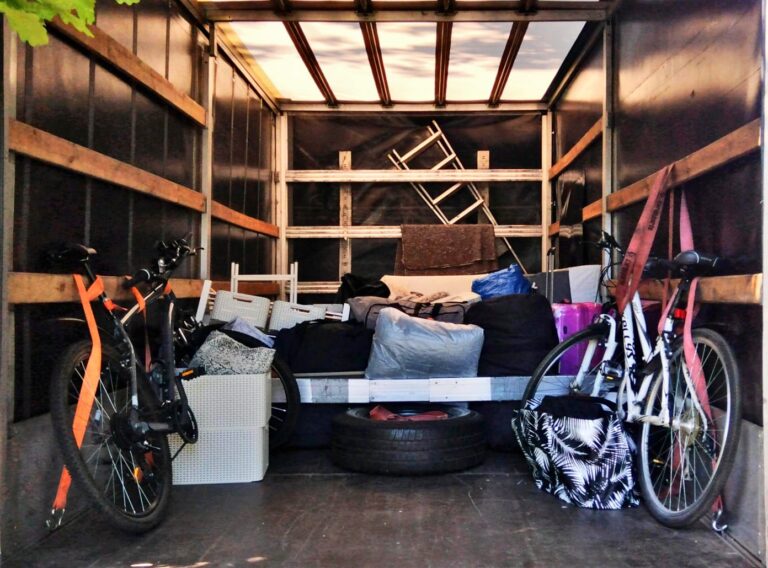
Furniture, personal belongings, work equipment, kitchen items, bikes, boxes, sentimental pieces, and everything that turns an address into a real home all need more than a van and a hopeful attitude. The customs side matters. The paperwork matters. The way the load is documented matters too.
What counts as personal belongings when moving to the UK
The UK government guidance on moving your personal belongings to the UK and bringing goods into the UK for personal use is essential reading here. In broad terms, the system distinguishes between genuine personal belongings connected to your relocation and other types of goods that may be treated differently.
That distinction matters because moving to London from Germany is not simply a matter of loading up everything you own and assuming the border will interpret it the same way you do. The shipment should clearly reflect a real transfer of residence and a genuine personal move.
This is why consistency matters so much. A well-documented shipment feels coherent. A vague or messy one can raise questions that slow everything down.
Transfer of Residence Relief and why it matters
For many movers, this is one of the most important financial parts of the process. The UK government explains Transfer of Residence Relief and the ToR1 application process through official guidance.
Transfer of Residence Relief can matter enormously because it may help reduce customs charges on personal belongings when you are genuinely relocating your home. For anyone moving to London from Germany, this can make a meaningful difference to the cost side of the move, especially when the load includes a real household rather than just a few travel items.
The key point is that relief is not magic. It depends on the circumstances of the move and on the paperwork being handled properly. That is why this step deserves serious attention before the shipment starts moving.
When customs paperwork becomes critical
Customs paperwork becomes critical the moment your load crosses from personal idea of a move into officially documented international relocation. That means inventory lists, proof of move, shipment documents, and the internal consistency of the paperwork all matter.
For moving to London from Germany, this is where the process can either feel clean or become unexpectedly stressful. If your documents support the story of the move clearly, the process is far easier to manage. If they are incomplete, vague, or contradictory, delays become much more likely.
This is especially true when the move is larger, more valuable, or more time-sensitive. Family relocations, premium furniture loads, and tightly scheduled entries into rented property all benefit from better customs preparation.
Useful paperwork for moving belongings from Germany to London:
- passport or ID
- visa documents if required
- proof of new UK address or intended residence
- inventory list of household goods
- transport documents
- ToR relief paperwork where relevant
The practical lesson is simple. Customs is not a side detail. It is part of the move itself. Once that is understood, moving to London from Germany becomes far easier to plan with confidence rather than guesswork.
Housing and Renting Realities in London
London housing has a way of turning confidence into urgency very quickly. That is one of the first shocks many newcomers feel. The city is full of promise, but the rental market can feel like a sprint the moment you step into it. If you are moving to London from Germany, this is one of the areas where clear preparation can protect you from expensive, exhausting mistakes.
The challenge is not only price. It is speed, competition, paperwork, and the fact that one borough can feel like a completely different city from the next. That is why housing should never be treated as a side issue in the move. In reality, it is one of the central pressure points.
Why London housing feels intense
London’s rental market moves fast. Strong listings can disappear quickly. Good locations come with serious competition. Prices can shift sharply depending on borough, transport access, and the general mood of the market. For newcomers, especially those arriving from abroad, the process can feel emotionally draining very quickly.
This is one of the most important realities of moving to London from Germany. You are not just choosing an apartment. You are competing inside a fast-moving system that often rewards speed, clean documents, and financial readiness. When you understand that early, you make better decisions. When you do not, the market can feel unforgiving.
Why temporary accommodation can protect you from expensive mistakes
Temporary accommodation can be one of the smartest decisions in the entire relocation. It buys you time, and time is precious in London. Instead of trying to lock in the perfect borough from abroad, you create breathing room to learn the city properly.
For people moving to London from Germany, this can prevent a surprisingly costly mistake: choosing a place that looks good on a screen but feels wrong in daily life. Temporary accommodation lets you test commutes, feel the pace of different areas, and avoid signing under pressure just because the clock is ticking.
That breathing space can protect your budget, your energy, and your first few months in London.
Right to rent checks and what they mean
In England, landlords must check a tenant’s right to rent before the tenancy starts. The official guidance in How to Rent and the related checklist matters because this is not a minor technicality. It is part of how the rental process works.
For moving to London from Germany, this means your identity and immigration-related documents need to be ready in a practical, usable form. The rental side and the immigration side are connected. If your documentation is unclear, incomplete, or delayed, housing decisions can stall very quickly.
This is another reason the move works best when immigration, housing, and timing are planned together rather than treated as separate puzzles.
Why borough choice shapes daily life more than people expect
London is not one single lifestyle. It is a mosaic of boroughs with different costs, atmospheres, commute realities, and rhythms. One area may feel vibrant and convenient but financially intense. Another may feel calmer and better value, yet add a punishing commute that eats away at your week.
That is why borough choice matters so much when moving to London from Germany. The right borough can support your budget, your work life, and your peace of mind. The wrong one can make daily life feel slower, more expensive, and more exhausting than it needs to be.
| London Housing Reality | Why It Matters |
|---|---|
| Fast-moving rental market | Delays can cost you good options |
| Higher rent pressure | Budget planning matters early |
| Right to rent checks | Documents must be ready |
| Borough differences | Commute and lifestyle can change completely |
The smartest housing decisions rarely come from panic. They come from clarity. If you treat the rental side of moving to London from Germany as a serious planning task rather than an afterthought, you protect much more than your address. You protect the shape of your whole first year.


Costs of Moving to London from Germany
London has a reputation for being expensive, and that reputation is not decorative. It affects the way the move feels from the start. Yet the real cost story is broader than rent alone. If you are moving to London from Germany, the financial pressure comes from layers that build on each other: housing, deposits, transport, customs-sensitive planning, daily living, and the speed at which expensive mistakes can happen.
The good news is that smart planning can soften a lot of that pressure. The goal is not to pretend London is cheap. It is to understand where the costs come from and how to reduce the ones that are avoidable.
Why London can feel financially sharper than Germany
For many newcomers, London feels sharper on the wallet almost immediately. Rent is often the first shock, but it is rarely the last. Deposits, day-to-day living, transport, and council tax can all add weight to the monthly picture.
This is one of the big realities of moving to London from Germany. The city can absolutely reward ambition, but it often expects more financial resilience in return. That does not make the move irrational. It simply means budgeting needs to be more honest from the very beginning.
Why moving costs rise with urgency and complexity
Moving costs often rise not because the move is impossible, but because it becomes rushed, mismatched, or harder than it first appeared. Bigger furniture, tighter building access, weaker paperwork, longer carrying distances, premium handling needs, and poor timing can all push the cost upward.
For moving to London from Germany, cross-border complexity adds another layer. Once customs preparation, route timing, and housing deadlines start interacting, a move that looked simple on paper can become far more expensive in practice.
How to reduce avoidable relocation costs
The clearest way to reduce avoidable cost is to remove avoidable chaos. Book earlier. Declutter harder. Match the vehicle size properly. Keep the paperwork clean. Make timing decisions in the right order.
That is especially important with moving to London from Germany, because the border, the rental market, and the transport side can all punish rushed thinking more than people expect. A better plan often saves more money than people realise.
What often increases moving costs:
- late booking
- large furniture volume
- poor vehicle matching
- premium handling needs
- incomplete paperwork
- long carrying distances
The financial side of the move becomes much easier to manage once you separate necessary cost from preventable cost. London may still be expensive, but confusion does not need to make it even more so.
Choosing the Right Moving Option From Germany to London
Transport is one of the most practical decisions in the entire relocation. This is where planning becomes physical. Boxes turn into volume. Furniture turns into handling risk. Timelines turn into route decisions. For anyone moving to London from Germany, the right moving option is not just a logistical detail. It can shape the cost, stress level, safety, and pace of the whole move.
The smartest option depends on the real shape of your relocation. A student move is not the same as a family household. A compact city move is not the same as a full cross-border home setup with bulky furniture and stricter timing. That is why one-size-fits-all thinking causes so many unnecessary problems.
When a man and van service makes sense
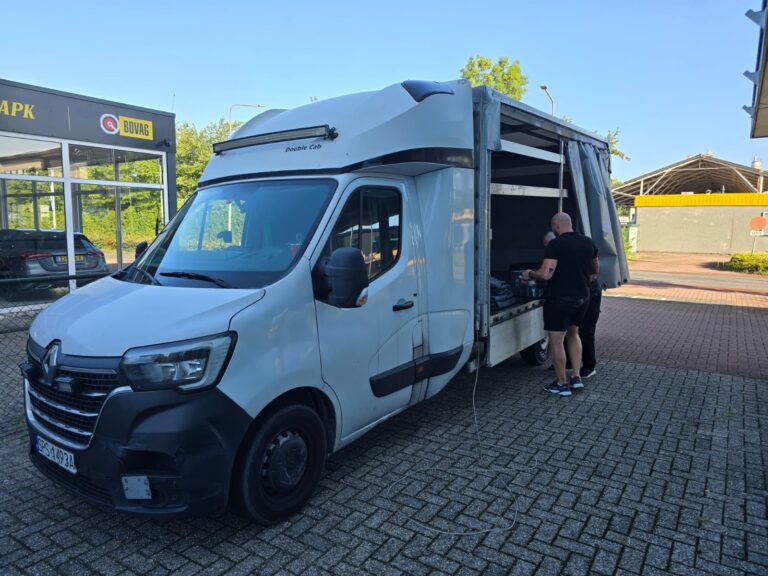
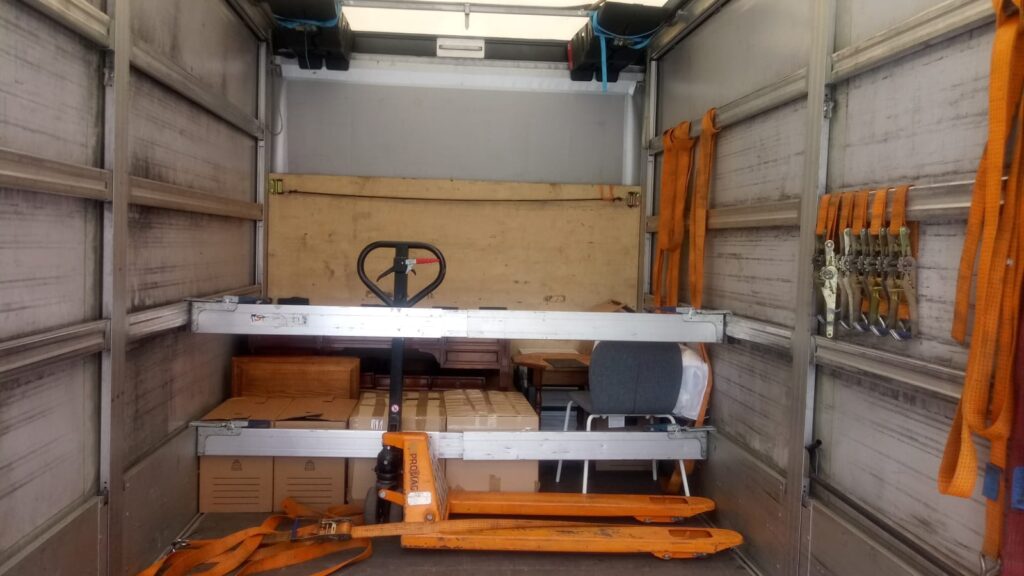
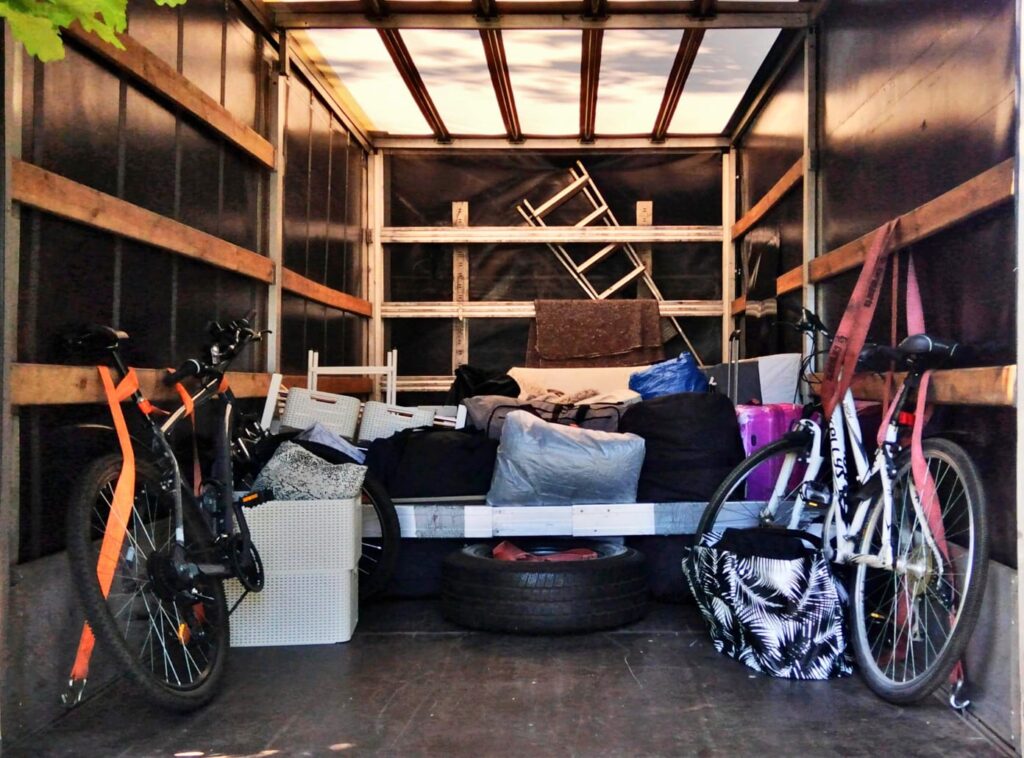
A man and van service is often the strongest choice when the move is lean, time-sensitive, and relatively straightforward. It works particularly well for student moves, room-sized relocations, a compact number of boxes, or essential furniture only.
If you are moving to London from Germany with a modest load, a man and van option can feel refreshingly efficient. It keeps the move focused. It avoids paying for excess capacity. It also suits urgent transport better than people often expect, especially when the route is clear and the load is honest.
This type of service is often ideal when you are moving:
- a student room
- a few essential furniture pieces
- boxes and personal belongings only
- on a tighter timeline
The real value here is flexibility. A good man and van setup can make a smaller relocation feel sharp, fast, and far less cumbersome.
When full removals support is the better choice
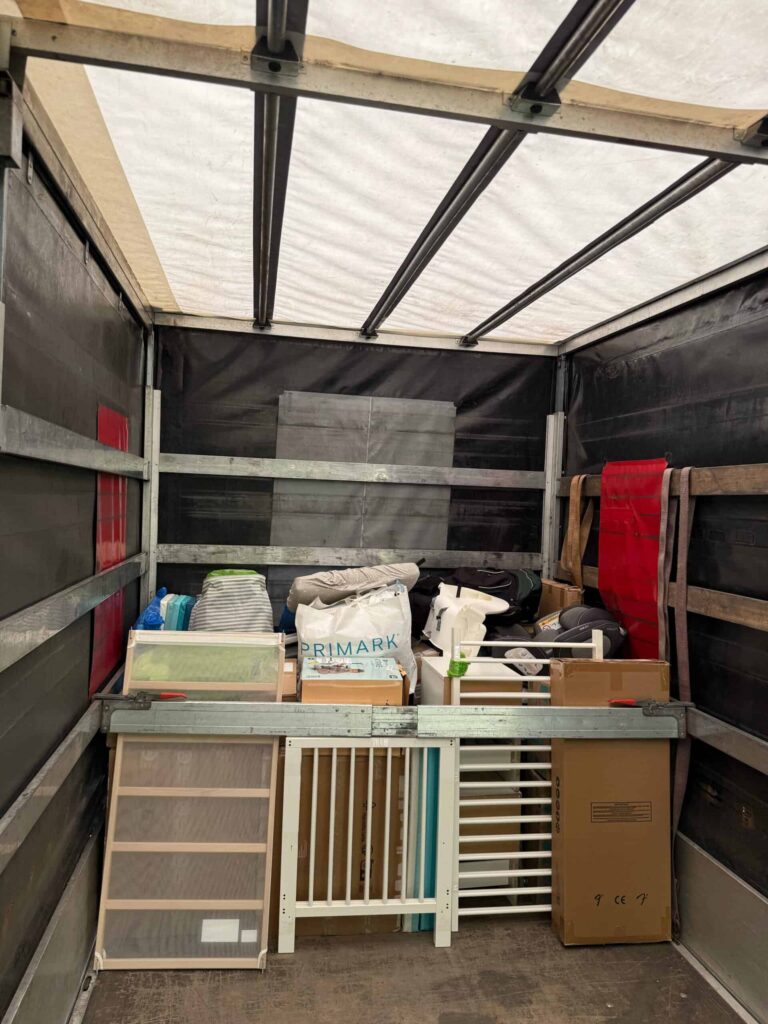
Some moves need more than flexibility. They need structure, capacity, and a safer margin for error. If you are relocating a family household, a multi-room home, heavier furniture, or a more complex load, full removals support is usually the better route.
For moving to London from Germany, this becomes especially important when the move includes a real household rather than a stripped-down starter load. Full removals support helps with sequencing, protection, space planning, and the simple reality that large loads are less forgiving when something goes wrong.
This option is often the better fit for:
- family households
- multi-room homes
- heavier or bulkier loads
- longer, more complex cross-border routes
Where a man and van service keeps things lean, full removals support gives the move stronger bones. That difference can be invaluable once the load becomes genuinely substantial.
When packing and white glove support are worth it
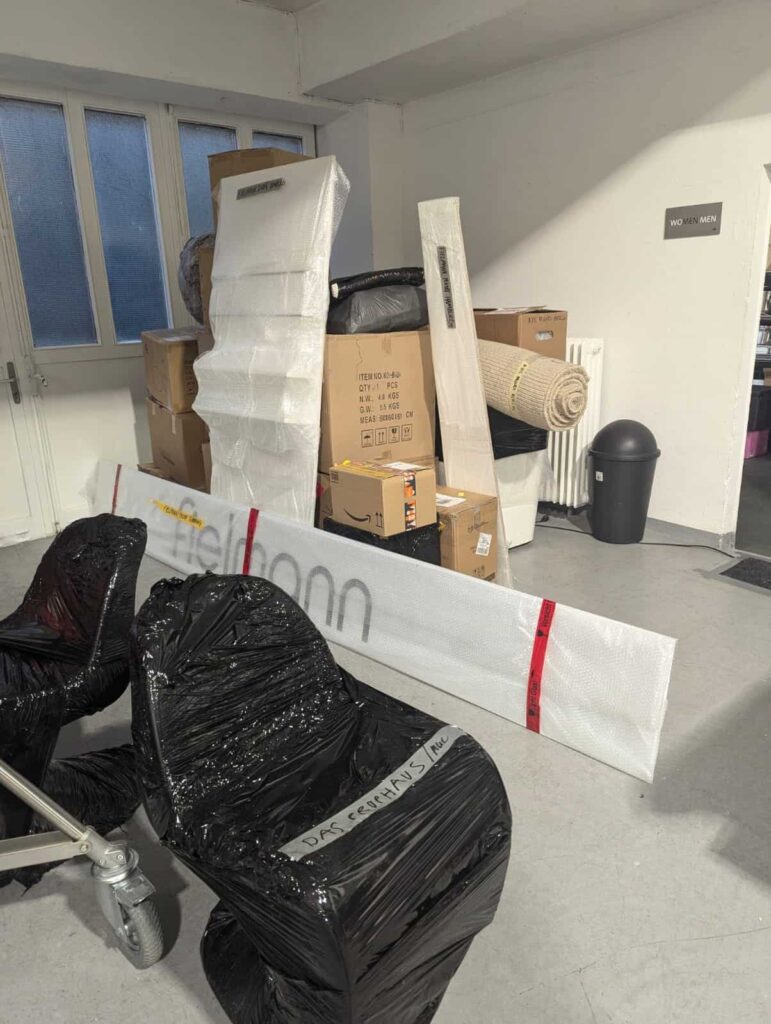
Some items deserve much more than standard handling. Fragile pieces, premium furniture, design-led interiors, artwork, mirrors, electronics, and awkward high-value items often need specialist care. Tight schedules can also make professional packing worth serious money, because rushed packing is one of the fastest ways to create avoidable damage.
For anyone moving to London from Germany with valuable or emotionally important belongings, white glove support is not indulgence. It is protection. The more painful damage would be, financially or personally, the more sensible this level of service becomes.
Packing and white glove support are especially worth considering for:
- fragile items
- premium furniture
- design-led pieces
- valuable electronics
- loads where timing is tight and mistakes would be costly
| Move Type | Best Fit | Why |
|---|---|---|
| Student move | Man and van | Lean and efficient |
| Small flat move | Man and van or Moving Medium | Balance of price and capacity |
| Family move | Home removals | Better structure and protection |
| Valuable furniture move | White glove support | Safer handling |
| Office move | Office removals | Lower disruption |
This is where VANonsite fits naturally. The company offers a wide spread of real-world moving services rather than forcing every customer into a single generic model. That includes last-minute moving, furniture removals, home removals, packing services, white glove delivery, office removals, storage, and student removals. Every load can be GPS-tracked, which brings a layer of visibility and reassurance that matters deeply during cross-border transport.
The strongest choice is rarely the cheapest-looking one at first glance. It is the one that fits the actual move. That is the real lesson at the centre of moving to London from Germany.





Vehicle Size Guide for Moving to London from Germany
Choosing the right vehicle size sounds simple until the move begins to unravel because the load was underestimated. That happens more often than people think. A van that is too small creates pressure immediately. A vehicle that is much too large can waste money. For moving to London from Germany, the right match matters even more because the route is longer, the border side is more sensitive, and mistakes tend to get more expensive faster.
This is where honest volume planning pays for itself. Shelves, lamps, mirrors, boxed kitchenware, work equipment, bikes, and all the quiet clutter of real life can enlarge a move by 15% to 25% more than expected. That is why vehicle size should be chosen with realism, not optimism.
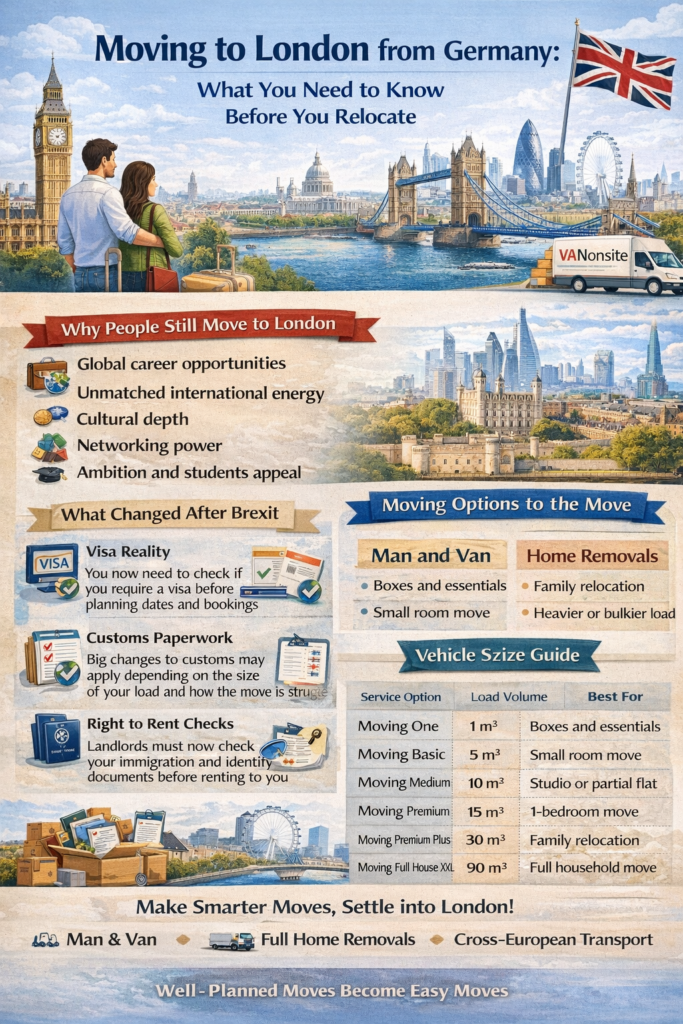
| Service Option | Load Volume | Weight Limit | Best For |
|---|---|---|---|
| Moving One | 1 m3 | 100 kg | Boxes and essentials |
| Moving Basic | 5 m3 | 300 kg | Small room move |
| Moving Medium | 10 m3 | 500 kg | Studio or partial flat |
| Moving Premium | 15 m3 | 1100 kg | 1-bedroom move |
| Moving Premium Plus | 30 m3 | 3500 kg | Family relocation |
| Moving Full House XXL | 90 m3 | 20000 kg | Full household move |
A Moving One option is ideal for the lightest loads, where the move is really about essentials rather than furniture-heavy transport. Moving Basic and Moving Medium work well when the relocation is still compact but clearly larger than a few personal items. Once you move into Moving Premium, Moving Premium Plus, and Moving Full House XXL, the transport becomes much more about full living spaces, family-scale volume, and serious household movement.
For moving to London from Germany, the right size does more than save money. It helps keep the route cleaner, the handling safer, and the border-crossing process calmer. The wrong size creates wasted capacity at best and border-crossing chaos at worst. That is why vehicle choice deserves a clear head and a very honest load estimate.
First Things to Do After Arriving in London
The first few days in London can feel strangely split. On one hand, you have made it. The keys are in your hand, the route is behind you, and the city you imagined for months is suddenly real. On the other hand, moving to London from Germany is not truly finished the moment the van is unloaded. The first week matters because it sets the rhythm for everything that follows.
This is the point where a smart landing plan becomes priceless. The goal is not to do everything at once. The goal is to make the city functional as quickly as possible, so daily life stops feeling temporary and starts feeling stable.
Start with these priorities:
- organise your housing setup
- confirm right to rent and tenancy paperwork
- arrange utilities and internet
- register for practical services where needed
- sort banking and day-to-day payments
- check council tax responsibilities
- unpack in priority order
Organise your housing setup first
Your home needs to move from symbolic to usable very quickly. That means making sure access, keys, inventory, and any immediate tenancy details are in order. If there is a problem with the property, the earlier you spot it, the easier it usually is to handle.
For people moving to London from Germany, housing pressure often means the first address was secured under real urgency. That is another reason the first check-in matters. A calm look at the practical basics can save a lot of friction later.
Confirm right to rent and tenancy paperwork
This is not just a bureaucratic footnote. In England, tenancy setup and right to rent checks are tied closely together. If anything is unclear, incomplete, or still outstanding, the first days are the right time to fix it.
For moving to London from Germany, this helps close the loop between immigration, housing, and daily life. The move begins to feel real once the legal and practical parts of your tenancy feel solid.
Arrange utilities and internet early
A flat without working internet, functioning utilities, or clear setup details can make the new start feel much more fragile than it needs to. Comfort matters. Stability matters. Connection matters too, especially when work, admin, banking, and communication all depend on it.
That is why one of the smartest early moves after moving to London from Germany is to make your home usable fast. The quicker it works, the quicker you can focus on life instead of loose ends.
Sort banking and daily payments
Everyday payments become unavoidable very fast. Rent, food, transport, household purchases, and regular bills all depend on practical financial setup. Even when some things can be managed temporarily, a stable banking rhythm makes the whole move feel far more grounded.
Council Tax and settling in
Council Tax is one of those things that can easily be overlooked in the excitement and fatigue of arrival, yet it matters quickly. The UK government guidance on Council Tax and how to start paying Council Tax is essential here.
For anyone moving to London from Germany, this is part of making the address truly liveable rather than merely occupied. The same goes for the wider settling-in rhythm. Once the practical obligations are in place, the city starts feeling much less like a project and much more like your actual home.
Unpack in priority order
Do not try to build the whole flat in one exhausted day. Start with the essentials that make daily life work: bed, kitchen basics, toiletries, chargers, work items, documents, and clothing for the next few days. That simple sequence can reduce stress immediately.
The first week after moving to London from Germany should feel like a landing, not a recovery operation. The better the order of those first tasks, the faster London begins to feel usable, navigable, and emotionally lighter.
Common Mistakes When Moving to London from Germany
Mistakes in a move like this rarely arrive with drama. They usually arrive disguised as small assumptions, shortcuts, or bits of optimism that felt harmless in the moment. That is why this section matters. The best way to handle moving to London from Germany is not only to know what to do, but to know exactly what tends to go wrong.
Most of the biggest problems are preventable. They grow when people underestimate how connected the legal, rental, customs, and logistics parts of the move have become after Brexit.
These are the most common mistakes:
- Assuming old pre-Brexit rules still apply
- Booking the move before checking visa reality
- Underestimating London housing pressure
- Ignoring right to rent checks
- Leaving customs paperwork too late
- Choosing the wrong vehicle size
- Picking the cheapest service instead of the safest fit
Assuming old pre-Brexit rules still apply
This is still one of the most common errors. People remember how easy the move once seemed and subconsciously build their expectations around that older version of reality. The result is weak planning and avoidable shocks.
Booking the move before checking visa reality
This mistake can create a chain reaction of stress. If the visa side is not clear, transport dates, tenancy decisions, and work planning all become fragile. This is one of the quickest ways to make moving to London from Germany more stressful than it needs to be.
Underestimating London housing pressure
London rewards speed and preparation. If you expect the market to wait for you while your documents, schedule, or decisions catch up, you can lose strong options very quickly.
Ignoring right to rent checks
Some people treat this like a minor technical step. It is not. In England, it is a core part of how renting works. Delays or confusion here can interfere with the whole housing process.
Leaving customs paperwork too late
Customs does not reward improvisation. Inventory lists, proof of move, and shipment consistency matter, especially when the load is larger or more valuable.
Choosing the wrong vehicle size
A move that is underestimated on volume often becomes expensive twice. First in stress, then in money. This is one of the most avoidable mistakes in the whole relocation.
Picking the cheapest service instead of the safest fit
A low price can look seductive. Yet bad fit, weak communication, sloppy handling, or poor route planning can cost more in the long run than a better service ever would.
The pattern behind all of these mistakes is clear. They come from underestimating how much precision the move now needs. Once you understand that, moving to London from Germany becomes much easier to manage wisely.
Why Professional Help Makes the Germany to London Move Easier
There is a reason cross-border moves feel lighter when experienced people are involved. It is not only about labour. It is about coordination. When the move includes immigration timing, housing pressure, customs-sensitive belongings, and a longer international route, professional support can remove a remarkable amount of invisible strain.
For anyone moving to London from Germany, that matters a lot. The route is no longer a simple EU move. The pressure points are sharper. The timing mistakes are more expensive. The emotional toll can be heavier than people expect if too many parts are left hanging at once.
Professional support reduces that burden in several ways. It helps protect the load physically. It can reduce timing mistakes. It lowers strain on move day. It also gives the whole relocation more structure, which matters when everything else in your life is already shifting.
VANonsite fits naturally into that role. The company offers transport across Europe with a strong focus on safety and speed. Services include last-minute moving, furniture removals, home removals, packing services, white glove delivery, office removals, storage, and student removals. Every load can be GPS-tracked, which gives customers real visibility while the move is in motion.
That flexibility matters because moving to London from Germany can take many forms. One person needs a lean man and van solution. Another needs a larger vehicle and stronger household planning. Someone else needs premium handling for valuable interior pieces or a tighter timeline with very little room for error.
What professional support can save you:
- time
- physical strain
- damage risk
- border-related stress
- costly delays and rebooking
The real value is not only practical. It is psychological. A better-managed move leaves you with more energy for London itself. Registration, renting, work, bills, and settling in already demand enough. The move should support that new beginning, not drain it.
FAQ About Moving to London from Germany
Do Germans need a visa to move to London?
In many cases, yes. Since Brexit, German citizens can no longer assume that the old freedom-of-movement model still applies. The exact answer depends on the reason for the move, the length of stay, and the legal route that matches your situation. That is why the safest first step is always to use the official UK government visa checker before making any serious relocation decisions.
For moving to London from Germany, this is the first gate everything else depends on. If the visa side is not clear, housing, job timing, and even your moving date can become unstable very quickly.
Can I move my furniture from Germany to London without paying customs charges?
Sometimes, yes, but it depends on the circumstances and the paperwork. If you are genuinely transferring your residence to the UK, Transfer of Residence Relief may help reduce customs charges on your personal belongings. That usually means the move needs to be clearly documented as a real relocation rather than a casual shipment of goods.
For people moving to London from Germany, the key point is simple: customs outcomes depend heavily on preparation. A strong inventory list, consistent shipment papers, and the right supporting documents can make a major difference.
What is Transfer of Residence Relief?
Transfer of Residence Relief is a UK customs relief that may help people avoid or reduce customs charges when they are genuinely relocating their home to Great Britain. It is particularly relevant when you are moving personal belongings and household goods as part of a real transfer of residence.
For moving to London from Germany, this can be one of the most important financial details in the whole relocation. It does not remove the need for good documentation. In fact, it makes documentation even more important, because the relief depends on the move being properly evidenced.
Is London hard to rent in as a newcomer?
Very often, yes. London’s rental market can be fast, competitive, and emotionally exhausting, especially if you are trying to secure a long-term property from abroad. Good listings can disappear quickly, and right to rent checks mean your documents need to be in good order.
That is why many people moving to London from Germany benefit from temporary accommodation first. It gives you time to understand boroughs, test commutes, and avoid expensive decisions made under pressure.
Can I move with a man and van service from Germany to London?
Yes, if your move is relatively compact. A man and van service can work very well for student moves, room-sized relocations, a limited number of furniture pieces, or a lean personal move where flexibility matters.
For moving to London from Germany, this type of service makes the most sense when the load is genuinely modest. Once the move becomes heavier, more valuable, or more household-scale, fuller removals support usually becomes the safer and more practical choice.
What documents do I need before moving to London from Germany?
That depends on your route, but people commonly need identity documents, visa papers where required, proof linked to the reason for the move, proof of the new UK address or intended residence, shipment documents, and customs-related paperwork if household goods are being transported.
For moving to London from Germany, it is wise to think in layers. There is the immigration layer, the housing layer, and the transport layer. The smoother those three layers connect, the easier the move becomes to manage.
Is VANonsite a good choice for moving from Germany to London?
For many moves, yes. VANonsite offers cross-European transport, multiple service levels, GPS tracking for every load, and support across different relocation types, from compact man and van moves to fuller household transport, packing support, furniture removals, student removals, office removals, and white glove delivery.
That matters because moving to London from Germany rarely comes in one simple format. The strongest moving partner is the one that can adapt to the shape of the move rather than forcing every customer into the same template.
Summary
London still rewards ambition, but it rewards preparation even more. The city can open doors quickly, expand your network, and change your professional and personal direction in a matter of months. Yet none of that feels exciting if the move itself is messy, rushed, or harder than it needed to be.
If you are moving to London from Germany, the smartest approach is to line up the dream with the logistics. Get the visa reality clear. Respect the housing pressure. Prepare the customs side properly. Choose a transport solution that actually fits the scale of your move. That is what turns a stressful international relocation into a confident new start.
VANonsite offers support across a wide range of move types, from a compact man and van setup for lighter relocations to full-house transport with GPS-tracked loads, specialist handling, packing support, and more complex cross-border planning when the move demands it.
What strong planning gives you:
- flexible moving sizes
- support across Europe
- GPS-tracked loads
- options from man and van to full-house transport
- help for planned and last-minute relocations
London can feel intense from the very first day. That is exactly why the move should feel clear before you arrive. The better it is handled now, the faster London begins to feel like your next chapter, not your next problem.