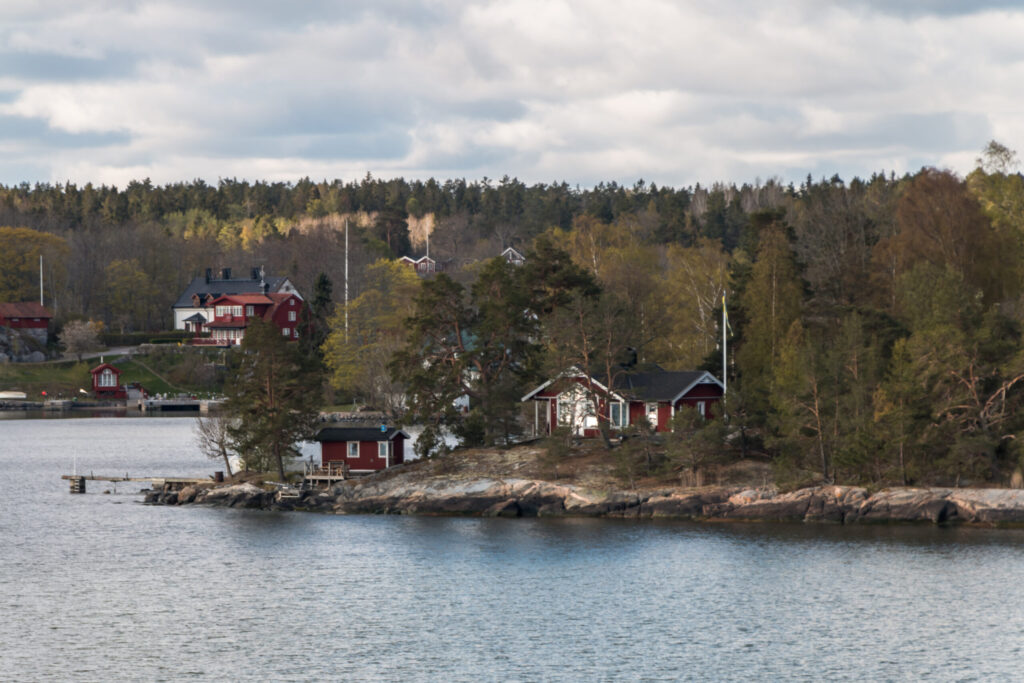
Moving to Sweden from Germany can be fast, safe, and transparent with a clear plan and the right mover. As an EU→EU relocation, paperwork is lighter, yet timing, route choice, and building access still decide how smooth (and affordable) the journey feels. This guide turns the topic into a high‑converting, reader‑friendly article with short sentences, transitions, checklists, and tables. It also showcases VANonsite advantages: live GPS tracking on every shipment, trained crews, flexible van sizes (5–90 m³), and specialist services – Last Minute Moving, Furniture Removals, Home Removals, Packing Service, White Glove Delivery, Office Removals, Storage, Student Removals. Meanwhile, we map safe routes (German ports like Rostock/Travemünde/Kiel or Denmark bridges + Øresund) and coordinate permits and parking at both ends.
Removals to Sweden, How to Relocate to Sweden, Moving to Ireland from Sweden
TL;DR:
- Plan 8–10 weeks ahead; build a room‑by‑room inventory, timeline, and reserve parking/lifts early.
- EU→EU essentials: on arrival in Sweden, handle address registration (folkbokföring), personnummer, ID‑kort/BankID, banking and healthcare (see the Sweden guide linked below).
- Budget smart: costs depend on volume, route, access, season, services – check live capacity bands on Removals to Sweden and request a tailored quote.
- Right‑size your vehicle: pick 5, 10, 15, 30, or 90 m³; every load is GPS‑tracked with proactive ETAs.
- Route wisely: choose ferries (Rostock/Travemünde/Kiel) for rest and fewer winter miles, or Denmark bridges + Øresund for flexible arrival windows.
- Pack like a pro or book Packing Service; premium/fragile pieces fit White Glove Delivery; prep clearly labelled Open‑First boxes.
- On arrival, follow the 72‑hour checklist: utilities, internet, banking, GP/schools, waste collection – transition fast with minimal downtime.
Why Sweden? Pros & cons at a glance
Thinking about life in Sweden? Here’s a quick reality check. Sweden offers modern infrastructure and calm cities, yet housing and winters need planning. Use the lists below to decide – then tailor your route, timing, and van size.
Pros
- High quality of life, clean cities, and easy access to nature.
- English widely spoken; digital‑first public services (BankID, e‑services).
- Safe roads and reliable transport; family‑friendly policies.
- Strong work–life balance and green spaces inside big cities.
- Cash‑light society with contactless everywhere; admin is efficient.
- Well‑insulated homes; excellent cycling culture and urban planning.
Cons (plan around them)
- Competitive housing in Stockholm, Gothenburg, Malmö → start early, consider suburbs.
- Long, dark winters → winter‑ready packing, daylight‑aware delivery slots.
- Higher costs than many German regions → add buffers to your budget.
- Some admin and local notices are in Swedish → set up translation help.
- Strict recycling/sorting rules → prepare bins/labels on Day 1.
- Rural areas can have longer travel times → choose city proximity if you commute.
City snapshots (choose your fit)
| City/Region | Vibe & strengths | Housing competition | Good for |
|---|---|---|---|
| Stockholm | Capital, tech/finance, culture | High | Careers, urban life |
| Gothenburg | Ports, R&D, music, coast | Medium‑High | Families, engineering |
| Malmö/Skåne | Creative, close to Copenhagen | Medium | Cross‑border workers |
| Uppsala/Lund | University towns, science hubs | Medium | Students, researchers |
| North/Småland | Nature, space, lower prices | Low‑Medium | Remote work, outdoors |
Context guide – How to Relocate to Sweden.
Step‑by‑step plan & timeline (Germany → Sweden)
A clear timeline keeps costs down and your move calm. Start early, share photos/video of each room, and lock in access on both ends.
8–10 weeks
- Shortlist city/area; define move window and rough budget.
- Build a room‑by‑room inventory; measure sofas, wardrobes, and appliances.
- Request a quote and choose DIY pack or Packing Service.
- Flag special items (piano, art, IT) for White Glove handling.
- Start housing search and note parking/lift constraints.
6–8 weeks
- Pick your route preference: DE ferries or DK bridges + Øresund.
- Gather documents for Swedish registrations (ID, housing proof, employment).
- Pre‑book permits/elevators/parking bays at origin and destination.
- Decide insurance level and agree a target collection slot + ETA.
4 weeks
- Declutter to cut 10–20% volume; sell/donate bulky items.
- Order packing materials or confirm pro‑pack date.
- Share lift dimensions, long‑carry distances, gate codes with your planner.
- Confirm pet travel (if any) and ferry kennel/cabin needs.
1–2 weeks
- Label by room + priority (1–3); prepare Open‑First boxes.
- Separate a Do‑Not‑Ship pouch (passports, keys, meds, chargers, contracts).
- Final access check; print floor plans with colour‑coded rooms.
Move week
- Protect floors/doors; walkthrough with crew lead; confirm load order.
- Switch on GPS alerts; keep phones charged; track ferry/bridge timing.
- Photograph delicate items before loading.
Arrival (Day 1)
- Room‑by‑room placement using labels/colours.
- Assemble beds, connect essentials; remove packaging.
- Start the admin sprint (address registration, ID, BankID, utilities).
Owner split (who does what)
| Task | You | VANonsite |
|---|---|---|
| Inventory & photos | ✅ | ▫️ |
| Van sizing & route plan | ▫️ | ✅ |
| Packing (DIY or pro) | ✅/▫️ | ✅/▫️ |
| Permits/parking | ✅ | ✅ (guidance) |
| Load/unload & protection | ▫️ | ✅ |
| GPS ETA updates | ▫️ | ✅ |
Get your scheduled collection window and fixed ETA.
Documents & registrations (EU focus)
Both Germany and Sweden are in the EU. For EU/EEA/Swiss citizens, the move is about arrival registrations rather than visas. If you’re a non‑EU citizen currently residing in Germany, check your residence permit rules and Swedish entry requirements before relocating.
Before you leave Germany (admin prep)
A few smart steps in Germany make your first Swedish weeks easier.
- Deregistration & post: complete Abmeldung (where applicable) and set up mail forwarding (Nachsendeauftrag).
- Civil documents: passports/IDs, birth/marriage certificates, any translations/apostilles you may need.
- Employment & housing: work contract/offer, recent payslips (if relevant), and your Swedish tenancy/host letter if available.
- Health: European Health Insurance Card (EHIC), insurance certificate, vaccination cards; obtain copies for each family member.
- Children & schools: school reports, transfer letters, immunisation records.
- Driving & car (if importing): registration docs, certificate of conformity (CoC), service history, spare keys.
- Pets: EU Pet Passport, microchip, rabies vaccination; check carrier requirements for ferries.
Need help coordinating documents and packing days? Combine Packing Service with our move planner for a single timeline.
First steps in Sweden (folkbokföring → personnummer)
Your first priority is to register your move and secure your Swedish identity details.
- Where: local Skatteverket office (Swedish Tax Agency).
- Bring: passport/ID, proof of Swedish address (lease/host letter), proof of purpose (employment contract/enrolment), and family documents.
- Process: register your folkbokföring (population registration). After approval you receive a personnummer. Next, apply for a Swedish ID‑kort, then activate BankID to access banks and e‑services.
- Tips: book appointments early in busy cities; ensure names/addresses match across documents; processing times vary by season.
For a deeper checklist, see How to Relocate to Sweden.
Banking & payments
Open a Swedish bank account after you obtain your personnummer and ID (some banks may start you earlier with passports, but BankID unlocks most services). Set up BankID for logins and consider enabling mobile payments (e.g., Swish) once your bank is active.
Healthcare & everyday services
- GP (Vårdcentral): choose and register with a local clinic; keep EHIC handy for the interim.
- Emergencies: dial 112. For health guidance, local resources provide non‑emergency information.
- Utilities & internet: sign contracts, photograph initial meter readings, and note your apartment ID where applicable.
Driving & vehicles (optional)
- Licence: an EU driving licence is valid in Sweden; some residents opt to exchange later.
- Car import: plan registration/inspection steps and insurance; winter conditions often make winter tyres essential (follow local rules).
- Parking & permits: many cities use app‑based parking zones – set these up on day one.
Children & schools
Contact your municipality for placements. Have passports/IDs, birth certificates, immunisation records, and past school reports ready. Larger cities can have waitlists; start early.
Pets (arrival)
Travel with your EU Pet Passport, ensuring microchip and rabies vaccination are up to date. Confirm ferry kennel/cabin bookings and plan a first vet check after arrival.
Fast arrival checklist (at a glance)
| Task | Why it matters | Who |
|---|---|---|
| Folkbokföring → personnummer | Unlocks ID‑kort, banking, healthcare | You |
| ID‑kort & BankID | Access to banks & e‑services | You |
| Bank account | Salary, rent, utilities | You |
| GP registration | Everyday healthcare access | You |
| Utilities & internet | Comfort & work readiness | You |
| School enrolment | Avoid waiting lists | You |
| Parking/permits | Smooth move‑in & deliveries | You + VANonsite guidance |
Why choose VANonsite (proof points)
You want a move that is safe, punctual, and predictable. We structure every step around that goal.
What makes us different
- Live GPS tracking on every load with proactive ETA updates.
- Right‑size vans (5–90 m³) to avoid over‑stacking and protect your items.
- Trained, vetted crews using professional protection (blankets, corner guards, crates).
- Specialist services where needed: Last Minute, Packing Service, White Glove Delivery, Office Removals, Storage, Student Removals.
- Route intelligence (ferries vs bridges) with winter playbook and backup options.
- Transparent scoping: video survey, clear inventory, and capacity bands (see Removals to Sweden).
Outcome‑focused table
| Your concern | Our solution | What it means for you |
|---|---|---|
| “Will my items arrive on time?” | GPS‑driven routing, ferry/bridge contingencies | Predictable ETAs and updates |
| “Is my furniture protected?” | Pro materials, White Glove for premium pieces | Lower risk, clean install |
| “Do I pay for empty space?” | Van sizes from 5 to 90 m³ | You only pay for capacity you need |
| “Complex access?” | Permits, lift slots, shuttle plans | Fewer delays, safer handling |
| “Last‑minute change?” | Flexible scheduling + Storage bridging | Date safety net without stress |
Start your Germany→Sweden plan now – get your quote and timeline.
What you can and can’t bring (quick compliance)
Moving within the EU keeps customs simple for personal household goods, but safety rules still apply. Clean, well‑documented shipments travel faster and face fewer checks.
Household goods (generally OK)
Clothes, books, furniture, and most electronics are fine for personal use. Create a numbered inventory and photograph high‑value items (TVs, bikes) with serial numbers.
Food, plants & natural materials
Prefer sealed, shelf‑stable foods only and limit quantities. Plants, seeds, and soil can be restricted – avoid unless you’ve verified requirements.
Alcohol & tobacco (personal use)
Within the EU, reasonable amounts for personal use are allowed, but bulk quantities can trigger excise scrutiny. Keep original packaging and avoid placing alcohol/tobacco in shared/groupage loads.
Medicines & medical devices
Carry daily and critical medicines with you, not in the van. Keep original packaging and prescriptions/doctor’s letter. For devices (CPAP, monitors), pack manuals and spare consumables.
Dangerous goods (ADR) – do not pack
Some everyday items are prohibited or restricted in household shipments. Use the table below and choose safer alternatives.
| Item / Substance | Status | Examples | Safer Alternative |
|---|---|---|---|
| Paints, solvents, thinners | ❌ | Oil/alkyd paints, paint stripper | Buy in Sweden; clean & dry tools |
| Aerosols | ⚠️/❌ | Spray paints, large deodorant cans | Limit personal items; do not ship bulk |
| Gas cylinders & camping fuel | ❌ | Propane/butane, stove canisters | Return cylinders; buy/lease locally |
| Petrol/diesel & fuels | ❌ | Fuel cans, fuel in equipment | Drain engines; ship dry |
| Strong chemicals | ❌ | Bleach, acids/alkalis, pool chemicals | Dispose safely before move |
| Pyrotechnics & weapons | ❌ | Fireworks, flares, ammunition | Not permitted |
| Lithium batteries (large) | ⚠️ | E‑bike/scooter packs, power tool packs | Remove/declare; some travel separately |
Tell us if your inventory includes lithium batteries or pressurised containers. We’ll advise the safest, compliant approach.
Electronics & appliances (packing tips)
Use original boxes where possible; otherwise request screen‑safe crates for TVs/monitors. Bag screws/bolts and tape to the item. Sweden and Germany both use 230V/50Hz; pack a few Type F↔G adaptors only if you transit via the UK.
Paperwork for your shipment
- Master inventory with box numbers and destination rooms.
- Separate list for fragile/high‑value items.
- Keep a Do‑Not‑Ship pouch (passports, jewellery, cash, keys, prescriptions) with you.
- Share access notes (permits, lift slots, long‑carry distances) before collection.
Quick compliance checklist
- ✅ Personal household goods only; no hazardous materials.
- ✅ Boxes double‑walled and within safe weight (≈20 kg where possible).
- ✅ Room + priority labels on two sides and top.
- ✅ Lithium batteries removed/declared; engines drained.
- ✅ No perishables; limited sealed shelf‑stable food only.
- ✅ Inventory shared in advance for a pre‑move compliance review.
Summary table: what’s typically OK vs. restricted
| Category | OK? | Notes |
|---|---|---|
| Clothes, books, furniture | ✅ | Include on inventory; protect edges |
| Electronics (laptops, TVs) | ✅ | Note serials; use screen protection |
| Food/perishables | ⚠️/❌ | Prefer sealed, shelf‑stable only; avoid perishables |
| Plants/seeds/soil | ⚠️/❌ | Often restricted; verify before shipping |
| Alcohol/tobacco | ⚠️ | Personal use only; avoid groupage |
| Dangerous goods (paints, fuels, gas cylinders) | ❌ | Not permitted in the van |
Pro help when you want it: add Packing Service for fragile items and White Glove Delivery for placement and assembly in Sweden. For current capacity bands, see Removals to Sweden.
How much does it cost to move to Sweden?
Costs vary by volume/weight, route, access, season, and service level (DIY vs Packing Service vs White Glove). We do not publish fixed prices here – instead, use the live table on Removals to Sweden to see current capacity bands and request a tailored quote.
No‑price estimator framework (use with the live table)
Map your move into a capacity band and service level, then fine‑tune by route and access.
| Input | What to consider | How it influences your quote |
|---|---|---|
| Volume (m³) | Use Section 6 estimator + photos/video | Higher m³ → larger van or multiple trips |
| Weight (kg) | Books, tools, gym gear add weight quickly | May cap out smaller vans even if volume fits |
| Service level | DIY pack / Packing Service / White Glove | Labour time & materials vary by choice |
| Route | DE↔SE ferries vs DK bridges + Øresund | Different sailings/tolls/drive time |
| Access | Stairs, no lift, long carries, tight streets | Extra crew time, parking permits, shuttles |
| Season & dates | Peak months, weekends, winter storms | Availability and buffer scheduling |
Hidden cost traps (avoid these)
- Under‑declaring volume → last‑minute upsize or second trip.
- Tight access not disclosed → longer carries, re‑parking, delays.
- Bulky specials (pianos/art/appliances) not flagged → need for crates/extra crew.
- Permit surprises at either end → fines or failed access windows.
- Weather window too tight in winter → missed ferry, rebooking.
Proven ways to save (without cutting safety)
- Declutter 10–20% four weeks out; sell/donate bulky items.
- Right‑size using our photo/video survey to avoid paying for empty air.
- Flexible dates allow smarter routing or consolidation where appropriate.
- DIY pack non‑fragiles, let pros handle glass/art/appliances.
- Reserve access (permits, lifts, loading bays) to reduce labour time.
Example scenarios (no prices)
| Scenario | Volume | Service | Route | Access | Typical timeline |
|---|---|---|---|---|---|
| Student kit from Berlin → Malmö | 5–7 m³ | DIY pack | DK bridges + Øresund | Street parking, 3rd‑floor walk‑up | 2–3 days door‑to‑door |
| Family apartment Hamburg → Stockholm | 25–35 m³ | Packing Service + some White Glove | DE ferry → SE | Lift at origin, tight unloading bay | 3–5 days incl. overnight ferry |
| Full house Munich → Gothenburg | 60–90 m³ | Packing + White Glove | DK bridges + Øresund | Reserved bays, long carry at destination | 4–6 days w/ staged delivery |
Use these to choose a capacity band in the live table, then request your tailored quote.
Budgeting template
Transport & labour • Packing • Ferries/bridges/permits • Insurance • Special handling • Contingency (10–15%).
Tip: Keep a small buffer for storage bridging if handover dates slip.
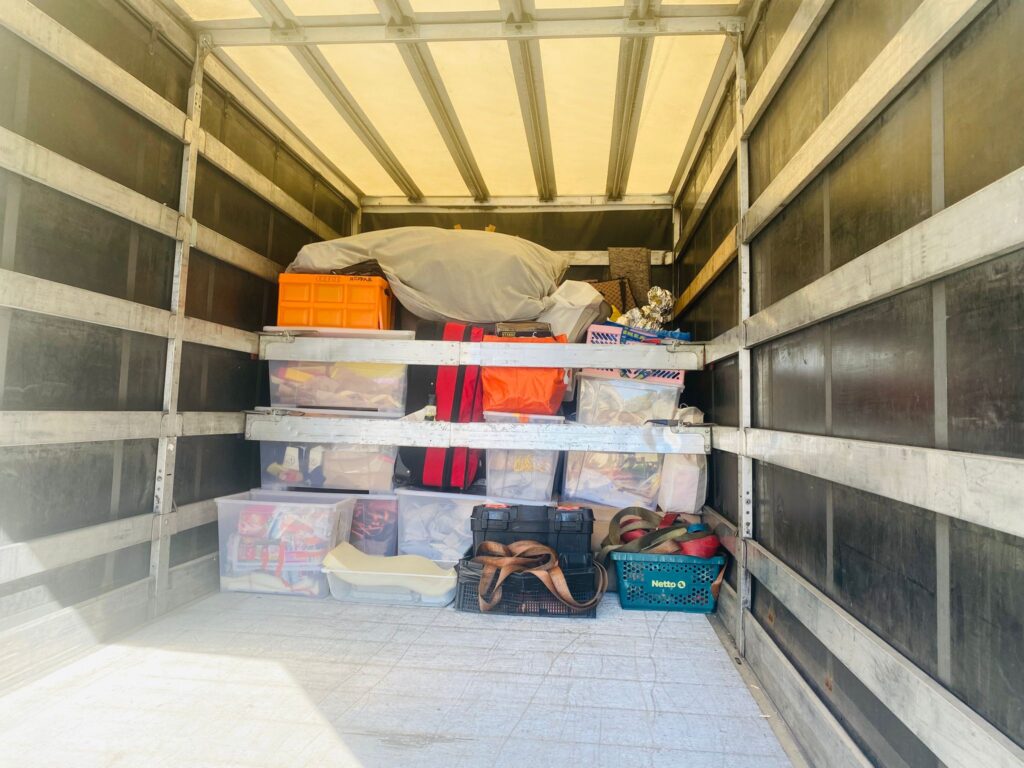
Pick the right van size (Germany → Sweden)
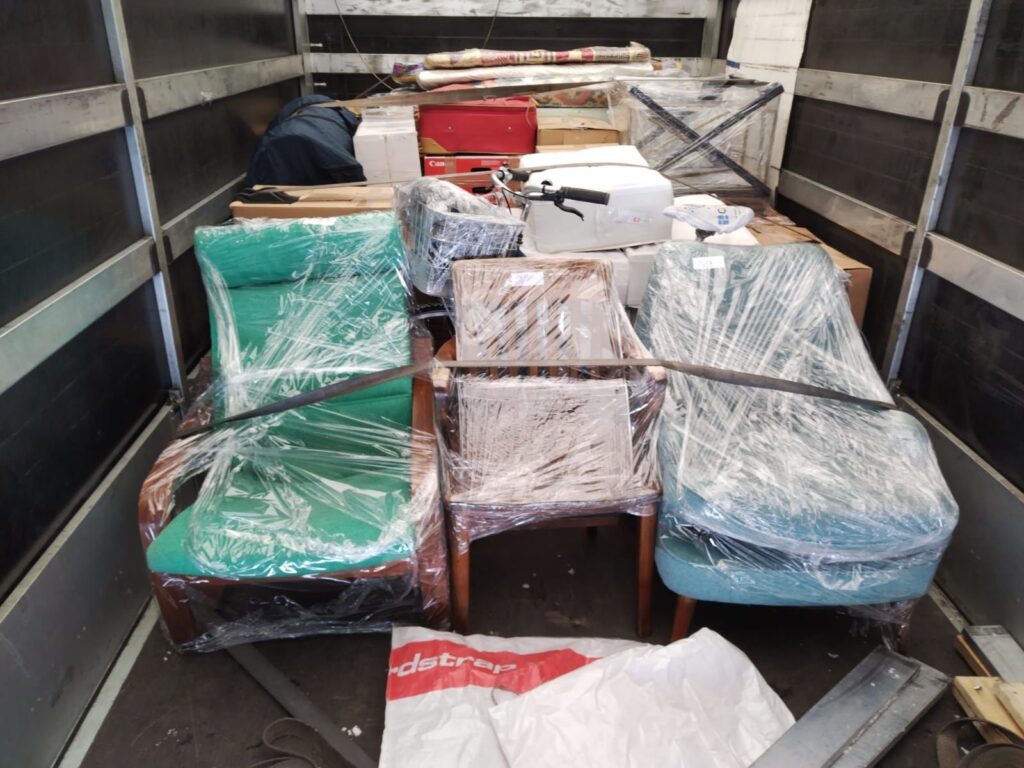
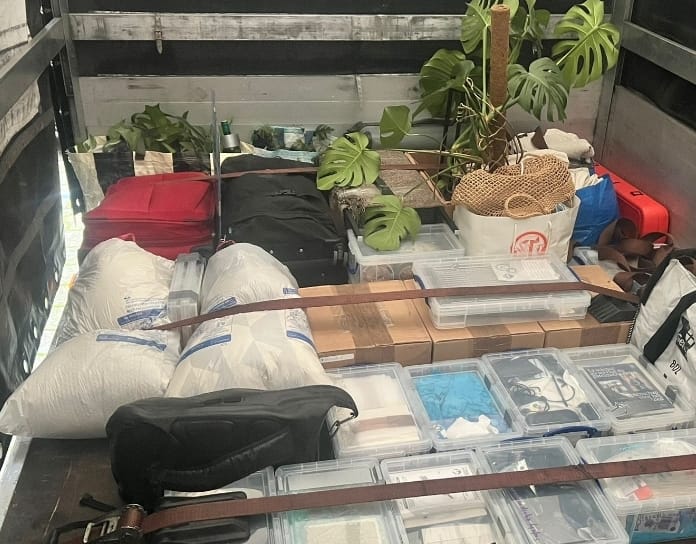
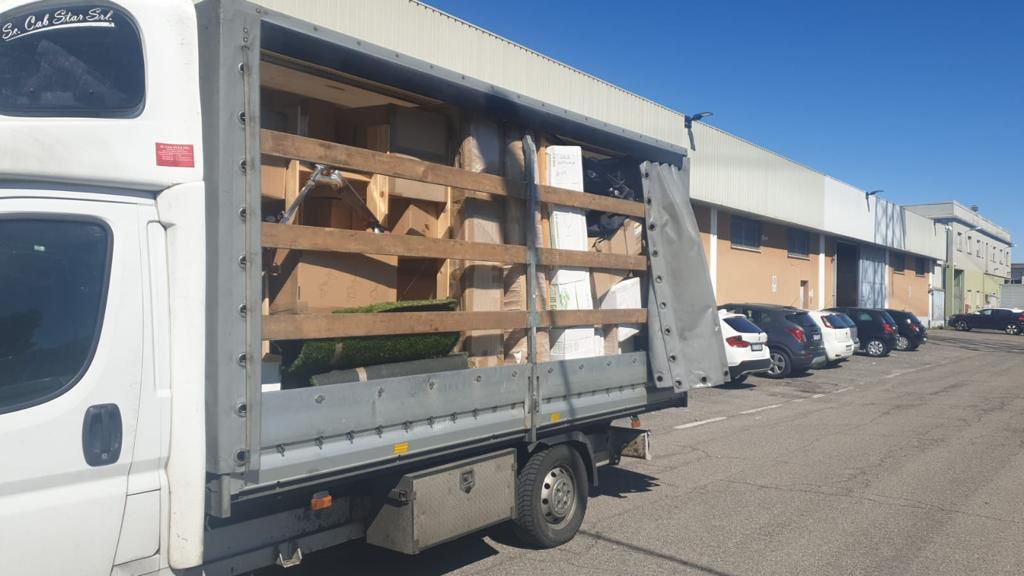
Choosing the correct van protects your goods and your budget. You want enough m³ to avoid over‑stacking, while staying within weight limits and matching your building access.
VANonsite vans with live GPS tracking:
| Vehicle | Capacity | Max Weight | Best For | Example Load |
|---|---|---|---|---|
| Moving Basic | 5 m³ | 300 kg | Minimal/student | 20–30 boxes + bike |
| Moving Medium | 10 m³ | 600 kg | 1–2 rooms | Boxes + small sofa + desk |
| Moving Premium | 15 m³ | 1,000 kg | 2–3 rooms | Bed + wardrobe + dining set |
| Moving Premium Plus | 30 m³ | 3,500 kg | Family apartment | Multiple rooms + appliances |
| Moving Full House XXL | 90 m³ | 20,000 kg | Whole home/office | Full household + outdoor gear |
Quick estimator
Studio 4–6 m³ • 1‑bed 8–15 m³ • 2‑bed 15–25 m³ • 3‑bed 25–40 m³ • 4‑bed+ 40–70+ m³.
How to measure your m³ (fast & accurate)
- Walk‑through video each room (30–60s), open wardrobes/storage.
- Count standard boxes (Small/Medium/Large) and note special crates.
- Measure the big five: sofa, bed/mattress, wardrobe, dining table, appliances.
- Add garage/balcony/storage items – bikes, tools, outdoor gear.
- Share with us; we’ll map it to a capacity band in minutes.
Weight vs. volume – safety first
- Dense items (books, tools, gym plates) hit weight limits fast even if volume seems small.
- Mix heavy items across multiple boxes; keep box weights lift‑safe (~20 kg).
- Avoid over‑stacking: fragile boxes ride on top, furniture wrapped and strapped.
Access constraints → van choice
| Access constraint | What it means | Van/plan tip |
|---|---|---|
| Stairs only / no lift | More manual carries, slower loading | Consider 10–15 m³ with extra crew vs. one oversized load |
| Small lift | Narrow doors/cabins; load in pieces | Disassembly via Furniture Removals; avoid 90 m³ to tiny courtyards |
| Narrow street/old town | Limited turning/parking | Use shuttle/shorter van; pre‑book bay and timing |
| Height/weight limits | Bridges/garages constrain vehicle | Choose suitable vehicle profile; share dimensions early |
| Long carry (50m+) | Door to van distance adds time | Add crew for efficiency; plan trolleys/ramps |
Dedicated vs. groupage (when it matters)
- Dedicated: your goods only, fastest and most predictable – best for tight handovers, fragile art, or VIP timing.
- Groupage: shared capacity; can lower cost for flexible timelines – clear labelling and inventory are essential.
Decision helper (van sizing)
- If your estimate sits at the top of a band, upsize to avoid overflow.
- If access is complex (stairs, long carries), a slightly smaller van + extra crew can beat a very large vehicle.
- For premium pieces, add White Glove Delivery for placement and assembly.
Share photos/video for an exact van match in minutes – or book a quick video survey.
Routes: ferries vs bridges (Germany → Sweden)
You can sail direct from Germany or drive via Denmark + Øresund. We design both for safety, time, comfort, and predictable ETAs. Below you’ll find route patterns, a quick matrix, and a checklist to help you choose – with seasonal tips for winter.
Most‑used corridors (at a glance)
- Direct ferries (DE→SE): Rostock ↔ Trelleborg, Travemünde ↔ Malmö, Kiel ↔ Göteborg. Fewer road miles, overnight cabin options, calm for families and pets.
- Bridge corridor via Denmark: Jutland → Storebælt → Øresund (land route with toll bridges). Maximises driving control and arrival timing.
- Hybrid short‑ferry + bridges: Puttgarden ↔ Rødby (short ferry) → Storebælt → Øresund. Balanced sea/road time.
Route matrix – compare in one view
| Corridor | Road Miles | Sea Time | Admin | Predictability | Best When | Notes |
|---|---|---|---|---|---|---|
| Rostock/Travemünde → Sweden (ferries) | Fewer | Longer | Simple | High once onboard | You want rest & fewer winter miles | Cabin rest, steady ETAs, weather‑contingent sailings |
| Kiel → Göteborg (overnight) | Fewest | Long | Simple | High | West Sweden destination, heavy loads | Good for 30–90 m³, reduces driving hours |
| Jutland → Storebælt → Øresund (bridges) | More | None | Tolls | Very high | Tight delivery slots, flexible timing | Pure land route; plan fuel/rest and toll payments |
| Puttgarden ferry → Øresund (hybrid) | Moderate | Short | Tolls + short ferry | High | You want some sea rest + timing control | Useful for Berlin/Hamburg origins |
We’ll propose two options in your quote – one ferry‑led, one bridge‑led – and recommend the safest/fastest for your dates.
Winter & weather playbook
- Build a buffer window around storms and snow.
- Prefer ferry‑led routes in heavy snow to cut road risk; choose bridge‑led routes when high winds threaten sailings.
- Keep winter kit on board (see Section 10): blankets, shovel, traction mats, chargers.
- We monitor conditions live and can re‑route mid‑journey; your link shows GPS tracking and revised ETA.
Tolls, height & access
- Bridges involve tolls; choose the best payment method in advance (digital/at‑plaza).
- Share vehicle height/length constraints for garages and old towns.
- ADR/hazardous goods are not carried; see Section 4.5 for restricted items.
Family, pets & comfort
- Ferries: book cabins for proper rest; pet‑friendly options exist.
- Bridges: plan service‑area stops and kid‑friendly breaks; keep snacks, water, and an Open‑First bag handy.
Quick decision checklist
- Need maximum rest or travelling with pets/kids? → Ferry‑led.
- Need tight delivery window or complex city access? → Bridge‑led.
- Severe wind forecast? → Bridge‑led. Heavy snow/ice? → Ferry‑led.
- West Sweden destination (e.g., Göteborg)? → Kiel ferry often wins.
Arrival planning (cities)
- Stockholm/Malmö: reserve loading bays, check height limits and time windows.
- Gothenburg: consider staged delivery for large volumes; 30–90 m³ aligns well with overnight ferry timing.
- Old towns/narrow streets: switch to shuttle van for final metres.
Port/bridge checklist
- Check‑in windows • Vehicle height/length • Cabin vs seats • Pet rules • Backup sailing/route for storms • Toll payment method • City access permits.
Packing & protection (DIY or pro)
Great packing cuts claims, speeds unloading, and protects your budget. Follow these steps – or let our Packing Service handle it end‑to‑end.
5‑step system
- Declutter (−10–20%).
- Zone by room/use.
- Protect: double‑walled boxes, corner guards, furniture blankets.
- Label/index: Room‑Category‑Number (e.g., KITCH‑Fragile‑07).
- Open‑First boxes: one per person + one home kit.
Box sizes – what to use and why
| Box type | Typical size (cm) | Max suggested weight | Best for | Notes |
|---|---|---|---|---|
| Small | 35×35×35 | ≈ 15–18 kg | Books, tools, pantry tins | Dense items; keep lift‑safe |
| Medium | 45×45×45 | ≈ 20 kg | Mixed household, shoes, toys | Most common, stacks well |
| Large | 60×40×40 | ≈ 15 kg | Bedding, light bulky items | Avoid overloading with books |
| Wardrobe | 60×50×100 | – | Hanging clothes | Prevents creasing; add base tape |
| Crate (plastic) | Varies | – | Fragile/IT/glass | Reusable, stackable, eco‑friendly |
Materials checklist
- Double‑walled boxes • Acid‑free tissue • Packing paper • Bubble wrap • Stretch wrap • Mattress covers • Corner/edge guards • TV/monitor crates • Furniture blankets • Heavy‑duty tape • Labels/markers.
Fragile playbook
- Glass/ceramics: wrap individually; use soft bed of paper; no voids.
- TVs/monitors: vertical only; crate where possible.
- Frames/art: corner guards + face protection; consider White Glove.
- Appliances: drain hoses, tape doors; bag screws/bolts and attach.
Labelling that speeds unloading
Use Room–Category–Number + Priority (1–3). Example: BED2–Clothes–12 (P1).
Common mistakes (avoid)
- Over‑weight large boxes; cracked bases.
- Liquids in shared/groupage loads.
- No inventory list → slower claims/admin.
- Missing access notes → longer carries and extra time.
When to upgrade to services
- Packing Service: time‑poor moves, mixed fragile items, international handovers.
- White Glove Delivery: pianos, art/antiques, premium appliances, complex assembly.
- Furniture Removals: disassembly/reassembly and stair‑safe handling.
Service links
Move‑day & first 72 hours in Sweden
A smooth handover starts with simple routines and clear roles. Keep sentences short. Stay on schedule. Use live GPS tracking to coordinate ferries/bridges and arrival windows.
The day before (final prep)
- Charge phones and power banks; share the GPS tracking link with all decision‑makers.
- Reserve parking bays/lifts; print or save permits and access codes.
- Pack your Do‑Not‑Ship pouch: passports/IDs, keys, meds, chargers, contracts, jewellery.
- Defrost and dry the freezer; drain appliances and garden tools.
- Photograph metre readings (origin) and valuable item conditions.
- Label Open‑First boxes and place them last on the van for first‑off unloading.
Move morning (handover & protection)
- Walkthrough with the crew lead; agree the load order and room colours.
- Protect high‑traffic areas: floors, doors, corners, lift interiors.
- Confirm inventory and box counts; tag “Fragile” and P1 priority boxes.
- Enable GPS notifications for ETA updates; keep a charged phone with the crew lead’s number.
Transit (calm & connected)
- Follow live ETAs; we re‑route for weather or traffic (e.g., switch ferry/bridge when needed).
- Keep snacks, water, and a small comfort kit accessible, especially with kids/pets.
- If a sailing is rescheduled, you’ll receive an updated ETA in the GPS link.
Arrival (first 2 hours – fast setup)
- Place by label/colour straight from the van – no staging bottlenecks.
- Assemble beds and connect essentials (fridge, kettle, router) first.
- Walk the checklist: items delivered, packaging removed, access left clean.
- Photograph metre readings (destination) and confirm final inventory.
First 72 hours (admin & comfort)
- Day 0–1: utilities and internet, register for building access/parking apps, basic grocery shop.
- Day 1–2: population registration (folkbokföring) steps, book ID‑kort/BankID appointments, GP clinic choice.
- Day 2–3: school enrolment follow‑ups, waste/recycling setup, bank account tasks once ID is ready.
- Ongoing: note any snags for quick aftercare; our team remains your single contact.
Open‑First essentials (table)
| Category | What to pack | Why it matters | Who/Notes |
|---|---|---|---|
| Personal | IDs, meds, chargers, glasses, basic toiletries | Keeps you operational from hour one | One pouch per adult/teen |
| Kitchen | Kettle, mugs, cutlery set, pan, snacks, opener | Hot drinks + quick meals without unpacking | Add baby items if needed |
| Bedding | Sheets, pillows, duvets for all beds | First night sleep comfort | Include kids’ favourite blanket |
| Tools | Utility knife, screwdrivers, bits, tape, bulbs, multi‑plug | Fast reassembly and fixes | Keep a small step stool |
| Cleaning | Cloths, spray, bin bags, paper towels, gloves | Leave both homes clean; reduce deposit risk | Add microfibre cloths |
| Kids/Pets | Toys, nightlight, nappies, pet food, bowls, leash | Reduces stress and keeps routines | Pack a spare outfit/blanket |
Building micro‑checklist (apartments)
- Lift booking confirmed • Loading bay reserved • Neighbours notified when required • Waste cards/apps activated • Stairwell protection removed at the end.
Issue triage (who to tell?)
Minor packaging left → driver; missing screw/bolt → crew lead; delayed ferry ETA → ops via GPS chat; visible damage → photograph + note on delivery sheet; follow claim instructions in your welcome pack.
Vehicles, winter & special cases
Every route and season needs a safe vehicle setup. We plan for weather, access, and item specifics – from car imports to pets and premium pieces.
Importing a car (high‑level steps)
- Gather vehicle documents: registration, purchase proof, certificate of conformity (CoC), ID/insurance.
- Plan inspection/registration steps after arrival; book slots early in busy cities.
- Budget for plates/registration/admin; store spare keys separately.
- If timing is tight, ask about staged delivery so you can attend appointments.
Winter readiness (Sweden‑grade)
- Tyres appropriate for winter conditions (studless/studded per local rules) and correct tread depths.
- Pack a winter kit: scraper/brush, de‑icer, blankets, gloves, shovel, traction mats, torch, phone chargers, snacks/water.
- Allow buffer for snow or high winds; we may favour ferry‑led routes to reduce road miles.
- Protect entrances with mats and runners; keep salt or grit handy for steps.
Pets (calm travel)
- EU Pet Passport, microchip, and rabies vaccination up to date.
- Ferries: book pet‑friendly cabins/kennels; bring familiar bedding and water.
- Land routes: schedule regular breaks; never leave pets unattended in vehicles during temperature extremes.
- Keep vet records and a small first‑aid kit with you.
Special items (premium handling)
- Pianos, art/antiques, servers, aquariums: consider White Glove Delivery for crating, carry teams, and placement.
- Large furniture: coordinate Furniture Removals for disassembly/reassembly that suits stairwells and lifts.
- Temperature‑sensitive goods: plan winter wraps and short carry distances.
Insurance & documentation
- Choose the right transit cover level; declare high‑value items and keep serials/photos.
- Keep the signed inventory and delivery notes; photograph any concerns at handover.
- For aftercare or claims, use your booking reference; our team responds with next steps.
Open‑First (table)
Personal • Kitchen • Bedding • Tools • Cleaning • Kids/Pets.
Vehicles, winter & special cases – extended
Below is an at‑a‑glance add‑on to Section 10. It turns winter notes and vehicle choices into quick, actionable cards you can paste into the live article.
City winter access cheat sheet (quick table)
| City | Typical access constraints (winter) | What to book in advance | VANonsite tip |
|---|---|---|---|
| Stockholm | Height limits in garages; narrow inner‑city bays | Loading bay + time window; stair/ lift booking | Use shuttle van for old‑town streets |
| Gothenburg | Harbour winds; steep approaches in some districts | Overnight ferry sync; bay near entrance | Stage delivery for 30–90 m³ |
| Malmö | Bridge winds (Øresund) can shift ETAs | Flexible arrival slot; indoor route to lift | Hybrid route: short ferry + bridges |
| Uppsala/Lund | Student move‑ins peak; bike traffic | Early AM slots; lift guards & corner protection | Add crew for long carries |
| Northern towns | Snow/ice, limited daylight | Heated entrance mats; salt/grit | Prefer ferry‑led routes in heavy snow |
Car import quick checklist (no bureaucracy deep‑dive)
- Documents: registration, purchase proof, CoC, ID/insurance, spare keys.
- Arrival plan: book inspection/registration appointments early.
- Winter: correct tyres for conditions; keep traction aids in the boot.
- Admin: budget for plates/registration; store originals in your Do‑Not‑Ship pouch.
- Tip: if you must attend appointments, ask about staged delivery so your goods arrive around your admin slots.
Pet travel planner (calm & safe)
- EU Pet Passport, microchip, rabies vaccination checked and current.
- Ferries: reserve pet‑friendly cabin/kennel; bring familiar bedding and water.
- Land route: plan service‑area breaks; never leave pets in vehicles during temperature extremes.
- Pack: leash/harness, bowls, food, waste bags, wipes, vet records, small first‑aid kit.
Cost quick‑reference (no prices)
Use the live capacity bands on Removals to Sweden. Then request your tailored quote. Below is a fast checklist you can paste under the pricing link to increase conversions without listing rates.
Quote request checklist (what to tell us)
- Origin & destination addresses + floor/lift info.
- Preferred collection/delivery window (flexible or fixed).
- Estimated volume in m³ (use Section 6 or video walk‑through).
- Any special items (piano, art, IT, appliances).
- Access notes: stairs, long carries, courtyard, height limits.
- Route preference: ferries or bridges (we’ll recommend both).
- Service level: DIY pack / Packing Service / White Glove.
- Storage bridging (if keys/handovers don’t align).
What affects your quote (and how to keep it lean)
| Factor | Influence | How to lower it (without cutting safety) |
|---|---|---|
| Volume/weight | Van size, crew time | Declutter 10–20%; right‑size via photo/video survey |
| Access | Carries, stairs, parking | Reserve bays/lifts; share distances & codes early |
| Route | Ferries/tolls vs road miles | Be flexible on sailing/bridge timings |
| Season & dates | Availability buffers | Mid‑week moves; off‑peak windows |
| Service level | Packing/White Glove time | DIY non‑fragiles; pro‑pack fragile/premium only |
No fixed prices here – the live table on Removals to Sweden keeps this page evergreen and accurate.
FAQs
Below are concise answers with clear next steps. Keep sentences short. Where relevant, we point you to the right section or service.
Q1. Do EU citizens need a visa to move from Germany to Sweden?
No visa is needed for EU/EEA/Swiss citizens. Your focus is arrival registration in Sweden: folkbokföring → personnummer, then ID‑kort and BankID. See Section 3.2 and link: How to Relocate to Sweden.
Q2. How long until I receive my personnummer?
Timing varies by city and season. Book early, keep documents consistent (ID, address proof, work/study proof). Plan for weeks, not days. Start other setup meanwhile (utilities, GP pre‑choice). See Section 3.2 for the sequence.
Q3. What van size fits a 2‑bed flat?
Most 2‑bedroom moves map to 15–25 m³. If access is complex (stairs, long carry), consider 15 m³ + extra crew rather than one oversized vehicle. Use our photo/video survey to refine. See Section 6 for estimators and the van table.
Q4. Which route is faster in winter – ferry or bridges?
It depends on weather. In heavy snow/ice, a ferry‑led plan cuts winter road miles. In high winds, bridge‑led plans avoid sailing disruption. We monitor conditions live and re‑route with GPS‑tracked ETAs. See Section 7.3.
Q5. Can you handle pianos, IT equipment, or antique furniture?
Yes. Use White Glove Delivery for crating, specialist carry teams, and room‑placement. For disassembly/reassembly, add Furniture Removals. Flag special items in your inventory so we plan correctly.
Q6. What can’t go on the van?
No dangerous goods (ADR): paints/solvents, fuel, gas cylinders, strong chemicals, fireworks, weapons. Limit aerosols and avoid perishables. See Section 4.5 + 4.9 for summary tables.
Q7. Do you offer last‑minute moves and storage?
Yes, subject to capacity. We can deploy Last Minute Moving and short‑term Storage for date gaps. Flexible windows help. Share access notes and volume to confirm a slot quickly.