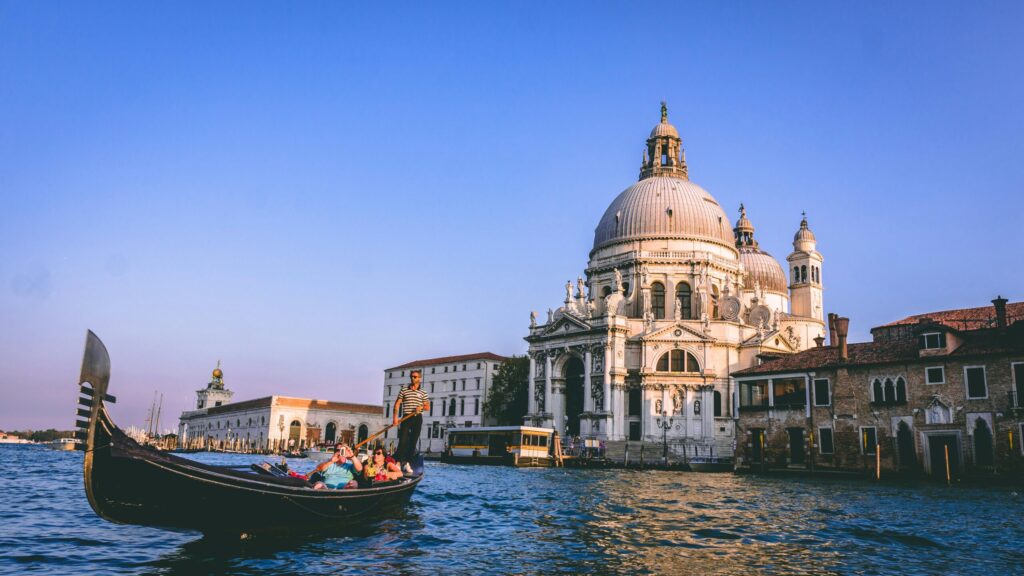
Introduction: Why Moving to Venice Feels Like Stepping Into a Dream
Moving to Venice Italy is not just a change of address, it is a complete shift in how you wake up, move, work and breathe every single day. Instead of battling traffic and crowded metros, you step off a vaporetto with your suitcase in hand, surrounded by canals, church bells and the soft echo of footsteps on stone. Life here unfolds in narrow calli and across ancient bridges, in golden sunsets over the lagoon and quiet mornings when the city feels like it belongs only to you. This guide is for students chasing a semester abroad, professionals relocating for a new role, families searching for a slower rhythm, retirees finally answering a lifelong dream and digital nomads who want a base that feels truly unforgettable. At the same time, it does not hide the real challenges: Italian bureaucracy, the cost of living, complex transport in a city without cars and the very practical question of how to move your furniture into such a unique place. That is where a trusted European man and van partner like VANonsite changes everything, handling the heavy lifting, timing and logistics so you can focus on building your new life. As you read, you will also discover how VANonsite manages seamless long distance removals to Italy and Venice in particular, giving you peace of mind from the very first planning stage: https://vanonsite.com/removals-to-italy/.
TL;DR: Moving to Venice, Italy in 7 Key Steps
- Dream of swapping traffic jams for canals and gondolas. Remember that Venice is car free, so your whole routine will revolve around walking, water buses and bridges.
- Check your right to live in Italy, understand whether you need a visa and gather the required documents, always verifying details on official Italian government and consular websites.
- Decide whether you want to live inside the historic lagoon or on the mainland in Mestre or Marghera, balancing rent prices, daily convenience and the atmosphere you crave.
- Partner with a trusted European man and van company like VANonsite for removals to Italy, choosing the perfect vehicle size for your load and tracking your belongings with real time GPS from door to door.
- Prepare for Venice specific logistics such as possible boat transfers, narrow calli, time windows, permits and carrying furniture over countless bridges on moving day.
- Build a realistic budget for Venetian life that includes rent, utilities in damp buildings, transport passes and food, so the magic of the city does not turn into financial stress.
- When your plan feels solid, request a personalised quote from VANonsite for fast, secure removals to Venice and the rest of Italy: https://vanonsite.com/removals-to-italy/.
First Things First: Can You Legally Move to Venice?
Before you fall in love with sunset walks along the Zattere, you need to know whether you are actually allowed to live in Venice and on what terms. This section explains in plain language how rules differ for EU/EEA/Swiss citizens and non EU nationals, and how to check the latest requirements on official Italian government portals rather than random blogs.
EU vs non EU citizens
If you are an EU, EEA or Swiss citizen, moving to Venice is mainly about registration, not visas. You benefit from freedom of movement, but there are still rules and deadlines you must respect once you settle on the lagoon.
- Free movement and entry: EU/EEA/Swiss citizens can enter Italy with a valid passport or national ID card and stay for up to 3 months while they look for housing, study options or work. In the full article we explain how this works in practice and link to official information on travel documents at the Italian tourism portal: https://www.italia.it/en/italy/practical-information/travel-document-italy.
- Stays longer than 3 months: If you decide to live in Venice long term, you normally need to register your residence (iscrizione anagrafica) with the local comune and show that you are working, studying, self sufficient or a family member of someone who is. We point readers toward official guidance on EU citizens living in Italy and the Portale Integrazione Migranti: https://www.integrazionemigranti.gov.it/en-gb/.
- Registration with local authorities: The guide walks through the basic steps of registering with the municipal registry in Venice, what documents are usually requested, and why it is important for accessing services, schools and healthcare.
For non EU citizens, the rules are stricter and usually involve visas and residence permits. The article clearly separates EU and non EU scenarios so readers can follow the path that applies to them.
Visa options for non EU citizens
If you are not an EU/EEA/Swiss citizen and you want to live in Venice, you will almost always need a visa before entering Italy and then a residence permit once you arrive. Instead of listing outdated rules, the article shows readers how to use the official Visa for Italy portal and consular pages, and then explains the most common paths in simple terms.
- Work visas: Overview of the basic steps if you have a job offer in Italy, including the role of the Italian employer, the nulla osta (work authorisation) and the subsequent visa application through an Italian consulate. We send readers to the official Ministry of Foreign Affairs pages for updated details: https://vistoperitalia.esteri.it/?lang=en_US and https://www.esteri.it/en/servizi-consolari-e-visti/.
- Study visas (Ca’ Foscari and beyond): Short explanation of how international students accepted by universities in Venice can apply for a study visa, what universities usually provide, and why it is crucial to follow the checklist published by the consulate and the Visa for Italy portal.
- Family reunification: A simple breakdown of how family reunification works if your spouse or close family member is already legally resident in Italy, with a reminder to always refer to official consular instructions before preparing documents.
- Elective residency and retirees: Description of the elective residence route for people who can support themselves without working in Italy, and which type of reader this usually suits, with a note that income thresholds and documentation are always confirmed on official government websites.
- Digital nomads and remote workers: Brief overview of the evolving rules around the Italian digital nomad visa and similar residence options for remote workers, with the promise to link directly to official Italian government updates and portals that define who qualifies and which documents are needed.
Throughout this subsection, the outline reminds the writer to emphasise that full, current requirements must always be checked on the official Visa for Italy database: https://vistoperitalia.esteri.it/?lang=en_US, not on third party sites.
Core documents you will need
No matter which path you follow, you will end up preparing a small “life pack” of documents that keeps coming up during your move. This part of the guide lists the usual suspects and gently pushes readers to verify every detail on Italian government websites before booking appointments or flights.
- Valid passport: Explanation that your passport must be valid for a certain period beyond your stay, with a note that readers should always double check the exact rules on Visa for Italy (https://vistoperitalia.esteri.it/?lang=en_US) and on the Italian Ministry of Foreign Affairs site (https://www.esteri.it/en/).
- Birth and marriage certificates: Guidance on requesting recent, apostilled or legalised copies where needed, and on checking consular instructions for translation requirements.
- Proof of income and health insurance: Clarification that many visa categories require you to show stable income, savings and private health insurance, and that the minimum thresholds and accepted documents are defined on official portals such as Visa for Italy and the Italian consulate serving your country.
- Criminal record check: Brief explanation of when a police clearance or criminal background check might be requested, with a reminder that readers must follow the format and validity rules specified by the consulate.
- Residence permit and entry rules: Short preview of the next section, mentioning that after entering Italy non EU citizens must usually apply for a residence permit (permesso di soggiorno) within a fixed time frame, following the instructions on the Polizia di Stato website (for example: https://www.poliziadistato.it/articolo/residence-permit and https://www.poliziadistato.it/articolo/entry-visa).
At the end of this section, the guide reassures readers that even though the list looks intimidating, a clear checklist and a bit of organisation make the legal part of moving to Venice manageable.
Understanding Italian Bureaucracy Without Losing Your Mind
Once you know that you are allowed to live in Venice, the next hurdle is learning how Italian bureaucracy works in everyday life. This part of the guide breaks down the essentials into small, digestible steps so you do not feel overwhelmed by acronyms, offices and paperwork.
Codice Fiscale, residency and registration
The Codice Fiscale is the key to almost everything in Italy, from renting an apartment to opening a bank account and signing a phone contract. In Venice, just like in the rest of the country, you will usually sort it out very early in your move.
- What Codice Fiscale is and why you need it: Clear explanation that this is your Italian tax identification number, similar to a National Insurance Number or Social Security Number, and that you will need it for contracts, utilities, banking, work and healthcare. The guide points to the official Italian Revenue Agency page in English so readers can see the formal definition and process: https://www.agenziaentrate.gov.it/portale/web/english/nse/individuals/tax-identification-number-for-foreign-citizens.
- How to get your Codice Fiscale: Overview of typical options: at an Agenzia delle Entrate office in Italy, sometimes through the comune, or at an Italian consulate abroad before moving. The outline reminds the writer to list the usual documents (passport, visa or permit if applicable) and to link back to the Agenzia delle Entrate.
- Registering with the comune of Venice: Short step by step view of registering your civil residence with the municipal registry once you have a stable address, plus a note that procedures and booking systems may change and should be confirmed on the Comune di Venezia website.
- Residence permit steps for non EU nationals: Brief preview of how non EU citizens move from visa to residence permit, mentioning the role of the Questura and official instructions on the Polizia di Stato website, and setting up a more detailed explanation in later sections.
Health care registration
Italy’s public health system, the Servizio Sanitario Nazionale (SSN), can feel confusing at first, but it is a huge part of feeling safe once you live in Venice.
- Overview of the public health system (SSN): Simple explanation of how the SSN works, how regions manage services and how residents in Venice register with the local health authority to access doctors and hospitals.
- Registering with a family doctor: Outline of the process for choosing a medico di base, what documents you usually need (residence certificate, Codice Fiscale, ID and in some cases your residence permit) and where to find official forms and opening hours on regional health websites.
- Private insurance and transition period: Advice on why many new arrivals keep private health insurance for the first months, especially while waiting for their residence permit and SSN registration.
Opening a bank account and sorting taxes
Money is another practical pillar of your new life in Venice. This section shows readers how to open a bank account without panic and when it makes sense to ask for professional tax help.
- Basic banking documents: Short list of what banks typically ask for: passport or ID, Codice Fiscale, proof of address and sometimes proof of income or a residence permit. The guide encourages readers to contact their chosen bank in advance and to keep digital copies of all documents.
- Types of accounts for newcomers: Brief explanation of standard current accounts, online banks and accounts aimed at expats or students, with a reminder to compare fees and language support.
- Why speaking with a tax advisor can save you stress: Gentle warning that Italian tax rules can be complex, especially if you have income from other countries. The article suggests talking to a commercialista to avoid mistakes and mentions that official information and forms are available on the Agenzia delle Entrate site: https://www.agenziaentrate.gov.it/.
By the end of this chapter, the reader should feel that Italian bureaucracy is still detailed and sometimes slow, but no longer mysterious.

Where to Live: Venice Island vs Mestre vs Marghera
Choosing where to live is one of the most emotional and practical decisions you will make when moving to Venice Italy. Do you want to wake up to the sound of water lapping against the fondamenta in the historic center, or would you rather have a bigger apartment and easier access to supermarkets on the mainland in Mestre or Marghera? This chapter helps you weigh atmosphere against budget, romance against convenience, so you can pick the part of Venice that truly fits your life.
Historic Venice (Centro Storico)
Living in the historic center means stepping into a painting every time you leave your front door. You walk through centuries of history on your way to buy bread, cross tiny bridges with names you slowly learn by heart and watch the light shift over the lagoon with the seasons. For many people, this is the dream that makes moving to Venice irresistible.
- Pros: The obvious advantages are beauty, atmosphere and a completely car free lifestyle. You can walk everywhere, hear church bells instead of engine noise and feel part of a unique, tight knit community. You are close to museums, galleries, universities and some of the most iconic squares in the world.
- Cons: The price for all that magic is higher rent, more humidity and the constant presence of tourists in the most central areas. Aqua alta, or high tides, can disrupt your routine at certain times of year, and older buildings may feel cold and damp in winter if they are not well insulated.
- Best sestieri for different lifestyles: The article will gently guide readers through the main districts. Cannaregio for a more local feel and easier access to the station, Dorsoduro for students and art lovers, San Polo for lively markets and central streets, Santa Croce for a slightly quieter, more residential atmosphere, San Marco for those who want to be in the very heart of things and Castello for a mix of authentic neighborhoods and green spaces.
Mestre and Marghera on the mainland
Mestre and Marghera sit on the mainland, just a short bus, tram or train ride from the lagoon. They are not as picture perfect as the historic center, but they offer something many people moving to Venice urgently need: more space for less money and easier access to everyday services.
- Lower housing costs: Rents in Mestre and Marghera are usually significantly lower than in the historic center, which can make a big difference if you are moving with a family, starting a new job or trying to keep your budget under control.
- Everyday convenience: On the mainland, it is easier to find large supermarkets, shopping centers, gyms and parking. If you own a car, you can actually use it here, which can be handy for trips outside the region.
- Commute times into Venice: Regular buses, trams and trains link Mestre and Marghera with Venice Santa Lucia and Piazzale Roma. In the full article, this section can give readers approximate commute times and practical tips for choosing a home that keeps the journey short and simple.
How to find an apartment
Finding the right apartment in or around Venice requires patience and strategy. The local rental market is split between tourist rentals, long term contracts and student housing, and each behaves differently.
- Popular portals and local agencies: The outline invites the writer to mention well known real estate portals and the value of contacting local agencies who understand Venetian buildings and neighborhoods. It can also suggest Facebook groups and community boards where long term rentals sometimes appear.
- Typical rental contracts and deposits: In the article, this point will explain common contract types in Italy, the usual duration of leases, how security deposits work and what rights and obligations both tenant and landlord have.
- What to look for in old Venetian buildings: Readers will be reminded to pay attention to humidity, heating systems, insulation, the number of stairs and the presence or absence of a lift. In Venice, a beautiful top floor flat might mean carrying groceries up four or five flights of narrow stairs.
Sample cost comparison table
To make the choice between historic Venice and the mainland easier to visualise, the final part of this chapter will introduce a simple comparison table. The table can show average monthly rent ranges for a one bedroom apartment in:
- A central sestiere in the historic center
- A more residential area of Venice
- Mestre
- Marghera
Alongside rent, you can also include columns for approximate commuting costs and comments about typical apartment sizes. This gives readers a quick, at a glance way to see how far their budget will stretch in different parts of the city.
Moving Your Belongings: Logistics in a City Without Cars
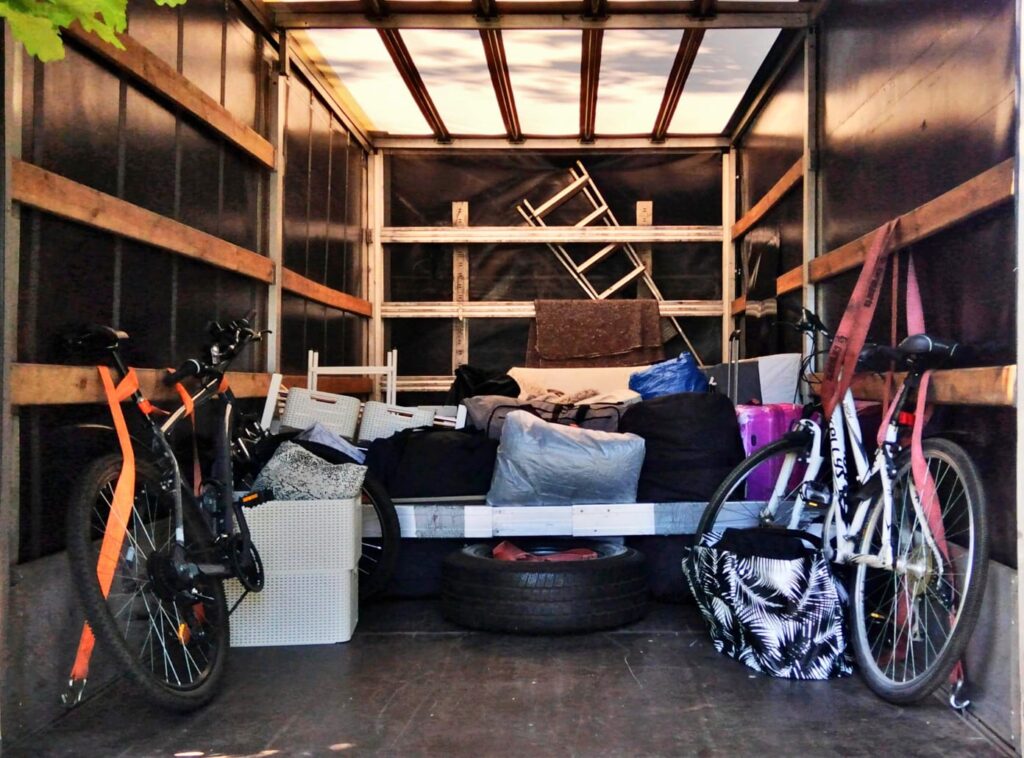
Moving your belongings to Venice is very different from moving within a normal city. There are no delivery trucks cruising narrow calli, no underground garages and no easy shortcuts. Every piece of furniture has to reach you via a combination of roads, bridges and, in some cases, boats. This is exactly why choosing the right man and van service becomes a crucial part of your moving plan.
Why a specialist man and van service matters in Venice
A standard removal company might understand highways and city traffic, but Venice demands much more precise planning. Streets are narrow, pedestrian only and often crowded. Many front doors open directly onto canals or tiny alleys, and high tides can affect when and where boats are allowed to pass.
A specialist man and van team used to working in and around Venice will:
- Map out the route to the nearest accessible drop off point in advance.
- Coordinate with any necessary boat services if your new home is only reachable from the water.
- Plan around tide tables and local regulations so that your belongings arrive when access is possible.
- Bring enough staff to safely carry boxes and furniture over multiple bridges and up staircases without lifts.
This level of detail saves you from chaos on moving day and protects your furniture, your nerves and your new relationship with your neighbors.
VANonsite vehicle sizes for different moves
VANonsite offers a flexible fleet of vehicles that can match almost any move, from a minimalist student room to a full family home. Choosing the right size keeps costs fair and reduces the risk of delays.
- Moving Basic (5 m³, up to 300 kg): Perfect for very small loads, such as a compact student move, a few pieces of furniture or personal belongings that fit into one small room.
- Moving Medium (10 m³, up to 600 kg): A smart choice for studio apartments or light one bedroom moves, where you have a bed, a few larger items and several boxes.
- Moving Premium (15 m³, up to 1000 kg): Ideal for a well furnished one bedroom or a smaller two bedroom flat, giving enough space for bulkier furniture without overpaying for empty capacity.
- Moving Premium Plus (30 m³, up to 3500 kg): Designed for larger apartments or small houses, especially for families who are bringing most of their furniture, appliances and personal items.
- Moving Full House XXL (90 m³, up to 20000 kg): The heavy duty option for full house moves, multi room properties or combined household moves where you want everything to travel together in one coordinated trip.
In the article, readers will be encouraged to think honestly about how much they really want to bring to Venice, and then match their load to the right man and van vehicle size with the help of a VANonsite consultant.
Using VANonsite for removals to Venice and the rest of Italy
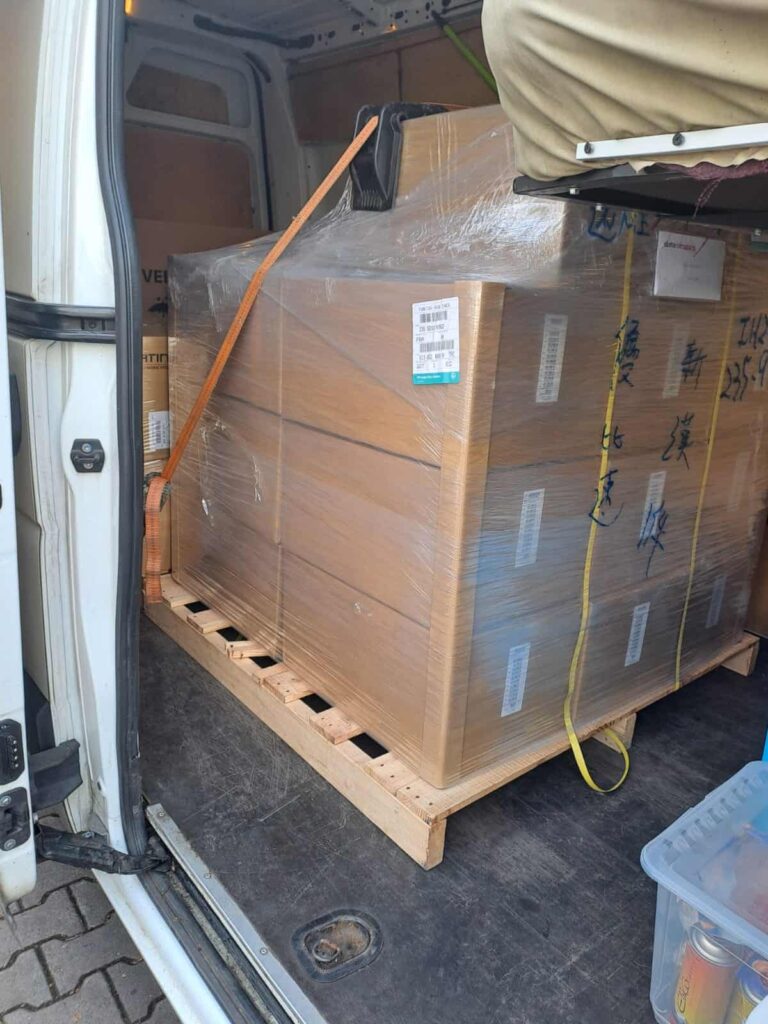
When you are moving across Europe, you want a partner who understands both long distance transport and the quirks of your final destination. VANonsite combines both. The company offers door to door European removals to Italy, planning your route, timing and customs formalities where needed, then handling the delicate final approach into Venice.
- Door to door service: Your belongings are collected at your old home and delivered as close as possible to your new front door, without unnecessary handling or storage in between.
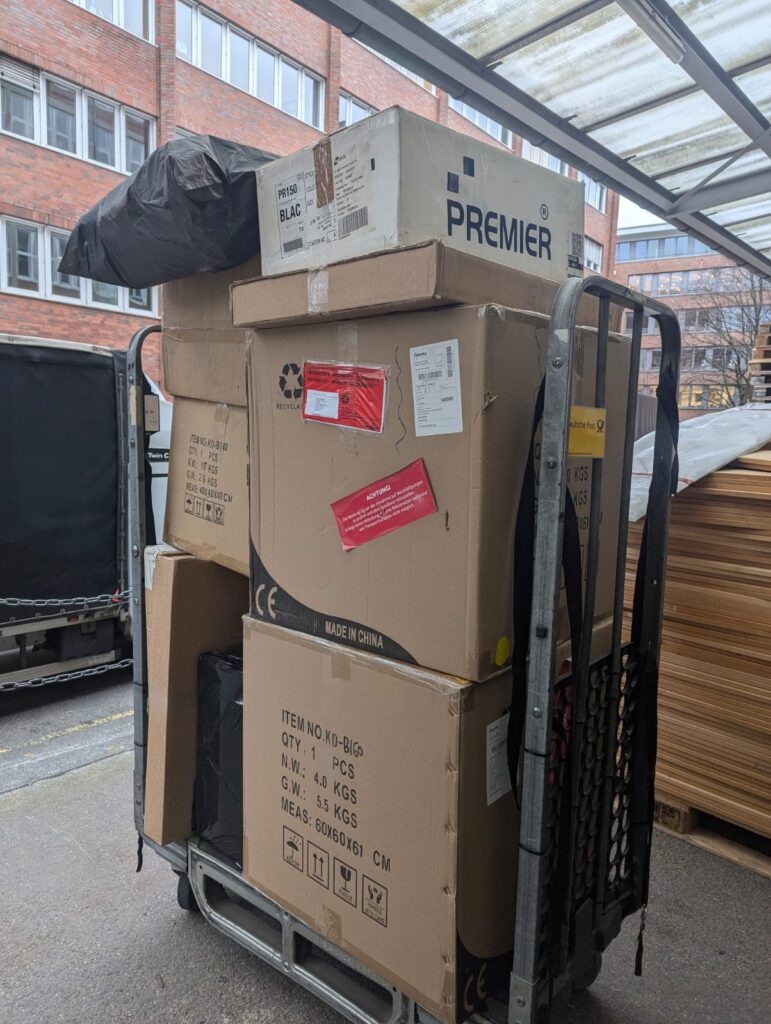
- Real time GPS tracking: Every load can be tracked via GPS, so you always know where your possessions are and when they are expected to arrive. This is especially reassuring when crossing several countries.
- Last minute moving options: Life happens. Study offers arrive late, job contracts are signed at the last second or landlords change dates. VANonsite’s last minute moving services give you flexibility when plans shift quickly.
- Specialist services for Venice: In the full article, this subsection will highlight how VANonsite coordinates with local partners for any boat transfers, arranges suitable time slots and respects Venetian regulations, so your move feels smooth rather than stressful.
Readers will be invited to learn more and request a tailored quote directly on the removals to Italy page: https://vanonsite.com/removals-to-italy/.
Moving day in Venice step by step
Finally, the guide will walk the reader through a typical moving day in Venice, from the first ring of the doorbell to the last box placed in the living room.
- Before the van arrives: You will have already agreed on a meeting point with your man and van team, cleared any necessary permissions with your building and checked whether canal access or bridges will influence the route.
- Coordinating land and water transport: If your new address is on an island or directly on a canal, VANonsite can help synchronise the arrival of the road vehicle with a water transport service, reducing waiting times and extra handling.
- Temporary parking and permits: The outline reminds the writer to explain how temporary parking, access permits or time slots may be needed in some areas and how an experienced removal company can organise these.
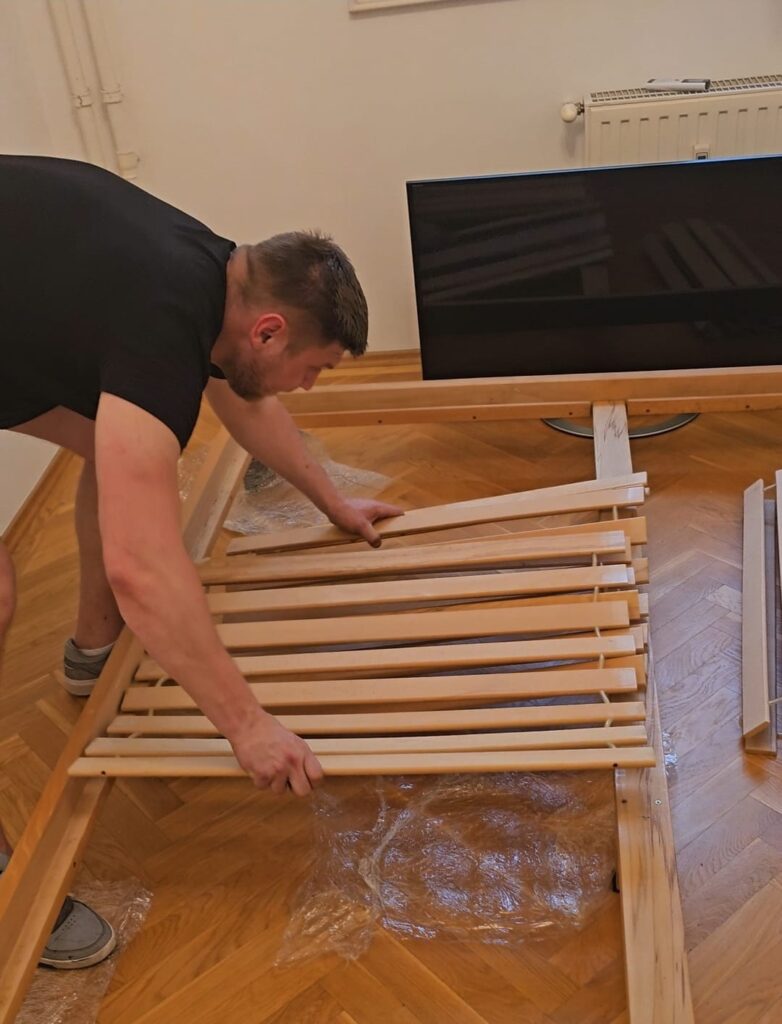
- Carrying furniture through Venice: Movers will then carry furniture and boxes over bridges, along narrow alleys and up staircases. The guide will include practical tips such as protecting corners, using lifting straps and communicating clearly with neighbors.
- Unpacking the essentials: The section closes with encouragement to unpack the essentials first, breathe in your new Venetian surroundings and take a quiet walk around your neighborhood once the man and van team leaves.
By the end of this chapter, readers should feel that even though moving belongings into a city without cars sounds complicated, the right preparation and a skilled partner like VANonsite make it completely achievable.

Getting Around: Life Without a Car
Venice turns the usual idea of getting around upside down. There are no private cars cruising the historic center, no rush to find a parking space and no quick escape on a ring road. Instead, your daily life flows along canals and cobbled alleys, on foot and by boat. This chapter helps readers understand what that really feels like and how to plan their routines so that errands, commutes and deliveries stay practical and enjoyable.
Public transport on water and land
Public transport in Venice is a mix of water and land services that connects the historic center, the islands and the mainland. Learning how it all fits together is one of the first things you will do after moving to Venice Italy.
- Vaporetti, water taxis and traghetti: The article will describe how vaporetti work as the city’s water buses, running along the Grand Canal and out to the islands. It will explain when a private water taxi might make sense, for example when you arrive with heavy luggage, and how cheap, simple traghetti offer short crossings over the Grand Canal when you do not want to walk all the way to the next bridge.
- ACTV passes and approximate costs: This section will introduce ACTV, the main public transport operator, and outline the typical types of passes available for residents, students and frequent users. Instead of giving outdated prices, the guide will show readers how to check current fares and passes directly on the ACTV website and how to calculate whether a monthly pass is worth it compared to single tickets.
- Buses, trams and trains between Venice and Mestre/Marghera: For those who live on the mainland or commute for work, the article will explain how buses and trams connect Mestre and Marghera to Piazzale Roma, and how trains run between Venice Santa Lucia and the mainland stations. It will suggest choosing a home that fits your preferred route and mention that early mornings and late evenings feel different from peak tourist hours.
Everyday movement
Beyond tickets and timetables, daily movement in Venice is about your feet, your patience and occasionally your creativity. You will quickly discover new rhythms that have nothing to do with driving.
- Walking as your main “vehicle”: The guide will describe how walking becomes your default mode of transport, and how your sense of distance changes when you measure it in bridges crossed rather than kilometers driven. It will encourage readers to invest in comfortable shoes and to think about how far their home is from key places like the vaporetto stop, school or workplace.
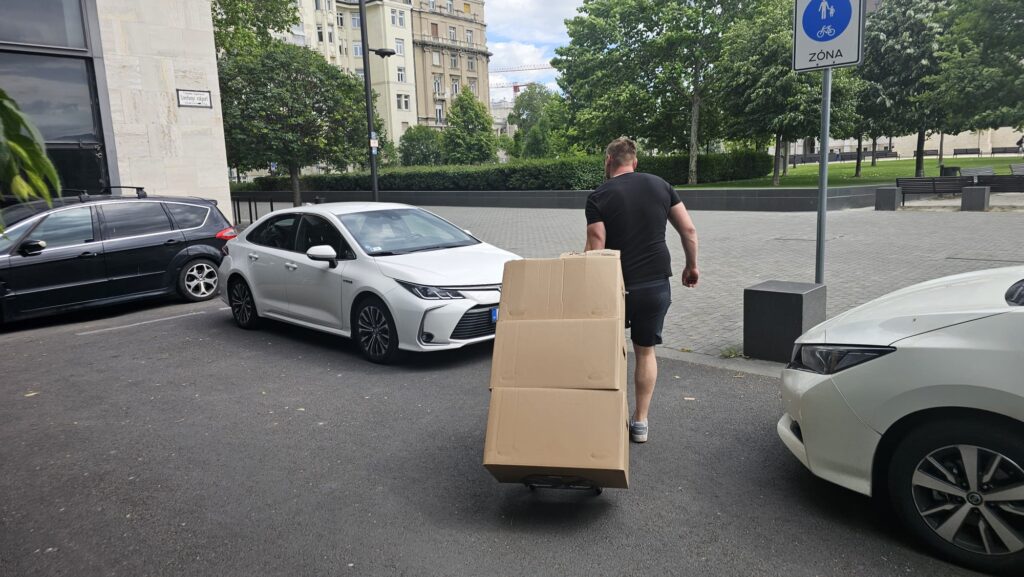
- Grocery runs and carrying heavy items: This point will explore the reality of shopping without a car. Smaller, more frequent grocery runs, a strong backpack and sometimes a foldable trolley can make life easier. For very heavy items or large purchases, readers will be reminded that local delivery services and a reliable man and van can save them from struggling alone through the calli.
- When a local man and van service helps with bulky deliveries: Even after the main move, there will be moments when you need to move a sofa, a wardrobe or a batch of new furniture. The article will explain how booking a man and van for a short local job in Venice or from the mainland can turn an exhausting ordeal into a quick, well coordinated task.
By the end of this chapter, readers should feel less intimidated by the lack of cars and more excited about the slower, more human scale rhythm of movement in Venice.
Cost of Living in Venice
Venice is often seen as expensive, and in some ways that reputation is deserved. However, the real picture is more nuanced. Some costs are higher than in other Italian cities, especially in the historic center, while others can be managed with smart choices. This chapter gives readers a clear, honest overview of the main expenses so they can build a solid budget before moving to Venice Italy.
Housing, utilities and internet
Housing is usually the largest monthly expense and varies dramatically between the lagoon and the mainland. Utilities also behave differently in old, sometimes damp buildings compared to modern apartments.
- Typical ranges for rent: The article will outline how rents for a small one bedroom or studio in the historic center often sit well above what you might pay in Mestre or Marghera. It will encourage readers to compare options across neighborhoods and to factor building condition and floor level into their decision.
- Heating, electricity and water in damp buildings: This point will explain how older Venetian buildings can be more expensive to heat, particularly in winter when humidity makes the air feel colder. It will mention that bills can fluctuate with usage and building insulation, and that readers should ask landlords about typical utility costs before signing a contract. Internet providers and speeds will also get a brief overview, so remote workers and digital nomads can plan ahead.
Food, transport and everyday expenses
Daily life in Venice includes groceries, coffee at the bar, occasional dinners out and regular transport costs. With a bit of awareness, you can enjoy the city without draining your savings.
- Supermarket vs markets like Rialto: The guide will compare shopping at large supermarkets, which usually offer better prices and a wide selection, with buying fresh produce at markets such as Rialto. It will suggest a mix of both, using markets for seasonal treats and supermarkets for staples.
- Transport passes and occasional taxi boats: This section will connect back to chapter 6 and show how monthly or annual ACTV passes can stabilise transport costs, while occasional splurges on water taxis are best kept for special situations such as very late arrivals or emergencies.
- Other everyday costs: In the full article, this bullet can be expanded to cover mobile phone plans, basic healthcare expenses not covered by the SSN, school supplies for families and small pleasures like gelato, museum passes or rowing lessons.
Simple cost comparison table
To help readers see the bigger picture, the chapter will close with a simple, fictional but realistic comparison table. It will present a sample monthly budget for:
- A single person living in the historic center
- A couple living in the historic center
- A single person living on the mainland (Mestre or Marghera)
- A couple living on the mainland
The table can include categories such as rent, utilities, transport, groceries, mobile and internet, plus a modest amount for leisure. The idea is not to give rigid numbers, but to show how lifestyle choices and location within the Venice area can transform the overall cost of living.
Working, Studying and Doing Business
Moving to Venice Italy is not only about admiring canals and palaces. At some point, you will want to work, study or grow a business. This section helps readers understand what real professional life looks like in and around the lagoon, whether they are looking for a local job, a university place or a way to run their freelance career from a Venetian desk.
Job market in Venice
The job market in Venice has a very distinctive shape. It is strongly influenced by tourism, culture and services, but there is also a growing group of remote workers who log into foreign companies while living in a historic city.
- Tourism, culture and hospitality: Many local roles are connected to hotels, guesthouses, restaurants, bars, shops, museums, galleries and event spaces. The article will explain what types of positions are most common, from reception and concierge work to tour guiding, event coordination, museum staff and back office administration.
- Language skills and contracts: This point will highlight how important Italian is for most customer facing jobs, and how knowing other languages can be a competitive advantage. It will also outline the basic types of employment contracts used in Italy and encourage readers to check official information on workers’ rights on Italian government portals.
- Seasonal opportunities: Venice has busy seasons and quieter months. The guide will mention what to expect from seasonal contracts, typical working hours during peak events like Carnival or the Biennale and why flexibility and stamina are valuable in hospitality roles.
- Remote work from Venice for foreign employers: Many professionals now keep their foreign jobs and simply relocate their laptop to Venice. This bullet will explain why the time zone suits European companies, how important a stable internet connection and a quiet workspace are and how co working spaces or calm cafes can complement a home office.
This subsection will close by encouraging readers to begin their job search early, use online platforms and also network in person once they arrive in the city.
Studying in Venice
Studying in Venice can feel like joining a living campus where lecture halls, libraries and studios are surrounded by canals and bridges. It is an inspiring, sometimes surreal environment for students.
- Universities and art schools: The article will introduce major institutions such as Ca’ Foscari University and IUAV, as well as art academies and specialist schools. It will encourage future students to check official university websites for degree options, course structures, fees and admissions procedures.
- Programs in Italian and English: Many undergraduate programs are taught in Italian, while there is an increasing number of postgraduate and specialist programs in English. This point will remind readers to check language requirements, proof of language level and any preparatory courses.
- Tips for international students: The guide will share practical advice on finding student friendly accommodation, understanding university bureaucracy, registering for exams and using student services. It can also mention student discounts on transport and cultural events that make living in Venice more affordable.
- Student life and community: Finally, this bullet will outline how to build a social circle through university clubs, language exchanges and local events, helping international students feel less isolated in their new city.
Starting a business or freelancing
Some people move to Venice not to look for a job, but to bring their own work with them. If you are a freelancer, entrepreneur or small business owner, understanding the Italian system is crucial.
- When to talk to a commercialista: The article will underline that Italian tax and business rules can feel complex, especially for foreigners. It will advise readers to consult a commercialista, or Italian accountant, before choosing a legal form or registering as self employed, and to refer to Agenzia delle Entrate for official information about taxes.
- Freelancing and small business basics: This point will sketch out common options for self employed workers and small companies, without turning the guide into a legal textbook. It will explain that the right choice depends on income level, type of activity and long term plans.
- Co working spaces and networking: Venice and nearby Mestre offer co working spaces, incubators, creative hubs and business events. The guide will encourage readers to explore these spaces to avoid isolation, share ideas with others and find potential clients or partners.
- Combining remote work with lagoon life: The subsection will end with a short, motivating note on creating a healthy work routine in such a unique environment, balancing productivity with time spent enjoying the city.
Families, Schools and Daily Life
Moving to Venice Italy with a family or pets means thinking about much more than your own job or hobbies. You will need to consider schools, childcare, healthcare and everyday logistics in a city full of bridges and boats. This section helps parents and pet owners picture their routines clearly and shows how a bit of planning can make daily life smooth and enjoyable.
Moving to Venice with children
For children, Venice can feel like a magical maze of boats, squares and narrow streets. For parents, it requires practical planning and patience.
- Schools and childcare options: The article will outline the main types of education in and around Venice, from public nurseries and primary schools to private and international options in the wider area. It will note that enrollment procedures and deadlines are managed by local education authorities and schools, so families should research and contact them well in advance.
- Adapting to a new language and system: This point will explain how children often learn Italian faster than adults, but may still need support with schoolwork and friendships. The guide will encourage parents to talk to teachers about language support programs and integration activities.
- Daily routes and routines: Moving through a city of bridges with school bags, musical instruments and sports gear can be challenging. This bullet will give tips on planning school routes, leaving extra time in the morning and choosing housing that keeps key places within a comfortable walk or short vaporetto ride.
- Getting around with strollers in a city of bridges: For families with very young children, the guide will acknowledge the reality of carrying strollers up and down steps. It will suggest lighter strollers, baby carriers for some routes and realistic expectations about how long simple trips can take. For bigger items such as cots or bulky furniture, it can gently remind readers that a local man and van service can help so parents are not lifting everything alone.
Healthcare for families
Health care is one of the top concerns for any family moving abroad. Venice offers access to the Italian public health system, as well as private clinics and specialists.
- Pediatric care: The article will describe how families can register with a pediatrician once they are enrolled in the regional health system. It will set expectations for routine check ups, vaccinations and how appointments are usually booked.
- Emergencies and after hours care: This point will highlight where the nearest hospitals and emergency services are and remind readers of the European emergency number. It will encourage parents to keep essential medical information handy and to learn key Italian phrases for describing symptoms.
- Special needs and ongoing treatment: Families with children who have specific medical needs may worry about continuity of care. The guide will suggest bringing detailed medical records, speaking to both old and new doctors and checking in advance whether required treatments or medications are available locally.
Pets in Venice
Pets are part of the family, and many people moving to Venice want to bring their dogs or cats with them. The city has its own rules and rhythms around animals, especially on boats and in public spaces.
- Rules for dogs on boats and in public spaces: The guide will outline general expectations such as keeping dogs on a lead, carrying a muzzle for certain services if required and respecting local rules in parks and squares. It will recommend that owners check specific regulations with transport operators like ACTV before travelling.
- Finding vets and pet services: This point will show how to find local veterinarians, pet shops, groomers and pet sitting or dog walking services in Venice and Mestre. It will suggest asking neighbors for recommendations and reading online reviews.
- Everyday life with pets in a lagoon city: Finally, the article will paint a small picture of daily walks along quiet fondamenta, early morning outings before the crowds arrive and the joy of sharing the beauty of Venice with a four legged companion. It will also remind readers to factor pets into their housing search, checking building rules and nearby green spaces.
Culture Shock: What No One Tells You About Living in Venice
Even if you have visited Venice many times as a tourist, living here full time is a completely different story. Everyday life strips away the postcard filter and reveals a city with its own rhythms, frustrations and quiet joys. This chapter prepares readers for the emotional side of moving to Venice Italy so that surprises feel less like problems and more like a natural part of adapting to a lagoon city.
The rhythm of the lagoon
Venice does not run on the same clock as a big modern metropolis. Its rhythm follows the tides, tourist seasons and the habits of locals who have learned to work around both.
- Tourist crowds vs quiet winter days: The guide will explain how summers and holiday periods bring waves of visitors that fill the narrow calli and famous squares, while winter can feel almost mysterious and calm, especially early in the morning or late at night. Readers will learn practical strategies such as planning errands outside peak hours, using less crowded routes and embracing the quieter months as a time to really enjoy the city.
- Early closing times outside tourist zones: Away from the busiest streets, many shops and services keep traditional hours. This point will prepare readers for early closing times, long lunch breaks and occasional unexpected closures. It will suggest building habits around local schedules rather than fighting them and encourage readers to see this slower pace as part of Venice’s charm once they adjust.
By the end of this subsection, readers should understand that Venice can feel intense and crowded at some moments and almost village like at others, and that learning this rhythm is one of the keys to feeling at home.
Aqua alta and damp homes
High tides and humidity are a reality in Venice, especially in certain seasons and neighborhoods. Instead of treating aqua alta as a disaster, the guide will present it as a manageable part of life, as long as you know what to expect.
- How high tides affect daily life: This point will explain in simple language what aqua alta is, how tide forecasts work and how warning systems help residents plan their day. It will describe typical inconveniences such as flooded squares, raised walkways and occasional transport disruptions and encourage readers to check local tide information before important appointments during high risk periods.
- Practical home protection habits: Here the article will outline everyday strategies Venetians use to protect their homes and belongings. Examples include keeping electrical sockets higher on the wall in ground floor spaces, using raised storage for important items, sealing doors or installing barriers where needed and ventilating rooms regularly to fight damp. It will also suggest asking landlords about past flooding and any protective measures already in place before signing a lease.
The overall message of this subsection is that water is part of Venice’s identity. It can be inconvenient at times, but with preparation and the right mindset, it becomes another rhythm you learn to live with rather than a constant crisis.
Building your social life
A move to Venice can feel lonely at first, especially if you arrive without a ready made network. The city’s beauty is undeniable, but you will only feel truly at home when you have people to share it with.
- Expat groups, language exchanges and local bars: The guide will encourage readers to actively seek out opportunities to meet others, from expat and international groups to language exchanges where Italians and newcomers practise together. It will mention how small local bars, libraries and cultural centers often host events, and how saying a simple hello to neighbors or shop owners can slowly build real connections.
- Why learning Italian unlocks a deeper Venice: This point will highlight how much richer life becomes once you can speak at least basic Italian. Being able to chat with your baker, understand local jokes and handle simple bureaucracy on your own changes everything. The article will suggest joining language classes, using language apps and practising daily in small interactions to steadily build confidence.
By the end of this chapter, readers should feel that culture shock is not a sign that something has gone wrong. It is simply proof that they are stepping into a new life, and that with patience, curiosity and an open heart, Venice can become more than a dream destination. It can become home.
Practical Moving Checklist For Venice
Planning your move in clear stages turns a chaotic idea into a series of simple, manageable steps. This chapter gives readers a practical checklist for moving to Venice Italy, from the first research to the moment they start exploring their new neighborhood. It also shows where a professional man and van service like VANonsite fits into the timeline so that nothing important is left to the last minute.
3 to 6 months before moving
This is the big picture phase, when you gather information, make decisions and put the foundations of your move in place.
- Research visas and legal requirements: Start by confirming your right to live in Italy, using official sources such as the Visa for Italy portal and the websites of Italian consulates. Create a simple document checklist based on your situation and begin collecting anything that might take time, such as police certificates or translated records.
- Get quotes from man and van services like VANonsite: Reach out to VANonsite for an early quote and talk through your route, timing and the volume of belongings you plan to move. This is also a good moment to compare different vehicle sizes, from smaller vans to Moving Full House XXL, and to ask about GPS tracking, last minute moving options and any special logistics for Venice.
- Decide what to ship, store or sell: Go room by room in your current home and sort items into categories. The guide will encourage readers to let go of bulky items they no longer love, to store sentimental objects if needed and to focus on bringing the belongings that will truly serve their new life on the lagoon.
1 month before moving
With your move date approaching, it is time to lock in details and get paperwork and services aligned.
- Confirm housing and contracts: By this stage, you should have chosen your new home in Venice, Mestre or Marghera. The guide will remind readers to double check contract terms, deposits, move in dates and any building rules about deliveries or stair use.
- Book your VANonsite slot and choose vehicle size: Confirm your booking with VANonsite, including pickup and delivery addresses, dates and approximate volume. Make a final decision on the right man and van vehicle size and ask any last questions about access in your new area, possible boat transfers and how the GPS tracking will keep you updated.
- Arrange insurance and health cover: This point will advise readers to review contents insurance for their belongings in transit and to ensure that their health insurance or SSN registration plan covers the first months in Italy. It can also mention travel insurance for the journey itself.
Moving week
The final week before your move can feel intense, but a clear checklist keeps everything under control.
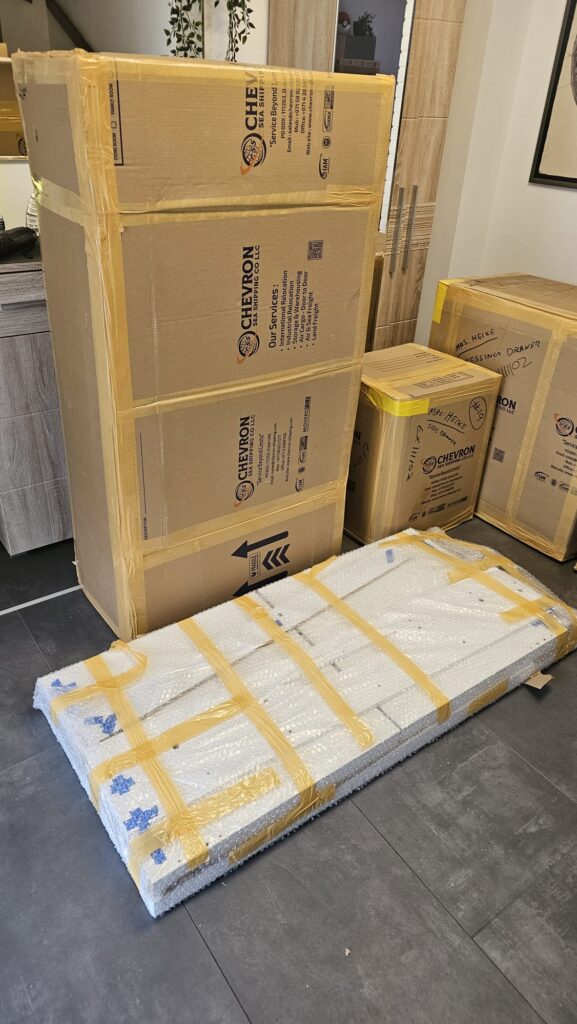
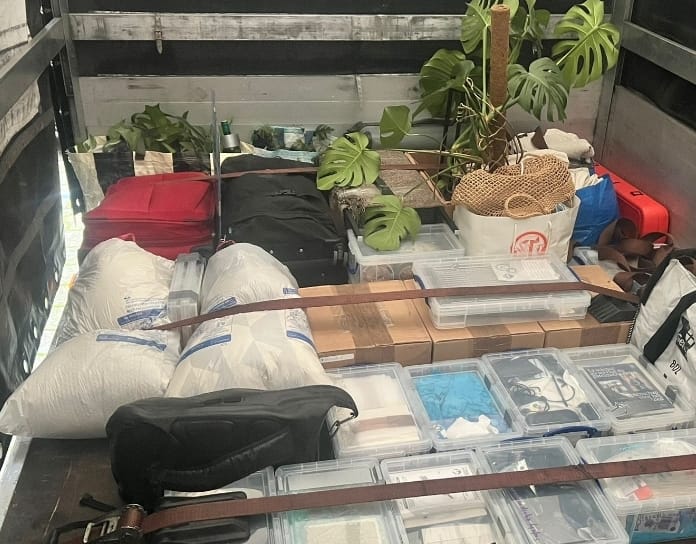
- Pack strategically, label boxes, plan fragile items: The guide will suggest packing room by room, using sturdy boxes and clear labels that include both contents and destination room in the new home. Fragile items should be wrapped carefully and marked so that the man and van team knows to handle them with extra care.
- Confirm meeting point and timing with your man and van team: A few days before the move, contact VANonsite to reconfirm timings, access details and any special instructions. If parking permits or access windows are needed at either end, this is the moment to make sure everything is ready.
- Prepare an essentials box for arrival: The article will recommend preparing one or two boxes with essentials for the first 24 hours: basic kitchen items, toiletries, a change of clothes, important documents and any items children or pets need to feel secure.
First month in Venice
The first month is about settling in, taking care of formalities and starting to feel like you belong.
- Register for residency and health care: Follow through on your legal tasks by registering with the comune, applying for a residence permit if required and enrolling in the healthcare system. The guide will remind readers to keep copies of all documents and appointments.
- Buy transport passes and explore neighborhoods: Once the basics are done, invest in the transport pass that best fits your routine and start exploring Venice beyond the obvious sights. Walk different routes home, discover local shops and bars and practise your Italian in real life situations.
- Create your own rituals: The checklist will end by encouraging readers to establish small rituals, such as a weekly coffee at a favorite bar or a Sunday walk along the Zattere. These habits help transform Venice from a travel destination into a personal, everyday landscape.
Why Choose VANonsite For Your Move To Venice And Italy
Choosing the right man and van partner can make the difference between a stressful move and a smooth, almost effortless transition into your new life in Venice. This final practical chapter shows readers why VANonsite is a powerful ally for any move to Italy, from minimalist student relocations to full family house moves.
- Experienced European man and van specialists: VANonsite focuses on cross border removals across Europe, including regular routes to Italy. The guide will highlight how this experience helps with planning long distance journeys, understanding local rules and avoiding delays on the road.
- Tailored vehicle sizes for every move: This point will remind readers that VANonsite offers a full range of vehicle sizes, from compact options ideal for students or small flats to the Moving Full House XXL solution for large family homes. The article will explain how a consultant can help match load size to the right van so customers do not overpay for unused space.
- Real time GPS tracking and clear communication: Here the article will emphasise how GPS tracking lets customers follow their belongings throughout the journey. It will also mention proactive communication about timings, which reduces anxiety when moving across borders.
- Fast, secure and carefully planned delivery: The guide will outline how professional packing, careful loading and structured routes help protect furniture and personal items from damage, while realistic schedules prevent last minute chaos on moving day.
- Extra services that save time and energy: This bullet will list key add ons such as packing service, furniture removals, home removals, office removals, storage solutions, student removals and premium white glove delivery for delicate or high value items.
- Ideal for many types of movers: The article will show how VANonsite suits families, couples, students, digital nomads and businesses that need a reliable man and van partner for removals to Italy and specifically to Venice.
- Strong call to action with direct link: The section will end by inviting readers to request a personalised quote and find out how VANonsite can support their specific move, linking clearly to the dedicated page for removals to Italy: https://vanonsite.com/removals-to-italy/.
Final Thoughts: Turning Your Venetian Dream Into Your Everyday Reality
The last chapter of the article will tie everything together and leave readers feeling inspired, prepared and supported.
- Acknowledging the courage to move: The conclusion will recognise that deciding to move to Venice Italy is a brave step, filled with both excitement and understandable nerves.
- Reassuring readers about challenges: It will gently remind readers that Italian bureaucracy, aqua alta and complex logistics are all manageable with good information, realistic expectations and the right partners.
- Highlighting the role of a trusted man and van partner: The guide will circle back to how a reliable company like VANonsite can remove a huge amount of stress from the process, from the first quote to the moment the last box is placed in a new Venetian home.
- Painting a picture of everyday life in Venice: The conclusion will evoke small, vivid scenes of daily life on the lagoon, helping readers imagine their own routines in their new city.
- Inviting readers to take the next step: Finally, the article will close with a warm, motivating call to action, encouraging readers to turn research into reality by planning their move and reaching out for a removals to Italy quote when they are ready.