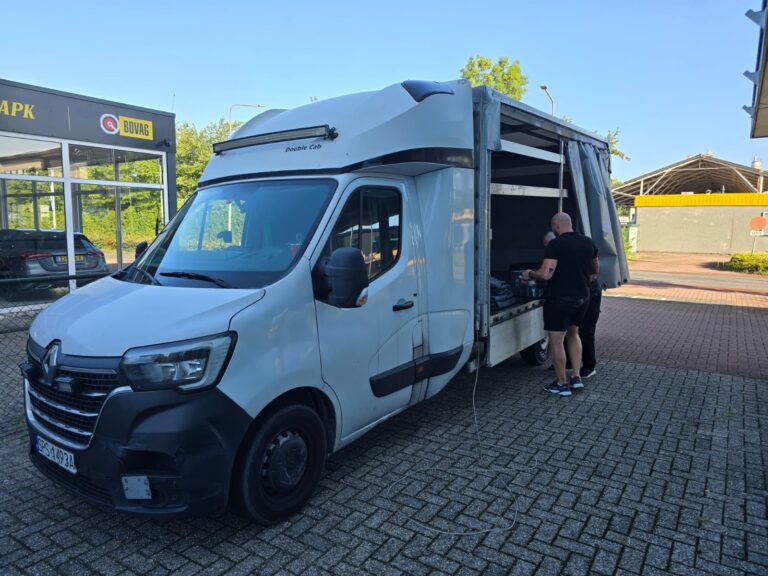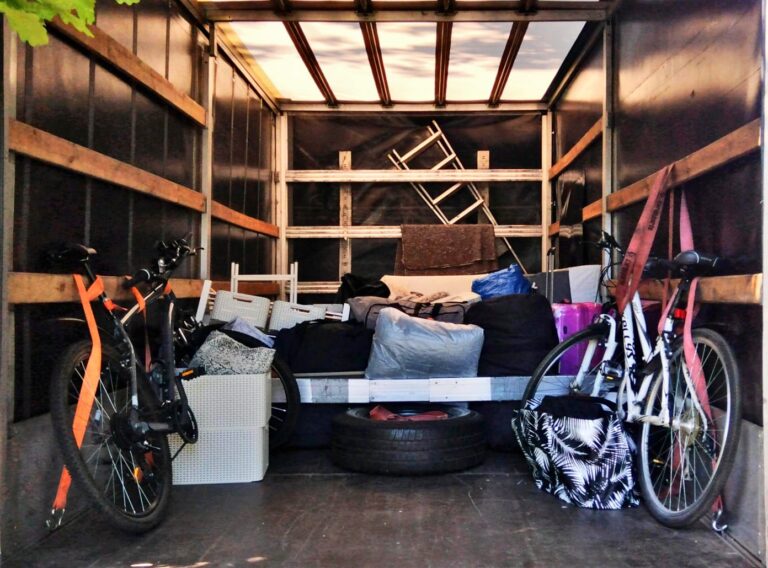

Moving abroad can be an exciting opportunity, but it also requires careful planning. Removals to Lithuania from the UK involve long distances, customs regulations and logistical coordination. Whether you are relocating for work, family or lifestyle, this guide will walk you through every step of the process and help you prepare for a successful move. We will also compare the cost of living and job market in Lithuania, outline what you can and cannot bring, and explain why choosing VANonsite is the right decision for your relocation.
Key Takeaways
- Plan for delivery times: Part‑load removals may take up to three days, while a dedicated van can complete the journey in approximately 36 hours.
- Compare living costs: Lithuania’s cost of living is about 48 % lower than the UK; a single person needs around $1,251 per month compared with $2,390 in the UK.
- Opportunities in Lithuania: Average salaries are around €1,600 per month and key industries include IT, manufacturing and financial services.
Step‑by‑Step Removal Process
1. Plan and Get a Quote
Begin planning your move at least three months in advance. Start by taking inventory of your belongings and deciding which items you will take, sell or donate. Contact removal companies for quotes; good providers will offer virtual surveys and clear pricing. VANonsite’s online form makes it easy to request a free quote and choose between Home Removals, Office Removals and Furniture Removals services. These options allow you to customise your move according to your household size and budget.
Request quotes from multiple companies to compare services. When comparing, ask whether packing materials, loading/unloading and insurance are included. For long‑distance European moves like the UK–Lithuania route, part‑load services are usually more affordable but require flexible delivery dates, whereas dedicated vans offer faster transit times at a higher price.
2. Choose Your Package
Removal companies typically offer different volume packages (e.g., 5 m³, 10 m³, 15 m³, 30 m³ and 90m³). Select the package based on the size of your shipment. Part‑load options are suitable for smaller volumes and allow you to share space in a truck with other customers; this is cheaper but may add one or two days to the delivery time. Dedicated or full‑load options reserve the entire vehicle for your possessions, ensuring quicker delivery and allowing you to choose exact collection and delivery dates.
3. Prepare Documents and Customs Paperwork
Failing to provide complete documentation can delay your shipment at the border. For removals to Lithuania on a transfer‑of‑residence basis, you will generally need:
- Copy of the photo page of your passport and valid visa.
- Residence permit for Lithuania.
- Packing list/inventory detailing each item.
- Pro forma invoice showing approximate values.
- Waybill (CMR) to document the shipment.
- Lease or accommodation contract in Lithuania.
- Job contract (if relevant).
For export clearance out of Lithuania (e.g., when moving back to the UK), you may need a copy of your passport, packing list, pro forma invoice, an EORI registration number and an export declaration.
It’s advisable to organise all documents at least two weeks before your moving date. Keep digital and physical copies accessible during transit. Your removal company’s move manager should review your paperwork to ensure compliance with the latest customs regulations.
4. Packing and Loading
Professional packing reduces the risk of damage, particularly on long international routes. Consider hiring packers or ask whether packing is included in your service. If you pack yourself, use sturdy boxes and protective materials such as bubble wrap, tissue paper and moving blankets. Label each box with its contents and destination room.
Once packed, the crew will load your belongings into the van. Make sure you are present during loading to answer questions and verify that nothing has been missed. For part‑load services, your goods may be transferred to a central warehouse for consolidation before onward delivery; dedicated services will transport your shipment directly to Lithuania.
5. Transportation and Customs Clearance
Once en route, your removal company will handle transportation and customs clearance. Road freight from the UK to Lithuania generally takes two to three days. Part‑load shipments may be subject to longer routes or additional stops, extending the transit time slightly. Dedicated vans can often deliver within 36 hours. Customs officers may inspect the shipment, so ensure all prohibited items are excluded and paperwork matches the inventory.
6. Delivery and Unloading
Upon arrival at your new home, the crew will unload and, if arranged, help you unpack. Check each item against your inventory to confirm that everything has arrived and report any damage immediately. Depending on your contract, the removal company may offer assembly services for furniture.
Required Documents for Lithuania Relocation
Proper documentation is crucial for a smooth border crossing. According to European removal specialists, the following documents are typically required when moving household goods from the UK to Lithuania:
- Photo ID: a copy of the photo page of your passport and a valid visa.
- Residence permit: proof that you have a legal right to live in Lithuania.
- Packing list or inventory: a detailed list of all items being shipped, including their value and condition.
- Pro forma invoice: a declaration of the approximate value of your goods.
- Waybill (CMR): the transport document required for road freight within Europe.
- Lease or accommodation contract: proof of your address in Lithuania.
- Job contract: optional; sometimes required if employment is the basis for your relocation.
- EORI number and export declaration: required if exporting goods from Lithuania back to the UK.
Always verify current requirements with your removal company and embassy; regulations may change, particularly due to Brexit.

What You Can (and Can’t) Bring
When relocating, it’s important to know which items are restricted or prohibited. According to customs specialists, people moving to an EU country are usually permitted to import household goods free of duty and tax, provided they can prove previous residence in the UK and that items have been owned for more than six months. New goods may incur tax.
Prohibited items generally include firearms, ammunition and weapons; animal skins or products; illegal drugs; and obscene materials. Restricted items often include alcohol and tobacco (above duty‑free allowances), certain foods, plants, and large quantities of cosmetics or medicines. Always check with Lithuanian customs for the latest list to avoid fines or confiscation.
If you plan to bring a vehicle, additional regulations apply, including proof of ownership, insurance and tax compliance. Pets require microchips, vaccination records and veterinary certificates. When shipping unusual items (e.g., artwork, antiques), consult your removal company to determine if export permits or special packing are required.
Delivery Timeframe
The time it takes for your belongings to arrive depends largely on the type of service. Part‑load shipments, which share transport space with other customers, typically arrive in two to three days. Dedicated vans, where the entire vehicle is reserved for your goods, can arrive in approximately 36 hours. Factors such as weather, road conditions and customs inspections may add a day or two.
Because part‑load services consolidate cargo at a warehouse, your chosen pick‑up date may not correspond exactly with your delivery date. If timing is critical, consider paying extra for a dedicated van or scheduling the move during less busy periods (avoid peak summer weeks). Always discuss your timeline with your service provider, and allow flexibility for unforeseen delays.
Cost of Living Comparison: UK vs Lithuania
Understanding living costs helps you budget for life in Lithuania. According to Livingcost.org (updated July 2025), the average cost of living for one person in Lithuania is $1,251 per month, compared with $2,390 in the United Kingdom; this means Lithuania is about 48 % less expensive. For a family, costs are around $3,016 in Lithuania versus $5,627 in the UK.
Rent is a major contributor to these differences. A one‑bedroom apartment in central Vilnius averages about $613 per month, while the same accommodation in a UK city costs around $1,598. Groceries and public transport are also cheaper; local transport tickets cost roughly $1.19 compared to $3.52 in the UK, and restaurant prices are lower.
Utility bills (electricity, heating, water) are comparable, and internet plans in Lithuania cost around $15.60 per month versus $42.10 in the UK. Property prices in cities like Vilnius are significantly lower than in London, making home ownership more attainable. Overall, lower living costs mean your money goes further in Lithuania.
Job Market in Lithuania: Opportunities & Salaries
Lithuania has a growing economy, attractive to both entrepreneurs and employees. Average salaries are around €1,600 per month, or roughly $1,732. The median income is higher, at about €1,800 per month. Low earners receive close to the minimum wage of €1,038 (raised in January 2025), while high earners make closer to €3,142 per month. Wages have been increasing steadily; official statistics show average monthly pay rose to €2,337 by the first quarter of 2025.
The job market is diversified. Traditional industries like food processing and textiles remain strong, but Lithuania is rapidly expanding into IT services, manufacturing, electronics, machinery and fintech. The capital city, Vilnius, hosts a vibrant technology scene, with start‑ups and global companies opening offices. Skilled professionals in software development, cybersecurity, data science and engineering are in high demand. Finance managers, IT architects and lead developers typically earn between €3,400 and €5,000 per month.
English is widely spoken in business circles, though learning Lithuanian or Russian will help you integrate more easily. Remote work opportunities are also increasing; Lithuania offers attractive tax incentives for foreign investors and has robust internet infrastructure. If you plan to work locally, research required visas and work permits. EU citizens benefit from free movement, while UK citizens may need permits post‑Brexit.
Why Choose VANonsite for Your Lithuania Removal?
VANonsite is a pan‑European relocation specialist with deep experience in moves between the UK and Lithuania. Here’s why you should consider partnering with them
In summary, VANonsite combines tailored packages, transparent pricing, comprehensive support and European expertise w
ith a customer‑focused approach, making them an ideal partner for your move from the UK to Lithuania.
Summary
Moving to Lithuania from the UK requires careful planning but can be a rewarding experience. By starting early, choosing the right removal package, preparing your paperwork, understanding costs and restrictions, budgeting for living expenses and familiarising yourself with Lithuania’s job market, you’ll be well prepared for a seamless relocation. With its pan‑European expertise, transparent pricing, tailored services and customer‑focused support, VANonsite stands ready to help you navigate every step of the journey and make your move stress‑free.
Frequently Asked Questions (FAQ)
How long does delivery take from the UK to Lithuania?Part-load shipments usually arrive in two to three days; a dedicated van can deliver your items in around 36 hours, though customs inspections and ferry schedules may add time.
What documents do I need for my removal?You typically need a copy of your passport, a residence permit or visa, a packing list or inventory, a pro forma invoice, a waybill/CMR and a lease or job contract; if exporting items back to the UK you also need an EORI number and export declaration.
How much does it cost to move to Lithuania?Costs depend on the volume of your shipment, the distance and whether you choose a part‑load or dedicated service; as a guide, a 5 m³ move from London to Vilnius may start around £1,069, while a 15 m³ consignment could cost about £1,849.
Are there any restrictions on what I can bring?Yes; you cannot ship firearms, counterfeit goods, protected animal skins or plant species, and you may need to declare alcohol and tobacco; always consult your removal provider for the latest prohibited and restricted items.
Is Lithuania expensive compared to the UK?No; living costs in Lithuania are roughly 48 percent lower than in the UK, with rent and everyday expenses significantly cheaper.
For related services, explore our home removals, office removals and furniture removals pages. For more about removals to Lithuania, visit our dedicated page.