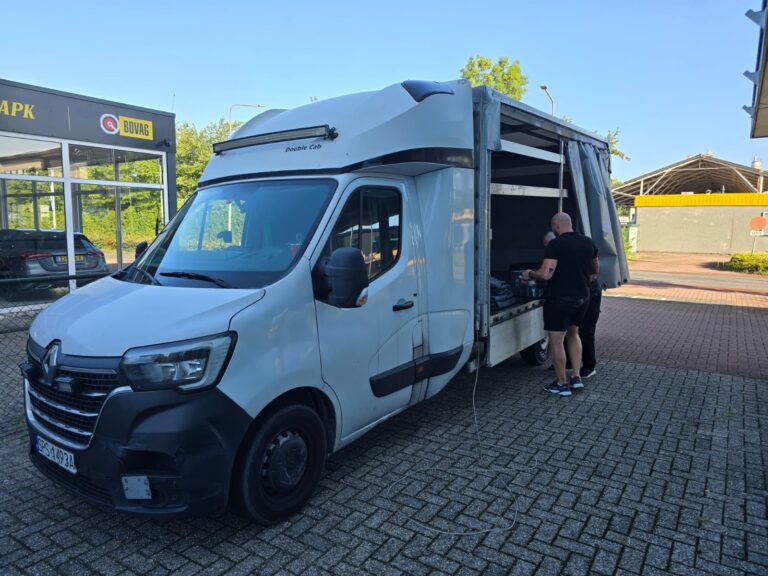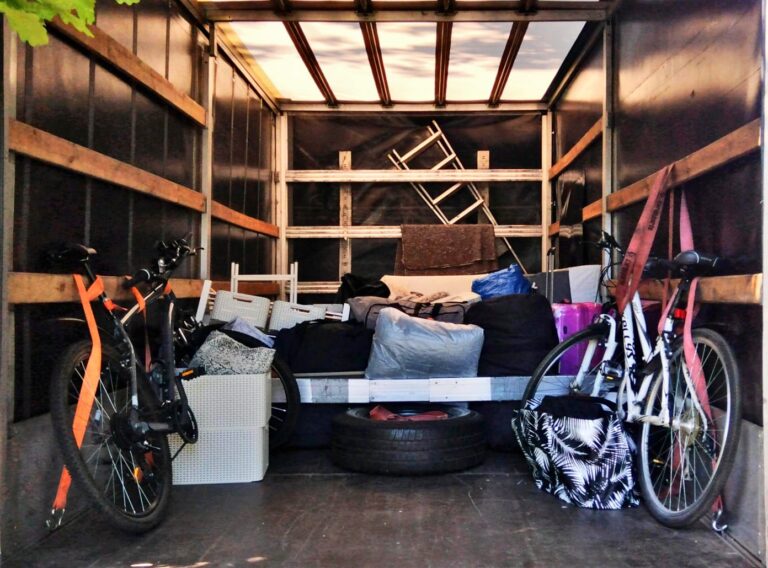

Moving from England to Norway should feel exciting, not exhausting. With VANonsite, your route, paperwork, and packing click into place. We size your inventory in honest cubic meters, match it to the right van tier (5–90 m³), coordinate ferries, and guide customs so used household goods can enter duty free when eligible.
Choose part load for lean costs and greener miles, or a dedicated van for a fixed delivery day and total control. From London to Oslo, Bergen, or Sommarøy, every item stays wrapped, strapped, and traceable with live GPS.
Internal links for readers:
- Core route: Removals to Norway
- Origin clusters: Moving to Norway from UK
- City guides: Moving to Oslo, Moving to Bergen, Moving to Sommarøy
- Related lanes: Germany → Norway, Netherlands → Norway, Ireland → Norway, Spain → Norway
- Services: Furniture Removals, Home Removals, Packing Service, White Glove Delivery, Office Removals, Student Removals
TL:DR
- Confirm post Brexit rules and secure the right residence permit via UDI for stays over 90 days.
- Claim duty and VAT free import of used household goods when eligible; keep an itemised inventory and proofs. Check Norwegian Customs.
- Pick part load to save or a dedicated van to lock a delivery day; both options include live GPS.
- Match your volume to the right van tier: 5 m³, 10 m³, 15 m³, 30 m³, 90 m³ for removals UK to Norway.
- Protect fragile items with Packing Service or White Glove Delivery; crate art and antiques.
- Cost depends on distance, m³, access, ferries or tunnel, season, service level.
- First week setup: D number, BankID, fastlege (GP), AutoPASS, recycling with guides from Skatteetaten, Helsenorge and AutoPASS.
- Plan driving rules and winter tyres with Statens vegvesen. Pets follow Mattilsynet.
- Internal links to explore: removals to Norway from UK, removals UK to Norway, and house removals UK to Norway on VANonsite.
Quick Start Checklist (England → Norway)
Stay ahead of ferry slots, customs timing, and winter roads. Start early and size your load honestly.
| Stage | Key tasks | Who | Deadline | Notes |
|---|---|---|---|---|
| Plan | Video survey, inventory, access check | You + VANonsite | 3–6 weeks out | Reserve ferry friendly dates |
| Eligibility & Permits | Pick your UDI permit path; book biometrics if needed | You | 3–6 weeks out | Work, student, family, other routes |
| Inventory Build | Itemise by room, estimate m³, flag fragile items | You + VANonsite | 2–4 weeks out | Photos help verify condition |
| Paperwork | Residency proofs, inventory, broker authorisation | You + VANonsite | 1–2 weeks | Duty free eligibility check |
| Ferries/Tunnel | Reserve crossings, add buffers for weather | VANonsite | 1–2 weeks | Flexible rescheduling where possible |
| Parking & Permits | Book building lifts and street permits | You + VANonsite | 3–7 days | Council or building approval |
| Pack | Self pack or pro pack, label by room | You / VANonsite | 1–3 weeks | Crate fragile art |
| Insurance & Valuation | Confirm cover and declare high value items | You + VANonsite | Before loading | Photos and serial numbers help |
| Transport | Pick part load or dedicated van, confirm route | VANonsite | Booking | Live GPS link on dispatch |
| Arrival | Unload, placement, debris removal, storage if needed | VANonsite | Delivery day | Confirm lift and parking slots |
Pro tips: keep documents together; label boxes in English and Norwegian where helpful; bag hardware for flat packs; stage boxes near the exit; tape remotes and screws to their items; pack a small winter kit for unloading days; put an open first box on last so it comes off first.
Moving from UK to Norway Requirements
Purpose: clear steps with official links for permits, registration, customs, vehicles, pets, and healthcare.
Immigration and residency
- Stays over 90 days generally require a residence permit. Start at UDI and the Royal Norwegian Embassy in the UK for application channels.
- Common routes include Skilled Worker, Student, and Family Immigration. Read eligibility and documents on UDI.
- Mixed nationality households may follow different paths; check UDI’s family pages.
National Registry and ID numbers
- New arrivals may be issued a D number first; long term residents receive a national identity number after address registration. Guidance via Skatteetaten and Norge.no.
- After address registration, set up banking and BankID.
Customs: duty free import of used household goods
- Most households relocating to Norway can import used goods duty and VAT free when rules are met. Prepare an itemised inventory, proof of move, proof of previous residence, and transport papers. See Norwegian Customs (Toll).
- Keep receipts or photos for premium items; new or unused purchases may be taxed.
Vehicles and driving
- Long term stays typically require import and registration. Check tyre rules and seasonal requirements with Statens vegvesen. Set up tolls with AutoPASS.
- Temporary use rules may apply for short stays; read the Public Roads Administration guidance.
Healthcare and GP
- Choose your fastlege (GP) after arrival via Helsenorge and keep interim cover until registered.
Pets
- Follow Mattilsynet and Customs rules for microchip, rabies vaccination, documents, and approved routes.
- Check ferries and carriers for pet booking policies.
Official resources used in this guide: UDI, Royal Norwegian Embassy UK, Toll.no, Skatteetaten, Statens vegvesen, AutoPASS, Helsenorge, Norge.no.

Costs – What Influences Removals UK → Norway
Transparent, predictable pricing from the first survey to final delivery. Your total reflects distance, m³, access, service level, season, and delivery window.
How quotes are built
Price framework
Base corridor rate + cubic meter component + crossings and tolls + access time + service level + seasonality + optional services
We confirm your volume from a video survey, validate access at both ends, then map the most reliable route to your dates. You receive a clear scope and a locked delivery window for dedicated vans or a smart value window for part loads.
Top drivers
- Route and crossings: ferries or tunnel, seasonal surcharges, and rescheduling rules.
- True m³ and weight: honest sizing prevents overflows and second runs.
- Access at both ends: stairs, narrow doors, long carries, bay suspensions, lift bookings.
- Service level: self pack, Packing Service, or premium White Glove Delivery.
- Timing and season: peak weeks and winter weather buffers.
- Special care: pianos, antiques, artwork, and oversize items.
Included vs optional
| Item | Included by default | Optional add on | Notes |
|---|---|---|---|
| Vehicle, driver, fuel | ✓ | — | Planned to your route and window |
| Standard blankets and straps | ✓ | — | Clean materials every run |
| Goods in transit cover | ✓ | Increased valuation | Declared high value items |
| Live GPS tracking | ✓ | — | Link on dispatch |
| Packing materials | — | ✓ | Full kit or selective |
| Pro packing | — | ✓ | Room by room service |
| Crating for art and marble | — | ✓ | Custom timber crates |
| White Glove placement | — | ✓ | Premium placement and debris removal |
| Storage between keys | — | ✓ | Short or medium term |
Part load vs dedicated
| Model | Best for | What you get | Considerations |
|---|---|---|---|
| Part load | Small to medium shipments with flexible dates | Lower cost, greener miles, GPS tracking | Delivery window not date specific |
| Dedicated van | Tight timelines, premium pieces, full homes | Fixed delivery day, direct routing, total control | Higher cost for speed and control |
Real world scenarios
| Scenario | Volume | Model | Transit guide | Relative budget |
|---|---|---|---|---|
| Student essentials | 5 m³ | Part load | 3 to 7 days | Low |
| One bed upgrade | 15 m³ | Dedicated | 2 to 5 days | Mid |
| Family set | 30 m³ | Part load or Dedicated | 3 to 6 days | Mid to high |
Van tiers at a glance
| Van tier | Typical volume | Best for |
|---|---|---|
| Moving Basic (5 m³) | Up to 5 m³ | Small removals, students |
| Moving Medium (10 m³) | Up to 10 m³ | Studio or tight one bed |
| Moving Premium (15 m³) | Up to 15 m³ | Standard one bed |
| Moving Premium Plus (30 m³) | Up to 30 m³ | Family setups |
| Full House XXL (90 m³) | Up to 90 m³ | Whole house projects |
Save more
- Share a flexible delivery window and choose part load where it fits.
- Declutter before packing. Do not ship what you will replace.
- Self pack standard items and book pro packing for fragile pieces only.
- Book street bays and lifts early to avoid waiting time.
- Send a clear video survey so we size your m³ right the first time.
Packing That Protects – From Flat Pack to Fine Art
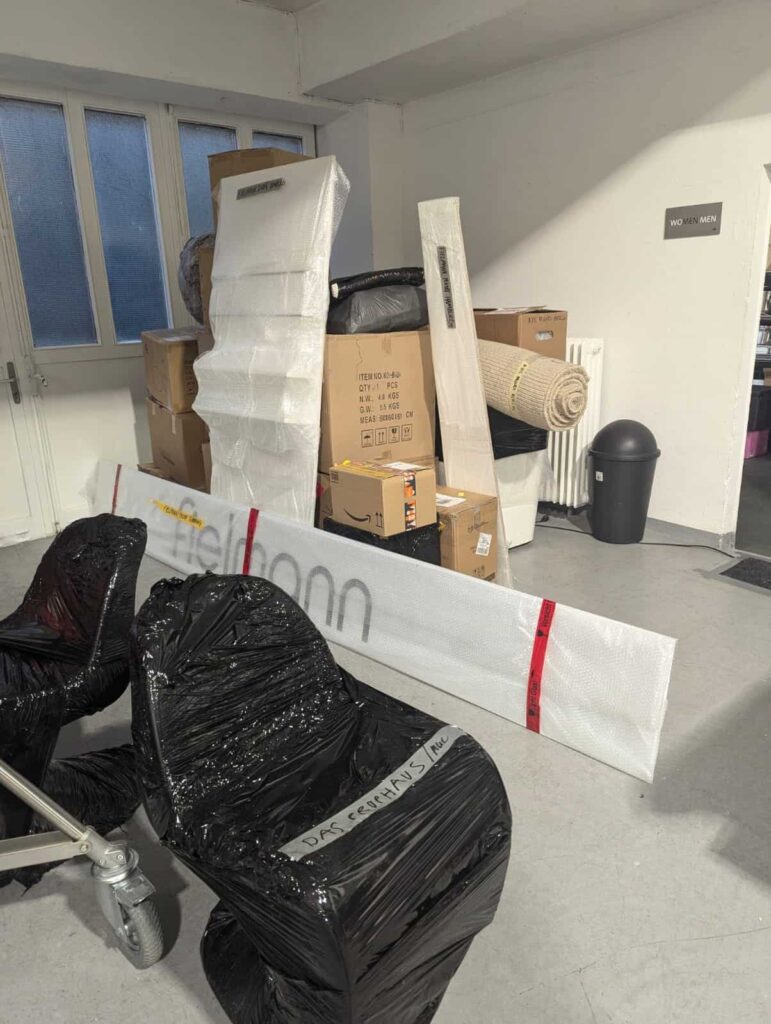
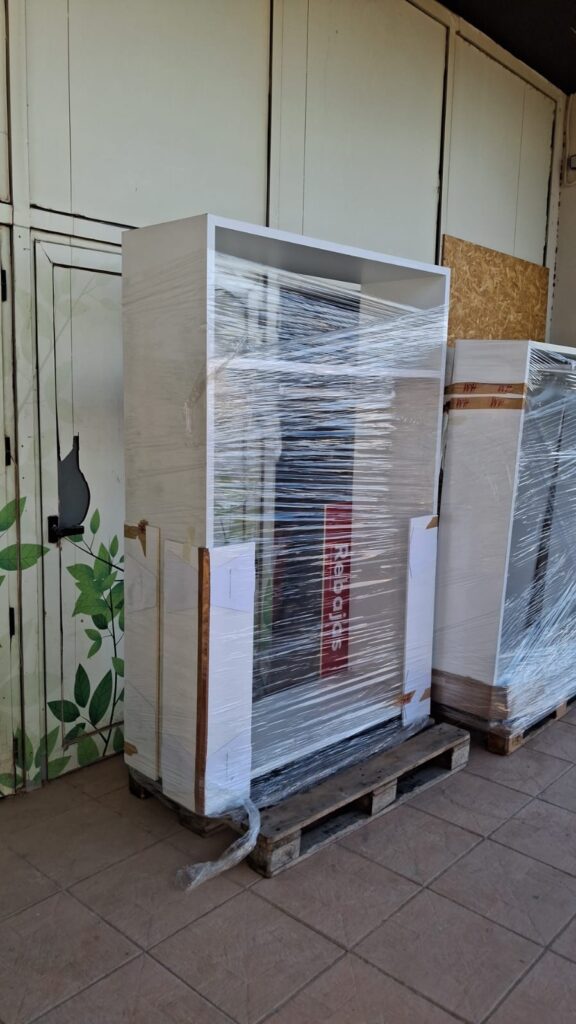
Furniture survives long trips when it is wrapped with care and loaded with discipline. We bring the right materials and methods so every piece arrives ready to live.
Levels of care
- Standard: double wall cartons, blankets, corner guards, stretch wrap, room labels.
- Fragile and art: custom crates, climate aware wraps, shock and tilt indicators.
- Premium: White Glove placement, basic assembly, debris removal.
Our packing playbook
- Walkthrough and condition notes before any wrap goes on.
- Disassembly of beds and large frames where needed. Hardware bagged and taped to the item.
- Protective layers added in the right order. Corners first, then full wrap, then straps.
- Label by room and priority so unloading flows in the right sequence.
- Load plan with no‑movement patterns inside the van and protective floor runners at both ends.
Labeling that saves minutes
| Code | Meaning | Example |
|---|---|---|
| K | Kitchen | K03 Glassware fragile |
| L | Living room | L07 Books and frames |
| B | Bedroom | B12 Bedding and pillows |
| H | Hallway | H02 Shoes and coats |
Self pack starter kit
| Home size | Boxes | Wardrobe boxes | Tape and wrap | Notes |
|---|---|---|---|---|
| Studio | 25–30 | 1–2 | 3 rolls, 1 stretch wrap | Add extra glass dividers |
| One bed | 35–45 | 2–3 | 4 rolls, 1 stretch wrap | Mattress and sofa covers |
| Two bed | 55–70 | 3–4 | 6 rolls, 2 stretch wrap | Corner guards for tables |
What not to pack in boxes
- Cash, passports, critical documents, medications.
- Pressurised cans, flammables, or perishables.
- Open liquids and wet items that can damage other goods.
Useful add ons
- Evening or early morning slots where local rules allow.
- Short term storage if keys do not line up.
- Debris removal so your place feels ready on day one.
Service pages: Packing Services, White Glove Delivery, Furniture Removals.
City and Route Mini Guides
Norway rewards planning. Each region has quirks that, if handled early, make delivery day feel effortless.
Oslo
- Book lifts and short street permits well in advance. Respect toll rings to avoid detours.
- Courtyard access and narrow stairwells benefit from compact trolleys and extra hands.
- Aim for early morning unloads to beat traffic and secure parking.
- Winter ready moves need tyre checks, grit for pathways, and swift unloads in low temperatures.
- Confirm building rules for protection materials and lift reservations.
Bergen
- Expect rain. Use extra wrap layers and covered staging for wood and fabrics.
- Heritage streets and tight turns call for compact vehicles and patient routing.
- Add contingency time for showers around Bryggen and central zones.
- Check older building rules. Lift access and stair widths can limit item size.
- Lay door mats to protect floors from wet gear on rainy days.
Sommarøy
- Align pickup with ferry schedules and seasonal daylight. Winter needs buffer days.
- Compact vehicles help with smaller bridges and island access.
- Deliveries feel smoother with flexible windows and early communication.
- Pack for cold snaps. Use moisture guards and extra blankets for sensitive finishes.
- Confirm last mile directions in advance. Phone signal can be patchy near some crossings.
Alternative corridors
- Via Denmark and Sweden for steadier winter driving when mountain passes are risky.
- Via North Sea ferries to reduce long road legs when schedules match your window.
- Share your preferred window and we match it to ferries and roadworks calendars.


Small Removals, Students and Part Load
Small loads deserve smart planning. This lane is built for students, first jobs, couples moving light, and anyone who values lean costs with careful handling.
- Part load: pay only for your cubic meters, travel on consolidated routes, and keep a flexible window. You still get live GPS and careful placement.
- Shared vans: grouped pickups and drop‑offs for better rates and greener miles. Add an extra collection address if needed.
- Service levels: curbside or door‑to‑door, with storage between semesters. See Student Removals.
What fits where
| Tier | Typical contents | Max weight | Best for | Access notes |
|---|---|---|---|---|
| 5 m³ | Bed frame, chair, 10–15 boxes, monitor | 300 kg | Minimalist or student | Works where parking is tight |
| 10 m³ | Sofa, table, bike, 20–25 boxes, small wardrobe | 600 kg | Studio or tight one bed | Good for one lift run |
| 15 m³ | Two seater sofa, wardrobe, 30 boxes, TV unit | 1000 kg | Standard one bed | Check stair widths and long walks |
How we schedule part loads
- Quick video survey to confirm m³ and access.
- We place your shipment on the most efficient corridor and share a delivery window.
- You receive a live GPS link on dispatch and status notes at pickup, ferry, and delivery.
Insurance, Safety and Live Tracking
- Cover that scales with you: standard goods‑in‑transit cover included, with the option to increase valuation for premium pieces and art.
- Condition notes and photos at pickup; hardware bagged and taped; tamper‑evident seals for crates on request.
- Building protections: floor runners, door and corner guards, and lift wraps where required.
- Safe loading patterns: no‑movement packing, balanced weight, and secure strapping throughout the van.
- Live GPS: one link shows progress; we push ETA updates at key milestones (pickup, customs, ferry, border, delivery) and stay reachable the whole way.
- If something seems off, tell us promptly and we will guide the next steps while we review your notes and photos.
- Shared vans: grouped routes for better rates.
- Curbside or door to door options; storage between semesters.
What fits where
| Tier | Typical contents | Best for |
|---|---|---|
| 5 m³ | Bed frame, chair, 10–15 boxes | Minimalist or student |
| 10 m³ | Sofa, table, bike, 20–25 boxes | Studio or tight one bed |
| 15 m³ | Two seater sofa, wardrobe, 30 boxes | Standard one bed |
Insurance, Safety and Live Tracking
Protecting your belongings and your building is non‑negotiable. Here is how we keep moves safe, documented, and transparent from door to door.
- Goods in transit cover included as standard. You can increase valuation for art, antiques, instruments, and designer pieces. We share a short valuation checklist before loading.
- Condition notes and photos at pickup. Serial numbers recorded where helpful. Hardware and keys bagged and taped to their items.
- Building protections on both sides. Floor runners, door and corner guards, lift covers, and certificates of insurance for building managers when needed.
- Safe loading patterns that prevent movement. Weight is balanced, gaps are cushioned, and straps are double‑checked before we roll.
- Live GPS from dispatch to delivery. You get milestone updates at pickup, customs, ferry, border, and final approach. If ferries shift, we notify you and rebook the earliest slot.
- Clear claims path if something goes wrong. Report within the stated window, share photos, and we start resolution while the crew log and insurance record are reviewed.
If anything feels off: message your coordinator, photograph the issue, and keep original packaging. We will advise next steps immediately.
Arrival in Norway – First Week To Dos
Hit the ground running with these essentials. Tackle them in order and life starts smoothly.
- Register your address and get a D‑number or national ID via Skatteetaten. Book an appointment if required and bring passport, tenancy or ownership proof, and move documents.
- Apply for your tax deduction card (skattekort) once you have a job contract. You can apply online; employers use this to deduct the right amount of tax.
- Open a bank account and set up BankID. Banks typically ask for ID, a Norwegian address, employment or study proof, and your D‑number. BankID follows once identity checks are completed.
- Choose your fastlege (GP) via Helsenorge and keep interim health cover until registration is confirmed. You can change GP later if needed.
- Activate AutoPASS and review winter tyre rules with Statens vegvesen. Order a toll tag, register your number plate, and check studded tyre fees where applicable.
- Learn local recycling rules. Sort paper, plastic, glass and metal, food waste, and residual waste. Flatten boxes for municipal pickup and save the deposit labels for bottles.
- Pets should complete any post‑arrival steps and a vet check via Mattilsynet. Keep vaccination and microchip records handy.
FAQs
Removals to Norway from UK — what paperwork and timelines do I need?
If you plan to live or work in Norway for more than 90 days, you generally need a residence permit via UDI. For your goods, most used household items can enter duty and VAT free when you meet Norwegian Customs rules. Typical door‑to‑door transit for UK → Norway runs about 3–7 days depending on volume, access, ferries and season.
Removals from UK to Norway — is part load available year round?
Yes. Part loads operate all year. Winter may add buffers around ferries and mountain corridors, so share a flexible window for best value.
Removals UK to Norway — how do ferries and winter affect timing?
Ferry schedules, weather and road conditions can nudge ETAs. In winter we add safety buffers, carry winter‑ready gear and, when helpful, route via Denmark/Sweden for steadier roads.
House removals UK to Norway — which van tier matches a 2–3 bed home?
Most 2–3 bed homes fit 30 m³ (Moving Premium Plus). Larger or very furnished homes can reach 45–60 m³, while whole‑house and outbuildings may need 90 m³ (Full House XXL). A quick video survey locks the right tier.
Moving from UK to Norway — who handles customs and inventory?
We prepare the inventory, packing list and transport docs, and coordinate with brokers. You provide ID, proof of move and any UDI letters. We share a simple checklist so nothing is missed.
Moving to Norway from the UK — what are the first‑week essentials?
Register your address and get a D‑number via Skatteetaten, open a bank account and set up BankID, choose a fastlege (GP) on Helsenorge, activate AutoPASS, and learn local recycling rules.
Can UK citizens move to Norway?
Yes, but post‑Brexit the UK is a non‑EU/EEA country. British citizens can visit visa‑free for short stays, yet to live, work or study you normally need a residence permit through UDI.
Is it difficult to relocate to Norway?
It is very doable with a job offer, student place or family route. The demanding parts are documentation, housing availability and higher living costs. A clear timeline and prepared papers make it feel straightforward.
Is it more expensive to live in Norway than the UK?
On average, everyday costs in Norway are higher, while salaries and public services offset some of that. Budget for housing, food, transport and winter gear, then compare to expected income in your destination city.
Can I retire to Norway from the UK without working?
Norway does not offer a general “retirement visa” for non‑EU/EEA nationals. Unless you qualify through family immigration or another eligible route, settling purely as a retiree is difficult. Check the latest options with UDI before you plan.
Can I live in Norway if I only speak English?
In big cities and international workplaces you can get by in English. For public services, many jobs and long‑term integration, learning Norwegian is strongly recommended. Free and low‑cost courses are widely available.
What is the easiest country to move to from the UK?
Ireland. Under the Common Travel Area, British and Irish citizens can live, work and study in each other’s countries without a visa. It is the simplest door to open for most UK nationals.
Summary
Moving from England to Norway is straightforward when you plan early and size your shipment honestly in m³. Choose part load for value and smaller footprints, or book a dedicated van to guarantee a precise delivery day. Apply for the right UDI residence permit, prepare an itemised inventory, and qualify for duty and VAT relief on used household goods where the rules allow.
Use professional packing or White Glove care for fragile pieces, then follow your shipment with live GPS from pickup to placement. In your first week, secure your D-number, set up BankID, choose a fastlege, activate AutoPASS, and learn local recycling.
With one coordinator, tidy paperwork, and a route tailored to your dates, your move arrives on time, intact, and calm.