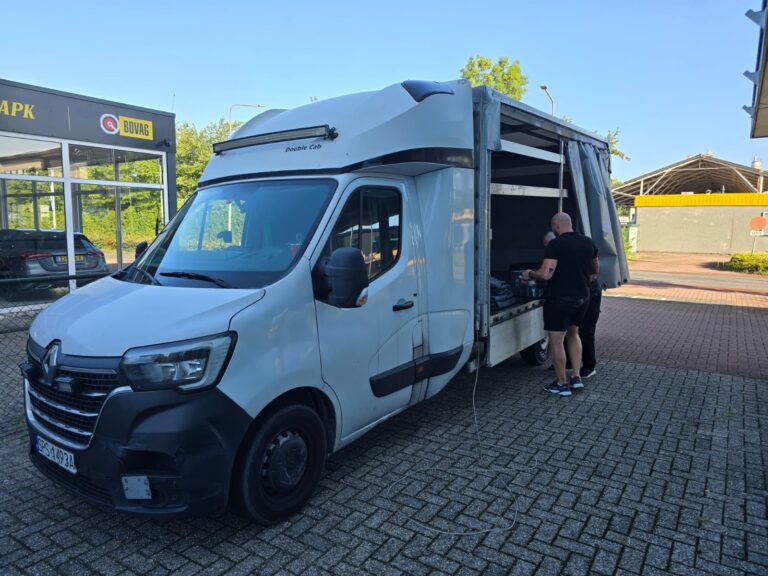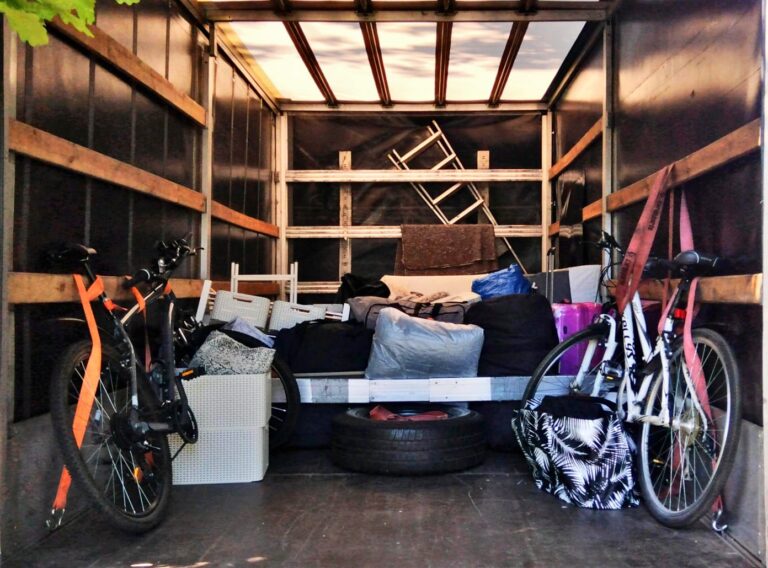

Moving to England from Norway deserves clarity, speed, and zero chaos. Picture this: ferries booked, timelines clear, and every box wrapped with care while you watch the van glide across the map in real time. With VANonsite you get precision planning, expert packing, and live GPS on every load. We size your true volume in cubic meters, match it to the right van tier (5–90 m³), coordinate crossings, and streamline UK customs with Transfer of Residence relief so your used household goods can enter duty free when eligible.
Your plan stays simple. We build a route that fits your dates, advise on part load versus a dedicated van, and prepare documents before wheels roll. You get proactive updates and a single point of contact from pickup in Norway to placement in your new English home.
Internal links to keep readers exploring:
- Norway hubs: Removals to Norway, Moving to Oslo, Bergen, Sommarøy
- Reverse routes: Moving to the UK from Norway, Moving to Norway from UK
TL:DR
- Book a quick video survey to size your shipment in m³ and lock realistic dates.
- Apply for UK ToR relief before shipping so used household goods can enter duty free when eligible.
- Choose part load for value and greener miles, or a dedicated van for a fixed delivery day and total control.
- Confirm access and permits at both ends. Reserve lifts, arrange street parking, and align with ferry windows.
- Protect furniture with pro packing or White Glove care. Crate fragile art, label boxes by room, and bag all screws.
- Photograph high value items and set the right insurance and valuation level.
- Keep key documents with you: passport, ToR reference, inventory, tenancy or purchase proof, and contact numbers.
- On arrival, handle GP registration, Council Tax, bank account, SIM, parking permits, and first appointments.
- Add storage if keys do not line up, then follow your shipment with live GPS updates the whole way.
- Considering the reverse route too? Explore cost of moving to Norway and a practical moving to Norway checklist to compare.
Quick‑Start Checklist (Norway → England)
| Stage | Key tasks | Who | Deadline | Notes |
|---|---|---|---|---|
| Plan | Video survey, inventory, access | You + VANonsite | 3–6 weeks | Pick ferries; allow weather buffers |
| Documents packet | ToR1 ref, inventory, proofs of residence and move | You + VANonsite | 2–4 weeks | Keep digital + printed copies |
| Ferries/Tunnel | Reserve crossings, check rescheduling rules | VANonsite | 2–3 weeks | Avoid peak sailings if flexible |
| Permits & Parking | Book building lifts, bay suspensions, loading bays | You + VANonsite | 1–2 weeks | Council approval may be required |
| Pack | Self pack or pro pack, label by room | You / VANonsite | 1–3 weeks | Crate fragile/arty pieces |
| Insurance & Value | Confirm cover level and declare high value items | You + VANonsite | Before load | Photo log and serial numbers help |
| Transport | Part load or dedicated van, route and timing | VANonsite | Booking | Live GPS link on dispatch |
| Arrival | Unload, placement, debris removal, storage if needed | VANonsite | Delivery day | Confirm lift and parking time windows |
Pro tips: stage boxes by the door; bag screws; photograph valuables; keep passports and laptops with you; tape hardware to flat packs; put a small “first night” box on the van last so it comes off first.
Requirements & Documents – Norway → England
Purpose: set the record straight on visas, ToR relief, vehicles, pets, and first‑week setup.
1) Visas & right to work (post‑Brexit)
- Norwegian citizens generally need an appropriate UK visa for stays beyond short visits and to work. Start with UK visas and immigration and employer right to work checks.
- If you already hold status under the EU Settlement Scheme, follow those terms for residence and work.
2) Duty‑free entry for personal belongings (ToR1)
- Claim Transfer of Residence relief so used household goods enter duty free when eligibility is met. Apply before shipping via ToR guidance.
- Prepare an itemised inventory, proof of prior residence outside the UK, and proof of your move (tenancy, offer letter, or home purchase). Keep your ToR reference with you during transit.
3) Vehicles & driving
- For permanent import, file a customs declaration, complete NOVA with HMRC, then register the vehicle per DVLA importing guidance.
- Later, exchange your Norwegian licence when required using DVLA’s exchange tool. Arrange UK insurance before driving.
4) Pets
- Travel on an approved route with microchip and valid rabies vaccination. Documentation depends on origin and status; check Bring your pet to Great Britain for rules, tapeworm treatment where needed, and approved carriers.
5) First‑week admin in England
- Register with a GP via the NHS: How to register with a GP.
- Set up Council Tax with your local authority: Council Tax.
- Open a bank account and enable online banking. Bring ID and proof of address.
- Get a UK SIM and broadband. Check coverage at your new address.
- If you will work, consider applying for a National Insurance number: Apply for a NI number.
Documents to keep on hand
| Document | Why you need it |
|---|---|
| Passport | ID for travel, banking, registration |
| ToR reference + inventory list | Customs clearance and delivery check |
| Proof of UK address | Banking, GP, Council Tax |
| Proof of prior residence abroad | ToR eligibility |
| Pet documents (if applicable) | Border checks |
Pricing – What Drives the Cost Norway → England
Your total reflects distance, route, ferry fees, season, true m³, access at both ends, and service level. Add paperwork for ToR, packing level, and how fixed your delivery window is, and you get the full picture.
What affects your quote most
- Route and crossings: ferries or tunnel, seasonal surcharges, and rescheduling rules.
- True cubic meters and weight: honest sizing prevents overflows and second runs.
- Access at both ends: stairs, long carries, narrow doors, bay suspensions, lift bookings.
- Service level: self pack, pro packing, or premium White Glove placement.
- Timing and season: peak weeks and winter weather buffers.
- Special care: pianos, antiques, artwork, and oversize items.
Choose your model:
- Part load: best value, flexible window, full GPS.
- Dedicated van: fixed delivery day, direct routing, premium control.
Real world scenarios (indicative, not price quotes)
| Scenario | Volume | Model | Transit guide | Relative budget |
|---|---|---|---|---|
| Student essentials | 5 m³ | Part load | 3 to 7 days | Low |
| One bed upgrade | 15 m³ | Dedicated | 2 to 5 days | Mid |
| Family set | 30 m³ | Part load or Dedicated | 3 to 6 days | Mid to high |
Van tiers and typical use cases
| Van tier | Typical volume | Best for | Relative price | Notes |
|---|---|---|---|---|
| Moving Basic | 5 m³ | Small removals, students | Low | Perfect as part load |
| Moving Medium | 10 m³ | Studio or tight one bed | Low to mid | Budget dedicated option |
| Moving Premium | 15 m³ | One bed homes | Mid | Popular size |
| Moving Premium Plus | 30 m³ | Family setups | Mid to high | Fewer trips |
| Full House XXL | 90 m³ | Whole house | High | Complex moves |
How to trim your costs
- Share a flexible delivery window and choose part load where it fits.
- Declutter before packing. Do not ship what you will replace.
- Self pack standard items and book pro packing for fragile pieces only.
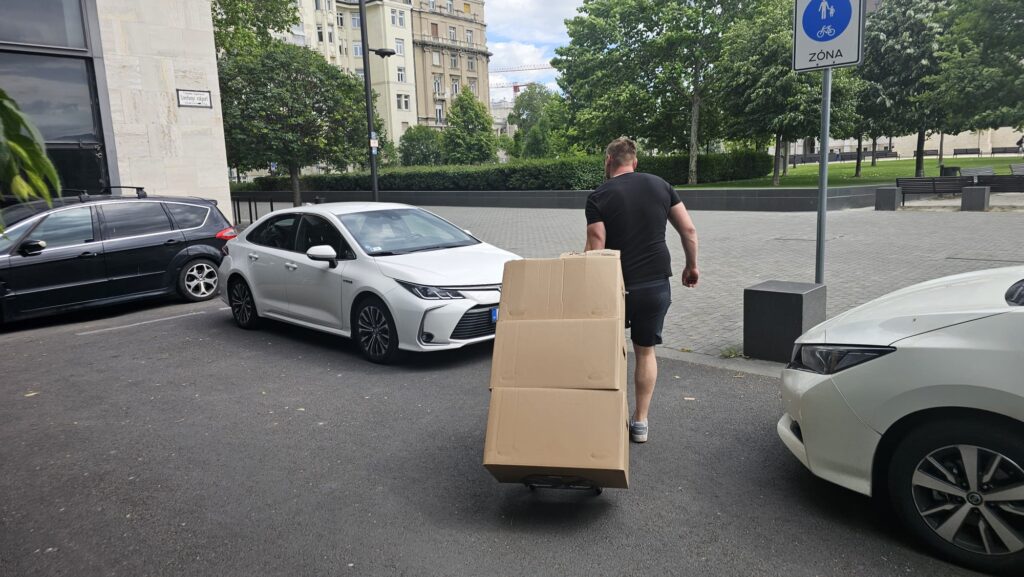
- Book street bays and lifts early to avoid waiting time.
- Send a clear video survey so we size your m³ right the first time.
Share a quick video tour for a tailored quote and timeline. Track every mile live.

Packing That Protects
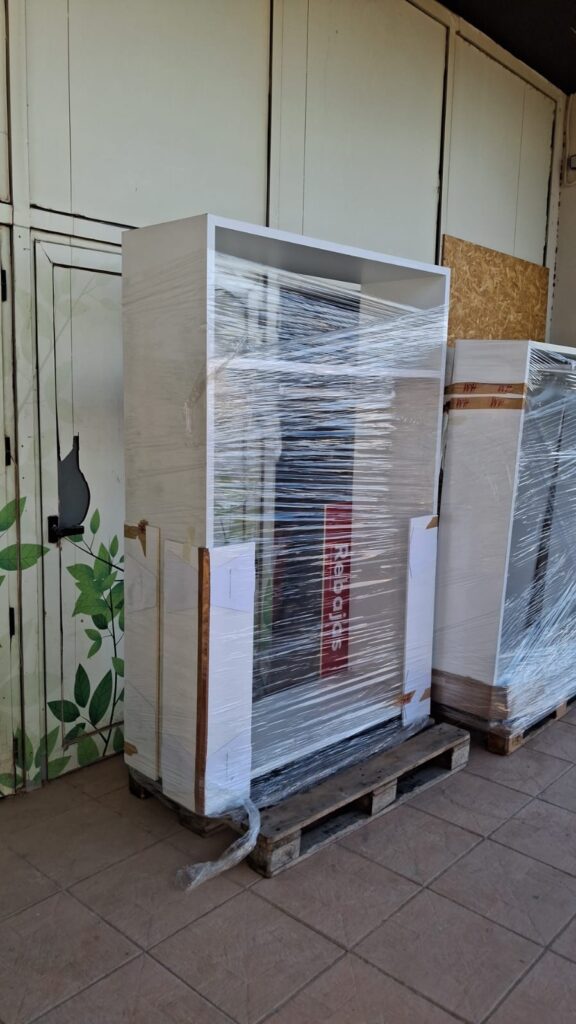
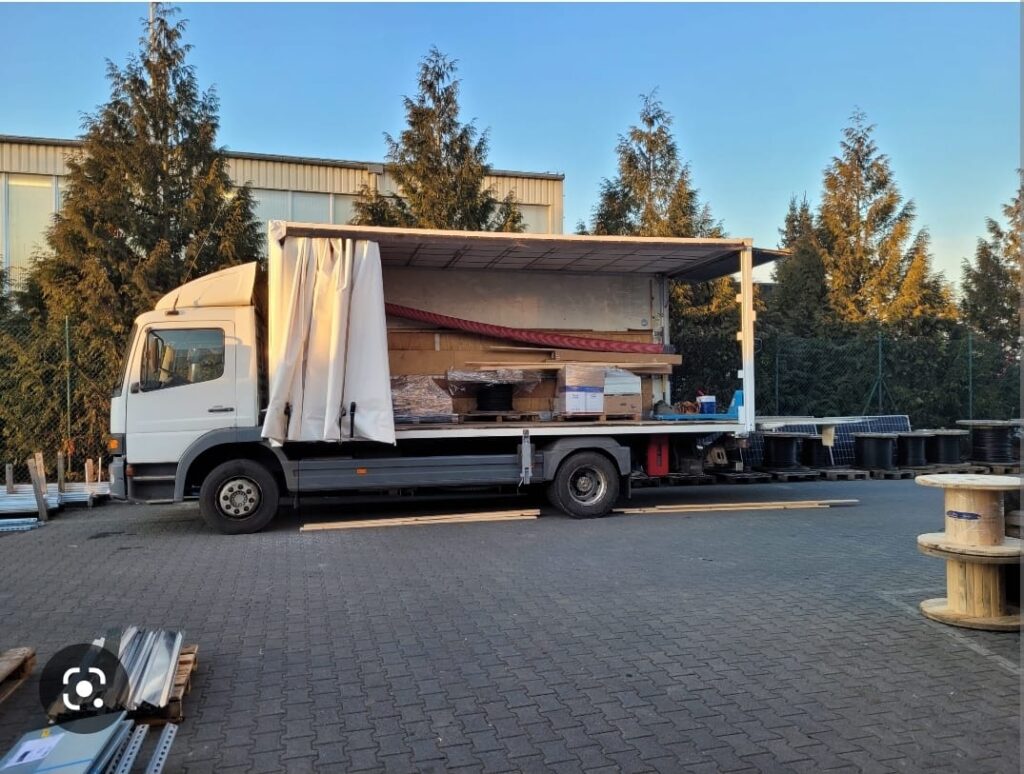
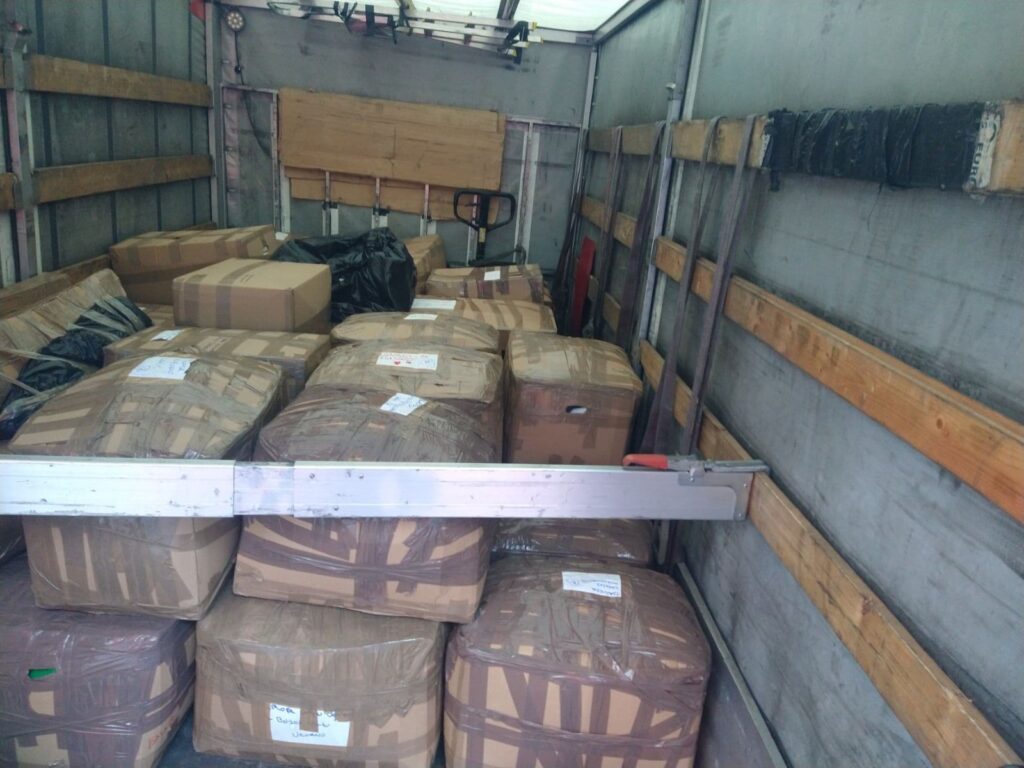
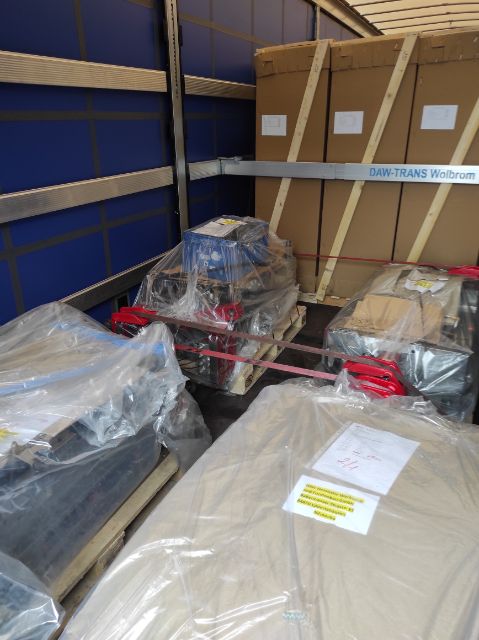
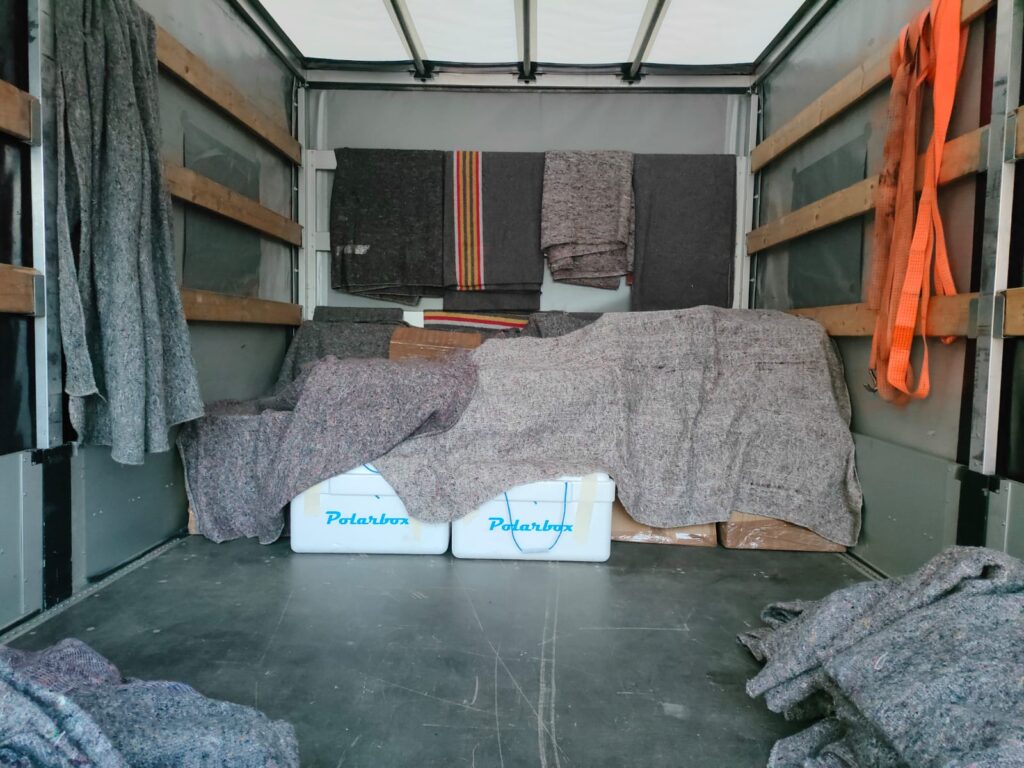
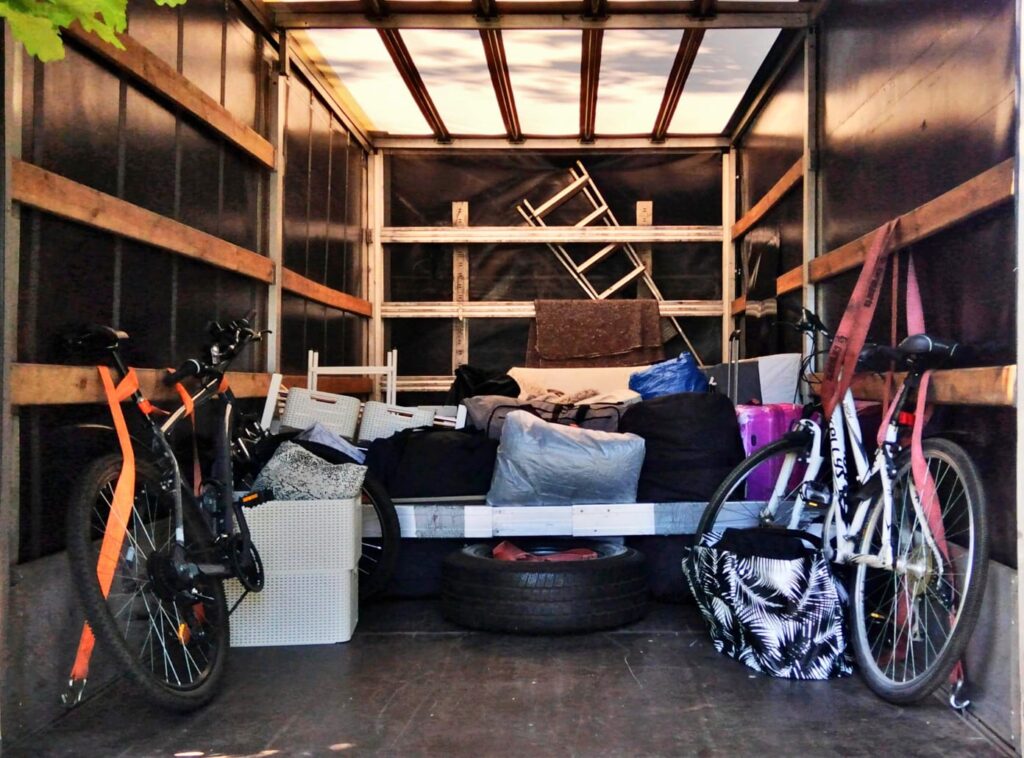
Furniture survives long journeys when it is wrapped with care and loaded with discipline. We bring the right materials and methods so every piece arrives ready to live.
- Standard: double wall cartons, blankets, corner guards, stretch wrap, labeled by room.
- Fragile and art: custom crates, climate aware wraps, shock and tilt indicators.
- Premium: White Glove placement and debris removal.
Packing levels at a glance
| Level | Includes | Best for |
|---|---|---|
| Self pack | Materials delivered or sourced, your time | Budget friendly moves with time to prepare |
| Pro pack | Full materials and room by room packing | Busy schedules, faster load out |
| White Glove | Crating, placement, basic assembly, debris removal | Antiques, art, designer furniture |
Materials we rely on
- Double wall cartons in mixed sizes, wardrobe boxes on request.
- Sofa and mattress covers to keep out moisture and grit.
- Edge and corner guards for tables, frames, and marble tops.
- Acid free tissue and foam for delicate finishes.
What not to pack in boxes
- Cash, passports, critical documents, medications.
- Pressurised cans, flammables, or perishables.
- Open liquids and wet items that can damage other goods.
Useful add ons
- Evening or early morning delivery slots where local rules allow.
- Short term storage if keys do not line up.
- Debris removal so your place feels ready on day one.
Service pages: Packing Services, White Glove Delivery, Furniture Removals.
Arrival in England — First‑Week To‑Dos
Your first week sets the tone. Tackle the essentials early and daily life clicks into place faster.
Quick essentials
- Register with a GP and book your first appointment. Follow NHS steps: How to register with a GP. Bring ID and address proof.
- Set up Council Tax with your local authority: Council Tax. Find your council if needed: Find your local council.
- Open a bank account and enable online banking. Bring photo ID and proof of address. Consider a basic account while documents arrive.
- Get a UK SIM and broadband. Check coverage and contract length at your new address.
- Arrange vehicle insurance and apply for parking permits if required. Start with your council’s website.
Helpful extras
- Apply for a National Insurance number if you need one: Apply for a NI number.
- Find an NHS dentist near you: How to find an NHS dentist.
- Apply for a school place if moving with children: School admissions.
- Check TV Licence rules if you watch live TV or BBC iPlayer: TV Licensing.
- Register to vote if eligible: Register to vote.
Mini checklist
| Task | Where | Proof needed | Tip |
|---|---|---|---|
| GP registration | NHS GP page | ID, address | Ask about repeat prescriptions |
| Council Tax | Local council | Address, move in date | Set up Direct Debit |
| Bank account | Your bank | ID, address | Bring a tenancy or council letter |
| SIM & broadband | Providers | — | Compare contract lengths |
| Parking permits | Local council | Vehicle and address | Apply early to avoid fines |
| NI number | GOV.UK | ID | Needed for payroll |
| School place | GOV.UK | Address, child’s details | Check catchment areas |
| TV Licence | TV Licensing | Address | Keep licence email handy |
FAQs (Norway → England)
- Can Norwegian citizens move to England to live and work? Yes. For stays beyond short visits you usually need a UK visa, most often the Skilled Worker visa or another appropriate route. Employers must complete right to work checks.
- What is ToR and do I qualify for duty‑free import? Transfer of Residence relief lets you bring used household goods to Great Britain without paying customs duty or VAT when eligibility is met. Apply before shipping and keep your ToR reference and inventory handy. See official ToR guidance.
- How long does Norway → England delivery take? Typical door to door timing is about 3 to 7 days. Dedicated vans can be faster; ferries, weather, and access can add buffers.
- What’s cheaper: part load or a dedicated van? Part load is usually cheaper because you pay only for your cubic meters and share the route. Dedicated costs more but gives a fixed delivery day and full control.
- Can you handle antiques and art with White Glove care? Yes. We crate, cushion, and place items carefully, and we can add shock and tilt indicators. Explore White Glove Delivery.
- Is Norway a better place to live than the UK? It depends on what you value. Norway scores strongly on work‑life balance, nature access, and safety; the UK offers a larger, more varied job market and culture‑rich cities. Compare salaries to local housing and everyday costs, then decide which mix fits your goals.
- Do Norwegians need a visa to work in the UK? Yes, usually. Most workers apply under the Skilled Worker visa or other specific routes.
- Is moving to England a good idea? If you seek an English‑speaking market, international careers, top universities, and cultural variety, England can be a great fit. Plan for housing costs, commuting realities, and NHS wait times in some regions. A clear budget and good timing make the move shine.
- Does Norway allow dual citizenship with the UK? Yes. Since 1 January 2020, Norway allows multiple citizenships. See UDI on dual citizenship.
- Does Poland allow dual citizenship? Yes. Poland permits dual citizenship; within Poland you are treated as a Polish citizen and should use Polish documents with Polish authorities. See Gov.pl citizenship pages and the U.S. Embassy note.
- What is the easiest country to move to from the UK? Ireland. Under the Common Travel Area, British and Irish citizens can live, work, study, and access services in each other’s countries without a visa.
Summary
Moving to England from Norway can be smooth when you plan early and keep things honest and small in m³. Choose part load for value or a dedicated van for a fixed delivery day. Secure ToR relief before shipping, prepare an itemised inventory, and keep key papers with you. Protect furniture with pro packing or White Glove care, and track every mile with live GPS. On arrival, handle GP registration, Council Tax, banking, SIM and permits. With clear steps and one point of contact, your move lands on time and without drama.