
TL:DR (7 bullets)
- Craft a sharp 30‑day plan. Declutter 10–20 percent, right‑size your vehicle, book a season‑smart corridor to Oslo, and prepare a numbered, customs‑ready inventory with realistic values.
- Tackle paperwork first. EU/EEA online registration, a police appointment, your D‑number and tax card. Use only official portals and book early to dodge queues.
- Claim duty‑free on used household goods when eligible. Carry a room‑by‑room list with box numbers and proof of residence abroad for a smooth red‑channel check.
- Pick the corridor that fits. Kiel → Oslo ferry for a rested arrival, Hirtshals routes for flexible staging, Copenhagen → Oslo for a city‑to‑city sail, or all‑road via Sweden for pets and full control. Add a winter buffer.
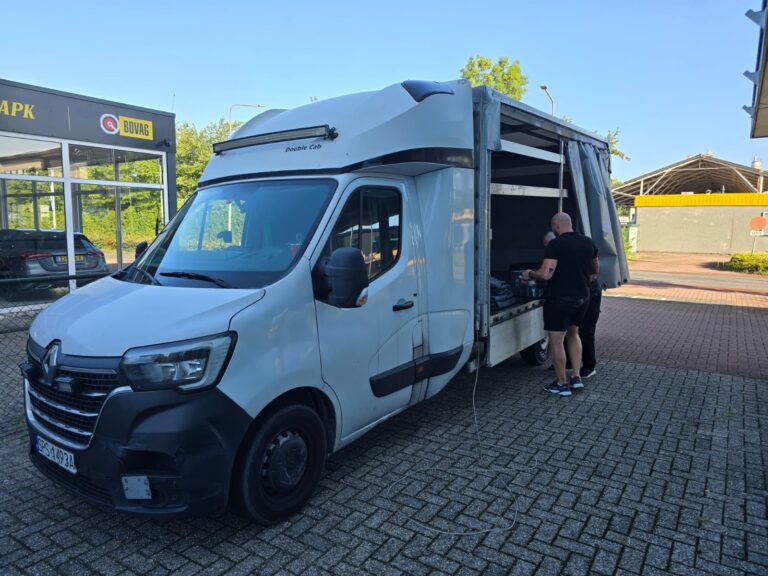
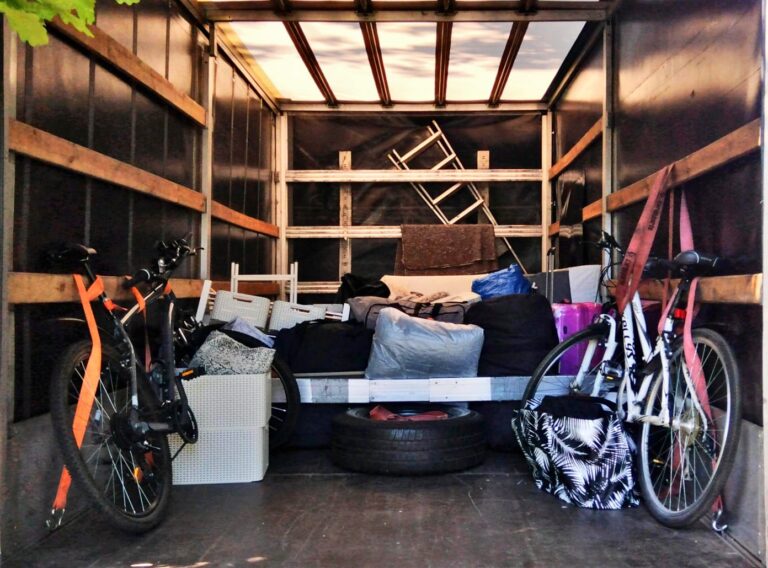
- Match capacity to your life from 5 to 90 m³ and watch payload. Oslo’s garages and controlled streets often favour a shuttle van for the last mile.
- Buy peace of mind. Professional packing, White Glove care, Last Minute backup, photo checkpoints, and live GPS tracking on every load.
- Keep costs lean and predictable. Cut volume, pre‑book lifts and loading bays via Oslo kommune, travel off‑peak, and align ferry cabins with delivery windows. Start with a transparent quote at VANonsite Removals to Norway.
Introduction
Moving to Oslo Norway feels like sliding into clear northern light. Fjord air on your cheeks, trams whispering past new‑build glass, and cosy cafes glowing when the sky turns blue‑grey. Your relocation should mirror that poise. Precision without pressure. Safety without compromise. A crew that treats your deadline like a promise, not a suggestion.
VANonsite makes that real. Winter‑aware routing that respects mountain weather. Crews who guard corners, bannisters, and floors. Professional packing that tames chaos into neat, numbered calm. And live GPS so you can watch your belongings sweep toward Bjørvika, Grünerløkka, or Majorstuen in real time. Short sentences. Clear prices. Clean delivery.
Snapshot: Mainland Europe vs Oslo Essentials
| Topic | Mainland EU (DE/NL/IE) | Oslo (NO) |
|---|---|---|
| EU/EEA status | EU | Norway is EEA, Schengen |
| Language | Local language plus English widespread | Norwegian Bokmål; English widely spoken |
| Power plugs | Type F (DE/NL), Type G (IE), 230V | Type F, 230V |
| Currency | EUR | NOK |
| Driving side | Right (DE/NL), Left (IE) | Right |
| Winter driving | Mild to moderate | City salt and tunnels, icy mornings, mountain routes outside the ring |
| Time zone | CET/CEST (DE/NL), GMT/IST (IE) | CET/CEST |
| City tolls | Limited | Toll ring via AutoPASS; congestion periods; studded tyre fees in season |
| Parking reality | Mixed | Controlled zones, permits, garages; loading bays must be pre booked |
| Airports | — | Oslo Airport Gardermoen (OSL) |
| Daylight pattern | Typical mid latitudes | Long summer days, short winter days |
| Digital ID & payments | Bank apps | BankID and Vipps after D‑number and bank account |
| Public transport | City cards vary | Ruter tickets and zones; bikes and trams common |
| Waste & recycling | Standard EU sorting | Strict sorting; bottle deposit system “pant” |
| Sunday retail | Broad opening | Limited Sunday hours; plan essentials |
| Housing deposits | 1–3 months typical | Often up to 3 months in a dedicated deposit account |
| Internet & mobile | 4G/5G common | Fast fibre and 5G; ID required for SIM |
| Emergency numbers | 112, 911 variants by country | 110 fire, 112 police, 113 ambulance |
Key takeaway
Oslo rewards preparation. Expect tolls, controlled parking, winter conditions, and precise last‑mile execution. Build time buffers, use moisture‑safe packing, and consider a shuttle van so delivery day stays calm.
Your 30 Day Move Timeline (Checklists)
T‑30 to T‑21 days
- Create a room‑by‑room inventory with realistic values and box numbers; flag fragile and high‑value items.
- Export to PDF and keep a cloud copy. Add photos for art, instruments, and electronics.
- Measure access: door widths, stair turns, lift size, loading distance, garage height. Add photos and short videos.
- Choose your corridor and pencil ferry windows; shortlist a backup corridor for weather.
- Right‑size capacity: 5, 10, 15, 30, or 90 m³. Validate payload if you own dense items like books or tools.
- Start a paperwork pack: ID, tenancy, employment, pet docs, passport photos, previous utility bills.
- Decide insurance level; mark items for White Glove handling and soft crating where needed.
- Winter prep if applicable: ice scraper, reflective vest, warning triangle, warm layers, and traction aids for the cab.
T‑20 to T‑10 days
- Declutter 10–20 percent to cut volume and cost. Donate or sell heavy duplicates.
- Book materials or Packing Service. Order wardrobe boxes, dish barrels, corner protectors, silica packs.
- Notify providers; set mail redirection. Pre book lifts and loading bays at both ends via building management or Oslo kommune guidance.
- Lock ferry cabins and timings. Align with delivery slots and building quiet hours.
- Draft your customs inventory by room and item type. Add serial numbers for tech.
- If bringing a vehicle, read Statens vegvesen rules and check winter tyre timelines.
T‑9 to T‑3 days
- Label two sides of each box; add numbers and color codes by room. Print a master list.
- Photograph valuables; record serial numbers. Place receipts in your cloud folder.
- Pack an essentials kit: documents, chargers, tools, bedding, coffee kit, rainwear, child or pet essentials.
- Dismantle large furniture; bag and label hardware. Protect corners and tabletops.
- Defrost and drain appliances at least 24 hours before loading. Air dry seals.
- Confirm access restrictions, gate codes, concierge contacts, and lift reservations.
T‑2 to T‑1 days
- Protect floors and corners. Stage heavy items near exits with clear walkways.
- Photograph meter readings and final room states. Prepare all keys and fobs.
- Check weather and ferry updates. Share any changes with your coordinator.
Moving day
- Final walkthrough with crew lead; confirm handling priorities and first‑off boxes.
- Sign a short condition note; keep passports, cash, jewellery, medications, and laptops with you.
- Track progress live with GPS and share the link with building management or concierge.
In transit
- Keep devices charged for ferry check‑ins and weather advisories. Rest on overnight sailings.
- If a ferry is cancelled, switch to your backup corridor and notify your coordinator immediately.
Week 1 in Oslo
- Register residence if staying over 3 months; secure your D‑number and tax card through Skatteetaten.
- Open a bank account, request BankID, and activate Vipps. Register AutoPASS for tolls.
- Choose a GP via Helsenorge and update your address. Unpack essentials first.
- Get a Ruter travel card or app for public transport. Learn your zone.
- Review local waste sorting rules and collection days. Stock up on rain‑friendly entryway mats.
Documents & Formalities (Official Links Only)
Follow this order and use official guidance only. Keep originals plus scans. Bring printed confirmations to appointments.
1) EU/EEA registration and police appointment
- Start here: UDI rights and obligations for EU/EEA nationals: https://www.udi.no/en/want-to-apply/rights-and-obligations-of-eu-eea-nationals/
- Book: Police registration appointment: https://www.politiet.no/en/services/residence-permit-and-registration/
- Bring: Passport or national ID, employment or study contract, housing contract, printed application receipts.
- When: Within your first weeks if staying over 3 months. Book early in peak seasons.
- Outcome: Registration certificate at the police appointment.
- Pro tips: Arrive 10 minutes early with neatly sorted documents. Have landlord contact handy.
2) D number or ID number and tax card
- Why: Needed for banking, payroll, healthcare, and public services.
- Where: Norwegian Tax Administration: https://www.skatteetaten.no/en/
- Steps: Some applicants complete an ID check at a Tax Office. Bring passport, address proof, and employment details.
- Do next: Share your D number with your bank and employer; request a tax card.
- Outcome: D number or national ID number issued, plus tax card linked to your employer.
3) Customs for household goods (duty free when eligible)
- Rules: Duty free relief may apply to used household goods. Guide: https://www.toll.no/en/private/import/moving-to-norway/
- Inventory: Room by room list with values and box numbers; keep proof of residence abroad.
- At the border: Use a manned customs office or red channel when required. On ferry arrivals, follow signs to customs if instructed.
- Later shipments: Keep the same inventory format and references for consignments that follow.
4) Vehicles
- Road rules and registration: Statens vegvesen: https://www.vegvesen.no/en/
- Customs and taxes: Norwegian Customs: https://www.toll.no/en/private/
- Seasonal note: Winter tyres and studded tyre zones have rules in Oslo. Check dates and fees via official guidance.
- Access tip: Many central garages have height limits. Share vehicle dimensions in advance.
5) Healthcare
- Set up: Helsenorge explains eligibility and choosing a GP: https://www.helsenorge.no/en/
- Next: After receiving your number, choose a GP and verify address.
6) Tolls and city specifics
- AutoPASS: Register for toll payments and some ferries: https://www.autopass.no/en/
- Oslo kommune: Parking, loading bays, and local rules: https://www.oslo.kommune.no/
- Traffic info: Live road and camera updates via Statens vegvesen traffic pages: https://www.vegvesen.no/trafikk/
7) Pets
- Entry rules: Norwegian Food Safety Authority: https://www.mattilsynet.no/language/english/bring-animals-to-norway
- Note: Dogs often require tapeworm treatment within a set window before entry. Confirm timing on the official page above.
Printable document pack
| Document or task | Issued by / Where | When to do it | Bring to appointment | Outcome |
|---|---|---|---|---|
| EU/EEA online registration | UDI | Before arrival or Week 1 | ID, employment or funds, housing proof | Registration checklist complete |
| Police registration appointment | Police | Week 1–2 | ID, UDI confirmation, housing proof | Registration certificate |
| D number and tax card | Norwegian Tax Administration | Week 1–2 | ID, address, employment contract where applicable | D number / tax card issued |
| Customs duty free relief for used goods | Norwegian Customs | At border / on entry | Inventory list, proof of residence abroad | Cleared goods |
| Vehicle import or temporary use | Statens vegvesen & Customs | If bringing a car | Registration docs, purchase proof, ID | Legal status confirmed |
| Healthcare and GP choice | Helsenorge | Week 1–3 | ID/D number, address | GP assigned |
| Pets entry documentation | Food Safety Authority | Before travel | Microchip, vaccinations, vet certificates | Animal cleared for entry |
Border checklist
- Itemized inventory with realistic values and box numbers.
- Proof of previous residence outside Norway if claiming duty free relief.
- Valid ID and proof of address or intended stay in Norway.
- Pet documents if applicable.
- Appointment confirmations and ferry or route bookings.
- Contact details for customs and your move coordinator.
Regulations change. Recheck the official links just before you travel.


Route Planning To Oslo (Corridors That Work)
Choose a corridor that fits your origin, season, and energy levels. Then lock ferry windows and build a small weather buffer.
| Route choice | Typical pattern from EU origins | Best for | Pros | Consider |
|---|---|---|---|---|
| Kiel → Oslo ferry | DE/NL → Kiel overnight → Oslo morning arrival | Oslo city and eastern Norway | Predictable schedule; arrive rested | Cabin demand in peak weeks |
| Copenhagen → Oslo ferry | DE/NL → Copenhagen afternoon/evening → Oslo morning | City‑to‑city with minimal driving | Walk‑on city centers; steady timings | Plan parking at Copenhagen terminal |
| Hirtshals → Kristiansand/Stavanger → E18/E39 | DE/NL → Denmark → Hirtshals → short ferry → E roads north | South and west coasts with Oslo access | Shorter sea legs; flexible driving stages | More road miles; plan tolls and potential weather |
| All road via Sweden | DE/NL → Denmark → Sweden → Oslo | Pets, maximum control | Full timetable control; good rest stop network | Longest road time; winter conditions |
Drive time ranges and pacing
- Kiel → Oslo ferry: embark late afternoon, overnight sailing, morning arrival, then 20–45 minutes to central districts.
- Copenhagen → Oslo ferry: afternoon or evening departure, restful overnight, tram or short drive on arrival.
- Hirtshals corridors: plan 1–2 driving days in Norway depending on stops and weather.
- All road via Sweden: 2–3 driving days; best for full control and pet schedules.
Seasonal strategy
- Winter: Choose routes with fewer mountain sections; add a 12–24 hour buffer. Keep warm layers and traction aids in the cab.
- Summer: Book cabins early and aim for midweek sailings. Tourist traffic can slow city access.
- Shoulder seasons: Good value and steadier weather; still keep a buffer for rain and fog.
Last mile reality in Oslo
- Controlled zones and garages favour pre booked loading bays.
- Height limits and tight ramps in central garages. Share vehicle dimensions with the coordinator.
- Time deliveries outside rush hours for cleaner access.
- Check municipal guidance for temporary loading and parking: https://www.oslo.kommune.no/
Contingency planning
- Keep an alternative corridor in mind in case of ferry cancellations.
- Share all ferry bookings with your coordinator so loading and delivery windows align.
- Build a simple communication plan for key handovers so nobody waits.
- Monitor live road cameras and traffic updates: https://www.vegvesen.no/trafikk/
Vehicle Sizes & What Fits
Pick capacity by cubic meters and payload. Use your inventory list, count dense categories, then choose one of the sizes below. Oslo access can be tight, so be ready to split loads or shuttle for the last mile when it saves time and nerves.
Capacity chooser wizard
- List big pieces first: sofas, beds, wardrobes, appliances, bikes. Note dimensions.
- Count dense categories: books, files, ceramics, tools, gym plates. These drive payload more than volume.
- Add box count by room. A 60 L box is roughly 0.06 m³. Fifty boxes are about 3 m³.
- Match to a service below and check the Max Payload. If in doubt, size up or split.
- Consider access: garage height, stair width, lift size, carry distance. Oslo rewards nimble vehicles.
Quick chooser table
| Service | Volume | Max Payload | Ideal For | What usually fits | Access notes |
|---|---|---|---|---|---|
| Moving Basic | 5 m³ | 300 kg | Studio essentials, students | 40–70 mixed boxes, compact desk, 1 chair, TV up to 40 in, two suitcases | Superb where parking is short or lanes are tight |
| Moving Medium | 10 m³ | 600 kg | Small apartment | 70–120 boxes, double bed, small sofa, coffee table, 2 bookshelves | Favors narrow streets with short carry |
| Moving Premium | 15 m³ | 1000 kg | 1–2 bed flat | 120–180 boxes, king bed, 3 seater sofa, dining for 4, washer or dryer, 2 bikes | Standard Oslo choice; validate payload |
| Moving Premium Plus | 30 m³ | 3500 kg | Larger flats, partial house | 180–350 boxes, 3 beds, large sectional, wardrobes, freezer, bikes, garden items | Check turning circle and garage height |
| Moving Full House XXL | 90 m³ | 20000 kg | Full family home | 350–700 boxes, full room sets, outdoor gear, workshop tools, sports equipment | Often staged unload; consider shuttle |
Sample households at a glance
| Home profile | Typical volume | Recommended service | Notes that save you money |
|---|---|---|---|
| Minimalist studio | 4–7 m³ | Moving Basic 5 m³ | Prioritise boxes; disassemble table legs |
| Student or 1 room flat | 8–12 m³ | Moving Medium 10 m³ | Avoid overfilling book boxes to protect payload |
| 1–2 bed apartment | 12–18 m³ | Moving Premium 15 m³ | Flag washer, dryer, or aquarium for special handling |
| 2–3 bed apartment | 20–35 m³ | Moving Premium Plus 30 m³ | Shuttle the last mile if garage height is under 2.1 m |
| 3–5 bed family home | 60–90 m³ | Full House XXL 90 m³ | Stage by rooms, consider split delivery over two days |
Rules of thumb
- A 60 L box can hit 25 kg if packed with books. Mix contents to protect payload.
- 3 seater sofa: 1.4–1.8 m³. King bed with frame: 1.5–2 m³.
- Books, files, tools, and ceramics spike payload. Size by kg as well as m³.
- Tall wardrobes and American fridges need lift measurements and turn checks.
Oslo access decoder
| Access scenario | Risk | Tactic that works | Vehicle choice |
|---|---|---|---|
| Garage height ≤ 2.1 m | Roof or tail lift clearance issues | Shuttle van plus main truck staged nearby | 5–15 m³ shuttle + line haul |
| No lift, 4th floor, narrow stairs | Long carry time | Extra crew member and stair protection | 10–15 m³ with crew of 3 |
| Loading bay slot of 30 minutes | Ticket risk and rush | Pre staged items, two runs, coordinator call | 5–10 m³ shuttle |
| Car free street with time windows | Access fines | Early morning slot, proof to concierge | 5–10 m³ shuttle |
| Cobbled courtyard, tight turns | Corner damage, delays | Corner guards, spotter, smaller vehicle | 10–15 m³ |
When to split or shuttle
- Tight inner city access with garage height limits or bollards.
- You want essentials first, remainder later the same day.
- Renovation phasing, storage in transit, or cross docking for timing.
- Ferry arrival in peak hours when a nimble shuttle beats a long wait.
Split load playbook
- Create A and B inventories. A is day one essentials. B is the remainder.
- Label box numbers with A or B. Share lists with your coordinator.
- Book two delivery windows that fit building rules.
- Use a shuttle van for A if access is narrow, then bring B with the main truck.
- Close out with one photo checklist and one signed delivery sheet.
Services That Remove Friction
Moving should feel orchestrated, not improvised. Here is how we eliminate friction on Oslo routes so you arrive calm, on time, and in control.
What you get on every move
- Dedicated move coordinator who owns permits, ferry windows, and all confirmations.
- Last Minute Moving capacity for urgent handovers when dates change.
- Live GPS tracking on every load with shareable ETAs for building management.
- Photo checkpoints at load and delivery for clear documentation.
- Premium protection for the property: floor runners, door jamb guards, corner protectors, mattress and sofa covers.
- Weather aware routing and buffer planning for winter or heavy rain days.
Add what you need
- Packing Service: full pack, fragile only, or unpack and put away.
- White Glove Delivery for art, instruments, antiques, or designer pieces.
- Furniture Removals including disassembly, reassembly, and alignment.
- Home Removals • Office Removals • Student Removals • Storage in clean, inventoried units.
- Crating for glass or stone, stair carry teams, evening or weekend delivery, and hoists where approved.
Delivery day choreography
- Crew briefing and property walk. Floor and corner protection installed.
- Box map on the wall. Color codes match rooms.
- First off boxes staged for kitchen and bedrooms.
- Furniture placed in room of choice. Beds and tables reassembled.
- White Glove items unwrapped, inspected, and positioned.
- Waste packing removed or compacted for recycling.
- Photo checklist completed. Any notes added to the delivery sheet.
- GPS trip closed and timestamped proof of delivery shared.
Communication and proof
- Live GPS link, point of contact details, and a simple timeline shared before wheels roll.
- Photo documentation at load and delivery.
- Itemised invoice and signed delivery sheet for your records.
Sustainability choices
- Reusable crate options on request.
- Route consolidation where timing allows to cut emissions.
- Clean materials and careful recycling of packing waste.
Compliance and safety
- Clear exclusions explained upfront. No hazardous goods or leaking liquids in boxes.
- Lift rules, loading bay permits, and municipal restrictions respected at all times.
- Crews trained in safe lifting, stair carries, and narrow access maneuvers.


Packing Like a Pro
- Heavy in small boxes, light in large. Use dish barrels and wardrobe cartons.
- Plates vertical; glasses in segmented dividers. Zero rattles.
- Electronics in anti static sleeves; remove batteries; photograph cable setups.
- Label two sides, number every box, and color by room.
- Weatherproof for winter rain and slush: mattress covers, moisture barriers, silica packs.
Box cheat sheet
| Box type | Liters | Best for | Notes |
|---|---|---|---|
| Standard 60 L | 60 | Books, kitchenware, general items | Keep weight manageable |
| Wardrobe box | 100+ | Hanging clothes | Crease free arrival |
| Dish barrel | 60 | Plates and bowls | Thicker walls; pack plates vertical |
| Picture carton | var. | Mirrors, framed art | Corner protectors and face shields |
| Lamp box | tall | Floor lamps, shades | Wrap shades separately; fill voids |
Cost Factors & Oslo Specific Scenarios
| Cost driver | What influences it | How to reduce |
|---|---|---|
| Distance & route | Corridor choice, detours, season | Choose the most direct seasonal corridor; avoid storm days |
| Ferries & tolls | Cabin type, vehicle length, toll timing | Book early, standard cabins, plan toll friendly timings |
| Volume & weight | Box count, bulky items, dense loads | Declutter 10–20 percent; right size capacity |
| Access & parking | Stairs, long carries, garage height limits | Pre book bays; add shuttle van for tight last mile |
| Packing complexity | Fragility, custom crates, owner vs pro pack | Self pack basics; pro pack fragile and high value |
| Special items | Pianos, art, aquariums, gym machines | Use White Glove selectively |
| Season & weather | Winter pacing, summer peaks | Add a weather buffer; aim for shoulder seasons |
| Waiting time | Keys, concierge delays, ferry changes | Confirm keys; share live GPS with building managers |
| Storage/split loads | Storage days, second address drops | Consolidate dates; combine deliveries |
| Crew size & overtime | Larger teams, evening work, weekend restrictions | Lock building slots early; avoid peak arrival hours |
| Permits & lifts | Municipal permits, lift bookings, quiet hours | Reserve in advance; align delivery windows to building rules |
| Fuel & energy | Corridor length, idling, winter warm up | Efficient routing; avoid peak congestion windows |
| Exchange rate swings | NOK vs EUR exposure on ferries and tolls | Book major cost items early; pick fixed quotes where available |
| Packaging materials | Wardrobes, dish barrels, picture cartons | Reuse where safe; focus pro pack on fragile items only |
| Re delivery & access | Failed access, second attempts, wrong vehicle size | Share videos, measurements, and access photos before loading |
Cost levers you control first
- Reduce volume by 10–20 percent. It is the single strongest lever.
- Share exact access details with photos and short videos. This avoids re delivery and extra crews.
- Pre book lifts, loading bays, and concierge slots so the clock does not tick while you wait.
- Align ferry arrivals with building quiet hours to prevent forced overtime.
- Use pro packing for fragile and high value only. Self pack simple items.
- Choose the right capacity. Too small requires shuttling. Too large raises ferry and toll brackets.
- Pick midweek windows when traffic and ferry demand are softer.
Scenario snapshots
- Hamburg → Oslo: 15–30 m³. Kiel ferry for a rested arrival. Choose Moving Premium or Premium Plus, fragile only packing, evening delivery to avoid peak hours.
- Berlin → Oslo: 15–30 m³. All road via Sweden in winter for predictability. Shuttle the last mile if your garage is under 2.1 m.
- Amsterdam → Oslo: 15 m³ typical. Kiel ferry, Copenhagen ferry, or all road via Sweden. Choose Moving Premium, GPS included, lift booking essential in the centre.
- Rotterdam → Oslo: 15–30 m³. Hirtshals short ferry then E18. Book AutoPASS and check tunnel heights along the final approach.
- Dublin → Oslo: 15–30 m³. France corridor then Kiel ferry. Choose Premium/Premium Plus, book cabins early in summer.
- Oslo inner city micro delivery: 5–10 m³ shuttle for car free streets and tight ramps. Two windows beat one long wait.
Transparent quote checklist
- Itemised route and ferries with vehicle length stated.
- m³ and payload assumptions with box count.
- Crew size and planned hours.
- Access notes for both addresses and any shuttle needs.
- Packing scope split into owner pack vs pro pack.
- Insurance level and deductibles.
- Storage, split loads, and second address charges clearly listed.
- Contingency plan if a ferry is cancelled.
Insurance & Peace of Mind
| Option | What it covers | Best for | Notes |
|---|---|---|---|
| Basic carrier liability | Limited per kilo coverage during transit | Minimal risk, low value moves | Not designed for art or collectibles |
| Full value protection | Repair, replace, or cash settle up to your declared value | Most home moves | Declare realistic totals; pick a sensible deductible |
| Item specific riders | Extra cover for single high value pieces | Art, instruments, designer furniture | Pair with White Glove handling |
| Storage coverage | Goods held between load and delivery | Staggered moves or renovation gaps | Confirm start and end dates of storage |
Valuation methods at a glance
| Method | How it works | When to use it |
|---|---|---|
| Declared lump sum | One total value for the whole shipment | Standard home moves |
| Scheduled high value items | Individual values for specific pieces | Art, instruments, collectibles |
| Hybrid approach | Lump sum for most, schedule a few key items | Balanced coverage on mixed inventories |
Deductible options
| Deductible level | Premium impact | Good fit for |
|---|---|---|
| Lower | Higher premium | Heirlooms, fragile or unique pieces |
| Medium | Balanced premium | Typical family moves |
| Higher | Lower premium | Robust inventories, owner packed bulk |
What is usually excluded
Wear and tear, poor owner packing on fragile items, liquids and perishables, hazardous goods, moisture not caused by an insured event, and pre existing damage.
Documentation to keep
- Photos of high value items before packing and at delivery.
- Receipts or valuations where available.
- Box numbers and room lists that match your inventory.
- Ferry tickets and route proofs when claims relate to delays.
- Signed delivery sheet noting any visible exceptions.
Simple claims steps
- Note visible damage on the delivery sheet before the crew leaves.
- Photograph the item and packaging from several angles.
- Share box number, description, and proof of value.
- Keep packaging until the claim is closed.
- Respond quickly to any insurer questions so settlement is swift.
Tip: choose an insurance level that matches reality. Under declaring value saves little and slows claims.
After Arrival: First Week Checklist (Official Links)
Day 1–2: Set the foundations
- Register your move and address with the Norwegian Tax Administration: https://www.skatteetaten.no/en/
- EU/EEA registration & police appointment if staying over 3 months.
UDI: https://www.udi.no/en/want-to-apply/rights-and-obligations-of-eu-eea-nationals/
Police: https://www.politiet.no/en/services/residence-permit-and-registration/ - Get your D number / ID number & tax card: https://www.skatteetaten.no/en/
- Activate health access via Helsenorge, choose your GP: https://www.helsenorge.no/en/
Day 3–5: Mobility, money, and daily life
- Open a bank account, then request BankID and set up Vipps once your number is active. Your employer will use your tax card for payroll.
- Road tolls: register AutoPASS for the Oslo toll ring and relevant ferries: https://www.autopass.no/en/
- Vehicle rules for temporary use/import and winter tyres: Statens vegvesen: https://www.vegvesen.no/en/
- Public transport: get the Ruter app or a travel card and learn your zone.
- Mail forwarding with Posten: https://www.posten.no/en/change-of-address
Day 6–7: Practical comforts
- Internet and SIM: purchase with valid ID; keep contract copies for address proof.
- Parking & local rules: check Oslo kommune for permits, loading bays, and recycling guidance: https://www.oslo.kommune.no/
- Waste & deposits: learn sorting rules and use the bottle‑deposit system “pant.”
- Safety: save emergency numbers in your phone — 110 fire, 112 police, 113 ambulance.
Tip: Many shops have limited Sunday hours. Stock essentials by Saturday.
FAQs
- How long does it take to reach Oslo?
From northern Europe, plan 2–5 days door to door, depending on origin, season, ferries, and access. - Do I need winter tyres in Oslo?
Norway has strict winter driving rules and local requirements. See Statens vegvesen: https://www.vegvesen.no/en/ - How do Oslo tolls work?
Register with AutoPASS for seamless toll payments and check municipal guidance via Oslo kommune: https://www.oslo.kommune.no/ - Is central access difficult?
Many garages and controlled streets require planning. We schedule loading bays and use a shuttle van where needed. - Can I track my shipment live?
Yes. Every VANonsite load includes live GPS. - Do you offer storage if my new home is not ready?
Yes. Short or long term storage with tracked inventory. - What paperwork do EU/EEA citizens actually need?
If staying over 3 months, complete EU/EEA registration with UDI, attend your police appointment, then request a D number and tax card from Skatteetaten. - How fast can I get BankID and use Vipps?
After your D number and bank account are active, many banks issue BankID within a few days. Vipps can be set up right after BankID is live. - What are the emergency numbers in Norway?
110 fire, 112 police, 113 ambulance. Save them on day one. - Are shops open on Sundays?
Many are closed or run reduced hours. Plan your household essentials before Sunday. - What should I present at the border for duty free household goods?
A room by room inventory with values and box numbers, plus proof of residence abroad if you apply for relief. Follow Norwegian Customs guidance: https://www.toll.no/en/private/import/moving-to-norway/
Summary
Moving to Oslo rewards precision and calm execution. Start by locking in a corridor that suits the season and your origin — Kiel → Oslo for a rested arrival, Copenhagen → Oslo for a city‑to‑city sail, Hirtshals short ferries for flexibility, or all‑road via Sweden when you want full control. Add a 12 to 24 hour weather buffer so nothing feels rushed.
Size the move, not the myth. Choose capacity between 5 and 90 m³ and watch payload, especially for books, tools, and ceramics. In the centre, garages and time‑windowed streets often favour a shuttle van for a clean, ticket‑free last mile.
At a glance:
- Prepare a numbered, customs‑ready inventory with realistic values.
- Complete EU/EEA registration, police appointment, your D number and tax card via official portals.
- Pack rain‑proof; select White Glove for heirlooms; track every mile with live GPS.
- Pre book lifts, loading bays, and register AutoPASS before arrival.
Ready to move with confidence? Get a clear, itemised quote at VANonsite Removals to Norway and step into Oslo organised, on time, and free to explore Aker Brygge by sunset.