TL:DR (7 bullets)
- Build a precise 30‑day plan that actually works. Declutter 10–20 percent, right size your vehicle, choose a weather‑smart corridor out of Norway, and create a clean, box‑numbered customs inventory with realistic values.
- Handle post‑Brexit paperwork early. Confirm your visa route, book biometrics if needed, and prepare Transfer of Residence (ToR) relief for household goods. We link only to official UK resources.
- Claim UK ToR relief on used belongings when eligible. Bring proof of residence in Norway, proof of your UK move, and that numbered inventory to unlock duty and VAT relief.
- Choose the smartest corridor: E6 south to Denmark and Netherlands with a short UK ferry, or combine Denmark ferries with NL or FR crossings for your final postcode and timing.
- Match capacity to your life: from 5 m³ to 90 m³ with strict payload limits. Use shuttle vans for old‑town access and height‑restricted streets on either side.
- Buy peace of mind: professional Packing Service, White Glove handling for art and instruments, Last Minute support, and live GPS tracking on every load for transparent ETAs.
- Spend smarter: cut volume before you pack, pre‑book parking bays and lifts, travel off‑peak, and accept a flexible delivery window. Start with a transparent quote at VANonsite Removals to Norway.
Introduction
Moving to the UK from Norway feels like swapping midnight sun for city glow. After Brexit, the path includes new forms, new checkpoints, and a few extra decisions. Still, your move can be calm and precise. You deserve a plan that protects your timeline and your treasures.
VANonsite delivers winter‑aware routing out of Norway, meticulous packing, corner and floor protection, and live GPS so you can watch your home cross Europe in real time. Short sentences. Clear pricing. Clean delivery. From the first checklist to the last box set down in your new kitchen, everything is choreographed so you stay in control. This guide also covers the essential secondary topic moving to UK from Norway after Brexit, with only official links for visas, customs and pet entry.
Related routes and popular city guides
• Primary hub page: Removals to Norway
• Norway city insights: Moving to Oslo • Moving to Bergen • Moving to Sommarøy
• Cross‑border planning inspiration: Moving to Switzerland from Norway
• EU origin guides: Germany → Norway • Netherlands → Norway • Ireland → Norway
Snapshot: Norway vs United Kingdom Essentials
| Topic | Norway | United Kingdom |
|---|---|---|
| Status | EEA, Schengen | Non‑EU with independent immigration rules |
| Currency | NOK | GBP |
| Power | Type F, 230V | Type G, 230V |
| Driving | Right | Left |
| Winter driving | Frequent snow/ice | Variable by region; winter tyres optional but wise in cold areas |
| Road tolls | AutoPASS system in many cities/roads | Regional tolls and bridges; London Congestion Charge and ULEZ apply |
| Healthcare access | Helsenorge GP system | NHS registration with a local GP after establishing address |
| Bank & payments | BankID, Vipps | UK bank account, contactless, Faster Payments, Apple/Google Pay |
| Mobile | eSIM/SIM, strong 4G/5G | eSIM/SIM, strong 4G/5G, many MVNOs |
| Plugs & adapters | Type F | Type G – pack adapters |
| Cost of living | High | High in London and South East; varies by region |
| Immigration after Brexit | Free movement no longer applies for UK entry | Visa routes apply for most non‑UK/Irish citizens |
| Customs on household goods | Duty‑free within EEA context domestically | ToR relief can remove duty/VAT on eligible used personal belongings |
Key takeaway
Two immediate changes hit first: plugs and driving side. Pack adapters and brief drivers on left‑side rules. Then plan for UK city charges and resident parking permits in the busier boroughs.
Your 30‑Day Move Timeline
T‑30 to T‑21 days
- Create a room‑by‑room inventory with rough values; flag fragile or high‑value items.
- Measure access at both ends: door widths, stair turns, lift size, loading zones. Share photos or a short video.
- Choose your corridor and target a calm weather window.
- Pick capacity: 5/10/15/30/90 m³ and confirm payload if you own books, tools, or gym plates.
- Start your ToR relief and visa research if applicable.
- Decide on insurance and any White Glove pieces.
Access worksheet
| Address | Door width | Stair width | Lift depth × width × height | Max vehicle height | Loading distance | Notes |
|---|---|---|---|---|---|---|
| Origin NO | ||||||
| Destination UK |
Pro move calendar – what to start now
| Day | Task | Why it matters |
|---|---|---|
| 30 | Draft inventory, open ToR page on gov.uk | Leads to duty and VAT relief if eligible |
| 28 | Request building permissions and lift bookings | Locks time slots so crews can work fast and safe |
| 26 | Choose corridor and pencil ferry cabins | Sleep on board, arrive rested, protect delivery day timing |
| 24 | Confirm capacity and payload | Avoid overweight surprises, match van to street access |
| 22 | Photograph access at both ends | Allows shuttle van planning before the truck is on the road |
Example inventory snippet
| Box no. | Room | Contents | Value (GBP) |
|---|---|---|---|
| 01 | Kitchen | Plates 12, bowls 8, pans 3 | 120 |
| 07 | Lounge | Books 40, framed prints 2 | 95 |
| 12 | Bedroom | Clothes mixed, shoes 4 pairs | 150 |
| 18 | Office | Monitor 27 in, keyboard, cables | 220 |
T‑20 to T‑10 days
- Declutter 10–20 percent to drop volume and cost.
- Book materials or Packing Service; add wardrobe cartons and dish barrels.
- Pre‑book lifts and parking bays in writing.
- Lock ferry bookings and share references with your coordinator.
- Draft a numbered customs inventory grouped by room with realistic values.
- Photograph electronics and record serial numbers.
ToR prep pack – documents you will need
| Item | Typical proof to collect |
|---|---|
| Identity | Passport or national ID |
| Proof of residence in Norway | Lease, registration, utility bills |
| Proof of move to the UK | Tenancy, employment letter, school enrollment |
| Detailed inventory with values | Numbered list, photos of high value items |
T‑9 to T‑3 days
- Label two sides of each box with number, room, contents, and priority.
- Pack a travel kit: passports, chargers, tools, meds, bedding, adapters, kettle, basic cookware.
- Defrost and drain appliances 24 hours before loading.
- Confirm access restrictions, gate codes, and delivery timings.
Label schema that speeds delivery
- Colour per room, number per box, short contents line. Example: KITCHEN‑07 Glasses and mugs.
- Add PRIORITY‑1 to first‑night items. Crew will load them last and unload them first.
T‑2 to T‑1 days
- Protect floors and corners. Stage heavy items near exits.
- Photograph meter readings and final room states.
Border day folder
- Passports and any UK visa decision letters.
- ToR reference and printed inventory.
- Proof of residence in Norway and your UK address details.
Moving day
- Walkthrough with the crew lead; review handling priorities and first‑off boxes.
- Sign a brief condition note. Track progress live with GPS.
Crew checklist at load
- Doors, floors and corners protected.
- First‑night boxes staged.
- Photos of special items taken and acknowledged.
In transit
- Keep ferry confirmations handy and follow weather advisories. Rest well on overnight segments.
- If a crossing is cancelled, your coordinator switches ports or drives via Netherlands or France, then updates ETAs.
Week 1 in the UK
- Register with a GP and open a bank account.
- Apply for a National Insurance number if required.
- Arrange council tax and parking permits where applicable.
- Unpack essentials and recycle materials.
Week‑one micro plan
| Task | Where to do it | Link |
|---|---|---|
| Find your local council | Enter postcode to get council services | https://www.gov.uk/find-local-council |
| Council tax info | Overview from gov.uk | https://www.gov.uk/council-tax |
| GP registration | NHS services overview and GP finder | https://www.nhs.uk/nhs-services/ |
| NI number | Apply online guidance | https://www.gov.uk/apply-national-insurance-number |
Documents & Formalities – Official UK Links Only
Rules change. Always verify on gov.uk before you travel.
1) After‑Brexit immigration routes
- Check if you need a UK visa: gov.uk’s route finder
https://www.gov.uk/check-uk-visa - Skilled Worker, Global Talent, Student, Family and other visas:
https://www.gov.uk/browse/visas-immigration - EU Settlement Scheme – for eligible family members or existing rights only:
https://www.gov.uk/settled-status-eu-citizens-families
Visa cheat sheet
| Route | Typical who it fits | Common extras |
|---|---|---|
| Skilled Worker | Sponsored employment in the UK | Certificate of Sponsorship, English |
| Student | Enrolled on a UK course | CAS from university, funds evidence |
| Family | Partner or family joining in the UK | Relationship evidence, housing proof |
2) Transfer of Residence (ToR) relief for household goods
- Apply for ToR relief to import used belongings duty and VAT free when eligible:
https://www.gov.uk/guidance/transfer-of-residence-to-great-britain - Personal belongings customs guidance:
https://www.gov.uk/bringing-personal-belongings-to-uk
ToR step by step
- Gather proofs of residence in Norway and your UK move.
- Create a numbered inventory with values, grouped by room.
- Submit your ToR application and keep the reference.
- Travel with printed copies and be ready to present them at the border.
- Keep packaging until you confirm everything arrived intact.
Inventory must include: numbered boxes, plain English descriptions, room of origin, realistic values. Bring proof of residence in Norway and UK address evidence.
3) Vehicles you bring to the UK
- Temporary use or import and register:
https://www.gov.uk/importing-vehicles-into-the-uk - DVLA registration, plates, MOT:
https://www.gov.uk/vehicle-registration - Driving licences – exchange rules and validity:
https://www.gov.uk/driving-nongb-licence - City charges – London Congestion Charge and ULEZ:
https://tfl.gov.uk/modes/driving/charges-by-road
Quick vehicle timeline
| Scenario | What to do |
|---|---|
| Short stay on NO plates | Check temporary use rules and insurance terms |
| Permanent import | Register with DVLA, arrange MOT if required |
| London drop | Check ULEZ and Congestion Charge for your vehicle |
4) Pets
- Pet travel to Great Britain – microchip, rabies, health certificate timelines:
https://www.gov.uk/bring-pet-to-great-britain
Pet prep essentials
- Check microchip and rabies validity windows.
- Secure the right health certificate based on your route.
- Pack leashes, carriers, and water for long drives and ferries.
5) Healthcare and NI number
- Register with a GP and access the NHS:
https://www.nhs.uk/nhs-services/ - Apply for a National Insurance number:
https://www.gov.uk/apply-national-insurance-number
Joining the dots
- GP registration helps prescriptions and referrals flow.
- NI number is important for payroll and benefits.
- Council registration unlocks waste collection and parking permits.
Printable doc pack
| Document or task | Where to do it | When | Bring |
|---|---|---|---|
| Visa check and route | gov.uk visa checker | T‑30 to T‑21 | Passport, work or study proof |
| ToR relief application | gov.uk ToR | T‑20 to T‑10 | Inventory, proof of residence |
| Vehicle import or temp use | gov.uk DVLA + importing vehicles | If bringing a car | Registration docs, proof of purchase |
| NHS GP registration | nhs.uk | Week 1 | Address proof |
| National Insurance number | gov.uk NI | Week 1–2 | ID, address |
| Council tax and permits | Local council site | Week 1–2 | Tenancy, ID |


Route Planning From Norway To The UK
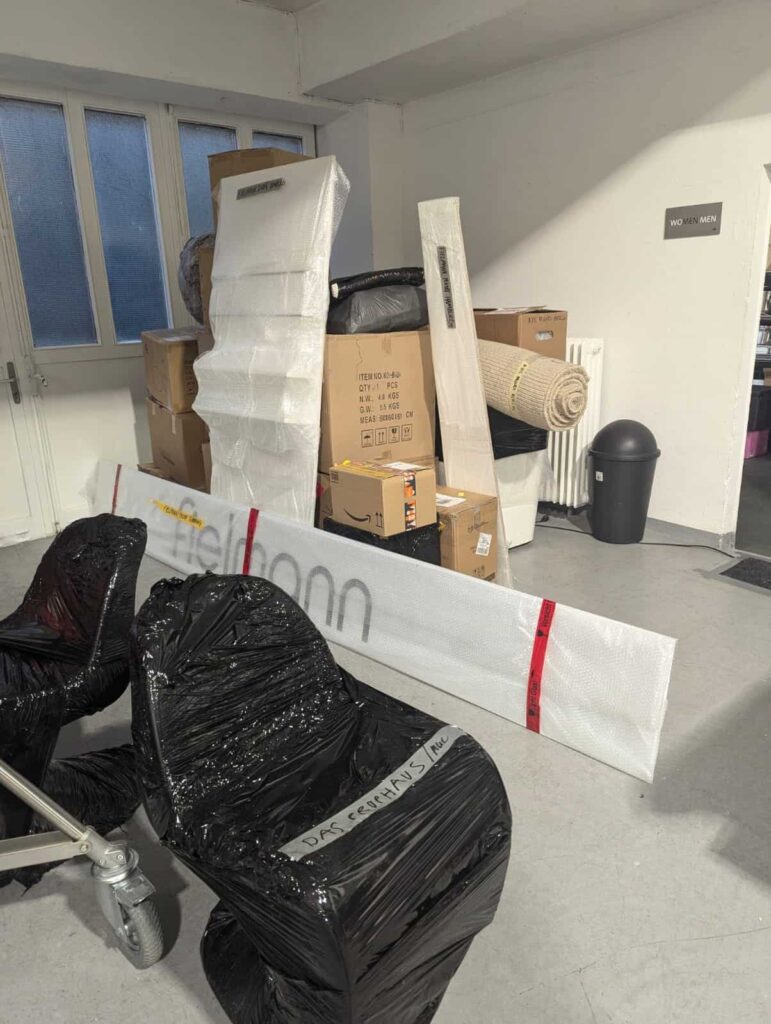
Pick a corridor that matches your destination city, season, and schedule. No direct Norway–UK passenger ferry runs at scale right now, so combine European legs smartly.
Main corridors at a glance
| Route choice | Pattern from Norway | Best for | Pros | Consider |
|---|---|---|---|---|
| All‑road via Sweden → Denmark → Netherlands | E6 south to Sweden, E20 to Denmark, A7/A1 to NL, ferry | London, Midlands, East Anglia | Maximum control, strong rest‑stop network | Longest drive time |
| Norway → Denmark ferry → NL/FR → UK ferry | Kristiansand/Stavanger/Bergen → Hirtshals → NL/FR ports | South and west UK, flexible ETAs | Shorter sea legs, refreshed crews | Summer demand, maritime weather |
| Kiel ferry start, then overland to NL/BE → UK | Oslo region → Kiel ferry → DE → NL/BE → UK | Winter stability | Rested start, predictable schedules | Added ferry booking, fixed departure times |
Popular UK landings: Harwich, Hull, Felixstowe area, Dover, Portsmouth. Choose based on final postcode and truck access.
Seasonal strategy
- Winter: Add a 12–24 hour buffer. Expect black ice on shaded bridges and mountain sections.
- Summer: Reserve cabins early. Midweek crossings are calmer and often better value.
- Shoulder seasons: Often best for price and availability.
Route time estimates (door‑to‑door guidance)
These are realistic calendar windows that include ferries, legal rest, and city access. Weather can add a day.
| Origin in Norway | Corridor option | Typical sea legs | Driving hours range | Door‑to‑door days* | Best UK landings |
|---|---|---|---|---|---|
| Oslo | All‑road via SE → DK → NL → UK | Short NL → UK night ferry | 22–30 h | 3–5 | Harwich, Dover |
| Bergen | Ferry to Hirtshals → DK → NL/BE → UK | 12–18 h + short UK ferry | 14–22 h | 3–5 | Hull, Harwich |
| Stavanger | Ferry to Hirtshals → DK → NL/FR → UK | 10–16 h + short UK ferry | 16–24 h | 3–5 | Dover, Portsmouth |
| Trondheim | All‑road to DK → NL → UK | Short NL/BE → UK ferry | 28–36 h | 4–6 | Harwich, Hull |
*Guidance for standard household moves with planned ferries and no extraordinary access constraints.
Sample itineraries you can actually run
- Oslo → Harwich, steady pace
Day 1: E6 to Sweden, on to Denmark and rest near Jutland.
Day 2: Drive to Netherlands, night ferry to Harwich.
Day 3: Morning customs formalities and London delivery. - Bergen → Hull, ferry‑first approach
Day 1: Evening ferry to Hirtshals, sleep on board.
Day 2: Denmark to northern Netherlands or Belgium, rest.
Day 3: Short UK ferry, afternoon delivery across the Humber region. - Trondheim → South East England, driver‑friendly
Day 1: Long E6 segment with scheduled rest in southern Sweden.
Day 2: Denmark transit, reach NL coast.
Day 3: Night ferry to Dover or Harwich, day‑three delivery.
Port‑pick matrix
| UK destination area | Preferred landing | Why it helps |
|---|---|---|
| Greater London, Essex, Cambs | Harwich | Easy A12 access, lighter traffic than Dover |
| Kent, Sussex, South London | Dover | Fastest Channel crossing, dense sailing schedule |
| South Coast, Hampshire | Portsmouth | Good for west‑side postcodes and M27/M3 |
| East Midlands, Yorkshire | Hull | Shorter run to Leeds, Sheffield, Nottingham |
| South West, Bristol area | Portsmouth/Dover | Clear route to M3/M4 corridor |
Ferry booking and timing tips
- Share vehicle length and height precisely. Ferries charge by dimensions.
- Book cabins on overnight crossings for rested crews and cleaner delivery days.
- Keep alternate ports lined up in peak season.
- Build a 2–6 hour buffer around UK port arrival for customs and traffic.
Weather and contingency playbook
- If North Sea winds spike: switch to a shorter Channel hop via NL or FR.
- If snow hits southern Norway: start a day earlier or reroute to Kiel to avoid mountain sections.
- If a ferry cancels: your coordinator rebooks and updates ETAs to building managers through live GPS.
Last‑mile reality in UK cities
- Inner‑city loading bays, red routes, bus lanes, and resident parking zones require permits and strict timings.
- Some boroughs restrict weekend moves. We book bays, lifts, and time slots so schedules hold.
- For narrow terraces or height limits, we stage a shuttle van to keep delivery on schedule.
Vehicle Sizes & What Fits
| Service | Volume | Max Payload | Ideal For |
|---|---|---|---|
| Moving Basic | 5 m³ | 300 kg | Studio essentials, students |
| Moving Medium | 10 m³ | 600 kg | Small apartment |
| Moving Premium | 15 m³ | 1000 kg | 1–2 bed flat |
| Moving Premium Plus | 30 m³ | 3500 kg | Larger flats, partial house |
| Moving Full House XXL | 90 m³ | 20000 kg | Full family home |
What typically fits
| Load size | Typical contents snapshot |
|---|---|
| 5 m³ | 20–30 mixed boxes, small desk, chair, TV up to 42 in, bedside table |
| 10 m³ | 35–50 boxes, 2 bikes, compact sofa, small dining set, double mattress and frame |
| 15 m³ | 50–70 boxes, 3‑seater sofa, dining for 4, king mattress, 2 wardrobes, nursery items |
| 30 m³ | 80–120 boxes, large corner sofa, wardrobes 3–4, beds 2–3, white goods, outdoor items |
| 90 m³ | Full family home including appliances, wardrobes, garden gear, sports and hobby items |
Quick volume cues
- 60 L box ≈ 0.06 m³. Fifty boxes ≈ 3 m³.
- 3‑seater sofa: 1.4–1.8 m³. King bed with frame: 1.5–2 m³.
- Books and tools spike payload. Size by kg as well as m³.
Payload‑first decisions
- If you own many books, weights, or tools, step up one capacity tier even if volume looks fine.
- Flag pianos, aquariums, or stone tables for White Glove handling and potential soft crating.
When to split or shuttle
- Tight streets near terraced housing or conservation areas.
- Morning priority for essentials, afternoon for remainder.
- Renovation phasing or storage in transit.
- Height or weight limits on local streets near the destination.
Access checklist before we assign a vehicle
- Height limits at car parks, arches, or tree canopies.
- Exact door, stair, and lift measurements with photos.
- Loading distance from kerb to door.
- Borough permits or concierge time windows.
| Service | Volume | Max Payload | Ideal For |
|---|---|---|---|
| Moving Basic | 5 m³ | 300 kg | Studio essentials, students |
| Moving Medium | 10 m³ | 600 kg | Small apartment |
| Moving Premium | 15 m³ | 1000 kg | 1–2 bed flat |
| Moving Premium Plus | 30 m³ | 3500 kg | Larger flats, partial house |
| Moving Full House XXL | 90 m³ | 20000 kg | Full family home |
Quick volume cues
- 60 L box ≈ 0.06 m³. Fifty boxes ≈ 3 m³.
- 3‑seater sofa: 1.4–1.8 m³. King bed with frame: 1.5–2 m³.
- Books and tools spike payload. Size by kg as well as m³.
When to split or shuttle
- Tight streets near terraced housing or conservation areas.
- Morning priority for essentials, afternoon for remainder.
- Renovation phasing or storage in transit.
Services That Remove Friction
Included by default
- Dedicated move coordinator for permits, ferries, and contingencies.
- Live GPS tracking with shareable ETA updates.
- Photo checkpoints at load and delivery for crystal‑clear condition notes.
- Premium protection: floor runners, door‑jamb guards, corner protectors, mattress and sofa covers.
- Seasonal routing and toll prep for a smoother drive.
Smart extras on request
- Building liaison for lift reservations, bay suspensions, and red‑route windows.
- COI and site risk assessments prepared for building managers where required.
- Keys‑handover contingency with a fair wait‑time policy to keep stress low.
- Debris collection and recycling of packing materials after unpack.
- Shareable live‑tracking link for family or concierge, with SMS or email milestones.
Add what you need
- Packing Service – full pack, fragile‑only, or unpack on arrival.
- White Glove Delivery – soft crating, climate‑aware handling, room‑of‑choice placement.
- Furniture Removals – careful dismantling and labelled reassembly.
- Home Removals • Office Removals • Student Removals • Storage • Last Minute Moving.
Service levels and delivery windows
| Level | Window style | When to choose it |
|---|---|---|
| Standard | Standard delivery window | Balanced price and flexibility |
| Priority | Narrower window | Tight building slots or childcare needs |
| Dedicated Day | Fixed delivery day | Firm deadlines and VIP items |
Bundles that work for UK arrivals
| Bundle | Includes | Best for | Impact |
|---|---|---|---|
| Starter North Sea | Vehicle and crew, Live GPS, floor protection | Student or compact moves | Lean cost, clean execution |
| Comfort Channel | Starter plus fragile‑only pack, lift coordination | 1–2 bed flats | Faster load, fewer damages |
| Premium Britain | Comfort plus full pack, disassembly and reassembly | Family moves, firm deadlines | Stress‑free, day‑one setup |
| Gallery Care | Premium plus item‑specific riders, soft crates | Art, instruments, collectibles | Maximum protection |
| Keys & Weather Flex | Comfort plus flexible window and weather‑aware routing | Winter or stormy seasons | Fewer disruptions, smoother ETAs |
| Express Weekstart | Small‑load pickup Sun, Mon delivery where feasible | Urgent compact moves | Time‑saver at fair pricing |
Packing Like a Pro
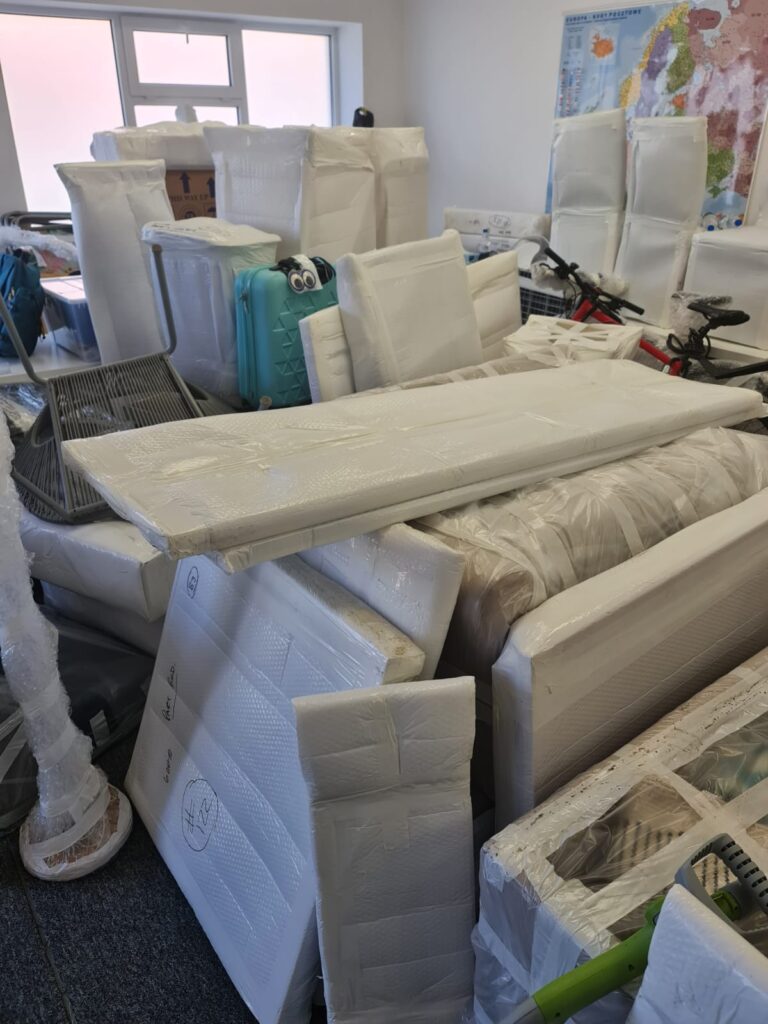
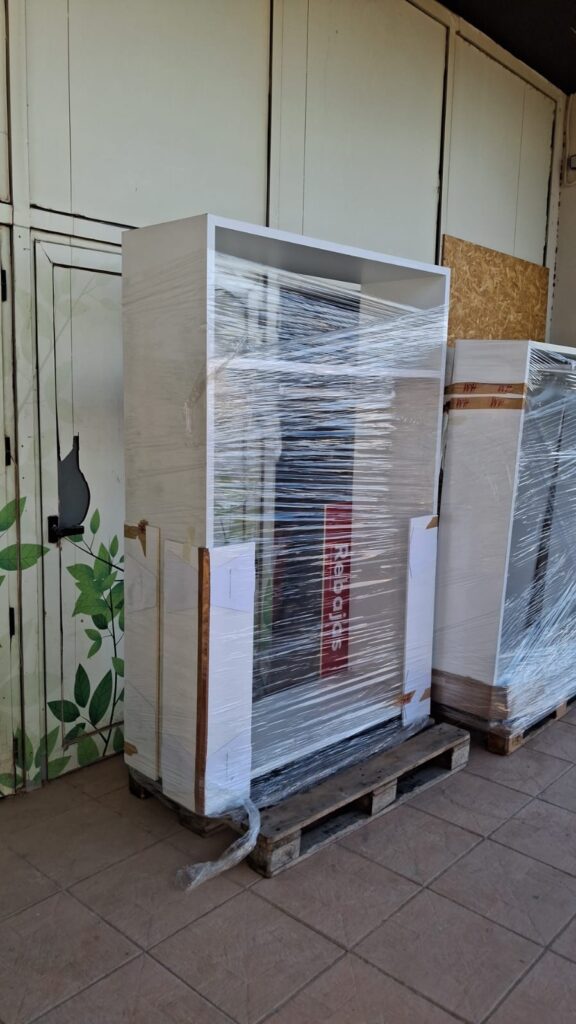
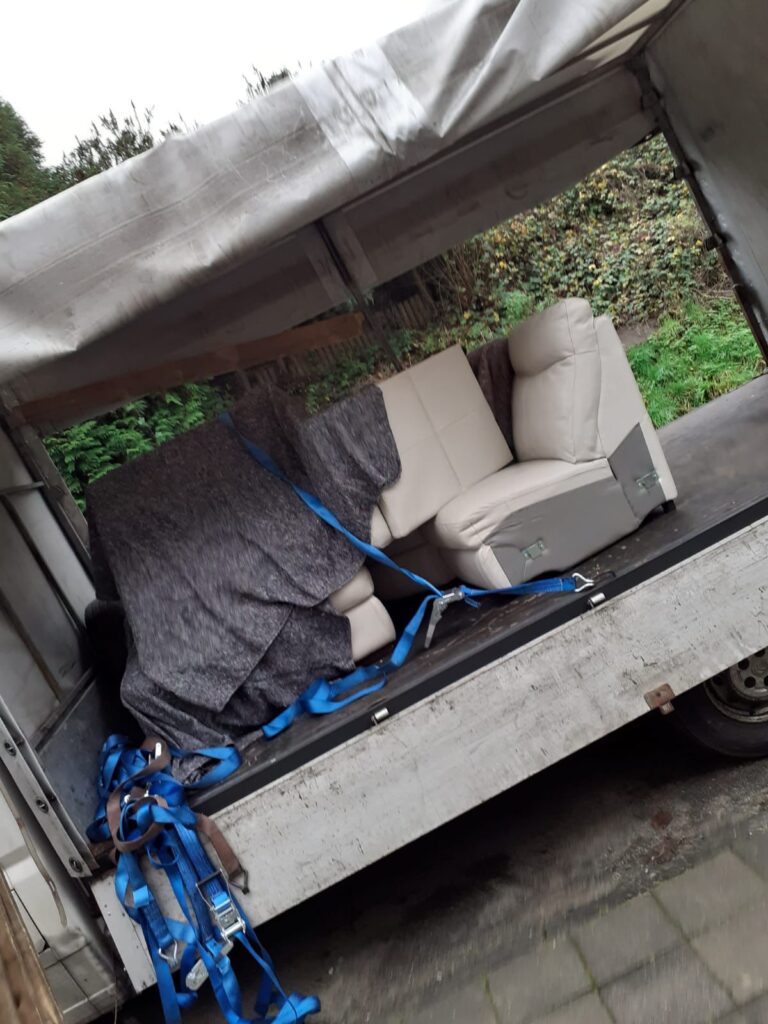
Golden rules
- Heavy items in small boxes, light items in large. Two‑strip base, cross‑strip top.
- Plates vertical in dish barrels. Glasses in segmented dividers. Zero rattles.
- Electronics in anti‑static sleeves. Remove batteries. Label cables.
- Label two sides, number every box, colour‑code by room.
- Weatherproof for sleet and rain with covers and moisture barriers.
Weight targets that protect your back
- Keep most boxes under 18–20 kg.
- Book boxes under 15 kg. Tape a big HEAVY label if you must exceed.
Do not pack list
- Fuels, solvents, aerosols, and pressurised containers.
- Open paint, chemicals, or anything that leaks.
- Perishables for multi‑day journeys.
- Cash, passports, fine jewellery. Carry these with you.
Colour code key
| Room | Colour | Code example |
|---|---|---|
| Kitchen | Green | KITCHEN‑07 |
| Lounge | Blue | LOUNGE‑12 |
| Bedroom 1 | Yellow | BED1‑03 |
| Bedroom 2 | Orange | BED2‑14 |
| Nursery/Study | Purple | STUDY‑05 |
Material planner
| Home size | Std boxes 60 L | Book boxes 30–40 L | Wardrobe boxes | Dish barrels | Picture cartons | TV box | Tape rolls | Bubble wrap 50 cm | Stretch wrap |
|---|---|---|---|---|---|---|---|---|---|
| Studio | 20–30 | 6–10 | 1–2 | 2 | 2–4 | 1 | 4–6 | 20–30 m | 1 roll |
| 1–2 bed flat | 35–55 | 10–15 | 3–4 | 4–6 | 4–8 | 1–2 | 6–10 | 40–60 m | 2 rolls |
| Family home | 70–110 | 20–35 | 5–8 | 8–12 | 8–14 | 2–3 | 10–16 | 80–120 m | 3 rolls |
Room‑by‑room tips
- Kitchen: dish barrels, blade guards, tape lids.
- Living room: picture cartons with corner protectors, rigid TV screen guards.
- Bedrooms: wardrobe boxes, vacuum‑bag seasonal clothes.
- Bathroom: seal liquids in bags, then a plastic tote.
- Kids’ room: small denser toy boxes, label sets together.
- Office: cables in zip bags, photo gear with silica gel.
Special items playbook
- Frames and canvases travel upright, not flat.
- Guitars and violins in hard cases; loosen strings slightly.
- Aquariums empty and dry, pack filters and heaters separately.
- Gym plates and dumbbells in multiple small boxes to cap weight.
Pack‑day checklist
- Clear a staging area near the door.
- Keep a toolkit, trash bags, and wipes handy.
- Photograph serial numbers of electronics.
- Build a first‑night kit: bedding, towels, kettle, snacks.
Advanced protection techniques
- Wrap marble, glass, and stone in foam corners plus rigid boards before boxing.
- Use breathable soft crates for lacquered wood to avoid moisture traps.
- Tape X on framed glass to reduce shatter scatter if vibrations hit.
Numbering system that customs loves
| Code piece | Meaning | Example |
|---|---|---|
| Area | Room or zone | KITCHEN |
| Seq | Running box number | 07 |
| Note | Short contents keyword | Glassware |
Label as KITCHEN‑07 Glassware on two sides and the top. Mirror this in your inventory with a value line.
Eco friendly packing choices
- Reuse clean boxes, add new tape.
- Choose paper padding over loose plastic fillers.
- Return or recycle picture cartons and wardrobe boxes after delivery.
Moisture and cold mitigation
- Add silica gel pouches to camera, lens, and instrument boxes.
- Use mattress and sofa covers with a moisture barrier if rain is forecast.
- In winter, let electronics acclimate 12–24 hours before powering on.
Loading sequence blueprint
- Stage first‑night boxes last on the truck.
- Load heavy furniture low and forward.
- Keep aisle access to priority boxes.
- Photograph layers as they go in for condition clarity.
Cost Factors, Price Bands & How To Save
| Cost driver | What influences it | How to reduce |
|---|---|---|
| Distance and route | Corridor choice, detours, season | Pick the most direct seasonal corridor, avoid storm days |
| Ferries and tolls | Cabin type, vehicle length, toll zones | Book early, choose standard cabins, plan toll‑friendly timings |
| Volume and weight | Box count, bulky items, dense loads | Declutter, right‑size capacity, flag heavy categories |
| Access and parking | Stairs, long carries, old‑town lanes | Pre‑book bays, add a shuttle van for tight last mile |
| Packing complexity | Fragility, crating, owner vs pro pack | Self‑pack basics, pro‑pack fragile or high‑value |
| Special items | Pianos, art, aquariums, gym machines | Use White Glove only where needed |
| Season and weather | Winter pacing, summer peaks | Add a weather buffer, target shoulder seasons |
| Waiting time | Keys, concierge delays, ferry changes | Confirm keys, share live GPS with building managers |
| Storage or split loads | Storage days, second address drops | Consolidate dates, combine deliveries |
Illustrative price bands by move size
| Typical load | Volume | Service style | Typical band* |
|---|---|---|---|
| Student / studio | 5–10 m³ | Lean road‑ferry, self‑pack | €1,300–€2,800 |
| 1–2 bed flat | 12–18 m³ | Road‑ferry, fragile‑only pack | €2,400–€5,100 |
| 2–3 bed home | 25–35 m³ | Road‑ferry, part‑pack + dismantle | €4,500–€8,900 |
| Full family home | 60–90 m³ | Dedicated truck, pro pack | Custom quote |
*Indicative only, Norway → UK corridors.
How to save 12–22 percent without risking damage
- Pare down 10–20 percent of volume.
- Travel midweek and in shoulder seasons.
- Pre‑book lifts, parking bays, and loading permits in writing.
- Self‑pack durable items, let pros handle fragile and high‑value.
- Share access photos and measurements to avoid shuttles or delays.
Hidden costs checklist to avoid
- Surprise parking fines near red routes. Get bay suspensions in writing.
- Overweight loads from books or gym plates. Watch payload, not only volume.
- Second address detours that were not quoted. Confirm all drops at booking.
- Weekend restrictions in borough bylaws. Ask your coordinator to verify.
Sample cost scenario (for orientation only)
| Item | Estimate |
|---|---|
| 15 m³ road and ferry corridor | €2,950 |
| Fragile‑only packing | €290 |
| Bay suspension and permits | €85 |
| Ferry cabin for crew rest | €120 |
| White Glove for 2 art pieces | €140 |
| Illustrative total | €3,585 |
Your quote will reflect your exact addresses, dates, access, and inventory.
When storage in transit pays off
- Key‑handover gaps longer than 48 hours.
- Renovations blocking rooms at destination.
- Staggered arrivals for furnished rentals.
Compliance quick hits for UK roads
- Speed is in mph. Common limits: 30 urban, 60 single carriageway, 70 motorways unless signed.
- Keep left except when overtaking.
- Seatbelts required for all passengers.
- Many cities run low emission zones. Check before you enter.
- Read the Highway Code if you will drive in the UK: https://www.gov.uk/highway-code
FAQs – Moving to UK From Norway After Brexit
- Do I need a visa now?
Many Norwegian residents who are not UK or Irish citizens need a visa. Start with the gov.uk checker: https://www.gov.uk/check-uk-visa - Can I import used household goods duty free?
Often yes under ToR relief if you meet the rules. Apply and travel with a clean, numbered inventory. Guidance: https://www.gov.uk/guidance/transfer-of-residence-to-great-britain - Which documents do I present at the border?
Passport, ToR reference if granted, itemised inventory, proof of prior residence in Norway, and UK address details. See: https://www.gov.uk/bringing-personal-belongings-to-uk - Do I need an EORI number as a private person?
Usually not for household goods under ToR. Businesses do need one. Check guidance: https://www.gov.uk/eori - Can I drive on my Norwegian licence?
Check validity and exchange rules here: https://www.gov.uk/driving-nongb-licence - What about pets?
Follow GB pet entry rules on microchip, rabies vaccination, and health certificates: https://www.gov.uk/bring-pet-to-great-britain - Are there city charges in London?
Yes. Congestion Charge and ULEZ may apply. Details: https://tfl.gov.uk/modes/driving/charges-by-road - How long is Norway → UK door to door?
Most direct moves land in 3–6 days depending on origin, ferries, season, and access. Ferry choice can add or trim a day. - Can I track my shipment live?
Yes. Every VANonsite load includes live GPS tracking you can share with family or building managers. - Do you store goods if my keys are delayed?
Yes. Secure storage and storage‑in‑transit are available with tracked inventory.
Summary
Moving to the UK from Norway becomes simple with a tight plan and the right partner. Choose a corridor that fits your city and season, right‑size capacity from 5 to 90 m³, and build a numbered, ToR‑ready inventory. Confirm your visa route, apply for Transfer of Residence relief, and prepare pet, vehicle, and healthcare paperwork using only official links. Pack smart, protect heirlooms with White Glove, and follow every mile with live GPS. Cut costs by decluttering, booking access, and travelling off‑peak.
When you are ready, get a transparent quote and a calm, choreographed move: VANonsite Removals to Norway.