Launching a new business location should feel electric. The doors are about to open, the brand is ready to step into the light, and the team is eager to move. Yet behind that exciting moment, the operational pressure can build with surprising force. One late furniture delivery, one missing workstation, or one badly timed office move can steal the shine from the entire launch.
That is the truth many companies discover too late. A business launch is not only about naming the venture, signing the lease, or choosing the launch date. It is also about making sure the physical space works beautifully from the first hour. Staff need desks. Meeting rooms need to be functional. Reception areas need to look polished. Equipment needs to arrive safely, on time, and in the right place.
When those details are ignored, momentum slips fast. Delays in office removals, installation, or setup can stretch the first 24 to 72 hours into a frustrating blur of missed tasks and preventable stress. Clients notice unfinished spaces. Teams lose focus. Costs start to creep upward. What should feel bold and energising begins to feel rushed and fragile.
This guide shows how to avoid that trap. It explains how to launch faster, smarter, and with far less friction by planning the physical side of the move with real intent. From office removals and furniture installation to packing, storage, and final room-by-room setup, the right support can turn a chaotic opening into a controlled, confident start.
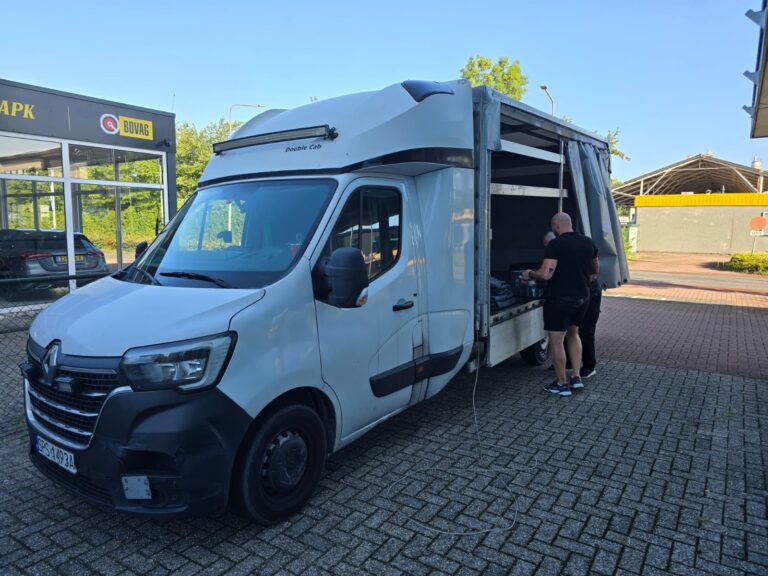
For businesses launching across Europe, VANonsite helps make that possible. With secure transport, GPS tracking for every load, and practical support for office moves and furniture installation, the path from empty premises to working office becomes far smoother.
A business launch is not just a date on a calendar. It is a race between ambition and logistics. If the desks arrive late, if the meeting room is still empty, if the reception area looks unfinished, the launch loses its edge before it even begins. When the setup is handled well, however, the space feels alive from day one. That changes everything.
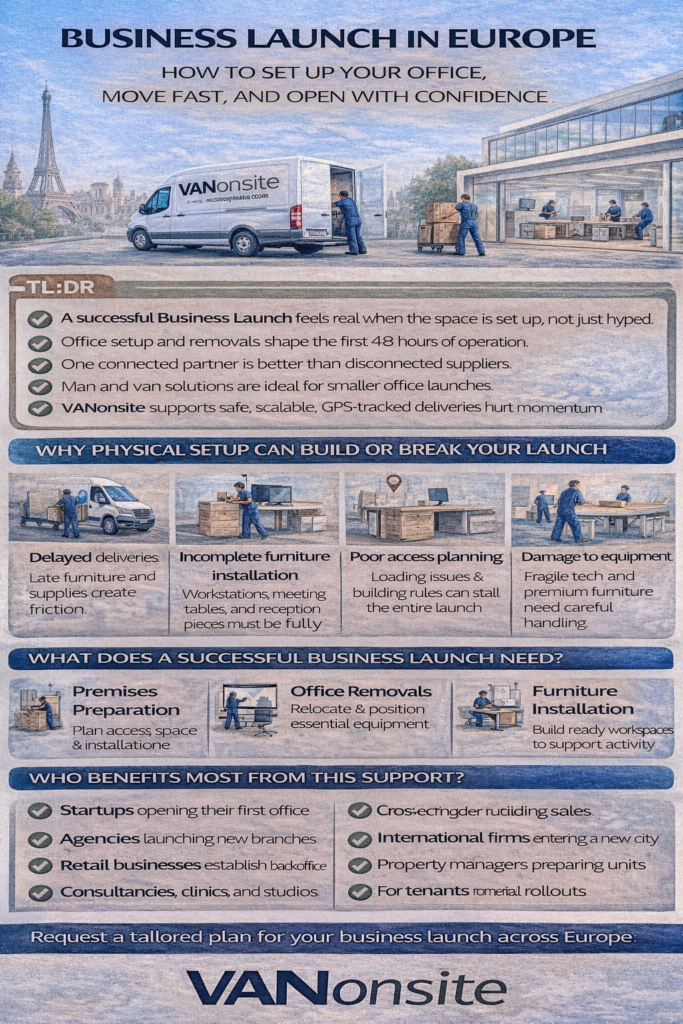
TL:DR
- A successful Business Launch depends on more than branding and paperwork. The workspace must be ready, functional, and welcoming from the very start.
- Office removals, furniture installation, and delivery coordination can shape the first 48 hours of operations more than many businesses expect.
- A well-planned launch can cut disruption, protect valuable equipment, and help teams settle into productive work faster.
- Commercial premises often need transport, setup, storage, and installation in one connected workflow rather than several disconnected suppliers.
- A flexible man and van option can be ideal for smaller office launches, urgent last-mile deliveries, and tight city-centre access.
- The right vehicle size can reduce wasted time, control costs, and keep the launch schedule moving with far less friction.
- VANonsite supports office launches across Europe with safe transport, scalable services, and GPS-tracked deliveries that add clarity and confidence.
What Does Business Launch Really Mean?
A Business Launch is often mistaken for a marketing moment. People think about logos, websites, social campaigns, opening offers, and launch-day buzz. Those things matter, of course. They shape visibility. They create attention. They can spark early interest. Yet a real business launch goes much deeper than promotion.
In practical terms, a business launch begins the moment a company prepares the space where real work will happen. That means the office, commercial unit, studio, clinic, or back-office environment must be ready to support daily operations. Staff need functioning desks. Storage needs to be usable. Equipment needs to be delivered safely. Reception areas need to feel polished. Meeting rooms need to be more than empty shells.
This is where many businesses hit an unexpected wall. They prepare the public-facing side of the launch beautifully, but underestimate the operational side. Then the problems appear all at once. Furniture arrives late. Access restrictions slow down the move. Workstations remain boxed up. The office looks open, yet it does not actually work.
That is why a strong Business Launch blends four powerful elements:
- clear planning
- strong presentation
- physical readiness
- operational control
For many companies, this means office moves, workspace setup, furniture installation, temporary storage, packing protection, and delivery logistics all have to work together. When these parts are handled well, the business launch feels smooth, credible, and full of momentum. When they are handled badly, even the most exciting opening can feel chaotic.
A business launch becomes real when people can step into the space and use it without hesitation. Staff must be able to work. Clients must be able to visit. Key rooms must be functional. The environment must feel complete, not halfway there. That is the difference between a launch that simply looks good online and a launch that actually performs in the real world.
Why the Physical Setup Can Make or Break a Business Launch
The physical setup of a workspace can shape the emotional and commercial impact of launch week far more than many businesses expect. A brand-new office may look beautiful in concept, but if the desks are still wrapped, the reception area feels unfinished, or the meeting room is missing furniture, that first impression weakens instantly.
First impressions begin from the very first minute. Clients notice when a space feels sharp and ready. Teams feel it too. A finished office sends a message of confidence, professionalism, and momentum. An incomplete one sends the opposite message. It creates doubt. It creates friction. It makes the business feel less prepared, even if the strategy behind it is excellent.
That is why the physical side of a Business Launch deserves serious attention. Delays in setup do not just affect appearance. They also affect productivity, morale, and trust. If the workspace is not operational, people lose time. Energy drops. Small issues start multiplying. What should have been a bold opening can become a slow and stressful scramble.
A coordinated setup can save 24 to 72 hours of disruption during launch week. That is a powerful advantage. In fast-moving businesses, those hours matter. They affect team output, client experience, supplier timing, and internal confidence.
The biggest launch risks usually include:
- Delayed deliveries
If furniture, equipment, or supplies arrive late, the launch schedule starts to crack. One missed delivery can hold up several rooms at once. - Incomplete furniture installation
Delivered items are not the same as usable items. Until desks, meeting tables, storage units, and reception furniture are assembled and placed correctly, the workspace is not truly ready. - Poor access planning
Tight loading windows, building rules, lift reservations, and city-centre parking limits can cause serious delays if they are not planned early. - Damage to equipment or premium furniture
Fragile IT equipment, glass furniture, designer pieces, and premium desks all need careful handling. Damage during launch week is more than inconvenient. It is expensive and deeply disruptive. - Weak coordination between transport and setup teams
When deliveries, removals, and installation happen without one clear workflow, communication breaks down. That usually leads to wasted time, duplicated effort, and a weaker finish.
Businesses need speed during a business launch, but speed alone is not enough. They also need control, precision, and timing that actually holds together under pressure. That is why the physical setup is not a side issue. It is one of the foundations of a successful launch.
What Is Included in a Successful Business Launch Setup?
A successful business launch setup is the hidden engine behind a smooth opening day. It is the difference between a workspace that looks ready in photos and one that is truly ready for people, meetings, deliveries, deadlines, and real commercial activity. The strongest launches are rarely improvised. They are built through preparation, sequencing, and sharp operational control.
For many businesses, the most stressful part is not finding the right premises. It is turning that premises into a functioning environment before the pressure peaks. Furniture has to arrive on time. Access has to be secured. Teams have to know where everything goes. Fragile items need protection. Key zones have to be ready first. When all of that is handled in one clear workflow, the launch begins with confidence rather than panic.
Premises Preparation Before Opening
The best launches start with the space itself. Before the first van arrives, the premises should be measured, mapped, and checked with care. That means confirming room sizes, identifying the most efficient routes for moving items inside the building, and understanding any practical restrictions that could slow down the setup.
Access checks are crucial. A beautiful office on paper can become a logistical headache if there is limited parking, a narrow entrance, a difficult loading route, or a goods lift that must be booked in advance. These details may seem minor at first, yet they can easily add hours of delay on launch week.
Room planning matters just as much. Desks, workstations, meeting tables, storage units, and reception furniture should not arrive without a clear layout plan. If every item already has a destination, installation becomes faster and far more precise. Delivery windows and installation sequencing should also be confirmed early. Priority areas such as reception, main workstations, and meeting rooms usually need to come first.
A strong premises preparation phase often includes:
- measuring the space accurately
- checking access routes and building restrictions
- reviewing lift and parking rules
- planning the layout room by room
- confirming delivery windows
- setting the order of installation
When this stage is handled properly, the whole business launch feels calmer. Instead of reacting to problems in real time, the team moves through the setup with far better control.
Office Removals and Internal Relocation
Many business launches involve more than a brand-new office. Some companies are moving from an older workspace into a stronger location. Others are reshaping their current site, relocating departments between floors, or expanding into additional space. In all of these cases, office removals become a core part of the launch itself.
Moving from one office to another is not just about transport. It is about keeping momentum while the business shifts from one operational base to the next. Floor-to-floor relocation can be just as demanding, especially in larger premises where teams, storage, and furniture all need to be transferred quickly without damaging productivity.
Department moves need their own rhythm too. One team may need to go live before another. One zone may be client-facing, while another is more flexible. This is where sequencing matters. Last minute moving support can also be vital when a landlord deadline changes, building access shifts, or the launch date moves closer than expected.
When the physical move is part of the project, businesses often benefit from a joined-up solution like Office Removals. It keeps transport, unloading, and placement connected rather than split across multiple providers.
Office Furniture Installation
Furniture installation is where a business launch begins to feel real. Boxes and loose components do not create a workspace. Properly installed desks, aligned workstations, finished meeting rooms, and a polished reception area do.
This stage includes far more than basic assembly. A launch-ready office often needs desks, workstations, meeting tables, storage systems, reception furniture, shelving, and support units positioned exactly according to the floor plan. In many cases, pieces also need to be reassembled after transport, adjusted on site, and fitted carefully to suit room flow and access.
Commercial furniture assembly has to support launch readiness, not just completion. That means prioritising the spaces that shape early performance. If staff workstations are ready, the team can settle quickly. If the reception desk is installed correctly, first impressions become stronger. If meeting furniture is in place, the office can start functioning without delay.
For businesses that want a professional finish, Office Furniture Installation becomes one of the most valuable parts of the entire setup. It transforms delivered furniture into an operational workspace.
Packing, Protection and White Glove Handling
Launch week is not the time to gamble with fragile assets. Premium desks, IT equipment, glass meeting tables, designer items, and sensitive electronics all need proper protection long before they arrive at the new premises. One careless handling moment can create scratches, cracks, faults, or delays that ripple through the whole launch.
That is why packing and white glove handling matter so much. Strong Packing Services reduce the risk of damage during transport, loading, and unloading. White Glove Delivery adds an extra layer of care for valuable, delicate, or image-critical items that need more than standard handling.
Protection matters during launch week because the pressure is already high. Businesses should not be worrying about chipped surfaces, broken glass, or damaged equipment while trying to open on schedule. The smoother this stage runs, the more focused the team can remain on the launch itself.
Storage for Phased Business Launches
Not every launch happens in one dramatic, perfectly timed moment. Some unfold in stages. One department moves first. One floor opens early. One section of the premises is ready, while another still needs work. In these situations, storage becomes a strategic advantage rather than a backup option.
Temporary storage helps businesses hold furniture, equipment, or launch materials safely until the right moment. It also gives far more flexibility when delivery timing needs to be staggered. Instead of crowding an unfinished workspace with items that cannot yet be installed, the setup can stay cleaner and more controlled.
Phased launches are common in growing businesses, multi-room offices, and projects with tight building rules. Flexible delivery scheduling, combined with storage, makes it easier to open in a way that feels organised rather than rushed.
A successful business launch setup is never just one task. It is a connected system of preparation, removals, installation, protection, and timing. When all those parts work together, opening day feels sharper, safer, and far more powerful.
Who Needs This Type of Business Launch Support?
Business launch support is not reserved for giant corporations or glossy flagship offices. It is built for any company that needs to open, relocate, expand, or reconfigure a workspace without losing precious time and momentum. In fact, some of the businesses that benefit most are the ones under the greatest pressure to get everything right quickly.
Startups opening their first office often need this support because they are moving from vision into reality. The brand may be ready. The team may be growing. The opportunity may be real. Yet without the right physical setup, the launch can feel half-finished. A proper workspace gives that early stage business structure, confidence, and a stronger first impression.
Agencies launching new branches also rely on smooth logistics. They often need a polished environment from day one because clients, creative teams, and internal operations all depend on the space working immediately. Retail businesses opening back-office areas face similar demands. Even if the front-facing side of the brand is customer focused, the operational core still needs desks, storage, systems, and secure handling behind the scenes.
Clinics, studios, consultancies, and service businesses benefit as well because their spaces need to support both workflow and trust. A clinic cannot feel improvised. A consultancy office cannot open with meeting rooms half-installed. A studio launch loses energy when equipment is delayed or the layout is unfinished.
Growing teams relocating into larger offices are another key group. For them, a business launch often marks a new chapter rather than a brand-new beginning. The move may be driven by growth, better location, more staff, or improved facilities. Either way, the pressure is real. The team needs to land smoothly, and the business needs to keep moving.
International firms entering a new European city face an even more layered challenge. They may need cross-border transport, local access planning, storage, installation, and launch-ready setup all within one tight schedule. Property managers preparing commercial units for tenants also benefit from this kind of support because a finished, functional space is far more compelling than an empty one.
This type of business launch support is especially valuable for:
- startups opening their first office
- agencies launching new branches
- retail businesses opening back-office spaces
- clinics, studios, consultancies, and service businesses
- growing teams relocating into larger offices
- international firms entering a new European city
- property managers preparing commercial units for tenants
A business launch is never only for new companies. It also applies to expansions, relocations, and relaunches of existing teams. Whenever a workspace needs to be opened, activated, or reshaped quickly and professionally, the same truth applies: the better the setup, the stronger the launch.
Business Launch Across Europe: What to Plan Early
Launching a business in one city is demanding enough. Launching across Europe adds another layer of pressure, and that pressure tends to hide in the practical details. The lease may be signed. The brand may be ready. The launch date may be fixed. Yet if the physical setup is not planned early, even a promising opening can lose pace before it begins.
Cross-border scheduling is often the first real test. A business launch that involves transport between countries needs more than a fast vehicle and a convenient date. Pickup times, road timing, delivery slots, unloading access, and installation windows all need to align. If one part slips, the whole schedule can wobble. That is why the strongest European launches are built around timing that feels deliberate, not improvised.
City-centre delivery restrictions can also create major friction. Many urban locations across Europe operate with tight unloading windows, professional parking rules, or vehicle access limitations. What looks simple on a map can become difficult on the ground. In busy districts, a missed unloading slot can cost valuable hours and disturb the sequence of the whole launch.
Building access rules deserve just as much attention. Some offices require advance registration for contractors. Others need reception clearance, goods-lift reservations, timed access slots, or strict delivery hours. These details can feel administrative, but they have real impact. A team can arrive perfectly on time and still be delayed if entry conditions were not confirmed properly.
Goods-lift reservations, parking arrangements, and unloading windows should be treated as part of the launch strategy, not as last-minute admin. The more carefully they are planned, the less likely the project is to stall at the door. That matters even more when several teams, departments, or rooms are being set up on the same day.
Storage and phased setup needs are also common in European business launches. Sometimes one floor is ready before another. Sometimes furniture arrives before finishing works are complete. Sometimes a department launches first and the rest follows later. In these situations, storage becomes a strategic buffer that protects the schedule instead of disrupting it.
Insurance and paperwork planning should not be ignored either. When valuable assets, premium furniture, fragile equipment, and cross-border transport are involved, businesses need clarity. They should know what is being delivered, when it is arriving, what requires extra care, and what documentation may be needed for access, billing, or contractor coordination.
The most successful European launches usually prepare these areas early:
- cross-border delivery scheduling
- city-centre access restrictions
- building entry rules and contractor procedures
- goods-lift reservations
- parking and unloading windows
- storage for phased launches
- insurance and paperwork planning
Checklist Before a Business Launch
A launch moves more smoothly when every key detail is confirmed before the first box is lifted. This kind of checklist creates structure, reduces last-minute panic, and keeps the project focused on what matters most.
- Confirm delivery volume
- Share floor plans
- Reserve loading zones
- Identify fragile assets
- Confirm installation sequence
- Decide if storage is needed
- Check access rules at the building
- Align launch date with final setup day
This may look simple, yet small details often decide whether a launch feels sharp or scattered. The earlier these points are locked in, the stronger the opening day becomes.
Documents and Regulations to Check Before Opening a New Business Premises
Documents and regulations can sound dry, but they are often the quiet force that keeps a business launch moving cleanly. The goal is not to drown in paperwork. The goal is to avoid delays, protect the schedule, and make sure the opening happens without unnecessary surprises.
For launches that involve cross-border services, VAT and invoicing basics should be checked early. Businesses arranging removals, transport, furniture installation, or other commercial services across EU borders may need to confirm how VAT applies to the transaction and whether business billing details are correct. A useful starting point is the European Commission guidance on VAT in the EU and the official Your Europe VAT information for businesses. If a VAT number needs to be verified before invoicing, the official VIES VAT number validation tool is the clearest option.
Local permits and premises-related guidance can also matter, especially when a new commercial space needs to be prepared quickly. In the Netherlands, for example, businesses can review official municipal information about permits and licences in Amsterdam. If the launch includes deliveries in central Amsterdam, the city also provides practical guidance on loading and unloading rules.
In France, commercial parking and unloading rules can play a major role when a launch depends on tight delivery timing. The City of Paris offers official information on parking options for professionals and wider parking services in Paris. These rules can make a real difference when installation teams need predictable access during launch week.
In Germany, local delivery and parking planning may affect how efficiently a workspace can be prepared. Berlin provides an official guide on delivery areas and planning principles as well as city traffic information about parking in Berlin. These resources are especially useful when a business launch involves central districts, time-sensitive unloading, or contractor vehicle access.
Across many European cities, access requirements for contractors can also shape the reality of launch day. Office buildings may require advance notice, named delivery teams, lift bookings, or restricted entry times. These conditions are not always dramatic, but they can easily slow a project when ignored.
In practical terms, most businesses should check 5 essentials before opening a new premises:
- VAT treatment for cross-border services
- Correct billing details and VAT number verification
- Building access rules for contractors and deliveries
- Local parking, unloading, or loading permissions where needed
- Insurance details for fragile, valuable, or high-profile items
This section does not need to become legal heavy lifting. It simply needs to be useful. A business launch runs better when the paperwork clears the runway instead of blocking it. When the right checks are done early, the premises can open with less friction, stronger timing, and far more confidence.
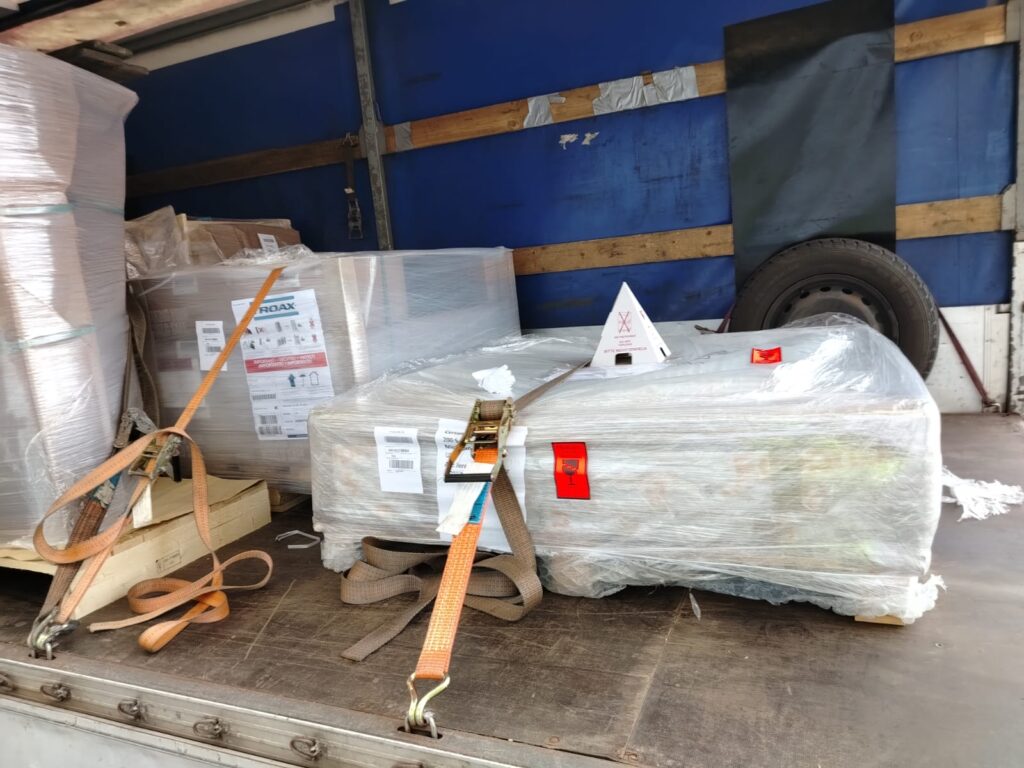

Choosing the Right Vehicle Size for a Business Launch
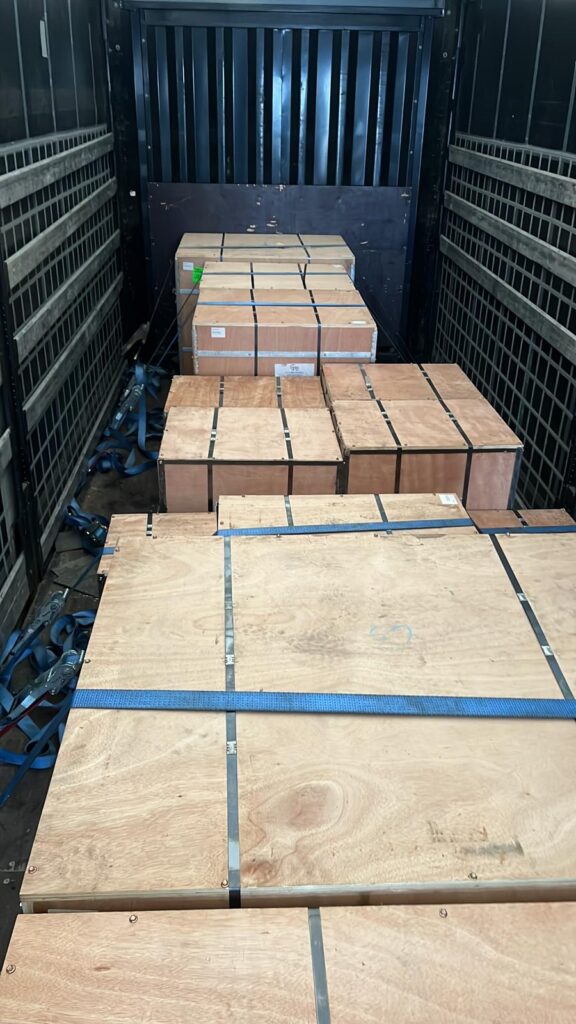
The right vehicle can quietly determine whether a business launch feels smooth or stressful. Many companies focus on dates, furniture, branding, and team readiness, yet underestimate how much transport sizing affects speed, cost, and control. A van that is too small can force extra trips, slow installation, and stretch the opening schedule. A vehicle that is too large may increase costs and create awkward access problems in dense urban areas.
That is why a strong Business Launch plan always matches transport to the real scale of the job. Volume matters. Weight matters. Access matters. Delivery timing matters. If the transport fits the project properly, the launch feels tighter, cleaner, and far more predictable.
Some openings only need a fast and agile solution for documents, a few desks, or urgent office essentials. Others require the movement of full workstation sets, meeting room furniture, reception units, storage systems, and equipment for multiple departments. These are two very different jobs, and they should never be treated as if one transport model can serve them all equally well.
VANonsite Vehicle Options
| Service Level | Capacity | Weight Limit | Best For |
|---|---|---|---|
| Moving One | 1 m3 | 100 kg | Documents, urgent business deliveries, small launch essentials |
| Moving Basic | 5 m3 | 300 kg | Small office items, boxed supplies, chairs |
| Moving Medium | 10 m3 | 500 kg | Compact office launches, selected furniture, team moves |
| Moving Premium | 15 m3 | 1100 kg | Standard office launch setups and relocations |
| Moving Premium Plus | 30 m3 | 3500 kg | Large office openings, multi-room launches |
| Moving Full House XXL | 90 m3 | 20000 kg | Major business launches and full commercial setups |
This range gives businesses real flexibility. A startup launching a compact office does not need to pay for oversized transport. At the same time, a larger company preparing a multi-room opening should not risk repeated journeys that burn time and create friction.
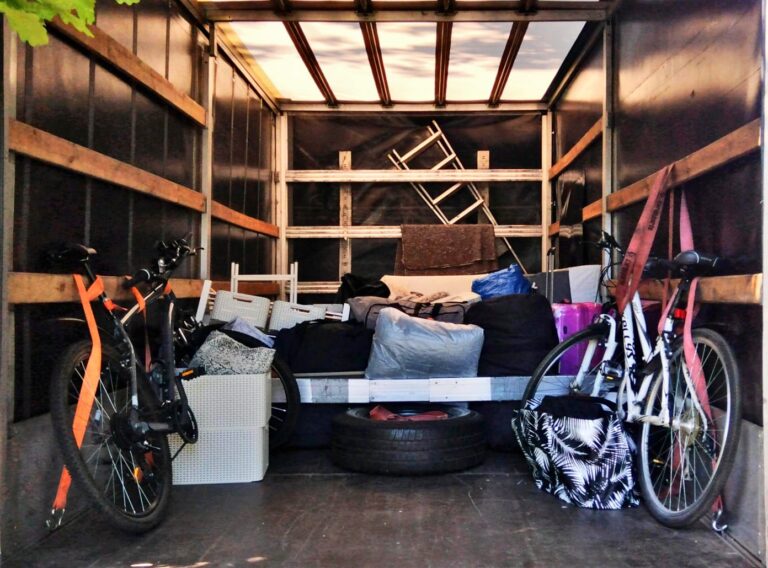
For lighter projects, Moving One and Moving Basic are ideal when speed matters most. These options work well for documents, boxed materials, office chairs, lighter equipment, and urgent launch essentials. They are especially useful when a company needs quick movement in a city-centre setting where agility matters more than bulk.
Moving Medium offers a smart middle ground. It suits compact office launches, selected furniture runs, and smaller team moves. For many growing businesses, this level brings the balance they need between capacity and flexibility.
For broader launch setups, Moving Premium becomes a strong choice. It supports standard office openings, furniture installations, and relocation projects where more volume and weight need to be handled without moving into oversized transport. Moving Premium Plus is even better suited to large office launches, layered installations, and multi-room commercial setups where timing and capacity need to work hand in hand.
At the top end, Moving Full House XXL is built for large-scale business launches and full commercial rollouts. When an opening involves substantial volume, heavy items, or a full office setup across a large premises, this option brings the reach and capacity needed to keep the project moving efficiently.
A simple way to think about it is this:
- smaller launches need agility and fast access
- medium launches need balance between size and flexibility
- larger launches need strong volume and fewer repeat trips
This is also where man and van becomes a natural fit. For lighter launches, urgent setups, smaller business premises, or last-mile office essentials, a man and van service can be the smartest move. It is fast, adaptable, and often perfect for city-centre launches where bulky transport would only slow things down.
The right vehicle size does more than move items from one place to another. It protects the flow of the entire business launch. It reduces wasted time. It helps installation happen faster. It keeps the schedule from slipping under avoidable pressure. In a launch week where every hour counts, that advantage feels powerful.
Why Businesses Choose VANonsite for a Business Launch
Businesses choose VANonsite because a successful business launch depends on more than transport. It depends on timing, trust, precision, and the ability to keep everything moving when the pressure rises. Opening a new office or commercial space often brings a mix of excitement and strain. The right partner makes that experience feel focused instead of frantic.
One of the strongest reasons companies choose VANonsite is European coverage. Launches do not always happen in one city, and they do not always follow a neat timetable. Some involve relocations between countries. Some require deliveries to tight urban locations. Some unfold in phases. VANonsite supports that complexity with transport and setup solutions that work across Europe, not only within one local bubble.
Speed is another major advantage. A business launch can lose momentum quickly if furniture arrives late, if teams are waiting on key items, or if the opening day starts with unfinished spaces. VANonsite helps reduce that risk with fast, secure transport built around real launch pressure. When timing matters, response speed becomes a commercial asset, not a luxury.
Security matters just as much. Every load is GPS tracked, which gives businesses greater visibility and far more peace of mind. Instead of guessing where vital furniture, equipment, or office materials might be, teams can follow the movement of each load with more confidence. During a Business Launch, that visibility can help keep the whole schedule calmer and sharper.
Another reason businesses trust VANonsite is the joined-up workflow. Launches rarely need just one isolated service. They often require removals, installation, packing, and specialist handling working together in one connected rhythm. VANonsite makes that possible by combining services such as Office Removals, Office Furniture Installation, Packing Services, and White Glove Delivery in ways that support the full opening process.
That joined-up approach matters because the weak point in many launch projects is not the transport itself. It is the handover between suppliers. One company delivers. Another assembles. Another handles fragile items. Another manages timing. Suddenly the process feels fragmented, slow, and difficult to control. VANonsite reduces that friction by keeping more of the workflow under one clear structure.
Careful handling is another major reason businesses come back. Premium desks, designer furniture, glass elements, sensitive electronics, reception counters, and valuable office equipment all need more than standard movement. They need care. They need consistency. They need a team that understands how much commercial value sits inside every item being moved.
VANonsite is also flexible enough to scale. Some projects involve a small office launch with a few workstations and urgent essentials. Others involve a much larger commercial rollout with multiple rooms, departments, and phased setup. The service model can support both ends of that spectrum without losing control.
Businesses often choose VANonsite for 7 clear reasons:
- Europe-wide coverage for local and cross-border launches
- Fast and secure transport for time-sensitive openings
- GPS tracking for every load
- Flexible support for urgent or last minute launch needs
- Furniture installation and removals in one workflow
- Careful handling of premium and sensitive items
- Scalable support from small office launches to larger commercial rollouts
What makes this valuable is not loud promotion. It is practical reliability. Businesses want fewer surprises, better coordination, faster setup, and a launch that feels under control. That is exactly the kind of support VANonsite is built to provide.
When a company is opening a new workspace, entering a new city, or relocating a growing team, that kind of support can make the difference between launch-day stress and launch-day confidence.

Common Mistakes That Hurt a Business Launch
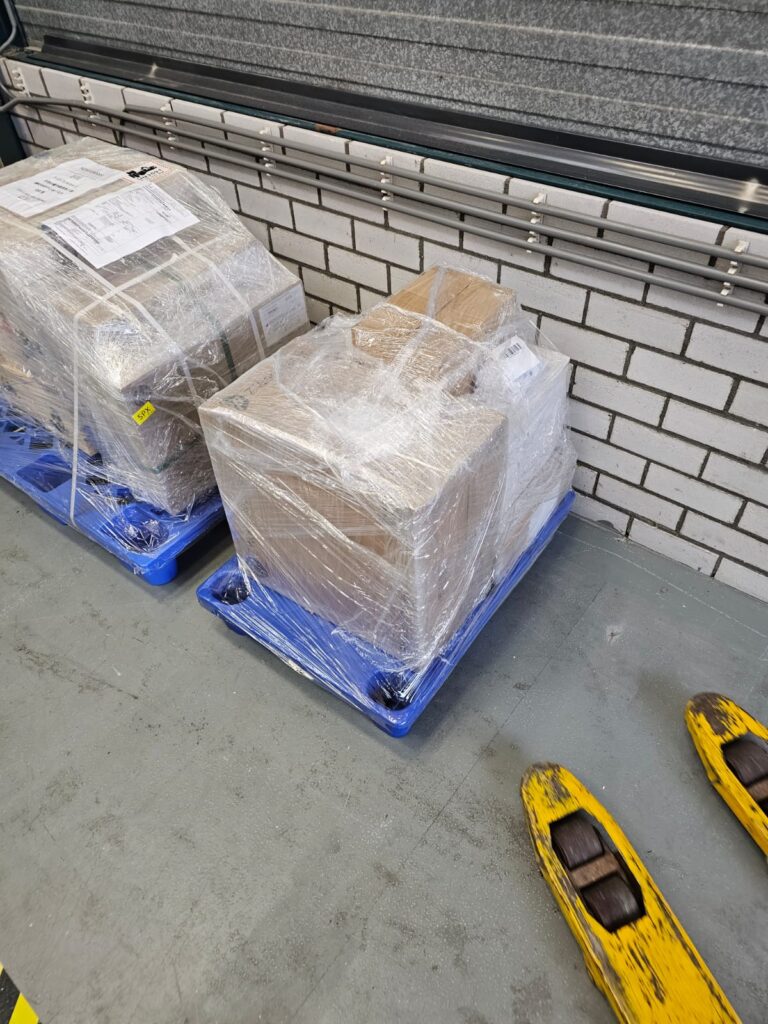
Even promising launches can lose energy because of small decisions made too late. The problem is rarely one dramatic failure. More often, it is a chain of avoidable mistakes that slowly drains momentum. A delivery is booked too late. A lift slot is forgotten. The wrong vehicle turns up. The reception area is still half-finished on opening day. None of these issues look huge in isolation, yet together they can make a business launch feel messy and underpowered.
That is why it pays to spot the common mistakes early. When businesses understand where launches usually go wrong, they can protect time, budget, and first impressions far more effectively.
1. Booking transport too late
Late transport booking is one of the fastest ways to create avoidable pressure. It reduces flexibility, limits vehicle choice, and makes it harder to secure the best loading and unloading windows. In busy cities or peak moving periods, this can turn a clean schedule into a scramble.
2. Underestimating installation time
Many businesses focus on delivery and forget how long real installation can take. Desks, meeting tables, storage systems, reception units, and workstations do not place themselves. When installation time is underestimated, opening day can arrive while key zones are still incomplete.
3. Ignoring building access rules
A building can quietly destroy a perfect plan. Goods lifts may need booking. Reception teams may require advance notice. Loading bays may only be available at fixed times. If these access rules are ignored, even an on-time delivery can end up delayed at the door.
4. Choosing the wrong vehicle size
A vehicle that is too small can cause repeat trips, delays, and loading frustration. A vehicle that is too large may create access trouble and inflate costs unnecessarily. Smart launches match the vehicle to the actual volume, weight, and site conditions instead of guessing.
5. Skipping packing protection
Launch week is not the moment to take risks with fragile or high-value items. Poor protection can lead to scratched desks, damaged electronics, cracked glass, and costly last-minute replacements. Packing is not just a protective detail. It is part of launch control.
6. Not prioritising key zones
Not every area needs to be finished at once. Reception, main workstations, meeting rooms, and core operational zones usually matter most on day one. When these spaces are not prioritised, the launch can feel unfinished even if other parts of the office are technically complete.
7. Using multiple disconnected suppliers
One supplier handles transport. Another handles installation. Another manages specialist items. Another deals with timing. Suddenly no one controls the whole picture. Fragmented workflows often create delays, confusion, and weaker accountability. A more connected setup usually creates a far sharper result.
Businesses that avoid these mistakes usually open faster, protect their assets better, and create a stronger first impression. That is exactly why professional business launch support matters. It turns pressure into structure and keeps the launch moving with confidence.
Business Launch FAQ
A business launch often comes with urgent questions, especially when timing is tight and the physical setup still has to be completed. These are the questions businesses ask most often before opening a new workspace.
What does business launch mean in practical terms?
In practical terms, a Business Launch means getting the real workspace ready for live operations. That includes premises preparation, transport, office removals, furniture installation, protection of fragile assets, and room-by-room readiness so staff and clients can use the space from day one.
Do I need office removals for a business launch?
Not always, but many businesses do. If you are moving from an existing office, relocating teams between floors, or transferring furniture and equipment into a new premises, office removals become a key part of the launch process.
Can you install office furniture before opening day?
Yes. In fact, that is one of the most important parts of a strong launch setup. Desks, workstations, meeting tables, storage units, and reception furniture should be installed and placed correctly before opening day so the space feels complete and functional.
Is a man and van enough for a small office launch?
Often, yes. A man and van service can be ideal for smaller office launches, urgent essentials, boxed supplies, light furniture, and city-centre access where larger vehicles would be less efficient.
Do you support cross-border business launches in Europe?
Yes. Cross-border business launches are common for growing companies, new market entries, and office relocations. The key is careful scheduling, access planning, and transport that aligns with installation timing at the destination.
Can I use temporary storage during a phased launch?
Yes. Temporary storage is extremely useful when one part of the premises is ready before another, when departments are opening in stages, or when furniture arrives before installation can begin.
Is GPS tracking available for deliveries?
Yes. GPS tracking gives businesses visibility over each load, which helps reduce uncertainty and makes launch-day timing easier to manage.
How early should I book launch logistics?
The earlier, the better. Booking early gives you better control over vehicle choice, access windows, installation scheduling, and specialist handling needs. It also reduces the risk of last-minute compromise.
What if my office furniture arrives before the premises are ready?
That is exactly where storage and phased delivery planning help. Instead of crowding the unfinished space, furniture can be held safely and delivered when the premises is actually ready for installation.
Can VANonsite support urgent or last minute launch setups?
Yes. VANonsite can support urgent and last minute launch requirements, especially when the scope is defined clearly and the project needs fast, coordinated action.
Final Section and Call to Action
A business launch should feel like movement, not mayhem. It should feel like the start of something powerful, not a frantic race to fix avoidable problems at the last minute. When the physical side of the opening is planned well, the whole experience changes. The office feels sharper. The team feels calmer. Clients see confidence instead of disruption.
That is the real value of getting transport, installation, and setup right. It is not only about moving furniture. It is about protecting the first impression, reducing downtime, and giving the business a stronger start from the first working hour.
VANonsite helps businesses across Europe turn ambitious launches into organised, working spaces. Whether the project needs office removals, furniture installation, packing support, white glove handling, storage, or a fast man and van solution, the goal stays the same: open with less stress, stronger timing, and far better control.
If you are preparing a new office, entering a new city, or launching a fresh commercial space, now is the moment to build a tailored plan around the real needs of your opening. The smoother the setup, the stronger the launch.