
Leaving Portugal for the UK means trading azulejo mornings for misty parks, pub glow, and new routines. The route looks complex after Brexit, yet with a sharp sequence it becomes wonderfully simple. This guide gives you the order, the checklists, and the roadcraft: visas if needed, HMRC Transfer of Residence, customs, right‑sized vans, and live GPS so every mile feels under control.
TL:DR
- Paperwork first, boxes second. Choose your visa route if relevant via GOV.UK, apply HMRC Transfer of Residence relief, line up NIN, GP, school, and bank.
- Post‑Brexit rules apply. Always follow current steps and timelines on GOV.UK to avoid surprises.
- Customs made easy with ToR. Declare once, prove your move, and avoid import duty on eligible household goods.
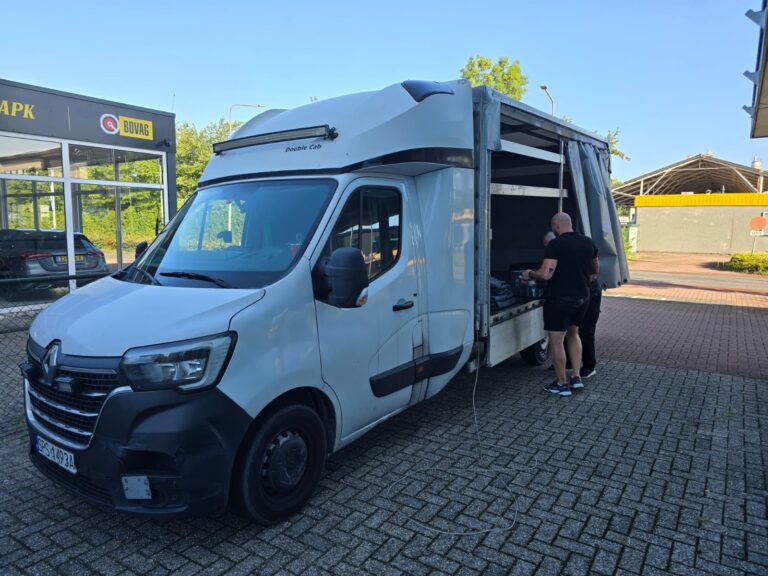
- Pick the right van size. From 5 m³ to 90 m³ with live GPS and either fixed‑date certainty or value windows.
- Pack smart to save. Hybrid packing cuts cost; White Glove Delivery protects art, antiques, and high‑value tech.
- Plan big‑city access. Book parking bays and lifts in London, Manchester, and Edinburgh to keep unloads swift and safe.
- Get a transparent quote. Share photos, a room‑by‑room inventory, firm dates, and access notes for an accurate plan.
12‑step roadmap
- Book your slot. Secure your collection and delivery window early. Summer and end‑of‑month dates fill fast. Ask about last‑minute capacity if plans shift.
- Serve notice. Align tenancy, utilities, school and mover so handovers, meter readings, and access all line up.
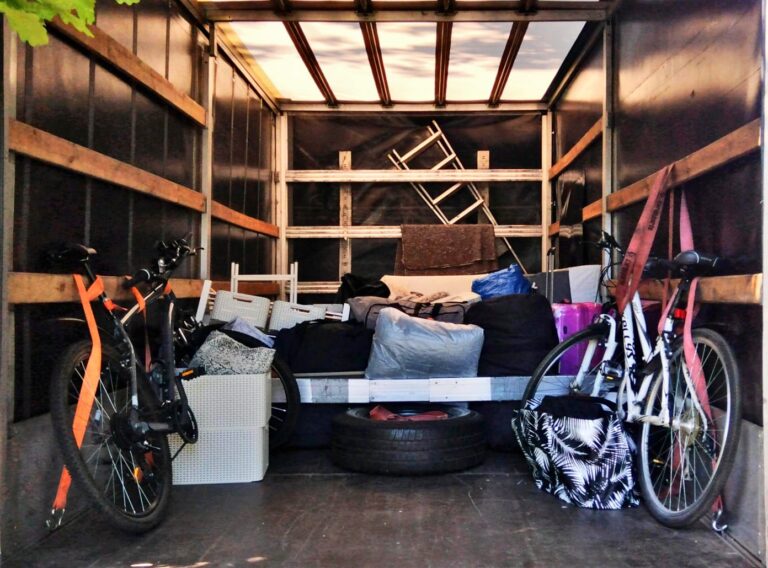
- Build a photo inventory. Walk room by room. Photograph special items, list anything to dismantle, and mark first‑open boxes.
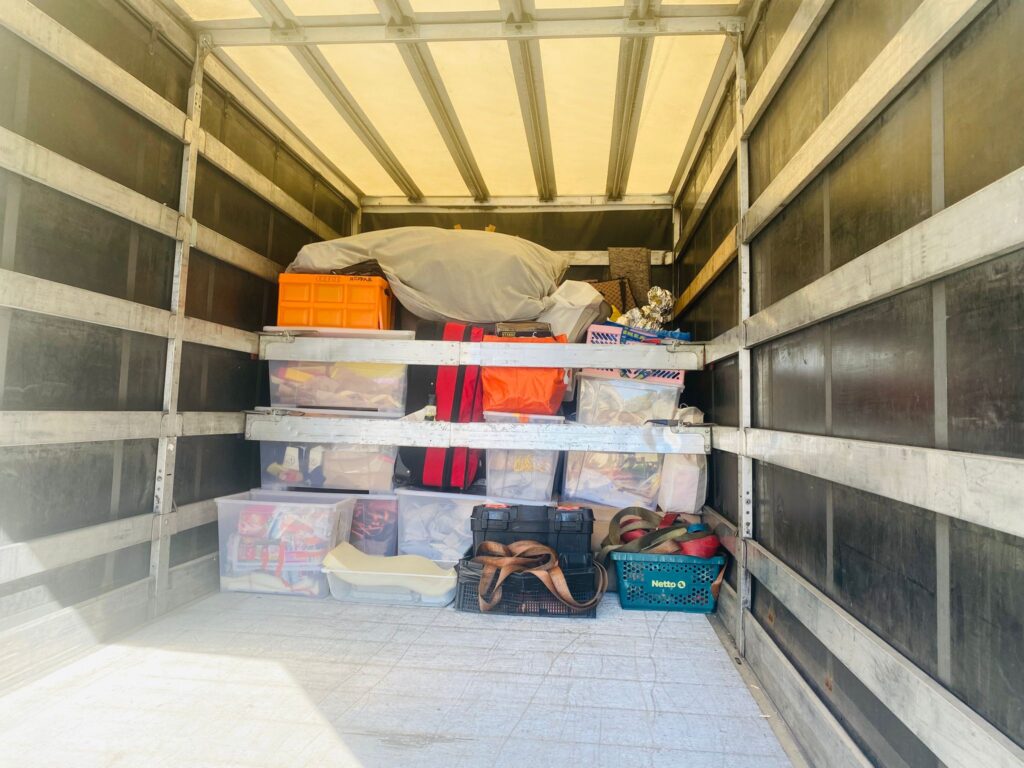
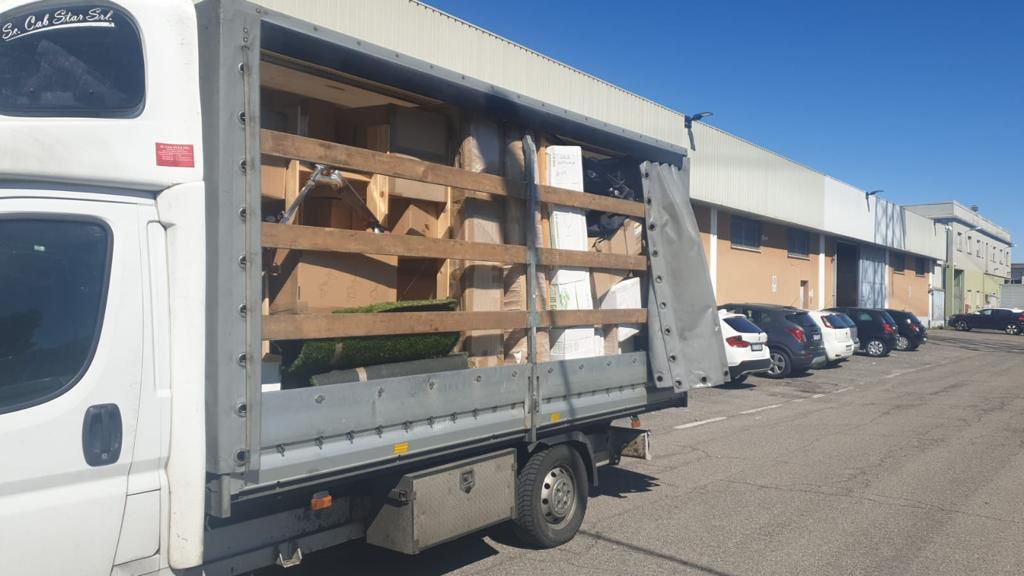
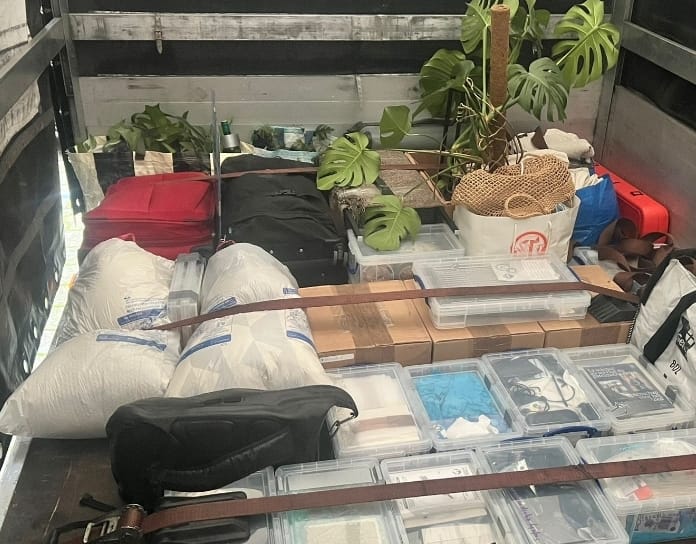
- Pick the right van size. Choose between 5 m³ and 90 m³ based on volume and access. When in doubt, size up for safer stacking.
- Decide packing level. DIY for linens and books, then book our Packing Service for glass, art, and electronics. Add White Glove for placement and assembly.
- Apply ToR and check visa status. Submit HMRC Transfer of Residence and confirm your UK immigration position if you are not British or Irish.
- Reserve parking and lifts. Pre‑book bays, confirm lift sizes, and note stair counts to avoid delays in London, Manchester, or Edinburgh.
- Protect documents and essentials. Keep passports, ToR reference, pet papers, chargers, meds, and a first‑night kit with you.
- Move day with GPS updates. Expect floor protection, room‑by‑room loading, and live tracking links with ETA.
- UK arrival and customs handoff. Provide ToR reference and inventory if requested. We coordinate the release and final delivery.
- First‑week admin. Apply for your National Insurance number, register with a GP, set up council tax and utilities, and sort school enrolments.
- Unpack with care. Use White Glove placement, furniture reassembly, and debris removal so the home works on day one.
Documents & red tape – official links only
Use these official portals in this order so paperwork flows easily.
Visas and immigration (if not British or Irish). Start at GOV.UK – UK visas and immigration to confirm the correct route and documents.
Transfer of Residence relief (ToR). Apply for duty relief on eligible household goods before shipping: HMRC – Transfer of residence relief. Keep your reference handy for clearance.
Customs for personal effects. Check what you can bring and how to declare it: GOV.UK – Bringing personal belongings to the UK. A clean, itemised inventory speeds release.
National Insurance number. If you need one, arrange it as soon as you arrive: Apply for a National Insurance number.
Register with a GP and the NHS. Find a local practice and register: How to register with a GP.
Driving licence and vehicles. Review if and when you must exchange your licence with the DVLA and, if importing a car, complete NOVA: Exchange a foreign driving licence • NOVA vehicle notification.
School admissions. Apply via your local council. England guidance here: Apply for a school place. Scotland, Wales, and Northern Ireland have separate processes.
Pet travel to Great Britain. Follow entry rules from APHA on microchip, rabies, and documents: Bring your pet to Great Britain.
Customs & ToR made simple
Moving home should not mean wrestling with forms. Here is the clean path through HMRC’s Transfer of Residence relief so customs is brisk and uneventful.
Timing
- Apply before your goods leave Portugal. Use HMRC’s ToR portal linked above and keep the reference number handy.
- Allow processing time. Start early so clearance does not hold the truck at the border. We attach your ToR reference to transport documents.
What to include in your ToR application
- Proof you lived in Portugal such as tenancy agreements, utility bills, or municipal registrations.
- Proof you are moving to the UK such as a UK tenancy agreement, employment letter, or university enrolment.
- Passport or ID and your contact details.
- An itemised inventory of your household goods with simple descriptions and reasonable values. Group similar items to keep the list readable.
Use only official guidance for the latest requirements: HMRC – Transfer of residence relief.
What to list (and how)
- Describe items in plain English: “king bed frame, wood, 160 cm,” not “stuff.”
- Group books, clothes, and kitchenware with quantities, for example “Books, mixed, 6 boxes.”
- Include serial numbers for electronics where available and note “used, personal effects.”
- List values as fair second‑hand estimates. Keep high‑value items distinct.
Prohibited and restricted items
- Do not include hazardous goods like paint, fuel, aerosols, or solvents.
- Exclude perishables and open food.
- Some items are restricted or need extra documents. Check the official page: GOV.UK – Bringing personal belongings to the UK.
Why a clean inventory speeds clearance
- Customs can read it fast, ask fewer questions, and release your shipment sooner.
- Drivers and crews load smarter when box labels match the list.
- Insurance claims, if ever needed, are simpler when items are clearly identified.
Mini checklist before loading
- HMRC ToR reference saved and printed
- Inventory in English with quantities, values, and box numbers
- Proof of residency in Portugal and proof of move to the UK
- Transport documents ready (consignment note or bill of lading)
- Passports and any pet or vehicle papers separate from packed goods
Example: one ToR inventory line
| Box/ID | Item description | Qty | Age owned | Value (EUR/GBP) | Notes/Serial |
|---|---|---|---|---|---|
| N/A | 3‑seater sofa, fabric, 210 cm, used good | 1 | 3 years | €400 | No serial |
Van sizes – choose precisely
| Vehicle | Volume | Max load | Best for |
|---|---|---|---|
| Moving Basic | 5 m³ | 300 kg | Studio essentials, 10–15 boxes |
| Moving Medium | 10 m³ | 600 kg | 1‑bed flat, 20–30 boxes, compact sofa + bed |
| Moving Premium | 15 m³ | 1000 kg | 2‑bed flat, 35–45 boxes |
| Moving Premium Plus | 30 m³ | 3500 kg | 3–4 rooms, wardrobes, white goods |
| Moving Full House XXL | 90 m³ | 20000 kg | Full family home, multi‑room office |
Quick volume math
- A standard moving box is roughly 0.07 m³. Fifteen boxes equal about 1.05 m³.
- A compact sofa is around 1.2–1.6 m³. A double mattress is about 0.6 m³.
- Add 10 percent buffer for plants, lampshades, and irregular items.
- If you sit between sizes, choose the larger van for safer stacking and fewer shifts.
Packing that protects 2,200 km
Packing well is the fastest way to protect your budget and your nerves. Strong materials, simple systems, and a steady rhythm turn a long road into a non‑event.
Materials checklist
| Item | Why it matters | Planning tip |
|---|---|---|
| Double‑walled boxes | Resist stacking pressure and vibration | Order 10 to 15 percent more than you think |
| Tape and dispenser | Seal seams and add rigidity | Tape all edges, not just the middle |
| Bubble and paper | Cushion fragile items | Wrap individually, then group by size |
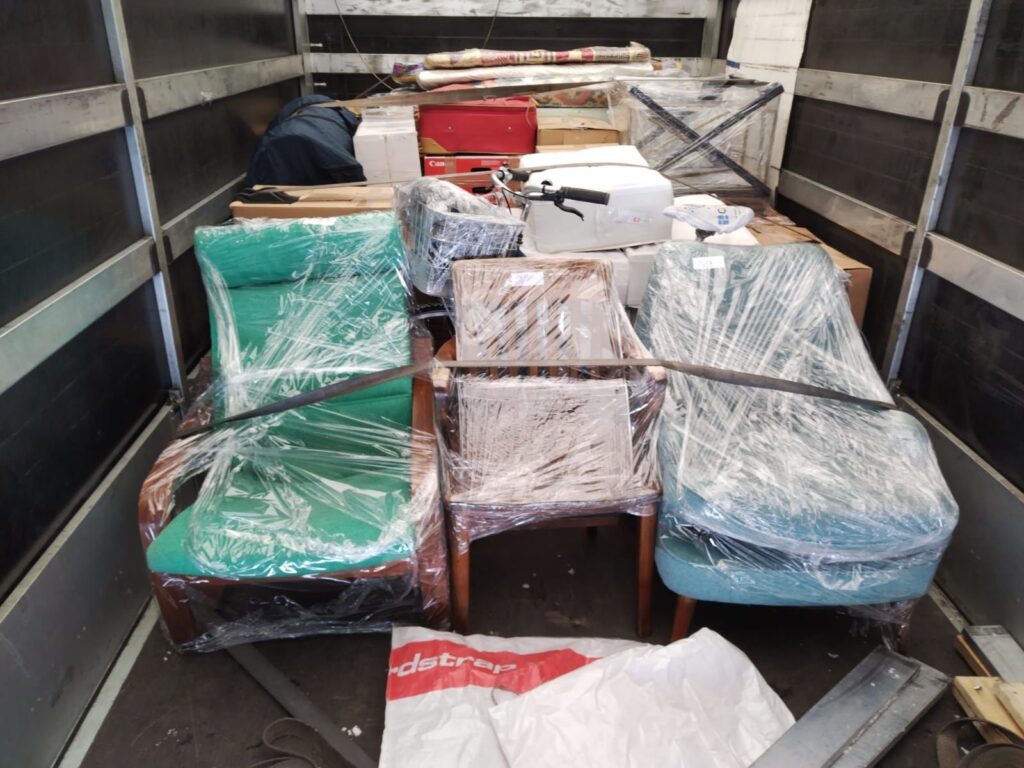
| Stretch wrap | Shield upholstery from dust and rubs | Spiral wrap arms and corners |
| Furniture blankets | Prevent scuffs during carry and transit | Layer between large items in the van |
| Corner guards | Protect tables, mirrors, TVs | Use on glass and artwork edges |
| Zip bags and labels | Keep screws and fittings together | Tape to the furniture underside |
| Mattress covers | Hygiene and moisture barrier | Seal after the mattress is inside |
Fragile playbook
- Kitchen. Plates travel vertically with dividers. Glassware prefers small boxes with padding top and bottom. Knives get guards or thick cardboard sleeves.
- TVs and monitors. Use original packaging. If missing, request a TV crate or edge protectors. Keep screens upright and marked Do Not Lay Flat.
- Artwork and mirrors. Corner guards, paper, then bubble, then a flat box. Mark glass side.
- Instruments. Loosen strings, use hard cases, add humidity packs for wood instruments.
- Furniture. Disassemble where practical. Bag fittings and tape the bag to the underside. Wrap edges and corners.
Room code system and door legend
- Assign each room a short code and a colour, for example
KITCH blue,BED1 green,LIV yellow. - Write the code and a number on each box, for example
BED1 12. - Place a one‑page legend at the entrance so our crew can fan boxes to the right rooms in minutes.
- Mark first‑open boxes with a star.
Appliances and electronics
- Defrost the fridge 24 to 48 hours before collection. Drain hoses and tape doors.
- Fit transit bolts for washing machines where applicable.
- Photograph cable layouts on the back of TVs and routers before unplugging.
- Back up laptops and drives. Carry sensitive electronics with you if possible.
What not to pack
- Hazardous items such as paint, fuel, aerosols, solvents
- Perishables and open food
- Valuables like jewellery, cash, and essential documents. Keep them with you
72‑hour sprint plan
- T‑72. Sort and stage by room. Order any missing materials.
- T‑48. Pack non‑essentials and seasonal items. Disassemble large furniture.
- T‑24. Pack kitchen and bathroom. Leave a kettle kit. Charge power banks.
- Move morning. Strip beds, seal mattresses, walk the home once, and photograph meter readings.
Need help right now? Book Packing Service or upgrade to White Glove Delivery for placement and debris removal.
UK city access & parking – how we make it smooth
Big cities reward precision. We plan permits, windows, and equipment so unloading is calm and your building stays happy.
London
- Parking suspensions. Many boroughs need 5 to 10 working days. We apply early and confirm signage so bays are reserved near your door.
- Red routes and restrictions. We plot arrival windows that respect red‑route timings, bus lanes, and any ULEZ or congestion considerations.
- Loading bays and concierge. We coordinate with building management, book service lifts, and log vehicles with reception if required.
- Shuttle strategy. For mews or very narrow streets, we stage the main vehicle on a wider road and run a shuttle van for the last metres.
Manchester and Birmingham
- Early‑morning slots. We target quieter windows to secure bays and reduce carry distance.
- City‑centre loading bays. We confirm time limits, maximum stays, and vehicle heights. Service yard access is booked where available.
- Lift bookings. Many modern buildings require timed lift reservations. We sequence crews to match that window.
Edinburgh and Glasgow
- Tenement stair carries. Narrow stairwells and landings need smaller loads and extra hands. We protect common areas and log moves with factors where needed.
- Old Town access. Expect cobbles, gradients, and timed windows. Shuttle vans or hoists are arranged when streets are tight.
- Permit zones. We arrange permits or pay‑by‑phone sessions and confirm the shortest legal park point.
Photo checklist for fast planning
- Street width and the tightest pinch point near your door
- Building entrance, corridor, and first turn
- Lift door width, cabin depth, and load rating
- Stair width and number of flights if no lift
- Distance from legal parking to your entrance
How our shuttle‑van plan works
- The main vehicle stages legally as close as possible.
- A smaller van cycles every 10 to 15 minutes to your door.
- Bulky items are wrapped and moved first. Crew inside prepares rooms and protection.
- We keep neighbours and building management informed so the flow stays smooth.
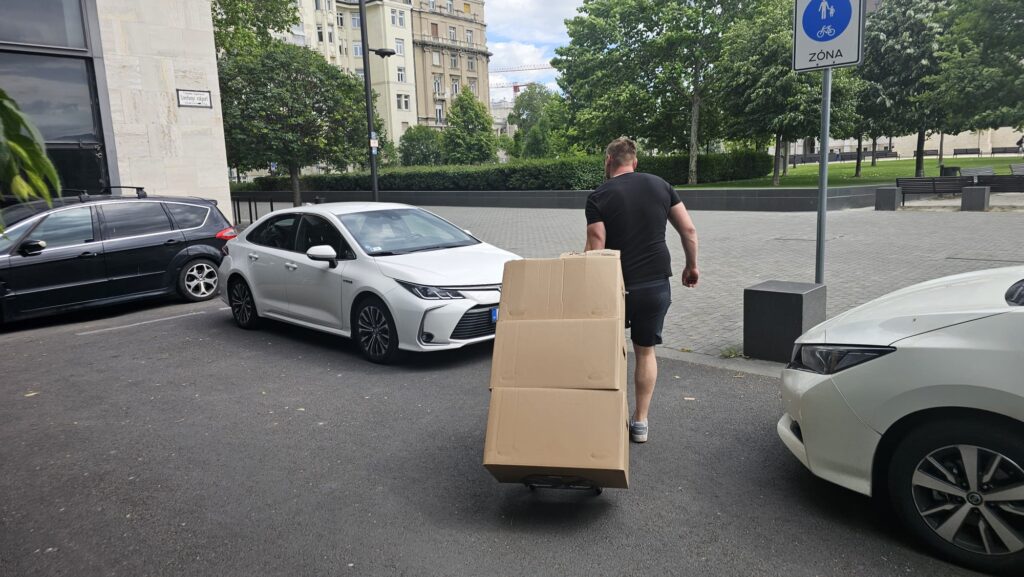
Share photos or a quick video of access and we will build the right plan on the first try. Your move runs on rails when access is mapped.


Costs & how to protect your budget
A clear plan keeps costs honest. Here is what shapes your price and the simple moves that keep it lean without cutting corners.
What drives your quote
| Driver | How it affects price | How we control it |
|---|---|---|
| Volume and weight | Bigger vans and longer loading times | Right‑size the vehicle, accurate inventory, smart stacking |
| Access realities | Stairs, narrow streets, long carries add time | Parking suspensions, shuttle vans, hoists when needed |
| Packing level | DIY is cheaper, fragile pro‑packing saves breakage | Hybrid plan: you pack linens and books, we pack glass and tech |
| Special items | Pianos, artwork, aquariums need extra protection | Crates, blankets, corner guards, specialist handlers |
| Speed and dates | Fixed‑day and express slots cost more | Flexible windows for value, early booking for certainty |
| Customs admin | ToR mistakes can delay and add fees | Clean inventory, ToR reference attached to transport docs |
What is typically included
- Vehicle and crew sized to your inventory
- Floor, door, and furniture protection
- Standard load and room‑level unload
- Live GPS tracking and ETA updates
Optional extras you can add
- Professional Packing Service with materials
- White Glove Delivery for placement, assembly, debris removal
- Crating for TVs, artwork, antiques
- Shuttle vans, hoists, or extra crew for tricky access
- Short‑ or long‑term storage if keys are delayed
Smart savings that actually work
- Book weekday mornings outside peak months
- Declutter before packing to cut volume
- Choose hybrid packing to focus pro time on fragile items
- Reserve parking and share lift sizes early to avoid waiting
- Send a photo‑backed inventory so we arrive with the right van first time
Quote checklist
Share these to get a sharp, accurate price:
- Collection and delivery addresses with postcodes and map pins
- Photos or a short video of access points and any pinch points
- Floor numbers, lift sizes and load ratings, stair counts
- Special items list and assembly needs
- Preferred dates and whether a flexible window works for you
- ToR status and reference if already approved
Destination orientation: quick wins in week one
Land softly and build momentum. Knock out these admin wins in your first seven days.
- Sort your National Insurance number if needed: Apply for a National Insurance number.
- Register with a GP near your home: How to register with a GP.
- Open a bank account. Bring photo ID and proof of address. Many banks accept tenancy agreements or council tax letters.
- Set up council tax and utilities. Find your local council and follow their move‑in steps: Find your local council.
- Get your transport card. In big cities, set up contactless or a local travel card for cheaper daily caps.
- Register school or childcare. Use your council’s admissions route and guidance: Apply for a school place.
- Protect your home. Arrange renter’s insurance and photograph valuables for your records.
Why VANonsite – confidence checklist
- Live GPS on every consignment with a shareable link and optional photo checkpoints at collection and delivery
- Fixed‑day commitments for certainty or flexible delivery windows for value, plus Last Minute Moving capacity when plans change
- Right‑sized fleet from 5 m³ to 90 m³, shuttle vans for tight streets, and access to hoists when buildings require it
- Professional Packing Service with pro‑grade materials and White Glove placement, assembly, and debris removal at destination
- Trained, background‑checked crews who protect floors, doors, lifts, and common areas as standard practice
- Clear paperwork and itemised inventory support to accelerate customs and minimise surprises
- Insurance options that match your move and item profile
- English‑speaking move coordinator on WhatsApp, phone, or email from first quote to final placement
- Secure storage bridging gaps between keys, available short or long term
FAQs
Do I need a visa to move from Portugal to the UK?
It depends on your nationality and reason for moving. British and Irish citizens do not need a visa. Others should check the correct route on GOV.UK – UK visas and immigration and apply before travelling.
What is Transfer of Residence (ToR) and how do I apply?
ToR lets you bring household goods to Great Britain without paying import duty if you are moving your normal home. Apply online before shipping: HMRC – Transfer of residence relief.
How long does a road move from Portugal to the UK take?
Most dedicated shipments arrive in about 2 to 5 days depending on distance, access, service level, and your delivery window. We confirm timing with live GPS updates.
Which van size should I choose?
As a quick guide: 1‑bed homes often fit 10 m³, 2‑beds around 15 m³, and 3–4 rooms 30 m³. Full family homes can need 90 m³. Share a video inventory and we will right‑size with buffer.
Will I pay duty or VAT on my belongings?
With approved ToR, eligible used household goods are normally duty free. New or recently purchased items may be treated differently. See GOV.UK – Bringing personal belongings to the UK.
What items can’t you carry?
Hazardous goods like paint, fuel, aerosols, and solvents. Also avoid perishables and open food. Keep jewellery, cash, and essential documents with you.
Can you pack fragile items and unpack in the UK?
Yes. Book our Packing Service for glass, art, and electronics, and add White Glove for placement, assembly, and debris removal.
How do I track my shipment?
Every consignment has a live GPS link with ETA updates and optional photo checkpoints at collection and delivery.
Do you offer storage if my keys are delayed?
Yes. We provide secure short‑ and long‑term storage and deliver when you are ready.
Do I need a National Insurance number and how do I get one?
If you plan to work, you may need one. Apply after arrival: Apply for a National Insurance number.
Do I need to exchange my Portuguese or EU driving licence?
Check current rules and deadlines with the DVLA: Exchange a foreign driving licence.
Can I bring my dog or cat?
Yes, if you meet Great Britain entry rules on microchip, rabies vaccination, and documents. Details: APHA – Bring your pet to Great Britain.
Final word
Your move from Portugal to the UK in one clear picture: paperwork first, boxes second, and no drama in between. Follow the sequence, keep documents tidy, and let a right‑sized van and live GPS carry the weight while you focus on the life you are building.
Key takeaways
- Sort status early: visa route if needed on GOV.UK, then apply HMRC ToR for duty relief.
- Customs moves faster with a clean, itemised inventory and proof of your relocation.
- Pick the correct capacity from 5 m³ to 90 m³; when between sizes, choose the larger for safety and fewer trips.
- Pack smart. Use hybrid packing and book White Glove for art, instruments, and sensitive tech.
- Plan big‑city access. Reserve bays, measure lifts, and use our shuttle‑van strategy where streets are narrow.
- Protect your budget with accurate photos, dates, and access notes. Flexible windows can unlock value.
- In week one, knock out NIN, GP registration, council tax, utilities, and schools.
Ready for your tailored quote? Share your dates, addresses, ToR status, a photo‑backed inventory, and access photos. We will map the route and deliver transparent numbers you can trust.