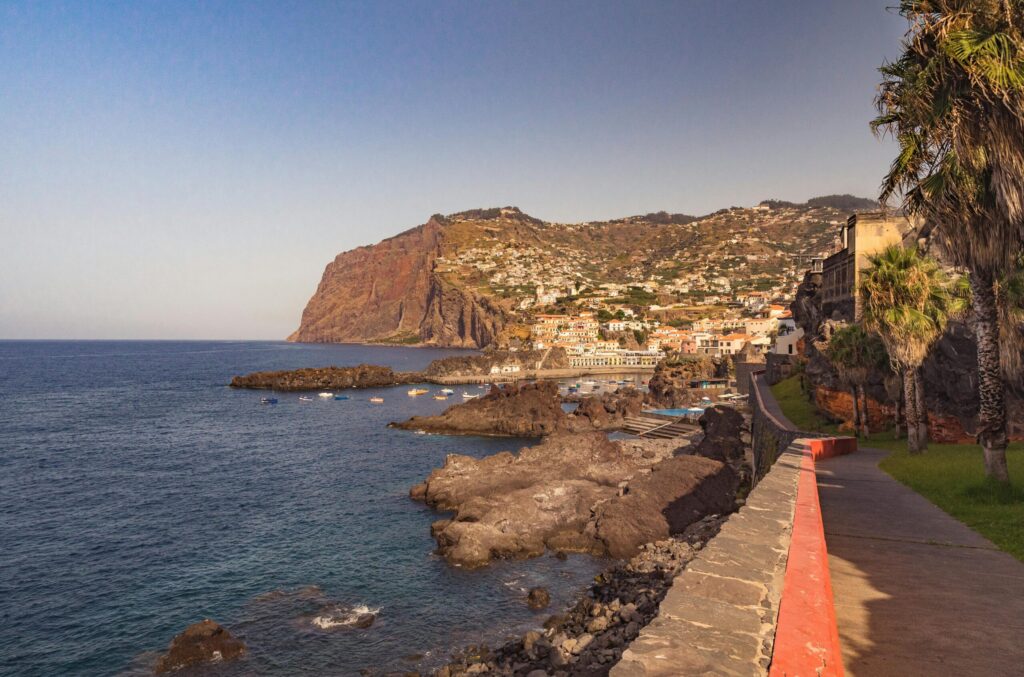
Moving to Madeira Portugal is the moment you trade grey commutes for cliff side sunrises and salt sprayed evenings. You wander levadas that ribbon through emerald hills, watch dolphins stitch quicksilver lines across the Atlantic, and close the day in a Funchal square where conversation lingers. The island feels calm yet alive. The climate stays kind, streets are safe, and the outdoor culture nudges you outside after work. Families find good schools, students find opportunity, and remote professionals plug into fast fiber without losing the ocean view. If you crave an everyday life that feels like a deep breath, Madeira delivers.
Plan it with less friction and more control. Book a precise, GPS tracked removal on the Removals to Portugal page and let VANonsite handle the heavy lifting.
TL;DR
- Follow a simple 90 day roadmap from planning and paperwork to housing and final checks.
- Sort the essentials early: NIF, residency path, healthcare registration, driving and customs rules.
- Right size your vehicle for island streets: 5 m³, 10 m³, 15 m³, 30 m³, or 90 m³ with clear payload limits.
- Expect island logistics: tunnels, gradients, tight approaches, and a sea leg coordinated to schedule.
- Cut costs wisely: declutter, pre book lifts and permits, let pros pack fragile and high value items.
- Track everything in real time: every VANonsite shipment includes live GPS and a dedicated coordinator.
- Choose services that fit: Last Minute, Packing, White Glove, Home and Office Removals, Storage, Student moves.
Quick facts at a glance
Language and culture
Portuguese is the official language and a few phrases open doors quickly. English is common in Funchal, hotels, and many services, but less so in smaller towns. Learning basics pays off when sorting utilities or permits.
Climate and time zone
Subtropical and gentle year round. Winters are mild and summers warm without extremes. Microclimates matter, so hills can feel cooler than the coast. Madeira follows Western European Time in winter and Western European Summer Time.
Safety
The island is considered safe with low violent crime. Use normal big city awareness in touristy spots and festivals.
Housing snapshot
Funchal offers the widest choice and fastest access to services. Nearby areas like Santa Cruz, Câmara de Lobos, Machico, and Caniço trade proximity for quieter streets and better parking. Rent varies by elevation, sea view, building age, and season.
Connectivity
Fast fiber is widely available in Funchal and along the south coast corridor. 4G and growing 5G coverage support remote work. In rural pockets, speeds can dip, so confirm with the landlord before you sign.
Getting around
Island roads and tunnels create quick east to west links, yet some approaches are steep and narrow. The cargo port at Caniçal handles most freight, while Funchal port manages cruise traffic and some passenger services. Regular flights connect to Lisbon and Porto.
Typical monthly costs in Funchal
Use these ranges as a calibration tool. Lifestyle, location, and season can shift numbers.
| Item | Typical range per month |
|---|---|
| Rent, 1 bedroom outside center | €650 to €950 |
| Rent, 1 bedroom central areas | €900 to €1,300 |
| Utilities for a flat | €80 to €140 |
| Fiber internet and mobile | €25 to €40 |
| Public transport or fuel starter budget | €35 to €120 |
| Groceries for one | €170 to €260 |
| Eating out, cafés and dinners | €100 to €220 |
90‑day moving roadmap
Weeks 1 to 2: Foundation
- Define a clear budget and inventory. Note bulky or delicate items like pianos, artworks, servers, or large TVs.
- Request an initial quote with VANonsite and share access details for both addresses. Add photos or a short video of entrances and stairs.
- Book a fast video survey to pick the right van size: 5 m³, 10 m³, 15 m³, 30 m³, or 90 m³. Correct sizing reduces cost and avoids extra runs.
- Choose target move dates and check ferry or ro‑ro options if a sea leg is required. Add a weather buffer for island crossings.
- Scan documents and create a shared checklist with owners for deadlines and responsibilities.
Weeks 3 to 6: Paperwork and packing
- Start your NIF process and gather residency documents for your case. Book any needed appointments early.
- Order packing materials and lock the Packing Service for fragile or high value pieces. Ask about eco padding and custom crates.
- Declutter decisively. Donate, sell, or store items you do not need in the first 90 days.
- Photograph serial numbers, create a photo inventory, and confirm insurance coverage for transit.
- If your keys will not align, arrange short or mid term Storage with itemized inventory.
Weeks 7 to 10: Housing and logistics
- Shortlist areas in Funchal and beyond. Book viewings or virtual tours and keep a simple scorecard for each option.
- Confirm building access, elevator bookings, street width, gradients, and tunnel approach constraints. Share stair counts and door widths with the crew.
- Apply for any local permits, plan curb space, and coordinate ferry windows. For special pieces, add White Glove Delivery.
- Finalize the loading plan and room layout for delivery day. Color code labels and assign open first priorities.
Weeks 11 to 12: Final checks
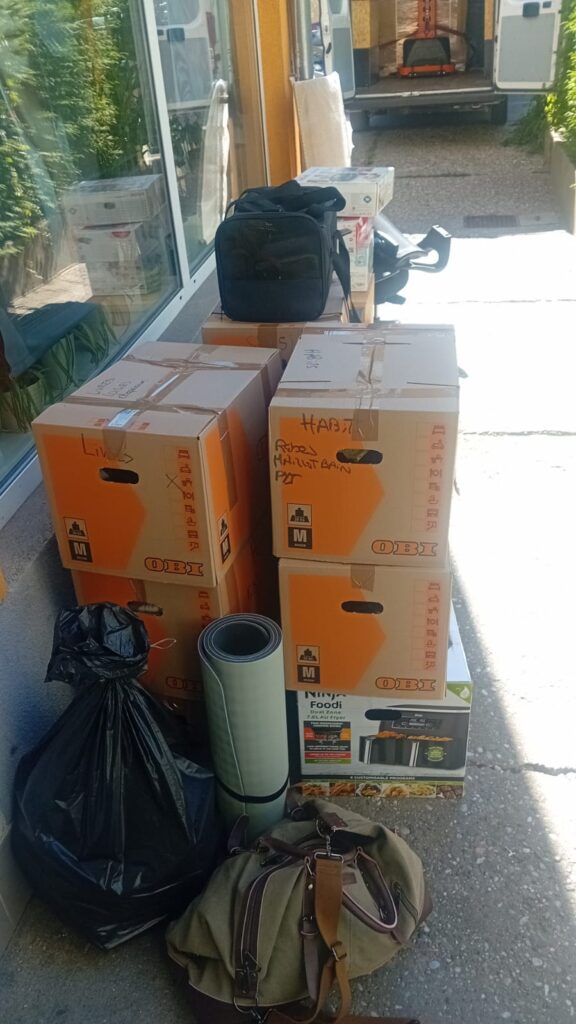
- Label every box clearly on two sides. Use color codes by room and P1, P2, P3 priority flags.
- Prepare a 48 hour essentials bag with documents, chargers, toiletries, meds, and bedding.
- Share access notes, maps, and contact numbers with VANonsite. You will receive a live GPS link for real time tracking.
- Confirm elevator pads, quiet hours, and meter readings. Print key confirmations and keep passports, lease, and keys on you.
Documents and official links
Always link to official government portals when mentioning paperwork. The steps below highlight the usual sequence. Requirements differ for EU and non‑EU citizens, so verify your case on the linked portals.
Core steps for everyone
- Get your NIF tax number. Apply with the Portuguese Tax Authority on the Portal das Finanças. Keep a digital copy and printout.
- Open a bank account. Many banks request your NIF and proof of address. Bring passport or ID and a tenancy intention or contract.
- Secure health coverage. Keep private insurance or register locally with the National Health Service via SNS once you have an address.
- Check driving rules. For license exchange and vehicle matters, consult IMT. Photograph your current license and translation if required.
- If arriving from outside the EU. Review transfer of residence exemptions and import rules via the Portal das Finanças customs pages.
EU, EEA, Swiss citizens
- Residence registration. Register at your local Câmara Municipal within 90 days of arrival. Guidance and municipal contacts live on ePortugal.
- Healthcare. Bring your EHIC or private policy, then enroll with SNS for local access.
- Social Security (NISS). If employed, request a NISS through your employer or Segurança Social.
Mini checklist — EU/EEA/Swiss
- Passport or national ID
- NIF confirmation from Portal das Finanças
- Proof of address or tenancy intention
- Residence registration appointment at Câmara Municipal via ePortugal
- EHIC or private policy and local SNS registration
- NISS if employed
Non‑EU citizens
- Visas and residence permits. Review routes, documents, and appointment scheduling via AIMA. Book early, print confirmations, and keep copies of everything.
- Banking and NIF. Many steps require a Portuguese bank account and your NIF. Start these in parallel once you have your initial address plan.
- Translations and apostilles. Prepare certified translations and apostilles where applicable.
- After arrival. Complete residence card steps with AIMA, then enroll with SNS and request NISS as needed.
Mini checklist — Non‑EU
- Passport with the correct visa category
- AIMA appointment confirmation
- NIF, Portuguese bank details
- Proof of means, housing, and valid health insurance
- Certified translations and apostilles if required
- NISS request after arrival
Pets
- Follow EU pet travel rules via the EU portal and local veterinary guidance via DGAV. Confirm microchip, vaccinations, and documents before booking travel.

Realistic costs and how to optimize
Madeira moves add island variables to standard pricing. Your quote reflects inventory volume, route distance, a possible sea leg, and how easily crews can reach your door.
What drives price
- Volume and weight. The strongest lever. Accurate sizing avoids surprise upgrades.
- Access. Narrow streets, gradients, stairs, and elevator bookings add time.
- Route and sea leg. Ferry schedules, port handling, and weather buffers influence timing.
- Special items. Pianos, artworks, IT gear, and antiques require extra protection or White Glove handling.
- Packing scope. Pro packing of fragile items reduces risk and claims.
- Insurance and storage. Coverage tier and any bridge storage between keys.
Smart savings without cutting corners
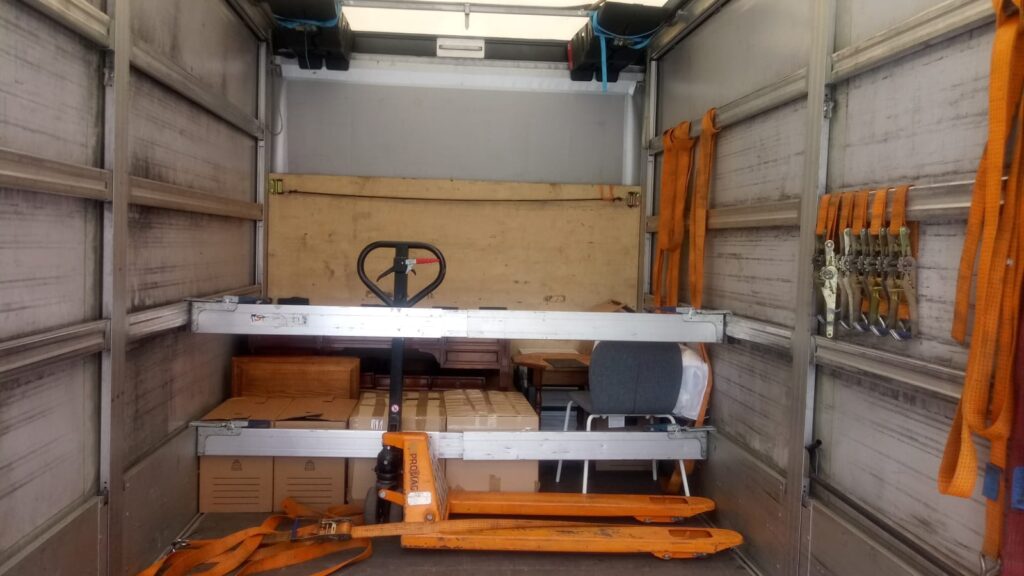
- Right size your vehicle. Choose between 5 m³, 10 m³, 15 m³, 30 m³, or 90 m³. A quick video survey aligns capacity with your real inventory.
- Pre book lifts and curb space. Waiting time costs money. Permits and elevator pads speed the day.
- Declutter early. Do not ship what you will not use within 90 days.
- Let pros pack fragile items. One cracked screen can erase DIY savings.
- Bundle services. Packing plus transport plus storage often brings better value.
- Share access media. Short videos of entrances, corridors, and street approaches help crews plan smarter loads.
Budgeting table
| Cost category | What it covers | How to reduce |
|---|---|---|
| Vehicle and transport | Van size, distance, sea leg, tolls | Match van to volume, flexible dates |
| Port and ferry fees | Port handling, ferry tickets, timing buffers | Align sailing windows, avoid peak sailings |
| Packing | Materials, specialist wrap, crew | Pack easy items, let pros handle fragile |
| Access and handling | Stairs, long carries, elevator, permits | Pre book lifts, secure permits, share videos |
| Special items | Pianos, art, IT, antiques | Use White Glove only where necessary |
| Insurance | Coverage tiers and declared values | Insure high value items appropriately |
| Storage | Short or mid term if keys misalign | Shortest term, combine deliveries |
| Contingency | 5 to 10 percent buffer for island variables | Lock dates early, keep a small weather buffer |
Two quick example scenarios
| Scenario | Inventory | Route | Suggested vehicle | Time savers |
|---|---|---|---|---|
| Solo mover | 10 m³, light furniture and boxes | Central Europe to Madeira via Lisbon and ferry | Moving Medium | Pro pack fragile only, evening pickup, overnight storage if needed |
| Family of 3 | 30 m³, full apartment | Northern or Eastern Europe to Madeira | Moving Premium Plus | Full Packing, White Glove for art or piano, direct to storage then home |
For a tailored, written quote with a precise plan, start here: VANonsite removals to Portugal.
Choose the right vehicle size
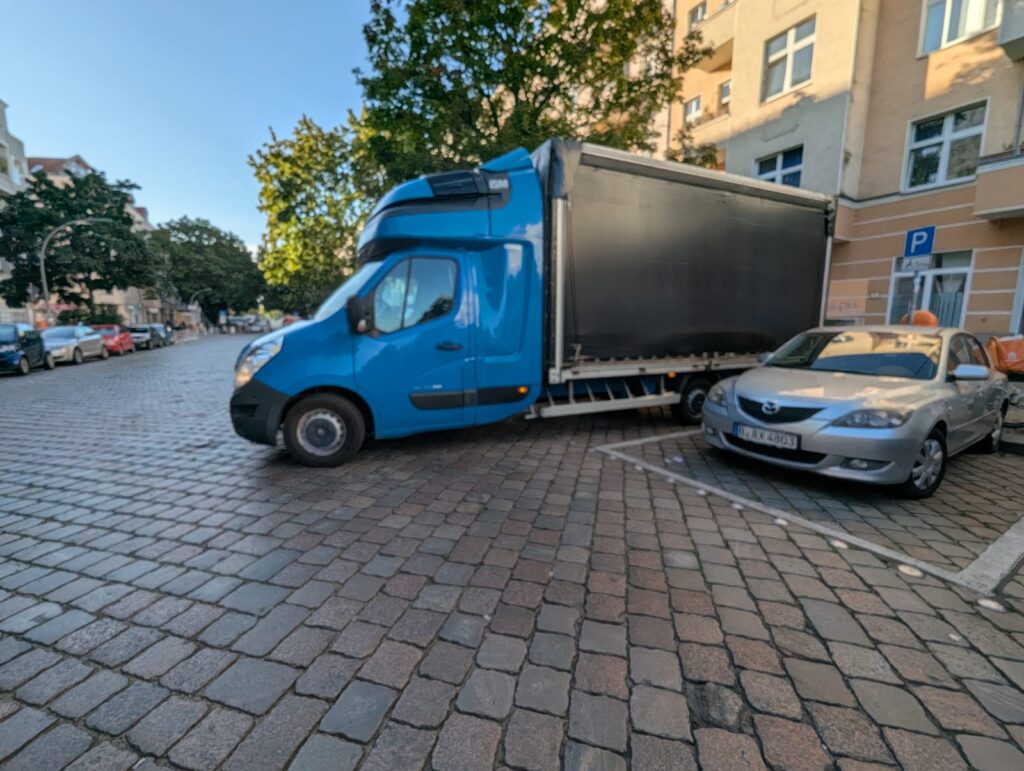
Madeira rewards smart sizing. Old town alleys, tight hairpins, steep approaches, and time sensitive ferry windows all favor a perfectly matched vehicle. Getting volume and payload right prevents costly shuttles, protects furniture on gradients, and keeps your schedule on track.
How to think about sizing
Volume tells you how much space your belongings occupy. Payload tells you how heavy they are allowed to be. On an island with climbs and narrow access, both matter. A smaller vehicle can reach doors that a large truck cannot, and a well planned shuttle can beat a single oversized vehicle stuck two streets away.
Measure before you choose
- Largest items: sofa length and depth, wardrobe height, bed bases, mattresses, fridge and washer, dining table, desks, TV sizes.
- Access points: doorway width at the narrowest point, stair width and turns, lift dimensions, corridor angles, ramp gradients, street width near the entrance.
- Carry distances and parking: where the van can legally stop, permit needs, and any stairs between curb and door.
Real world sizing cues
- Compact studio or student room with essentials only: 5 to 10 m³.
- One bedroom with light furniture: 10 to 15 m³.
- Two bedrooms with typical furniture: 20 to 30 m³.
- Family of three with full apartment: about 30 m³.
- Add buffers for special pieces like pianos or oversized art.
| Service level | Approx. volume | Max payload | Best for |
|---|---|---|---|
| Moving Basic | 5 m³ | 300 kg | Student rooms, essentials |
| Moving Medium | 10 m³ | 600 kg | Small apartments |
| Moving Premium | 15 m³ | 1,000 kg | 1 bedroom flats |
| Moving Premium Plus | 30 m³ | 3,500 kg | 2 to 3 bedroom homes |
| Moving Full House XXL | 90 m³ | 20,000 kg | Large homes or combined shipments |
Island access tips
- Historic cores like Funchal Old Town or central Câmara de Lobos often favor Moving Basic or Moving Medium for door to door delivery.
- If streets are under 2.3 m wide, consider a planned shuttle: unload to a smaller vehicle for the last stretch.
- Check building rules for lift keys and quiet hours. Book pads and time slots to avoid waiting.
- For any ferry leg, share estimated weight and volume early. Keep a small weather buffer.
Fast path to certainty
Book a quick video survey and get a precise recommendation for volume and payload on the Removals to Portugal page. You will receive a written plan with timings and access notes.
VANonsite services for Madeira moves
Choose the service mix that protects your belongings and your timeline. Every move includes a dedicated coordinator and live GPS so you always know what is happening.
- Last Minute Moving: rapid dispatch when dates shift. Weekend pickups and priority routing help you catch ferry windows and handovers without panic.
- Packing Service: premium materials, eco padding, and a neat photo inventory. Fragile items get custom protection and clear labels for faster setup in Funchal.
- Home Removals: true door to door. Floor and doorway protection, precise room plans, and careful placement so you can settle the first evening.
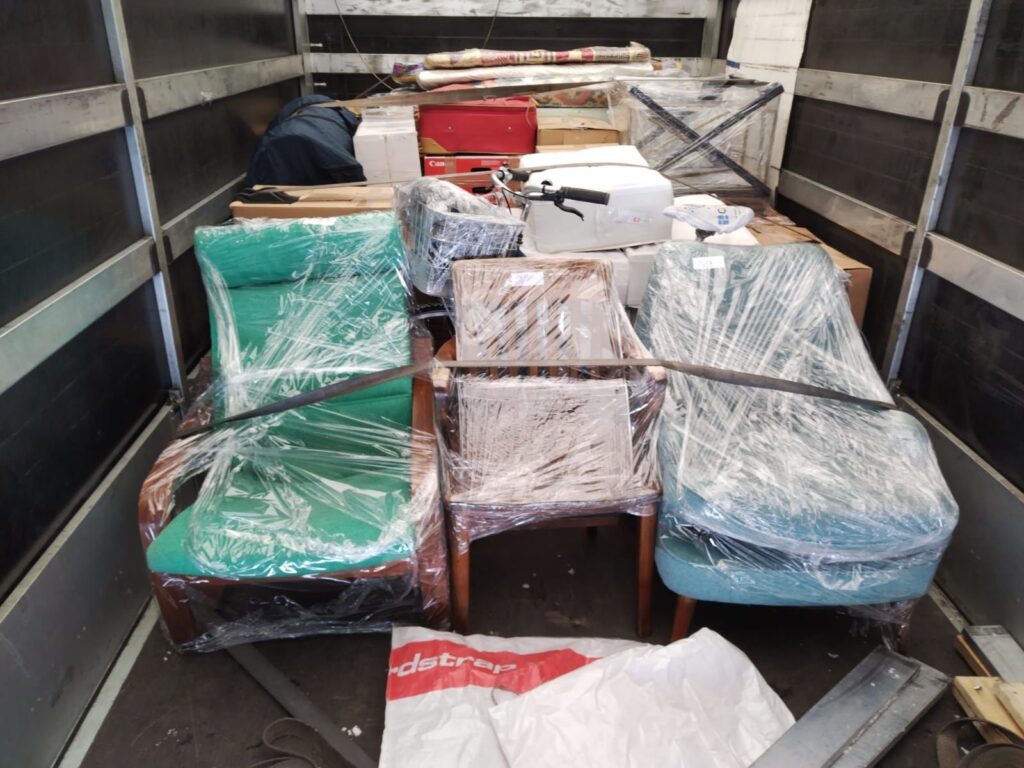
- Furniture Removals: blanket wrap, corner guards, stair safe carries, and secure strapping for heavy or awkward pieces.
- White Glove Delivery: meticulous handling for art, antiques, and premium goods. Room of choice placement and optional assembly keep things effortless.
- Office Removals: low downtime moves with IT safe packing, asset tagging, and out of hours scheduling.
- Student Removals: budget friendly solutions with exam season flexibility and compact load options.
- Storage: secure short or mid term storage when keys do not align, with itemized inventories and easy combined delivery.
- GPS tracking: real time location sharing and proactive check ins so your plan stays transparent from departure to doorstep.
Where to live in Madeira
Choosing your base shapes everyday life. On Madeira, microclimates, elevation, and road access matter as much as square meters. Start with these areas, then fine tune for hills, parking, and lift rules in your building.
Neighborhood comparison at a glance
| Area | Vibe | Typical housing | Hills and elevation | Parking | Best for |
|---|---|---|---|---|---|
| Funchal (Sé, São Martinho, Lido) | Walkable, lively, culture rich | Apartments in older blocks and newer condos | Gentle to moderate; some steep lanes in the center | Street parking scarce; garages in newer builds | Car‑light living, quick access to services |
| Santa Cruz | Calm, coastal, airport handy | Newer apartments and family homes | Moderate elevation inland | Better street parking than Funchal core | Families, frequent flyers |
| Câmara de Lobos | Colorful fishing town, postcard views | Mixed apartments and townhouses | Steeper hills above the bay | Mixed; check street width | View seekers, food lovers |
| Machico | Family friendly with a sandy beach | Apartments and houses | Mostly gentle near the center | Decent parking near residential streets | Families, beach time |
| Caniço | Residential, good value near Funchal | Apartments, some villas | Varied; flatter pockets in Caniço de Baixo | Generally manageable | Commuters seeking value |
| Calheta | Sunniest south‑west pocket | Newer villas, holiday homes | Hillside living common | Driveway or street parking | Sun seekers, larger homes |
| Ponta do Sol | Relaxed, creative, nomad energy | Townhouses, apartments | Hills above the center get steep | Limited in center; improves uphill | Remote workers, mellow nights |
| Ribeira Brava | Practical hub with quick road links | Apartments and houses | Moderate; flatter near the center | Manageable in residential areas | Balanced budgets, commuters |
Tip: Elevation shifts temperature and humidity. Higher streets feel cooler and breezier, which can be perfect in summer but cooler in winter.
Neighborhood snapshots
Funchal
The island’s heartbeat. Museums, markets, gardens, and the Lido promenade keep days varied. Expect compact streets and limited curb space in the old core. Newer São Martinho blocks often include elevators and garages, which makes move‑in simpler.
Santa Cruz
A gentle coastal pace with the airport close by. Popular with families thanks to newer builds, promenades, and easy shopping. If you are noise sensitive, preview flight paths in person.
Câmara de Lobos
A photogenic harbor framed by steep slopes. Cafés spill onto cobbles, and evenings feel warm and social. Streets wind tightly up the hill, so measure access and consider a smaller vehicle for delivery day.
Machico
Loved for its sheltered sandy beach and family vibe. The old center is flat by island standards. Parking is easier than in central Funchal, but check summer weekend pressure near the waterfront.
Caniço
A practical choice close to Funchal without city prices. Caniço de Baixo has flatter zones and coastal paths. Buildings vary, so confirm elevator dimensions before you sign.
Calheta
Sun drenched terraces and wide sea views. Many properties sit on hillsides with rewarding vistas. Plan for driving and check ramp gradients for larger furniture.
Ponta do Sol
Golden hour lives here. A small center with creative energy and a relaxed evening scene. Parking in the heart is tight, yet it improves a few streets uphill.
Ribeira Brava
A convenient base with quick tunnel access east and west. Shops, schools, and services are close together. Great for balanced budgets and simple commutes.
Commute reality check
- Santa Cruz to Funchal center often 15 to 25 minutes outside peak times.
- Câmara de Lobos to Funchal often 10 to 20 minutes depending on the exact hill.
- Machico to Funchal often 25 to 35 minutes with tunnel traffic.
- Ponta do Sol or Ribeira Brava to Funchal often 25 to 40 minutes.
- Calheta to Funchal often 35 to 55 minutes depending on elevation and season.
Times flex with weather, festival days, and ship traffic. Always test your route at the hour you plan to travel.
Elevation, parking, and building rules
- Steeper streets may require smaller vehicles or a planned shuttle for the last stretch.
- Newer buildings more often include elevators and garages. Older blocks can have narrow stairwells; measure turns.
- Ask about lift keys, protective pads, and loading windows before moving day.
- In historic lanes, reserve curb space and inform neighbors or building managers in advance.
Selector by lifestyle
- Families: Santa Cruz, Machico, parts of São Martinho and Caniço.
- Remote workers: Ponta do Sol, Funchal (good fiber), Caniço de Baixo.
- Students and young professionals: Funchal center or Lido for walkability.
- Nightlife lovers: Funchal old town and Lido area.
- Quiet coastal life: Calheta, Ponta do Sol, Ribeira Brava.
- Car‑light living: Funchal core, São Martinho near bus routes.
- Budget conscious: Caniço, Ribeira Brava, upper hills of Câmara de Lobos.
Viewing checklist
- Elevation and street width at the tightest point
- Lift size, door widths, and stair turns
- Parking rules, resident permits, and loading spots
- Fiber availability and mobile signal inside the flat
- Sun path and wind exposure on balconies
- Noise at school start times and on weekend nights
Moving‑day playbook for an island move
A smooth island move runs on timing and clear roles. Use this timeline to keep everyone aligned and to make the sea leg feel routine instead of risky.
72 to 24 hours before pickup
- Secure permits for curb space at both addresses. Print confirmations and keep them handy.
- Confirm elevator bookings and request protective pads if the building requires them.
- Walk the route with your phone and record short access videos. Include door widths, stair turns, and street approach.
- Disassemble beds and large tables. Bag screws and tape them to the matching item.
- Back up laptops and phones. Empty water from appliances and fuel from garden tools.
- Share all access notes with your VANonsite coordinator and confirm the GPS tracking link.
The night before
- Pack a 48 hour essentials kit: documents, keys, chargers, toiletries, meds, snacks, a change of clothes, basic cookware, towels, and bedding.
- Defrost and dry the fridge. Tape doors and leave a small gap to prevent odors.
- Charge devices and power banks. Set two alarms. Place passports, lease, and contracts in your day bag.
- Seal liquids in zipper bags. Stage a First‑Open box for the new kitchen.
Morning of pickup
- Quick walkthrough with the crew. Flag fragile, heavy, and priority items.
- Protect floors, corners, and doorframes. Clear hallways and lift lobbies.
- Photograph rooms and high value items. Note existing scuffs for your records.
Loading
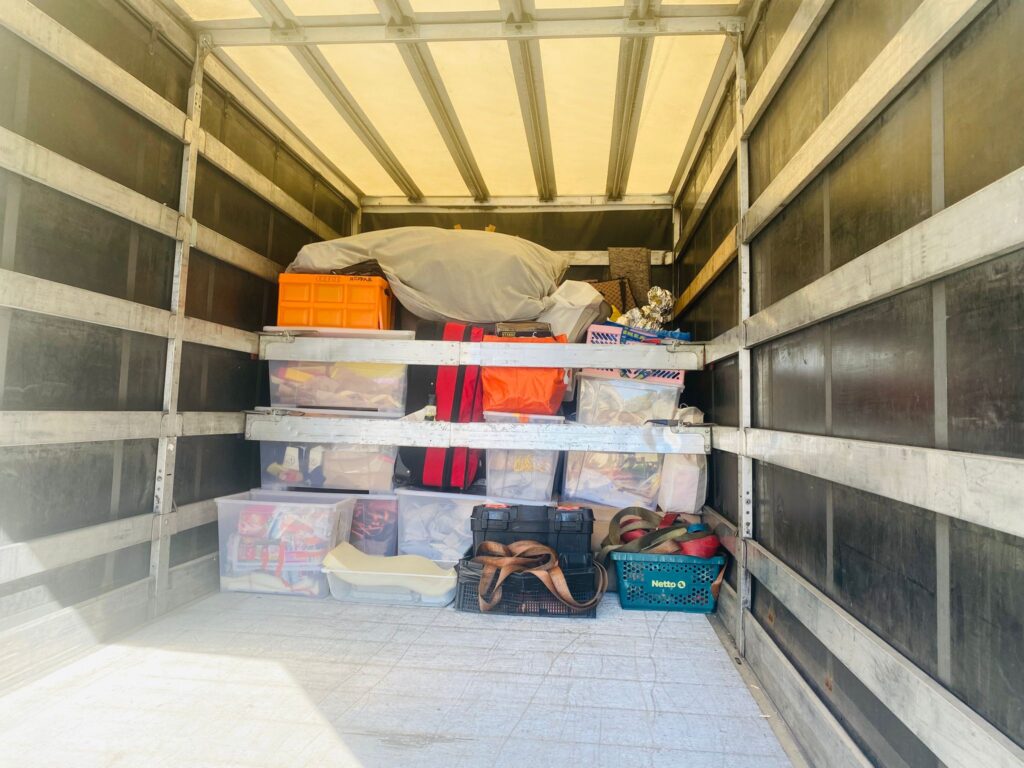
- Label every box on two sides. Use color codes by room and P1, P2, P3 priorities.
- Load heavy pieces first to stabilize. Keep fragile items on a separate layer.
- Do a last sweep of each room and cabinet before the van leaves.
Sea leg coordination
- Confirm port timing and send ETA updates. Weather can shift; keep a small buffer.
- Keep port documents and ID ready. Share the GPS link with whoever will receive the goods in Madeira.
- If schedules change, message your coordinator early to switch to the next sailing.
Delivery in Madeira
- Meet the crew and confirm the room plan. Direct large furniture to final positions first.
- Check boxes against the inventory list as they come off the van.
- Photograph water, gas, and electricity meters on arrival. Note building rules for quiet hours and waste disposal.
First 24 hours after delivery
- Make beds, connect Wi‑Fi, and set up the kitchen basics.
- Flatten used boxes and set aside returns. Record any issues with photos and notify support promptly.
- Take a short walk to find groceries, pharmacies, and the nearest recycling point.
After‑arrival admin in Madeira
Settle the paperwork early so daily life clicks into place. Use this two‑week run sheet.
Week 1 priorities
- Address and residency: EU citizens register residence at the local Câmara Municipal via ePortugal. Non EU residents complete residence steps with AIMA before local registration.
- Banking: Open or update your Portuguese account. Bring passport or ID, NIF, proof of address, and employment letter if you have one.
- Utilities: Photograph meter readings for electricity, gas, and water. Contact providers with your NIF and IBAN. Ask about deposits and tariff options.
- Internet and mobile: Confirm fiber availability and schedule installation or pickup of the router.
- Healthcare: Register with the National Health Service via SNS. Keep private coverage if you prefer faster specialist access.
- Resident parking and permits: Where applicable, apply through your Câmara Municipal. Check rules for visitor permits and loading windows.
- Waste and recycling: Look up your collection schedule and pickup points on the municipal pages.
Week 2 follow ups
- Tax and address updates: Update your address on the Portal das Finanças and with your bank, employer, and subscriptions.
- IMT driving formalities: If you need a license exchange or vehicle steps, review procedures on IMT and book appointments.
- Schooling: Contact local schools and bring transcripts, vaccination records, and ID.
- Home insurance: Arrange or transfer contents coverage to your new address.
- Finishing touches: Label the doorbell and mailbox, note emergency numbers, and save contacts for building management.
Pack like a pro
Smart packing protects your budget, your back, and your timeline. Madeira adds narrow streets, gradients, and a possible sea leg, so your boxes need to be compact, clearly labeled, and tough.
Materials checklist by volume
Use this as a starting point, then adjust for books, decor, or bulky gear.
| Move size | Small boxes | Medium boxes | Wardrobe boxes | Bubble wrap (m) | Packing paper (kg) | Tape rolls | Furniture blankets |
|---|---|---|---|---|---|---|---|
| 5 m³ | 6–10 | 4–6 | 0–1 | 20–30 | 2–3 | 3–4 | 4–6 |
| 10 m³ | 12–16 | 8–10 | 1–2 | 40–60 | 4–6 | 5–6 | 6–10 |
| 15 m³ | 18–24 | 12–16 | 2–3 | 70–90 | 6–8 | 6–8 | 10–14 |
| 30 m³ | 36–48 | 24–30 | 4–6 | 140–180 | 10–14 | 10–12 | 18–24 |
Pro tip: Smaller, double wall boxes beat oversized cartons on steep approaches and in tight stairwells.
Room by room strategy
- Kitchen: Stand plates on edge, never flat. Use sleeves or paper between each. Pack glasses in dividers. Tape in an H pattern.
- Living room: Corner protectors for frames and mirrors. Wrap lampshades separately. Coil rugs gently and tie with soft straps.
- Bedroom: Wardrobe boxes for hanging clothes. Vacuum bags for seasonal items. Mattress covers for dust and humidity.
- Bathroom: Seal liquids in zipper bags and place upright in a plastic bin. Towels double as padding for light items.
- Home office: Use original monitor boxes where possible. Anti static wrap for GPUs and drives. Label cables by device.
Labeling and color code system
Give each room a color and a short code. Add a one line contents note and a priority flag.
| Room | Color | Code examples | Priority flags |
|---|---|---|---|
| Kitchen | Red | K 1, K 2 | P1 open first: kettle, mugs, cutlery |
| Living room | Blue | LR 1 | P2 routine |
| Bedroom | Green | BR 1 | P3 storage |
| Office | Yellow | O 1 | |
| Bathroom | Purple | B 1 | |
| Storage | Grey | S 1 |
Mark two sides of each box. Place a small color sticker on the top for quick sorting.
Electronics and IT
- Back up data before packing. Photograph serial numbers for insurance.
- Take a photo of cable layouts behind the TV and desktop. Bag cables per device.
- Keep laptops, drives, and cameras in your personal carry on if possible.
- Flat screens travel upright with foam corners. Never lay them flat.
Fragile and special items
- Art and mirrors: Painter’s tape X on glass, rigid corners, picture box or crate.
- Musical instruments: Hard case with soft cloth inside. Loosen strings on guitars.
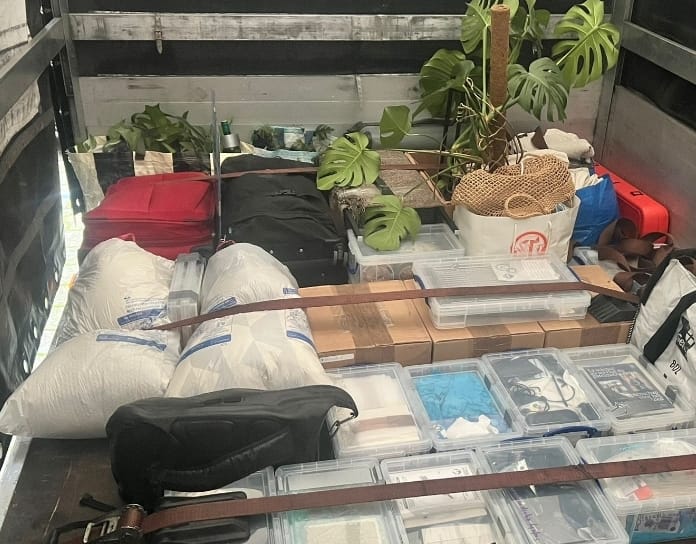
- Plants: Sensitive to long trips and salt air. Consider short haul only or rehome.
Greener packing choices
- Rent reusable crates where available. They stack well and speed loading.
- Use towels and sweaters as padding for non fragile items.
- Prefer paper tape and recycled wrap. Recycle or donate boxes in Madeira after unpacking.
What not to pack
- Perishables and open food
- Flammables, aerosols, solvents, gas canisters
- Cash, passports, birth certificates, and irreplaceable documents
- Live plants on long cross border routes
T 14 to T 1 packing timeline
- T 14 days: Order materials, start books and off season clothes. Schedule a quick video survey with VANonsite.
- T 10 days: Pack decor, rarely used kitchenware, spare bedding. Photograph serials and create a photo inventory.
- T 7 days: Pack most kitchen items using dividers. Confirm elevator bookings and permits.
- T 5 days: Disassemble beds and large tables. Bag and tape hardware to frames.
- T 3 days: Finish office gear. Back up data. Prep First Open kitchen box.
- T 2 days: Seal boxes, apply color codes and P1 P2 P3 flags. Stage items by room.
- T 1 day: Defrost fridge. Pack toiletries and meds. Charge devices and power banks.
- Moving morning: Quick walkthrough. Protect corners and floors. Heavy items first.
First open boxes and mini inventory template
| Code | Room | Contents | Priority |
|---|---|---|---|
| K 1 | Kitchen | Kettle, 2 mugs, cutlery set, dish soap, sponge | P1 |
| BR 1 | Bedroom | Sheets, duvet, 2 pillows | P1 |
| B 1 | Bathroom | Towels, toiletries, meds | P1 |
Common pitfalls on island relocations
Even seasoned movers get caught by island specifics. Use this table to sidestep predictable snags.
| Pitfall | Why it bites | Prevent or fix |
|---|---|---|
| Underestimating volume | Forces last minute upgrades or shuttles | Book a video survey and measure largest items |
| Ignoring street width or gradients | Vehicle cannot reach the door | Share access videos; plan a smaller shuttle if needed |
| Paperwork left to the last week | Appointment delays and extra trips | Start NIF, AIMA or municipal steps early via official links |
| Skipping insurance | Expensive surprises after a bump or splash | Choose a coverage tier that matches declared values |
| Overloaded boxes | Split seams on stairs and ramps | Keep single boxes under 20 kg and use double wall cartons |
| Leaking liquids | Damaged textiles and books | Seal in zipper bags and keep upright in plastic bins |
| Building rule surprises | Fines or delays at delivery | Confirm lift pads, quiet hours, and loading windows in writing |
| No curb permits | Long carries and wasted time | Reserve curb space with the Câmara Municipal where required |
| Unmeasured furniture | Sofa or wardrobe will not turn | Measure doors, stairwells, and lift cabins at both ends |
| Cable chaos | Slow setup and missing chargers | Photograph ports and bag cables by device |
| Kids and pets without a plan | Stressful loading and delivery | Arrange a sitter or set up a safe room during both ends |
Island readiness quick check
- Permits and elevator bookings printed
- Access photos and videos shared with the coordinator
- Two First Open boxes ready
- Weather buffer for ferry leg noted
- GPS tracking link saved and shared with your receiver
Budget planner and examples
Build an all in budget that covers transport, access, the sea leg, and your first weeks on the island. Add a 10 to 15 percent contingency so surprises stay small.
All in checklist
- Moving transport with live GPS tracking and coordinated timings
- Packing materials and optional Packing Service scope
- Insurance and any White Glove Delivery for high value items
- Temporary accommodation in Madeira or on the mainland if needed
- First month of rent and deposit, possible agency fee
- Utility deposits and setup fees, internet activation
- Port handling and ferry tickets where applicable
- Parking or loading permits, elevator bookings, long carries
- Cleaning at origin and destination
- Pet transport or boarding if needed
- School or daycare registration costs
- First groceries and household basics
- Public transport passes or initial fuel and tolls
- Contingency buffer for weather or schedule changes
Percentage blueprint
| Category | Share of total |
|---|---|
| Transport and handling | 50 to 65 percent |
| Packing services and materials | 15 to 25 percent |
| Port and ferry related | 3 to 10 percent |
| Permits, lifts, incidentals | 3 to 8 percent |
| Temporary accommodation and travel | 10 to 20 percent |
| Contingency buffer | 5 to 10 percent |
Two sample scenarios
| Scenario | Inventory | Route | Suggested vehicle | Time savers |
|---|---|---|---|---|
| Solo mover | 10 m³, light furniture and boxes | Central Europe → Lisbon → ferry to Madeira | Moving Medium (10 m³, 600 kg) | Pro pack fragile only, evening pickup, overnight storage if keys misalign |
| Family of 3 | 30 m³, full apartment | Northern or Eastern Europe → Madeira | Moving Premium Plus (30 m³, 3,500 kg) | Full Packing, White Glove for art or piano, direct to storage then home |
Ready for a precise, written quote? Start here: VANonsite removals to Portugal.
FAQs for moving to Madeira
Is Madeira expensive vs mainland?
Madeira stays competitive for rent outside the most central or sea view zones. Imported goods and peak season hotspots can cost more. Day to day costs like groceries and cafés remain approachable if you shop locally and cook at home.
How long does a Central Europe to Madeira move take?
Typical routes take several days. Timing depends on distance, ferry schedules, port handling, weather, and access at both ends. Your coordinator shares a written plan and live GPS so you always know the real status.
Can you store items if lease dates misalign?
Yes. VANonsite offers secure short or mid term storage with itemized inventories and combined delivery once keys are ready.
Do I need NIF to rent and open utilities?
Landlords and providers often request it. Apply for your tax number on the Portal das Finanças and bring a printed copy to appointments.
What about plants, food, or hazardous items?
Avoid perishables and open food on long routes. Flammables, aerosols, and solvents are restricted. For pet and animal health rules, check the EU portal and Portuguese veterinary guidance via DGAV.
What is the best time of year to move?
Spring and early autumn balance mild weather and availability. Summer heat and tourism can slow access in central areas. Winter is gentle but can be wet, so protect wooden furniture and allow for weather buffers.
Can I track my shipment in real time?
Yes. Every VANonsite move includes live GPS tracking and proactive updates from your coordinator.