
Planning an international move can be exhilarating and overwhelming in equal measure. The Netherlands—with its picturesque canals, bustling cities, and high quality of life—remains a top destination for expats. But relocating there requires meticulous preparation to ensure a smooth transition. In this comprehensive guide, we present the definitive “Checklist moving to the Netherlands”, combining authoritative expat resources with VANonsite’s expertise in international removals. Whether you’re a seasoned globetrotter or embarking on your first overseas adventure, follow these steps to make your move stress-free—and don’t forget to request a free moving quote from VANonsite along the way.
Summary:
- Thorough Pre-Departure Planning: Confirm visa requirements, gather essential documents (passport, birth/marriage certificates, employment contracts), budget for initial expenses and health insurance, and research short-term vs. long-term housing options in preferred Dutch cities.
- Efficient Packing & Customs Compliance: Decide which belongings to ship based on Dutch availability, adhere to customs regulations (duty-free allowances, prohibited items), use high-quality packing materials with color-coded labels, and document contents with photos and an inventory list.
- Seamless Door-to-Door Shipping with VANonsite: Choose VANonsite’s full-service removals for expert customs assistance, climate-controlled containers, real-time tracking, and optional storage—request a free quote by providing origin/destination details and shipment volume.
- Critical Administrative Tasks Before Departure: Disconnect or transfer utilities, forward mail, cancel subscriptions, book flights and temporary accommodation, secure travel health insurance, and complete pet relocation requirements (microchip, vaccinations, health certificates).
- Smooth Arrival & Integration in the Netherlands: Register at the local gemeente to obtain a BSN, enroll in mandatory Dutch health insurance, open a bank account, set up utilities and internet, explore tax benefits (30% ruling), exchange driver’s licenses, and begin integrating through language courses, schooling decisions, and expat networking.
Pre-Departure Preparation
Research & Documentation
Confirm Visa/Residence Permit Requirements
Before booking flights or shipping belongings, verify which visa or permit you need. Common options include:
- Highly Skilled Migrant: For specialists and professionals with a job offer from a recognized Dutch employer.
- EU Family Member: If you’re joining an EU/EEA spouse or parent living in the Netherlands.
- Startup Visa: Designed for entrepreneurs launching innovative businesses in collaboration with an approved facilitator.
Visit the Dutch Immigration and Naturalisation Service (IND) website for detailed guidance and up-to-date requirements.
Gather Essential Document
Collect all necessary paperwork well in advance and ensure translations where needed:
- Valid Passport: Should remain valid for at least six months beyond your planned arrival date.
- Birth and Marriage Certificates: Translated into Dutch or English if required.
- Employment Contract or Offer Letter: Demonstrates proof of income and sponsorship for your visa application.
- Academic Degrees and Professional Certificates: Have attested copies ready if your field requires credential validation.
- Medical Records and Prescriptions: Include vaccination history and any long-term prescriptions.
Checklist Item: Store digital scans of all documents in a secure cloud folder accessible from anywhere.
Financial Planning
- Opening a Bank Account: Research banks that cater to expats (e.g., bunq for fully digital banking, or ING and ABN AMRO for traditional brick-and-mortar options).
- Budgeting Initial Expenses: Estimate the first three months’ rent, deposits, and living costs.
- Health Insurance Requirement: In the Netherlands, you must enroll in a Dutch health insurance plan within four months of registration. Allocate roughly €100–€150 per month for basic coverage.
- Tax Implications & 30% Ruling: If you qualify, the 30% ruling can grant a tax-free allowance on 30% of your salary for five years. Research eligibility criteria on the Belastingdienst (Dutch Tax and Customs Administration) website.
Finding Accommodation Before Moving
Short-Term vs. Long-Term Housing
Securing a permanent rental before arrival can be challenging in hot markets like Amsterdam. Consider:
- Short-Term Options: Book an Airbnb, serviced apartment, or extended-stay hotel for 2–4 weeks. This gives you breathing room to explore neighborhoods.
- Long-Term Leases: Once physically present, you can view apartments in person and negotiate leases that typically require a one- to two-month deposit.
Research Neighborhoods
- Amsterdam: Expensive but vibrant, with neighborhoods like De Pijp (known for cafés and markets) or Amsterdam-Zuidoost for more budget-friendly options.
- Rotterdam: Modern architecture, multicultural vibe—ideal for young professionals.
- The Hague (Den Haag): Government and diplomatic hub, family-friendly suburbs.
- Utrecht: Centrally located, student-friendly city with a charming old town.
- Eindhoven: Tech hub, popular among engineers and designers.
Checklist Item: Create a spreadsheet listing desired neighborhoods, average rents, proximity to public transport, and commute times to your workplace.
Understanding Rental Contracts (Huurcontract)
- Housing Permit (Huisvestingsvergunning): Some major cities require this permit before signing a lease. Check with the local municipality (gemeente) website.
- Deposit & Rent Increases: Standard deposit equals one to three months’ rent. Dutch law allows annual rent increases based on inflation indices—clarify percentage caps with your landlord.
- Utilities & Service Fees: Determine whether utilities (gas, water, electricity, internet) are included or billed separately.
- Proof of Income: Landlords usually request salary slips from the past three months or a letter of guarantee from your employer.
Logistics of Shipping Your Belongings
Deciding What to Take vs. Sell/Donate
Minimalism Mindset
Many household items are readily available and relatively affordable in the Netherlands. Consider selling or donating large furniture, bulky appliances (e.g., refrigerators, washers), and items easily replaced abroad. Instead, prioritize:
- Sentimental Valuables: Family heirlooms, artwork, or bespoke furniture not easily replaced.
- Professional Equipment: Specialized gear crucial for your trade (e.g., photography equipment, musical instruments).
- Seasonal Clothing: Depending on your origin, layers for Dutch winters are essential—plan which garments to pack.
Customs & Prohibited Items
The Netherlands, as part of the EU, enforces the following guidelines:
- Duty-Free Household Goods: Personal effects can typically enter duty-free if you’ve used them for at least six months.
- Restricted Items: Firearms, certain plants/seeds, and large quantities of alcohol/tobacco.
- Pets & Animals: Require microchips, rabies vaccinations administered at least 21 days before travel, and an EU pet passport.
- Alcohol & Tobacco Limits: If shipping in your personal effects, duty may apply if quantities exceed personal allowance.
Checklist Item: Consult the Dutch Customs (Douane) website for the latest duty-free thresholds and prohibited items list.
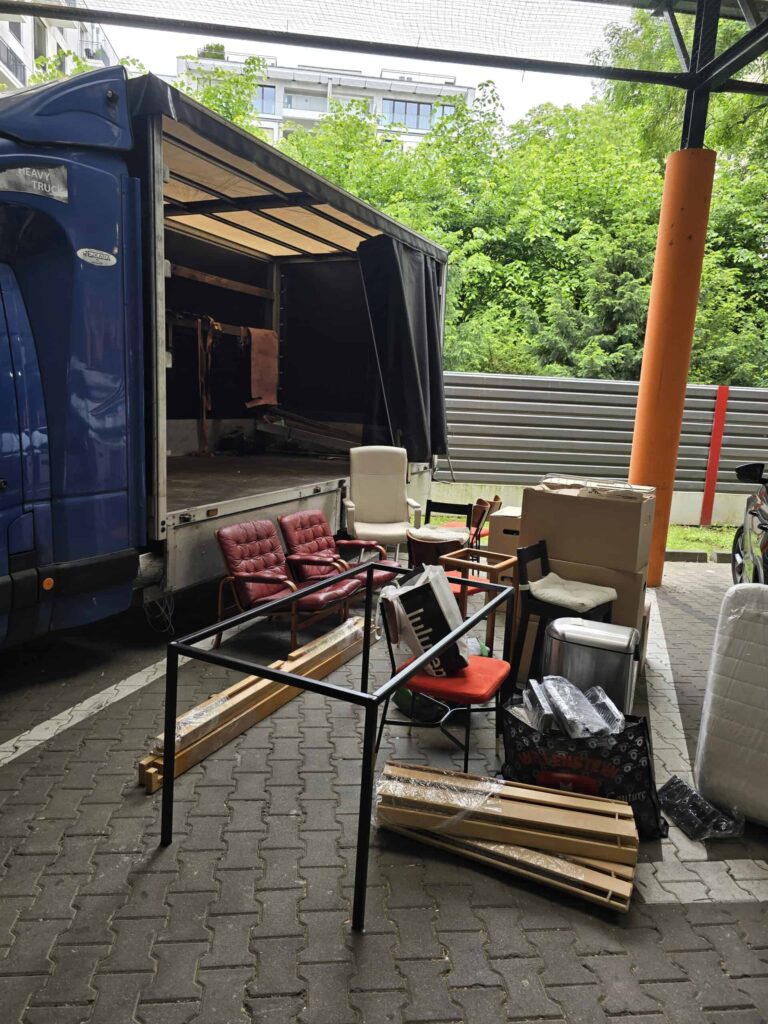
Packing & Labeling Essentials
High-Quality Packing Materials
Invest in:
- Sturdy Double-Walled Cardboard Boxes: Sizes should range from small (books) to large (bedding).
- Bubble Wrap & Foam Sheets: Essential for fragile items (glassware, electronics).
- Wardrobe Cartons: Hanging clothing can be transported wrinkle-free, eliminating the need for ironing upon arrival.
- Mattress & Couch Covers: Protect large furniture from dust and moisture.
Inventory & Photo Documentation
- Itemized Inventory: Use a spreadsheet with columns for “Box Number,” “Contents,” “Weight,” and “Value.”
- Photographs and Videos: Before sealing boxes, photograph contents. This visual record eases insurance claims if items are damaged or lost in transit.
Effective Labeling System
- Color-Coded Stickers: Assign a unique color for each room (e.g., red for kitchen, blue for living room, green for bedroom).
- Clear Box Labels: Indicate room name, contents summary, and “Fragile” if needed.
- Numbering Convention: Box 1 of 50, Box 2 of 50, etc., so nothing goes missing.
Checklist Item: Keep essential documents (passports, visa letters, contracts) and high-value items in your carry-on luggage.
Choosing the Right Removal Company
Why Choose VANonsite for Removals to the Netherlands?
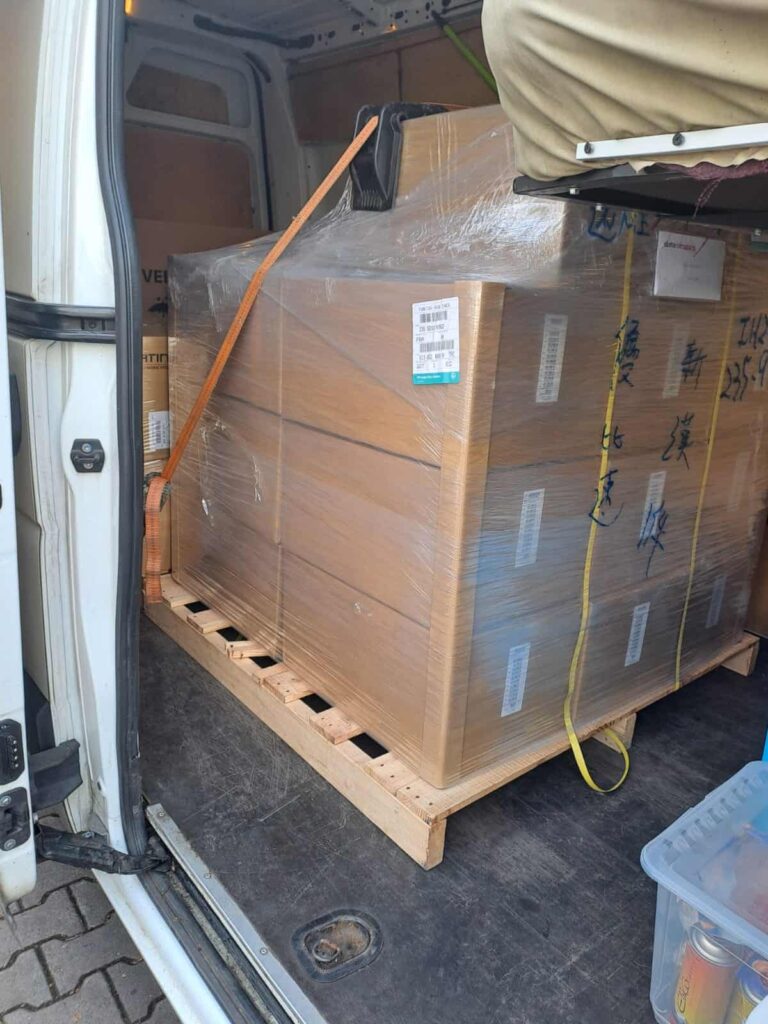
- Full-Service Door-to-Door Solution: From your current home to your Dutch address—including packing, loading, customs clearance, and final delivery—VANonsite manages every detail.
- Customs Expertise: VANonsite’s dedicated specialists handle all paperwork, ensuring your goods comply with Dutch import regulations and duty exemptions.
- Real-Time Tracking & Customer Support: Access an intuitive online portal to monitor your shipment’s progress and connect with a multi-lingual relocation coordinator 24/7.
- Premium Packing & Handling: Benefit from climate-controlled containers, reinforced packaging for fragile items, and a tailored approach to antique or bespoke goods.
- Flexible Storage Options: If your Dutch home isn’t ready yet, temporary warehousing solutions—either locally or in your origin country—keep your belongings safe until you’re settled.
Requesting a Free Quote
- What Information You Need to Provide:
- Origin address (city and country).
- Destination address in the Netherlands (if known).
- Estimated volume or number of boxes.
- Desired moving dates or timeframe.
- Any special requirements (e.g., piano, fine art, pets).
- Your e-maila dress and phone number.
Complete the online form at VANonsite Removals to the Netherlands for a transparent, no-obligation estimate.
Checklist Item: During the quote process, request details on insurance coverage—full value replacement (FVR) versus declared value—and choose the level that suits your peace of mind.
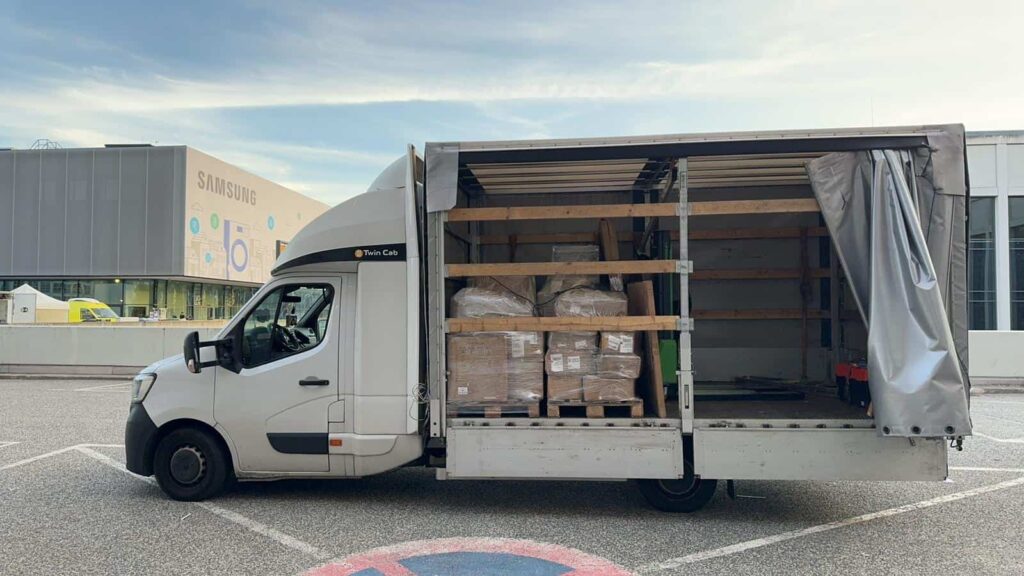
Prohibitet items – Removals from United Kingdom to Netherlands
- Meat and Dairy Products: Importing meat, milk, and their derivatives from non-EU countries is prohibited to prevent the spread of animal diseases.
- Controlled Substances: Illegal drugs, including cannabis, heroin, cocaine, and ecstasy, are strictly forbidden.
- Weapons and Explosives: Firearms, ammunition, fireworks, and explosives require special permits and are generally prohibited.
- Endangered Species Products: Items made from protected animals or plants, such as ivory or certain leathers, are banned under CITES regulations.
- Counterfeit Goods: Fake designer items, pirated media, and other counterfeit products are illegal.
Restricted Items:
- Alcohol and Tobacco: Subject to quantity limits and may incur taxes if limits are exceeded.
- Medicines: Personal use medications may require a prescription or medical certificate.
- Cash: Amounts exceeding €10,000 must be declared.
Penalties:
Failure to declare restricted items can lead to fines, seizure of goods, or prosecution.
Administrative & Practical Tasks Before Departure
Home & Utilities in Your Origin Country
Terminate or Transfer Utilities
- Plan Disconnection Dates: Schedule the last day for gas, electricity, water, internet, and cable TV. Ideally, arrange cancellations to coincide with your departure, leaving minimal overlap.
- Forward Your Mail: Set up a mail redirection service (e.g., at your local post office) to ensure important correspondence reaches you or a trusted friend/family member.
- Notify Banks & Insurance Providers: Inform credit card companies and banks of your upcoming move to avoid international transaction blocks. Ensure your international health/travel insurance is active until you obtain Dutch coverage.
Cancel or Update Subscriptions & Memberships
- Gym, Club, Magazine Subscriptions: Cancel memberships or request holds if applicable.
- Mobile Phone Contracts: Check early termination fees or explore international roaming packages for the first month.
- Online Services (e.g., streaming): Decide if you’ll continue services with a Dutch payment method or cancel before departure.
Notify Authorities & Change of Address
- Deregistration at Local Municipality (If Required): Some countries require formal deregistration when moving abroad to update tax or census records.
- Healthcare System Notification: Inform your health authority or insurance provider of your departure date to terminate or suspend local medical coverage.
- Tax Office & Voter Registration: Update or close your tax accounts and, if relevant, inform election authorities of your change to a foreign address.
Travel & Health Preparations
Booking Flights & Temporary Accommodation
- Arrival Timing: Aim to arrive at least one to two weeks before your shipping container to complete mandatory registrations (municipal registration, health insurance) without pressure.
- Flight Baggage Allowance: Choose an airline that provides sufficient checked baggage or a reasonable fee structure. Reserve allowances for essentials—medication, important electronics, and at least two weeks’ worth of clothing.
Health Insurance & Medical Check-Ups
- Travel Insurance for Transition Period: Obtain travel medical coverage valid for the Netherlands until you enroll in a Dutch health plan.
- Vaccinations: Review recommended vaccines for the Netherlands (generally standard for most Western countries, but check for any country-specific advisories).
- Prescriptions & Medication: Request a six-month supply of essential prescriptions, plus a note from your doctor. The Netherlands recognizes many international prescriptions, but you may need to switch to a local pharmacy once you enroll in a Dutch health insurance plan.
Pet Relocation (If Applicable)
- Microchip & Rabies Vaccination: Ensure your pet’s microchip is ISO-compliant and that rabies vaccination occurred at least 21 days before travel (but not more than one year).
- Health Certificate & EU Pet Passport: Obtain an official health certificate from a licensed veterinarian; for EU pet passports, follow the latest EU Animal Health regulations.
- Transport Crate & Travel Logistics: Invest in an IATA-approved crate sized correctly for your pet’s comfort. Confirm airline-specific requirements for pet travel and book well in advance.
First Steps Upon Arrival in the Netherlands
Municipal Registration (Gemeente)
Registering at the Local Municipality
Within five days of arrival, you must register at the gemeente (city hall) of your place of residence. Required documents typically include:
- Valid Passport or EU/EEA ID
- Rental Agreement (Signed by Landlord and Tenant)
- Birth Certificate (Apostilled and Translated if Needed)
- Proof of Sufficient Income or Employment Contract
Upon successful registration, you receive your Burgerservicenummer (BSN)—the citizen service number necessary for nearly every official transaction, from opening a bank account to obtaining health insurance.
Checklist Item: Book your municipality registration appointment online as soon as you have a confirmed rental contract. Popular cities can book out two to three weeks in advance.
Health Insurance & Healthcare System
Mandatory Dutch Health Insurance
After registering as a resident (and obtaining your BSN), you have up to four months to enroll in a Dutch health insurance plan. Major insurers include Zilveren Kruis, VGZ, and Menzis. Key steps:
- Compare Basic Packages (Basisverzekering): All insurers must offer a core benefits package providing coverage for general practitioner visits, hospital care, and prescription medications.
- Select Optional Add-Ons: Dental coverage, physiotherapy, and alternative treatments are not always included in the basic package.
- Registration Deadline: If you miss the four-month deadline, you risk fines and compulsory enrollment.
Finding a General Practitioner (Huisarts)
Choosing a local huisarts ensures you have a medical point of contact for referrals to specialists and emergency care. Steps include:
- Online Searches: Use websites like KiesBeter.nl or ZorgkaartNederland.nl to find English-speaking doctors.
- Enroll Early: Popular practices may have waiting lists; register within the first two weeks of arrival.
- Emergency Care (Spoedeisende Hulp): In life-threatening situations, dial 112 or go to the nearest spoedeisende hulp department in a hospital.
Opening a Bank Account & Managing Finances
Selecting a Dutch Bank
Major options include:
- ING: Extensive branch network, reliable online banking platforms.
- ABN AMRO: Large expat-friendly team and dedicated international desk.
- Rabobank: Cooperative structure with strong agricultural ties (great for farm-based entrepreneurs).
- Bunq: 100% mobile banking experience—ideal for tech-savvy expats who prefer app-based services.
Required Documents:
- Valid passport or EU/EEA ID.
- BSN (issued by municipality).
- Proof of address (rental contract).
- Employment contract or proof of income.
Some banks may request a minimum deposit to activate accounts; clarify this when you visit.
Setting Up Utilities & Internet
Once your lease is signed, arrange:
- Energy Supplier Registration: Choose from providers such as Vattenfall, Eneco, or Greenchoice. Compare rates and contract lengths, keeping in mind the Netherlands encourages green energy.
- Water & Waste: Generally included in municipal taxes; confirm billing arrangements with your landlord.
- Internet & Cable TV: Providers like Ziggo (cable) or KPN (DSL/fiber) offer packages that bundle TV, internet, and phone. Schedule installation appointments immediately—some can take up to two weeks.
Checklist Item: Create a separate spreadsheet tab for utility sign-ups, noting provider names, contact details, contract start dates, and estimated monthly costs.
Taxation & Employment
Income Taxes & the 30% Ruling
If you’re a highly skilled migrant or specialist, research eligibility for the 30% ruling, which allows employers to grant up to 30% of gross salary tax-free for five years. Benefits include:
- Reduced Tax Liability: Maximizes take-home pay during the initial years.
- Reimbursement of International School Fees: Under certain conditions, your employer can reimburse a portion of tuition.
File your ruling application within four months of employment to qualify from day one.
Social Security & Pension (AOW)
Your contributions to the Dutch social security system entitle you to coverage under the Algemene Ouderdomswet (AOW), the state pension scheme. Employers typically deduct social security contributions from your monthly salary.
- Information: Visit the Sociale Verzekeringsbank (SVB) website for details on AOW accrual and eligibility criteria.
Driver’s License Exchange
- EU/EEA Licenses: Can be exchanged without additional tests. Register your license at the municipality to obtain a Dutch driver’s license within two weeks.
- Non-EU Licenses: Depending on bilateral agreements, you may need to pass a theory and/or practical driving exam. Begin this process within five years of obtaining residency, or face annual review requirements.
Settling In & Cultural Integration
Language & Education
Dutch Language Courses
Though many Dutch speak excellent English, learning basic Dutch will greatly enhance your experience:
- Government-Sponsored Programs (Inburgering): If required by your visa category, you may need to pass an integration exam. Local vocational schools (ROC) and community centers offer subsidized classes.
- Commercial Language Schools: Institutes such as Babel or the Dutch Language Institute (NTI) provide flexible schedules and evening/weekend classes.
- Online Platforms: Duolingo, Babbel, and iTalki help you practice vocabulary and conversational skills from anywhere.
Schools & Childcare (For Families)
- Public vs. International Schools: Public schools use Dutch as the primary language; however, many international schools (e.g., International School of Amsterdam, United World College Maastricht) offer instruction in English.
- Enrollment Deadlines: Applications for August/September intake typically open in January or February—start researching 6–8 months in advance.
- Childcare Options: From kinderopvang (daycare) to peuterspeelzaal (preschool), Dutch childcare can be costly—explore subsidies via the Belastingdienst (Childcare Allowance).
Social Life & Community
Expat Networks & Meetups
- Meetup.com & Internations: Find groups for hiking enthusiasts, young professionals, or specific nationalities (e.g., “Polish Expats in Amsterdam”).
- Facebook & LinkedIn Groups: “Expats in Rotterdam” or “English Speaking Professionals Netherlands” offer job leads and social events.
- Local Clubs & Volunteer Organizations: Join sports clubs (e.g., soccer, field hockey), art workshops, or local charities to build connections.
Dutch Customs & Etiquette
- Punctuality: Arrive on time for appointments—five minutes early is considered polite.
- Direct Communication Style: The Dutch are known for frankness; take feedback as constructive, not rude.
- Cycling Culture: Purchase or rent a bike (second-hand bikes available for as little as €100). Always use bike lanes, ring your bell when passing, and lock your bike to designated stands.
- OV-chipkaart: Load a personal transit card for seamless access to trains (NS), trams, buses, and metro services across the country. Visit an NS ticket machine or online portal to top up before your first journey.
How VANonsite Makes Your Move Effortless
Tailored Removals to the Netherlands
Free, No-Obligation Moving Quote
Securing a competitive rate and understanding all costs upfront is essential. At VANonsite, our online form gathers:
- Origin & Destination Addresses
- Approximate Volume (in cubic meters)
- Desired Moving Dates & Flexibility
- Special Requirements: Fragile items, pets, or high-value goods.
Within 12 hours, you’ll receive a detailed breakdown—including transit times, packing costs, and insurance options—so you can budget accurately.
Comprehensive Service Breakdown
- Door-to-Door Collection & Delivery:
- We arrive at your current residence with professional packers.
- Full packing of furniture, electronics, kitchenware, and fragile items.
- Customs clearance experts complete all documentation.
- Delivery directly to your Dutch address—unpacking and basic reassembly included.
- Customs & Documentation Assistance:
- We pre-fill customs forms, classify your items under the correct HS codes, and secure any duty exemptions for personal effects.
- If you have antiques or artworks, we coordinate with local Dutch authorities to expedite clearance.
- Premium Packaging & Handling:
- Climate-controlled shipping containers prevent moisture damage.
- Heavy-duty crates for pianos, sculptures, and other high-value possessions.
- All materials are recyclable and meet international safety standards.
- Real-Time Tracking & Dedicated Support:
- Access our online portal to view container location, estimated arrival, and any delays.
- Reach a multilingual move coordinator via phone, email, or WhatsApp 24/7.
- Optional Storage Solutions:
- If your Dutch home isn’t yet ready—perhaps undergoing renovations—we offer secure, insured warehousing (short- or long-term).
- When your place is prepared, we deliver directly from our warehouse to your doorstep.
Checklist Item: After comparing quotes from multiple providers, confirm that VANonsite’s estimated transit time aligns with your key registration deadlines (e.g., municipality appointment, health insurance enrollment).
Artworks and Antiques – Import & Export Regulations
What Qualifies as Art or Antiques?
Artworks include:
- Original paintings, drawings, sculptures
- Limited-edition prints or lithographs
- Photography signed by the artist
- Installations or multimedia works
Antiques include:
- Furniture over 100 years old
- Historic clocks, books, instruments
- Porcelain, tapestries, vintage maps
- Religious artifacts, military collectibles
General Restrictions (All Routes)
Regulation Applies To Notes
Cultural Heritage Protection Laws All countries Exporting national treasures or cultural heritage objects may require government approval or an export license.
CITES Permits All countries Required if the item includes endangered animal or plant materials (e.g. ivory, tortoiseshell, coral).
Declared Value All countries High-value pieces (e.g. over €5,000 / £3,000 / CHF 5,000) must be declared at customs.
Provenance Documentation All countries Proof of ownership and origin may be required to prevent trafficking of stolen art.Specific Country Combinations
🇬🇧 UK ↔ 🇳🇱 Netherlands
UK antiques or artworks over 50 years old often require an Export Licence from the Arts Council England.When importing into the EU, artworks over €700 are subject to reduced VAT (often 6% or 9%), but must be declared.
Shipping companies must file a full import declaration for all valuable or unique pieces.
🇳🇱 Netherlands ↔ 🇳🇴 Norway
Norway is not in the EU, so artworks and antiques must go through customs clearance.You must declare all fine art; failure may result in seizure and fines.
Items that are part of Norwegian cultural heritage may be forbidden to export without government approval.
🇳🇱 Netherlands ↔ 🇨🇭 Switzerland
Switzerland treats valuable artwork as a controlled import. Customs may hold it until:VAT is paid (7.7%)
Origin and ownership documents are verified
Exporting Swiss historical objects without license is illegal.
Penalties for Non-Compliance
Offense Potential Consequences
Failure to declare art over required thresholds Fines up to €10,000 / £9,000 / CHF 10,000
Illegal export of protected cultural items Criminal prosecution, imprisonment in severe cases
Shipping CITES-regulated material without permit Confiscation, fines, transport blacklistingBest Practices for Moving Art or Antiques
✅ Obtain written appraisal for insurance and customs purposes✅ Keep original invoices or ownership certificates
✅ Use specialized packaging and climate-controlled transport
✅ Consult a customs broker or relocation specialist
✅ Check export/import law in both countries in advance
6.2. Success Stories & Social Proof
Accreditations & Partnerships
- FIDI Global Alliance Member: Adheres to FIDI’s rigorous Best Practices for international removals.
- IAM (International Association of Movers): Access to a worldwide network of vetted carriers, ensuring last-mile delivery anywhere in the Netherlands.
- ISO 9001:2015 Certification: Demonstrates our commitment to quality management and continuous improvement.
Further Reading
Quick Links to Official Resources
- Dutch Immigration Service (IND): Detailed visa and residence permit information.
- Belastingdienst (Tax & Customs Administration): Comprehensive guide on taxes, the 30% ruling, and childcare subsidies.
- Sociale Verzekeringsbank (SVB): Info on social security, AOW pension, and child benefits.
- Gemeente Amsterdam (or respective city): Online portal for municipality registration procedures.
Further Reading & Internal Links
- For complete details on VANonsite’s full suite of moving services—including European, intercontinental, and office relocations—visit the VANonsite homepage.
- Dive deeper into specific procedures with our dedicated Removals to the Netherlands page.
- Don’t miss our blog posts, such as “Packing Tips Every Expat Should Know” or “Comparing Moving Costs in Europe,” available under the “Resources” section of our website.
Conclusion
Relocating to the Netherlands is an exciting journey, but without proper planning, it can quickly become complicated. From securing visas and finding accommodation to shipping belongings and integrating into Dutch society, each step requires attention to detail. By following this “Checklist moving to the Netherlands,” you’ll reduce uncertainty, stay organized, and hit the ground running when you arrive.
Partnering with VANonsite ensures that your move is handled by seasoned professionals who understand every nuance of international relocation. From free, no-obligation quotes to comprehensive door-to-door service, our team is committed to delivering your belongings safely and punctually—so you can focus on starting your new life abroad.
Ready to take the stress out of your move?
Get Your Free Moving Quote Today and discover why countless families and professionals trust VANonsite for seamless, reliable relocations to the Netherlands.
With this roadmap and VANonsite’s proven expertise, your journey to the Netherlands will be smooth, efficient, and worry-free. Safe travels and welcome to your new Dutch adventure!
FAQ
- How long does it take to register for a BSN?
Typically, you’ll receive your BSN within 1–2 weeks of your appointment at the municipality’s registration desk, provided you bring all required documentation. - Can I ship my car to the Netherlands?
Yes, but the process involves additional customs duties (BPM tax) and adherence to EU vehicle standards. Consult VANonsite for a dedicated car-shipping quote and guidance on Dutch roadworthiness inspections. - What’s the average cost of living in the Netherlands compared to other European countries?
While the Netherlands ranks among the higher-cost EU countries—especially in Amsterdam—expenses can vary widely based on city, lifestyle, and family size. Budget roughly €1,500–€2,000/month for a single expat’s essentials, excluding rent. - Is it mandatory to learn Dutch?
No, many services operate in English—especially in major cities. However, learning basic Dutch phrases greatly enhances social integration and may benefit certain job prospects. - When should I start organizing my move?
Ideally, begin six months before your planned departure. This timeframe allows sufficient time to secure housing, gather documentation, and book reliable movers like VANonsite.
Remember: Each person’s moving timeline and needs differ. Use this checklist as a flexible guide—adjust dates and priorities based on your circumstances, and lean on VANonsite’s expertise every step of the way. Good luck, and enjoy your new life in the Netherlands!