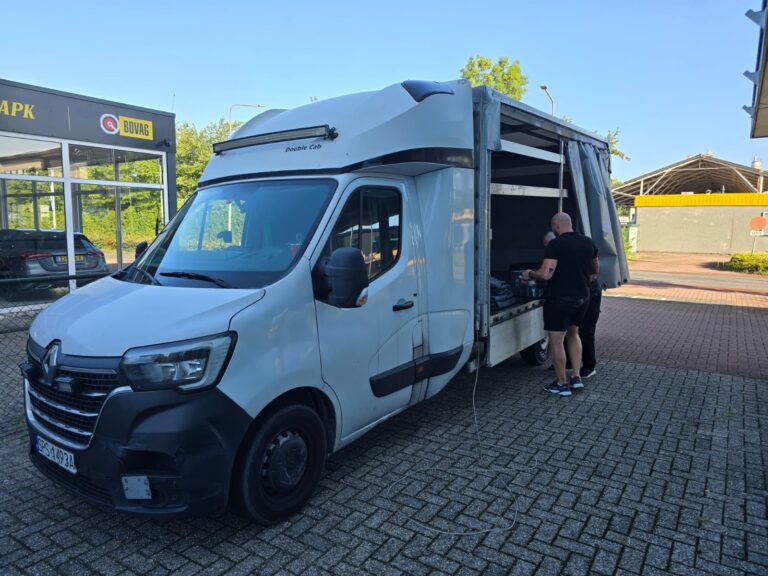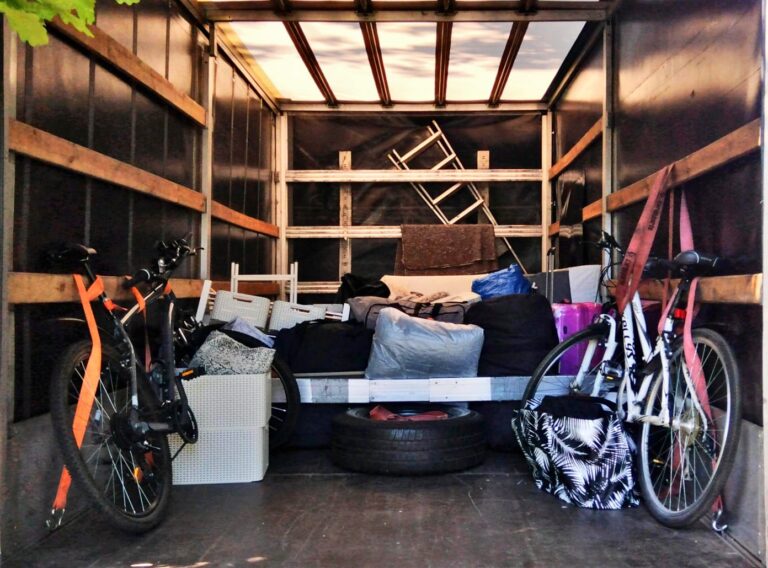

Moving to Spain is supposed to feel like sunrise. New streets, new flavours, a different rhythm in your bones.
But the move itself can feel like a trap made of tape, paperwork, and that one wardrobe that suddenly weighs more than your future. You start out dreaming about terraces and sea air. Then you are counting boxes at 1 a.m., wondering why you own six sets of sheets and a lamp you do not even like.
The good news is simple. Most moving disasters are predictable. They follow the same patterns, the same rushed decisions, the same missing details that always explode on moving day.
And once you can name the mistakes, you can dodge them.
This guide is a complete, practical relocation blueprint built around the biggest mistakes people make when moving to Spain. It covers planning, packing, access, documents, customs, and the part nobody talks about: landing with enough energy left to actually enjoy your new life.
If you want a clean route overview and a fast quote, start here:
TL:DR
If you only read one section, read this. These are the moves that save your nerves and your furniture.
- Plan access early: parking reality, stairs, lift size, and carry distance.
- Choose the right service: man and van for smaller or staged moves, dedicated transport for precision, full removals for households.
- Pick a van size with breathing room. Tight loads cause damage and delays.
- Pack fragile items properly, or upgrade to professional packing and white glove handling.
- If you are moving from outside the EU, build a customs friendly folder early.
- Keep a clear inventory and labels. It speeds loading, delivery, and any claims.
- Land with a first night kit and a first hour box. It changes everything.
One extra truth: the calmest moves are not the cheapest. They are the clearest. Clarity is what keeps your day smooth.
Mistake 1: Treating access and parking like an afterthought
This is the quiet killer. Not distance. Not even packing. Access.
Spain has stunning old centres and charming streets. It also has tight corners, small lifts, low balconies, and parking rules that do not care how tired you are. One missed detail here can add an hour, or turn a clean move into a sweaty, frustrating relay.
The mistake usually sounds innocent:
“I think we can park nearby.”
Nearby is not a plan.
The Access Reality Check
Before you book anything, answer these questions for pickup and delivery:
- Where can the van stop legally?
- Is there a lift, and does furniture actually fit?
- What is the narrowest doorway and the tightest stair turn?
- Is there a long carry from street to door?
- Does the building require a booking or specific move hours?
Then go one step deeper. These are the details people forget, and they are the ones that hurt.
- Is the street one way, steep, or restricted at certain hours?
- Are there bollards, gates, or height limits that block access?
- Can you reserve the lift, or do you need to request permission?
- Is there a neighbour rule about noise or moving times?
Why access decides your cost and your stress
Access is time. Time is labour. Labour is cost.
It also decides risk. Long carries increase drops. Tight stairs increase bumps. A bad parking spot increases frantic rushing.
If you want your quote to be accurate and your day to be calm, be brutally honest about access.
A quick access table you can fill in now
| Detail | Pickup | Delivery |
|---|---|---|
| Floor level | ||
| Lift available | ||
| Door width concerns | ||
| Stairs turns tight | ||
| Legal parking distance | ||
| Restricted zone or permits |
This tiny table saves big headaches.
The simplest tip that feels almost unfair
Record a quick phone video from the street to your front door at both addresses.
Walk the full route. Show stairs, lifts, doorways, and the exact place the van can stop. That one video removes guesswork fast, and it helps choose the right service, from man and van to full removals.
When Spain access gets spicy
Some locations are famous for beauty and for logistics that bite.
If you are landing in a place known for tighter access, these guides help you plan reality:
- City planning: Removals to Barcelona
- Costa del Sol planning: Removals in Mijas, Spain
If your building has strict delivery slots or narrow access, you often win by choosing a smaller, smarter vehicle and a sharper plan. That is where man and van moves shine.
Mistake 2: Picking the wrong move type for your real life
People often choose based on price alone. Then the schedule breaks, or the building rules bite, or the load is bigger than expected.
This mistake usually begins with optimism.
You look at your home, you glance at your calendar, and you tell yourself, “We will keep it simple.”
Then reality arrives. A lift booking. A narrow stairwell. A landlord who wants keys at 10 a.m. A partner who cannot take another day off work. A child who needs a bed that night.
So before you choose anything, ask one question:
Do you need savings, speed, or certainty?
If you choose the right move type, everything else becomes easier because your plan finally matches your life.
A quick decision test
Pick the sentence that sounds most like you.
- “I can be flexible. I mainly want good value.”
- “I need this done quickly so I can land and start living.”
- “I have fixed dates and zero room for delays.”
- “I want this handled end to end so I do not drown in tasks.”
If you chose:
- 1, part load often fits.
- 2, man and van or dedicated transport often fits.
- 3, dedicated transport is usually the calmest option.
- 4, full removals with packing is the low stress choice.
Your main options
- Man and van: fast, nimble, perfect for smaller moves, staged relocations, students, and tight access.
- Part load: budget friendly when your dates are flexible.
- Dedicated transport: sharper timing, fewer touch points, calmer delivery.
- Full removals: structured, best for households and furniture heavy moves.
Here is a clean comparison so you can choose without guessing.
| Option | Best for | Why it works | What to watch |
|---|---|---|---|
| Man and van | Rooms, studios, staged moves | Fast, flexible, easier access | Needs a clear inventory and access notes |
| Part load | Flexible schedules | Lower cost, efficient routing | Wider delivery window |
| Dedicated transport | Fixed handover date, premium items | Fewer stops, more control | Higher cost, smoother experience |
| Full removals | Homes and large moves | End to end structure | Needs access planning and packing level choice |
What most people get wrong
They choose an option that fights their constraints.
- If you have a strict key handover time, part load can feel like torture.
- If you have fragile, premium furniture, too many touch points increase risk.
- If your building has tight access, a huge vehicle can become a headache.
- If you are mentally overloaded, doing everything yourself becomes expensive in a different way.
Quick scenarios that make the choice obvious
Scenario A: The soft landing move
You are renting furnished at first, or you want to arrive, breathe, then decide what you actually need.
- Best fit: man and van
- Why it wins: you move essentials first, then follow with a second run if needed
Scenario B: The fixed date move
Your keys are fixed and the building has move slots.
- Best fit: dedicated transport
- Why it wins: fewer variables, tighter timing, fewer late night surprises
Scenario C: The family home move
Beds, wardrobes, kitchen, and a load that feels like a whole life.
- Best fit: full removals, often with packing
- Why it wins: structure, speed, less mental load
Scenario D: The value focused move
You can be flexible and you want cost efficiency.
- Best fit: part load
- Why it wins: smart routing, shared space, lower cost
What to send so the plan stays clean
A good move is built on good inputs. Send these and you avoid the usual misunderstandings.
- Postcodes or full addresses
- Floor levels and lift or stairs details
- Estimated box count
- List of large items and awkward shapes
- Photos of fragile or high value items
- Parking notes at both ends
If you are moving light or in phases, a man and van move is often the smartest way to land gently.
If you are relocating from the UK, this route guide is a useful reference:
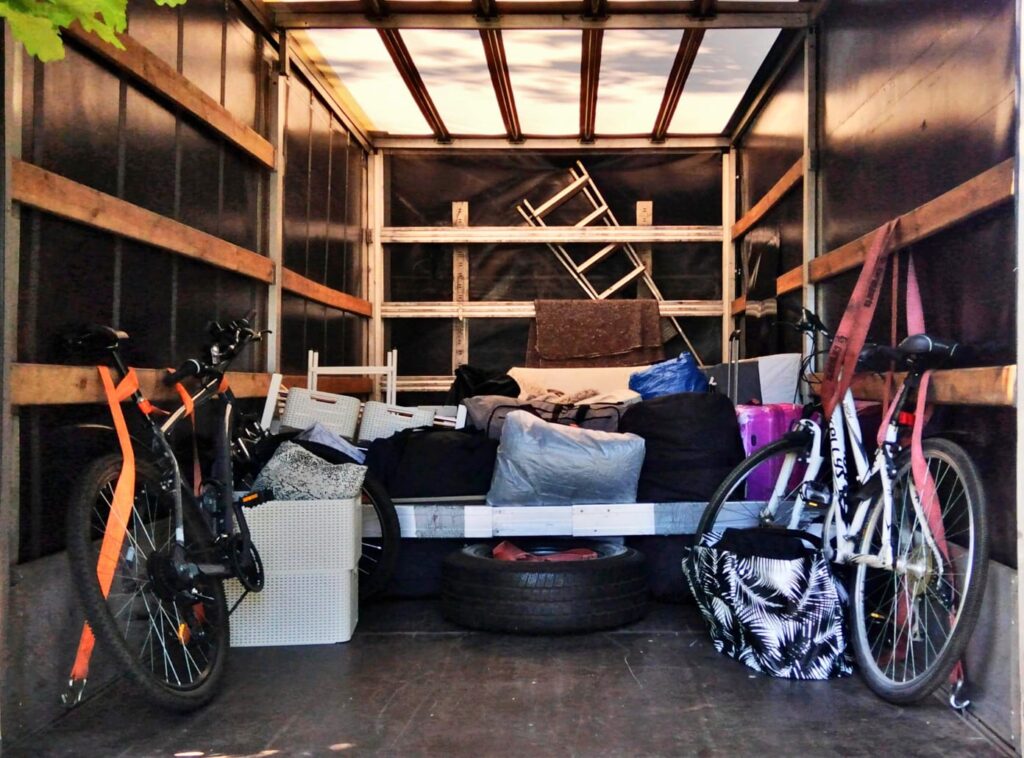


Mistake 3: Choosing the smallest van and hoping for magic
If your first thought is “we can squeeze it”, stop. That sentence is the sound of future scratches.
A van packed too tightly becomes a pressure chamber. Corners rub. Boxes crush. Unloading turns into a puzzle. And every minute gets slower.
The worst part is not only damage. It is how it feels.
An overpacked van turns a move into a stressful game. People rush. They stack badly. They force items through doors. That is how accidents happen.
VANonsite vehicle options
| Vehicle option | Volume | Max load | Best for |
|---|---|---|---|
| Moving Basic | 5 m3 | 300 kg | A few boxes and small items |
| Moving Medium | 10 m3 | 600 kg | Studio moves, light furniture |
| Moving Premium | 15 m3 | 1000 kg | 1 bedroom core items |
| Moving Premium Plus | 30 m3 | 3500 kg | 2 to 3 bedrooms |
| Moving Full House XXL | 90 m3 | 20000 kg | Large homes and heavy loads |
A simple sizing rule that prevents regret:
- Count your boxes honestly, then add 20 percent.
- List your biggest items and flag awkward shapes like an L shaped sofa or a tall wardrobe.
Breathing room is not wasted money. It is protection.
A fast sizing shortcut that actually works
If you want a quick estimate, use the “boxes plus anchors” method.
- Boxes: count them, then add 20 percent.
- Anchors: list the big items that cannot be squashed, like sofa, bed, wardrobe, dining table.
If you have more than three anchor items, or you have one awkward anchor like a large corner sofa, size up.
Signs you chose too small
If any of these show up, you are already in trouble.
- You plan to stack heavy boxes on fragile items
- You are thinking about leaving things behind “for later” but later does not exist
- You have no space for blankets, wrapping, and protection
- The plan depends on perfect packing with zero mistakes
The sneaky weight problem
Volume is only half the story. Weight is what breaks boxes, backs, and furniture legs.
If your home has a lot of books, tools, or kitchen items, choose a plan with safer box sizes and realistic handling.
A simple rule: heavy items go into smaller boxes. Light items can go into larger boxes. That keeps the carry safe and the stacking stable.
Mistake 4: Packing like you are racing a clock
Rushed packing is how beautiful items arrive damaged.
Most breakages happen before the van moves. Not on the road. Not at the border. At home, when people pack late and stack heavy.
Packing rules that actually work
- Wrap corners first. Corners take the hits.
- Keep glass and mirrors upright, never flat under pressure.
- Bag fittings and screws, label them, tape them to the item.
- Do not overfill boxes. Heavy boxes cause accidents.
- Pack by room, not by category. Unpacking becomes faster.
If you want fewer breakages and faster setup, upgrade your protection:
And if your move is mainly furniture, this guide helps you plan the safe version:
Mistake 5: Ignoring documents and customs until it is too late
Paperwork is invisible until it blocks your day.
If you are moving within the EU, your removals are often straightforward. But if you are arriving from outside the EU, including the UK, customs steps can apply. The smart move is to prepare early so your delivery does not get stuck behind missing forms.
Keep a simple documents folder
Keep digital copies plus one printed set. Originals stay with you.
- Passport or national ID
- Proof of address in Spain, such as a rental contract
- Booking confirmation and contact numbers
- A readable inventory, grouped by room
- High value item notes and photos, if you have them
Official links for Spain admin that many movers need
- NIE assignment, Spain National Police: https://sede.policia.gob.es/portalCiudadano/_en/tramites_extranjeria_tramite_asignacion_nie.php
- Appointment system (cita previa) for many procedures: https://sede.administracionespublicas.gob.es/icpplustiej/icpplus/citar?locale=es
- Spain Ministry of Foreign Affairs consular services: https://www.exteriores.gob.es/en/ServiciosAlCiudadano/Paginas/Servicios-consulares.aspx
Official customs and duty relief guidance
If you are transferring your normal residence to Spain from a non EU country, start with official guidance here:
- Spain Tax Agency, transfer of residence relief: https://sede.agenciatributaria.gob.es/Sede/en_gb/no-residentes/exenciones-viajeros-embajadas-otros/traslado-actividad-empresarial-residencia-otros/traslado-residencia-franquicias-exencion-impuestos.html
- EU duty relief framework, Regulation 1186/2009: https://eur-lex.europa.eu/eli/reg/2009/1186/oj/eng
If you are moving from the UK, UK guidance on declaring personal goods is here:
- UK government guidance: https://www.gov.uk/guidance/check-how-to-declare-personal-goods-you-bring-into-or-take-out-of-the-uk
Do not pack originals inside the shipment. It sounds obvious until someone does it, and then it becomes a nightmare.
Mistake 6: Skipping inventory, labelling, and protection
An inventory is not bureaucracy. It is control.
It speeds loading. It speeds delivery. It supports claims. And if customs applies, it is one of the first things you will be asked for.
But there is a deeper reason to do it.
A good inventory turns chaos into certainty. You can point at a list and know what is coming, what is fragile, what must be handled with extra care, and what you can safely forget about until next week.
The problem with “misc”
“Misc” is the moving equivalent of “trust me”. It sounds fine, until you need it.
If your box says “misc”, nobody knows if it contains socks or stemware. That is how your fragile items end up under a stack of books.
So keep it simple, but specific.
Inventory categories that work in real life
Use simple categories. Keep it readable.
| Category | Example items | Notes |
|---|---|---|
| Furniture | Sofa, bed, wardrobe | List large pieces clearly |
| Boxes | Kitchen, clothes, books | Group by room |
| Electronics | TV, monitor, laptop | Add serial numbers if possible |
| High value items | Artwork, camera | Brief description and photos |
| Fragile items | Mirrors, lamps, glass | Mark as fragile and pack upright |
| Essentials | First night kit, bedding | Keep accessible, load last |
A simple inventory template you can copy
If you want your inventory to feel professional without becoming a project, use these fields.
| Inventory line | Example | Why it helps |
|---|---|---|
| Box number | KITCH-07 | Stops boxes disappearing into “somewhere” |
| Room | Kitchen | Guides unloading fast |
| Contents | Glassware and mugs | Helps fragile handling |
| Fragile | Yes | Signals packing and stacking rules |
| Value note | Medium | Helps with protection decisions |
| Photo | Yes | Makes claims cleaner if needed |
A fast system is: room name plus a number.
- KITCH-01, KITCH-02
- BED-01, BED-02
- OFFICE-01
Even 25 boxes suddenly feels manageable when they have names.
The labelling system that saves your first week
Label each box with:
- Room name
- Short category, like “Kitchen glass”
- A clear fragile note where needed
Then add two small upgrades that change everything.
- Add a “priority” mark
- P1: open in the first 24 hours
- P2: open in the first week
- P3: open whenever
- Add a “this side up” arrow for fragile boxes
You would be surprised how many people forget this and then wonder why a lamp shade arrives crushed.
A box label example
Write it like this:
- KITCH-07 | Glassware | FRAGILE | THIS SIDE UP | P1
That is readable at a glance. It also keeps your delivery calmer because everyone knows what matters.
Protection rules for fewer breakages
Protection is not about wrapping everything like a mummy. It is about choosing the right protection for the right risk.
Use these simple rules:
- Corners get protected first. Corners take the hits.
- Fragile items travel upright, not flat.
- Fill empty space. Empty space invites crushing.
- Heavy boxes do not sit on fragile boxes. Ever.
- Plates go vertical like records. They survive better.
If you have premium pieces, or you want your move to feel effortless, upgrading to careful handling can be worth it.
Photo proof without the stress
This is a quiet power move.
Take quick photos of:
- Each room before packing
- High value items close up
- The contents of fragile boxes before closing
It takes minutes. It can save hours later.
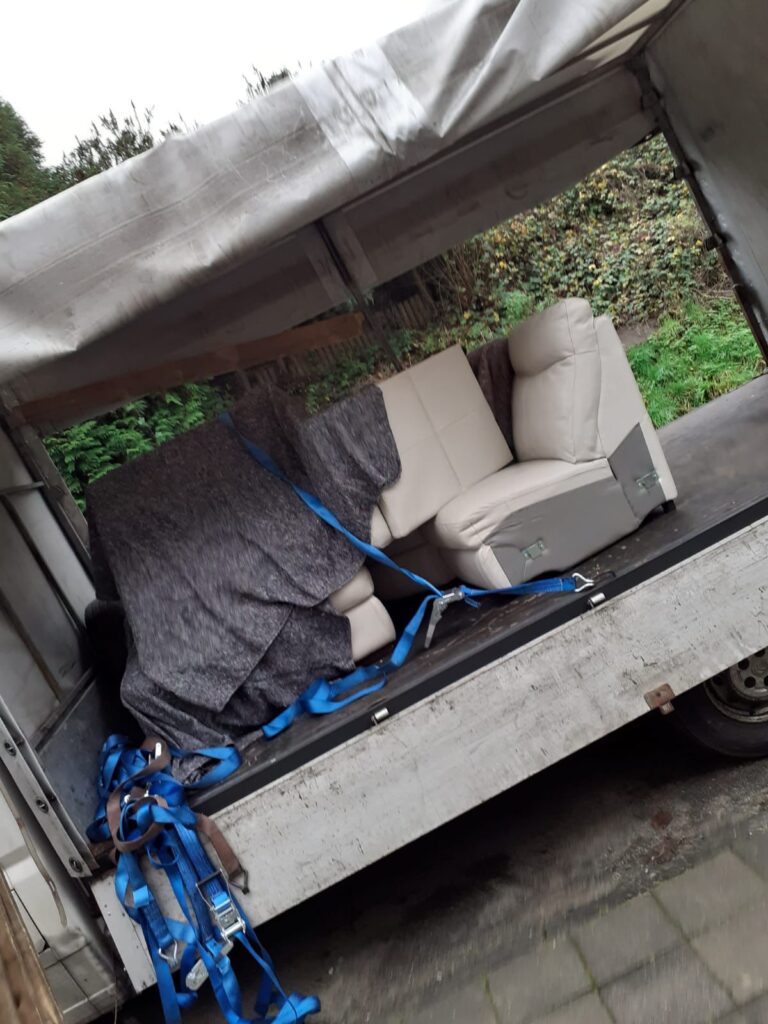
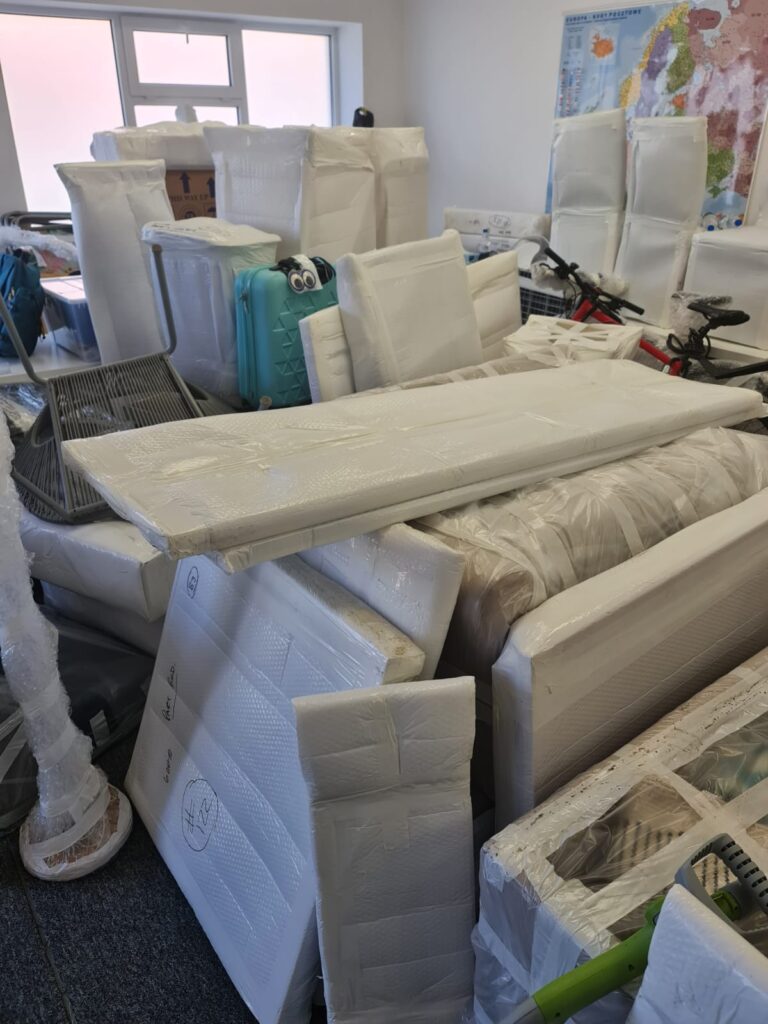
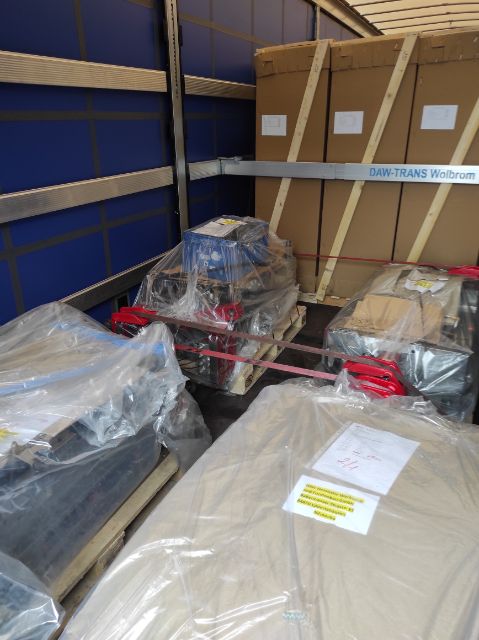
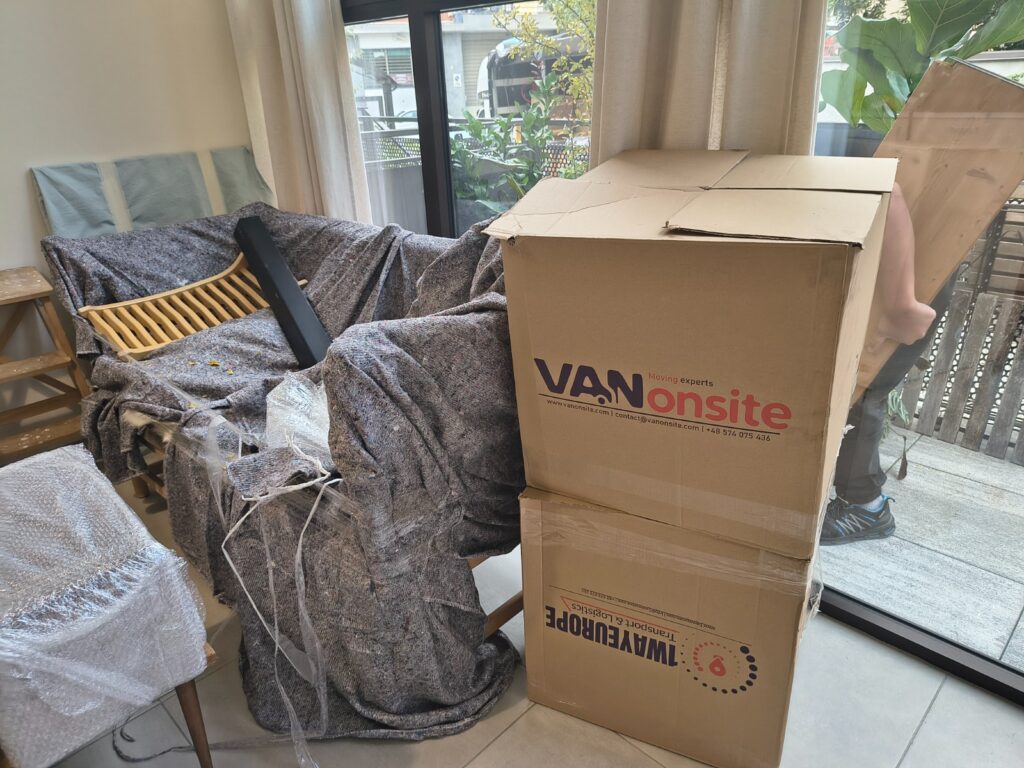
This is how your new home becomes livable fast, not just full of boxes.
Mistake 7: Underestimating the first week admin in Spain
A move is not finished when the van leaves. It is finished when your life works.
The first week in Spain often includes:
- Address registration steps
- Appointments and paperwork
- Utilities and internet setup
- Settling routines so you feel grounded
And this is where people get blindsided.
You think you will unpack, sit on the balcony, and finally breathe. Instead, you are juggling appointment booking pages, printing copies, and learning which office needs which document.
The fix is not to do everything at once.
The fix is to do the right things in the right order.
The first week checklist that actually helps
These tasks tend to unlock the rest.
- Get your address registration process started (empadronamiento)
- Start your NIE steps if needed
- Set up a Spanish bank account if required for rent and bills
- Sort internet and mobile, especially if you work remotely
- Register with local healthcare access where applicable
- If you have children, start school registration steps early
- If you have pets, confirm microchip and vet registration
Official links that save time
If you are landing in Barcelona, municipal registration guidance is here:
- Empadronamiento in Barcelona: https://ajuntament.barcelona.cat/novaciutadania/es/empadronamiento
In Mijas, local appointment guidance is here:
- Mijas town hall appointments: https://www.mijas.es/portal/atencion-ciudadana/cita-previa-atencion-ciudadana/
For NIE assignment and many foreigner procedures, start here:
- Spain National Police NIE page: https://sede.policia.gob.es/portalCiudadano/_en/tramites_extranjeria_tramite_asignacion_nie.php
For appointments (cita previa) used by many Spanish processes:
- Cita previa system: https://sede.administracionespublicas.gob.es/icpplustiej/icpplus/citar?locale=es
A calm 7 day plan
You do not need perfection. You need momentum.
- Day 1: Sleep, eat, and open only P1 boxes
- Day 2: Confirm internet and mobile so you can function
- Day 3: Book appointments and gather documents in one folder
- Day 4: Start address registration steps (empadronamiento) where available
- Day 5: Make a list of what is still missing and what depends on what
- Day 6: Unpack one room fully so your home starts feeling real
- Day 7: Admin catch up, then reward yourself with a slow afternoon
Make your first week lighter before you move
Do this before moving day, and you will feel the difference.
- Save every official link in one folder
- Book appointments early where possible
- Keep copies ready, printed and digital
- Pack a first night kit and a first hour box, and keep them easy to reach
If your work calendar is tight, or your brain is already full, this is also the moment where professional packing becomes a relief, not a luxury.
Mistake 8: Booking a date with zero buffer
Moving plans are fragile. Traffic happens. Keys change. A lift breaks. A permit gets delayed.
A small buffer turns problems into speed bumps instead of disasters.
A timeline that prevents most mistakes
6 to 8 weeks before
- Choose a date window
- Declutter and photograph bulky items
- Decide service level: man and van, dedicated, part load, or full removals
3 to 6 weeks before
- Confirm access details on both ends
- Start your inventory and admin folder
- Book packing or white glove care if needed
2 weeks before
- Pack non essentials by room
- Confirm parking and building rules
- Prepare a first night kit
48 hours before
- Protect furniture corners
- Separate documents and essentials that travel with you
- Pack a “First Hour” box
Mistake 9: Forgetting the emotional essentials
The biggest emotional shock is arriving exhausted. You get the keys, open the door, and your brain is too tired to feel happy.
This is the moment where people start making tiny, expensive mistakes.
You put your keys down and lose them. You cut a box with a blunt kitchen knife and slice your hand. You lie on a bare mattress, scrolling for food delivery, wondering why your dream move suddenly feels lonely.
Fix it with one simple decision: protect your first night.
Not the perfect first night. The safe one. The warm one.
The first night kit
Keep this with you, not in the load. Think of it as a rescue capsule for your body and your nervous system.
- Documents, keys, and a spare key if you have one
- Chargers, adapters, and one power bank
- Medication, plus a basic first aid kit
- One change of clothes and something comfortable to sleep in
- Toiletries, towel, and wet wipes
- Water and snacks that do not crumble into your suitcase
Add these if you want to feel human within an hour:
- A small blanket or hoodie
- A mini laundry pod or sachet for an emergency wash
- Earplugs, especially in city centres
The “First Hour” box
Load it last. Open it first.
This is not a random box. This is the box that turns an empty flat into a functioning space.
- Toilet paper and hand soap
- Scissors, tape, marker
- A basic tool kit, or at least a screwdriver
- A kettle or coffee kit
- Two mugs and two spoons
- Phone numbers on paper, not only in your phone
- Bedding essentials, plus one spare pillowcase
If you are moving with kids, add:
- Pyjamas, toothbrush, and one comfort item
- A simple snack they already like
If you are moving with a pet, add:
- Food, bowl, lead, and poop bags
- A familiar blanket so they settle faster
The “one room victory” rule
On the first evening, do not aim for the whole home.
Aim for one room that feels complete.
Make the bed. Plug in a lamp. Put water in a glass. Open a window.
That one small victory tells your brain, “We are safe here.”
A small ritual that makes Spain feel real
After the bed is made, go outside for five minutes.
Buy water, fruit, or bread. Listen to the street. Let your body notice the air.
It is a tiny act, but it flips the switch from surviving to arriving.
That box is not cute. It is powerful.
Mistake 10: Trying to do everything alone
You can be independent and still choose support.
This mistake is not about strength. It is about trying to do three jobs at once.
You are a planner, a packer, a lifter, a driver, and a customs coordinator. Then you wonder why you feel brittle.
A better approach is simple.
Do the parts that only you can do.
Delegate the parts that do not deserve your energy.
The hidden cost of doing it all
Doing it alone feels cheaper, until you count the real price:
- Extra days of packing that steal your evenings
- Damaged items from rushed protection
- Injuries from lifting and awkward stairs
- Lost time because the plan did not match access reality
Support is not only convenience. It is risk reduction.
Choose support where it matters most
If you want speed, protection, and less mental load, build your move around the right services:
A small move can still deserve premium care. Especially if access is tight or your items are fragile.
When a man and van move is the smartest choice
If your move is light, staged, or access is tricky, a man and van plan can feel like a cheat code.
- Easier access in tight streets
- Faster loading for smaller inventories
- Flexible timing for rentals, key handovers, and short notice changes
The support upgrade that people regret skipping
If you have premium items, awkward furniture, or zero time, packing support changes the whole experience.
You get fewer broken items, faster loading, and a calmer brain.
That is exactly what Packing Service and White Glove Delivery are built for.
Why VANonsite makes moving to Spain feel easier
A move is not only transport. It is trust.
You are handing over part of your life in boxes. The least you deserve is clarity.
With VANonsite, you get:
- Flexible options from man and van to full household removals
- Professional packing and white glove handling when you want fewer risks
- Vehicle sizes that match real life volume
- GPS tracking for every load, so you can follow the journey instead of guessing
That last point matters more than people expect.
When you can see where your load is, your nervous system relaxes. You stop refreshing messages. You stop imagining worst case scenarios. You can focus on your arrival.
Start with the main route overview:
Related route guides you might need next
Sometimes Spain is the beginning, not the finish line. You might land in Spain for work, a fresh start, or a soft launch year, and then move again once you know what you really want.
If that is you, plan the next hop with the same mindset: access first, inventory second, paperwork always. A clean cross border move is built on small, boring details done early.
Quick comparison: Spain routes at a glance
| Route | Best for | Paperwork snapshot | Smart tip |
|---|---|---|---|
| Spain to France | Fast transitions, families, remote workers | EU to EU is typically simplest. From outside the EU, follow official duty relief guidance | Book access and parking early in city centres |
| Spain to Germany | Work relocations, longer term moves | EU to EU is usually smooth. From outside the EU, check customs declaration guidance | Choose dedicated transport if your dates are strict |
| Spain to Belgium | Brussels, Antwerp, and nearby hubs | EU to EU is usually smooth. From outside the EU, check official residence move rules | City access matters, measure lifts and doorways |
| Spain to Switzerland | High value moves, premium items | Switzerland is not in the EU. Customs requirements are common | Build a customs ready inventory from day one |
If you are moving from a non EU country into these destinations, use official sources before you pack originals into a folder and forget about them.
- France customs guidance: https://www.douane.gouv.fr/fiche/transferring-your-primary-residence-france
- Germany removal goods declaration service info: https://verwaltung.bund.de/leistungsverzeichnis/EN/leistung/99122019104000
- Germany customs portal: https://www.zoll.de/EN/Home/home_node.html
- Belgium moving to Belgium guidance: https://fin.belgium.be/en/private-individuals/international/coming-belgium/moving-belgium
- Switzerland household effects guidance: https://www.bazg.admin.ch/bazg/en/home/information-individuals/personal-property–students–holiday-homes–getting-married-and-/importation-into-switzerland/moving–household-effects-.html
- Switzerland moving overview: https://www.ch.ch/en/foreign-nationals-in-switzerland/living-in-switzerland/moving-to-switzerland/
Destination guides
Use these route pages when you want a quick plan, a realistic quote, and a service match that fits your timing.
- Removals Spain to France
- Great when you want a fast, smooth hop and you value clean timing.
- Removals to Germany from Spain
- Ideal for work moves, longer distances, and deliveries that cannot drift.
- Removals to Belgium from Spain
- Perfect for city moves where access and parking rules decide everything.
- Removals to Switzerland from Spain
- Best for premium shipments, delicate furniture, and people who want fewer risks.
FAQ
Is a man and van enough for moving to Spain?
Yes, if you are moving light or in phases. A man and van move is perfect for essentials first relocations, smaller flats, students, and tight access.
What is the biggest mistake people make?
Underestimating access. One narrow stair turn or strict parking zone can change the whole day. Share access details early and the move becomes predictable.
Do I need customs paperwork when moving to Spain?
If you are moving within the EU, it is usually straightforward. But if you are arriving from outside the EU, customs steps may apply. Use official sources, build an inventory early, and keep originals with you.
How far in advance should I book removals to Spain?
For simple moves, two to four weeks is often enough. For summer, city centre access, or family moves, aim for four to eight weeks. You are not only booking transport. You are booking a calm plan.
Can you help with packing and high value items?
Yes. If you want fewer breakages and a faster setup, use professional packing or white glove handling. It is the difference between arriving stressed and arriving ready.
How do I choose the right van size?
Do not chase the smallest option. Choose breathing room. Count boxes, add 20 percent, then list your biggest anchor items. If you have awkward pieces, size up.
Do you offer storage if my dates do not line up?
Yes, storage can be a lifesaver when your keys and your schedule do not match. It lets you move in clean stages instead of forcing a rushed day.
Is GPS tracking included?
Yes. VANonsite provides GPS tracking for every load, so you can follow the journey instead of guessing.
Ready to move to Spain without the chaos?
If you want a quote that feels clean and accurate, send these in one message:
- Pickup and delivery postcodes
- Floor level and lift or stairs details
- Rough box count plus your largest items
- Photos of bulky or fragile pieces
- Your preferred date window
If you want it even faster, add two extra details:
- Parking notes at both ends
- A quick video from street to front door
Then VANonsite can match you with the right vehicle size, the right service level, and a calmer route into Spain.