If you are searching for the cheapest way to move furniture to Spain, you are probably trying to avoid the classic trap: paying for an almost empty vehicle just to ship a sofa and a bed.
And I get it. Furniture is the awkward kind of expensive. It is not just the cost of transport. It is the cost of one scratch, one snapped leg, one wet corner after a rainy unload. Suddenly your “cheap” move is not cheap at all.
Here is the fast truth. The cheapest option is rarely the one with the lowest headline price. The cheapest option is the one that arrives intact, on time, and without surprise fees.
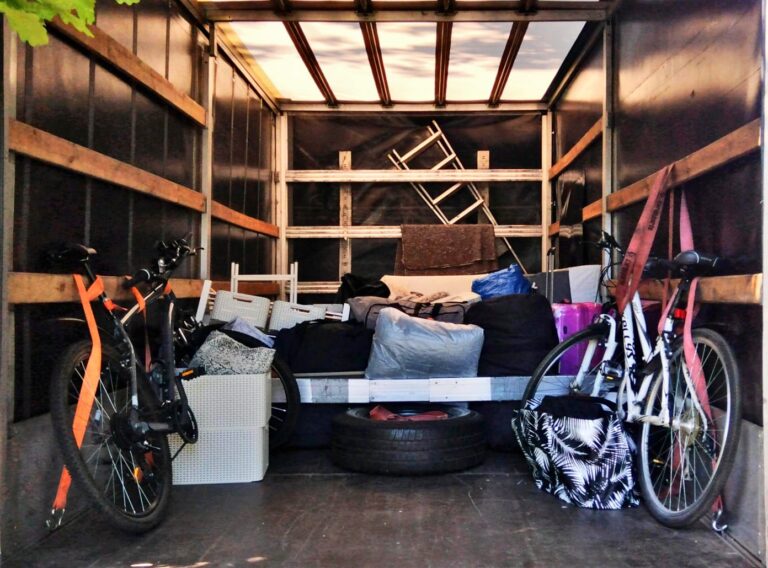
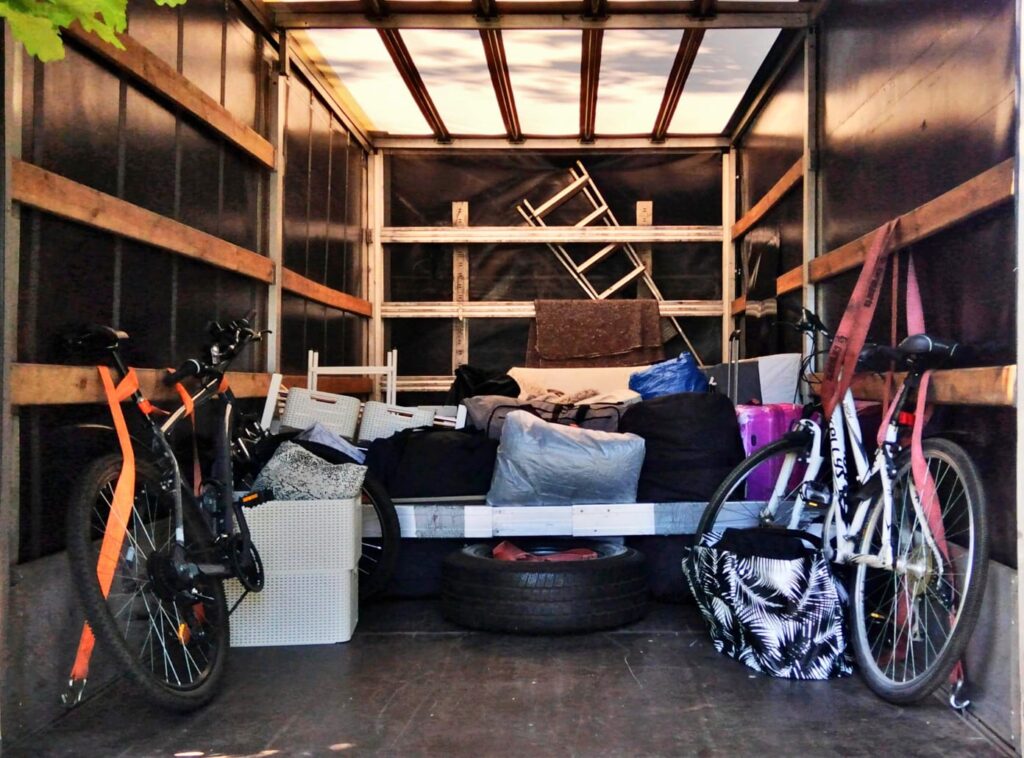
In most cases, the best value comes from part load transport. You share space in a van already heading to Spain, so you pay for the space you use, not the whole trip. That is why it is the go-to choice for cheap removals to Spain when you are shipping furniture only.
As a rule, if your shipment is under 15 m³, part loads can cut costs by 20% to 60% compared to booking a dedicated van. If you can also be flexible by 3 to 7 days, you often unlock another 10% to 25% in savings because your items fit a smarter route.
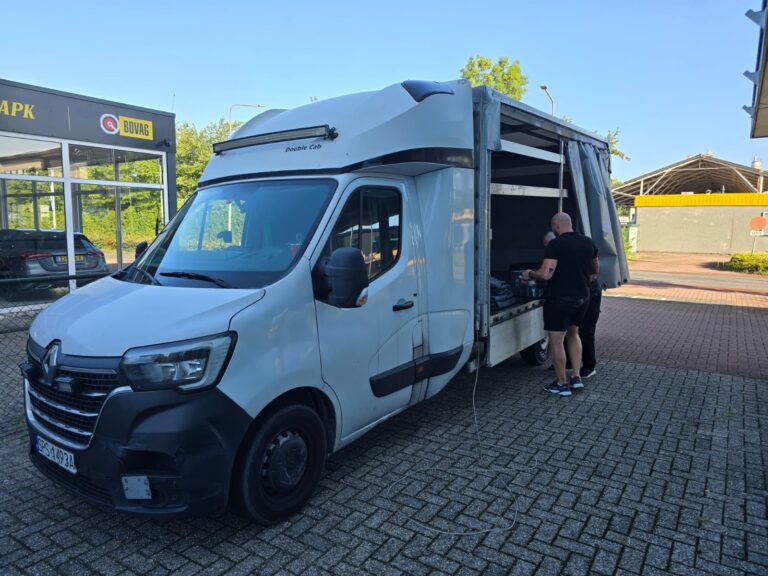
VANonsite makes it feel premium, not risky. You get careful handling, fast coordination, and GPS tracking for every load. It is a true man and van experience, just scaled for long-distance Europe.
TL:DR
- Cheapest in real life usually means part load, not a dedicated van, especially under 15 m³.
- Part loads often save 20% to 60% because you pay for space used, not the whole vehicle.
- Flexibility of 3 to 7 days can reduce costs by another 10% to 25%.
- The fastest way to shrink your quote is to lower m³ by disassembling bulky items.
- Bad access costs money, so fix parking and stairs and cut labour time.
- Strong protection stops a “cheap” move becoming expensive through damage.
- VANonsite adds GPS tracking and careful handling, so cheap removals to Spain still feel controlled.
The quickest answer
For most people, the cheapest way to move furniture to Spain is a part load.
You share vehicle space with other customers on the same route, so you split long-distance mileage costs. When your shipment is under 15 m³, part loads often save 20% to 60% compared to booking a dedicated van.
Why part load is usually cheaper
A dedicated vehicle has one customer paying for the full route. A part load spreads that route cost across several customers.
That means you stop paying for:
- empty space around awkward furniture shapes
- mileage you do not fully need
- a whole vehicle when you only need a slice
It is the same logic as sharing a taxi on a long trip. You still arrive. You just do not pay the full ride alone.
When dedicated transport can be the cheapest option
Dedicated transport can still win on cost, but only when time has a price tag.
Choose dedicated if delays could trigger real expenses like:
- extra hotel nights in Spain or Spain plus storage in between
- missed key handovers and rebooking fees
- last-minute furniture purchases because your items did not arrive
- paid time off wasted because delivery slid to the wrong day
A simple check helps.
- If a delay would cost you more than 150 to 400 EUR in total knock-on costs, dedicated transport often becomes the smarter “cheapest” choice.
The fastest next step
If you want a clean starting point for Spain routes, use the hub page:
If you already know you are shipping furniture only, this is the specialist service page:
And if you want the part load model explained in a simple way:
The 4 main ways to move furniture to Spain
There are four common methods. Each can be “cheap” on paper. Only one is consistently cheap in real life.
To keep this practical, each option below includes:
- what it is best for
- what usually goes wrong
- the hidden cost that surprises people
Option A: Part load removals
This is the sweet spot for furniture-only moves.
- You pay for space used.
- You get professional loading and securing.
- You usually accept a delivery window.
Best for
- 1 to 15 m³ shipments
- single-room upgrades, studio moves, or small flats
- a sofa, a bed, a dining set, plus boxes
Watch-outs
- timing depends on route density
- flexibility is rewarded, fixed dates cost more
The hidden cost to avoid
Rushed packing. If you pack last minute, you lose the savings in damage or rebooking.
If you want the part load approach explained clearly, start here:
Option B: Dedicated van
This is the control option.
- Faster and more predictable.
- Best when dates are tight.
- Higher cost because you pay for the whole vehicle.
Best for
- fixed delivery day requirements
- higher volumes, often 15 to 30 m³ and above
- private moves where you want direct routing
Watch-outs
- you pay for “air” if your load is small
- urgency can add 10% to 30% in busy periods
The hidden cost to avoid
Overbooking van size. A slightly too-big van can silently inflate the quote.
Option C: Pallet freight
This can work for boxed furniture parts, not for large, delicate items.
- Can be price-friendly.
- Less personal handling.
- Higher scuff risk for finished surfaces.
Best for
- flat-pack furniture in strong boxes
- parts that can be wrapped and strapped on a pallet
- non-fragile, replaceable items
Watch-outs
- more touchpoints means more risk
- pallet corner damage can mark furniture panels
The hidden cost to avoid
Surface repairs. A single deep scuff on a finished cabinet can cost more than the transport saving.
Option D: Courier network
Only for small, non-fragile items.
- Good for 1 to 6 parcels.
- Not ideal for furniture.
- Damage risk rises with each handover.
Best for
- spare parts, small shelves, boxed accessories
- items under courier size limits
Watch-outs
- higher breakage risk for anything awkward
- delivery attempts can fail if nobody is home
The hidden cost to avoid
Replacement time. The real cost is not the item. It is the delay and hassle.
Quick comparison table
| Option | Best for | Typical savings vs dedicated | Handling control | Timing style |
|---|---|---|---|---|
| Part load | sofas, beds, dining sets, small furniture bundles | 20% to 60% | high | delivery window |
| Dedicated van | urgent dates, privacy, larger loads | 0% | very high | fixed schedule |
| Pallet freight | flat-pack, boxed items | 10% to 40% | medium | network schedule |
| Courier | small parcels | varies | low | network schedule |
A second table that answers the real question
This one is simple. It shows which option is “cheap” once you factor in risk.
| Option | Cheapest for | Damage risk level | Best practice to keep it cheap |
|---|---|---|---|
| Part load | most furniture-only moves under 15 m³ | low to medium | strong packing, flexible window |
| Dedicated van | fixed dates where delays are expensive | low | correct van size, clean access |
| Pallet freight | flat-pack parts and boxed panels | medium | heavy wrap, corner protection |
| Courier | small, durable parcels | medium to high | avoid fragile, insure properly |
If you want safe, controlled, cheap removals to Spain for furniture, part load wins most of the time.
Part load vs dedicated van in 60 seconds
This decision should feel easy. It is not about “cheap” vs “expensive”. It is about value vs control.
Part load is usually cheapest because you share the route cost. Dedicated is usually simplest because the vehicle is yours.
The 3-question test
Ask yourself these three questions.
- Is your shipment under 15 m³
- Can you accept a delivery window of 3 to 7 days
- Would a delay cost you more than the extra transport fee
If you answer yes, yes, no, choose part load.
If you answer no, no, yes, choose dedicated.
A faster shortcut
If you do not want to think, use this:
- Flexibility plus small volume equals part load
- Fixed dates plus high consequences equals dedicated
Real examples
These mini scenarios help you spot your match quickly.
- Sofa, bed, and 10 boxes
- Often 4 to 7 m³
- Best fit: part load, unless you need a fixed day
- Dining set, wardrobe, and 20 boxes
- Often 8 to 12 m³
- Best fit: part load if you can flex dates
- Two-bedroom furniture set
- Often 15 to 30 m³
- Best fit: dedicated, especially if you want a predictable delivery
Mini decision table
| Your priority | Choose | Why it stays cheap |
|---|---|---|
| Lowest cost | Part load | you share mileage and pay for m³ |
| Fixed day delivery | Dedicated | you avoid delay costs and rebooking |
| Small move, one or two big items | Part load | you stop paying for empty air |
| High-value furniture | Either, plus protection | packing is the real cost saver |
For furniture-only moves, you also want a specialist service that knows how to protect surfaces and corners. This page is built for that:


What actually changes the price
Furniture removals pricing is driven by a small set of real variables. When you understand them, you can lower the quote without arguing, begging, or gambling.
Think of price as a formula:
- distance and route fit
- space and weight
- labour time on both ends
- timing pressure
Change one lever, the number changes.
The biggest price drivers
- Volume in m³ and item shape (sofas and wardrobes eat space)
- Weight (appliances can hit payload limits)
- Access (stairs, narrow streets, long carries)
- Timing (flexible windows can reduce cost by 10% to 25%)
- Urgency (last-minute bookings can add 10% to 30% in peak periods)
What people forget
Most “cheap” quotes turn expensive because of details that were not shared early.
- a lift that is too small
- a long carry from van to door
- narrow stair turns that force disassembly on the spot
- parking restrictions and waiting time
Those are not tricks. They are time, and time costs money.
Cost levers table
| Lever | What you change | Typical impact |
|---|---|---|
| Flexible dates | route fit | saves 10% to 25% |
| Part load instead of dedicated | shared mileage | saves 20% to 60% |
| Disassemble bulky items | lower m³ | saves 5% to 20% |
| Improve access and parking | less labour time | saves 5% to 15% |
| Strong packing | lower damage risk | saves money by avoiding replacement |
Extra levers that keep the quote low
These do not always show up as a line item, but they change the outcome.
- Clean pickup window
- If you can offer a range of days, your load fits better into existing routes.
- One pickup, one delivery
- Multiple stops can add time and route complexity.
- Ready-to-load furniture
- Disassembled where possible, hardware bagged, parts wrapped.
- Clear access photos
- A simple photo of stairs and entrance reduces surprises.
A quick “quote-ready” checklist
Use this and you usually get the sharpest price on the first reply.
- pickup and delivery postcodes
- floor level and lift access
- parking distance in meters
- furniture list with notes on disassembly
- box count and box size
- your ideal date and your flexible window
9 ways to make your move cheaper, safely
These are practical. They work. They do not gamble with your furniture.
The secret is simple. You lower the quote by reducing wasted space and wasted time, then you protect surfaces so you do not pay twice.
Quick savings map
This table shows what usually moves the price the most.
| Move lever | Why it works | Typical saving range |
|---|---|---|
| Part load instead of dedicated | shared mileage and shared route costs | 20% to 60% |
| Flexible dates by 3 to 7 days | better route fit | 10% to 25% |
| Disassemble bulky items | lower m³, better stacking | 5% to 20% |
| Better access and parking | less labour time | 5% to 15% |
| Remove low-value items | less volume, less time | 5% to 30% |
Now let’s turn that into real actions.
1) Use part loads whenever your shipment is under 15 m³
This is the main money move. You stop paying for empty air.
To make part load even cheaper, aim for a clean inventory:
- keep furniture grouped by room
- avoid loose items, box them
- disassemble what you can so it stacks
If you want the part load model explained in a simple way, use this guide:
2) Be flexible by 3 to 7 days
Flexibility is a hidden discount. It lets your load fit into an existing run, which can reduce costs by 10% to 25%.
Here are three easy ways to build flexibility without feeling out of control:
- offer a pickup window, but keep a preferred day
- keep your “Open First” essentials separate so waiting does not hurt
- plan key handovers with a buffer of 24 to 48 hours
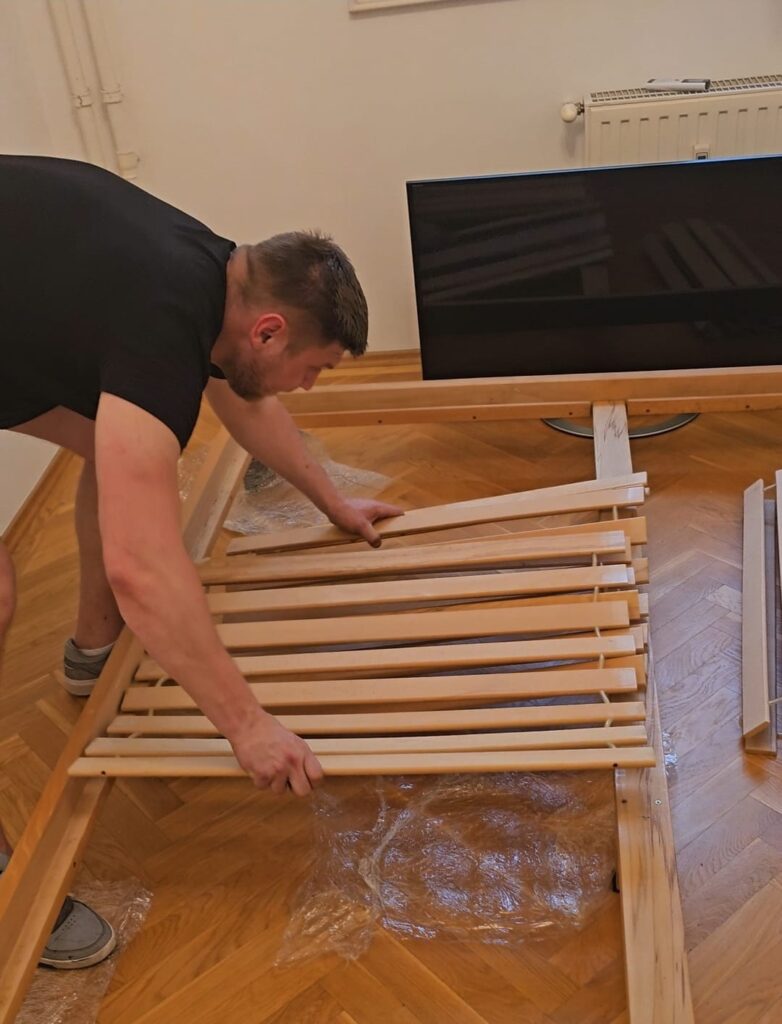
3) Disassemble furniture
A bed frame with legs removed stacks cleanly. A table with legs removed stops acting like a space thief. Disassembly can save 0.5 to 2.0 m³ on a small shipment.
Do it the smart way:
- put screws and brackets in a sealed bag
- tape the bag to the furniture piece or place it in a labelled “hardware box”
- take one photo before disassembly so reassembly is faster
4) Reduce volume by 15% to 30%
Furniture is emotional. Also, it is heavy and expensive to move. Sell what you do not love. Donate what you do not need.
A quick rule that keeps it honest:
- If replacing it in Spain would cost less than the transport share, do not ship it.
For many items, replacement is surprisingly cheap. For heavy, awkward items, transport is the expensive part.
5) Choose the right van size
Too big and you pay for air. Too small and you pay in stress. Use the capacity table below.
To avoid overpaying, aim for:
- your estimated volume plus 10% to 15% buffer
- your heaviest items placed low and stable
If you are unsure, a smaller dedicated slot plus perfect stacking can beat a bigger van with wasted space.
6) Make parking easy at both ends
A 30 metre carry is manageable. A 100 metre carry quietly adds time and cost.
To protect your quote:
- reserve a parking space if your building allows it
- clear access in advance, especially in narrow streets
- check lift booking rules and working hours
Even a single hour of waiting time can erase the savings you fought for.
7) Pack furniture like it will meet rain, heat, and vibration
Because it will. Spain routes cross climates. Protection is cheaper than replacement.
The cheapest safe packing habits:
- protect corners first, they take the first hit
- wrap finished surfaces to prevent rubbing
- strap items so they cannot shift, even slightly
If you want a premium finish for delicate pieces, this service is built for it:
8) Bundle pickup and delivery addresses
If you have multiple pickups, costs can rise. One clean pickup often saves 5% to 15%.
If you cannot avoid multiple pickups, keep it efficient:
- schedule the smaller pickup first
- ensure items are ready at door level
- avoid last-minute “just one more item” additions
9) Avoid last-minute booking in peak periods
Summer and end-of-month windows can be busy. Urgency often adds 10% to 30%.
If you need a cheaper slot, choose:
- mid-month if possible
- mid-week pickup days
- flexible delivery windows
Small shifts in timing can unlock bigger savings than hours of comparison shopping.
Estimate your furniture volume in under 3 minutes
You do not need perfect. You need usable.
The goal is simple: estimate space in m³, then add a buffer so nothing is forced.
The fast method
- List your large items.
- Add box count.
- Add a 10% to 15% buffer.
If you are moving only furniture and a few boxes, this approach is enough.
The even faster method for small moves
If you have fewer than 25 boxes, you can skip the maths and use this:
- sofa + bed + mattress + 10 boxes usually sits around 4 to 7 m³
- dining set + wardrobe + 20 boxes often sits around 8 to 12 m³
It is not precise, but it is close enough to pick the right vehicle tier.
Quick furniture volume cheat sheet
| Item | Typical volume (m³) | Quick note |
|---|---|---|
| 2 to 3 seater sofa | 1.5 to 2.5 | corners change everything |
| Armchair | 0.8 to 1.2 | bulky shape |
| Double mattress | 0.6 to 1.0 | bags protect, not shrink |
| Wardrobe | 1.2 to 2.2 | disassembly helps a lot |
| Dining table | 0.7 to 1.5 | remove legs |
| Washing machine | 0.4 to 0.6 | heavy, stable placement |
| Medium moving box | 0.05 | aim 12 to 18 kg |
Example: sofa (2.0) + mattress (0.8) + bed frame (0.7) + 12 boxes (0.6) = 4.1 m³. Add 15% buffer and you target 4.7 m³.
Three mini examples you can copy
Example A: One sofa, one bed, and a small life
- 2 to 3 seater sofa: 2.0
- double mattress: 0.8
- bed frame: 0.7
- 8 boxes: 0.4
Total: 3.9 m³. Add 15% buffer and aim for about 4.5 m³.
Example B: Dining set plus storage
- dining table: 1.0
- 4 chairs: 1.0
- wardrobe (disassembled): 1.4
- 15 boxes: 0.75
Total: 4.15 m³. Add 15% buffer and aim for about 4.8 m³.
Example C: Furniture plus one heavy appliance
- sofa: 2.2
- mattress: 0.9
- wardrobe: 1.8
- washing machine: 0.5
- 18 boxes: 0.9
Total: 6.3 m³. Add 15% buffer and aim for about 7.3 m³.
Do not forget weight
Space is not the only limit. Payload matters.
- Aim for 12 to 18 kg per box.
- If you have lots of books or tools, reduce box size and increase box count.
That simple choice can prevent last-minute reshuffles.


VANonsite vehicle sizes
VANonsite vehicle sizes help you match your load precisely.
The cheapest quote usually comes from choosing the smallest safe vehicle tier. Not the smallest possible tier. The one that fits with a buffer, stacks well, and stays within payload limits.
Two quick rules keep you out of trouble:
- Space rule: estimate m³, then add 10% to 15%.
- Weight rule: if you have dense items like books, tools, or appliances, assume payload will become the limiter.
| VANonsite vehicle size | Capacity | Max payload | Best fit examples |
|---|---|---|---|
| Moving One | 1 m³ | 100 kg | a few small items, essentials |
| Moving Basic | 5 m³ | 300 kg | sofa plus boxes, small furniture bundles |
| Moving Medium | 10 m³ | 600 kg | studio furniture, compact one-bedroom |
| Moving Premium | 15 m³ | 1000 kg | one-bedroom furniture set |
| Moving Premium Plus | 30 m³ | 3500 kg | heavier two-bedroom mix |
| Moving Full House XXL | 90 m³ | 20000 kg | full households |
If your goal is the cheapest way to move furniture to Spain, Moving Basic to Moving Medium is often the sweet spot for furniture-only shipments.
What each size feels like in real life
People do not think in m³. They think in sofas, beds, and boxes. This table translates the numbers into something you can picture.
| Vehicle tier | Typical furniture bundle | Typical m³ range |
|---|---|---|
| Moving One | 3 to 6 small boxes, or a compact chair plus essentials | 0.5 to 1.0 |
| Moving Basic | 1 sofa + 8 to 15 boxes, or bed + mattress + 10 boxes | 3.5 to 5.0 |
| Moving Medium | sofa + bed + wardrobe (disassembled) + 15 to 25 boxes | 6.0 to 10.0 |
| Moving Premium | full one-bedroom set with appliances and 25 to 40 boxes | 10.0 to 15.0 |
| Moving Premium Plus | two-bedroom mix, bulky items, heavier payload | 15.0 to 30.0 |
How to choose the cheapest correct tier
Use this 60-second flow. It is boring. It works.
- Write your big items list.
- Add box count.
- Choose a tier that covers your m³ plus 10% to 15%.
- If you have appliances, check payload too.
If you are on the edge between two sizes, these guidelines help:
- Choose the smaller tier if you can disassemble and stack cleanly.
- Choose the larger tier if your items are awkward shapes, or you have heavy appliances.
A fast warning about “too small”
When you squeeze furniture into the wrong tier, three things happen.
- loading takes longer
- corners suffer
- you risk paying for extra handling or reshuffling
That is how cheap becomes expensive.
Packing furniture for Spain
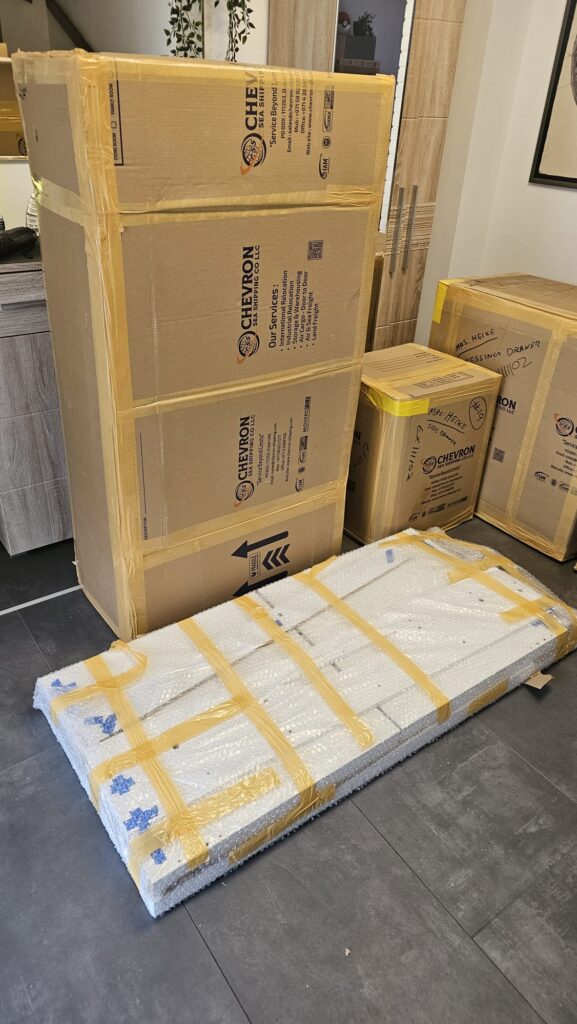
A cheap move becomes expensive when a corner is smashed or a sofa fabric is torn. So protect what matters.
Good packing is not fancy. It is deliberate. It keeps surfaces from rubbing, corners from taking impact, and parts from drifting apart over thousands of kilometres.
What you need for safe, cheap furniture packing
You can keep costs low with a small kit. Think protection, not perfection.
- strong tape
- stretch wrap or furniture covers
- moving blankets or thick throws
- bubble wrap for delicate edges
- cardboard sheets for flat surfaces
- zip bags for hardware
- a marker and labels
Furniture packing rules that reduce damage
- wrap corners and edges first
- strap items so they cannot shift
- keep heavy items low
- keep sharp hardware in labelled bags
- protect soft furniture from moisture with proper covers
A simple packing workflow
This order prevents chaos and saves time.
- Disassemble what makes sense. Remove legs, shelves, and loose panels.
- Bag hardware and label it by item name.
- Protect corners first, then wrap the main surfaces.
- Use blankets to stop rubbing, then stretch wrap to hold blankets in place.
- Strap or secure items so nothing can slide.
Quick protection table
| Item | Best protection | Extra tip |
|---|---|---|
| Sofa | cover plus blankets | protect feet and corners |
| Wardrobe | blanket wrap plus corner guards | dismantle if possible |
| Table | blanket wrap | remove legs, protect edges |
| TV | original box or thick foam | keep cables labelled |
Small habits that protect expensive furniture
These are tiny actions with big payoff.
- Put a blanket between any two hard surfaces that touch.
- Do not let metal hardware travel loose inside drawers.
- Tape drawers closed, but protect the finish first.
- Keep glass panels vertical, never flat.
Packing mistakes that quietly destroy your savings
These are the ones that make a “cheap” quote explode later.
- wrapping furniture but leaving corners exposed
- mixing screws from different items
- placing heavy boxes on top of fragile panels
- using thin bin bags as “covers” in rainy weather
- forgetting to protect polished wood from friction rub
When to upgrade to a service
If you are moving premium furniture, or you simply want less stress, services can be the smartest cheap decision.
- White Glove Delivery is ideal for high-value items and careful placement:
- Packing Services are perfect when time is tight or you hate packing:
Even one add-on can save you from replacing a damaged piece that costs far more than the service.
Documents and rules: EU moves vs UK after Brexit
This section keeps you out of trouble, because paperwork is where “cheap” moves turn into expensive delays.
The goal is simple: you want to prove who you are, where you will live, and what you are moving. Do that early and everything gets smoother.
Moving within the EU
If you are moving from an EU country to Spain, household goods moves are usually simpler. Still, you want a clean admin trail, because banks, landlords, and local offices love consistency.
EU movers: a fast document checklist
Have these ready as PDFs and printed copies:
- Passport or national ID
- Proof of address in Spain (rental contract, purchase deed, or a signed hosting letter where accepted)
- Proof of why you are in Spain (work contract, studies, self employment, or sufficient means)
- Health coverage proof where relevant
- A basic inventory for your move (even within the EU it keeps things clear)
The two admin steps most people forget
- Padrón registration (empadronamiento)
- Spain’s national public administration portal explains that you must register with your local municipality, because the padrón is managed by the Ayuntamiento where you live.
- Use this official page as your starting point and select your municipality:
- This general government information page also explains what the padrón is and why registration matters:
- EU residence registration
- If you are staying long term, you will usually need to register as an EU resident.
- Spain’s official public administration portal explains the process:
Appointments in Spain
If you need an immigration appointment, Spain’s official Extranjería appointment system is here:
If you want a calm, step by step relocation plan with the moving side included, this guide is useful:
UK to Spain after Brexit
If you are moving from the UK, your goods enter the EU as third-country goods. That is where customs paperwork and timing matter.
UK movers: what you will typically need for household goods
Prepare these early to avoid last-minute panic:
- Passport
- Proof of your new address in Spain
- Proof you are transferring residence (work contract, rental contract, registration evidence, or similar)
- Detailed inventory of goods (clear item names, quantities, and realistic values)
- Proof you owned and used your household items (for example receipts, photos, or old insurance lists, where applicable)
Customs and tax relief for personal effects
Spain’s Tax Agency explains how to evidence a genuine residence transfer and what documents can support customs and tax relief for personal belongings:
UK side: declaring goods when moving
UK guidance on declaring personal goods leaving or entering the UK is here:
- https://www.gov.uk/guidance/check-how-to-declare-personal-goods-you-bring-into-or-take-out-of-the-uk
And if you want the UK government overview for British nationals living in Spain, start here:
If you want a plain-English relocation breakdown with practical steps, this internal guide is a strong shortcut:
If budget planning is your worry, this one helps you avoid hidden costs:
Delivery day and GPS tracking
Delivery should feel controlled, not chaotic. The cheapest move is the one that finishes cleanly, without extra labour time, re-delivery attempts, or furniture damage.
24 hours before delivery
Do these small things and you can save real time on the day:
- confirm parking and access (and lift booking rules if you have them)
- clear hallways and stair turns, especially for sofas and wardrobes
- decide where large items go, room by room
- keep tools and hardware together in one labelled bag or box
The moment the van arrives
Before unloading starts, take 2 minutes to prevent a 2-hour mess.
- walk the route from door to room with the crew
- point out tight turns and fragile walls
- confirm which items must stay upright
A simple delivery checklist
| Step | What to do | Why it saves money |
|---|---|---|
| Access ready | keep the path clear and doors propped open | faster unload, less labour time |
| Quick condition check | check corners and visible surfaces early | you spot issues before items are buried |
| Hardware control | keep screws and brackets together | no missing pieces, no reassembly drama |
| Room plan | label where each big item goes | avoids re-lifting heavy furniture |
Why GPS tracking reduces stress
VANonsite offers GPS tracking for every load, so you can time handovers, building access, and key collection without guessing. It is especially helpful for part loads, because you get real visibility instead of vague updates.
After delivery: the 5-minute final check
- check corners, legs, and edges on your most valuable pieces first
- confirm all boxes are counted
- take a quick photo of any damage immediately, just in case
That final 5 minutes protects your time, your furniture, and your mood.
Biggest mistakes that make a cheap move expensive
Every cheap quote has a hidden enemy. It is not distance. It is friction. Extra minutes, extra handling, extra risk.
Here are the mistakes that quietly inflate cost, plus what to do instead.
The price traps
- choosing “cheapest” without asking how items are protected and strapped
- accepting a quote that is missing access details (stairs, lift size, carry distance)
- assuming your small move must be “simple” and skipping an inventory
Fix it fast: ask what protection is included, confirm access, then send an item list with photos of large pieces.
The volume mistakes
- underestimating volume, then forcing items into bad stacking
- leaving furniture assembled when legs or panels could be removed
- mixing loose items and odd shapes that eat space
Fix it fast: reduce m³ by disassembly and boxing, then add a 10% to 15% buffer so nothing gets crushed.
The access and timing killers
- forgetting parking rules and lift bookings
- moving on a peak weekend with zero flexibility
- not clearing corridors and doorways, which adds labour time
Fix it fast: reserve parking if possible, confirm lift slots, and offer a 3 to 7 day pickup window to unlock cheaper routing.
The packing errors that destroy furniture
- packing hardware loose and losing screws
- wrapping furniture but leaving corners exposed
- shipping liquids that leak into fabric or wood
Fix it fast: corner protect first, bag hardware by item name, and keep liquids out of the load.
If you want packing done professionally, this service is built for it:
If you have premium pieces and want a flawless finish, go White Glove:
A quick rescue plan if your move is already close
- Send a full inventory plus 5 to 10 photos of the bulkiest items.
- Disassemble anything that saves space (beds, tables, wardrobes where possible).
- Separate essentials into one clearly labelled box stack.
- Confirm access, parking, and lift bookings in writing.
- Choose part load if your shipment is under 15 m³ and you can flex dates.
If you want the full Spain mistakes list that saves money fast, read this:
If you want a calm, legal, step by step plan, this guide ties it together:
Quick FAQ
What is the cheapest way to move furniture to Spain?
Usually a part load. You pay for the space you use, not the full vehicle, and that often saves 20% to 60%.
Is part load safe for furniture?
Yes, when items are protected, strapped, and loaded with intent. The real risk is poor packing, not part load itself.
If your items are high value, add professional packing or White Glove:
How long does it take?
Most part loads land in a few days to two weeks depending on routing and density. Dedicated transport is often faster and more predictable.
Can I move just one sofa and a few boxes?
Yes. That is exactly where a man and van part load shines.
How can I make my quote cheaper without risking damage?
Focus on two levers:
- lower m³ by disassembling bulky items
- reduce labour time with clean access and ready-to-load packing
In many cases, those changes can reduce cost by 10% to 25% on top of part load savings.
What information gets me the most accurate price first time?
Send:
- pickup and delivery postcodes
- floor level, lift access, and parking distance in meters
- furniture list plus box count
- photos of the 5 biggest items
- your ideal date plus a flexible window
Where can I read more about part loads to Spain?
Start here:
And for the main Spain hub:
Get a fast quote with VANonsite
Article summary
The cheapest way to move furniture to Spain is usually a part load: you share van space, pay only for the m³ you use, and often save 20% to 60% compared to booking a dedicated vehicle. If you can stay flexible by 3 to 7 days, you can often shave off another 10% to 25% because your items fit a smarter route.
The real secret is cutting waste without cutting safety. Reduce volume by disassembling bulky pieces, keep access simple so labour time stays low, and pack like your furniture will face vibration, weather, and tight stair turns. Add the right van size, clear documents for your route, and a calm delivery plan. Then your “cheap” move stays genuinely cheap.
Key takeaways worth remembering:
- Part load is the best-value option for most shipments under 15 m³.
- Dedicated vans win when dates are fixed and delays would cost you money.
- m³, access, and timing pressure drive the quote more than almost anything else.
- Good packing is not optional, it is your damage insurance.
- GPS tracking makes planning and handovers feel controlled.
If you want cheap removals to Spain that still feel safe and premium, send these five details.
- pickup postcode and delivery postcode
- your ideal date and your flexible window
- floor level and lift access at both addresses
- furniture list plus box count
- fragile or high-value items
For more Spain planning, use these internal resources:
- https://vanonsite.com/removals-to-spain/
- https://vanonsite.com/spain-removals/how-much-money-do-i-need-to-move-to-spain-after-brexit/
- https://vanonsite.com/spain-removals/how-long-can-british-stay-in-spain/
A good move feels like this: you close the old door, breathe out, and your furniture arrives in Spain clean, calm, and exactly as it should be.