
Moving to Spain as an expat is a little like falling in love with a place before you know how the paperwork works. You picture sunlight on your balcony and that first slow coffee. Then reality shows up with keys, stairs, inventories, and the unglamorous question: how do I move my life across borders without losing my mind?
This guide is your no drama roadmap. It is written for real expats in Spain: people relocating for work, family, study, love, or a clean reset. You will get a clear plan, a timeline you can actually follow, and the moving options that protect your furniture, your schedule, and your nerves.
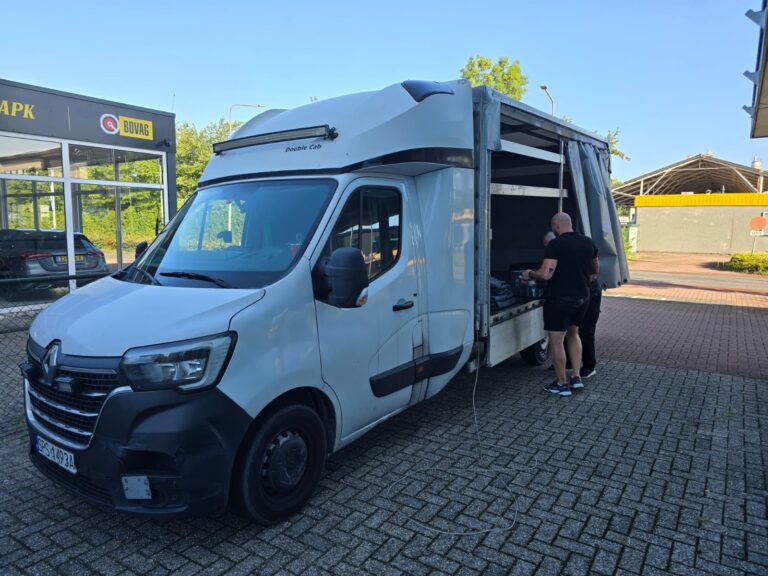
If you want the move handled with premium care and speed, VANonsite delivers high quality removals across Europe with GPS tracking for every load. From a nimble man and van to full removals with packing and white glove handling, you can build the move around your life, not the other way around.
TL:DR
- Choose your move style first: soft landing with a man and van, or full relocation with structured removals.
- Budget beyond transport, including deposits, setup costs, and a buffer for delays.
- Keep documents in one folder early, and use official sites for NIE and appointments.
- Pack for protection, not speed, or upgrade to packing and white glove care for premium items.
- Confirm access on both ends, especially parking, stairs, lift size, and building rules.
- Pick a van size with breathing room so your load stays safe and unloading stays smooth.
- Avoid the classic expat mistakes, and follow a simple timeline so your move feels controlled.
Start here when you are ready to plan your route:
Why so many expats choose Spain
Spain has a strange talent for making life feel lighter. The days stretch. Your routines soften. A normal Tuesday can look like a small celebration if the weather is kind and your neighbourhood has a good bakery.
For many expats, the magic is not one big moment. It is a dozen small moments that keep stacking up. A morning walk that feels effortless. A lunch break that actually looks like a break. A new rhythm that does not punish you for wanting a life.
But here is the honest part: the first weeks can feel intense. New systems. New language. New admin. That is why the move itself matters more than people expect. When your removals plan is clean, your arrival is not a crash landing. It is a smooth step into your next chapter.
What expats love about Spain once the dust settles
These are the reasons people stay, not just visit.
- Daily life feels more human, not only more scenic
- Social life is easier to rebuild if you show up consistently
- Variety is real, from calm coastal towns to buzzing cities
- Food culture is simple and satisfying, even on a weekday
- Weekend escapes are easy, so life feels wider
What surprises expats in the first month
Spain can feel effortless, but relocating rarely is. Knowing the friction points helps you keep your cool.
- Your timetable will change, sometimes in ways that feel unfamiliar
- Appointments can require patience and planning
- Buildings can be beautiful and awkward at the same time
- Parking and access can decide how stressful moving day becomes
- You may need a temporary setup while you wait for the right long term home
This is why many experienced movers choose a soft landing first. You arrive lighter, set up the essentials, then ship the rest once you have clarity.
Why this matters for your move
Spain is full of charm, and also full of tight corners. Old town streets. Sharp stair turns. Lifts that look cute and refuse to fit your wardrobe. The move needs to respect that reality.
A smart removals plan gives you two priceless things:
- A calmer arrival, with fewer last minute surprises
- Protection for the items you care about, including the ones that cannot be replaced
Expats in Spain usually move for one of these reasons:
- A job relocation or remote work shift
- A partner or family move
- University or a student year abroad
- A lifestyle reset after burnout
- A second home that turns into a full time life
Whatever your reason, the goal stays the same: arrive with your essentials intact, your furniture protected, and your energy still in your body.
Pick your move style: soft landing or full relocation
Before you choose a service, decide how you want to arrive. This choice shapes your budget, your stress level, and how fast Spain feels like home.
Here is the simplest way to think about it.
- Soft landing is about flexibility and breathing room
- Full relocation is about structure and certainty
A quick decision guide
If you answer yes to any of these, a soft landing often wins.
- My keys date is not fully locked in
- I am not sure which area I will choose long term
- I want to declutter properly before shipping heavier items
- I want to reduce moving day variables
If you answer yes to these, full relocation often wins.
- My move in date is fixed
- I have multiple rooms of furniture
- I want one clean move, not two phases
- I have fragile items that need careful handling
Option 1: The soft landing
You move the essentials first, set up a functional home, then ship the rest once you are certain about the space and the city.
This is perfect when:
- You are renting temporary accommodation first
- Your keys date is uncertain
- You want to declutter hard before you ship the heavy stuff
- You are moving alone and want fewer moving day variables
A man and van move is often the hero here because it is agile, fast, and easier in tight streets.
The soft landing plan in 5 steps
- Decide what you need to live well for the first two weeks
- Move those essentials first, with a man and van if the load is light
- Set up the basics: bed, kitchen core, work kit, internet
- Spend time choosing the right long term home, not the first available option
- Ship the rest when you have clear dates and access info
This approach protects your budget too. You avoid paying to move items you later sell, donate, or replace.
Option 2: The full relocation
You move everything in one structured operation, often with packing support and careful handling.
This is perfect when:
- You are moving as a couple or family
- You have multiple rooms of furniture
- You want less lifting, less decision fatigue, less risk
- You have fragile items you do not want to gamble with
The full relocation plan in 5 steps
- Lock your delivery window around keys and building rules
- Share access details early: lifts, stairs, parking distance, time restrictions
- Choose protection level: self pack, partial packing, or full packing support
- Confirm vehicle size with breathing room so items travel safely
- Plan your first night setup so you arrive to comfort, not chaos
For many expats, full relocation feels like a deep exhale. You do it once, properly, and you start living.
A simple comparison table
| Move style | Best for | How it feels | What you trade |
|---|---|---|---|
| Soft landing | Uncertain dates, new city choice, solo movers | Flexible, lighter, low pressure | Two phases instead of one |
| Full relocation | Families, fixed dates, larger homes | Structured, predictable, calm | Higher upfront commitment |
The hybrid move most people forget
You can also blend the two.
Move essentials and premium items first, then do a second shipment for the rest. It is a brilliant option when you want control, but your timeline is still breathing.
If you have one or two items that must arrive safely, this is where white glove delivery can feel like a relief, not an extra.

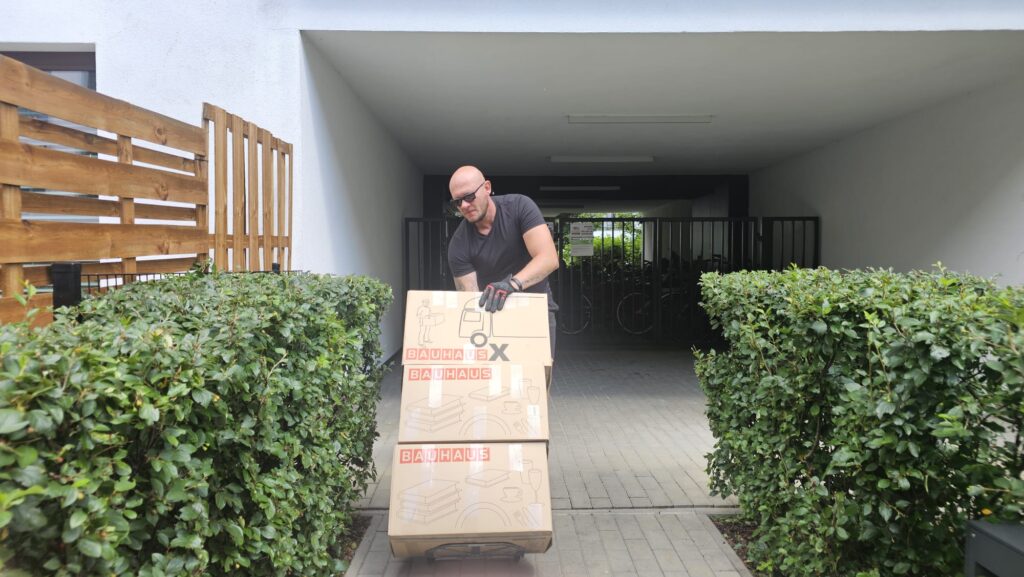
Removals options for expats in Spain
There is no single best way to move to Spain. There is the best way for your timing, budget, and tolerance for chaos.
Ask one question:
Do you want savings, speed, or certainty?
1) Man and van
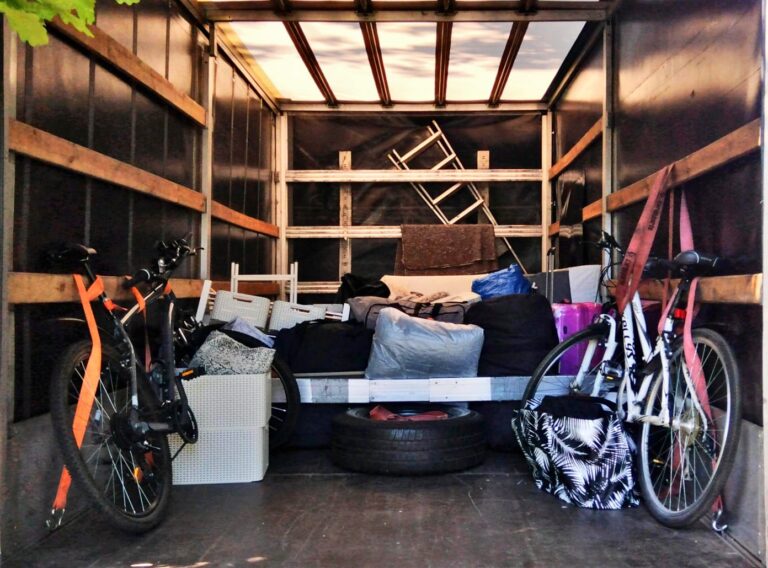
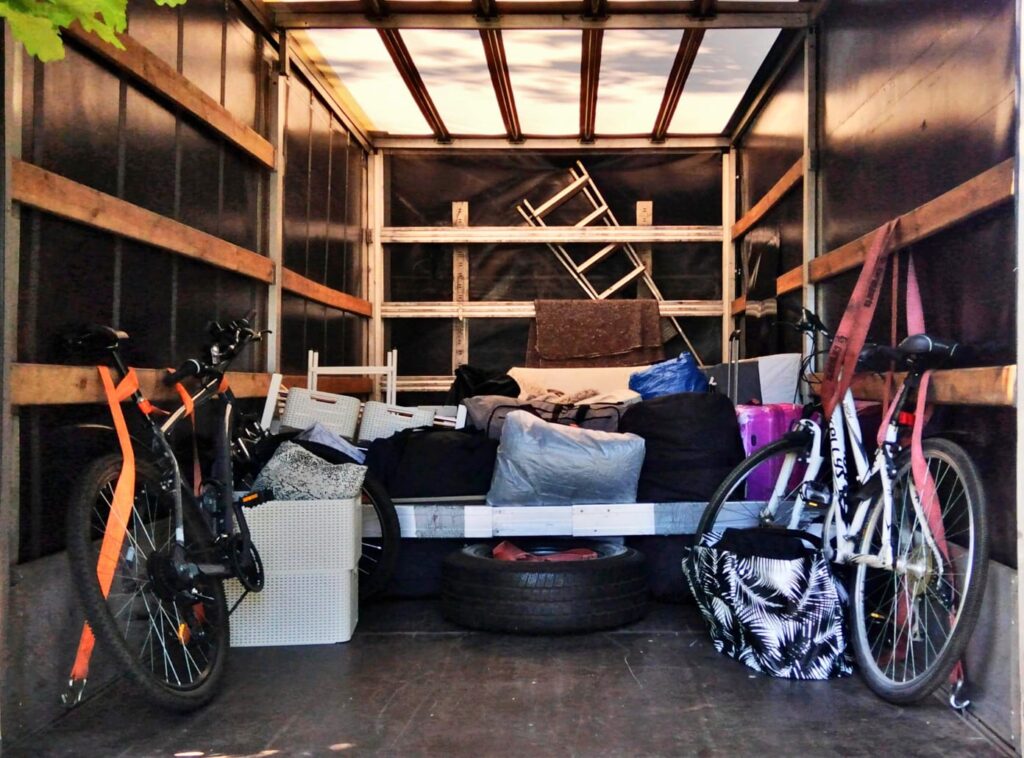
A man and van move is small in volume, not in quality. It is ideal for soft landings, student moves, smaller flats, and staged relocations.
Best for:
- Rooms and studios
- Key furniture pieces plus boxes
- Essentials first moves
- Tight access in old town streets
Pair it with professional packing if your load includes fragile pieces:
2) Part load
Part load means sharing vehicle space with other compatible loads. It can reduce cost, but your delivery window is usually wider.
Best when:
- You are flexible on dates
- You are moving a moderate load
- You want value without cutting corners on care
3) Dedicated transport
Dedicated transport is the control option. Your belongings travel without unrelated stops, with fewer touch points.
Best when:
- Your keys handover date is fixed
- You have premium furniture, glass, artwork, or sensitive items
- You want a sharper delivery window
4) Full removals
Full removals are built for households and larger moves. They feel structured, paced, and protective.
Explore:
Quick comparison table
| Option | Best for | Why it works | What to plan |
|---|---|---|---|
| Man and van | Soft landing, small moves | Fast, nimble, less fuss | Inventory and access details |
| Part load | Flexible dates | Lower cost, efficient | Wider delivery window |
| Dedicated transport | Fixed timing, premium items | Highest control | Higher cost, smoother day |
| Full removals | Homes and big moves | End to end structure | Packing level and access rules |
Vehicle sizes: choose breathing room, not bravado
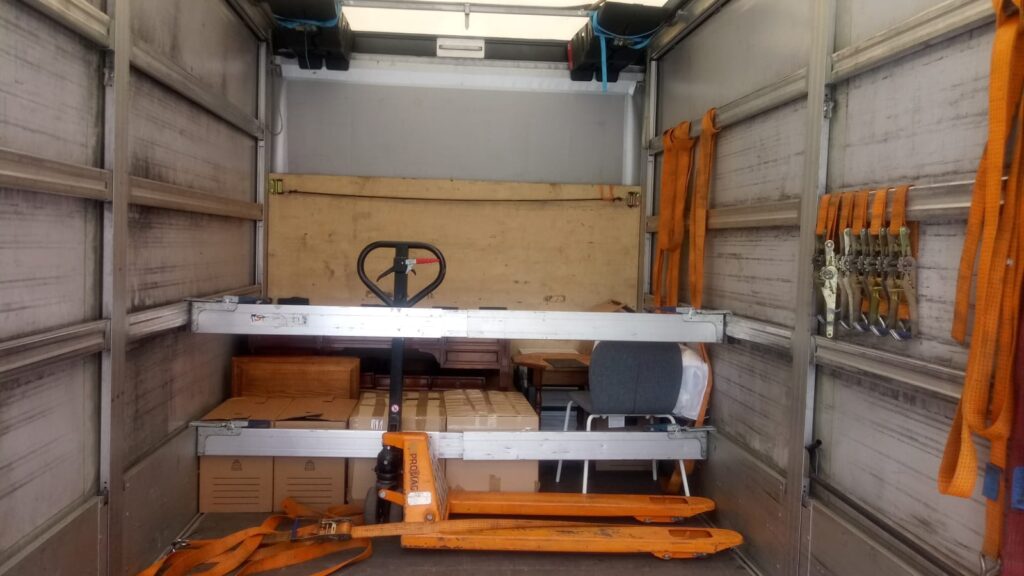
A van packed too tightly becomes a pressure chamber. Corners rub. Boxes crush. Unloading becomes a puzzle. Choose space. Space is not waste. It is protection.
Most people pick a van size based on optimism. Then moving day arrives, and the optimism gets crushed under a box labelled “Kitchen, probably”.
The smarter approach is simple:
- Choose a size that fits the load comfortably
- Leave room for protection and secure stacking
- Avoid the costly second trip that happens when “we can squeeze it” becomes “we cannot”
VANonsite vehicle options
| Vehicle option | Volume | Max load | Best for |
|---|---|---|---|
| Moving One | 1 m3 | 100 kg | A few boxes, suitcases, ultra light move |
| Moving Basic | 5 m3 | 300 kg | Boxes and small items, minimal furniture |
| Moving Medium | 10 m3 | 600 kg | Studio moves, light furniture |
| Moving Premium | 15 m3 | 1000 kg | 1 bedroom core items |
| Moving Premium Plus | 30 m3 | 3500 kg | 2 to 3 bedrooms |
| Moving Full House XXL | 90 m3 | 20000 kg | Large homes and heavy loads |
A sizing rule that prevents regret
If your first thought is “we can squeeze it”, size up.
Do these two checks:
- Count your boxes honestly, then add 20 percent.
- List your largest items and flag awkward shapes like L shaped sofas, tall wardrobes, stone tables.
A quick volume cheat sheet
If you want a fast sanity check, use this as a starting point. Every home is different, but this will keep you in the safe zone.
- Moving One: a suitcase heavy micro move, a few small boxes, light essentials
- Moving Basic: roughly 10 to 15 standard boxes, plus a few small items
- Moving Medium: roughly 20 to 35 boxes, plus a small sofa or bed frame if packed well
- Moving Premium: roughly 35 to 55 boxes, plus furniture for a compact 1 bedroom
- Moving Premium Plus: multi room move, larger furniture pieces, and proper protection space
- Moving Full House XXL: a full household, heavy loads, and complex logistics
If your load includes bulky soft items like duvets, winter coats, and pillows, treat them like a hidden volume tax. They look harmless, then they eat space.
Weight matters as much as volume
People focus on cubic metres and forget weight. A van can look half full and still be near its limit if your load includes books, gym equipment, tools, or heavy furniture.
If you are unsure, flag these items early:
- Boxes of books or vinyl
- Stone, marble, or solid wood furniture
- Home gym equipment
- Multiple monitors or tech equipment
- Large appliances
A safer load is not only easier on the vehicle. It is easier on your belongings.
Access changes the right vehicle size
Two identical loads can need different vehicles depending on access.
Choose extra space if:
- There are stairs with tight turns
- Parking is far from the entrance
- The lift is small, or the building has booking rules
- The street is narrow and loading must be faster
Space becomes speed, and speed becomes savings.
The ultimate accuracy hack
If you want the quickest correct recommendation, send:
- A rough box count
- A list of the five biggest items
- A few photos of bulky or fragile pieces
- A short phone video from street to door at both addresses
That one video prevents more mistakes than any written description.
How much money do you need to move to Spain
Budgeting is where expats get blindsided. Not because Spain is impossible, but because moving has hidden layers.
The goal is not to guess a perfect number. The goal is to build a budget that survives real life.
What shapes your total cost
Your total cost is usually shaped by:
- Volume and vehicle size
- Distance and route
- Access time at pickup and delivery
- Packing level and fragile handling
- Timing, season, weekends, and fixed delivery windows
- Storage if your keys do not line up
But beneath those headlines, there are a few decision points that swing the number fast.
The three big levers that move your quote
- Certainty vs flexibilityDedicated transport is usually more expensive, but it buys predictability. If you have a fixed key handover date, predictability can be worth more than the discount.
- Protection levelProfessional packing costs more upfront, but it reduces breakage risk and speeds unloading. If you are moving premium or sentimental items, it is often the smarter spend.
- Access realityStairs, distance to the van, narrow streets, and building rules all add time. Time is a quiet cost driver.
If you are moving after Brexit and want a clear money breakdown, this guide is worth reading:
Three quiet costs people forget
- Parking and long carry distance, especially in busy areas
- Packing materials and protection for fragile items
- Admin delays when appointments are late and you need short term solutions
A simple budget map for expats
If you want to feel in control, split your moving budget into four pockets. It stops you from overspending in one area and then panicking in another.
| Budget pocket | What it covers | Why it matters |
|---|---|---|
| Transport and services | removals, van size, loading time, storage | This is the physical move layer |
| Paperwork and compliance | visa route, translations, appointment travel | This is the permission layer |
| Housing and setup | deposit, first month, utilities, essentials | This is the keys and comfort layer |
| Buffer | weeks of living costs, delays, extra nights | This is the calm layer |
How to cut costs without cutting safety
If you need to reduce the total, avoid the risky shortcut. Use a smart lever instead.
- Be flexible with your date window if you can
- Declutter heavy low value items before you ship them
- Move in phases with a man and van essentials trip first
- Use professional packing only for fragile and premium items
- Share honest access details early to prevent surprise charges
The buffer that keeps your move smooth
A calm budget includes buffer. Not because you are pessimistic, but because you are smart.
A buffer turns delays into minor inconvenience. Without a buffer, the same delay feels like a crisis.


Documents expats in Spain often need
Paperwork is invisible until it blocks your day. Start early. Keep a simple folder. Bring copies.
Important: requirements depend on your nationality and situation. Always follow official guidance.
Spain admin essentials
- NIE number, official information from Spain’s National Police: https://sede.policia.gob.es/portalCiudadano/_en/tramites_extranjeria_tramite_asignacion_nie.php
- EU citizen registration certificate, if applicable: https://sede.policia.gob.es/portalCiudadano/_es/tramites_extranjeria_tramite_certificadoregistro_ciudadanoue.php
- Official appointment system for many procedures: https://sede.administracionespublicas.gob.es/icpplustiej/icpplus/citar?locale=es
- Spain Ministry of Foreign Affairs consular guidance: https://www.exteriores.gob.es/en/ServiciosAlCiudadano/Paginas/Servicios-consulares.aspx
If customs applies to your move
If your move crosses into the EU from a non EU country, customs can become relevant. A clean inventory and proof of address can save you from delays.
- Spain Tax Agency guidance on transfer of residence relief: https://sede.agenciatributaria.gob.es/Sede/en_gb/no-residentes/exenciones-viajeros-embajadas-otros/traslado-actividad-empresarial-residencia-otros/traslado-residencia-franquicias-exencion-impuestos.html
- EU duty relief framework: https://eur-lex.europa.eu/eli/reg/2009/1186/oj/eng
If you are moving from the UK, this UK government page is a helpful starting point for personal goods declarations:
- https://www.gov.uk/guidance/check-how-to-declare-personal-goods-you-bring-into-or-take-out-of-the-uk
Build a simple removals folder
Keep one printed set and one digital backup.
- Passport or national ID
- Proof of address in Spain (rental contract, deed, or accommodation confirmation)
- Inventory of items, grouped by room
- Booking confirmation and contact numbers
- Insurance details if you have them
Packing that protects your move and your mood
Most damage happens before the van moves. Packing is where a smooth move is born, or quietly destroyed. Done well, it feels oddly satisfying. Like you are turning chaos into a clean, numbered story.
If you are short on time, focus on two things: protection and clarity. Protection stops breakages. Clarity makes loading and unloading faster, so the whole move costs less.
What to do before you touch a single box
Start with a quick sweep. It takes 30 minutes and saves hours later.
- Walk room to room and decide what stays, what goes, and what is donated
- Group items by room, then by fragility
- Set aside essentials that must travel with you
If you are moving long distance, treat packing like travel insurance. You hope you never need it, but you will be glad it is there.
Packing rules that actually work
- Wrap corners first. Corners take the hits.
- Keep glass and mirrors upright, never flat under pressure.
- Bag screws and fittings, label them, tape them to the item.
- Do not overfill boxes. Heavy boxes cause accidents.
- Pack by room, not by category. Unpacking becomes faster.
The materials that make packing feel premium
The difference between “fine” and “flawless” is usually the material choice.
- Double wall boxes for books and breakables
- Stretch wrap for drawers, sofas, and cabinet doors
- Bubble wrap and foam sheets for fragile surfaces
- Moving blankets for furniture, artwork, and screens
- Strong tape, plus a tape gun
- Zip bags for screws and fittings
- A thick marker for labels
If you want fewer breakages and a faster setup, it is worth upgrading:
A simple labelling system that saves your sanity
Labels are not decoration. They are instructions.
Use two labels per box: one on the side, one on the top. Then add three signals.
- Room
- Fragility
- Priority
Here is a quick system you can copy.
| Label element | Example | What it prevents |
|---|---|---|
| Room | KITCHEN | Boxes landing in the wrong place |
| Fragility | FRAGILE | Crushing and careless stacking |
| Priority | OPEN FIRST | Hunting through boxes at midnight |
A small tip with a big payoff: number your boxes per room. Example: KITCHEN 1 of 12. If one box goes missing, you will know immediately.
Fragile items: how to pack the things you would hate to lose
Fragile packing is less about bubble wrap and more about removing movement.
- Wrap each glass separately
- Fill empty space so items cannot rattle
- Place heavier items at the bottom
- Mark the box on multiple sides
- Keep high value pieces together and photograph them before packing
For mirrors and artwork, keep them upright, padded, and clearly marked. If access is tight, consider white glove handling so the last staircase does not become the villain.
Furniture protection that avoids dents and heartbreak
Furniture usually gets damaged in doorways, stair turns, and rushed loading.
- Wrap edges with foam or blankets
- Protect legs and corners with extra padding
- Secure drawers and doors with stretch wrap
- Remove shelves and glass panels where possible
If you can dismantle large items, do it. A wardrobe that fits flat is safer than a wardrobe that fights the stairwell.
Your first night kit
Keep this with you, not in the load. It is the difference between feeling settled and feeling stranded.
- Documents, keys, medication
- Chargers, adapters, power bank
- Two sets of clothes
- Toiletries and towel
- Snacks and water
- Basic tools: scissors, tape, marker
- A small bedding set, especially if delivery is later than expected
The smart “arrival box” for expats
This is the box you open first so your new home becomes livable fast.
- Kettle or coffee kit
- Two mugs and two plates
- Toilet paper and hand soap
- Cleaning wipes
- Basic light bulbs
- A multi plug adapter
- A small toolkit
It sounds ordinary. It feels like luxury on day one.
Access in Spain: the detail that decides moving day
Spain can be generous with beauty and stingy with access. Old buildings. Sharp stair turns. Streets that look wide until a van tries to stop.
Access planning is not paperwork. It is profit. When access is clear, loading is faster, the schedule stays intact, and your items take fewer hits.
Confirm these details on both ends
- Where can the van stop legally?
- Floor level and lift availability
- Lift internal dimensions and door width
- The tightest stair turn and narrowest doorway
- Building rules, concierge bookings, time windows
The Spain specific access traps expats often miss
A few small details can decide whether moving day feels smooth or stressful.
- Narrow streets and limited stopping zones in older neighbourhoods
- Loading rules near busy promenades and tourist areas
- Lifts that exist but are too small for flat packed wardrobes
- Community rules about noise and move times
If you live in a building with a concierge or administrator, ask early about lift booking and time slots.
A simple trick that saves time
Record a quick phone video from street to front door. Do it at both addresses. It answers more questions than ten messages.
If you want to go one level deeper, include a shot of:
- The street outside the building
- The parking distance to the entrance
- The lift interior with the door open
- The narrowest doorway
- The tightest stair turn
That is how you turn “maybe” into a plan.
Timeline: a moving plan expats can actually follow
10 to 12 weeks before
- Choose a target week and add a buffer
- Decide soft landing vs full relocation
- Declutter aggressively
- Start a rough inventory and photo list
6 to 8 weeks before
- Pick service level: man and van, part load, dedicated, or full removals
- Measure doorways, stair turns, lift size
- Confirm where a vehicle can stop at both ends
3 to 6 weeks before
- Lock your booking window
- Start admin planning and appointments
- Decide packing level and book support if needed
2 weeks before
- Pack non essentials by room
- Label clearly and keep screws taped to the item
- Prepare a first night kit
48 hours before
- Protect furniture corners and fragile items
- Separate essentials that must travel with you
- Clear the carry route
Moving day
- Do a calm walkthrough
- Load heavy items first, fragile protected
- Track progress with GPS and keep your phone reachable
The biggest mistakes expats in Spain make
A few wrong assumptions can turn a move into a long, bruising day. Most mistakes are not dramatic. They are small decisions that compound when you are tired, rushed, and trying to make ten things happen at once.
1) Treating access like a footnote
Access is the hidden boss of moving day. If the van cannot stop close, or if the stairwell is tighter than expected, everything slows down and items take more knocks.
Avoid it by confirming:
- Where the van can legally stop at both addresses
- The carry distance from van to door
- Lift dimensions, or the tightest stair turn
- Any building rules, bookings, or time windows
2) Choosing a van that is “just enough”
A tightly packed load is where scratches, crushed boxes, and last minute panic are born. Breathing room is protection.
A safer choice is to size up when:
- You have bulky soft items like duvets and coats
- You have fragile pieces that need padding space
- Access is tricky and loading must be fast
3) Leaving paperwork until the last minute
Admin delays are common, and they rarely respect your preferred schedule. When paperwork slips, you might need temporary storage, an extra night of accommodation, or a plan B delivery window.
Keep one folder ready early, and book appointments as soon as you can.
4) Packing essentials into the main load
This one hurts because it is preventable. If your essentials are inside the van, you lose control of the first night.
Keep a first night kit with you, including:
- Documents, keys, medication
- Chargers and adapters
- Two days of clothes
- Toiletries and basic tools
5) Forgetting buffer time around keys and delivery
Keys rarely line up perfectly. Delivery rarely lands at the exact minute you imagine. Buffer turns that reality into a mild wobble, not a disaster.
Plan buffer for:
- Key handovers and check in windows
- Building access bookings
- Traffic and parking restrictions
- Any admin appointment that could run late
6) Underestimating the value of pro packing for the fragile stuff
Self packing can work, but fragile items and premium furniture need calmer handling. Professional packing or white glove care can be the difference between arrival joy and arrival heartbreak.
7) Skipping the inventory and photos
An inventory is not busywork. It speeds loading, helps customs where relevant, and protects you if anything gets delayed or damaged.
A simple method:
- Number boxes by room: KITCHEN 1 of 12
- Photograph high value items before packing
- Keep a separate list for the most valuable pieces
Want a deeper breakdown with practical fixes? Read this next:
Why VANonsite is a strong fit for expats in Spain
Moving is not only transport. It is trust, timing, and care. You are handing over the objects that make your home feel like yours. That deserves a plan that feels deliberate, not improvised.
VANonsite is built for expats who want a premium move across Europe, without the fog of uncertainty.
What makes the experience feel safer
- GPS tracking for every load, so you are not guessing where your life is
- Flexible service options, from man and van essentials to full home removals
- Professional packing for fewer breakages and faster settling in
- White glove delivery for premium, fragile, or awkward access items
- Support across furniture, home, office, and student moves
When VANonsite is the best match
Choose VANonsite when you want:
- A clean delivery window, not a vague estimate
- Careful handling for furniture, glass, artwork, or tech
- A stress lighter move that respects tight streets and building rules
- A service level that fits your life, not a one size package
Explore your options
- Removals to Spain
- Furniture Removals
- Home Removals
- Packing Service
- White Glove Delivery
- Office Removals
- Student Removals
If you want an accurate quote fast, send your pickup and delivery postcodes, floor levels, a rough inventory, and a few photos of bulky items. The right vehicle size and service level becomes obvious, and the move becomes calm.
FAQ for expats moving to Spain
Is a man and van enough for moving to Spain
Yes, if you are doing a soft landing, moving a smaller flat, or shipping essentials first. A man and van is also a smart choice when access is tricky, especially narrow streets, limited stopping zones, or older buildings with tight stairwells.
It is usually a great fit for:
- Studios, rooms, and compact 1 bedroom moves
- A few key furniture pieces plus boxes
- Student moves and first phase relocations
If you are moving a full household, or you want one fixed delivery window, full removals or dedicated transport is often the calmer route.
Do I need an inventory
Yes. Even when customs is not the headline, a clear inventory speeds loading, delivery, and claims. It also makes unpacking faster because you can see what should arrive in each room.
A simple inventory that works:
- Group items by room
- Number boxes per room, for example KITCHEN 1 of 12
- List high value items separately and take photos
How do I protect fragile items
Protect fragile items by removing movement, not only adding wrap. Keep glass upright, protect edges, avoid overpacking, and label properly.
For premium, sentimental, or awkward items, upgrade to professional help:
How long does a move to Spain take
Transit time depends on distance, route, and whether you choose part load or dedicated transport. Dedicated transport is usually faster and more predictable because your load travels with fewer stops.
If you have a strict keys handover date, tell your mover upfront so the plan is built around your window, not around wishful timing.
What happens if my building has no lift or tight access
No lift is common, especially in older areas. The key is to share access reality early.
Send:
- Floor level
- Stair width and the tightest turn
- Parking distance from street to entrance
- Photos or a short video from street to door
This prevents surprises and keeps moving day smooth.
Can VANonsite move only furniture to Spain
Yes. If you are shipping furniture only, you can choose a service that matches the value of your items and the access at delivery.
Start here:
If your items are high value or fragile, white glove delivery is the safest upgrade.
Can you pack for me
Yes. Professional packing saves time, reduces breakage risk, and makes the whole move feel calmer.
Explore:
If you want premium handling for fragile or bulky items, add:
Do you offer storage
Yes. Storage is perfect when keys do not line up, renovations run late, or you are doing a soft landing and shipping in phases.
A smart approach is to store what you do not need right away, then deliver once your home is ready. It protects your schedule and your space.
How do I estimate cost
Cost depends on volume, access time, route, timing, and service level. The biggest drivers are usually vehicle size, access time, and how fixed your delivery window is.
If you are moving after Brexit and want a practical budget breakdown, use this guide:
What is the fastest way to get an accurate quote
The fastest quote is the most honest one. Share the details that decide time and vehicle size.
Send one message with:
- Pickup and delivery postcodes
- Floor levels and lift or stairs details
- Rough box count and list of large items
- Photos of bulky or fragile pieces
- Your preferred date window
If you can, add a short phone video from street to door. It turns guesswork into a clean plan.
Ready to become one of the expats in Spain who arrives calm
If you want the move to feel clean, not chaotic, build it around clarity: the right service level, the right vehicle size, and honest access details.
Start your route and request a quote here:
If you already know what you need, jump straight to the right service:
And before you book, make sure you avoid the classic traps: