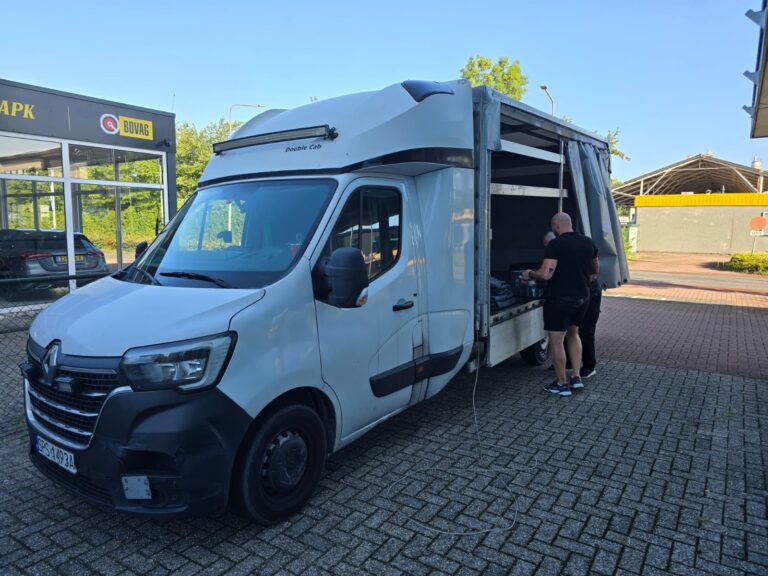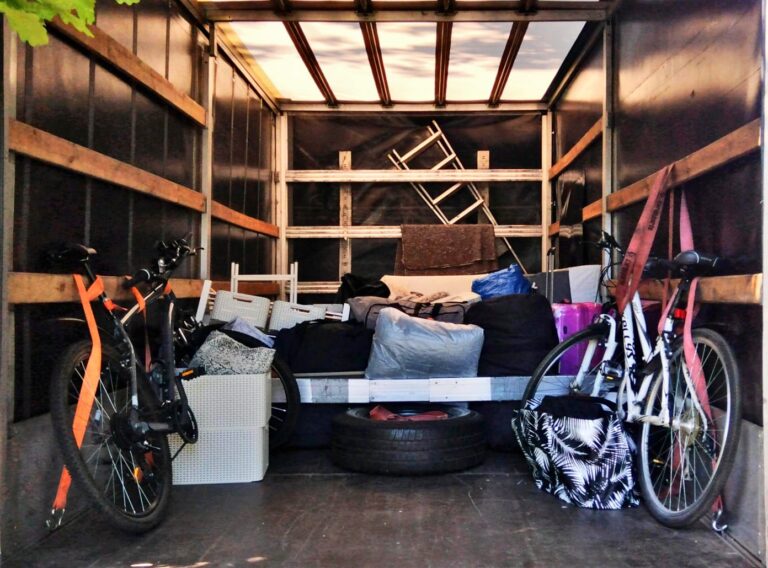

Moving to Spain is supposed to feel like sunrise. Warm air, a slower rhythm, a life that finally fits.
Then someone asks a deceptively simple question: how long can you stay in Spain?
That is where the excitement often turns into a tight little knot. Because time limits are real, paperwork is real, and nobody wants their new chapter to begin with stress.
This guide gives you clarity and momentum. You will learn the stay rules that matter, the documents that unlock long term life in Spain, and how to plan a smooth relocation with VANonsite, including GPS tracking for every load.
If you already know Spain is the destination, start here:
Quick answer: how long can you stay in Spain?
Before we get into moving boxes and coastal daydreams, get the rulebook straight. Your allowed stay depends on your nationality and your status.
| Who you are | Typical short stay rule | When you need to take action | What that action usually looks like |
|---|---|---|---|
| EU, EEA, or Swiss citizen | Up to 3 months without registering as a resident | When staying longer than 3 months | Register residence, get your NIE, arrange local admin |
| Non EU visitor (Schengen short stay) | Up to 90 days within any rolling 180 day period across Schengen | Before day 91 | Leave Schengen or secure a long stay visa or residence route |
| Non EU long stay (work, study, family, digital nomad) | Depends on your specific visa or residence permit | Before you travel or before your 90 days are used | Apply via official channels, then follow Spain registration steps after arrival |
Official starting points worth bookmarking:
- EU residence formalities (Your Europe): Registering residence
- European Commission guide to calculating 90 days in 180 (Short stay calculator manual): Short stay Schengen calculator manual
- Spain consular services (official starting point for visas): Ministerio de Asuntos Exteriores
The 90 days in 180 days rule, explained like a human
If you are a non EU visitor, Spain is part of the Schengen Area. That means your short stay time is usually counted across multiple countries, not only Spain.
Think of Schengen like a shared clock. It follows you.
- You get up to 90 days of short stay.
- Those 90 days must sit inside the most recent 180 days.
- Every new day you are in Schengen, the 180 day window moves forward.
- It is tracked per person, not per flight, and not “per country.”
Two details people miss (and regret):
- Entry day and exit day both count as days of stay.
- Time spent in other Schengen countries counts too, even if it was “just a weekend.”
How to calculate it in 30 seconds
If numbers make your eyes blur, do not worry. Use this simple method.
- List every Schengen entry date and exit date from the last 180 days.
- Count days for each trip, including the entry day and the exit day.
- Add them up. If the total is 90 or less, you are usually safe.
If you want the fastest, most reliable check, use the official EU calculator:
- European Commission short stay calculator: https://ec.europa.eu/assets/home/visa-calculator/calculator.htm?lang=en
A tiny mistake can become a big problem
Overstays can lead to fines, entry bans, or a painfully awkward conversation at the border. So treat your day count like a seatbelt. Not exciting, but it saves your future.
Two quick examples
Example 1: One clean trip
Imagine you stayed 30 days in France, then 60 days in Spain. You did not just “stay 60 days in Spain.” You used 90 Schengen days.
Example 2: The sneaky trap
- 20 days in Spain
- 10 days in Italy
- 15 days in France
- Back to Spain for 50 days
That is 95 days. It can happen without you feeling like you travelled much.
How this affects your removals plan
If your move plan includes a staged relocation, track this carefully. Your boxes can arrive on a schedule, but your legal time limit does not care about your shipping timeline.
If you are limited to short stay days, a smart tactic is to move essentials first, settle your housing, then ship the rest once your longer stay pathway is secure.
Staying longer than 90 days: your real pathways
This is the part where people either become calm or spiral. Let’s make it calm.
The big question is not only “Can I stay?” It is “What is my route to staying legally and comfortably?”
If you are an EU, EEA, or Swiss citizen
Spain is often straightforward for EU citizens, but “straightforward” does not mean “ignore it.” If you stay beyond three months, you usually need to register your residence and get admin in motion.
A helpful mental model:
- Empadronamiento is local address registration.
- EU registration certificate is your residency registration as an EU citizen.
- NIE is your foreigner identification number, used in many everyday processes.
Start with these official pages:
- EU residence registration overview: Your Europe
- EU registration certificate in Spain (Spain National Police): https://sede.policia.gob.es/portalCiudadano/_es/tramites_extranjeria_tramite_certificadoregistro_ciudadanoue.php
- NIE assignment info (Spain National Police): NIE assignment
- Appointments for many procedures: Cita previa Extranjería
Barcelona specific local registration guidance:
- Padrón in Barcelona (city guidance): Empadronamiento
Mijas local registration guidance:
- Mijas town hall appointments: Cita previa, Ayuntamiento de Mijas
A practical tip: book appointments early if you can. In popular areas, the calendar can be the real bottleneck, not your paperwork.
If you are non EU
If you want to stay beyond your Schengen short stay allowance, you usually need a long stay visa or residence permit route that fits your purpose.
Common categories include:
- Work
- Study
- Family reunification
- Other residence authorisations
A reliable official starting point is Spain’s consular services portal:
For a broad overview of residence authorisations managed under Migraciones:
A simple rule: do not gamble with this timeline. Choose your route first, then build your move schedule around it.
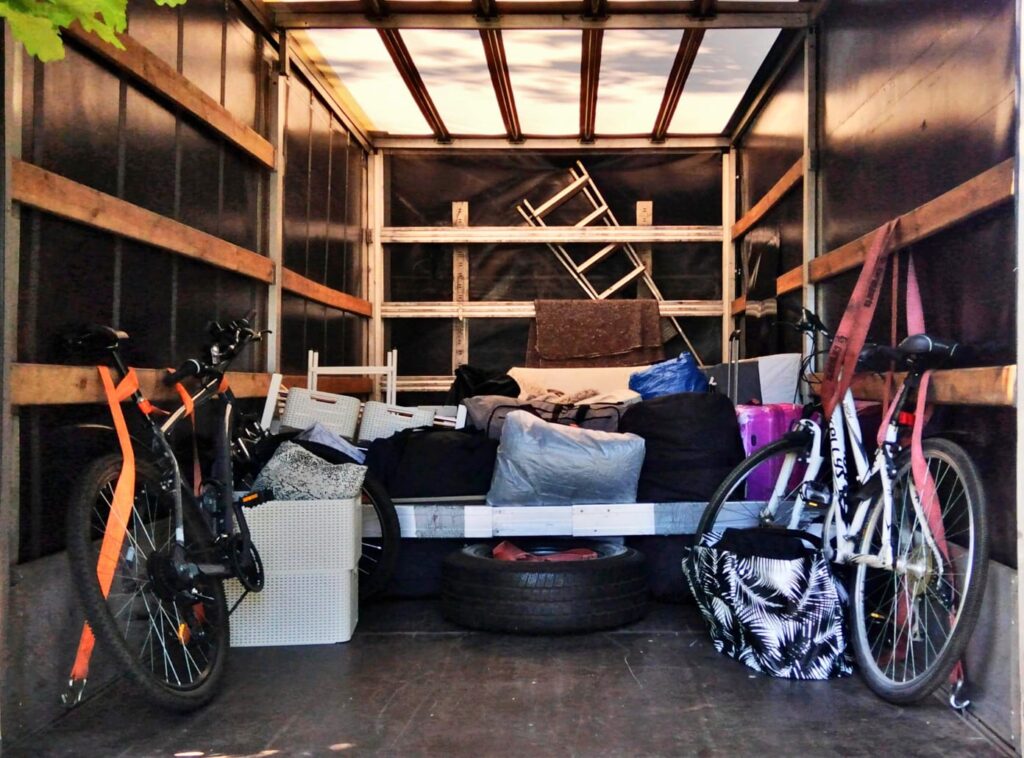
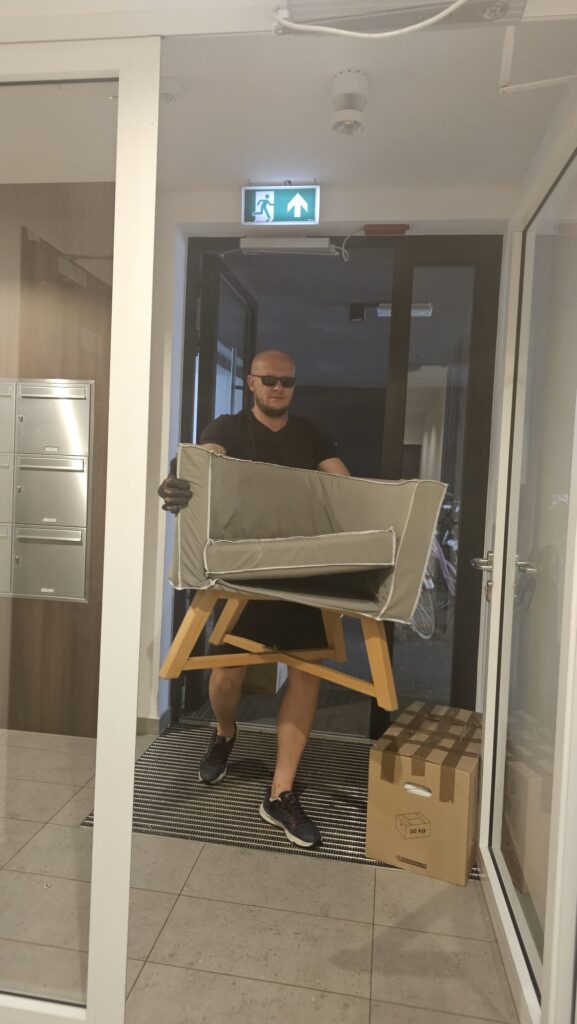
If you are arriving on a short stay first, consider a staged move with a man and van so you land light, settle housing, then expand once your longer stay path is confirmed.


Your moving timeline, aligned with your legal timeline
A Spain relocation feels luxurious when it is planned like choreography, not like a panic sprint.
The trick is to run two timelines in parallel:
- Your legal timeline (stay rules, visas, registration steps)
- Your moving timeline (packing, access, transport, delivery)
When those two timelines match, the move feels effortless.
10 to 14 weeks before
This is your foundation phase. You are not packing yet. You are removing future stress.
- Confirm your stay pathway (EU registration plan or visa route).
- Decide if this is a one step move or a staged move.
- Pick your target area and your non negotiables (work commute, schools, beach access, airport distance).
- Start a single “Spain folder” with documents, scans, and appointment links.
A small but powerful move: if you are non EU and your long stay route is not final yet, plan a staged relocation. Move essentials first with a man and van, then ship the rest when your residency path is secure.
8 to 12 weeks before
Now you turn intention into a real plan.
Start with decisions that remove friction later.
- Choose your city and neighbourhood.
- Declutter brutally, especially heavy low value items.
- Make a simple inventory and take photos of bulky pieces.
- List any high value items or fragile pieces so protection can be planned.
A quick declutter filter that works:
- If it is heavy, cheap, and replaceable, do not move it.
- If it is sentimental or expensive, protect it properly.
4 to 8 weeks before
Now you build certainty. This is the stage where strong logistics saves money.
- Book your removals window.
- Confirm access on both ends: parking, lifts, stairs, carry distance.
- Decide if you need packing or white glove handling.
- If you are non EU, confirm what you need before travel.
If you want your quote to be accurate, share these early:
- Floor level and lift details
- The legal parking distance at both addresses
- Photos of the tightest stair turn and narrowest doorway
- A list of large “anchor” items: bed, sofa, wardrobe, dining table
2 to 3 weeks before
This is the calm packing window. Everything gets easier if you do not leave it to the last minute.
- Pack by room, not by category.
- Create a simple label system: ROOM-01, ROOM-02.
- Mark priority on boxes:
- P1: open in the first 24 hours
- P2: open in the first week
- P3: later
- Keep documents and essentials separate.
If you are moving furniture, plan protection, not hope.
72 hours before
This is the final polish phase. You are not doing everything. You are doing the right things.
- Confirm the access plan one last time: parking, lift booking, move hours.
- Charge devices, pack adapters, and keep chargers reachable.
- Prepare a “First Hour” kit and load it last.
- Print one copy of your inventory and keep it with you.
A simple First Hour kit checklist:
- Toilet paper, soap, towel
- Scissors, tape, marker
- Bedding essentials
- A kettle or coffee kit
- One plate, one mug, one fork
Moving day
Two habits keep moving day clean.
- Do a fast photo sweep before loading.
- Walk the access route from van to door and remove small obstacles.
If you want the day to feel smoother, keep one person focused on doors, neighbours, lift, and parking. That prevents micro chaos.
First 48 hours in Spain
This is where people either feel settled or feel stranded. Make it easy on your future self.
- Open P1 boxes only.
- Set up the bed and one light.
- Confirm internet and mobile.
- Book key appointments if needed.
Here is a quick reality table for the first days.
| Priority | What to do | Why it matters |
|---|---|---|
| Day 1 | Sleep, eat, set up bed | You make better decisions rested |
| Day 2 | Internet, mobile, utilities | Life and work start working |
| Day 3 | Appointments and document folder | Admin moves faster with prep |
| Day 4 to 7 | One room fully unpacked | Your home starts feeling real |
Where to live in Spain and why it changes your move
Spain is not one experience. Your city decides your daily rhythm and your moving day reality.
It also decides the practical stuff that affects your removals quote: stairwells, parking rules, lift size, and how far the van can legally stop from your front door.
Choose your Spain vibe first, then plan the logistics
If you want a city that is electric, layered, and intensely alive:
Barcelona is beautiful, but it can be strict on access and timing. Many buildings have narrow stairs and small lifts. Plan the street to door route early.
If you want Costa del Sol calm and a lifestyle built around light:
Mijas often means hills, tight streets, and driveways that look cute until moving day. A smart vehicle size and a clear parking plan keeps everything smooth.
If you are still choosing between city energy and coastal ease, ask yourself one blunt question: do you want to walk everywhere, or do you want space and sun with a car?
The access reality you should ask about before you sign a rental
These questions feel unromantic, but they prevent chaos.
- Is there a lift, and does furniture actually fit?
- Are there building move hours, or lift booking rules?
- What is the legal place for the van to stop?
- What is the carry distance from street to door?
- What is the narrowest doorway and tightest stair turn?
A practical tip: the prettiest flats often have the toughest stairwells. Ask about lift size and moving hours before you commit. Then measure the narrowest doorway and the tightest stair turn, because those two numbers decide everything.
Before you make the classic mistakes, read this first:
Choosing the right removals option: what fits real life
You do not need the “perfect” service. You need the right one for your volume, your timing, and your stress tolerance.
Here is the simple truth: the best moving choice is the one that matches your constraints. Access, deadlines, and how much you can realistically pack.
A quick comparison table
| Your situation | Best fit | Why it works |
|---|---|---|
| Small move, tight streets, flexible timing | man and van | Agile, faster loading, easier parking |
| Mostly furniture, a few premium pieces | Furniture removals, packing optional | Better protection and smarter loading |
| Household move with beds, wardrobes, kitchen | Home removals | Structure, speed, less mental load |
| Fragile, high value, sentimental items | Packing and white glove | Fewer breakages, calmer delivery |
| Office move where downtime hurts | Office removals | Planned timing and efficient handling |
| Dates changed, keys moved, you need it now | Last minute moving | Fast response and clear plan |
| Keys do not line up, renovation delays | Storage | You avoid a rushed move and keep control |
Option 1: man and van
A man and van move is ideal when you want speed and agility.
It shines for:
- Studio and 1 bedroom moves
- Student relocations
- Staged moves (essentials now, the rest later)
- Tight access in older streets
- People who want to land light, then expand later
A small tip that saves money: send a realistic box count and photos of your biggest items. It helps choose the right vehicle size and avoids last second surprises.
If you are moving as a student, this is built for you:
Option 2: furniture focused removals
If your move is mainly key pieces, do not treat it like “just a few items.” Furniture needs protection and smart loading.
This is the sweet spot for:
- Sofas, beds, wardrobes, dining sets
- Delicate surfaces and premium materials
- Moves where scratches would ruin the win
- Furniture Removals
If you want a full furniture shipping guide:
Option 3: full home removals
When you are moving a household, full removals is the option that feels like you can finally exhale.
It works best when:
- You have multiple rooms and a real inventory
- You need clear timing and a clean delivery plan
- You want one coordinated process instead of 50 tiny tasks
- Home Removals
Option 4: packing and white glove delivery
If your items are premium, fragile, sentimental, or all three, upgrade the handling.
This is for people who want to arrive and feel relief, not fear.
Option 5: last minute moving
Plans change. Landlords change dates. Flights shift. A move can become urgent overnight.
If you need speed with control, this is the route:
- Last Minute Moving
A practical move: be ready with your inventory, access details, and a short list of must have delivery times. Speed loves clarity.
Storage
Sometimes the most intelligent move is not forcing the timeline.
If your keys do not line up, or you are renovating, storage keeps you calm. You move once, store safely, then deliver when your home is ready.
- Storage
Business moves
If downtime matters, plan like a pro.
Office moves reward precision. Clear packing zones, labelled equipment, and timed delivery prevents your first workday from turning into a mess.
A tiny checklist for choosing fast
If you can answer these, you can choose correctly in minutes.
- Do you have strict dates, or can you be flexible?
- Is access easy or tricky (stairs, lifts, parking distance)?
- Are you moving mostly boxes or mostly furniture?
- Do you want speed, savings, or certainty?
- Do you need packing support, or can you pack safely?
If you want your move to feel predictable, share access details early and choose the service that matches them. Your future self will thank you.

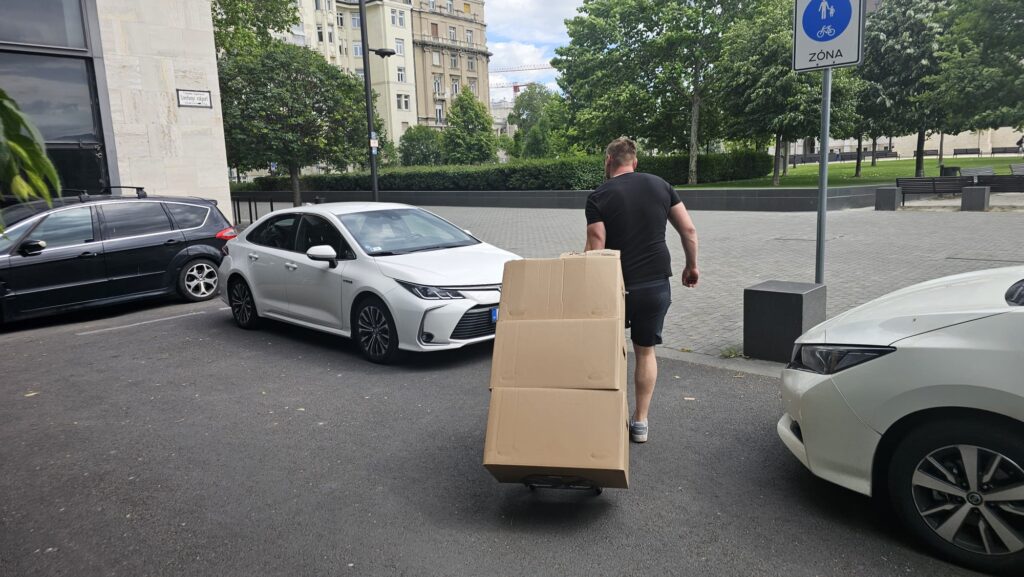
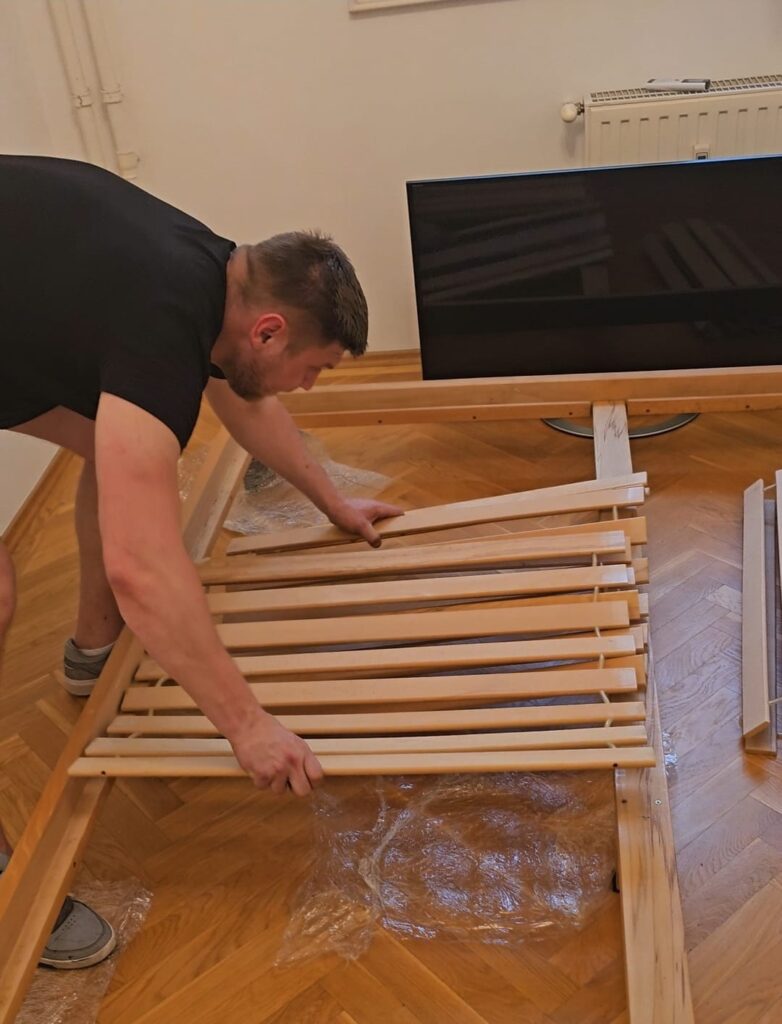

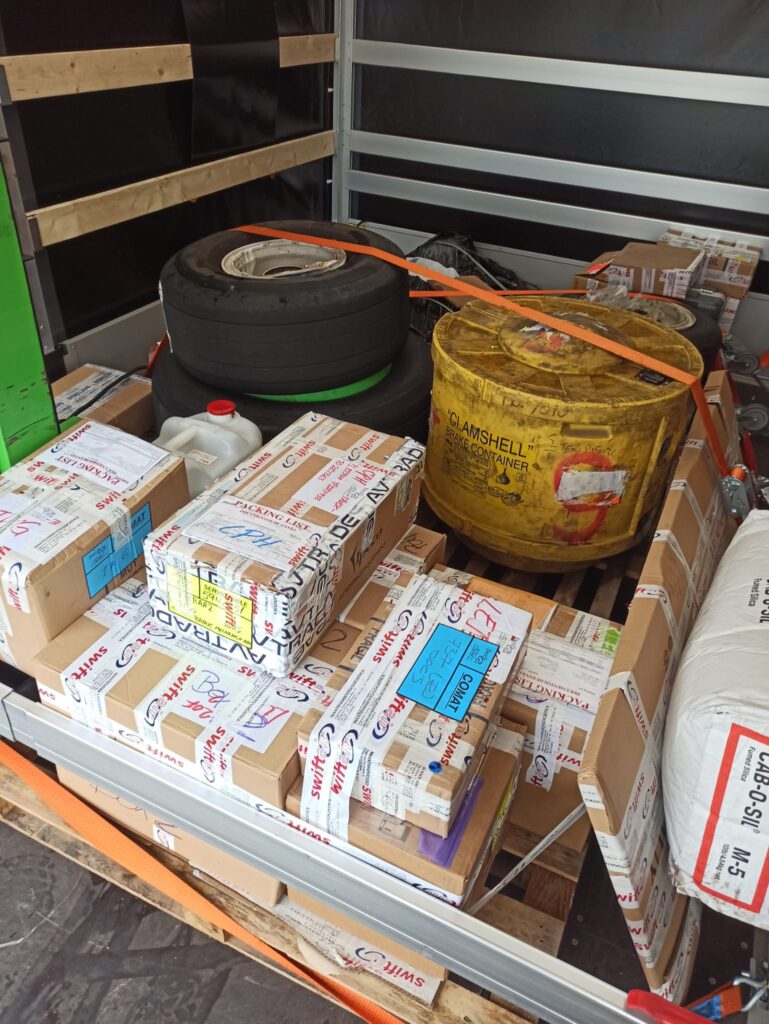
Vehicle sizes offered by VANonsite
Picking the wrong vehicle size is the silent villain of moving day. Overpacked vans crush boxes, scrape corners, and turn unloading into a puzzle.
But the smarter truth is this: vehicle size is not only about volume. It is about time, safety, and control.
A van with breathing room means faster loading, safer stacking, less rushing, and fewer dents that mysteriously appear when nobody is watching.
The options, clearly
| Vehicle option | Volume | Max load | Best for |
|---|---|---|---|
| Moving Basic | 5 m3 | 300 kg | A few boxes, suitcases, small items |
| Moving Medium | 10 m3 | 600 kg | Studio moves, light furniture |
| Moving Premium | 15 m3 | 1000 kg | 1 bedroom core items |
| Moving Premium Plus | 30 m3 | 3500 kg | 2 to 3 bedrooms |
| Moving Full House XXL | 90 m3 | 20000 kg | Large homes and heavy loads |
A rule that prevents regret: if your first thought is “we can squeeze it,” size up.
A fast way to choose without guesswork
Use the “boxes plus anchors” method.
- Count your boxes honestly, then add 20 percent.
- List your anchor items, the pieces that cannot be squashed: sofa, bed, wardrobe, dining table, large mirrors.
- If you have more than three anchors, or one awkward anchor like a corner sofa, choose the next size up.
This keeps your move calm because you are planning for real life, not for a perfect packing fantasy.
Typical loads by size
This is not a promise. It is a practical mental picture.
- Moving Basic (5 m3)
- Perfect for suitcases, small boxes, a small chair, or a few flat pack items.
- Best for: essential first moves and minimal relocations.
- Moving Medium (10 m3)
- Often fits: a studio worth of boxes, a small sofa, a bed frame, and small furniture.
- Best for: student moves, short term stays, and man and van relocations.
- Moving Premium (15 m3)
- Often fits: 1 bedroom essentials with a few furniture pieces.
- Best for: couples, home office setups, and staged household moves.
- Moving Premium Plus (30 m3)
- Often fits: 2 to 3 bedrooms, including larger furniture and more boxes.
- Best for: families and people who want one clean delivery.
- Moving Full House XXL (90 m3)
- Built for: large homes, heavy loads, and complex furniture.
- Best for: full household moves where speed and structure matter.
Two common mistakes that cost money
- Underestimating weight
Books, tools, and kitchen items can hit weight limits fast. Heavy items belong in smaller boxes so they stay safe to carry.
- Underestimating access
If the van cannot stop close to the door, a “small” move can turn into a long carry. Long carries mean more time and more risk. Share parking distance and stairs details early.
Quick checklist for the quote
If you want the right vehicle on the first try, send:
- A rough box count
- Photos of your largest items
- Floor level and lift details
- Parking distance at both addresses
That is how you get an accurate plan and a calmer moving day.
Packing for a Spain move without breakages
Packing is not busywork. It is damage control.
The goal is simple: your items arrive in the same condition they left, and you can unpack without dread.
Packing that actually protects your move
If you are packing yourself, these habits work:
- Wrap corners first, because corners take the hits.
- Keep glass and mirrors upright.
- Bag screws and fittings, label them, and tape them to the item.
- Do not overfill boxes.
- Pack by room, not by category.
Materials that make packing feel easier
You do not need a mountain of supplies. You need the right ones.
- Strong boxes in mixed sizes
- Packing paper for glass and delicate items
- Bubble wrap for high risk pieces
- Stretch wrap for drawers and soft protection
- Furniture blankets for corners and surfaces
- Tape, scissors, and a marker that actually writes
A small upgrade that saves time: colour labels or a simple room code, like KITCH-01, BED-02.
The label system that saves your first week
Write three things on every box:
- Room
- Contents in five words or fewer
- Priority level
Use this simple priority code:
- P1: open in the first 24 hours
- P2: open in the first week
- P3: later
This keeps unpacking from becoming a chaotic treasure hunt.
Room by room packing tips
Kitchen
- Wrap plates vertically like records.
- Put heavy items in small boxes.
- Label “GLASS” in big letters where needed.
Bedroom
- Keep bedding in one P1 box.
- Bag wardrobe rails and fittings with labels.
Living room
- Protect sofa corners and table edges.
- Photograph cable setups before unplugging.
Home office
- Keep one essentials pouch: charger, adapter, mouse, key documents.
- If you are moving monitors, protect corners and keep them upright.
A simple fragile rule
If it can shatter, it travels upright and cushioned. Never flat under pressure.
When to upgrade to professional packing
If your load includes premium furniture, awkward shapes, or sentimental items you cannot replace, professional packing is not a luxury. It is calm insurance.
If you want faster packing and fewer breakages, this is the shortcut:
If you want careful handling for premium items and delicate deliveries:
Documents you may need to move and stay in Spain
Paperwork feels boring until it blocks your life. Build one clean folder and your move becomes lighter.
The easiest way to stay sane is to split everything into three piles:
- What stays with you (never in the van)
- What travels with the load
- What lives in the cloud, saved as PDFs
Core documents that most movers keep ready
Keep originals with you, plus digital copies.
- Passport or national ID
- Proof of address in Spain (rental contract, deed, accommodation confirmation)
- Transport booking confirmation
- Inventory of items (also useful for insurance)
If you want a small upgrade that saves your first week, add these:
- A simple room by room inventory with photos of high value items
- A list of serial numbers for laptops, cameras, and monitors
- A short “must arrive first” list (kettle, bedding, work gear)
Keep these with you, not in the van
Even with GPS tracking and careful handling, certain items should stay in your personal bag.
- Passports and IDs
- Essential medication and prescriptions
- Laptop and chargers
- Keys, contracts, and any visa paperwork
- One bank card and some emergency cash
It sounds cautious. It also stops a minor delay from turning into a full day of stress.
Spain admin links that help you stay organised
These are official pages worth saving:
- NIE assignment: Spain National Police
- Appointments system: Cita previa Extranjería
- Consular services and visa guidance: Ministerio de Asuntos Exteriores
If you are moving to Barcelona, local registration guidance is here:
If you are moving to Mijas, town hall appointments are here:
A quick documents checklist by situation
Your exact list depends on your status, but this table helps you spot what you might be missing.
| Your situation | Keep ready | Why it matters |
|---|---|---|
| EU citizen staying over 3 months | ID, address proof, appointment confirmations | Smooth registration and fewer admin delays |
| Non EU visitor planning a longer stay | Passport, stay pathway documents from your consulate, address proof | Your timeline depends on the right route |
| UK to Spain household move | Inventory, proof of residence change, ownership evidence | Customs can ask for proof and clarity |
If your move is urgent but your paperwork is still in motion, a staged relocation can be the calm choice. Move essentials first with a man and van, then ship the rest once your admin dates are locked in.
Customs and shipping household goods, especially from the UK
If you are moving within the EU, household goods transport is often simpler. Still, an inventory and clear packing list helps with insurance, claims, and smart unloading.
If you are moving from the UK into Spain, customs steps may apply because the UK is treated as a third country for EU customs. Handle it early and your move stays clean.
UK to Spain: the official pages to start with
UK official guidance:
- Declaring personal goods into or out of the UK: GOV.UK guidance
Spain official guidance on transfer of residence relief:
What customs may ask for
You do not need to memorise every rule. You do need to arrive prepared.
Typical proof and paperwork includes:
- Passport or ID
- Proof you are changing residence
- Proof you lived outside the EU for a qualifying period
- Proof of your new address in Spain
- A detailed inventory (packing list) with approximate values
- Evidence the goods are personal and not commercial
Spain’s tax agency also explains common conditions for duty relief, including residence history, ownership period, and time limits for declaring goods after you establish residence.
What usually cannot travel under “household goods” relief
Rules vary, but common exclusions include alcohol and tobacco. Always check the official guidance above before you ship.
A practical moving tip that reduces customs stress
Label boxes by room and number them. Then match your inventory to those box numbers.
When customs wants clarity, “Box 12: kitchen, plates, pans” is gold. “Mixed items” is a headache.
If London is your starting point, this route guide helps:
What affects the cost of moving to Spain?
Spain removals pricing is shaped by more than distance. It is usually about volume, access, and how tightly you need the timeline.
| Cost factor | Why it matters | How to keep it under control |
|---|---|---|
| Volume and weight | Determines vehicle size and labour | Declutter, share a realistic inventory |
| Access | Stairs, lifts, long carries add time | Share photos, measure tight points |
| Packing level | Protection and time | Use packing service for fragile loads |
| Timing | Peak season books fast | Use a flexible date window |
| Special items | Need extra handling | Flag them early for planning |
FAQ
How long can I stay in Spain as a tourist?
Most non EU visitors can stay up to 90 days within any rolling 180 day period across Schengen. Use the official short stay calculator guidance to avoid accidental overstays.
How long can an EU citizen stay in Spain?
EU, EEA, and Swiss citizens can generally stay up to three months without registering, then must follow residence registration formalities if staying longer.
Can I move to Spain first and handle paperwork later?
Sometimes, yes, but it depends on your nationality and your stay plan. If you are non EU and planning a long stay, the smartest route is usually to align your paperwork with your move timeline so you do not end up rushed.
Is a man and van enough for moving to Spain?
Often, yes, especially for smaller moves, student relocations, and staged moves. A man and van can be the calmest way to land first, then bring the rest once keys and admin are settled.
Can I track my belongings during the move?
Yes. VANonsite provides GPS tracking for every load, so you can follow progress without guesswork.
Ready to move to Spain with a plan that feels calm?
If you want a quote that is fast and accurate, send these details in one message:
- Pickup and delivery postcodes
- Floor levels, lift or stairs details
- Rough box count and list of large items
- Photos of bulky or fragile pieces
- Your preferred date window
Start your route planning here:
If you are comparing routes, these guides help:
- Removals Spain to France
- Removals to Germany from Spain
- Removals to Belgium from Spain
- Removals to Switzerland from Spain
Your move can feel fast, safe, and oddly satisfying. The secret is simple: match the legal plan to the moving plan, then let the logistics run with care.