
Moving to Spain after Brexit is not only a change of postcode. It is a shift in the rules you live under, the proof you need to show, and the money you need ready before you even unpack the kettle.
So, how much money do I need to move to Spain after Brexit? The honest answer is: it depends on how you move, how you rent, and how quickly you need certainty. Still, you can absolutely budget this with confidence, and that is where most people win or wobble.
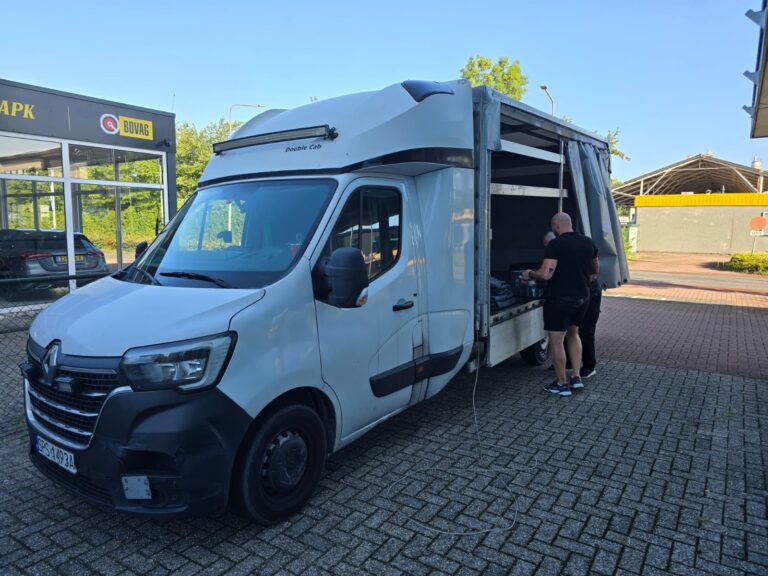
This guide breaks down the real costs, step by step, so you can estimate your move without guesswork. It also shows how VANonsite keeps the transport side fast, safe, and calm, with GPS tracking for every load, and flexible options from man and van essentials moves to full home removals.
If you already know Spain is the destination, start here:
TL:DR
- Split your budget into three layers: removals, Spain setup, and a buffer that protects you from delays.
- Transport cost is driven by volume, access, and timing. Distance matters, but it is rarely the whole story.
- From the UK, set aside a separate paperwork pot for customs steps, translations, and appointments.
- If you can be flexible on dates, part load can save money. You trade cost for control.
- If you want peace of mind, dedicated transport reduces touch points, handling risk, and schedule stress.
- If your visa or keys are not locked in, stage the move: essentials first with a man and van, then the rest.
- Keep extra cash for deposits, utilities, and the first month reality, so you never make rushed decisions in a new country.
The honest answer in one minute
Most people underestimate moving costs because they think in one bucket: transport. That is understandable. The van is visible. The hidden costs are quieter.
In reality, a successful relocation after Brexit needs three budgets working together, like a three legged stool. If one leg is missing, the whole thing wobbles at the worst moment.
- Your move budget: getting your belongings to Spain safely, on a timeline that fits your keys and your life.
- Your setup budget: securing a home, turning lights on, and making Spain feel livable from day one.
- Your survival buffer: money that protects you when paperwork, landlords, or timelines move slower than your optimism.
Here is the practical rule that prevents panic: plan for transport plus at least six to twelve weeks of living costs, then add the visa and document layer if you are relocating long term.
If you want a number today, use this simple map:
- Removals cost + packing and protection
- Housing upfront (deposit plus first rent) + utilities setup
- Buffer (weeks of living costs) + paperwork and appointment costs
If you want a simple check, ask yourself this: if your delivery is delayed by a week, can you still sleep well, eat well, and keep your plans intact?
The three budgets that decide whether you land calmly
1) Your move budget
This is everything related to physically getting your stuff to Spain: removals, packing, protection, access complexity, and timing.
What shapes the price the most:
- Your volume and weight
- Stairs, lifts, parking distance, and carry time
- Your date window and how flexible you can be
- Whether you need packing, fragile protection, or white glove placement
A smart move budget is not only about cheaper. It is about fewer touch points and fewer surprises. That is why service level matters. It changes how much control you have on moving week.
If you are moving essentials or doing a staged relocation, a man and van can be the cleanest option. It is fast, agile, and perfect for landing light.
If you are moving a full home, structure matters. Proper packing and careful loading is what keeps your favourite items from arriving with scars.
What to decide early, because it changes everything:
- Are your dates fixed or flexible?
- Is this essentials only, or a full home?
- Do you want lower cost, or lower stress?
Useful route pages for planning:
2) Your setup budget
This is the money you need to turn Spain from a destination into a functioning life. It is the part of the budget that often arrives in one loud wave.
It usually includes:
- Rental deposit and first rent payment
- Additional guarantee requested by landlords
- Utilities and internet setup
- Basic furniture or replacements
- Local transport while you settle
A tiny truth that saves stress: your setup budget is not about buying everything. It is about buying time and comfort so you can make good decisions.
If you arrive without a setup cushion, you end up buying the wrong things fast. You choose the first flat because you are tired. You accept awkward dates because you feel cornered. A solid setup budget gives you breathing room.
3) Your survival buffer
This is not optional. It is emotional insurance. It is what stops a delay from turning into panic.
A buffer protects you when:
- A visa appointment shifts
- Customs clearance takes longer than expected
- A rental move in date changes
- You need temporary accommodation
A realistic buffer turns stress into patience. And patience is a superpower during relocation.
If you want a simple buffer test, set aside enough for:
- Short term accommodation if needed
- Extra transport days if keys change
- A calm plan B, just in case
The biggest cost drivers, and the ones people forget
Here is what typically shapes the final number. The goal is not to memorise it. The goal is to recognise where your money is really going, so you can choose what to optimise.
1) Volume and weight
This is the single biggest driver of transport cost. More volume means a bigger vehicle, more loading time, and often more crew support.
The quiet trap is weight. Books, tools, kitchen items, and gym equipment can push a load into heavier handling, even when the space looks manageable.
Fast ways to reduce this cost without losing comfort:
- Declutter heavy, low value items first.
- Replace cheap, bulky items in Spain instead of paying to move them.
- Use smaller boxes for heavy items so they stay safe to carry.
2) Access
Access is the difference between a smooth load and a long carry that eats time.
Access costs show up when:
- There is no lift, or the lift is too small for furniture.
- The van cannot park close to the entrance.
- Streets are narrow, steep, or time restricted.
- You have tight stair turns, low ceilings, or awkward doorframes.
Two moves can have the same number of boxes, but wildly different costs, simply because one building is kind and the other is a maze.
A simple way to protect your budget is to share the access facts early:
- Floor level
- Lift size, or no lift
- Parking distance from van to door
- Any time restrictions for loading
3) Timing
Timing is not only about the date. It is about how tight your date window is.
Costs often rise when:
- You must move on a specific day.
- You are moving at month end.
- You need a last minute pickup.
- Your building only allows moves on one limited slot.
If you want to spend less, flexibility is a superpower. Even a two day window can change the options.
4) Protection level
Protection is where you either pay a little now, or pay a lot later in stress.
The more fragile or premium your items, the more important protection becomes:
- Professional packing reduces breakage risk.
- White glove handling helps with premium pieces and careful placement.
Useful services:
5) Distance and route
Distance matters, but it is not the whole story. Routes can differ in time, border process complexity, and delivery planning.
If your move involves multiple stops, tricky access, or strict delivery dates, the route planning becomes part of the value.
6) Paperwork and compliance
After Brexit, compliance is a real layer of cost and effort. Even when you handle it smoothly, it still belongs in your budget.
Common cost lines include:
- Visa application fees where relevant
- Translations and legalisation or apostille when required
- Customs steps for household goods coming from the UK
- Insurance required under certain visa routes
The two most underestimated drivers
The underestimated drivers are almost always access and timing. A move can be small, but still expensive if the van cannot stop close to the door, or if your key handover forces a one day deadline.
The fastest way to get an accurate quote
Share these details once and your quote becomes sharper, quicker, and more reliable:
| What to share | Why it matters |
|---|---|
| Pickup and delivery postcodes | Route planning and local access |
| Floor level and lift info | Labour and handling time |
| Parking distance and street notes | Carry time, permits, practicality |
| Rough box count plus biggest items | Vehicle sizing and loading plan |
| Photos of bulky and fragile items | Protection plan and safety |
| Your preferred date window | Flexibility affects routing and price |


Moving costs from the UK to Spain
Transport costs vary because every move is a scenario, not a spreadsheet. Still, you can estimate your range by choosing the right service level.
VANonsite offers flexible options, all with GPS tracking for every load.
- Last Minute Moving
- Furniture Removals
- Home Removals
- Packing Service
- White Glove Delivery
- Office Removals
- Storage
- Student Removals
Choose the service level that matches your reality
If you want a quick decision without overthinking, use this:
- If dates are strict and items are valuable, choose higher control.
- If dates are flexible and the load is moderate, choose efficiency.
- If you are unsure about your visa timeline, stage the move.
Option A: man and van
A man and van move is the cleanest way to relocate essentials or do a staged move.
It is ideal when:
- You are moving a room, studio, or light apartment
- You want an essentials first landing
- You are relocating in phases
- You have tight access on either end
It also helps when your Spain plan is still in motion. Move the essentials. Settle. Then bring the rest with confidence.
Small but powerful tip: keep your essentials delivery simple. One bed. One set of bedding. One box of kitchen basics. One work kit. That is how you land comfortably.
Option B: part load
Part load can reduce cost because you share space, but it needs flexibility.
It works well when:
- Your dates are flexible
- You are moving a moderate amount of items
- You can accept a broader delivery window
Avoid it if you have a strict key handover date or a building that allows moves only on one fixed day.
Part load feels best when you treat it like a smart trade: you save money, and you pay with patience.
Option C: dedicated transport
Dedicated transport is about control. Your items travel with fewer touch points and a sharper timeline.
It is the right choice when:
- You need a specific delivery day
- You have fragile or premium items
- You want a smoother, more predictable experience
If your move includes expensive furniture, instruments, or sentimental pieces you would hate to see damaged, fewer touch points is not a luxury. It is strategy.
Option D: full home removals
Full removals is the structured route for family moves and larger households.
It suits:
- Multiple rooms of furniture
- High box counts
- People who want the move to feel calm, not heroic
Pair it with:
If your household has a lot of small, fragile items, the best money you spend may be on packing. It protects your belongings and it protects your energy.
Quick comparison
| Service level | Best for | Why it feels good | What to plan |
|---|---|---|---|
| man and van | Smaller or staged moves | Fast, flexible, human | Inventory and access details |
| Part load | Lower cost, flexible dates | Efficient and budget friendly | Wider delivery window |
| Dedicated | Fixed timing, premium items | Highest control | Higher cost, smoother day |
| Full removals | Homes and larger moves | End to end structure | Packing level, access rules |
A simple cost control checklist
If you want to spend less without sacrificing safety, focus on the levers that actually move the price.
- Declutter heavy items first.
- Share accurate access notes early.
- Give a wider date window.
- Use packing only where it matters most.
- Consider a staged move if your timeline is uncertain.
Vehicle size guide: choose once, not twice
Choosing the smallest van that might fit is a classic mistake. Overpacked loads create pressure damage, slower unloading, and sometimes a second trip.
Think of space in two ways:
- Volume: how much you own.
- Shape: how awkward your biggest items are.
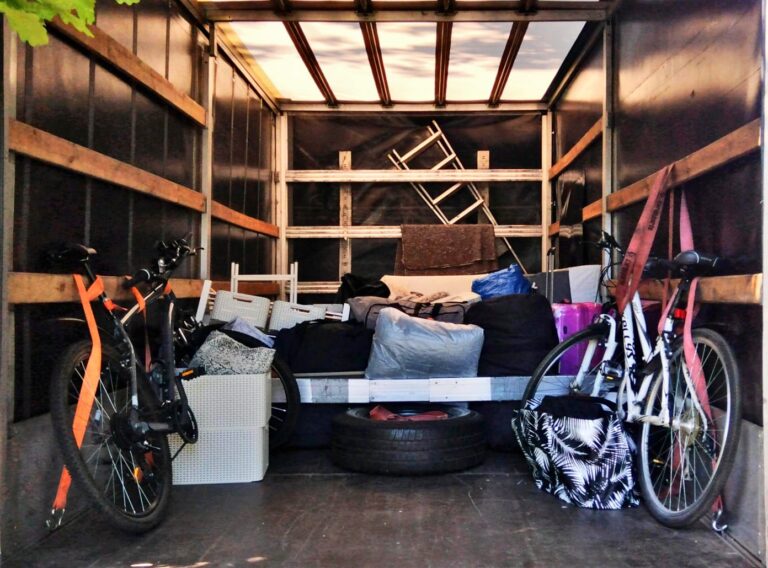
A sofa, a mattress, a dining table, and a bike do not just take space. They steal the clean corners you need for safe stacking.
VANonsite vehicle options:
| Vehicle option | Volume | Max load | Best for |
|---|---|---|---|
| Moving One | 1 m3 | 100 kg | A few boxes, suitcases, urgent essentials |
| Moving Basic | 5 m3 | 300 kg | Light boxes and small items |
| Moving Medium | 10 m3 | 600 kg | Studio moves, light furniture |
| Moving Premium | 15 m3 | 1000 kg | One bedroom core items |
| Moving Premium Plus | 30 m3 | 3500 kg | Two to three bedrooms |
| Moving Full House XXL | 90 m3 | 20000 kg | Large homes, heavy loads |
A faster way to pick the right size
If you want a quick choice without measuring every mug, use this checklist.
- Essentials only (first landing kit, boxes, suitcases): Moving One or Moving Basic
- Studio or small one bedroom (bed, small sofa, dining set, boxes): Moving Medium or Moving Premium
- Two to three bedrooms (full furniture, appliances, high box count): Moving Premium Plus
- Whole house (multiple large rooms, heavy items, lots of furniture): Moving Full House XXL
If your move is still uncertain because of visas or housing dates, do not force a full load too early. A staged move with a man and van can be the smartest way to land calm.
The safety margin that prevents breakage
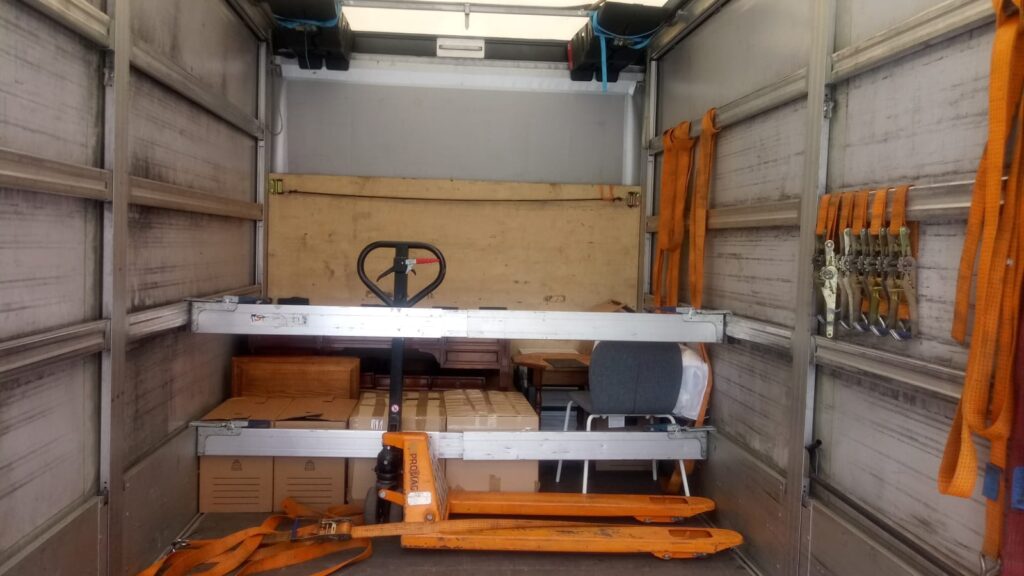
A van that is packed to the ceiling leaves no breathing space for protective blankets, straps, and clean separation between heavy and fragile items.
A simple sizing rule that saves money: if your first thought is “we can squeeze it”, size up.
Post Brexit paperwork costs
This is where many budgets fall apart, because people plan for transport but not for compliance.
To keep your budget honest, treat paperwork as its own cost category. Not because it is scary, but because it is real.
Step one: are you moving, or visiting?
If you are a UK citizen, Spain is inside the Schengen Area. That usually means 90 days in any 180 day period without a long stay visa. If your plan is a genuine move, you will likely need the correct visa or residence pathway.
Official guidance to start with:
- UK government travel advice for Spain: https://www.gov.uk/foreign-travel-advice/spain
- Schengen short stay rules and calculator: https://home-affairs.ec.europa.eu/policies/schengen-borders-and-visa/visa-policy_en
The cheapest mistake is still expensive: committing to long term rentals and removals without first confirming your legal stay route.
The paperwork budget, broken into four pieces
- Your legal stay route (the correct visa or residence pathway)
- Your documents (translations, legalisation, certified copies)
- Your admin logistics (appointments, travel, extra days in temporary accommodation)
- Your customs readiness (inventory, proof of residence change, ownership evidence)
When you see it like this, you stop guessing. You start planning.
Visa routes and financial requirements
Visa fees and proof of funds can change, and requirements depend on your situation. Always verify on official sources before you pay for translations or appointments.
Start here:
- Spain consular services and guidance: https://www.exteriores.gob.es/en/ServiciosAlCiudadano/Paginas/Servicios-consulares.aspx
Common long stay routes include work visas, digital nomad routes, and the non lucrative visa. Each can have different proof of funds requirements, insurance rules, and document needs.
Budget impact often includes:
- Visa application fees
- Document translations
- Legalisation or apostille for certain documents
- Travel to appointments
- Health insurance that meets visa conditions
Translations, sworn translators, and legalisation
This is the part people forget to cost. It is not dramatic. It is just a stack of small fees that adds up.
Expect to budget time and money for:
- Certified or sworn translations when required
- Legalisation or apostille for certain UK issued documents
- Extra copies, scans, and official printouts
The best move is to confirm the exact document list on official sources first, then translate only what you truly need.
NIE and appointments
Even if your visa is approved, Spain admin has its own rhythm.
Official NIE guidance:
- Spain National Police, NIE assignment: https://sede.policia.gob.es/portalCiudadano/_en/tramites_extranjeria_tramite_asignacion_nie.php
Official appointment system for many immigration procedures:
- Cita previa Extranjería: https://sede.administracionespublicas.gob.es/icpplustiej/icpplus/citar?locale=es
Budget tip: if you are travelling for appointments, build a small contingency for extra nights. Admin timelines can be stubborn.
Customs and transferring household goods from the UK
Moving household goods from the UK into Spain may involve customs. Many people may qualify for relief when transferring normal residence, but conditions apply.
Official starting points:
- UK personal goods declarations guidance: https://www.gov.uk/guidance/check-how-to-declare-personal-goods-you-bring-into-or-take-out-of-the-uk
- Spain Tax Agency, transfer of residence relief: https://sede.agenciatributaria.gob.es/Sede/en_gb/no-residentes/exenciones-viajeros-embajadas-otros/traslado-actividad-empresarial-residencia-otros/traslado-residencia-franquicias-exencion-impuestos.html
- EU duty relief framework info: https://taxation-customs.ec.europa.eu/customs/customs-procedures-import-and-export/duty-relief_en
What customs usually wants to see
Keep it simple, clear, and consistent.
- Proof of identity
- Proof you are changing residence
- Proof of your Spanish address
- An inventory with box numbers and item categories
- Approximate values for higher value items
A customs friendly inventory also protects you for insurance and delivery clarity.




Spain set up costs: rent, deposits, and the first month reality
Most people expect the move to be the expensive part. Then Spain hits you with the quiet, instant costs that do not wait politely until payday. The first month is less about luxury and more about cashflow, comfort, and speed.
Here is the good news: if you plan your setup budget properly, you arrive feeling steady, not squeezed.
Typical upfront housing costs
Landlords and agencies often request some combination of:
- First month rent
- Security deposit
- Additional guarantee depending on contract and risk profile
The exact amount depends on your city, property, and contract terms. Plan for more cash upfront if you are renting in major hotspots or peak seasons.
A simple mindset shift helps here. Do not think “rent” only. Think “keys cost money”. Your first payment day can include several pieces that land at once.
The first month cashflow checklist
Use this as a practical quick scan before you sign anything:
- Upfront housing payments (rent, deposit, guarantee)
- Utility setup and first billing cycle (electricity, water, gas where relevant)
- Internet and mobile plan setup (including a temporary data plan)
- Local transport for your first two weeks (because you will be moving constantly)
- Essentials you cannot improvise without (bedding, towels, kitchen basics)
City guides that help you anticipate access and building reality:
- Moving to a major city: Removals to Barcelona
- Costa del Sol planning: Removals in Mijas, Spain
Setup costs people forget
These small costs stack quickly. They also arrive at the worst time, when you are tired and your brain is still in travel mode.
- Utility deposits or connection fees
- Internet installation and temporary data plans
- Basic home items you do not realise you need until night one
- Local transport and short term accommodation
To make this feel easy, build a tiny “landing kit” budget. It is the money that makes the first 72 hours comfortable.
A realistic landing kit
Keep it simple. You are not furnishing a showroom. You are buying peace.
- Bedding you will genuinely sleep on
- One good pan, one sharp knife, one chopping board
- Charging cables, extension lead, plug adapters
- Cleaning basics (you will want them before you want them)
- A small grocery run for breakfast and a few dinners
A smart mini table to budget the setup layer
| Setup item | Why it matters | Smart budgeting tip |
|---|---|---|
| Housing upfront | This is what secures your keys | Keep this money separate from removals money |
| Utilities | You need a functional home, fast | Assume a messy first billing cycle and give it space |
| Internet and mobile | Work, banking, and admin rely on it | Plan a temporary data solution for day one |
| Local transport | You will have appointments and errands | Budget for extra trips, not the perfect scenario |
| Essentials | Comfort prevents rushed purchases | Buy only what improves day one, not day thirty |
A smart move is not to buy everything immediately. Let Spain tell you what you actually need.
Recommended cash buffer by household type
This is a practical way to think about the money you should have available before you commit. It is not about being dramatic. It is about being unshakeable.
A buffer gives you oxygen. It turns a “problem” into a “delay” and a “delay” into a quiet shrug.
If you have ever arrived in a new country and discovered the keys are tomorrow, not today, you already understand the power of a buffer. One extra night becomes an annoying story, not a budget crisis.
Before the table, do this one quick step: write down your weekly living costs in Spain, even if it is only a rough estimate. Include rent, groceries, transport, and bills. Your buffer becomes easy once that weekly number is real.
| Who is moving | Move type | Minimum buffer mindset | Safer buffer mindset |
|---|---|---|---|
| Solo mover | Essentials with man and van | 6 weeks living costs | 10 to 12 weeks living costs |
| Couple | Staged or dedicated move | 8 weeks living costs | 12 weeks living costs |
| Family | Full removals | 10 weeks living costs | 3 months living costs |
| Student | Light man and van | 4 to 6 weeks living costs | 8 weeks living costs |
What your buffer should actually cover
A buffer is not a secret stash for shopping. It is a financial seatbelt.
- Temporary accommodation if keys do not line up
- Extra nights if appointments shift
- Utility deposits, connection fees, or unexpected setup costs
- A short gap between jobs, clients, or first payments
- Extra transport or storage days if timing changes
- One unpleasant surprise you did not see coming
Buffer triggers to watch for
If any of these are true, lean toward the safer buffer column:
- You are moving at peak season or month end
- Your rental is not fully confirmed yet
- You have important appointments in your first two weeks
- You are waiting on a visa timeline or a key decision
- You are moving with children, pets, or a high pressure work start date
A simple buffer formula
If you want a number you can trust, use this:
- Weekly living costs x number of buffer weeks
- Add one time setup costs (rent deposit, first month, utility setup)
- Add paperwork costs if you are staying long term
If you are unsure where you land, choose the safer buffer. A buffer is expensive only until the first time it saves you.
A real world budgeting calculator you can copy
Use this structure to create your personal estimate. It is simple, fast, and honest.
If you only do one thing after reading this guide, do this. Put numbers in the boxes. Even rough numbers create clarity, and clarity makes moving decisions feel lighter.
Step 0: Pick your move style in one sentence
Before you budget, choose your baseline, because it changes the entire shape of the costs.
- Essentials first, staged move with a man and van, then a second trip later
- One clean move with dedicated transport, so dates and delivery are predictable
- Full home removals with packing, for the calmest experience
Once you choose a baseline, you stop budgeting in circles.
Step 1: Build your move budget
- Transport and servicesThink of this as the physical move layer.
- removals service level (man and van, part load, dedicated, full removals)
- vehicle size decision (too small is how damage and second trips happen)
- packing and protection (full packing or fragile only)
- dismantling and reassembly (beds, wardrobes, desks)
- access complexity (stairs, lift size, parking distance)
- storage if dates do not align
- special items (bikes, instruments, artwork, large mirrors)
- Paperwork and complianceThink of this as the permission layer.
- visa fees if applicable
- translations and legalisation or apostille where required
- travel to appointments and extra nights if you need to stay over
- insurance requirements under your chosen route
- customs preparation time and cost (inventory, proof documents)
- Housing and setupThink of this as the keys and comfort layer.
- rent and deposit
- extra guarantee if requested
- utilities, internet, essentials
- temporary accommodation if keys do not line up
- local transport for your first two weeks
- Survival bufferThink of this as the calm layer.
- set aside a fixed number of weeks of living costs
- add a small “admin friction” cushion for delays and rescheduling
Step 2: Copy this mini worksheet
This is not a spreadsheet. It is a fast clarity tool. Fill it in once and you will feel the move click into place.
| Category | Your estimate | Notes to make it accurate |
|---|---|---|
| Transport | Volume, access, date window | |
| Packing and protection | Fragile items, dismantling needs | |
| Storage | Only if keys do not align | |
| Paperwork | Visa, translations, copies | |
| Customs readiness | Inventory and proof docs | |
| Housing upfront | Deposit, first month, guarantees | |
| Utilities and internet | Setup fees, initial costs | |
| Essentials on arrival | Bedding, kitchen basics, local transport | |
| Pet or child add ons | Extra accommodation, travel flexibility | |
| Admin travel | Appointments, document runs, extra nights | |
| Survival buffer | Weeks of living costs |
The quick buffer calculator
To choose your buffer without overthinking:
- Write your weekly living costs.
- Multiply by 6, 8, 10, or 12 depending on your risk level.
- Add a small “friction amount” for delays.
If your keys, visa, or job start date is strict, go higher. If everything is already secured and flexible, you can go lower.
A simple “reality proof” checklist
If you tick two or more of these, budget for the safer option.
- My keys are not fully confirmed yet
- My visa timeline is still in motion
- I have a fixed start date for work or school
- I am moving with children or pets
- I need my delivery on a specific day
Step 3: Pressure test your budget
Ask these questions, and answer them honestly.
- If my move slips by seven days, does my budget still work?
- If my rental plan changes, can I afford a plan B without panic?
- If I need two extra nights in temporary accommodation, am I still fine?
- If I need storage for one week, do I have room for it?
If the answer is “maybe”, that is not failure. That is a signal to strengthen your buffer or stage the move.
Step 4: Choose one lever to improve your number
When people try to cut costs, they often cut the wrong thing. Instead, choose one lever that keeps safety intact.
- Increase your date flexibility
- Stage the move: essentials first with a man and van
- Declutter heavy low value items
- Use professional packing only for fragile and premium items
- Improve access planning with clear notes and photos
Example checklist to request an accurate removals quote
A quote gets sharper when the details are real. The goal is simple: remove surprises.
- Pickup and delivery postcodes
- Floor levels and lift or stairs details
- Parking distance and access notes (narrow streets, time restrictions)
- Rough box count and list of large items
- Photos of bulky or fragile pieces
- Any dismantling needs (beds, wardrobes, desks)
- Preferred date window
- Any “must deliver by” constraint
A fast bonus: a short phone video from street to front door at both addresses.
How to cut costs without cutting safety
Saving money is smart. Cutting protection is expensive.
If you have ever watched a favourite mug crack because someone rushed a box, you already know the truth: speed without care is not efficiency, it is chaos with a price tag.
Try these strategies instead:
- Declutter like you mean it. Shipping low value heavy items is often the most painful way to spend money.
- Move in phases. A man and van essentials move first can reduce pressure and keep your decisions clean.
- Be flexible on dates. Flexibility can unlock better routing and lower costs.
- Share access details early. Surprises cost more than honesty.
- Use packing where it matters. Protect the items that would hurt to replace.
7 smart savings that still feel premium
- Sell bulky, cheap furniture before you move and replace it in Spain.
- Keep one “essentials first” kit and move it early with a man and van.
- Pack clothes in suitcases and vacuum bags to reduce box count.
- Label boxes by room and fragility level so unloading is faster and safer.
- Use professional packing for fragile, high value, or sentimental items.
- Avoid last minute bookings where possible, because urgency is expensive.
- Be honest about access, because hidden stairs cost more than any discount.
If you want the mistakes to avoid, this guide is worth reading before you book:
A timeline that keeps your move smooth
10 to 12 weeks before
- Confirm your legal stay route if you are relocating long term
- Choose your target area in Spain
- Start decluttering and inventory
- Collect key documents and confirm what needs translation
6 to 8 weeks before
- Choose service level and date window
- Photograph bulky and fragile items
- Confirm building access on both ends
- Decide whether you are staging the move or doing it in one go
3 to 6 weeks before
- Book removals and any packing or white glove care
- Build your document folder and inventory
- Plan temporary accommodation if needed
- Book any appointments you can, then give them buffer days
2 weeks before
- Pack non essentials by room
- Prepare a first night kit that stays with you
- Confirm contacts, access notes, and timing
- Create a simple box list with numbers, room, and fragile tags
Moving day
- Keep documents, medication, chargers, and keys with you
- Load heavy items first, fragile protected
- Track progress with GPS and stay reachable
FAQs
How much money should I have before I move to Spain after Brexit?
Aim for transport plus a cash buffer. A safer plan includes six to twelve weeks of living costs, and more if you need visa compliance, customs clearance, or temporary accommodation.
If you want a cleaner way to estimate, think in four pots:
- Transport and services (removals, packing, storage)
- Paperwork and compliance (visas, translations, appointments)
- Housing and setup (deposit, first month, utilities)
- Buffer (weeks of living costs)
Do I need a visa to move to Spain as a UK citizen?
If you are staying beyond the Schengen short stay allowance, you will likely need the correct long stay pathway. Start with official guidance:
- https://www.gov.uk/foreign-travel-advice/spain
- https://www.exteriores.gob.es/en/ServiciosAlCiudadano/Paginas/Servicios-consulares.aspx
Important: visa rules and document requirements can change, so always confirm your exact route before paying for translations or booking removals.
How long can I stay in Spain without a visa?
This depends on your nationality and status. For many UK travellers, the common rule is 90 days in any 180 day period.
Use official sources:
And for a practical explainer:
Do I need customs paperwork to move my belongings from the UK?
Your move may involve customs when goods cross from the UK into the EU. Official starting points:
- https://www.gov.uk/guidance/check-how-to-declare-personal-goods-you-bring-into-or-take-out-of-the-uk
- https://sede.agenciatributaria.gob.es/Sede/en_gb/no-residentes/exenciones-viajeros-embajadas-otros/traslado-actividad-empresarial-residencia-otros/traslado-residencia-franquicias-exencion-impuestos.html
A practical tip: keep a clear inventory with box numbers, short descriptions, and a separate list for higher value items.
What documents should I prepare for a smooth post Brexit move?
Even when you do everything right, paperwork has its own pace. The best strategy is to keep all key documents in one folder you can access quickly.
A simple starter checklist:
- Passport and travel documents
- Proof of your Spanish address (once you have it)
- Your inventory for household goods
- Proof you are changing residence, where relevant
- Appointment confirmations and copies of submitted forms
For official entry and travel requirements, start here:
Is a man and van enough for a move to Spain?
Yes, for staged moves, essentials first relocations, and smaller loads. It is also a smart choice when access is tight in either city.
If your timeline is uncertain, a man and van essentials delivery can be the calmest option. You land, settle, then move the rest when keys and paperwork are locked in.
What is the cheapest way to move to Spain without risking damage?
The cheapest route is usually not the safest, so aim for smart savings instead of risky shortcuts.
The best value combination tends to be:
- Declutter heavy low value items first
- Use professional packing for fragile and premium items only
- Share access details early so the plan is accurate
- Keep a flexible pickup or delivery window if you can
If you want the common traps to avoid:
How long do removals from the UK to Spain take?
It depends on distance, routing, and whether you choose part load or dedicated transport.
A simple rule:
- Dedicated transport prioritises speed and predictability
- Part load prioritises savings and flexibility
If you have a fixed move in date, dedicated transport is often the safer choice.
Can you help with packing and premium items?
Yes. If you want less stress and fewer breakages, packing support is one of the strongest upgrades you can make.
Do you offer storage if my keys do not line up?
Yes. Storage can be the quiet hero when timelines shift. It protects your schedule and prevents rushed decisions.
Do you offer removals for students, offices, and furniture only?
Yes. You can match the service to your move instead of forcing a full home package.
Book your move with VANonsite
A move to Spain should feel like a beginning, not a bureaucratic wrestling match.
VANonsite keeps your relocation smooth with flexible service levels, careful handling, and GPS tracking for every load. That means fewer unknowns, clearer timing, and a stronger sense of control when you need it most.
Why movers choose VANonsite
- GPS tracking for every load
- Options for everything from man and van essentials to full home removals
- Packing and white glove support when items need extra care
- Practical planning focused on access, timing, and protection
The fastest way to get a quote that actually stays accurate
Send these details and the plan becomes clear:
- Pickup and delivery postcodes
- Floor levels and lift or stairs details
- Parking distance and access notes
- Rough box count plus your biggest items
- Photos of bulky or fragile pieces
- Your preferred date window
Explore route and service pages
- Removals to Spain
- Removals London to Spain
- Removals to Barcelona
- Removals in Mijas, Spain
- Shipping furniture to Spain
- Packing Service
- White Glove Delivery
- Home Removals
- Furniture Removals
- Office Removals
- Student Removals
- Biggest mistakes when moving to Spain
- How long can you stay in Spain
Related routes, if Spain is part of a wider Europe plan
- Removals Spain to France
- Removals to Germany from Spain
- Removals to Belgium from Spain
- Removals to Switzerland from Spain
If you want a fast quote, send your pickup and delivery postcodes, floor levels, a rough inventory, and a few photos of bulky items. Then the right vehicle size and service level becomes obvious, and the move becomes calm.