
Relocating to Spain can feel like stepping into a brighter version of your own life.
At first, it is all imagination. Morning light through shutters. A lunch that lasts longer than your old commute. The gentle feeling that time belongs to you again.
Then reality taps your shoulder.
Paperwork. Deadlines. Appointments. Boxes. Fragile things. That one drawer you forgot existed, packed with cables from 2014.
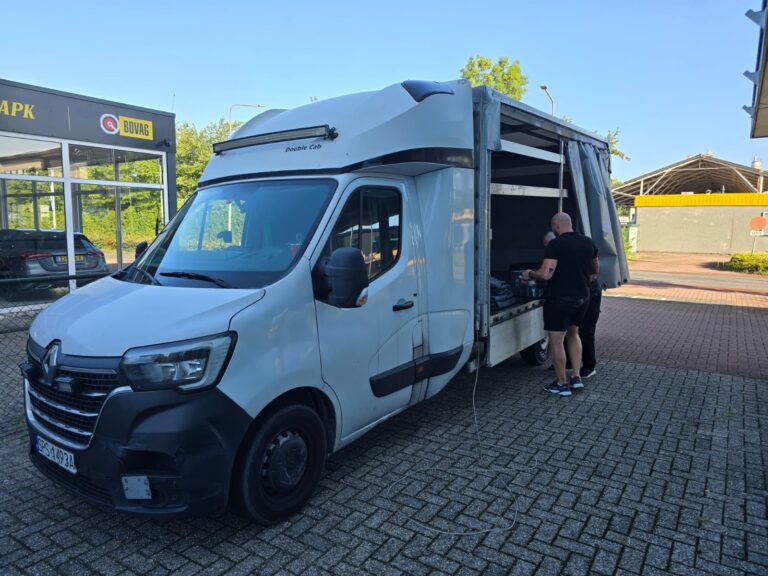
This guide is your road map from dream to doorstep. You will learn how to stay legal, what documents to prepare, how to budget, how to pack, and how to move your belongings across Europe with a trusted man and van option and GPS tracking for every load.
If you want the most direct moving route, start here:
TL:DR
Relocating to Spain gets dramatically easier when you treat it like a project with a timeline, not a wish with a suitcase.
- Choose your legal stay route first, because it decides your moving dates and your stress level.
- Build a simple Spain folder with originals, copies, and scans, because Spain rewards clean paperwork.
- If you are British, track the 90 days within any rolling 180 day period across Schengen and leave yourself buffer.
- Budget for the move, the landing week, and a buffer that protects your nerves and your choices.
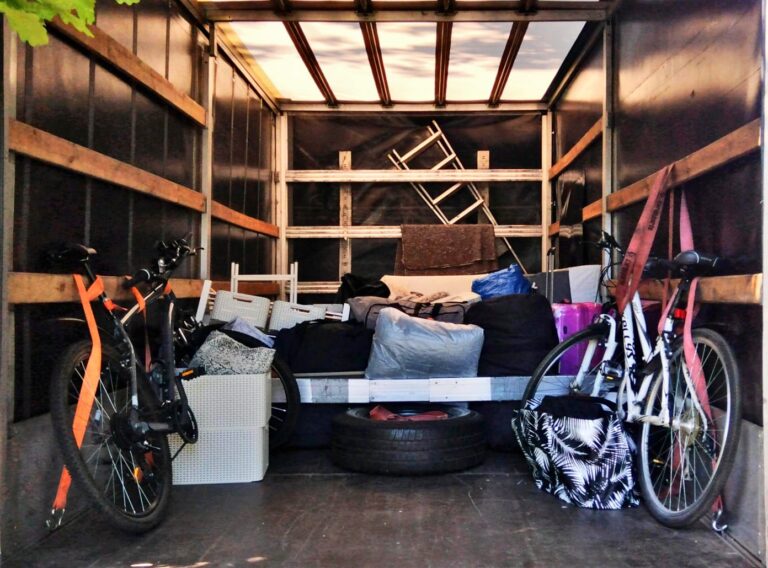
- Declutter early, measure bulky items, and choose the right van size so you do not pay twice for a second trip.
- Pack with intention or use a packing service for fragile items and furniture, because damage is expensive and preventable.
- Pick a mover with real time GPS tracking so your relocation stays predictable, even when the road is not.
Why relocating to Spain feels different after Brexit
Before Brexit, many people treated Spain like a long holiday with better coffee.
Now, time matters. Rules matter. Your calendar has edges.
If you are British, you can usually visit Spain for a short stay under Schengen rules. But long term life in Spain normally needs a visa or a residence route.
This changes your move in a practical way.
You cannot just drift into a relocation. You have to sequence it.
The big shift
Relocating to Spain after Brexit is not harder. It is simply more structured.
When you build the structure early, your move feels lighter.
- You pick a realistic arrival date
- You stage your belongings instead of rushing everything
- You protect your Schengen days for what matters
If you want a clear breakdown of the short stay limit and how the days stack up, use this guide:
And when your dates feel confusing, use the official calculator and screenshot the result:
What people underestimate
Most people underestimate two things.
1) How quickly travel days vanish.
A scouting trip. A packing trip. A final handover. Maybe one more trip because the landlord changed the date.
You can burn weeks without noticing.
2) How emotional a move becomes when paperwork is messy.
When you cannot find the right document, the whole relocation suddenly feels heavier.
That is why we build a Spain folder early.
The good news
Spain is not trying to punish you.
Spain is trying to identify you, register you, and keep systems consistent.
When you show up with tidy paperwork and a clear plan, Spain becomes surprisingly cooperative.
How long can you stay in Spain and which route fits?
The best relocation plan starts with one blunt question.
Are you moving for a season, or moving for real?
Short stay visits
Most British citizens can stay up to 90 days within any rolling 180 day period across the Schengen area for short stays.
This matters because relocation is rarely one clean trip.
It is usually a series of trips.
- a scouting trip to choose an area
- a packing trip to close your life in the UK
- a final moving trip to land properly
Those trips can quietly burn your allowance.
For the official UK overview, keep this page saved:
A tiny tip that saves big stress
Do not aim for day 90.
Aim for day 75 or day 80.
That buffer protects you when flights move, appointments slide, or life does what life does.
Longer stays and residency routes
If you want to live in Spain beyond the short stay limit, start with the official Consulate of Spain in London guidance:
A simple rule that keeps your move calm.
If your plan is long term, build your moving date around the paperwork, not the other way around.
Which route fits your life?
Use this as a fast filter. It is not legal advice. It is a practical starting point.
| Your plan | What people often use | What it changes for your move |
|---|---|---|
| You want to live quietly without working in Spain | Non lucrative visa | You can plan a stable, long term arrival |
| You work remotely and want to stay long term | Digital nomad route | Your proof pack becomes income focused |
| You are studying for a longer period | Study visa | Your course dates shape your timeline |
| You are taking a job in Spain | Work route | Often employer driven, more steps |
How this affects your moving strategy
Once you know your route, you choose your moving style.
- Staged relocation: essentials first, then full load once the timeline is stable
- One big relocation: full household move when dates are locked
Staged relocation is often the calmer option.
It is also where a man and van service fits beautifully.
You move what matters most first. Then you breathe. Then you scale.
If you want the full checklist that covers the whole relocation journey, this guide is a perfect companion:
The relocation timeline that keeps you calm
Relocating to Spain is easier when you run two tracks at the same time.
- Track one: legal route and appointments
- Track two: inventory, packing, and transport
Think of it like this.
Track one decides whether you can stay.
Track two decides whether you can live comfortably when you arrive.
If either track falls behind, stress leaks into everything.
Your relocation rhythm
This is the rhythm that keeps the move clean.
- Decide the legal route
- Lock a realistic arrival window
- Declutter and inventory
- Choose transport and van size
- Pack in waves
- Confirm handover details
- Land gently and start admin
16 to 12 weeks before
This is your runway.
- Pick your legal route and a realistic arrival window
- Start your Spain folder and scan everything
- Track your Schengen days if you are British and plan a buffer
- Begin decluttering hard, not gently
- Request quotes and decide your moving style
Small move, big win.
Create a single note called Spain Move Log. Add every appointment, every login, every reference number. Your future self will thank you.
12 weeks before
This is your foundation.
- Create a first inventory list, with photos of bulky items
- Choose your van size based on volume, not hope
- Plan whether you will stage the move or do it in one go
- Decide which items must travel with you, not in the load
If you are staging, the first shipment is usually:
- essentials and clothing
- work kit
- a few comfort items that make the new place feel like home
10 to 8 weeks before
This is where the move becomes real.
- Confirm pickup and delivery access details
- Confirm parking options and carry distance at both ends
- Plan your essentials kit and first night box
- Start packing non essentials
A practical tip that prevents chaos.
Pack a moving day backpack now. Do not wait.
- passports and key documents
- medication
- chargers
- water and snacks
- keys and access codes
8 to 6 weeks before
This is where you protect your timeline.
- Confirm dates and flexibility window
- Book transport
- Book packing support if you need it
- Start organising key appointments and required documents
If you are moving furniture or fragile items, consider support here:
6 to 4 weeks before
This is where you protect your future self.
- Pack room by room, label by priority
- Photograph fragile items and valuable furniture
- Prepare a clean inventory with realistic values
- Separate an essentials pile, then keep it sacred
3 to 2 weeks before
This is where you remove surprises.
- Confirm collection and delivery time windows again
- Confirm who is present at pickup and delivery
- Confirm where keys will be and how access works
- Do a final declutter pass, especially the awkward heavy stuff
Moving week
This is where you keep it simple.
- Keep documents, medication, chargers on you
- Keep a printed address sheet and a digital copy
- Keep water and snacks close
- Keep your first night box easy to reach
A timeline table you can screenshot
| Timeframe | Track one: legal and admin | Track two: moving and logistics |
|---|---|---|
| 16 to 12 weeks | Choose route, gather requirements, start appointments | Declutter, quotes, decide staged vs one trip |
| 12 to 8 weeks | Prepare proof pack, keep scans tidy | Inventory, choose van size, start packing non essentials |
| 8 to 4 weeks | Confirm appointment plan, lock dates | Book transport, confirm access, pack in waves |
| 3 to 0 weeks | Final checks, keep documents ready | Confirm windows, moving day backpack, first night box |
If you want to start your route planning now:


Documents you need: the Spain folder that unlocks everything
Paperwork is not glamorous. Still, it is pure momentum.
When your documents are ready, rentals feel easier. Appointments feel faster. Your whole relocation stops wobbling.
The Spain folder
Create one folder called Spain Move, both digital and physical.
- Passport and copies
- Proof of address
- Proof of funds or income
- Health cover or insurance, depending on your route
- Birth and marriage certificates, if relevant
- A written inventory of your belongings
Add a small extra that saves time.
- A one page cover note with your full name, address, email, phone
- Two passport photos
- A printed travel log for your entry and exit dates
- A digital folder with scanned PDFs named clearly, for example Passport, Proof of Address, Insurance
The documents people forget until it hurts
These are the quiet deal breakers.
- Rental contract drafts or proof of accommodation for certain processes
- Proof of income consistency, not just a one off screenshot
- Extra passport copies for different offices
- Your UK document legalisation plan if you need an apostille
If you have UK documents that need to be accepted officially in Spain, start here:
NIE, padrón, and TIE
These names show up everywhere.
| Document | What it is | Why it matters | Official guidance |
|---|---|---|---|
| NIE | Foreigner Identity Number | Banking, rentals, utilities, many processes | Consulate of Spain in London: NIE |
| Empadronamiento | Municipal registration | Proves your local address and unlocks many steps | Check your local town hall site |
| TIE | Foreigner Identity Card | Residence card on many long stay routes | National Police: Extranjería portal |
How to handle empadronamiento without losing your mind
Empadronamiento is local, so the process and booking method depends on your municipality.
Start by finding your official town hall site and searching for Padrón or Empadronamiento.
Here are a few examples to show you what those pages look like:
- Madrid: Padrón municipal
- Barcelona: Padró Municipal d’Habitants
- Valencia: Padrón municipal
Booking appointments through the official system
To book Extranjería appointments, use the official portal:
A practical appointment kit.
Bring a simple folder with:
- originals
- copies
- a pen
- your appointment confirmation
Digital identity for Spanish admin
This sounds boring, but it is a secret weapon.
When you have it, many tasks stop being a waiting room problem.
Driving in Spain
If you become resident and plan to drive, check the official DGT guidance early:
Pets
If your relocation includes a pet, start with the official UK guidance:
A quick document needs table
Use this as a fast organiser. Your route may change what you need, but this gives you a clean starting point.
| Situation | What you will likely need ready | Official starting point |
|---|---|---|
| Short stay visit planning | Passport, travel log, accommodation details | Spain entry requirements |
| Long stay move | Visa route proof pack, insurance, funds, copies | Consulate of Spain in London |
| Settling at an address | Empadronamiento documents, rental contract | Your local town hall site |
| Residency card steps | Appointment confirmations, copies, supporting docs | Extranjería portal |
If you want a deeper, step by step checklist, this complete guide pairs perfectly with this section:
Money and budgeting: the real costs people forget
Relocation costs are not just the transport quote.
You are also paying for the week where nothing is set up yet and you still need to live like a human.
A budget structure that keeps you calm
- The move itself: transport, packing, protection
- The landing: deposit, first month rent, basics
- The buffer: the surprise week where something shifts
Quick cost reality table
| Cost driver | Why it matters | How to keep it controlled |
|---|---|---|
| Volume and van size | Space is money | Inventory early and declutter hard |
| Access at both ends | Time changes everything | Share stairs, lift, parking details |
| Timeline urgency | Last minute costs more | Book earlier and keep flexibility |
| Packing level | Protection prevents loss | Pack in waves or outsource fragile items |
For a deeper Brexit focused money plan, use this guide:
Moving your belongings: transport options, van sizes, and services
A good mover delivers boxes. A great mover delivers certainty.
VANonsite offers premium European removals with GPS tracking for every load, so you can follow progress without guesswork.
Start here:
Choose the service that fits your move
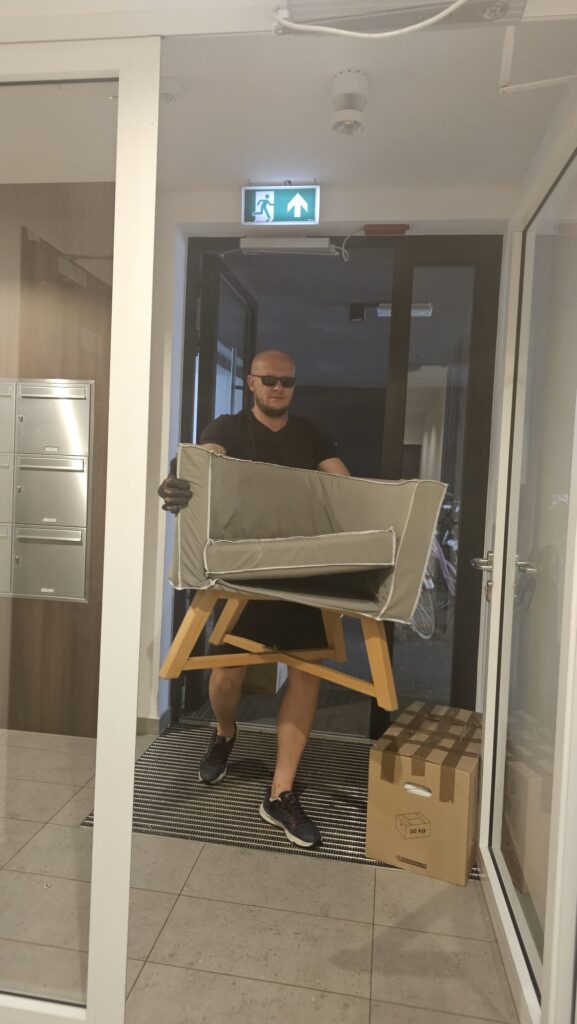
- Furniture heavy relocation: Furniture Removals
- Full household move: Home Removals
- Fast packing help: Packing Service
- Premium handling: White Glove Delivery
- Business relocation: Office removals
- Student move: Student Removals
VANonsite vehicle sizes
Choosing the right size avoids the classic disaster: paying for a second trip.
| Vehicle | Volume | Max payload | Best for |
|---|---|---|---|
| Moving One | 1 m3 | 100 kg | A few boxes, urgent essentials |
| Moving Basic | 5 m3 | 300 kg | Student room, minimal studio |
| Moving Medium | 10 m3 | 600 kg | Small 1 bedroom, light furniture |
| Moving Premium | 15 m3 | 1000 kg | 1 to 2 bedroom with furniture |
| Moving Premium Plus | 30 m3 | 3500 kg | Family move, bulky furniture |
| Moving Full House XXL | 90 m3 | 20000 kg | Full household relocation |
Quote checklist that saves time
Send these details and your quote becomes sharper, faster, and fairer.
- Pickup and delivery postcodes
- Target dates and flexibility window
- Box count and major items list
- Photos of bulky furniture
- Access details at both addresses
Packing and protection: how to avoid damage and drama
Packing is not about boxes. It is about control.
If it can move, it can break. So you pack like a realist, not an optimist.
Here is the truth nobody wants to hear, but everybody needs.
It is not the long drive that breaks things.
It is the tiny moments.
A corner that bumps. A box that slides. A glass that has space to rattle. A drawer that opens at the wrong second.
When you remove those risks, your move feels almost effortless.
The packing mindset
Think of every box as a promise.
A promise that what you love arrives intact.
That promise is built with three habits.
- Remove empty space
- Protect edges
- Label clearly enough that a stranger can understand you
Your packing supplies list
You do not need fancy gadgets. You need the right basics.
- Double wall boxes for books and kitchen items
- Medium boxes for most household goods
- Wardrobe boxes for hanging clothes
- Packing paper for glass and ceramics
- Bubble wrap for delicate shapes
- Stretch film for drawers and textiles
- Heavy duty tape that does not split
- Marker pens that do not fade
- Furniture blankets for large pieces
- Zip bags for screws and fittings
- A roll of labels or coloured stickers
A tiny detail that saves hours.
Choose two label colours.
One colour for the destination room.
One colour for priority.
It turns unloading into a system, not a debate.
A simple packing system
- One room at a time
- Label with room and priority
- Keep a first night box sacred
- Keep documents and valuables with you
Now, make it sharper.
The priority labels that work
Use this exact set.
- Open first
- Open soon
- Open later
- Storage
It sounds small. It feels enormous on day one.
The first night box
This is the box that makes you feel human.
Pack it as if you are arriving at midnight, tired, and slightly overwhelmed.
- Toiletries, towels, and basic cleaning wipes
- Chargers, extension lead, and a small tool kit
- Kettle or coffee kit, mugs, and simple cutlery
- One pan and a chopping knife
- Medication and a mini first aid kit
- Snacks and water
- Bedding for the first night
What to keep with you
These items travel with you, not in the load.
- Passport and key documents
- Medication
- Laptop and chargers
- Valuables and sentimental items
- Keys, access codes, and appointment confirmations
The weight rule that protects your back
If a box makes your arms swear, it is too heavy.
Keep book boxes small.
Keep mixed boxes balanced.
Heavy low, light high.
Room by room packing order
This order keeps you calm.
| Room | Pack first | Pack last |
|---|---|---|
| Bedroom | spare linens, out of season clothes | bedding, daily clothes |
| Kitchen | rarely used appliances, decor | kettle, mugs, one pan |
| Living room | books, art, non essentials | remotes, WiFi kit |
| Bathroom | spare products, backups | daily toiletries |
| Home office | archives, cables, spares | laptop and daily work kit |
Fragile items that need special handling
If you have these items, treat them like celebrities.
- mirrors and framed art
- TVs and monitors
- lamps and shades
- glass tables
- ceramics and sentimental pieces
The rule is simple.
Soft layer first.
Rigid layer second.
No empty air.
Label as fragile, but also pack as if the label is ignored.
Furniture protection that prevents expensive sadness
A scratched table is not just a scratch.
It is a story you did not want.
Use this checklist.
- Wrap corners with cardboard or corner guards
- Blanket wrap large furniture
- Strap items so they cannot shift
- Bag screws and fittings, then tape them to the item
- Tape drawers shut or stretch wrap them closed
If you are moving premium pieces, upgrade the handling.
If your move is furniture heavy, start here.
Electronics packing that keeps your tech alive
Electronics hate pressure and movement.
- Photograph cable setups before unplugging
- Tape cables to the device in a labelled bag
- Wrap screens with a soft layer first
- Add rigid protection on top
- Keep screens upright when possible
A small trick.
Write the WiFi password and router details on paper and keep it in your first night box.
It reduces chaos on day one.
Packing service vs DIY
DIY packing can work brilliantly.
But there are times when professional packing becomes the smartest upgrade.
Use this decision table.
| Your situation | DIY packing works when | Packing support wins when |
|---|---|---|
| You have time | you can pack in waves | your timeline is tight |
| You have fragile items | you have materials and patience | you have premium, breakable pieces |
| You have a lot of furniture | you can protect corners properly | you want fewer risks and faster loading |
| You are moving long distance | you can label and inventory clearly | you want a smooth, efficient process |
If you want support that protects your belongings and your sanity:
The inventory that makes everything smoother
Your inventory is not just for you.
It helps movers plan.
It helps customs questions resolve faster.
It helps you feel in control.
Use this structure.
- Category
- Item name
- Quantity
- Condition
- Estimated value
Keep values realistic.
Not symbolic.
Not dramatic.
Just honest.


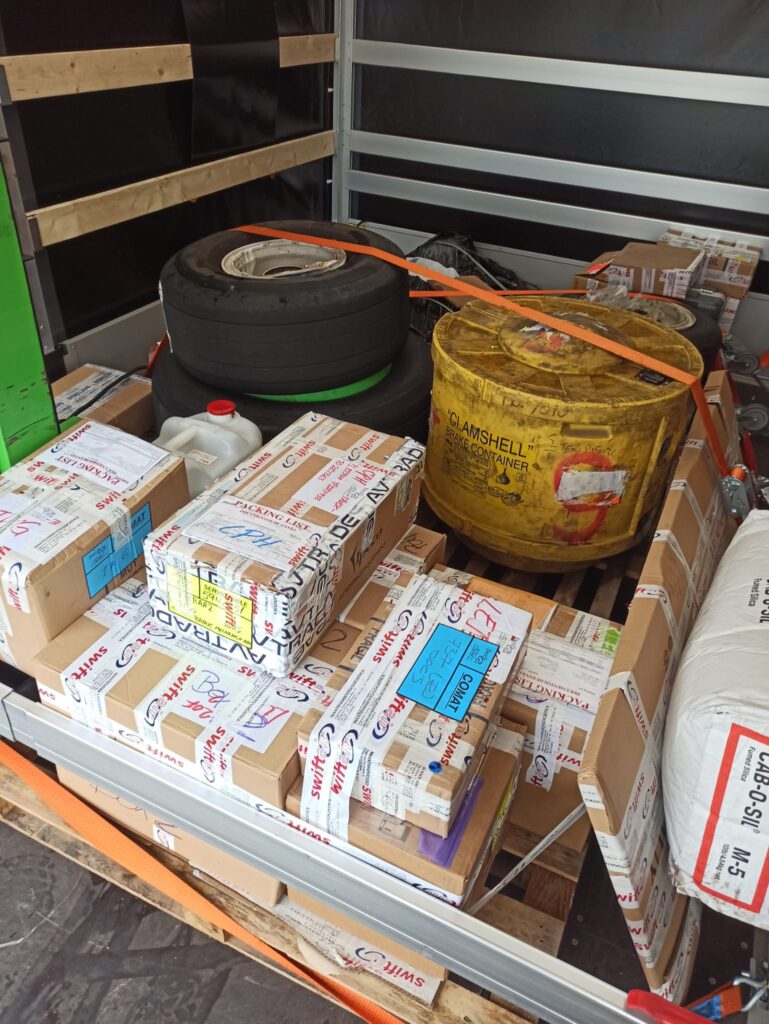
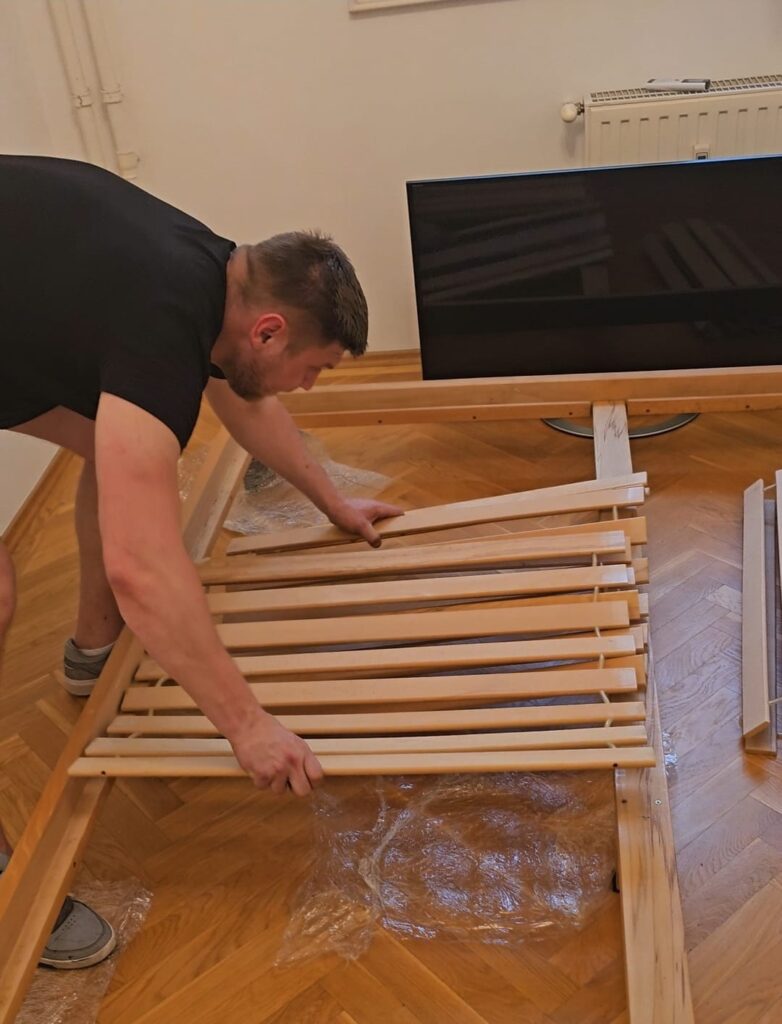
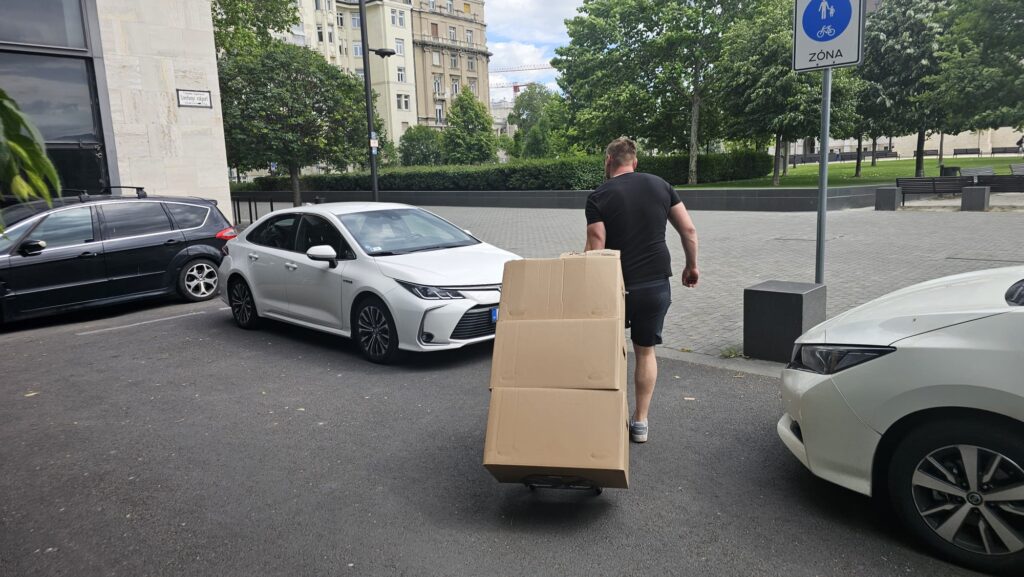
Customs and bringing household goods
Customs sounds intimidating, but it becomes manageable when you treat it like another checklist.
If you are relocating your normal residence, you may be eligible for relief on personal belongings, depending on your situation.
Start with the official Spanish Tax Agency guidance:
If you are unsure what happens at the border or how declarations work in general, this customs section is also useful:
What customs officers care about
They are not judging your sofa.
They are checking three things.
- What the goods are
- Who they belong to
- Why they are entering Spain
So you give them clarity.
Clarity is faster than charm.
The customs document pack
Build this pack early. It reduces questions and delays.
- Passport copies
- Proof you are relocating, such as a rental contract or proof of address
- A detailed inventory with values
- Proof the goods are used and personal, where relevant
- Any paperwork connected to your residence route
A practical tip.
Print two copies.
Keep one with you.
Keep one with the shipment documents.
Inventory that prevents delays
Vague inventories create questions. Questions create delays.
Avoid this:
- kitchen stuff
- clothes
- electronics
Use this instead:
- kitchen utensils, 2 boxes, used
- clothes, 4 boxes, used
- laptop, 1, used
- TV, 1, used
A quick customs table
| Item type | Typical risk | What to do |
|---|---|---|
| Used household goods | low when documented | keep a clear inventory and proof of move |
| New items in packaging | higher | list clearly and keep receipts |
| High value electronics | medium | list individually with realistic values |
| Alcohol, tobacco, restricted goods | high | check rules before shipping |
Do not pack these in the main load
Some items are better kept with you, or avoided.
- passports and key documents
- medication
- jewellery and high value items
- cash
- important papers
Also avoid shipping anything you are not allowed to own or import.
If in doubt, check official guidance first:
Canary Islands note
If your relocation is to an island destination like the Canary Islands, logistics and customs can feel different.
This Lanzarote guide is a strong companion:
Landing in Spain: first 72 hours and first 2 weeks
Arrival is emotional. You will feel relief and exhaustion at the same time.
So keep your landing plan simple.
Your job is not to become fully organised in two days.
Your job is to stop feeling temporary.
To do that, you need three wins.
- Sleep that restores you
- A tiny routine that anchors you
- A plan for the admin, so it is not whispering in the background
First 72 hours
In the first 72 hours, focus on comfort and control.
If your belongings arrive later than you do, that is fine. You just need your essentials and a calm plan.
- Set up sleep first
- Buy a local SIM
- Unpack the first night box
- Save digital copies of your documents
- Learn your local essentials: supermarket, pharmacy, parking
Now make those bullets real.
A 72 hour landing table
| Task | Why it matters | Quick tip |
|---|---|---|
| Sleep setup | A tired brain makes expensive decisions | Make the bed before you unpack anything else |
| Local SIM | You need data for maps and appointments | Take a photo of your new number and save it |
| Document backups | You will be asked for copies constantly | Create one cloud folder called Spain Admin |
| Essentials map | You need basics fast | Pin pharmacy and supermarket in Google Maps |
| Parking plan | Moving day is easier with access | Ask neighbours where people actually park |
Your first call list
Do these in your first two days. You will feel the relief instantly.
- Tell your closest person you landed safely
- Confirm your next admin appointment date
- Confirm your moving delivery window if it is scheduled
If your move is staged, a man and van load for essentials can be the cleanest way to land without chaos.
It is fast, flexible, and perfect for those first weeks when your timeline is still settling.
First 2 weeks
Week one is for stability.
Week two is for momentum.
So you do not need to do everything at once. You just need to do the right things in the right order.
Week one: make life functional
- Get your empadronamiento plan ready if you have a stable address
- Start your NIE steps if relevant
- Set up internet and a working payment method
- Find your nearest pharmacy and save the hours
- Build one comfort routine so you stop feeling temporary
A comfort routine can be tiny.
A morning walk to the same café.
A daily grocery ritual.
A simple Spanish phrase you practise with the cashier.
Those small anchors turn a new place into your place.
Week two: make life official
- Book key appointments through official channels
- Prepare copies for every appointment, then double it
- Organise your Spain folder so you can answer requests fast
- If you are staging your move, plan the next delivery wave
A small truth.
Many people try to unpack everything before they even know where they will live long term.
Staging protects you.
You move essentials first. Then you choose. Then you move the rest.
If you want the full relocation checklist again, it pairs perfectly with this section:
Mistakes that ruin relocations and how to avoid them
Most mistakes feel like shortcuts. Then they get expensive.
Some mistakes cost money.
Others cost time.
The worst ones cost peace of mind.
Read this before you book anything:
Here are the big traps, plus the fixes.
The mistakes list
- Booking the move before your legal plan is solid
- Underestimating volume and choosing the wrong van size
- Rushing packing, especially fragile furniture
- Ignoring access details until moving day
- Not planning for the gap between move out and move in
- Treating Schengen days like an unlimited bank account
- Forgetting the landing budget and burning cash on day one
- Using vague inventories that slow down customs and planning
- Shipping valuables and documents in the main load
- Trying to do everything in one trip when your timeline is still moving
Mistake to fix table
| Mistake | What it causes | The fix |
|---|---|---|
| Legal plan not locked | dates fall apart | choose route first, then book transport |
| Van too small | second trip costs | inventory early and use photos |
| Packing rushed | breakages and stress | pack in waves or use packing support |
| Access ignored | delays and fees | confirm parking, stairs, carry distance |
| No timeline buffer | panic decisions | aim for earlier dates, keep flexibility |
| Schengen days miscounted | forced exits | track days and leave a safety margin |
| Landing budget missing | overspending | plan deposit, basics, and buffer |
| Inventory vague | customs questions | list items clearly with realistic values |
| Documents in the load | serious risk | keep essentials with you |
| One trip obsession | chaos | stage the move and scale in waves |
If you want a clean budget plan that helps you avoid the financial traps, this guide is worth reading:
The fix is simple.
Plan early.
Keep a buffer.
Choose a mover you can track.
Why VANonsite works for Spain moves
When your belongings are in transit, your mind goes there too.
That is normal.
Your favourite mug. Your laptop. Your grandmother’s chair. The pieces of your life that make a home feel like home.
VANonsite reduces the noise by turning moving into a predictable system.
What you get
- GPS tracking for every load
- Fast, secure European transport
- Flexible man and van approach that scales from small moves to full homes
- Optional packing, white glove handling, and specialist services
What this looks like in real life
If your move is small or staged, you can ship essentials first.
A few boxes. A compact furniture set. The things you need to live well while you sort the rest.
That is where man and van is powerful. It gives you control without overcommitting.
If your move is larger, VANonsite scales up.
- 1 to 2 bedroom moves
- family relocations
- full household shipping
Choose the service that matches your situation
If you want to protect furniture and avoid damage, start here:
If you are moving a full home, use a service built for it:
If time is tight or you want fewer risks, get packing support:
If your items are premium, fragile, or need careful placement, upgrade the handling:
If you are relocating a business, keep it professional and smooth:
If you are moving for studies, keep it lean and fast:
A quick van size reminder
Choosing the right size protects your budget and your schedule.
If you are unsure, share photos and a list. A good plan beats a guess every time.
Start here and build your route:
FAQs
Can I move to Spain as an UK citizen?
Yes. You can absolutely move to Spain as a UK citizen.
What changes after Brexit is the framework.
- For short stays, you normally follow the Schengen 90 days in any rolling 180 day period rule.
- For living in Spain long term, you will usually need a visa or a residence route.
To keep your plan clean, start with the official entry overview:
And if you are planning a long stay, use the official consular guidance:
When your dates are clear, the moving part gets easy. This is the fastest route to start your relocation logistics:
Is relocating to Spain from the UK still possible?
Yes. It is absolutely possible. However, your timeline depends on your legal route, especially if you want to stay long term.
Do I need a visa to live in Spain?
If you plan to stay beyond the short stay limit, you will usually need a long stay visa or residence route. Start with the official Consulate of Spain in London pages:
How much money do I need to relocate to Spain?
It depends on your lifestyle, where you land, and how much you are moving. Still, almost every relocation fits into three simple buckets.
- The move itself
- The landing costs
- The buffer
Landing costs often include deposit plus first month rent, plus the basics you need to live normally while you set everything up.
If you want a practical, Brexit friendly breakdown with real world budgeting logic, use this guide:
And if you want a clear checklist of what to prepare before you spend a cent, use this one:
Is it difficult to relocate to Spain?
It is not difficult, but it is detailed.
Spain rewards steady planning, tidy paperwork, and realistic timelines. Most people struggle for one reason.
They try to do everything at once.
If you keep it structured, it becomes surprisingly smooth.
- choose your legal route first
- build your Spain folder early
- stage your move if dates are still shifting
A staged relocation is where a man and van move shines. You send essentials first, settle, then scale up when your timeline is stable.
What is the 97 pound rule in Spain?
The so called 97 pound rule is a nickname for Spain’s proof of sufficient funds requirement for non EU visitors.
In plain terms, border officers can ask you to show you have enough money to cover your stay, along with proof of accommodation and an onward or return ticket.
Two important notes.
- It is not a fee you pay.
- The amount is not fixed in pounds. It changes over time and depends on the official euro threshold and the exchange rate.
For the most accurate, current wording, check these official sources before you travel.
What is the easiest way to move a small load to Spain?
A man and van move is often the simplest for boxes, essentials, and compact furniture, especially if you are staging your relocation.
Can VANonsite track my load?
Yes. VANonsite offers GPS tracking for every load, so you can follow progress and plan your handover without guesswork.
What’s the downside of living in Spain?
Spain is a beautiful place to live, but it is not a fantasy land. A few trade offs surprise people.
- Bureaucracy can be slower than you expect, especially for appointments and documents.
- English is not guaranteed outside expat areas, so admin can feel heavier without Spanish.
- Salaries can be lower in many sectors, even when quality of life feels higher.
- Summer heat can be intense depending on region, and it changes your daily rhythm.
- Hotspot rentals can be competitive and seasonal, with rules that shift in different areas.
The upside is that most downsides have simple fixes.
Build your paperwork early, keep copies of everything, learn a little Spanish for admin, and do a staged move so you are not rushing decisions under pressure.
If you want the full list of mistakes that trip people up, read this before you move:
Final word
Relocating to Spain is not one big leap. It is a chain of smart, calm decisions that turn a dream into a legal address and a real home.
Start by choosing your stay route, especially if you are moving from the UK after Brexit. Once your dates are realistic, everything else clicks into place.
Here is what this guide covers, in one clean snapshot.
- Choose your legal path and track your days, so you stay compliant and avoid last minute panic.
- Build a Spain folder with originals, copies, and scans, because admin moves faster when you are organised.
- Follow a simple timeline, declutter early, and plan staged deliveries if your schedule is still shifting.
- Budget beyond the transport quote, including landing costs and a buffer that protects your choices.
- Pack like a realist, protect furniture and electronics, and use professional packing when you want fewer risks.
- Prepare a clear inventory for customs questions, and keep documents and valuables with you.
- Land gently with a 72 hour plan, then tackle the first two weeks of admin in the right order.
When you are ready to move your belongings, a flexible man and van approach lets you ship essentials first, then scale up. With VANonsite, every load is supported by real time GPS tracking, so you stay in control from pickup to delivery.
If you want the fastest route to start, begin here: