
Removals from Spain to France can be surprisingly simple when the plan is sharp, the paperwork is tidy, and your transport is built for real life, not wishful thinking.
This guide gives you an answer focused, data rich roadmap for moving your belongings from Spain into France. You will get a clean checklist, real world timelines, the documents that matter, and a practical way to choose the right man and van setup. You will also see where island and special territory rules can change everything.
TL:DR
- Most Spain to France household moves are straightforward because both countries are in the EU, so customs is usually not the headache.
- Exceptions exist, especially if your goods ship from the Canary Islands, Ceuta, or Melilla, or if you are bringing items not in free circulation.
- Your move cost is shaped by four levers: volume, access, protection level, and timing.
- A ruthless inventory can cut your load by 20% or more, which often saves more than any discount.
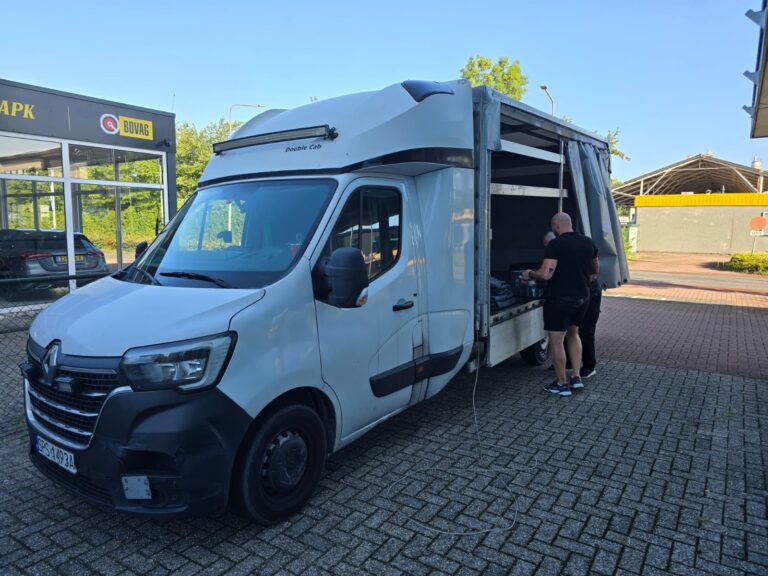
- A man and van plan is perfect for small to medium loads, staged moves, or time sensitive deliveries.
- GPS tracking changes the emotional side of moving. You stop guessing and start managing.
- The calmest moves follow a two track system: admin and documents, plus packing and transport.
The quick answer
If you are moving from mainland Spain to mainland France, the move is usually smooth because it is an EU to EU route. That means no classic border customs drama for normal household goods.
What still decides whether your move feels easy or exhausting is everything around the drive.
- How organised your inventory is
- Whether access at either address is tricky
- How fragile your load is
- How tight your deadlines are
If you want the move to feel controlled from start to finish, choose a mover that gives you visibility.
VANonsite provides high quality removals across Europe with GPS tracking for every load, so you can follow progress without guesswork.
Do you need customs for removals from Spain to France?
For most people on a standard mainland route, no. Spain and France are both EU member states, which is why removals often feel like a long domestic move.
That said, it helps to think in a cleaner way.
- Mainland Spain to mainland France, used household goods: usually smooth.
- Special Spanish territories, new goods, commercial goods, or anything unusual: extra steps can appear.
So, instead of guessing, use this simple decision filter.
Quick decision filter
- Is your pickup address in mainland Spain or the Balearic Islands?
- Are your items normal used household goods you already own?
- Are you moving as a private person, not shipping for resale?
If your answer is yes to all three, customs is typically not the headline.
If you answered no to any, keep reading.
1) Special territories can trigger extra steps
If your goods are shipped from Spain’s special territories, paperwork can feel more like an import.
Watch these areas:
- Canary Islands
- Ceuta
- Melilla
These territories sit outside the EU VAT area, which is why tax and declaration style steps can show up even when the route looks like Spain to France on a map.
If you are moving from these territories into mainland France, ask your mover early about declarations, indirect taxes, and processing time.
To keep your planning grounded, use official customs information:
- France customs information hub: https://www.douane.gouv.fr/
- Spain Tax Agency, customs section: https://sede.agenciatributaria.gob.es/Sede/en_gb/aduanas.html
A realistic territory checklist
If you are moving from one of the territories above, prepare these before you book your final date.
- A detailed inventory with values and quantities
- Proof the items are yours and used, where possible
- Receipts for new items still in packaging
- A clear delivery address and contact plan for France
2) Your items can trigger questions, even on an EU route
Most household moves are boring, which is exactly what you want.
Problems usually appear when the shipment includes items that look like trade, or items with restrictions.
Be extra careful with:
- large quantities of the same product
- brand new items in sealed boxes
- alcohol and tobacco
- medicines and supplements
- plants, soil, and certain animal products
- fuel, paints, aerosols, and anything flammable
If your shipment includes any of these, declare it early to your mover so it can be handled correctly.
3) Your personal status can change what you need
If you are an EU citizen, your right to live and work in France is usually straightforward.
If you are a non EU citizen, including many UK nationals post Brexit, your right to live in France depends on your visa or residence route. That can affect your schedule, address proof, and the timing of the big shipment.
If you are not sure what visa you need for France, start with the official portal:
And if you are a UK national, this official government site helps you understand the post Brexit framework:


Documents you need for a Spain to France move
Think of documents as your friction remover. When your pack is tidy, everything moves faster.
Essentials for the move itself
Keep these in a folder you carry, not in the van.
- Passport or national ID card
- Proof of address in Spain and proof of your French address if you already have it
- Rental contract or deed details if relevant
- A detailed inventory of your belongings
- Insurance details and special handling notes for fragile items
- Contact details for both addresses, including door codes and access instructions
A practical tip: add a one page cover note with your name, both addresses, phone number, and your delivery instructions. It sounds simple. It prevents pointless delays.
A document pack that prevents 80% of drama
This is the practical pack that keeps the move clean, especially for longer distance routes.
- Inventory with box count and major items
- Photo set of bulky items and fragile pieces
- Parking and access notes for both addresses
- Key handover plan, including who signs on delivery
- A short list of items that must never go in the load
That last point matters.
Never place these in the shipment:
- passports and ID documents
- visas, residence cards, appointment confirmations
- cash, jewellery, irreplaceable items
- medication you need daily
- laptops and essential work devices
France admin, change of address, and notifications
After arrival, you will usually need to update your address with multiple services.
Use the French official information hub for moving house and change of address steps:
If you are a UK citizen moving from Spain to France
Do not build your move date around your mood. Build it around your legal route.
Start here for visa rules and pathways:
And keep this UK nationals guide bookmarked:
If your timeline is tight because of short stay limits in Spain, this guide can help you plan your days and avoid messy mistakes:
How long do removals from Spain to France take?
Most people ask for driving time. Smart people ask for door to door time.
Because transit time is only part of the story. A move is also loading, securing, rest breaks, tolls, traffic surprises, unloading, and the tiny delays that always show up at the worst moment.
So here is a practical way to plan it.
The simplest door to door formula
Use this like a calculator.
- Door to door time = loading and securing + driving time + breaks and buffer + unloading
Typical ranges, assuming normal access:
- Loading and securing: 2 to 6 hours
- Breaks and buffer: 10% to 25% of driving time
- Unloading: 2 to 5 hours
If either address has stairs, long carries, or strict parking rules, add 60 to 180 minutes.
Example routes and driving time
These are practical anchors, not promises. Your exact timing depends on the postcode, the day of the week, and access.
| Example route | Approx driving distance | Approx driving time | What this means for your move |
|---|---|---|---|
| Barcelona to Montpellier | 341 km | 3 hours 19 minutes | Often a 1 day move for smaller loads, especially with early loading |
| Valencia to Marseille | 850 to 900 km | 9 to 10.5 hours | Often 1 to 2 days, depending on loading time and delivery windows |
| Madrid to Bordeaux | 685 km | 7 hours 33 minutes | Often 1 to 2 days, depending on loading time and delivery windows |
| Seville to Toulouse | 950 to 1050 km | 10 to 12 hours | Often 2 days unless you have perfect access and a tight plan |
| Malaga to Lyon | 1450 to 1600 km | 15 to 18 hours | Often 2 to 3 days for full home moves, with realistic rest breaks |
Same day vs next day delivery
A quick rule that prevents disappointment.
- Same day delivery is realistic when driving time is under 5 to 6 hours and the load is small.
- Next day delivery is common for medium loads, or when driving time is 6 to 12 hours.
- Two day delivery is the calm choice for full home moves or routes above 12 hours.
Door to door planning ranges by move size
This is the table most people wish they had before they booked.
| Move type | Typical load | Typical van fit | Door to door planning range |
|---|---|---|---|
| Small move | 10 to 25 boxes plus a few items | Moving Basic to Moving Medium | Same day to 1.5 days |
| Medium move | 25 to 60 boxes plus furniture basics | Moving Medium to Moving Premium | 1 to 2 days |
| Large move | 60 to 120 boxes plus full furniture | Moving Premium Plus | 2 to 3 days |
| Full household | Full home volume | Moving Full House XXL | 2 to 4 days, depending on distance and access |
The fastest way to shorten the timeline
There are only three levers that actually work.
- Reduce volume by 15% to 25% through decluttering
- Improve access by reserving parking, prepping lifts, and keeping corridors clear
- Pack smarter so loading is clean and fast
If you want an instant speed upgrade, pre pack everything non fragile in advance and leave only the heavy and delicate items for professional handling.
Costs: what you really pay for
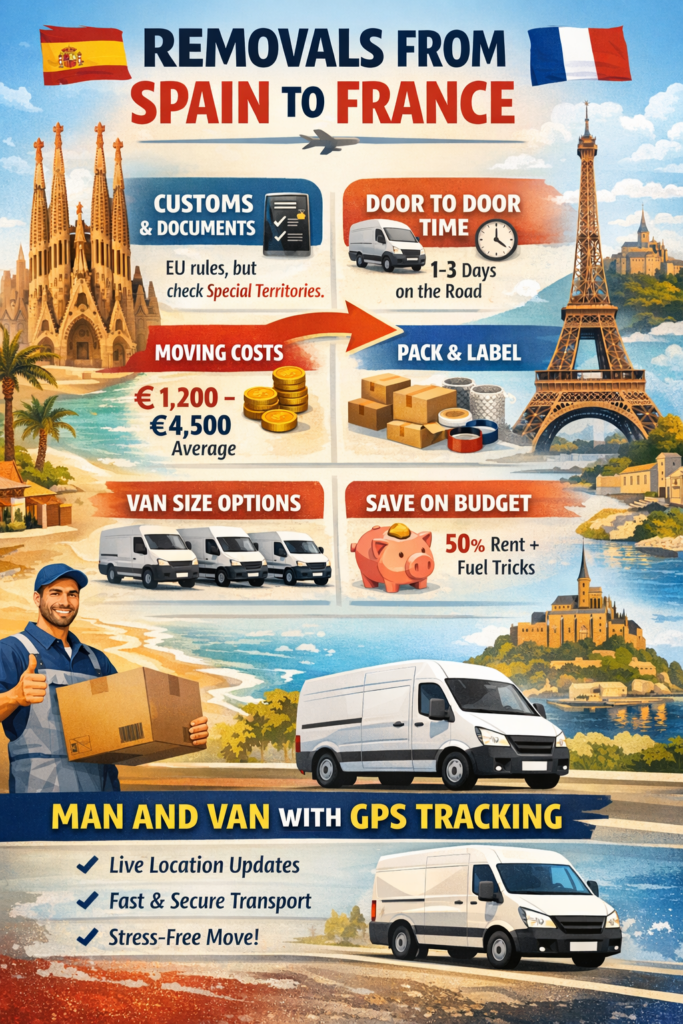
The cheapest quote is rarely the cheapest move. The real goal is cost control with zero chaos.
To plan like a pro, understand where money really goes.
The four cost drivers
- Volume: more space, bigger van, higher price
- Access: stairs, lifts, parking distance, narrow turns
- Protection level: packing, wrapping, white glove handling
- Timing: urgent routes cost more, flexible windows often cost less
How price is typically split
Every move is different, but for most cross border removals, the quote often behaves like this:
- Volume and vehicle size: 40% to 60%
- Distance and time on road: 20% to 40%
- Access factors: 10% to 25%
- Packing and protection level: 10% to 35%
- Urgency and timing pressure: 5% to 20%
If your quote looks wildly different, it is usually because one factor is extreme, like a fourth floor carry with no lift, or a very tight delivery deadline.
The cost table that keeps you sane
| Cost driver | Why it changes the price | How to keep it under control |
|---|---|---|
| Too much volume | You pay to move doubt | Declutter hard, then re measure before booking |
| Bad access | Time is money | Share stairs, lift, parking details and photos early |
| Fragile items | Damage is expensive | Pack properly or outsource fragile packing |
| Tight deadlines | Rush creates fees | Give a flexible window if you can |
The biggest savings, ranked
If you want real savings, do not chase tiny discounts. Chase the big levers.
- Declutter first. Cutting volume by 10% often saves more than cutting price by 10%.
- Choose the right van size. Too small means a second trip. Too big means wasted spend.
- Fix access. Reserved parking and clear pathways can shave 30 to 90 minutes off loading.
- Stage the move. Ship essentials first, then scale once dates are stable.
Staging is one reason a man and van plan is so popular for Spain to France.
It turns one stressful all or nothing move into two clean, controlled waves.
A budget move that does not feel cheap
If you want to save money without risking breakage, do it like this:
- Pack clothes and non fragile items yourself
- Outsource fragile items, glass, mirrors, electronics, and furniture corners
- Choose a van size with breathing room so you do not pay for a second trip
If you want a deeper Spain cost breakdown that can still help you plan a cross border budget, this guide is useful:


Choose the right man and van setup for Spain to France
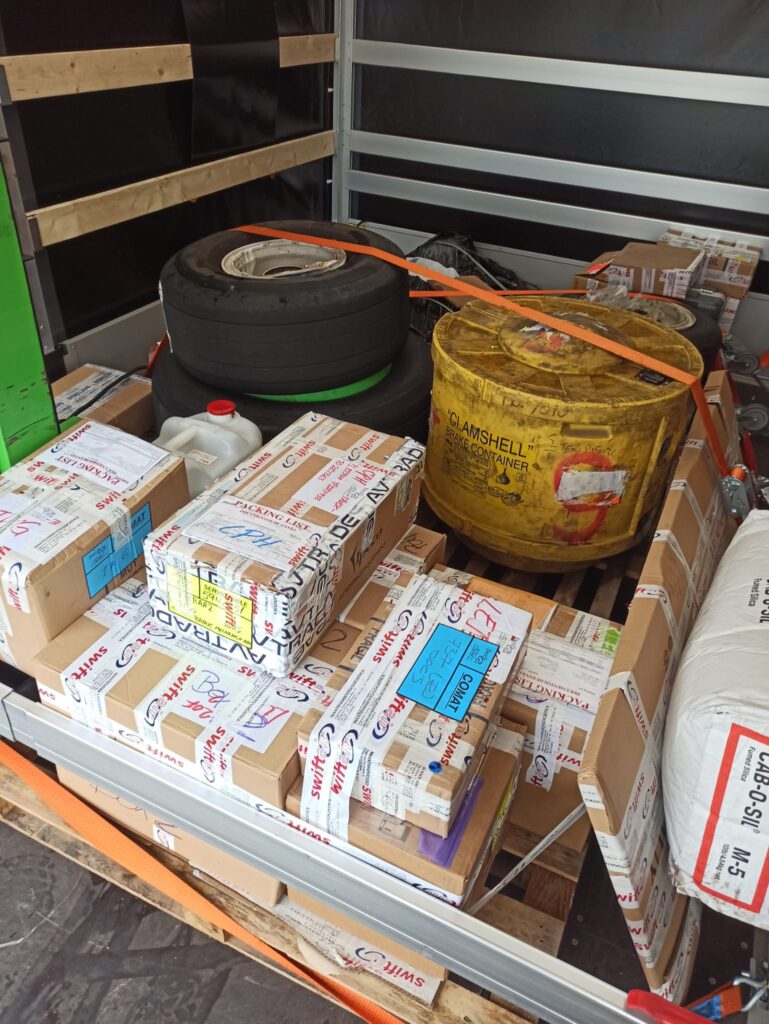
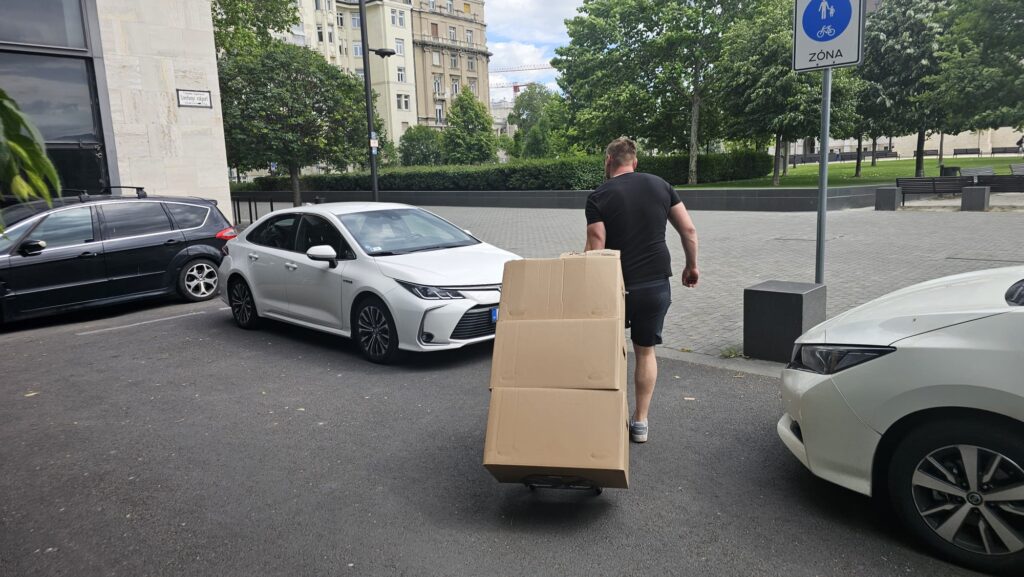
A man and van move is not only for tiny loads. It is for people who want control. It is flexible, fast, and perfect for staged relocations.
When a man and van move is the best option
It is often the smartest fit if you:
- are moving a studio, student load, or a curated home
- want to stage the move in two waves
- have time sensitive delivery needs
- want direct communication and a simpler plan
If you are moving a student setup, start here:
If your move is urgent, this is your shortcut:
VANonsite service picker
Choose the simplest service that still protects what matters.
| Your move | Best starting point | Why it works |
|---|---|---|
| Boxes plus a few essentials | man and van plus Packing Service if needed | Fast, flexible, easy to stage |
| Furniture heavy load | Furniture Removals | Built for protection and handling |
| Full household relocation | Home Removals | Covers volume, timing, planning |
| Premium pieces that cannot be scratched | White Glove Delivery | Careful handling and placement |
| Office move | Office removals | Structured business relocation |
Useful links:
- https://vanonsite.com/furniture-removals/
- https://vanonsite.com/home-removals/
- https://vanonsite.com/packing-services/
- https://vanonsite.com/white-glove-delivery-service/
- https://vanonsite.com/office-removals/
VAN sizes that match real life
Choosing the right vehicle size prevents the classic disaster: a second trip.
| Vehicle | Volume | Max payload | Best for |
|---|---|---|---|
| Moving One | 1 m3 | 100 kg | A few boxes, urgent essentials |
| Moving Basic | 5 m3 | 300 kg | Student room, minimal studio |
| Moving Medium | 10 m3 | 600 kg | Small 1 bedroom, light furniture |
| Moving Premium | 15 m3 | 1000 kg | 1 to 2 bedroom with furniture |
| Moving Premium Plus | 30 m3 | 3500 kg | Family move, bulky furniture |
| Moving Full House XXL | 90 m3 | 20000 kg | Full household relocation |
Packing that protects your belongings and your mood
Cross border moves go wrong for one reason: movement. Movement inside boxes, and movement between furniture surfaces.
So your goal is simple.
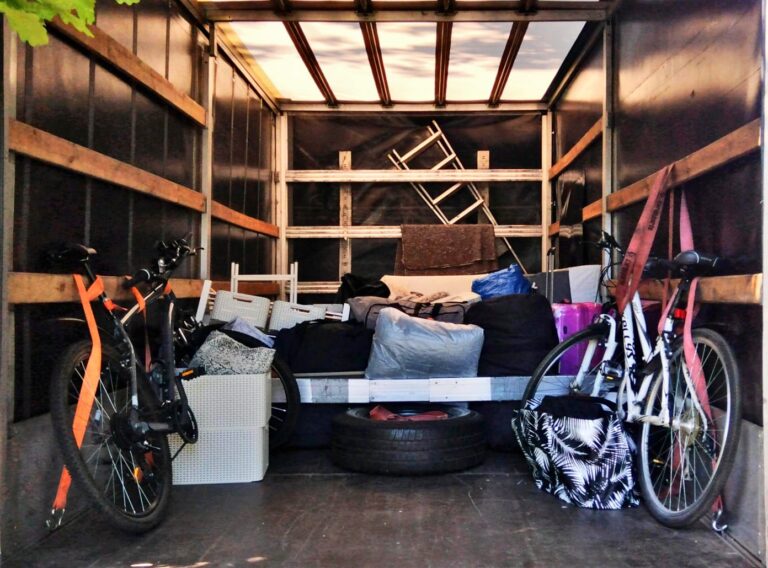
Make everything inside your shipment behave like one solid, quiet object.
If nothing rattles, slides, or scrapes, you have already won.
The packing supplies that actually matter
You do not need gadgets. You need fundamentals.
- Double wall boxes for books and kitchen items
- Medium boxes for mixed household items
- Packing paper for glass and ceramics
- Bubble wrap for delicate shapes
- Stretch film for drawers and textiles
- Furniture blankets for sofas, tables, cabinets
- Strong tape and marker pens
- Zip bags for screws and fittings
- Labels or coloured stickers for priority and rooms
A quick numbers rule that saves your back and your boxes.
- Aim for 18 to 22 kg per box for most items.
- Keep book boxes under 15 kg.
- If you cannot lift it with one smooth motion, split it.
The 3 layer rule for fragile items
If it can crack, scratch, or chip, pack it using three layers.
- Soft layer, paper or cloth, against the surface
- Shock layer, bubble wrap, around the shape
- Rigid layer, a strong box with zero empty space
Then remove the secret enemy.
Empty air.
Fill gaps with paper, towels, or clothing so nothing can rattle.
The label system that turns chaos into flow
Write these three things on every box. Always.
- Room
- Priority
- Contents in 3 to 6 words
Use these priority labels:
- Open first
- Open soon
- Open later
- Storage
If you want a faster unloading system, add colour.
One colour per room. One colour per priority.
It makes the delivery feel like choreography, not confusion.
A quick packing table you can copy
| Item type | Best box choice | Protection level | Notes |
|---|---|---|---|
| Books | Small, double wall | Medium | Keep under 15 kg to avoid box collapse |
| Plates and glasses | Medium, double wall | High | Pack upright, not flat, fill all gaps |
| TVs and monitors | Original box or strong custom box | High | Soft layer first, rigid protection second |
| Clothing | Wardrobe boxes or suitcases | Low to medium | Keep one suitcase for the first week |
| Mirrors and framed art | Flat pack protection | High | Corners protected, keep upright, label fragile |
| Furniture corners | Blankets plus corner guards | High | Corners take the hits, protect them first |
Furniture packing that prevents expensive sadness
Most visible damage happens in two places.
Edges and corners.
Use this checklist.
- Protect corners with cardboard or corner guards
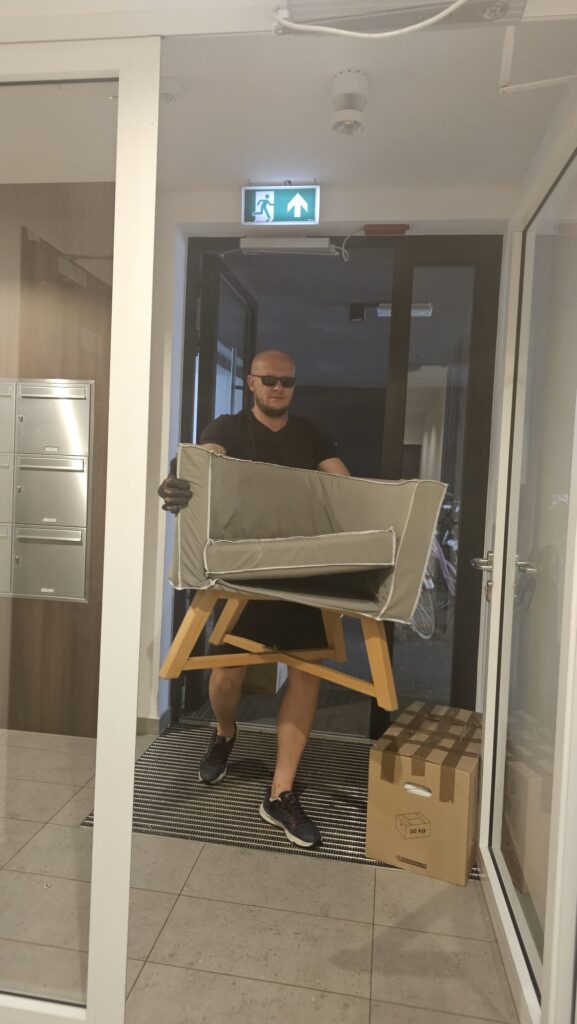
- Blanket wrap large furniture
- Stretch wrap drawers closed so they cannot open
- Bag screws and fittings, label them, tape them to the item
- Strap items so they cannot shift in transit
If your load is furniture heavy, this is the best fit:
If your items are premium, fragile, or need careful placement, upgrade handling:
The essentials you never put in the van
These stay with you. Always.
- Passport or ID
- Residence cards, visa paperwork, appointment confirmations
- Medication you need daily
- Cash, jewellery, irreplaceable items
- Laptop and essential work devices
The first night box
Do not bury it. Keep it sacred.
Pack it as if you arrive tired, hungry, and slightly overwhelmed.
- Toiletries, towels, chargers
- A change of clothes
- Kettle or coffee kit, mugs, basic cutlery
- Medication and a mini first aid kit
- Basic cleaning wipes
- A roll of bin bags and a small cleaning spray
- A phone charger extension lead
- Spare keys and a pen
A tiny upgrade that feels huge.
Keep one clear bag called admin survival.
- printed addresses
- key handover plan
- mover contact details
- parking notes
When to outsource packing
If your move includes fragile furniture, glass, mirrors, electronics, or premium items, professional packing is often the cheapest insurance you can buy.
It also speeds up loading. Faster loading can shave 30 to 120 minutes off a typical day, depending on access.
A realistic moving timeline
The smoothest moves are planned in boring weeks. That is the secret.
Think of your move as two tracks.
- Track one: admin and documents
- Track two: packing, access, transport
When both tracks move together, your relocation stays calm.
8 to 10 weeks before
This is where you buy yourself time.
- Choose your dates and confirm your legal route for France
- Declutter hard and start your inventory, aim to cut volume by 10% to 25%
- Request quotes and decide your van size
- Gather your core document pack
- List your top 10 bulky items with photos and measurements
A strong inventory detail.
Count boxes by category. It helps planning.
- kitchen
- bedroom
- books
- fragile
4 to 6 weeks before
This is where the move becomes real.
- Book transport and confirm collection and delivery windows
- Start packing non essential items, aim to pre pack 60% to 70% before moving week
- Photograph bulky furniture and fragile items
- Confirm access details at both addresses, stairs, lift, carry distance, parking
- Decide what travels with you and what never goes in the shipment
If access is tricky, fix it early.
Reserving parking can save 30 to 90 minutes on the day.
2 weeks before
This is where you remove surprises.
- Finish packing and label by room and priority
- Create a simple inventory summary, box count plus major items list
- Separate documents and valuables to travel with you
- Confirm who will be present at delivery and where the keys are
- Confirm any building rules, quiet hours, lift booking, or loading bay rules
A powerful habit.
Do a 15 minute walk through with your phone camera. Record every room. It becomes your reference for packing, delivery, and any claims.
72 to 48 hours before pickup
This is where you lock the details.
- Confirm time windows and contact numbers
- Confirm parking plan and access route
- Clear hallways and doorways
- Put labels and tape in one place so you do not waste time
Moving week
Keep it simple and protective.
- Keep essentials with you
- Keep water and snacks close
- Keep the first night box easy to reach
- Do a quick fragile check early after delivery, within 60 minutes if possible
- Photograph any visible damage before you move items around
If you want the move to feel controlled, choose a plan with visibility.
GPS tracking lets you manage your day, not guess it.
Why VANonsite works for Spain to France removals
When you move countries, your brain wants certainty.
Not vague promises. Not silence.
You want clear communication, strong protection for your belongings, and a delivery plan that does not wobble.
That is exactly where VANonsite shines.
The VANonsite difference in one sentence
A premium man and van removals service with GPS tracking on every load, plus the packing and handling options that stop damage before it happens.
What you get, in practical terms
- Real time GPS tracking so you can manage your day, not guess it
- Direct European transport that stays fast and predictable
- Flexible options from a small essentials run to a full home relocation
- Protection upgrades for furniture, fragile items, and premium pieces
And yes, the small details are handled too.
Clear pickup windows. Clear delivery coordination. Clear contact points.
Why GPS tracking changes everything
Most moving stress is not physical. It is mental.
You imagine delays. You imagine lost time. You imagine standing outside with keys and nowhere to go.
GPS tracking reduces that stress instantly.
- You can time key handovers with fewer wasted hours
- You can plan parking and lift bookings more accurately
- You can update a landlord or concierge with real confidence
For many customers, that single feature cuts the emotional chaos by 50%.
Choose the service that matches your move
Spain to France moves vary wildly. One person is moving 15 boxes. Another is moving a whole life.
Pick the service that fits your load, not your hope.
- Furniture heavy move: https://vanonsite.com/furniture-removals/
- Full household relocation: https://vanonsite.com/home-removals/
- Packing support: https://vanonsite.com/packing-services/
- Premium handling: https://vanonsite.com/white-glove-delivery-service/
- Office relocation: https://vanonsite.com/office-removals/
- Student move: https://vanonsite.com/student-removals/
A quick match: van size to lifestyle
Choosing the right vehicle size is one of the fastest ways to avoid overspending.
| What you are moving | Typical fit | Why it works |
|---|---|---|
| Essentials, boxes, a few items | Moving One to Moving Basic | Fast, flexible, perfect for staged moves |
| Studio or small 1 bedroom | Moving Medium | Enough space without wasted cost |
| 1 to 2 bedroom with furniture | Moving Premium | Balanced volume and payload |
| Family move with bulky items | Moving Premium Plus | Handles big furniture and heavy loads |
| Full household relocation | Moving Full House XXL | Built for full home moves |
If you are unsure, send photos of bulky items and an honest box estimate. That single step improves planning accuracy dramatically.
What VANonsite needs from you to move faster
If you want a sharp quote and a clean delivery plan, send these details.
- Pickup and delivery postcodes
- Your ideal date and your flexibility window
- Estimated box count and the top 10 bulky items
- Access notes, stairs, lift, parking, carry distance
- Any fragile or premium items that need extra protection
When those five items are clear, your move becomes simpler, cheaper, and faster.
Want the fastest route to book?
If your move is urgent, start here and ask for the quickest available window:
If you are planning a Spain move as well, or you are going the other direction, these guides can help you plan smarter:
- https://vanonsite.com/removals-to-spain/
- https://vanonsite.com/spain-removals/biggest-mistakes-when-moving-to-spain/
- https://vanonsite.com/spain-removals/relocating-to-spain-the-complete-guide-to-a-calm-legal-fast-move-with-vanonsite/
FAQs
Is there a border customs check when moving from Spain to France?
For most mainland household moves, customs is not the main issue. The bigger risks are access, packing, and timing. However, special territories like the Canary Islands can change the paperwork.
How much does international removal cost?
International removal costs are driven by four levers: distance, volume, access, and protection level.
For budgeting, here are realistic ballpark ranges for Spain to France removals on a direct road route.
| Move size | Typical volume | Common fit | Ballpark price range |
|---|---|---|---|
| Small | 1 to 10 m3 | Moving One to Moving Medium | €450 to €1,400 |
| Medium | 10 to 20 m3 | Moving Premium | €1,200 to €3,200 |
| Large | 20 to 35 m3 | Moving Premium Plus | €2,200 to €5,500 |
| Full household | 35 m3 plus | Moving Full House XXL | €4,500 to €9,500 plus |
Those ranges move up when access is difficult, timelines are tight, or packing support is included. They can drop when you have flexible dates and clean, easy loading.
How much does it cost to move furniture to France?
Furniture pricing depends on weight, bulk, fragility, and access. The fastest way to estimate is to count the big pieces and treat each one like a time block.
Typical ballparks on Spain to France routes:
- Single large item, sofa or wardrobe: €350 to €1,100
- Several pieces, for example bed, sofa, table, 10 to 20 boxes: €900 to €2,600
- 1 to 2 bedroom furniture set: €1,500 to €4,000
If you want fewer risks, add professional protection. Furniture damage is rarely random. It is almost always corners and edges.
How can I make the move cheaper without risking damage?
Cut volume first, then protect fragile items. Packing the easy items yourself and outsourcing high risk items is the cleanest cost strategy.
If you want the quickest savings, do these three things.
- Declutter until you cut volume by 10% to 25%
- Fix access, reserve parking, clear corridors, book the lift if needed
- Use a flexible date window, even 2 to 4 days can reduce pressure pricing
Is a man and van move enough for Spain to France?
Often yes. It is ideal for small to medium loads, student moves, and staged relocations.
A man and van plan also helps when your dates are still shifting. You send essentials first, settle, then move the rest.
What’s the cheapest way to ship something to France?
The cheapest method depends on size and urgency.
- Small parcel under 30 kg: courier is usually the cheapest and fastest.
- Bulky item or several boxes: a shared load or flexible man and van plan is often cheaper than paying for a dedicated full van.
- Furniture: the cheapest safe option is usually disassembled, well packed, and delivered on flexible dates.
A simple rule.
If it does not fill a van, do not pay like it does. Choose a flexible solution and let the route work in your favour.
Can I take my rental car from Spain to France?
Usually yes, because Spain and France are in the EU and you can normally cross the border.
However, your rental contract decides everything. Before you drive:
- Check if cross border travel is permitted in the terms
- Check insurance coverage outside Spain
- Confirm mileage limits and roadside assistance coverage
- If you plan a one way return in France, confirm the drop off rules and extra fees
If the company allows it and your documents are in the car, it is usually straightforward.
Can you track my load?
Yes. VANonsite offers GPS tracking for every load, so you can follow progress and plan your day with confidence.
What should I do first if my move is urgent?
Start with a ruthless inventory and a flexible date window. Then use a last minute moving plan to keep momentum.
Summary
Removals from Spain to France are usually smooth on mainland routes because it is EU to EU, but your move still succeeds or fails on the details: access, packing, timing, and how clearly you document what is in the load.
This guide shows you how to spot the few situations where extra steps can appear, especially when shipping from special Spanish territories like the Canary Islands, Ceuta, or Melilla, or when your shipment includes restricted goods, large quantities, or brand new items.
You also get a practical admin pack that prevents delays, plus a door to door planning method that combines loading time, driving time, a 10% to 25% buffer, and unloading, so you can predict the real timeline, not just the route distance.
On costs, the article breaks pricing into four levers: volume, access, protection level, and timing. It explains why cutting volume by 10% to 25% is often the biggest money saver, then helps you choose the right van size, from small essentials runs to full household moves.
For packing, you get clear rules that reduce damage, including a 3 layer method for fragile items, weight targets of 18 to 22 kg per box, and a label system that speeds unloading. Finally, the timeline section lays out what to do 8 to 10 weeks before, 4 to 6 weeks before, and in the final 72 to 48 hours.
If you want a calm, high control move, a man and van option with real time GPS tracking is often the simplest way to keep your Spain to France removals fast, safe, and predictable.