
Moving from Spain to England is a little like walking out of sunlight and straight into a brisk British morning. It can feel exciting and oddly emotional at the same time. One minute you are closing shutters in Spain and thinking, “This is really happening.” The next, you are picturing damp pavements, school runs, new routines, and that moment when your sofa arrives and the house finally feels like yours.
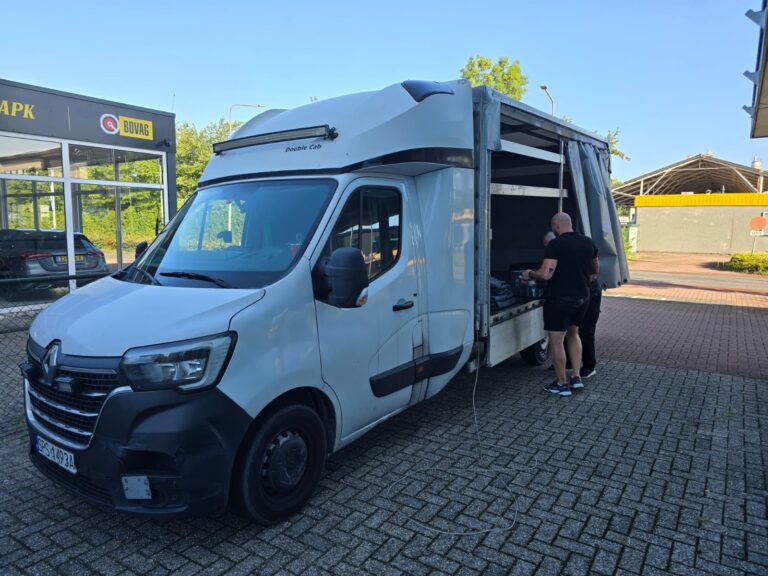
This guide is built to keep your move sharp, safe, and surprisingly calm. Whether you need a nimble man and van for a lighter relocation, or a full household removals service with packing and white glove care, VANonsite helps you move fast with real visibility. Every load includes GPS tracking, so you can follow the journey instead of refreshing messages and guessing.
You will find a clear plan, real world checklists, and the documents that matter most when your belongings travel from the EU into the UK.
TL:DR
A Spain to England move feels easy when you remove the surprises.
- Choose the right service: man and van for smaller or staged moves, part load for savings, dedicated transport for timing, full removals for households.
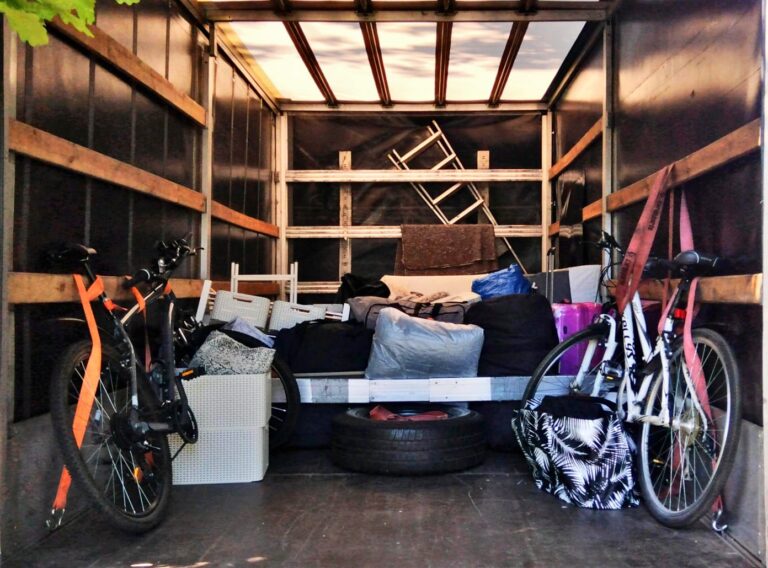
- Pick a vehicle size with breathing room. Tight loads crush boxes and scrape furniture.
- Pack fragile items like they are priceless, or upgrade to professional packing.
- Build a clear inventory early. It speeds up loading, delivery, and any customs steps.
- Keep your essentials with you, not in the load: documents, keys, chargers, medication.
- Use GPS tracking so your move feels controlled, not mysterious.
Why people move from Spain to England
Sometimes it is work. Sometimes it is family. Sometimes it is that quiet, persistent pull of familiarity, the feeling that it is time to come back and rebuild something solid.
England is often less about romance and more about rhythm. The kind of rhythm that makes life feel predictable again. School terms. Career ladders. Weekends that start on time. Even the simple relief of speaking your first language without translating your thoughts.
The practical reasons are common:
- A new job in the UK or a return to a UK based role
- Family support, schools, or caregiving
- A relationship change, or a clean personal reset
- Selling property in Spain and starting again in England
- A new study place, training contract, or professional re qualification
But the emotional reasons are usually bigger.
When you move countries, you are not just moving furniture. You are moving your life’s texture. Your mugs. Your routines. The version of yourself that exists in a certain place.
It can feel surprisingly tender. You might be excited and still feel a sting when you pack the first box. Because a move like this is not only logistics. It is identity. It is memory. It is the soundscape of your days.
That is why planning matters. A good removals plan does more than protect your belongings. It protects your energy. It helps you arrive with momentum left in the tank, not just exhaustion.
Choose the move style that fits your real life
There is no “best” option. There is the option that fits your timing, your budget, and your tolerance for uncertainty.
Start with one question:
Do you need savings, speed, or certainty?
If you want a quick self test, use this:
- If your keys are fixed and the delivery must happen on one specific day, you want certainty.
- If you can wait and you are relaxed about a delivery window, you want savings.
- If you need to land fast and start work or school immediately, you want speed.
Option A: Man and van
A man and van move is small in size, not in quality. It is nimble, direct, and brilliant for essentials first relocations, students, and staged moves.
It is also perfect when you want to land in England first, then ship the rest once you know the house layout, parking rules, and what you actually miss.
Best for:
- A room, studio, or 1 bedroom move
- A few key furniture pieces plus boxes
- Staged relocations (essentials now, the rest later)
- Tight access, narrow streets, awkward stairs
- Last minute moves where you need speed and clear communication
A smart staged plan looks like this:
- First trip: essentials, work setup, comfort items, a few anchor furniture pieces
- Second trip: the rest, once keys, access, and delivery timing are confirmed
To get a fast quote, send:
- Rough box count
- List of large items and awkward shapes (sofas, wardrobes, desks)
- Photos of bulky or fragile pieces
- Floor level and lift or stairs info
- Parking reality at pickup and delivery
- Any disassembly needs (beds, wardrobes, tables)
Option B: Part load
Part load means you share van space with compatible shipments. It can be excellent value, especially if you are moving a moderate amount and you are not tied to a single date.
However, part load is not about rushing. It is about efficiency.
Great when:
- You can be flexible with dates
- You are shipping a moderate load
- You want value without cutting safety
- You are not moving into a building with strict delivery slots
Avoid it if:
- Your building only allows moves on one fixed day
- You must hit a precise key handover
- You are moving premium fragile pieces and want fewer touch points
- You need a tight delivery window because of work, childcare, or travel plans
Option C: Dedicated transport
Dedicated transport is the cleanest timeline. Fewer stops. Fewer hands. Less risk.
It is the option people choose when they want control. When they have a fixed key date, a tight delivery slot, or items that cannot be replaced without pain.
Best when:
- You have a fixed delivery date
- You are moving premium furniture or fragile items
- You want a sharper delivery window
- You prefer fewer touch points for peace of mind
Option D: Full removals
Full removals is the structured option for family homes and larger moves. It is the one that feels like the weight leaves your shoulders.
This is for the move where you want to hand over the chaos and keep your head clear.
Pair it with these services when you want maximum calm:
If you are moving mainly furniture, keep the service focused and efficient:
Quick comparison table
| Option | Best for | Why it feels good | What to plan |
|---|---|---|---|
| Man and van | Smaller or staged moves | Fast, agile, minimal fuss | Inventory, access, disassembly needs |
| Part load | Lower cost, flexible schedules | Efficient value, smart routing | Wider delivery window, fewer fixed constraints |
| Dedicated transport | Fixed timing, premium items | Highest control, fewer touch points | Higher cost, cleaner delivery plan |
| Full removals | Households, furniture heavy | End to end structure, lower mental load | Packing level, access rules, placement needs |
Choose the right vehicle size
Van size is not a detail. It is protection.
A van packed too tightly becomes a pressure chamber. Corners scrape. Boxes crush. Unloading turns into a puzzle.
Choose breathing room. It is not waste. It is insurance.
VANonsite vehicle options
| Vehicle option | Volume | Max load | Best for |
|---|---|---|---|
| Moving Basic | 5 m3 | 300 kg | A few boxes and small items |
| Moving Medium | 10 m3 | 600 kg | Studio moves, light furniture |
| Moving Premium | 15 m3 | 1000 kg | 1 bedroom core items |
| Moving Premium Plus | 30 m3 | 3500 kg | 2 to 3 bedrooms |
| Moving Full House XXL | 90 m3 | 20000 kg | Large homes and heavy loads |
A sizing rule that prevents regret
If your first thought is “we can squeeze it”, size up.
Two quick checks:
- Count your boxes honestly, then add 20 percent.
- Flag awkward shapes: L shaped sofa, tall wardrobe, stone table.
A fast volume calculator you can do in 2 minutes
If you want a quick estimate without overthinking, use the box math.
A standard moving box is roughly 0.07 m3. That means:
- 10 boxes is about 0.7 m3
- 20 boxes is about 1.4 m3
- 40 boxes is about 2.8 m3
Now add the big items. These numbers are approximate, but they stop you underestimating.
| Item | Typical volume range | Why it matters |
|---|---|---|
| Double bed and mattress | 1.2 to 2.0 m3 | bulky, awkward to stack |
| 2 to 3 seat sofa | 1.5 to 3.0 m3 | shape steals space |
| Wardrobe | 1.0 to 2.5 m3 | often needs disassembly |
| Dining table | 0.8 to 2.0 m3 | legs, edges, fragile surfaces |
| Washing machine | 0.4 to 0.6 m3 | heavy and dense |
If you want a calmer plan, choose a van that leaves 10 to 20 percent space free. That free space is your shock absorber.
The three van sizing mistakes that cost the most
These are the classic traps.
- Choosing a van that fits on paper but not in reality
- Forgetting how much space wrapping, blankets, and protection need
- Underestimating the chaos of last minute “just one more box”
A simple truth: protection takes space. If you want fewer scratches, you need air.
Weight reality, the quiet deal breaker
Volume gets attention. Weight causes damage.
Use these rules:
- Books should be split across several boxes
- Kitchen boxes should be small, not heroic
- Anything over 18 kg becomes a risk, especially on stairs
A quick guide to safe box weights:
| Box type | What goes inside | Ideal weight |
|---|---|---|
| Small box | books, tools, pantry items | 10 to 15 kg |
| Medium box | clothes, mixed items | 12 to 18 kg |
| Large box | bedding, pillows, light items | 8 to 14 kg |
Access planning, the part that decides your day
Two moves with the same volume can feel wildly different. The difference is access.
Before you pick a vehicle size, answer these:
- How far is the legal parking point from the door
- Is there a lift, and can it be booked
- Are there narrow stair turns or tight door frames
- Can a large van access the street, or do you need a smaller man and van
If access is tight, you often win by going slightly smaller and smarter, rather than bigger and stuck.
Quick recommendations that fit real homes
This is a starting point, not a promise. It helps you avoid choosing too small.
| Your move | Typical fit | Why it works |
|---|---|---|
| Room or student essentials | Moving Basic or Moving Medium | quick, efficient, ideal for staged moves |
| Studio or small 1 bed | Moving Medium | space for boxes plus a few anchor items |
| 1 bed with furniture | Moving Premium | breathing room for wrapping and safe stacking |
| 2 to 3 bedrooms | Moving Premium Plus | protects bulky items and speeds unloading |
| Large house, heavy loads | Moving Full House XXL | stability, capacity, fewer trips |
Packing and protection: where moves are won
Most damage happens before the van moves. Packing is where your move either stays elegant or turns into a mess.
If your items are premium, sentimental, or simply hard to replace, upgrade your protection.
Also, England moves often involve unpredictable weather. A sudden shower at the door can ruin unprotected cardboard fast. Packing well is not only neat. It is defensive.
Packing rules that actually work
- Wrap corners first. Corners take the hits.
- Keep glass and mirrors upright, never flat under pressure.
- Bag screws and fittings, label them, tape them to the item.
- Do not overfill boxes. Heavy boxes cause accidents.
- Pack by room, not by category. Unpacking becomes faster.
The labelling system that saves your first night
Give every box a label with three parts:
- Room
- Box number
- Priority
Example:
- Kitchen, 3 of 14, Priority 1
Priority 1 means: open me first.
A room by room packing blueprint
Packing feels lighter when you do it in waves.
Start with the rooms you can live without.
Bedroom
- Pack off season clothes first
- Leave one “landing outfit” ready for day one
- Keep bedding for the final night only
Kitchen
- Pack duplicates first, then everyday essentials
- Wrap glass individually and keep it upright
- Use smaller boxes for plates and tins
Living room
- Remove legs from tables if possible
- Wrap TV edges and keep screens protected
- Bag remote controls and cables together
Bathroom
- Tape liquids in sealed bags
- Keep daily toiletries with you
High risk items, protected properly
| Item | How to protect it | Small detail that matters |
|---|---|---|
| Mirrors and framed art | wrap surface, protect corners, keep upright | mark arrows so it stays upright |
| TVs and monitors | protect edges, cover screen, secure cables | remove the stand and bag screws |
| Glass tables and shelves | separate pieces, wrap each, keep vertical | never stack weight on glass |
| Wardrobes | disassemble, protect panels, wrap corners | tape hardware bag to the frame |
| Sofas and textiles | cover, blanket wrap, then stretch wrap | protect legs and feet from knocks |
The “First Hour” box
This box makes your first evening feel human.
- kettle or coffee maker
- mugs, cutlery, one small pan
- chargers and a power strip
- toilet paper and basic cleaning wipes
- towel and toiletries
- one set of bedding
Keep it with you, or load it last so it comes out first.
What not to pack in the van
Some things should never be in the load, even if it seems convenient.
- passports, visas, residence documents
- medication and prescriptions
- valuables, jewellery, important documents
- laptops, hard drives, irreplaceable data
- keys, contracts, and anything you must access instantly
Keep these in a backpack or cabin bag that stays with you.
When white glove care is the smartest choice
Choose white glove handling if you want calmer placement and stronger protection, especially for fragile pieces and pristine interiors.
And if your move is mainly furniture, keep it focused:
If you are moving a full home, this is the steadier route:


Documents and customs for Spain to England removals
This is the part many people delay, then regret. Spain is in the EU, the UK is not. That border can add paperwork, depending on your situation.
Always check official guidance for your specific circumstances. Rules can differ based on whether you are moving to Great Britain or Northern Ireland, and whether you are transferring your normal residence.
A simple way to think about it
You are proving three things:
- You are relocating.
- The goods are your personal belongings.
- Your story matches your documents.
When those three align, the process becomes calmer.
UK customs and declarations, official starting points
These government pages are a strong place to begin:
- Declaring personal goods into or out of the UK: https://www.gov.uk/guidance/check-how-to-declare-personal-goods-you-bring-into-or-take-out-of-the-uk
- Transfer of residence relief overview: https://www.gov.uk/guidance/transfer-of-residence-relief
- Application for Transfer of Residence relief (ToR1): https://www.gov.uk/guidance/application-for-transfer-of-residence-relief-tor1
- Check if you need to declare goods: https://www.gov.uk/check-customs-declaration
Practical tip: do not leave this for the last week. The best paperwork is boring and ready.
The documents most movers keep ready
Keep digital copies and one printed set. Originals should stay with you.
- Passport and proof of UK status, if applicable
- Proof of address in England (rental contract, deed, accommodation confirmation)
- Proof of address in Spain (useful for closing accounts)
- A clear inventory of your belongings
- Booking confirmation and contact numbers
Great Britain vs Northern Ireland, a quick note
England is part of Great Britain. Northern Ireland has its own customs arrangements.
If your destination is Northern Ireland, check official guidance carefully and plan early. For many moves into England you will not need these details, but for NI moves it can matter.
A useful starting point for general UK arrivals is:
The inventory that keeps everything smooth
A practical tip that saves stress: keep your inventory clear and boring.
Avoid “misc”. Group items by room and type. Note high value pieces plainly.
Here is a simple structure that works.
| Category | Examples | Notes |
|---|---|---|
| Furniture | Sofa, bed, wardrobe | List large items clearly |
| Boxes | Kitchen, clothes, books | Group by room and count boxes |
| Electronics | TV, monitor, laptop | Add serial numbers if possible |
| High value items | Artwork, camera | Describe briefly |
If you want to make it even cleaner, add one extra column called “owner”. It helps when two people are moving together.
The essentials that must stay with you
This is your non negotiable list.
- Passport and originals
- Medication
- Keys and contracts
- Laptop and irreplaceable data
- Chargers and a first night kit
Spain admin before you leave
Leaving Spain cleanly can make life smoother, especially if you have registrations, local services, or municipal paperwork in place.
If you are changing municipality or updating your registration, this official reference explains the padrón basics:
- Spain administration portal on padrón procedures: https://administracion.gob.es/pagFront/buscadortramites/detalleTramite.htm?idT=1491376
Also consider:
- Closing or transferring utilities
- Cancelling local subscriptions
- Keeping proof of Spanish address for final paperwork
A timeline that keeps your move calm
A good move is not about perfection. It is about removing last minute decisions.
8 to 10 weeks before
- Choose your target week and build a buffer
- Decide if you move in one go or in phases
- Declutter aggressively, especially heavy low value items
- Take photos of bulky pieces for quoting
4 to 6 weeks before
- Confirm service type and rough delivery window
- Measure doorways, lifts, and stair turns
- Start your inventory
- Book packing or white glove care if needed
2 weeks before
- Pack non essentials by room
- Confirm parking and access on both ends
- Prepare a first night kit and keep it separate
48 hours before
- Protect furniture corners
- Separate documents and essentials that stay with you
- Pack a “First Hour” box: kettle, mugs, chargers, toilet paper, basic cleaning
Moving day
- Keep a clear path for carrying
- Load heavy items first, fragile protected
- Do a final walkthrough calmly
- Track progress with GPS and keep your phone reachable
What affects the cost of Spain to England removals
People often ask for “a price” like it is one fixed number.
In reality, removals are priced like a story. How much you move. How easy it is to load. How strict your timing is. How many careful hands your items need. The clearer the story, the cleaner the quote.
Main cost drivers
These are the levers that move a quote up or down.
- Volume and weight
- Vehicle size and whether you need dedicated space
- Access time (stairs, lifts, long carries, narrow streets)
- Service level (packing, fragile handling, white glove care)
- Timing (season, weekends, fixed delivery windows)
- Route complexity (long detours, restricted zones, city centre access)
- Customs and admin time, if your move requires extra checks
- Storage if keys do not line up
- Disassembly and reassembly for bulky items (beds, wardrobes, tables)
The cost factor table, explained like a human
A quick way to understand what you are really paying for.
| Cost factor | What it changes | How to keep it under control |
|---|---|---|
| Volume | Van size, load time, protection space | Declutter early and size the van with breathing room |
| Weight | Carry effort, safety, stair time | Split books and kitchen items across smaller boxes |
| Access | The speed of the whole day | Share lift size, stairs, and parking distance honestly |
| Timing | Availability and route planning | Use a flexible date window if you can |
| Service level | Damage risk, stress level, labour | Pack simple rooms yourself, upgrade fragile items |
| Dedicated vs part load | Certainty and touch points | Choose dedicated when timing is tight |
| Storage | Extra handling and planning | Align keys where possible, or plan storage early |
Three real world scenarios that shape the quote
These examples help you pick the right lane without guessing.
- Small move, fast landing
- Best fit: man and van (or Moving Medium)
- Ideal when you are moving essentials, boxes, and a few anchor items
- Wins on speed and simplicity
- Fixed key date, zero wiggle room
- Best fit: dedicated transport
- Best when the delivery must happen on one day, in one window
- Wins on certainty and fewer touch points
- Full home, fragile items, high standards
- Best fit: full removals plus packing or white glove handling
- Ideal for families, premium furniture, artwork, and delicate surfaces
- Wins on protection and calm delivery day
How to lower the cost without risking damage
Saving money feels good. Losing a table leg or crushing a box of glassware does not.
Use these to cut cost while keeping quality high.
- Declutter hard, especially heavy low value items
- Use a flexible pickup window when possible
- Pack easy rooms yourself and upgrade fragile rooms (kitchen, glass, artwork)
- Tell the truth about access so the plan is correct from the start
- Stage your move if life is chaotic: essentials first with man and van, then the rest
How to get a quote that feels accurate
A great quote is built on detail, not hope.
Send this once and your quote becomes sharper.
- Pickup and delivery postcodes
- Floor levels and lift or stairs details
- Rough box count and list of large items
- Photos of bulky or fragile pieces
- Your preferred date window
If you can add one extra thing, send a short video from street to front door at both addresses. It removes guesswork fast.
If you want your quote to be even cleaner, add these small details:
- Parking reality: can the van stop legally close to the door
- Long carry distance: approx metres from van to entrance
- Any disassembly needed: beds, wardrobes, tables
- Any high value or fragile items: TVs, artwork, mirrors, glass
| What to send | Why it matters |
|---|---|
| Photos of bulky items | Prevents under sizing and reduces damage risk |
| Street to door video | Confirms access, parking, stairs, tight turns |
| Simple inventory by room | Speeds planning and protects fragile items |
| Delivery constraints | Helps choose part load vs dedicated transport |


Why VANonsite is a strong fit for Spain to England
A cross border move can feel like an emotional rollercoaster. You want the practical side to be quiet, steady, and dependable.
VANonsite is built for that.
You get:
- GPS tracking for every load, so you are never guessing
- Flexible options from man and van to full removals
- Last Minute Moving when life changes quickly
- Professional packing when you want fewer breakages
- White glove delivery for premium, fragile, or awkward access
- Storage when your dates do not align
Services you can plug into your move:
Match the service to your situation
This is the simplest way to choose without overthinking.
| Your situation | Best fit | Why it works |
|---|---|---|
| Boxes and essentials, smaller flat | man and van | fast, nimble, easy access planning |
| Flexible timing, value focused | part load | smart routing and cost efficiency |
| Fixed delivery day | dedicated transport | fewer touch points and cleaner timing |
| Family home, lots of items | full removals | structure, speed, less stress |
| Premium furniture, fragile items | white glove delivery | careful placement and protection |
| You are overwhelmed or short on time | packing service | fewer breakages, faster loading |
Related routes and popular relocation guides
If your move is part of a bigger plan, these guides help you map the next step.
- Removals to Spain for route planning and service overview
- Removals in Mijas, Spain for Costa del Sol access tips
- Removals to Barcelona for tight city logistics
- Shipping furniture to Spain for furniture protection and handling
- Removals London to Spain for UK to Spain comparisons
- Removals to Germany from Spain for central Europe relocations
- Removals Spain to France for a faster EU style move
- Removals to Belgium from Spain for northern Europe routes
- Removals to Switzerland from Spain for non EU customs style planning
FAQ
Is a man and van enough for Spain to England?
Yes, for smaller moves and staged relocations. It is also ideal when access is tight and you want flexibility.
It works especially well when you want to arrive first, then bring the rest in a second run. Many people do a “landing load” first, then ship the bigger furniture once keys, parking rules, and delivery timing are fully confirmed.
What is the difference between part load and dedicated transport?
Part load can be cheaper because you share space, but it usually needs a wider delivery window. Dedicated transport gives you more control and fewer touch points.
If your building has strict moving slots, or your key handover is fixed, dedicated transport usually saves stress because the plan stays simple.
How long do removals from Spain to England usually take?
It depends on distance, pickup location, and whether you choose part load or dedicated transport.
Dedicated transport is typically the fastest because there are fewer stops. Part load can take longer, simply because routing is shared. If you tell us your preferred window, we will recommend the smartest option for your timeline.
Do I need an inventory even if I am moving personal belongings?
Yes. A clear inventory speeds up planning, supports insurance, and helps if customs steps apply.
Keep it simple and readable. Group items by room, count boxes, list large furniture clearly, and flag high value items. “Kitchen boxes x 12” beats “misc”. Every time.
What documents should I keep with me during the move?
Keep originals with you, not inside the load.
At minimum:
- Passport and any UK status documents
- Tenancy agreement or proof of UK address
- Keys, contracts, and important paperwork
- Medication
- Laptop and anything truly irreplaceable
It is a small habit that prevents big headaches.
Are there items I should not put in the van?
Yes. Some items are risky, restricted, or simply too sensitive to ship.
Avoid loading:
- Cash, jewellery, passports, and sensitive documents
- Medication you might need quickly
- Lithium batteries not packed safely
- Flammables and aerosols
- Anything sentimental that would break your heart to lose
If you are unsure, ask before moving day. It is always easier to plan than to panic.
Can VANonsite help with packing and fragile items?
Absolutely. If you want fewer breakages and a calmer day, professional packing is a game changer.
- Packing Service for full or partial packing
- White Glove Delivery for premium items, careful placement, and delicate surfaces
If your move is furniture focused, start here:
Do you offer storage if my dates do not line up?
Yes. Storage is the quiet hero when keys do not align, renovations run long, or flights shift.
Tell us your rough dates and we will build a plan that keeps your items safe, tracked, and ready for delivery when you are.
Can I track my belongings during transport?
Yes. VANonsite provides GPS tracking for every load, so you can follow progress instead of sitting in uncertainty.
It is a small detail that makes the whole move feel more controlled.
Is insurance included?
Coverage and options can vary depending on your move type and service level.
The simplest approach is to flag high value items in advance and share photos. That way, we can recommend the right protection level and keep expectations crystal clear.
Do you handle house moves as well as small relocations?
Yes. From a lighter man and van move to full household removals, we scale the service to your life.
For full home moves, start here:
Ready to move from Spain to England with confidence?
If you want a quote that feels clean and accurate, send one message with:
- Pickup and delivery postcodes
- Floor level and lift or stairs info
- Rough inventory and photos of bulky items
- Your date window
- Any access notes
If you want the fastest, cleanest quote, add these extras:
- A short street to door video at pickup and delivery
- Notes on parking restrictions or building move slots
- A list of any fragile or high value items
Then we match you with the right vehicle size, the right service level, and a calm plan from pickup to placement.
If your journey is part of a bigger Spain relocation story, you can also explore Removals to Spain for planning support and route context.