
What do you need to move to Spain? It is a simple question that hides a hundred tiny decisions.
One day you are sipping tea in the UK, scrolling listings, imagining palm trees and blue shutters. Next, you are staring at a pile of boxes thinking, how did my life become bubble wrap.
This guide is your clean, confidence building roadmap. It covers the essentials you must prepare, the documents that matter, the timelines that keep you legal, and the smartest way to move your belongings across Europe with a trusted man and van solution.
TL:DR
- Choose your legal stay plan first, because your move dates depend on it.
- Build a simple document pack: passport, proof of address, funds, insurance, and the Spain specific paperwork you will need.
- Track the 90 days in 180 days rule if you are moving from the UK as a visitor.
- Create a ruthless inventory and declutter early so you do not pay to move regret.
- Pick the right van size for your load and your budget, then book early to protect your timeline.
- Pack with purpose or outsource it, especially for fragile furniture.
- Use a mover that offers GPS tracking for every load so you stay calm while your life is in transit.
The quick answer: what you need in one glance
Think of moving to Spain like building a bridge. You need strong pillars. Miss one, and the whole thing wobbles.
The five pillars
- A legal route for your stay
- A document pack that makes every appointment easier
- A realistic budget with a buffer
- A transport plan you can trust
- A packing plan that protects what matters
But there is also a sixth, quieter pillar that people only notice when it is missing.
- A landing plan for your first 72 hours, so you do not arrive and instantly unravel.
The one page checklist
Use this as your “yes, I am ready” moment.
- Dates chosen with your legal stay rules in mind
- A folder with your core documents and copies
- A working budget that includes a buffer
- An inventory list and a declutter decision
- The right van size selected
- A first night box planned
What this looks like in practice
| What you need | What it means | The outcome you want |
|---|---|---|
| Legal route | Visitor rules or a long stay visa plan | No overstay panic, no last minute scrambling |
| Document pack | Copies, proofs, Spain paperwork prep | Faster appointments, easier rentals |
| Budget | Move cost plus arrival costs plus buffer | Calm choices, not desperate ones |
| Transport plan | Reliable collection and delivery | Your timeline stays intact |
| Packing plan | Protection for fragile items and furniture | Less damage, less stress |
| Landing plan | First night box, SIM, essentials ready | A smooth first week in Spain |
If you want the simplest path for moving your belongings to Spain, start here:
Now let us turn the chaos into a calm checklist.
Step one: confirm how long you can stay and which route fits
Before you book movers, you need to know what your calendar is allowed to do.
This step is the difference between a move that flows and a move that gets stuck.
If you are moving from the UK
Most British citizens can visit Spain for up to 90 days in any rolling 180 day period across the Schengen area, unless they have a visa or residence status that allows longer.
That sounds simple until you realise two things.
- Those days count across Schengen, not just Spain.
- Short trips still burn days quickly, because entry and exit days count.
If you want the full breakdown with examples, use this guide:
To check your dates precisely, use the official EU calculator:
And for the official UK overview on entry requirements, keep this page close:
A quick example that stops mistakes
If you enter on 1 June and leave on 30 June, that is 30 days. If you come back later in the same 180 day window, those earlier days still count.
This matters if:
- you do a scouting trip
- you return to pack and hand over keys
- you travel through France on the route
It adds up faster than people expect.
If you are staying longer than 90 days
Long term relocation usually means a long stay visa or a residence route. Your best option depends on your work, income, and family situation.
These official pages from the Consulate of Spain in London are a strong starting point:
A simple rule that saves pain
If your move is permanent, build your move around the paperwork, not the other way around. It is easier to pack twice than it is to fix a legal overstay.
Step two: documents you need to move to Spain
This is the part that makes people groan. But documents are not just admin. They are momentum.
When your paperwork is ready, you get appointments faster, rentals feel simpler, and your move stops feeling like a gamble.
Your essential document pack
Create one folder called Spain Move, both digital and physical.
- Passport and copies
- Proof of address (UK and Spain, if you have it)
- Proof of funds or income
- Travel insurance or health coverage (depending on your route)
- Marriage certificate and birth certificates, if relevant
- A written inventory of your belongings for the move
Travel and entry requirements
For UK travellers, the official starting point is:
Spain paperwork you will likely meet during relocation
These are the names that appear again and again.
| Document or registration | What it is | Why it matters | Official guidance |
|---|---|---|---|
| NIE | Foreigner Identity Number | Banking, rentals, utilities, many official processes | Consulate of Spain in London: NIE |
| Empadronamiento | Municipal registration (padrón) | Proves your local address, needed for many steps | Example: Ayuntamiento de Madrid: Padrón |
| TIE | Foreigner Identity Card | Your residence card if you are on a residence route | National Police: TIE procedure |
Legalising UK documents for Spain
If you need to use UK documents officially in Spain, you may need an apostille.
Driving in Spain if you become resident
Many movers forget this until it becomes urgent.
Pets
If your move includes a pet, check the UK government guidance early.
Step three: money, budget, and the costs people forget
A move to Spain is not just a transport cost. It is a transition cost.
You are paying for motion, yes. But you are also paying for the week where nothing is set up yet and you still need to live like a normal human.
The best moves feel calm because the budget is layered. No nasty surprises. No silent panic.
A smart moving budget structure
- The move itself: transport, packing, protection
- The landing: deposit, first month rent, basic furniture, utilities
- The buffer: the unexpected week where something shifts
What you are really paying for
A quote can look like a single number, but it usually breaks down into a few real forces.
- Vehicle space (volume)
- Handling time (loading, stairs, long carries)
- Route time (distance, delivery schedule)
- Protection level (packing materials, wrapping, fragile handling)
If you want a deeper, Spain specific breakdown, use this guide:
Cost drivers that change quotes fast
These are the levers that move your price up or down.
- Volume and van size
- Distance and timing
- Access at both ends (stairs, parking, long carry)
- Fragile items and premium furniture
- Storage gaps between move out and move in
Hidden costs that creep in quietly
These are not scary. They are just easy to forget.
- A few extra nights in temporary accommodation because keys do not line up
- Extra runs to buy basics on arrival because the essentials box is missing
- Replacing damaged items because packing was rushed
- Second trip costs because the van size was underestimated
A simple table for your buffer plan
The goal is not perfection. It is breathing room.
| Budget area | What to include | A practical tip |
|---|---|---|
| Move day | Transport, packing materials, specialist handling | Do not underestimate access time |
| Arrival week | Temporary accommodation, food, SIM, basic household items | Keep your first night box close |
| Admin | Appointments, document fees, translations if needed | Book early, keep copies |
| Buffer | Anything that goes slightly off plan | Aim for at least one extra month of breathing room |
How to save money without cutting safety
If you want a cheaper move, aim for smarter, not smaller.
- Reduce volume early. Sell or donate bulky items you do not love.
- Be honest about access. Surprises cost money.
- Pack the easy items yourself, then outsource the fragile ones.
- Give a flexible date window if you can. It often unlocks better routing.
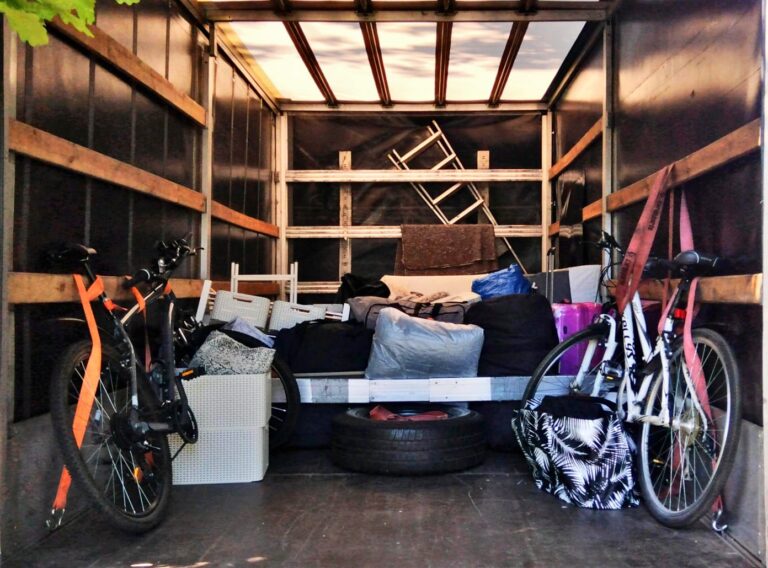
If you are moving a compact load, a man and van approach is often the cleanest value because it keeps the plan flexible and fast.
Step four: your moving plan and timeline
The most successful moves are boring on purpose. They are planned.
A good timeline is not just a list. It is a pressure release valve. It stops last minute decisions, and last minute decisions are where mistakes get made.
Two tracks to run at the same time
Think of your move as two parallel projects.
- Paperwork and appointments
- Logistics and packing
If you only run one track, the other will ambush you.
A realistic timeline (built for real people)
8 to 10 weeks before
Start the foundation work.
- Decide your legal route and your target arrival date
- Start your inventory and declutter sweep
- Gather your core documents and scan them
- Request quotes and choose your man and van plan
- Measure bulky items and take photos for accurate planning
6 weeks before
Lock in your move so your calendar stops wobbling.
- Confirm accommodation plan in Spain
- Book transport and choose the right van size
- Start packing rarely used items
- Create a simple box labelling system (room plus priority)
4 weeks before
Turn packing into a steady rhythm.
- Confirm access details at both addresses
- Pack room by room and label boxes clearly
- Separate a first night box and a documents bag
- Protect furniture properly, especially corners and glass
2 weeks before
Make everything smoother for moving day.
- Confirm collection and delivery windows
- Finish packing and do a final declutter pass
- Notify banks, subscriptions, employers, and insurers
- Prepare a small essentials kit for travel day (chargers, water, snacks)
Moving week
Keep it simple. Keep it safe.
- Keep essentials with you
- Photograph fragile items before loading
- Stay hydrated and keep snacks close
- Keep keys, documents, and confirmations in one place
A quick timeline table for clarity
This is the same plan, just easier to scan.
| Time before move | Focus | Your win |
|---|---|---|
| 8 to 10 weeks | Legal route, inventory, quotes | No rushed decisions |
| 6 weeks | Book transport, start packing | Timeline locked |
| 4 weeks | Packing rhythm, access details | Less damage risk |
| 2 weeks | Confirm windows, finish admin | Smooth moving day |
| Moving week | Protect essentials, load calmly | Clean landing in Spain |
Step five: transport, van sizes, and choosing the right service
Your transport choice decides your stress level.
A good mover delivers your belongings. A great mover delivers your peace of mind.
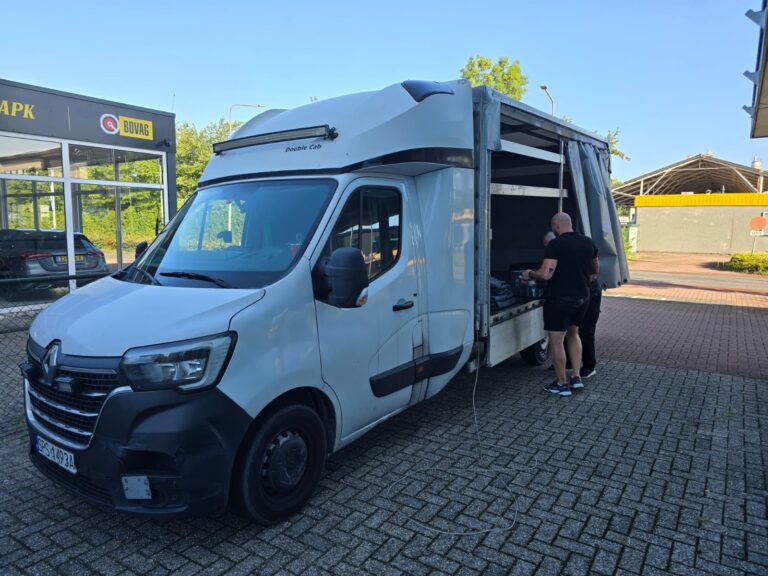
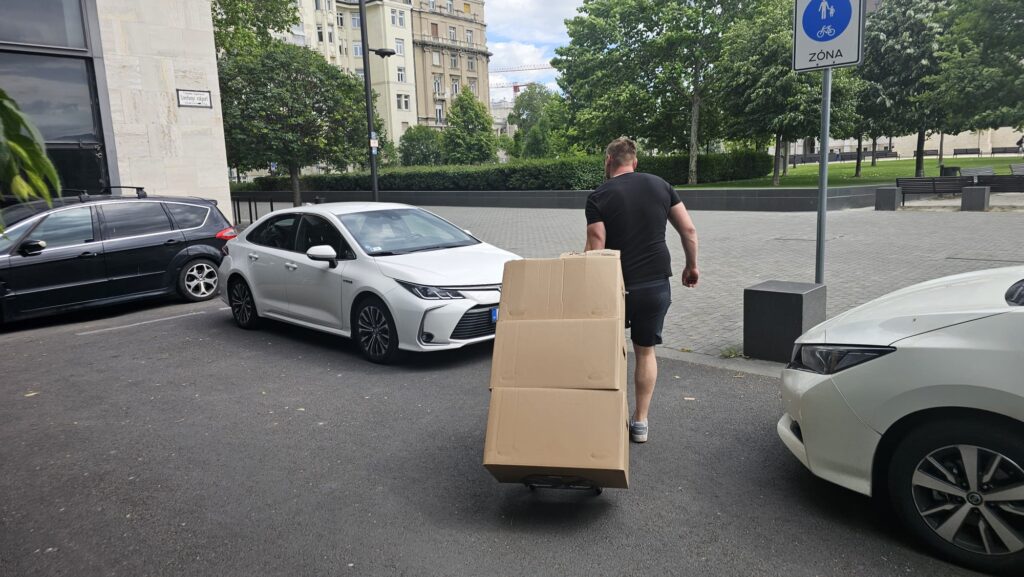
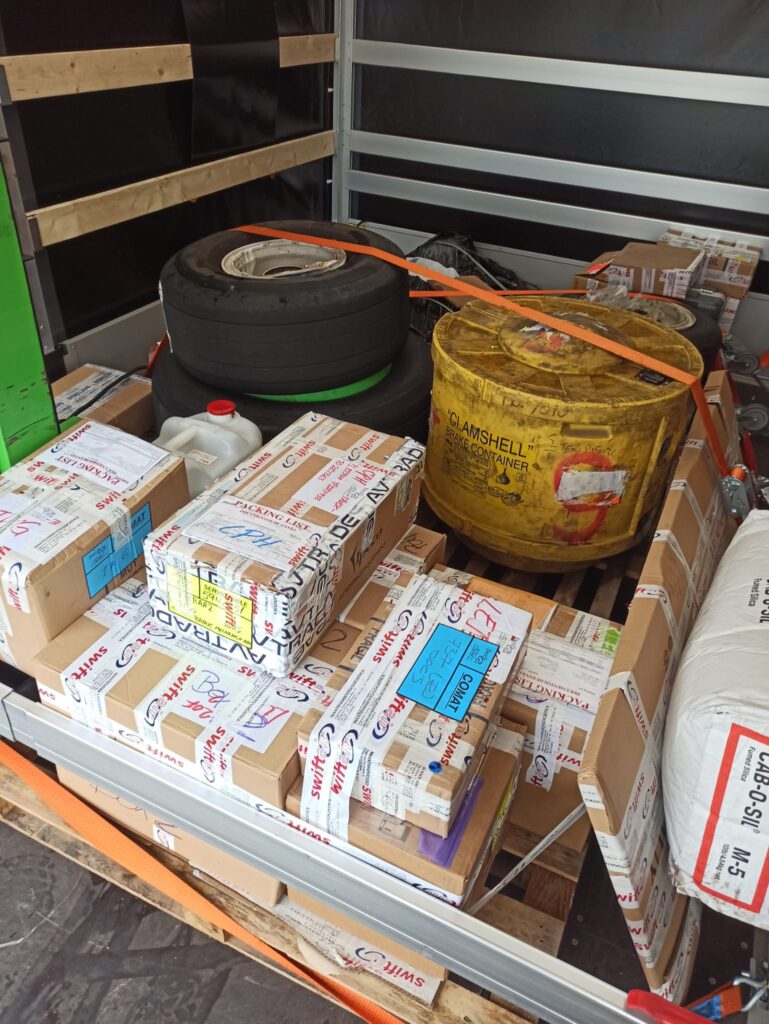
VANonsite offers premium European transport with GPS tracking for every load, so you are never left guessing where your life is.
Start here:

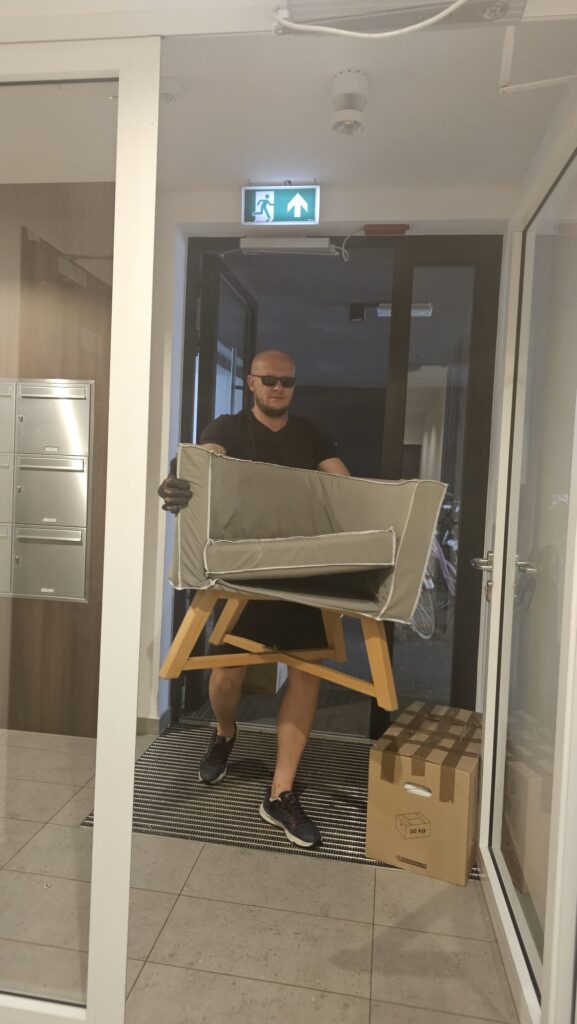

Which VANonsite service fits your move?
You do not need everything. You need the right mix.
- For full home moves: Home Removals
- For furniture heavy relocations: Furniture Removals
- For fragile, high value items: White Glove Delivery
- For fast packing help: Packing Service
- For student moves: Student Removals
- For urgent deadlines: Last Minute Moving
VAN sizes that match real life
Choosing a van size is not just about volume. It is about avoiding the nightmare of a second trip.
| Vehicle | Volume | Max payload | Best for |
|---|---|---|---|
| Moving One | 1 m3 | 100 kg | A few boxes, suitcase essentials, urgent items |
| Moving Basic | 5 m3 | 300 kg | Student room, minimal studio move |
| Moving Medium | 10 m3 | 600 kg | Small 1 bedroom, light furniture |
| Moving Premium | 15 m3 | 1000 kg | 1 to 2 bedroom with furniture |
| Moving Premium Plus | 30 m3 | 3500 kg | Family move, bulky furniture, big kitchen items |
| Moving Full House XXL | 90 m3 | 20000 kg | Full household relocation, large homes |
A quick quote checklist
To get an accurate quote fast, share:
- Pickup postcode and delivery postcode
- Your preferred dates and flexibility window
- Approximate number of boxes
- A list of major items (sofa, bed, wardrobes)
- Photos of bulky furniture
- Access notes (stairs, lift, parking)
Step six: packing, protection, and avoiding damage
Packing is not about filling boxes. It is about preventing movement.
And if you are moving to Spain, it is also about protecting your energy. Packing drains people because it becomes an endless loop of decisions. The fix is simple. Build a system, then repeat it.
The packing rule that saves your belongings
If it can rattle, it can break.
Empty air is the enemy. The goal is to remove movement inside the box and remove friction between fragile surfaces.
Packing supplies that actually matter
You do not need everything. You need the right basics.
- Double wall boxes for books and kitchen items
- Strong tape that does not split in cold weather
- Bubble wrap or packing paper for fragile items
- Stretch film for drawers, textiles, and bundles
- Furniture blankets for sofas, tables, and cabinets
- Marker pens that do not smudge
- Zip bags for screws and fittings
A calm packing system
- Pack by room
- Label by room and priority
- Keep one essentials box per person
- Keep documents and valuables with you, not in the van
Now give the system teeth with two extra rules.
- Heavy items low, light items high
- One box, one weight limit. If it makes your arms swear, it is too heavy
Labelling that saves you hours
Labeling is where movers win time.
Write three things on every box:
- Room destination
- Priority (Open first, Open soon, Open later)
- Fragile or This way up if needed
If you want to be even smarter, add a simple number and keep a list in your phone.
Example: Kitchen 01, Kitchen 02, Kitchen 03.
What to pack together and what to separate
These small choices prevent breakages.
- Plates go vertical like records, not stacked flat
- Glasses get wrapped individually, then packed tight
- Liquids travel sealed inside a bag, inside a box
- Electronics travel padded, with cables taped to the device
- Screws and fittings travel in labelled zip bags taped to the item
A quick packing priority table
This helps you avoid the classic mistake of packing essentials too early.
| Priority | What goes in | When to pack |
|---|---|---|
| Open first | Toiletries, chargers, bedding, kettle, meds | Last 24 hours |
| Open soon | Kitchen basics, work setup, kids essentials | 2 to 3 days before |
| Open later | Decor, books, spare linens, seasonal items | 1 to 3 weeks before |
Furniture protection (where damage usually happens)
Furniture rarely gets damaged in the middle of the journey. It gets damaged during loading, turning corners, or stacking.
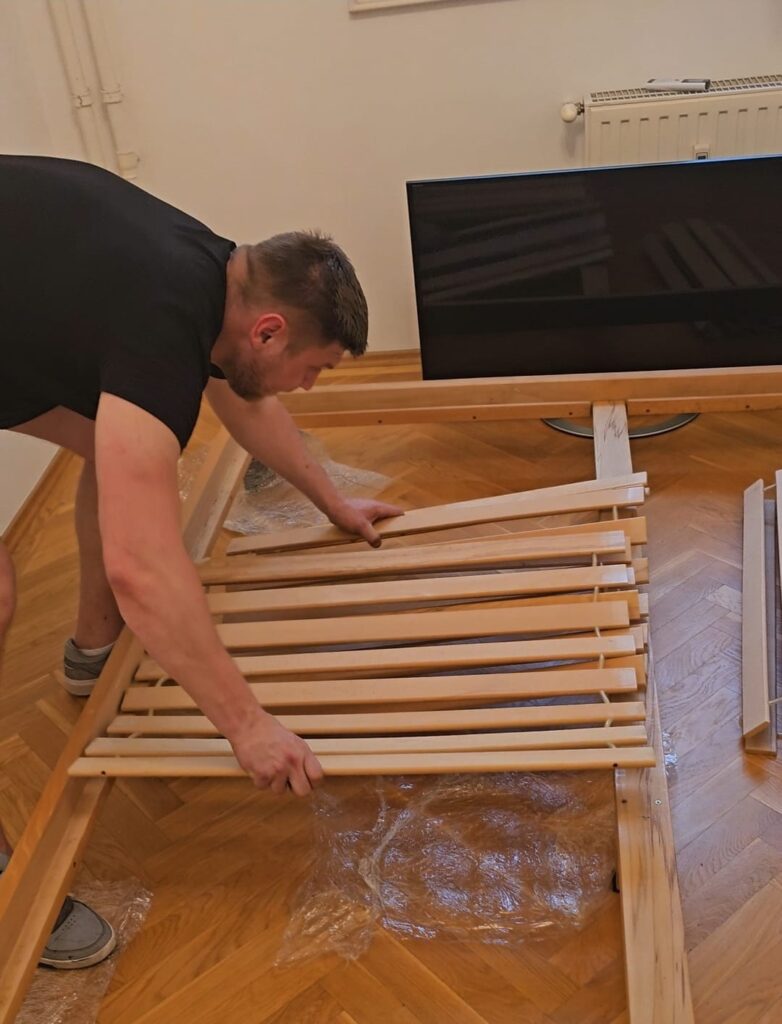
Do these five things and you dramatically reduce risk:
- Remove legs from sofas and tables when possible
- Protect corners with cardboard or corner guards
- Blanket wrap big items, then secure with straps
- Keep glass upright and clearly marked
- Never let a mirror or TV screen sit loose without padding
If your move includes a lot of furniture, it can be worth using a specialist approach from the start:
When to outsource packing
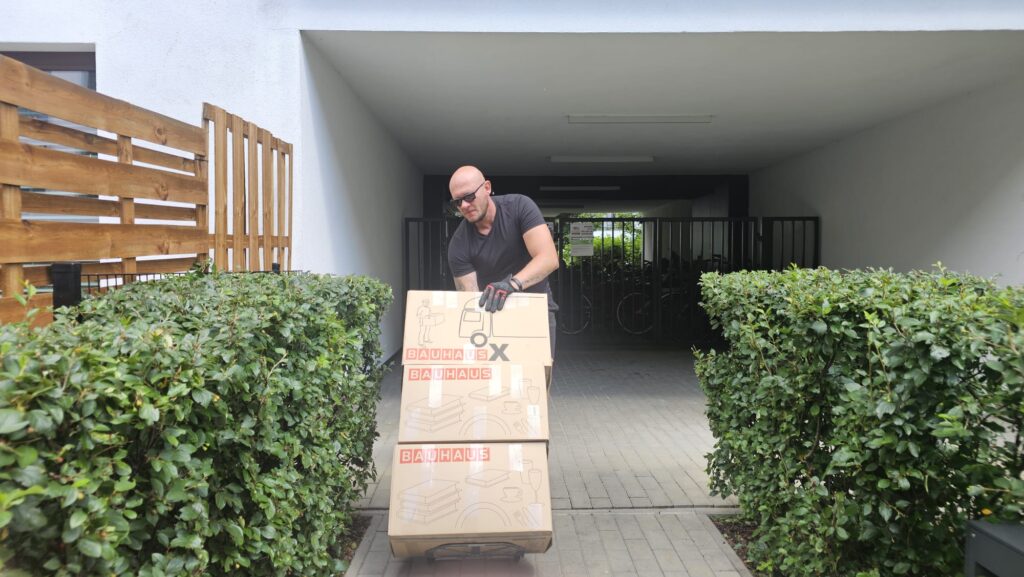
If you are short on time, moving fragile items, or simply want a smoother landing, professional packing pays for itself.
For premium items that need careful placement and handling:
A final calm reminder
Packing is not a test of character. It is a process.
If you feel overwhelmed, do less per day, but do it consistently. Ten boxes a day beats one frantic weekend.
Step seven: landing in Spain, first week essentials
Arrival day is emotional. You will feel excitement, relief, and sudden tiredness all at once.
So make your first week easy. The goal is not to unpack everything. The goal is to feel settled enough to breathe.
Your first 72 hours checklist
Start with comfort and control.
- Set up one comfort zone (bed, chargers, water, toiletries)
- Buy a local SIM so calls and appointments are easier
- Save digital copies of your key documents
- Confirm your next appointments
- Unpack your first night box before anything else
The first night box, done properly
If you only follow one rule from this whole guide, let it be this.
Keep a first night box that is never buried.
- Bedding, towels, basic toiletries
- Chargers and extension lead
- Kettle or coffee kit, plus a couple of mugs
- Cutlery, a small pan, and a bin bag
- Basic cleaning wipes and hand soap
- A small tool kit (screwdriver, scissors, tape)
Your first 2 weeks checklist
This is where your move starts to feel like a life.
- Start NIE and padrón steps if relevant to your situation
- Open a bank account if you need one
- Set up utilities and internet
- Build a simple weekly admin routine so nothing piles up
Add these practical moves if you want a smoother landing.
- Create a Spanish address page in your notes app with full address, postcode, and building instructions
- Learn your local essentials: nearest pharmacy, supermarket, and parking rules
- Save copies of your rental contract and proof of address, you will use them again and again
A simple unpacking plan that prevents burnout
Unpacking can become a silent stress. Give it structure.
- Bedroom first (sleep is your power source)
- Bathroom second (comfort and routine)
- Kitchen third (money saver)
- Work zone fourth (even if it is a corner)
Everything else can wait.
If your dates do not match
Sometimes keys arrive late. Sometimes a landlord changes the plan. Sometimes life just does what it does.
If you suspect a gap, mention it early when requesting a quote. Storage can save your timeline and your sanity.
If your move needs to happen fast, start here:


The biggest mistakes movers make
Most moving mistakes do not feel like mistakes at the time. They feel like shortcuts.
Then they get expensive.
If you want to avoid the most common traps, read this before you book anything:
And if you are moving from the UK, keep the legal stay rules close:
Now, here are the real mistakes that quietly wreck timelines and budgets, plus the fixes that keep your move clean.
Mistake 1: Booking the move before the legal plan is solid
People choose a date because it feels right, not because it is allowed.
If you are British and planning multiple trips, you can burn your Schengen days faster than you expect. For longer stays, build the move around the visa route.
If your dates feel complicated, use the official calculator and keep a screenshot:
Mistake 2: Underestimating volume and choosing the wrong van size
The classic story is always the same. One extra wardrobe, one more “small” box, and suddenly the plan needs a second trip.
Second trips cost money and energy.
The fix is simple. Inventory early. Photograph bulky items. Choose the van size that gives you breathing room, not the one that gives you anxiety.
Mistake 3: Treating packing like a last minute chore
Rushed packing breaks things. It also burns you out right before you arrive.
If you have fragile furniture, glass, mirrors, or premium pieces, protect them properly or outsource the high risk parts.
Mistake 4: Ignoring access details until moving day
Stairs, parking distance, narrow turns, tiny lifts. These are not small details. They decide how fast loading goes.
If access is tricky, mention it early. You get a more accurate quote and a smoother day.
Mistake 5: Not planning for the gap between move out and move in
Keys do not always line up. Landlords change plans. Rentals get delayed.
A small storage buffer can save your move and your mood. If you suspect a gap, say it from the start.
Mistake 6: Forgetting the emotional side of the move
This is the one nobody budgets for.
You will be tired. You will be making decisions all day. So build small comforts into the plan.
- A first night box that is never buried
- A clean sleep setup on arrival
- A simple unpacking plan, one room at a time
Mistake 7: Choosing a mover you cannot track or trust
When your belongings are on the road, your mind goes there too.
GPS tracking removes the guesswork and gives you control. It lets you plan your day and breathe.
If you want a fast, safe move with GPS tracking across Europe, start here:
Quick mistake fix table
| Mistake | What it causes | The fix |
|---|---|---|
| Booking dates too early | Delays, overstay stress | Confirm legal route first |
| Wrong van size | Second trip, extra costs | Inventory and choose breathing room |
| Rushed packing | Damage, exhaustion | Pack in waves or use a packing service |
| Poor access info | Slow loading, surprises | Share stairs, lift, parking details early |
| No buffer plan | Extra accommodation costs | Plan for storage or flexible delivery |
FAQs
What do you need to move to Spain from the UK?
A legal stay plan, a strong document pack, a realistic budget, and a reliable transport partner.
If you are moving your belongings, a man and van option is often the fastest and most flexible way to keep your move under control, especially for small to medium loads.
Do I need a visa to move to Spain?
If you are staying longer than 90 days as a British citizen, you will typically need a long stay visa or residence route.
If you are staying as a visitor, you still need to respect the rolling 90 days in 180 days rule.
How do I avoid overstaying the 90 day rule?
Track your travel days and do not aim for day 90.
If you are doing a staged move with trips back to the UK, use the official calculator to check your dates:
What documents do I need for the move itself?
For the transport side, the essentials are simple.
- Passport and copies
- Your inventory list
- Address details at both ends
- Any special instructions for fragile items
If you are relocating long term, keep your Spain paperwork pack ready too, especially NIE and address proof.
Do I need an inventory list?
Yes. It keeps your quote accurate, protects your planning, and makes the move easier to organise.
Keep it practical. Boxes count, plus major items like sofa, bed, wardrobes, dining table.
What is the easiest way to move a small load to Spain?
A man and van service is usually the simplest for a smaller relocation, student move, or urgent delivery.
If your move is mostly boxes with a few essentials, this approach keeps it lean and fast.
I have furniture. Which service should I use?
If your move is furniture heavy, start with a service built for protection.
For premium items and careful placement in your new home, choose:
Can you move a full home to Spain?
Yes. If you are relocating a whole household, you want a plan that covers volume, protection, and timing.
Do you offer packing help?
Yes. Packing support is ideal when time is tight or when you have fragile items.
Do you offer last minute moves?
Yes. If your dates shifted overnight or you need fast transport, last minute support can keep your plan alive.
Can VANonsite track my load?
Yes. VANonsite offers GPS tracking for every load, so you can follow progress and plan your day without guesswork.
Final word
Moving to Spain is brave. It is also practical.
Get the legal route right, build your document pack early, and choose a moving plan that protects your belongings and your nerves.
If you want a clean, trusted start, begin here:
If you want to avoid the expensive traps before you book, read this next: