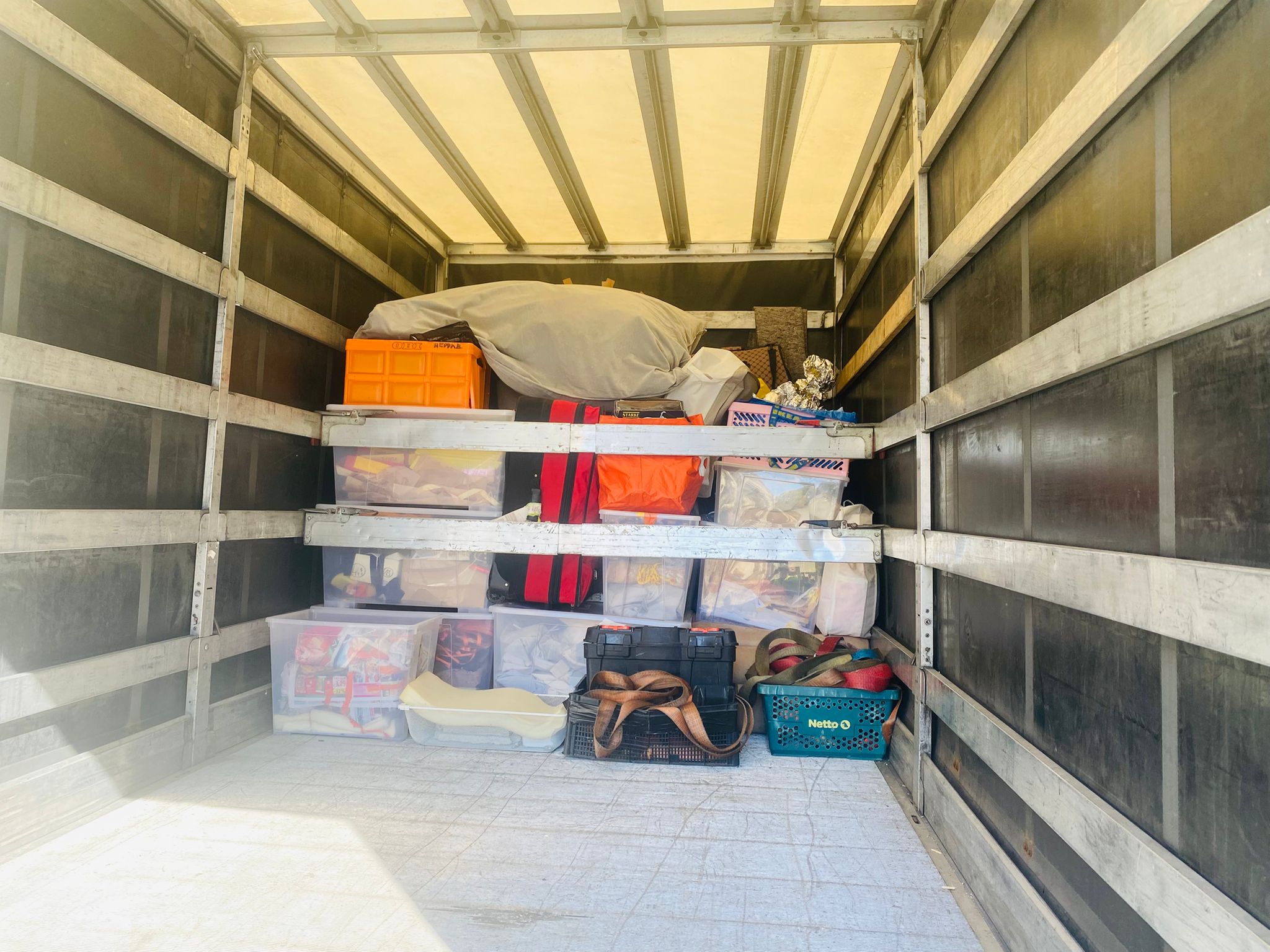
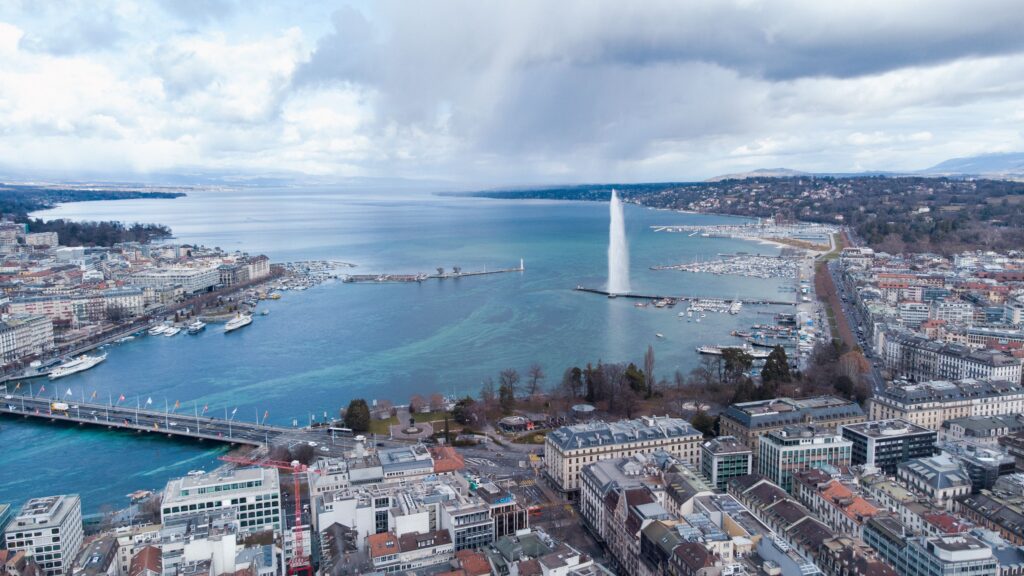
Living in Geneva Switzerland is a bold choice for people who want safety, strong salaries, international careers and a refined lifestyle shaped by Lake Geneva, the Alps and Swiss precision. The city is beautiful, clean and remarkably organised, but it is also expensive, competitive and serious about rules. For many expats, that mix becomes the real charm of Geneva: it asks a lot from you, yet gives a lot back.
Geneva feels compact on the map, but global in daily life. You can hear several languages before your morning coffee, pass diplomatic missions on your way to work, then spend the evening walking beside the lake. It attracts finance professionals, NGO workers, diplomats, students, scientists, families and entrepreneurs who want a calm but ambitious place to live.
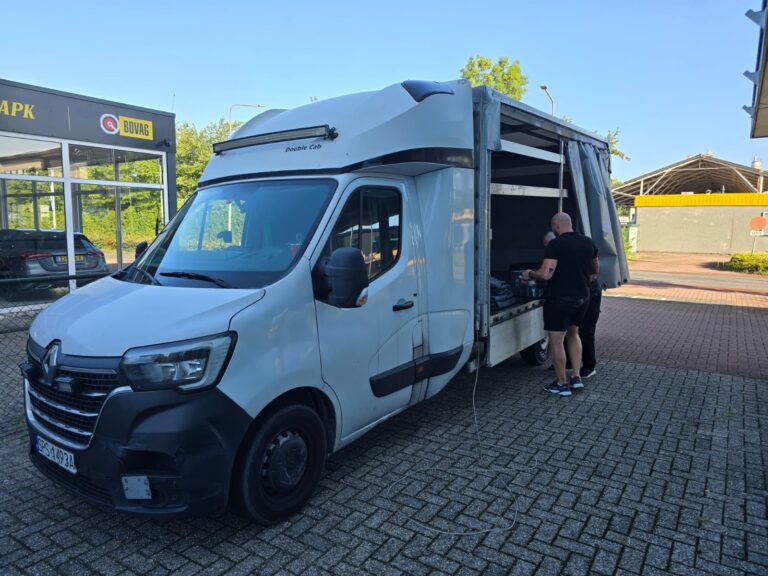
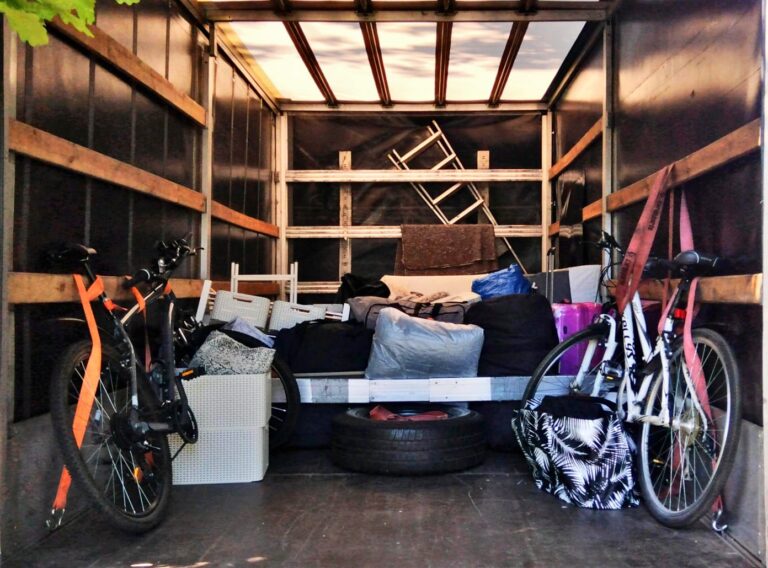
Before moving, preparation is essential. Housing, health insurance, registration, work permits and customs rules should be planned early. If you are bringing furniture, boxes, fragile items or office equipment, a reliable moving company can make the transition much smoother. VANonsite supports European removals to Switzerland with GPS-tracked transport, packing, storage, furniture removals, White Glove Delivery and flexible man and van options.
TL:DR: Living in Geneva Switzerland
- Living in Geneva Switzerland is ideal for expats who value safety, international careers, high salaries and a polished lifestyle.
- The city is expensive, especially for rent, health insurance, childcare, groceries and restaurants.
- Housing is competitive, so prepare your rental documents before you start viewings.
- New residents must follow Geneva registration and permit rules, including OCPM procedures.
- Swiss basic health insurance is compulsory and must usually be arranged within 3 months of residence.
- Public transport is clean, reliable and often removes the need for a car.
- VANonsite can support your relocation with GPS-tracked removals, packing, storage and man and van transport.




Is Living in Geneva Switzerland Worth It?
Living in Geneva Switzerland is worth it if you want a safe, international and well-organised lifestyle. The city suits people who appreciate stability, career growth, clean public spaces, excellent transport and easy access to nature. It is especially attractive for professionals working in finance, international organisations, NGOs, research, luxury goods, healthcare and global trade.
However, Geneva is not a budget-friendly destination. Rent can take a large share of income. Eating out is expensive. Apartment hunting can be stressful. Although English is common in international workplaces, French is very helpful for daily life, school, healthcare, housing and local administration.
Still, Geneva offers an unusual balance. You can build a global career during the week, walk by the lake after work and spend weekends in the mountains or across the French border. It is a city for planners, professionals and families who value quality over chaos.
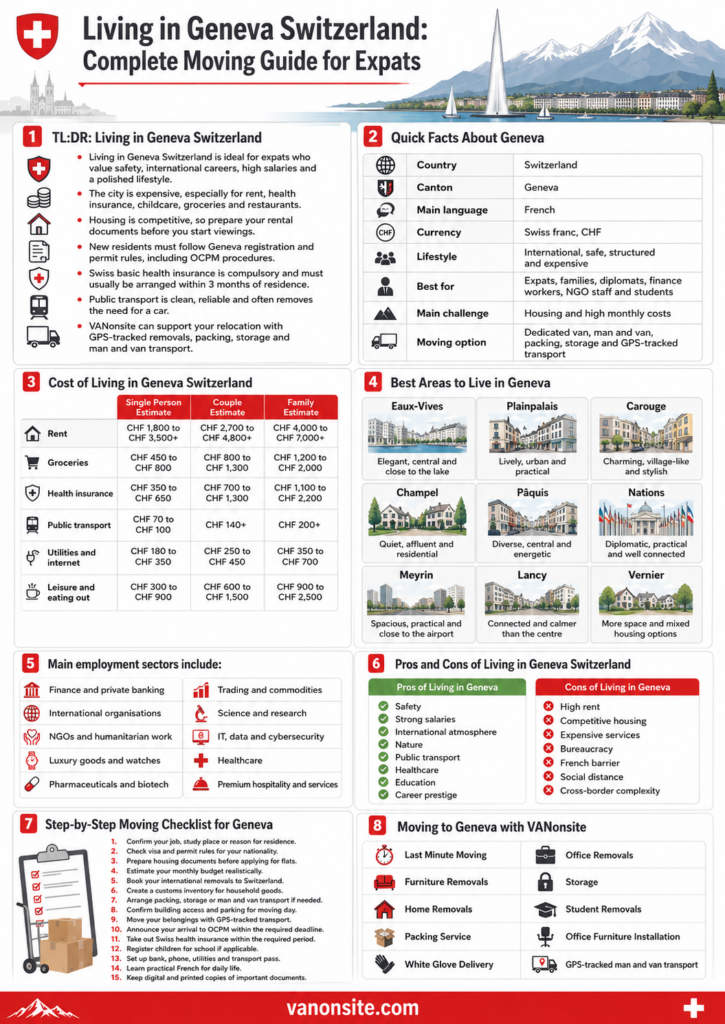
Quick Facts About Geneva
| Category | What to Know |
|---|---|
| Country | Switzerland |
| Canton | Geneva |
| Main language | French |
| Currency | Swiss franc, CHF |
| Lifestyle | International, safe, structured and expensive |
| Best for | Expats, families, diplomats, finance workers, NGO staff and students |
| Main challenge | Housing and high monthly costs |
| Moving option | Dedicated van, man and van, packing, storage and GPS-tracked transport |
Geneva has a different personality from Zurich, Basel or Lausanne. It is diplomatic, discreet, border-connected and deeply international. It is not loud or flashy. Instead, it runs on punctuality, documents, appointments and trust.
Cost of Living in Geneva Switzerland
Living in Geneva Switzerland is expensive, even by Swiss standards. The biggest cost is usually rent, followed by health insurance, groceries, childcare, utilities, transport and leisure. A single person can live well with a strong salary, but renting alone in the centre can quickly stretch the budget. Families need even more careful planning.
| Monthly Cost Category | Single Person Estimate | Couple Estimate | Family Estimate |
|---|---|---|---|
| Rent | CHF 1,800 to CHF 3,500+ | CHF 2,700 to CHF 4,800+ | CHF 4,000 to CHF 7,000+ |
| Groceries | CHF 450 to CHF 800 | CHF 800 to CHF 1,300 | CHF 1,200 to CHF 2,000 |
| Health insurance | CHF 350 to CHF 650 | CHF 700 to CHF 1,300 | CHF 1,100 to CHF 2,200 |
| Public transport | CHF 70 to CHF 100 | CHF 140+ | CHF 200+ |
| Utilities and internet | CHF 180 to CHF 350 | CHF 250 to CHF 450 | CHF 350 to CHF 700 |
| Leisure and eating out | CHF 300 to CHF 900 | CHF 600 to CHF 1,500 | CHF 900 to CHF 2,500 |
Lifestyle choices make a huge difference. A central apartment, private childcare, international school fees and frequent restaurant meals can push monthly costs much higher. On the other hand, living outside the centre, using public transport and cooking at home can reduce pressure.
A smart relocation budget should include at least 3 months of living costs, a rental deposit, insurance premiums, moving costs and emergency savings. Geneva rewards people who arrive prepared.
Rent and Housing in Geneva
Housing is often the hardest part of living in Geneva Switzerland. Demand is high, supply is limited and good apartments can receive many applications. Landlords and agencies usually expect a complete file, so preparation matters.
Best Areas to Live in Geneva
| Area | Best For | Character |
|---|---|---|
| Eaux-Vives | Professionals and couples | Elegant, central and close to the lake |
| Plainpalais | Students and young expats | Lively, urban and practical |
| Carouge | Families and creatives | Charming, village-like and stylish |
| Champel | Families and professionals | Quiet, affluent and residential |
| Pâquis | International newcomers | Diverse, central and energetic |
| Nations | NGO and UN workers | Diplomatic, practical and well connected |
| Meyrin | CERN employees and families | Spacious, practical and close to the airport |
| Lancy | Families and commuters | Connected and calmer than the centre |
| Vernier | Budget-conscious residents | More space and mixed housing options |
Central Geneva is convenient but costly. Areas near tram lines can be excellent alternatives because public transport is strong. Before signing a lease, test your commute to work, school and essential services.
Documents Usually Needed for Renting
Prepare your rental file before booking viewings. In Geneva, a strong application can make the difference between getting a flat and losing it.
Common documents include:
- Passport or national ID
- Residence permit or permit application confirmation
- Work contract
- Recent salary slips if available
- Bank details
- Debt register extract if available
- References from a previous landlord or employer
- Rental guarantee or deposit confirmation
- Family details if applying as a household
If some documents are not ready yet, explain your situation clearly. A clean, organised and serious application creates trust.
Jobs and Salaries in Geneva
Geneva has a strong job market, but competition is intense. The city attracts skilled candidates from across Europe and beyond. English can be enough in some international companies, banks, NGOs and institutions, but French gives you a major advantage in local life and many roles.
Main employment sectors include:
- Finance and private banking
- International organisations
- NGOs and humanitarian work
- Luxury goods and watches
- Pharmaceuticals and biotech
- Trading and commodities
- Science and research
- IT, data and cybersecurity
- Healthcare
- Premium hospitality and services
| Job Area | Typical Outlook |
|---|---|
| Finance | Strong salaries and high expectations |
| NGOs | Meaningful work with competitive recruitment |
| Luxury services | Good for multilingual candidates |
| Healthcare | Stable demand |
| IT and data | Growing opportunities |
| Hospitality | Useful entry route, but pay varies |
| Research | Strong around CERN and academic institutions |
| Trading | Specialist, demanding and well paid |
Living in Geneva Switzerland can be excellent for your career, especially if your work connects to diplomacy, finance, international law, science, humanitarian projects or global business. If possible, secure a job before moving or arrive with enough savings to cover several months.
Documents and Formalities When Moving to Geneva
Paperwork is one of the most important parts of moving to Geneva. The rules depend on your nationality, work status, family situation and length of stay. EU and EFTA citizens usually follow a different process than third-country nationals.
Foreign nationals who want to live and work in Geneva should check the official Geneva permit guidance. If you are settling in the canton, you should also read the official OCPM arrival information.
Residence and Work Permit
If you are moving for work, confirm your permit situation before arrival. EU and EFTA nationals with a Swiss employment contract usually need to apply for the correct residence permit. Non-EU and non-EFTA nationals often need authorisation before entering Switzerland for work.
Do not leave this until the last moment. Permit rules affect housing, employment, health insurance and family relocation.
Arrival Registration
People settling in Geneva must announce their arrival to the Cantonal Office for Population and Migration, known as OCPM. Geneva’s official guidance explains the registration process and deadlines for new residents.
Keep printed and digital copies of your documents. Geneva administration is efficient, but it expects accuracy.
Health Insurance
Health insurance is compulsory in Switzerland. New residents usually need to take out basic health insurance within 3 months of taking up residence. You can check official information from the Federal Office of Public Health.
Before choosing a policy, compare:
- Monthly premium
- Deductible
- Accident cover
- Doctor access model
- Hospital coverage
- Family coverage
- English or French customer service
- Claims process
Swiss healthcare is excellent, but it is not free. Budget for it from the beginning.
Customs and Household Goods
Switzerland is not in the EU customs union, so household goods need proper customs handling. If you are moving your household to Switzerland, check the official Swiss customs guidance on moving household effects.
In many relocation cases, used household effects can be imported duty-free if they meet the official conditions. Typically, these goods should have been personally used before import and should continue to be used after arrival. A detailed inventory is important.
This is where a professional removals company helps. Good planning reduces border stress, protects your belongings and keeps your move on schedule.
Moving to Geneva with VANonsite
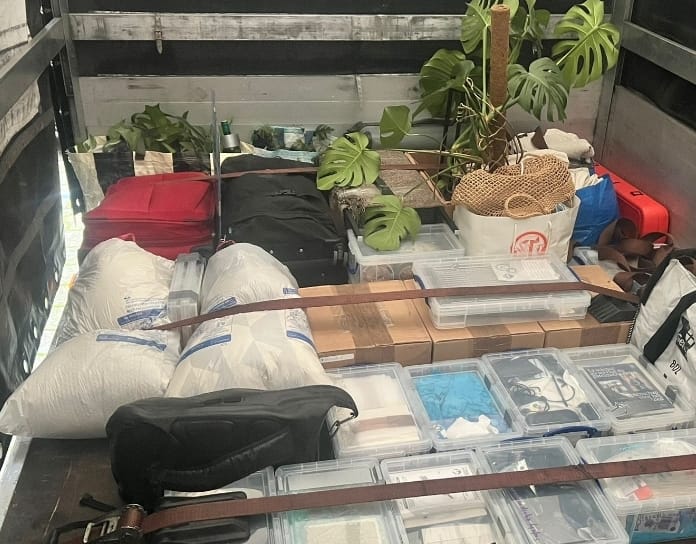
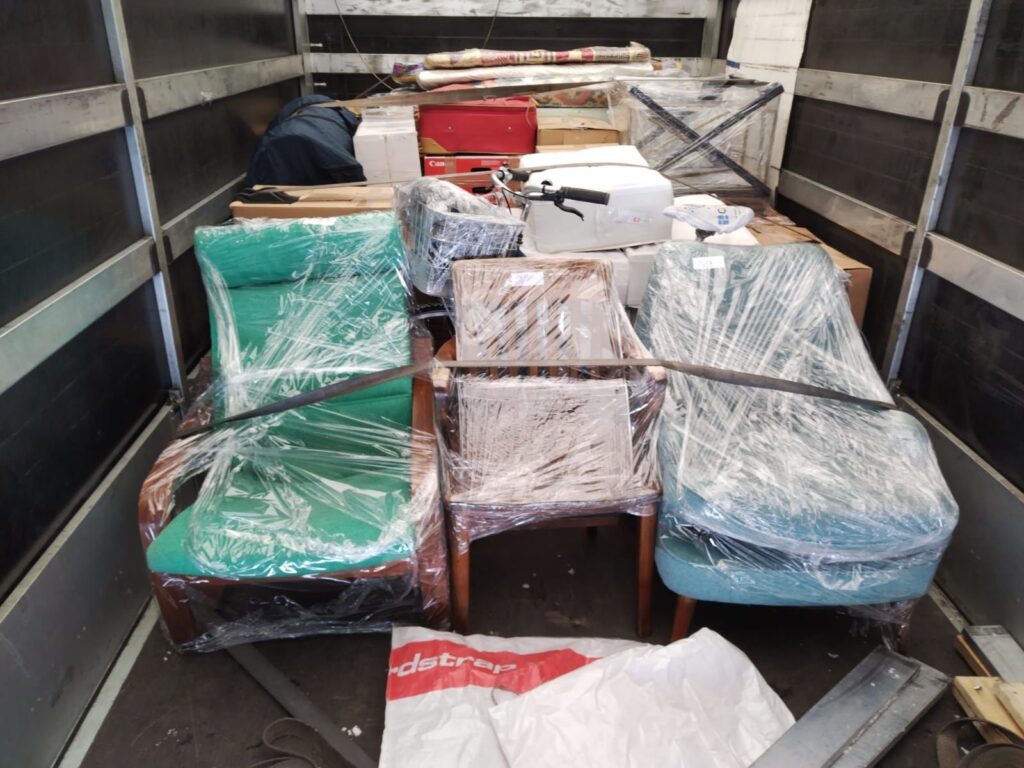
When living in Geneva Switzerland becomes your real plan, the physical move should feel controlled, not chaotic. Geneva has narrow streets, building access rules, parking restrictions and precise delivery expectations. Add customs paperwork, and the value of proper relocation support becomes clear.
VANonsite supports European removals to Switzerland with secure transport, GPS tracking and flexible moving options. Whether you are relocating a few boxes or a full family home, the service can match the size and complexity of your move.
Vehicle Sizes for Moves to Geneva
| Moving Option | Capacity | Best For |
|---|---|---|
| Moving One | 1 m³, 100 kg | Student boxes, small urgent loads and man and van delivery |
| Moving Basic | 5 m³, 300 kg | Studio moves, boxes and small furniture |
| Moving Medium | 10 m³, 500 kg | One-bedroom apartments |
| Moving Premium | 15 m³, 1,100 kg | Larger apartments and furniture removals |
| Moving Premium Plus | 30 m³, 3,500 kg | Family relocations and office removals |
| Moving Full House XXL | 90 m³, 20,000 kg | Full house moves and complex projects |
A student may need only 1 m³. A family may need 30 m³. A company may need office removals, furniture installation and storage. That flexibility helps you avoid paying for the wrong vehicle size.
VANonsite Services for Geneva Relocations
A move to Geneva is rarely just transport. It may include fragile furniture, high-value items, last-minute changes, temporary storage and strict access times.
VANonsite can support your move with:
- Last Minute Moving
- Furniture Removals
- Home Removals
- Packing Service
- White Glove Delivery
- Office Removals
- Storage
- Student Removals
- Office Furniture Installation
- GPS-tracked man and van transport
GPS tracking gives extra peace of mind. When your belongings are crossing borders, knowing where they are is more than convenient. It is reassuring.
Pros and Cons of Living in Geneva Switzerland
The pros and cons of living in Geneva Switzerland are clear because the city is full of contrasts. It is beautiful, but expensive. International, but sometimes reserved. Efficient, but bureaucratic. Calm, but competitive.
Pros of Living in Geneva
| Pro | Why It Matters |
|---|---|
| Safety | Daily life feels calm, stable and well managed |
| Strong salaries | Professional roles can offer excellent earning potential |
| International atmosphere | Ideal for global careers and multilingual households |
| Nature | Lake Geneva, mountains and vineyards are close |
| Public transport | Clean, reliable and practical |
| Healthcare | High quality, although expensive |
| Education | Strong public, private and international options |
| Career prestige | Geneva can strengthen an international CV |
Living in Geneva Switzerland can feel luxurious in small, everyday ways. Clean public spaces, safe evening walks, punctual trams, lake views and quick access to the airport all add value to daily life.
Cons of Living in Geneva
| Con | Why It Can Be Difficult |
|---|---|
| High rent | Housing can consume a large share of income |
| Competitive housing | Good apartments disappear quickly |
| Expensive services | Childcare, restaurants and repairs cost a lot |
| Bureaucracy | Deadlines and documents matter |
| French barrier | English helps, but French opens daily life |
| Social distance | Friendships may take time |
| Cross-border complexity | France can be cheaper, but administration becomes harder |
The pros and cons of living in Geneva, Switzerland depend heavily on your income, expectations and family situation. If you expect a cheap and spontaneous city, Geneva may frustrate you. If you value order, opportunity and premium quality of life, it can be exceptional.
Living in Geneva Switzerland for Families
For families, Geneva can be a wonderful place to live. It is safe, clean and organised, with strong healthcare, parks, schools and access to nature. The main challenge is cost. Family-sized apartments, childcare, insurance and school choices can become expensive.
| Pros for Families | Cons for Families |
|---|---|
| Safe neighbourhoods | Expensive family apartments |
| Clean parks and lake access | Childcare can be costly |
| Strong healthcare | Insurance premiums add up |
| International community | French may be needed quickly |
| Good school structure | Private schools can be expensive |
| Easy weekend trips | Housing supply is limited |
Before choosing a neighbourhood, think about school location, transport, commute time and apartment size. A cheaper flat far from school or work may become exhausting after a few months.
Transport and Getting Around Geneva
Public transport is one of the strongest benefits of living in Geneva Switzerland. The network includes trams, buses, trolleybuses, trains and lake shuttle boats. Many residents do not need a car for daily life.
Good transport tips for newcomers:
- Choose housing near a tram or bus line.
- Test your commute before signing a rental contract.
- Do not assume a short distance always means a fast journey.
- Consider airport access if you travel often.
- Check cross-border transport carefully if living in France.
- Use public transport before deciding to buy a car.
Geneva Airport is close to the city, which is a major advantage for international professionals. For weekend trips, Switzerland, France and northern Italy are all within reach.

Healthcare and Education in Geneva
Healthcare in Geneva is high quality, but residents pay through compulsory insurance. Premiums, deductibles and co-payments depend on the insurer and policy model. Choose early and keep proof of coverage for administrative procedures.
Education is another major reason families choose Geneva. The city offers public schools, private schools, bilingual schools and international schools.
| School Type | Best For | Notes |
|---|---|---|
| Public schools | Long-term families | French-speaking and strong for local integration |
| International schools | Expats on fixed contracts | Expensive, but globally recognised |
| Bilingual schools | Families seeking language balance | Useful bridge between local and international education |
| Universities and research | Students and academics | Strong international reputation |
Public schools can help children integrate into Swiss life. International schools may suit families who expect to move again within a few years. Bilingual schools can offer a valuable middle path.
Best Places to Live Near Geneva
Not everyone living in Geneva Switzerland chooses the city centre. Some people prefer outer districts, nearby Swiss towns or French border towns.
| Location | Why People Choose It |
|---|---|
| Carouge | Charm, cafés and family feel |
| Lancy | Practical, connected and calmer than the centre |
| Vernier | More space and mixed housing |
| Meyrin | Good for CERN, airport access and families |
| Nyon | Lakeside life between Geneva and Lausanne |
| Annemasse, France | Lower rent and cross-border access |
| Ferney-Voltaire, France | Popular with international workers |
| Saint-Julien-en-Genevois, France | More space and commuter options |
Living in France near Geneva can reduce rent, but it may add complexity. Commuting, health insurance, taxes and work permits need careful checking. Living inside Geneva is usually simpler, while France may offer more space for the money.
What to Pack When Moving to Geneva
Geneva apartments can be smaller than expected, and access rules can be strict. Before moving large furniture, check measurements, elevators, staircases, parking space and delivery permissions.
Pack carefully and keep essential documents close:
- Passport, ID and permit documents
- Work contract and rental documents
- Health insurance papers
- School records for children
- Customs inventory
- Essential clothes for several seasons
- Medicines and prescriptions
- Electronics and chargers
- Fragile items packed professionally
- Furniture measurements
- High-value items listed separately
- First-week essentials in one clearly marked box
Geneva has four real seasons, so pack for warm summers, cold winters and mountain trips. Smart packing is better than heavy packing.
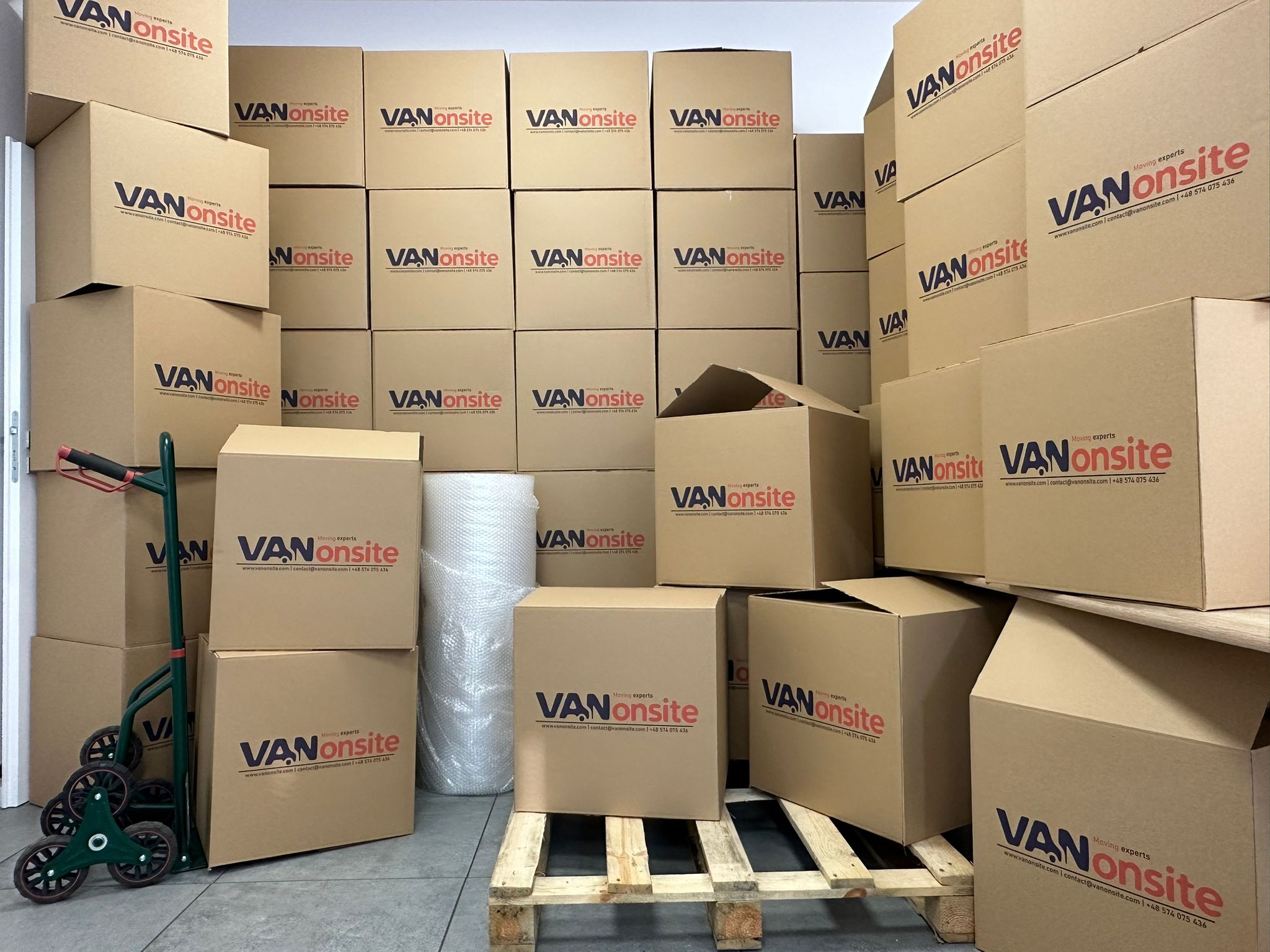
For delicate furniture, art, mirrors, electronics or premium office equipment, VANonsite’s Packing Service and White Glove Delivery can protect your belongings from door to door.
Step-by-Step Moving Checklist for Geneva
A successful move to Geneva is about sequence. Do the right things early, and the whole process becomes calmer.
- Confirm your job, study place or reason for residence.
- Check visa and permit rules for your nationality.
- Prepare housing documents before applying for flats.
- Estimate your monthly budget realistically.
- Book your international removals to Switzerland.
- Create a customs inventory for household goods.
- Arrange packing, storage or man and van transport if needed.
- Confirm building access and parking for moving day.
- Move your belongings with GPS-tracked transport.
- Announce your arrival to OCPM within the required deadline.
- Take out Swiss health insurance within the required period.
- Register children for school if applicable.
- Set up bank, phone, utilities and transport pass.
- Learn practical French for daily life.
- Keep digital and printed copies of important documents.
This checklist can save you stress. Geneva is efficient, but it expects you to respect the rules.
Living in Geneva Switzerland vs Zurich
Geneva and Zurich are both expensive, safe and international, but they feel different.
| Category | Geneva | Zurich |
|---|---|---|
| Language | French | German |
| Atmosphere | Diplomatic, international and discreet | Corporate, financial and polished |
| Job market | NGOs, finance, organisations and trade | Banking, tech, insurance and corporate roles |
| Lifestyle | Lake, France and Alps | Lake, business and culture |
| Housing | Very competitive | Very competitive |
| Best for | International institutions and cross-border life | Corporate careers and tech |
Choose Geneva if your career connects to international organisations, NGOs, diplomacy, French-speaking Switzerland or cross-border life. Choose Zurich if your work is linked to German-speaking Switzerland, banking, insurance, tech or corporate headquarters.
Living in Geneva Switzerland vs Living in France Near Geneva
Many newcomers consider living across the border in France. The reason is simple: housing can be cheaper. But rent is only one part of the decision.
Choose Geneva if:
- You want a shorter commute.
- You value local convenience.
- You want Swiss daily life.
- You have children in Geneva schools.
- You prefer simpler administration.
Choose France near Geneva if:
- Rent is your biggest concern.
- You accept cross-border commuting.
- Your work permit situation allows it.
- You understand the tax and insurance implications.
- You want more space for the same housing budget.
For a single professional, a smaller Geneva apartment may be worth the convenience. For a family, more space across the border can be tempting. Always calculate the full cost, not only the rent.
Common Mistakes When Moving to Geneva
Most relocation problems come from late planning. Geneva is not chaotic, but it is unforgiving when documents, money or timing are weak.
Avoid these mistakes:
- Looking for housing too late
- Underestimating rent and deposits
- Forgetting registration deadlines
- Delaying health insurance
- Assuming English is enough everywhere
- Bringing furniture without checking access
- Ignoring Swiss customs rules
- Choosing the cheapest mover without GPS tracking
- Not measuring elevators and staircases
- Forgetting parking permission for moving day
- Failing to budget for the first 3 months
- Not keeping printed copies of documents
The most painful mistake is thinking a move to Geneva is just like moving within the EU. Switzerland has its own systems, customs rules and timelines. Respect them, and the process becomes much smoother.
Final Verdict: Is Living in Geneva Switzerland Right for You?
Living in Geneva Switzerland is right for you if you want a safe, international and high-quality life, and you can handle the cost. It is a city for planners, professionals, families and ambitious expats who appreciate order. It is not the cheapest option, and it does not bend its rules for newcomers. But once you settle in, Geneva offers a rare mix of career opportunity, natural beauty and everyday stability.
The pros and cons of living in Geneva Switzerland are easy to name, but harder to feel until you arrive. The rent can sting. The lake can soften it. The bureaucracy can frustrate you. The public transport can impress you the next morning. Geneva is full of these contrasts.
If Geneva is your next chapter, plan the move with care. VANonsite offers European removals to Switzerland, secure packing, furniture removals, student moves, office removals, storage, White Glove Delivery and GPS-tracked man and van transport. Your belongings deserve the same precision that Swiss life is famous for.
FAQ: Living in Geneva Switzerland
Is living in Geneva Switzerland expensive?
Yes. Living in Geneva Switzerland is expensive, especially because of rent, health insurance, childcare, groceries and eating out. Strong salaries can balance the cost, but newcomers should plan carefully.
What salary do you need to live comfortably in Geneva?
A single person often needs several thousand Swiss francs per month to live comfortably, especially when renting alone. Families need a much higher budget because housing, insurance and childcare costs rise quickly.
Can you live in Geneva with English?
Yes, especially if you work in an international company, NGO or institution. However, French is very useful for housing, healthcare, schools, administration and daily life.
What are the main pros and cons of living in Geneva Switzerland?
The main pros are safety, high salaries, international careers, healthcare, public transport and nature. The main cons are high rent, expensive services, housing competition, bureaucracy and the need for French.
Is Geneva good for families?
Yes. Geneva is safe, clean and well organised, with good school options and strong healthcare. The main challenge for families is cost, especially larger apartments, childcare and insurance.
Do I need health insurance in Geneva?
Yes. Swiss basic health insurance is compulsory, and people settling in Switzerland usually need to arrange it within 3 months of taking up residence.
How can I move my furniture to Geneva?
You can move furniture to Geneva with a professional international removals company. VANonsite offers furniture removals, home removals, packing, storage, White Glove Delivery and GPS-tracked man and van transport to Switzerland.
Can household goods be imported duty-free into Switzerland?
In many relocation cases, yes. Swiss customs allows duty-free import of household effects when official conditions are met, including transfer of domicile and personal use of the goods before import.
Is Geneva better than Zurich?
Geneva is better for French-speaking international institutions, NGOs, diplomacy and access to France. Zurich is stronger for German-speaking corporate careers, banking, insurance and tech.
Is it better to live in Geneva or France near Geneva?
Geneva offers convenience and Swiss infrastructure. France can be cheaper for rent, but commuting, cross-border permits, taxes and health insurance can become more complex.