
Moving to Scotland from Germany can feel thrilling, unsettling, and strangely beautiful all at once. One moment, life still feels rooted in the familiar rhythm of Germany. The next, your mind is already racing ahead to Scottish streets, new routines, different weather, different systems, and that powerful mix of excitement and pressure that every real relocation brings.
That is why moving to Scotland from Germany is not just a matter of distance.
It is about far more than getting your belongings from one place to another. It is about transport planning, customs awareness, paperwork, timing, packing, budgeting, and creating a soft landing so that the first week in Scotland feels manageable instead of chaotic. On paper, the route may look straightforward. In real life, it is a layered move that rewards calm decisions and early preparation.
Many people underestimate how many moving parts sit inside this kind of relocation. A missed document, a badly timed booking, an underpriced budget, or one wrong guess about your moving volume can quickly turn an exciting new chapter into a stressful one. That is exactly why a proper plan matters.
This guide is designed to answer the big questions quickly, then walk you through the move step by step. You will learn what documents matter, how to think about customs-related preparation, how to budget realistically, what to take, what to leave behind, and how to choose the right service level for the move.
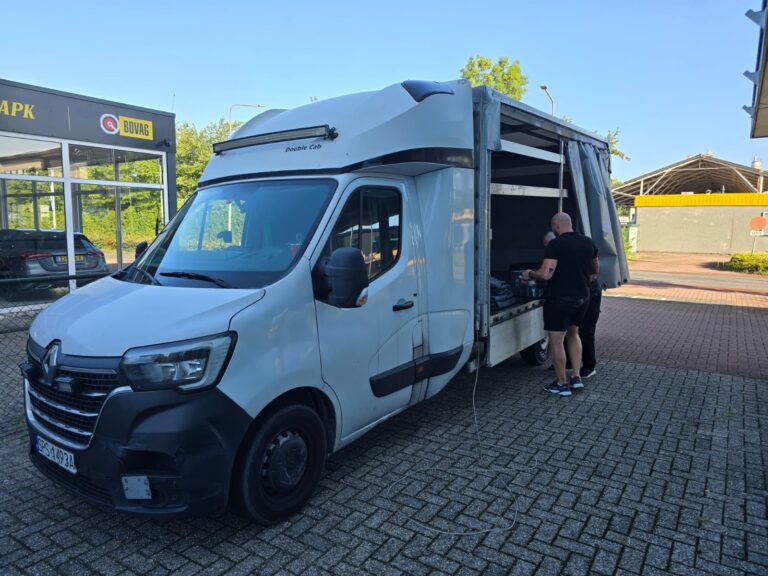
If you want the relocation to feel more controlled and less exhausting, a reliable man and van or removals service can make a huge difference. For a long cross-border route like this, flexibility, secure handling, and visibility during transport matter. VANonsite brings those elements together with GPS tracking for every load, practical service sizes, and moving support that feels structured instead of overwhelming.
TL:DR
- Start planning 4 to 8 weeks before the move so you have enough time to compare transport, prepare documents, and avoid expensive last-minute pressure.
- Check customs and entry-related paperwork early because this route involves more preparation than a typical EU-only move.
- Declutter before packing because cutting even 15% to 25% of your load can reduce both transport cost and moving-day stress.
- Choose a vehicle size based on real moving volume, not instinct, because paying for the wrong setup is one of the easiest ways to waste money.
- Keep documents, chargers, medication, and first-night essentials with you so your arrival in Scotland feels functional from the first hour.
- Confirm access details at both addresses before moving day, including parking, stairs, lifts, and any delivery time restrictions.
- Use a trusted man and van or removals service for a smoother cross-border move if you want better handling, more flexibility, and GPS visibility during transit.




Why Moving to Scotland from Germany Needs More Planning Than People Expect
At first glance, moving to Scotland from Germany can look wonderfully straightforward. You pack your things, book transport, head across Europe, and start fresh. Yet in practice, this route is far more layered than many people expect. It is not just a long-distance move. It is a cross-border relocation into the UK, which means route planning, customs awareness, careful timing, and much tighter coordination than a typical move inside mainland Europe.
That is exactly why moving to Scotland from Germany rewards preparation.
The route itself is longer and more complex than it first appears. A move from Hamburg to Edinburgh is not the same as a short continental relocation where the road journey stays relatively simple. Distance, crossing logistics, route planning, and timing all matter more. Even when everything is organised well, the move still needs structure. When it is not, stress rises fast.
Transport planning becomes especially important because this move is not just about kilometres. It is also about how the route works in reality. Delivery timing, potential border-related checks, customs preparation, and travel windows can all influence how smooth the relocation feels. One weak link in the chain can ripple through the entire move.
Why this route often feels more complex than expected
- Longer route than expected
- Customs and documentation awareness
- Tight move-in and move-out timelines
- Need for realistic volume planning
- Pressure to settle in quickly after arrival
Each one of these factors has a real effect on the move.
A longer route means more exposure to timing issues, traffic pressure, and route coordination. Customs and documentation awareness matter because moving to Scotland from Germany is not the same as moving between two EU countries with fewer border-related considerations. Tight timelines create pressure when your move-out date, travel day, key collection, and delivery slot all need to align neatly. Realistic volume planning matters because the wrong vehicle size can increase cost or complicate loading. Then there is the emotional side: most people want to settle quickly once they arrive, especially if work, school, or family life is waiting.
Another point people often underestimate is the first-week cost. The transport quote is only one piece of the financial picture. Groceries, local setup, basic household items, possible temporary accommodation, transport passes, and unexpected purchases can quickly add up. That is why moving to Scotland from Germany feels so much easier when the budget includes a little breathing room.
Access conditions can also vary sharply. A broad street with easy parking is one thing. A narrow lane, restricted unloading hours, or a difficult building entrance is another. These details may look small on paper, but on moving day they can shape the whole experience.
In simple terms, this move is doable, but it is not casual. The more clearly you plan the route, the paperwork, the timing, and the volume, the smoother the relocation becomes.
Moving to Scotland from Germany at a Glance
If you want the fast version, start here. These are the core steps that make moving to Scotland from Germany calmer, smarter, and far more manageable.
- Confirm your move-out and move-in dates.
- Sort what you are really taking.
- Prepare your ID, accommodation papers, and customs-related documents.
- Estimate volume and choose the right transport size.
- Book transport early.
- Pack essentials separately.
- Confirm address access and delivery details.
- Prepare for your first week in Scotland.
Those eight steps may sound simple. However, together they form the spine of a successful move.
Start with your dates because timing drives the whole relocation. Without clear move-out and move-in windows, it becomes much harder to choose the right transport, understand whether you need temporary storage, and plan your arrival properly. One mismatch in timing can create surprising pressure later.
Then sort what you are really taking. This is where many people save real money. If you trim 15% to 25% of unnecessary load before requesting transport, you often reduce both the moving cost and the stress of unpacking afterward.
Prepare your documents before the move becomes physically busy. Keep your ID, accommodation papers, relevant customs-related documents, and any key personal records close to hand. These are not the kind of things you want buried in a taped box.
Next, estimate your load honestly. The right transport size is not about guessing. It is about matching the actual move. A few extra boxes, one awkward furniture piece, or a heavier-than-expected setup can completely change what vehicle makes sense.
Book transport early, especially if your dates are fixed. Early booking gives you better availability, calmer choices, and fewer expensive last-minute compromises.
Pack essentials separately so your first day in Scotland feels workable. Documents, chargers, medication, toiletries, a few clothes, and first-night basics should always stay easy to reach.
Confirm address access and delivery details before moving day. Parking rules, stairs, lifts, building access, and delivery time restrictions are the details that often separate a smooth move from a frustrating one.
Finally, prepare for your first week in Scotland before you leave Germany. A calm arrival rarely happens by accident. It happens because the basics are already thought through.
Moving from Germany to Scotland Checklist
A move like this becomes far easier when it is broken into stages. That is because most stressful relocations are not ruined by one giant disaster. They are made harder by many small oversights. A document prepared too late. A booking made under pressure. A delivery slot confirmed before access rules were checked. A proper timeline brings order to all of that.
When moving to Scotland from Germany, a checklist does more than keep you organised. It protects your budget, reduces avoidable stress, and helps the move feel controlled from the very beginning.
6 to 8 Weeks Before the Move
This is the stage where smart early decisions create the biggest payoff later.
- compare transport options
- declutter room by room
- collect key documents
- check rental agreements
- estimate load size
- request quotes
Start with the move dates. Confirm when you need to leave your current place in Germany and when you can realistically enter your new property in Scotland. If there is even a small gap between the two, identify it early. That one detail may affect whether you need temporary accommodation, storage, or a more flexible delivery plan.
Then declutter with discipline. Go room by room and look at what truly deserves to travel. A cross-border move gets more expensive when every cupboard is packed on autopilot. If you can trim 15% to 25% of the load before booking, you often reduce both transport cost and handling stress.
This is also the best time to collect key documents and estimate the real size of the move. Once you know what you are taking, you can request quotes that reflect reality instead of rough guesswork.
3 to 4 Weeks Before the Move
Now the plan needs to become action.
- book the move
- start packing non-essentials
- arrange travel dates
- notify landlord and utilities
- confirm storage if needed
By this point, transport should ideally be booked. Waiting longer can narrow your options, especially if your dates are fixed. Early booking gives you more flexibility and a much calmer decision process.
Start packing non-essential items now. Books, decor, out-of-season clothes, spare kitchenware, and anything you do not need daily can be packed early without disrupting your routine. This spreads the workload and helps you see what still needs special handling.
At the same time, arrange your own travel and close out local obligations in Germany. Utility notices, tenancy details, and practical admin always feel easier now than they do in the final week.
1 Week Before the Move
This is the stage for tightening every loose end.
- pack essentials separately
- label boxes clearly
- print key documents
- confirm driver details and time windows
- check access at both addresses
This week should not be about improvisation. Build one clear essentials layer for your first days in Scotland. That should include documents, chargers, toiletries, medication, basic clothes, first-night bedding, and a few useful kitchen basics.
Label boxes in a way that helps on arrival, not only on departure. “Kitchen” is fine. “Kitchen, first week, mug, plate, kettle” is much better. The clearer the labels, the faster the new place becomes usable.
Print key documents even if you already have digital copies. Phones run out of battery. Internet fails. Login issues always seem to arrive at the worst possible moment.
On Moving Day
Moving day should feel focused and deliberate.
- carry documents and valuables yourself
- do a final property check
- stay reachable by phone
- keep first-night essentials easy to access
Keep passports, wallets, phones, laptops, keys, and all important papers with you at all times. Do not let irreplaceable items disappear into the main load.
Before you leave, do one final sweep of the property. Check shelves, cupboards, hidden drawers, sockets, and storage corners. Small items are most often forgotten in the last half hour.
Most of all, stay reachable. Fast communication matters if anything changes with timing, route, access, or delivery.
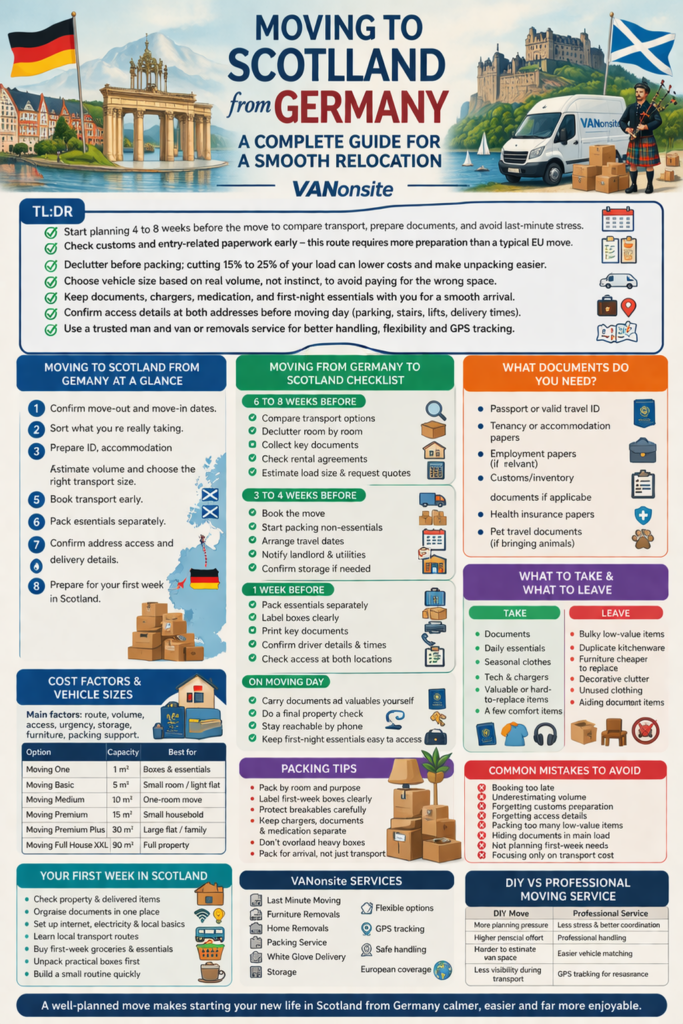
What Documents Do You Need When Moving to Scotland from Germany?
This part of the move deserves more attention than many people expect. Unlike a typical EU-to-EU relocation, moving to Scotland from Germany can involve more customs awareness and more care around paperwork. That does not mean the move has to feel intimidating. It does mean the documents should be prepared early and organised properly.
Well-ordered paperwork makes the move faster, calmer, and far less stressful at the border and on arrival.
Core documents to keep ready
- passport or valid travel ID as required
- tenancy or accommodation documents
- employment papers if relevant
- customs or inventory documents if applicable
- health insurance or healthcare-related documents
- pet travel documents if travelling with animals
That list covers the essentials, but the real difference comes from how you organise them. A stack of loose papers is not a system. You want one clear folder, backed up digitally, with the most urgent items always within reach.
A simple document setup that works
- Keep all original documents in one protective folder.
- Print spare paper copies of the most important records.
- Save digital copies in secure cloud storage.
- Keep urgent documents in your hand luggage or essentials bag.
- Separate identity, housing, customs, and health-related papers clearly.
This structure may sound simple, but it saves a remarkable amount of stress when you are travelling, tired, and suddenly need to show proof of identity, accommodation, or other records quickly.
Why paperwork matters so much on this route
Because this move is not a standard EU-only relocation, customs-related awareness may matter more than people first assume. Even when the rules are manageable, delays and confusion often happen because people prepare too late or keep important documents in the wrong place.
That is why moving to Scotland from Germany feels much easier when the paperwork is ready before the packing becomes intense. Good documents do not just support the move. They stabilise it.
Documents people often forget
Alongside the obvious essentials, some movers also benefit from keeping these ready:
- recent bank statements if useful
- written contact details for landlords or property agents
- emergency contact information
- vehicle papers if driving your own car
- medical or prescription information if needed
- a clear inventory list for moved belongings if relevant
Not every mover will need every one of these, but being slightly overprepared is far better than discovering a gap halfway through the journey.
A quick overview by situation
| Moving situation | Documents that usually matter most |
|---|---|
| Standard private move | Passport or valid ID, accommodation papers, relevant customs records |
| Moving for work | Passport or valid ID, accommodation papers, employment documents, health-related records |
| Moving with pets | Passport or valid ID, accommodation papers, pet travel documents, relevant customs records |
| Moving with a larger household load | Passport or valid ID, accommodation papers, inventory documents if applicable |
The overall rule is simple. Organised paperwork makes moving to Scotland from Germany faster, calmer, and much easier to manage when the route becomes busy.
How Much Does It Cost to Move to Scotland from Germany?
One of the first questions people ask is simple and sharp: how much will this actually cost? That question matters because moving to Scotland from Germany can be surprisingly efficient when planned well, yet much more expensive when volume, timing, or route complexity are guessed instead of measured.
The smartest way to think about cost is not to search for one magic number. It is to understand what drives the quote and where money is most often lost.
Main factors affecting cost
- pickup city in Germany and delivery city in Scotland
- total moving volume
- route complexity and distance
- access at both properties
- urgency of booking
- need for storage
- fragile or bulky furniture
- packing support or white glove handling
Distance matters, of course. A move from Hamburg to Edinburgh is not the same as a move from Munich to Inverness. Yet route length is only one part of the picture. Volume often matters just as much, and sometimes more. A compact essentials move can be handled very differently from a larger household relocation with wardrobes, fragile items, and room-by-room packing.
Access conditions also shape the cost in a very real way. A property with easy parking and lift access is one thing. A narrow street, restricted unloading slot, steep stairs, or awkward entrance is another. These details affect time, handling, and how smoothly the move can be completed.
Timing matters too. Book early and the move usually feels calmer and more flexible. Book late and urgency starts doing the pricing for you.
Vehicle sizes and what they are best for
| Moving option | Capacity | Weight limit | Best for |
|---|---|---|---|
| Moving One | 1 m3 | 100 kg | Boxes and personal essentials |
| Moving Basic | 5 m3 | 300 kg | Small room or light flat move |
| Moving Medium | 10 m3 | 500 kg | One-room or partial home move |
| Moving Premium | 15 m3 | 1100 kg | Small household move |
| Moving Premium Plus | 30 m3 | 3500 kg | Large flat or family move |
| Moving Full House XXL | 90 m3 | 20000 kg | Full property relocation |
This table is valuable because it turns a vague idea into a practical decision. A few boxes and core essentials may fit a much smaller solution than people think. A one-room apartment or partial home move may need more space than expected. Once furniture, bulky items, or a family setup enters the picture, the transport logic changes quickly.
Typical moving scenarios from Germany to Scotland
| Move type | Typical load | Likely fit |
|---|---|---|
| Minimal move | Clothes, documents, tech, a few boxes | Moving One |
| Light apartment move | Boxes, kitchen basics, small furniture | Moving Basic |
| One-room move | Bed, desk, chair, boxes, household items | Moving Medium |
| Small household | Furniture, fragile items, packed rooms | Moving Premium |
| Family relocation | Multi-room load, appliances, larger furniture | Moving Premium Plus |
This is why realistic volume planning matters so much. If you underestimate the size of the move, the setup can become awkward and more stressful than necessary. If you overestimate it, you risk paying for space you never needed.
Hidden costs people often underestimate
Transport is only one part of the bill. The first week in Scotland can quietly add more cost than expected.
- temporary accommodation if dates do not align
- groceries and first-week household basics
- local utility setup or deposits
- storage fees if the property is not ready
- extra packing materials
- access-related delays or special handling needs
- replacing forgotten or low-priority essentials after arrival
This is why a 10% to 15% budget buffer is often a smart move. It gives the relocation breathing room and stops every small surprise from becoming a major irritation.
How to reduce the cost without making the move harder
A cheaper move is not always the one with the lowest first quote. Very often, it is the move that has been prepared with the most honesty.
Many people can reduce costs by trimming 15% to 25% of their load before booking. That one decision often lowers space requirements, reduces handling time, and makes the first week easier because there is less to unpack and organise.
It also helps to:
- book early instead of under pressure
- move only what you truly use or value
- choose the right transport size, not the biggest by default
- avoid paying to move bulky low-value items
- use storage only when it solves a real timing issue
This is exactly where a strong man and van or removals partner becomes valuable. Good moving support does not just shift boxes. It helps match the route, the load, and the service level to the real shape of the move. That is one reason VANonsite fits long relocations like this so well. The company combines multiple vehicle sizes, careful handling, flexible service options, and GPS tracking that gives you more clarity during transit.
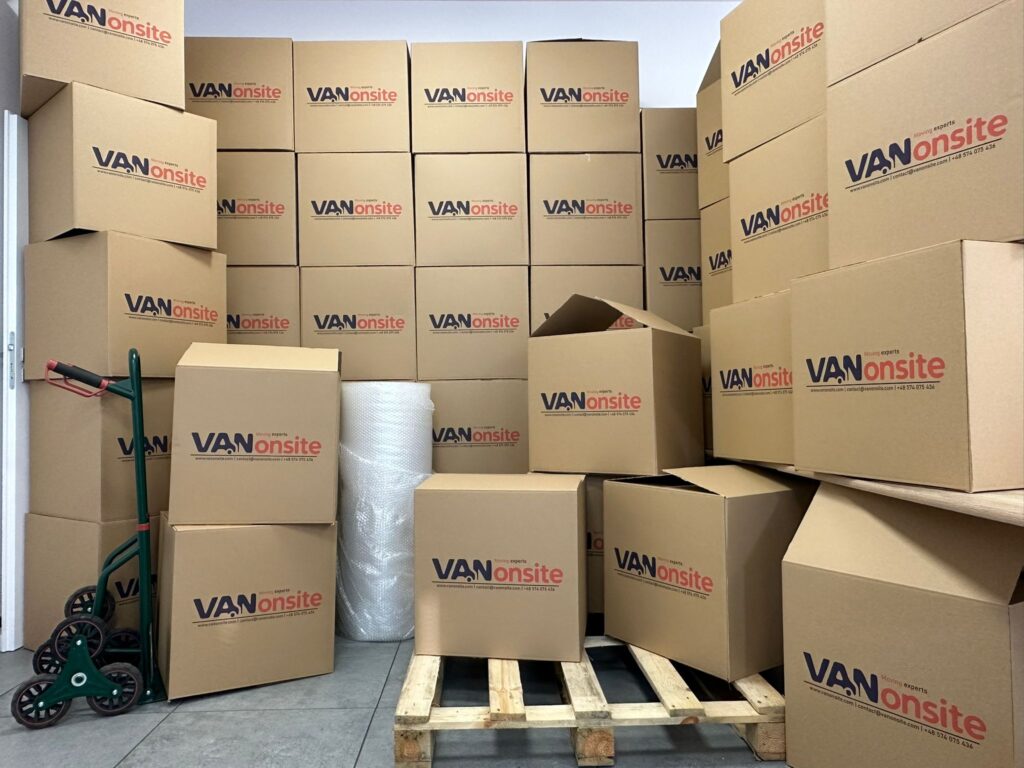
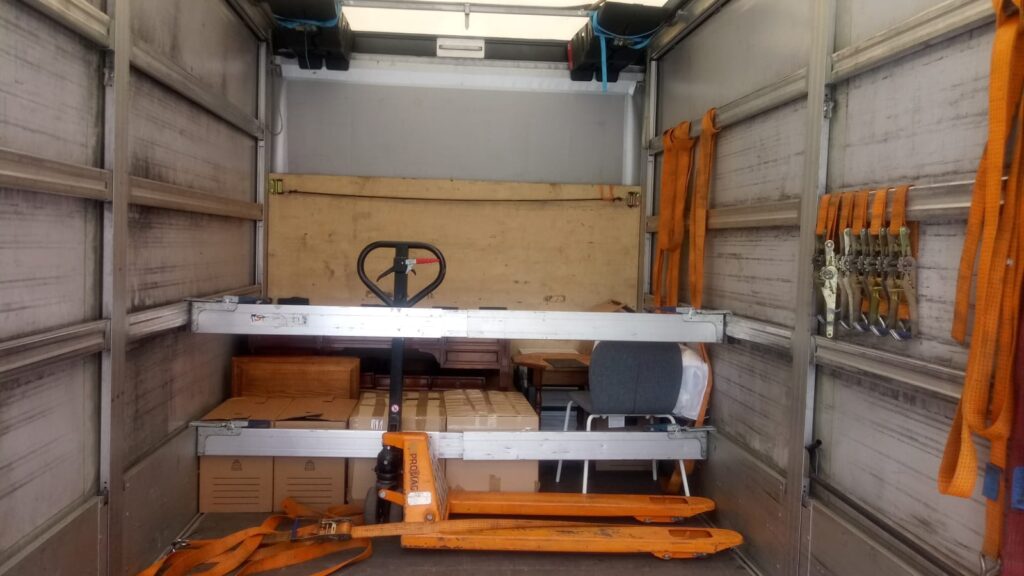


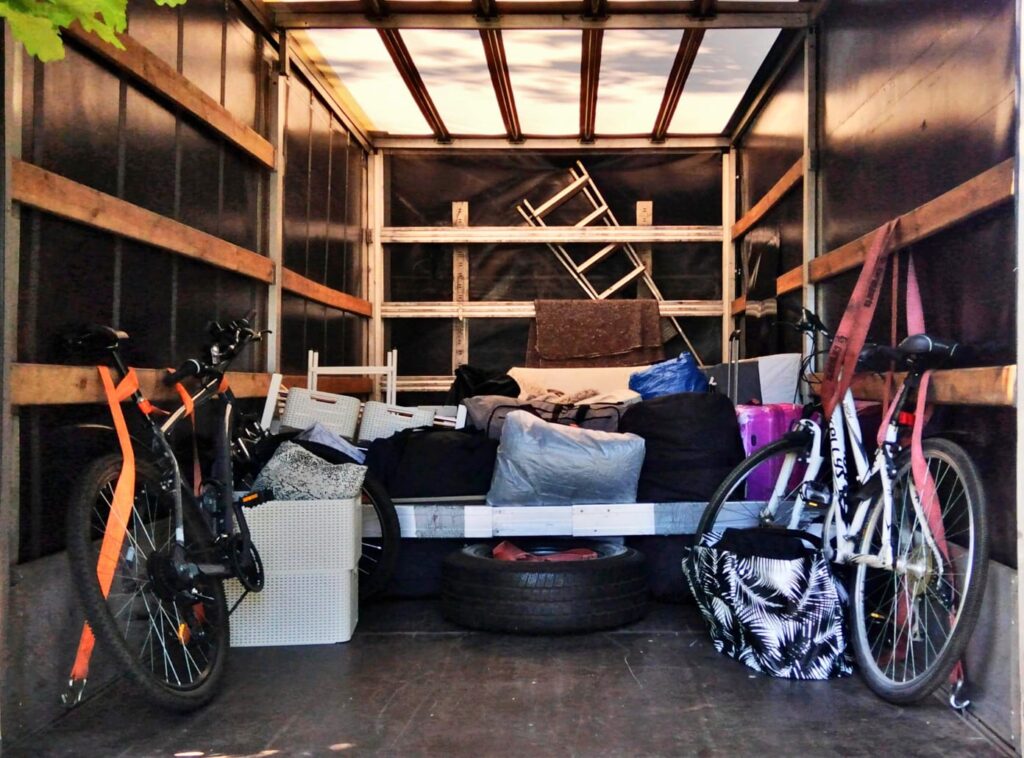
What Should You Take When Moving from Germany to Scotland?
Deciding what deserves a place in the van is one of the most important parts of the whole move. This is the point where moving to Scotland from Germany becomes very practical. Dates may be booked and paperwork may be organised, but the move will still become more expensive and more exhausting if everything gets packed without judgment.
A leaner move is often a cheaper and calmer move. Less clutter means lower transport costs, faster loading, easier unloading, and a much smoother first week after arrival.
What to take
You should prioritise the things that help you function quickly, settle comfortably, and avoid unnecessary spending once you reach Scotland.
- documents
- daily essentials
- clothes for the season
- tech and chargers
- valuable or hard-to-replace items
- a few comfort items
Documents always come first. Your passport or valid ID, accommodation papers, customs-related records, health-related documents, and any key personal paperwork should stay with you, not inside the main load.
Daily essentials matter because your first days should feel manageable, not improvised. Toiletries, medication, a towel, first-night bedding, and a few useful kitchen basics can turn a stressful arrival into a functional one.
Clothes should be packed realistically. Bring the pieces you actually wear and the layers that match the season. A smaller, useful wardrobe is always more valuable than bags full of options that will not be touched for months.
Tech and chargers are essential because modern relocation runs through them. Phones, laptops, adapters, chargers, and key devices support communication, maps, banking, documents, and everyday life as soon as you arrive.
Valuable or hard-to-replace items also deserve priority if they justify the transport. The same goes for a few comfort items. A favourite lamp, framed photos, a familiar blanket, or one or two small details can make a new place feel emotionally lighter from the beginning.
What to leave behind
Some things create more cost and effort than value.
- bulky low-value items
- duplicate kitchenware
- furniture that costs more to move than replace
- decorative clutter
- unused clothing and storage fillers
This is where the real savings often hide. Cheap furniture, old kitchen duplicates, decorative overflow, and clothes that have not been worn in a year may feel harmless at home, but they become costly once every cubic metre matters.
If an item is heavy, low-value, and easy to replace in Scotland, it usually should not travel. The same goes for random storage fillers and decorative clutter. These things inflate the move without improving your life afterward.
A simple decision rule before packing
Before each item goes into the move, ask yourself four questions:
- Will I use this in the first month?
- Is it difficult or expensive to replace?
- Does it improve daily life in a real way?
- Is it worth paying to transport it from Germany to Scotland?
If the answer is “no” to most of those, the item probably stays behind.
A practical breakdown of what belongs where
| Category | Better to take | Better to leave |
|---|---|---|
| Documents | Always | Never place in main load |
| Tech | Laptop, phone, chargers, adapters | Broken, outdated, or duplicate devices |
| Clothes | Seasonal, useful, often worn pieces | Unused clothing and duplicates |
| Kitchen items | A few first-week basics | Bulky duplicates and cheap extras |
| Furniture | Valuable, useful, hard-to-replace pieces | Low-value heavy items |
| Personal items | Small comfort items | Decorative excess |
This kind of filtering makes a visible difference. Less volume usually means lower cost, faster transport, easier unpacking, and a calmer landing in Scotland.
When it still makes sense to take more
There are situations where bringing more is the right move. If the new property is underfurnished, or if you already own compact items that are costly to replace, taking them may make excellent financial sense. The goal is not to move with as little as possible. The goal is to move with intention.
That intention is one of the clearest ways to make moving to Scotland from Germany more efficient, more affordable, and far less draining.
Why a Man and Van Service Makes Sense for Moving from Germany to Scotland
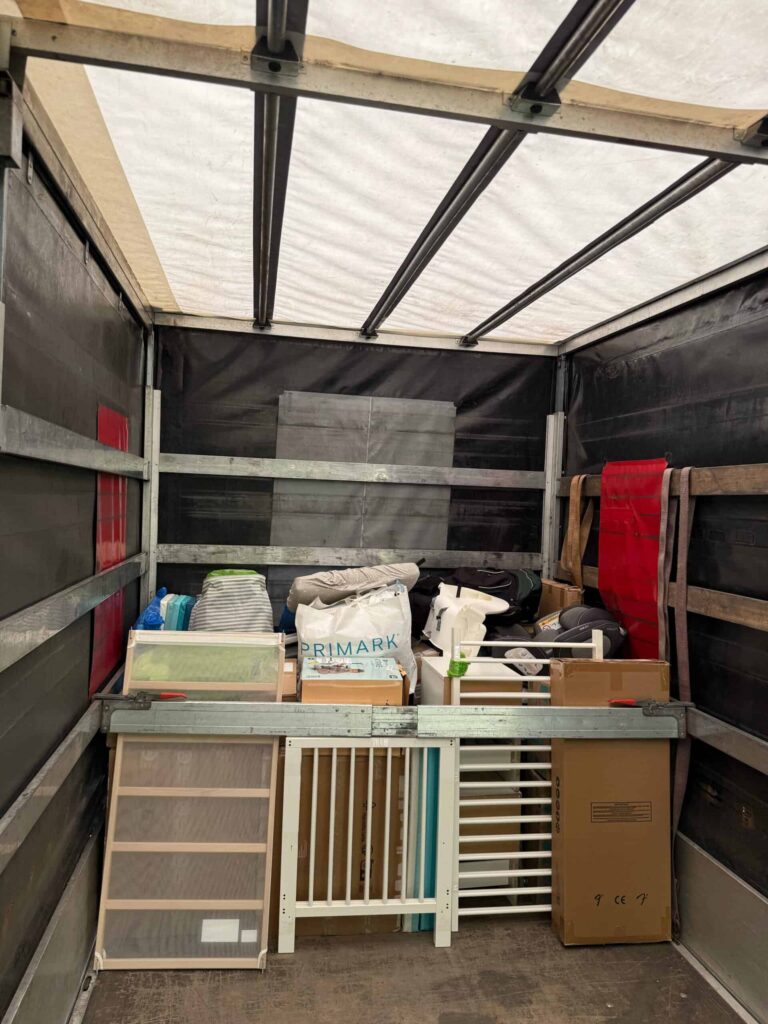
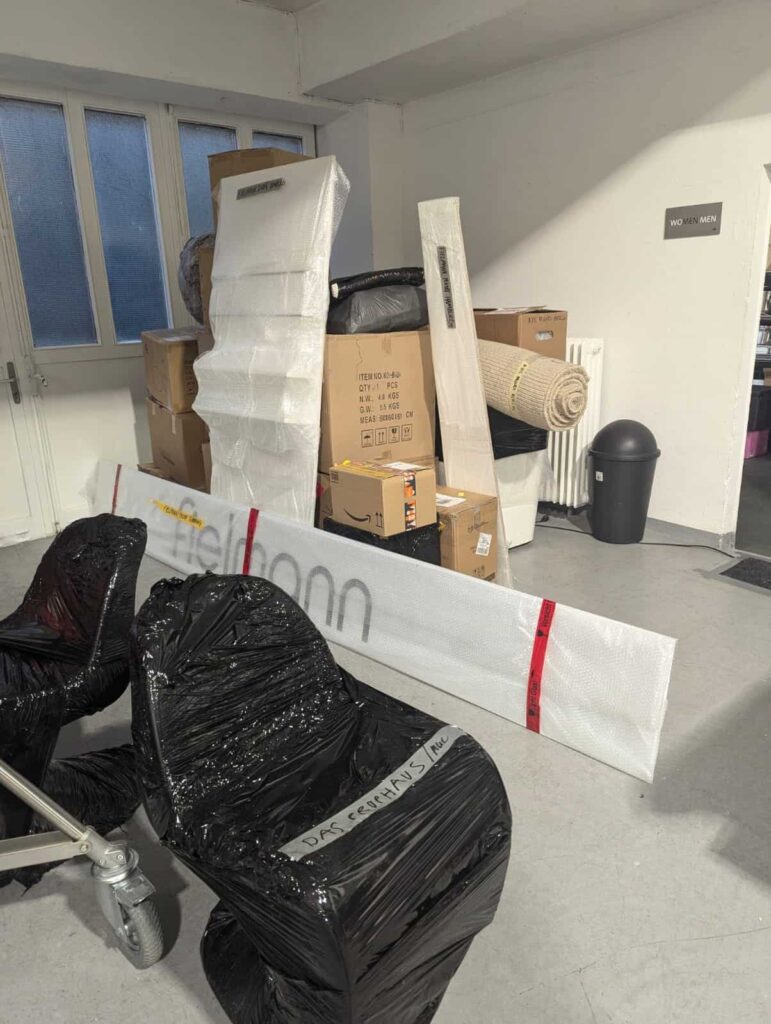
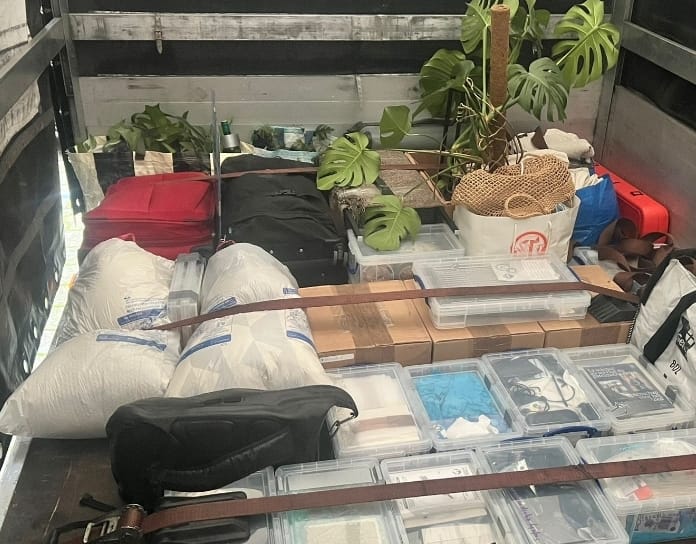
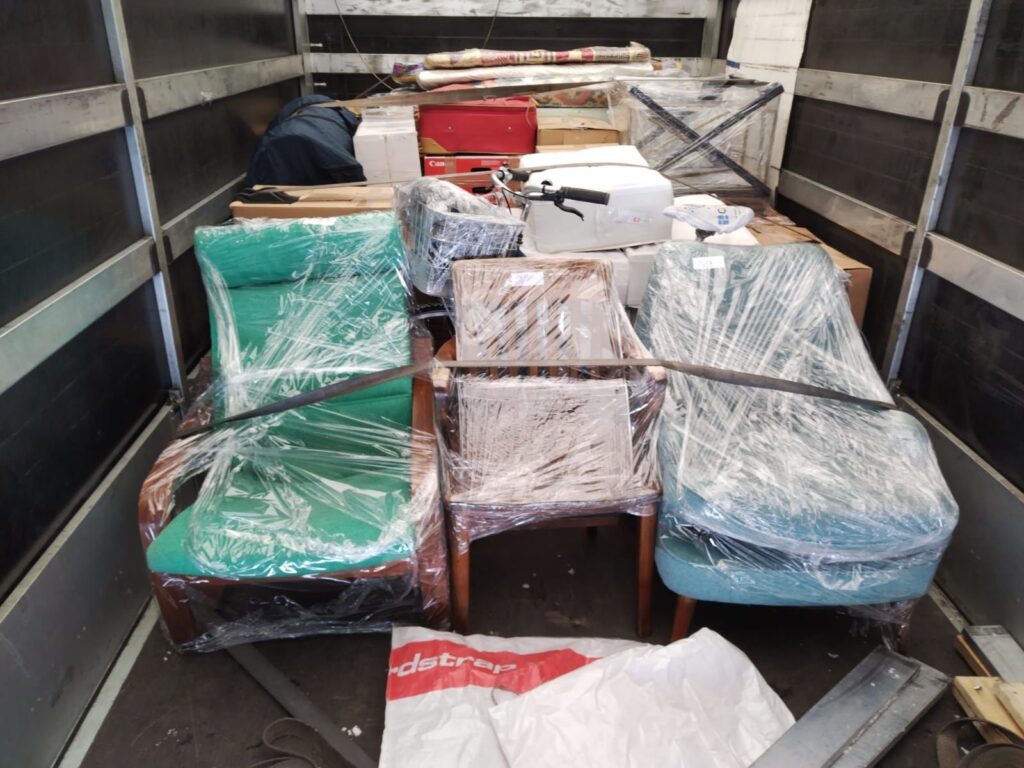
When moving to Scotland from Germany, many people do not need a huge removals operation. They need something smarter. Something leaner. Something that fits a long cross-border route without turning the move into an overcomplicated machine. That is exactly where a man and van service becomes such a practical option.
For small to medium loads, it often offers the most attractive balance between cost and convenience. It gives you professional transport without forcing you into a full-scale removals package that may be far bigger than the move actually requires.
Why this service style works so well
- ideal for small to medium loads
- good balance between cost and convenience
- easier than DIY for a long route into the UK
- flexible for apartment moves and time-sensitive relocations
- practical for people who do not need a full-scale removals package
A move from Germany to Scotland does not always mean a full family relocation. Sometimes it is a one-bedroom apartment. Sometimes it is personal essentials, a few boxes, and selected furniture. Sometimes it is a partial move that needs speed more than scale. In these situations, a man and van setup can be exactly the right fit.
It also removes much of the strain that comes with trying to organise everything yourself. A do-it-yourself route may look cheaper at first, but once you add van hire, fuel, tolls, crossing logistics, possible overnight costs, heavy lifting, and the stress of driving such a long route, the picture changes fast.
Why it often makes more sense than DIY
A DIY move can still work for very light and low-risk relocations. However, long-distance cross-border transport comes with hidden pressure.
- van hire and fuel
- route and crossing coordination
- time lost on driving and unloading
- higher risk of damage
- less flexibility if plans shift
- more physical and mental strain
That is why many people end up realising that a man and van service is not only about convenience. It is also about control. It allows you to focus on your arrival, your paperwork, and your new setup instead of carrying the whole transport burden yourself.
Trust signals that matter on a route like this
When your belongings are travelling from Germany to Scotland, reassurance matters.
- GPS tracking for each load
- flexible service sizes
- fast European coverage
- safer handling than improvised transport
These are not just nice extras. They directly affect how calm the move feels. GPS tracking gives visibility during transit. Flexible service sizes help you avoid paying for space you do not need. Faster European coverage matters when your dates are tight. Safer handling protects the items that matter most.
If the move is larger, home removals may be the better fit. If you are transporting delicate or bulky pieces, furniture removals become highly relevant. If your last week is already overloaded, packing services can remove a surprising amount of pressure. And if the move includes premium or fragile pieces that need especially careful treatment, white glove delivery may make the most sense.
When a man and van service is the strongest choice
A man and van option is usually ideal when:
- The move is not a full-house relocation.
- You want a better balance between cost and professional support.
- The load is compact but still too much for personal travel.
- The route is long enough that DIY becomes draining.
- You want flexibility without unnecessary complexity.
That is why this service style fits moving to Scotland from Germany so naturally. It stays efficient. It stays practical. And it supports the move without making it feel bigger than it needs to be.

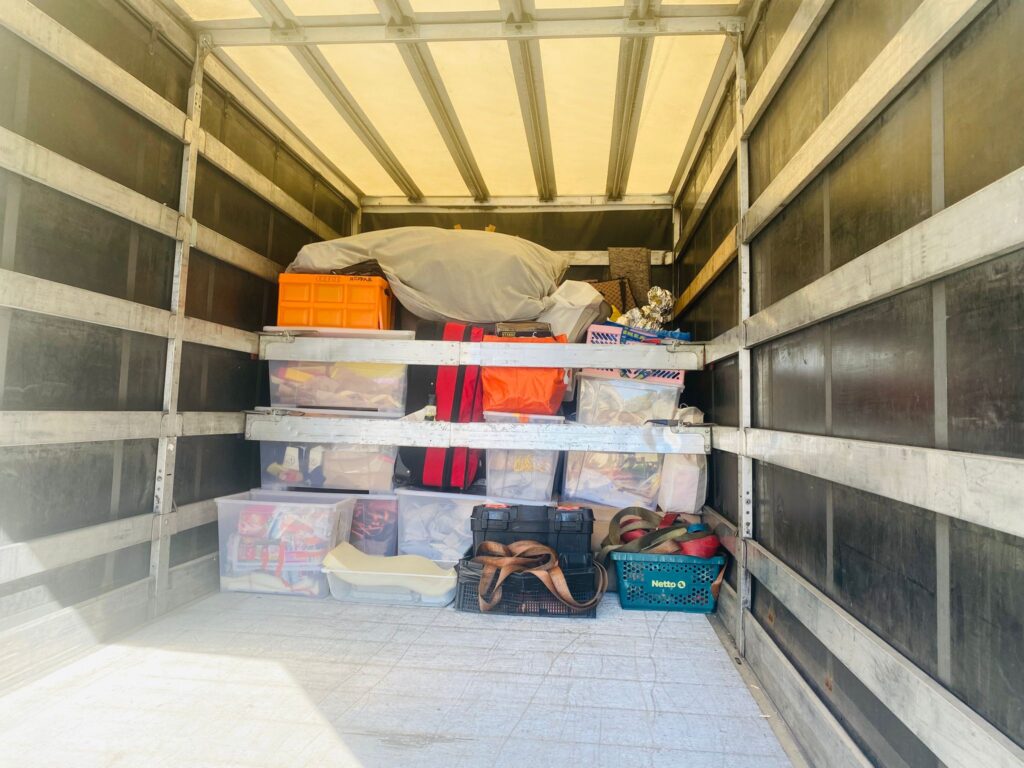
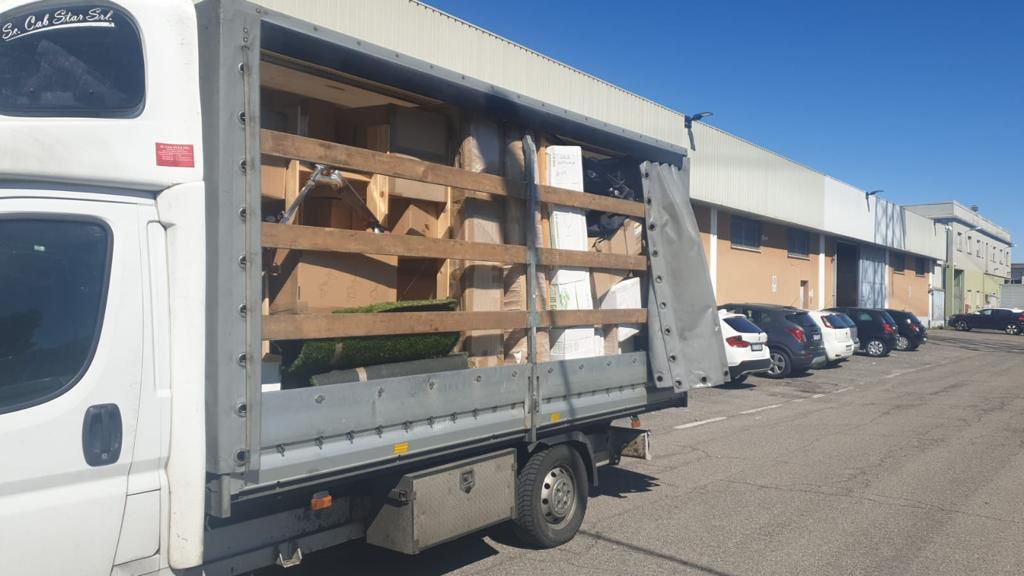
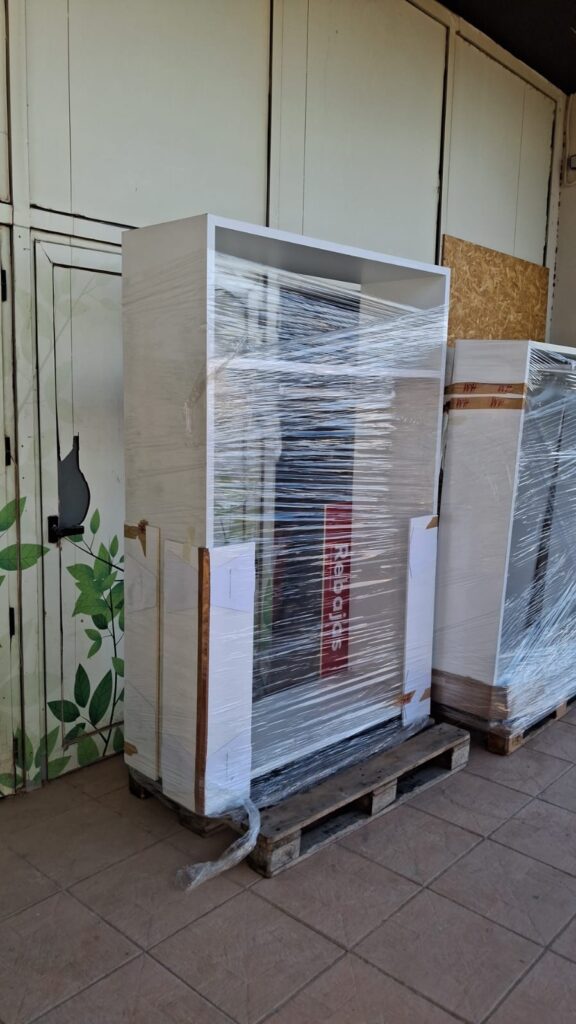
Packing Tips for a Move from Germany to Scotland
Packing is where many international moves quietly become harder than necessary. Not because of one dramatic mistake, but because of dozens of small frustrations that stack up fast. A charger hidden in the wrong box. A fragile item left unprotected. A first-night bag that somehow ended up under everything else. Good packing protects the move from that kind of chaos.
When moving to Scotland from Germany, you do not just need your things packed. You need them packed in a way that makes arrival easier.
Smart packing habits that reduce stress
- pack by room and purpose
- label first-week boxes clearly
- protect breakables carefully
- keep chargers, documents, and medication separate
- do not overload boxes with books or kitchen items
- pack for arrival, not just transport
Packing by room and purpose makes unpacking dramatically easier. A box filled with shoes, cables, plates, and random papers may save time in the moment, but it creates confusion at the other end. A box with one clear purpose saves time twice: once during loading and again during unpacking.
Label first-week boxes in a way that reflects real life. “Bedroom” is helpful. “Bedroom, bedding, towel, lamp” is much better. The same goes for kitchen basics. A mug, kettle, plate, and cutlery set can be far more useful on day one than several boxes of low-priority items.
Breakables deserve more care than people often give them. Glassware, framed pictures, lamps, electronics, and fragile decor should be packed with genuine intention. The longer the route, the more valuable that extra care becomes.
A simple system that works on arrival
| Priority level | What goes inside |
|---|---|
| First-day bag | Documents, phone, laptop, chargers, medication, toiletries |
| First-week box | Bedding, towels, basic kitchen items, clothes |
| Main load | Extra clothes, decor, non-urgent household items |
This simple system works because it reflects how people actually settle into a new place. Your first-day bag should stay with you at all times. Your first-week box should be the first thing you open. The main load can wait a little longer because those items are not urgent.
Common packing mistakes to avoid
Packing mistakes are usually small in the moment and frustrating later.
- mixing multiple rooms in one box
- leaving fragile items with too much empty space
- packing documents in the main load
- overloading heavy boxes with books or kitchenware
- forgetting to separate medication and chargers
A long route into Scotland makes these mistakes more obvious because by the time you arrive, you are already tired and far less patient with avoidable chaos.
A better way to protect fragile and useful items
A few practical rules make a huge difference:
- Wrap breakables individually.
- Cushion empty spaces inside boxes.
- Keep heavy items low and fragile items protected.
- Carry key electronics separately when possible.
- Label delicate boxes clearly.
These steps are simple, but they reduce breakage risk and make unloading more controlled. If your move includes especially delicate or high-value pieces, careful packing support becomes even more valuable.
Common Mistakes When Moving to Scotland from Germany
Most difficult moves do not fall apart because of one catastrophic error. They become exhausting because several avoidable mistakes build pressure one after another. A late booking. A rushed packing weekend. Documents in the wrong place. A budget that looked fine until the first week in Scotland began.
This is why mistakes in a move like this are so deceptive. On their own, many of them look small. Together, they create friction at every stage. They slow down decisions, increase costs, and make the whole relocation feel far heavier than it really needed to be.
The mistakes people make most often
- booking too late
- underestimating the volume of belongings
- forgetting customs-related preparation
- forgetting access details
- packing too many low-value items
- hiding documents in the main load
- not planning first-week needs
- focusing only on transport cost and ignoring setup expenses
Booking too late is one of the most expensive mistakes because it reduces flexibility and forces rushed decisions. Instead of comparing options calmly, people end up reacting to whatever is still available. That pressure often leads to higher costs and poorer choices.
Underestimating the size of the move can create awkward loading, transport mismatch, and a far more stressful moving day. A few “extra” boxes, a heavy chair, or one piece of furniture that seemed insignificant can change the entire fit of the load.
Forgetting customs-related preparation adds friction exactly where people want the route to feel smooth. It creates unnecessary uncertainty around a move that already has enough moving parts.
Access details are another common trap. A missed parking rule, narrow entrance, building restriction, or difficult delivery window can cause delays that ripple through the whole move. These details feel small until they suddenly become the reason everything slows down.
Packing too many low-value items increases cost without improving life after arrival. It is one of the quietest budget killers in any relocation. Decorative overflow, old kitchen duplicates, and furniture that is easier to replace than to move all add weight without adding real value.
Hiding documents in the main load creates stress at the exact moment quick access matters most. It also turns simple admin into unnecessary drama.
The final mistake is especially common. People focus so hard on the transport quote that they forget the first week has its own cost. Groceries, local transport, household basics, small replacements, and setup expenses all matter.
Why these mistakes hit so hard
These mistakes increase stress because they remove control. And once a long-distance move starts feeling out of control, even small problems feel much bigger.
That is why moving to Scotland from Germany becomes so much easier when you build the move around clarity. Clear dates. Clear paperwork. Clear access rules. Clear volume planning. Clear first-week priorities. The more visible the plan is, the less emotional drag the whole relocation creates.
Your First Week in Scotland After Moving from Germany
The first week after arrival is when the emotional reality of the move truly lands. The boxes are there. The keys are there. The route is behind you. Yet the place still feels unfamiliar, and everything seems to ask for your attention at once.
That is normal.
The first week can feel disorienting, but a few smart steps can make the new place feel familiar much faster.
A simple first-week plan
- Check the property and your delivered items.
- Organise your documents in one place.
- Set up internet, electricity, and local basics.
- Learn your local transport routes.
- Buy first-week groceries and essentials.
- Unpack the most practical boxes first.
- Build a small routine quickly.
Start with the property itself. Check what has arrived, what works, and what still needs attention. It is easier to notice issues right away than several days later. If something is missing, damaged, or not working properly, the first 24 hours are usually the best time to spot it clearly.
Then focus on what makes daily life function. Light. Internet. Phone charging. Water. Food. A bed that is actually ready to sleep in. These basics shape the emotional tone of the entire first week.
Learning local transport routes early also matters more than people expect. Once you know how to reach the supermarket, important local points, and the wider area, the place starts feeling usable rather than abstract.
Unpack for function, not for perfection. The goal in week one is not to make every shelf look beautiful. The goal is to make the home work. That means opening the boxes that improve daily life first, not the ones that simply make the place look complete.
Small details that make the new place feel easier
- a made bed on the first night
- one clean working light source
- a charged phone and laptop
- groceries and water within reach
- your key papers in one safe place
- one small routine, such as a morning walk or coffee stop
These details sound modest, but they build familiarity. Familiarity lowers stress. And lowered stress makes it easier to feel that the move is truly working.
What people often need in the first 72 hours
The first three days are usually less about “settling in” and more about restoring basic rhythm.
- tea or coffee supplies
- a towel and toiletries
- a charger in the right plug format if needed
- a change of clothes that is easy to find
- one clean plate, mug, and basic cutlery
- medication and personal essentials
These are not glamorous things, but they shape the quality of your arrival more than many bigger purchases do.
The real goal of week one
You do not need your whole life perfectly arranged in seven days. You only need enough structure for the place to stop feeling temporary.
Once you can sleep properly, eat something simple, find your documents, charge your phone, and move around your local area with some confidence, the new place begins to feel possible. That shift matters more than perfect decorating, perfect organisation, or instant routine.
Moving to Scotland from Germany is a serious transition. The first week is where that transition begins to soften into everyday life.
VANonsite Services That Fit Real Moving Situations
A move from Germany to Scotland can take many different shapes. One person may be relocating a few essentials under time pressure. Another may be moving a full apartment. Someone else may need extra care for valuable furniture, better protection for delicate pieces, or a temporary solution while move-in dates settle. That is exactly why flexible services matter.
The value of VANonsite is not just that it offers several services. The real advantage is that those services match real moving situations. Instead of forcing every customer into the same model, the company can adapt the support level to the actual shape of the move.
Services that fit real moving situations
- Last Minute Moving for urgent relocations
- Furniture Removals for bulky or delicate pieces
- Home Removals for full household moves
- Packing Service for a safer, faster move
- White Glove Delivery for premium handling
- Storage for timing gaps
Each of these solves a different kind of problem.
Last Minute Moving helps when dates suddenly tighten, tenancy timelines shift, or a move that felt comfortably distant suddenly becomes urgent. That kind of flexibility is incredibly valuable on a route as demanding as moving to Scotland from Germany, where timing pressure can affect everything from transport choice to first-week planning.
Furniture Removals matter when the route includes heavier, awkward, or more fragile pieces. Beds, wardrobes, tables, mirrors, or valuable chairs may all need more careful handling than a standard box-based move.
Home Removals give more structure when the move is larger. If you are relocating more than just essentials, a more complete removals setup can save significant time and reduce the strain of coordinating everything yourself.
Packing Service reduces breakage risk and saves energy. This becomes especially useful if the final week is already overloaded, or if the move includes lots of fragile items, kitchenware, artwork, or electronics.
White Glove Delivery makes sense for premium or delicate pieces that need extra care, while Storage becomes valuable when move-out and move-in dates do not align cleanly.
A quick comparison of services
| Service | Best for | Why it helps |
|---|---|---|
| Last Minute Moving | Tight move deadlines | Helps when plans change fast |
| Furniture Removals | Bulky or fragile items | Protects valuable furniture |
| Home Removals | Full home relocations | Adds structure and support |
| Packing Service | Busy schedules or fragile loads | Saves time and reduces breakage risk |
| White Glove Delivery | Premium or delicate items | Adds careful handling |
| Storage | Gaps between move-out and move-in | Makes timing easier |
This table makes one thing clear: not every move needs the same kind of support. A light apartment move may only need a strong man and van service plus careful packing. A larger relocation may need broader removals support. A timing gap may make storage the smartest solution. That adaptability is one of VANonsite’s quiet strengths.
Which VANonsite option makes the most sense?
If your move is compact and time-sensitive, Last Minute Moving or a leaner man and van setup can be ideal. If you are transporting larger furniture, Furniture Removals become more relevant. If the move involves a full flat or home, Home Removals add structure and reduce pressure. If you are worried about breakage, Packing Service or White Glove Delivery can make a real difference. If dates do not line up, Storage adds breathing room.
That kind of service flexibility builds trust for a reason. It feels practical. And practical support is exactly what people want when planning a long route like moving to Scotland from Germany.
FAQ About Moving to Scotland from Germany
Is moving to Scotland from Germany difficult?
It is manageable with good planning, but it is more complex than many EU-only moves. Route length, customs-related preparation, timing, access, and first-week setup all matter more than people often expect. The move becomes much easier when the paperwork is organised early and the transport is matched properly to the load.
How much does it cost to move from Germany to Scotland?
The cost depends mainly on route, volume, access conditions, timing, and service level. A small essentials move will cost far less than a larger household relocation with furniture, fragile items, and tighter logistical demands. In many cases, cutting 15% to 25% of unnecessary volume can make a meaningful difference to the total price.
Is a man and van service enough for moving from Germany to Scotland?
In many cases, yes. It is often ideal for small to medium loads, apartment moves, and people who want a better balance between cost and professional support without booking a full-scale removals package. The key question is not whether the route is long. It is whether the load actually needs something bigger.
What documents should I keep with me during the move?
Keep your passport or valid ID, accommodation papers, customs-related documents, health-related records, and any key personal or work papers with you at all times. These should never disappear into the main load. If quick access might matter, keep them in a dedicated folder inside your essentials bag.
How can I reduce the cost of moving from Germany to Scotland?
Declutter early, book early, and choose the right transport size. Cutting 15% to 25% of unnecessary load can make a visible difference to both cost and stress. It also helps to avoid moving low-value bulky items that are easier to replace than to transport.
Can I move furniture from Germany to Scotland safely?
Yes, absolutely. The key is careful packing, secure handling, and a transport setup that actually suits the size and fragility of the load. Professional support makes a major difference when larger or delicate pieces are involved, especially on a longer international route.
How long should I plan for a move like this?
Most people should begin planning 4 to 8 weeks before the move. That gives enough time to compare services, organise documents, declutter properly, and avoid rushed decisions. Larger household moves or more complex timelines may benefit from even earlier preparation.
What is the biggest mistake people make?
The biggest mistake is usually not one single disaster. It is underestimating how many small details matter. Late booking, poor volume planning, hidden first-week costs, and weak document organisation can combine to make the whole move much harder than it needs to be.
Conclusion
Moving to Scotland from Germany can feel much smoother than people fear when it is planned with care. A lighter load, a smarter route, the right paperwork, and a transport partner that understands the shape of the move can completely change the experience.
The real goal is not simply to get your belongings from one country to another. It is to arrive ready. Ready to open the door, unpack the essentials, and begin the next chapter with more calm and less chaos.
That is why good preparation matters so much. And that is why a moving partner that combines flexibility, visibility, safety, and speed can make such a real difference.
For anyone planning this kind of route, VANonsite offers practical support that feels reassuring rather than overwhelming. Whether the right fit is a lean man and van solution, broader removals support, packing help, furniture handling, or temporary storage, the most important thing is choosing a move that matches real life rather than an idealised plan.
A strong relocation is rarely about perfection. It is about clarity, timing, and smart choices. Get those right, and moving to Scotland from Germany becomes far more manageable than it first appears.
DIY Move from Germany to Scotland vs Professional Moving Service
| DIY move from Germany to Scotland | Professional moving service |
|---|---|
| More planning pressure | Less stress and better coordination |
| Higher physical effort | Professional handling |
| Harder to estimate van space | Easier vehicle matching |
| Less visibility during transport | GPS tracking for reassurance |
A DIY move can still work for very small, low-risk relocations. Yet once the distance, timing, or volume becomes more serious, professional support often saves far more stress than people expect.