
Norwegians moving to Switzerland have a clearer immigration route than many third-country nationals, but the move still has three separate workstreams: leaving Norway correctly, qualifying for Swiss residence, and importing household goods. Treating those as one vague “relocation process” is how important deadlines and documents get missed.
Norway is an EFTA state, so Norwegian citizens fall under the Swiss EU/EFTA framework. The exact residence route depends on whether you are employed, self-employed, studying, joining family or moving without paid work. Tax residence is a separate question, and a removal company cannot decide it for you. This guide shows the handover points and then connects them to VANonsite transport planning.

Norway to Switzerland move: the short answer
| Workstream | Authority or owner | What to confirm |
|---|---|---|
| Leaving Norway | Norwegian Tax Administration | Population Register notification and continuing Norwegian tax obligations |
| Swiss residence | Swiss canton and commune | Purpose of stay, registration and the correct EU/EFTA permit route |
| Health insurance | Swiss cantonal authority and approved insurer | Whether compulsory Swiss cover applies and the enrolment deadline |
| Household effects | Swiss customs | Transfer of domicile, inventory, supporting documents and special goods |
| Physical removal | Customer and VANonsite | Inventory, access, collection window, customs readiness and delivery address |
The order matters. Confirm the legal basis for the stay before making non-refundable commitments. Build the customs file before collection. Give the removal team the final inventory and access information, not an early estimate that no longer reflects the load.
Why Norwegian citizens use the EU/EFTA route
The Swiss State Secretariat for Migration lists Norway among the EFTA countries covered by the movement framework. That does not mean every Norwegian receives the same permit automatically. The conditions depend on the reason and length of stay, and the cantons issue permits. Use the current SEM guidance for EU/EFTA citizens and the competent cantonal authority for the individual application.
This distinction is important for searchers attracted by headlines about wealthy Norwegians moving to low-tax cantons. Citizenship, residence permission, tax residence and an individual tax outcome are different subjects. A canton that looks attractive in an article may not fit the job location, housing, family or financial facts of a real move. Obtain regulated tax advice before changing residence for tax reasons.
Choose the residence route before moving day
Employment lasting more than three months
SEM states that EU/EFTA nationals taking employment for more than three months must register with the commune within 14 days of arrival and before starting work. A valid identity document and written confirmation of employment are part of the process. A contract shorter than twelve months normally aligns with an L EU/EFTA permit; a contract of at least twelve months or unlimited duration normally aligns with a B EU/EFTA permit. Read the current SEM free-movement FAQ and confirm the procedure with the destination canton.
Short employment, self-employment or no paid work
Employment of up to three months generally follows a notification route instead of the ordinary residence-permit route. Genuine self-employment requires evidence of the activity. People moving without gainful employment must normally demonstrate sufficient financial means and adequate health and accident insurance. Students have their own evidence requirements and permit duration. These are legal categories, not moving-service packages; ask the canton which route fits before scheduling the household move.
Report the move from Norway separately
If you intend to stay abroad for at least six months, the Norwegian Tax Administration says you must report the move to the National Population Register. The notification can be sent no more than 31 days before departure. Check the current moving-from-Norway instructions because registration facts and postal-address cases differ.
Reporting a move does not by itself end Norwegian tax liability. Skatteetaten explicitly separates population registration from tax residence and explains that income, wealth, Norwegian property, shareholdings or pensions may keep Norwegian reporting obligations alive. Review the official tax guidance for moving abroad and obtain advice for cross-border assets or an exit-tax question.
Register after arrival in the correct commune
Do not plan around a generic “Swiss office”. Residence procedures are cantonal and registration is handled locally. Before departure, identify the commune for the actual Swiss address, check appointment availability and download its current document list. Name spellings, civil-status records, employment confirmation, tenancy evidence and photographs may be handled differently by the local authority.
Keep originals and readable digital copies accessible during travel. They should not be sealed inside the removal load. If the employment start, key handover and registration appointment fall in the same week, map them on one timeline so a delayed document does not make the delivery address unavailable.
Arrange Swiss health insurance on time
The Swiss Federal Office of Public Health says people who become liable for compulsory Swiss health insurance generally have three months to enrol. Timely cover is backdated to the beginning of the obligation, which also means premiums are due retrospectively. Late enrolment can create a premium supplement and a gap in retrospective reimbursement unless there is a valid reason.
Cross-border workers, pensioners, posted workers and some other EFTA-coordination cases may follow different rules. Do not assume Norwegian cover continues or that every private policy satisfies the Swiss requirement. Use the current FOPH insurance guidance and ask the competent cantonal authority which system applies.
Prepare household effects for Swiss customs
Moving residence and moving possessions are connected but not identical. The Federal Office for Customs and Border Security says transfer of domicile is central to duty-free treatment of removal goods. The household effects must generally have been used personally for at least six months and be intended for continued use after import. Review the current Swiss household-effects guidance before collection.
Create an itemised inventory that a customs officer and the transport team can both understand. Separate recently purchased goods, commercial stock, vehicles, alcohol, plants, food, animals and any restricted or unusually valuable item instead of hiding them inside “miscellaneous boxes”. Eligibility and documentation depend on the facts; VANonsite can coordinate transport information but does not grant customs relief.
Build one document pack with clear owners
| Document or evidence | Primary use | Keep with |
|---|---|---|
| Passport or national identity card | Entry, registration and permit file | Traveller |
| Employment, study or financial-means evidence | Residence basis | Traveller and secure digital copy |
| Swiss address or tenancy evidence | Local registration and delivery access | Traveller |
| Norwegian move notification record | Departure administration | Personal records |
| Itemised household inventory | Customs and removal scope | Traveller and transport coordinator |
| Customs forms and supporting evidence | Import of removal goods | Traveller and agreed representative |
| Photographs and dimensions of difficult items | Vehicle, labour and protection planning | Transport coordinator |
| Parking, lift and key instructions | Collection and delivery | Transport coordinator and local contact |
Use consistent names and dates across the files. If the customer, goods owner, tenancy holder and person meeting the vehicle are different people, state that explicitly. A removal inventory should also match the actual load: additions made after customs preparation need to be disclosed before collection.
Keep administration, logistics and the quote separate
This page owns the Norwegian-citizen administration intent. For the physical sequence, route questions and moving-day preparation, use the dedicated guide to moving to Switzerland from Norway. When you are ready to price collection and delivery, the commercial owner is removals from Norway to Switzerland.
The quotation needs operational facts, not your entire immigration file: addresses, dates, a final inventory, large-item dimensions, access, packing requirements and customs readiness. Sensitive tax and identity records should be shared only with the authority or regulated adviser who needs them.
Budget for arrival without duplicating the cost guides
A move budget should distinguish recurring living expenses from one-off arrival cash. Rent, compulsory insurance, transport and childcare belong in the ongoing Switzerland expat cost guide. Deposits, temporary accommodation, initial cover and the transport of belongings belong in the first-month relocation budget.
Do not choose a canton from a national average. Housing availability, municipal tax, commute, school needs and insurance region can change the household result. Use the actual commune and household facts, then seek professional tax advice when Norwegian and Swiss residence periods overlap.
Family, pets, vehicles and valuables need their own check
A spouse or child may need relationship and dependency evidence even when the principal mover is Norwegian. Pets require animal-health and import preparation; a vehicle follows rules beyond an ordinary furniture inventory. Collections, weapons, alcohol, plants and recently purchased high-value goods should be identified early. Do not assume that inclusion in a household automatically makes every item duty-free or unrestricted.
Tell VANonsite about heavy, fragile or regulated items before the vehicle is assigned. The team can then assess handling and routing while the customer confirms the legal requirements with the competent authority.
How VANonsite plans the physical move
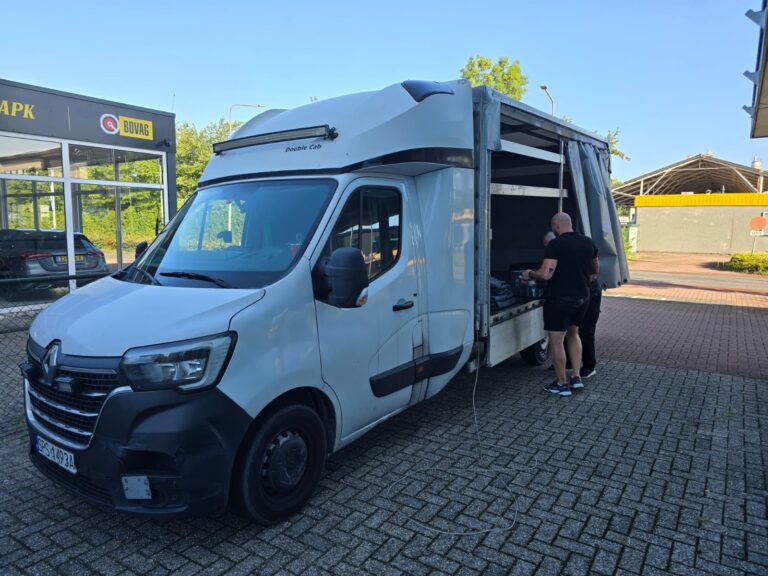
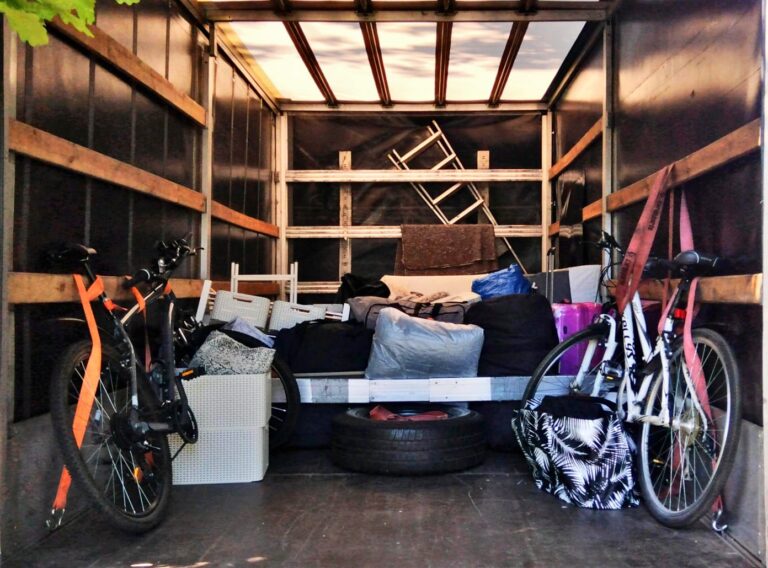
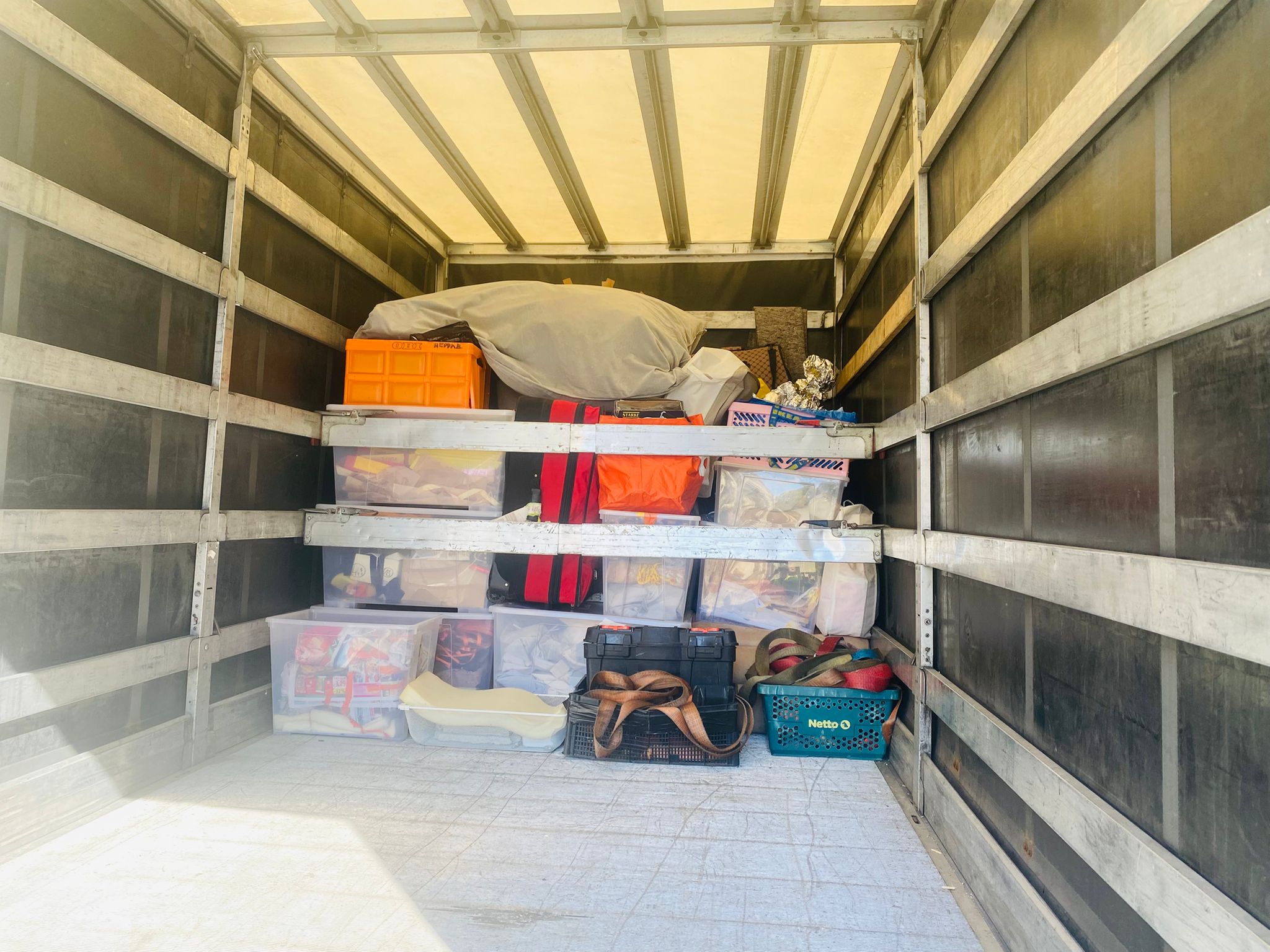
VANonsite starts with the confirmed load and both properties. Box count alone is not enough: a stone table, safe, piano, glass cabinet or dismantled wardrobe changes handling. Record floors, lift dimensions, stair turns, walking distance from legal parking and any loading-bay appointment. For a Norwegian winter collection or alpine delivery, access and weather exposure should be discussed rather than assumed.
A smaller flexible load may suit part-load planning; a fixed handover or complete household may need a dedicated vehicle. The automatic estimate near the top provides a starting point. The final scope should state what is packed, what is dismantled, who provides materials, how delivery access works and which documents are ready.
When a 1–3 day Last-Minute option may work
VANonsite’s Last-Minute Moving service can sometimes support delivery in 1–3 days. This depends on vehicle availability, the Norway-to-Switzerland route and crossings, collection and delivery access, customs documents and the agreed collection slot. It is an operational option, not a universal transit-time guarantee.
Urgency does not remove the permit, registration or customs requirements. A last-minute request is most workable when the inventory is final, photographs are ready, the Swiss address can receive goods and the customer can immediately confirm who owns each document task.
A practical handover timeline
- Before committing: confirm the Swiss residence basis, destination canton and realistic housing date.
- Before the final quote: declutter, measure furniture, photograph special items and describe access at both addresses.
- Before departure: check the Norwegian Population Register and tax actions that apply to your circumstances.
- Before collection: finalise the customs inventory, supporting evidence, contacts and property instructions.
- On arrival: complete commune registration within the applicable period and before starting longer-term employment.
- Within the insurance window: determine the competent system and arrange cover without assuming the full three months is preparation-free time.
- After delivery: reconcile the delivered inventory and retain customs and transport records.
Frequently asked questions
Can a Norwegian citizen live and work in Switzerland?
Norway is included in the Swiss EU/EFTA framework. The applicable notification or residence-permit route depends on the purpose and duration of stay. The canton issues permits, so confirm the current requirements for the actual destination and employment situation.
Does reporting a move end Norwegian tax residence?
No. The Norwegian Tax Administration states that reporting a move to the Population Register does not itself end tax liability. Residence, treaty position, Norwegian income, property, assets and exit-tax exposure require a separate assessment.
Can used household goods enter Switzerland duty-free?
Swiss customs says removal goods may qualify when domicile is transferred and the goods have generally been personally used for at least six months and will continue to be used. The facts, inventory and supporting documents determine eligibility.
Does VANonsite arrange residence permits or tax advice?
No. VANonsite plans and carries the physical removal. Immigration, insurance, tax and customs eligibility remain with the competent authority or qualified adviser. The transport team uses the confirmed inventory, access, dates and customs readiness to build the moving scope.
Turn the administrative plan into a removal quote
Once the Swiss address, collection window and inventory are real, use the calculator near the top. Send furniture dimensions, box count, photographs, floor and parking details and the status of the customs file. VANonsite can then compare the practical transport options without pretending that a generic relocation checklist is a final quote.
For the wider country service, see removals to Switzerland. For this direction, keep the administrative guide, logistics guide and commercial quote page distinct—and use each at the stage where it can answer the right question.