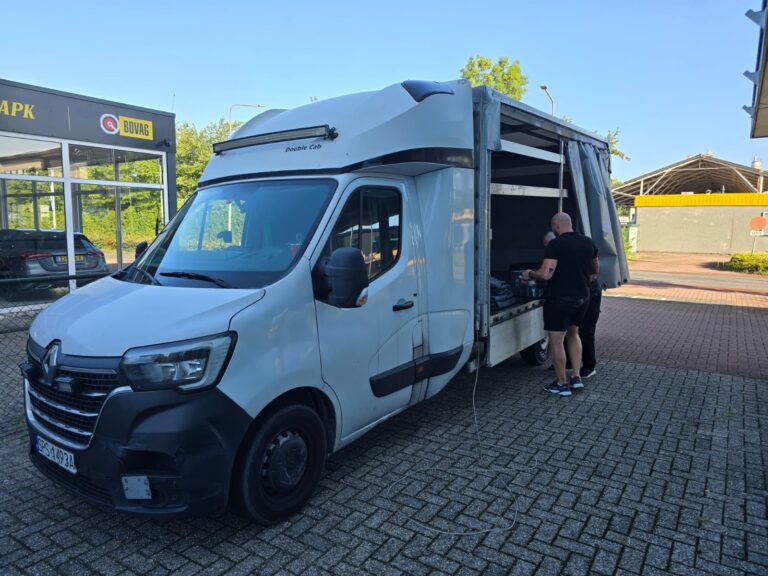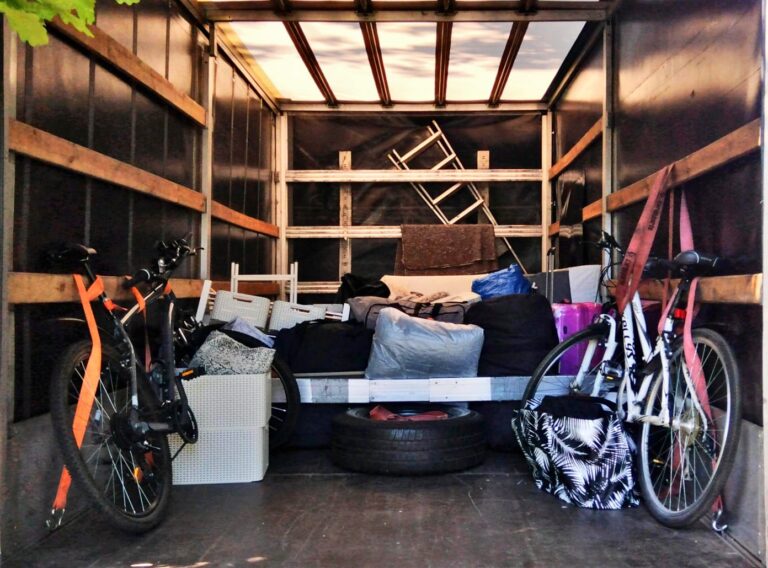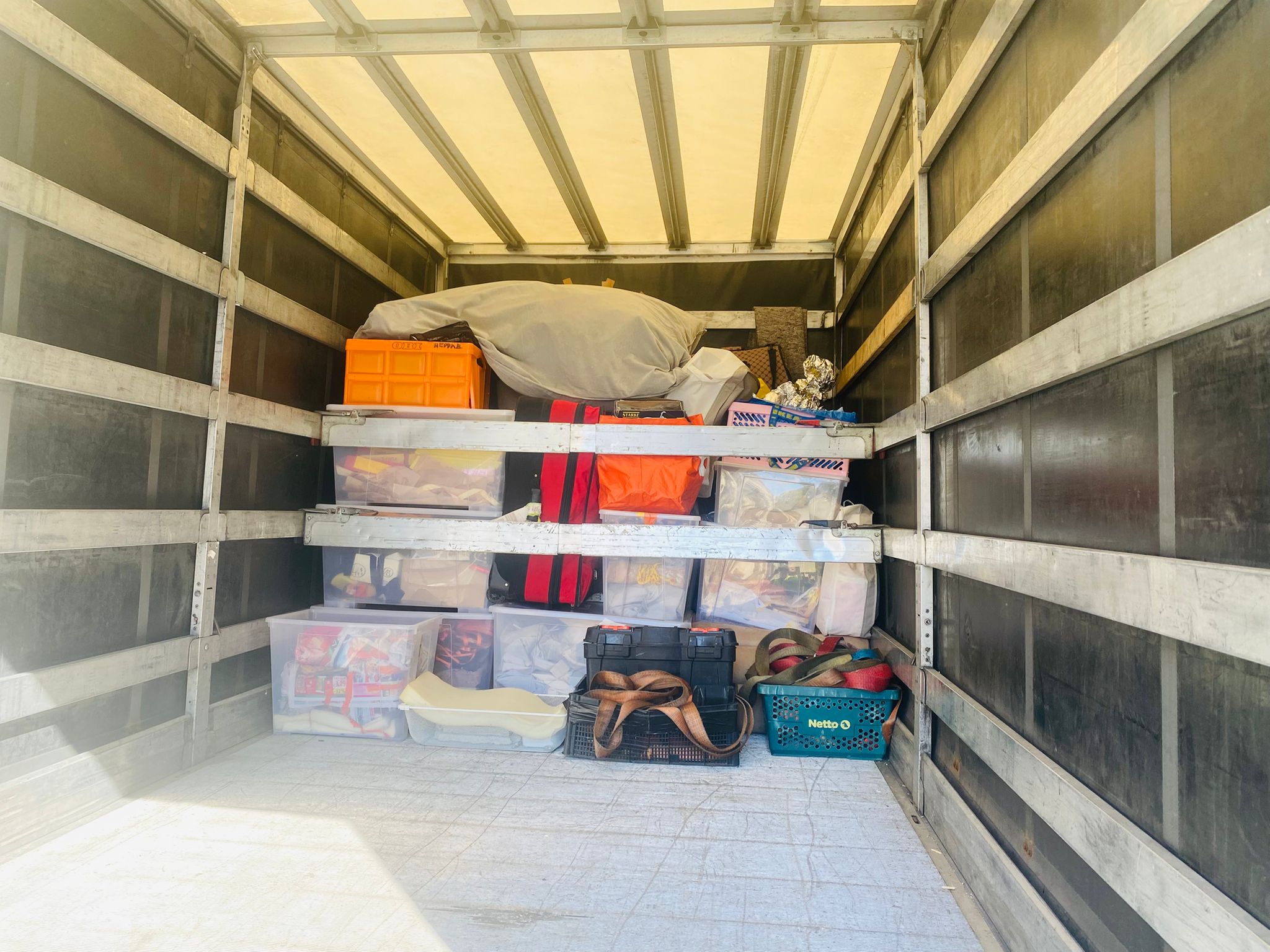
UK to Ireland removals involve two connected plans: moving the household safely and preparing the information needed for entry into the Republic of Ireland. VANonsite builds the service around the complete addresses, confirmed inventory, property access, preferred dates and customs readiness. That evidence determines the suitable capacity, handling and route instead of relying on a generic country-to-country price.
This page covers moves from England, Scotland or Wales to the Republic of Ireland. It does not describe a move to Northern Ireland, which has a different destination and border context. Use the automatic calculator below for an immediate starting estimate, then send the inventory, photographs and access details so VANonsite can prepare a tailored written scope.

Republic of Ireland and Northern Ireland are different destinations
An address in Dublin, Cork, Galway, Limerick or elsewhere in the Republic of Ireland is an EU destination. Belfast and the counties of Northern Ireland are part of the United Kingdom. The route, ferry, documents and customs responsibilities must follow the actual destination rather than the word “Ireland” on its own.
Give VANonsite the full Eircode or postcode at the first estimate. Customers moving across the Irish Sea to a UK destination should use the separate England to Northern Ireland removals guide. This destination split prevents the wrong customs assumptions from entering the quotation.
What VANonsite needs for a useful quote
| Planning input | Detail to provide | Why it matters |
|---|---|---|
| Route | Complete UK collection and Republic of Ireland delivery addresses | Road distance, ferry plan and final access |
| Inventory | Boxes, furniture, appliances, dimensions and photographs | Vehicle capacity, protection and loading order |
| Dates | Preferred day and any genuine flexibility | Part-load or dedicated feasibility |
| Access | Parking, floor, lift, stairs and carrying distance | Crew time, equipment and vehicle choice |
| Documents | Goods list, ownership and residence evidence | Customs preparation and responsibility |
| Service scope | Packing, dismantling, storage and room delivery | Work included in the proposal |
A bedroom count is only a rough indicator. A lightly furnished family home may occupy less space than a flat containing large wardrobes, books, appliances and stored belongings. Measure bulky pieces and include lofts, garages, sheds and storage units. One dated inventory should remain the reference for the estimate, booking, collection and delivery.
Part-load or dedicated transport?
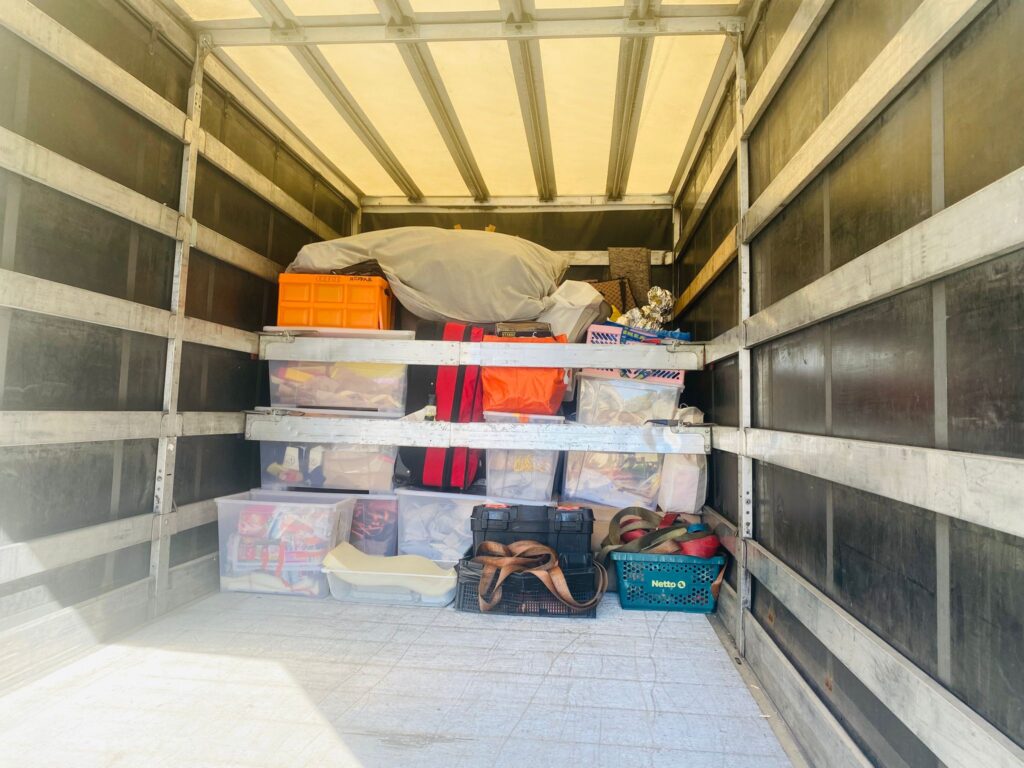
Part-load transport uses compatible capacity on a coordinated route. It can suit boxes, selected furniture, smaller homes and phased relocations when collection and delivery windows are genuinely flexible. Each consignment still needs its own inventory, identification and protection; shared capacity does not make the goods or customs responsibilities anonymous.
Dedicated transport reserves vehicle capacity around one move. It can be the clearer option when a tenancy ends, keys change hands, a school or employment start date is fixed, the household is large or direct handling matters. VANonsite compares the formats against the actual load, available route and consequences of delay. Neither option is automatically cheaper or faster in every case.
Customs planning from Great Britain to Ireland
Great Britain is outside the EU customs territory, while the Republic of Ireland is an EU Member State. Irish Revenue explains that a person moving from outside the EU to take up normal residence in Ireland may be able to claim relief from Customs Duty and VAT on qualifying personal property and household effects. Relief is conditional and is not granted simply because the goods are used or transported by a removals company.
The current Irish Revenue transfer-of-residence overview also identifies excluded categories, including goods imported for commercial reasons and certain alcohol, tobacco, trade tools and commercial vehicles. Restricted or prohibited goods can require separate checks or licences.
Revenue’s published rules for the relief include conditions about prior possession and use, residence outside the EU, the import window and later disposal. The live guidance should be checked for the customer’s circumstances. VANonsite can define the transport information and agreed support, but the competent authority or appointed representative determines the declaration and relief outcome.
HMRC’s personal-goods declaration guidance distinguishes personal and commercial goods and tells movers to check additional requirements and the destination country’s rules. A commercial household removal may require a different process from accompanied personal luggage, so the declarant and document route must be agreed before collection.
Build a customs-ready household inventory
- Give every carton a unique number and destination room.
- Describe the contents accurately rather than writing only “miscellaneous”.
- List major furniture and appliances individually.
- Mark newly purchased, high-value, business or controlled goods for review.
- Record dismantled pieces and connect labelled fittings to the parent item.
- Keep the same final version available to the customer, removals team and customs representative.
Supporting evidence depends on the procedure and customer. It may include identification, proof of the former residence, evidence of taking up residence in Ireland, ownership or use information and transport documents. Do not assume that one universal checklist applies. VANonsite confirms what it needs for the booking and who is expected to provide or submit each item.
Collection in London, England, Scotland or Wales
“London to Ireland removals” is a useful route phrase, but London access varies street by street. Controlled parking, loading restrictions, apartment floors and long carries can affect the crew and timing more than the city name. Collections elsewhere in England, Scotland or Wales can change the road leg, departure port and workable ferry connection.
Provide the exact collection address, legal parking position, walking distance, floor, lift dimensions and stair turns. Share photographs when the entrance or approach is unclear. If a building manager controls the lift or loading bay, book the slot before confirming the service window.
Ferry and route planning
The physical route may combine a UK road leg, port arrival, ferry crossing and final delivery in Ireland. The best crossing depends on the two addresses, vehicle, timetable, availability and the operational plan. A missed port cut-off can affect more than the sailing; it can also disrupt delivery access and the availability of the receiving person.
VANonsite confirms the route and realistic service window for the booked move. Keep the delivery contact available and report changes to key collection, building access or inventory before dispatch. Transport timing should be treated as a coordinated chain, not a promise derived from the ferry duration alone.
Packing for road, port and ferry handling
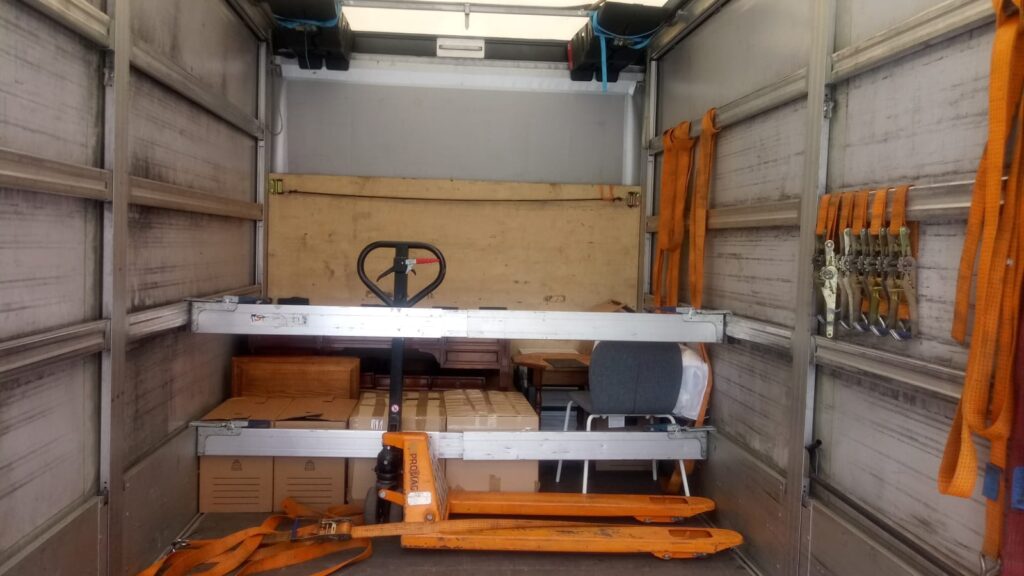
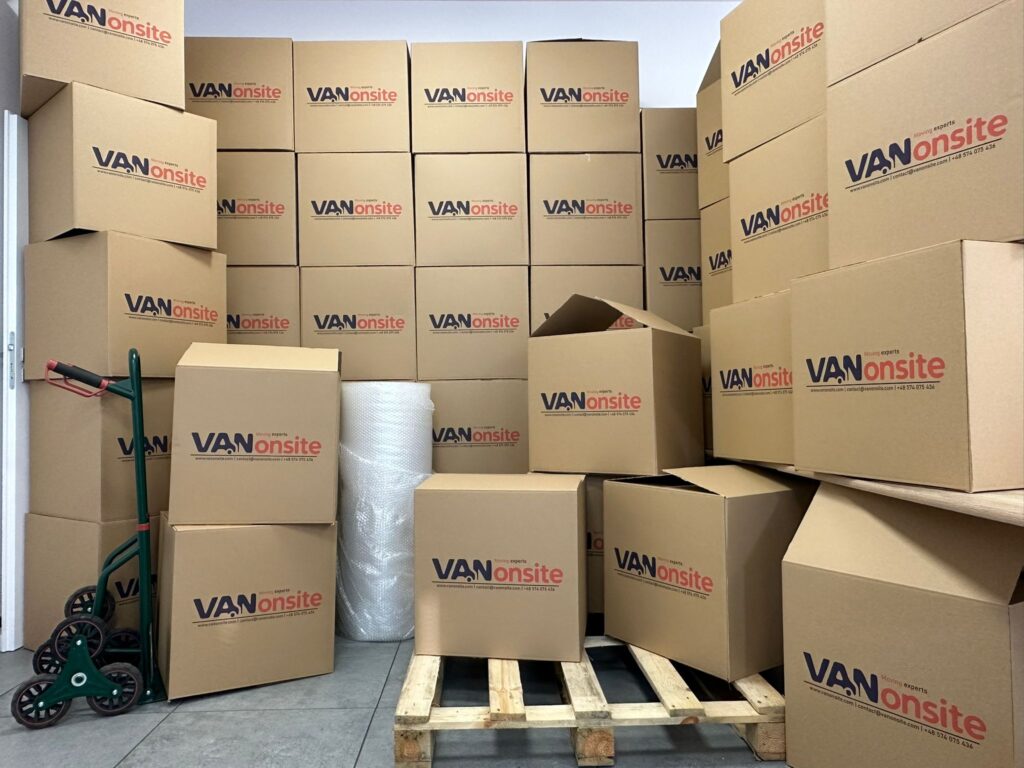
Use strong cartons that close flat and stay within a safe handling weight. Dense books, tools and kitchenware belong in smaller boxes; bedding and lighter goods can use larger cartons. Label two sides so the number and room remain visible when boxes are stacked. Keep medicines, passports, keys, valuable documents and immediate-arrival essentials with you.
Furniture protection should match the surface and handling plan. Corners, polished finishes, upholstery, glass, stone and artwork need different preparation. Tell the team about fragile, heavy or unusual items before the proposal is finalised. Customers who need materials or labour can add professional packing services; the quotation should state exactly which items and work are included.
Delivery access in the Republic of Ireland
A Dublin apartment, Cork terrace and rural Galway property create different final-access questions. City addresses may have parking, loading or lift restrictions. Rural approaches can be narrow, gated or unsuitable for a large vehicle to turn. The Eircode identifies the location, but it does not prove that the planned vehicle can reach the door.
Confirm the legal stopping point, carry distance, gate width, overhead restrictions, floor, lift and room-placement requirements. If a smaller transfer vehicle or extra handling may be needed, it belongs in the plan before arrival. Make sure the receiving person has keys, the inventory and authority to complete the handover.
What changes UK to Ireland removal costs?
- Occupied volume and weight: the confirmed goods determine capacity and payload.
- Complete route: both addresses shape road distance, crossing and final access.
- Service format: shared and dedicated capacity use different schedules.
- Property access: stairs, lifts, carries and restrictions change labour.
- Packing and dismantling: materials, preparation and assembly must be defined.
- Customs scope: document readiness and appointed responsibilities affect the work.
- Timing: a workable range creates different options from a fixed completion deadline.
There is no responsible fixed price without the load and addresses. The automatic calculator provides a starting estimate; the inventory and access details turn it into a service proposal. Remove low-value volume before booking and confirm what will actually travel rather than obtaining an attractive figure from an incomplete list.
How to compare removal quotations
| Question | Decision it clarifies |
|---|---|
| Which inventory version is priced? | Whether the same capacity is being compared |
| Is transport part-load or dedicated? | How capacity and timing are organised |
| What access and carrying are included? | Whether labour assumptions match both properties |
| Who packs and dismantles? | Responsibility for materials and vulnerable pieces |
| Who handles each customs task? | Whether the border workflow is complete |
| Is delivery a date or a range? | What the customer can reliably coordinate |
| How are changes treated? | Whether the price survives a realistic update |
Compare defined scope before totals. The broader removals to Ireland hub covers country-level options. Customers moving a complete home can also review the general home removals service, while unusual import questions can be discussed through customs-clearance support.
The VANonsite process
- Estimate: enter the two addresses, preferred date and contact details.
- Measure: provide the inventory, dimensions and photographs.
- Check access: document parking, carries, stairs, lifts and restrictions.
- Select transport: compare workable part-load and dedicated options.
- Prepare documents: agree the inventory and customs responsibilities.
- Confirm scope: review packing, collection, route, delivery and change rules.
- Handover: reconcile the numbered inventory at the Irish address.
This sequence gives the customer a transparent decision and gives the operations team the facts needed to execute it. VANonsite treats the move as one connected workflow rather than selling transport first and discovering access or customs problems later.
The 1-3 day Last-Minute option is conditional
VANonsite’s Last-Minute Moving service can sometimes support delivery in 1-3 days. It depends on vehicle availability, the route and ferry, both properties’ access, customs-document readiness and the agreed collection slot. It is not a universal transit-time guarantee and should not be treated as the standard timetable for part-load or every UK-to-Ireland move.
For an urgent assessment, provide the final inventory and complete addresses immediately. VANonsite can then check whether dedicated urgent transport or another available option fits the actual constraints without weakening the document, packing or access plan.
Frequently asked questions
Do UK to Ireland removals require customs documents?
A shipment from Great Britain to the Republic of Ireland crosses into the EU customs territory. The exact declaration, evidence and possible relief depend on the goods and customer. Confirm the responsible parties before collection.
Can I send only furniture and boxes?
Yes, subject to the route, inventory and available service. A measured smaller consignment may suit shared capacity or a compact dedicated vehicle. For item-specific preparation, see furniture removals.
Is part-load always the cheapest option?
No. It can use shared capacity efficiently when the load and dates fit an available route, but storage, multiple handling stages or a missed deadline can change the overall cost. Compare both options on the same inventory.
How do I get an accurate quote?
Enter the complete addresses and preferred date, then provide a numbered inventory, photographs, furniture dimensions and access information. State any fixed deadline and identify special items before the service is selected.
If your collection starts outside Great Britain, use our international removals to Ireland guide to compare EU and non-EU origin routes. For a complete household survey and packing plan, see house removals to Ireland.
Calculate your UK to Ireland removal
Use the calculator near the top for an immediate starting estimate. Follow with the final inventory, photographs and access details, and confirm that the destination is in the Republic of Ireland. VANonsite can then recommend a route-specific service and identify any remaining customs or handling information before booking.