Switzerland has a quiet power. It does not need to shout. It does not sell itself with noise, glitter or chaos. It wins people over with clean streets, safe neighbourhoods, precise trains, serious salaries and mountain views that can make an ordinary morning feel cinematic.
Still, the question matters: is it worth moving to Switzerland?
For many people, yes. Switzerland can be a life-changing move if you have a stable income, a clear relocation plan and enough savings to handle the first expensive months. It offers safety, order, career opportunity, breathtaking nature and one of the strongest quality-of-life packages in Europe.
Yet Switzerland is not a cheap experiment. Rent can be high. Health insurance is compulsory. Housing is competitive. Paperwork is precise. Groceries, deposits, childcare and moving costs can surprise even people arriving from expensive European cities.
So, is moving to Switzerland worth it? It is worth it when the numbers make sense, your documents are ready and your belongings are moved safely. It becomes far less attractive when you arrive without a budget, without housing research and without a proper transport plan.
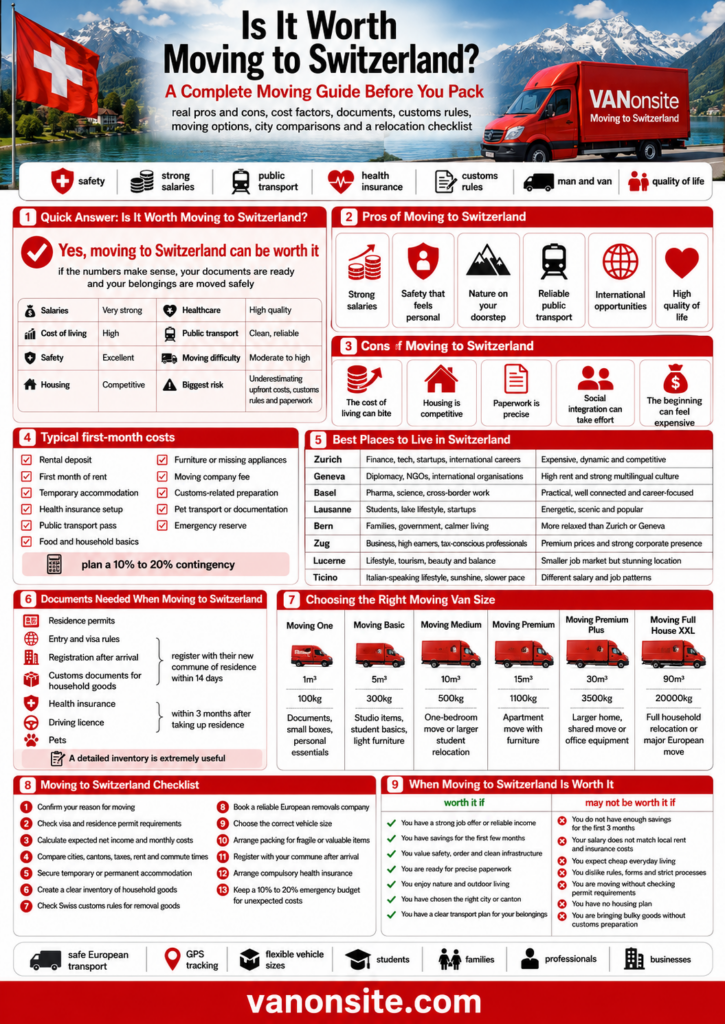
This guide gives you a clear, practical answer. You will find the real pros and cons, cost factors, documents, customs rules, moving options, city comparisons and a relocation checklist designed to help you land in Switzerland with confidence.
TL:DR
- Yes, moving to Switzerland can be worth it if your salary or savings can handle high rent, compulsory health insurance and higher daily costs.
- Switzerland is best for people who value safety, stability, clean infrastructure, strong salaries, punctual transport and outdoor living.
- The first 3 months are usually the most expensive because of deposits, insurance, furniture gaps, registration, transport and relocation costs.
- New residents are generally expected to register with their commune within 14 days after moving.
- Health insurance is compulsory for residents and must usually be arranged within 3 months after taking up residence.
- Household goods may qualify for duty-free import if Swiss customs conditions are met, including transfer of domicile and prior personal use.
- A professional man and van or removals service can reduce stress when moving furniture, boxes, student items, office equipment or a full household to Switzerland.




Quick Answer: Is It Worth Moving to Switzerland?
Yes, is it worth moving to Switzerland is a question with a strong but conditional answer. Switzerland can be an exceptional place to live, work, study and raise a family. It offers rare everyday luxuries: reliable transport, clean public spaces, low visible disorder, beautiful landscapes and serious professional opportunities.
However, Switzerland works best for people who prepare. It is not the kind of country where you can arrive with a suitcase, improvise everything and expect the system to bend around you. The country rewards structure. It expects documents. It values punctuality. It makes life easier for people who plan ahead.
If your income is strong, your housing search is realistic and your relocation is organised, the move can be deeply rewarding. If you move with no financial cushion, no permit clarity and no plan for transporting your belongings, the same decision can become stressful and expensive.
| Factor | Switzerland verdict |
|---|---|
| Salaries | Very strong in finance, IT, pharma, engineering, healthcare and international business |
| Cost of living | High, especially in Zurich, Geneva, Zug and Lausanne |
| Safety | Excellent for families, students and professionals |
| Housing | Competitive, document-heavy and often expensive |
| Healthcare | High quality, but compulsory insurance adds monthly cost |
| Public transport | Clean, reliable and useful for daily life |
| Moving difficulty | Moderate to high without proper planning |
| Best for | Skilled workers, families, students, entrepreneurs and lifestyle-focused expats |
| Biggest risk | Underestimating upfront costs, customs rules and paperwork |
If you are asking is it worth moving to Switzerland, the shortest answer is this: yes, if your finances are solid and your move is organised before the van doors close.
Why People Move to Switzerland
People do not usually move to Switzerland for a loud life. They move for a better-built one.
There is a certain magic in a place where trains arrive with impressive punctuality, lakes look almost unreal at sunrise and weekend plans can involve hiking, skiing or crossing into another European country within a few hours. Switzerland offers calm, but not dull calm. It offers structure with substance.
The most common reasons people move to Switzerland include:
- Higher earning potential
- Strong job markets in specialist industries
- Political and economic stability
- Low crime and high personal safety
- Clean air and access to nature
- Excellent public transport
- Multilingual culture
- High-quality education
- Good healthcare access
- Central location in Europe
- Long-term quality of life
For many expats, the first 90 days feel intense. There are deposits to pay, forms to complete, insurance choices to make and habits to relearn. Then, slowly, the rhythm settles. The tram arrives. The supermarket routine becomes familiar. The mountains stop feeling like a postcard and start feeling like home.
That is when many people realise why is it worth moving to Switzerland is not only a financial question. It is also a question about what kind of life you want to build.
Is Moving to Switzerland Worth It Financially?
Money is usually the sharpest part of the decision. Switzerland is famous for high wages, but those wages live inside a high-cost system.
In major cities, rent can take a large share of monthly income. Health insurance is usually paid separately from tax. Food prices can feel steep compared with many European countries. Childcare can be painfully expensive. Even small luxuries, like a casual restaurant meal, may feel premium.
Still, is moving to Switzerland worth it financially? It can be, especially if your profession is well paid, your employer offers relocation support or you choose your canton and city wisely.
A smart relocation budget should include both living costs and moving costs. Many people calculate rent and food, then forget the real landing costs. That is where the pressure begins.
| Cost category | Why it matters |
|---|---|
| Rental deposit | Often a major upfront expense before you even settle in |
| First rent payment | Usually due before or at move-in |
| Temporary housing | Useful if permanent accommodation is not ready |
| Health insurance | Compulsory and paid monthly |
| Public transport | Often excellent value compared with car ownership |
| Groceries | Higher than in many European countries |
| Furniture and appliances | Some homes may not include everything you expect |
| Moving service | Depends on distance, load size and service level |
| Customs preparation | Essential for household goods entering Switzerland |
| Emergency fund | Strongly recommended for the first 3 months |
As a practical rule, plan a 10% to 20% contingency on top of your expected relocation budget. Switzerland is beautifully organised, but the beginning can still bring expensive surprises.
A professional removals company can protect both your belongings and your budget. Delays, damaged furniture, missing documents or badly planned vehicle space can cost more than expected. VANonsite supports European moves with secure transport, flexible vehicle sizes and GPS tracking, helping customers see where their load is during the journey.
For anyone still asking is it worth moving to Switzerland, the financial answer is simple: it is worth it when the salary is strong, the costs are calculated and the move is not improvised.
Pros of Moving to Switzerland
Switzerland’s appeal is not accidental. It is built into daily life.
Strong salaries
Switzerland offers some of Europe’s most attractive earning potential, especially for professionals in finance, technology, pharmaceuticals, engineering, healthcare, logistics and international business. A higher salary can create real breathing space, provided high living costs are calculated honestly.
Safety that feels personal
Safety is one of Switzerland’s strongest emotional advantages. Streets feel orderly. Public spaces are clean. Children often travel independently earlier than in many countries. For families, students and solo professionals, that sense of calm can be priceless.
Nature on your doorstep
Switzerland can turn an ordinary weekend into something unforgettable. Lakes, mountains, forests and ski resorts are not distant fantasies. They are often part of normal life. For people who love hiking, cycling, skiing or simply breathing fresher air, this is a powerful reason to move.
Reliable public transport
Swiss public transport is one of the country’s everyday treasures. Trains, trams and buses make car-free living realistic in many places. That can reduce stress, lower transport chaos and make commuting more predictable.
International opportunities
Zurich, Geneva, Basel, Lausanne and Zug attract global companies, international organisations and skilled workers from around the world. English is common in many international workplaces, although local language skills still matter for integration.
High quality of life
Switzerland offers a rare combination: economic strength, natural beauty, public order and excellent services. It is not perfect. No country is. But its standard of living is one of the main reasons so many people decide that is it worth moving to Switzerland deserves a serious yes.
Cons of Moving to Switzerland
A trustworthy guide should not pretend everything is effortless. Switzerland is impressive, but it can also be demanding.
The cost of living can bite
Rent, insurance, groceries and childcare can hit hard. A salary that looks huge on paper may feel smaller once Swiss costs are deducted. This is why a net salary calculation is more useful than a headline salary.
Housing is competitive
In popular cities, finding a flat can take time. Landlords may expect documents, references, proof of income and patience. Good apartments can disappear quickly, and many newcomers start with temporary accommodation.
Paperwork is precise
Switzerland values rules. Registration, permits, customs forms, insurance and driving licence matters should be handled on time. Missing a step can create unnecessary friction.
Social integration can take effort
Switzerland can feel reserved at first. Friendships may build slowly. Learning the local language, even at a basic level, can make daily life warmer and easier.
The beginning can feel expensive
The first month can feel like standing under a waterfall of invoices. Deposit, rent, insurance, transport, furniture and moving costs can arrive together. This does not mean the move is wrong. It means the move needs a serious landing budget.
This is why is moving to Switzerland worth it should be answered with both optimism and discipline. Switzerland rewards people who prepare.
Cost of Living in Switzerland: What Should You Budget?
The cost of living depends heavily on city, canton, household size and lifestyle. Zurich and Geneva are usually far more expensive than smaller towns. Zug can be premium-priced. Basel, Bern, Lausanne and Lucerne each have different housing and salary patterns.
The first month is usually the toughest. You are not only paying to live. You are paying to land safely.
Typical first-month costs
- Rental deposit
- First month of rent
- Temporary accommodation if needed
- Health insurance setup
- Public transport pass
- Food and household basics
- Furniture or missing appliances
- Moving company fee
- Customs-related preparation
- Pet transport or documentation if relevant
- Emergency reserve
Ongoing monthly costs
- Rent
- Utilities
- Health insurance premium
- Groceries
- Public transport
- Phone and internet
- Childcare or school-related expenses
- Leisure
- Eating out
- Savings and emergency fund
A single professional with a strong salary may feel comfortable after the first few months. A family of four may need much more planning, especially if childcare is involved. Students may manage the move well with shared housing, a lean budget and a smaller man and van relocation.
So, is it worth moving to Switzerland if money is tight? It can be risky. The move is much stronger when you have savings for at least 3 months and a clear plan for housing, insurance and transport.
Best Places to Live in Switzerland
Choosing the right place matters. Switzerland is small on the map, but each city has its own rhythm, language, price level and career profile.
| City or region | Best for | Moving note |
|---|---|---|
| Zurich | Finance, tech, startups, international careers | Expensive, dynamic and competitive |
| Geneva | Diplomacy, NGOs, international organisations | High rent and strong multilingual culture |
| Basel | Pharma, science, cross-border work | Practical, well connected and career-focused |
| Lausanne | Students, lake lifestyle, startups | Energetic, scenic and popular |
| Bern | Families, government, calmer living | More relaxed than Zurich or Geneva |
| Zug | Business, high earners, tax-conscious professionals | Premium prices and strong corporate presence |
| Lucerne | Lifestyle, tourism, beauty and balance | Smaller job market but stunning location |
| Ticino | Italian-speaking lifestyle, sunshine, slower pace | Different salary and job patterns |
If your job is remote or hybrid, do not choose only by postcard beauty. Compare rent, transport links, local taxes, language, schools and commute time. A cheaper town with a reliable train connection may give you a better life than a tiny flat in a famous city.
Documents Needed When Moving to Switzerland
Paperwork is where a Swiss move becomes serious. Requirements depend on your nationality, purpose of stay, employment status, family situation and canton. Always check the latest official guidance before moving.
Residence permits
Foreign nationals who plan to stay in Switzerland for longer than 3 months generally need permission to stay. EU and EFTA nationals often follow different procedures than third-country nationals, but the exact route depends on the case.
Official information: Swiss residence permits
Entry and visa rules
Visa and entry requirements vary by nationality and length of stay. If you are moving for work, study, family reunification or long-term residence, check the official entry guidance before booking your move.
Official information: Entry and stay in Switzerland
Registration after arrival
In general, new residents are expected to register with their new commune of residence within 14 days of moving. Some cantons allow online registration, while others require in-person steps.
Official information: Notification of departure and registration
Customs documents for household goods
If you are moving household effects to Switzerland, customs rules matter. In many cases, household goods can be imported duty-free when the transfer of domicile conditions are met and the goods have been personally used before import.
Useful official sources:
A detailed inventory is extremely useful. It helps with customs, loading, insurance and delivery planning. It also makes the moving day feel less like a storm and more like a controlled operation.
Health insurance
Anyone settling in Switzerland must generally take out compulsory health insurance within 3 months after taking up residence. Every family member usually needs individual insurance.
Official information: Health insurance for people resident in Switzerland
Driving licence
If you live in Switzerland and drive, check whether and when your foreign driving licence must be exchanged for a Swiss one. Rules can depend on licence origin and vehicle category.
Official information: Exchanging your driving licence
Pets
Dogs, cats and ferrets have specific entry rules linked to microchips, passports and rabies vaccination. Check the official requirements early, especially if you are moving from outside the EU or with several animals.
Official information: Dogs, cats and ferrets


Moving Your Belongings to Switzerland
Moving to Switzerland is not just a personal decision. It is a logistics project.
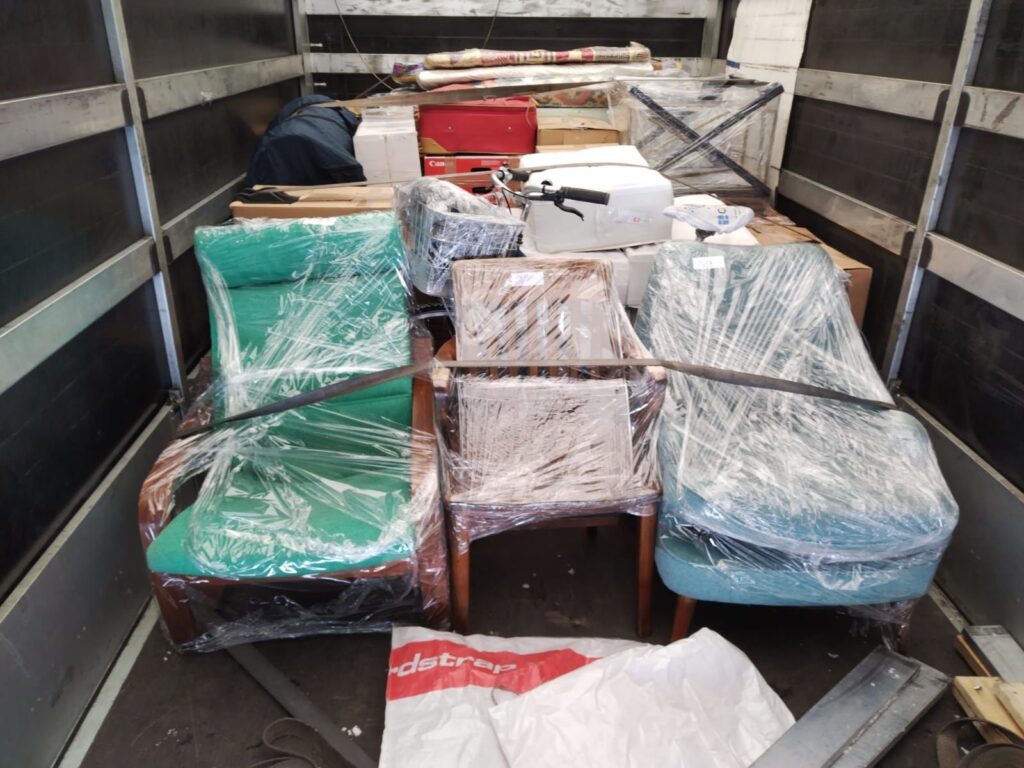
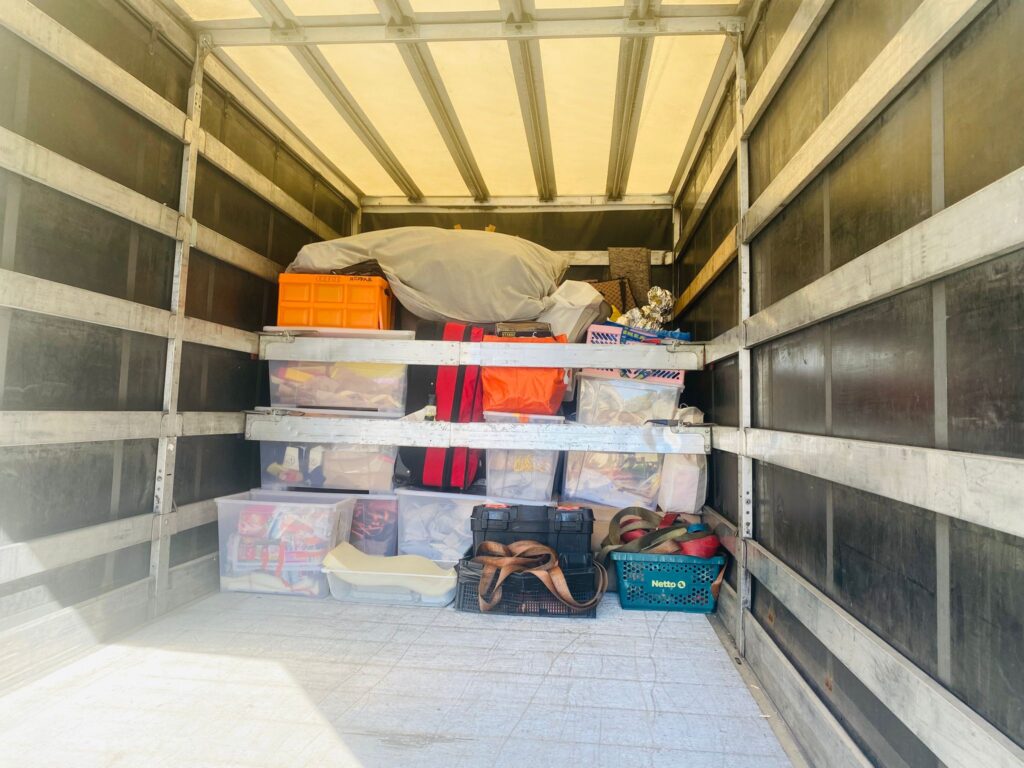
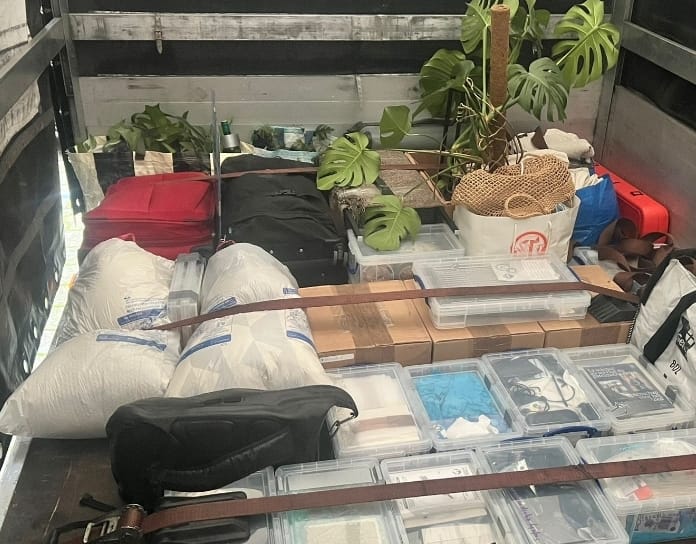
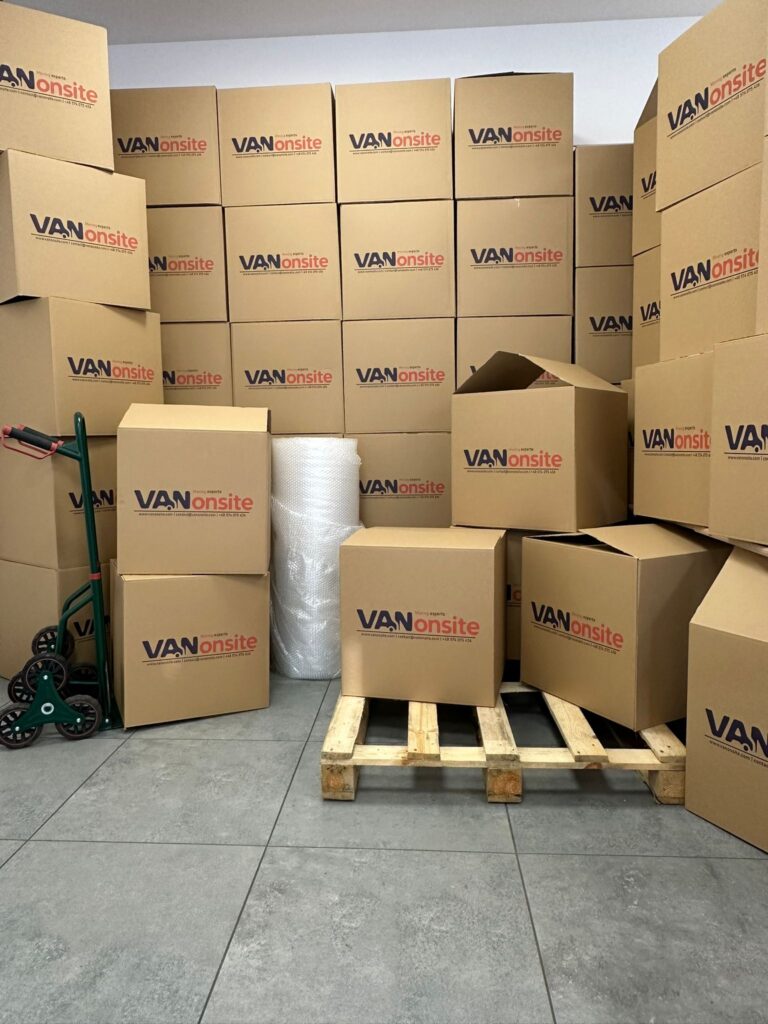
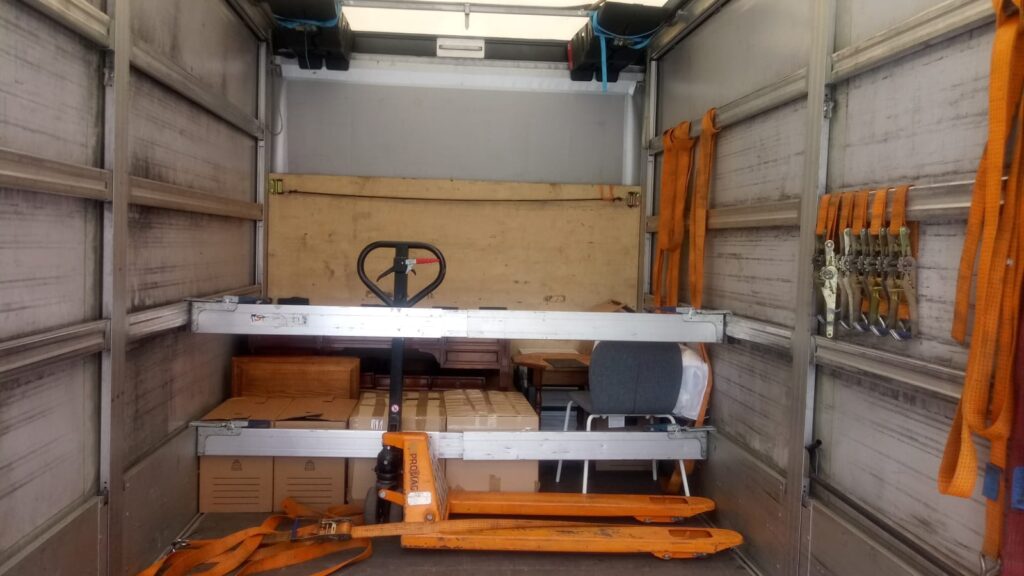
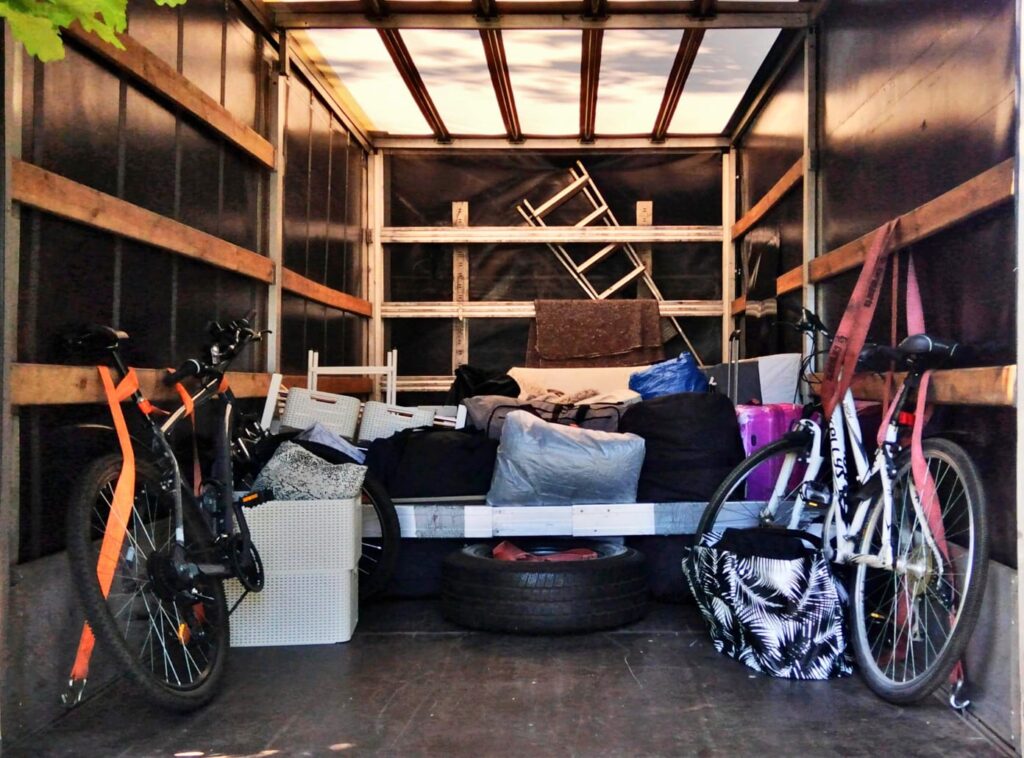
Your belongings need to cross borders safely. Furniture must be protected. Boxes need to be labelled. Fragile items need proper handling. Customs documents should be ready. The vehicle must match the load. Timing matters too, especially if your Swiss accommodation has strict access rules, narrow streets, building regulations or limited parking.
This is where VANonsite becomes a practical advantage.
VANonsite provides European moving services focused on safety, speed and control. Every load can be tracked with GPS, giving customers more clarity during the journey. For people asking is it worth moving to Switzerland, that visibility can remove a lot of anxiety from the process.
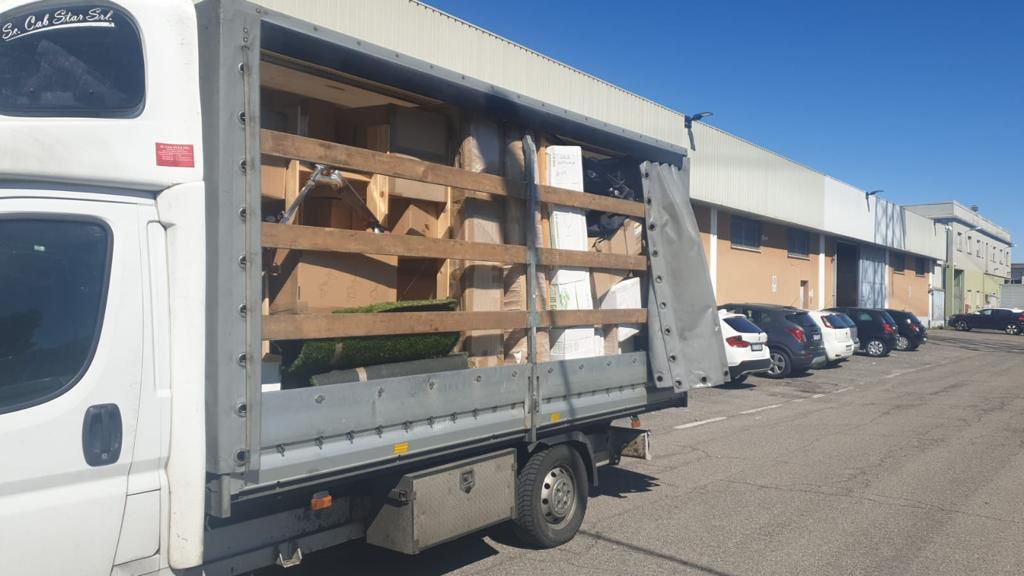
A good man and van service is especially useful when your move is too large for a private car but not large enough for a huge truck. It can suit students, young professionals, small apartments, partial furniture moves and urgent relocations.
For a dedicated route option, explore VANonsite’s removals to Switzerland service.
Choosing the Right Moving Van Size
Choosing the right vehicle is not a small detail. Too little space creates stress. Too much space can waste money. The sweet spot is a van that fits your belongings, protects the load and keeps the move efficient.
| VANonsite option | Capacity | Weight limit | Best for |
|---|---|---|---|
| Moving One | 1m3 | 100kg | Documents, small boxes, personal essentials |
| Moving Basic | 5m3 | 300kg | Studio items, student basics, light furniture |
| Moving Medium | 10m3 | 500kg | One-bedroom move or larger student relocation |
| Moving Premium | 15m3 | 1100kg | Apartment move with furniture |
| Moving Premium Plus | 30m3 | 3500kg | Larger home, shared move or office equipment |
| Moving Full House XXL | 90m3 | 20000kg | Full household relocation or major European move |
If you are relocating with only boxes, clothes, books, monitors and a small desk, Moving One or Moving Basic may be enough. If you are moving beds, wardrobes, sofas and appliances, a larger option will usually be safer.
Switzerland rewards precision. That includes choosing the right van.
VANonsite Services for Moving to Switzerland
Every move has a different shape. Some are urgent. Some are delicate. Some involve a full house. Some are just one person, 12 boxes and a suitcase full of nerves.
VANonsite offers several services that can support a Switzerland relocation.
Last Minute Moving
Plans change. Job offers appear quickly. Lease dates shift. If you need fast transport, a last minute moving service can help you avoid panic and protect your schedule.
Furniture Removals
Furniture can be awkward, heavy and easy to damage. Sofas, wardrobes, dining tables, beds and cabinets need proper handling, especially during long-distance European transport.
Home Removals
For full household moves, professional planning matters. Home removals can include larger loads, multiple rooms, careful packing and structured delivery.
Packing Service
Packing is where many moves go wrong. Weak boxes, poor labelling and rushed wrapping can turn valuable items into problems. A professional packing service helps protect fragile goods and keeps the move organised.
White Glove Delivery
Some items deserve extra care. White glove delivery is suitable for valuable, fragile or premium pieces that need careful handling from collection to delivery.
Office Removals
Business relocations need speed and minimal disruption. Office removals can support companies moving equipment, documents, desks, chairs and workstations.
Storage
Sometimes you arrive before your Swiss home is ready. Storage can bridge the gap and prevent your belongings from becoming a costly headache.
Student Removals
Students often need lean, practical transport. A compact man and van option can work well for university moves, shared apartments and essential belongings.
Office Furniture Installation
For companies, moving furniture is only half the task. Desks, chairs, meeting spaces and workstations also need to be set up properly after arrival.
Whether you need a small man and van move or a full-house relocation, VANonsite helps make the process safer, faster and clearer.
Moving to Switzerland Checklist
A successful Swiss relocation starts before moving day. Use this checklist to keep the process under control.
- Confirm your reason for moving, such as work, study, family or business.
- Check visa and residence permit requirements.
- Calculate expected net income and monthly costs.
- Compare cities, cantons, taxes, rent and commute times.
- Secure temporary or permanent accommodation.
- Prepare rental documents and financial proof.
- Create a clear inventory of household goods.
- Check Swiss customs rules for removal goods.
- Book a reliable European removals company.
- Choose the correct vehicle size.
- Arrange packing for fragile or valuable items.
- Prepare pet documents if moving with animals.
- Keep passport, contract, permit papers and insurance documents accessible.
- Register with your commune after arrival.
- Arrange compulsory health insurance within the required period.
- Check driving licence exchange rules if you plan to drive.
- Set up banking, phone, internet and transport passes.
- Keep a 10% to 20% emergency budget for unexpected costs.
This checklist is not glamorous, but it is powerful. A move to Switzerland becomes much easier when every document, box and deadline has a place.
Is Switzerland Good for Families?
For families, Switzerland can be extraordinary. Safety is a major advantage. Public spaces are clean. Outdoor life is easy to access. Schools are respected. Children can grow up close to lakes, forests and mountains rather than screens and traffic noise.
But family life in Switzerland needs careful budgeting. Childcare can be expensive. Larger apartments are harder to find in popular cities. School language depends on the canton, so families should research local education before choosing an area.
Switzerland may be worth it for families if:
- One or both parents have stable income
- Housing is secured early
- Childcare costs are included in the budget
- The school language is understood
- Outdoor lifestyle is a genuine priority
- Long-term safety matters more than cheap living
For many parents, is it worth moving to Switzerland becomes easy to answer once they experience the safety, cleanliness and calm rhythm of daily life.
Is Switzerland Good for Students?
Switzerland can be a powerful choice for students, especially those attending strong universities or specialist programmes. The international atmosphere, high standards and location in the heart of Europe can create excellent opportunities.
The challenge is cost. Rent, food, transport and insurance need planning. Shared accommodation can help. So can moving only the essentials.
A student move usually does not require a huge truck. Clothes, books, bedding, a desk setup, kitchen basics and personal items may fit into a smaller man and van solution. This keeps the move lean and avoids paying for unused vehicle space.
So, is moving to Switzerland worth it for students? Yes, if the study opportunity is strong, accommodation is realistic and the budget is honest.
Is Switzerland Good for Remote Workers and Entrepreneurs?
Switzerland can be attractive for entrepreneurs, founders, consultants and remote professionals. It offers stability, strong infrastructure, international connections and a serious business environment.
But it is not a casual playground for paperwork-free remote work. Immigration rights, tax residence, business structure, insurance and local rules must be checked before arrival. The answer depends on nationality, income type, residence plan and canton.
Switzerland suits people who want structure. It is a country for builders, planners and long-term thinkers. If that sounds like you, the move may be a smart step.
When Moving to Switzerland Is Worth It
Moving to Switzerland is likely worth it if:
- You have a strong job offer or reliable income.
- You understand the real cost of living.
- You have savings for the first few months.
- You value safety, order and clean infrastructure.
- You are ready for precise paperwork.
- You enjoy nature and outdoor living.
- You are willing to learn the local language.
- You have chosen the right city or canton.
- You have a clear transport plan for your belongings.
- You want long-term quality of life, not only short-term excitement.
In these cases, is it worth moving to Switzerland often becomes a confident yes.
When Moving to Switzerland May Not Be Worth It
Moving to Switzerland may not be worth it if:
- You do not have enough savings for the first 3 months.
- Your salary does not match local rent and insurance costs.
- You expect cheap everyday living.
- You dislike rules, forms and strict processes.
- You are moving without checking permit requirements.
- You have no housing plan.
- You are bringing bulky goods without customs preparation.
- You expect instant social integration without effort.
- You are not ready for high deposits and upfront costs.
Switzerland can be wonderful, but it does not rescue poor planning. It amplifies it.
How to Make Your Move to Switzerland Easier
A relocation to Switzerland becomes smoother when you treat it like a project, not a mood.
Start with documents. Then budget. Then housing. Then transport. The order matters. Moving your belongings before your paperwork is clear can create stress. Booking transport before you know your delivery address can create delays. Packing without inventory can create customs confusion.
A strong moving plan should include:
- A clear collection and delivery date
- Accurate inventory
- Proper packing materials
- Vehicle size matched to the load
- Customs-aware preparation
- GPS-tracked transport
- Accessible personal documents
- Backup funds
- Communication with building management if needed
This is where a reliable removals partner earns its value. VANonsite’s GPS tracking, flexible van sizes and European transport experience can help turn a complex border move into a cleaner, calmer process.
Final Verdict: Is It Worth Moving to Switzerland?
So, is it worth moving to Switzerland?
For the right person, yes. Switzerland can offer a rare combination of strong salaries, safety, natural beauty, excellent transport and long-term stability. It is one of the most attractive relocation destinations in Europe for people who want a better-built life.
But it is not a cheap experiment. It asks for preparation. You need realistic finances, correct documents, housing research and a secure plan for moving your belongings.
If those pieces are in place, is moving to Switzerland worth it becomes more than a search query. It becomes the beginning of a serious, exciting and potentially life-changing move.
VANonsite can support that move with safe European transport, GPS tracking, flexible vehicle sizes and services tailored to students, families, professionals and businesses. From a compact man and van relocation to a full household move, the goal is the same: get your life to Switzerland safely, quickly and without unnecessary stress.
Planning your move? Explore VANonsite’s removals to Switzerland service and choose the right moving solution for your new Swiss chapter.
FAQ
Is it worth moving to Switzerland in 2026?
Yes, is it worth moving to Switzerland in 2026 depends mainly on income, savings and lifestyle expectations. It can be worth it for skilled workers, families, students with funding and people who value safety, stability and outdoor living.
Is moving to Switzerland worth it if I do not speak German, French or Italian?
Yes, it can be worth it, especially if you work in an international company. However, learning the local language will make housing, paperwork, friendships and everyday life much easier.
How much money should I save before moving to Switzerland?
You should plan for several months of living costs, plus rental deposit, first rent, health insurance, moving costs and emergency funds. A 10% to 20% contingency is sensible because the first month can be expensive.
Can I bring my furniture to Switzerland?
Yes, you can bring furniture and household goods to Switzerland. Customs rules apply, and household effects may qualify for duty-free import if official conditions are met.
Do I need health insurance in Switzerland?
Yes. People settling in Switzerland generally need compulsory health insurance within 3 months after taking up residence.
What is the easiest way to move belongings to Switzerland?
For many European relocations, the easiest option is a professional man and van or removals service with secure loading, GPS tracking, proper vehicle size and customs-aware planning.
Is Switzerland better for singles or families?
Switzerland can work well for both. Singles often benefit from career opportunities and lifestyle quality. Families often value safety, education and nature, but they need to budget carefully for housing and childcare.
Should I hire a removals company for Switzerland?
Yes, especially if you are moving furniture, fragile items, many boxes or a full household. A professional removals company can reduce stress, protect belongings and keep the relocation organised from collection to delivery.