
Switzerland looks calm, clean, and organised. Trains run through Alpine valleys on time, salaries look attractive, and cities feel safe even after dark. Then you check rent, health insurance, groceries, or the cost of your first month after arrival. The question becomes immediate: is Switzerland expensive?
Yes, Switzerland is expensive. Rent is high. Health insurance is mandatory. Restaurants are costly. A simple first month can demand a serious cash buffer. Still, Switzerland rewards people who plan well. High wages, excellent public transport, strong safety, clean cities, and stable services can balance the higher cost of living when the budget is realistic.
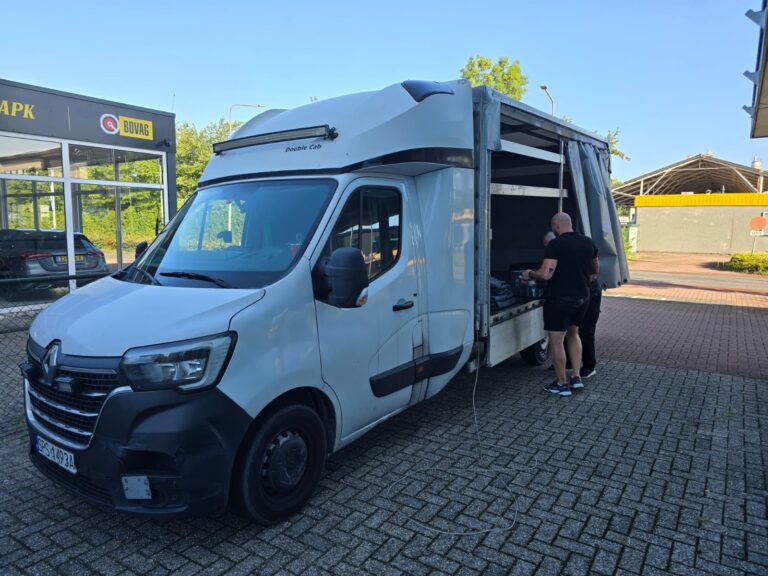
VANonsite supports relocations to Switzerland with GPS tracking for every load, flexible man and van options, packing services, furniture removals, home removals, student removals, storage, white glove delivery, office removals, and office furniture installation. In a country where small mistakes can become expensive, a precise move is financial protection.
TL:DR
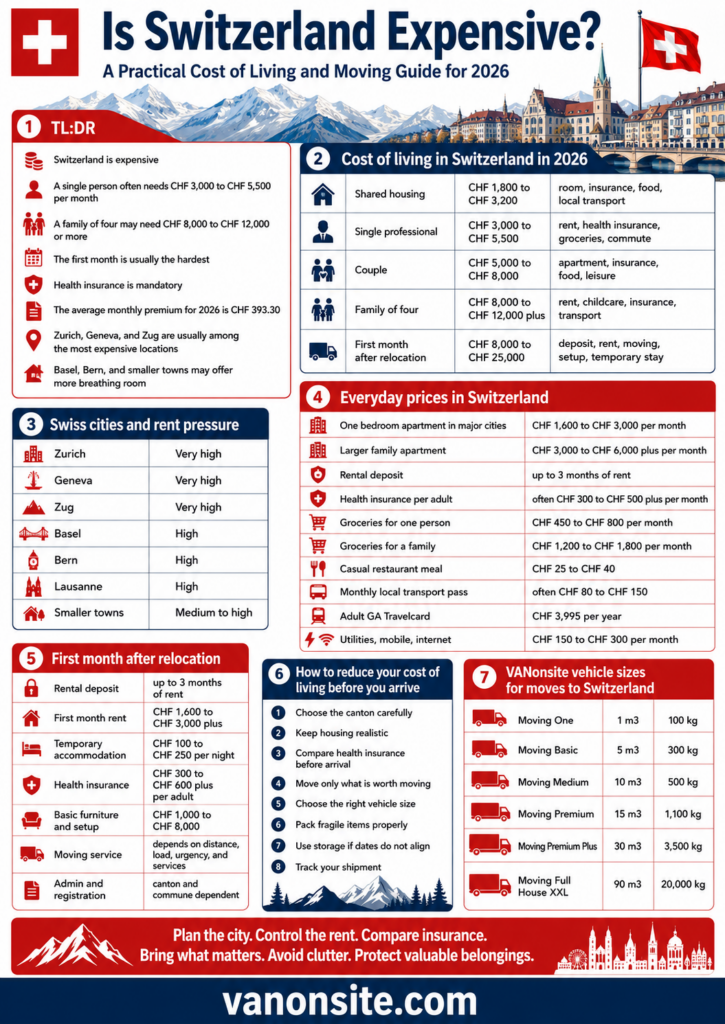
- Switzerland is expensive, for rent, health insurance, groceries, restaurants, childcare, and first month setup costs.
- A single person often needs CHF 3,000 to CHF 5,500 per month, while a family of four may need CHF 8,000 to CHF 12,000 or more.
- The first month is usually the hardest because rent, deposit, insurance, furniture, relocation, and registration costs arrive together.
- Zurich, Geneva, and Zug are usually among the most expensive locations, while Basel, Bern, and smaller towns may offer more breathing room.
- Health insurance is mandatory, and the average monthly premium for 2026 is CHF 393.30, although real prices vary by canton and policy.
- Moving only the right belongings can save money, while transporting too much low value furniture can make relocation unnecessarily expensive.
- VANonsite helps reduce moving stress with GPS tracked transport, man and van flexibility, packing support, and vehicle sizes from 1 m3 to 90 m3.




Fast answer: is Switzerland expensive?
Yes, is Switzerland expensive is one of the most common questions before relocation, and the honest answer is clear. Switzerland is one of the most expensive countries in Europe.
A single person living alone in Zurich, Geneva, Basel, Bern, Lausanne, or Zug should often budget between CHF 3,000 and CHF 5,500 per month. A couple may need CHF 5,000 to CHF 8,000. A family can easily need CHF 8,000 to CHF 12,000 or more, especially when childcare, a larger apartment, and several health insurance premiums enter the picture.
Still, Switzerland does not feel the same for everyone. Costs depend on city, canton, commute, rent level, household size, shopping habits, and how much you bring with you. With the right salary, a realistic housing plan, and a careful relocation strategy, Swiss life can be expensive but stable.
Why is Switzerland expensive?
Switzerland is expensive because labour costs are high, housing supply is tight in major cities, services are regulated, infrastructure is carefully maintained, and the Swiss franc has serious purchasing power. Food, rent, and professional services all reflect these standards. The country gives something back through reliable transport, safe streets, efficient administration, and strong career opportunities, but casual planning can still become painfully costly.
Cost of living in Switzerland in 2026
The most useful way to answer “is living in Switzerland expensive” is to break the question into real monthly costs.
| Household type | Realistic monthly budget | Main cost drivers |
|---|---|---|
| Shared housing | CHF 1,800 to CHF 3,200 | room, insurance, food, local transport |
| Single professional | CHF 3,000 to CHF 5,500 | rent, health insurance, groceries, commute |
| Couple | CHF 5,000 to CHF 8,000 | apartment, insurance, food, leisure |
| Family of four | CHF 8,000 to CHF 12,000 plus | rent, childcare, insurance, transport |
| First month after relocation | CHF 8,000 to CHF 25,000 | deposit, rent, moving, setup, temporary stay |
These numbers are not designed to frighten you. They are designed to prevent surprises. Rent and health insurance are the heaviest monthly commitments. Once they are controlled, the rest of the budget is easier to shape.
Everyday prices in Switzerland
Switzerland often feels expensive in small moments: a quick lunch, a weekly shop, a train pass, or a coffee in the city centre.
| Expense | Typical 2026 cost range |
|---|---|
| One bedroom apartment in major cities | CHF 1,600 to CHF 3,000 per month |
| Larger family apartment | CHF 3,000 to CHF 6,000 plus per month |
| Rental deposit | up to 3 months of rent |
| Health insurance per adult | often CHF 300 to CHF 500 plus per month |
| Groceries for one person | CHF 450 to CHF 800 per month |
| Groceries for a family | CHF 1,200 to CHF 1,800 per month |
| Casual restaurant meal | CHF 25 to CHF 40 |
| Monthly local transport pass | often CHF 80 to CHF 150 |
| Adult GA Travelcard | CHF 3,995 per year |
| Utilities, mobile, internet | CHF 150 to CHF 300 per month |
So, is Switzerland expensive day to day? Yes, especially if you keep the same habits you had in a cheaper country. The people who adapt fastest usually cook more, compare health insurance early, avoid oversized apartments, and use public transport wisely.
Is living in Switzerland expensive compared with Europe?
Yes, is living in Switzerland expensive compared with most of Europe? In consumer terms, yes. Switzerland is usually more expensive than Germany, France, Austria, Italy, Spain, Poland, Czechia, Portugal, and the UK for groceries, rent, restaurants, and many services.
Still, direct comparisons can mislead. Salaries may also be higher, VAT is lower than in many European countries, and public transport can reduce the need for a car. The better question is: is it expensive living in Switzerland on your expected income?
Swiss cities and rent pressure
City choice can change your entire budget. Two people with the same salary can have very different lives depending on where they settle.
| City | Cost level | What to watch |
|---|---|---|
| Zurich | Very high | fierce housing competition |
| Geneva | Very high | tight rental market |
| Zug | Very high | premium housing costs |
| Basel | High | family housing and insurance |
| Bern | High | fewer ultra high salary roles |
| Lausanne | High | lake area rent premiums |
| Smaller towns | Medium to high | commute time and availability |
Rent is usually the biggest cost of living in Switzerland. If rent is too high, every grocery bill feels heavier.
| Apartment type | Zurich | Geneva | Basel | Zug |
|---|---|---|---|---|
| Studio or compact 1 bedroom | CHF 1,600 to CHF 2,500 | CHF 1,500 to CHF 2,400 | CHF 1,200 to CHF 1,900 | CHF 1,800 to CHF 2,700 |
| 2.5 room apartment | CHF 2,200 to CHF 3,000 | CHF 2,000 to CHF 2,800 | CHF 1,600 to CHF 2,200 | CHF 2,400 to CHF 3,200 |
| 3.5 room apartment | CHF 2,800 to CHF 4,000 | CHF 2,500 to CHF 3,500 | CHF 2,000 to CHF 2,800 | CHF 3,000 to CHF 4,200 |
| 4.5 room family apartment | CHF 3,500 to CHF 5,500 plus | CHF 3,200 to CHF 5,000 plus | CHF 2,500 to CHF 3,800 | CHF 3,800 to CHF 5,800 plus |
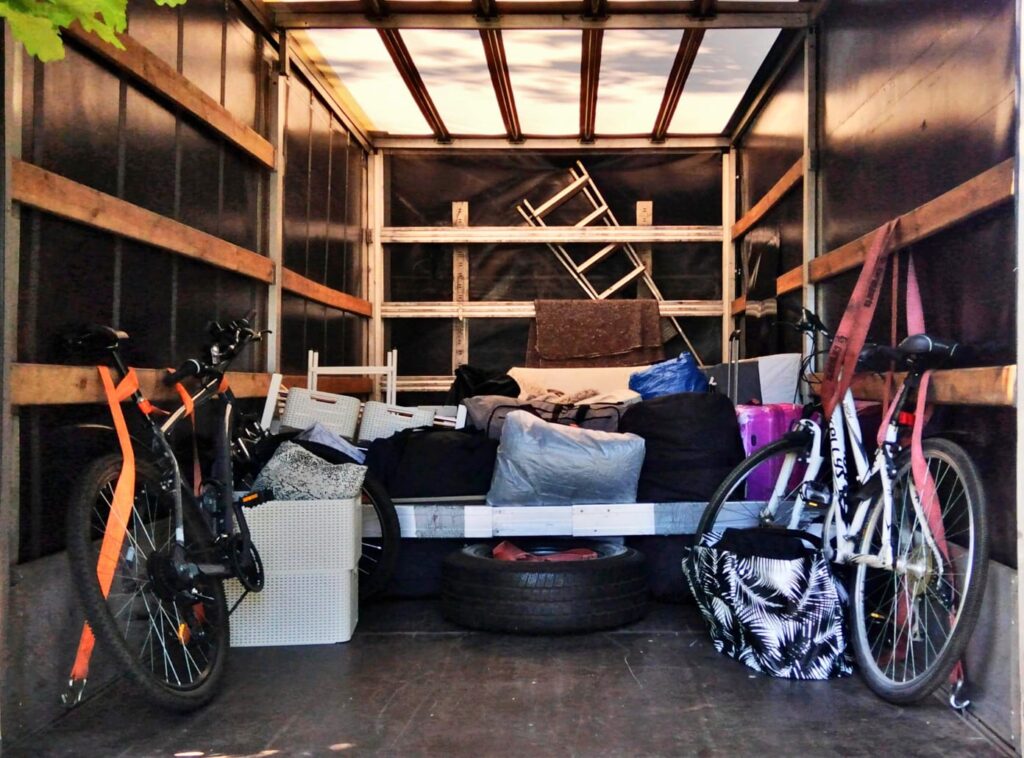
A rental deposit can reach up to three months of rent. Add the first month upfront, basic furniture, insurance, household items, food, and relocation, and the first month quickly becomes heavy. This is where a properly sized man and van move can help you bring valuable furniture without paying for unnecessary space.
Health insurance, groceries, restaurants, and transport
Health insurance is mandatory in Switzerland. For 2026, the average monthly premium is around CHF 393.30. Real prices depend on canton, insurer, deductible, accident coverage, age group, and insurance model.
| Cost type | Typical planning range |
|---|---|
| Adult health insurance with high deductible | CHF 300 to CHF 450 per month |
| Adult health insurance with lower deductible | CHF 400 to CHF 600 plus per month |
| Child health insurance | CHF 100 to CHF 180 per month |
| Family health insurance, two adults and two children | CHF 900 to CHF 1,400 plus per month |
| Weekly groceries for one person | CHF 100 to CHF 200 |
| Monthly groceries for a family | CHF 1,200 to CHF 1,800 |
| Casual lunch | CHF 25 to CHF 40 |
| Dinner for two in a mid range restaurant | CHF 90 to CHF 160 |
| Local monthly city pass | CHF 80 to CHF 150 |
| Half Fare Travelcard | around CHF 190 per year |
| Adult GA Travelcard, 2nd class | CHF 3,995 per year |
Is Switzerland expensive because of healthcare and food? For many newcomers, yes. The system is high quality, but premiums are a real monthly burden. Food also tests your habits. Cooking at home, using discount supermarkets, and planning meals can save hundreds of francs per month. Swiss public transport is clean, punctual, and dense, and it can reduce the need for a car.
First month in Switzerland: the hidden financial storm
The first month is often the most expensive part of moving to Switzerland because many costs arrive together. You may need to pay an apartment deposit, first month rent, temporary accommodation, moving service, basic furniture, mattress, bedding, kitchen items, health insurance, local transport pass, registration fees, pet costs, mobile activation, and internet installation.
| First month item | Planning range |
|---|---|
| Rental deposit | 1 to 3 months of rent |
| First rent payment | CHF 1,600 to CHF 6,000 plus |
| Temporary accommodation | CHF 2,000 to CHF 6,000 |
| Furniture and household setup | CHF 1,000 to CHF 8,000 |
| Moving service | depends on distance, load, urgency, and services |
| Admin and registration | canton and commune dependent |
So, is Switzerland expensive in the first month? Very. Bring what is worth bringing. Do not ship every low value item. Protect the furniture that matters. Keep your inventory clear. Use a reliable mover.
Moving to Switzerland: what to bring and what to leave
One smart relocation rule is simple: do not pay to move clutter into one of Europe’s most expensive countries.
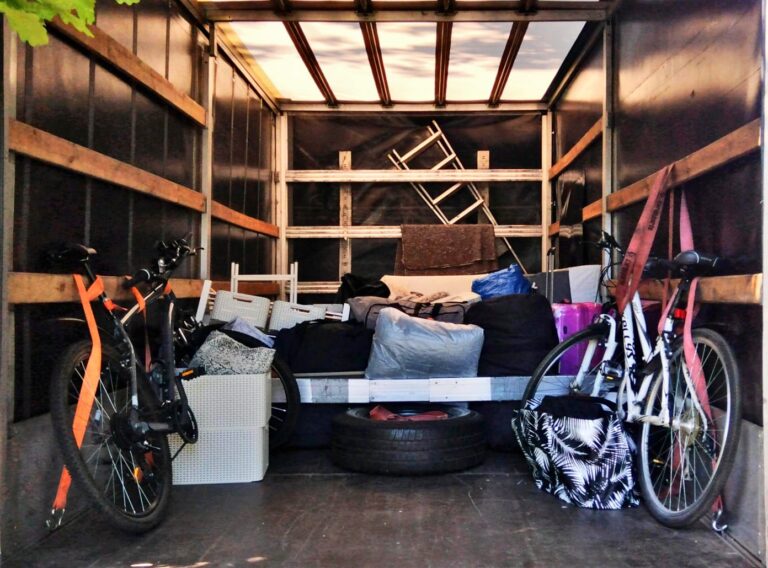
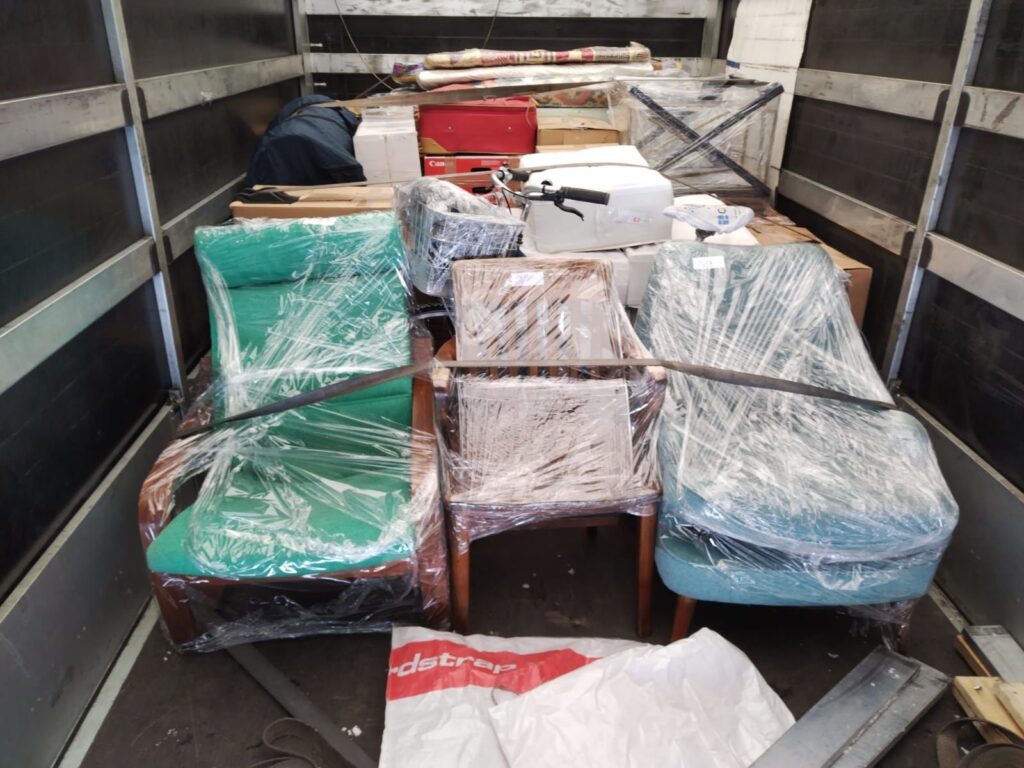
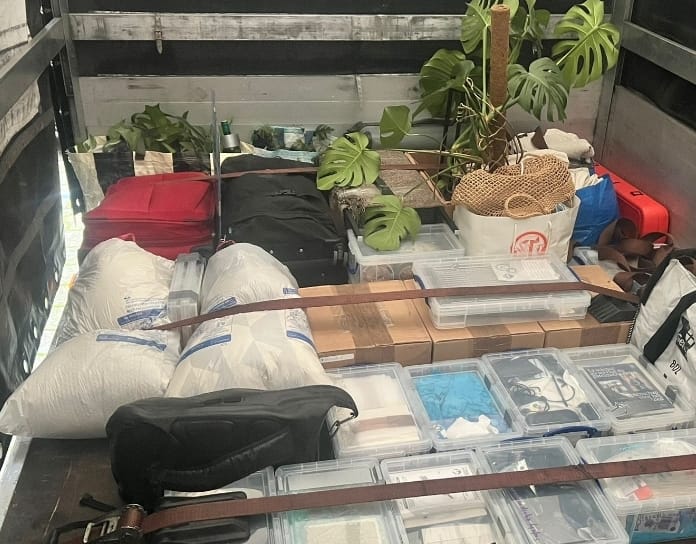
Bring items that are valuable, sentimental, hard to replace, or needed immediately: quality furniture, office equipment, family belongings, specialist tools, children’s essentials, premium mattresses, documents, and carefully packed fragile items.
Consider leaving behind cheap flat pack furniture in poor condition, old appliances that may not fit Swiss plugs or standards, bulky items with low resale value, duplicates, items unused for 12 months, and weak wardrobes or desks that may not survive transport.
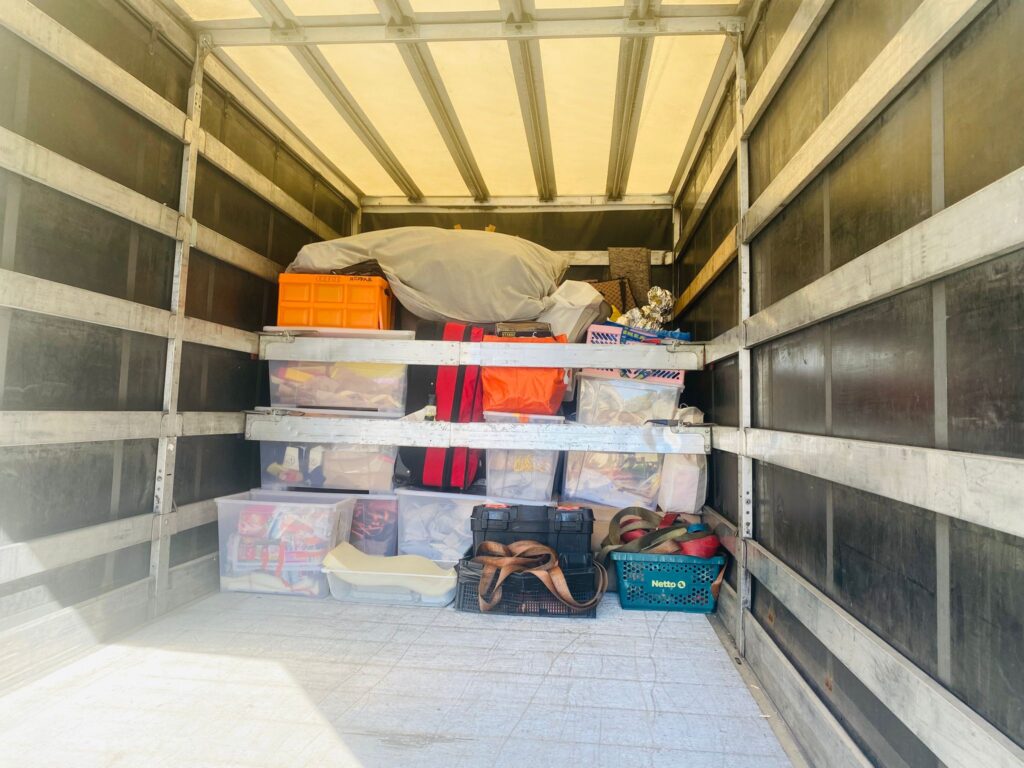
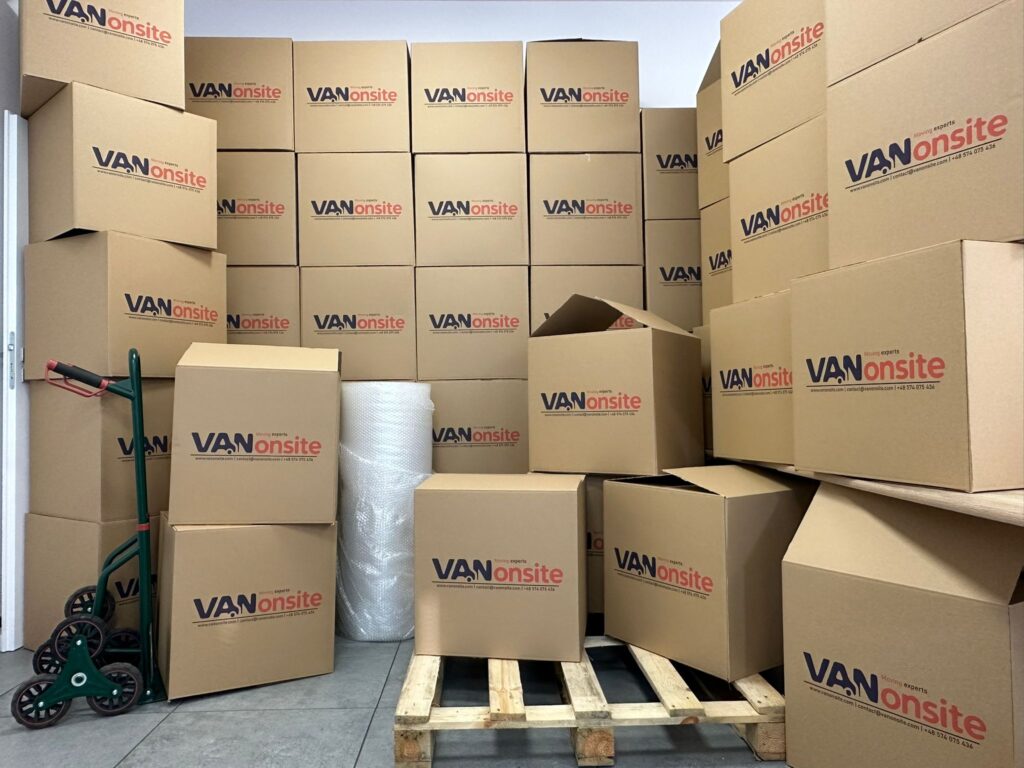
VANonsite’s vehicle range makes this decision easier. A student may only need Moving One or Moving Basic. A couple may need Moving Medium or Moving Premium. A family may need Moving Premium Plus. A full property relocation may require Moving Full House XXL.
VANonsite vehicle sizes for moves to Switzerland
| VANonsite vehicle option | Capacity | Weight limit | Best for |
|---|---|---|---|
| Moving One | 1 m3 | 100 kg | small boxes, student essentials, single item delivery |
| Moving Basic | 5 m3 | 300 kg | compact studio move, light man and van relocation |
| Moving Medium | 10 m3 | 500 kg | small flat, furniture and boxes |
| Moving Premium | 15 m3 | 1,100 kg | one bedroom apartment or larger load |
| Moving Premium Plus | 30 m3 | 3,500 kg | family relocation, larger furniture move |
| Moving Full House XXL | 90 m3 | 20,000 kg | full house relocation, office move, complex transport |
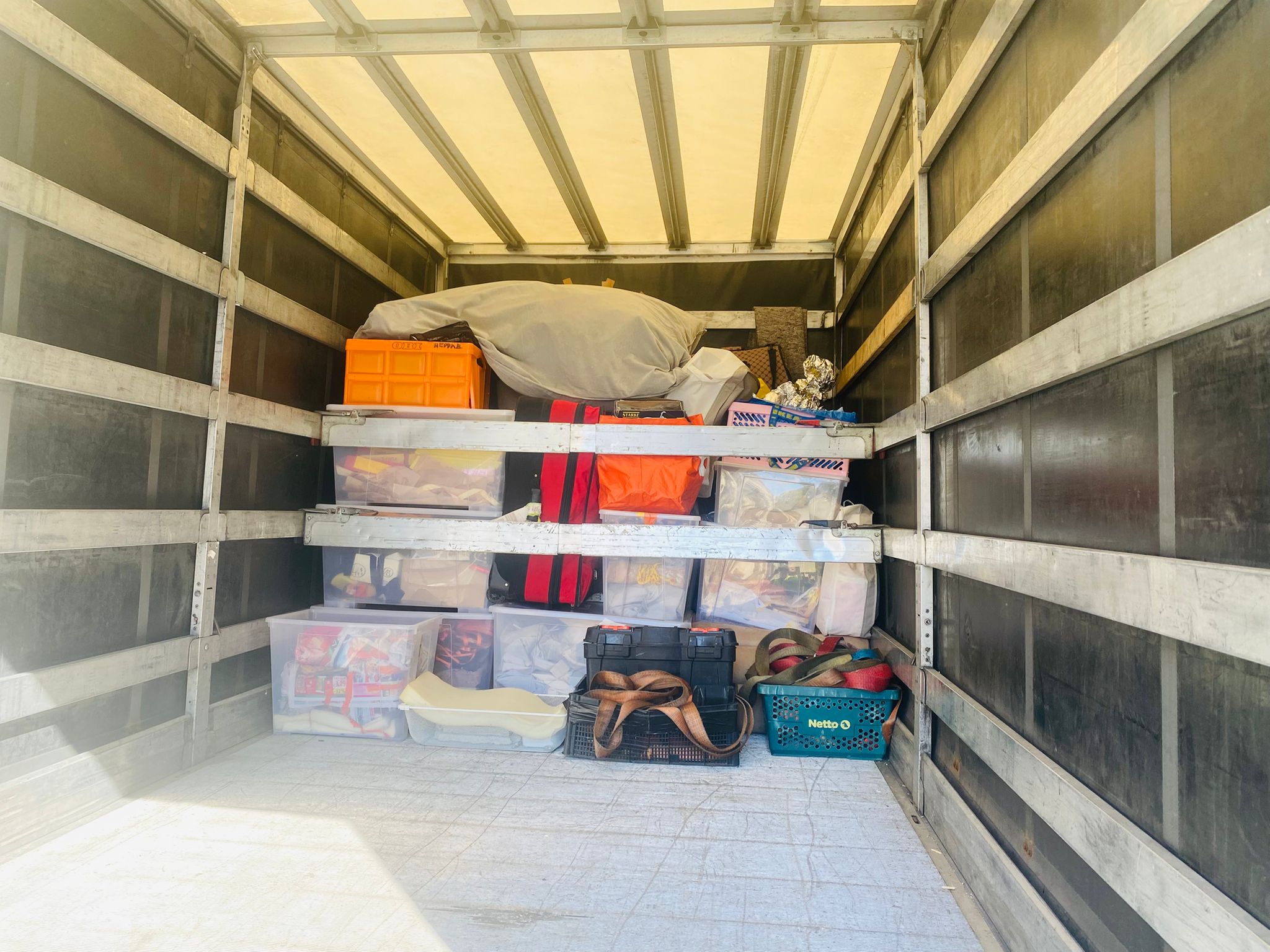
Choosing the wrong vehicle can create expensive friction. Too small, and you may need extra trips. Too large, and you may pay for space you do not need. VANonsite helps match the transport to the load, while GPS tracking keeps the customer informed throughout the journey.
For a dedicated route and service overview, visit VANonsite removals to Switzerland.

Documents needed when moving to Switzerland
Requirements depend on nationality, reason for stay, household goods, pets, vehicles, and employment status. Always check current official guidance before relocating.
Useful official resources include Swiss customs guidance for moving household effects, the Swiss customs relocation import procedure, the ch.ch overview of residence permits in Switzerland, SEM guidance for EU and EFTA citizens, and the official ch.ch guide to moving to Switzerland.
| Document or step | Why it matters |
|---|---|
| Passport or national ID | confirms identity and entry eligibility |
| Employment contract or study confirmation | supports residence and registration |
| Lease or accommodation confirmation | helps with commune registration |
| Residence permit application | needed for longer stays |
| Customs form 18.44 | used for household goods import |
| Inventory of household goods | helps customs process belongings |
| Proof of prior use | can support duty free import of used household effects |
| Pet documents | required for animals entering Switzerland |
The paperwork is not impossible, but it is unforgiving when left too late. Keep printed and digital copies, prepare your inventory before loading, label boxes clearly, and carry important documents with you.
How much does it cost to move to Switzerland?
There is no single moving price because every relocation is different. Distance, volume, weight, access, urgency, packing, fragile goods, customs preparation, storage, and delivery conditions all matter.
| Move type | Typical load | Best VANonsite fit |
|---|---|---|
| Student move | boxes, clothes, small desk, essentials | Student Removals, Moving One, Moving Basic |
| Studio move | boxes, small furniture, kitchen items | man and van, Moving Basic, Moving Medium |
| One bedroom flat | furniture, boxes, mattress, appliances | Furniture Removals, Moving Medium, Moving Premium |
| Family home | larger furniture, many boxes, fragile items | Home Removals, Moving Premium Plus |
| Office move | desks, chairs, equipment, documents | Office removals and office furniture installation |
| Premium furniture delivery | valuable, delicate, or designer items | White Glove Delivery |
If Switzerland is expensive, avoid paying for chaos. A professional move gives structure to a stressful week. VANonsite offers safe and fast transport across Europe, GPS tracking for every load, and flexible service options for different budgets and load sizes.
How to reduce your cost of living before you arrive
- Choose the canton carefully. Rent, taxes, health insurance, commute costs, and childcare can vary significantly.
- Keep housing realistic. An apartment that absorbs too much income will damage your whole budget.
- Compare health insurance before arrival. It is mandatory and monthly, so treat it as a core cost.
- Move only what is worth moving. Bring valuable, useful, and sentimental items. Sell weak furniture before the move.
- Choose the right vehicle size. A smart man and van plan can be lean, fast, and cost controlled.
- Pack fragile items properly. Damage in transit can cost more than professional packing.
- Use storage if dates do not align. If your Swiss apartment is not ready, storage can prevent panic decisions.
- Track your shipment. GPS tracking helps reduce stress and improves coordination.
Is Switzerland expensive for students, families, and businesses?
Is Switzerland expensive for students? Yes, especially in Zurich, Geneva, and Lausanne. Shared housing, student discounts, strict grocery planning, and a compact man and van move can protect the budget.
For families, Switzerland is expensive because rent, health insurance, childcare, food, activities, and larger moving volumes create a heavier total budget. For businesses, office rent, labour, installation, downtime, and equipment replacement costs can all be high. VANonsite supports home removals, office removals, and office furniture installation, helping customers reduce disruption.
FAQ
Is living in Switzerland expensive?
Yes, is living in Switzerland expensive? For most newcomers, it is. Rent, mandatory health insurance, groceries, and restaurants are high compared with most European countries. A single person often needs CHF 3,000 to CHF 5,500 per month, while families may need CHF 8,000 to CHF 12,000 or more.
What is the most expensive part of living in Switzerland?
Rent is usually the largest monthly cost. Health insurance, groceries, childcare, and restaurants also add serious pressure. The first month after relocation can be especially expensive because several major payments arrive at once.
Can VANonsite help with moving to Switzerland?
Yes. VANonsite supports moves to Switzerland with GPS tracked transport, man and van services, packing, furniture removals, home removals, student removals, office removals, storage, white glove delivery, and vehicle options from 1 m3 to 90 m3.
Final answer: is Switzerland expensive?
Yes, is Switzerland expensive? It is. Switzerland is expensive in rent, insurance, food, services, and first month relocation costs. But it is also organised, safe, beautiful, efficient, and often financially rewarding for people with the right income and a careful plan.
Plan the city. Control the rent. Compare insurance. Bring what matters. Avoid clutter. Protect valuable belongings. Use a moving team that understands European transport and treats timing, safety, and communication seriously.
VANonsite helps make the expensive part of life feel less risky. With GPS tracking for every load, flexible man and van options, packing support, furniture removals, home removals, storage, student removals, white glove delivery, office removals, and vehicle sizes from 1 m3 to 90 m3, your move to Switzerland can feel less like a financial storm and more like a confident first step.
Switzerland may be expensive, but your relocation does not have to be chaotic.