
Switzerland is easy to admire from the outside. The Alps look cinematic. The streets feel polished. Trains arrive with calm precision. Salaries often look generous compared with many other European countries.
Then the real details begin.
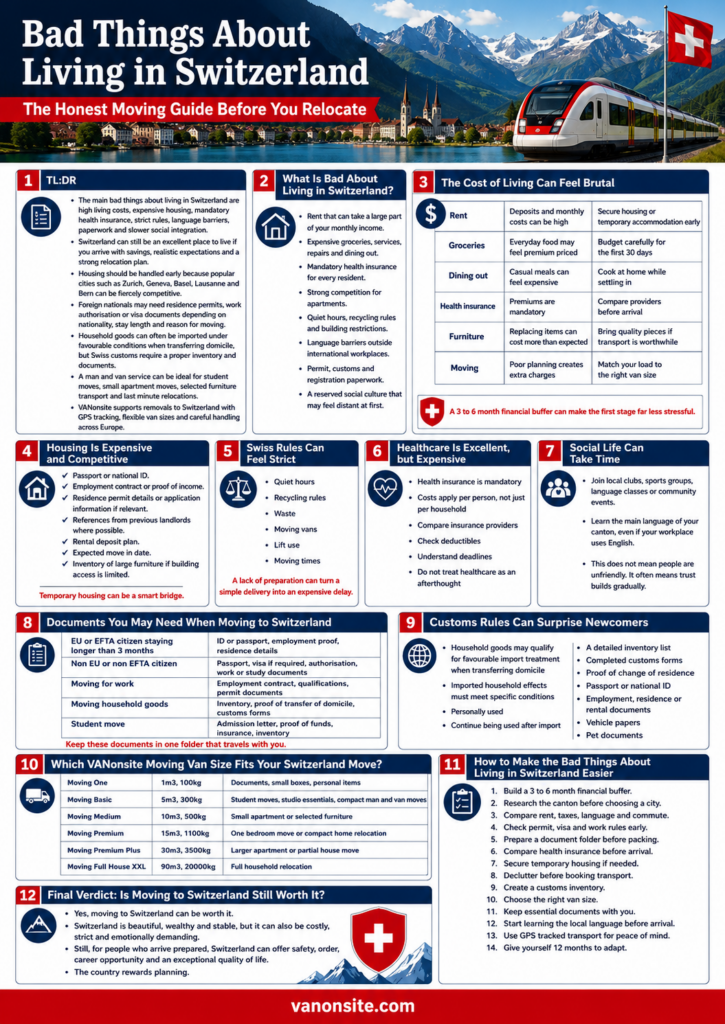
The bad things about living in Switzerland are not always dramatic. They usually arrive as practical pressure. Rent is high. Health insurance is mandatory. Apartments are competitive. Rules are strict. Paperwork matters. Social life can take longer to build than expected. Even a simple move can become complicated when customs, permits, building access and language barriers appear at the same time.
This guide gives you a clear, honest view before you relocate. It does not try to make Switzerland look bad. It helps you prepare properly, so the difficult parts do not catch you by surprise.
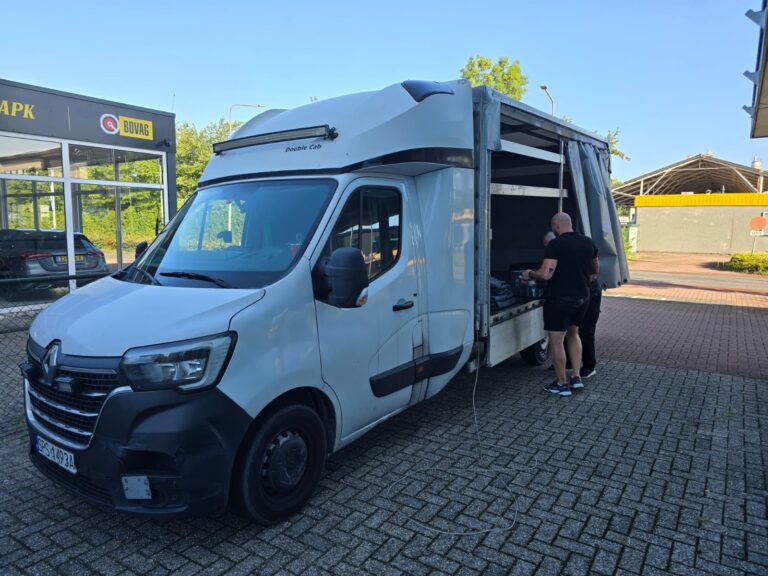
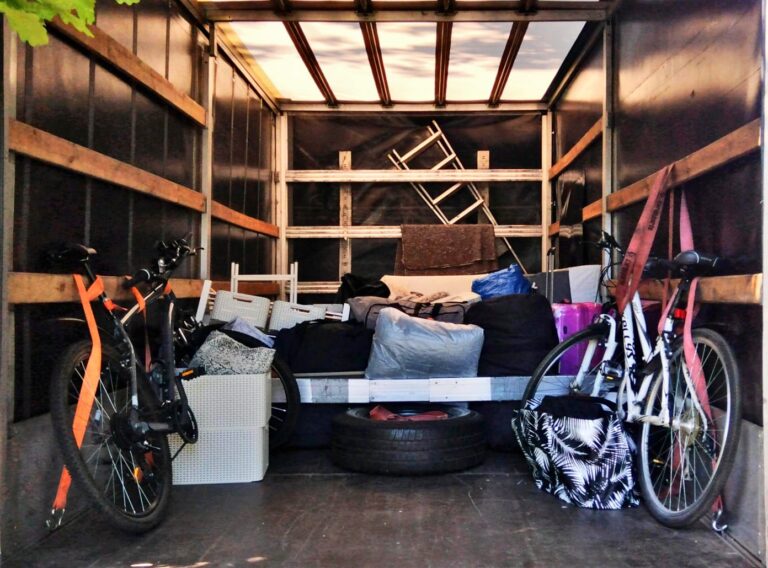
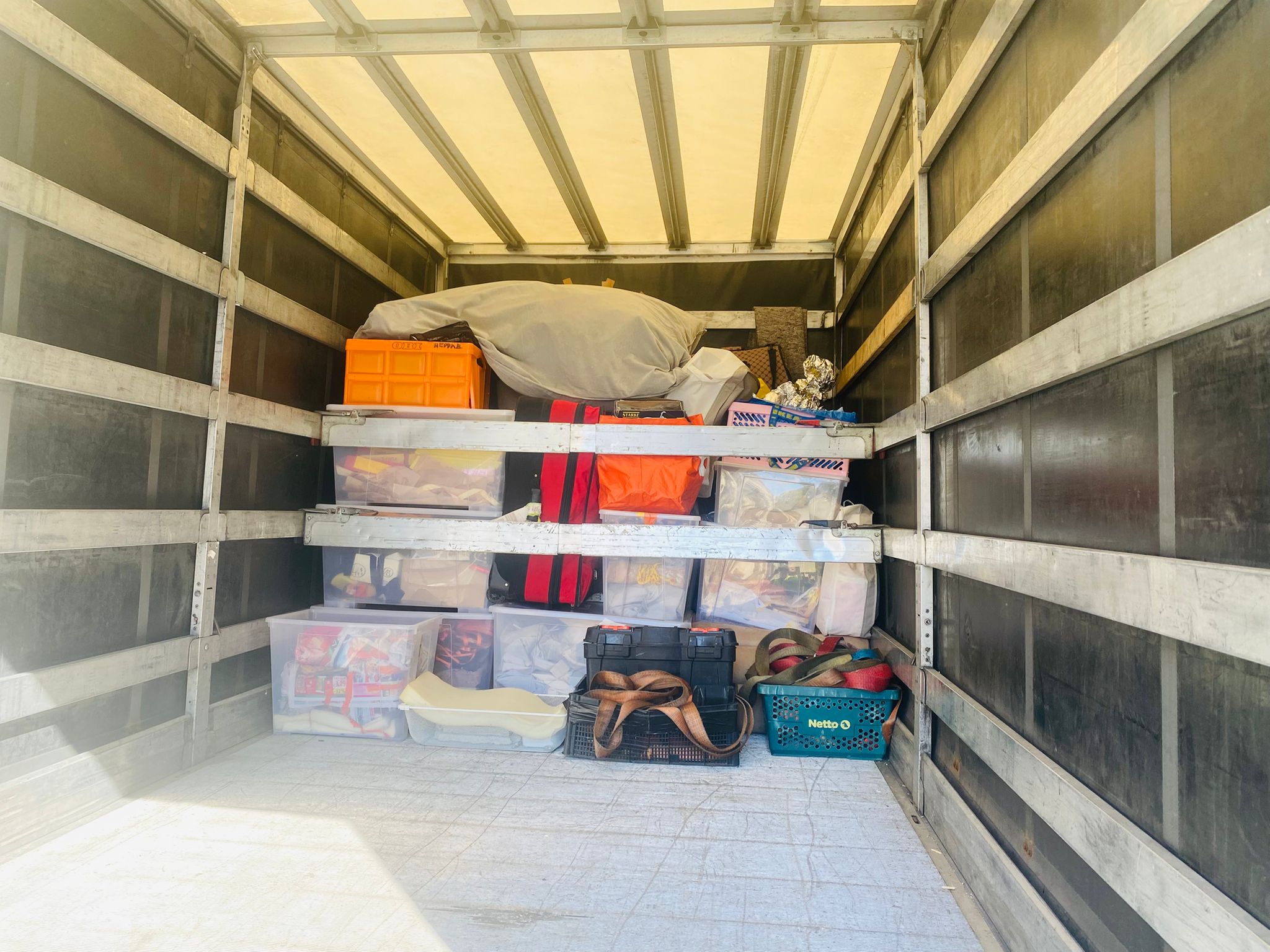
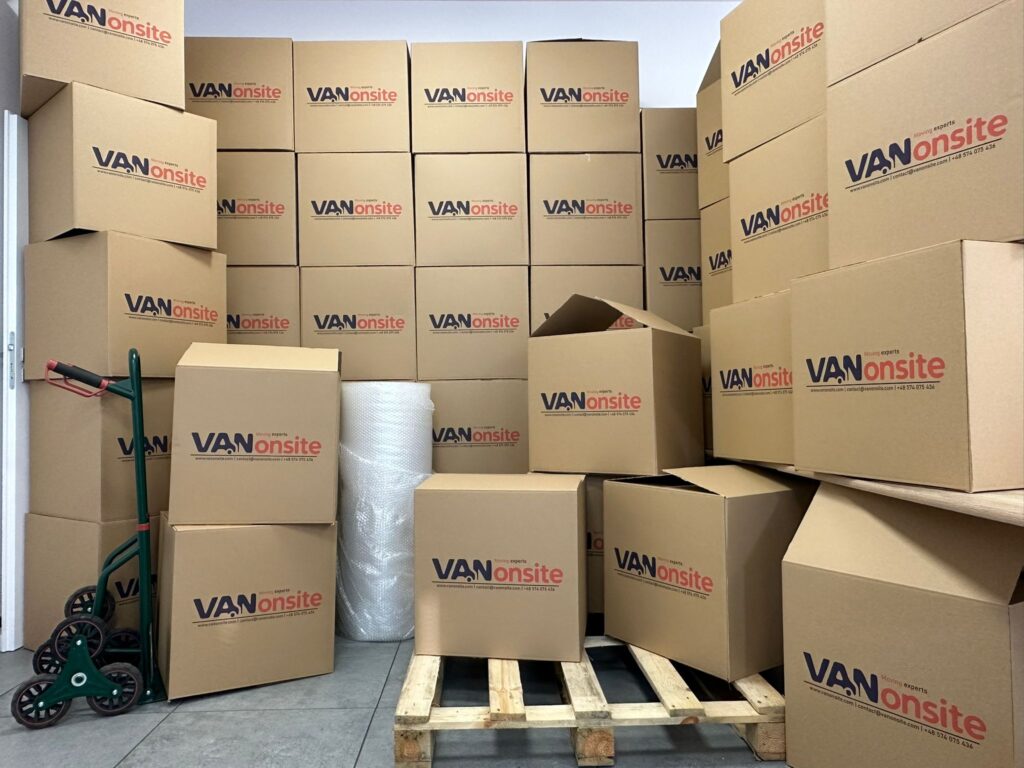
If you are moving from another European country, VANonsite can make the transport side easier with safe removals, flexible man and van options, professional packing, GPS tracked loads and vehicle sizes from 1m3 to 90m3.
TL:DR
- The main bad things about living in Switzerland are high living costs, expensive housing, mandatory health insurance, strict rules, language barriers, paperwork and slower social integration.
- Switzerland can still be an excellent place to live if you arrive with savings, realistic expectations and a strong relocation plan.
- Housing should be handled early because popular cities such as Zurich, Geneva, Basel, Lausanne and Bern can be fiercely competitive.
- Foreign nationals may need residence permits, work authorisation or visa documents depending on nationality, stay length and reason for moving.
- Household goods can often be imported under favourable conditions when transferring domicile, but Swiss customs require a proper inventory and documents.
- A man and van service can be ideal for student moves, small apartment moves, selected furniture transport and last minute relocations.
- VANonsite supports removals to Switzerland with GPS tracking, flexible van sizes and careful handling across Europe.




What Is Bad About Living in Switzerland?
What is bad about living in Switzerland? For most newcomers, the answer is not one single disaster. It is the combination of high costs, strict systems and a culture that takes time to understand.
Switzerland is efficient because people follow rules. It is clean because waste systems are taken seriously. It is safe because order matters. The same qualities that make the country attractive can also make daily life feel demanding, especially during the first year.
The most common difficulties include:
- Rent that can take a large part of your monthly income.
- Expensive groceries, services, repairs and dining out.
- Mandatory health insurance for every resident.
- Strong competition for apartments.
- Quiet hours, recycling rules and building restrictions.
- Language barriers outside international workplaces.
- Permit, customs and registration paperwork.
- A reserved social culture that may feel distant at first.
These bad things about living in Switzerland do not mean relocation is a mistake. They mean the move should be treated as a serious project. The better you prepare, the less the country feels overwhelming.
The Cost of Living Can Feel Brutal
Money is usually the first shock. Swiss salaries can be high, but daily expenses often rise just as quickly. A strong income may still feel tight during the first 90 days because several costs arrive together: rent deposit, temporary accommodation, insurance, transport, furniture, registration and everyday essentials.
This is one of the bad things about living in Switzerland that affects singles, couples and families in different ways. A single professional may adjust by renting a smaller flat and cooking at home. A family may face larger housing, childcare, school needs, multiple insurance premiums and a heavier moving load.
A sensible relocation budget should include more than rent. It should include the cost of landing safely.
| Expense Category | Why It Can Shock Newcomers | Practical Tip |
|---|---|---|
| Rent | Deposits and monthly costs can be high | Secure housing or temporary accommodation early |
| Groceries | Everyday food may feel premium priced | Budget carefully for the first 30 days |
| Dining out | Casual meals can feel expensive | Cook at home while settling in |
| Health insurance | Premiums are mandatory | Compare providers before arrival |
| Furniture | Replacing items can cost more than expected | Bring quality pieces if transport is worthwhile |
| Moving | Poor planning creates extra charges | Match your load to the right van size |
A 3 to 6 month financial buffer can make the first stage far less stressful. It gives you room to handle delays, deposits and unexpected costs without panic.
VANonsite helps keep moving costs more predictable by offering different vehicle sizes. You can choose a small man and van move for essentials or a larger option for a full household relocation. Paying for the right space is smarter than paying for empty space.
Housing Is Expensive and Competitive
Housing is one of the toughest bad things about living in Switzerland, especially in major cities. Good apartments can attract many applicants. Landlords and agencies often expect a clear file, fast communication and reliable proof that you can pay.
If your documents are scattered, your application may be weaker than someone who is ready immediately.
Before applying for accommodation, prepare:
- Passport or national ID.
- Employment contract or proof of income.
- Residence permit details or application information if relevant.
- References from previous landlords where possible.
- Rental deposit plan.
- Expected move in date.
- Inventory of large furniture if building access is limited.
Temporary housing can be a smart bridge. Many newcomers first move with essentials, then bring the rest once a long term apartment is confirmed.
If your address is ready, VANonsite can support removals to Switzerland with GPS tracked transport for furniture, boxes, fragile items and household goods. For smaller loads, a man and van service can be faster and more cost efficient than a full size removal vehicle.
Swiss Rules Can Feel Strict
Switzerland often works beautifully because rules are respected. Streets are tidy. Public transport is reliable. Apartment buildings are usually calm. Shared spaces are treated carefully.
However, this order can feel rigid. Quiet hours may affect when you vacuum, drill, carry furniture or use shared laundry. Recycling rules can differ by municipality. Waste may need official bags. Moving vans may need careful parking plans. Some buildings restrict lift use or moving times.
These details may sound small, but they can make moving day stressful. A badly timed furniture delivery can annoy neighbours. Poor access planning can slow the whole move. A lack of preparation can turn a simple delivery into an expensive delay.
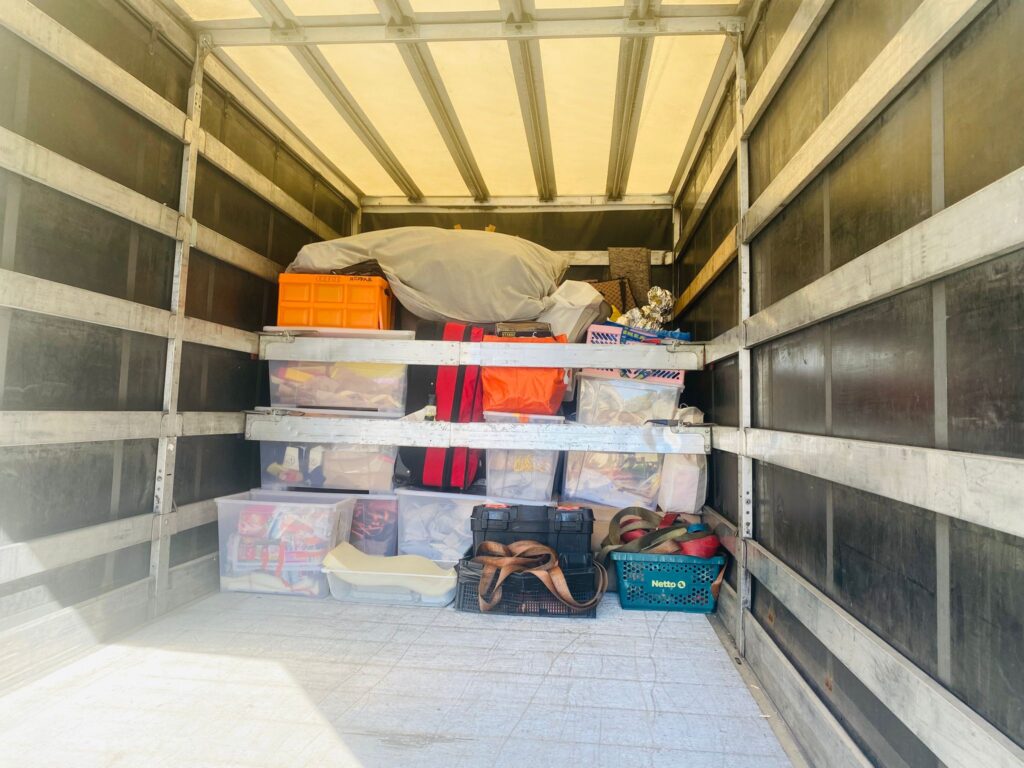
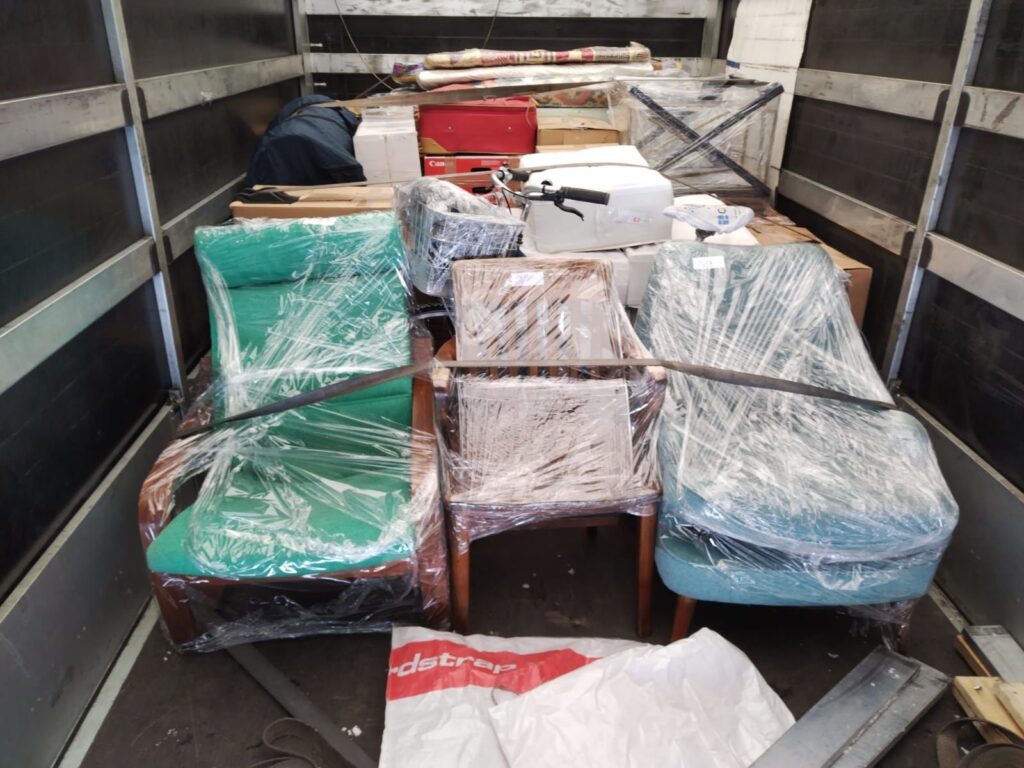
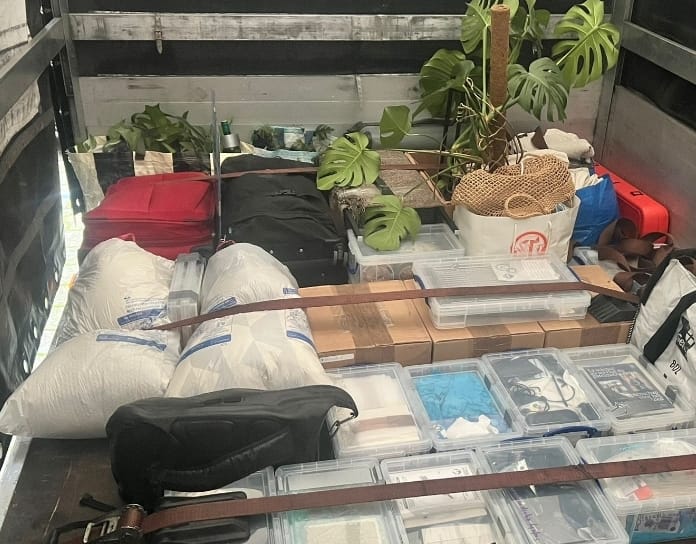
This is why professional coordination matters. VANonsite plans transport with care, loads belongings properly and gives customers GPS visibility. A reliable man and van service is not only about carrying boxes. It helps protect your time, furniture and first impression in a new building.
Healthcare Is Excellent, but Expensive
Swiss healthcare has a strong reputation, but the cost can surprise newcomers. Health insurance is mandatory, and premiums become part of your monthly budget quickly. If you come from a country where healthcare is mostly funded through taxation, this may feel uncomfortable at first.
This is one of the bad things about living in Switzerland that families notice quickly. Costs apply per person, not just per household. A couple with children needs to calculate insurance carefully before arrival.
Before moving, compare insurance providers, check deductibles and understand deadlines. Keep health insurance documents in your travel folder, not buried inside a moving box. If your employer offers relocation support, ask for guidance before you arrive.
The key is simple: do not treat healthcare as an afterthought. Treat it as one of the fixed costs of Swiss life.
Social Life Can Take Time
Switzerland is polite, safe and respectful, but it is not always instantly warm. For many expats, loneliness becomes one of the most emotional bad things about living in Switzerland.
You may have a good job, a clean apartment and a beautiful view, yet still feel outside the rhythm of local life. Friendships may form slowly. Colleagues may separate work and private life. Neighbours may greet you kindly without inviting you in.
This does not mean people are unfriendly. It often means trust builds gradually.
To integrate faster, join local clubs, sports groups, language classes or community events. Learn the main language of your canton, even if your workplace uses English. Small efforts can change the tone of daily life.
Language Barriers Can Drain Your Energy
Switzerland has German, French, Italian and Romansh as national languages. The language you need depends on where you live. English can help in international workplaces, but it will not solve every rental letter, school message, insurance email or municipal appointment.
This is another of the bad things about living in Switzerland that grows through repetition. One form is manageable. Ten small misunderstandings in a week can feel exhausting.
| Region | Main Language Reality | Practical Tip |
|---|---|---|
| German speaking Switzerland | Standard German helps, Swiss German may feel different | Learn standard German first |
| French speaking Switzerland | French matters in housing, schools and administration | Focus on daily life vocabulary |
| Ticino | Italian is important for integration | Start before arrival |
| Romansh areas | Local language needs can vary | Check the commune before moving |
If you are moving light for study, work or a short contract, a compact man and van move can help you keep the relocation simple. Less clutter means more energy for language, paperwork and settling in.
Work Opportunities Are Strong, but Competition Is Serious
Switzerland offers attractive career opportunities, but it is not an easy job market for everyone. Strong salaries usually come with strong expectations. Employers may value local experience, local language skills and precise applications. Some professions require qualification recognition. Non EU and non EFTA nationals may face stricter work authorisation rules.
Before relocating for work, ask yourself:
- Do I have a signed contract?
- Does my nationality affect permit requirements?
- Is my profession regulated?
- Do I need qualification recognition?
- Can I cover several months of costs if plans change?
- Will language limit my options?
If you are moving for business, timing matters. VANonsite supports Office Removals and Office Furniture Installation, which can help reduce downtime when desks, chairs, equipment and documents need to arrive safely and on schedule.
Documents You May Need When Moving to Switzerland
Paperwork is one of the most important parts of a Swiss relocation. Requirements depend on nationality, canton, stay length and reason for moving, so always check official sources before making final decisions.
Useful official pages include Swiss residence permits on ch.ch, working in Switzerland as a foreign national on ch.ch, visa requirements from the FDFA and moving household effects from the Federal Office for Customs and Border Security.
| Situation | Documents to Prepare | Where to Check |
|---|---|---|
| EU or EFTA citizen staying longer than 3 months | ID or passport, employment proof, residence details | ch.ch residence permits |
| Non EU or non EFTA citizen | Passport, visa if required, authorisation, work or study documents | FDFA and Swiss authorities |
| Moving for work | Employment contract, qualifications, permit documents | ch.ch working guidance |
| Moving household goods | Inventory, proof of transfer of domicile, customs forms | Swiss customs guidance |
| Student move | Admission letter, proof of funds, insurance, inventory | FDFA and cantonal authority |
Keep these documents in one folder that travels with you. Do not pack them into the van. You may need them at the border, during registration or while applying for housing.

Customs Rules Can Surprise Newcomers
Customs is one of the most underestimated bad things about living in Switzerland. Many people focus on housing and work, then remember late that their belongings are crossing a border.
Household goods may qualify for favourable import treatment when transferring domicile, but the rules still require attention. Swiss customs guidance states that imported household effects must meet specific conditions, and items are generally expected to have been personally used and to continue being used after import.
Before loading, create a clear inventory. Separate personal goods from new purchases. Keep documents accessible. Check special rules for vehicles, alcohol, tobacco, plants, animals, professional equipment and restricted items.
A simple moving inventory should include:
- Number of boxes.
- Main furniture items.
- Electronics.
- Fragile goods.
- Sports equipment.
- Office equipment.
- Items needing special handling.
VANonsite helps keep the transport organised with careful loading, GPS tracking and vehicle options suited to the size of the move.
Families Feel the Costs More Deeply
Families often experience the bad things about living in Switzerland more strongly because every cost multiplies. A larger apartment, several insurance policies, childcare, school supplies and weekend activities can stretch even a good income.
The emotional side also matters. Children may be excited one day and overwhelmed the next. Parents may be handling customs forms while also searching for schools, registering locally and trying to keep family routines alive.
A family relocation plan should include school research, insurance planning, temporary housing options, essential first week boxes and copies of birth certificates or school documents. If possible, pack one comfort box for each child with favourite toys, clothes and familiar items.
VANonsite Home Removals and Packing Service can be valuable for families because they reduce the physical pressure. When professionals handle packing, loading and transport, parents can focus on children and the first days in the new home.
Moving Furniture to Switzerland Is Not Always Worth It
Some furniture is worth bringing. Some is not. The right answer depends on replacement cost, emotional value, apartment size, access and transport budget.
Because Swiss living costs are high, replacing quality furniture can be expensive. However, moving cheap bulky items may waste money and space. Before booking transport, decide what truly deserves the journey.
| Bring It | Think Twice | Usually Leave Behind |
|---|---|---|
| Quality beds | Oversized wardrobes | Broken flat pack furniture |
| Ergonomic office chairs | Very large sofas | Cheap bulky duplicates |
| Family heirlooms | Heavy garden equipment | Items that do not fit the new flat |
| Premium furniture | Fragile low value decor | Things unused for 12 months |
VANonsite Furniture Removals and White Glove Delivery are useful for valuable pieces that need careful handling. For offices, Office Furniture Installation can make arrival faster and cleaner.
Which VANonsite Moving Van Size Fits Your Switzerland Move?
Choosing the right vehicle keeps the move efficient. Too small creates stress. Too large wastes money. VANonsite offers several options for different relocation sizes.
| VANonsite Option | Capacity | Best For |
|---|---|---|
| Moving One | 1m3, 100kg | Documents, small boxes, personal items |
| Moving Basic | 5m3, 300kg | Student moves, studio essentials, compact man and van moves |
| Moving Medium | 10m3, 500kg | Small apartment or selected furniture |
| Moving Premium | 15m3, 1100kg | One bedroom move or compact home relocation |
| Moving Premium Plus | 30m3, 3500kg | Larger apartment or partial house move |
| Moving Full House XXL | 90m3, 20000kg | Full household relocation |
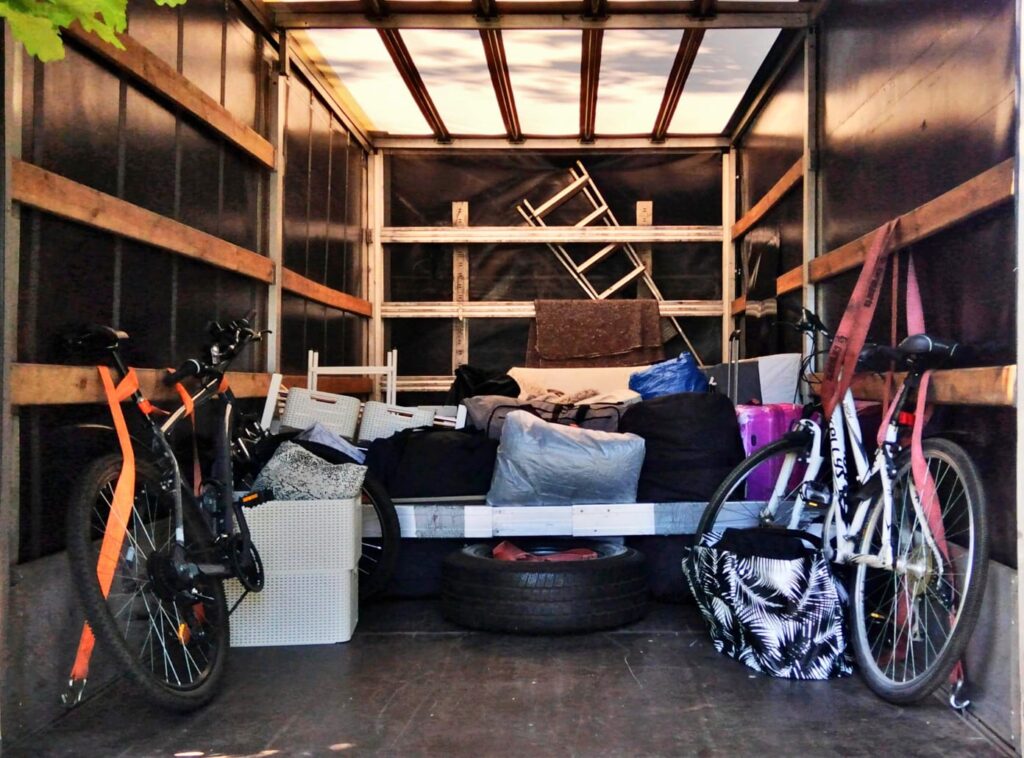
Not every move needs a huge vehicle. A student, single professional or last minute mover may only need a compact man and van service. A family with furniture, appliances and dozens of boxes may need a larger removal plan.
How to Make the Bad Things About Living in Switzerland Easier
Preparation turns pressure into control. Use this plan before relocating:
- Build a 3 to 6 month financial buffer.
- Research the canton before choosing a city.
- Compare rent, taxes, language and commute.
- Check permit, visa and work rules early.
- Prepare a document folder before packing.
- Compare health insurance before arrival.
- Secure temporary housing if needed.
- Declutter before booking transport.
- Create a customs inventory.
- Choose the right van size.
- Keep essential documents with you.
- Start learning the local language before arrival.
- Use GPS tracked transport for peace of mind.
- Give yourself 12 months to adapt.
VANonsite supports European relocations with Home Removals, Furniture Removals, Packing Service, White Glove Delivery, Office Removals, Storage, Student Removals and Last Minute Moving. The goal is simple: make the road safe, clear and calm while you handle the bigger life change.
Final Verdict: Is Moving to Switzerland Still Worth It?
Yes, moving to Switzerland can be worth it. But it should not be treated like a fantasy. Switzerland is beautiful, wealthy and stable, but it can also be costly, strict and emotionally demanding.
The bad things about living in Switzerland are real. Rent can be fierce. Health insurance can hurt the budget. Social life can take time. Language barriers can drain energy. Paperwork and customs can punish disorganisation.
Still, for people who arrive prepared, Switzerland can offer safety, order, career opportunity and an exceptional quality of life. The country rewards planning.
If Switzerland is your next chapter, make the move itself the easiest part. Plan your documents, choose your canton carefully, declutter before packing and let VANonsite handle the road with safe, GPS tracked removals to Switzerland.
FAQ
What are the biggest bad things about living in Switzerland?
The biggest bad things about living in Switzerland are high living costs, expensive rent, mandatory health insurance, strict rules, competitive housing, language barriers, paperwork and slower social integration.
What is bad about living in Switzerland for expats?
For expats, what is bad about living in Switzerland is often the combination of high upfront costs, housing pressure, permit requirements, cultural adjustment and loneliness during the first months.
Do I need a permit to live in Switzerland?
Many foreign nationals staying longer than 3 months need a residence permit. Requirements depend on nationality, canton, work status and reason for moving, so official Swiss guidance should be checked before relocation.
Is a man and van service enough for moving to Switzerland?
A man and van service can be enough for student removals, small apartment moves, selected furniture transport and last minute relocations. Larger households may need Moving Premium Plus or Moving Full House XXL.