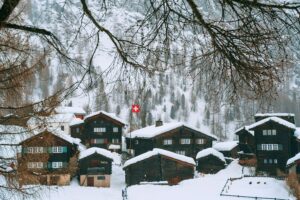
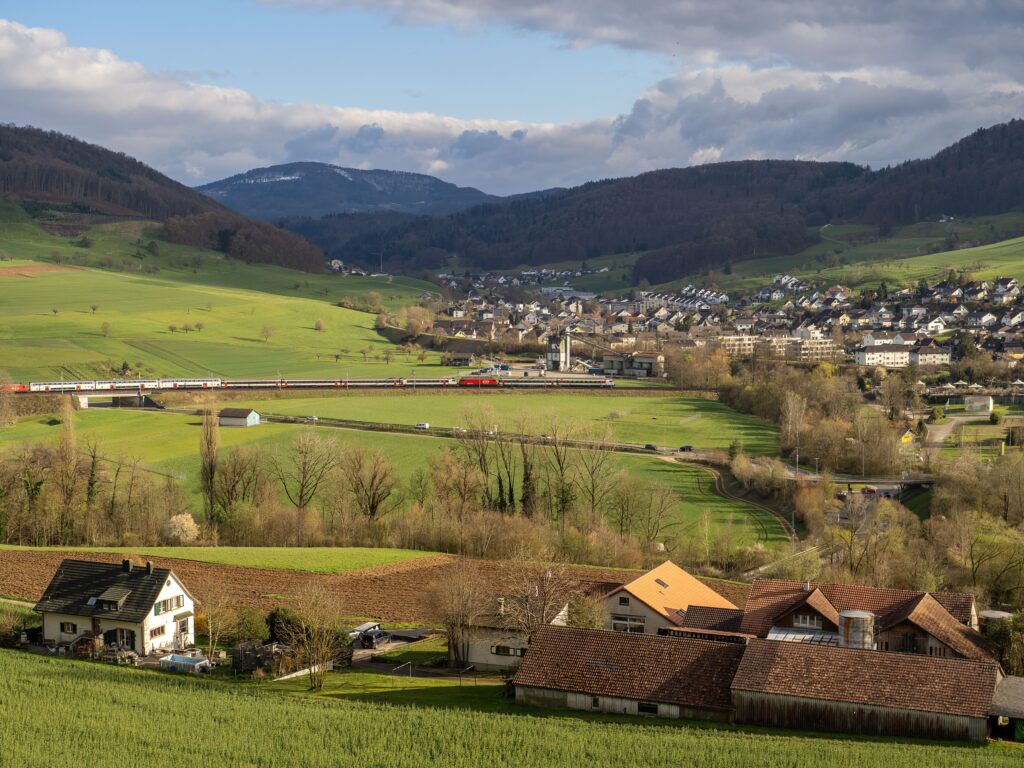
The cost of living in Zug Switzerland is high, even by Swiss standards. Zug is small, wealthy, beautifully organised and internationally attractive. It has lake views, clean streets, excellent schools, strong salaries, a powerful business scene and one of the most desirable tax environments in the country. It also has expensive rent, costly childcare, mandatory health insurance and a rental market that moves quickly.
For a single professional, the cost of living in Zug Switzerland usually sits between CHF 3,700 and CHF 5,200 per month. A couple should prepare around CHF 5,800 to CHF 7,500 per month. A family of four may need CHF 8,000 to CHF 10,500 per month, especially if childcare, a larger apartment and frequent eating out are part of the lifestyle.
Zug is not a cheap place to live, but it can offer outstanding value for the right person. Many expats, executives, entrepreneurs and families choose Zug because the quality of life is exceptional. It is safe, calm, clean, efficient and close to Zurich. The question is not only how much Zug costs. The better question is whether the income, tax position and lifestyle benefits make the price worthwhile.
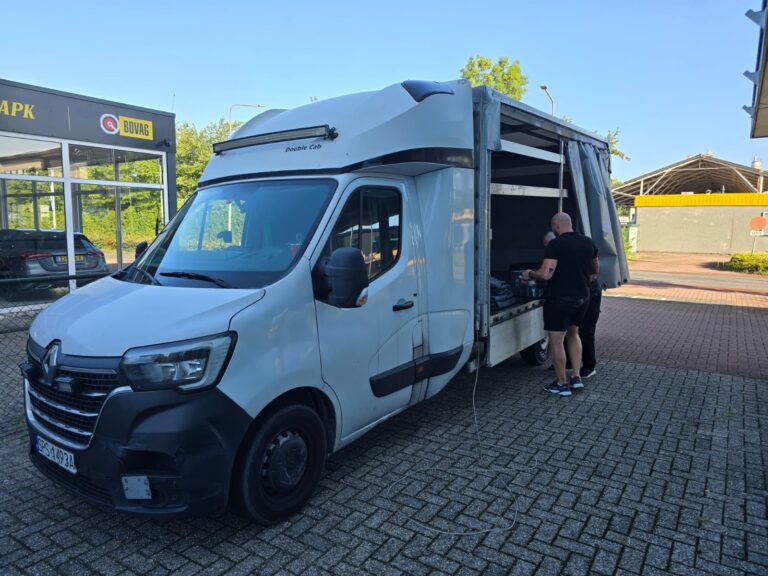
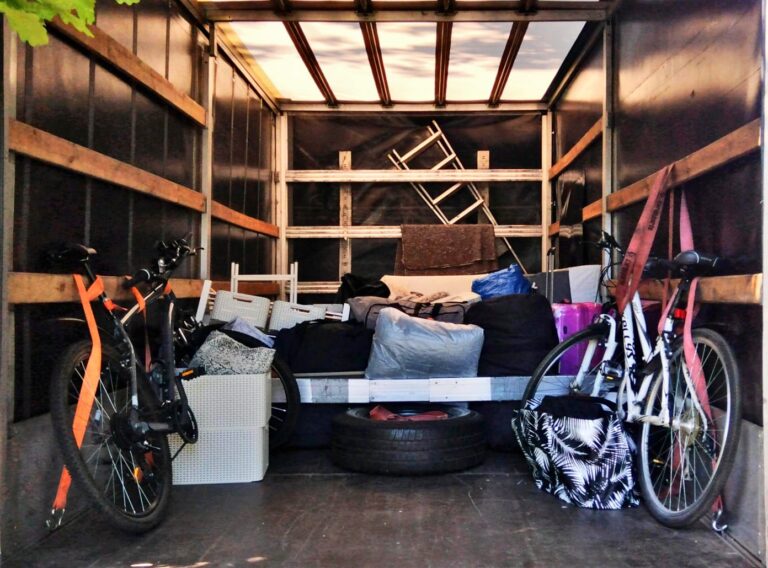
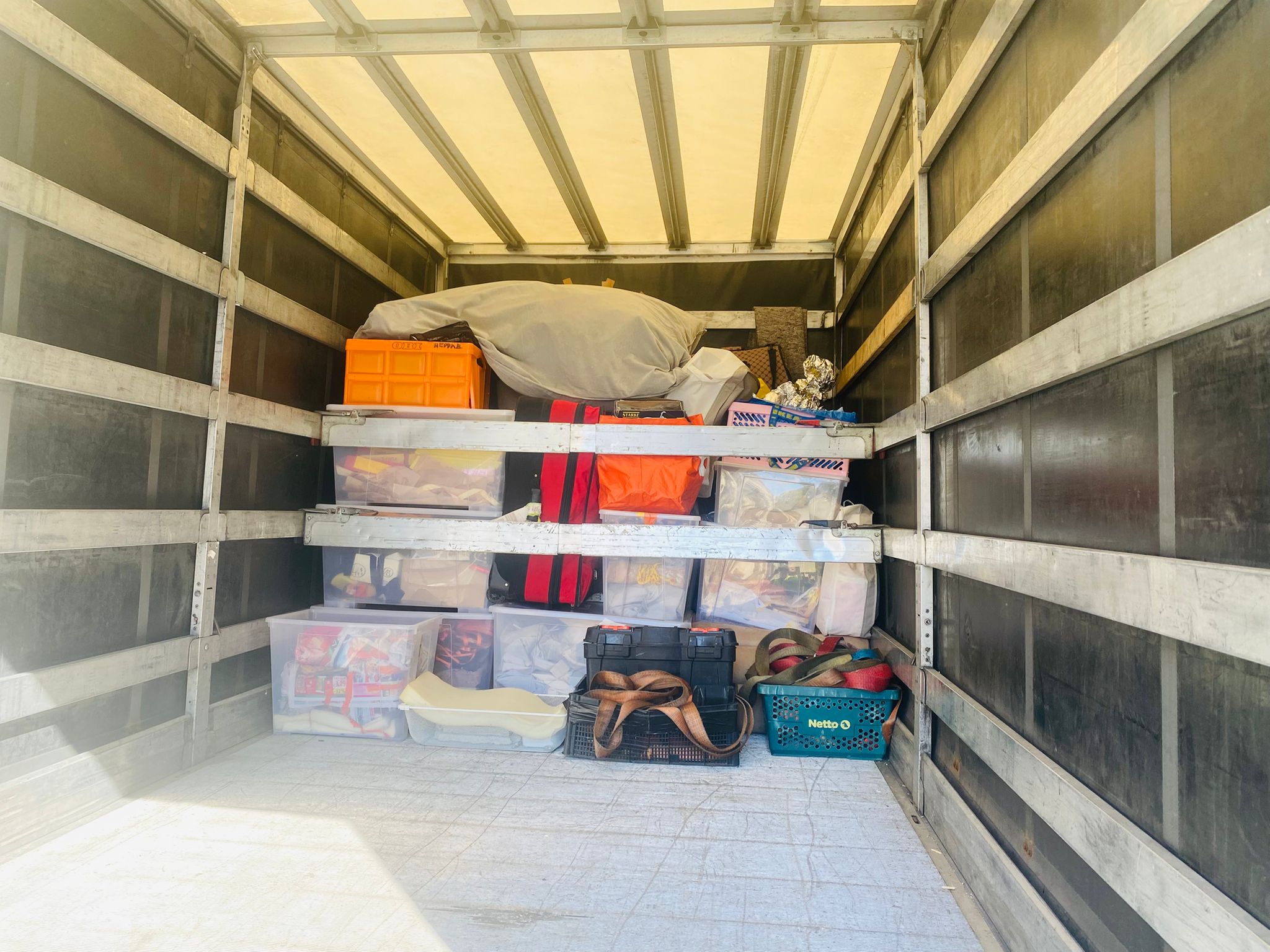
If you are planning a move, relocation costs should be part of your budget from the beginning. VANonsite supports European moves to Switzerland with dedicated transport, GPS tracking, professional packing, flexible man and van options and vehicle sizes for anything from a small student move to a full household relocation. You can also explore the dedicated service page for removals to Switzerland.
TL:DR
- The cost of living in Zug Switzerland is among the highest in the country, mainly because rent is expensive and housing demand is strong.
- A single person should usually budget around CHF 3,700 to CHF 5,200 per month.
- A couple can expect monthly costs of around CHF 5,800 to CHF 7,500.
- A family of four often needs CHF 8,000 to CHF 10,500 per month, especially with childcare.
- Health insurance is compulsory in Switzerland and must be arranged after taking up residence.
- Public transport in Zug is reliable, clean and usually cheaper than owning a car.
- Moving costs can be reduced by choosing the right van size, packing early and using a trusted man and van relocation team.




Is Zug Expensive to Live In?
Yes, Zug is expensive. The cost of living in Zug Switzerland is higher than in many European capitals and close to the most expensive Swiss cities. The main reason is housing. Zug is compact, desirable and popular with high earning professionals, international businesses and families who want safety, strong schools and a polished lifestyle.
Rent takes the biggest share of most monthly budgets. Groceries, restaurants, insurance and childcare also add pressure. At the same time, salaries in Zug and nearby Zurich are often strong, and the tax environment can be attractive for higher earners. That is why Zug can feel expensive but still financially logical for some households.
Zug rewards preparation. Before moving, calculate your monthly budget carefully. Include rent, deposit, insurance, transport, groceries, childcare, furniture transport and emergency savings. A move to Zug without a clear financial plan can feel stressful very quickly.
Average Monthly Cost of Living in Zug Switzerland
The cost of living in Zug Switzerland depends on lifestyle, location and household size. Someone renting a modest apartment outside the centre will have a different budget from a family living near the lake. Still, the following estimates give a realistic starting point.
| Household type | Basic monthly budget | Comfortable monthly budget | Premium monthly budget |
|---|---|---|---|
| Single person | CHF 3,700 | CHF 4,500 | CHF 5,800 plus |
| Couple | CHF 5,800 | CHF 6,800 | CHF 8,500 plus |
| Family of four | CHF 8,000 | CHF 9,500 | CHF 12,000 plus |
These figures include rent, utilities, food, health insurance, transport, phone, internet and basic leisure. They do not include private school, luxury travel, premium housing or buying a car.
A single professional can live well in Zug with a strong salary, but careless spending adds up fast. A couple may find the city easier because rent and bills are shared. Families need the most careful planning because childcare, larger apartments and children’s activities can push the budget sharply higher.
Rent Prices in Zug
Housing is the main driver of the cost of living in Zug Switzerland. The rental market is competitive, and good apartments can disappear quickly. Central locations, lake access and homes close to the station are especially expensive.
| Property type | Estimated monthly rent |
|---|---|
| Studio or small apartment | CHF 1,600 to CHF 2,300 |
| 1 bedroom apartment | CHF 2,200 to CHF 3,400 |
| 2 bedroom apartment | CHF 3,000 to CHF 4,800 |
| 3 bedroom family apartment | CHF 4,200 to CHF 6,500 plus |
| Premium central or lake apartment | CHF 6,500 plus |
New arrivals should also prepare for the rental deposit. In Switzerland, landlords often request up to three months of rent as a deposit. This means a CHF 3,500 apartment may require more than CHF 10,000 upfront when the deposit and first month’s rent are combined.
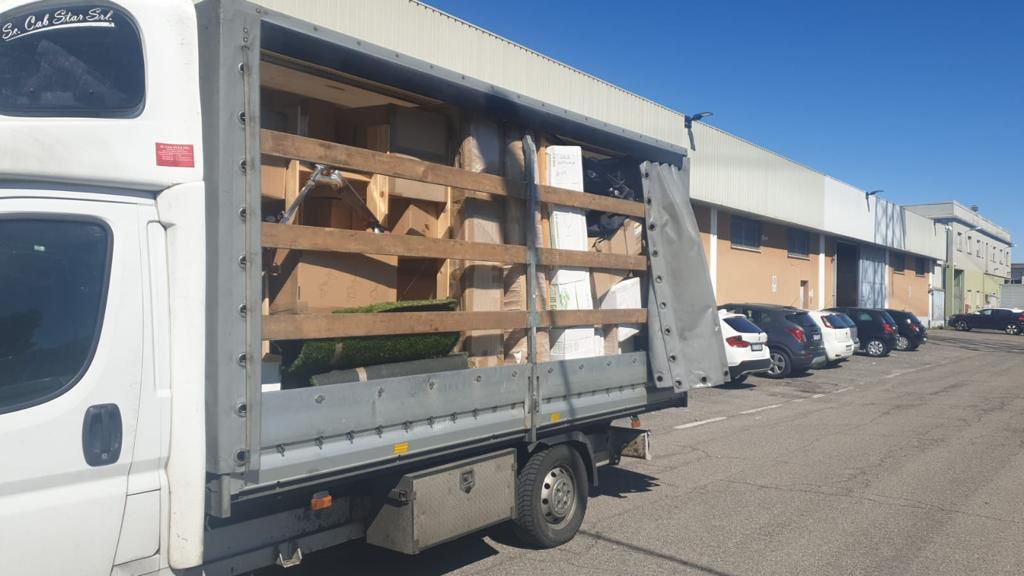
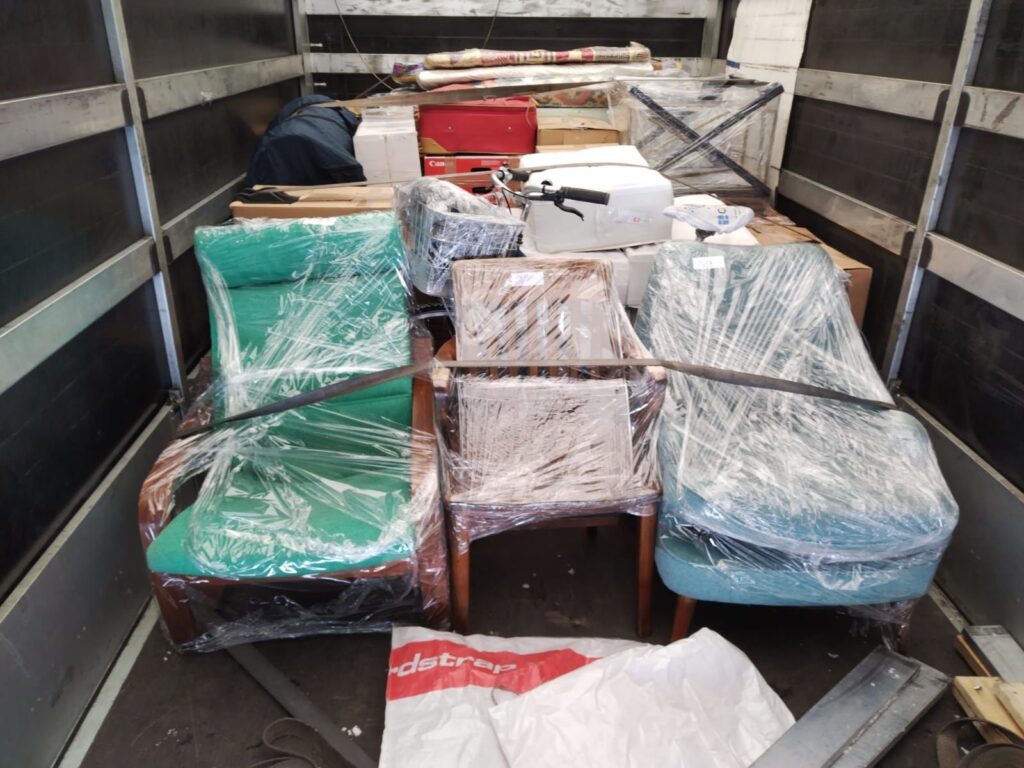
If you are moving furniture to Zug, timing matters. Secure the apartment first, then plan access, parking, lifts and delivery times. For smaller relocations, a man and van service can be efficient and cost controlled. For a full family move, a larger dedicated vehicle is usually the safer choice.
Cost of Living in Zug Compared With Other Swiss Cities
The cost of living in Zug Switzerland is high, but Switzerland has several expensive cities. Zurich and Geneva are also costly, while Basel, Bern and Lugano often offer slightly more breathing room.
| City | Single person monthly budget | Family monthly budget | Cost profile |
|---|---|---|---|
| Zug | CHF 3,700 to CHF 5,200 | CHF 8,000 to CHF 10,500 | High rent, low taxes, premium lifestyle |
| Zurich | CHF 4,000 to CHF 5,500 | CHF 8,500 to CHF 11,500 | Big job market, expensive housing |
| Geneva | CHF 4,200 to CHF 5,800 | CHF 9,000 to CHF 12,000 | International, costly, competitive |
| Basel | CHF 3,500 to CHF 4,700 | CHF 7,000 to CHF 9,500 | More affordable than Zurich or Geneva |
| Bern | CHF 3,200 to CHF 4,400 | CHF 6,800 to CHF 9,000 | Stable, calm, better value |
| Lausanne | CHF 3,600 to CHF 4,900 | CHF 7,500 to CHF 10,000 | Lake lifestyle and rental pressure |
| Lugano | CHF 3,000 to CHF 4,300 | CHF 6,500 to CHF 8,800 | Warmer climate, often lower rent |
Zug’s special advantage is not low daily spending. It is the full financial picture. For high earners, lower taxation can partly offset high rent. For lower income households, the city requires caution. A cheaper apartment outside central Zug can make a major difference.
Grocery Costs in Zug
Groceries in Zug are expensive compared with countries such as Germany, Spain, Poland or the UK. A single person can spend around CHF 450 to CHF 750 per month on groceries. A family of four should expect around CHF 1,200 to CHF 1,800, depending on food habits and brand choices.
| Grocery item | Estimated price |
|---|---|
| Milk, 1 litre | CHF 1.60 to CHF 2.20 |
| Bread | CHF 2.80 to CHF 4.50 |
| Eggs, 12 | CHF 5.50 to CHF 8.00 |
| Chicken breast, 1 kg | CHF 22 to CHF 34 |
| Apples, 1 kg | CHF 3.50 to CHF 6.00 |
| Weekly shop for one person | CHF 110 to CHF 180 |
| Monthly groceries for a family | CHF 1,200 to CHF 1,800 |
The easiest way to control the cost of living in Zug Switzerland is to cook at home more often. Shopping across Migros, Coop, Aldi Suisse and Lidl can reduce grocery spending by around 10% to 25%, especially for families. Regular takeaway lunches and convenience meals can quietly damage a monthly budget.
Zug does not punish simple living. It punishes unconscious spending. Smart shopping habits make a visible difference.
Restaurants, Coffee and Social Life
Eating out in Zug is pleasant, but it is not cheap. A simple lunch can cost CHF 25 to CHF 35. Dinner for two in a mid range restaurant can reach CHF 100 to CHF 160. Even coffee can surprise newcomers.
| Social cost | Estimated price |
|---|---|
| Coffee | CHF 4.50 to CHF 6.50 |
| Casual lunch | CHF 25 to CHF 35 |
| Fast food meal | CHF 15 to CHF 20 |
| Dinner for two | CHF 100 to CHF 160 |
| Cinema ticket | CHF 18 to CHF 25 |
| Gym membership | CHF 70 to CHF 140 per month |
This does not mean social life has to be limited. Zug offers beautiful walks, lakeside evenings, cycling routes, hiking and outdoor activities that cost little or nothing. A balanced lifestyle can keep costs under control without making life feel restricted.
Public Transport and Car Costs in Zug
Public transport is one of Zug’s biggest strengths. Trains and buses are clean, punctual and practical. Many people can live comfortably without a car, especially if they live near the centre, a station or a reliable bus route.
| Transport cost | Estimated monthly cost |
|---|---|
| Local public transport pass | CHF 65 to CHF 100 plus |
| Wider commute pass | Depends on zones |
| Bicycle maintenance | CHF 20 to CHF 60 |
| Car parking | CHF 120 to CHF 300 plus |
| Fuel, insurance and car running costs | CHF 400 to CHF 800 plus |
A single professional may not need a car at all. Families living in Baar, Cham, Rotkreuz, Walchwil or Hünenberg may still prefer one for school runs, weekend trips and larger shopping.
From a budget point of view, public transport can save hundreds of francs per month. It also removes parking stress, insurance costs and maintenance bills.
Health Insurance in Zug
Health insurance is compulsory in Switzerland. Anyone settling in Switzerland must arrange basic health insurance after taking up residence. Premiums vary by canton, age, deductible, provider and insurance model.
| Person | Estimated monthly premium |
|---|---|
| Adult | CHF 300 to CHF 450 |
| Young adult | CHF 230 to CHF 380 |
| Child | CHF 90 to CHF 160 |
| Family of four | CHF 800 to CHF 1,250 |
Health insurance can surprise newcomers because it is usually paid directly, not quietly absorbed into salary deductions. You should also budget for deductibles and co payments.
For accurate comparison, use Priminfo, the official Swiss premium calculator. Do not choose a policy only because it looks cheap. Check the deductible, doctor restrictions, service language and model type before signing.
Taxes in Zug
Zug is famous for its attractive tax environment. This is one of the reasons entrepreneurs, executives and international companies choose the canton. Low taxes do not make daily life cheap, but they can change the full financial picture.
For a high earning household, the cost of living in Zug Switzerland may look more reasonable after net income is calculated. A strong salary, lower taxation and Swiss infrastructure can make Zug more attractive than a cheaper city with lower earning potential.
However, tax depends on income, municipality, marital status, assets, religion and residence status. New arrivals should use official calculators or speak with a qualified tax adviser before making decisions.
Childcare and Family Costs in Zug
Families need to be especially careful when estimating the cost of living in Zug Switzerland. Rent is higher because more space is needed. Health insurance increases with every family member. Childcare can become one of the largest monthly expenses.
| Family cost | Estimated monthly range |
|---|---|
| Daycare, full time | CHF 1,800 to CHF 2,800 per child |
| After school care | CHF 300 to CHF 900 |
| Child health insurance | CHF 90 to CHF 160 |
| Children’s activities | CHF 150 to CHF 400 |
| School meals and extras | CHF 100 to CHF 350 |
Families moving from the UK, Germany, France, Ireland or the Netherlands should prepare a three month financial cushion before arrival. This protects against deposit payments, insurance setup, furniture gaps and unexpected school related expenses.
Zug is family friendly, safe and clean, but it is not financially forgiving. Parents should calculate conservatively, especially if both adults plan to work and childcare will be needed.
One Time Moving Costs When Relocating to Zug
The first month in Zug can feel expensive because several major payments arrive at once. Rent deposit, first month’s rent, temporary accommodation, insurance, furniture transport, customs documents and new household purchases can create a heavy upfront bill.
| One time cost | Estimated range |
|---|---|
| Rent deposit | 1 to 3 months’ rent |
| First month rent | CHF 2,200 to CHF 6,500 plus |
| Temporary accommodation | CHF 120 to CHF 300 per night |
| Packing materials | CHF 80 to CHF 450 |
| Moving transport | Depends on route and volume |
| New furniture or appliances | CHF 500 to CHF 5,000 plus |
| Admin and setup costs | CHF 200 to CHF 800 |
This is why relocation planning matters. If the cost of living in Zug Switzerland is already high, your move should not become chaotic. VANonsite helps match your relocation to the right vehicle size, reducing wasted space, poor timing and unnecessary stress.
| VANonsite option | Capacity | Best for |
|---|---|---|
| Moving One | 1 m³, 100 kg | Boxes, suitcases, student move |
| Moving Basic | 5 m³, 300 kg | Small studio or partial move |
| Moving Medium | 10 m³, 500 kg | Small apartment |
| Moving Premium | 15 m³, 1,100 kg | Larger apartment |
| Moving Premium Plus | 30 m³, 3,500 kg | Family relocation |
| Moving Full House XXL | 90 m³, 20,000 kg | Full house move |
A compact man and van move can be ideal for students, professionals and people moving selected furniture. A full house relocation needs more planning, especially when customs, parking and delivery access are involved.
Required Documents for Moving to Zug Switzerland
Paperwork matters in Switzerland. It is usually clear and logical, but it must be prepared properly. Before your belongings cross the border, organise your documents and inventory.
Swiss customs provides official guidance for people moving household effects to Switzerland. Household goods may qualify for customs relief when a person transfers their domicile to Switzerland and the goods meet the required conditions. You can check the official customs guidance on moving household effects to Switzerland.
| Document | Why it matters |
|---|---|
| Passport or national ID | Identity, entry and registration |
| Work contract or proof of income | Permit and rental applications |
| Rental agreement | Local registration and customs proof |
| Residence permit documents | Legal stay in Switzerland |
| Household goods inventory | Customs clearance |
| Swiss customs Form 18.44 | Import of household effects |
| Health insurance policy | Mandatory after arrival |
| Birth and marriage certificates | Family registration and schooling |
| Vehicle documents | Needed if importing a car |
Useful official pages include the Swiss Federal Office for Customs and Border Security, the official Swiss health insurance premium calculator and the Canton Zug website.
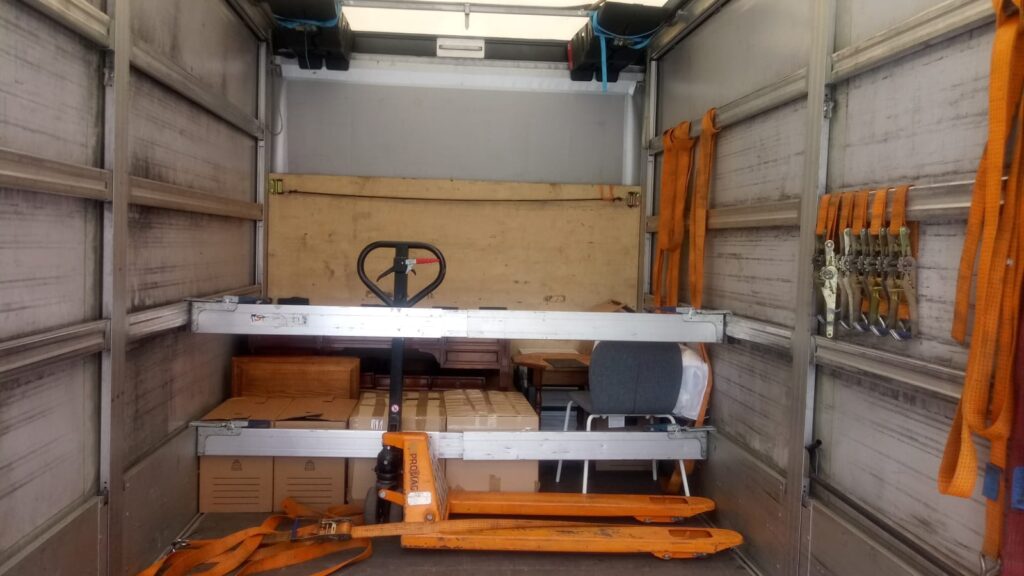
If you move with VANonsite, prepare your inventory before pickup. This helps with planning, loading, customs and delivery. It also gives you better control over the whole relocation.
Registration After Arrival in Zug
After arrival, registration should be handled quickly. Foreign residents moving to the canton must register with the relevant local authority or migration office. In many cases, this should be done within 14 days of arrival, so do not leave it until later.
A practical arrival checklist looks like this:
- Register with the local municipality or migration office.
- Confirm your residence permit process.
- Arrange mandatory health insurance.
- Open a Swiss bank account.
- Register children for school or childcare.
- Set up phone, internet and utilities.
- Learn waste collection and recycling rules.
- Confirm parking or public transport needs.
Many other tasks depend on registration, including banking, insurance, tax and school arrangements. Handling it early makes the move calmer.

Best Areas to Live Around Zug
You do not need to live in central Zug to enjoy the region. Nearby municipalities can offer more space, better value or a quieter family lifestyle.
| Area | Best for | Cost level |
|---|---|---|
| Zug city centre | Professionals, executives, lake lifestyle | Very high |
| Baar | Families, commuters, practical living | High |
| Cham | Lake access, families, quieter lifestyle | High |
| Steinhausen | Good value, commuting, convenience | Medium high |
| Rotkreuz | Rail links, business, families | Medium high |
| Walchwil | Lake views, scenic living | Premium |
| Hünenberg | Family homes, calm surroundings | High |
If your budget is tight, start with Baar, Steinhausen, Rotkreuz and Cham. These areas still offer access to Zug’s lifestyle, but the housing search may feel slightly less intense than in the most central locations.
Example Monthly Budgets
Single professional in Zug
| Expense | Monthly estimate |
|---|---|
| Rent and utilities | CHF 2,400 |
| Groceries | CHF 600 |
| Health insurance | CHF 350 |
| Transport | CHF 90 |
| Phone and internet | CHF 100 |
| Restaurants and leisure | CHF 500 |
| Miscellaneous | CHF 350 |
| Total | CHF 4,390 |
This budget suits someone who wants comfort without constant luxury. The biggest saving opportunity is rent. The second is food and restaurants.
Couple in Zug
| Expense | Monthly estimate |
|---|---|
| Rent and utilities | CHF 3,400 |
| Groceries | CHF 1,000 |
| Health insurance | CHF 700 |
| Transport | CHF 180 |
| Phone and internet | CHF 140 |
| Restaurants and leisure | CHF 800 |
| Miscellaneous | CHF 600 |
| Total | CHF 6,820 |
Couples often manage the cost of living in Zug Switzerland better because rent and utilities are shared. Still, lifestyle creep is real. Restaurants, travel and convenience services can quickly inflate monthly costs.
Family of four in Zug
| Expense | Monthly estimate |
|---|---|
| Rent and utilities | CHF 4,800 |
| Groceries | CHF 1,500 |
| Health insurance | CHF 1,050 |
| Transport | CHF 250 |
| Childcare and activities | CHF 1,200 |
| Phone and internet | CHF 170 |
| Restaurants and leisure | CHF 700 |
| Miscellaneous | CHF 800 |
| Total | CHF 10,470 |
Families should calculate with caution. A larger apartment, daycare, insurance and school related extras can quickly push the budget above CHF 10,000 per month.
How to Reduce the Cost of Living in Zug Switzerland
Zug will never be a budget destination, but smart choices can reduce pressure. The secret is not one dramatic cut. It is a series of calm, disciplined decisions.
Here are practical ways to lower monthly costs:
- Live outside central Zug in Baar, Cham, Steinhausen or Rotkreuz.
- Compare health insurance every year using Priminfo.
- Use public transport instead of owning a car.
- Shop at Aldi Suisse and Lidl for regular groceries.
- Cook at home at least five days per week.
- Avoid renting more space than you truly need.
- Buy selected furniture second hand after arrival.
- Move only valuable and useful items.
- Book transport early instead of relying on urgent options.
- Build a three month emergency fund before moving.
Moving strategy matters too. Transporting furniture you do not need is expensive. Replacing essential items in Zug is also expensive. The right balance depends on your lifestyle, but a professional mover can help you think clearly about volume, access, timing and protection.
Moving to Zug With VANonsite
A move to Zug is more than a van journey. It is a border crossing, a paperwork moment and a major personal transition. Your belongings need to arrive safely, on schedule and without confusion.
VANonsite supports European relocations to Switzerland with practical, secure and flexible services:
- Furniture Removals for sofas, beds, wardrobes and fragile pieces.
- Home Removals for apartments and family houses.
- Packing Service for safer, faster preparation.
- White Glove Delivery for premium or delicate items.
- Office Removals for companies moving to Zug.
- Student Removals for compact, affordable moves.
- Office Furniture Installation for business setups.
- Storage and Last Minute Moving for timing gaps and urgent relocations.
Every move is different. A student may only need 1 m³. A couple might need 10 m³. A family house may need 30 m³ or more. VANonsite helps match the load to the right option, with GPS tracking for extra confidence.
When the cost of living in Zug Switzerland already demands discipline, your relocation should feel controlled, not frantic. A careful man and van service gives you structure, speed and peace of mind.
Pros and Cons of Living in Zug
| Pros | Cons |
|---|---|
| Attractive tax environment | Very high rent |
| Safe and clean | Competitive housing market |
| Strong salaries | Expensive restaurants |
| Beautiful lake and mountains | Childcare can be costly |
| Close to Zurich | High first month costs |
| International business hub | Smaller nightlife scene |
| Excellent public transport | Strict paperwork requirements |
Zug is not for everyone. It can feel quiet for people who want nightlife, cultural variety and big city energy. But for people who value calm, safety, order and financial efficiency, it can be an outstanding place to live.
Final Verdict: Is Zug Worth the Cost?
The cost of living in Zug Switzerland is high, but the value can be exceptional for the right person. Zug suits professionals, founders, executives and families who want safety, clean infrastructure, strong earning potential and a peaceful Swiss lifestyle.
If you have a strong job offer, clear housing plan and enough savings for the first few months, Zug can be a brilliant place to build a life. If your income is uncertain or your budget is tight, compare nearby towns carefully before signing a lease.
The smartest move is to prepare early. Calculate your full monthly budget. Check health insurance. Understand registration. Prepare customs documents. Choose the right apartment. Then organise transport with a relocation team that understands European moves to Switzerland.
VANonsite helps make that final step smoother. With GPS tracked transport, careful packing, flexible man and van solutions and dedicated vehicle options, your move to Zug can feel less like a gamble and more like a confident new chapter.
FAQ
What is the average cost of living in Zug Switzerland for one person?
A single person should usually budget around CHF 3,700 to CHF 5,200 per month. The final amount depends mostly on rent, health insurance, groceries and lifestyle.
Is Zug more expensive than Zurich?
Zug can be as expensive as Zurich, especially for housing. Zurich has a larger rental market, while Zug is smaller and highly competitive. Zug may be more attractive for some high earners because of taxation.
How much rent should I expect in Zug?
A 1 bedroom apartment may cost around CHF 2,200 to CHF 3,400 per month. Larger family apartments can range from CHF 4,200 to CHF 6,500 plus.
Is health insurance mandatory in Zug?
Yes. Health insurance is mandatory in Switzerland. Anyone settling in Switzerland must arrange basic health insurance after taking up residence.
Is Zug good for families?
Yes, Zug is safe, clean and family friendly. However, families must budget carefully for rent, childcare, health insurance and activities.
Can I live in Zug without a car?
Yes, many people can live in Zug without a car. Public transport is reliable and practical, especially if you live near a station or bus route.
Can VANonsite help with moving furniture to Zug?
Yes. VANonsite provides furniture removals, home removals, packing services, storage, white glove delivery and man and van transport for European moves to Switzerland.